

Eritrea is a distinctive destination in the Horn of Africa, combining a characterful capital, highland landscapes, and an extended Red Sea coastline dotted with islands. The country is particularly appealing to travelers interested in architecture, history, and photography. Its urban design, mountain roads, and coastal settings create a travel experience where atmosphere and setting matter as much as specific attractions.
Eritrea rewards travelers who are comfortable with a slower pace and structured planning. Travel logistics often require advance coordination, including permits and transport arrangements, especially outside the main urban centers. Flexibility is important, but so is preparation. A clearly planned, realistically paced itinerary typically results in a smoother and more rewarding journey than attempting to organize routes spontaneously.
Best Cities in Eritrea
Asmara
Asmara is Eritrea’s standout city for architecture and urban atmosphere, with an unusually dense collection of early-to-mid 20th century modernist buildings that make the centre feel like an open-air design district. The city sits at roughly 2,300 m above sea level, so days are often comfortable for walking compared with the coast, and the best way to experience it is on foot: follow the main boulevards, then drift into side streets where cinemas, petrol stations, apartment blocks, and civic buildings show off clean lines, curved corners, and bold façades. Build your route around slow observation rather than a checklist. A good rhythm is a morning market visit for everyday texture, then a long midday loop for photography, with café pauses woven in, because Asmara’s coffee culture and classic cafés are not just “breaks” but part of what gives the city its identity.
Treat Asmara as your planning base before you head elsewhere. It is the place to confirm transport, drivers, and realistic road timings, and to clarify what permissions or rules apply to travel and photography, which can vary by area and situation. For onward travel, the most common coastal link is Massawa, roughly 110 to 120 km away by road, but the drive is steep and winding as it drops from highland plateau to the Red Sea, so schedule conservatively and avoid late-day departures. If you keep Asmara for at least two nights, you can split the city into an unhurried architecture day plus a practical logistics day, which usually improves the whole itinerary.
Massawa
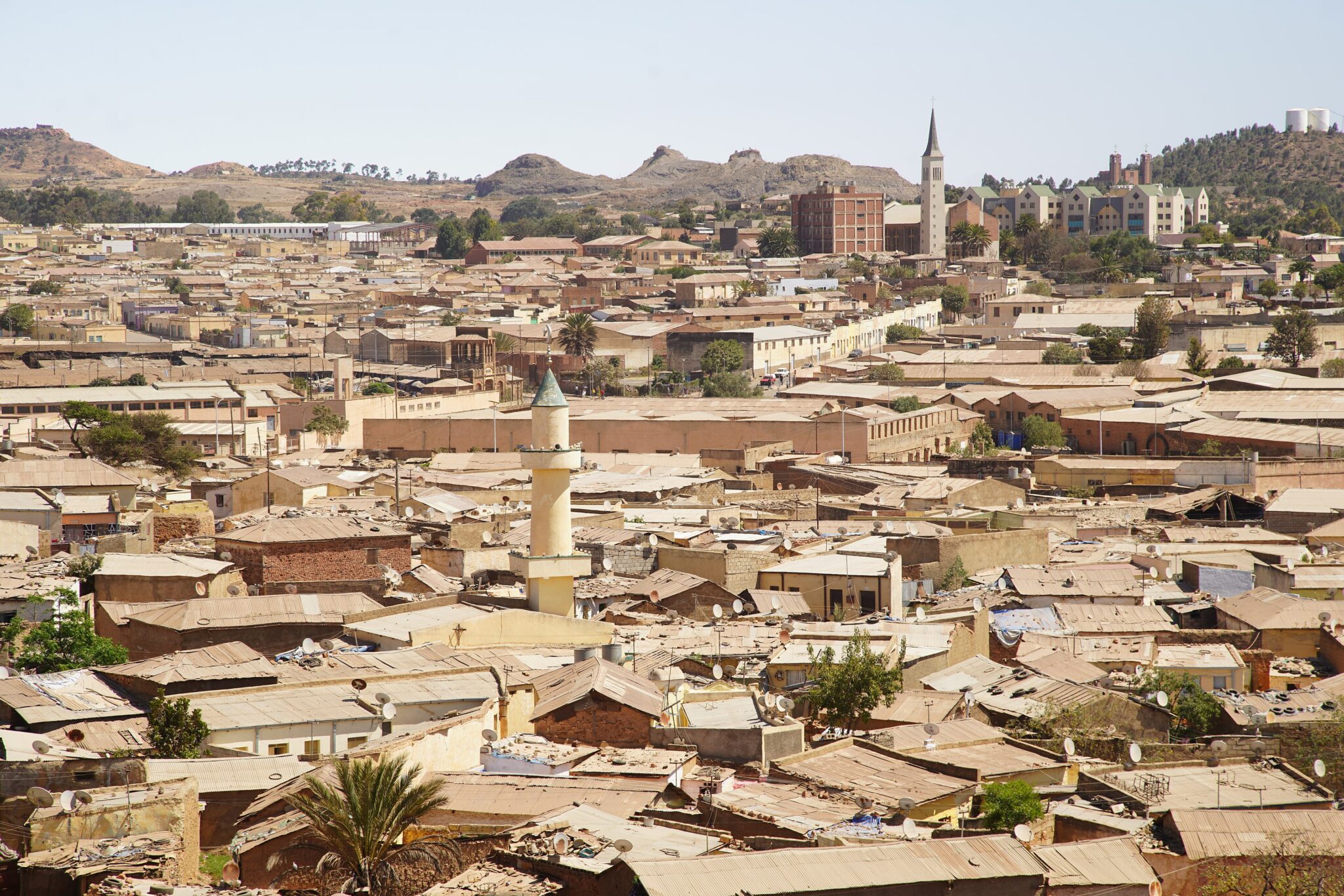
Massawa feels like a complete change of scene after Asmara: a low-lying Red Sea port with sea air, salt-light, and a slower coastal rhythm that contrasts sharply with the cool highlands. The best way to experience it is unhurried: wander the waterfront and back streets, watch harbour life and small-boat traffic, and take your time in the old town areas where weathered buildings and quiet lanes create atmosphere more than “must-see” sights. Evenings are often the highlight because temperatures ease, the light softens, and the city’s port character comes through in a relaxed, lived-in way that suits photography and simple, slow walking.
Massawa also works as the most practical base for coastal time and any offshore plans, whether that is a short boat outing or simply spending a day near the water to balance a highland-heavy itinerary. The key practical factor is climate: the coast is typically far hotter and more humid than Asmara, so plan walks early morning and late afternoon, and keep midday for shade, rest, and short, purposeful stops rather than long explorations.
Keren
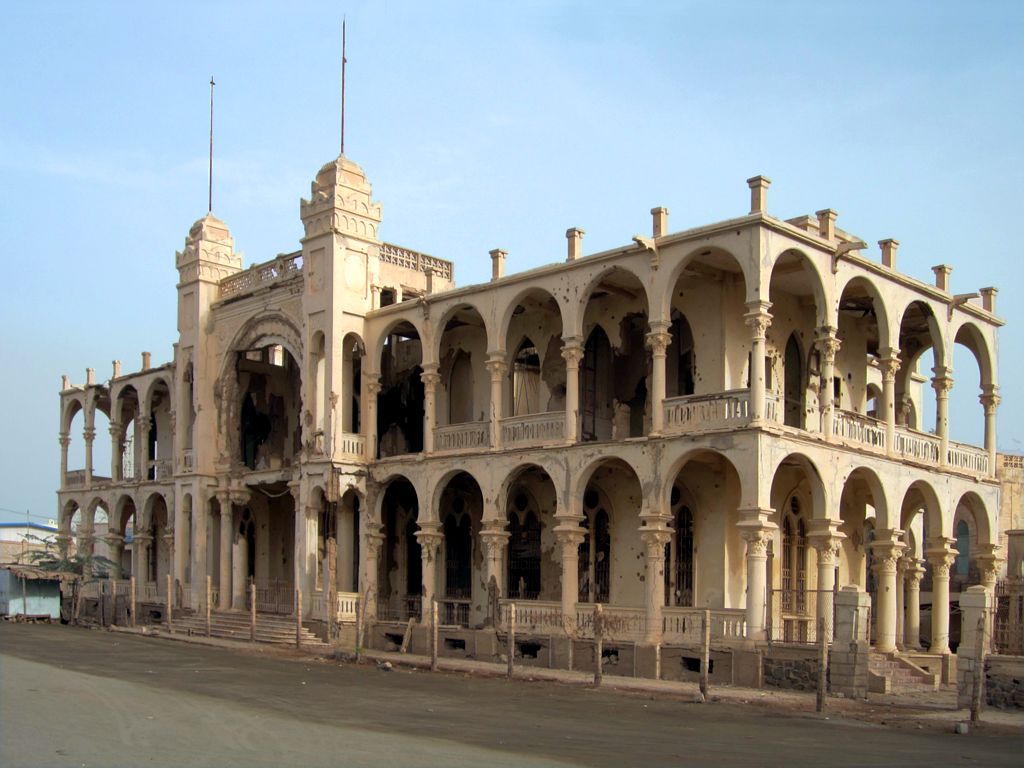
Keren is often most rewarding when you treat it as a “daily life” stop rather than a landmark city. It has a more traditional, trade-focused feel than Asmara, and the strongest experience is spending time around the markets and main streets where the city’s rhythm is most visible: produce and spice stalls, livestock and household goods, informal cafés, and the constant movement of buyers and sellers. Go in the morning when activity is highest and the light is softer, then follow the flow into surrounding streets where small workshops and everyday commerce give you a grounded sense of place. Many travellers like Keren precisely because it feels less curated and more local, so it is ideal if you want to slow down, observe, and let the city reveal itself through ordinary interactions.
Best Natural Sites in Eritrea
The Eritrean Highlands
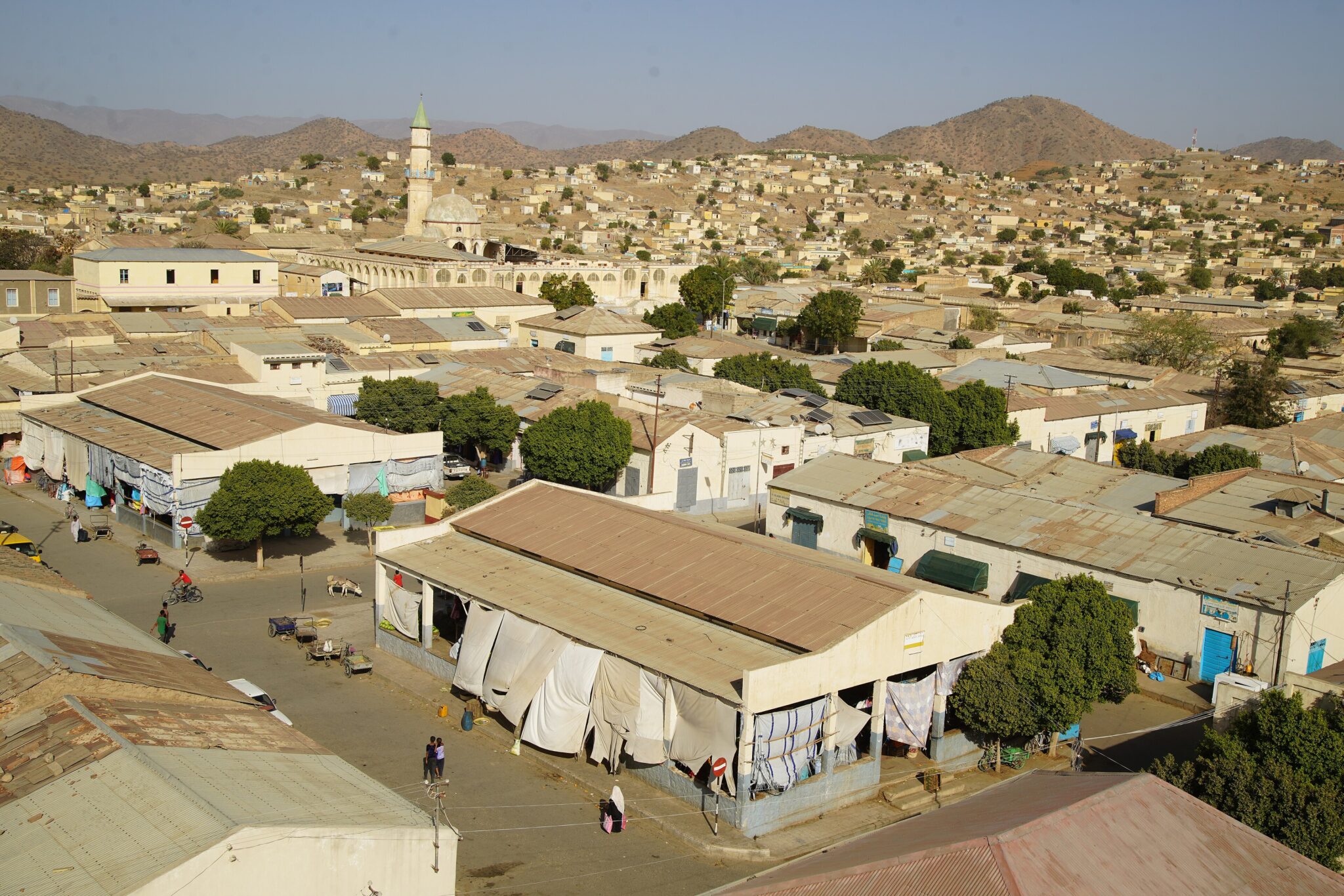
The Eritrean Highlands are ideal for slow, photogenic road travel: cooler air, terraced slopes, deep escarpments, and constant changes in perspective as you move along ridgelines and through small farming villages. Much of this zone sits around 2,000 to 3,000 m above sea level, with Asmara at roughly 2,300 m, which is why walking and short roadside stops often feel comfortable even when the lowlands are oppressive. The best experiences here are built around light and landscape rather than a checklist. Plan frequent viewpoint pauses, short rural walks on dirt tracks between fields and stone terraces, and time to simply watch weather move across the mountains. In clear conditions, visibility can feel huge, and even small detours can deliver dramatic overlooks where the plateau drops away in layers.
Highland road days are most satisfying when you avoid rushing. Distances can look short on a map, but winding mountain roads, steep gradients, and photo stops easily stretch travel time, especially on routes that climb and descend between plateau towns and the coastal plain. A classic example is the drop toward the Red Sea, where you can descend from around 2,300 m to near sea level in a single long drive of roughly 110 to 120 km, with countless bends and changing temperatures.
The Asmara to Massawa route
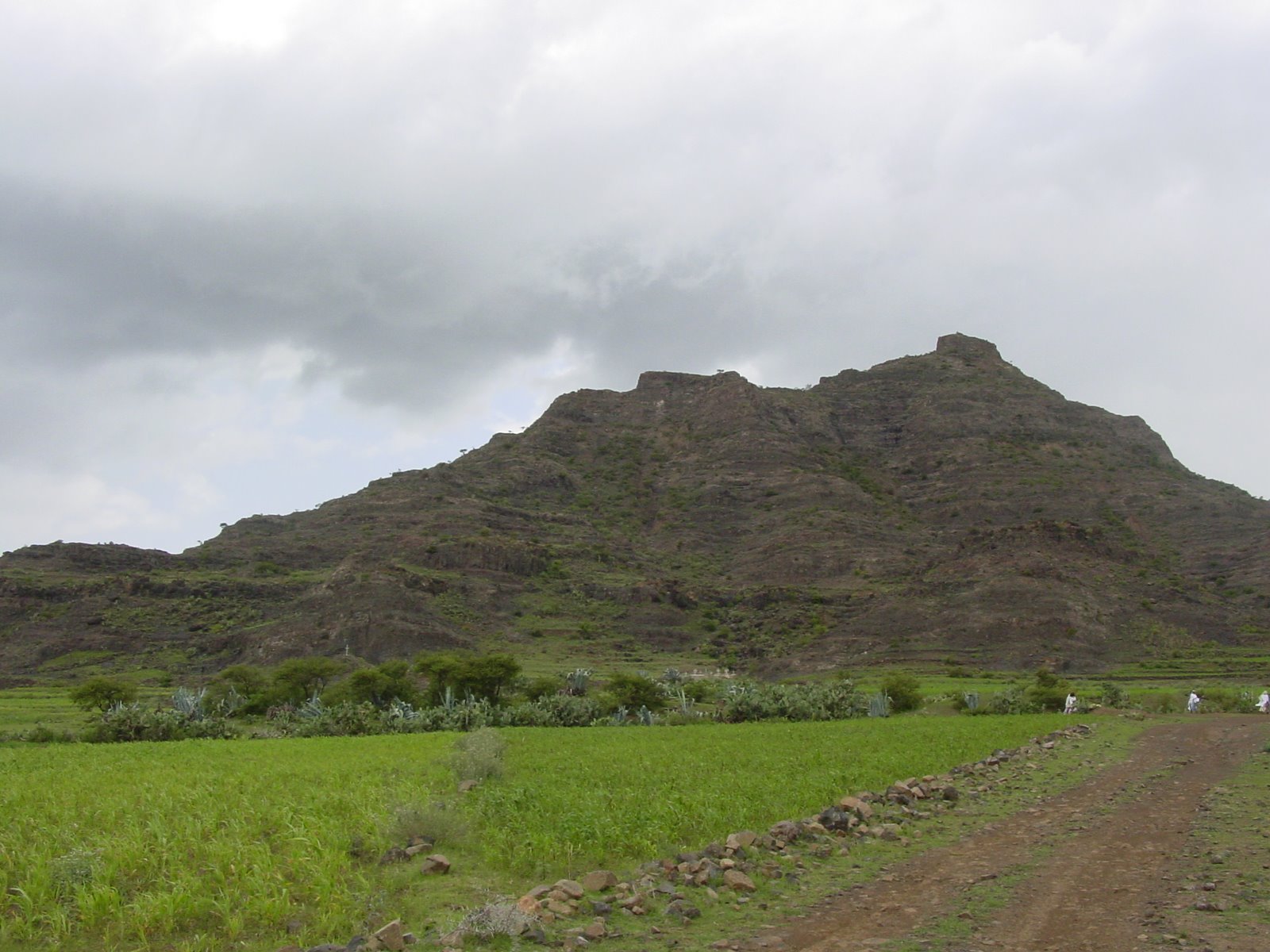
The Asmara to Massawa drive is one of the region’s most dramatic mountain-to-sea descents, dropping from the cool highlands at roughly 2,300 m down to near sea level on the Red Sea coast over a relatively short distance of around 110 to 120 km. What makes it memorable is the rhythm of the road: long switchback sequences, sudden panoramic overlooks, and a visible shift in vegetation and colour as you leave the plateau and enter hotter, drier slopes. Treated properly, it feels like crossing multiple climate zones in a single morning, with temperatures rising steadily as you lose altitude and the air changes from crisp to humid and coastal.
Plan the route as an experience rather than a transfer. Drive it in full daylight, start early if possible, and build time for frequent viewpoint stops, short photo breaks, and a slower pace on tight bends. The best scenery is often in the softer light of morning and late afternoon, when haze is lower and the escarpment contours show more depth, while midday glare can flatten the landscape and make the heat transition feel harsher.
Red Sea coastline
Eritrea’s Red Sea coastline is best experienced as a slow, low-tourism contrast to Asmara and the highlands: open horizons, simple beaches, and long stretches where the scenery feels uncurated and quiet. For most travellers it works as downtime rather than an activity checklist. The most satisfying routine is basic but effective: early shoreline walks before the heat builds, a relaxed midday pause in shade, then another short walk or waterfront evening when temperatures ease. Even without going far offshore, a day or two on the coast can rebalance a highland itinerary, giving you sea air, different light, and a calmer pace that makes the whole trip feel more rounded.
Plan conservatively because conditions and services can vary by area. Sea state can change quickly, and swimming safety is not uniform, so choose sheltered spots, ask locally about currents and entry points, and avoid swimming when wind or chop is building. Keep expectations realistic about facilities: carry water, sun protection, and what you need for a few hours outdoors, and treat transport and timing as part of the plan rather than an afterthought.
Dahlak Archipelago
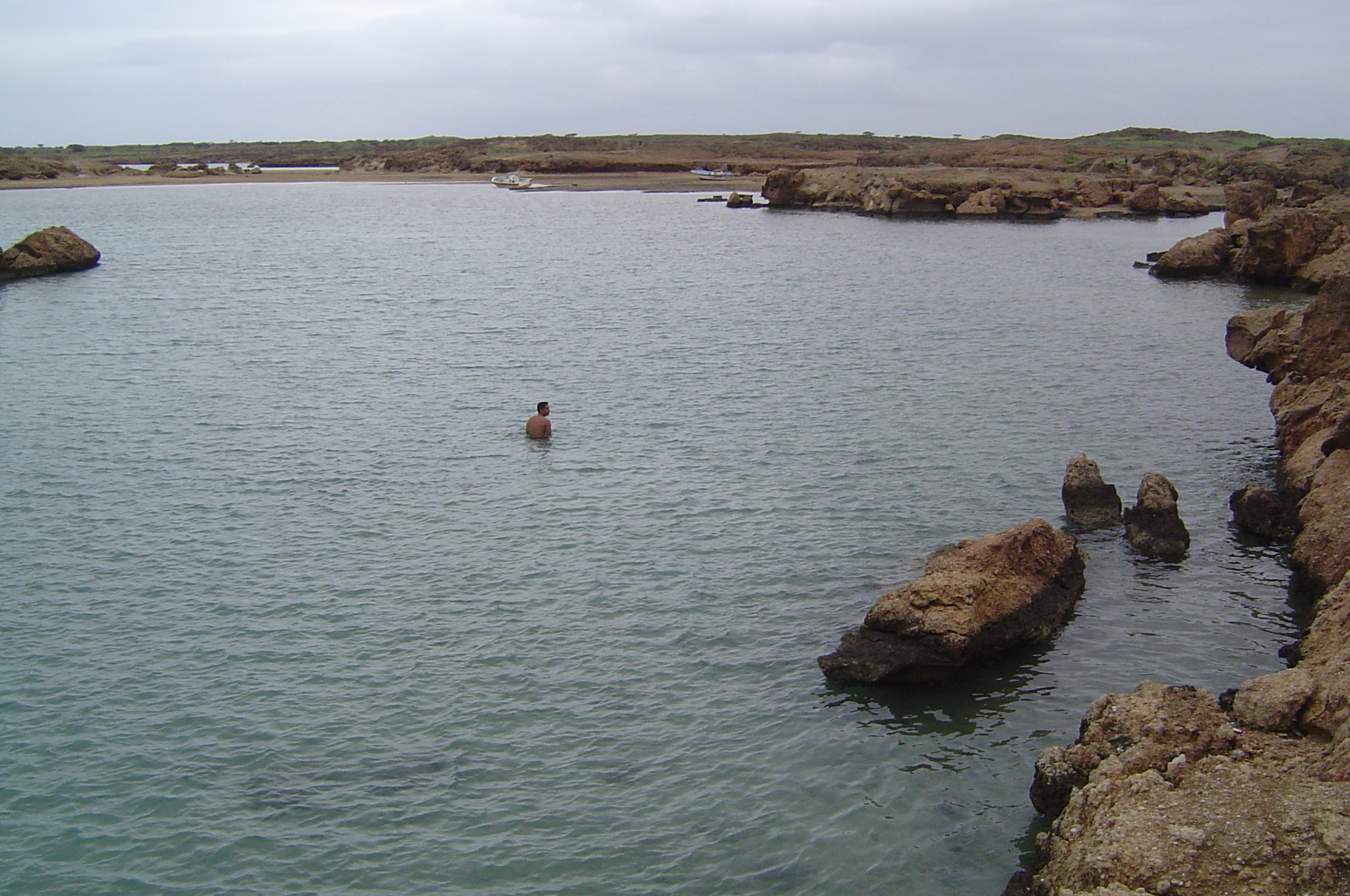
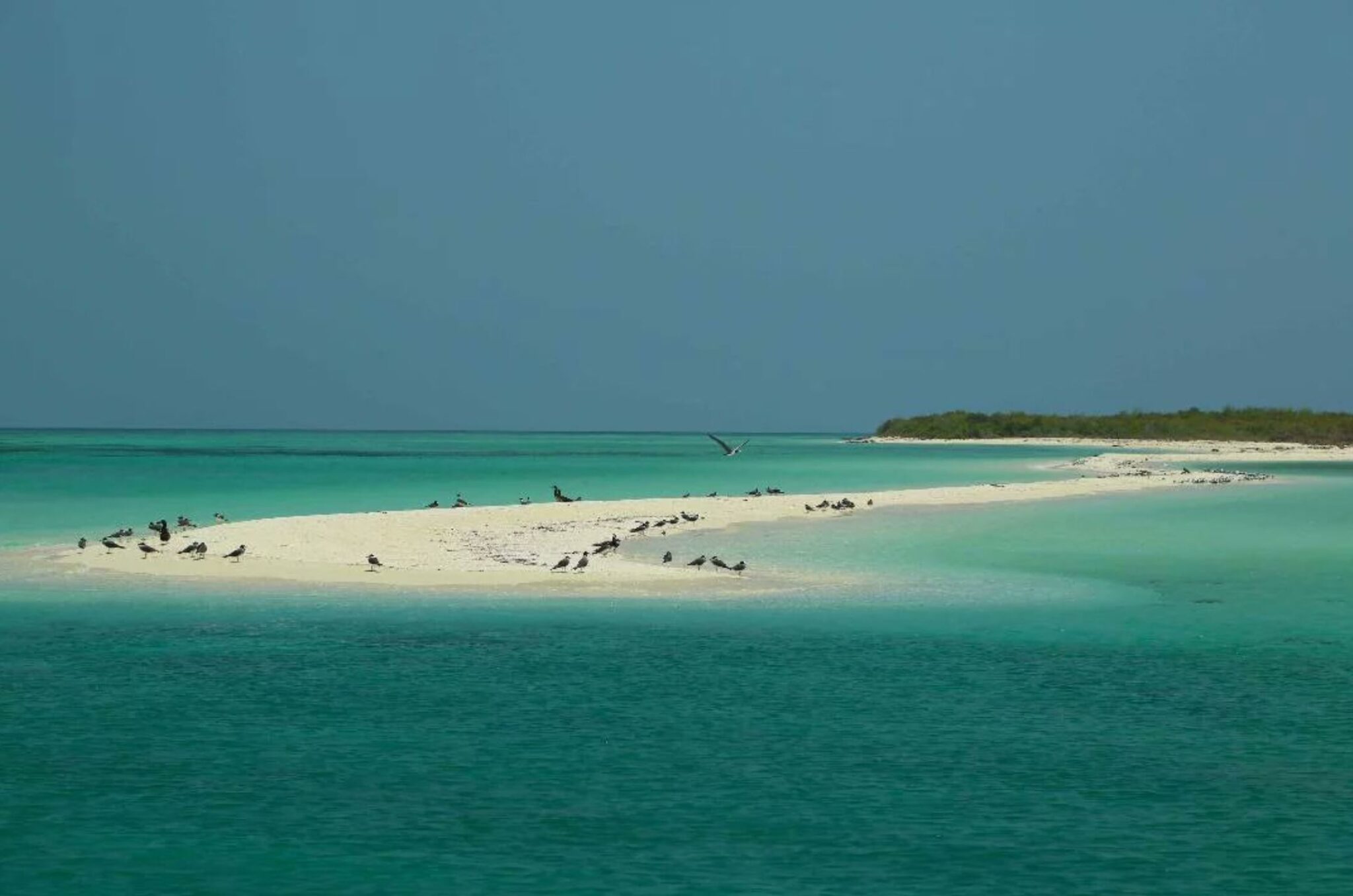
The Dahlak Archipelago is Eritrea’s main island destination for quiet, sea-focused days with a real sense of distance from the mainland. The archipelago includes well over 100 islands and islets scattered off the coast near Massawa, many of them uninhabited, so the experience is defined by simplicity: open horizons, bright Red Sea light, pale sand, and calm time on the water. For most travellers, the best day looks like a straightforward boat outing to one or two islands, with slow cruising, shoreline walks, and time in shallow clear water when conditions allow. Even without a specific snorkelling or diving plan, the appeal is the “empty space” feeling and the contrast it creates after highland travel and city walking.
Because logistics are the main constraint, plan the Dahlak as a dedicated add-on rather than a last-minute decision. Boats and sea conditions can dictate what is possible, so build buffer time, ideally at least one spare day in Massawa, so you can choose a good weather window instead of forcing a fixed schedule. Bring essentials as if you are going somewhere with minimal facilities: ample drinking water, strong sun protection, a long-sleeve swim layer for glare and wind, and simple food if your operator does not provide it.
Hidden Gems of Eritrea
Asmara café culture and neighbourhood wandering
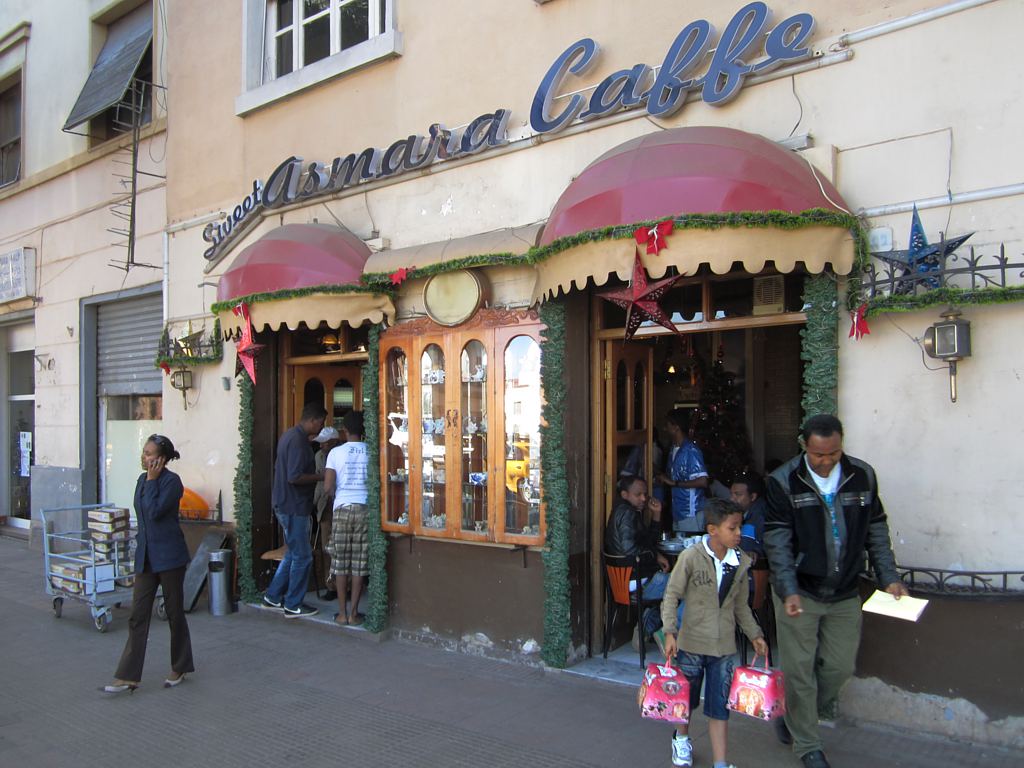
Asmara’s café culture and neighbourhood wandering work best as a slow, repeating loop rather than a one-off activity: a short espresso stop, a long walk, then another café pause to reset and watch street life. The city’s centre is compact and walkable, and at around 2,300 m elevation the air often feels comfortable for long hours on foot. Make your route about texture: stroll the main boulevards to catch the rhythm of classic façades, then cut into side streets where everyday details appear, small shops, balconies, doorways, and the quiet confidence of modernist lines. Old cinemas and civic buildings are often most memorable when you see them as part of daily life, not as isolated sights, and a few relaxed café stops can become the highlight because they let the city’s pace set itself.
For photography, early morning is the sweet spot. Streets are calmer, shopfronts are just opening, and the softer light makes architectural edges clearer without harsh glare, while you are also less likely to have crowds or parked vehicles blocking key angles. A good approach is to spend the first hours walking and shooting, then use midday for a longer café break or a shaded lunch, returning for another gentle loop in late afternoon when shadows lengthen and the city feels lively again.
Railway heritage
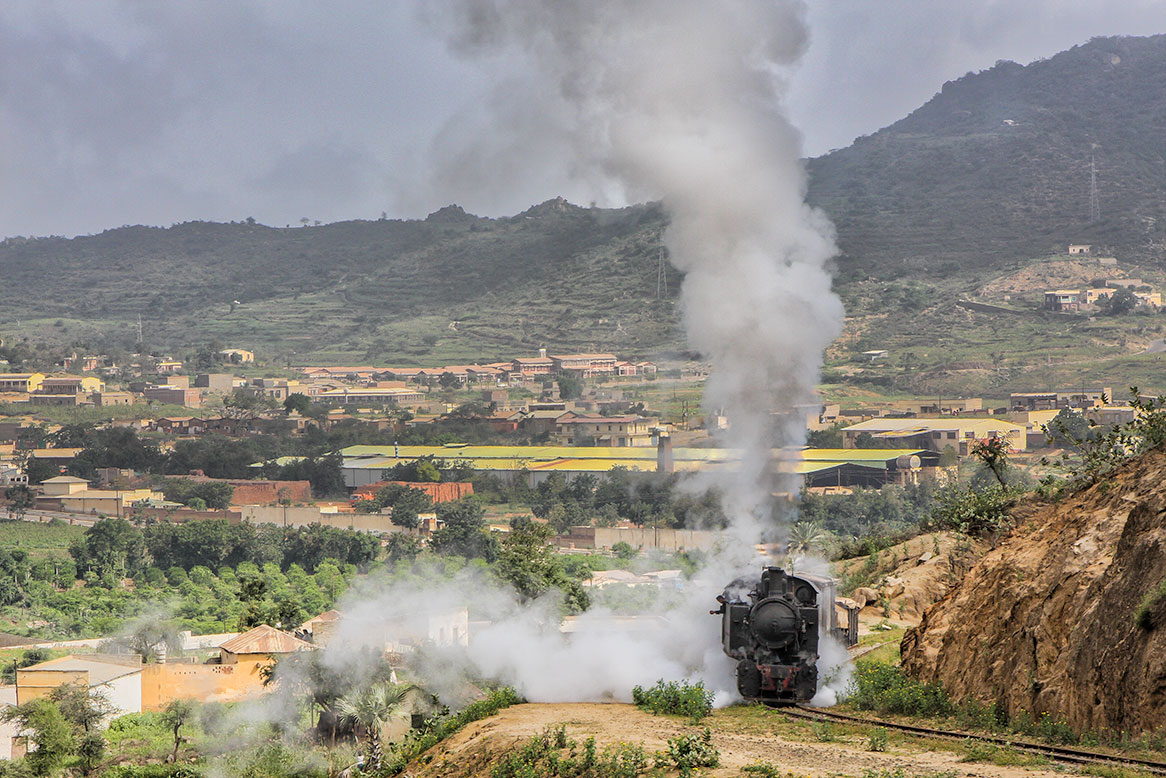
Eritrea’s railway heritage is a niche highlight focused on the historic narrow-gauge line between Massawa and Asmara, a mountain railway built in the late 19th and early 20th centuries that climbs from the Red Sea coast to the highland capital at roughly 2,300 m. The appeal for transport and engineering enthusiasts is the route itself: tight curves and steep gradients, long sequences of bridges and tunnels, and the sense of a carefully engineered ascent through changing climate and terrain. When heritage operations are available, vintage locomotives and older rolling stock can add real atmosphere, and even limited access, such as seeing locomotives, workshops, or trackside sections, can be memorable if you enjoy transport history rather than just scenery.
Travel Tips for Eritrea
Safety and General Advice
Travel in Eritrea rewards careful planning. Logistics and required permissions can shape what is realistically feasible, so it is important to keep your itinerary flexible and build in buffer time between destinations. Distances may appear short on a map, but mountainous terrain and transport schedules can slow progress.
Respect for local norms is essential. Photography should always be approached thoughtfully, especially around people, government buildings, ports, or official-looking locations. When in doubt, ask before taking pictures. A calm, courteous approach goes a long way in ensuring smooth interactions throughout your stay.
Comprehensive travel insurance is strongly recommended and should include medical treatment, emergency evacuation, and coverage for unexpected travel disruptions. Medical facilities are limited outside major cities, and evacuation may be necessary in serious cases.
Driving in Eritrea
Drivers must carry their national driving licence, an International Driving Permit, and a valid passport or official ID at all times. Rental documents and insurance paperwork should remain accessible during travel, as checks may occur. Driving is on the right-hand side of the road. A rental car can be useful for exploring highland routes or traveling between Asmara and Massawa, though availability and vehicle conditions vary. Many travelers choose to hire a driver to simplify navigation and local coordination.
If self-driving, select a reliable vehicle and plan conservative daily distances, particularly on mountain roads where routes can be steep and winding. Defensive driving is advisable, and extra time should be allowed for scenic stops and slower traffic. Night driving outside cities should be avoided due to limited visibility and potential road hazards.

Published February 22, 2026 • 10m to read