

El Salvador is the smallest country in Central America, but it offers a wide range of things to see and do. Often called the Land of Volcanoes, it features rugged mountains, crater lakes, Pacific beaches, and historic towns. Its size makes travel easy – most places can be reached within a few hours by car.
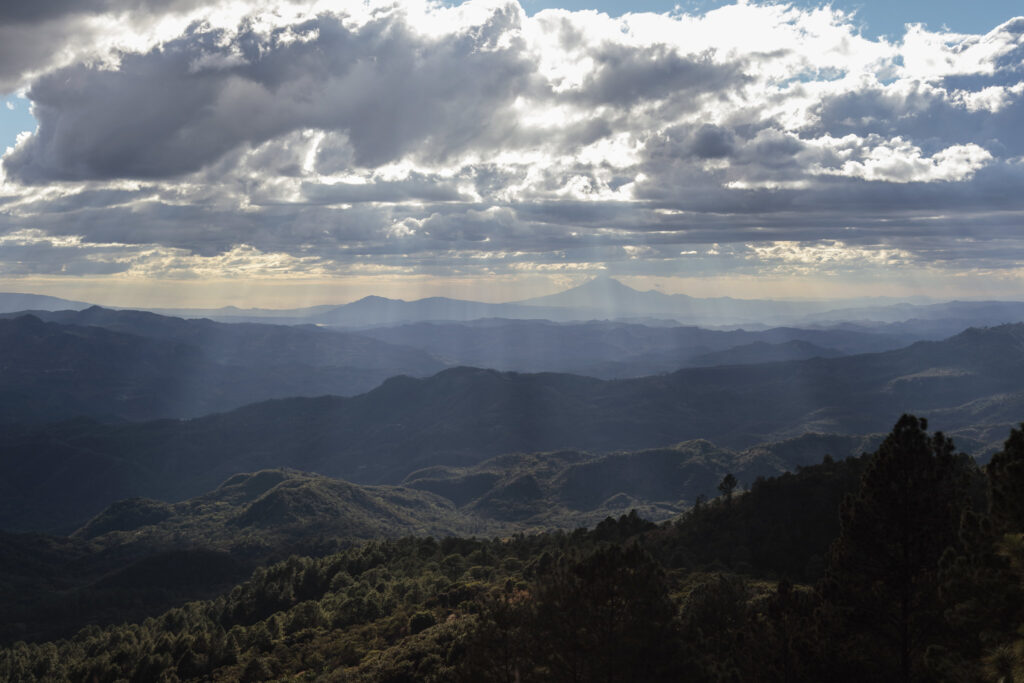
Visitors can hike up volcanoes such as Santa Ana or Izalco for panoramic views, explore the colonial streets of Suchitoto, or relax at Lake Coatepeque. The country’s Pacific coast is known for excellent surf spots like El Tunco and El Zonte, while archaeological sites such as Joya de Cerén reveal traces of ancient Maya life. El Salvador combines nature, culture, and adventure in a compact and approachable setting.
Best Cities in El Salvador
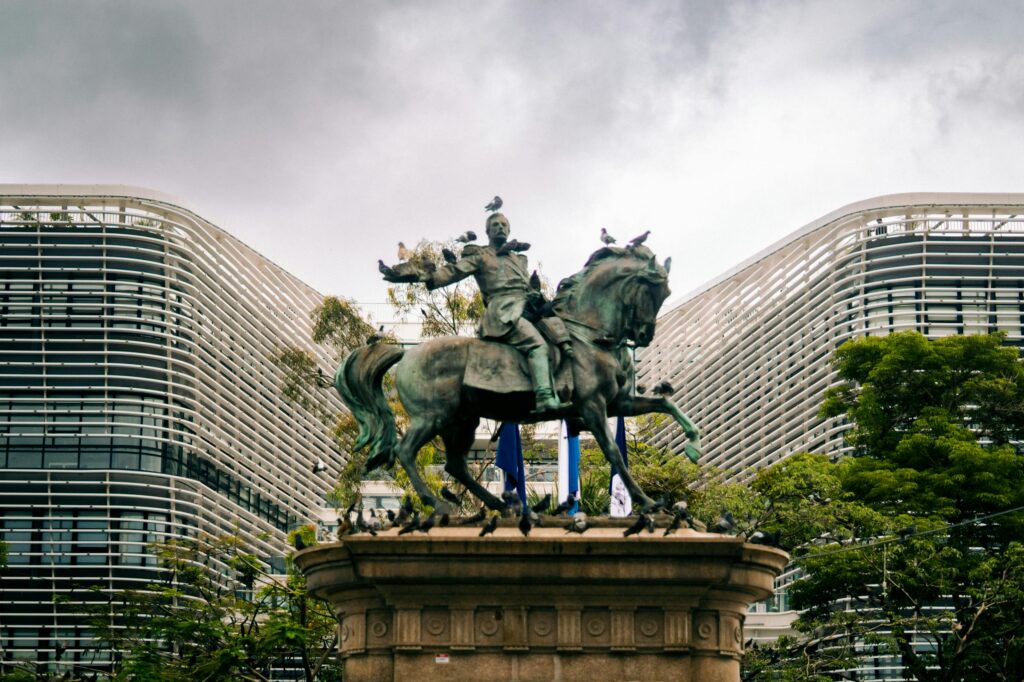
San Salvador
San Salvador, the capital of El Salvador, is a lively city that blends modern energy with deep historical roots. The downtown area features key landmarks such as the National Palace, the Metropolitan Cathedral, and the Teatro Nacional, all showcasing the country’s architectural heritage. For culture and history, the Museo de Arte de El Salvador (MARTE) and the Museo Nacional de Antropología (MUNA) offer excellent exhibitions on national art, archaeology, and identity.
Just outside the city, Boquerón Volcano National Park provides hiking trails along the crater rim and panoramic views over the capital. In contrast, Zona Rosa is the city’s modern entertainment district, filled with cafés, restaurants, galleries, and nightlife. San Salvador serves as the country’s main transport hub, easily reached from the international airport in about 40 minutes.
Suchitoto
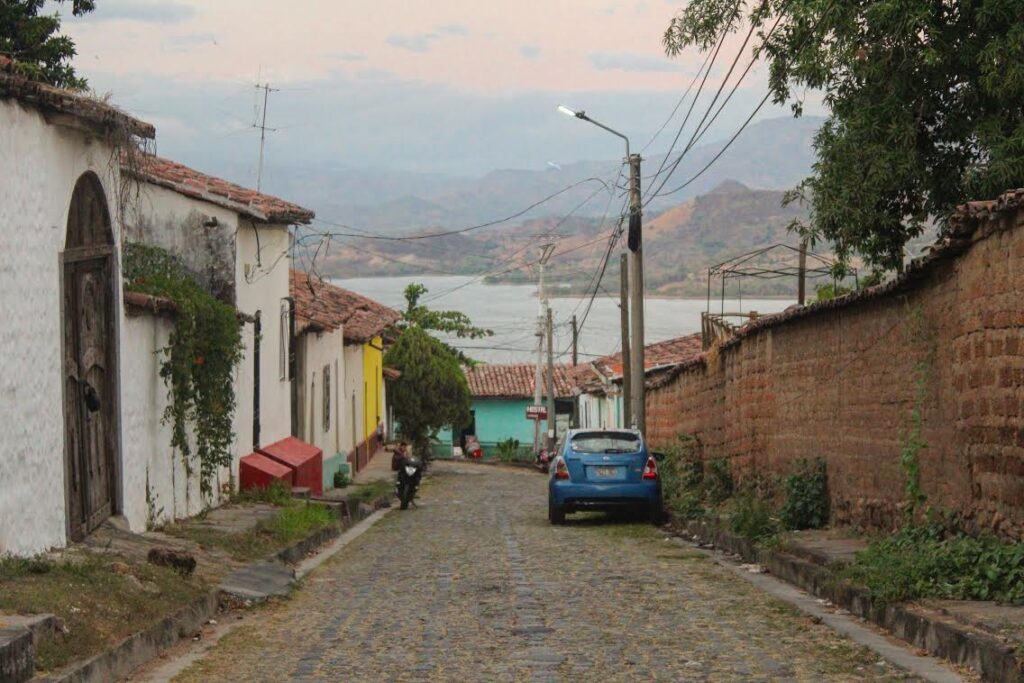
Suchitoto, perched above Lake Suchitlán, is El Salvador’s most picturesque colonial town and a popular weekend retreat from San Salvador. Its cobblestone streets and colorful houses create a relaxed, artistic atmosphere, with small galleries, craft shops, and cafés around the main square. The Santa Lucía Church, with its white façade and twin bell towers, is the town’s most recognizable landmark.
Visitors can take boat tours on Lake Suchitlán for birdwatching and views of nearby islands, or visit local artisan markets that feature textiles, paintings, and handmade crafts. Cultural festivals, art events, and food fairs are common throughout the year. Suchitoto is about a 1.5-hour drive from San Salvador.
Santa Ana
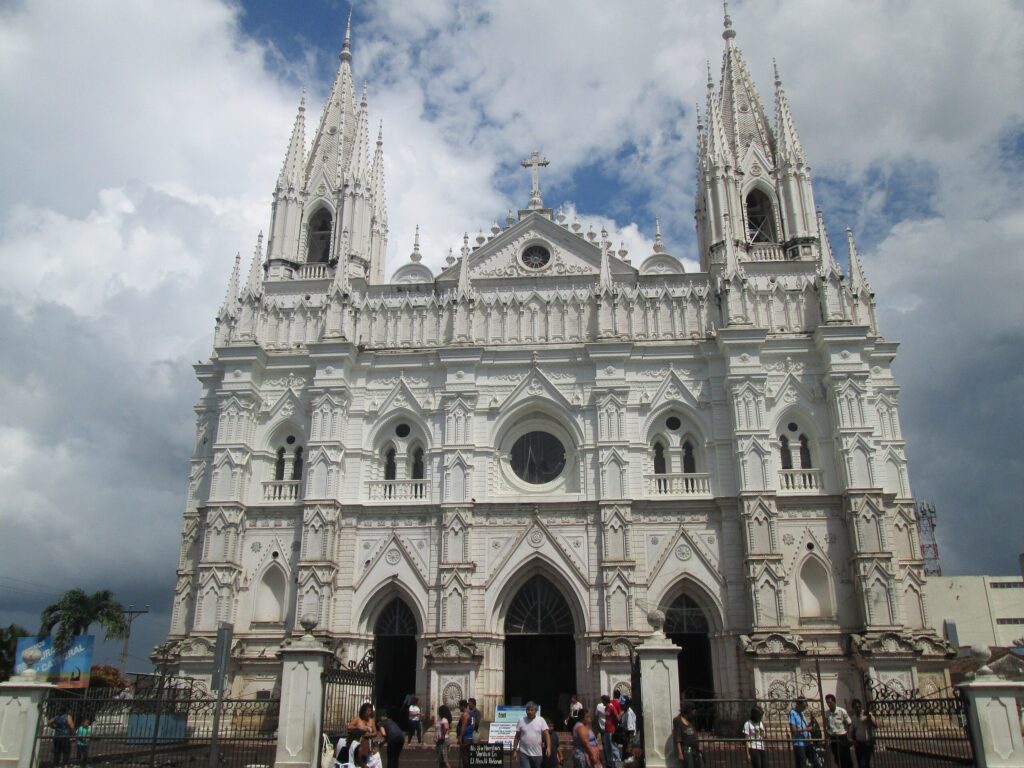
Santa Ana, the second-largest city in El Salvador, combines historic architecture, mountain scenery, and easy access to some of the country’s top natural attractions. Its main square is framed by the Santa Ana Cathedral, a striking Neo-Gothic landmark, and the elegant Santa Ana Theatre, both open to visitors interested in local culture and history. The city’s cafés and markets reflect its strong coffee heritage, with nearby farms offering guided tours and tastings.
Santa Ana is also the gateway to the region’s volcanic landscapes – the Izalco and Santa Ana Volcanoes – as well as the deep-blue Lake Coatepeque, popular for swimming and boating. With mild weather and a relaxed pace, the city makes a perfect base for exploring western El Salvador. It’s about a two-hour drive from San Salvador.
Nahuizalco & Juayúa
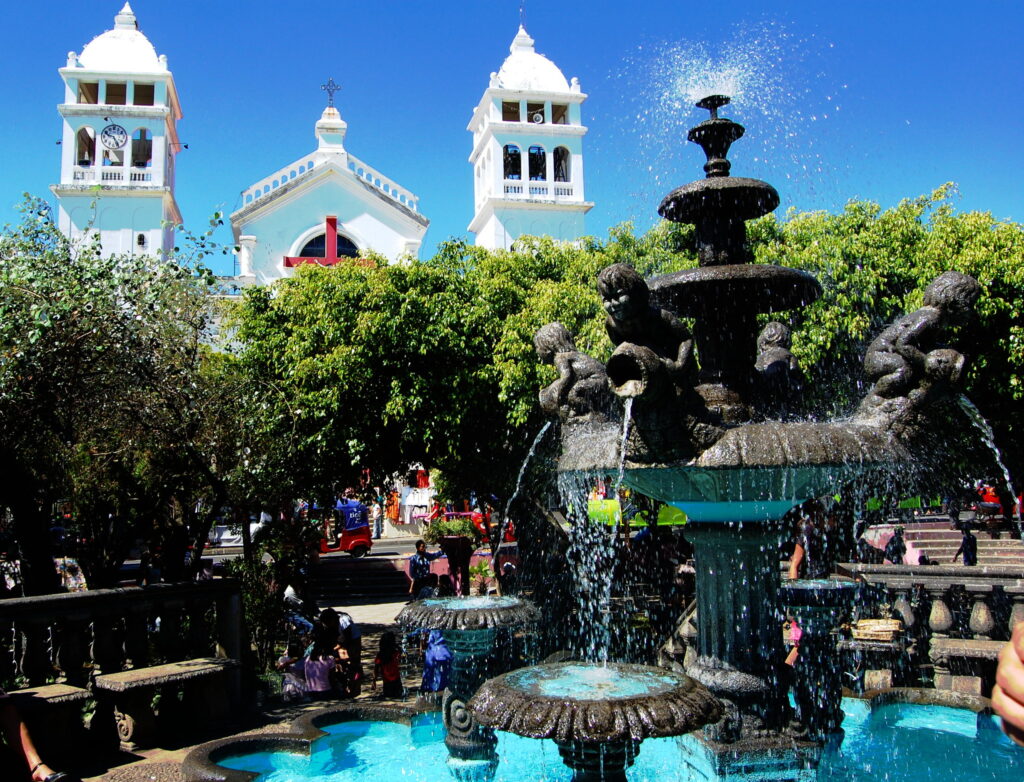
Nahuizalco and Juayúa sit along El Salvador’s famous Ruta de las Flores, a highland route known for its mountain scenery, coffee farms, and colorful small towns. Juayúa draws visitors with its lively weekend food festival, where local vendors serve everything from grilled meats to traditional desserts. The nearby Los Chorros de la Calera waterfalls offer a refreshing stop for swimming and short hikes.
Nahuizalco, one of the region’s oldest Indigenous towns, is known for its handicrafts and evening markets illuminated by candles, creating a distinctive local atmosphere. Farther along the route, Apaneca and Ataco feature murals, coffee tours, and scenic viewpoints. The Ruta de las Flores is easily explored by car or bus from San Salvador or Santa Ana.
Best Natural Wonders in El Salvador
Santa Ana Volcano
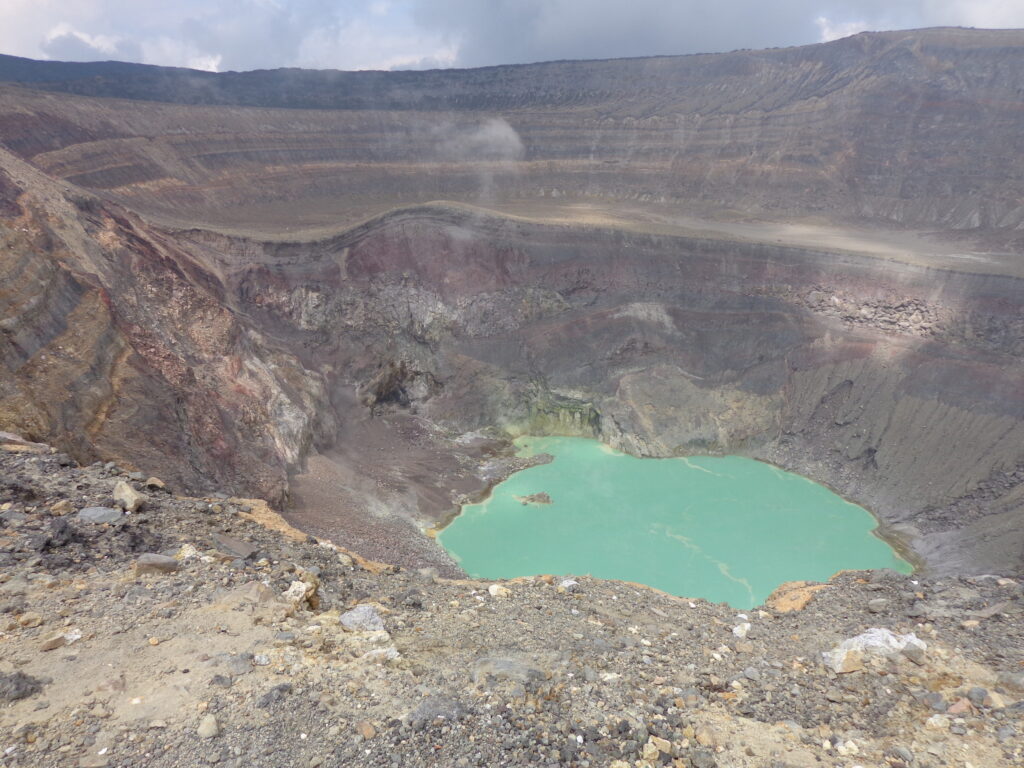
The Santa Ana Volcano (Ilamatepec), located in western El Salvador, is the country’s highest and most famous volcano. The hike to the summit takes about two to three hours and rewards visitors with spectacular views of the volcano’s turquoise crater lake, which bubbles with geothermal activity. From the top, you can also see Lake Coatepeque, Izalco Volcano, and the Pacific coastline on clear days.
The trail begins in Cerro Verde National Park, where guided hikes are organized daily for safety and environmental protection. The area is rich in birdlife and offers cooler mountain weather, making it one of El Salvador’s most enjoyable outdoor adventures. Santa Ana Volcano is about a two-hour drive from San Salvador or 45 minutes from Santa Ana city.
Lake Coatepeque
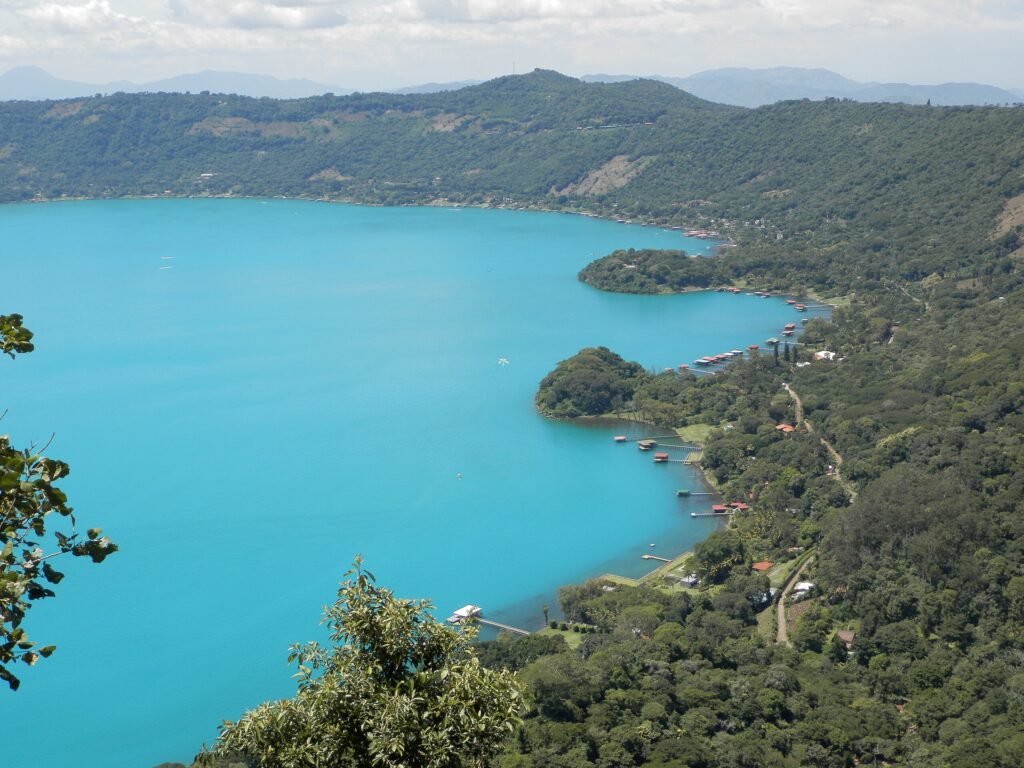
Lake Coatepeque, located near Santa Ana in western El Salvador, is a vast volcanic crater lake known for its deep blue color that occasionally shifts to turquoise during certain times of the year. The calm waters make it perfect for kayaking, swimming, and boat rides, while lakeside restaurants serve fresh fish and offer views across the crater.
Scenic viewpoints along the rim provide some of the best sunset views in the country, especially as the light reflects off the lake’s surface. Visitors can also stay in small hotels or cabins overlooking the water. Lake Coatepeque is easily reached by road – about a 20-minute drive from Santa Ana or two hours from San Salvador.
Cerro Verde National Park
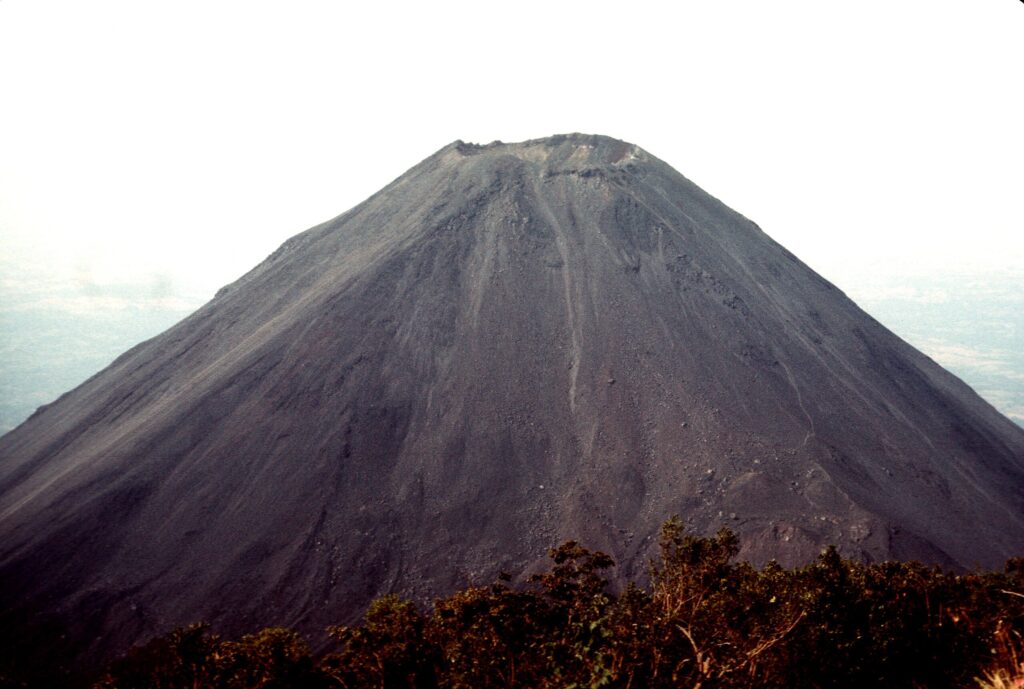
Cerro Verde National Park is part of the country’s famous Volcano Complex, which also includes the Santa Ana and Izalco volcanoes. The park offers gentle walking trails through cool cloud forest, where visitors can spot orchids, hummingbirds, and panoramic viewpoints overlooking three volcanic peaks. The park serves as the starting point for guided hikes up Santa Ana Volcano and offers picnic areas, lookout points, and a small visitor center. Cerro Verde is about a 90-minute drive from San Salvador or 45 minutes from Santa Ana.
El Boquerón Volcano National Park
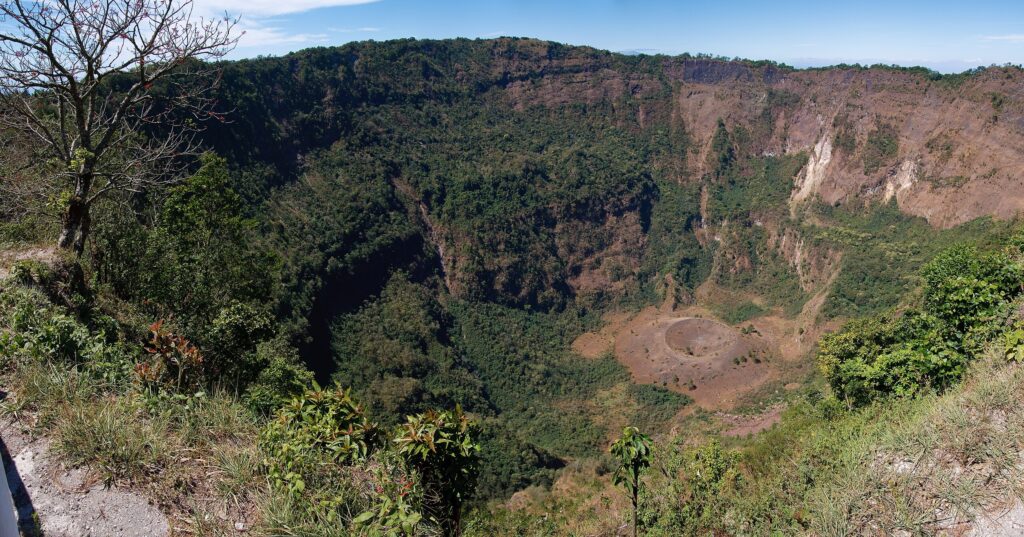
El Boquerón Volcano National Park is an easy and rewarding introduction to El Salvador’s volcanic scenery. The park sits atop the San Salvador Volcano and features short, well-marked trails leading to viewpoints around a massive crater nearly 1.5 kilometers wide and 500 meters deep. On clear days, visitors can see across the capital and out toward the Pacific coast. The area’s cool climate and proximity to the city make it ideal for a quick hike or picnic, with cafés and local food stalls along the park’s entrance road. El Boquerón is only a 30-minute drive from central San Salvador, making it a popular half-day excursion for both locals and visitors.
Montecristo Cloud Forest National Park
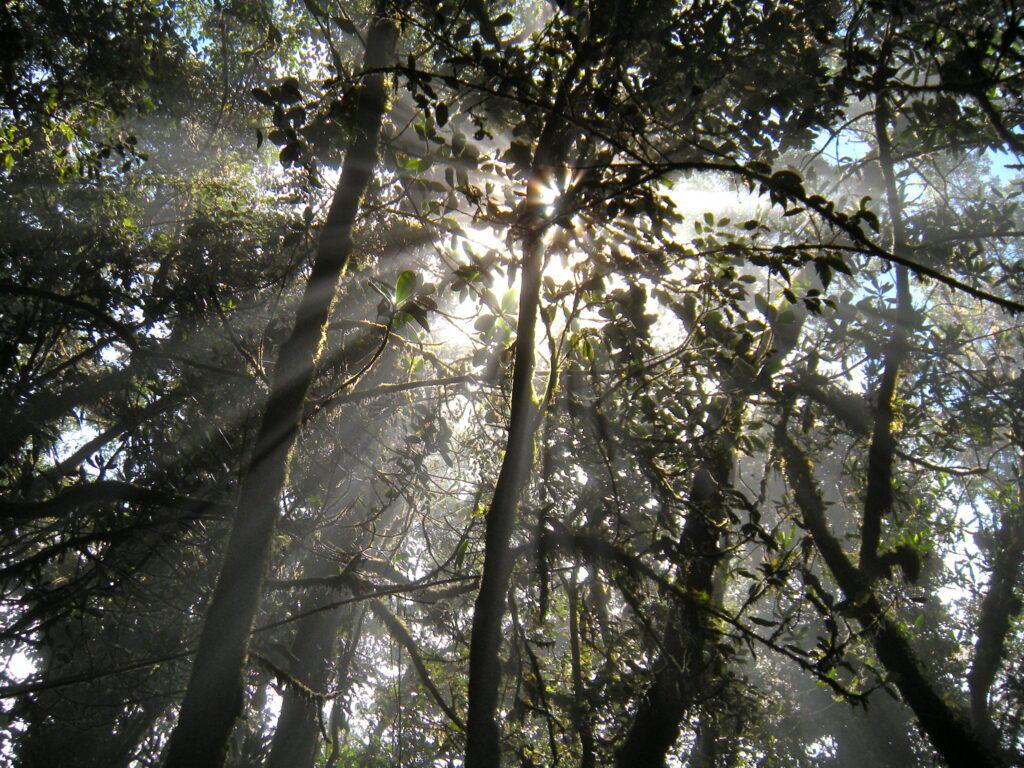
Montecristo Cloud Forest National Park Guatemala, and Honduras meet, is one of the country’s most pristine natural areas. The park protects dense cloud forest filled with orchids, ferns, moss-covered trees, and rare wildlife such as quetzals and spider monkeys. Cool temperatures and constant mist create an otherworldly atmosphere ideal for hiking and photography.
Several trails lead through the forest to panoramic viewpoints above the clouds and to El Trifinio, the exact point where the three countries converge. Camping is allowed with advance permission, and local rangers offer guided walks to help visitors explore the ecosystem responsibly. Montecristo is reached from the town of Metapán, about a three-hour drive from San Salvador.
El Imposible National Park
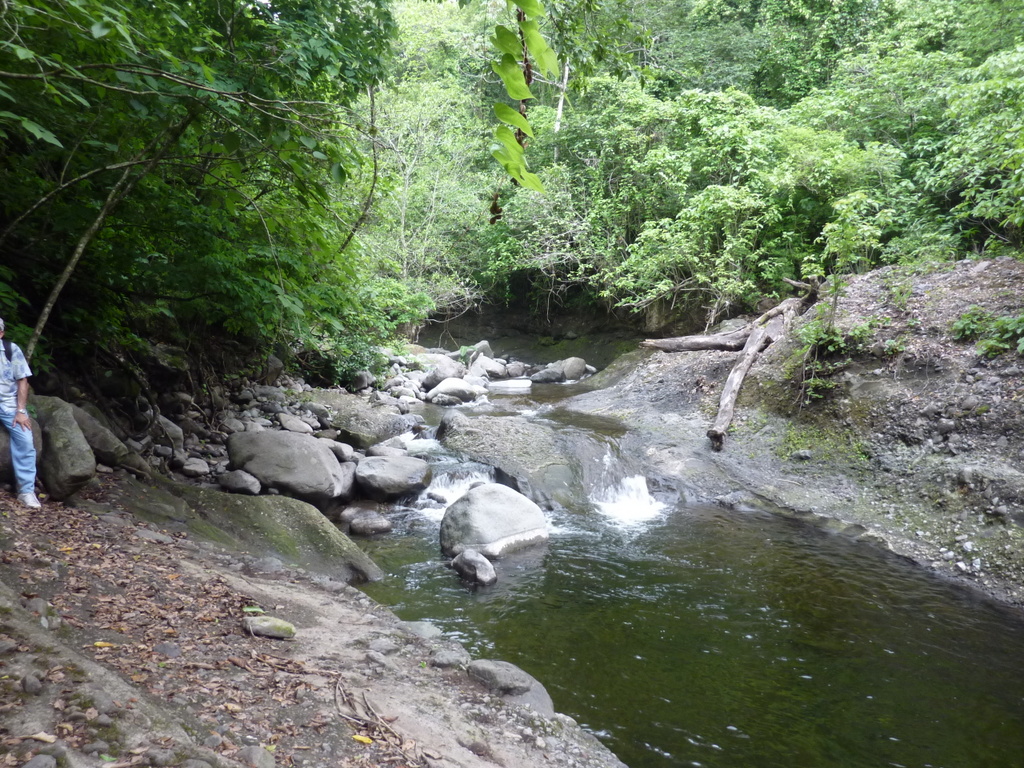
El Imposible National Park is the country’s largest and most biodiverse protected area. The park features steep ridges, deep river valleys, and tropical forest that shelters hundreds of bird species, butterflies, and mammals, including anteaters and ocelots. A network of trails leads to waterfalls, natural pools, and scenic viewpoints, making it a favorite destination for hiking and wildlife observation. Local guides offer tours that explain the park’s ecology and conservation efforts. Basic lodges and campsites are available near the entrance.
Best Beaches in El Salvador
El Tunco
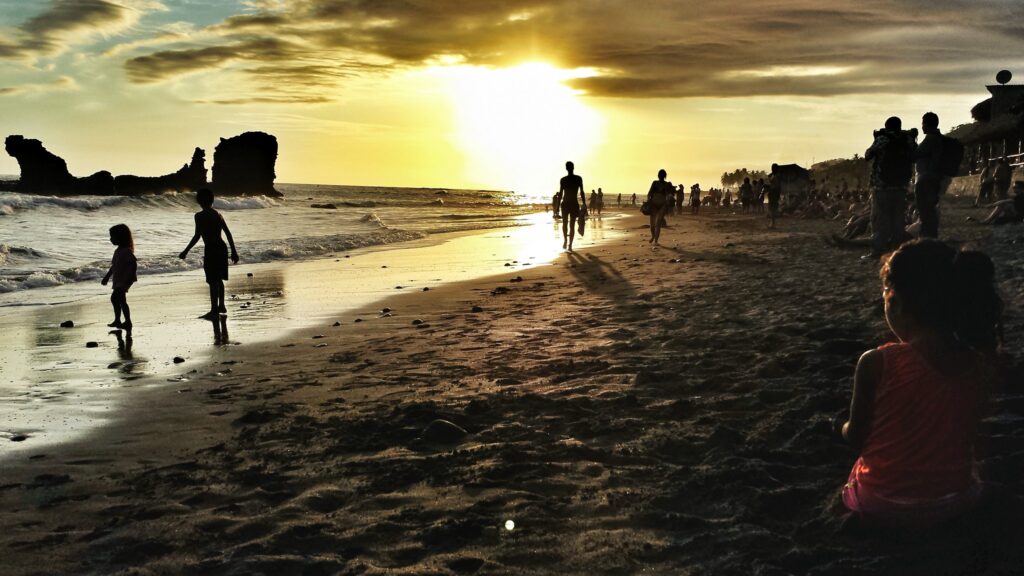
El Tunco is the country’s best-known surf town and a favorite stop for both locals and international travelers. Its black-sand beach, framed by volcanic rock formations, offers consistent waves year-round, making it ideal for surfers of all levels. The small village has a lively atmosphere with hostels, beach bars, and live music venues that come alive at sunset. Beyond surfing, visitors can relax on the beach, take yoga classes, or explore nearby waterfalls and coastal viewpoints. El Tunco’s compact size makes it easy to explore on foot, and its location just 45 minutes from San Salvador.
El Zonte
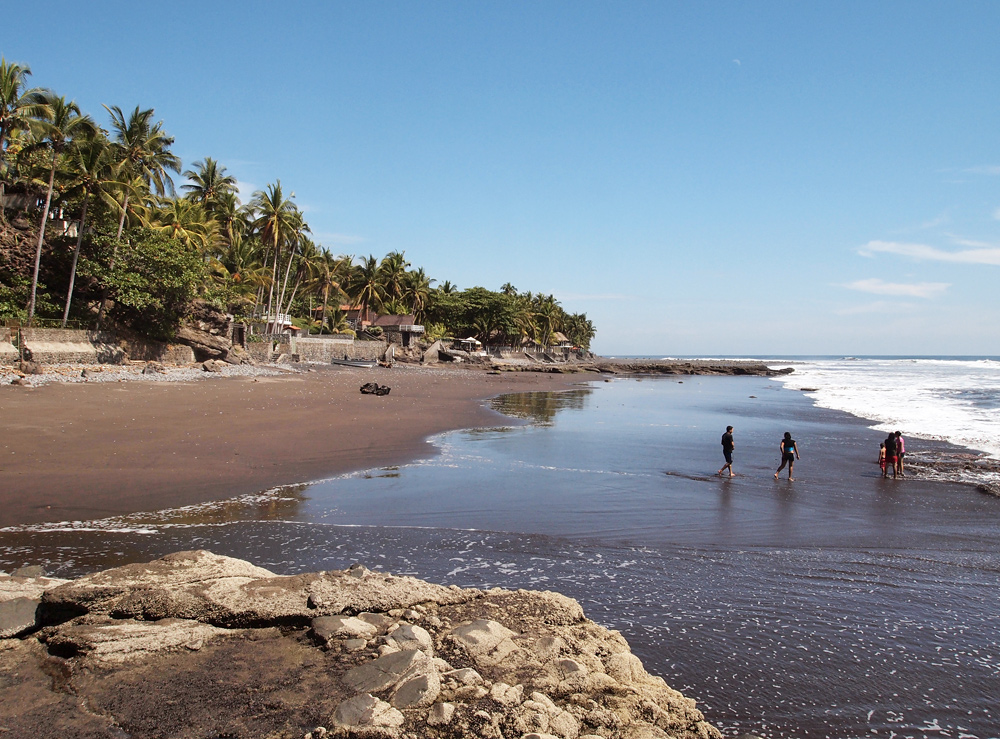
El Zonte is a laid-back surf town known for its consistent waves, eco-conscious lifestyle, and role in the Bitcoin Beach movement – where cryptocurrency is used widely in local shops and cafés. The beach offers breaks suitable for both beginner and advanced surfers, while yoga retreats and boutique eco-lodges line the coast.
The town has a growing community of digital nomads and long-term travelers drawn by its relaxed pace and creative energy. Visitors can surf, join beach clean-ups, or simply enjoy sunsets from seaside cafés. El Zonte is about an hour’s drive from San Salvador or the international airport.
Playa Las Flores
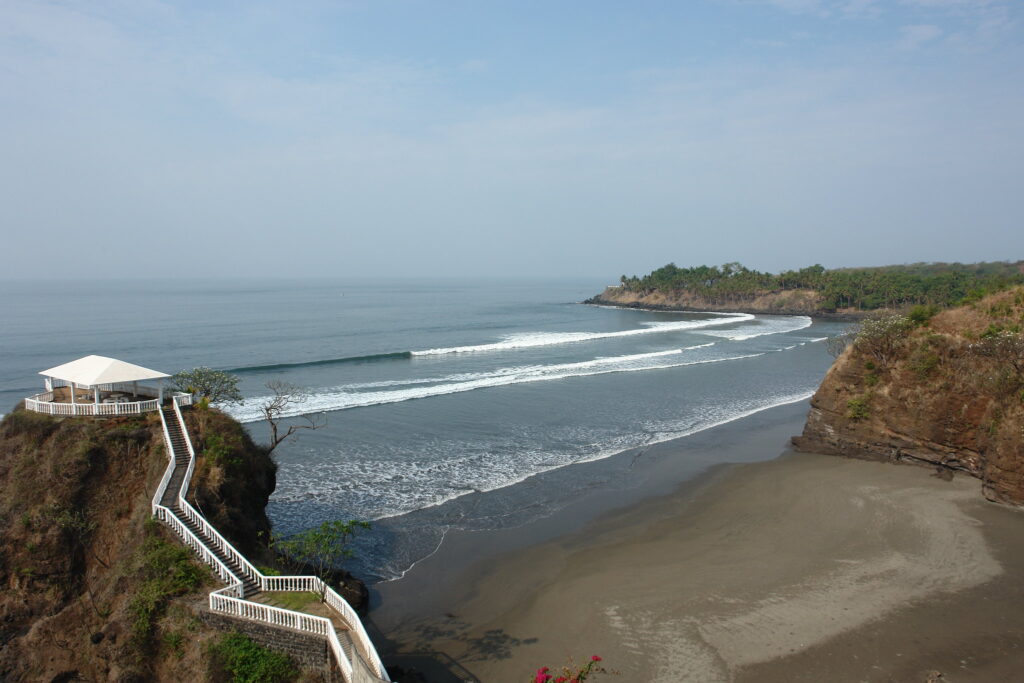
Playa Las Flores is one of the country’s top surf destinations, known for its long, consistent right-hand point break and uncrowded waves. The beach stretches along a quiet bay backed by palm trees and small eco-lodges, offering a calm setting for both surfers and travelers seeking a slower pace. Beyond surfing, visitors can swim, walk along the wide shoreline, or take boat trips to nearby beaches such as Punta Mango. The area remains peaceful and low-key, ideal for relaxing after exploring the country’s mountain regions.
Costa del Sol
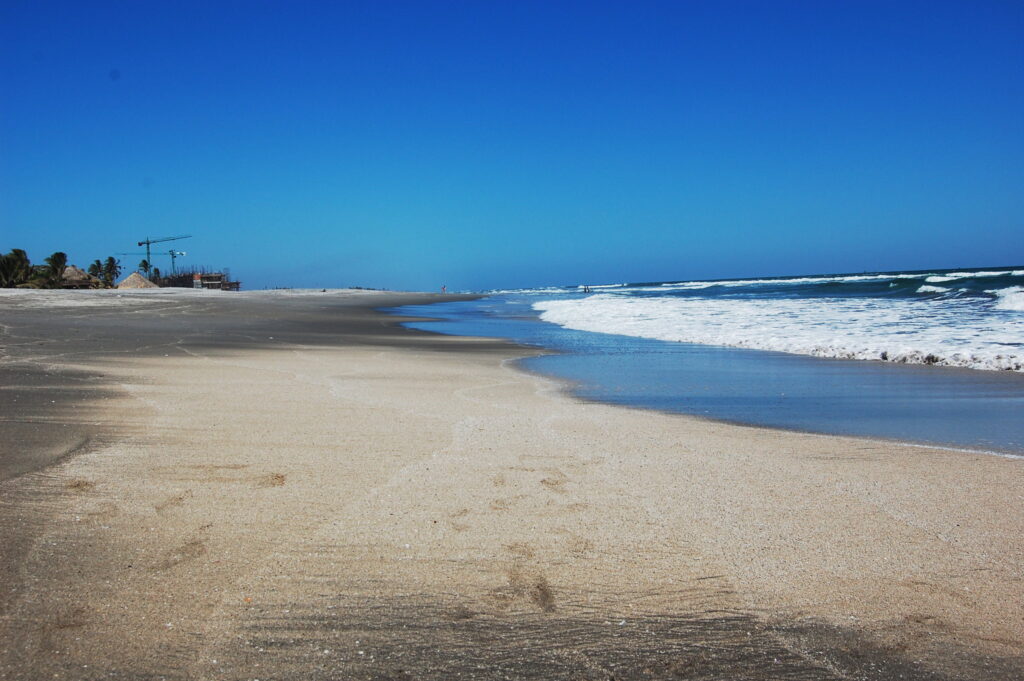
Costa del Sol is one of the country’s most accessible and developed beach areas. The coastline extends for miles, offering wide sandy beaches, calm swimming areas, and plenty of options for water sports such as jet-skiing, kayaking, and sailing. Resorts, beach houses, and seafood restaurants line the shore, making it a favorite weekend escape for locals. Fresh fish, shrimp, and ceviche are highlights at the beachside eateries, and boat tours through the nearby Estero de Jaltepeque mangrove estuary provide a glimpse of the region’s wildlife. Costa del Sol is only about a 30-minute drive from El Salvador International Airport.
Playa El Espino
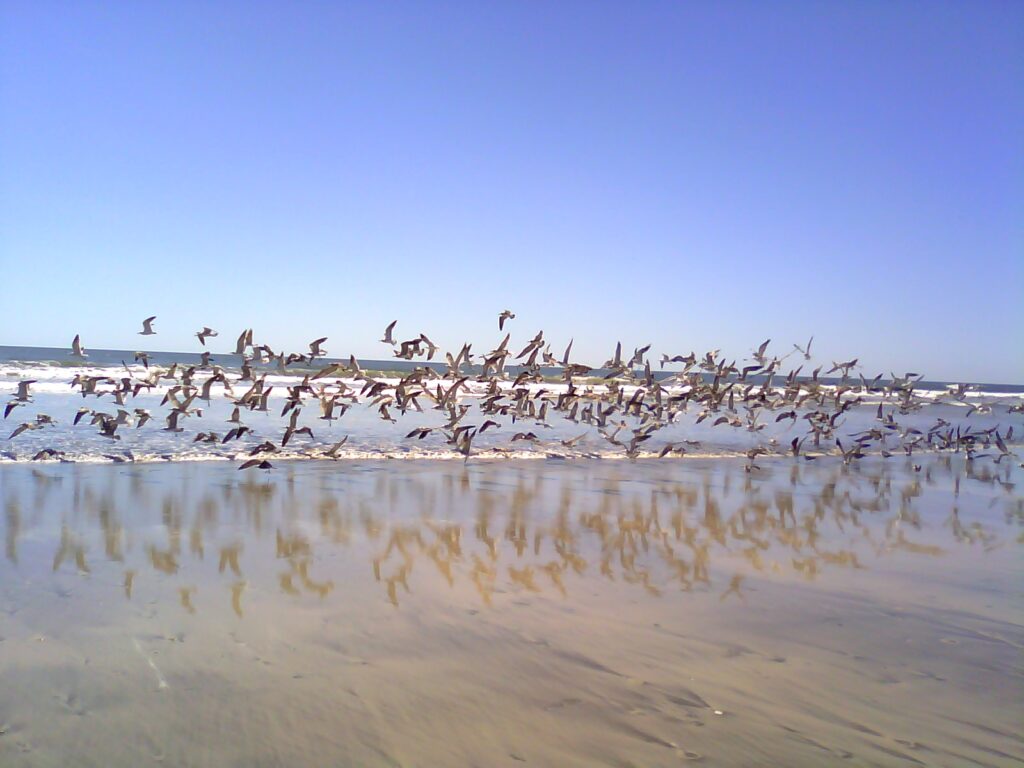
Playa El Espino is a wide, tranquil beach popular with local families and travelers looking for a relaxed seaside escape. The gentle waves make it ideal for swimming and wading, while the long stretch of sand is perfect for walks and beach games. Small restaurants and guesthouses line the shore, serving fresh seafood and traditional Salvadoran dishes in a friendly, local setting. With its calm atmosphere and easy access, Playa El Espino is one of the best options for a quiet beach day away from the more touristy surf towns. It’s about a two-hour drive from San Salvador or 45 minutes from San Miguel.
Hidden Gems of El Salvador
La Palma
La Palma is a colorful town famous for its connection to artist Fernando Llort, whose folk-art style has become a national symbol of peace and creativity. The town’s buildings are covered in his signature bright murals and geometric motifs, and visitors can watch artisans at work in small workshops producing hand-painted crafts, wood carvings, and textiles.
La Palma also serves as the gateway to Cerro El Pital, El Salvador’s highest peak, known for its cool climate, hiking trails, and panoramic mountain views. The town is about a three-hour drive from San Salvador.

Cerro El Pital
Cerro El Pital is the country’s highest point at 2,730 meters above sea level. The area’s cool climate, pine forests, and mist-covered peaks make it a popular destination for hiking and camping. Trails lead to viewpoints where visitors can watch the sunrise over the mountains and, on clear days, see as far as Honduras.
Basic camping areas and small lodges are available near the summit, and local guides offer walks through the surrounding cloud forest. The mountain’s pleasant weather and peaceful setting provide a refreshing escape from the lowland heat. Cerro El Pital is about a 3.5-hour drive from San Salvador via La Palma.
Perquín
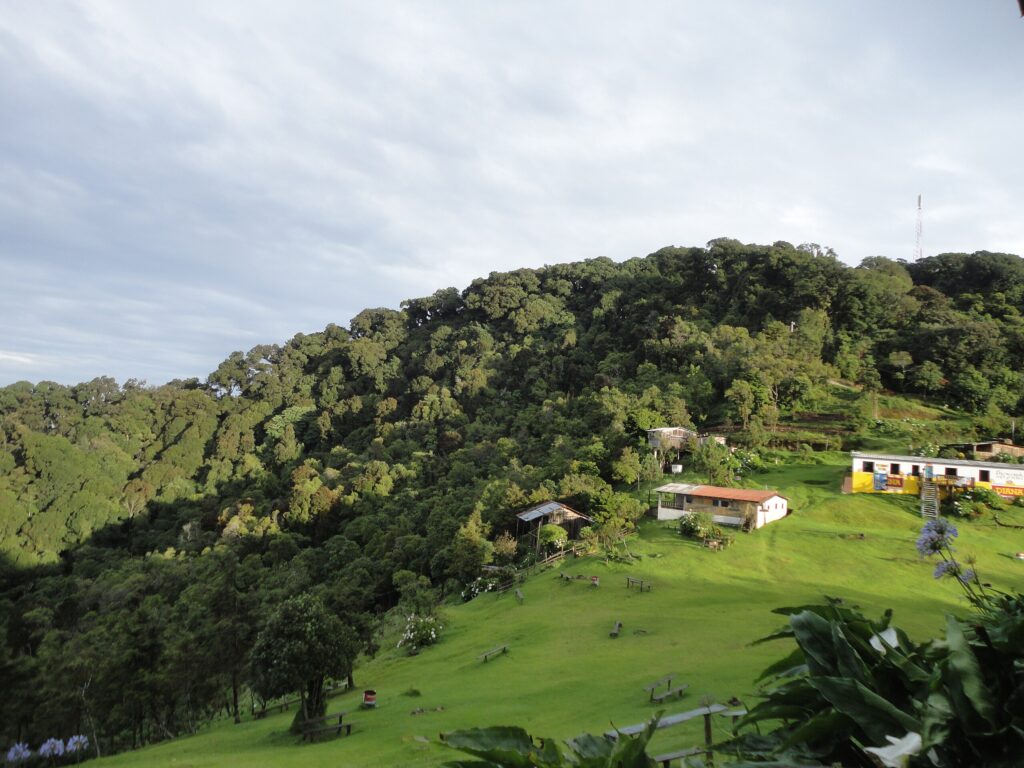
Perquín is a small highland town known for its history, natural beauty, and tranquil atmosphere. During the 1980s, it was a key site in the country’s civil war, and today the Museum of the Revolution offers a moving look at that period through photographs, artifacts, and guided stories from locals. Beyond its historical importance, Perquín is surrounded by rivers, waterfalls, and hiking trails ideal for nature lovers. Eco-lodges and community-run accommodations provide simple, comfortable stays close to the forest.
Conchagua Volcano
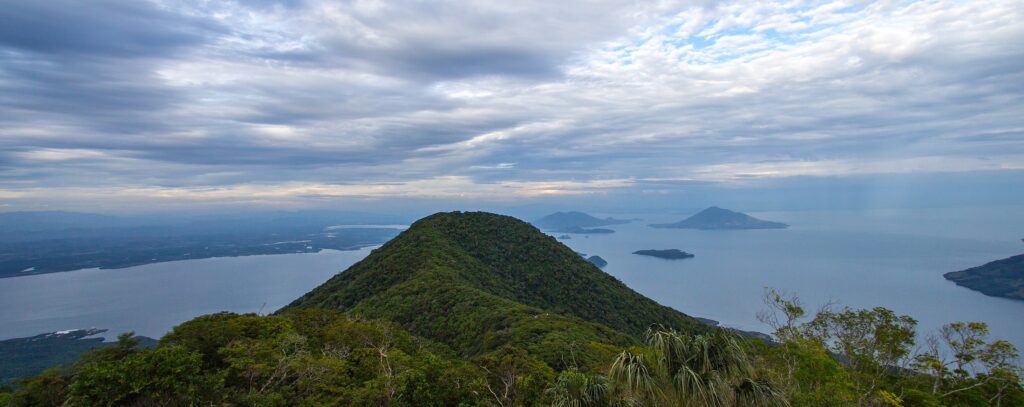
Conchagua Volcano is one of the country’s most scenic viewpoints, overlooking the islands and waters of the Gulf of Fonseca. The summit offers sweeping views of the Pacific coast and neighboring Nicaragua and Honduras, making it a favorite spot for sunrise hikes and camping.
At the top, Campamento Volcán Conchagua features glamping domes and tent sites with some of the best sunrise panoramas in Central America. The area is also home to tropical forest and diverse birdlife, accessible via a short hike or 4×4 vehicle. Conchagua is about a three-hour drive from San Salvador and 30 minutes from La Unión.
Travel Tips for El Salvador
Travel Insurance
Travel insurance is highly recommended for anyone planning to explore El Salvador’s great outdoors. Whether you’re hiking volcanoes, surfing along the Pacific coast, or joining adventure tours, it’s important to have coverage that includes medical emergencies and evacuation. Reliable medical care is available in the capital and main tourist areas, but remote regions may have limited facilities.
Safety & Health
El Salvador has become significantly safer in recent years and now welcomes travelers with warmth and hospitality. Most visitors experience no issues, but it’s still wise to take normal precautions and stay informed about local advice. Tap water is not safe to drink, so bottled or filtered water should always be used. The tropical climate means mosquitoes can be present year-round, particularly in rural or coastal regions, so bring insect repellent and wear light protective clothing when exploring nature or the beach.
Transportation & Driving
Getting around El Salvador is quick and convenient thanks to the country’s compact size. Buses are affordable and connect most towns and cities, while private shuttles and taxis are readily available in tourist areas. For travelers wanting more independence, renting a car is an excellent way to explore volcanoes, highlands, and surf beaches at your own pace.
Driving in El Salvador is straightforward, as vehicles keep to the right-hand side of the road. Main highways are generally in good condition, but rural routes may have potholes and limited lighting, so it’s best to avoid driving at night outside urban areas. Foreign visitors must carry an International Driving Permit along with their national license. Always keep your license, passport, and insurance documents with you, as police checkpoints are routine.

Published November 23, 2025 • 13m to read