
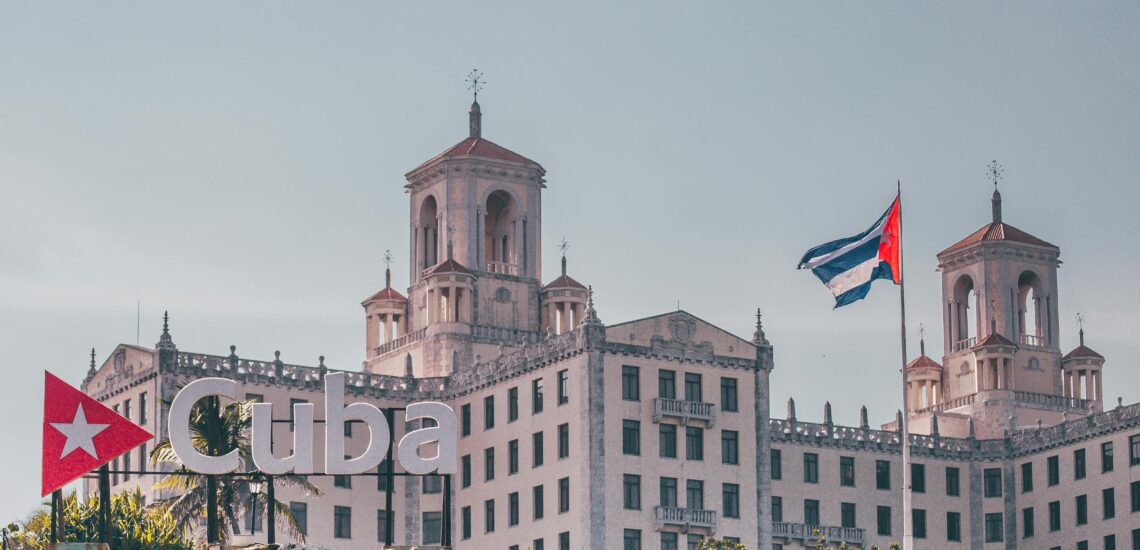


Cuba is a country like no other – a place where time slows down, classic cars roll past colonial plazas, music spills from every corner café, and the air hums with history and rhythm. The largest island in the Caribbean, Cuba is a tapestry of colorful culture, revolutionary spirit, and natural beauty.
From the vintage charm of Havana, to the cobblestone streets of Trinidad, to the tobacco fields of Viñales and the white sands of Varadero, every region tells a story of resilience, art, and joy. For travelers seeking authenticity, warmth, and adventure, Cuba is an unforgettable journey into the heart of the Caribbean.
Best Cities in Cuba
Havana
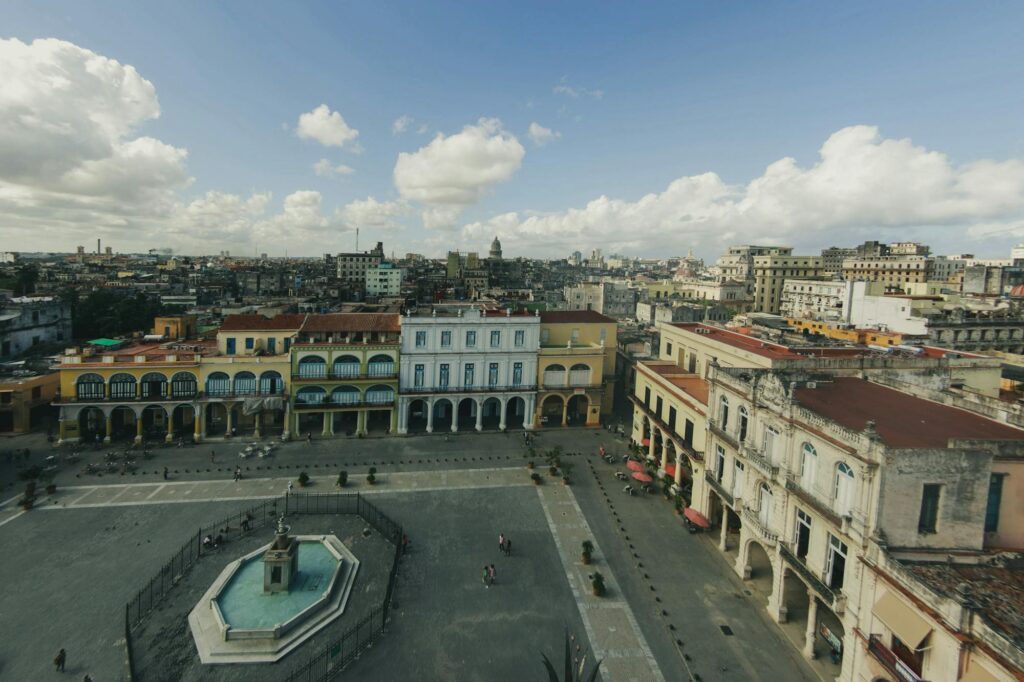
Havana, the capital of Cuba, is a city where history, art, and everyday life blend in vivid detail. Its centerpiece, Old Havana (Habana Vieja), is a UNESCO World Heritage Site filled with colonial architecture, narrow cobblestone streets, and colorful buildings that reflect centuries of change. Visitors can explore Plaza Vieja, Plaza de la Catedral, and Plaza de Armas – each offering a glimpse into Havana’s past through baroque churches, restored mansions, and lively cafés. The Museo de la Revolución, housed in the former presidential palace, traces the country’s struggle for independence and the events that shaped modern Cuba.
Beyond its history, Havana’s rhythm defines its charm. Walking along the Malecón, the city’s iconic seaside promenade, reveals daily life as locals fish, sing, and gather at sunset. Classic car tours in vintage 1950s convertibles let travelers experience the city in true Cuban style, while Fusterlandia – a mosaic-covered neighborhood created by artist José Fuster – showcases Havana’s ongoing artistic spirit.
Trinidad
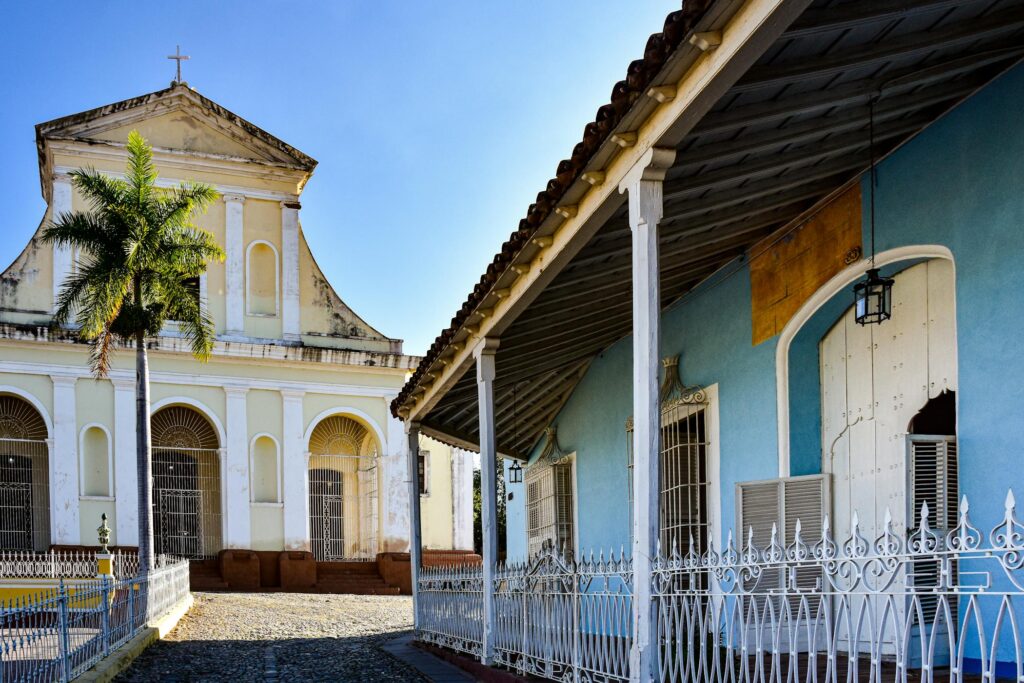
Trinidad, on Cuba’s southern coast, is one of the best-preserved colonial towns in the Caribbean and a UNESCO World Heritage Site. Founded in the 16th century, it feels frozen in time with its cobblestone streets, pastel houses, and tiled rooftops framed by mountain and sea views. The town’s heart, Plaza Mayor, is surrounded by grand mansions that now serve as museums, including the Museo Romántico and Palacio Cantero, which offer insight into the wealth of the sugar barons who once shaped the region.
Just outside the town lies the Valle de los Ingenios (Valley of the Sugar Mills), where remnants of old plantations and watchtowers tell the story of Cuba’s sugar boom. Trinidad is also known for its lively evenings – as the sun sets, locals and travelers gather at Casa de la Música to dance salsa under the stars while live bands play traditional Cuban rhythms.
Cienfuegos
Cienfuegos, often called the “Pearl of the South”, is a graceful coastal city on Cuba’s southern shore known for its French-inspired architecture and relaxed seaside atmosphere. Founded by French settlers in the 19th century, it stands out for its wide boulevards, neoclassical buildings, and well-planned layout. Parque José Martí forms the heart of the city, surrounded by landmarks such as the ornate Teatro Tomás Terry and the Cathedral of the Immaculate Conception. A walk along the Malecón de Cienfuegos offers ocean views and a glimpse of local life, from fishermen at work to families enjoying the breeze.
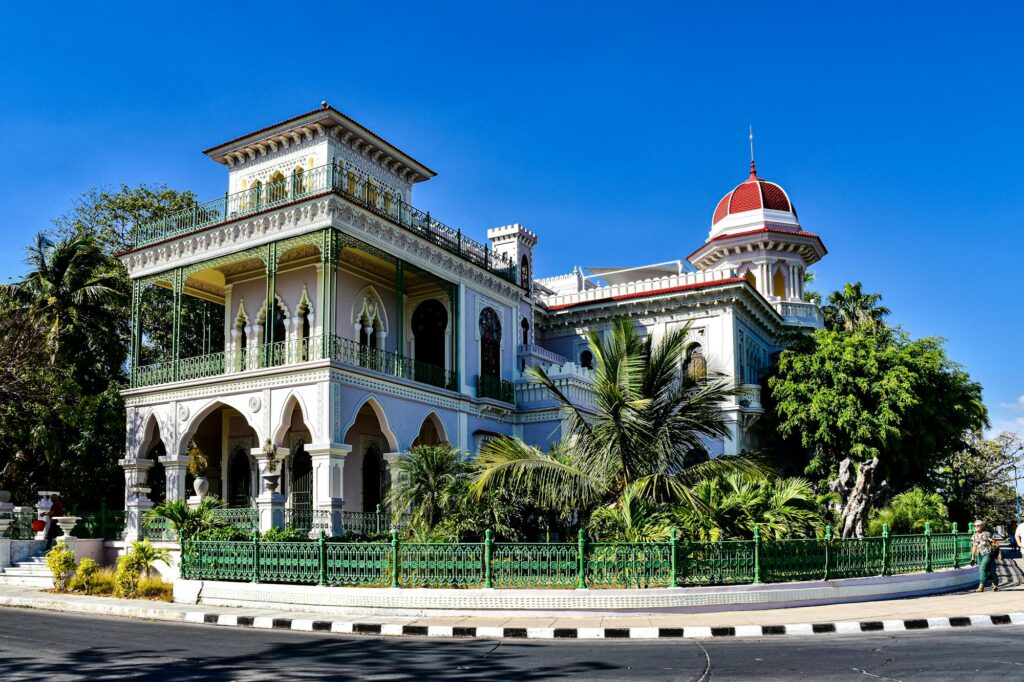
Further along the bay, the Moorish-style Palacio de Valle is one of Cienfuegos’s most striking buildings, now housing a restaurant and rooftop terrace with panoramic views. The city’s calm elegance, lively music scene, and UNESCO World Heritage status make it a rewarding stop for travelers exploring Cuba’s southern coast.
Santiago de Cuba
Nestled between the mountains and the Caribbean Sea, it offers a rich blend of history, music, and tradition. The city’s historic center revolves around Parque Céspedes, where pastel buildings and colonial architecture frame a lively atmosphere of street musicians and open-air cafés. Nearby, the Museo Emilio Bacardí – Cuba’s oldest museum – presents exhibits on the revolution, art, and the city’s diverse heritage.
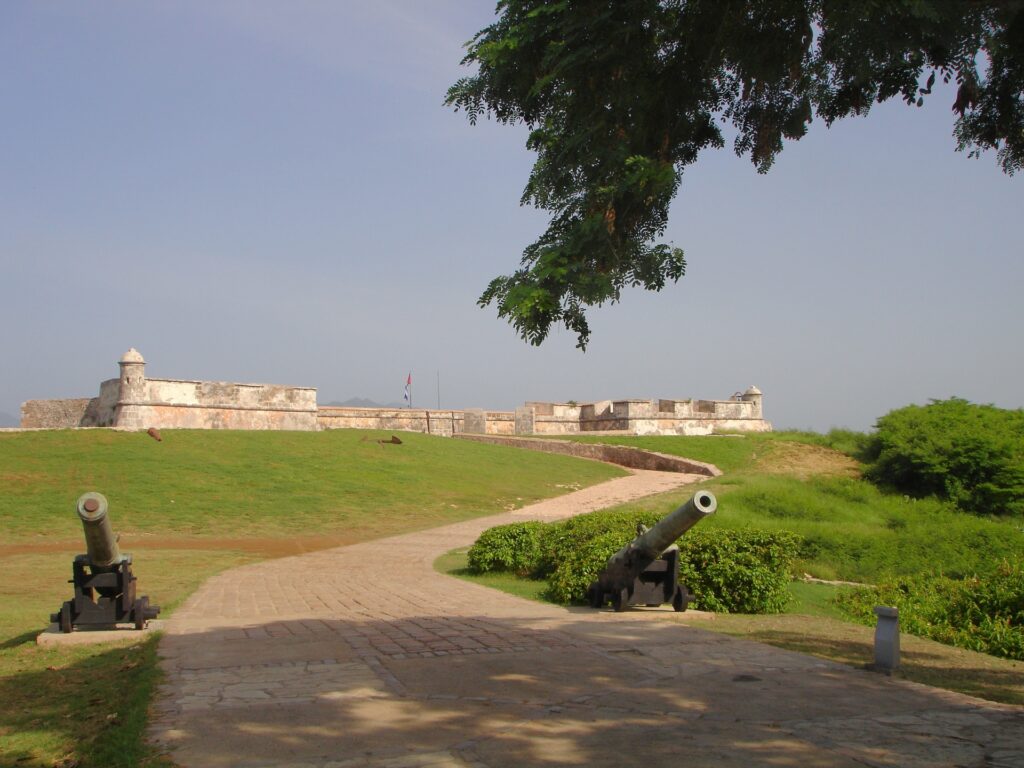
Overlooking Santiago Bay, Castillo del Morro, a 17th-century fortress and UNESCO World Heritage Site, stands as a reminder of the city’s strategic and military past, offering panoramic views of the coastline. Santiago is also the birthplace of Cuba’s most famous festival, Carnival, celebrated every July with parades, drums, and colorful costumes that fill the streets with rhythm and joy.
Camagüey
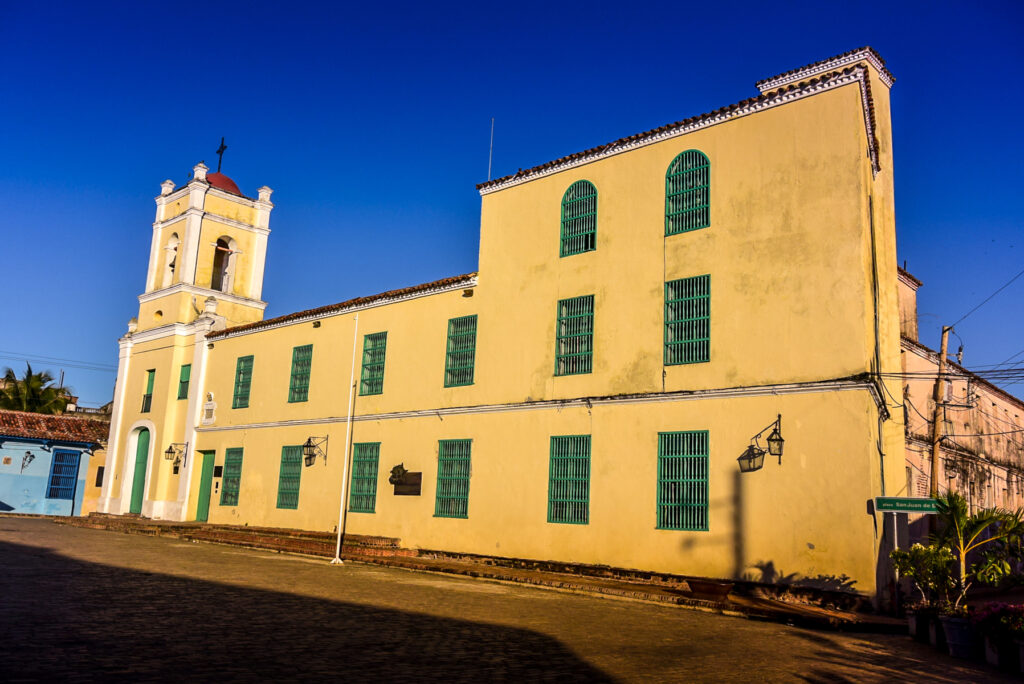
Founded in the early 1500s and rebuilt after pirate attacks, the city’s winding alleys and irregular squares were deliberately designed to confuse invaders – and they still surprise visitors today. Exploring on foot reveals hidden plazas such as Plaza San Juan de Dios and Plaza del Carmen, lined with pastel-colored buildings, wrought-iron balconies, and local art studios.
Camagüey is also famous for its pottery, particularly the traditional tinajones – large clay jars once used to collect rainwater and now seen throughout the city as decorative symbols. Street art, small cafés, and quiet courtyards give the city a creative, relaxed atmosphere distinct from Cuba’s busier centers. Recognized by UNESCO for its well-preserved colonial architecture, Camagüey offers an authentic look at Cuban urban life beyond the usual tourist trail.
Santa Clara
Santa Clara, located in central Cuba, holds a special place in the country’s revolutionary history as the site of the decisive 1958 battle led by Ernesto “Che” Guevara. Today, it is known as the “City of Che” and serves as a national symbol of Cuba’s revolutionary spirit. The Che Guevara Mausoleum and Museum is the city’s main landmark, housing the remains of Guevara and his fellow fighters alongside exhibits detailing their lives and struggles.
Beyond its historical importance, Santa Clara has a youthful and creative atmosphere thanks to its large student population from the local university. The city’s plazas, theaters, and art spaces host music, film, and cultural events throughout the year.
Best Natural Wonders in Cuba
Viñales Valley
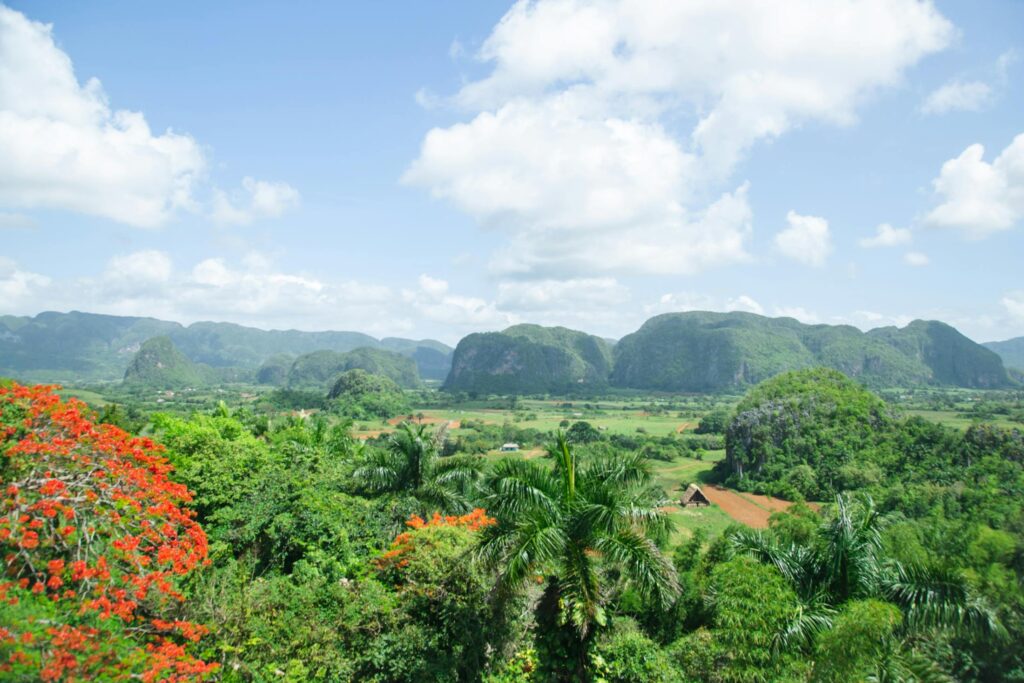
Viñales Valley, located in western Cuba’s Pinar del Río province, is one of the country’s most striking natural landscapes and a UNESCO World Heritage Site. The valley is famous for its towering limestone mogotes, fertile red soil, and traditional tobacco farms where some of the world’s finest cigars are produced. Visitors can explore the countryside on horseback or by bike, visiting family-run plantations to learn about tobacco cultivation and cigar rolling.
Cueva del Indio, a large cave system with an underground river, offers boat rides through illuminated rock formations, while nearby trails lead to scenic viewpoints ideal for photography. The town of Viñales itself has a relaxed, welcoming atmosphere with small guesthouses, local restaurants, and live music in the evenings.
Varadero
Varadero, located on the Hicacos Peninsula about two hours east of Havana, is Cuba’s most famous beach destination. Stretching for 20 kilometers, its powdery white sand and clear turquoise waters make it ideal for swimming, snorkeling, and relaxing in the sun. The area is home to a wide range of resorts, from all-inclusive hotels to smaller boutique stays, catering to travelers seeking comfort and convenience. Beyond the beach, visitors can enjoy sailing trips, catamaran cruises to nearby coral cays, or diving among vibrant reefs and shipwrecks. Varadero also offers golf, spas, and local markets selling crafts and souvenirs.
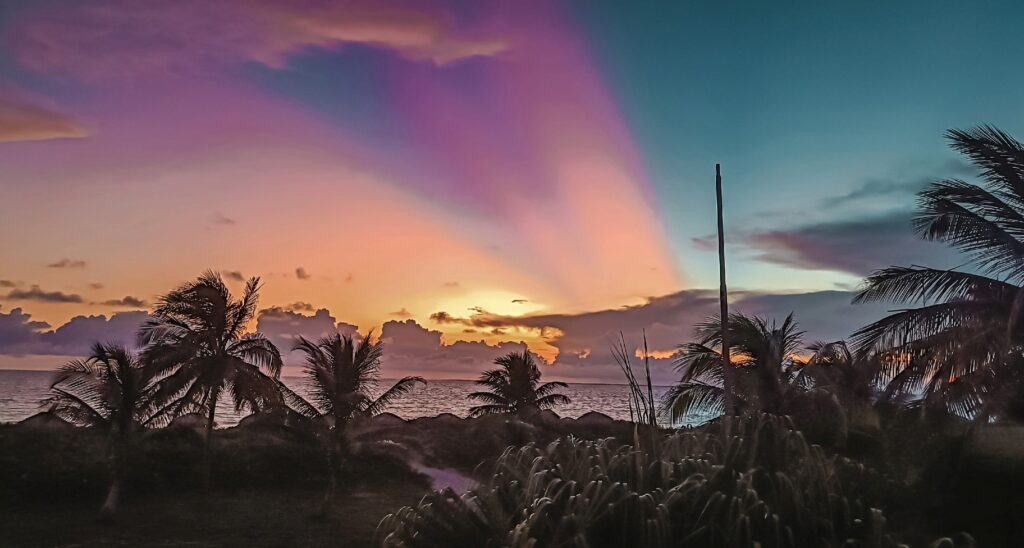
Topes de Collantes
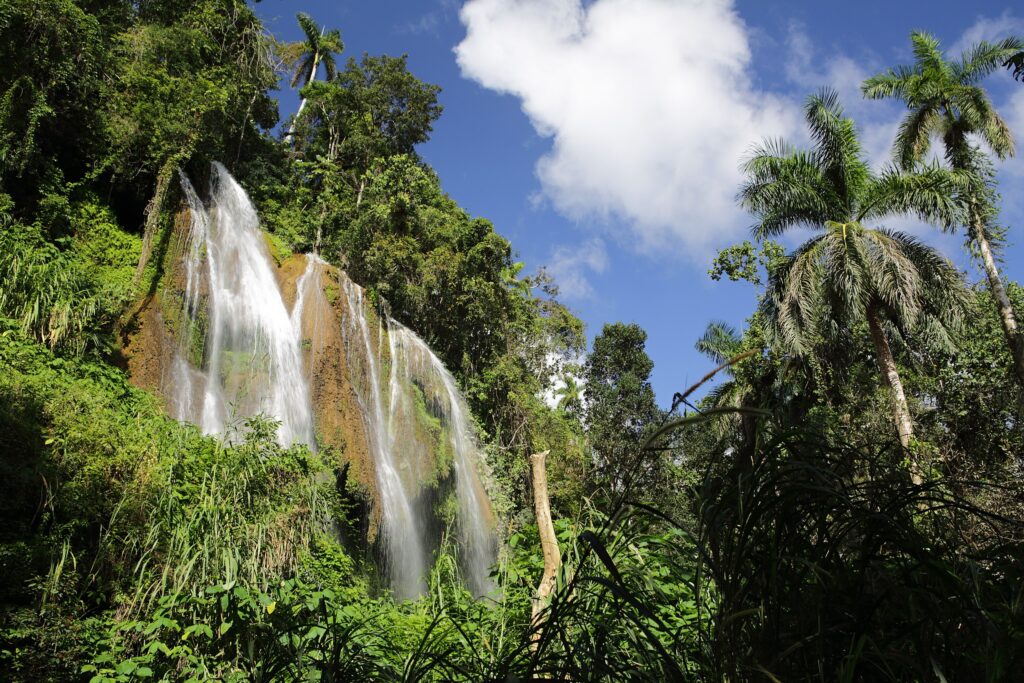
Topes de Collantes, set in the Escambray Mountains near Trinidad, is one of Cuba’s most beautiful natural reserves and a haven for outdoor enthusiasts. The area is known for its cool mountain climate, dense forests, and scenic hiking trails that lead to waterfalls, caves, and panoramic viewpoints. The most popular route takes visitors to Salto del Caburní, a 75-meter waterfall that plunges into a natural pool perfect for swimming after the trek.
The reserve is also a great spot for birdwatching, with species such as the Cuban trogon and emerald hummingbird commonly seen among the trees. Several eco-lodges and rustic hotels provide accommodation for travelers who want to immerse themselves in the quiet mountain setting.
Cayo Coco & Cayo Guillermo
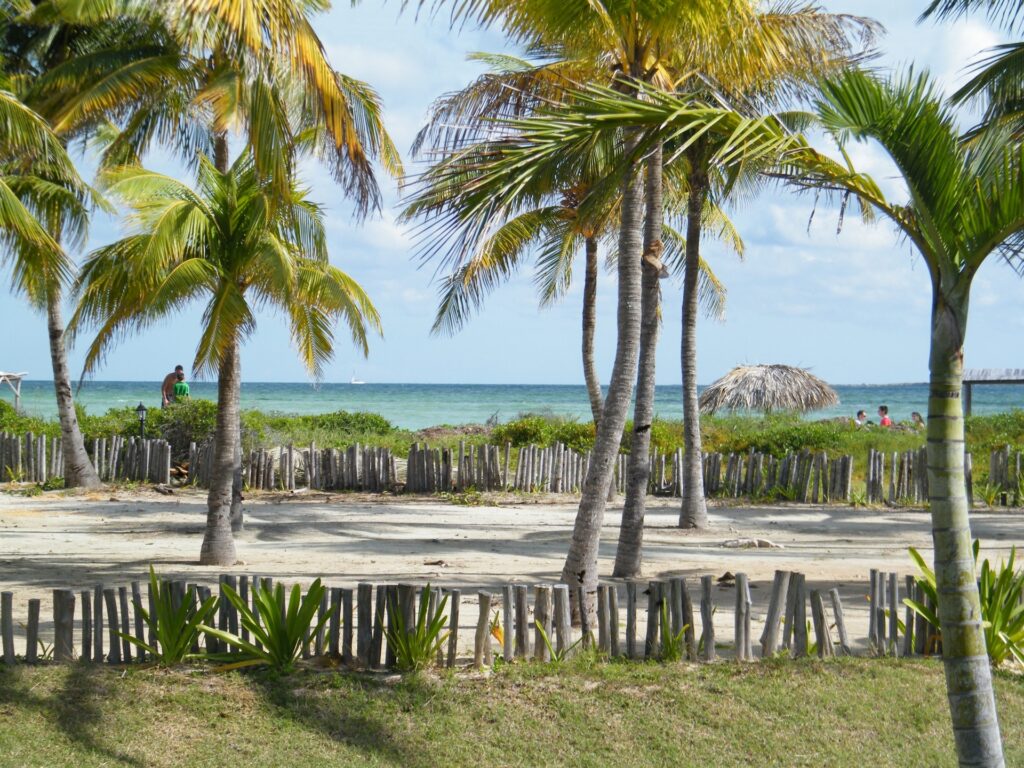
Known for their fine white sand, shallow turquoise waters, and coral reefs, these cays are part of the Jardines del Rey archipelago and offer some of the best conditions in the Caribbean for diving, snorkeling, and sailing. Playa Pilar on Cayo Guillermo, named after Ernest Hemingway’s boat, is often cited as one of Cuba’s most beautiful beaches, with calm water and towering sand dunes.
Both islands are connected to the mainland by long scenic causeways that cross mangroves and lagoons rich in birdlife, including flamingos and herons. The area is home to several all-inclusive resorts as well as eco-friendly properties designed to blend with the natural surroundings. Cayo Coco and Cayo Guillermo are accessible by car or via Jardines del Rey International Airport.
Playa Paraíso (Cayo Largo del Sur)
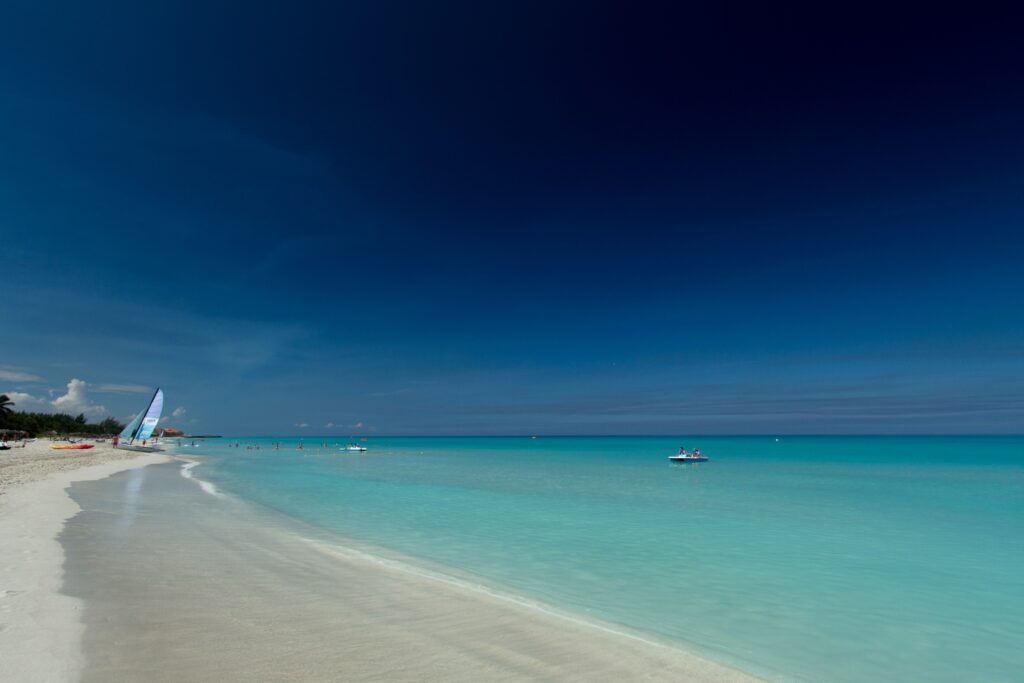
Playa Paraíso, located on Cayo Largo del Sur off Cuba’s southern coast, is one of the island’s most stunning beaches and frequently listed among the Caribbean’s finest. The beach lives up to its name “Paradise Beach” – with powdery white sand, crystal-clear turquoise water, and a tranquil, shallow shoreline perfect for swimming and wading. Its calm conditions make it ideal for families and anyone seeking a quiet day by the sea.
There are no large resorts directly on the beach, preserving its pristine atmosphere, but nearby hotels and eco-lodges on Cayo Largo offer easy access. Visitors can also explore neighboring Playa Sirena or take boat trips to nearby coral reefs for snorkeling. Cayo Largo del Sur is reached by small plane from Havana or Varadero.
Sierra Maestra Mountains
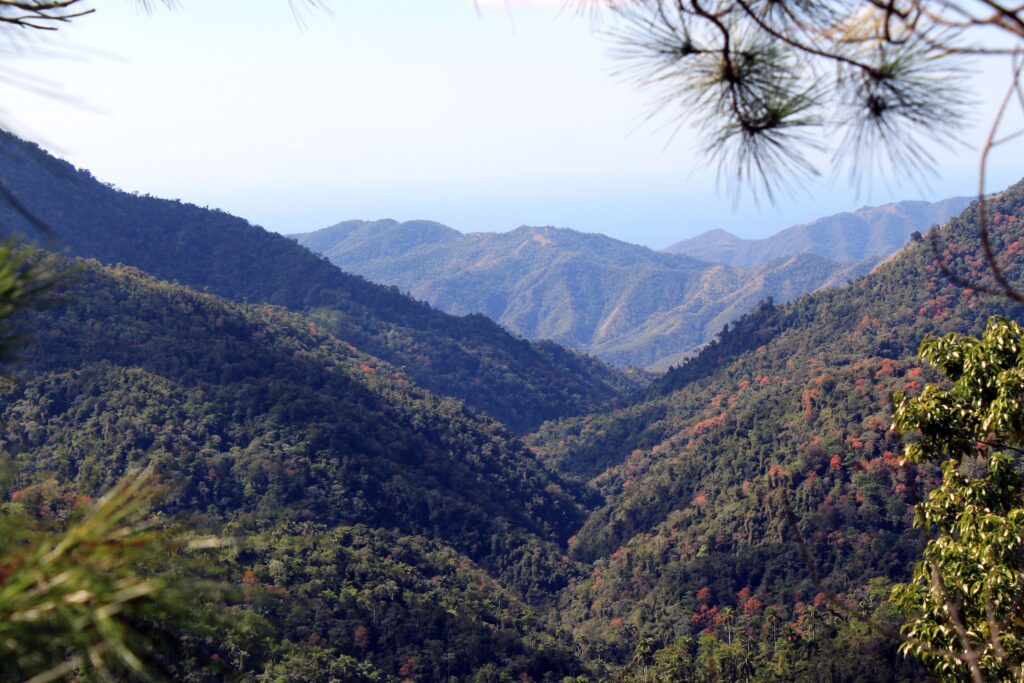
These rugged peaks were the stronghold of Fidel Castro’s guerrilla fighters during the Cuban Revolution, and visitors today can explore Comandancia de la Plata, the hidden mountain base where the revolutionary movement was organized. The site includes preserved huts, a small museum, and Castro’s original radio station, all nestled deep within the forest.
Beyond its history, the Sierra Maestra is a paradise for hikers and nature lovers. Trails wind through dense vegetation, rivers, and cloud forests, leading to panoramic viewpoints over the Caribbean and Pico Turquino, Cuba’s highest peak. The region’s isolation and well-preserved landscapes offer a glimpse of the island’s wild side, with opportunities for camping, birdwatching, and guided treks.
Zapata Peninsula
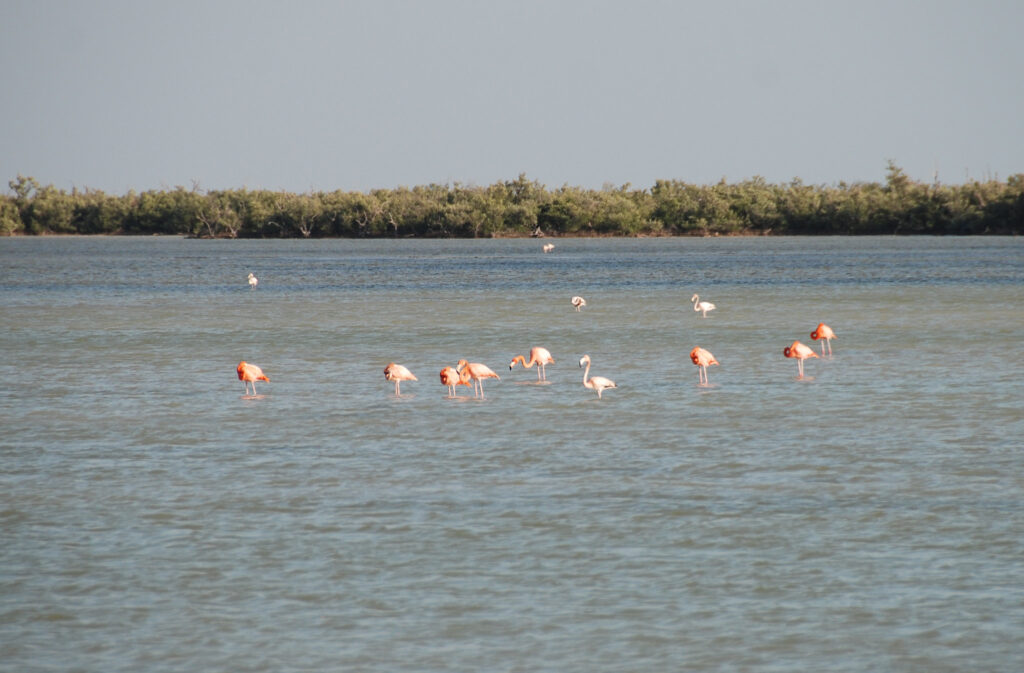
Part of the Ciénaga de Zapata Biosphere Reserve, it’s home to flamingos, crocodiles, manatees, and over 200 species of birds, including several found nowhere else. The peninsula’s mangroves, swamps, and lagoons make it a prime destination for birdwatching, eco-tours, and photography.
Along its coastline lies the Bay of Pigs (Bahía de Cochinos), known both for its natural beauty and its historical significance as the site of the failed 1961 U.S.-backed invasion. Today, the bay is a popular diving and snorkeling spot, with clear water, coral reefs, and abundant marine life. Visitors can also explore the crocodile farms at Boca de Guamá or the nearby Cueva de los Peces, a flooded cenote ideal for swimming. The Zapata Peninsula is about a two-hour drive from Havana and best explored with a guide or private transport.
Hidden Gems of Cuba
Baracoa
Founded in 1511, it retains a small-town charm surrounded by lush rainforest, rivers, and dramatic mountain scenery. The region’s fertile land produces cacao, making Baracoa the chocolate capital of Cuba – visitors can sample locally made chocolate and traditional dishes such as cucurucho, a mix of coconut, honey, and nuts wrapped in palm leaves.
Nature lovers can explore the surrounding area through scenic hikes to El Yunque, a flat-topped mountain that dominates the skyline and offers sweeping views of the coast and countryside. The nearby Toa River is ideal for boat rides and swimming, while quiet beaches such as Playa Maguana provide excellent spots to relax. Baracoa’s isolation – accessible by a winding mountain road or domestic flight – has preserved its authentic character, blending history, nature, and a distinct Afro-Caribbean culture.
Gibara
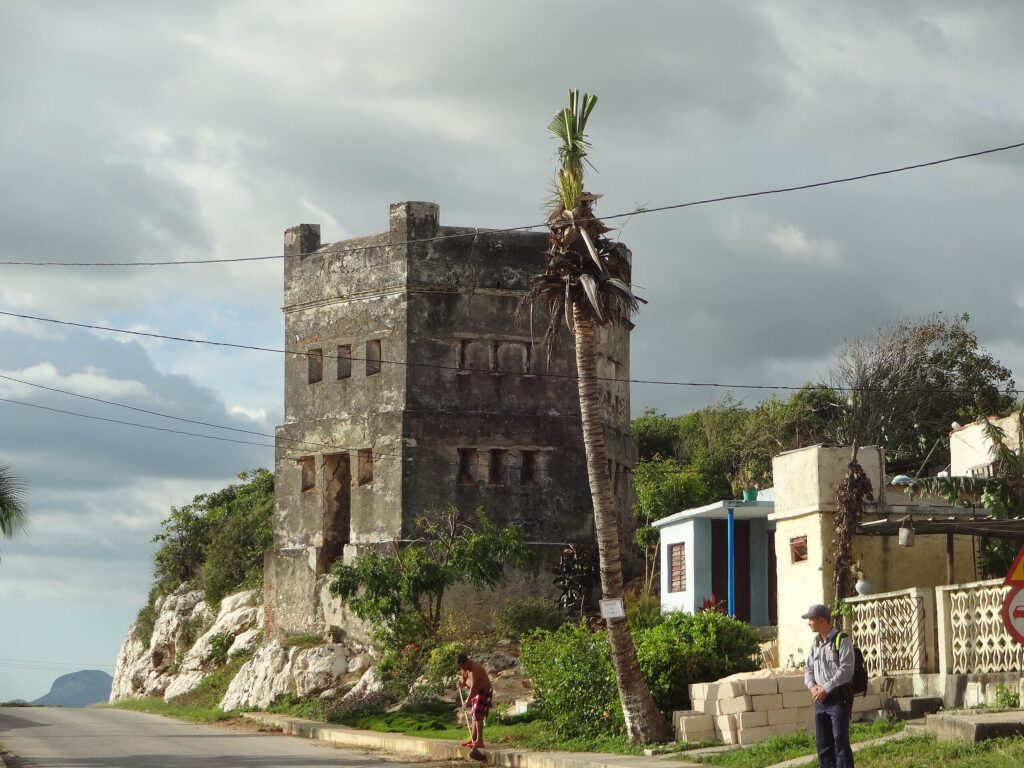
Known for its whitewashed colonial architecture and oceanfront charm, it’s a place where history, culture, and natural beauty meet. The town’s quiet streets lead to sandy beaches and nearby caves that attract divers and explorers. Gibara is also home to the annual Gibara Film Festival, which draws independent filmmakers and cinephiles from around the world, giving the town a lively, creative energy each spring. Beyond the festival, visitors can enjoy fresh seafood at local paladares, walk along the breezy promenade, or visit the Museo de Historia Natural for a glimpse into the region’s ecology.
Remedios
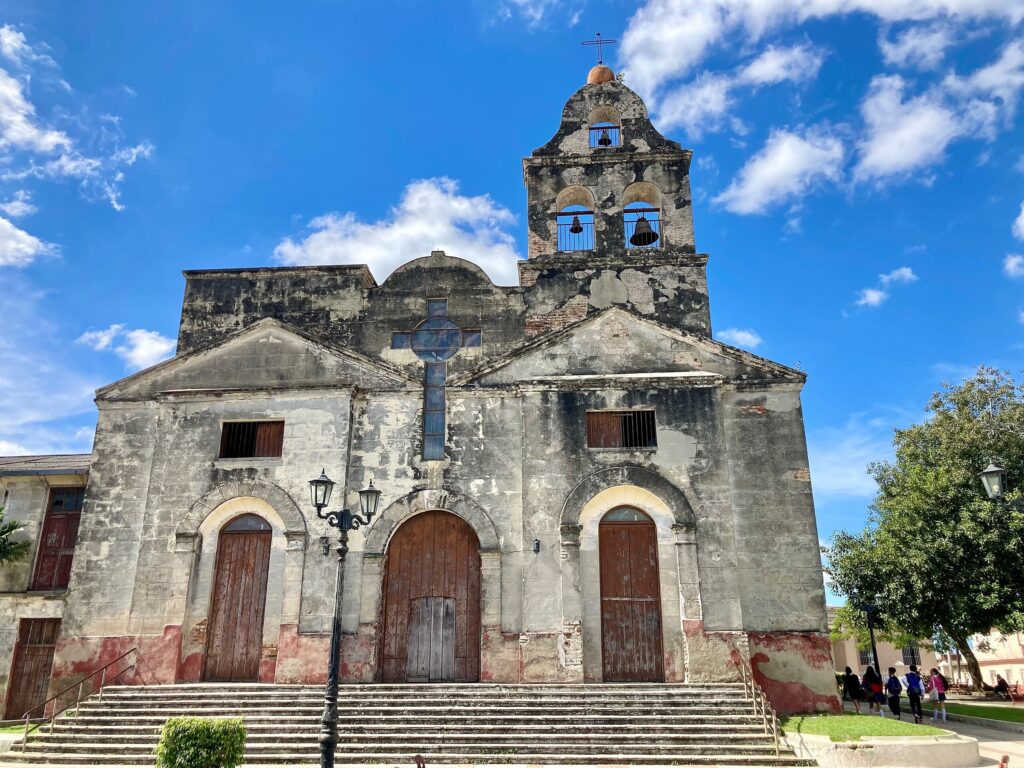
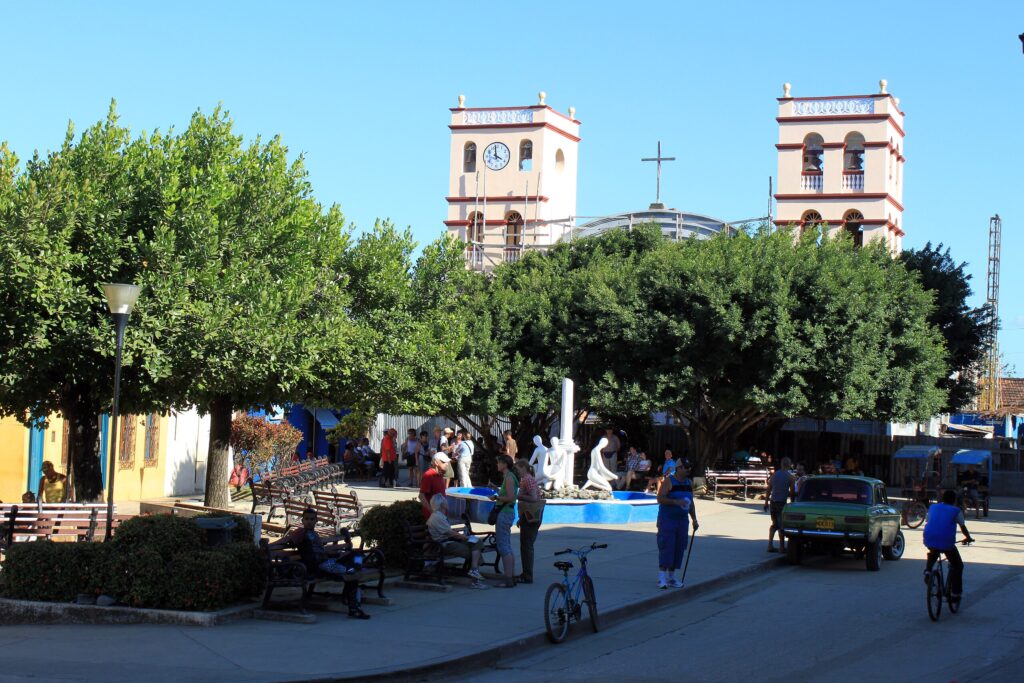
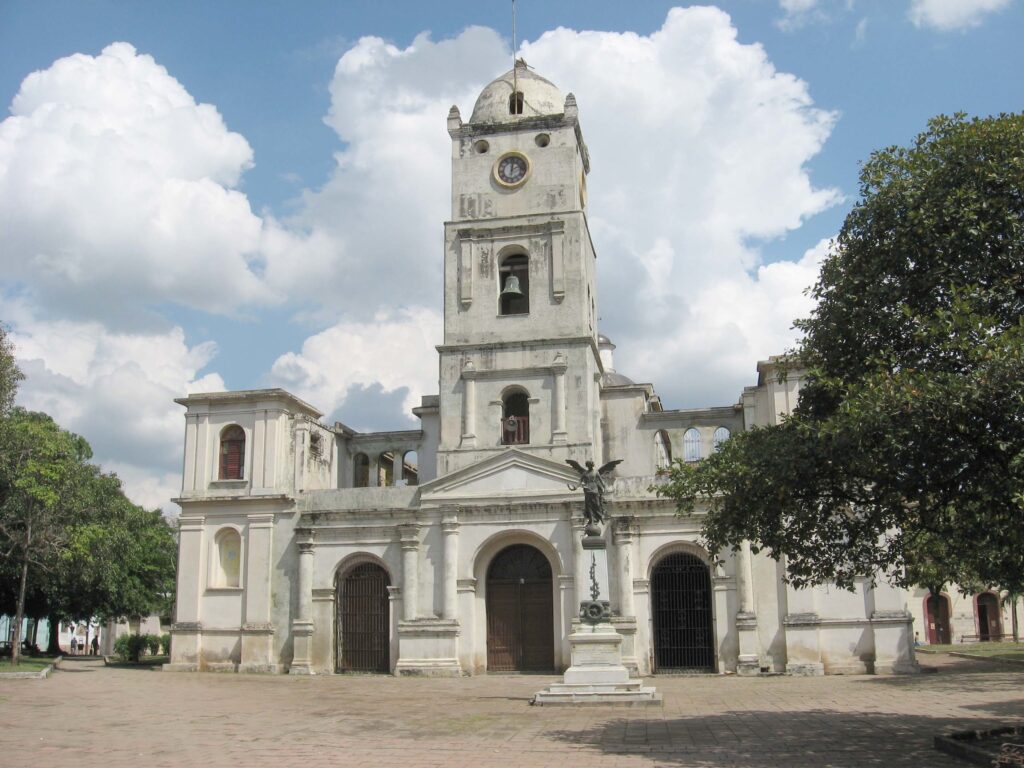
Remedios, located just east of Santa Clara, is one of Cuba’s oldest and most charming colonial towns. Its cobblestone streets, pastel buildings, and quiet plazas give it a timeless atmosphere, while the centerpiece – Plaza Mayor is surrounded by beautifully preserved churches, including the 16th-century Iglesia de San Juan Bautista, known for its ornate gold altars. The town has a relaxed, local feel, with small museums, family-run cafés, and traditional music often playing in the streets.
Remedios is best known for its Parrandas Festival, held every December, one of Cuba’s most vibrant cultural celebrations. The event features elaborate floats, fireworks, costumes, and music, transforming the town into a spectacle of light and sound that lasts through the night.
Holguín
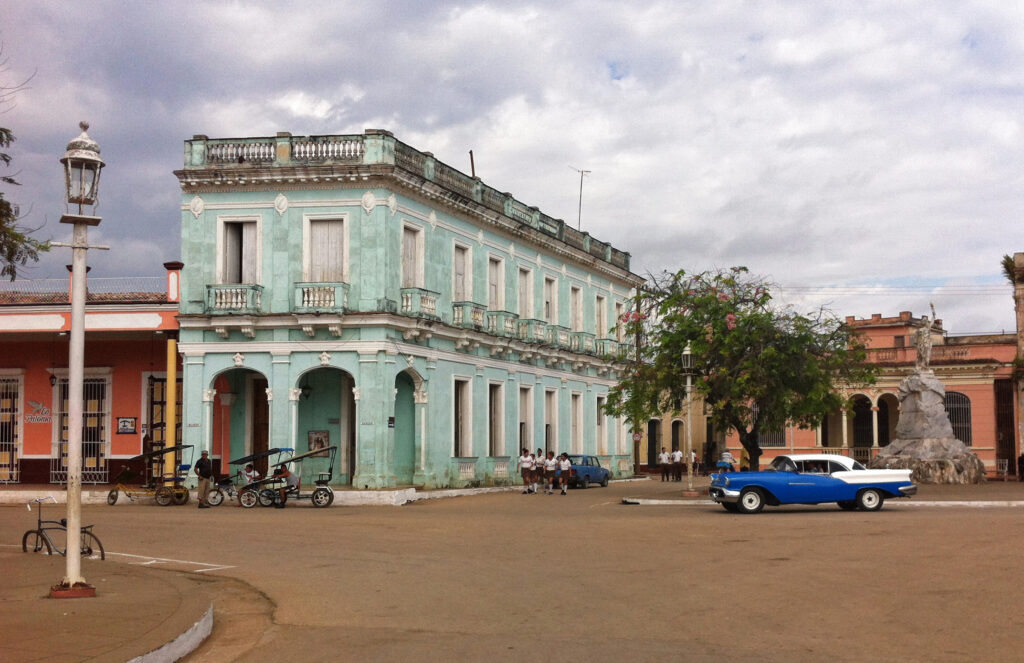
It serves as the main gateway to the island’s northern beaches, including the popular resort area of Guardalavaca, known for its white sand, coral reefs, and clear waters ideal for diving and snorkeling. Within the city, visitors can explore local markets, museums, and colonial-era churches that showcase Holguín’s cultural heritage.
One of the city’s highlights is Loma de la Cruz, a hilltop viewpoint reached by climbing 465 steps. From the top, visitors are rewarded with panoramic views over Holguín and the surrounding countryside. The site is especially beautiful at sunset and during the annual Romerías de Mayo festival, which fills the city with music, art, and dance.
Las Terrazas
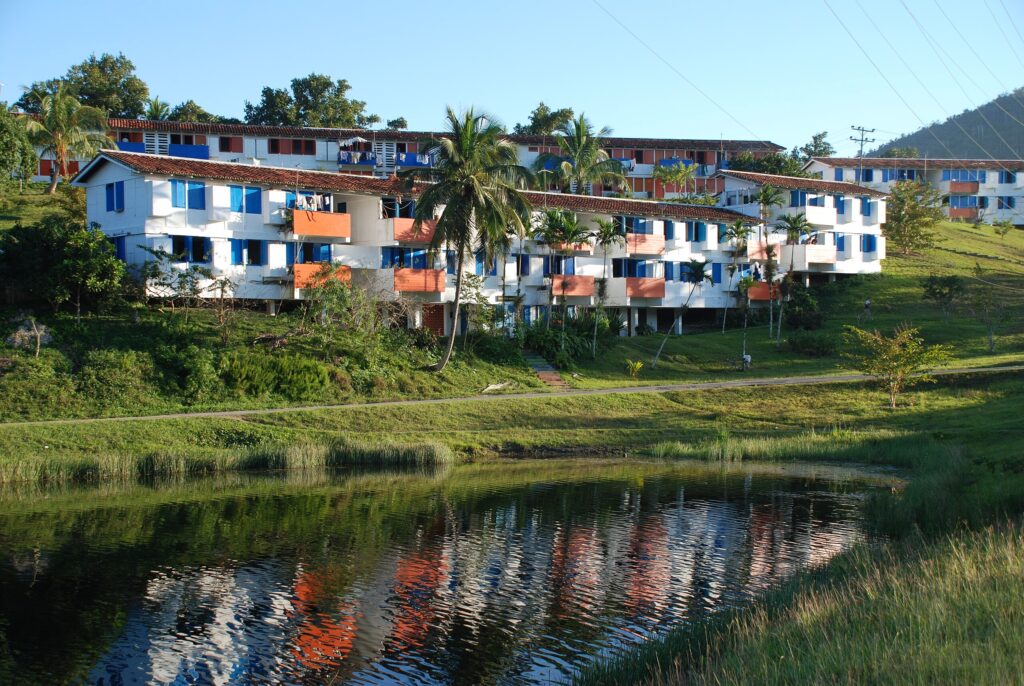
Las Terrazas, located in the Sierra del Rosario mountains about an hour west of Havana, is a model eco-community and UNESCO Biosphere Reserve that blends environmental conservation with rural Cuban life. Built in the 1970s as a sustainable development project, the village is surrounded by forested hills, rivers, and waterfalls, offering excellent opportunities for hiking, birdwatching, and swimming in natural pools.
Adventure seekers can try zip-lining over the lush canopy, while those interested in culture can visit local artist studios, including the home workshop of painter Lester Campa. The community also features small cafés, organic farms, and the eco-friendly Hotel Moka, which integrates seamlessly into the forest.
Travel Tips for Cuba
Travel Insurance & Safety
Travel insurance is mandatory for all visitors, and proof of coverage may be checked upon arrival. Make sure your policy includes medical emergencies, trip interruptions, and evacuation coverage, as payment for medical services must often be made upfront.
Cuba is considered one of the safest destinations in the Caribbean, with low levels of violent crime. Petty theft can occur, so take normal precautions and keep valuables secure. Tap water is not recommended – always drink bottled or purified water.
U.S.-issued credit and debit cards generally do not work in Cuba. Exchange money only at official CADECA exchange offices, banks, or hotels. ATMs are limited, so it’s best to bring sufficient euros, pounds, or Canadian dollars to exchange on arrival.
Transportation & Driving
Viazul buses are comfortable, air-conditioned, and connect most major cities and tourist destinations. Taxis colectivos (shared taxis) offer a more local and social way to travel between cities. Domestic flights link Havana with Santiago de Cuba, Holguín, and other regional hubs. Car rentals are available but limited – reserve well in advance if you plan to drive.
Vehicles drive on the right-hand side. Roads outside major cities can be poorly maintained, with limited signage, so avoid driving at night. Fuel availability can vary, especially in rural areas, so plan your routes carefully. An International Driving Permit is required for all foreign visitors, along with your national driver’s license. Police checkpoints are common – always carry your license, passport, and car documents.

Published November 02, 2025 • 13m to read