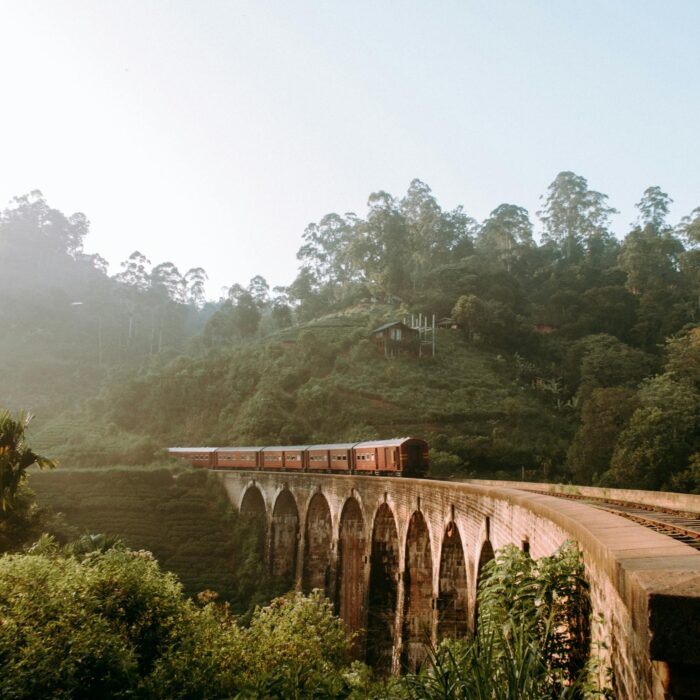
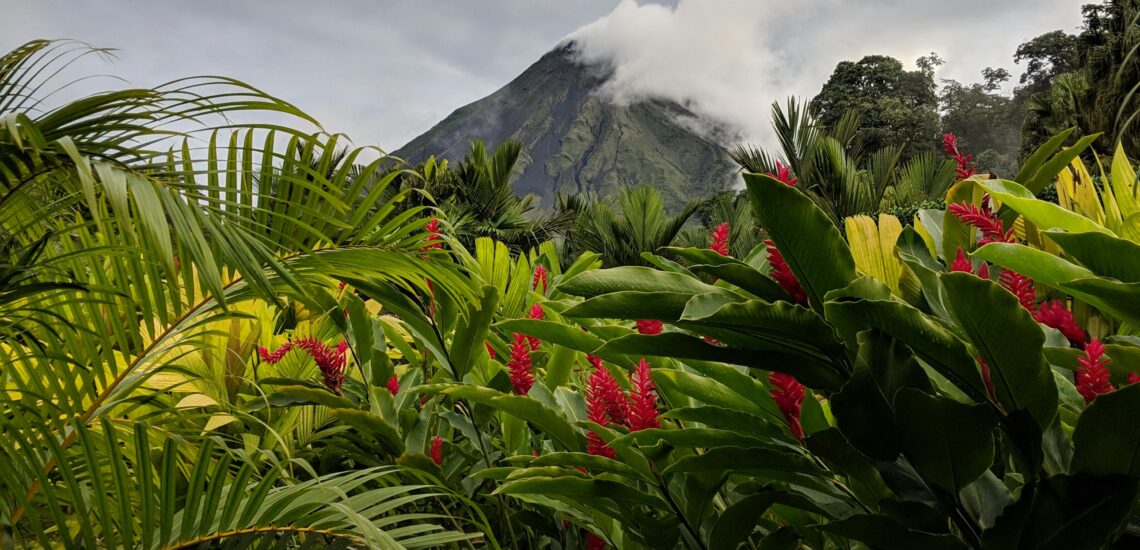


Costa Rica is a small Central American country known for its natural diversity and strong focus on conservation. It holds about 5% of the world’s biodiversity, and more than a quarter of its land is protected as national parks and reserves. Volcanoes, rainforests, beaches, and rivers are all within a few hours’ travel, making it easy to explore different landscapes in one trip.
Visitors come for hiking in Arenal Volcano National Park, wildlife watching in Monteverde Cloud Forest, or relaxing on the Pacific and Caribbean coasts. Surfing, rafting, and zip-lining are popular, as are hot springs and eco-lodges. Costa Rica’s “pura vida” lifestyle reflects its peaceful rhythm, friendly people, and deep connection to nature.
Best Cities in Costa Rica
San José
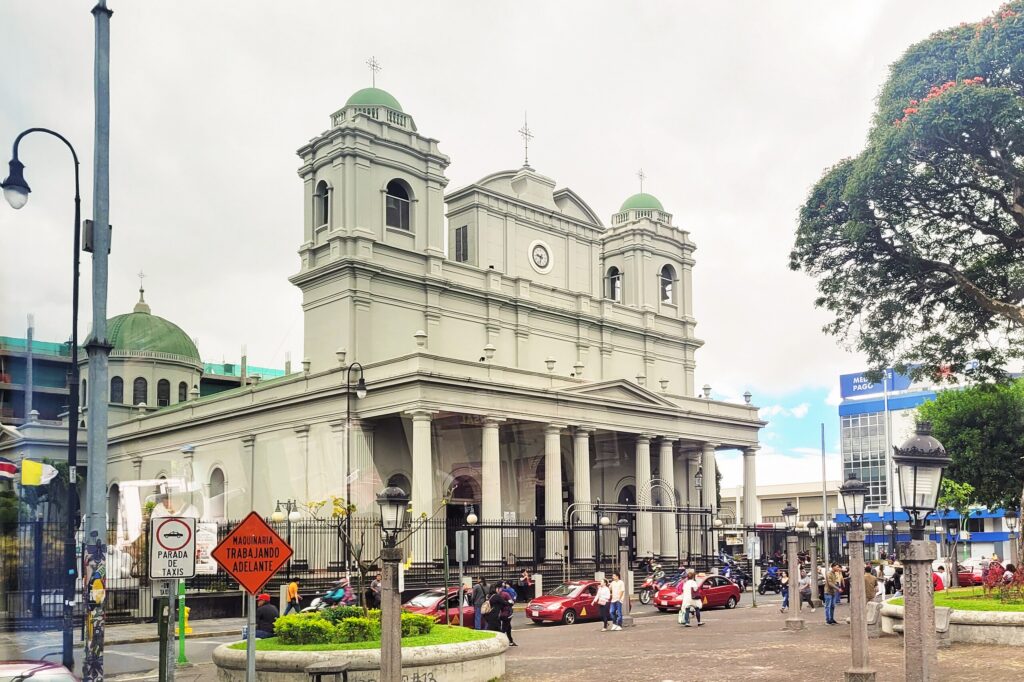
San José, the capital of Costa Rica, is the country’s main cultural and economic center and a natural starting point for most travelers. The city’s museums and markets showcase Costa Rica’s history and daily life. The National Museum of Costa Rica, located in a former military fortress, offers exhibits on archaeology, natural history, and the country’s peaceful transition away from armed forces. Nearby, the Pre-Columbian Gold Museum displays intricate indigenous goldwork and artifacts that reflect centuries of craftsmanship.
At the Mercado Central, visitors can experience local life firsthand, sampling traditional dishes, fresh coffee, and handmade goods. For dining and nightlife, Barrio Escalante is the city’s creative hub, known for its mix of restaurants, breweries, and cafés. San José is centrally located, with easy access by road or short flights to Costa Rica’s major national parks, beaches, and mountain regions.
Cartago
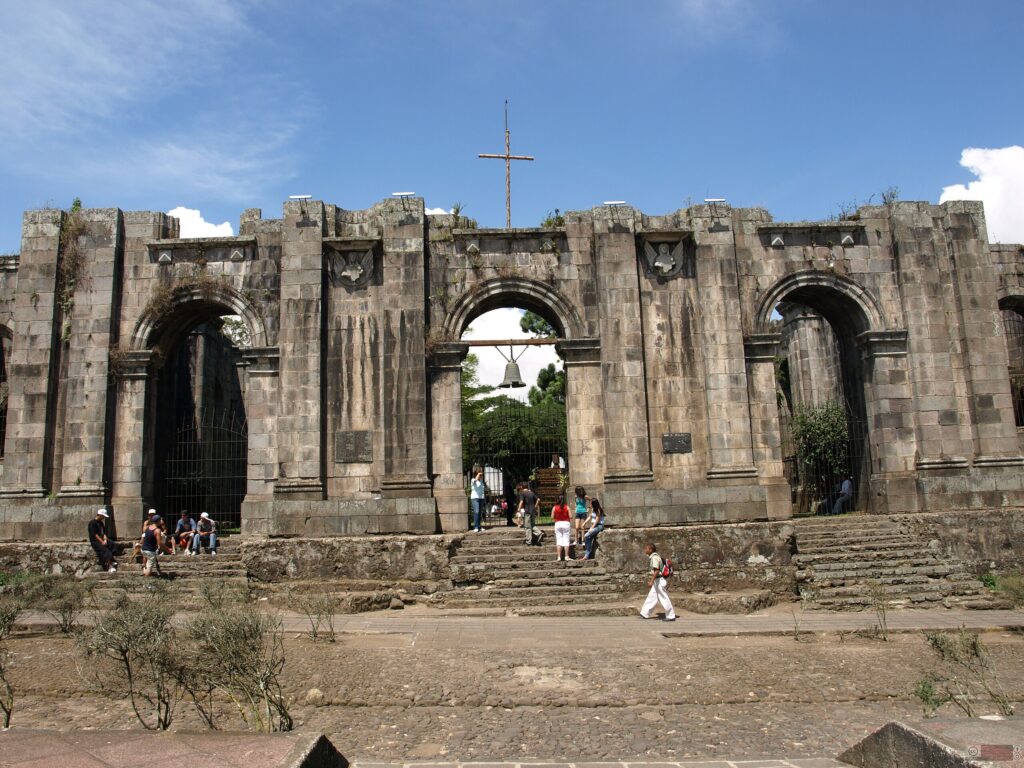
Cartago is one of Costa Rica’s oldest cities and a key stop for those interested in the country’s religious and colonial heritage. Its centerpiece is the Basilica de Nuestra Señora de los Ángeles, an important pilgrimage site that attracts thousands of visitors each August to honor the nation’s patron saint. In the city center, the Ruins of Santiago Apostol Parish stand as the remains of a 16th-century church never completed, now surrounded by gardens and walkways.
From Cartago, it’s an easy trip to Irazú Volcano National Park, where visitors can drive up to the rim of an active volcano and look into its steaming crater more than 3,400 meters above sea level. The city is about a 30-minute drive from San José.
Alajuela
Alajuela, just a few kilometers from Costa Rica’s main international airport, serves as a convenient entry point to the country’s central highlands. The city itself offers a taste of local life with its bustling markets, traditional cafés, and small museums highlighting Costa Rica’s coffee-growing history and national heroes.
Nearby, Poás Volcano National Park is the main attraction – home to one of the world’s largest active volcanic craters, easily accessible by road and featuring walking trails through cloud forest. Alajuela is also a good base for day trips to nearby coffee plantations, waterfalls, and wildlife reserves. Its close proximity to San José and the airport makes it an easy first stop for travelers beginning their Costa Rican journey.
Best Natural Wonders
Arenal Volcano National Park
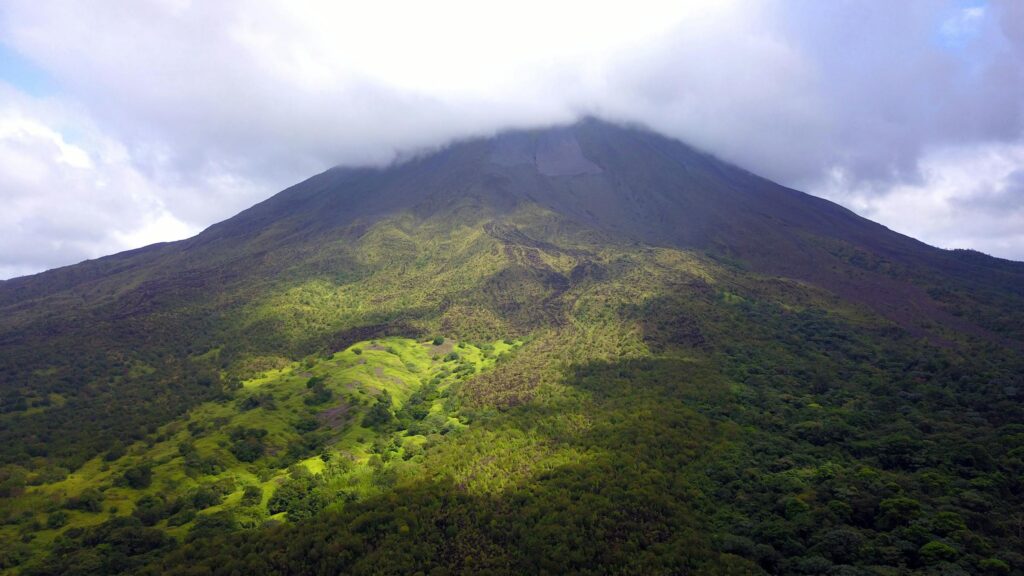
Arenal Volcano National Park, in northern Costa Rica, is home to the country’s most recognizable natural landmark – a perfectly shaped volcano rising above rainforest and rivers. Visitors can hike trails across old lava fields, spot wildlife such as toucans and monkeys, and enjoy adventure activities like zip-lining, canyoning, and white-water rafting. The nearby La Fortuna Waterfall, a 70-meter drop into a jungle pool, is one of the region’s most photographed sites.
After exploring, travelers can relax in the area’s natural hot springs, where resorts such as Tabacón and EcoTermales offer pools heated by geothermal energy with views of the volcano. The town of La Fortuna serves as the main base for visiting the park, with hotels, restaurants, and tour operators. Arenal is about a three-hour drive from San José or Liberia.
Monteverde Cloud Forest Reserve
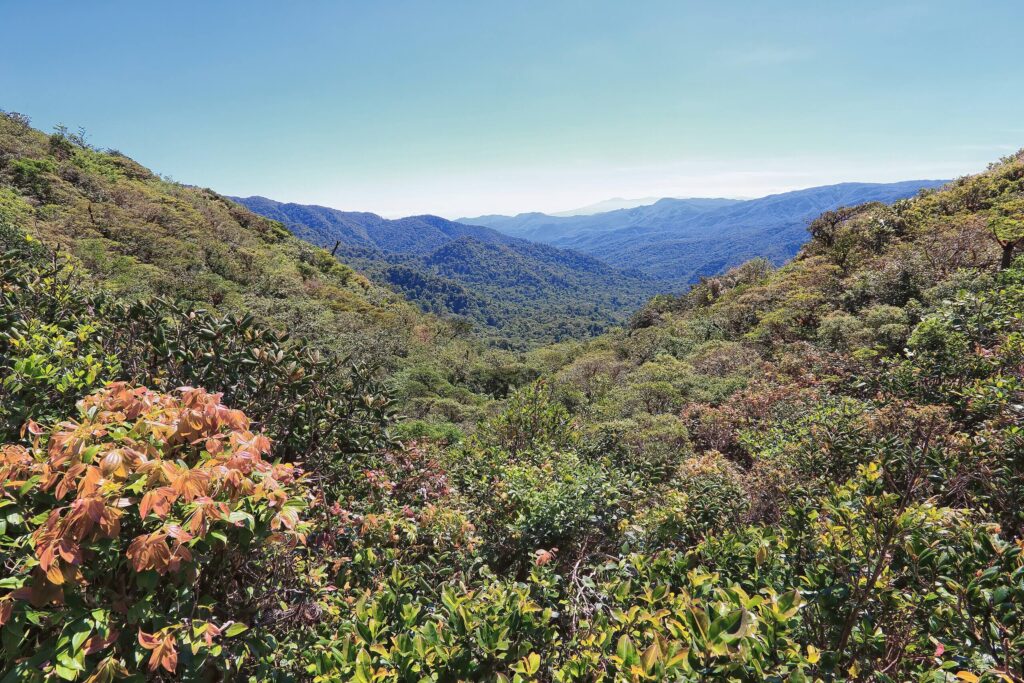
Monteverde Cloud Forest Reserve is one of the world’s best-known destinations for nature and eco-tourism. The reserve’s mist-covered forest shelters thousands of plant and animal species, including orchids, hummingbirds, and the famous resplendent quetzal. Visitors can explore a network of trails, hanging bridges, and canopy walkways that offer views of the forest from both above and below.
Nearby attractions such as the Monteverde Butterfly Gardens and the Santa Elena Reserve provide additional chances to observe local wildlife and learn about conservation. Monteverde’s small town has lodges, cafés, and guides specializing in birdwatching and night walks. The area is reached by a four-hour drive from San José or Arenal, following winding mountain roads that add to the sense of adventure.
Manuel Antonio National Park
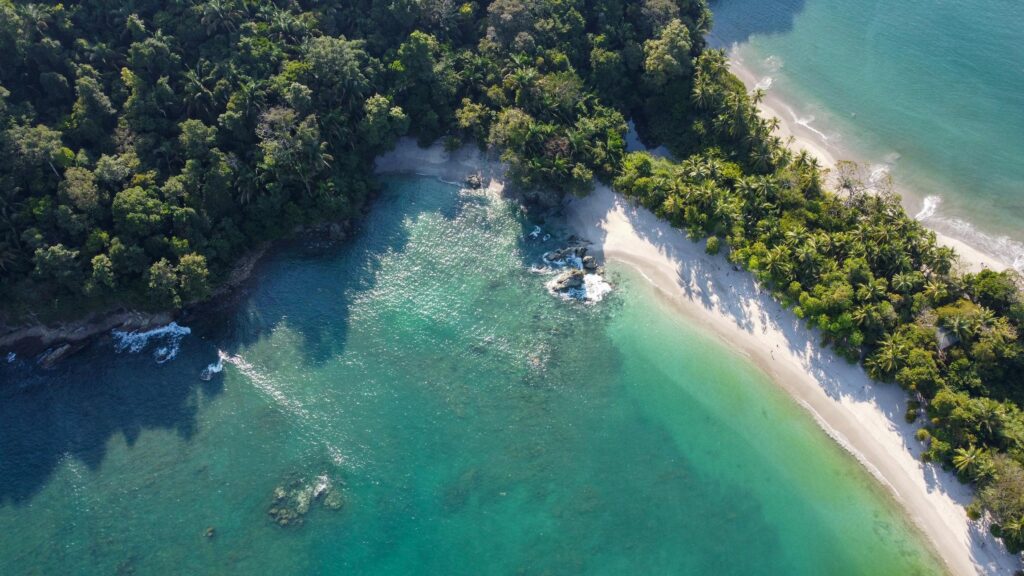
Manuel Antonio National Park combines tropical rainforest, wildlife, and beaches in a compact and easy-to-explore area. Well-marked trails lead through lush jungle where visitors often see sloths, capuchin monkeys, and colorful toucans before reaching golden-sand beaches bordered by clear water. Snorkeling, swimming, and photography are popular, with scenic spots like Playa Manuel Antonio and Playa Espadilla inside the park.
Outside the park, the nearby town of Quepos serves as the main base for visitors, offering restaurants, hotels, and access to activities such as sportfishing, kayaking, and sunset cruises. Manuel Antonio is about a three-hour drive from San José.
Tortuguero National Park
Tortuguero National Park, on Costa Rica’s northern Caribbean coast, is a vast network of canals, lagoons, and rainforest known for its incredible biodiversity. Often called the “Amazon of Costa Rica” the park is home to monkeys, sloths, caimans, river turtles, and hundreds of bird species that can be seen on guided boat or kayak tours through the waterways.
Between July and October, Tortuguero becomes one of the world’s top nesting sites for green sea turtles, when thousands come ashore to lay their eggs – a rare and unforgettable sight. The park and nearby village are accessible only by boat or small plane from San José or Limón, adding to the sense of remoteness.
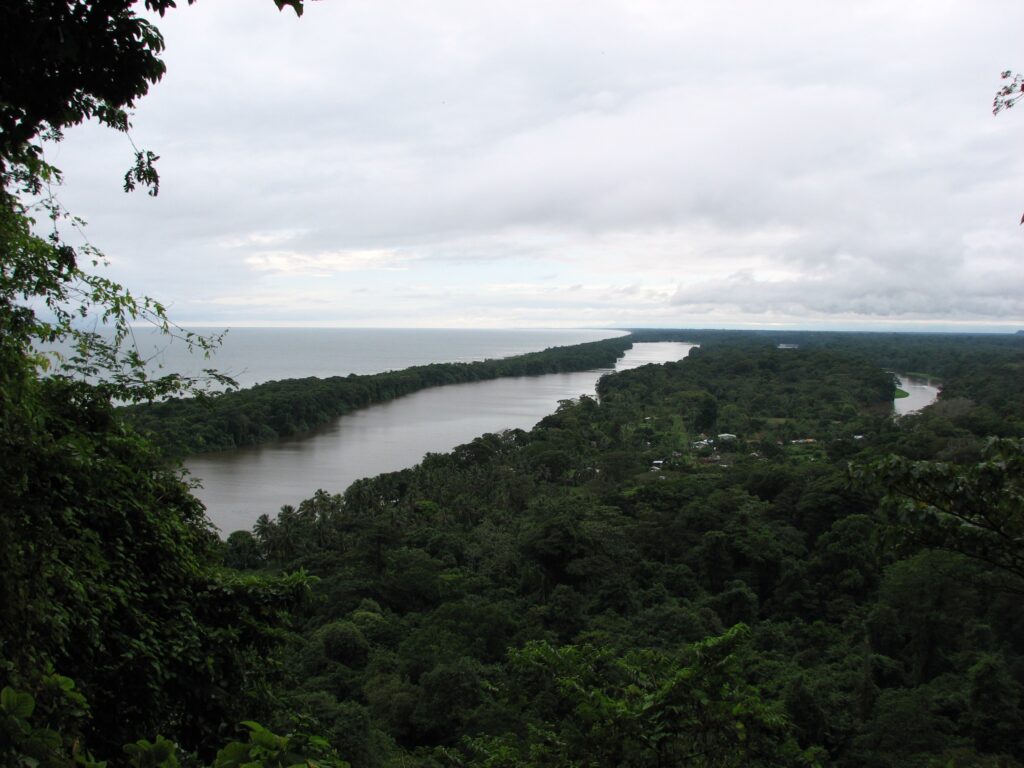
Corcovado National Park
Corcovado National Park is often described as one of the most biologically rich places on Earth. Covering vast stretches of rainforest, rivers, and coastline, it shelters an extraordinary range of wildlife, including jaguars, tapirs, monkeys, and scarlet macaws. More than 400 bird species and countless insects, amphibians, and plants thrive here, making it a prime destination for nature enthusiasts.
Exploring Corcovado involves guided hikes through dense jungle trails or along remote beaches where wildlife sightings are common. Access is via the gateway towns of Drake Bay or Puerto Jiménez, both offering boat transfers and guided tours into the park. Due to its remoteness and rugged terrain, Corcovado is best suited for experienced hikers and eco-travelers looking to experience one of the last true wilderness areas in Central America.
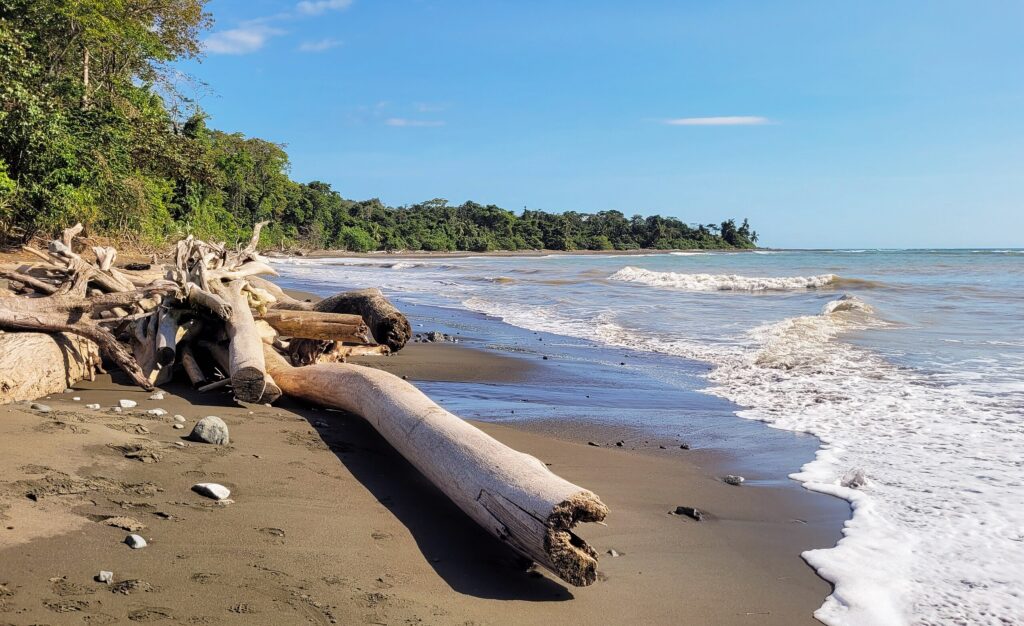
Rincón de la Vieja National Park
Rincón de la Vieja National Park is a geothermal and adventure hotspot centered around an active volcano. The park’s trails lead through dry forest and jungle landscapes to steaming vents, bubbling mud pots, and natural hot springs. Along the way, visitors can spot wildlife such as howler monkeys, toucans, and coatis. The area is also popular for hiking, horseback riding, and swimming in rivers and waterfalls like Oropendola Falls. Several nearby lodges offer guided tours and outdoor activities, from zip-lining to canyoning. The park is easily reached by car from Liberia, about an hour’s drive.
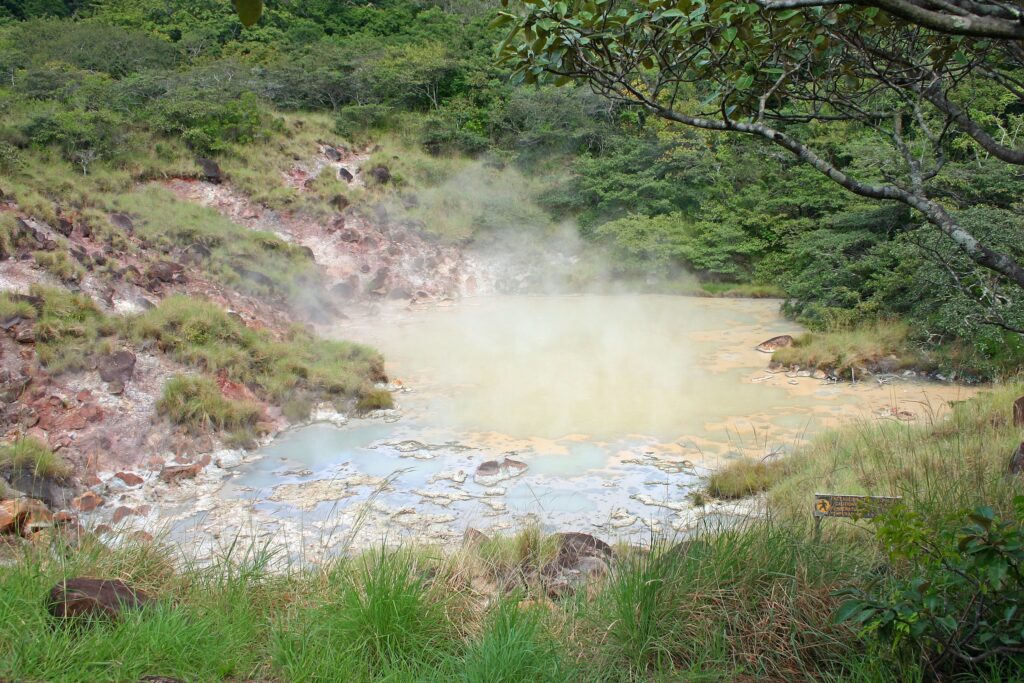
Poás Volcano National Park
Poás Volcano National Park, located in Costa Rica’s Central Valley, is one of the country’s most visited and accessible volcanic sites. The park’s main viewpoint overlooks a vast active crater with a striking turquoise lake that emits steam and gas, offering a rare chance to see a live volcanic system up close. Short walking trails pass through high-altitude forest and viewpoints where visitors can learn about the area’s geology and ecosystem. Because clouds often cover the crater later in the day, the best time to visit is early in the morning. The park is about a 90-minute drive from San José or Alajuela.
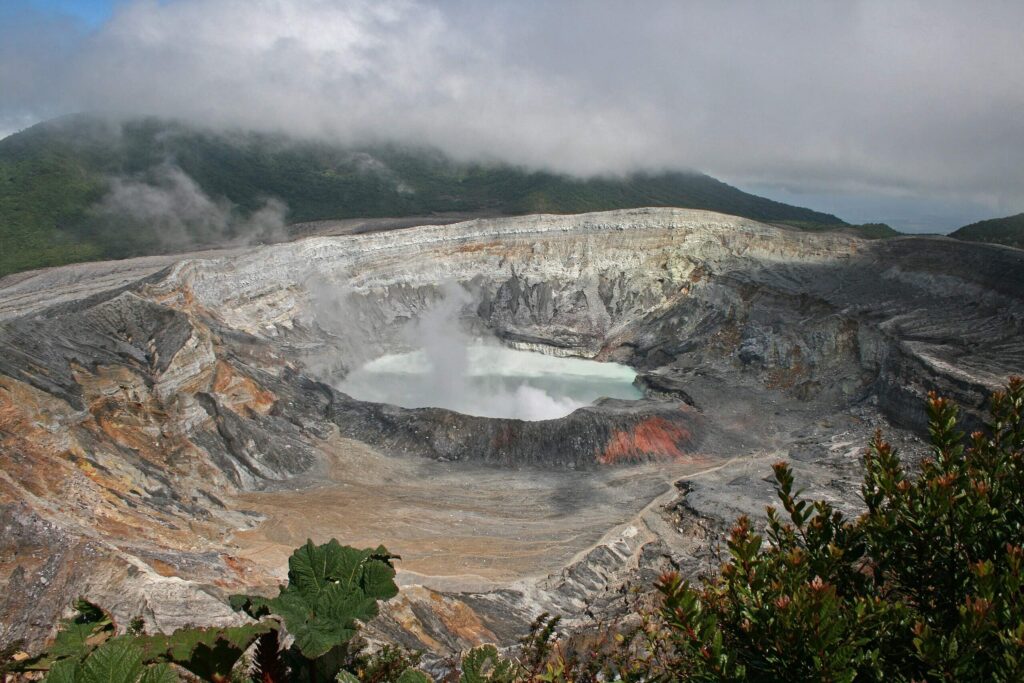
Tenorio Volcano National Park & Rio Celeste
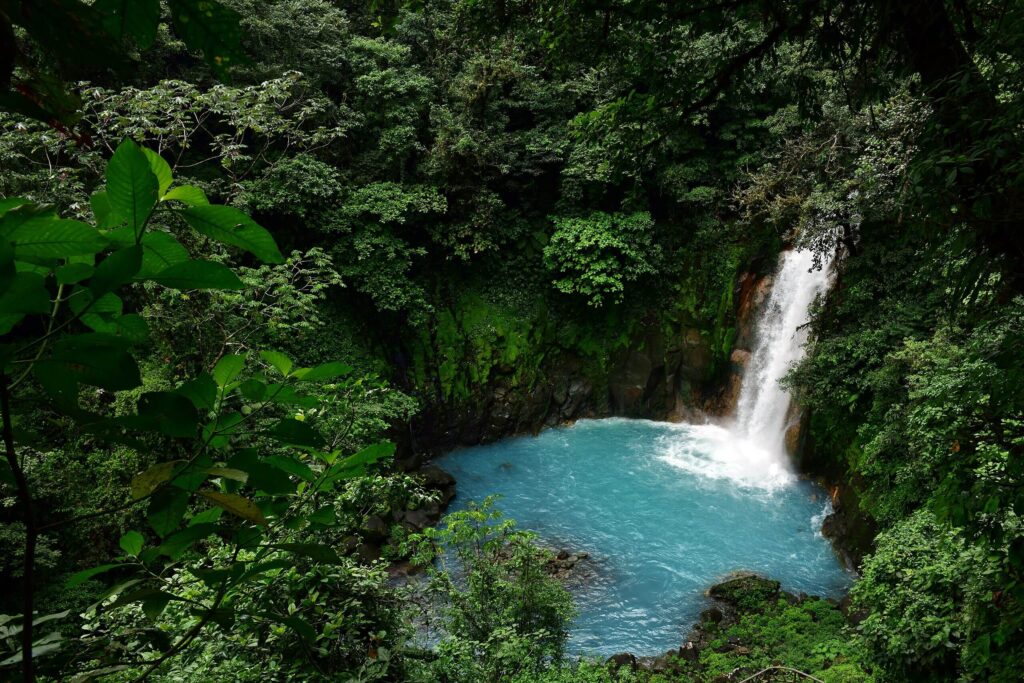
Tenorio Volcano National Park, in northern Costa Rica, is best known for the Río Celeste, a river and waterfall that shimmer in bright turquoise blue due to volcanic minerals mixing beneath the surface. A well-marked hiking trail winds through rainforest to the Río Celeste Waterfall, one of the country’s most photographed natural sights, and continues to hot springs, bubbling mud pots, and scenic viewpoints. The park is ideal for hiking and photography, with opportunities to spot wildlife such as toucans, monkeys, and poison dart frogs along the way.
Best Beaches in Costa Rica
Tamarindo
Tamarindo is one of the country’s most popular beach towns for surfing and seaside fun. Consistent waves make it ideal for beginners taking surf lessons as well as experienced surfers chasing larger swells. The town’s main beach also offers easy swimming, beachfront restaurants, and beautiful sunsets that draw crowds each evening. Beyond surfing, Tamarindo has a lively nightlife with bars, live music, and open-air dining, while nearby Playa Avellanas and Playa Langosta provide quieter beaches just a short drive away. The town is about a one-hour drive from Liberia International Airport.
Playa Conchal
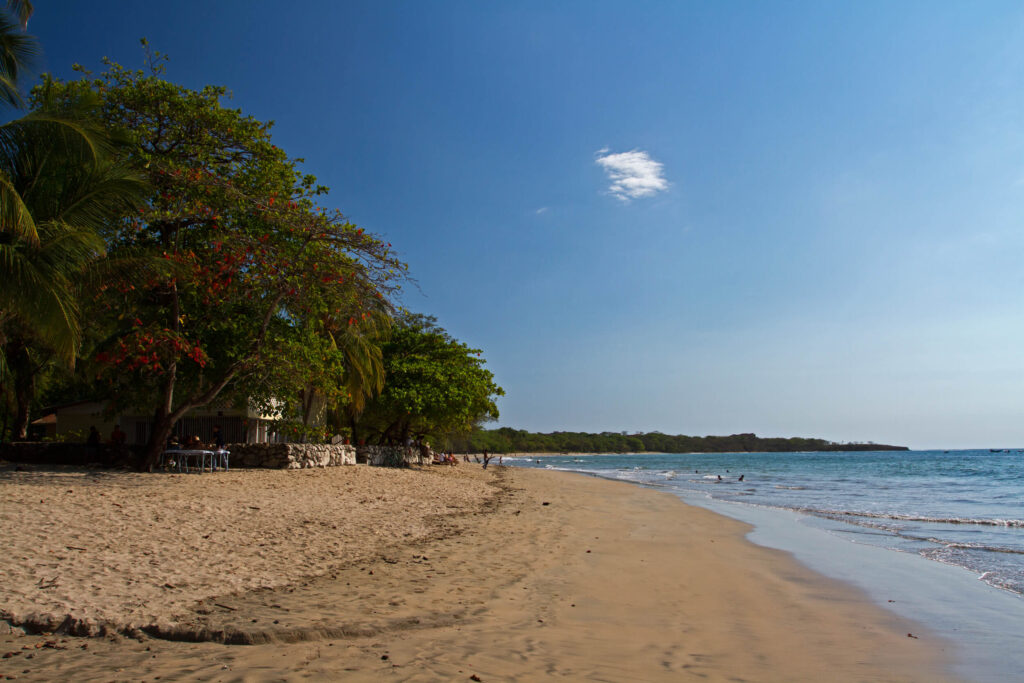
Playa Conchal is famous for its unique sand made of millions of tiny crushed seashells that glisten in the sunlight. The beach’s clear, calm water makes it one of the best spots in the region for snorkeling and swimming, with colorful fish often visible just offshore. Shaded areas along the beach offer a peaceful setting for relaxing, while nearby Playa Brasilito provides restaurants and local lodging. Luxury resorts are also located on the northern end of the bay.
Nosara
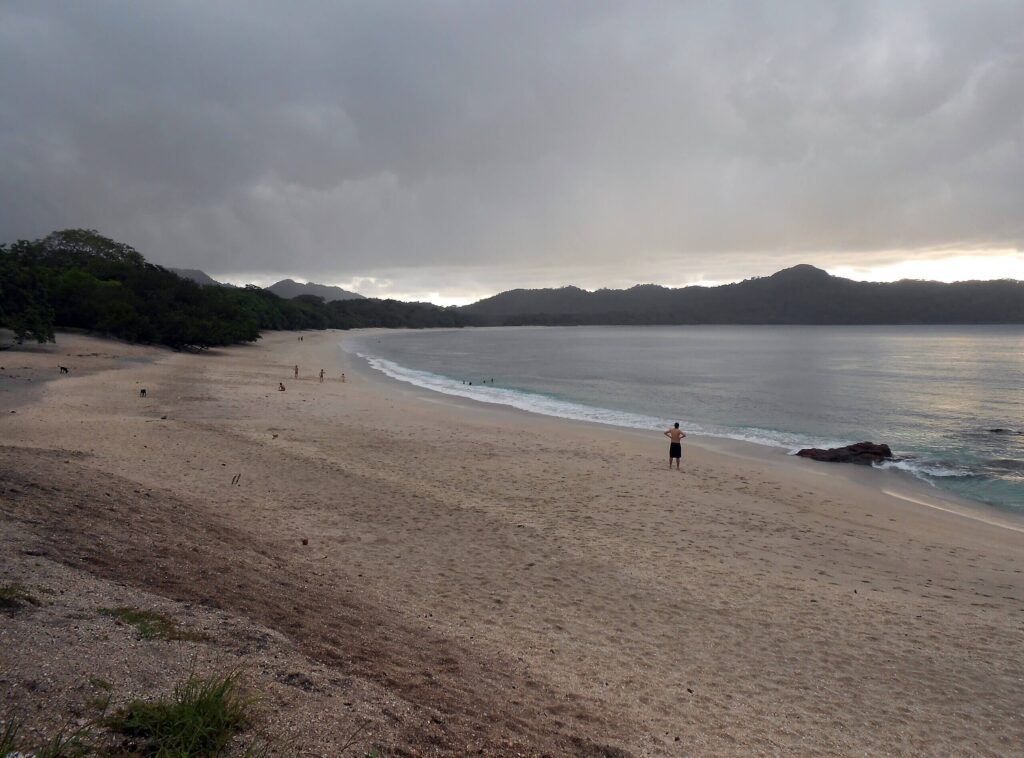
Nosara is known as the country’s yoga and wellness capital, attracting travelers interested in surfing, health, and sustainability. The town’s main beach, Playa Guiones, stretches for several kilometers with steady waves suitable for all surf levels and a wide shoreline perfect for long walks and sunset views. Set amid forested hills and wildlife corridors, Nosara combines laid-back beach life with eco-friendly living. Visitors can take yoga classes, join wellness retreats, or explore jungle trails where monkeys and tropical birds are common.
Santa Teresa
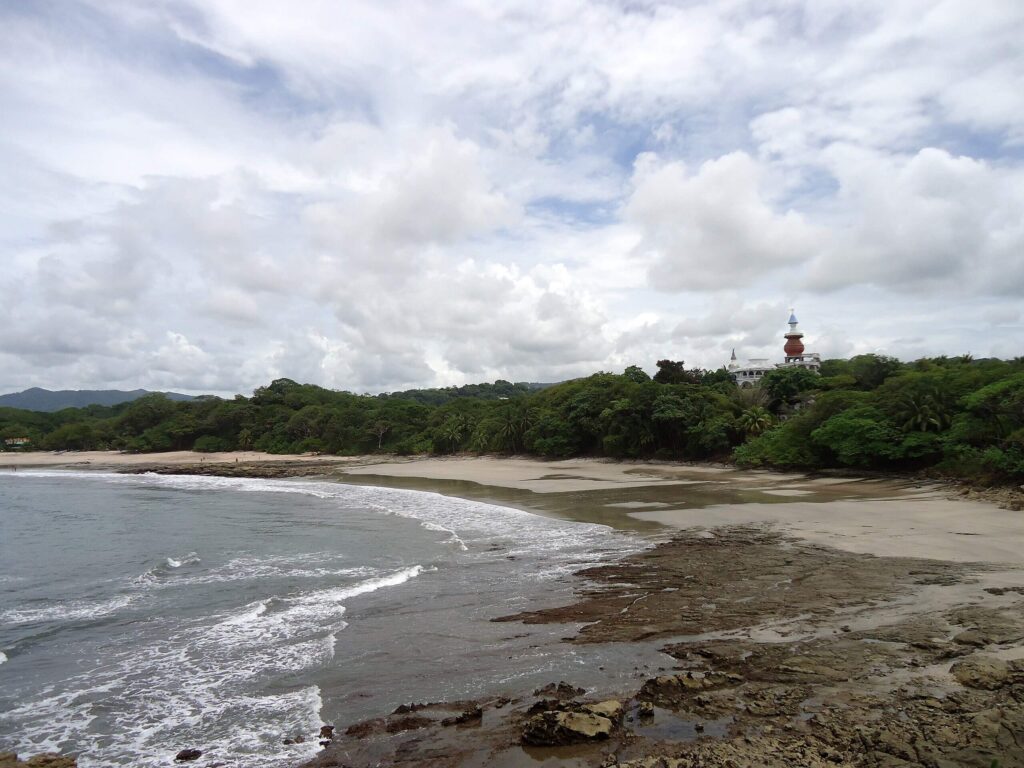
Santa Teresa has grown from a small surf village into one of Costa Rica’s most sought-after beach destinations. The long stretch of beach offers consistent waves for surfing, while its mix of boutique hotels, yoga studios, and cafés creates a relaxed yet stylish atmosphere. The area’s unpaved roads, jungle backdrop, and ocean views give it a distinctive, bohemian feel that draws both surfers and digital nomads.
Visitors spend their days surfing, practicing yoga, or exploring nearby waterfalls and tide pools, then gather at the beach each evening to watch the sunset. Despite its growing popularity, Santa Teresa retains a sense of seclusion and natural beauty. It’s best reached by a combination of road and ferry from San José or by small plane to the nearby Tambor airstrip.
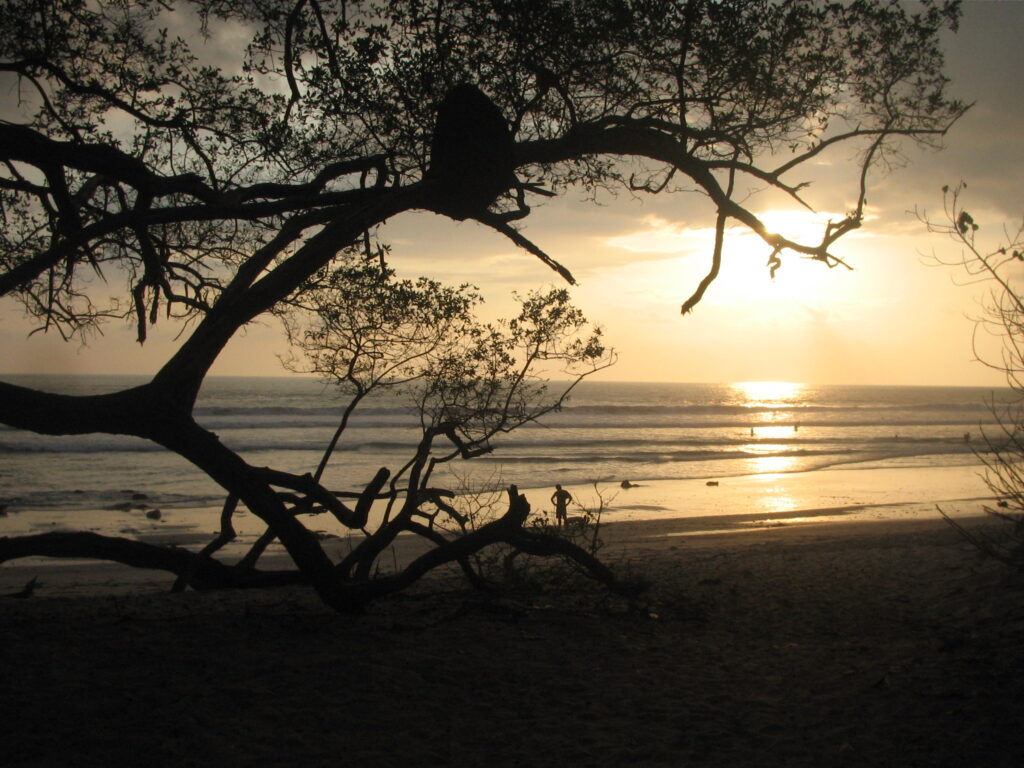
Montezuma
Montezuma is a small seaside village known for its relaxed atmosphere, waterfalls, and artistic vibe. The town sits along a scenic stretch of coast where visitors can swim, snorkel, or simply enjoy the laid-back pace of local life. Just inland, Montezuma Falls features a series of cascading pools that can be reached by a short hike through the forest – one of the area’s must-do experiences.
Nearby, the Cabo Blanco Nature Reserve protects pristine rainforest and abundant wildlife, offering trails that lead to secluded beaches. Montezuma attracts a mix of travelers, from surfers and backpackers to artists and nature lovers, all drawn by its quiet beauty. The village is accessible via ferry and road from San José or by small plane to the nearby Tambor airstrip.
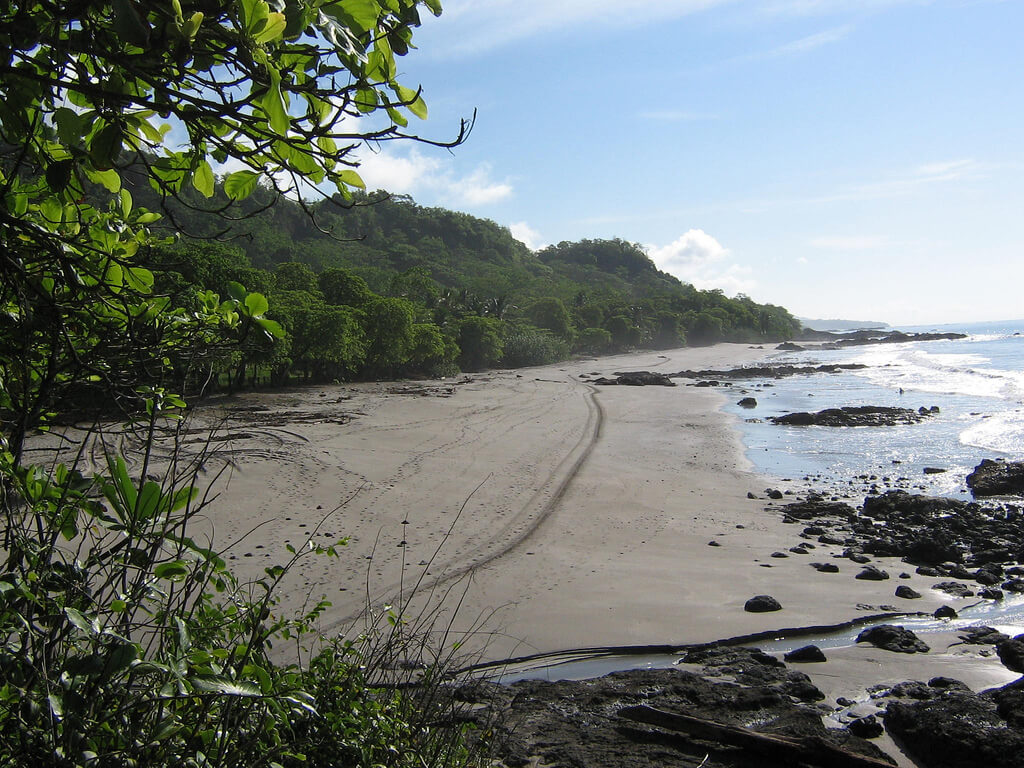
Puerto Viejo de Talamanca
Puerto Viejo de Talamanca, on Costa Rica’s southern Caribbean coast, is a lively seaside town known for its Afro-Caribbean culture, surf beaches, and flavorful local cuisine. Reggae music fills the streets, and the mix of restaurants, beach bars, and craft shops gives the town a distinctive rhythm and character. The nearby beaches of Playa Cocles and Playa Negra are popular for surfing, swimming, and watching the sunrise over the Caribbean.
Just outside town, Cahuita National Park offers easy coastal trails where visitors can spot monkeys, sloths, and coral reefs close to shore, while the Gandoca-Manzanillo Wildlife Refuge protects mangroves, sea turtles, and tropical forest along the coast. Puerto Viejo can be reached by a 4- to 5-hour drive or bus ride from San José.
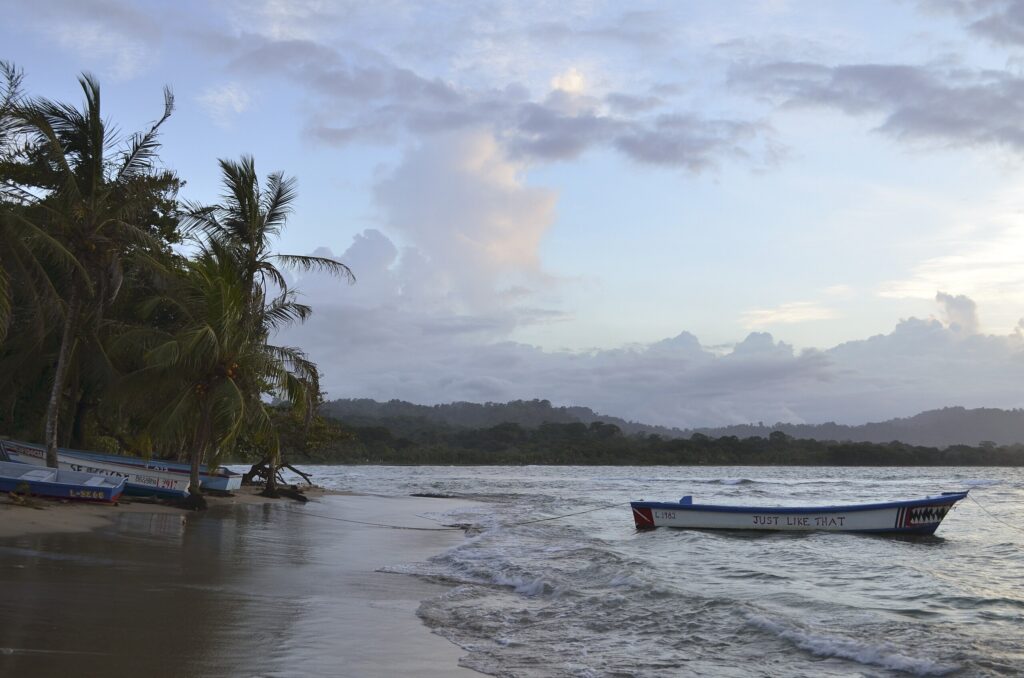
Dominical & Uvita
Dominical and Uvita, on Costa Rica’s southern Pacific coast, form part of the Costa Ballena – a stretch of shoreline known for its surf, wildlife, and dramatic scenery. Dominical attracts surfers with its strong waves and laid-back beach town atmosphere, while Uvita offers calmer beaches and easy access to Marino Ballena National Park, famous for its sandbar shaped like a whale’s tail.
The park is one of the best places in Costa Rica for whale watching, with humpback whales visiting between December and April and again from July to October. Visitors can also explore nearby waterfalls, go snorkeling, or take boat tours along the coast. Dominical and Uvita are about a 4-hour drive from San José via the coastal highway.
Hidden Gems of Costa Rica
Orosi Valley
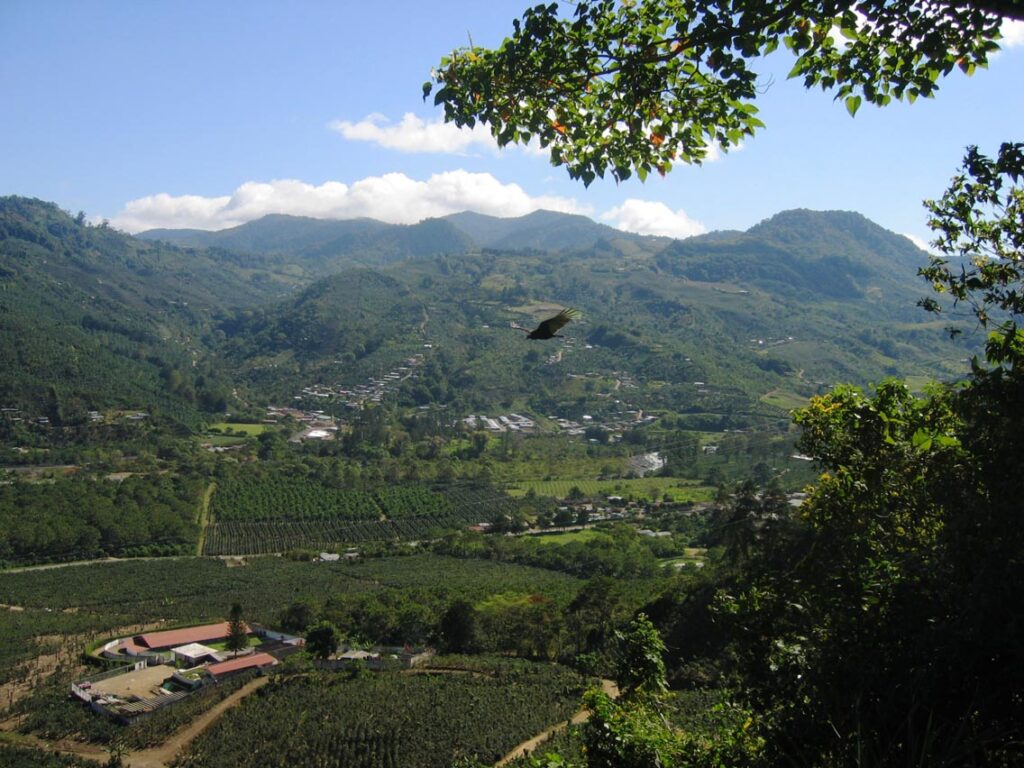
The Orosi Valley, located near Cartago in central Costa Rica, is a peaceful region of rolling hills, coffee plantations, and rivers surrounded by forested mountains. Visitors can tour traditional coffee farms, visit the Iglesia de San José de Orosi – one of the oldest churches still in use in Costa Rica – and relax in natural hot springs heated by nearby volcanic activity. The valley also offers scenic viewpoints, hiking trails, and easy access to Tapantí National Park, where cloud forest trails lead to waterfalls and wildlife-rich streams.
San Gerardo de Dota
San Gerardo de Dota is a quiet highland village famous for birdwatching and sightings of the resplendent quetzal. The cool, misty climate and surrounding cloud forest make it an ideal destination for nature lovers. Trails wind through the valley and along the Savegre River, offering opportunities to spot hummingbirds, tanagers, and other mountain species. Small lodges and family-run hotels cater to birders and hikers, serving local trout and coffee grown in the region. San Gerardo de Dota is about a 2.5-hour drive from San José along the Inter-American Highway.
Barra Honda National Park
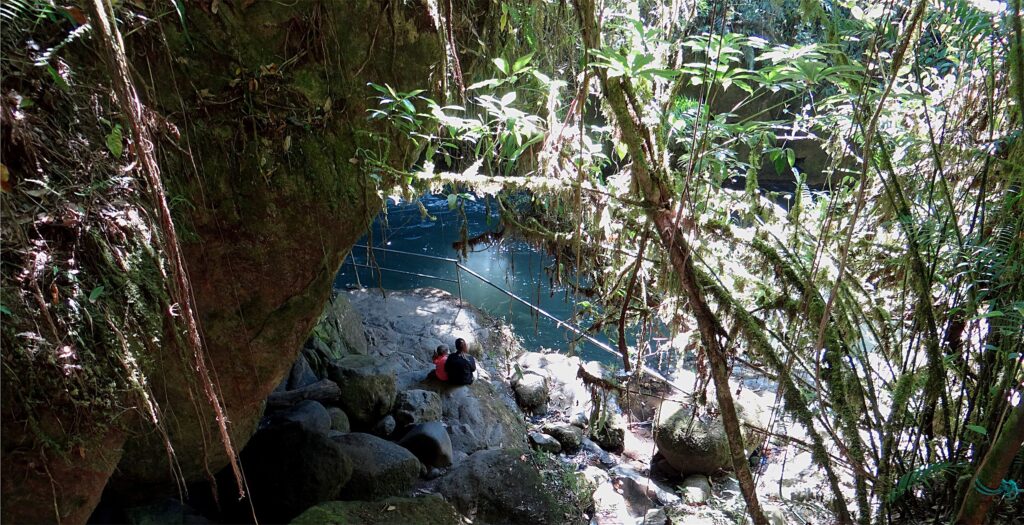
Barra Honda National Park, located in the Nicoya Peninsula region of Costa Rica, is best known for its network of limestone caves filled with stalactites, stalagmites, and other impressive rock formations. Guided tours take visitors into some of the accessible caverns, where the descent by ladder reveals chambers formed over millions of years. The park also has hiking trails that pass through dry tropical forest with views over the Gulf of Nicoya.
Wildlife such as monkeys, deer, and birds are often seen along the trails, making it a rewarding stop for both caving and nature exploration. Visits to the caves must be arranged with park guides for safety and conservation purposes. Barra Honda is about a 1.5-hour drive from Nicoya town or roughly three hours from San José.
Bajos del Toro
Bajos del Toro is one of Costa Rica’s most scenic areas for waterfalls and nature hikes. The main attraction, Catarata del Toro, plunges 90 meters into an extinct volcanic crater surrounded by lush forest, while the nearby Blue Falls of Costa Rica feature a series of turquoise cascades created by volcanic minerals in the water. The area also offers hiking trails, birdwatching, and small lodges that make it ideal for a quiet mountain getaway.
Playa Sámara
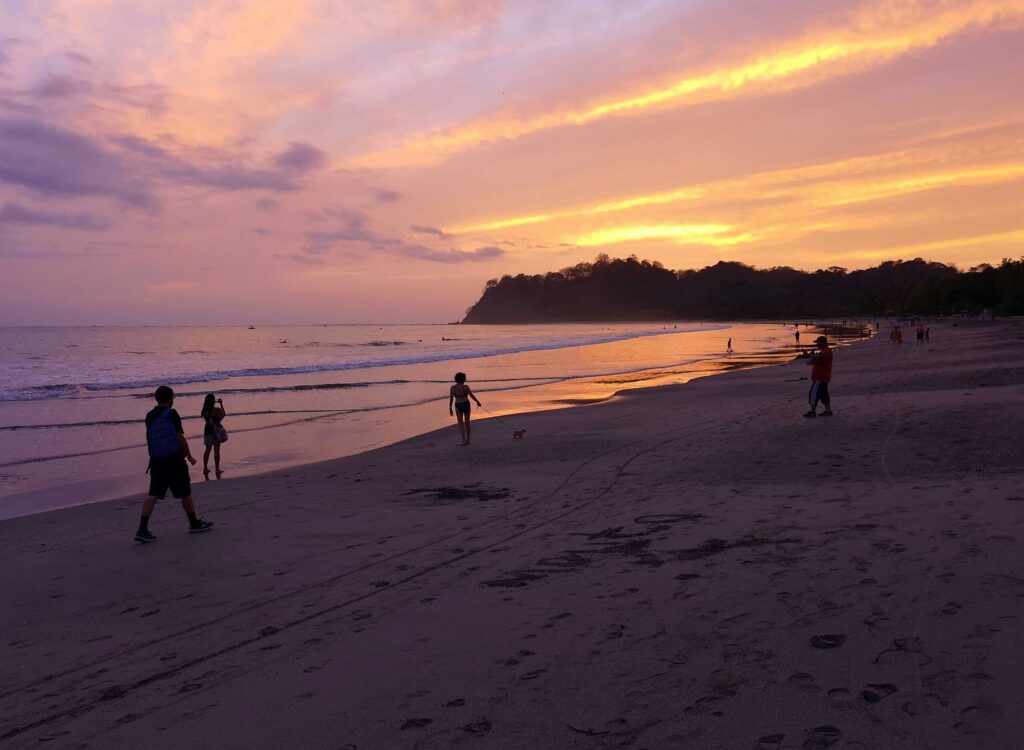
Playa Sámara, on Costa Rica’s Nicoya Peninsula, is a relaxed beach town known for its calm bay, shallow water, and welcoming local atmosphere. The gentle waves make it one of the best beaches in the country for swimming, kayaking, and beginner surfing. Lined with palm trees, cafés, and small hotels, the beach has a laid-back charm that appeals to families and long-term travelers alike.
Snorkeling is good around nearby Isla Chora, just a short paddle from shore, and horseback riding and yoga are popular activities in town. Playa Sámara is about a two-hour drive from Liberia International Airport or five hours from San José via the scenic coastal route.
Drake Bay
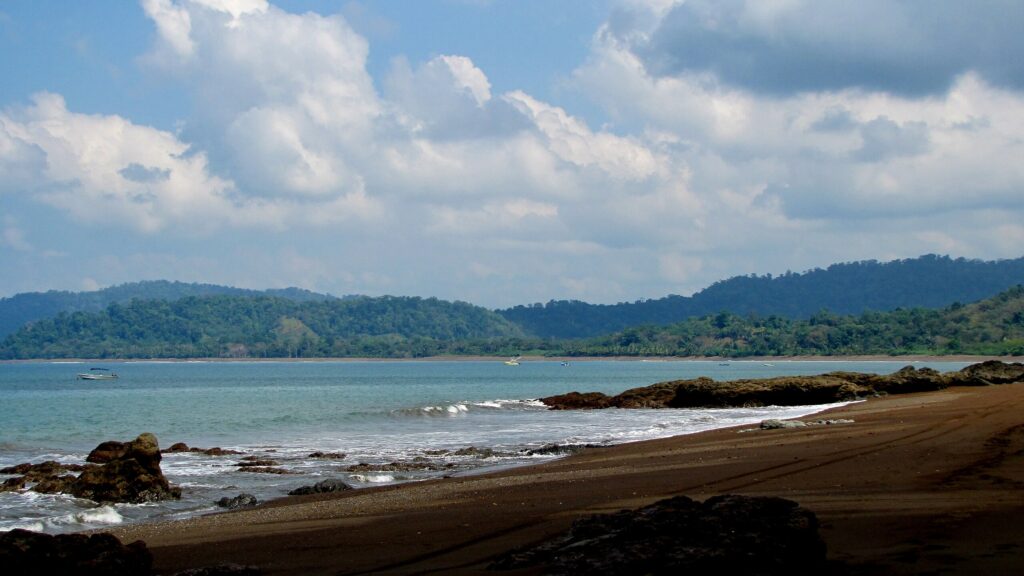
Drake Bay, on Costa Rica’s Osa Peninsula, is the main northern gateway to Corcovado National Park and one of the best spots in the country for marine and jungle adventures. The calm bay offers excellent kayaking through mangroves and along the shoreline, while diving and snorkeling trips to nearby Caño Island Biological Reserve reveal coral reefs, sea turtles, and rays.
Most visitors use Drake Bay as a base for exploring Corcovado’s rainforest trails and wildlife-rich beaches, where monkeys, tapirs, and scarlet macaws are often seen. The village remains small and peaceful, with a few eco-lodges and family-run hotels overlooking the ocean. Drake Bay is reached by boat from Sierpe or by small plane from San José, making the journey part of the adventure.
Travel Tips for Costa Rica
Travel Insurance & Safety
Travel insurance is highly recommended, especially for adventure sports, medical emergencies, and trip interruptions. Ensure your policy covers activities like rafting, zip-lining, hiking, and diving, as Costa Rica is a hub for outdoor adventure.
Costa Rica is considered one of the safest and most stable countries in Latin America. Tap water is safe to drink in most areas, though bottled water is recommended in remote coastal regions. Mosquitoes can be present year-round, especially on the Caribbean side, so use repellent and wear light protective clothing. Always respect wildlife – observe animals from a distance and never feed them, as this disrupts their natural behavior.
Transportation & Driving
Domestic flights connect San José with destinations like Bocas del Toro, Limón, and the Nicoya Peninsula, saving time on longer routes. Public buses are reliable and inexpensive but can be slow due to frequent stops. For flexibility and access to national parks, waterfalls, and beach towns, car rental is the best option.
Vehicles drive on the right-hand side of the road. Most main roads are paved, but expect unpaved sections and potholes in rural areas. A 4×4 vehicle is recommended for mountain or coastal roads, especially during the rainy season. An International Driving Permit is required for most visitors, in addition to your national driver’s license. Always carry your license, passport, and insurance documents, as police checkpoints are common.

Published November 22, 2025 • 16m to read