
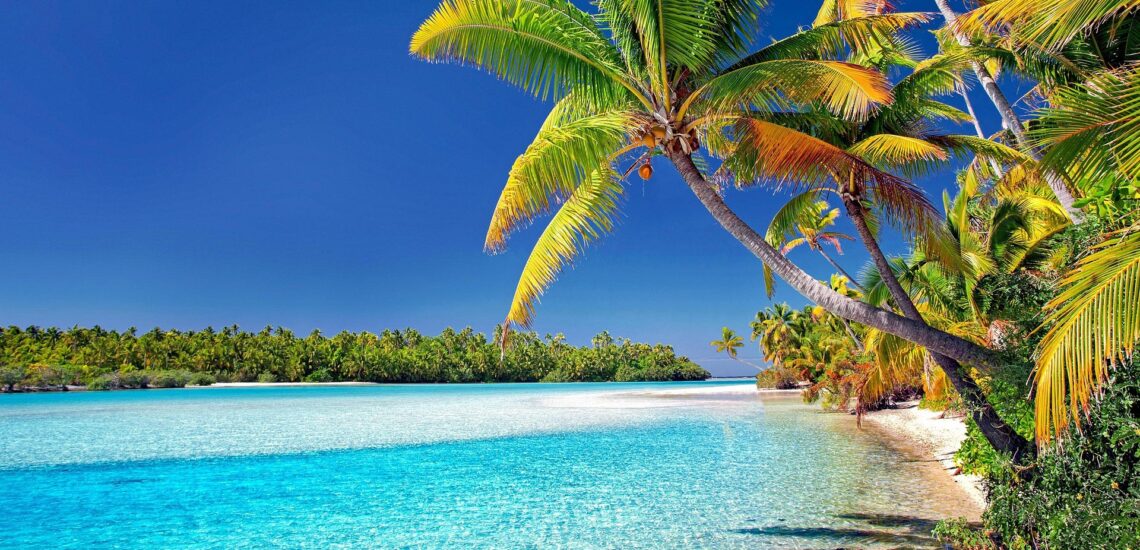


The Cook Islands are a South Pacific paradise made up of 15 islands scattered across a vast stretch of ocean. They are famous for turquoise lagoons, warm Polynesian hospitality, palm-lined beaches, and a peaceful, authentic atmosphere. Whether you are dreaming of a romantic escape, adventurous snorkeling, or simply slowing down to enjoy island life, the Cook Islands combine the charm of Tahiti with a more intimate and affordable experience.
Best Islands to Visit in the Cook Islands
Rarotonga
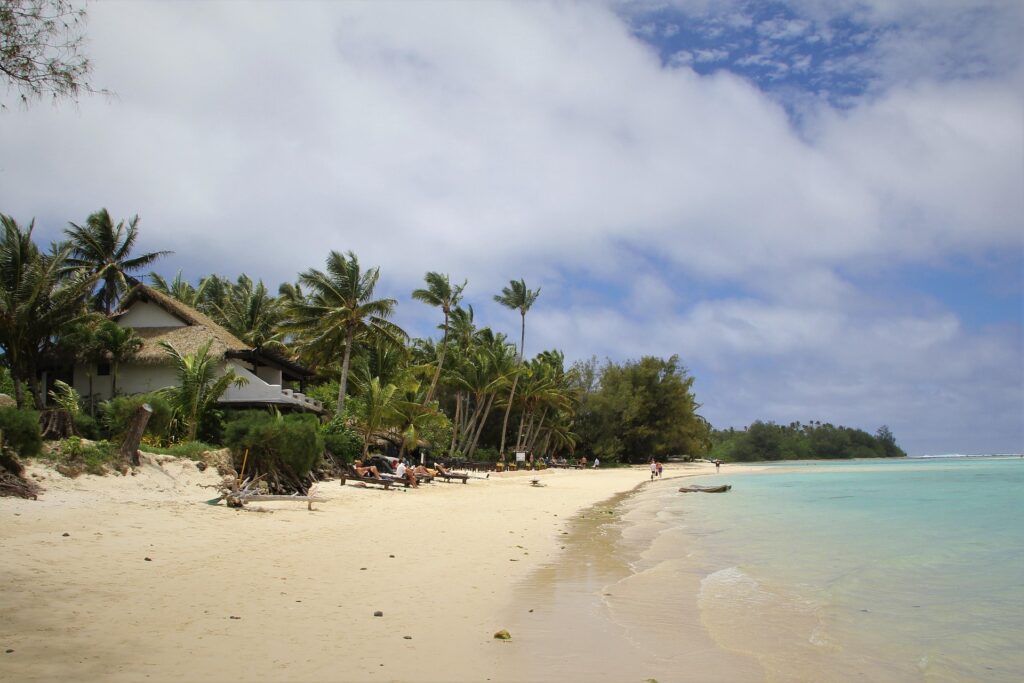
Rarotonga is the main hub of the Cook Islands and the arrival point for most visitors. The island is volcanic in origin, with a mountainous interior covered in rainforest and a coastline ringed by beaches and a shallow turquoise lagoon. A 32 km coastal road encircles the island, making it easy to explore by car, scooter, or bicycle.
Key attractions include Muri Lagoon, popular for kayaking, paddleboarding, and snorkeling around small offshore islets; the Cross-Island Trek to Te Rua Manga (The Needle), which passes through dense jungle to a volcanic rock formation; and Aroa Marine Reserve, known for coral gardens and abundant marine life. Cultural sites and activities include Te Vara Nui Cultural Village with its evening shows, the Saturday Punanga Nui Market in Avarua, and services at the Cook Islands Christian Church. Scenic stops can be made at villages, beaches, and viewpoints along the coastal road.
Aitutaki
Aitutaki lies 45 minutes by air from Rarotonga and is best known for its lagoon, considered one of the most scenic in the Pacific. The island is smaller and quieter than Rarotonga, with limited traffic and a relaxed pace.
The main activity is a lagoon cruise, which typically includes snorkeling stops at coral reefs, visits to sandbars, and time on One Foot Island (Tapuaetai), a frequently photographed beach. The lagoon offers excellent snorkeling and diving with coral gardens, giant clams, and reef fish. On land, cycling is a practical way to see villages and gardens, while Maungap (Piraki Lookout) provides wide views across the lagoon. Some operators and resorts also arrange private picnics on uninhabited islets.
Other Islands and Hidden Gems
Atiu (Enuamanu)
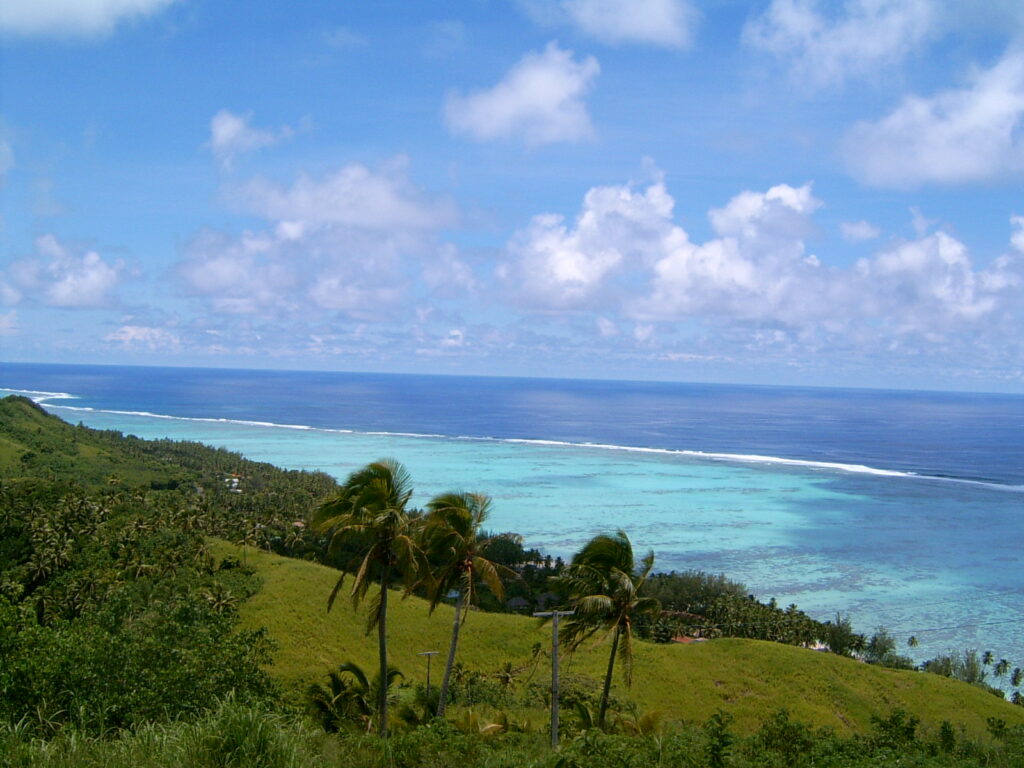
Atiu, also known as Enuamanu, is a sparsely visited island in the southern Cook Islands, offering a combination of cultural experiences and natural attractions. The interior is forested and surrounded by a raised coral limestone coastline known as makatea.
One of the island’s main sites is Anatakitaki Cave, which contains limestone formations, underground pools, and is home to the rare Kopeka bird, a swiftlet species that uses echolocation to navigate. Atiu is also known for its small-scale coffee production, with local plantations producing beans regarded among the best in the Pacific. The island’s quiet environment and limited visitor numbers make it suited for travelers seeking less-developed destinations.
Mauke and Mitiaro
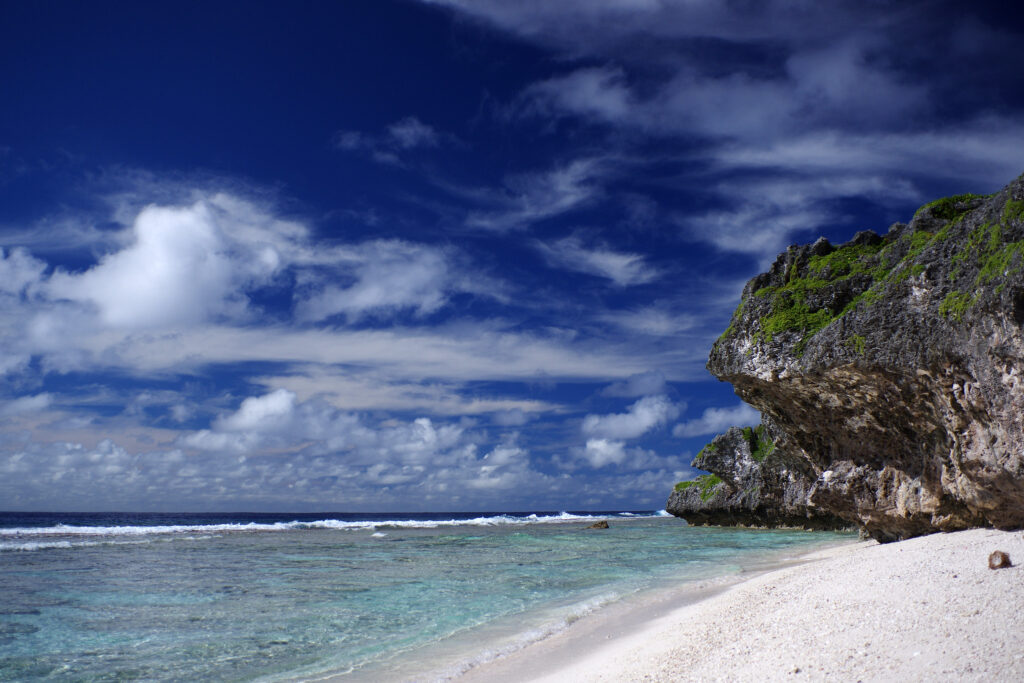
Mauke and Mitiaro are two of the quieter islands in the southern Cook Islands, known for their small communities and undeveloped landscapes. Both islands are surrounded by makatea (raised coral limestone) and have limited infrastructure, with accommodation mostly in local guesthouses.
Mauke’s main natural attraction is Vai Tango Cave, a freshwater pool set inside a limestone cavern. Mitiaro features several underground pools, the best known being Takaue Pool, with clear water suitable for swimming. Daily life is centered around the villages, and the islands are reached by flights from Rarotonga, usually several times per week.
Mangaia
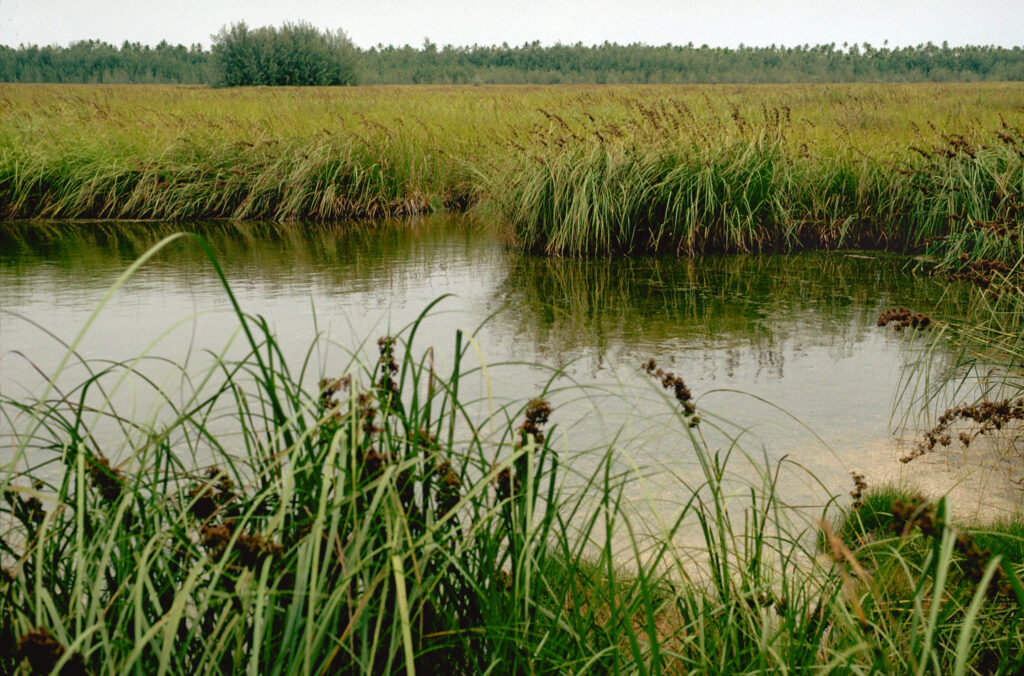
Mangaia is the second-largest of the Cook Islands and one of the oldest islands in the Pacific, estimated at over 18 million years. Its coastline is surrounded by makatea (raised coral limestone), while the interior is marked by fertile valleys and caves.
Points of interest include Teruarere Cave, with its underground passages, and Rakaura Marae, an important archaeological and cultural site. The island is also known for woven handicrafts, especially hats and baskets made by local artisans. With few visitors and limited facilities, Mangaia appeals to travelers seeking solitude and traditional island culture.
Best Beaches in the Cook Islands
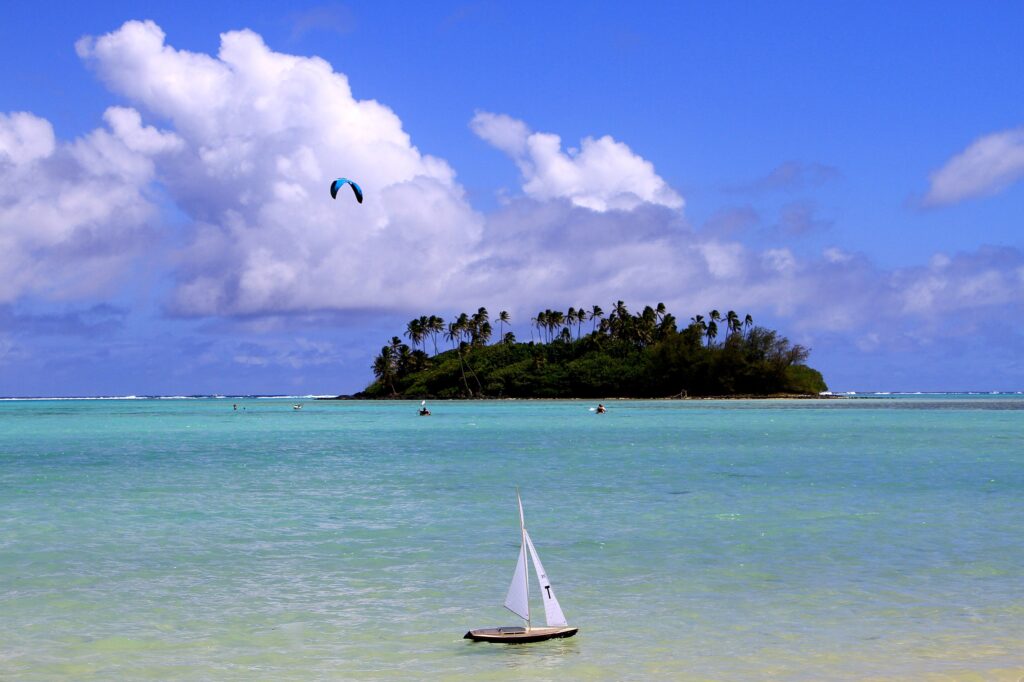
- Muri Beach (Rarotonga): Calm lagoon waters and easy kayaking to nearby motu.
- Aroa Beach (Rarotonga): Ideal for snorkeling and watching sunsets.
- One Foot Island (Aitutaki): Pure white sand, palm trees, and postcard-perfect scenery.
- Ootu Beach (Aitutaki): Shallow turquoise water and very few crowds.
Travel Tips
Currency
The islands use both the New Zealand Dollar (NZD) and their own Cook Islands Dollar (CID). While the NZD is valid everywhere, the CID – with its colorful designs and unique triangular coins – is only accepted locally and makes for a great souvenir. Credit cards are accepted in resorts and larger shops, but in local markets and small villages, cash is essential.
Language
The official languages are English and Cook Islands Māori (Rarotongan). English is widely spoken, particularly in tourism, while Māori is commonly used among locals and in cultural contexts. Learning a few words in Māori, like kia orana (“hello”), is a warm way to connect with residents.
Transport
On Rarotonga, getting around is easy and fun. Many visitors choose to rent a scooter, car, or bicycle to explore at their own pace. To rent a vehicle legally, travelers must carry an International Driving Permit along with their home license. For those who prefer public transport, a single local bus circles the island in both directions, providing a simple and affordable way to see the main sights.
To travel between islands, domestic flights are the most practical option, connecting Rarotonga with Aitutaki and other outer islands. Boats are also used locally, especially for lagoon tours.
Connectivity
Staying online in the Cook Islands can be challenging. Wi-Fi is available at hotels and cafés but is often expensive and limited. For more reliable service, purchasing a local SIM card from Bluesky is recommended, though coverage can still be patchy on the smaller islands. Many travelers embrace the slower pace as an opportunity for a digital detox.

Published September 20, 2025 • 5m to read