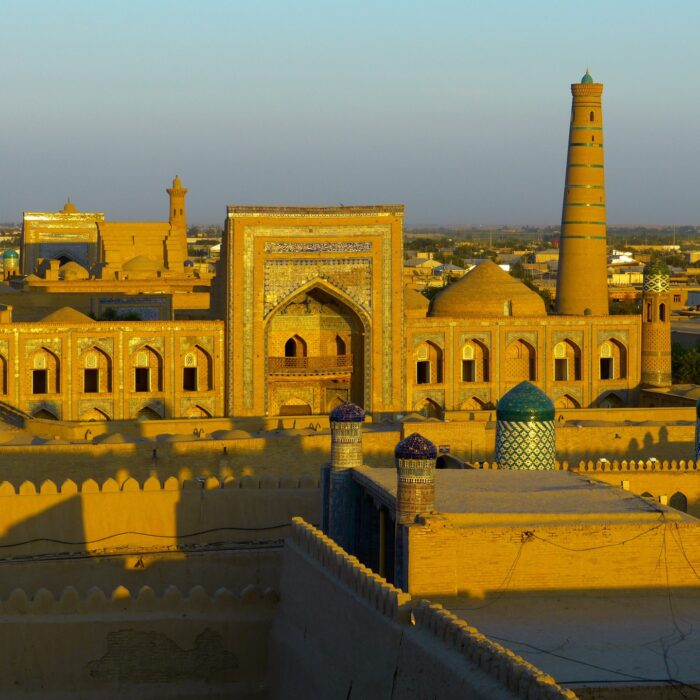


Chile is one of the most geographically diverse countries in the world. Stretching more than 4,300 kilometers along South America’s Pacific coast, the country takes you from the driest desert on Earth in the north to massive glaciers and windswept plains in Patagonia. Between the Andes mountains and the Pacific Ocean, Chile combines dramatic landscapes with vibrant culture, excellent food and wine, and countless opportunities for adventure. Whether you are a trekker, a wine enthusiast, a history buff, or a lover of wild places, Chile has something for you.
Best Cities
Santiago
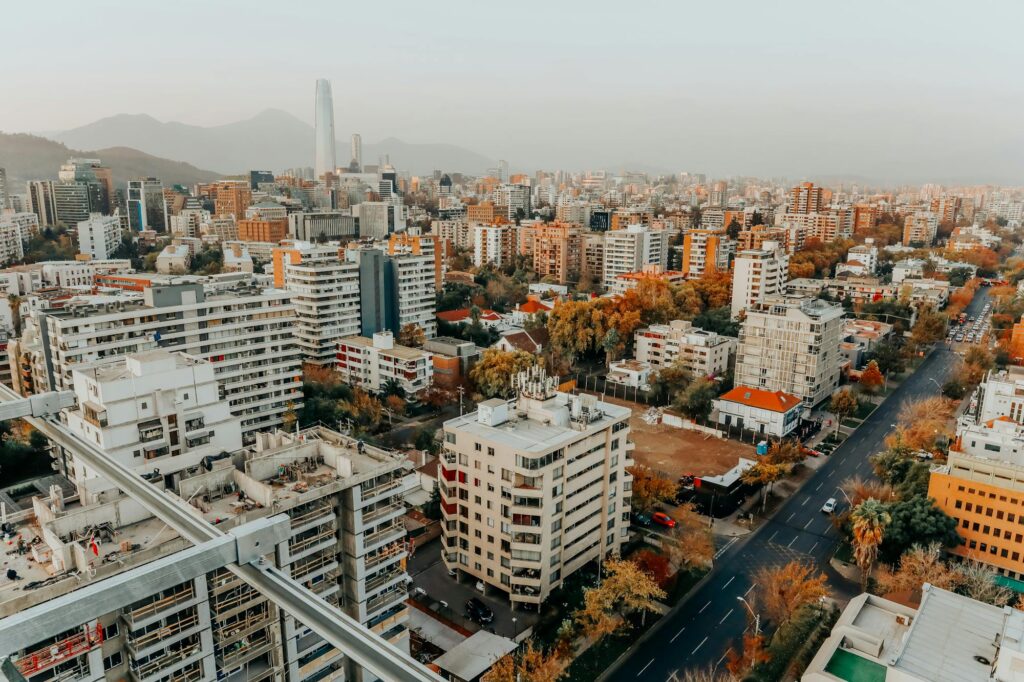
Santiago, the capital of Chile, lies in a valley between the Andes and the coastal mountains. The city combines historic landmarks, modern districts, and easy access to outdoor activities. Cerro San Cristóbal is the best-known viewpoint, with a funicular and cable car leading to a hilltop park overlooking the city. In the center, Plaza de Armas and La Moneda Palace reflect Santiago’s colonial and political history. The Museum of Memory and Human Rights documents the country’s dictatorship period. Neighborhoods such as Lastarria and Bellavista are known for street art, cafés, and nightlife. For day trips, Cajón del Maipo offers hiking, hot springs, and mountain scenery less than two hours from the city
Valparaíso
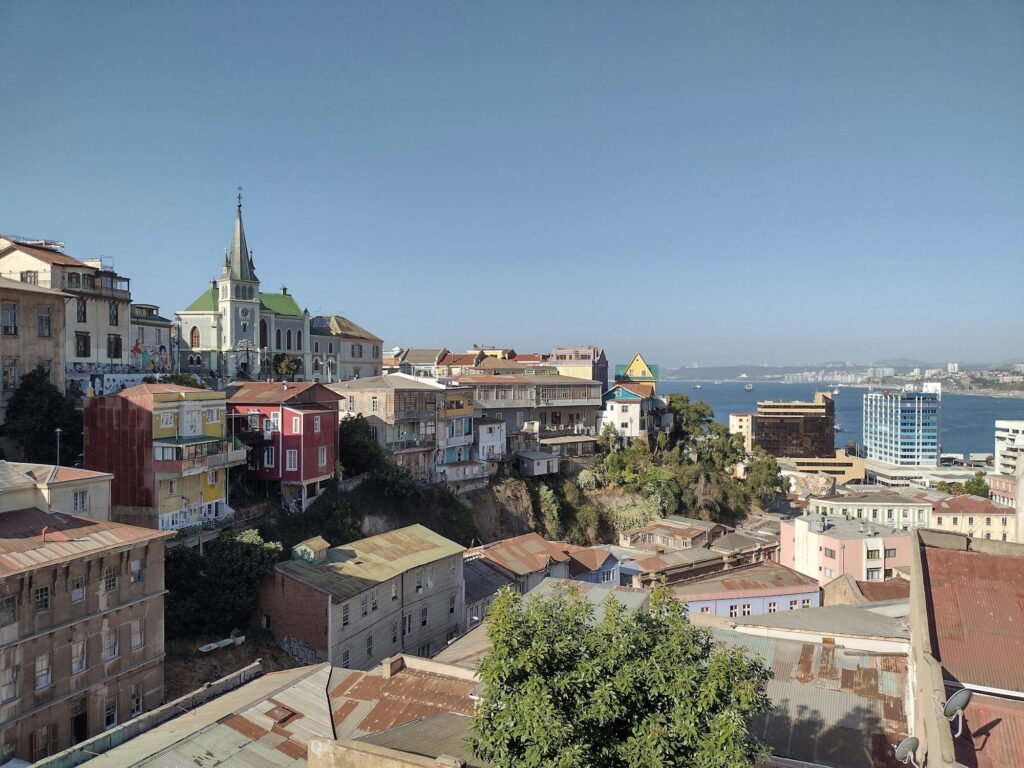
Valparaíso is Chile’s main port city and a UNESCO World Heritage Site, recognized for its steep hills, colorful houses, and artistic atmosphere. Historic funiculars connect the lower city with hillside neighborhoods such as Cerro Alegre and Cerro Concepción, where narrow streets are filled with murals, small cafés, and galleries. One of the city’s key attractions is La Sebastiana, the former home of poet Pablo Neruda, now a museum with views over the bay. Valparaíso remains a hub for artists and visitors interested in culture and photography. The city is located about 90 minutes by road from Santiago.
Viña del Mar
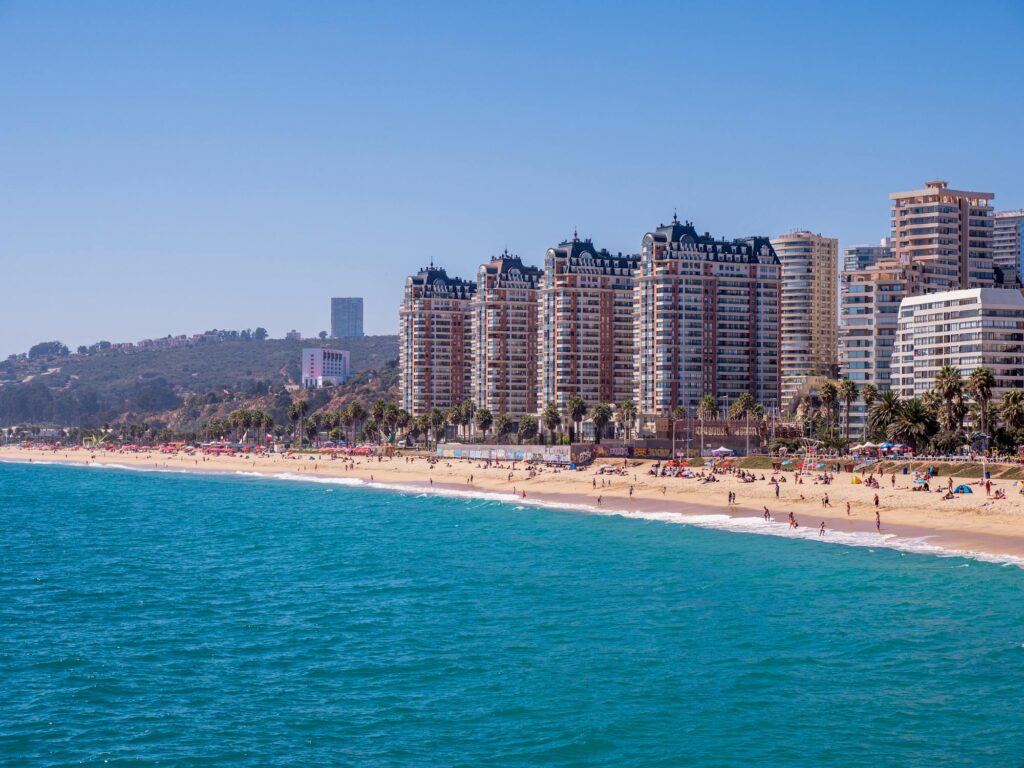
Viña del Mar is a coastal resort city adjacent to Valparaíso, known for its beaches, gardens, and modern feel. Wide sandy stretches and seaside promenades attract both locals and visitors, especially in summer. Landmarks include the Flower Clock, a large working clock decorated with seasonal blooms, and Castillo Wulff, a 20th-century castle overlooking the ocean. The city also hosts annual music and cultural festivals, adding to its reputation as Chile’s main beach destination. Viña del Mar is about 90 minutes by road from Santiago and easily combined with a visit to Valparaíso.
Best Natural Attractions of Chile
San Pedro de Atacama
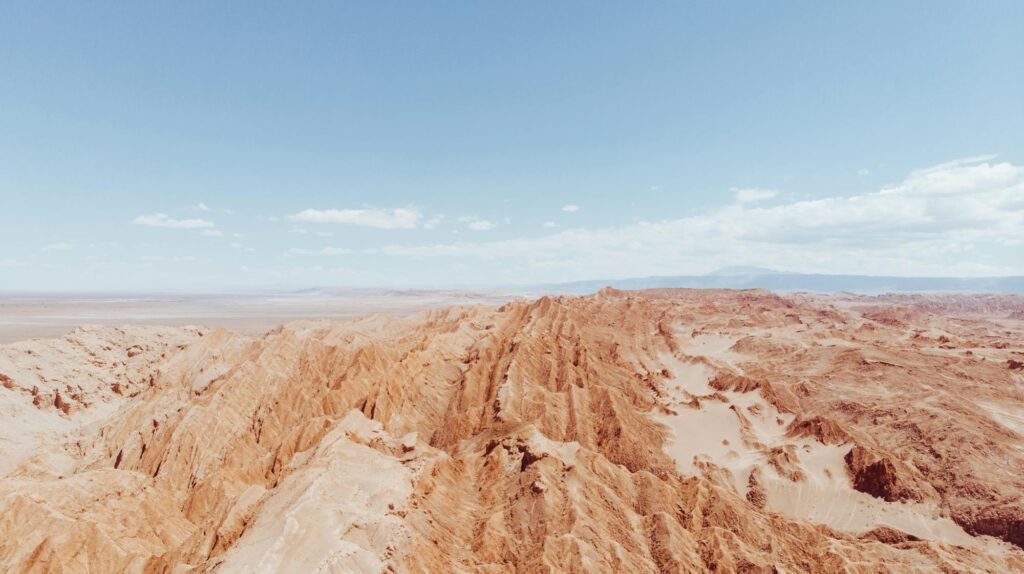
San Pedro de Atacama is the main base for exploring northern Chile’s Atacama Desert, one of the driest regions on Earth. Just outside town lies Valle de la Luna, with eroded cliffs and salt formations that resemble a lunar landscape. Nearby, Laguna Cejar allows visitors to float in mineral-rich water, while high-altitude lagoons such as Miscanti and Miñiques sit below snowcapped volcanoes. El Tatio geyser field, best seen at sunrise, features steaming vents and boiling pools at over 4,000 meters above sea level. The clear desert skies also make the region a prime destination for astronomy, with observatories and guided stargazing tours.
Torres del Paine National Park
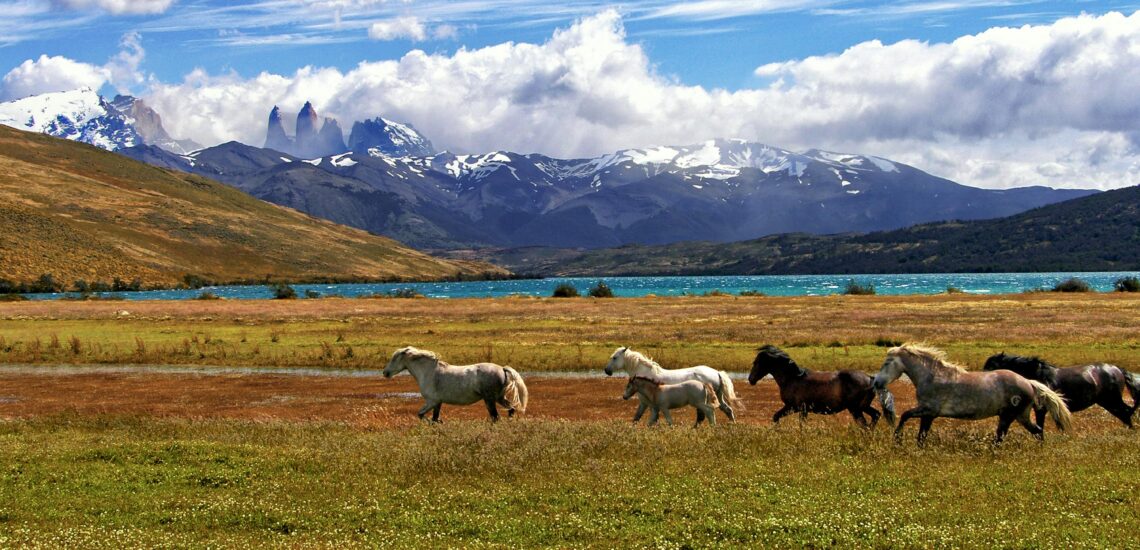
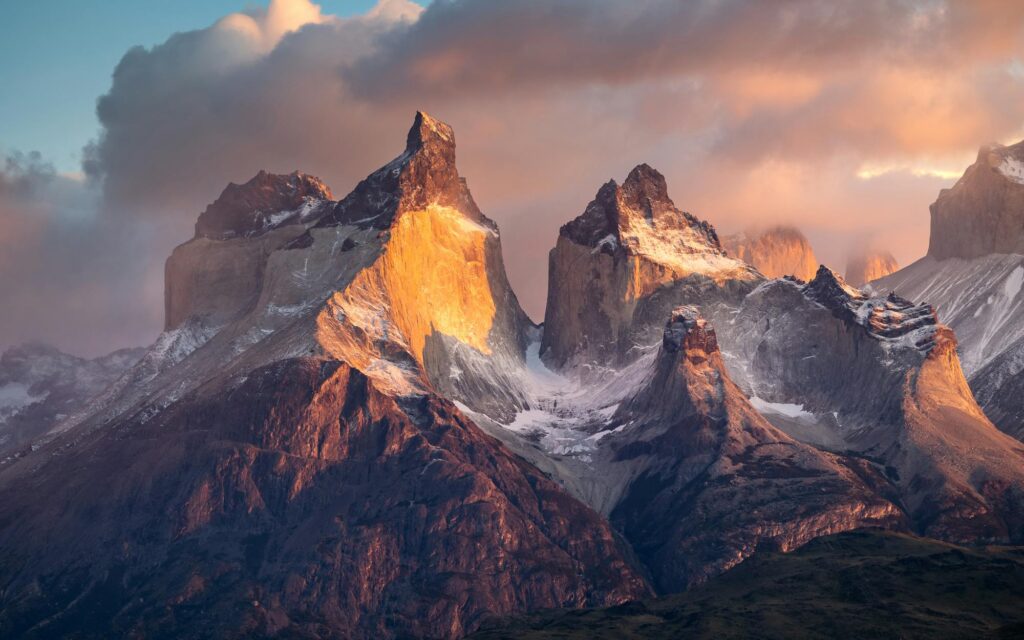
Torres del Paine, in southern Chilean Patagonia, is one of the world’s most renowned national parks. Its granite towers, glaciers, turquoise lakes, and vast pampas create dramatic scenery for trekking and wildlife viewing. Popular hikes include the day trek to the base of the Torres and multi-day routes such as the W Trek and the longer O Circuit. Wildlife commonly seen in the park includes guanacos, condors, foxes, and, with luck, pumas. Access is via Puerto Natales, the nearest town with accommodations and services, located about two hours from the park entrance.
Puerto Varas & The Lake District
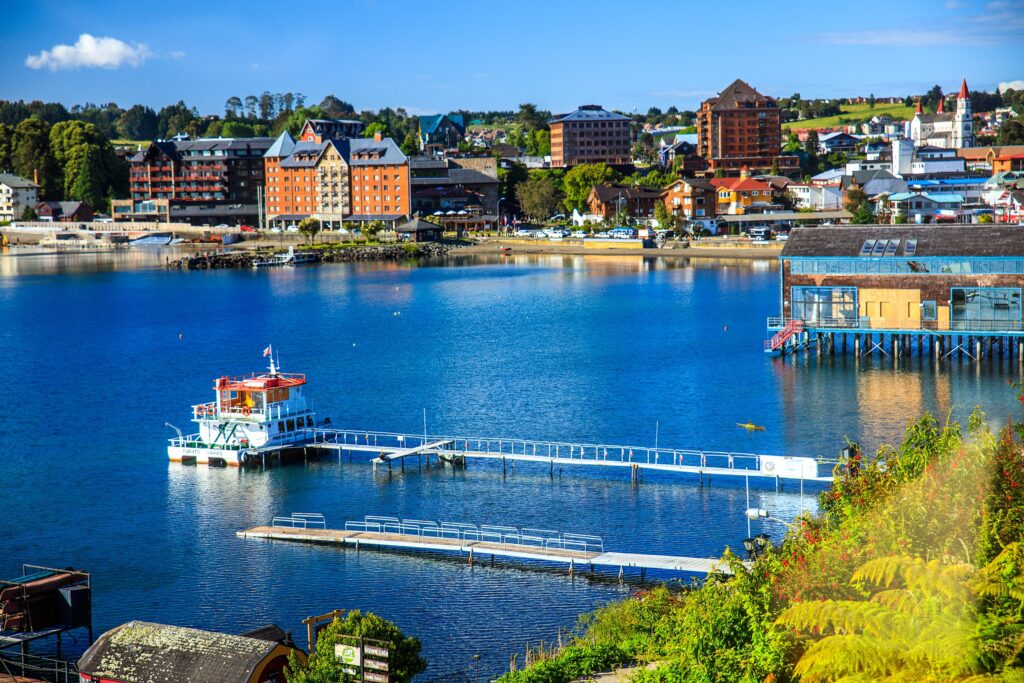
Puerto Varas, in Chile’s Lake District, is set on the shore of Lake Llanquihue with views of the snowcapped Osorno Volcano. The region combines outdoor activities with cultural heritage influenced by 19th-century German settlers. Nearby attractions include Petrohué Falls, where river rapids tumble over volcanic rock, and Vicente Pérez Rosales National Park with its hiking trails and lakes. The town of Frutillar, also on Lake Llanquihue, is known for its cultural festivals, historic wooden architecture, and German-Chilean cuisine. Puerto Varas is about a 30-minute drive from Puerto Montt, which has the main airport for the region.
Chiloé Island
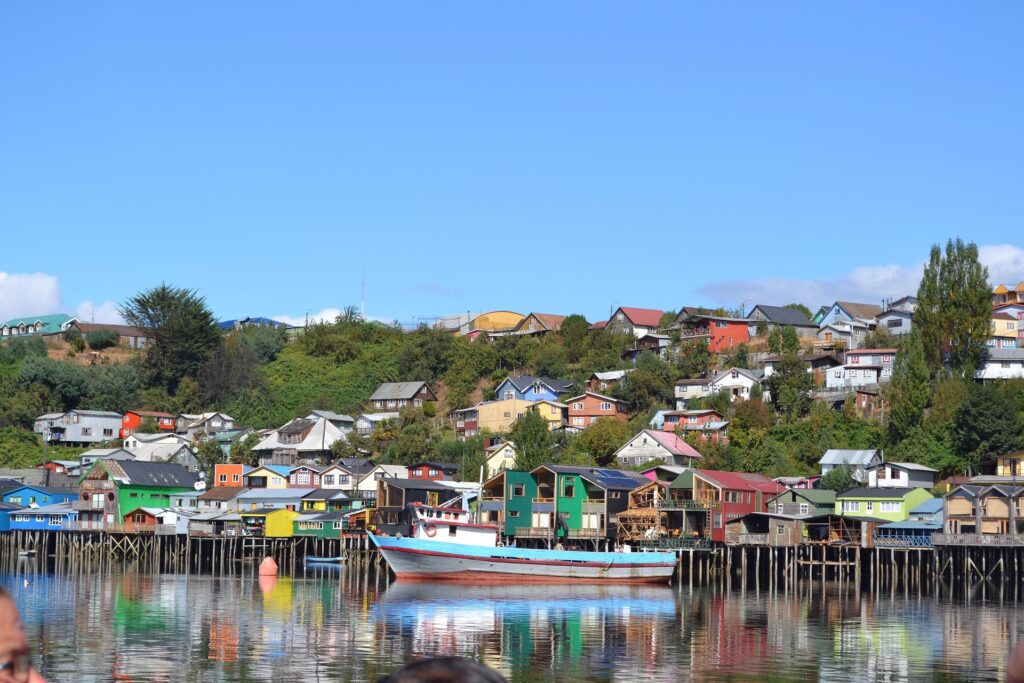
Chiloé, off southern Chile’s coast, is known for its distinctive culture, wooden architecture, and coastal scenery. The island’s capital, Castro, features colorful palafitos – traditional stilt houses built along the waterfront. Across the island stand more than a dozen UNESCO-listed wooden churches, built by Jesuit missionaries in the 17th and 18th centuries. Local markets sell crafts and produce, while seafood, especially curanto (a traditional shellfish and meat stew), is a regional specialty. Ferries connect Chiloé with the mainland near Puerto Montt, and the island also has a regional airport near Castro.
Pucón
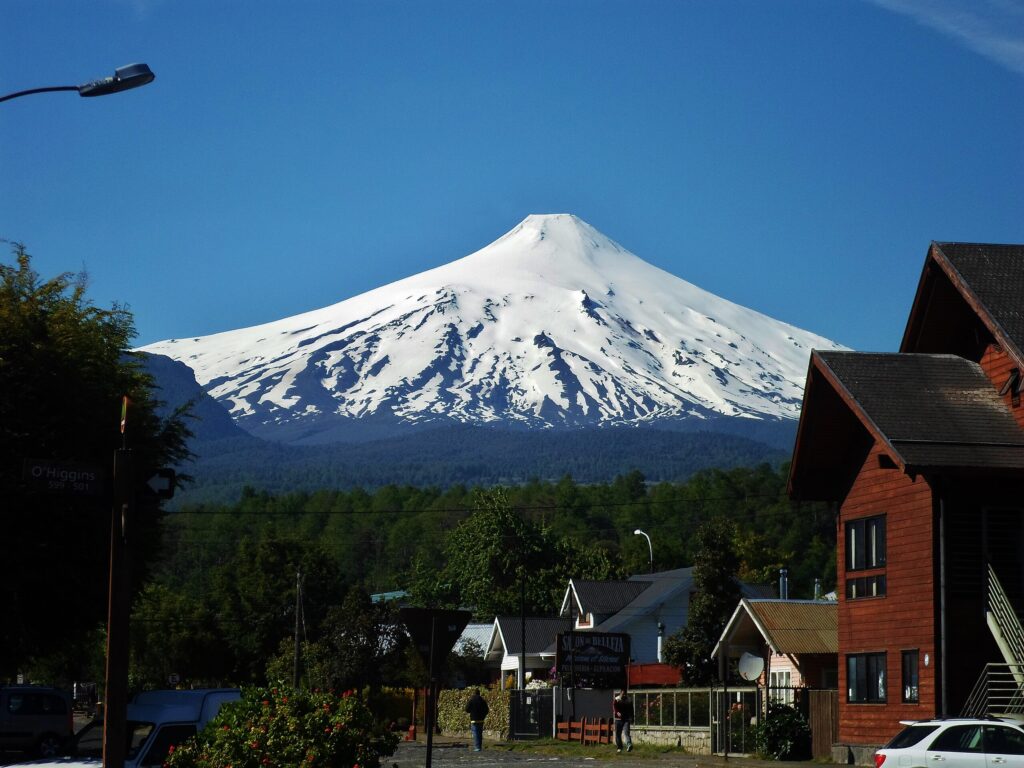
Pucón, on the shore of Lake Villarrica in Chile’s Lake District, is one of the country’s main adventure tourism centers. The town is overlooked by Villarrica Volcano, which can be climbed with a guide in summer months. Other activities include whitewater rafting, canyoning, and zip-lining, while in winter the volcano slopes operate as a ski area. The surrounding region also has several hot springs, with Termas Geométricas among the most visited for its thermal pools set in a forested gorge. Pucón is about 10 hours by road from Santiago, with regular bus services and nearby Temuco Airport offering flights.
Best Wine Regions in Chile
Colchagua Valley
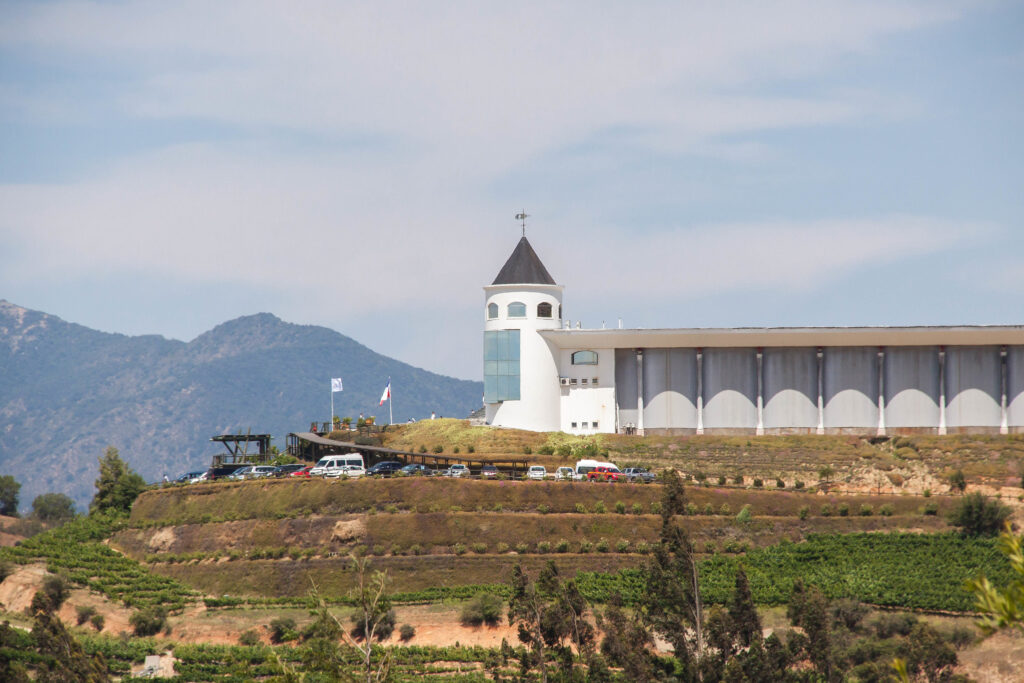
Colchagua Valley, located south of Santiago, is one of Chile’s premier wine regions, especially noted for Carmenère, Cabernet Sauvignon, and Syrah. The valley is home to some of the country’s most renowned wineries, including Montes, Clos Apalta, and Viu Manent, many of which offer tours, tastings, and vineyard restaurants. The regional capital, Santa Cruz, has a wine museum and serves as a base for exploring the area. Colchagua is accessible by road from Santiago, with a drive of about two and a half hours.
Maipo Valley
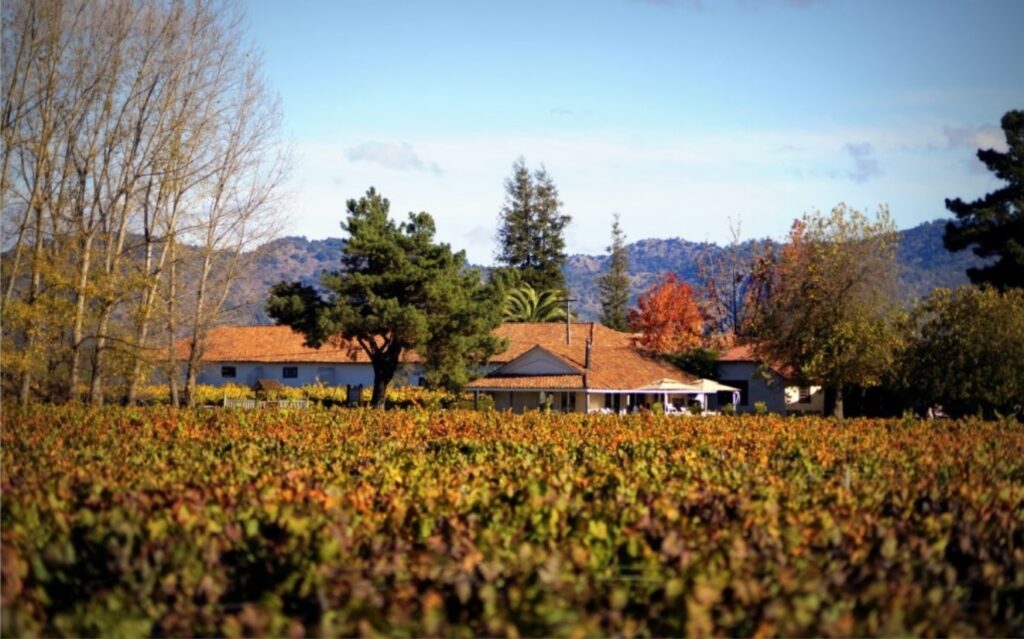
Maipo Valley is the closest major wine region to Santiago and one of the oldest in Chile. It is best known for Cabernet Sauvignon, produced in both boutique vineyards and large historic estates. Well-known wineries such as Concha y Toro, Santa Rita, and Cousiño Macul welcome visitors with tours and tastings. The valley’s proximity to the capital makes it a popular choice for day trips, with most vineyards located less than an hour’s drive from the city.
Casablanca Valley
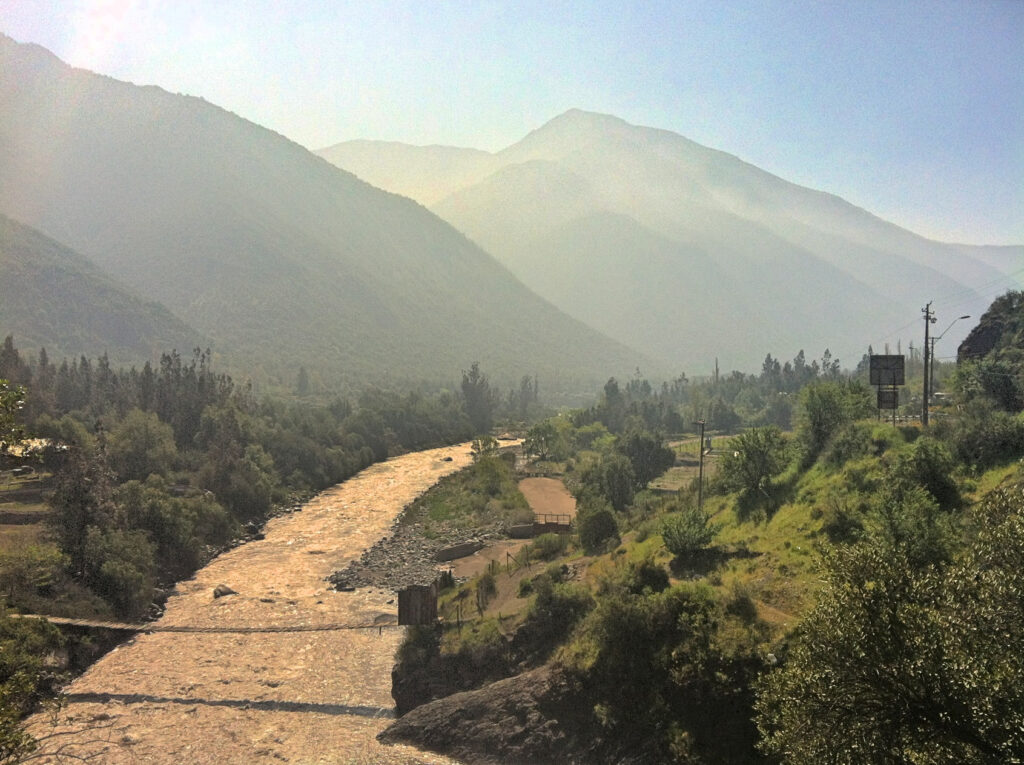
Casablanca Valley lies between Santiago and Valparaíso and is one of Chile’s leading cool-climate wine regions. The area is best known for white varieties such as Sauvignon Blanc and Chardonnay, along with increasingly popular Pinot Noir. Many wineries along the valley’s main route offer tastings, cellar tours, and vineyard restaurants. Its location makes it easy to combine wine visits with trips to Valparaíso or Viña del Mar, less than an hour away.
Remote and Unique Destinations
Easter Island
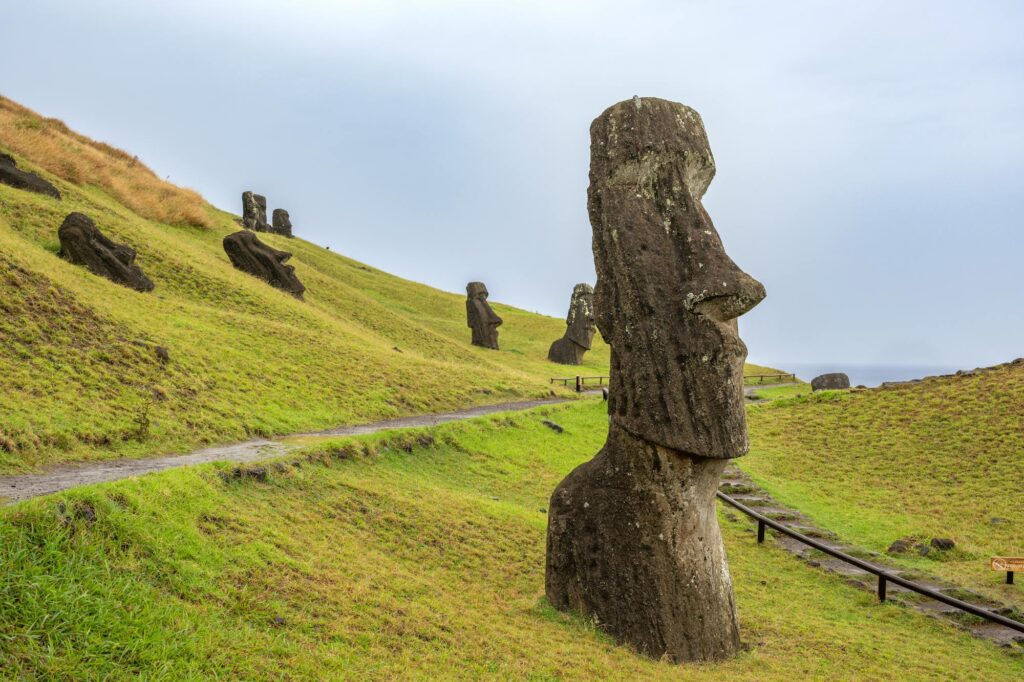
Easter Island, or Rapa Nui, is a remote Chilean territory in the Pacific Ocean, best known for its monumental moai statues. The largest ceremonial site is Ahu Tongariki, where 15 restored moai stand facing inland. Nearby, Rano Raraku quarry contains hundreds of unfinished statues, offering insight into how they were carved. The island also has natural attractions, including Anakena Beach with white sand and palm trees, and volcanic craters such as Rano Kau, which can be explored on foot. Rapa Nui National Park covers much of the island and preserves both archaeological and cultural heritage. Access is by flights from Santiago or Tahiti, with Hanga Roa as the main town and visitor base.
Carretera Austral
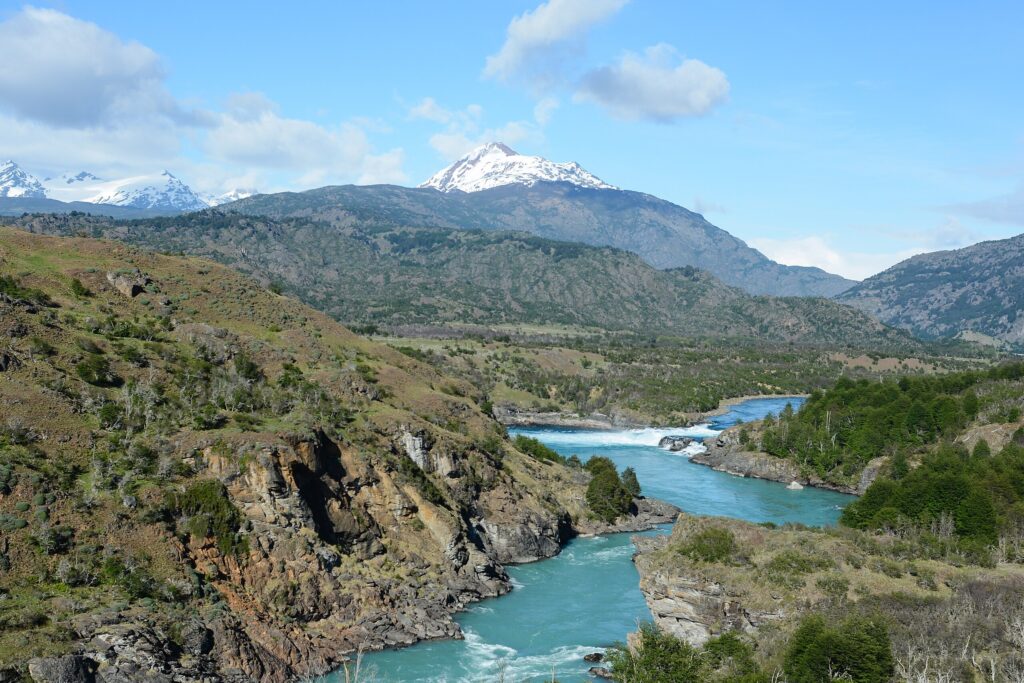
The Carretera Austral is a 1,200 km highway that runs through Chile’s remote southern Patagonia, linking small towns and national parks. The route passes glaciers, fjords, rivers, and dense forests, making it one of the most scenic drives in South America. A highlight is General Carrera Lake, where boat trips visit the Marble Caves, limestone formations shaped by the water. Other stops include Queulat National Park with its hanging glacier and Pumalín Park with extensive hiking trails. The road is partly paved, partly gravel, and best explored by car or campervan. Access points include Puerto Montt in the north and Villa O’Higgins in the south, with ferries required on some sections.
La Serena & Elqui Valley
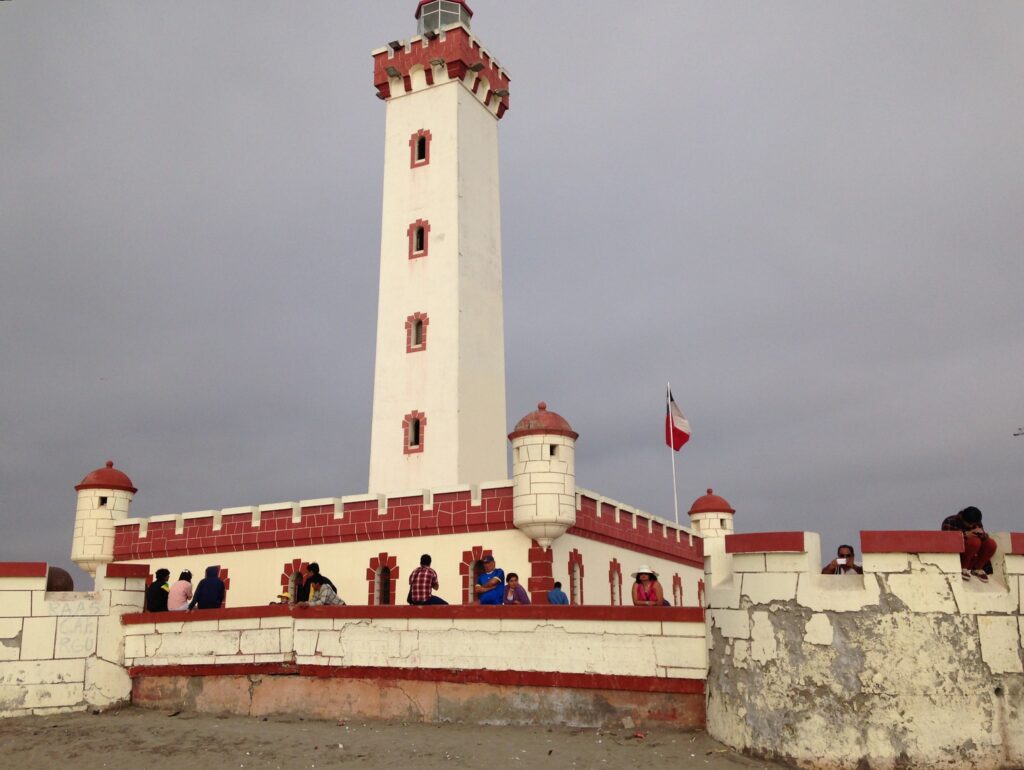
La Serena, on Chile’s northern coast, is known for its colonial architecture, long beaches, and a relaxed atmosphere. The city has a historic center with stone churches, plazas, and markets, while the Avenida del Mar offers several kilometers of beach. Inland, the Elqui Valley is one of Chile’s main pisco-producing regions, with distilleries and vineyards open for tours and tastings. The valley is also internationally recognized for astronomy, with observatories and stargazing tours taking advantage of some of the clearest skies in South America. La Serena is served by an airport with flights from Santiago and is the main base for exploring the Elqui region.
Iquique & Humberstone
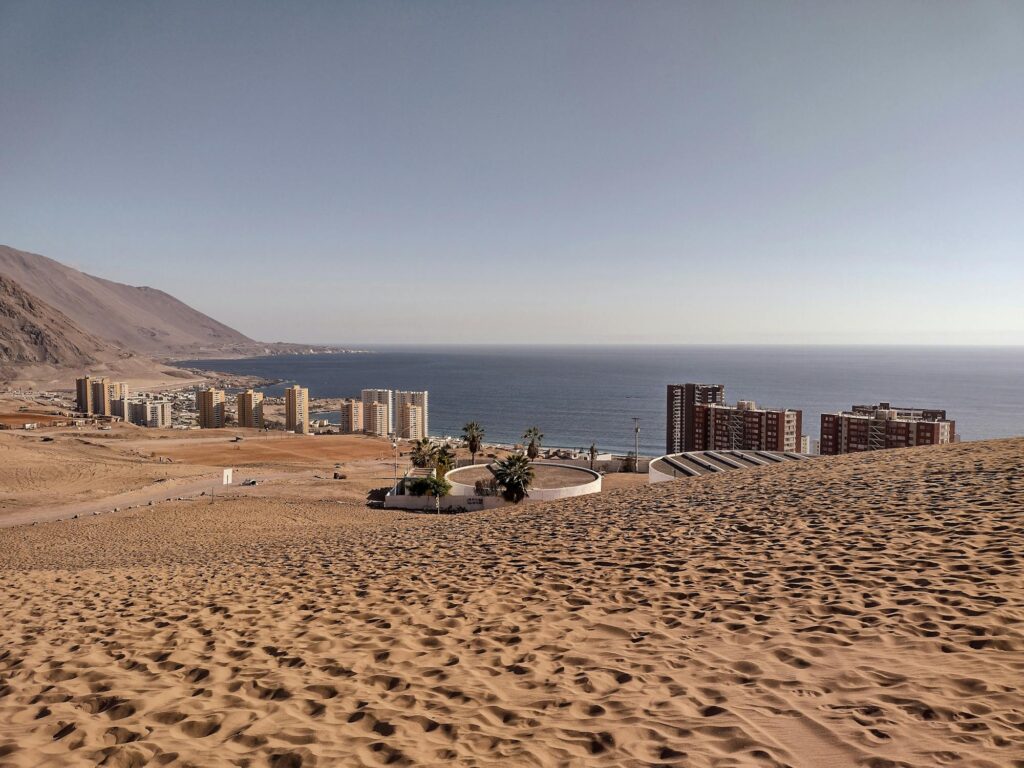
Iquique is a coastal city in northern Chile framed by the Atacama Desert and the Pacific Ocean. It is known for its beaches, surf breaks, and adventure sports such as paragliding from the nearby sand dunes. The city also has a historic center with 19th-century architecture reflecting its nitrate-boom past. About 45 km inland lies Humberstone, an abandoned saltpeter mining town and UNESCO World Heritage Site. Its preserved buildings, theaters, and machinery illustrate the history of Chile’s nitrate industry. Iquique is served by an international airport with flights from Santiago and other Chilean cities.
Hidden Gems of Chile
Pumalín National Park
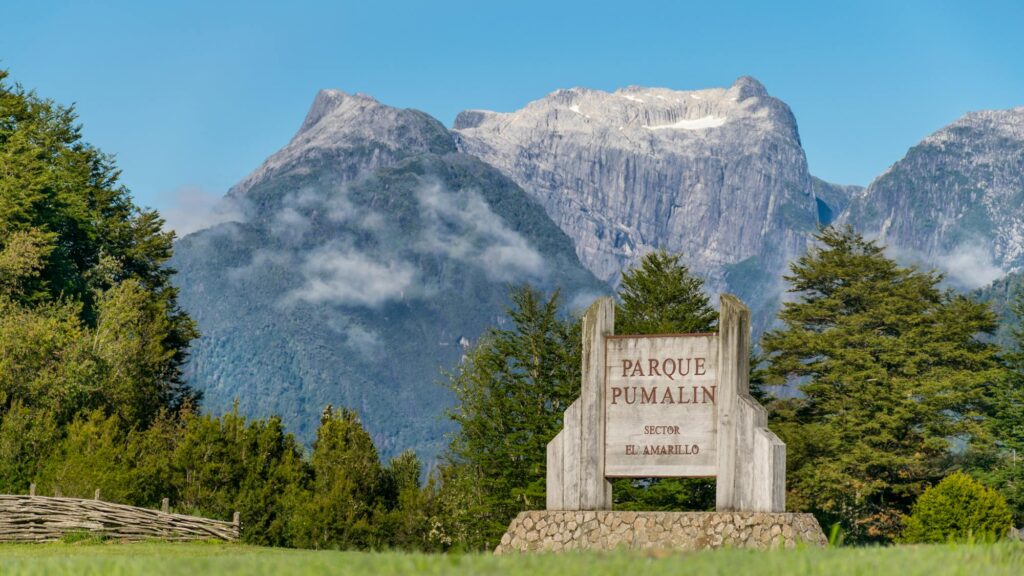
Pumalín National Park, created through the conservation efforts of Douglas Tompkins, is one of Chile’s largest protected areas, covering more than 400,000 hectares in northern Patagonia. The park includes temperate rainforests, fjords, waterfalls, and volcanic landscapes. Well-marked trails allow access to ancient Alerce trees, crater lakes, and glacier viewpoints. The Carretera Austral passes through the park, making it accessible for road trips, while campgrounds and visitor centers support multi-day stays. Pumalín is part of the Route of Parks, a network of protected areas linking Patagonia from north to south.
Valle del Elqui
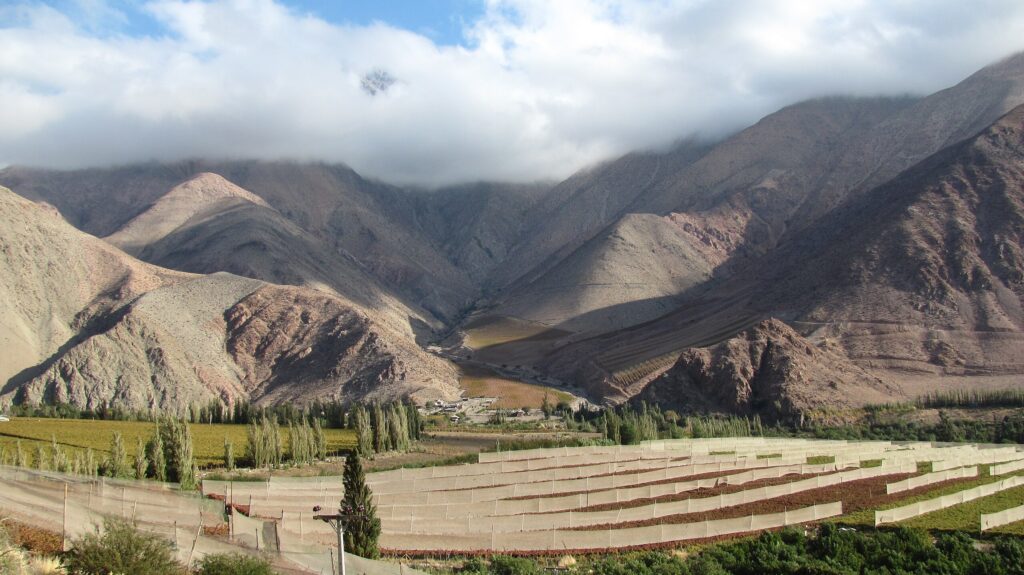
Elqui Valley, east of La Serena in northern Chile, is known for its clear skies, vineyards, and tranquil atmosphere. The valley is one of the main centers of pisco production, with distilleries offering tours and tastings. Small villages host yoga retreats and wellness lodges, taking advantage of the region’s dry climate and peaceful setting. Astronomy is another highlight, with several observatories and stargazing tours making use of some of the clearest night skies in South America. The valley is accessible by road from La Serena, about a one-hour drive.
Altos de Lircay National Reserve
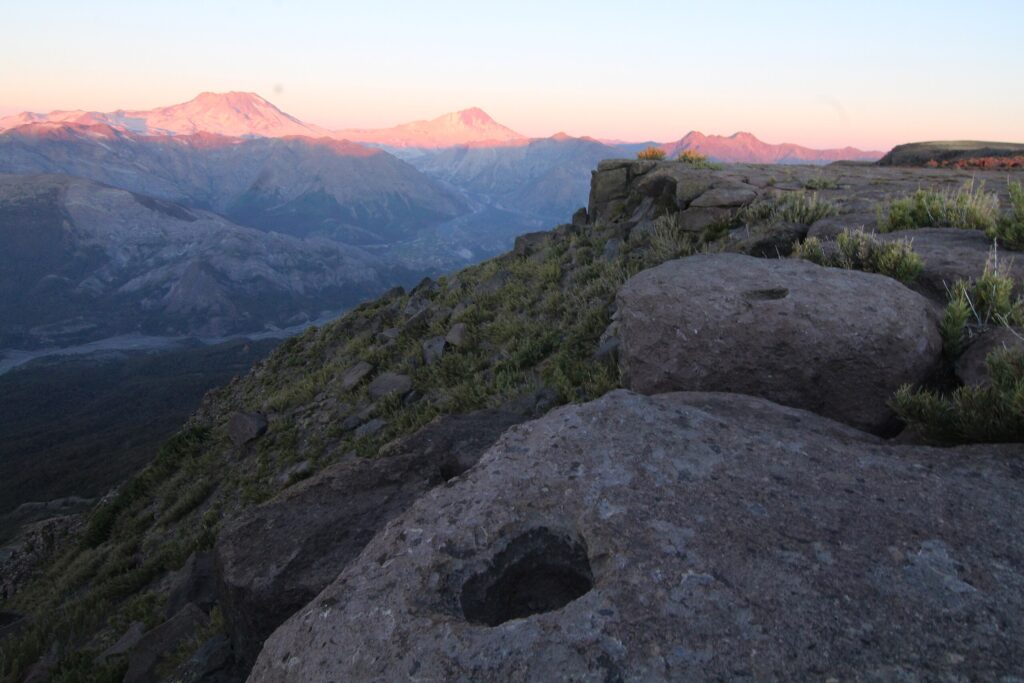
Altos de Lircay National Reserve is located in the Maule region of central Chile, near the town of San Clemente. The reserve protects Andean forests, rivers, and mountains, with landscapes ranging from deep valleys to volcanic peaks. It is a habitat for condors, foxes, and native deer. Hiking trails include routes to viewpoints overlooking the Andes and descents to wild rivers and waterfalls. The reserve is part of the larger Radal Siete Tazas protected area and is accessible by road from Talca, about a two-hour drive.
Pan de Azúcar National Park
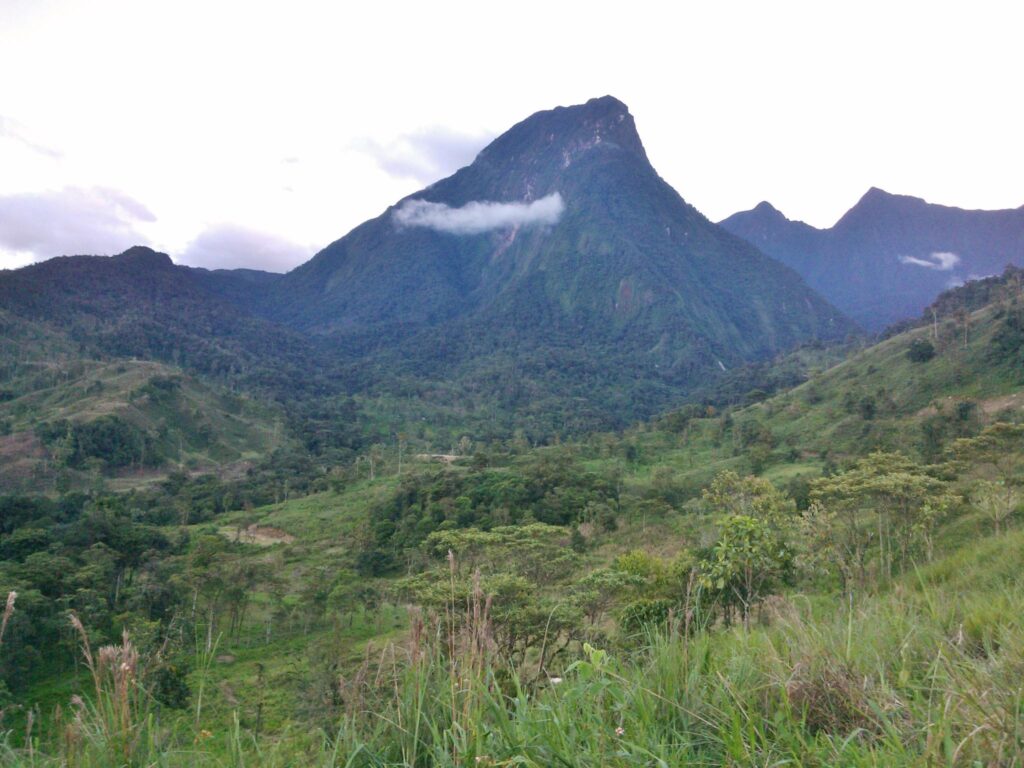
Pan de Azúcar National Park, on Chile’s northern coast near Chañaral, is where the Atacama Desert meets the Pacific Ocean. The park is known for turquoise bays, white sand beaches, and arid hills that bloom with flowers during years of high rainfall. Wildlife includes Humboldt penguins, sea lions, and coastal bird species, especially around Isla Pan de Azúcar, which can be visited by boat. On land, marked trails lead through desert landscapes with cacti and unique vegetation. The park is accessible by road from Chañaral or Caldera, with basic camping facilities available.
Tierra del Fuego
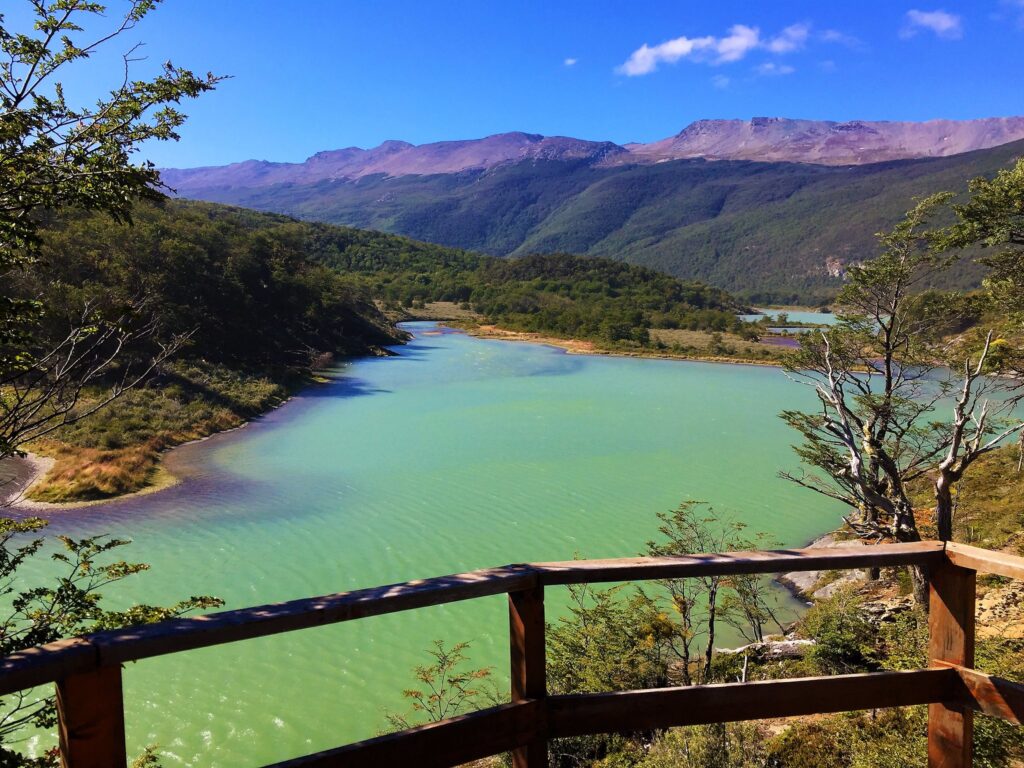
The Chilean side of Tierra del Fuego is a remote region of steppe, fjords, and windswept coastlines. The main town, Porvenir, serves as the entry point by ferry from Punta Arenas across the Strait of Magellan. One of the highlights is the King Penguin Park at Bahía Inútil, home to a colony of king penguins that can be observed year-round. The surrounding landscapes feature open plains, peat bogs, and estuaries rich in birdlife. Roads connect Porvenir with other parts of the island, but services are limited, and travel requires preparation for long distances and unpredictable weather.
Travel Tips
Currency
The official currency is the Chilean Peso (CLP). ATMs are widely available in cities and towns, and credit cards are accepted in most hotels, restaurants, and shops. In rural areas and small villages, however, it’s best to carry cash, as electronic payments may not always be possible.
Language
Spanish is the official language and is spoken throughout the country. In major tourist destinations such as Santiago, Valparaíso, and San Pedro de Atacama, English is fairly common, particularly in hotels and tour agencies. In more remote areas, English is less widely understood, so a translation app or learning a few basic Spanish phrases can be very helpful.
Transport
Because of Chile’s length – stretching over 4,000 km – domestic flights are the most efficient way to cover large distances, with regular connections between Santiago and regional cities. Long-distance buses are another excellent option, known for being comfortable, affordable, and reliable.
For exploring regions like Patagonia and the Lake District, self-driving is highly recommended, as it allows flexibility to reach remote national parks, lakes, and scenic byways. To rent and drive legally, travelers must carry an International Driving Permit along with their home license. Road conditions are generally good, though rural routes can be rough and weather-dependent.
Safety
Chile is regarded as one of the safest countries in South America. Travelers should still take normal precautions, especially in large cities where petty theft can occur in crowded areas. In rural and remote regions, crime rates are very low, and the main concern is preparing properly for outdoor activities and variable weather.

Published September 20, 2025 • 12m to read