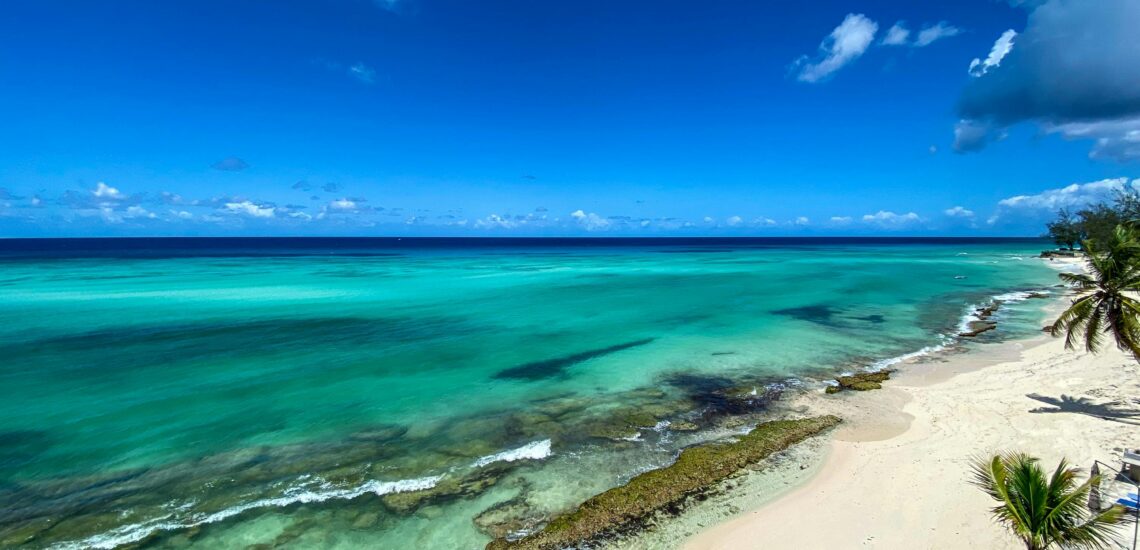


Barbados, the easternmost island in the Caribbean, is a tropical paradise where golden beaches meet British charm and Caribbean rhythm. Known as the birthplace of rum and the land of flying fish, Barbados blends a rich colonial history with vibrant culture, lively festivals, and an easygoing island spirit.
From its famous west coast “Platinum Beaches” to the rugged Atlantic shores of the east, Barbados offers something for everyone – relaxation, adventure, history, and flavor – all under year-round sunshine.
Best Cities in Barbados
Bridgetown
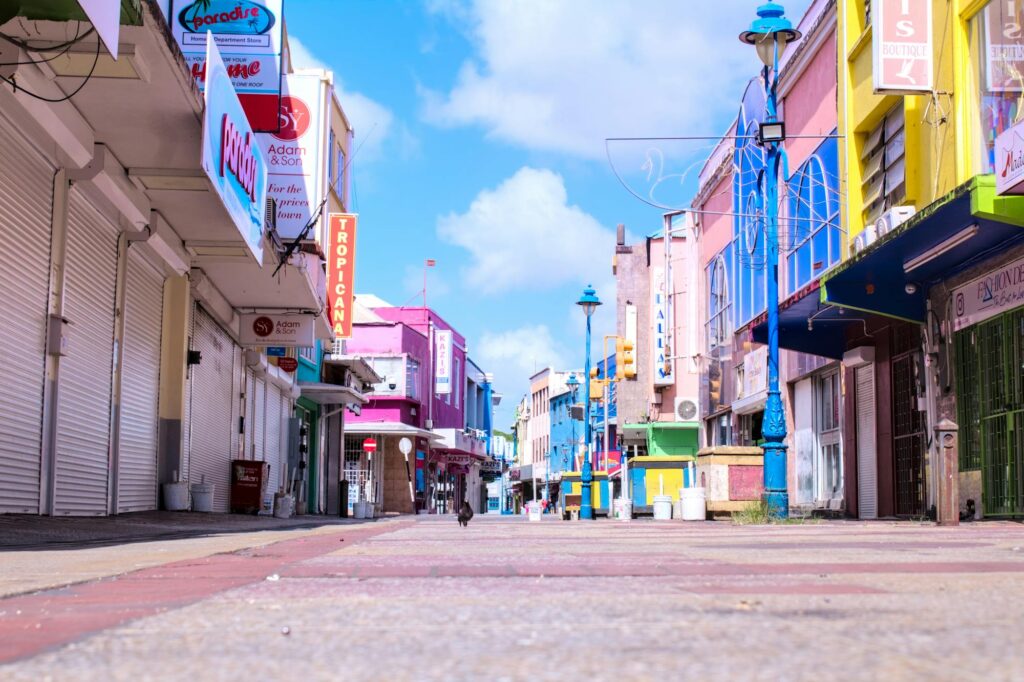
Bridgetown, the capital of Barbados, is a UNESCO World Heritage Site that combines colonial history with the energy of a modern Caribbean city. Its historic center is filled with colorful buildings, lively markets, and narrow streets that lead to the waterfront. National Heroes Square and the Parliament Buildings showcase impressive neo-Gothic architecture, reflecting the island’s British colonial past, while nearby St. Michael’s Cathedral and the Barbados Museum trace the development of Barbadian society through centuries of change.
Holetown
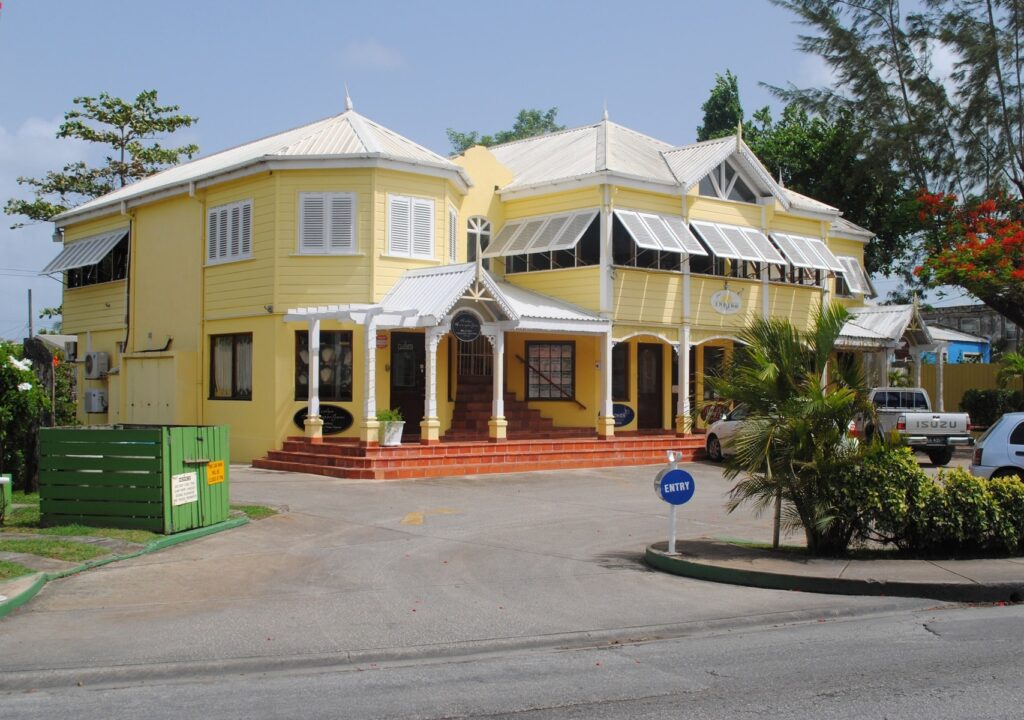
Holetown, located on Barbados’s west coast, is both the island’s first English settlement and one of its most refined modern destinations. Established in 1627, it has grown into an elegant coastal town known for its mix of history, shopping, and seaside leisure. The Limegrove Lifestyle Centre anchors the area, offering designer boutiques, art galleries, and fine dining options that attract both visitors and locals.
Each February, the Holetown Festival celebrates the town’s founding with a week of music, food, and cultural events, bringing Barbadian heritage to life. The surrounding coastline is lined with luxury resorts and calm, reef-protected beaches ideal for swimming, snorkeling, and sunset cruises. Holetown combines historical significance with modern comfort, making it one of the most popular bases for exploring Barbados’s west coast.
Speightstown
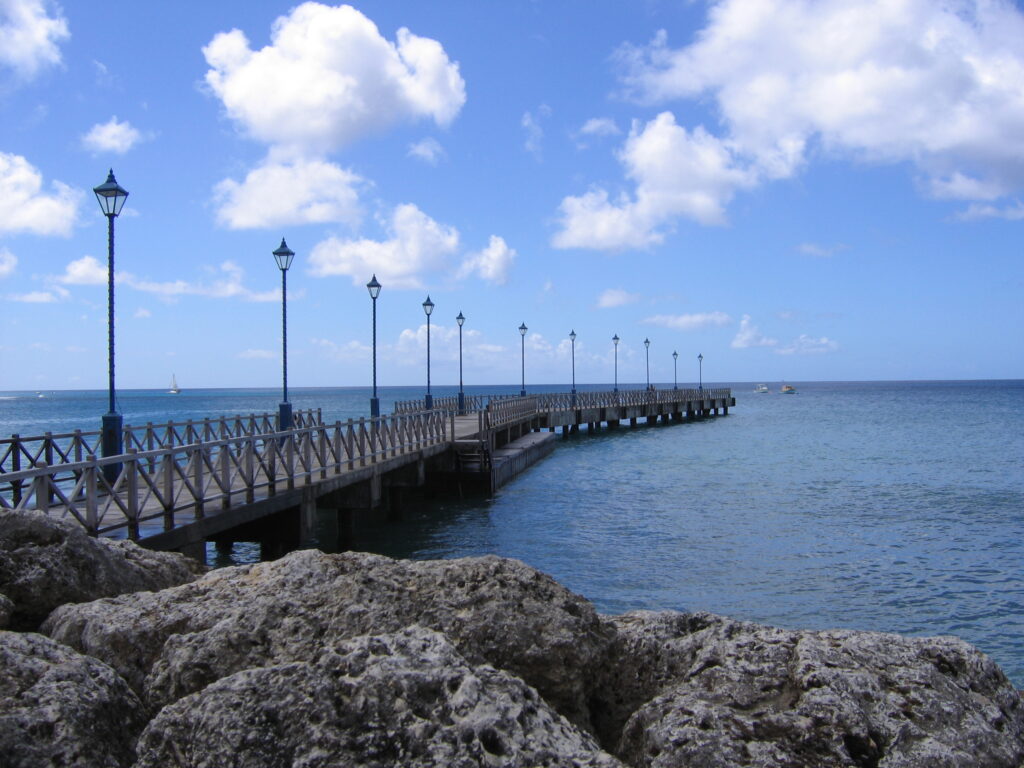
Speightstown, often called “Little Bristol,” is a charming coastal town on the island’s northwestern shore that retains much of its colonial-era character. Once a major port during the sugar trade, it now offers a quieter, more traditional side of Barbadian life. The Arlington House Museum provides an engaging look into the island’s history, with interactive exhibits on sugar production, trade, and daily life in 18th- and 19th-century Barbados.
Oistins
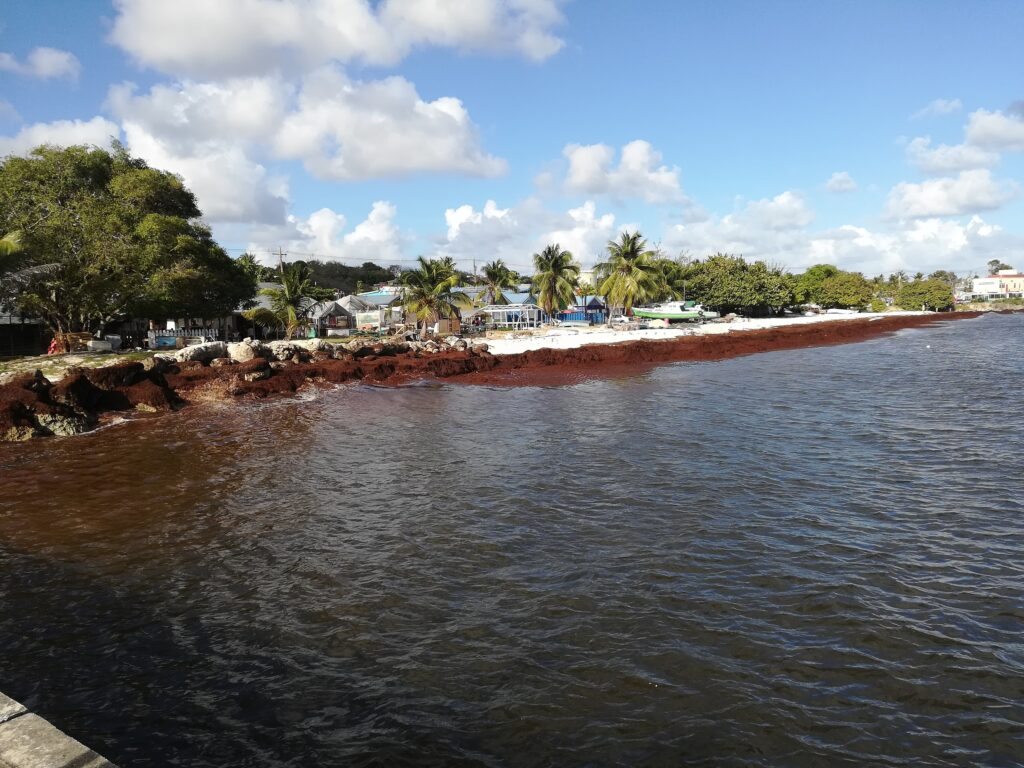
Oistins is a lively fishing town on Barbados’s south coast that perfectly captures the island’s community spirit. Best known for its Friday Night Fish Fry, the town transforms each week into a festive open-air celebration of food, music, and local culture. Visitors can enjoy freshly grilled flying fish, mahi-mahi, and lobster while listening to calypso, reggae, and soca played by live bands and DJs.
Beyond its famous weekend event, Oistins remains an active fishing hub with colorful boats and a bustling market. It’s also close to some of the island’s best beaches, including Miami Beach and Enterprise Bay, making it an easy and rewarding stop for both locals and travelers.
Best Natural Wonders in Barbados
Bathsheba & The East Coast
Bathsheba, located on Barbados’s wild Atlantic coast, offers a striking contrast to the calm waters of the island’s west side. The coastline here is rugged and dramatic, with large rock formations, constant surf, and steady sea breezes. Bathsheba Beach is the area’s focal point, famous for the Soup Bowl – a world-class surf break that attracts top surfers from around the globe. While the strong currents make swimming unsafe, the beach is perfect for photography, picnics, and watching the waves crash against the shore.
The drive to Bathsheba winds through lush hills, small farming communities, and scenic viewpoints overlooking the coastline. Nearby villages provide a glimpse of rural Barbadian life, with local cafés serving home-style food and friendly residents welcoming visitors.
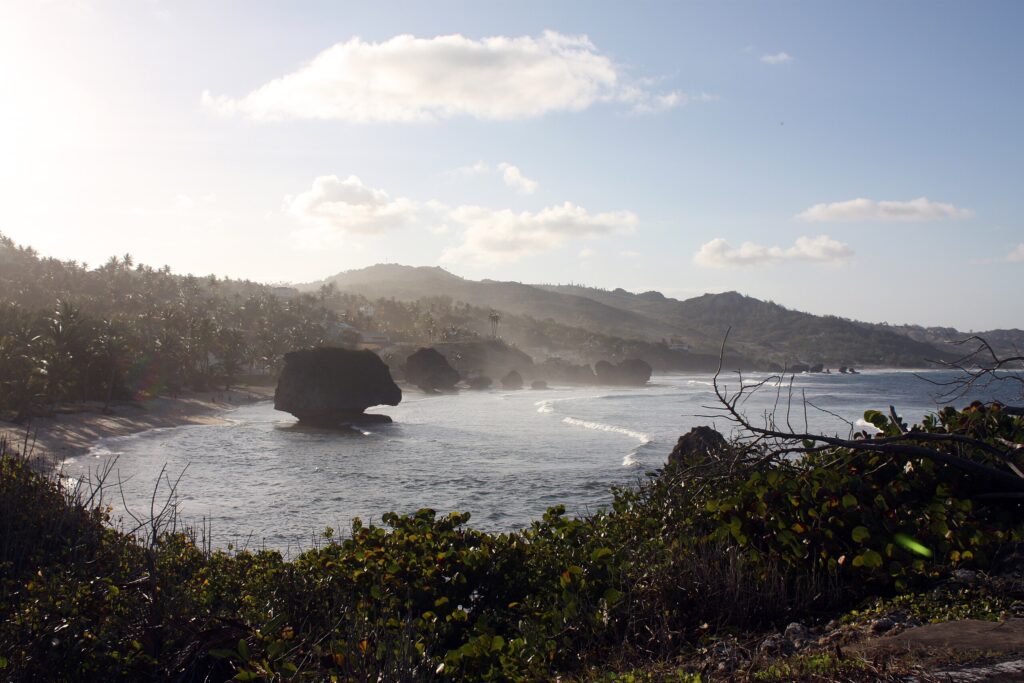
Animal Flower Cave
The Animal Flower Cave sits at the northernmost point of Barbados, carved into the coral cliffs above the Atlantic Ocean. Named after the sea anemones – or “animal flowers” – found in its rock pools, the cave features chambers with natural windows looking out over the open sea. Visitors can explore the pools, coral formations, and smooth limestone walls, which reveal striking colors and patterns created by mineral deposits over time. The cave is best visited at low tide when the pools are calm and safe for wading or swimming. Above the cave, a clifftop restaurant and viewing area offer panoramic views of the coastline and the powerful waves breaking below.
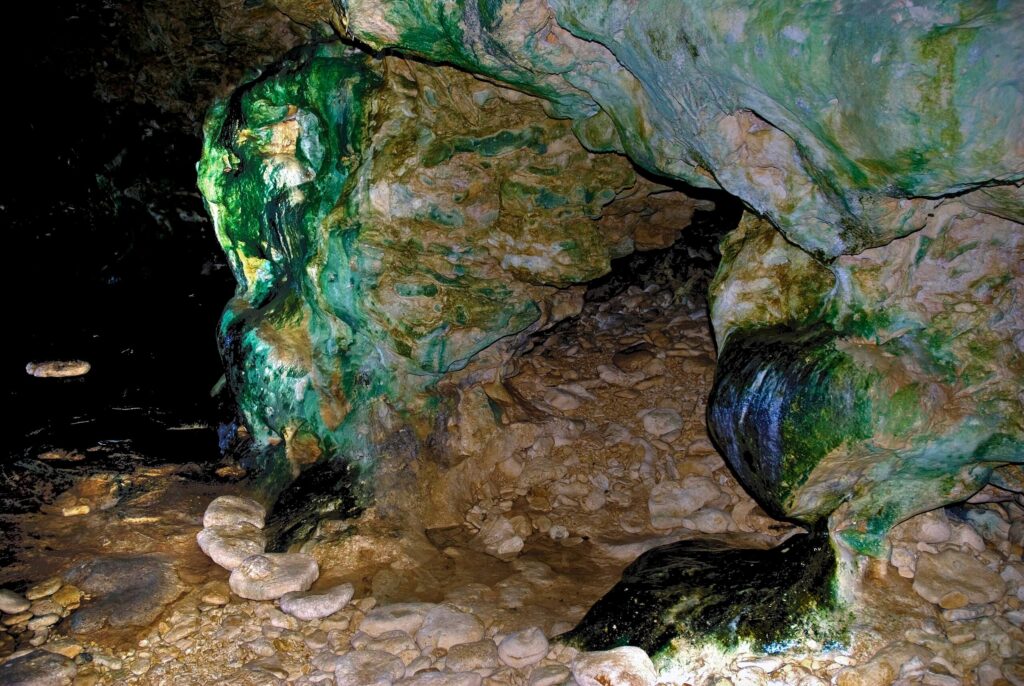
Harrison’s Cave
Harrison’s Cave is one of Barbados’s most impressive natural attractions, located in the island’s central highlands. This extensive limestone cave system features a network of tunnels filled with stalactites, stalagmites, and clear underground streams that flow into deep pools and waterfalls. The main chambers are well-lit, allowing visitors to appreciate the intricate formations and shimmering crystal surfaces.
The cave can be explored on a guided tram tour, which travels through its largest passages while guides explain its geology and history. For those seeking a more adventurous experience, special tours allow visitors to hike and crawl through less-developed sections of the cave.
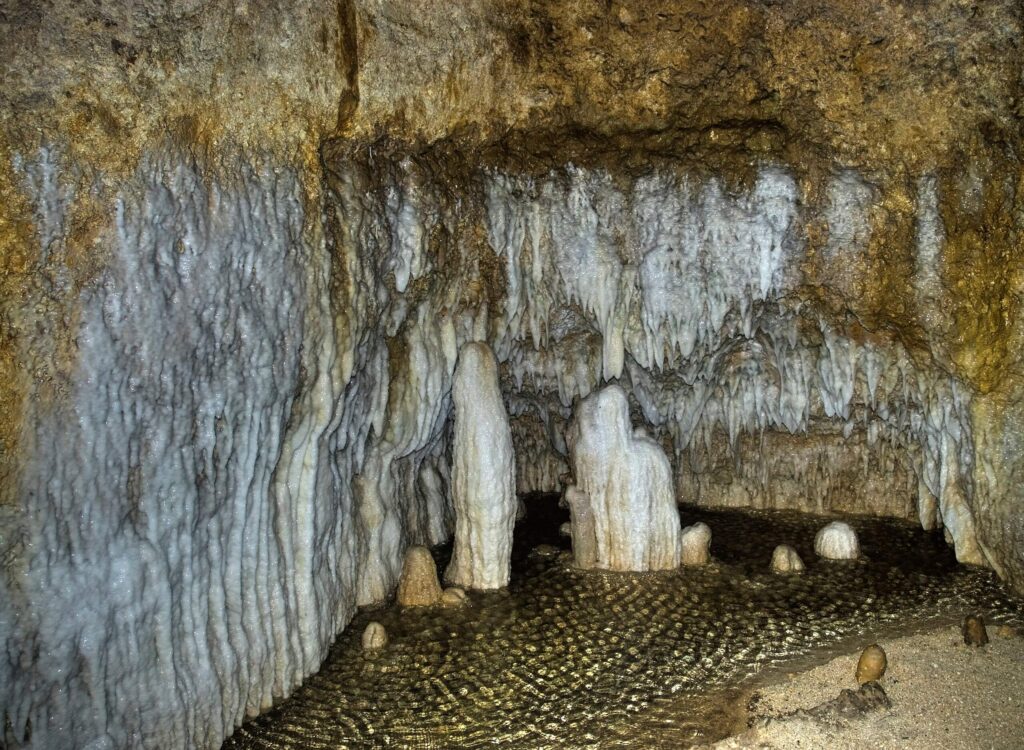
Hunte’s Gardens
Hunte’s Gardens, created by horticulturist Anthony Hunte, is one of Barbados’s most beautiful and tranquil attractions. Nestled in a natural gully in the island’s central highlands, the garden showcases a stunning variety of tropical plants, flowers, and palms arranged in layers that blend seamlessly with the surrounding landscape. The paths wind through dense greenery filled with vibrant blooms, bird song, and the scent of tropical foliage, creating a peaceful retreat for visitors.
Designed as both a botanical display and a work of art, Hunte’s Gardens offers countless opportunities for photography and quiet reflection. Benches are scattered throughout the grounds, and visitors are often welcomed personally by Anthony Hunte himself, who shares stories about the garden’s creation.
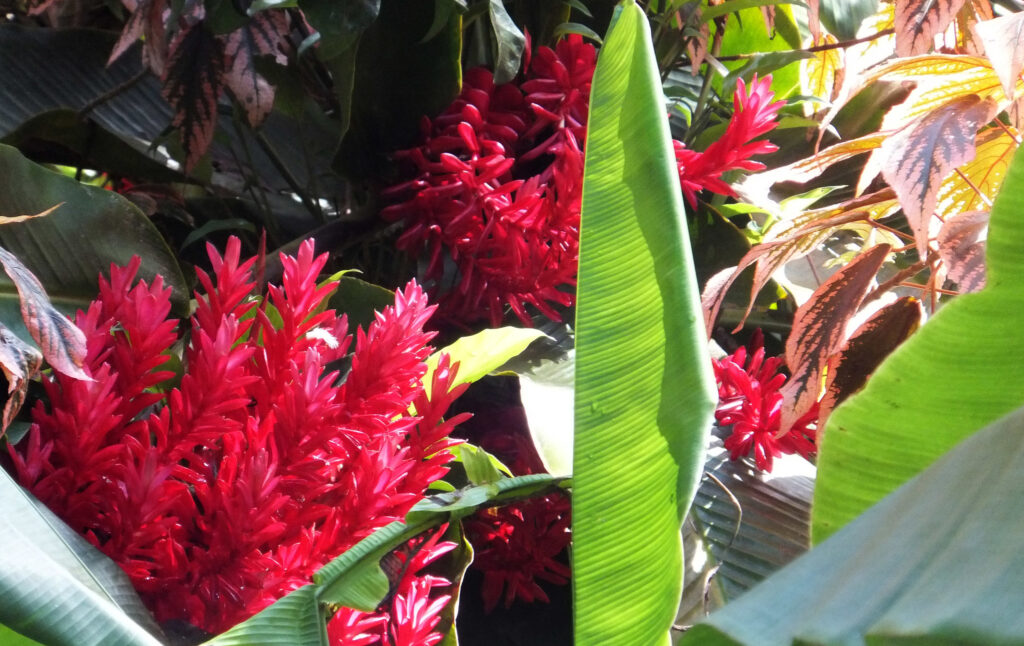
Welchman Hall Gully
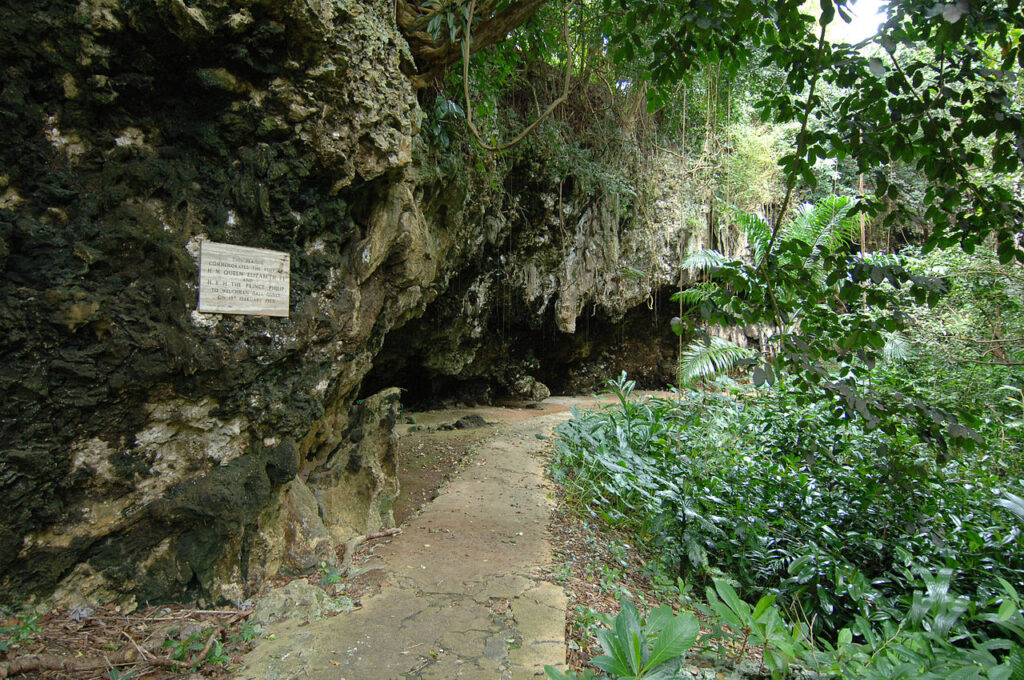
Welchman Hall Gully is a unique natural site in central Barbados, formed from the collapsed roof of an ancient limestone cave. Today, it is a sheltered tropical forest that offers a glimpse of what the island’s interior might have looked like before human settlement. The gully is home to a rich mix of native and exotic plants, including orchids, ferns, and fruit trees, and it provides a natural habitat for Barbados green monkeys, which are often seen along the walking trails. Visitors can explore the gully via a well-maintained path that winds through the shaded forest, with interpretive signs explaining the area’s geology and ecology.
Andromeda Botanic Gardens
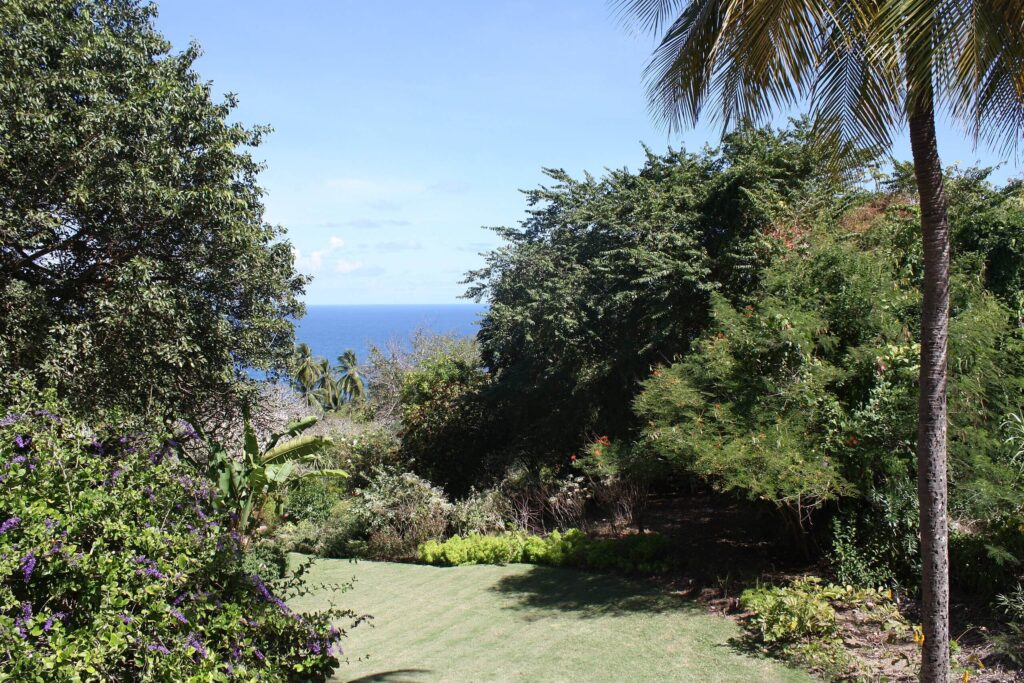
Andromeda Botanic Gardens, located on the island’s scenic east coast near Bathsheba, is one of the Caribbean’s most renowned botanical gardens. Set on a hillside overlooking the Atlantic, it features thousands of tropical plant species from around the world, arranged among ponds, winding pathways, and shaded terraces. The gardens were founded by horticulturist Iris Bannochie in the 1950s and remain an important center for botanical study and conservation.
Visitors can stroll through the peaceful grounds, enjoying the mix of exotic flowers, towering palms, and colorful blooms, all framed by panoramic ocean views. The site also offers a small café and art gallery, making it a pleasant place to relax after exploring the gardens.
Barbados Wildlife Reserve
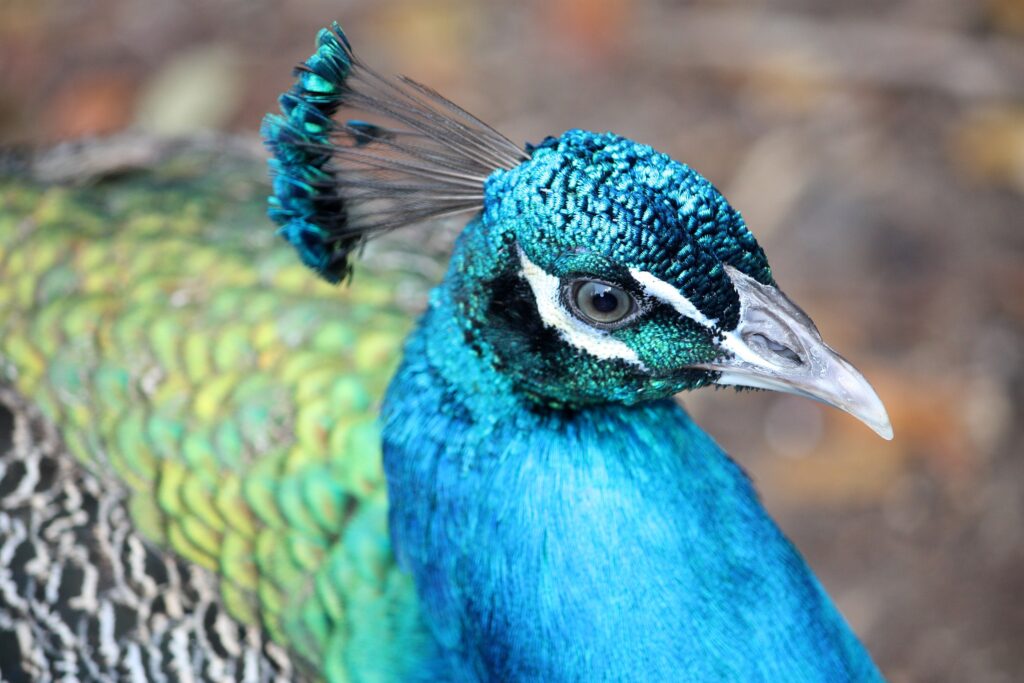
The Barbados Wildlife Reserve is a peaceful sanctuary located in the northern part of the island, near Farley Hill National Park. Set within a mahogany forest, the reserve allows visitors to walk among free-roaming animals such as green monkeys, red-footed tortoises, agoutis, deer, and peacocks in a natural, open environment. The absence of cages creates a relaxed atmosphere where wildlife can be observed up close and at its own pace.
Feeding time, usually in the afternoon, is one of the best moments to visit, as monkeys and other animals gather in large numbers. The reserve also includes a reptile house and aviary featuring snakes and tropical birds. Its tranquil forest setting and easy walking paths make it a popular stop for families and nature lovers exploring northern Barbados.
Hidden Gems in Barbados
Bottom Bay
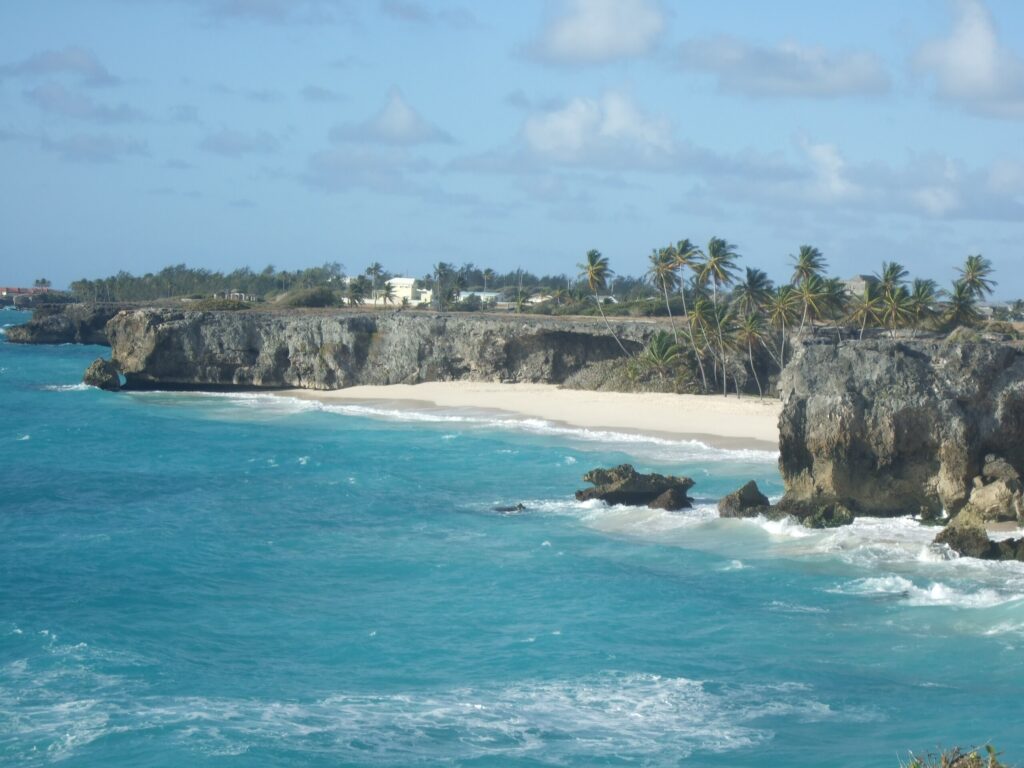
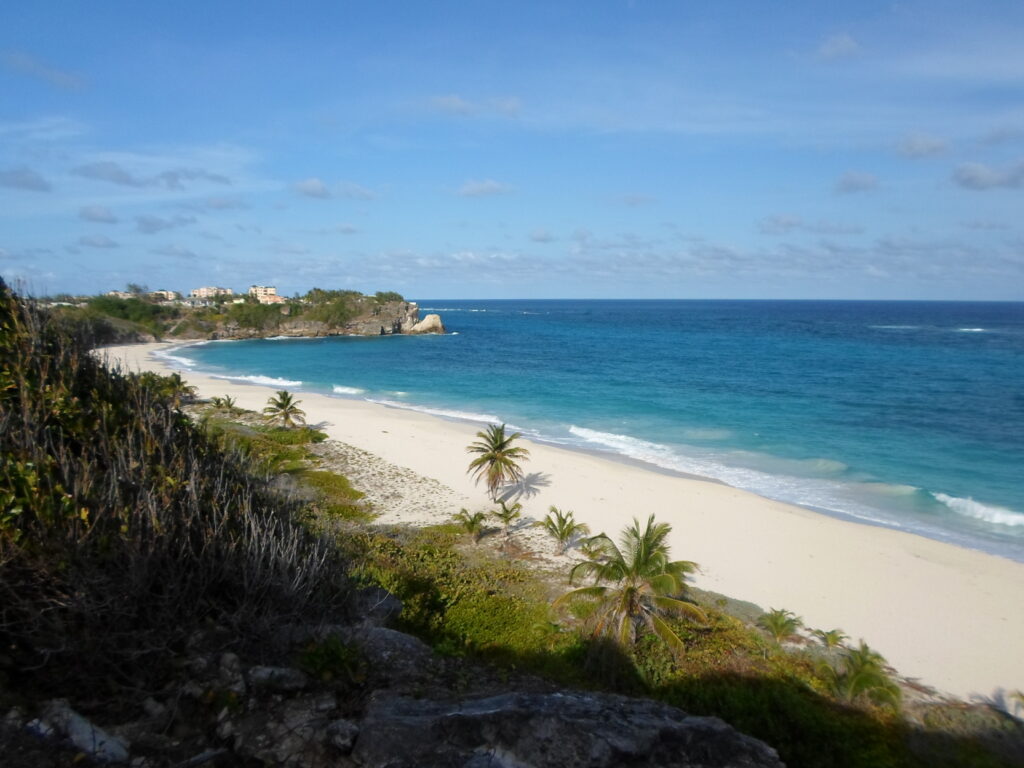
Bottom Bay is one of Barbados’s most photographed beaches, known for its dramatic scenery and sense of seclusion. Located on the island’s southeast coast, it sits in a small cove surrounded by high coral cliffs and lined with swaying coconut palms. The soft white sand and turquoise water create a picture-perfect setting ideal for photography, picnics, or simply relaxing away from the crowds. The beach is accessible by a short path down the cliffs, and while the waves can be rough for swimming, it’s an excellent spot to enjoy the sound of the surf and the island’s natural beauty.
Foul Bay
Foul Bay is a wide, windswept beach on Barbados’s southeast coast, just south of Bottom Bay. Despite its name, it’s a beautiful and peaceful stretch of golden sand bordered by cliffs and shaded by palm trees. The constant Atlantic breeze and rolling surf give the beach a wild, untouched feel, making it perfect for quiet walks, picnics, and photography. While the waves and currents can be strong, making swimming unsafe at times, Foul Bay remains one of the island’s most scenic natural beaches.
Shark Hole
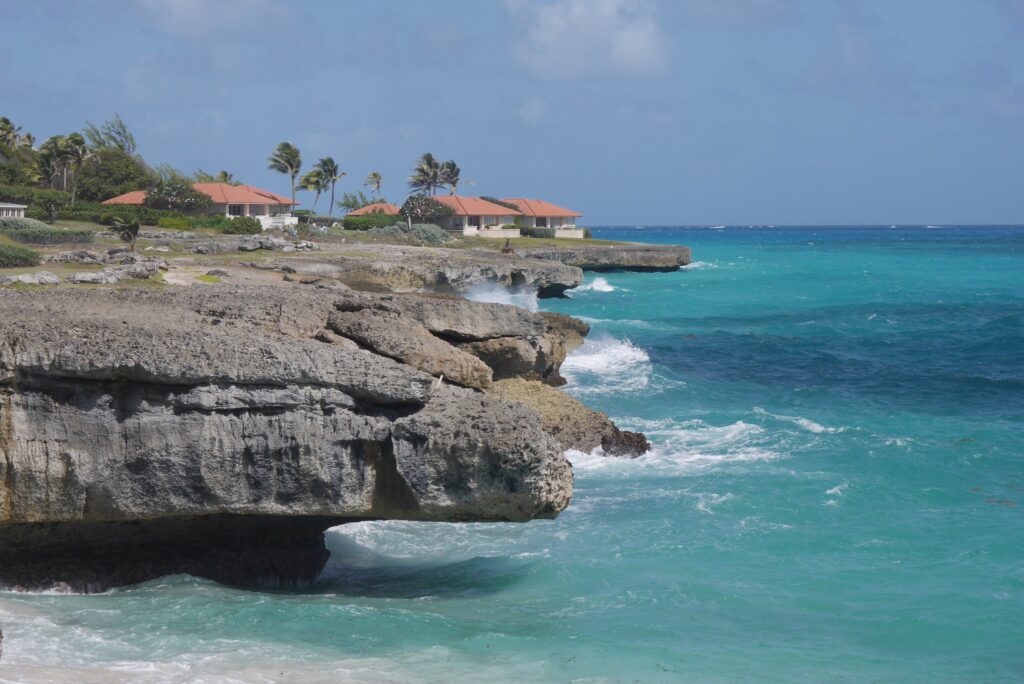
Shark Hole is a small, secluded natural pool tucked along Barbados’s rugged southeast coast near Bottom Bay. Despite its dramatic name, it’s a calm and sheltered spot, protected by surrounding coral rocks that break the strong Atlantic waves before they reach the shore. The result is a shallow, crystal-clear pool perfect for a quiet swim or simply relaxing in the calm water. The beach itself is tiny, framed by cliffs and accessible via a short path, giving it a private, hidden-away atmosphere.
Morgan Lewis Windmill
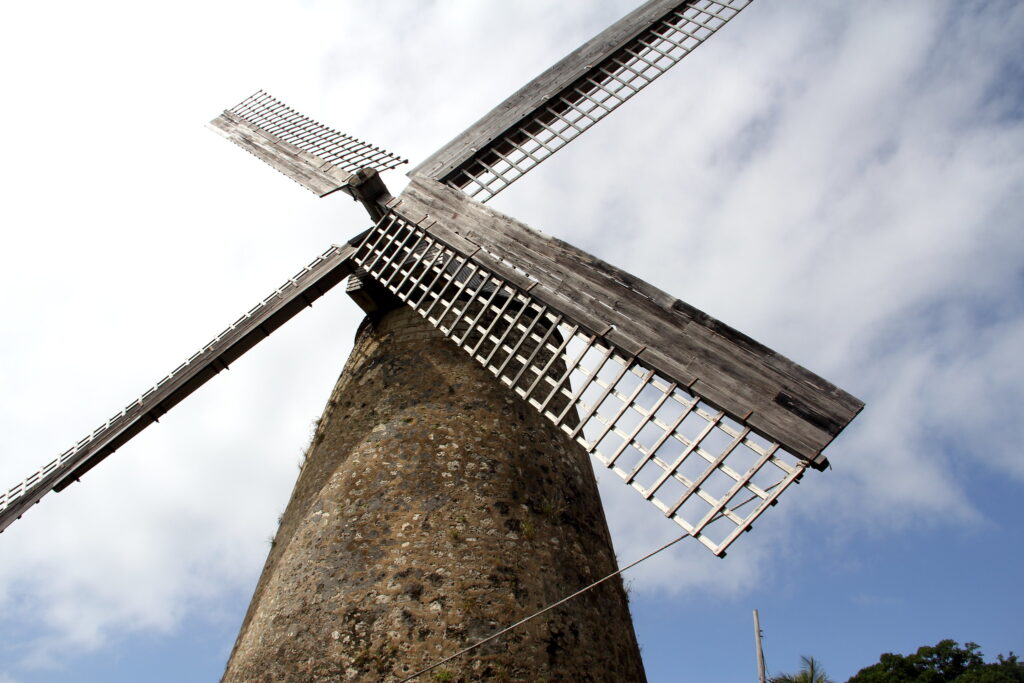
Morgan Lewis Windmill, located in the parish of St. Andrew, is the only fully operational sugar windmill remaining in the Caribbean. Built in the 18th century, it played a key role in Barbados’s once-thriving sugar industry by grinding cane into juice using the power of the wind. Restored and maintained by the Barbados National Trust, the mill now serves as a museum and historical landmark showcasing the island’s agricultural and industrial past. Visitors can explore the grounds, view traditional sugar-making equipment, and learn how wind energy was used to drive the milling process before the advent of steam and electricity.
Codrington College
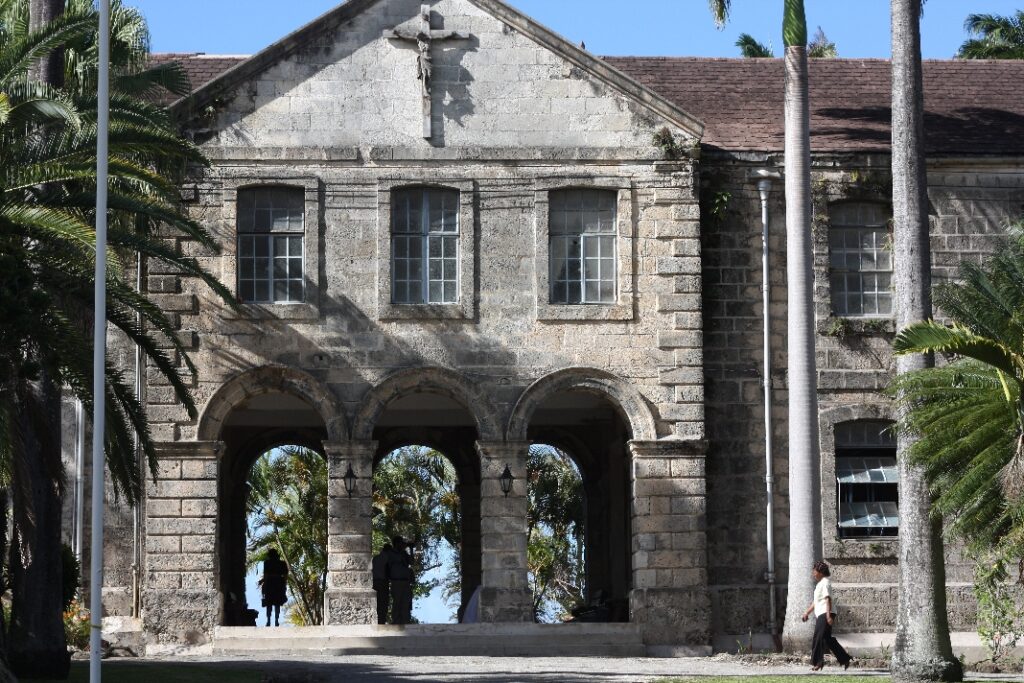
Codrington College is one of the oldest theological colleges in the Western Hemisphere, founded in the early 18th century as an Anglican seminary. Set on a hill overlooking the Atlantic in the parish of St. John, the college is renowned for its graceful colonial architecture, sweeping lawns, and tranquil fish ponds framed by palm trees. Its setting offers some of the most picturesque views on the island, combining history, spirituality, and natural beauty.
Cherry Tree Hill
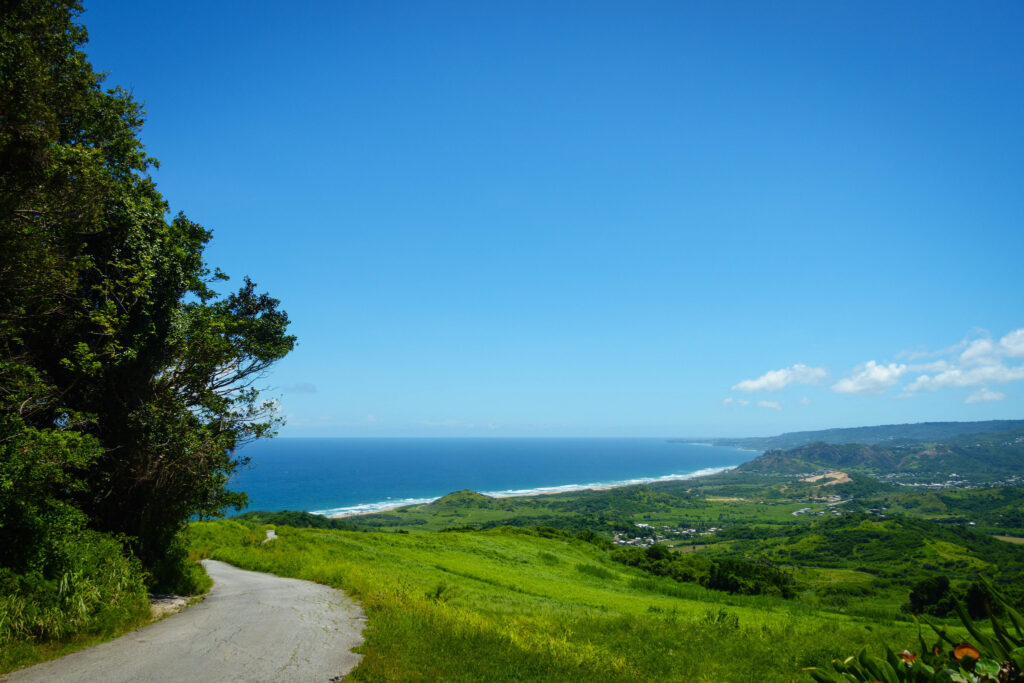
Cherry Tree Hill is one of Barbados’s most scenic viewpoints, located in the parish of St. Andrew near St. Nicholas Abbey. Rising about 850 feet above sea level, it overlooks the island’s rugged Scotland District — a landscape of rolling hills, deep gullies, and lush greenery that contrasts sharply with the flatter western coast. The hill is named after the cherry trees that once lined the road leading to the summit, though today it’s shaded mostly by mahogany trees planted centuries ago. The site is easily accessible by car and often included on island tours, offering excellent photo opportunities and a cool breeze from the Atlantic.
Best Beaches in Barbados
Crane Beach
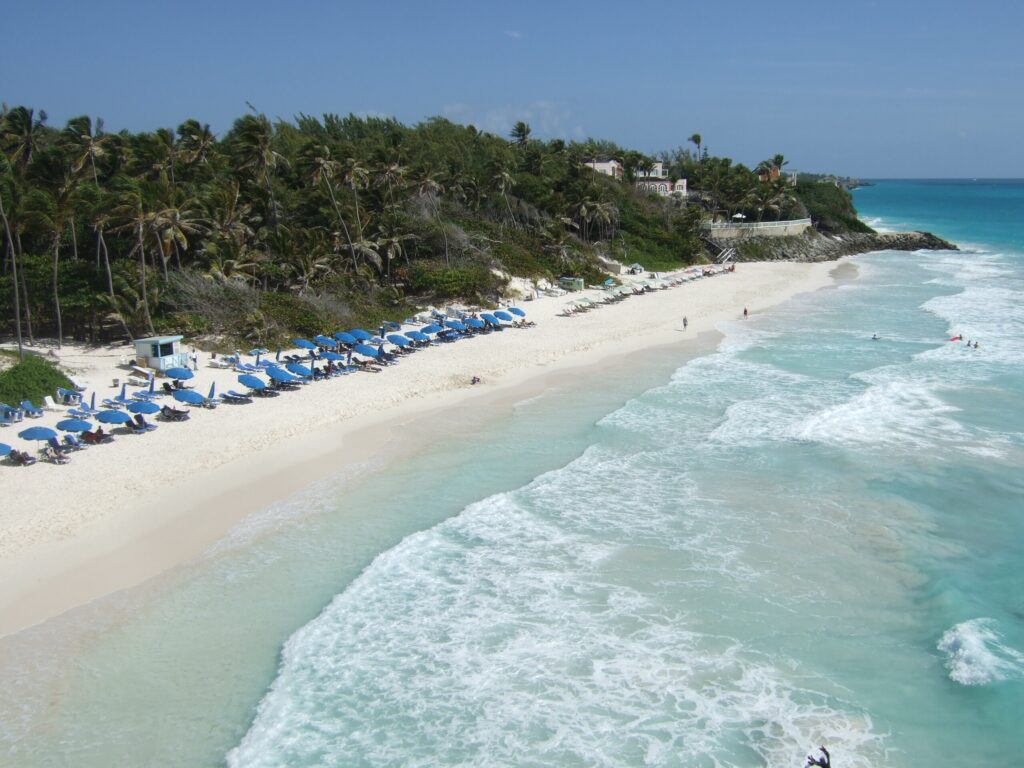
Crane Beach, located on Barbados’s southeast coast, is often ranked among the most beautiful beaches in the world. Its soft, pink-tinged sand contrasts with the turquoise Atlantic surf, creating a dramatic and unforgettable setting. Backed by cliffs and palm trees, the beach offers a blend of rugged natural beauty and calm relaxation, with gentle waves near the shore ideal for swimming and bodyboarding. The beach takes its name from the historic Crane Hotel, one of the oldest operating hotels in the Caribbean, perched on the cliff above. Access is available through the resort or via a public path down the cliffs.
Accra (Rockley) Beach
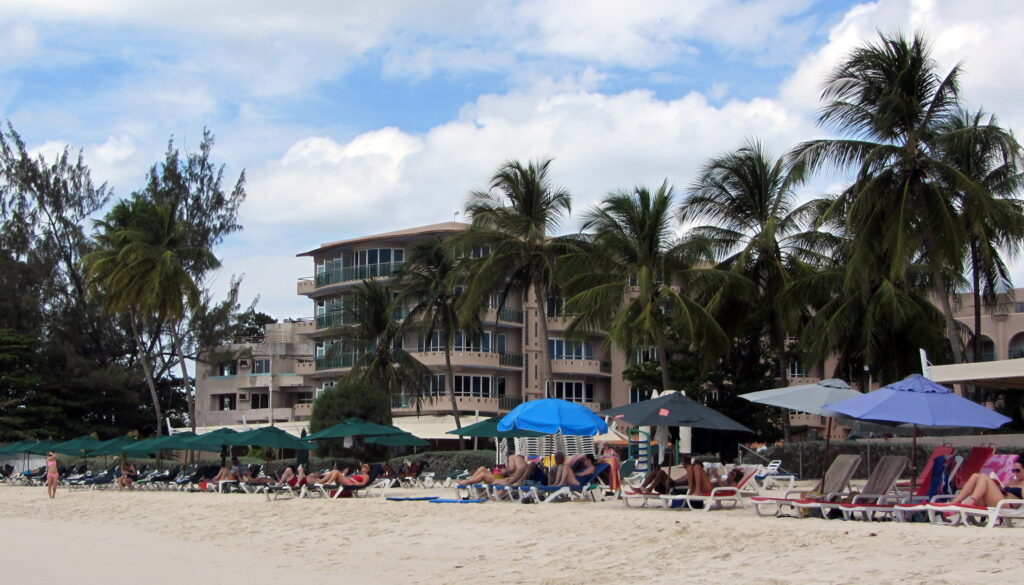
Accra Beach, also known as Rockley Beach, is one of the most popular beaches on Barbados’s south coast. The wide stretch of golden sand and calm, clear water make it perfect for swimming, boogie boarding, and other beach activities. The area has a lively yet relaxed atmosphere, attracting both locals and visitors throughout the day. Lined with beach bars, food stalls, and small shops, Accra is a great spot to enjoy local favorites such as fish cutters and rum punch. A section of the South Coast Boardwalk runs along the edge of the beach, offering an easy, scenic walk to nearby restaurants and hotels.
Miami (Enterprise) Beach
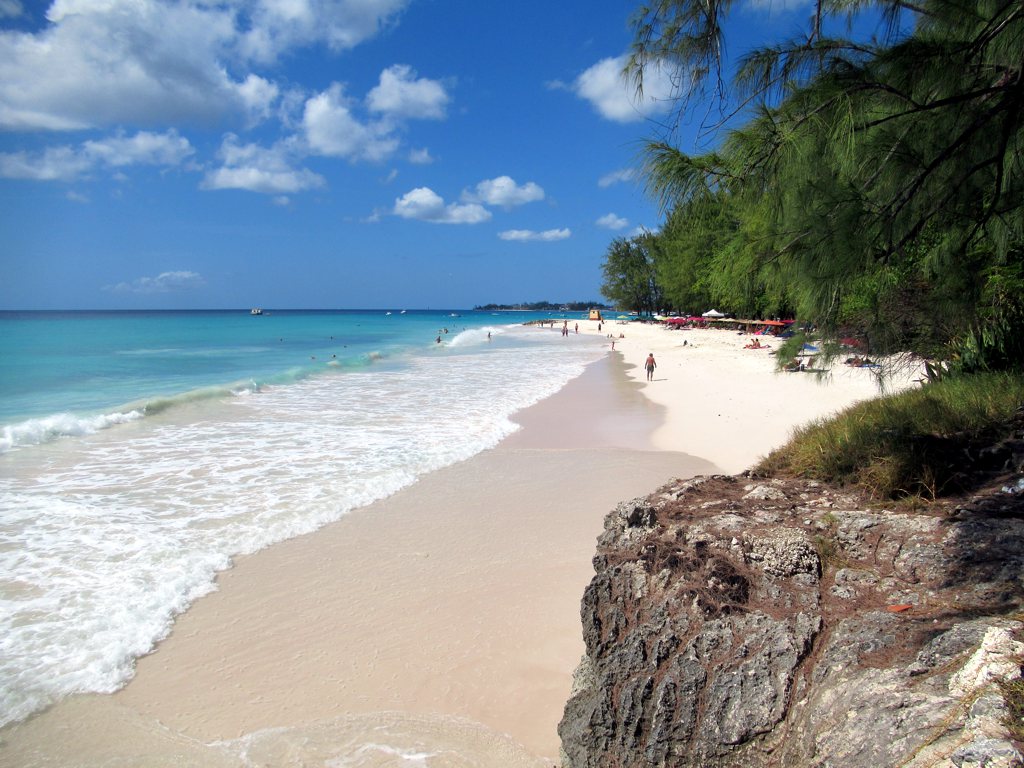
Miami Beach, also known as Enterprise Beach, is a favorite family-friendly spot located near the fishing town of Oistins on Barbados’s south coast. The beach offers a mix of calm, sheltered waters ideal for swimming on one side and gentle waves suitable for light bodyboarding on the other. Its combination of soft sand, clear water, and natural shade from casuarina trees makes it a comfortable and versatile spot for all ages.
Food vendors near the beach serve local snacks and drinks, including refreshing coconut water and fish cutters, adding to the laid-back island atmosphere. Its proximity to Oistins makes it easy to combine a beach day with a visit to the town’s famous Friday Night Fish Fry.
Mullins Beach
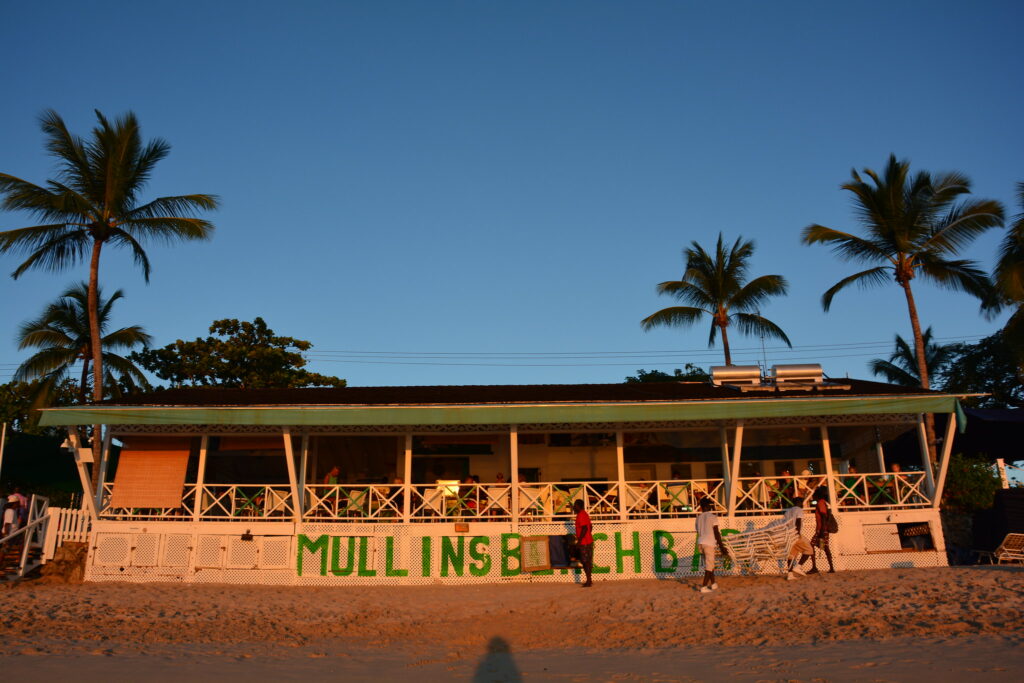
Mullins Beach is a well-known west coast destination that combines calm turquoise water with an upscale yet relaxed atmosphere. Located between Holetown and Speightstown, it’s ideal for swimming, snorkeling, and stand-up paddleboarding thanks to its gentle surf and clear visibility. The soft golden sand and easy access make it one of the most popular beaches on the island’s Platinum Coast. The beach is also home to stylish bars and restaurants where visitors can enjoy fresh seafood, cocktails, and sunset views right by the water.
Paynes Bay
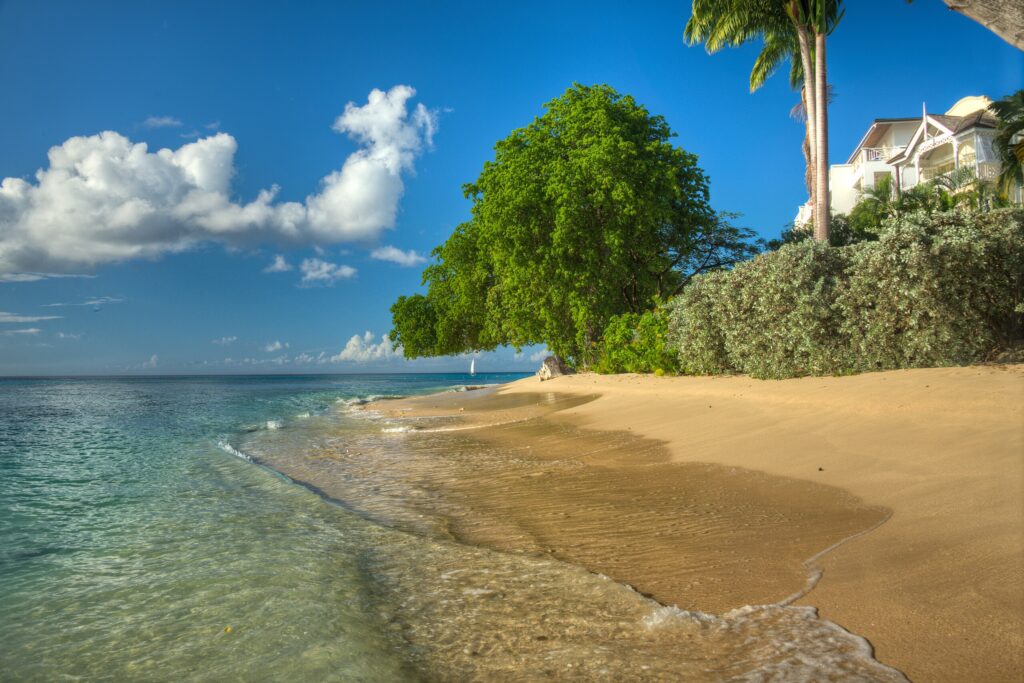
Paynes Bay, located on Barbados’s elegant west coast, is renowned for its calm, crystal-clear waters and excellent swimming conditions. The bay’s gentle waves and soft sand make it ideal for families and casual swimmers, while just offshore, coral reefs provide some of the island’s best snorkeling opportunities. Visitors often encounter green and hawksbill turtles that frequent the area, adding to the bay’s appeal for wildlife enthusiasts.
Travel Tips for Barbados
Travel Insurance & Safety
Travel insurance is recommended, particularly if you plan to go diving, sailing, or take part in adventure activities. Make sure your policy includes storm and hurricane coverage if visiting during the wet season (June–November).
Barbados is among the safest and friendliest islands in the Caribbean. Tap water is safe to drink, and health standards are high. The tropical climate means strong sun year-round – use sunscreen, hats, and plenty of water to stay protected and hydrated while exploring.
Transportation & Driving
Public minibuses and ZR vans run frequently along main routes and are an inexpensive way to travel between towns and beaches. Taxis are easy to find but not metered, so always agree on a fare before departure. For full freedom to explore hidden beaches, gardens, and inland sights, renting a car is the best option.
Vehicles drive on the left-hand side of the road. Most roads are well-paved, though those in rural areas can be narrow and winding, so drive carefully. A 4×4 is helpful for exploring hilly or less-traveled areas. An International Driving Permit is required along with your home license. Visitors must also obtain a temporary local driving permit, available from rental agencies or police stations.

Published October 04, 2025 • 13m to read