
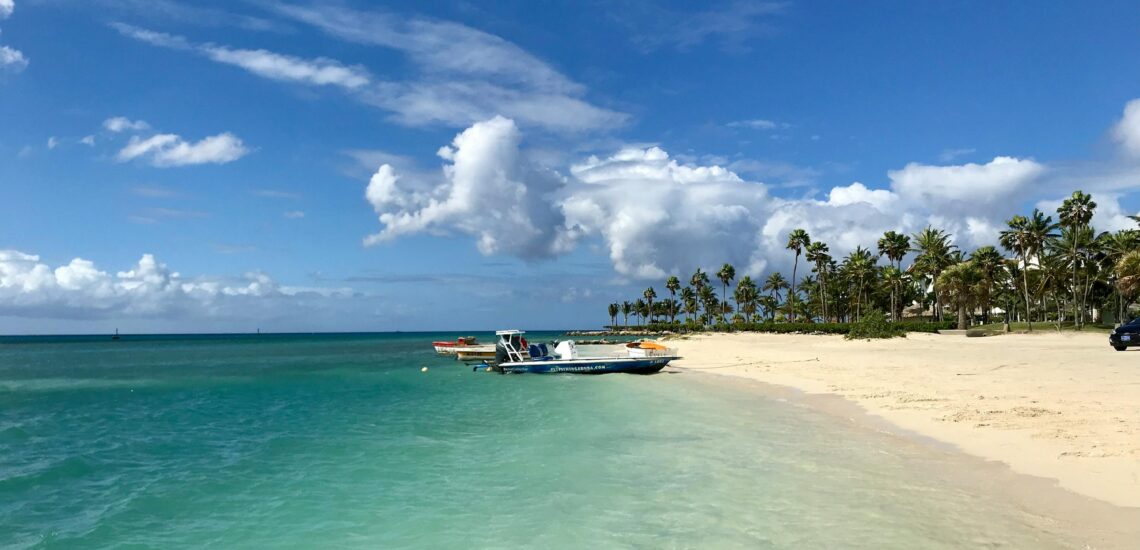


Aruba is one of the Caribbean’s most beloved islands, famous for its white-sand beaches, turquoise waters, and year-round sunshine. But Aruba is more than just a beach destination. Venture beyond the sand and you’ll find desert landscapes, rugged coastlines, cultural towns, and a lively culinary and nightlife scene. Compact and safe, it’s perfect for travelers seeking both relaxation and adventure.
Best Cities in Aruba
Oranjestad
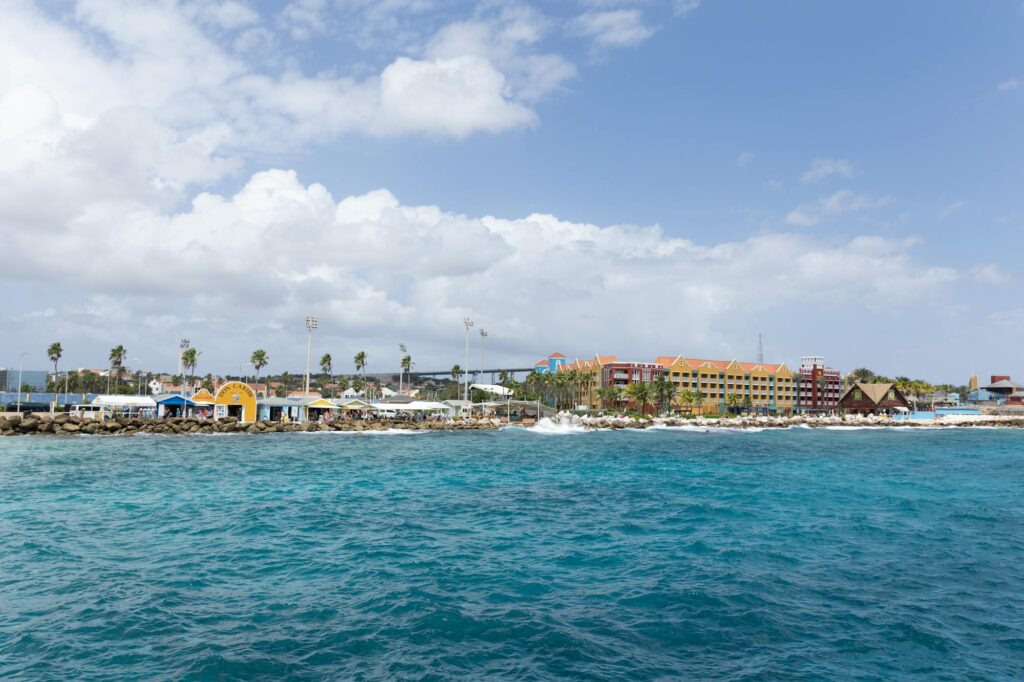
Oranjestad, the capital of Aruba, is known for its Dutch colonial architecture painted in bright pastel colors. The historic center features landmarks such as Fort Zoutman and the Willem III Tower, the oldest structures on the island, which house the Aruba Historical Museum. The city is also a shopping hub, with luxury boutiques at Renaissance Mall and local crafts available in open-air markets and street stalls. Along the waterfront, visitors will find restaurants, cafés, and a busy cruise port. Oranjestad is compact and walkable, making it easy to combine sightseeing, shopping, and cultural stops in a single visit.
San Nicolas
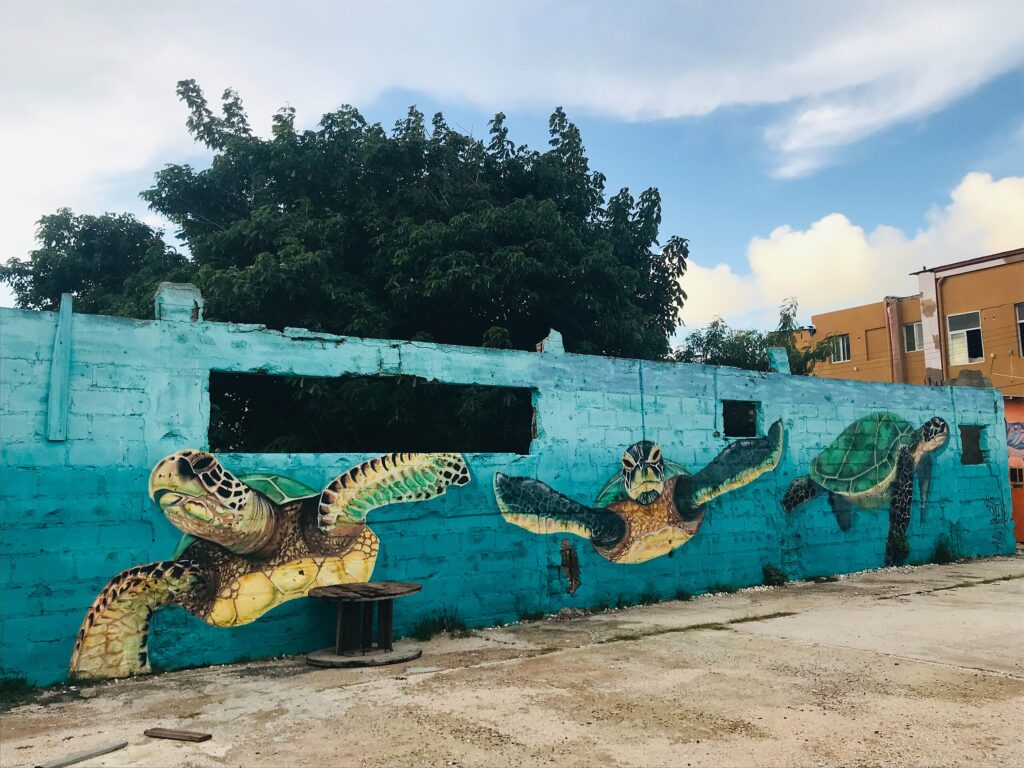
San Nicolas, located at the southeastern end of Aruba, is known as the island’s creative hub. Once centered on its oil refinery, the town has transformed with colorful street art and large-scale murals that decorate many of its buildings. Visitors can explore small galleries, local bars, and music venues that showcase authentic Caribbean culture. Nearby is Baby Beach, a sheltered lagoon with calm shallow waters, ideal for families and snorkeling. San Nicolas offers a quieter, more local experience compared to the resort areas near Oranjestad and Palm Beach, making it a worthwhile stop on an Aruba trip.
Noord
Noord is the main resort area of Aruba, located just inland from Eagle Beach and Palm Beach. It is filled with large hotels, casinos, restaurants, and nightclubs, making it the island’s busiest entertainment hub. The area caters to both leisure and nightlife, with shopping centers, bars, and live music venues concentrated near the resorts. Noord is also a convenient base for exploring Aruba’s northern coast, including California Lighthouse and Arashi Beach, while staying close to the island’s most popular stretches of sand.
Best Natural Wonders in Aruba
Eagle Beach
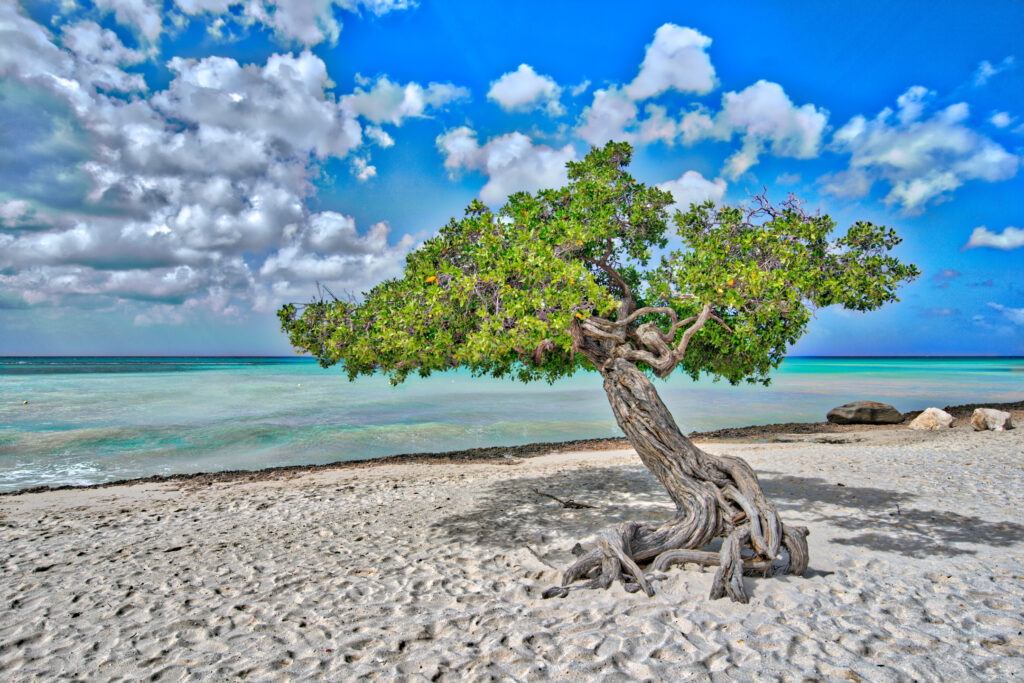
Eagle Beach is one of Aruba’s most famous stretches of sand, often ranked among the best beaches in the world. It is known for its wide shoreline of soft white sand, calm turquoise waters, and the iconic fofoti trees that lean toward the sea and have become a symbol of the island. The beach has designated areas for sea turtle nesting, especially between March and September. Unlike nearby Palm Beach, Eagle Beach has a more relaxed atmosphere, with low-rise resorts, small restaurants, and easy public access. It is located just a few minutes north of Oranjestad.
Palm Beach
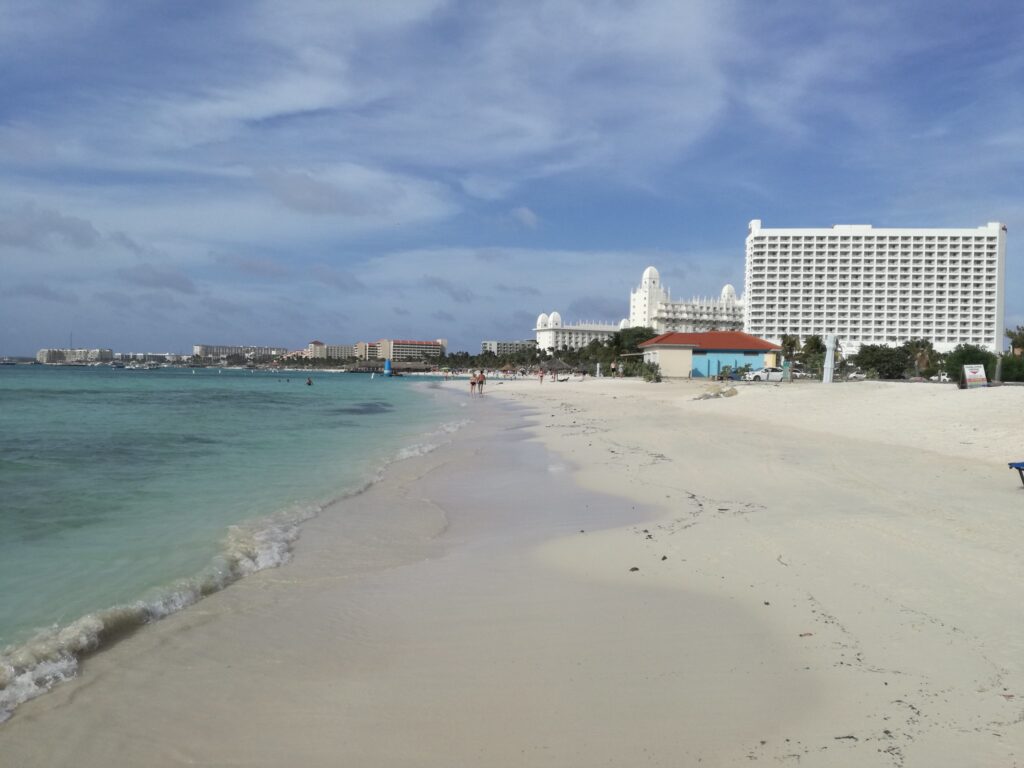
Palm Beach is one of the main resort areas on the northwest coast of Aruba. The shoreline is wide and calm, making it a hub for water activities such as snorkeling, parasailing, jet skiing, and catamaran cruises that often leave in the late afternoon. Along the beachfront are restaurants, casinos, and shops that stay busy into the evening, while nearby entertainment centers provide additional options for dining and nightlife.
The beach is located in Noord, about 15 minutes from the capital Oranjestad. Visitors can get there by local buses that run regularly along the hotel strip, by taxi, or with a rental car. The area is well connected and easy to reach, making it convenient for both day trips and longer stays.
Arikok National Park
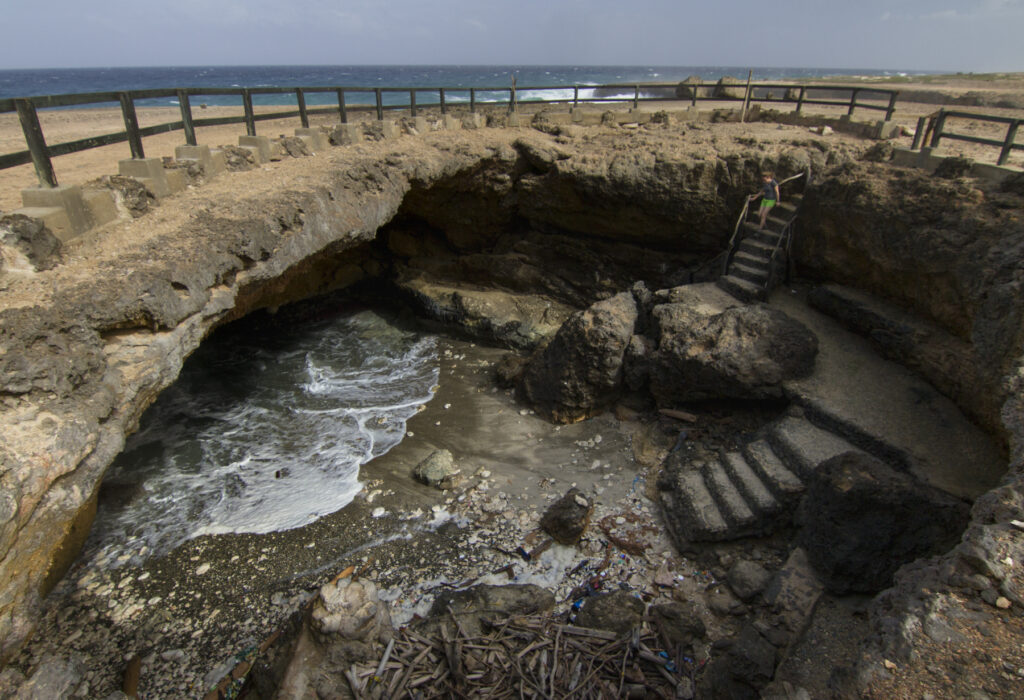
Arikok National Park covers about one fifth of Aruba and protects a dry desert landscape with cacti, limestone cliffs, and volcanic rock formations. Visitors can explore marked hiking trails that pass caves decorated with ancient Arawak drawings, secluded bays, and viewpoints across the rugged coastline. One of the highlights is the Natural Pool, also called Conchi, a sheltered volcanic basin where swimming is possible when conditions are calm. The park also includes Boca Prins and Dos Playa, two dramatic beaches framed by cliffs that are best for walking and photography rather than swimming.
Within or near the park are several of Aruba’s landmarks. The California Lighthouse sits at the northern tip and provides wide views of the island, while Alto Vista Chapel offers a small, quiet place of worship with historical importance. Hooiberg, a volcanic hill rising in the center of the island, can be climbed by a staircase for panoramic views over Oranjestad and the coastline. Access to the park is by car or guided tour, with a visitor center at the main entrance offering maps and information before setting out.
Hidden Gems in Aruba
Baby Beach
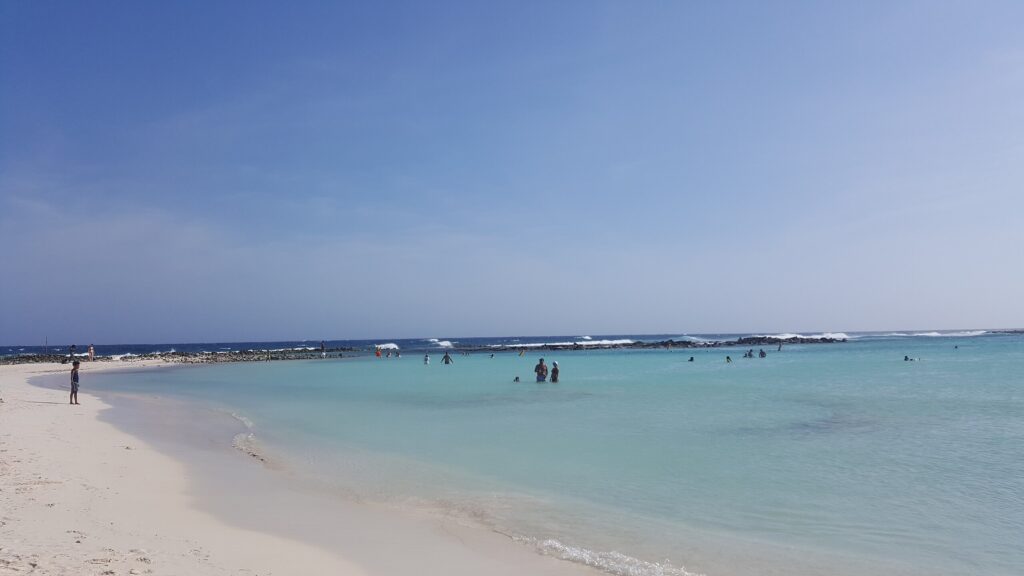
Baby Beach is a sheltered lagoon on the southern tip of Aruba, known for its shallow water and calm conditions that make it suitable for children and beginner snorkelers. The water remains waist-deep far from the shore, and near the breakwater there are coral areas where tropical fish can be seen. Facilities such as beach huts, snack stands, and equipment rentals are available, and the area has a relaxed atmosphere compared to the busier resort beaches.
The beach is located close to the town of San Nicolas, about a 45-minute drive from Oranjestad. It is easiest to reach by rental car or taxi, as public transport connections are limited. The route passes through the southern part of the island, making it possible to combine a visit with other stops in San Nicolas or nearby coastal spots.
Andicuri Beach
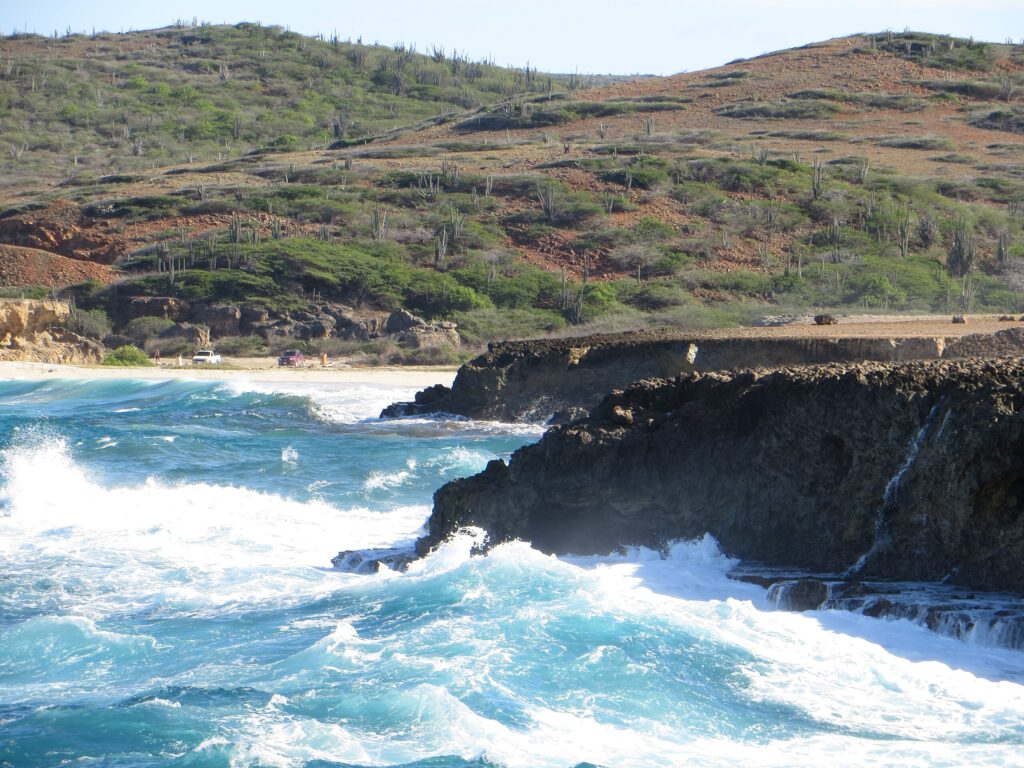
Andicuri Beach lies on the island’s northeast coast and is known for its strong waves and remote setting. The wide sandy bay is popular with bodyboarders and experienced swimmers, but the currents make it unsuitable for casual swimming. Its location away from the main tourist areas gives it a quiet, undeveloped feel, with dramatic scenery shaped by cliffs and constant surf.
The beach is reached by driving along unpaved roads, best accessed with a four-wheel-drive vehicle. It is situated between the collapsed Natural Bridge site and the Bushiribana Gold Mill Ruins, so many visitors combine it with stops at these nearby landmarks. There are no facilities on site, so bringing water and supplies is recommended.
Mangel Halto
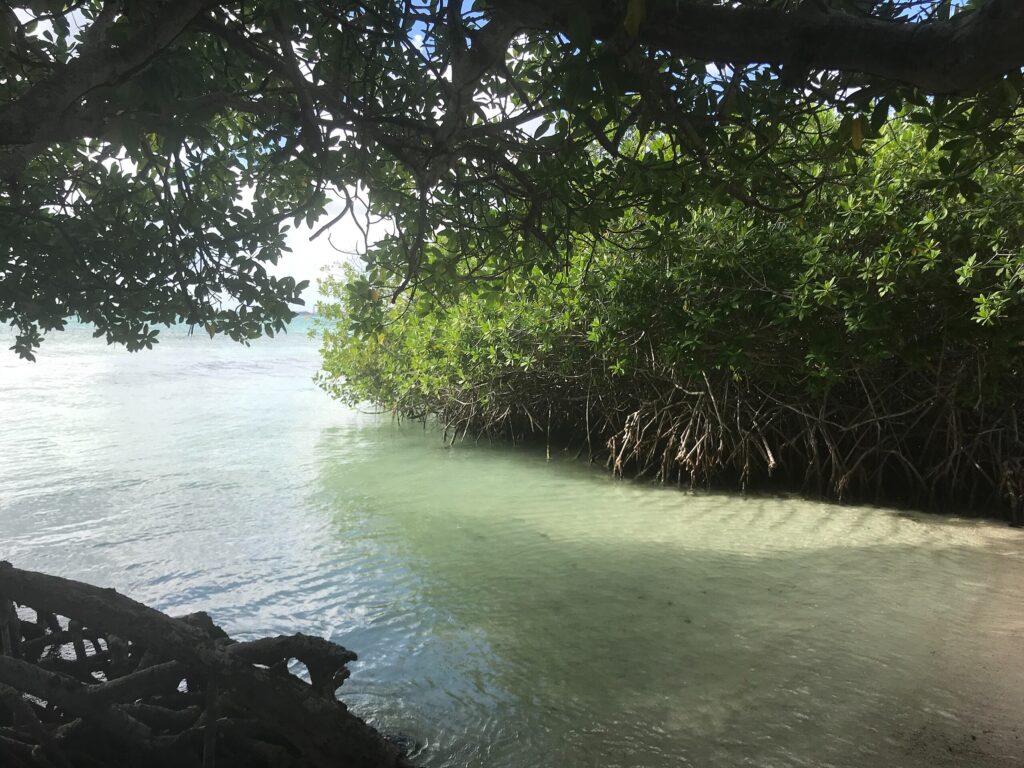
Mangel Halto is a small beach on the southeast coast of Aruba, surrounded by mangroves that create a sheltered environment for swimming and snorkeling. The shallow water near the shore is clear and calm, while deeper areas near the reef attract schools of fish and occasional sea turtles. It is also a good starting point for kayaking along the coastline, with quiet spots to explore among the mangrove channels.
The beach is located near the community of Savaneta, about 20 minutes by car from Oranjestad. Access is straightforward by rental car or taxi, and parking is available close to the beach. There are shaded areas and a small pier, but facilities are limited, so visitors often bring their own food and equipment.
Bushiribana Gold Mill Ruins
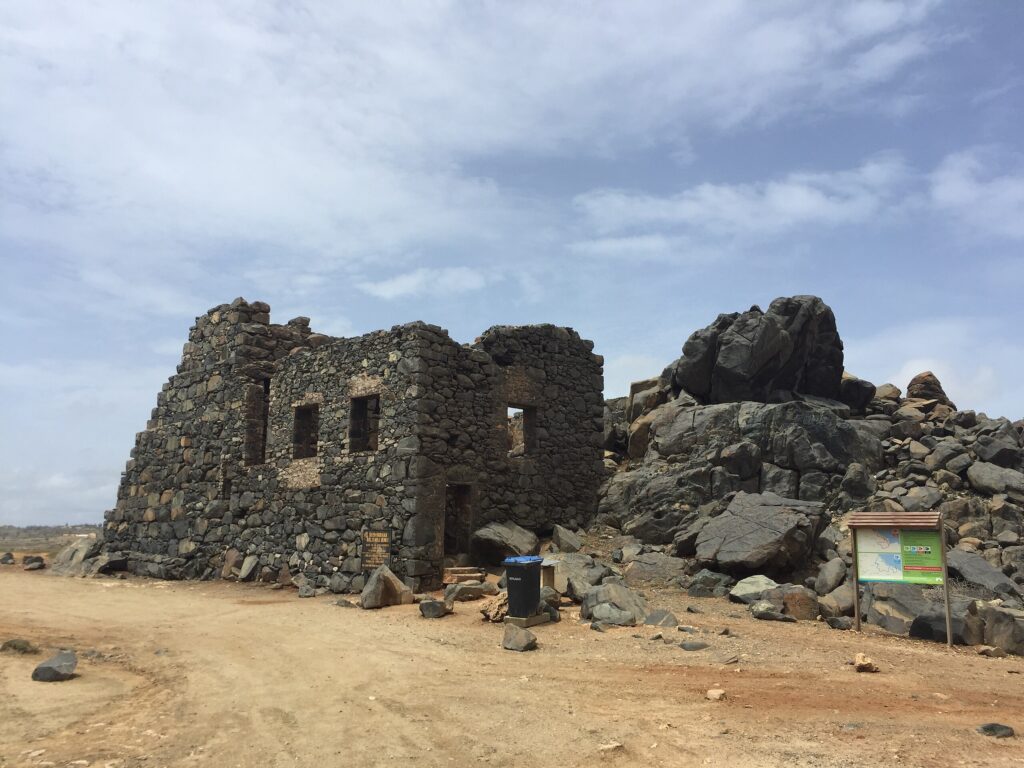
The Bushiribana Gold Mill Ruins are the remains of a 19th-century smelting site built during Aruba’s gold rush. The stone structure stands on the island’s northeast coast and offers a glimpse into the short-lived mining industry that once drew prospectors here. The site overlooks a rugged stretch of coastline, making it a popular stop for photography and exploration.
The ruins are located north of Andicuri Beach and can be reached by car or off-road vehicle along dirt tracks. Many island tours include the site together with the Natural Bridge and other nearby attractions. There are no services at the ruins, so visits are usually brief and combined with other stops along the coast.
Quadirikiri & Fontein Caves
Quadirikiri Cave inside Arikok National Park is known for its chambers lit by natural shafts of sunlight that filter through openings in the ceiling. The larger chambers extend deep into the limestone, and bats are commonly seen roosting along the walls. Fontein Cave, smaller but historically significant, contains preserved petroglyphs left by the Arawak people, offering a direct link to the island’s indigenous heritage.
Both caves are accessible from the main park roads and are included in guided tours as well as self-guided visits. Good footwear is recommended due to uneven ground, and visitors should bring a flashlight for darker sections. The caves are close to other park attractions, making them convenient to include in a half-day visit.

Ayo & Casibari Rock Formations
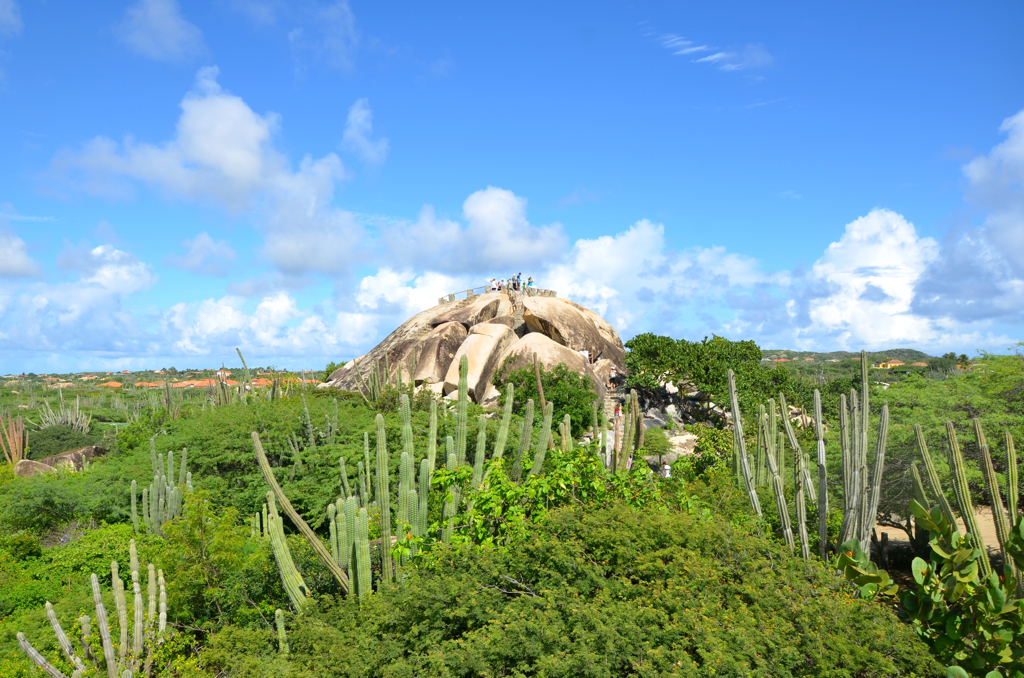
The Ayo and Casibari formations are clusters of large boulders that rise unexpectedly from the flat landscape of central Aruba. Paths and stairways lead through narrow passages and up to viewpoints on top of the rocks, offering clear views across the island. The formations are also linked to the island’s indigenous history, as petroglyphs can be found at the Ayo site.
Both locations are easy to reach by car, situated a short drive from Oranjestad and close to Hooiberg. Casibari is near the main road and has a small visitor area with parking and refreshments, while Ayo is quieter and surrounded by cacti and countryside. They are often visited together in the same trip.
Travel Tips for Aruba
Travel Insurance & Safety
Travel insurance is recommended, especially if you plan to enjoy water sports, diving, or outdoor adventures. Make sure your policy includes medical coverage, as treatment abroad can be costly.
Aruba is considered one of the safest islands in the Caribbean, making it a popular choice for families and solo travelers alike. Tap water is safe to drink, as it is purified through desalination. The sun is strong year-round, so be sure to use sunscreen, hats, and protective clothing to avoid sunburn.
Transportation & Driving
Public buses operate between Oranjestad, Eagle Beach, and Palm Beach, offering a cheap way to travel short distances. Taxis are easy to find but can become expensive for longer journeys. For exploring beyond the resort areas, such as the rugged coastline and Arikok National Park, renting a car or jeep provides the most flexibility.
Driving is on the right-hand side, and roads are generally in good condition. For unpaved trails inside Arikok National Park, a 4×4 vehicle is necessary. Always carry your driver’s license and rental documents. An International Driving Permit is not required for travelers from the U.S., Canada, and most European countries, though some other nationalities may need one.

Published September 28, 2025 • 9m to read