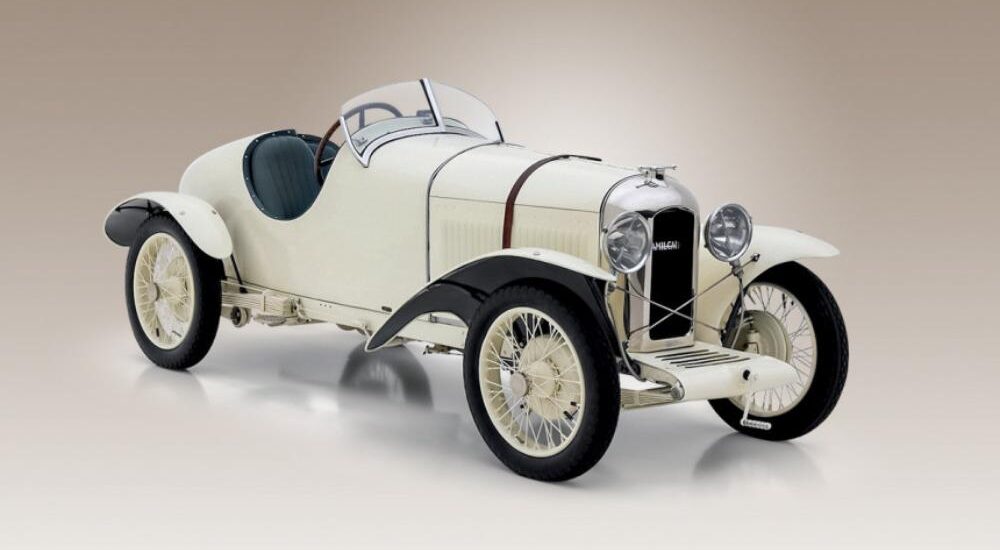


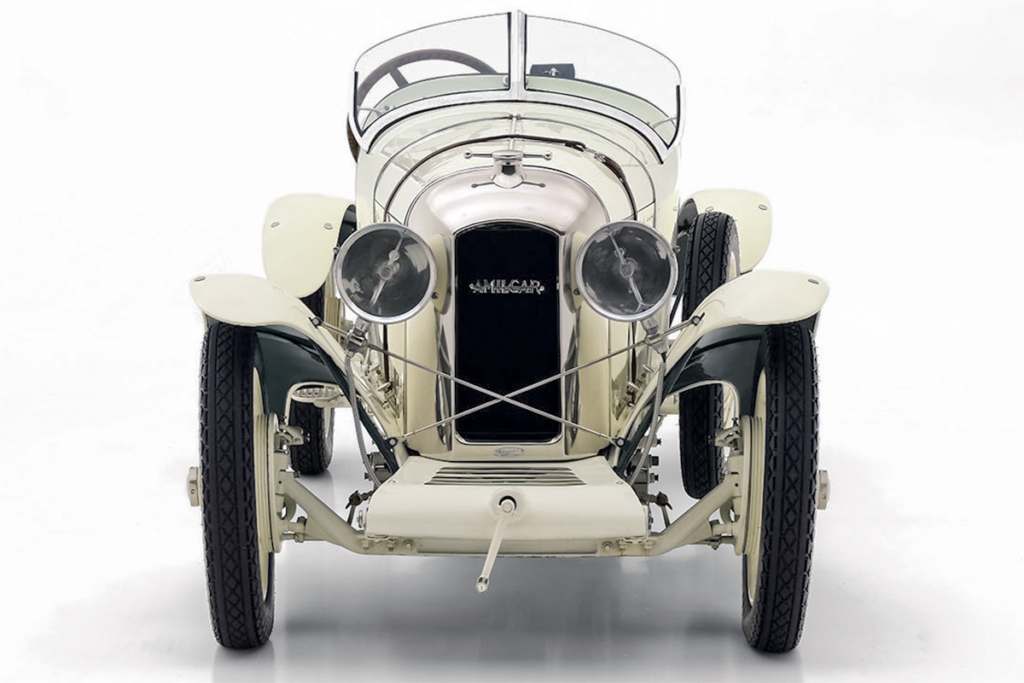
The French automobile brand Amilcar has faded into obscurity, having existed for less than two decades—from 1921 to 1940. Yet these remarkable vehicles left a lasting mark on early Soviet automotive history. Here’s the fascinating story of this company, told through one of its most celebrated models: the Amilcar CGSs.
The Origin of the Amilcar Name
The name “Amilcar” is an ingenious anagram born from a business partnership. The company was founded by two entrepreneurs: Joseph Lamy and Émile Akar. To avoid disputes over whose surname should come first in the company name, they cleverly combined their names into a single, distinctive brand.
The founding partners brought complementary skills:
- Émile Akar came from a wealthy family of clothing merchants and managed a mid-sized retail chain of clothing stores
- Joseph Lamy worked in the administration of Borie & Co., manufacturer of Le Zèbre automobiles, where he gained insider knowledge of the automotive business
Le Zèbre: The Company That Planted the Seed
The French automaker Le Zèbre was established in 1908 in Paris with direct financial backing from Jacques Bizet—son of the legendary composer Georges Bizet. The younger Bizet even had family connections to the Rothschilds, who were actively investing in the emerging French automotive industry.
However, by the end of World War I, Borie & Co. faced serious difficulties:
- Chief engineer Jules Salomon was lured away by industrialist André Citroën, who had ambitious plans to enter automobile manufacturing
- Numerous design flaws in the production model remained unfixed
- Post-war raw material shortages created additional obstacles
How Amilcar Was Born: A Meeting at the Excelsior
The true catalyst for creating Amilcar wasn’t Lamy or Akar—it was André Morel, a test engineer and former military pilot at Borie & Co. who dreamed of becoming a racing driver.
Morel had a talented friend named Edmond Moyë, a gifted designer desperate for a production facility to realize his vision: a lightweight, two-seat sports car classified under French regulations as a “voiturette.”
Why voiturettes were attractive to buyers:
- Two-seat vehicles weighing under 350 kg with engines no larger than 1,100cc enjoyed significant tax advantages
- Owners paid a fixed annual tax of just 100 francs
- This favorable policy dated back to pre-war times
Morel, who was friendly with Akar, arranged a meeting between Akar and Moyë at the fashionable Excelsior restaurant. Akar invited Joseph Lamy to join them for his automotive expertise and advice on whether the venture was worthwhile.
From Concept to Production: A Rapid Rise
Lamy endorsed the project enthusiastically and pledged his support in organizing sales. Akar contributed 100,000 francs from his personal funds to develop the prototype.
The timeline was remarkably swift:
- By the end of 1919, two prototype cars were completed
- Through Lamy’s connections, they were showcased to Le Zèbre sales agents at their annual meeting
- The agents responded enthusiastically, pooling one million francs among themselves for series production
- Lamy and Akar sold their shares in Borie & Co. for two million francs, adding to the initial capital
With financing secured, the partners needed a brand name. Originally, they planned to badge the cars as “Borie,” but that was no longer appropriate. Their solution—the Amilcar anagram—ensured neither founder felt slighted.
The First Amilcar: Model CC (1921)
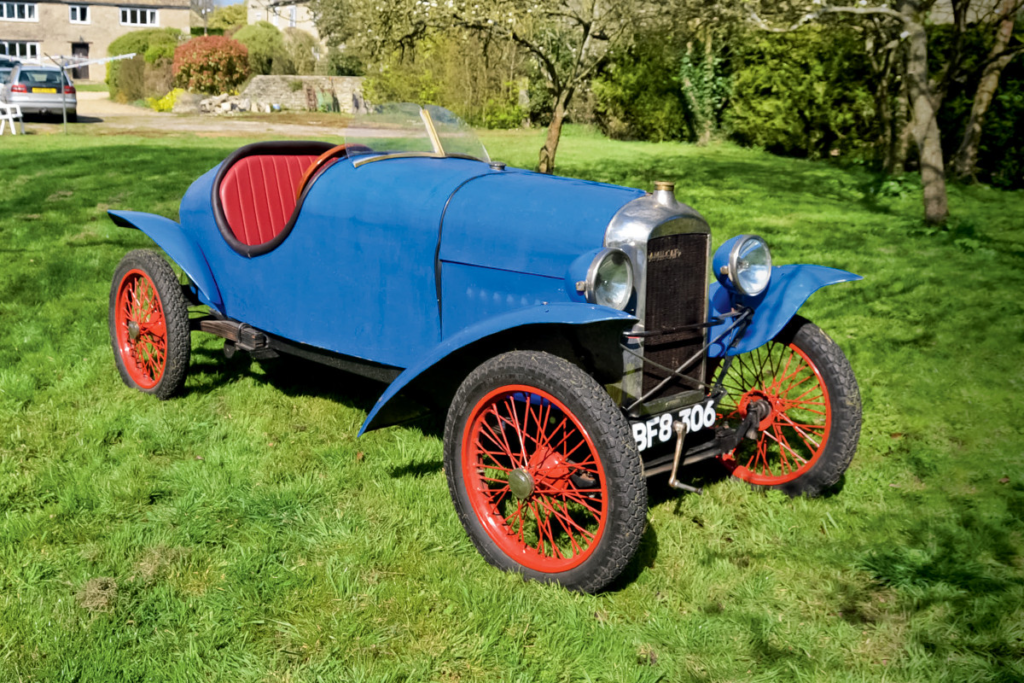
The original Amilcar CC debuted as a 1921 model and quickly achieved production rates of five cars per day by July.
Technical specifications of the CC:
- 4-cylinder engine producing 18 horsepower
- 904cc displacement
- Stamped steel frame
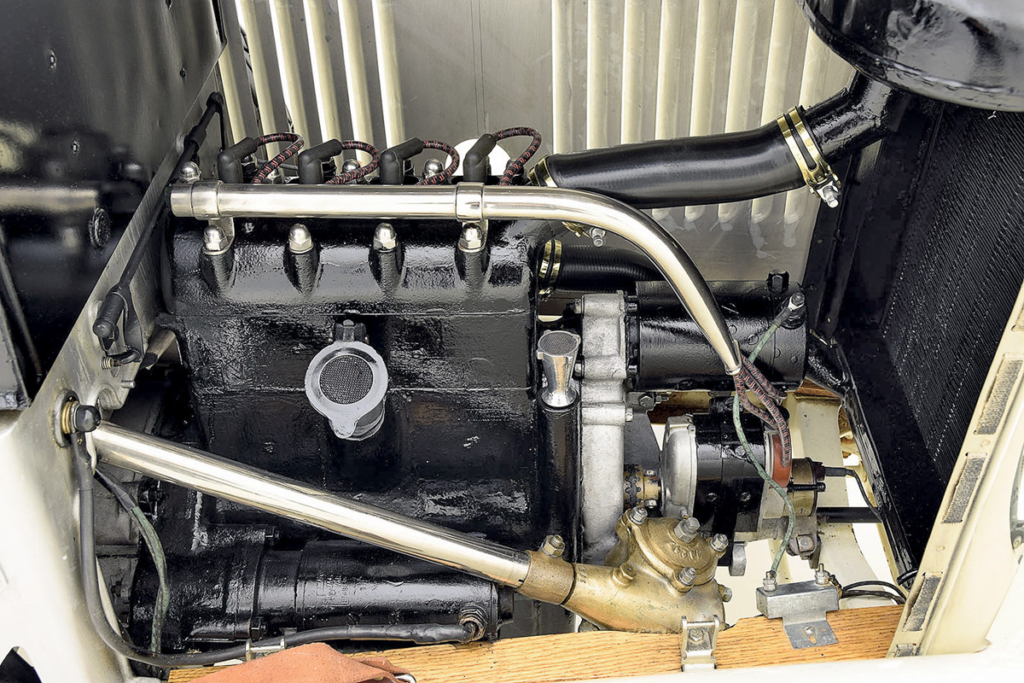
- Engine integrated with 3-speed manual transmission sharing a common lubrication system
- Quarter-elliptic springs for front and rear suspension
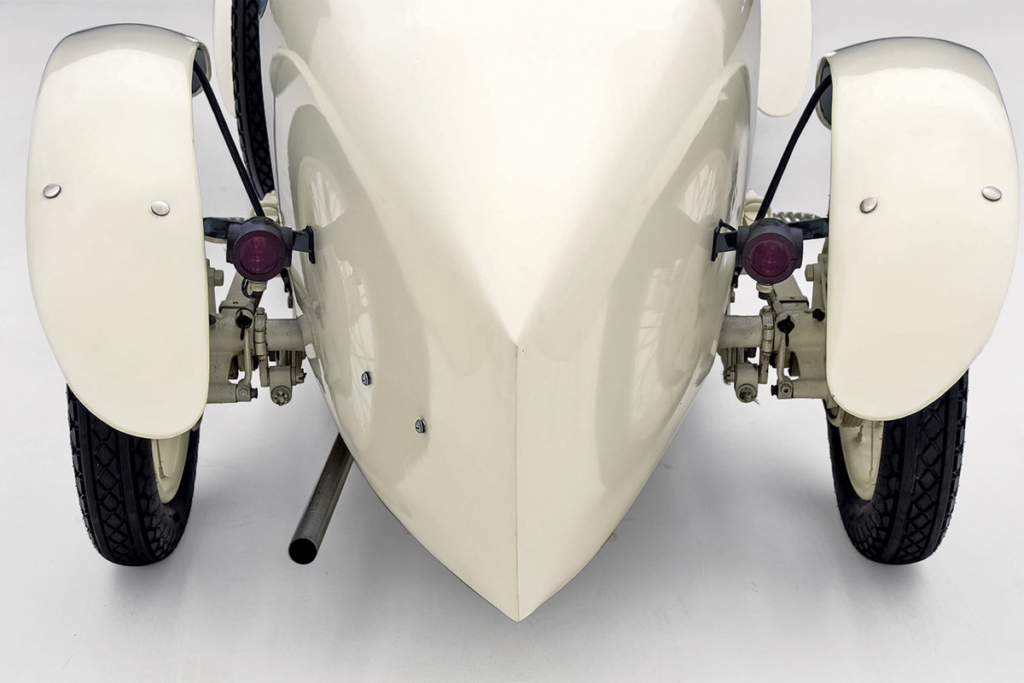
- Rear-wheel brakes only (standard practice at the time)
- No differential
Notably, Amilcar manufactured its own powertrain in-house rather than outsourcing to external suppliers—an approach that distinguished it from many competitors of the era.
The Amilcar CGSs: A Lowered Racing Legend
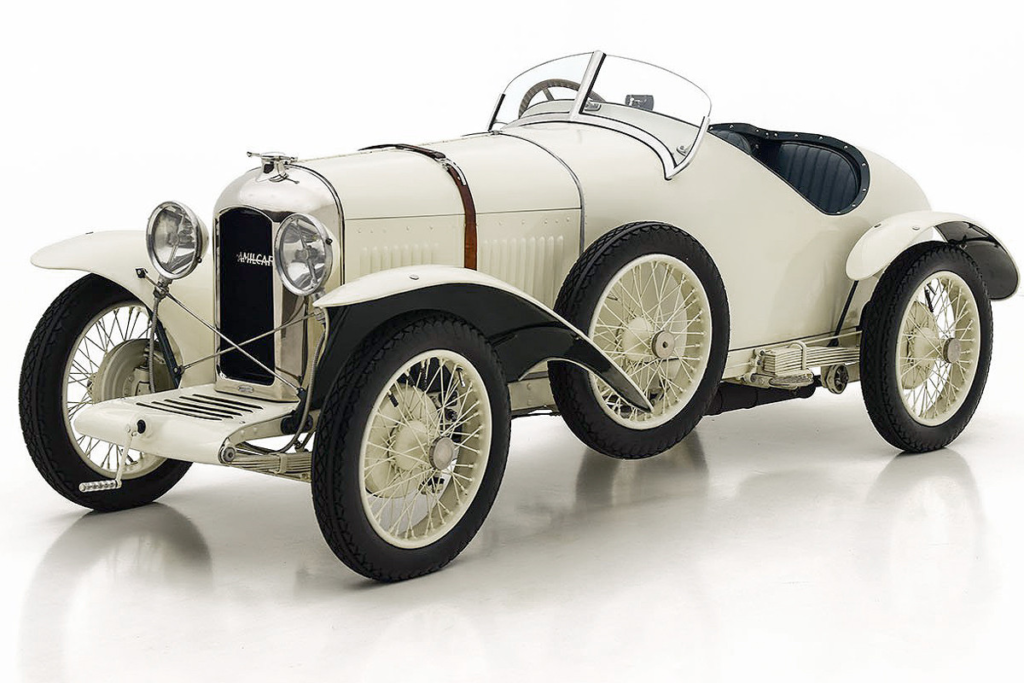
The featured model in this article is the 1928 Amilcar CGSs—a significantly more advanced machine than the original voiturette. It represents the “lowered” version of the CGS (Grand Sport) modification introduced in 1924.
Key improvements over the original CC:
- Addition of a differential
- Front brakes included
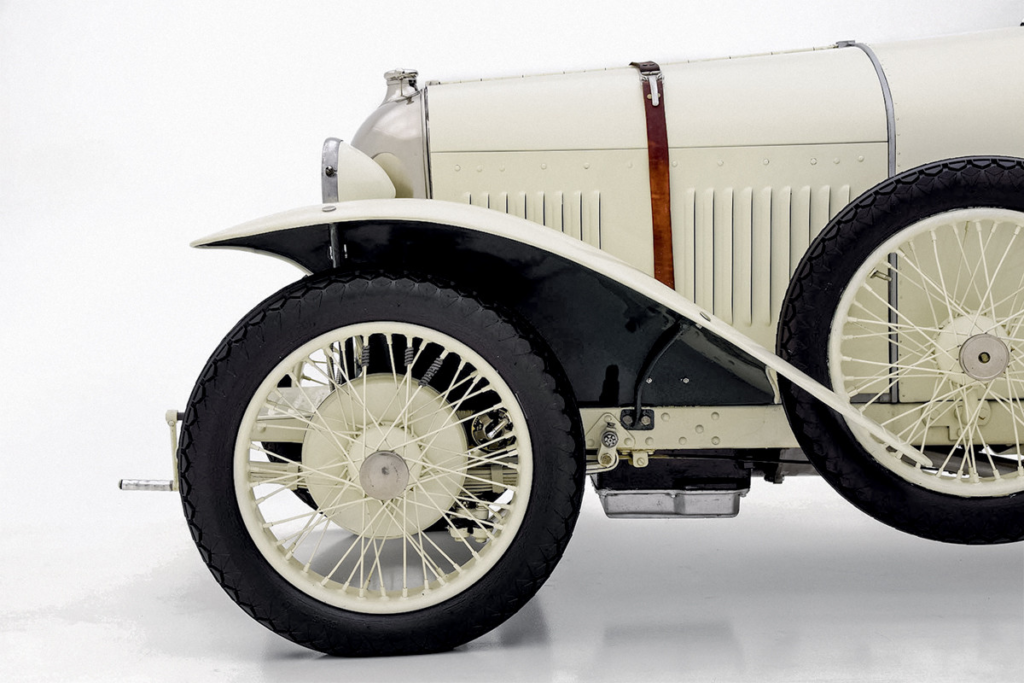
- Lower chassis design for improved handling
The lowercase “s” in CGSs stands for the French word “surbaissé,” meaning “lowered” (what modern enthusiasts might call a “low-rider” or “dropped” chassis).
Why a Low Center of Gravity Matters in Racing
A low center of gravity offers critical advantages for sports cars, particularly in preventing rollovers during aggressive cornering. Racing drivers call this dramatic flip “doing ears” when a car overturns.
A famous example from the 1929 Indianapolis 500:
French driver Jules Moriceau was competing in an Amilcar when his steering mechanism failed at a critical moment. Instead of flipping over upon hitting the track barrier, the car’s low profile allowed Moriceau to scrub off speed by repeatedly pressing the car’s side against the wall.
The driver walked away uninjured (though the car was destroyed). American commentators noted that “French-made automobiles are too low” and therefore “don’t flip over—they just slide.” Notably, Louis Chiron finished seventh in that same race driving a similarly lowered Delage.
Amilcar’s Global Reach and Soviet Connection
Amilcar’s appeal extended far beyond France through licensing agreements and international operations:
- Austria: Produced under license by Gross und Friedman (Grofri)
- Germany: Manufactured by Erhardt under the Pluto brand
- Italy: A local subsidiary operated as Amilcar Italiana
- United States and Australia: Certain models were exported to these markets
The Soviet connection: According to automotive historian Yuri Dolmatovsky, 1927 Amilcar models served the Moscow postal service for a period—and performed their duties admirably.
The Decline of the Voiturette Era
Despite André Morel’s racing heroics—including an outright victory at the January 1927 Monte Carlo Rally where he defeated all competitors regardless of class—the era of small, lightweight sports voiturettes was clearly ending.
Signs of changing times at Amilcar:
- Six-cylinder and eight-cylinder models began appearing in the lineup
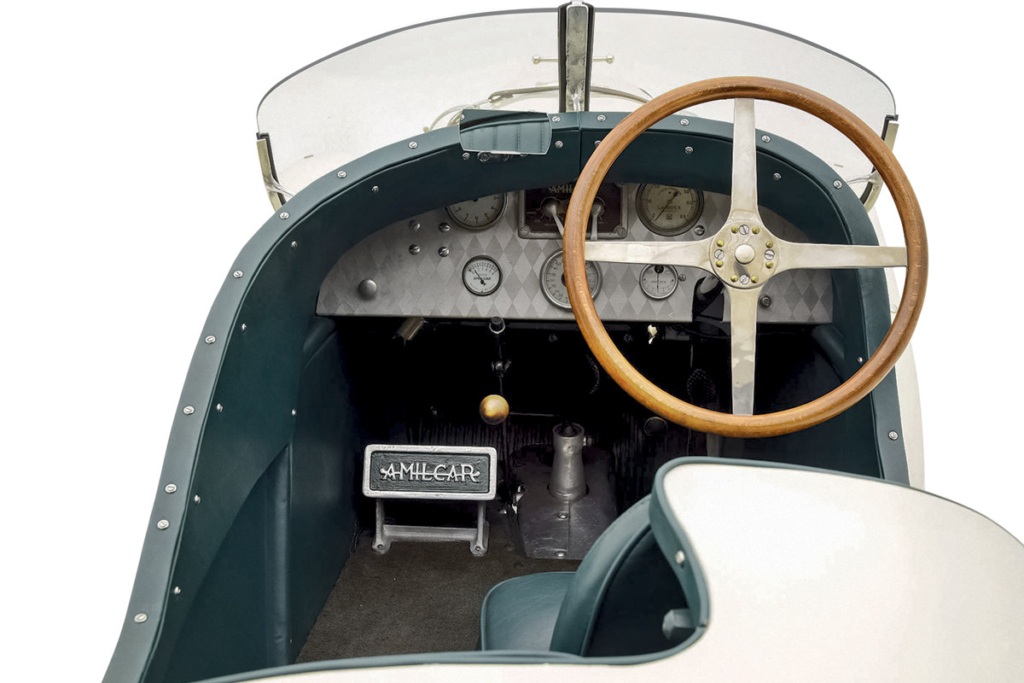
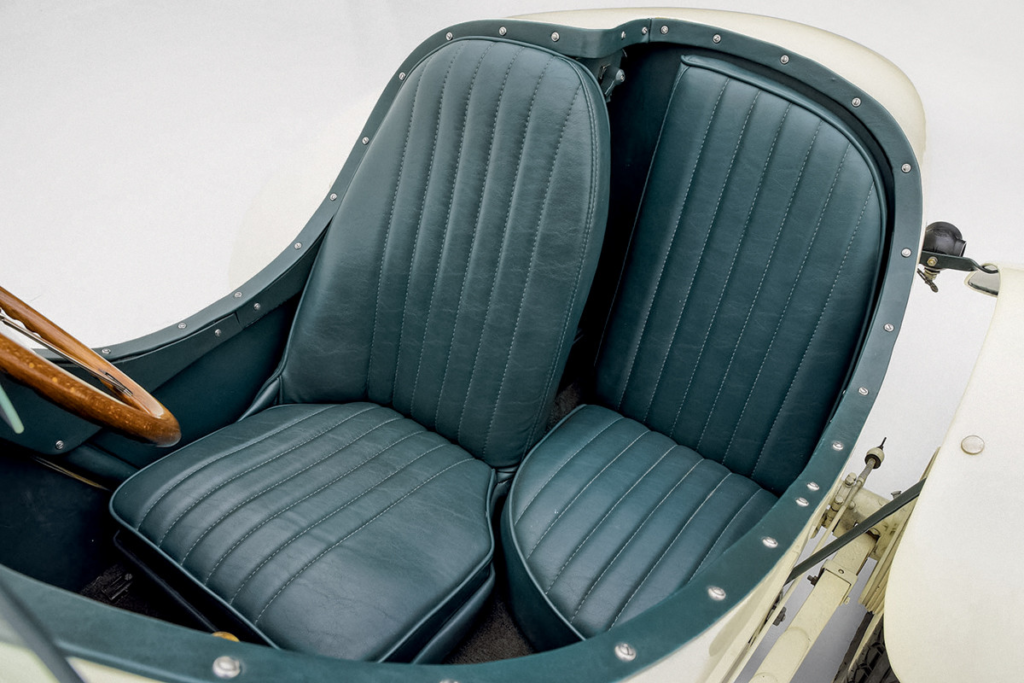
- Two-seat open bodies gave way to multi-seat enclosed designs
- Financial troubles forced founding partners Akar and Lamy to leave the company
- In 1929, a disillusioned André Morel departed to pursue independent ventures
Despite these challenges, Amilcar survived until 1940—the beginning of the Nazi occupation of France. By comparison, Le Zèbre ceased operations much earlier, closing its doors around 1931 or 1932.
The Mysterious Death of Isadora Duncan
Some historical sources implicate the Amilcar CGSs in the tragic death of legendary dancer Isadora Duncan. The facts are clear: she died by strangulation when her long scarf became entangled in the spoked rear wheel of an open two-seater as it pulled away.
However, debate persists about the vehicle’s actual make. Alternative accounts suggest the “killer car” was actually a Bugatti. This mystery remains unresolved to this day, adding another layer of intrigue to the Amilcar legend.
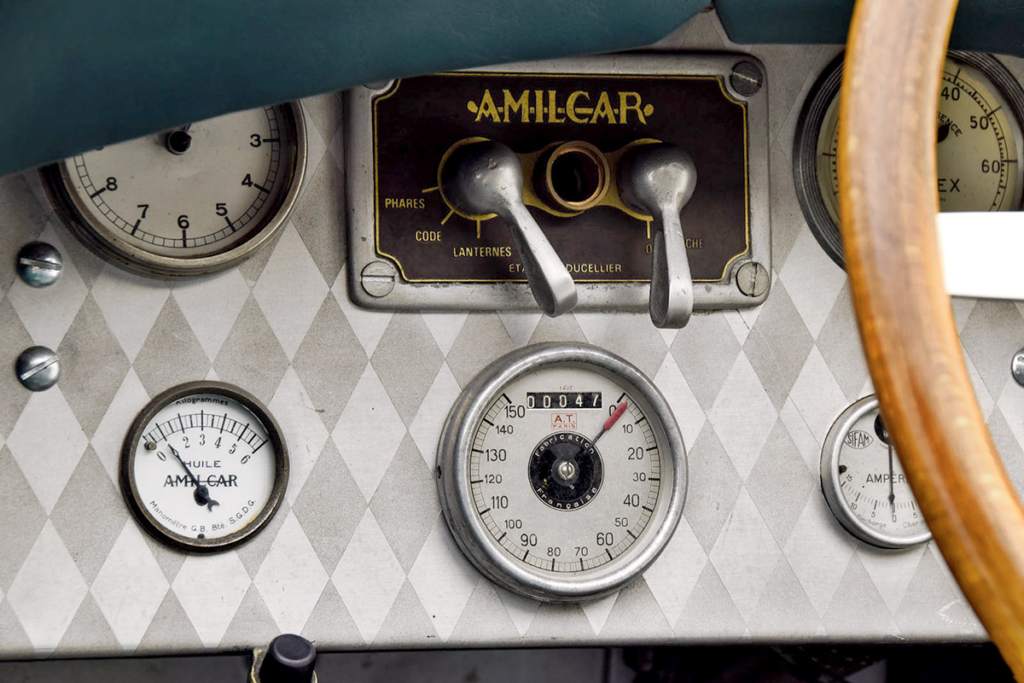
The Amilcar brand may have been short-lived, but its innovative designs, racing successes, and international influence secured its place in automotive history—from the glamorous circuits of Monte Carlo to the postal routes of Moscow.
Photo: Andrey Khrisanfov
This is a translation. You can read the original article here: Amilcar CGSs 1928 года, история этой марки и ее советский след

Published December 24, 2025 • 6m to read