

When You Witness a Car Accident: Your Role Matters
Witnessing a car accident while traveling can be overwhelming, but your actions can make a critical difference. While surveillance cameras may capture some accidents, many incidents—especially on rural highways—go unrecorded. This is where witness testimony becomes invaluable.
As an impartial observer, your testimony provides objective evidence that helps determine fault and circumstances. Unlike the parties involved, who may have biased perspectives, witnesses offer crucial third-party accounts of what actually happened.
Legal Rights and Responsibilities of Car Accident Witnesses
When your observations are needed for an administrative or criminal investigation, you may receive official “witness” status. Understanding your role is essential.
What You’ll Need to Report as a Witness:
- The car crash mechanism and how both vehicles were being driven
- When and how the road danger emerged
- Road and traffic conditions at the time of the accident
- Details about road markings, traffic lights, and signage
- The precise location where the accident occurred
- Your physical and visual condition at the time of witnessing the incident
Your Rights as a Witness:
- You have the right to refuse testimony if it concerns yourself or your relatives
- You can provide dashboard camera footage to police without giving verbal testimony
- You’re entitled to protection under witness protection laws when applicable
Step-by-Step Guide: What to Do When You Witness a Car Accident
Your immediate response can save lives. Studies show that while only 20% of accident fatalities result from unsurvivable injuries, a staggering 70% occur due to lack of proper assistance from bystanders. Here’s how to respond effectively:
1. Stop and Assess the Situation
- Pull over safely without creating additional hazards
- Turn on your hazard lights
- Quickly evaluate the severity of the accident
Important: Leaving someone in danger is considered criminal neglect and is prosecutable by law.
2. Secure the Accident Scene
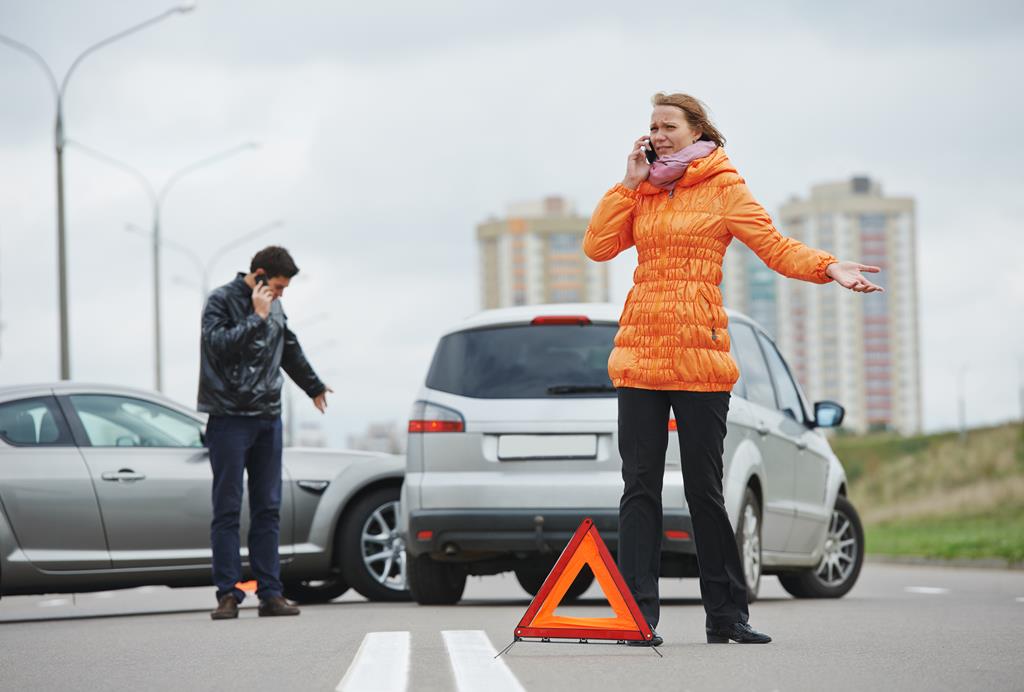
- Set up warning barriers at least 15 meters away in populated areas
- Place barriers 30 meters away on highways and rural roads
- Use hazard triangles, flares, or any available warning devices
3. Call Emergency Services Immediately
- Contact ambulance services
- Call the traffic police
- Request rescue teams if needed
- If you cannot make the call, alert passing drivers to contact emergency services
4. Prevent Further Danger
- Stabilize any unstable vehicles using available equipment
- Check for fuel leaks and potential fire hazards
- Turn off ignitions if safe to do so
- Never smoke near the accident scene
5. Evacuate Victims When Necessary
If there’s immediate danger (fire, explosion risk, vehicle in water), carefully evacuate victims. However, avoid moving injured persons unless absolutely necessary, as this could worsen injuries.
6. Provide First Aid
- Only provide first aid if you’re trained to do so
- Keep victims calm and comfortable until professional help arrives
- Monitor breathing and consciousness levels
- Remember: calling professionals quickly is more important than attempting complex medical procedures
7. Document Important Information
- If a driver attempts to flee, note their license plate number, vehicle make, model, and color
- Take photos or videos if safe to do so (but prioritize helping victims first)
- Mental notes about weather, road conditions, and traffic flow
8. Provide Your Statement to Police
When traffic police arrive, provide a clear, factual account of everything you witnessed. Be honest and stick to what you actually saw—don’t speculate or assume.
How to Find Witnesses After a Car Accident
If you’re involved in an accident with unclear circumstances, finding witnesses becomes critical—especially when the other party cannot or will not provide testimony.
Effective Methods to Locate Witnesses:
- Dashboard cameras: Most vehicles today have dash cams. Act quickly—footage is often overwritten within days
- Surveillance cameras: Check nearby businesses, traffic cameras, and residential security systems
- Social media appeals: Post about the incident in local community groups
- Local media: News outlets can help spread the word
- Nearby residents and businesses: Canvass the area for anyone who may have seen or heard the accident
- Private investigators: Consider hiring professionals for complex cases
Time is critical: The sooner you begin searching for witnesses, the better your chances of finding them and preserving evidence.
Key Takeaways for Car Accident Witnesses
- Always stop and render assistance—it’s your legal and moral obligation
- Call emergency services immediately
- Secure the scene to prevent additional accidents
- Provide truthful, objective testimony to authorities
- Document what you can, but prioritize victim safety
- Remember: your actions can save lives
Drive safely, stay alert, and know how to respond if you witness an accident. Your preparedness and quick action could make all the difference.
Before your next road trip, don’t forget to obtain your International Driving Permit for hassle-free travel. Stay safe on the roads!

Published June 15, 2018 • 4m to read