


The Netherlands is famous for Amsterdam, canals, tulips, windmills, cycling, water engineering, world-famous painters, and a national identity shaped by trade, openness, and life below sea level. Official Dutch tourism and government sources present the country through flowers, heritage, art, water management, and a modern social outlook.
1. Amsterdam
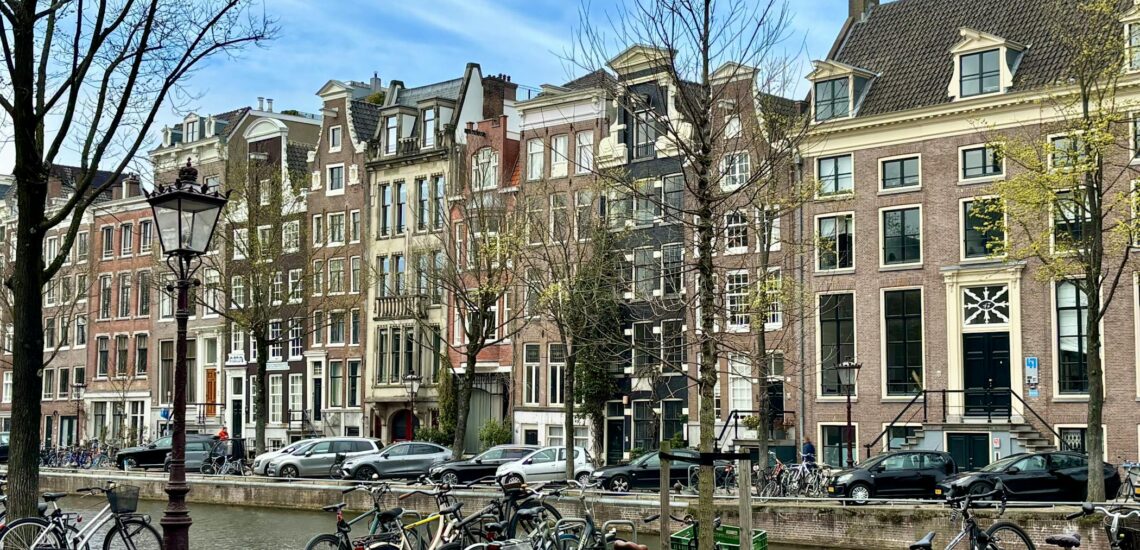
The Netherlands is famous for Amsterdam because no other Dutch city shapes the country’s image abroad so strongly. For many people, Amsterdam is the first place that comes to mind when they think of the Netherlands, and that is easy to understand. The city brings together several of the country’s best-known features in one compact setting: canals, narrow gabled houses, bicycles, major museums, busy public squares, and a long connection to trade, tolerance, and urban culture. That is why Amsterdam matters so much to the national image.
What gives Amsterdam extra weight is the way history and everyday life remain visible in the same space. The canal ring, developed mainly in the 17th century, is one of the clearest urban symbols of the Dutch Golden Age and still defines the center today. Add to that the Rijksmuseum, the Van Gogh Museum, Anne Frank House, and a street life built around cycling and cafés, and it becomes clear why Amsterdam is famous not simply as the capital, but as the place that most clearly turns the Netherlands into something people can picture immediately.
2. The Canal Ring
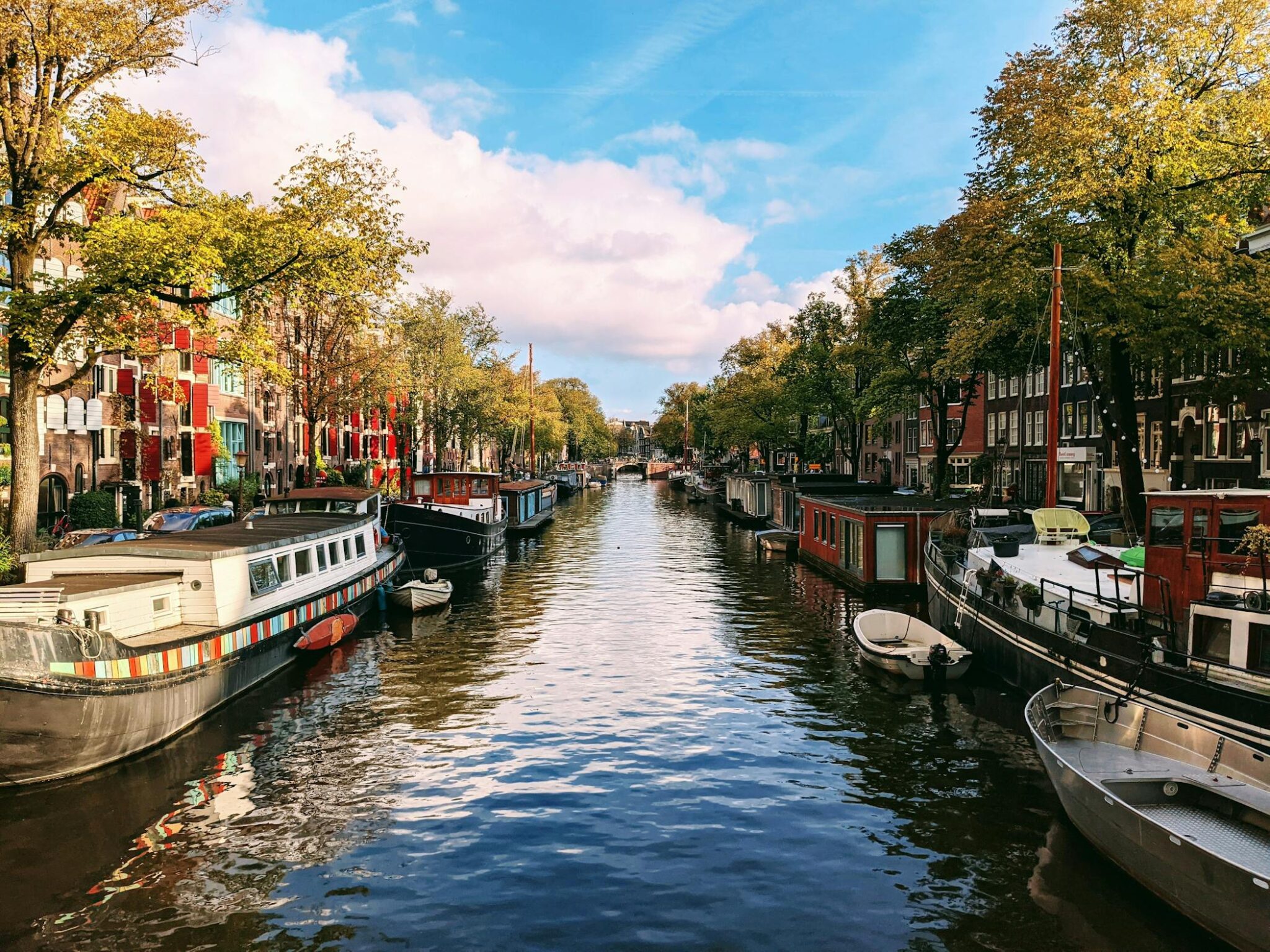
The city’s canal ring is not just a scenic backdrop, but one of the clearest reasons Amsterdam is recognized so quickly around the world. Built mainly in the 17th century, during the Dutch Golden Age, the canal belt turned water management, trade, transport, and urban planning into a single city design. That is why it matters so much to the Dutch image abroad.
Amsterdam has around 100 kilometres of canals, about 90 islands, and roughly 1,500 bridges, which helps explain why the waterside landscape feels so dominant in the city’s identity. The main canal belt was added to the UNESCO World Heritage List in 2010, but its importance comes from more than international recognition alone. It still works as a living urban structure rather than a preserved monument zone.
3. Tulips and Keukenhof
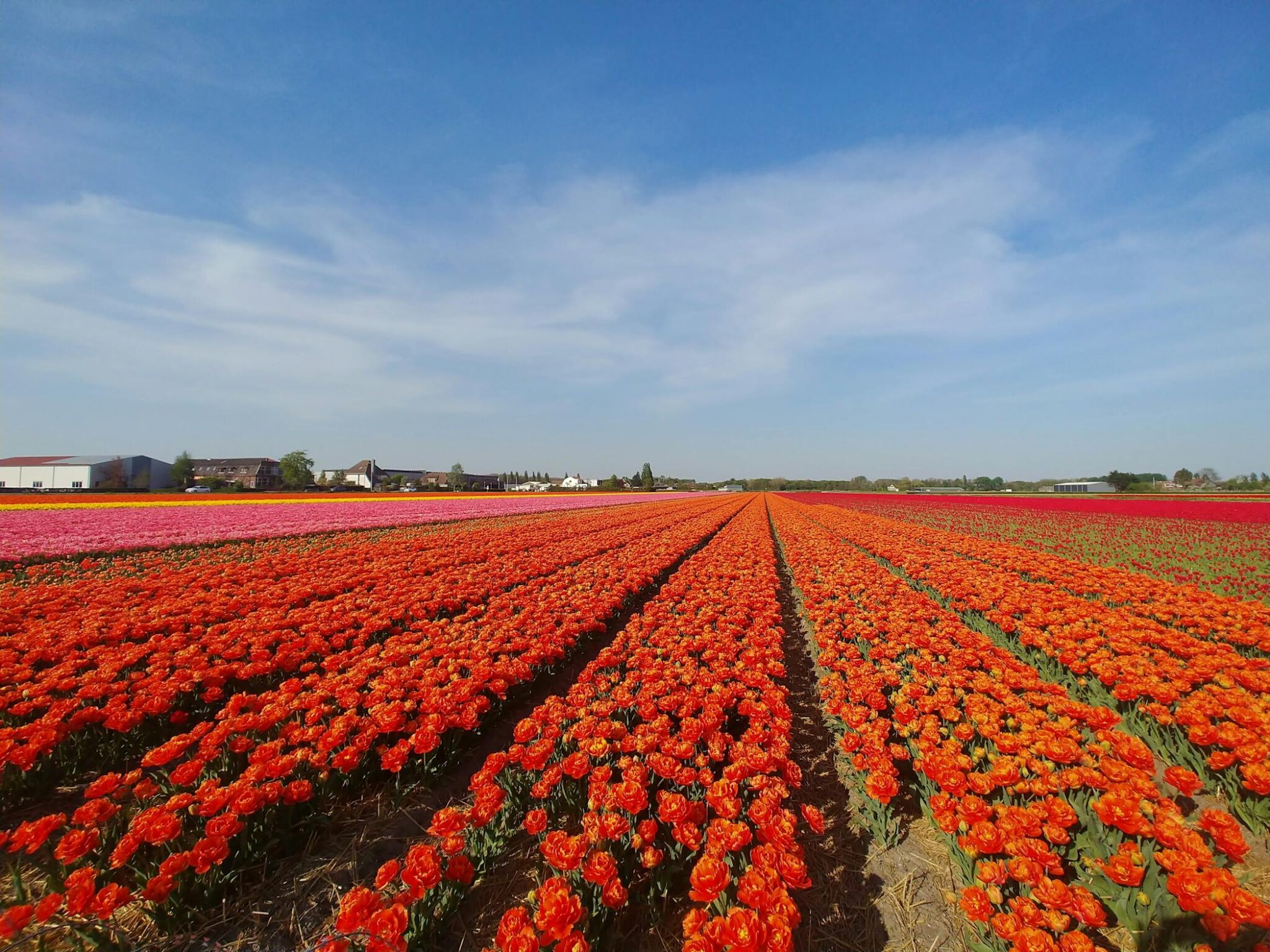
The Netherlands is famous for tulips more than almost any other flower association in the world because tulips became one of the country’s clearest visual symbols. They are tied not only to gardens and spring travel, but to the wider Dutch image of color, order, cultivation, and landscape shaped by human care. That is why tulips matter so much to how the Netherlands is seen abroad. For many people, the country is almost impossible to picture without flower fields, bulb regions, and rows of bright spring color stretching across flat land.
Keukenhof, the best-known showcase of Dutch flower culture, presents around 7 million spring-flowering bulbs and is open in 2026 from 19 March to 10 May. That matters because the Dutch tulip image is not just a historical stereotype or a few pretty fields. It is still supported by a living floricultural sector, public display, and a spring tradition that attracts visitors from around the world.
4. Windmills and Kinderdijk
In Dutch history, windmills were tied directly to the fight against water, which makes them one of the clearest symbols of how the country was built and protected. That is why they matter so much to the national image. For many people abroad, windmills are one of the first things they associate with the Netherlands, but their importance comes not only from appearance.
Kinderdijk gives that story its strongest and most recognizable form. The site is known for its 19 windmills, built around 1740 as part of a larger system designed to control water levels and reduce the risk of flooding. This is what makes Kinderdijk so important. It shows that Dutch windmills were not decorative features added later, but working parts of a survival system in a country shaped by rivers, low land, and constant pressure from water.
5. Cycling
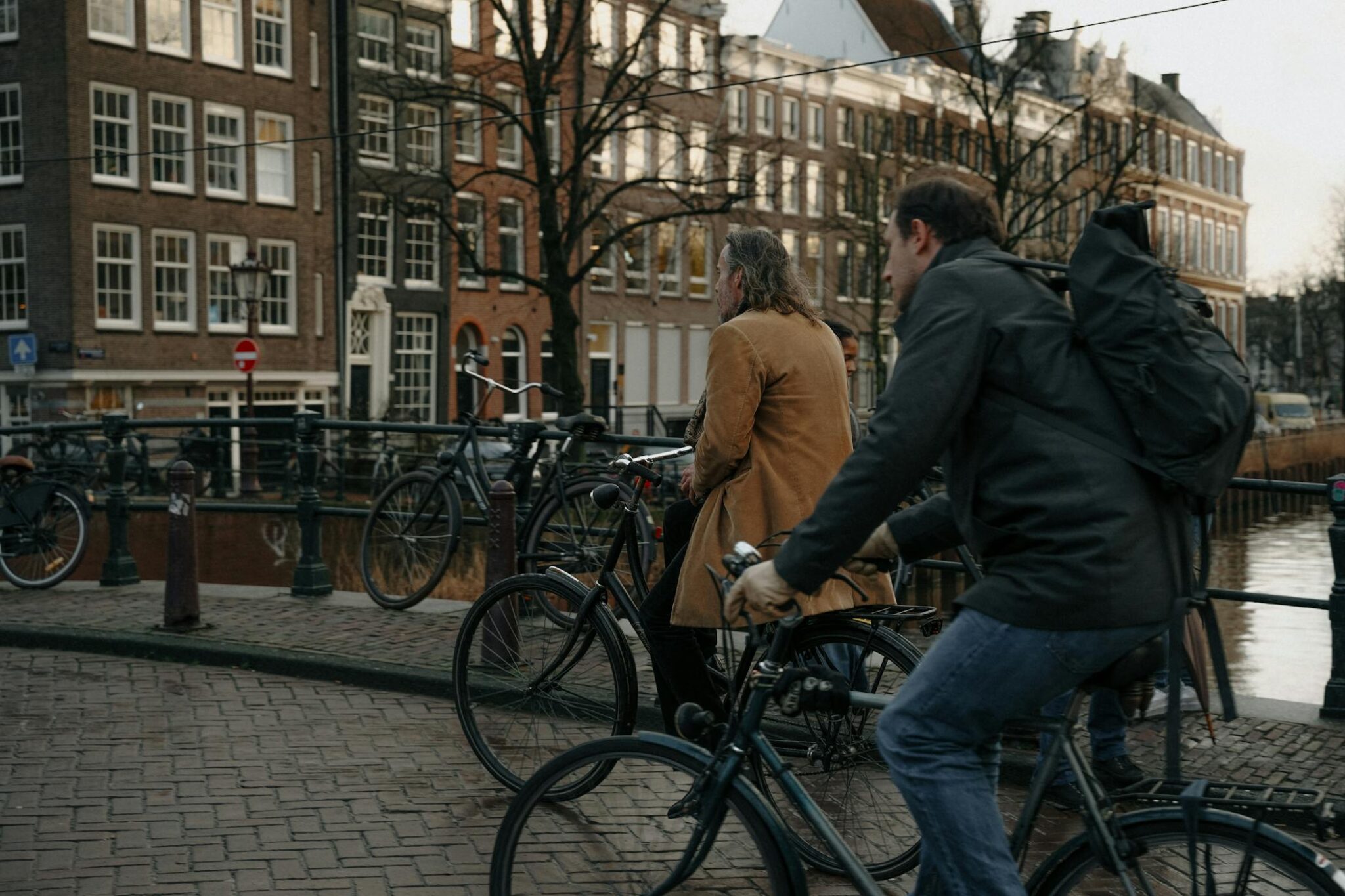
The Netherlands is famous for cycling because bicycles are not treated there as a weekend hobby or a niche green choice, but as a normal part of daily life. People use them for commuting, shopping, school runs, train connections, and short trips through cities and towns, which is why cycling has a much deeper place in the Dutch image than in most countries. That matters because the bicycle in the Netherlands is not just a vehicle.
Utrecht is one of the clearest examples: near the central station, the city has the world’s largest bicycle parking facility, with space for about 12,500 bikes, while the wider station area has been developed with roughly 33,000 bicycle parking places. Those figures help explain why cycling in the Netherlands feels so different from cycling in most other countries. It is supported at a national scale and treated as a serious form of transport.
6. Cheese
Cheese in the Netherlands is tied to farming, trade, regional tradition, and some of the oldest market customs still associated with the country. That is why Dutch cheese carries more weight than an ordinary national specialty. For many people abroad, names such as Gouda and Edam are among the first things they connect with the Netherlands, which shows how strongly cheese became part of the country’s international image.
The cheese markets of Alkmaar, Gouda, and Edam go back more than 600 years, which means this is not a modern branding success but a tradition with real historical depth. Gouda and Edam became globally recognizable not simply because they are widely sold, but because they helped define the Dutch image through both product and place.
7. Delft Blue
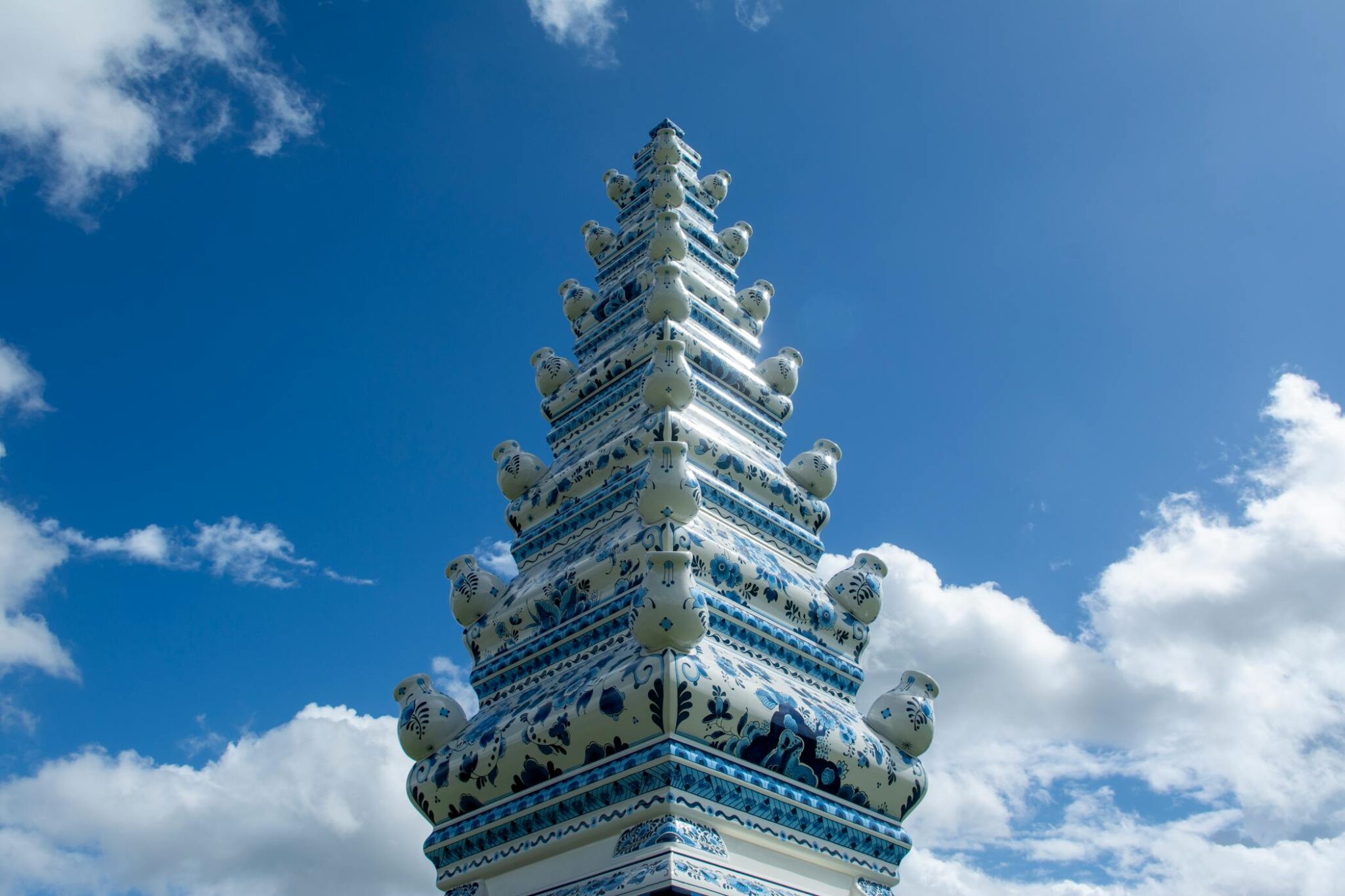
The Netherlands is famous for Delft Blue because few national crafts are so easy to recognize at a glance. The blue-and-white ceramics became one of the country’s clearest visual signatures, linking the Netherlands not just with trade and design, but with a decorative tradition that people can identify almost immediately. Delft is known as the center where this tradition took shape, and Royal Delft has been producing Delftware since 1653, which gives the craft real historical depth rather than just modern souvenir value. The fact that it remains the last surviving Delftware factory from the 17th century makes the connection even stronger.
8. Van Gogh
The Netherlands is famous for Vincent van Gogh because very few artists are tied so closely to a country’s global cultural image. His name carries far more than national importance. Van Gogh became one of the most recognized painters in the world, which means the Netherlands is associated through him not only with art history, but with one of the most powerful individual artistic identities ever created.
What gives Van Gogh such lasting weight is the force and recognizability of his work. His paintings are known for bold color, strong movement, and an emotional intensity that makes them easy to identify even for people with no formal background in art. The Netherlands is also closely tied to preserving and presenting his legacy, especially through Amsterdam, where his life and work remain central to the country’s cultural image.
9. Rembrandt, Vermeer, and the Dutch Masters
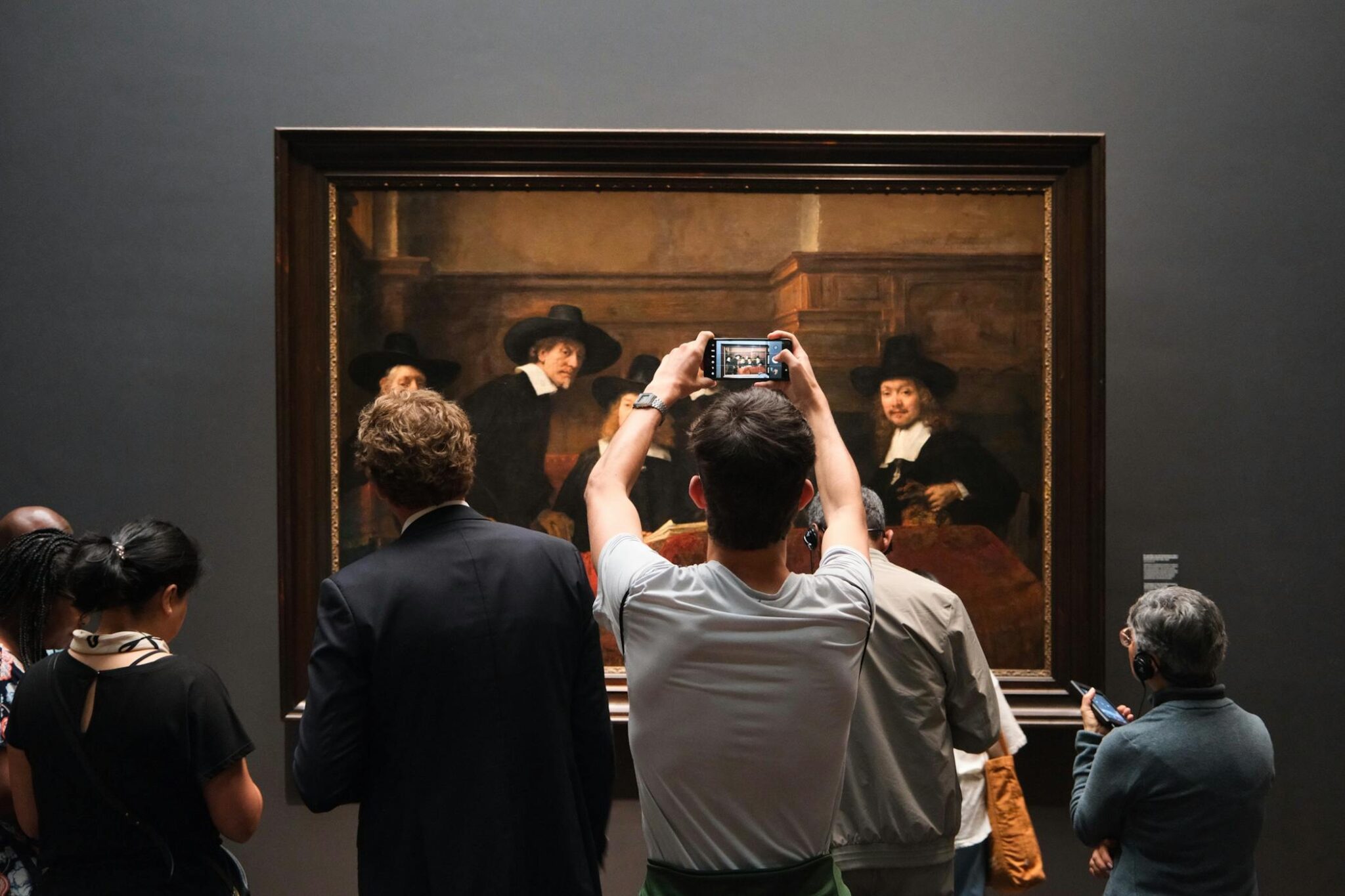
Their names carry enormous weight not only in Dutch history, but in the history of European art as a whole. That is why they matter so much to the image of the Netherlands abroad. Rembrandt is closely tied to portraiture, dramatic light, and psychological depth, while Vermeer is known for quieter interior scenes, balance, and a precision that made his work instantly recognizable. Together, they show the range of Dutch painting at its highest level. Their legacy is also still highly visible in the country’s museums, especially in Amsterdam and The Hague, which keeps the Dutch Masters at the center of how the Netherlands presents its culture today.
10. Rotterdam
The Netherlands is famous for Rotterdam because the city shows a very different side of the country from Amsterdam. If Amsterdam represents canals, old houses, and the Dutch Golden Age, Rotterdam represents scale, glass, steel, postwar rebuilding, and a more experimental urban identity. That contrast is exactly why Rotterdam matters so much to the image of the Netherlands.
Rotterdam is home to Europe’s largest seaport, which immediately gives it a level of economic importance far beyond most Dutch cities. At the same time, the center is known for bold architecture such as the Erasmus Bridge, the Cube Houses, and a skyline that looks unusual by Dutch standards. Much of this modern identity is tied to reconstruction after the destruction of the Second World War, which turned Rotterdam into a place of reinvention rather than preservation.
11. The Hague, the Peace Palace, and international law
While Amsterdam represents canals, art, and city life, The Hague represents diplomacy, courts, and the legal side of world affairs. That difference matters. The Hague is not known mainly for one monument or one local tradition, but for the concentration of institutions that made it one of the best-known centers of peace and justice in the world. This is why it plays such an important role in the Dutch image abroad.
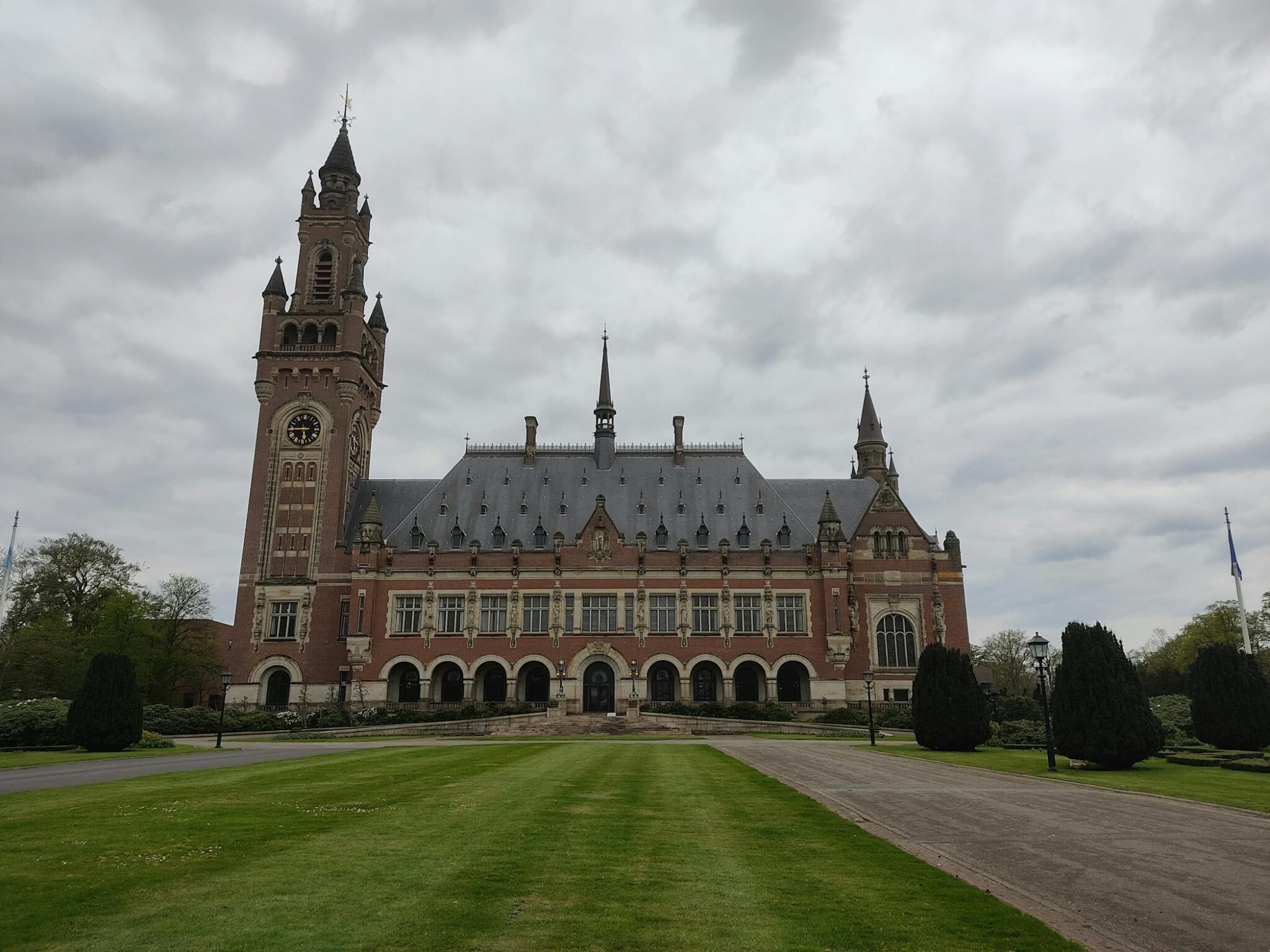
What gives The Hague extra weight is the presence of the Peace Palace and the International Court of Justice. The Peace Palace became one of the clearest architectural symbols of international law, while the ICJ, the principal judicial organ of the United Nations, has its seat there. The Court is made up of 15 judges, which underlines that this is not just a symbolic location, but a functioning global institution.
12. Water management
Dikes, pumping systems, barriers, canals, and long-term planning are part of the national story because much of the Netherlands is low-lying and constantly shaped by rivers, rain, and the sea. That is why water management matters so much to the country’s image abroad. Dutch water management is not one famous project, but a permanent national effort involving Rijkswaterstaat, regional water authorities, provinces, and municipalities. Its purpose is twofold at once: protecting the country against flooding and making sure there is enough water for people, agriculture, and daily life.
13. The Delta Works and the Afsluitdijk
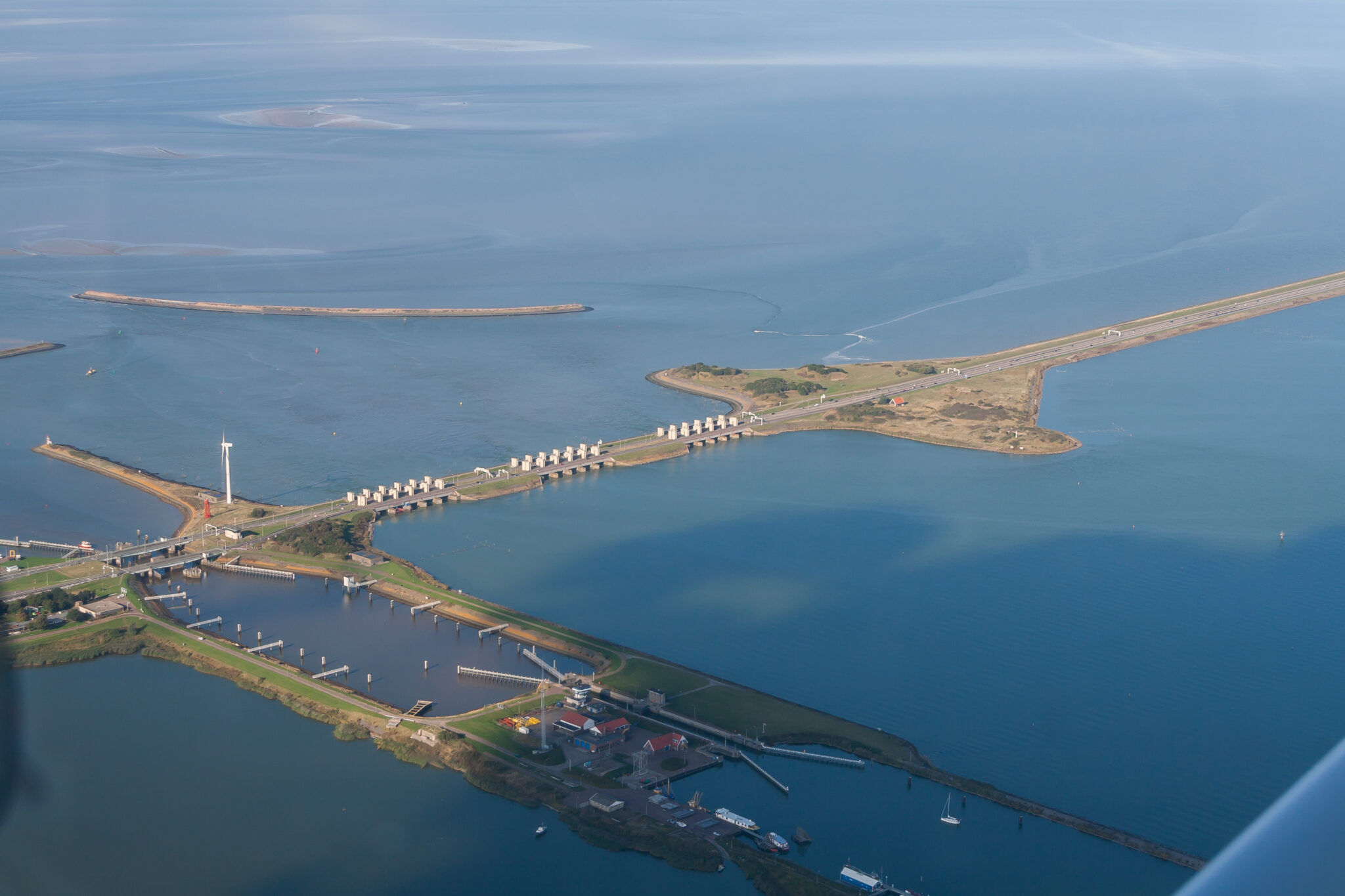
The Netherlands is famous for giant water-engineering projects, above all the Delta Works and the Afsluitdijk, because they show more clearly than almost anything else how the country survives with water rather than simply living beside it. These are not just large infrastructure works. They became national symbols because they represent a basic Dutch reality: without barriers, dams, locks, and long-term engineering, large parts of the country would remain far more exposed to flooding. That is why these projects matter so much to the Dutch image.
What gives them extra weight is their scale and historical role. The Afsluitdijk, completed in 1932, stretches for about 32 kilometres and closed off the Zuiderzee, creating the IJsselmeer and changing the geography of the country itself. The Delta Works came later, mainly after the devastating 1953 North Sea flood, and grew into one of the largest flood-protection systems in the world. Within that system, the Oosterschelde storm surge barrier became one of the best-known engineering achievements in the Netherlands.
MD van Leeuwen, CC BY-SA 3.0 https://creativecommons.org/licenses/by-sa/3.0, via Wikimedia Commons
14. Living below sea level, polders, and reclaimed land
A large part of Dutch life, planning, and engineering begins with the reality that the land is vulnerable to water. About 26% of the Netherlands lies below sea level, and around 59% could be flooded under extreme conditions. That is why the country’s image is so closely tied to dikes, pumps, barriers, and constant water control. Parts of the Netherlands were created by draining lakes, marshes, or areas taken from the sea, which means the country is famous not only for defending land, but for making new land as well. This is why polders matter so much to the Dutch story. They show that the Netherlands did not just adapt to water passively, but reshaped the landscape through long-term engineering and collective planning.
15. The Wadden Sea
What makes it special is that it shows a very different Dutch landscape: not canals and cities shaped by water, but a vast tidal world of mudflats, sandbanks, shallow channels, islands, birds, and constantly shifting coastal space. That is why the Wadden Sea matters to the national image. It reveals the Netherlands not only as a country that controls water, but also as one that lives beside a large, fragile natural system where land and sea are never fully fixed.
At low tide, people can take part in mudflat walking and move across parts of the seabed toward the islands, which is one of the most distinctive coastal activities in the country. The area’s importance is also recognized internationally through its UNESCO status, which shows that this is not just a local curiosity but one of the Netherlands’ major natural landscapes.
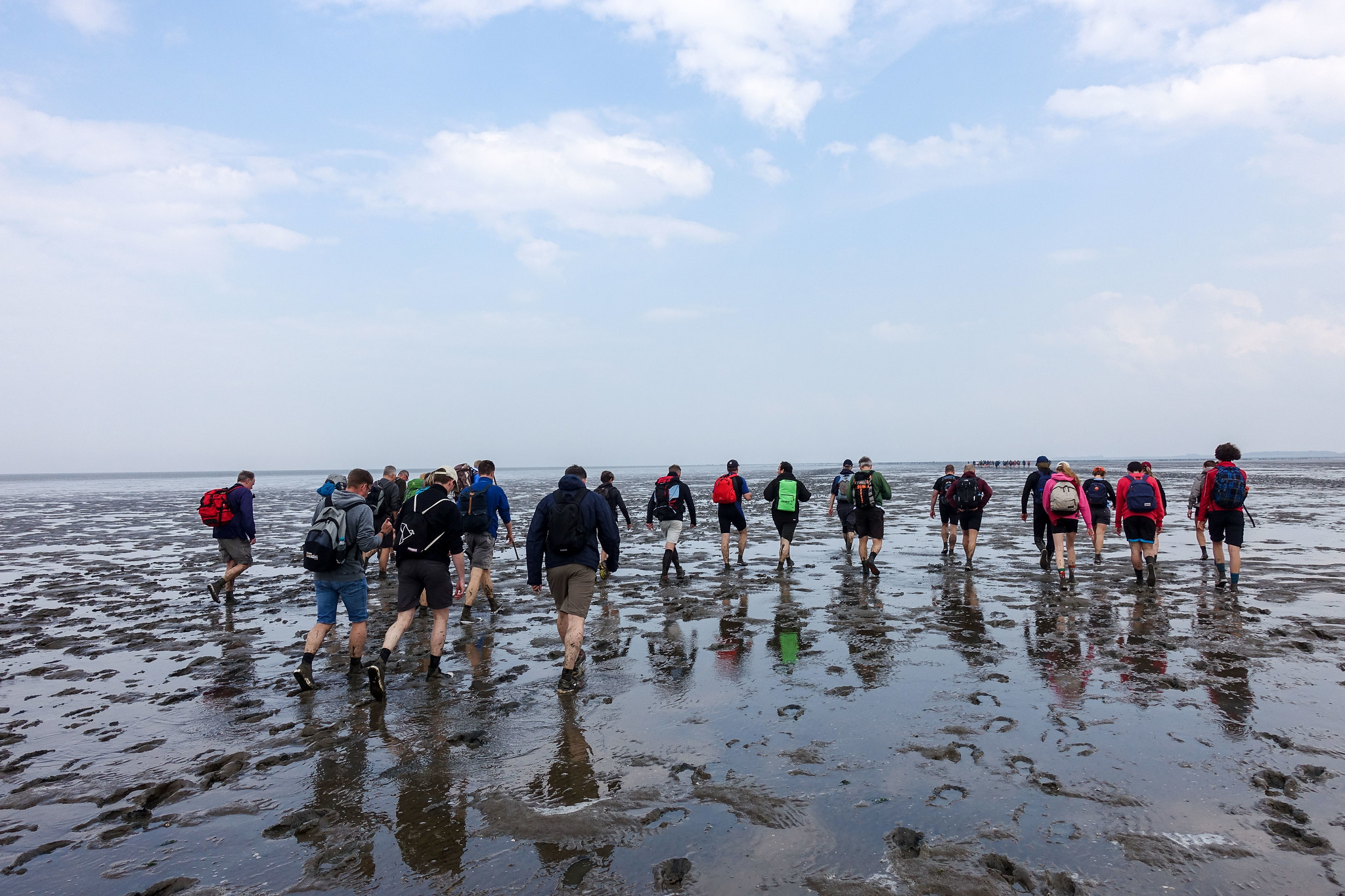
jbdodane, CC BY-NC 2.0
16. Anne Frank
The Netherlands is famous, more somberly, for Anne Frank because her story became one of the clearest human symbols of Nazi occupation in Europe. She is not remembered only as a Dutch historical figure, but as a voice through which millions of people first encounter the reality of persecution, fear, hiding, and lost freedom during the Second World War. That is why Anne Frank carries such weight in the country’s international image. Her name connects the Netherlands not with celebration or scenery, but with memory, conscience, and one of the most painful chapters of twentieth-century history.
What gives this association extra force is the direct link to Amsterdam and the Secret Annex. Anne Frank went into hiding there in 1942, and the building where her family hid later became one of the country’s most meaningful museums. The power of the place comes from its scale and simplicity. It is not a grand memorial, but a confined urban space that makes history feel immediate and personal.
17. The Dutch Golden Age
In the 17th century, the Dutch Republic rose to unusual prominence for a state of its size, and that success left a lasting image of the Netherlands as wealthy, urban, commercial, and outward-looking. This is why the period still matters so much. It helps explain the country’s global reputation not only through trade and shipping, but also through science, painting, finance, and the growth of cities such as Amsterdam. For many people, the Dutch Golden Age is the chapter that turned the Netherlands into a major historical power.
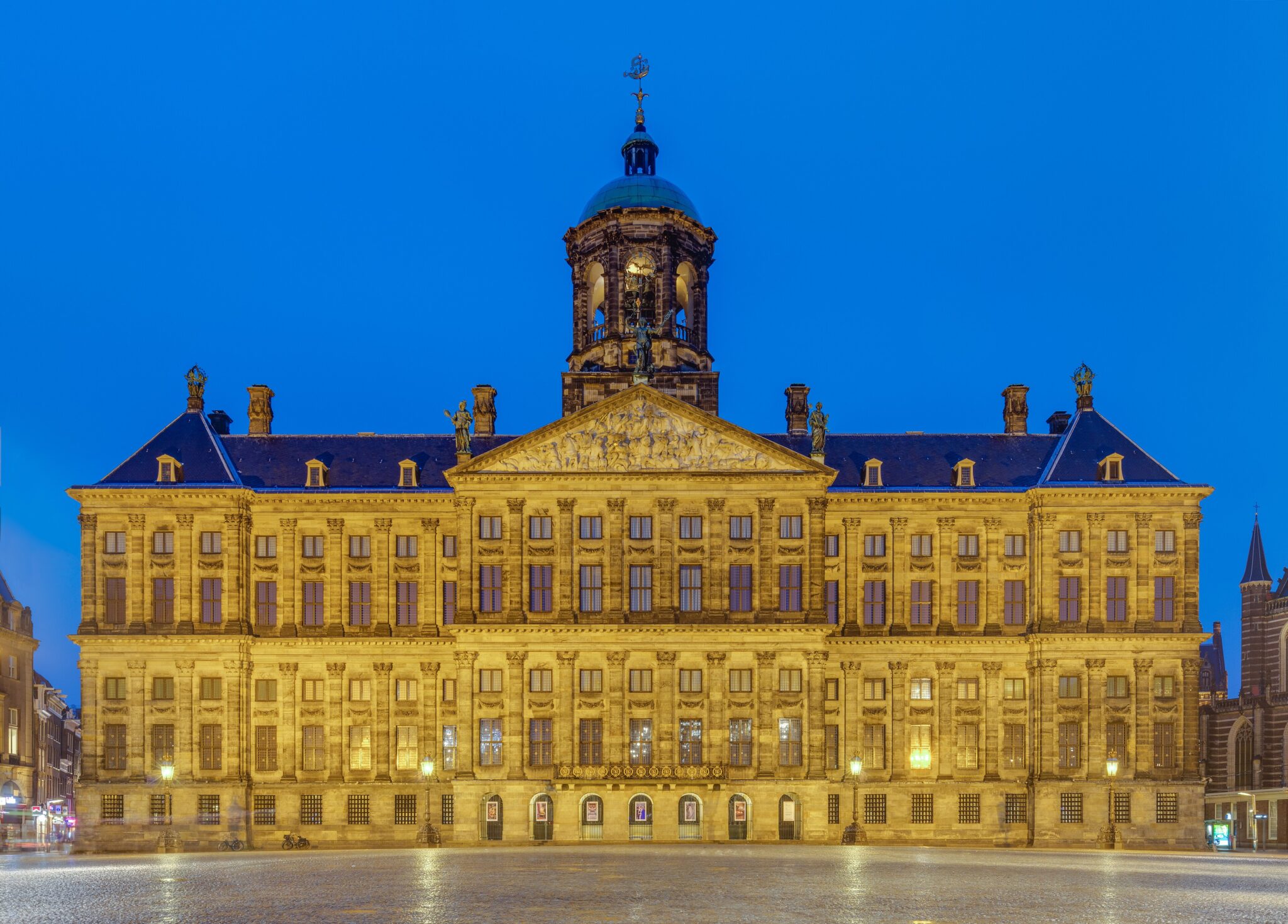
Diego Delso, CC BY-SA 4.0 https://creativecommons.org/licenses/by-sa/4.0, via Wikimedia Commons
18. Colonial history and slavery
The Netherlands is also known for a more difficult legacy: colonial expansion, the slave trade, and slavery. This matters because the country’s rise as a commercial and maritime power was connected not only to trade, shipping, and wealth, but also to systems of exploitation that reached across the Atlantic and other parts of the colonial world. In recent years, Dutch official language has become much clearer on this point. The government now openly states that slavery helped the Netherlands become an economic world power, which makes this subject impossible to treat as a minor side note in Dutch history.
What gives this topic extra weight is that the modern Dutch state has also made recognition and remembrance part of its public response. The government formally apologized for the Netherlands’ role in the history of slavery and, by 2024 and 2025, was still expanding follow-up measures around remembrance, public awareness, and support for related initiatives.
19. Orange, the royal family, and King’s Day
The Netherlands is famous for the color orange because it is tied directly to the Dutch royal house and to one of the country’s most visible national celebrations. Orange is not just a decorative preference or a sports color. It comes from the House of Orange-Nassau, which is why it appears so strongly in public life, national events, and the way the country presents itself abroad.
What gives this association extra weight is King’s Day. The celebration takes place on 27 April for King Willem-Alexander’s birthday, and in 2026 it falls on a Monday, which keeps the whole country visibly tied to the same date and ritual. Streets, canals, markets, and festivals fill with orange clothing, and the day is so recognizable that it has become one of the clearest public images of the Netherlands.
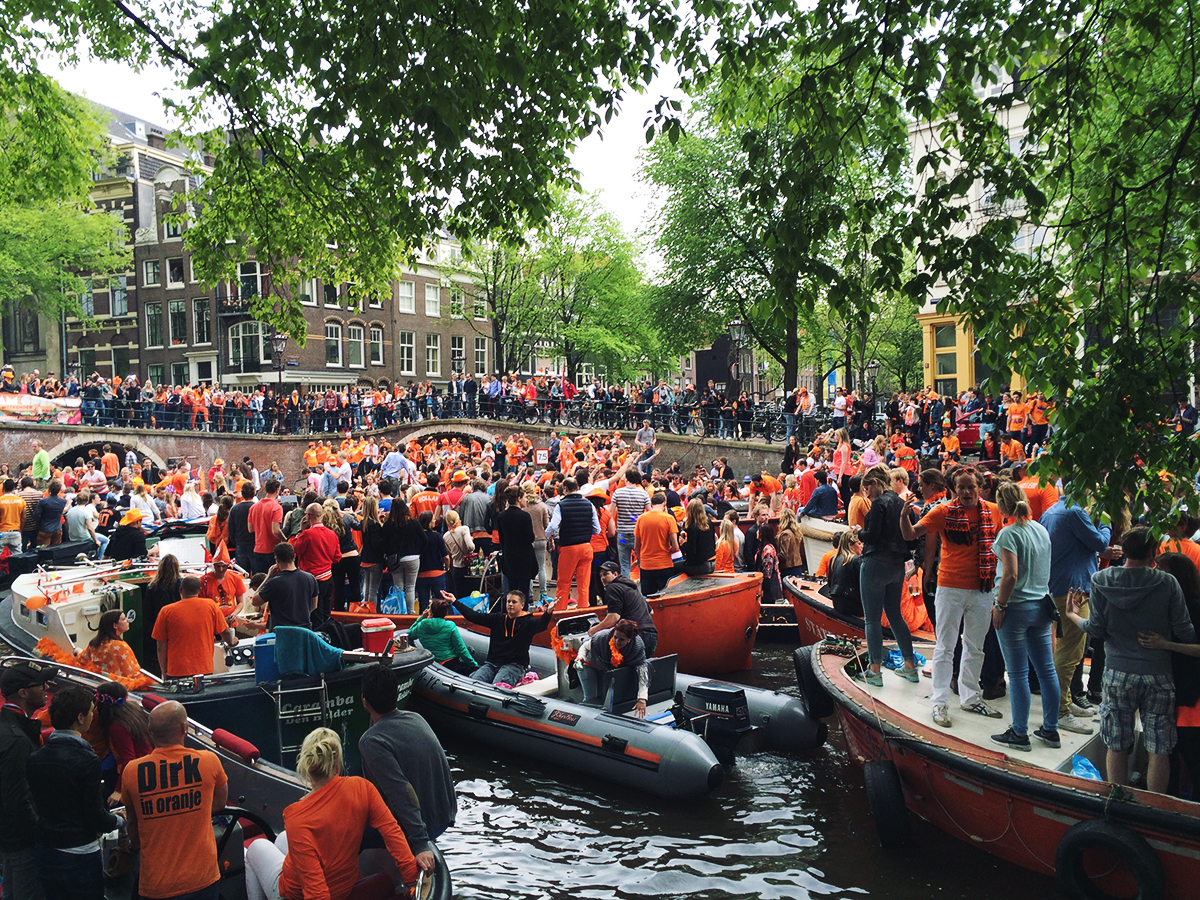
Paula Abrahao, CC BY-NC-ND 2.0
20. Same-sex marriage
Finally, the Netherlands is famous for being the first country in the world to legalize same-sex marriage, which gave it a lasting place in modern social history. That fact matters because it turned the country into an international symbol of legal equality and social liberalism, not just in Europe but worldwide.
Same-sex marriage became legal in the Netherlands in 2001, which means the country took this step before any other state in the world. That is why the issue remains such a strong part of its international image even decades later. The Netherlands is famous for same-sex marriage not simply because it allows it today, but because it was the country that opened that door first and turned one national law into a global historical marker.
If you’ve been captivated by Netherlands like us and are ready to take a trip to Netherlands – check out our article on interesting facts about Netherlands. Check if you need an International Driving Permit in Netherlands before your trip.

Published April 10, 2026 • 14m to read