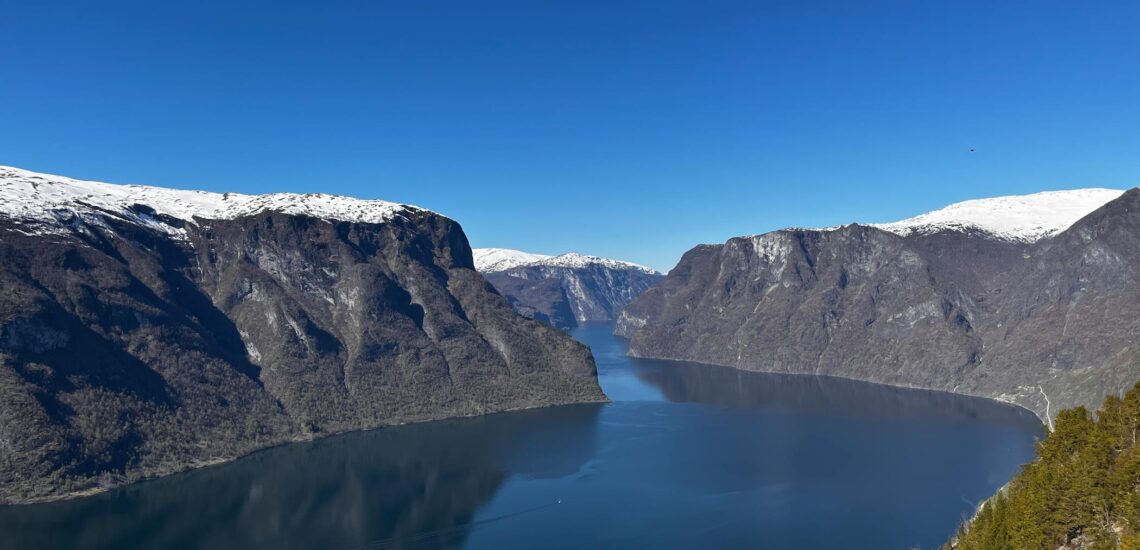


Norway is famous for fjords, Arctic light, dramatic coastlines, Viking history, skiing, seafood, and a culture built around closeness to nature. Official tourism and UNESCO sources consistently present the country through fjords, mountains, the Northern Lights, heritage sites, and outdoor life.
1. Oslo
For many people abroad, Norway means fjords, mountains, and remote landscapes first, but Oslo shows the other side of the country: a compact waterfront capital built around culture, architecture, and public space. The city changed its image especially strongly in the early 2020s, when new major museums on the harbor front helped turn it into a more visible cultural destination.
The city’s cultural weight is one of the main reasons it became so central to Norway’s image. MUNCH opened in Bjørvika in 2021 in a 13-storey building and holds the world’s largest collection of Edvard Munch’s work, while the National Museum, opened in 2022, is the largest art museum in the Nordic region and brings together Norway’s largest collection of art, architecture, and design. Together these institutions gave Oslo a stronger international profile and made the capital easier to associate with major culture on a European scale.
2. The fjords
Norway is famous above all for its fjords because they do more than decorate the landscape: they define the country’s image almost by themselves. Long, narrow sea inlets cut between steep mountain walls became the visual shorthand for Norway abroad, especially on the west coast, where some of the most dramatic examples are found. The scale is part of the reason they stay so memorable. Sognefjord, the country’s longest and deepest fjord, stretches 205 kilometres inland and reaches a depth of 1,303 metres, while the UNESCO-listed Geirangerfjord and Nærøyfjord are treated as classic examples of fjord landscapes at their most complete and striking.
The fjords also matter because they connect language, geology, and national identity in one idea. The word fjord itself comes from Old Norse, and UNESCO describes the great west Norwegian fjords as a kind of type locality for fjord landscapes in the world. These are not just beautiful coastlines, but places shaped by glaciation on a scale that still feels visible in the present: sheer rock walls, deep water, waterfalls, hanging valleys, and villages pressed into narrow strips of land between mountain and sea.
3. Geirangerfjord and Nærøyfjord
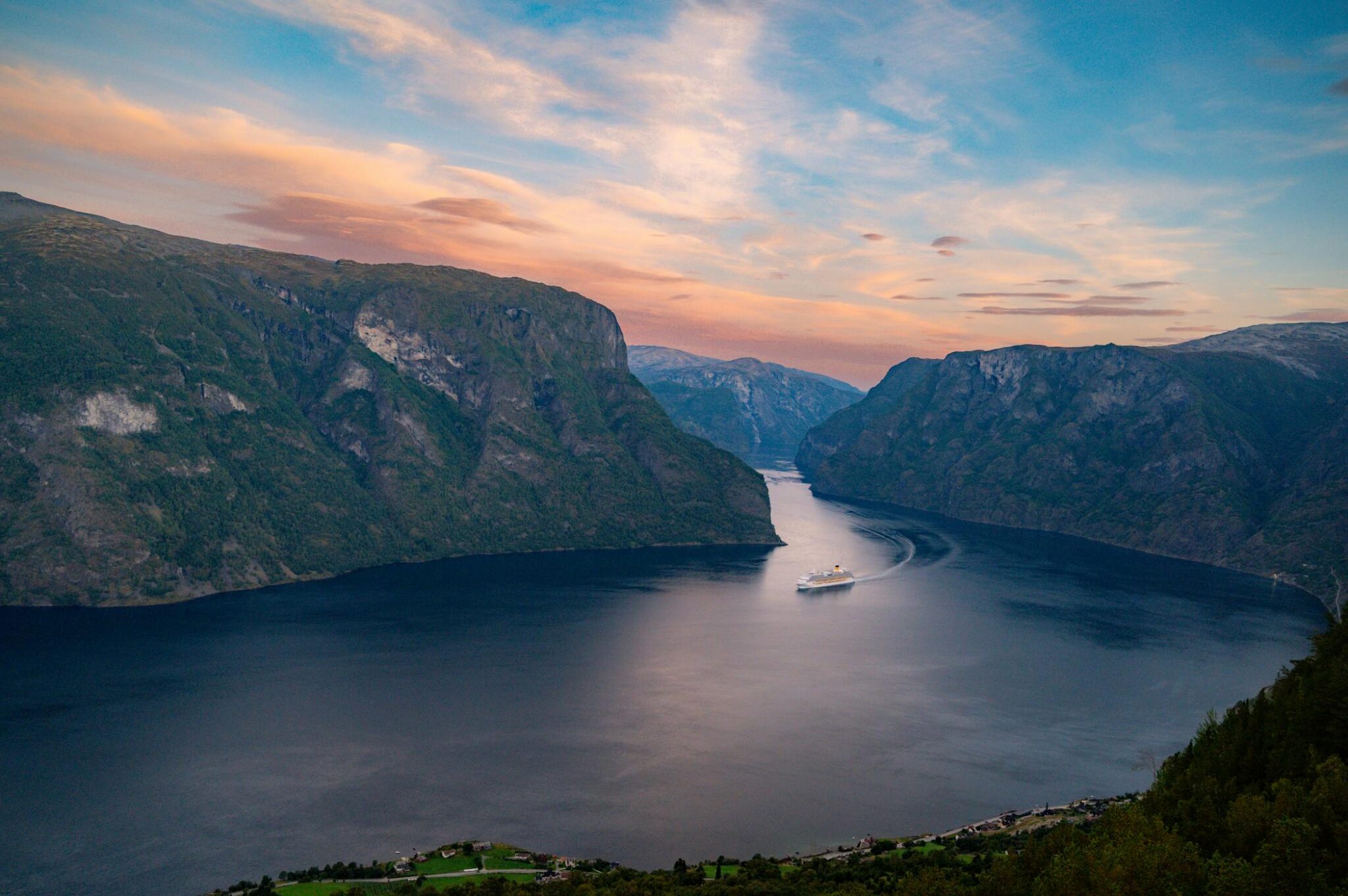
Together they entered the UNESCO World Heritage List in 2005 as the core of the West Norwegian Fjords, and UNESCO describes them as archetypal fjord landscapes and among the most scenically outstanding anywhere. That status fits what people actually see there: narrow inlets, sheer rock walls, deep water, high waterfalls, and small settlements pressed into a landscape that still feels larger than human scale.
The contrast between the two fjords makes the image even stronger. Geirangerfjord is known for steep mountainsides, abandoned fjord farms, and famous waterfalls such as the Seven Sisters, while Nærøyfjord is one of the narrowest fjords in Europe, only about 250 metres wide at its tightest point and around 17 kilometres long. UNESCO notes that the rock walls in this fjord landscape can rise up to 1,400 metres from the sea and continue 500 metres below it, which helps explain why these two places became such a strong shorthand for Norway itself.
4. Bergen and Bryggen
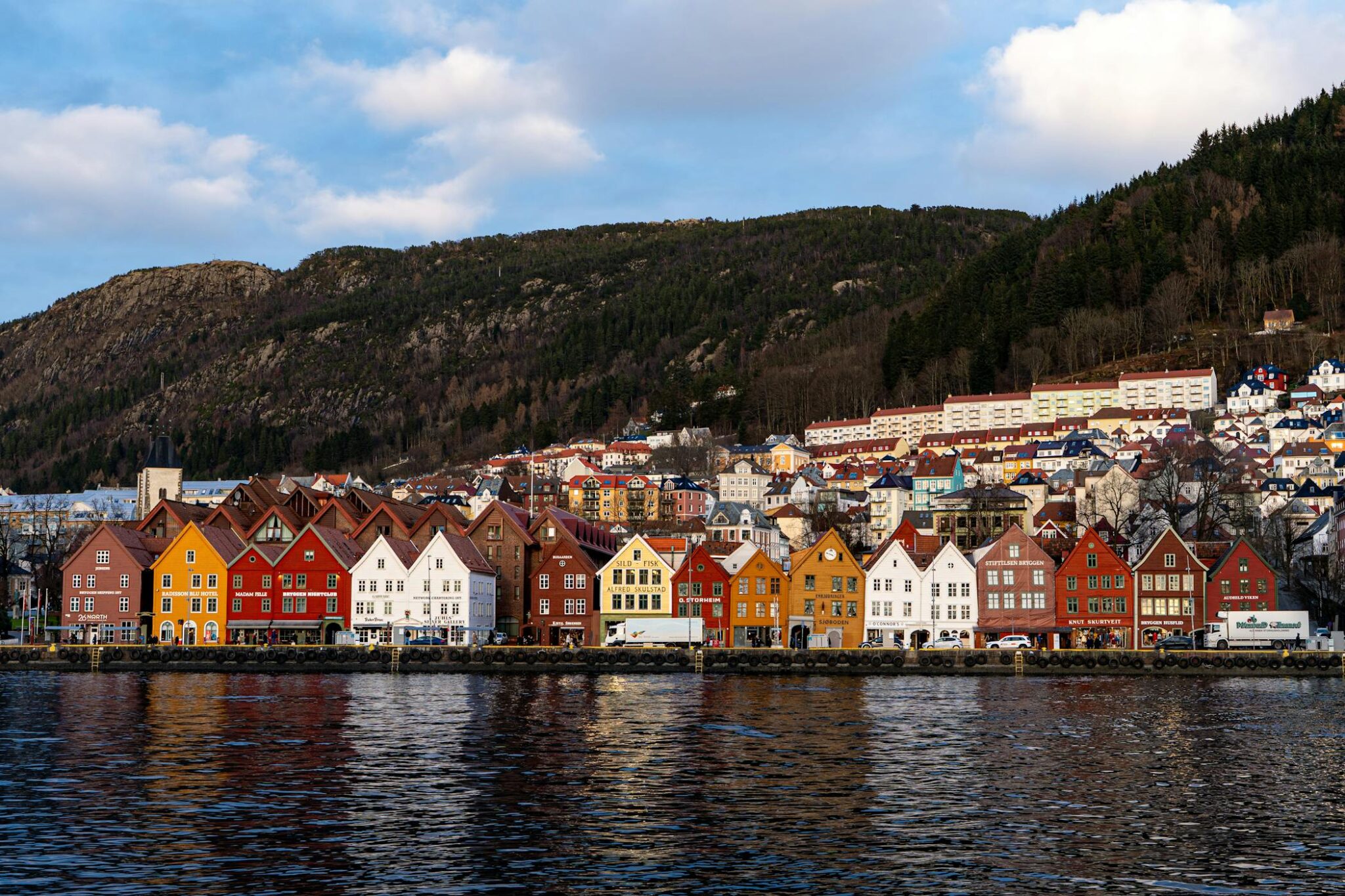
Norway is famous for Bergen because the city gives the country one of its clearest historic urban images, and Bryggen is the part of Bergen most people remember first. Bergen was founded around 1070 and grew into one of medieval Norway’s main trading ports, but what fixed it in the public imagination was the waterfront itself: a tight row of narrow wooden gabled buildings facing Vågen harbour, with alleys and courtyards running behind them.
Bryggen matters because it preserves the outline of the old Hanseatic wharf that made Bergen important in European trade from the 14th to the mid-16th century. Fires destroyed the district many times, but rebuilding followed older layouts and methods, so the main structure survived even as individual buildings changed. The present wharf is therefore not just a pretty backdrop: it is a rare relic of the wooden urban world that once existed across northern Europe. Around 62 buildings remain, and UNESCO lists Bryggen as a World Heritage Site for exactly that reason.
5. The Northern Lights
The main season runs from late September to late March, and in the far north the dark hours are long enough to make aurora watching part of ordinary winter travel rather than a rare event. That is why places such as Tromsø, Alta, Bodø, and the Lofoten Islands became so closely tied to Norway’s image abroad. They offer not only good viewing conditions, but the kind of fjord-and-mountain settings that make the lights feel even more distinctly Norwegian. The association stayed strong because the Northern Lights in Norway are not limited to one remote point on the map. They can be experienced across several Arctic regions, from city-based trips in Tromsø to more open coastal landscapes farther north and west. That gives Norway a wider and more flexible aurora identity than many destinations have.
6. The midnight sun
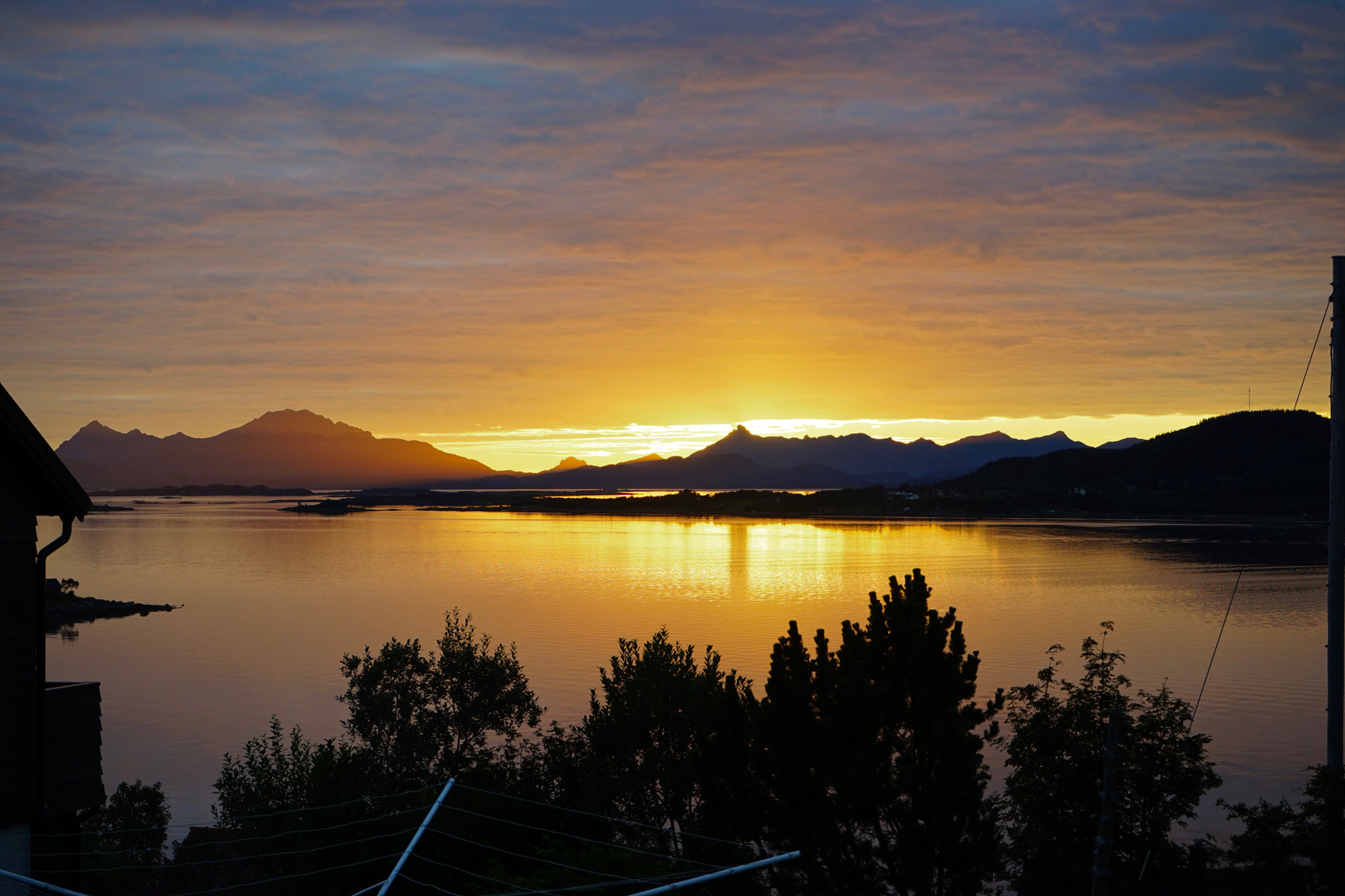
Above the Arctic Circle, the sun can stay visible for 24 hours, which turns ordinary evening light into something long, bright, and almost unreal. In Northern Norway, this is not a rare event but a seasonal reality that lasts for weeks, which is why the midnight sun became such a strong part of the country’s identity abroad. The association is especially strong because the phenomenon is spread across several well-known destinations rather than tied to one isolated point. In Bodø, the midnight sun runs from 4 June to 8 July, in the Lofoten Islands from 28 May to 14 July, in Tromsø from 20 May to 22 July, and at the North Cape from 14 May to 29 July.
Christer Gundersen, CC BY 3.0 https://creativecommons.org/licenses/by/3.0, via Wikimedia Commons
7. Lofoten
Norway is famous for Lofoten because the islands bring together many of the country’s strongest images in one place: Arctic light, steep mountains rising straight from the sea, narrow fjords, small fishing villages, and beaches that look unexpectedly open for such a northern landscape. Lofoten lies just above the Arctic Circle, which is why it is closely associated with both the Northern Lights in the darker months and the midnight sun in summer.
Lofoten is also famous because the landscape is tied to a long working history rather than scenery alone. The islands have been a center for cod fishing since the Viking Age, and around 1100 the catch and production of stockfish were large enough to support Vágar, the first medieval town in Northern Norway. That history still shows in the villages, harbors, drying racks, and rorbuer cabins that remain part of the islands’ image today.
8. Svalbard and polar bears
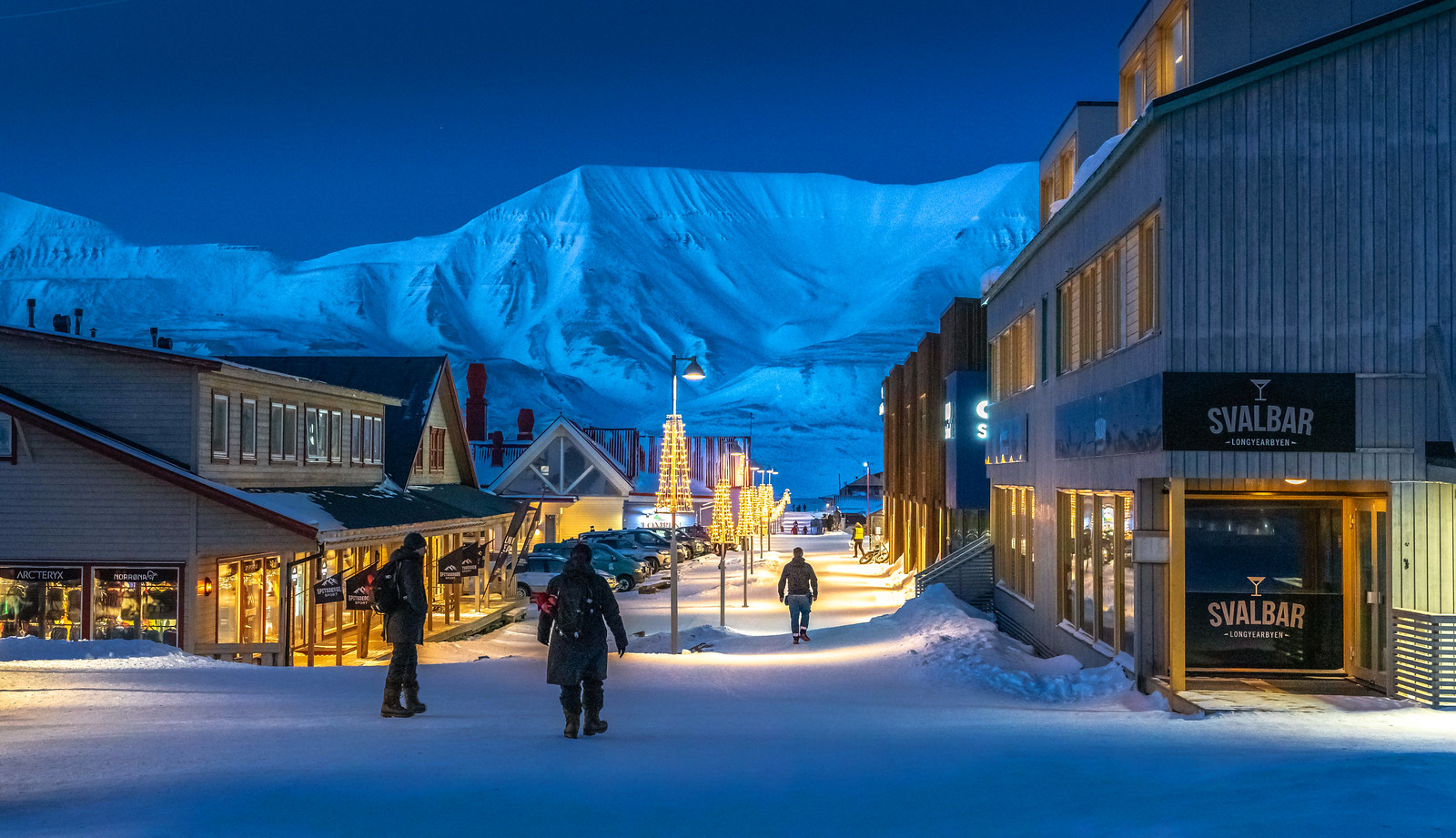
Lying roughly halfway between mainland Norway and the North Pole, Svalbard is not known for cities or monuments, but for ice, mountains, glaciers, and exposed wilderness on a very large scale. About 65% of the land area is protected, which helps explain why Svalbard is seen less as a normal destination and more as a place where nature still sets the terms. Polar bears make that image even stronger because they turn the landscape into something that feels real, not symbolic. Svalbard is often treated as the polar bear’s kingdom, and that idea carries practical weight: outside the safe zone in Longyearbyen, people are warned not to travel without a guide who has polar bear protection. That detail says a lot on its own. In most places, dangerous wildlife stays in the background of tourism. In Svalbard, it remains part of how the archipelago is understood.
Nick M, CC BY-NC-SA 2.0
9. Vikings
Norway is famous for Vikings because the Viking Age is one of the country’s oldest and strongest historical identities. In Norwegian history, the period is generally placed between about 800 and 1050, when seafaring, trade, raiding, shipbuilding, and the growing power of early kings reshaped the country and linked it closely to the wider North Atlantic world. The image remains strong because Norway still presents the Viking world through some of its most memorable physical remains. Oslo’s Museum of the Viking Age centers on the world’s best-preserved Viking ships and more than 5,500 objects from the Viking Era, while other sites across the country keep the period active through reconstructed villages, markets, museums, and former royal centers.
10. Stave churches
These churches were built in wood rather than stone, using upright load-bearing posts that gave the type its name, and they combined Christian church building with carving traditions that still carried traces of older Norse visual culture. Today only 28 medieval stave churches remain in Norway, although researchers believe there were once between 1,300 and 2,000 of them. That gap explains why they matter so much to Norway’s image: they are not just old churches, but rare survivors of a much larger medieval world that almost disappeared.
Urnes Stave Church is the clearest symbol of that legacy. Built around 1130 and listed by UNESCO, it is the oldest of the preserved stave churches and the only one on the World Heritage List. Its importance is not only age. Urnes is famous for the way it joins architecture, woodcarving, and the cultural transition from the Viking world to Christian Norway, especially in the intricate decoration of its north portal.
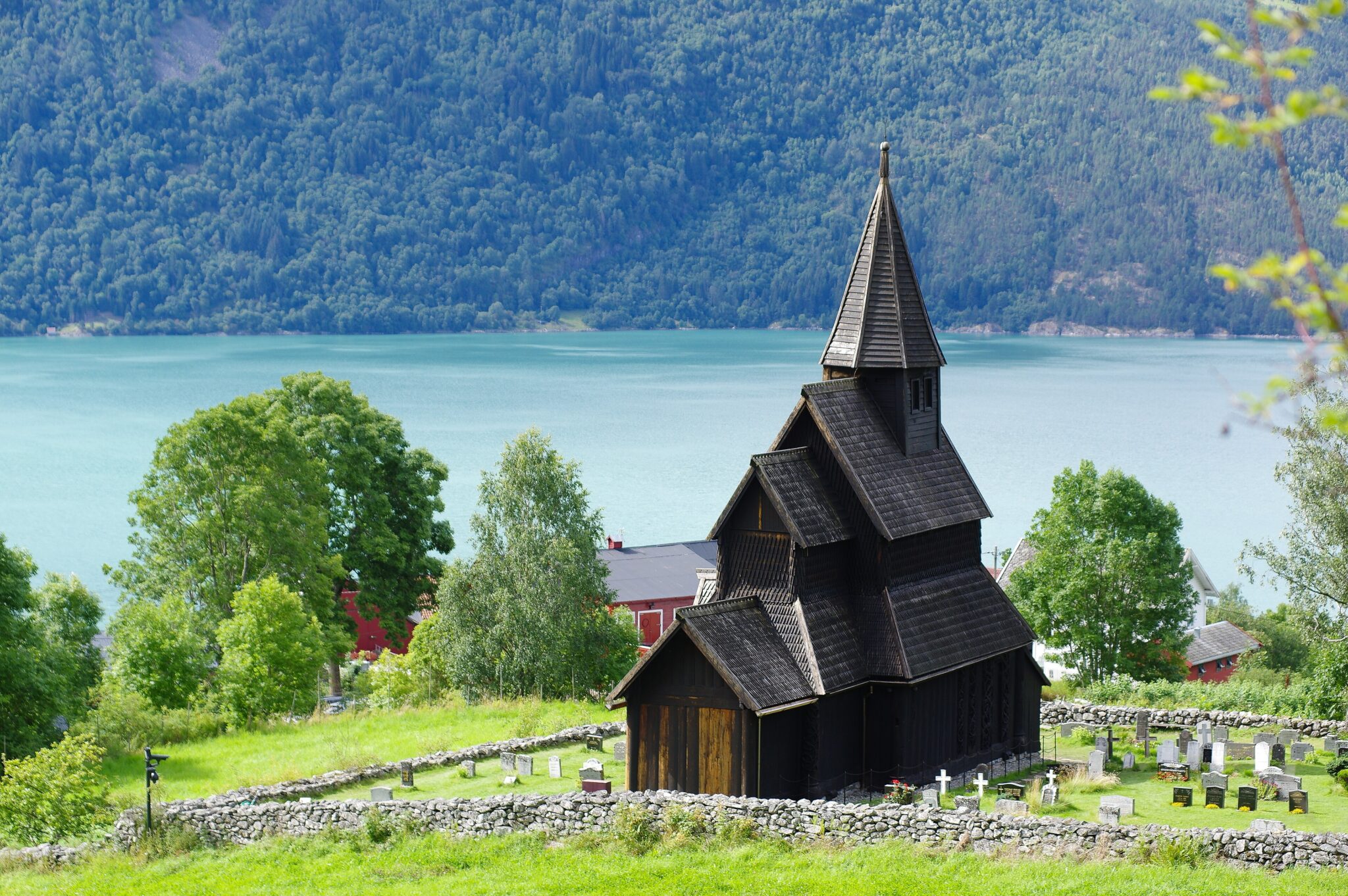
Bjørn Erik Pedersen, CC BY-SA 4.0 https://creativecommons.org/licenses/by-sa/4.0, via Wikimedia Commons
11. Skiing and winter sports
Skiing there is not seen only as a sport, a holiday activity, or a professional discipline. It is part of ordinary life, especially in winter, when cross-country trails, mountain routes, and local ski areas become part of the seasonal routine. This matters because Norway is associated with skiing not through one resort or one competition, but through a whole way of living in winter. The country’s landscape helped shape that image: long snowy seasons, mountain plateaus, forest trails, and a population used to outdoor movement made skiing feel practical as well as cultural.
12. Edvard Munch and The Scream
Born in 1863, Munch became one of the key painters of modernism, but his strongest hold on public memory comes from The Scream. The work turned anxiety, fear, and inner pressure into a visual form so direct that it moved far beyond art history into mass culture. The MUNCH museum, opened in 2021, is one of the world’s largest museums devoted to a single artist and preserves a collection of more than 42,000 museum objects, including around 28,000 artworks. The city also holds important versions of The Scream across its major museums, which keeps the painting tied closely to Norway rather than floating free as a global image with no clear home.
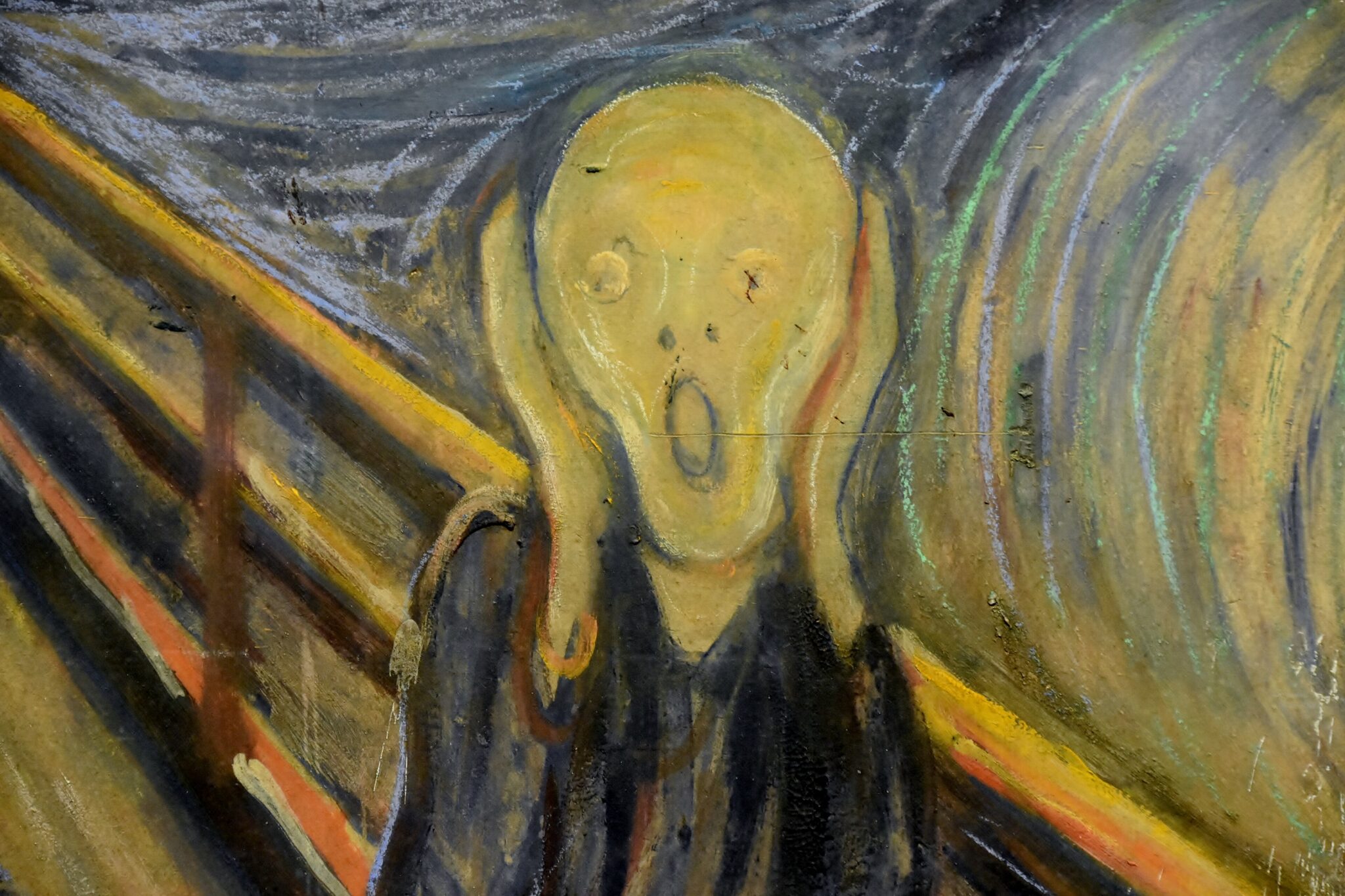
Richard Mortel from Riyadh, Saudi Arabia, CC BY 2.0 https://creativecommons.org/licenses/by/2.0, via Wikimedia Commons
13. The Nobel Peace Prize
Norway is famous for the Nobel Peace Prize because it gives the country a role in world affairs that no other Nordic state has in quite the same way. Unlike the other Nobel Prizes, which are awarded in Stockholm, the Peace Prize is presented in Oslo, and that difference has shaped Norway’s international image for more than a century. Since 1901, the award has been given on 10 December, the anniversary of Alfred Nobel’s death, which means Oslo is linked every year to one of the world’s most watched political and moral distinctions.
The Nobel Peace Prize is presented in a formal ceremony at Oslo City Hall, where the laureate receives the medal and diploma and delivers the Nobel Lecture. Over time, this turned one civic building in the Norwegian capital into a place recognized far beyond Norway itself. The prize also gives Oslo a recurring global moment every December, with the ceremony remaining one of the clearest ways the city appears in international public life.
14. Salmon and stockfish
Salmon is the clearest modern example. It moved from a local food with deep roots in Norwegian cooking into one of the country’s strongest global exports, to the point that it now carries much of Norway’s food image abroad. In the first half of 2025 alone, Norway exported 609,946 tonnes of salmon worth NOK 57.8 billion, which shows how central salmon remains to the country’s economy as well as to its reputation.
Made by hanging cod to dry naturally in the cold air of Northern Norway, it has been produced there for around 1,000 years and remains especially tied to migrating skrei, the Northeast Arctic cod that comes ashore each winter to spawn. The tradition is strongest in places such as Lofoten and Vesterålen, where drying racks are still part of the landscape, and “Lofoten stockfish” holds protected geographical status in Europe. Stockfish matters so much to Norway’s image because it links fishing, preservation, export, and coastal history in one product.

15. Hurtigruten
The route began in 1893, when the first Hurtigruten steamship sailed from Trondheim to Hammerfest through waters that were difficult, poorly charted, and crucial for remote coastal communities. In 1898, the service was extended south to Bergen, which helped turn it from a northern lifeline into a national coastal route. That history matters because Hurtigruten was never only a scenic voyage.
That practical role is one reason Hurtigruten became such a strong Norwegian symbol. The classic Bergen–Kirkenes–Bergen voyage calls at 34 ports and covers about 2,500 nautical miles, linking fjords, islands, towns, and Arctic settlements in one continuous route. Over time, the voyage also became a travel experience in its own right, but its image still carries something older and more national than an ordinary cruise.
16. Sámi culture and reindeer
The Sámi are an Indigenous people whose traditional territory, Sápmi, stretches across Norway, Sweden, Finland, and Russia, and in Norway they are recognized as one of the country’s two peoples. That matters because Sámi culture is not treated only as distant heritage. It remains part of modern life through language, music, handicrafts, political institutions, festivals, and strong regional identities from Finnmark south to Trøndelag. This is why Sámi culture gives Norway a different kind of historical depth from fjords or Viking sites alone: it connects the country to a living northern culture with its own continuity, institutions, and voice.
Reindeer make that image even stronger because reindeer herding is one of the clearest cultural carriers of Sámi life in Norway. It is not the whole of Sámi identity, but it remains one of its most visible expressions, tying movement, land use, seasonal rhythm, clothing, food, and knowledge of the north into one way of life. In Norway, reindeer husbandry is legally framed as a livelihood based in Sámi culture, tradition, and custom, and recent reference material puts the domesticated reindeer population at about 212,000, with the largest concentration in Finnmark.
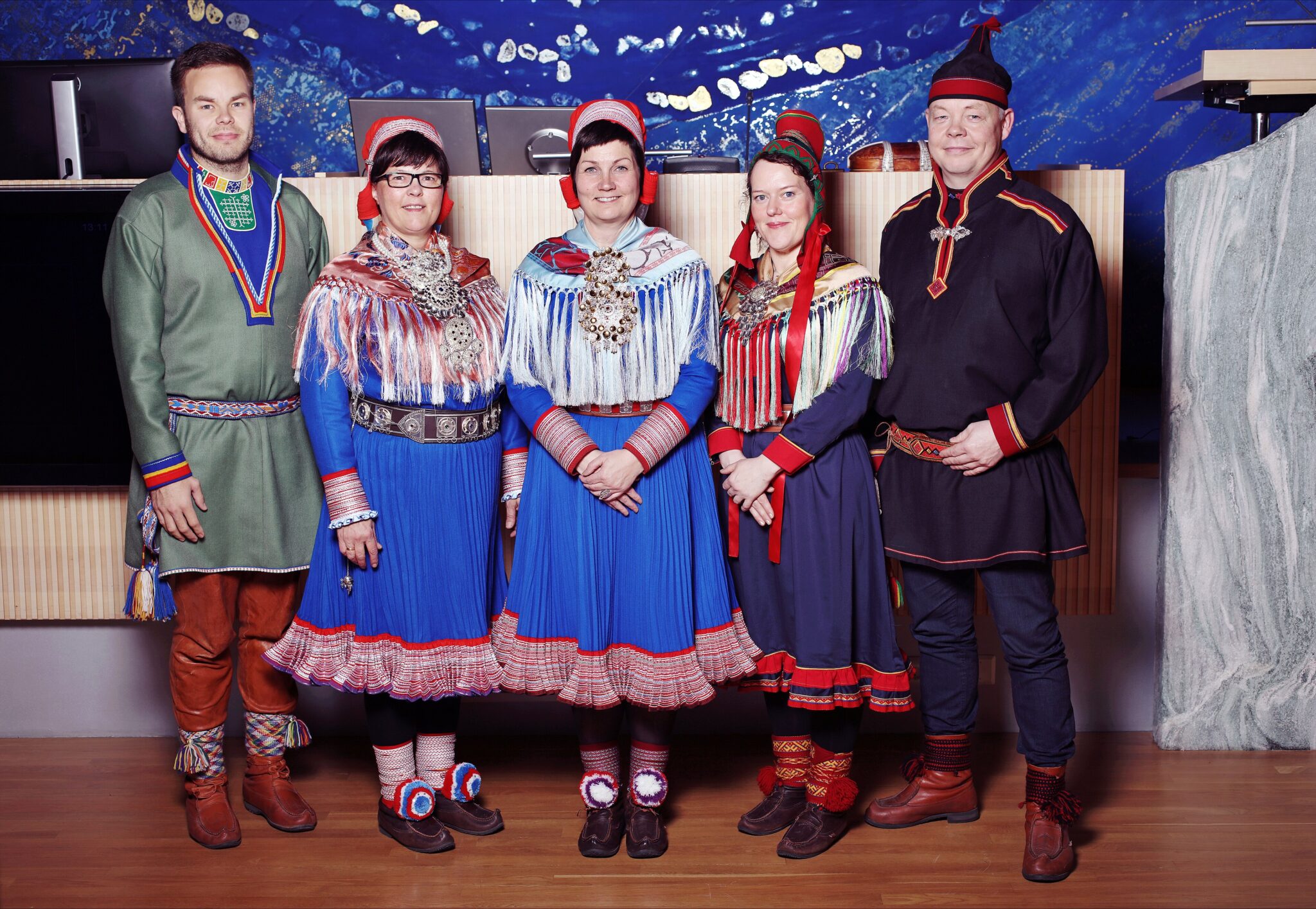
Kenneth Hætta, CC BY 2.0 https://creativecommons.org/licenses/by/2.0, via Wikimedia Commons
17. Oil, gas, and the sovereign wealth fund
Norway is famous not only for nature, but also for oil and gas and for the unusually disciplined way that resource wealth was turned into long-term national savings. After oil was discovered in the North Sea in 1969, Norway became one of Europe’s major petroleum producers, but the country did not treat that income as ordinary short-term revenue. Instead, it built a system designed to keep petroleum money from overheating the economy and to spread the benefits across generations.
The clearest symbol of that approach is the Government Pension Fund Global, now one of the world’s largest sovereign wealth funds. The fund was created by legislation in 1990, received its first transfer in 1996, and exists to protect the economy from swings in petroleum income while safeguarding wealth for current and future generations. By the end of 2025, its value had reached 21,268 billion Norwegian kroner, with more than half of that total coming from investment returns rather than direct inflows.
18. Friluftsliv and the right to roam
Hiking, skiing, cabin trips, berry picking, and time in the mountains or by the coast are treated less as special adventures than as a normal part of the year. That is why outdoor life feels so central to Norwegian identity: it is tied not only to spectacular landscapes, but to routine, childhood, family life, and the idea that being in nature is good in itself. The right to roam makes that culture even more distinctive because it gives people broad legal access to the countryside, including the freedom to walk, ski, cycle, swim, and camp on uncultivated land without asking the landowner for permission. In Norway, this principle is known as allemannsretten, and its main rules have been protected in the Outdoor Recreation Act since 1957. That legal foundation matters because it turns outdoor culture into something more than preference or tradition.
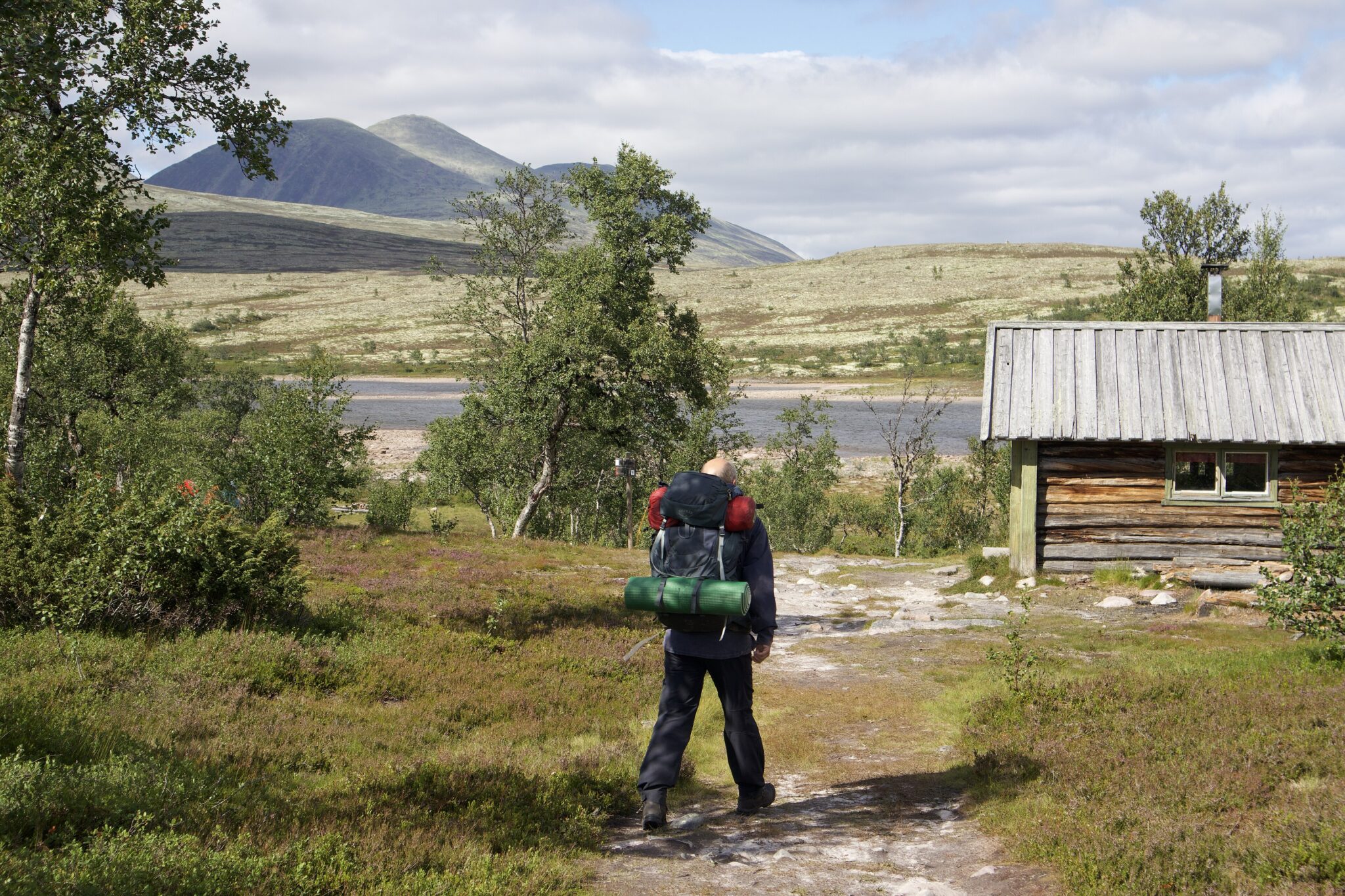
Anne Sande, CC BY-SA 4.0 https://creativecommons.org/licenses/by-sa/4.0, via Wikimedia Commons
19. Trolls and folklore
Finally, Norway is famous for trolls, at least in the world of folklore, tourism, and national imagination. Trolls are among the best-known mythical beings in Nordic tradition, with roots in Norse mythology and later fairy tales, and in Norway they never stayed confined to old stories. They became part of the country’s atmosphere: creatures imagined in mountains, caves, forests, and other rough landscapes where nature feels large and slightly unsettling. That link matters because trolls fit Norway’s scenery unusually well.
The image stayed strong because trolls spread far beyond folklore into the visible language of the country itself. Norway is full of troll place names such as Trolltunga, Trollstigen, Trollveggen, Trollheimen, and Trollfjorden, which shows how deeply the figure entered the map. Trolls also remain part of modern cultural life through museums, souvenirs, family attractions, films, and tourism built around “troll landscapes” and fairy-tale settings.
If you’ve been captivated by Norway like us and are ready to take a trip to Norway – check out our article on interesting facts about Norway. Check if you need an International Driving Permit in Norway before your trip.

Published April 14, 2026 • 14m to read