

2026 Chevrolet Bolt: Everything You Need to Know About the Redesigned Electric Crossover
The Chevrolet Bolt made history in 2016 as America’s most affordable electric hatchback, followed by the crossover variant Bolt EUV five years later. After discontinuing both models in late 2023 due to disappointing sales figures, General Motors has finally unveiled the next chapter. However, instead of an all-new generation, we’re looking at a comprehensive refresh of the existing platform.
Design Evolution: What’s Changed in the New Bolt
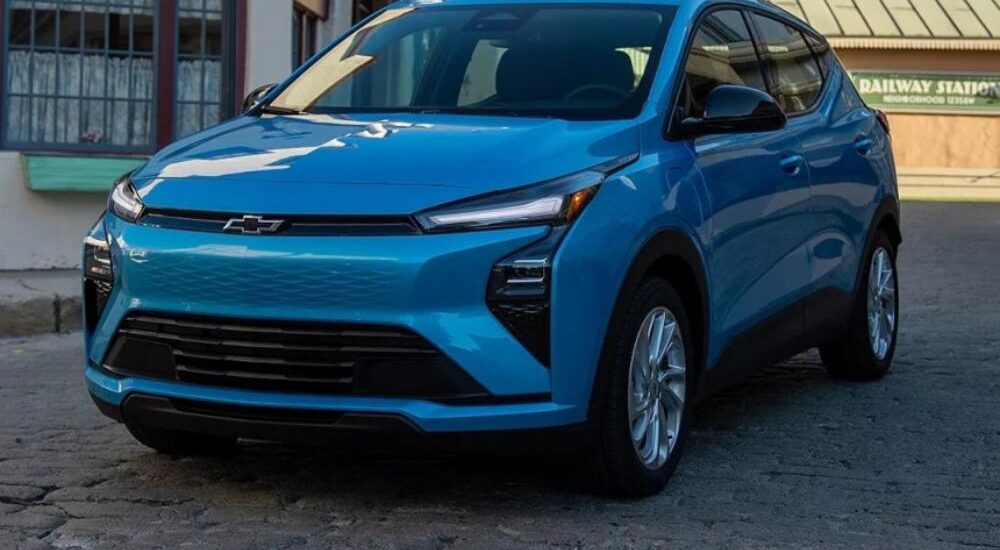
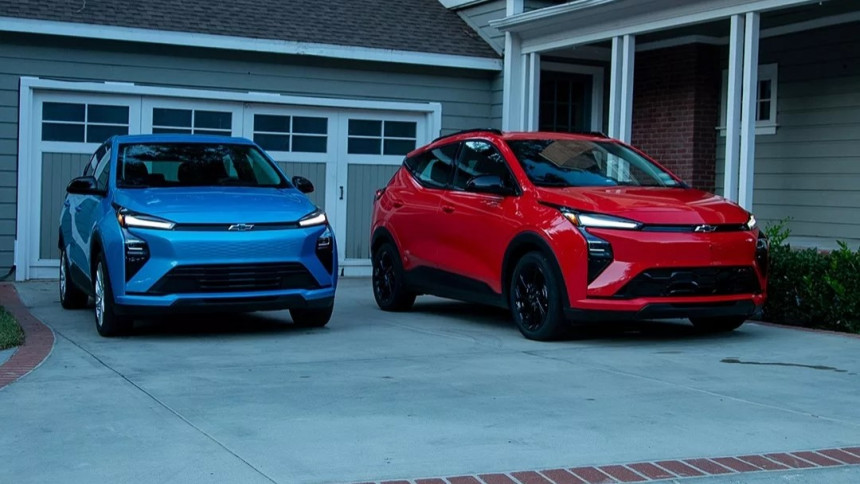
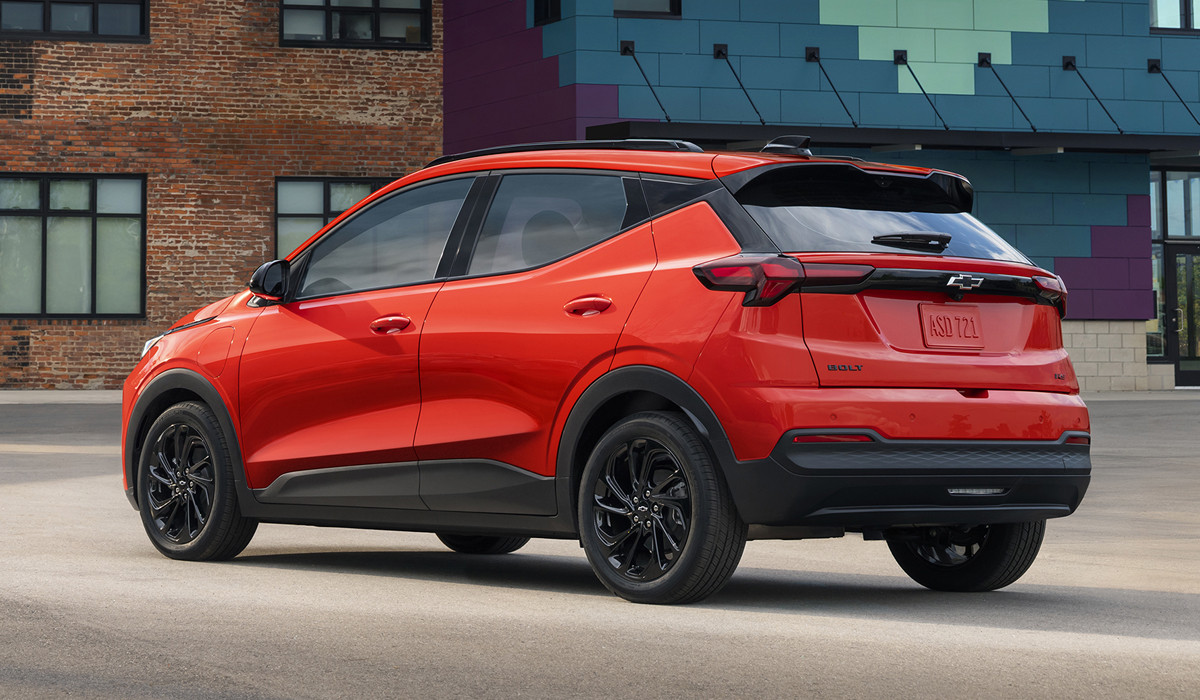
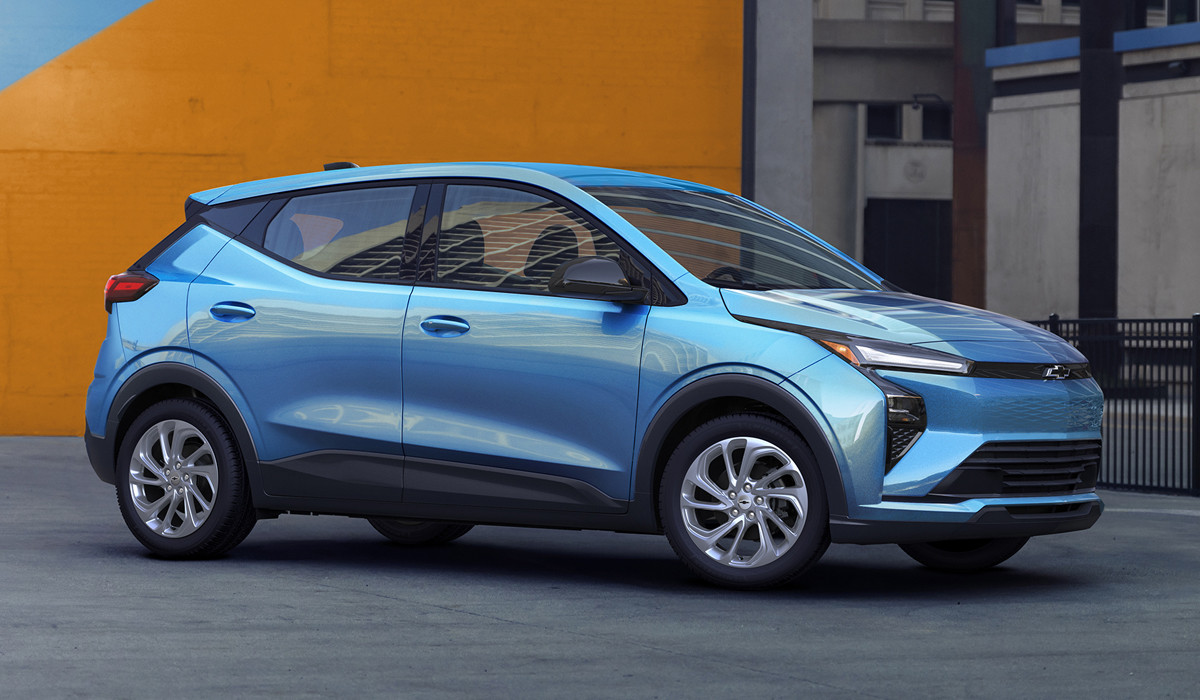
The 2026 Chevrolet Bolt builds upon the previous Bolt EUV crossover platform, dropping the “EUV” designation entirely as the original hatchback variant won’t be returning. Key exterior updates include:
- Redesigned front and rear bumpers for a fresher appearance
- Updated LED lighting technology throughout
- Revised tailgate design with modern styling elements
- Body dimensions expected to remain similar to the outgoing model (approximately 4,306mm in length)
Interior Upgrades: Technology Meets Practicality
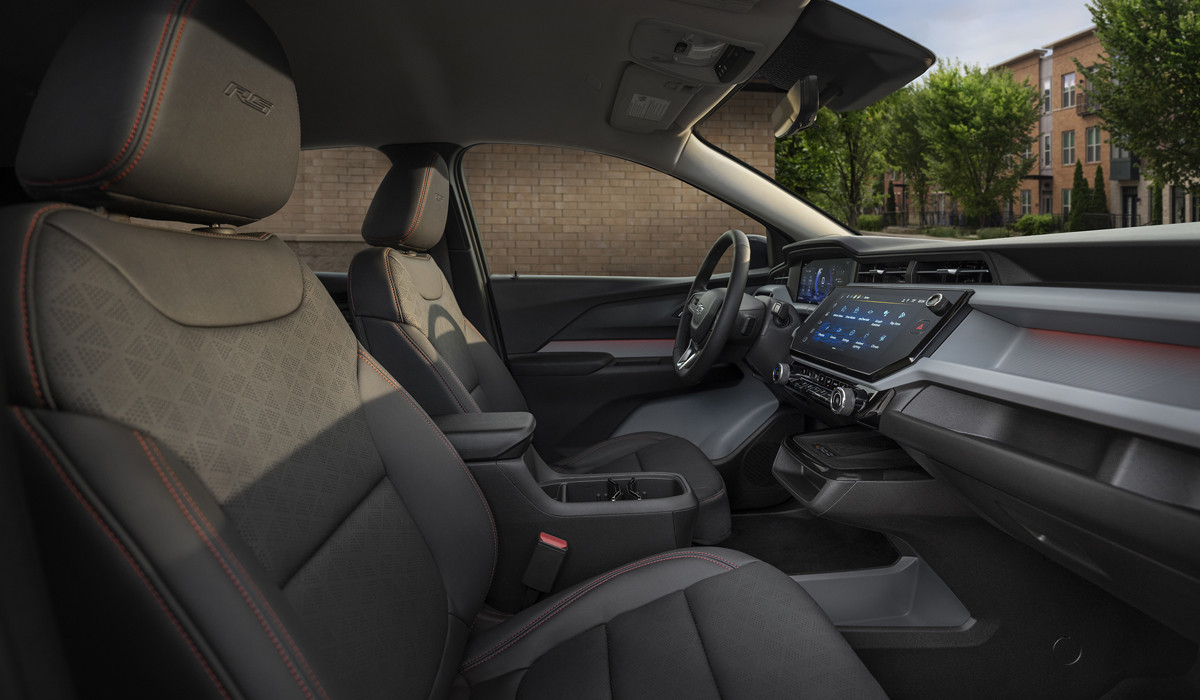
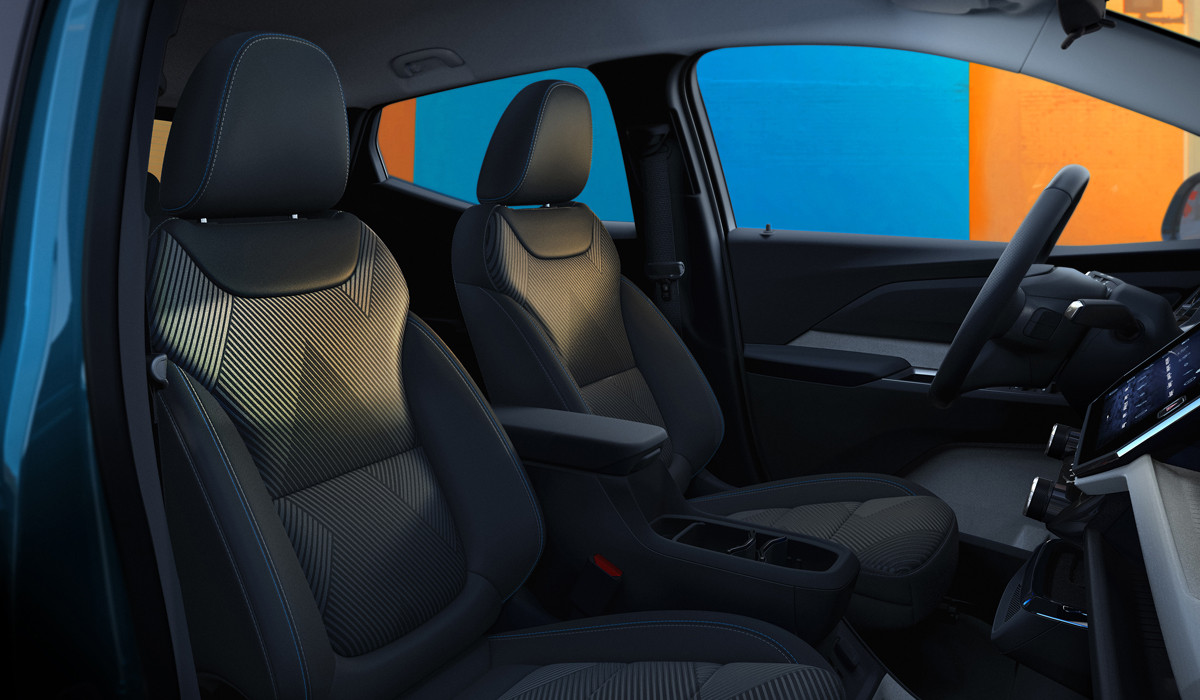
The cabin receives significant improvements focused on enhancing user experience and modernizing the interface:
- Enhanced Digital Display: Larger instrument cluster screen for improved visibility
- Simplified Controls: Traditional gear selector replaced with a convenient column-mounted shifter
- Wireless Charging: Dual wireless charging pads for multiple devices
- Climate Control: New HVAC interface featuring large, user-friendly rotary knobs
- Storage Solutions: Traditional glove box replaced with open compartments for easier access to small items
Battery Technology and Performance Improvements
The 2026 Bolt introduces significant advancements in electric powertrain technology while maintaining practical efficiency:
Battery Specifications
- Capacity remains at 65 kWh for optimal balance of range and cost
- New lithium iron phosphate (LFP) chemistry replaces previous lithium-ion NMC technology
- Extended range of 410 km (255 miles), up from 398 km in the previous model
Charging Capabilities
- Triple the Speed: DC fast charging now supports up to 150 kW (previously 50 kW)
- Quick Charging Time: 10-80% charge achieved in just 26 minutes
- Tesla Supercharger Access: Standard NACS charging port ensures seamless compatibility with Tesla’s extensive charging network
Motor Performance
The updated electric motor delivers 213 horsepower, a notable increase from the previous 204 hp, providing improved acceleration and highway merging capabilities.
Production Timeline and Pricing Strategy
General Motors has outlined a clear roadmap for the Bolt’s market introduction:
- Production Start: Early 2026 at the Kansas City manufacturing facility
- Launch Edition: Welcome trim priced at $30,000
- Base Model: LT trim available subsequently at $29,000
Market Positioning and Competition
Despite its competitive pricing, the 2026 Chevrolet Bolt won’t claim the title of America’s most affordable electric vehicle. The spring 2026 arrival of the base Nissan Leaf at $25,360 will undercut the Bolt by nearly $4,000. However, the Bolt’s advantages include:
- Superior charging speeds and infrastructure access
- More modern interior technology
- Crossover body style preferred by American consumers
- Established domestic manufacturing and service network
Final Thoughts
The 2026 Chevrolet Bolt represents a strategic evolution rather than revolution. By focusing on key improvements in charging speed, range, and interior technology while maintaining an accessible price point, GM aims to recapture market share in the competitive affordable EV segment. The addition of NACS charging compatibility and tripled DC fast charging speeds addresses two of the biggest concerns from previous Bolt owners, positioning this refresh as a compelling option for budget-conscious EV buyers.
Photo: Alexey Byrkov
This is a translation. You can read the original article here: Электрический Chevrolet Bolt вернулся обновленным

Published November 05, 2025 • 4m to read