

Modern vehicles serve as more than just transportation—they’re mobile storage units carrying everything from luggage and sports equipment to fishing gear, bicycles, and camping accessories. When interior space runs out, a quality roof rack system provides the perfect solution for transporting oversized cargo safely and efficiently.
What is a Car Roof Rack?
A roof rack is an essential accessory for families, outdoor enthusiasts, and anyone who needs extra cargo capacity. Whether you’re heading to the beach for a family vacation or transporting sports equipment for weekend adventures, roof racks maximize your vehicle’s carrying potential without sacrificing interior comfort.
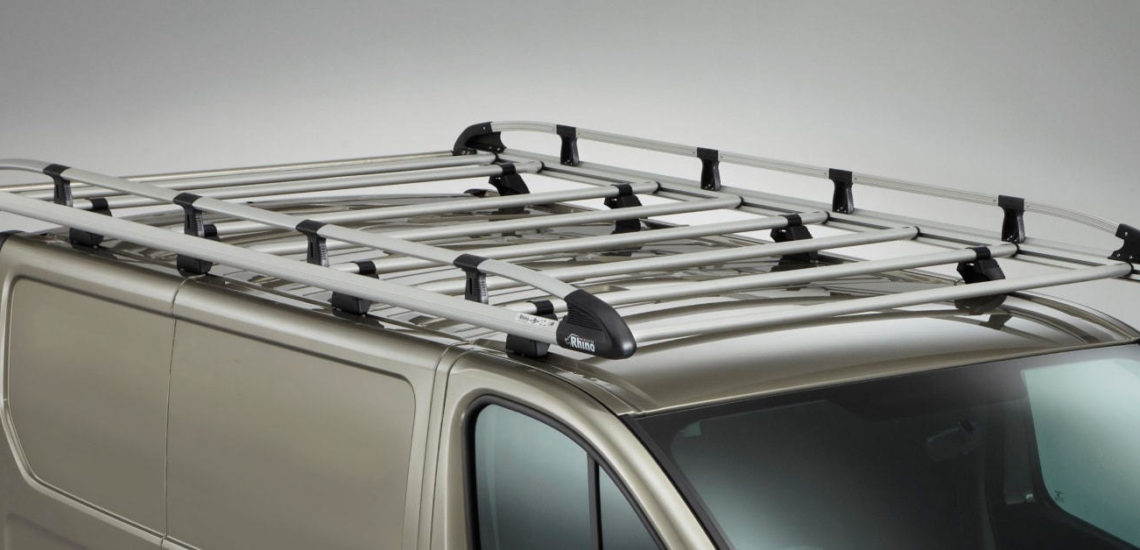
A typical roof rack system consists of two main components:
- Base system: Two crossbars that mount to your vehicle’s roof
- Cargo holders: Specialized attachments designed for specific items (bikes, skis, cargo boxes, kayaks, etc.)
The base attaches to your vehicle’s roof rails or mounting points, while holders connect to the crossbars. It’s crucial to ensure compatibility between all components when purchasing items separately.
Roof Boxes: Weatherproof Cargo Storage
Roof boxes (also called cargo capsules) are the most popular roof rack accessory. These enclosed containers mount directly to your crossbars and offer significant advantages for transporting gear.
Benefits of Roof Boxes
- Increase cargo capacity without blocking rearview mirror visibility
- Protect belongings from rain, dust, dirt, and road debris
- Ideal for small cars that need extra luggage space
- Aerodynamic design reduces wind resistance and noise
- Secure lockable storage for valuable items
Types of Roof Boxes
Soft Roof Boxes
- Made from durable, water-resistant synthetic materials
- Attach to crossbars with integrated fastening systems
- More affordable than hard-shell options
- Compact and lightweight when not in use
- Easy to store in garage or basement
Rigid (Hard-Shell) Roof Boxes
- Constructed from impact-resistant ABS or fiberglass plastic
- Excellent protection against weather, UV rays, and temperature extremes
- More durable and secure than soft boxes
- Higher price point but longer lifespan
- Premium finish complements vehicle aesthetics
How to Choose the Right Roof Box
Consider these essential factors when selecting a roof box:
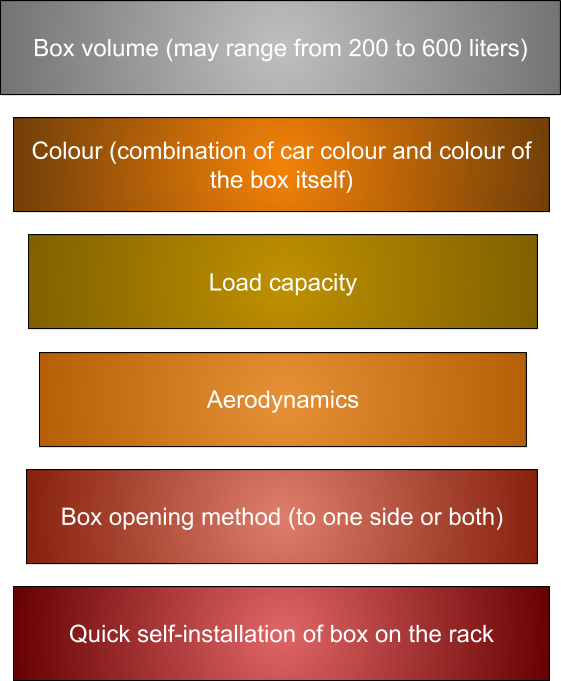
Box volume (may range from 200 to 600 liters)
Colour (combination of car colour and colour of the box itself)
Load capacity
Aerodynamics
Box opening method (to one side or both)
Quick self-installation of box on the rack
- Storage capacity: Boxes range from 200 to 600+ liters—choose based on typical cargo needs
- Weight capacity: Check your vehicle’s maximum roof load rating
- Dimensions: Ensure the box fits your vehicle’s roof length and width
- Opening mechanism: Single-side or dual-side access for convenience
- Aerodynamic profile: Sleek designs reduce fuel consumption and wind noise
- Color and finish: Match or complement your vehicle’s paint
- Installation system: Quick-mount systems save time and effort
Roof Rack Mounting Systems: Complete Classification
Different vehicles require different mounting solutions. Here’s a comprehensive guide to all roof rack fastening types:
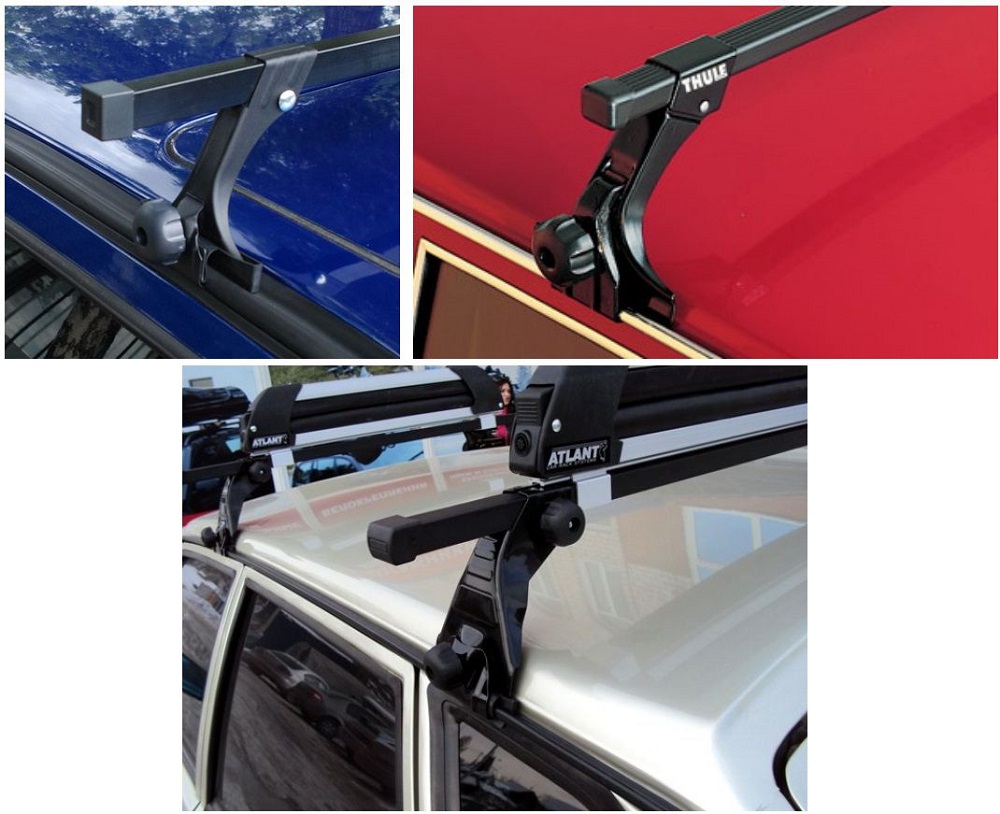
A. Rain Rail Mounting
- Common on older vehicles and some SUVs
- Rails run along the roof edges
- Universal fit allows position adjustment
- Can install multiple racks on longer roofs
- Popular on classic and economy vehicles
B. Door Frame Mounting
- One of the most common mounting systems
- Clamps attach to door frame apertures
- Closed doors secure the system and prevent theft
- Ideal for vehicles with smooth, bare roofs
- Adapters available for three-door vehicles
- Compatible with most sedans and hatchbacks
C. Factory-Installed Mounting Points
- Vehicle manufacturer provides designated mounting locations
- Usually threaded holes or grooves covered by trim caps
- Most secure and aesthetically pleasing option
- Fixed positions limit crossbar adjustment
- Check your owner’s manual for specifications
D. Raised Side Rail Mounting
- Common on SUVs, station wagons, and minivans
- Longitudinal rails run the length of the roof
- Crossbars can be positioned anywhere along rails
- Doesn’t contact roof surface—prevents scratches
- Universal system for various cargo types
- Note: Higher center of gravity may affect handling
- Low-profile rails available on newer models for improved aerodynamics
E. Flush/Integrated Rail Mounting
- Modern design found on crossovers and wagons
- Rails sit nearly flush with roof surface
- Internal channels accept specialized crossbars
- Lower center of gravity improves stability
- Sleek appearance with minimal wind noise
- May require vehicle-specific crossbar kits
F. T-Track/Runner System Mounting
- Premium mounting system on select vehicles
- T-shaped channels embedded in roof
- Crossbars slide freely for perfect positioning
- Zero roof contact prevents damage
- Extremely secure and stable
- Rare but highly effective system
G. Magnetic Mounting
- Universal fit for any vehicle with metal roof
- Quick installation with no tools required
- Limited weight capacity (light items only)
- Best for skis, fishing rods, or lightweight cargo
- Not recommended for highway speeds or heavy loads
H. Strap-Through Mounting (Inflatable Systems)
- Portable inflatable rack systems (e.g., Handirack)
- Straps pass through vehicle cabin
- Works with any two-door or four-door vehicle
- Lightweight and easy to store
- May cause minor inconvenience to passengers
- Ideal for occasional use or travel
Top Benefits of Using Roof Racks
- Maximize cargo space: Free up your trunk and cabin by moving bulky items to the roof. Transport bicycles, building materials, camping gear, and sporting equipment that won’t fit inside your vehicle.
- Maintain clear visibility: Unlike items piled in the back seat or rear cargo area, roof-mounted storage doesn’t obstruct your rearview mirror or side visibility, improving driving safety.
- Quick and easy installation: Most modern roof rack systems install in 10-15 minutes without special tools. Modular designs allow you to add or remove components as needed.
- Enhanced passenger safety: In the event of sudden braking or collision, heavy cargo inside the cabin becomes dangerous projectiles. Roof storage eliminates this interior hazard.
- Better weight distribution: Overloading your trunk can reduce ground clearance, cause tire wear, and affect handling. Roof racks distribute weight more evenly across your vehicle’s structure.
- Versatility: Switch between different accessories—cargo boxes, bike carriers, ski racks, kayak holders—using the same base system.
- Preserve interior cleanliness: Keep dirty or wet outdoor gear outside the cabin, protecting upholstery and carpeting from damage.
Important Safety Considerations
- Check weight limits: Never exceed your vehicle’s maximum roof load capacity (typically 100-200 lbs including rack weight)
- Secure all cargo properly: Use appropriate straps, tie-downs, and locks
- Account for increased height: Be mindful of low clearances, parking garages, and drive-throughs
- Expect reduced fuel economy: Roof cargo increases wind resistance (typically 5-25% decrease in MPG)
- Adjust driving habits: Higher center of gravity affects cornering and braking
- Remove when not in use: Unloaded racks still create drag and noise
Conclusion
Roof racks are invaluable accessories that transform your vehicle’s cargo capacity and versatility. Whether you’re a weekend warrior, family traveler, or outdoor enthusiast, the right roof rack system provides safe, convenient transportation for gear that won’t fit inside your vehicle. By understanding the different mounting systems, box types, and safety considerations outlined in this guide, you can select the perfect solution for your needs and hit the road with confidence.

Published February 25, 2019 • 6m to read