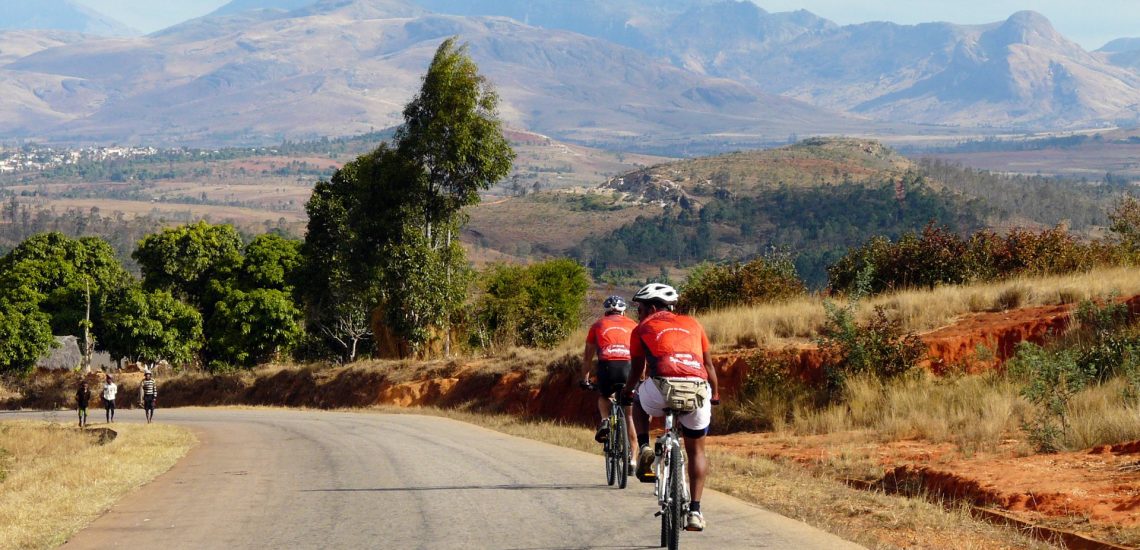


Madagascar, the stunning island nation off the east coast of Africa, attracts thousands of tourists each year. If you’re planning to explore this unique destination by car, this comprehensive guide covers everything you need to know about road conditions, traffic rules, car rental options, and essential safety tips for driving in Madagascar.
Madagascar Road Network: What to Expect
Understanding Madagascar’s road infrastructure is essential for planning your journey:
- Total road length: Approximately 11,700 km
- Paved roads: 48% of the network
- Main highways: Generally satisfactory condition, connecting Antananarivo to Antsiranana, Mahajanga, Toamasina, and Toliara
- Mountainous terrain: About 35% of roads, mainly in central Madagascar, with speed limits of 40-60 km/h
- Rural roads: Often poorly maintained, requiring careful navigation
The central highways are well-maintained, but roads connecting smaller settlements can be challenging. The Malagasy government continues investing in road infrastructure as tourism remains a key economic driver, though difficult terrain and climate conditions make maintenance costly.
Driving in Antananarivo: Capital City Tips
Good news: No toll roads or road taxes exist in Madagascar, making travel more affordable.
However, driving in Antananarivo presents several challenges:
- Heavy traffic congestion during peak hours
- Limited traffic lights and regulated intersections
- Scarce road signage
- Numerous one-way streets, often poorly marked
Local Driving Culture
Malagasy drivers tend to be cautious and patient. With limited private car ownership, drivers generally take good care of their vehicles and avoid risky maneuvers. A helpful local custom: when encountering road hazards, the lead vehicle activates hazard lights, and following cars repeat the signal down the line.
Essential Safety Guidelines for Tourists
For your safety throughout Madagascar, follow these important recommendations:
- Travel during daylight hours only
- Keep car windows closed and doors locked
- Stop only when requested by law enforcement officials
- Use registered taxis or private cars in cities
Travel Outside Antananarivo: Essential Checklist
Before venturing beyond the capital, ensure you:
- Hire an officially registered guide through a reputable travel company and follow their recommendations closely
- Thoroughly study your route and itinerary, sharing details with a trusted contact in Antananarivo
- Choose safe stopping locations in populated areas, preferably within sight of police officers
- Carry reliable communication devices (mobile or satellite phone) – note that cellular service is often unavailable in rural areas
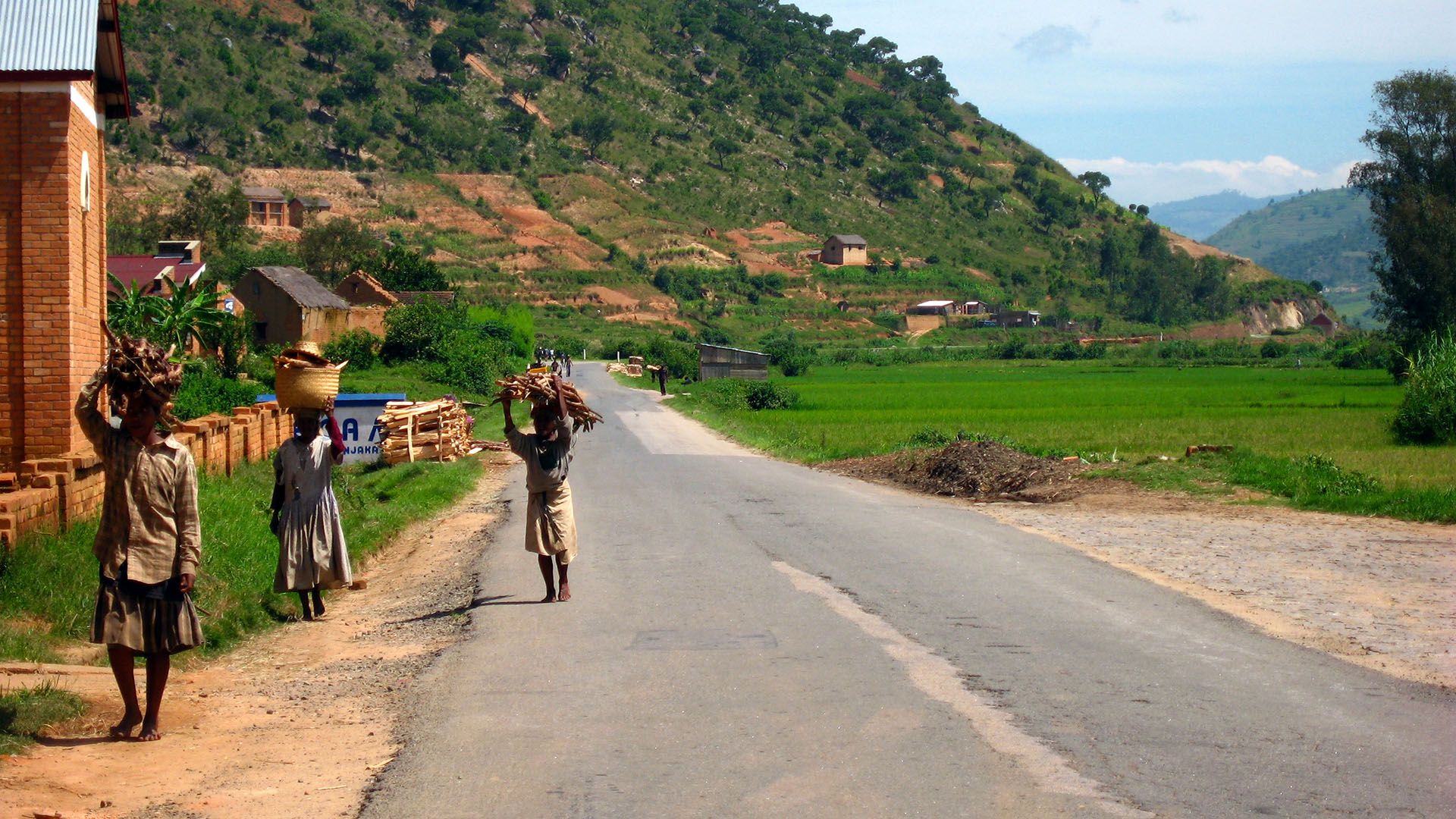
- Travel only during daylight, ideally in convoy with other vehicles
- Inspect your vehicle’s technical condition before departure, ensuring you have a first-aid kit and basic repair capabilities
Road Accident Procedures
Madagascar has a simplified accident registration system:
- Minor accidents: If both vehicles are insured and only property damage occurs with no dispute, drivers can complete standard insurance forms without police involvement
- Other cases: Contact police or gendarmerie to file an official protocol, which determines whether administrative or criminal proceedings are necessary
- Important: Exercise caution at accident scenes, as crowds may gather and show bias toward local drivers
Parking in Madagascar
Parking options vary by location:
- Ivato Airport: Paid parking from 500 to 10,000 Ariary (time-based, maximum 24 hours)
- Hotels, restaurants, and supermarkets: Free guarded parking for customers
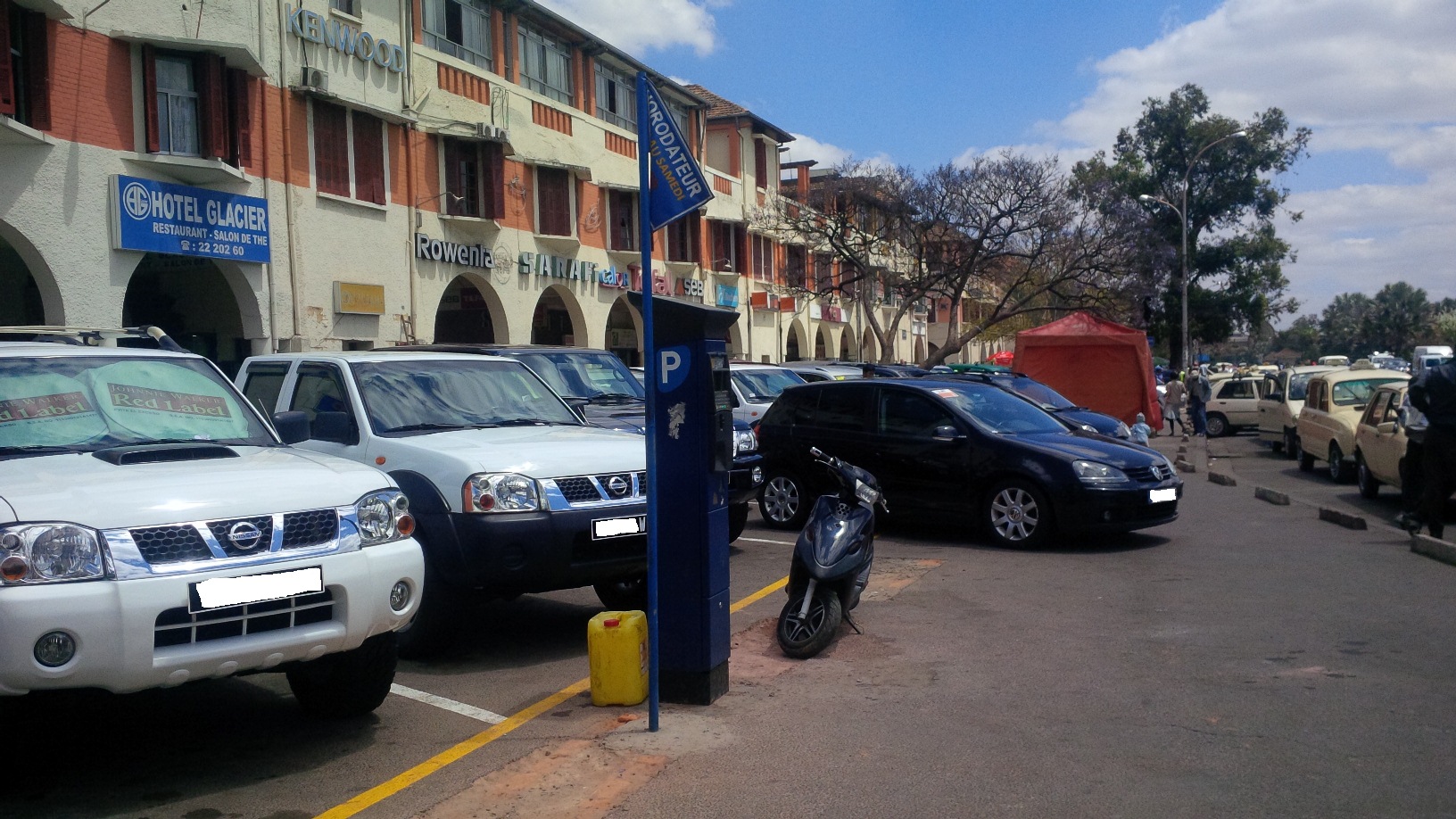
- Street parking: Allowed on sidewalks where road width permits, but avoid leaving vehicles unattended after dark
Car Rental in Madagascar: Complete Guide
Car rental is available but limited compared to other tourist destinations. Book in advance for best availability.
Major Car Rental Companies
- Budget: 020-22-611-11, 020-23-254-54
- Europcar: 020-23-336-47, 033-11-321-70
- Hertz: 020-22-660-68 | www.hertz.mg
- Madarental: 020-24-144-95, 020-22-247-00 | www.madarental.com
- Toyota Rasseta: 020-22-257-70 | www.toyotamadagascar.com
Rental Options and Alternatives
Consider these transportation choices:
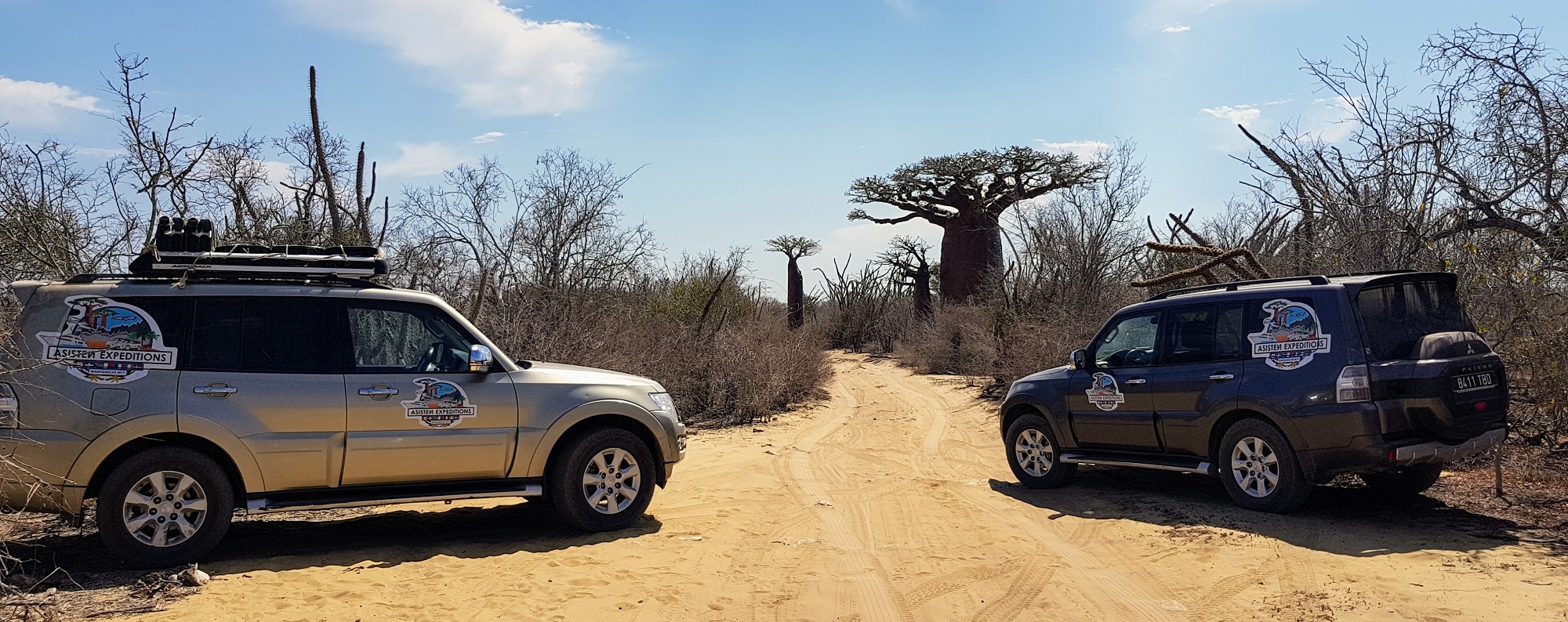
- Car with driver: Often more economical and practical, as drivers know local roads well
- Motorcycles and bicycles: Available for exploring city attractions
- Pousse-pousse: Traditional two-wheeled rickshaw pulled by one person, slower but budget-friendly for short distances
- Taxis: Licensed and private carriers available; confirm rates before departure as prices vary significantly
Insurance and Fuel Information
Insurance: Comprehensive coverage is strongly recommended beyond basic MTPL (third-party liability). Major providers include “Ny Havana” and “ARO.” Premiums depend on vehicle value, age, and class.
Fuel prices and availability:
- Diesel: Approximately 2,500 Ariary/liter
- AI-92 and AI-95 gasoline: Around 3,000 Ariary/liter
- Fuel quality meets international standards
- Gas stations in rural areas are limited to major settlements
Emergency Contact Numbers
International dialing code: 8-10-261
Emergency Services
- Fire and Rescue: 18, 118, 020-22-225-66
- Police: 17, 117 (duty unit)
- Central Police Station: 020-22-227-36
- Criminal Brigade: 020-22-205-84, 020-22-230-84, 020-22-214-65
- Road Inspection Brigade: 020-22-227-35
- Gendarmerie: 034-17-626-63, 034-14-005-23
- Ambulance: 020-22-357-53
- Tow Truck: 032-07-003-03
Driver’s License Requirements
While national Russian driver’s licenses are recognized de facto in Madagascar, an International Driving Permit (IDP) may be required for car rental purposes. You can easily obtain an IDP through our website before your trip to ensure smooth vehicle rental and avoid any complications.

Published November 05, 2018 • 5m to read