


Required Documents for Driving Someone Else’s Car
According to current road traffic regulations, every driver must carry essential documentation while operating a vehicle. Whether you own the car or not, you need to have valid documents and present them to traffic enforcement officers immediately upon request.
It’s important to understand that the person driving the car is not necessarily the owner. Common scenarios include:
- Family members sharing a single vehicle
- Employees driving company cars
- Friends borrowing vehicles for trips
- Spouses driving each other’s registered vehicles
Current Auto Power of Attorney Requirements in Russia
Until recently, non-owners needed to carry an auto power of attorney document, even if handwritten. However, current regulations have simplified this process significantly.
Today, to legally drive someone else’s car within Russian territory, you only need these three essential documents:
- Valid driving license – Must be current and match the vehicle category
- Car registration documents – Proving the vehicle’s legal status
- Third-party liability insurance certificate – Valid coverage for the period
Types of Third-Party Liability Insurance Coverage
Third-party liability certificates come in two distinct types, each with specific requirements:
- Unlimited coverage: Allows any licensed driver to operate the vehicle
- Limited coverage: Only permits specifically named drivers listed in the certificate
International Travel Requirements and Auto Power of Attorney
While Russians can drive borrowed vehicles within the Russian Federation without formal auto power of attorney, international travel requires additional documentation.
For crossing borders with someone else’s vehicle, you must have:
- Notarized auto power of attorney – Handwritten documents are not acceptable
- All standard driving documents – License, registration, and insurance
- International driving permit – When required by destination country
Important exception: Rental cars obtained abroad do not require auto power of attorney, as rental agreements serve as legal authorization.
Legal Responsibility in Car Accidents: Who Pays?
Understanding liability in car accidents is crucial when driving someone else’s vehicle. The legal responsibility falls on the person behind the wheel, not the vehicle owner.
Key liability points include:
- Driver responsibility: The person operating the vehicle at the time of accident bears legal and financial responsibility
- Owner protection: Car owners sitting as passengers cannot be prosecuted for accidents they didn’t cause
- Evidence matters: In disputed cases, owners can provide evidence to prove they weren’t driving
- Insurance coverage: Claims are processed based on the driver, not the owner
Best Practices: Traveling with the Car Owner
For long trips and extended use of someone else’s vehicle, consider these safer alternatives to borrowing:
- Join the owner’s trip: Travel together rather than borrowing the vehicle
- Rent instead: Car rental eliminates personal liability concerns
- Share driving duties: Allow the owner to handle challenging driving situations
- Consider insurance implications: Understand coverage limitations before driving
Understanding Driver Liability and Financial Responsibility
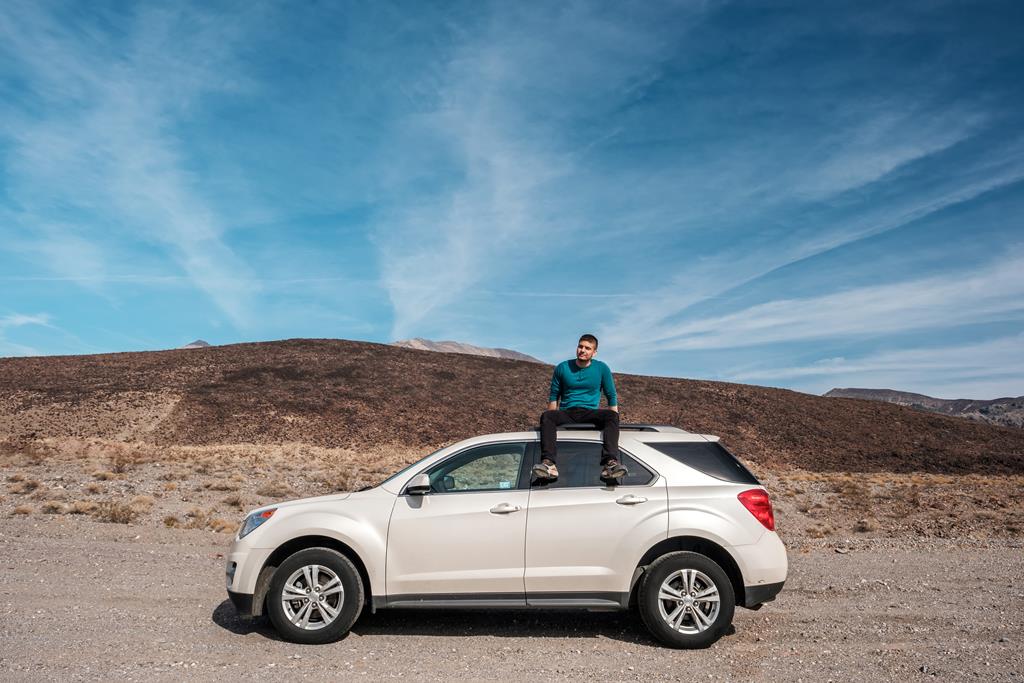
Many people incorrectly assume that borrowing a car transfers financial responsibility to the owner. This misconception can lead to serious legal and financial consequences.
Remember these critical facts about driver liability:
- Full responsibility: Drivers bear complete legal and financial responsibility for any incidents
- Owner presence irrelevant: Having the owner as a passenger doesn’t change liability
- License requirements: Only properly licensed drivers of appropriate categories may operate vehicles
- Prohibited drivers: Minors, unlicensed individuals, and disabled persons cannot legally drive
Legal Process for Recovering Unreturned Vehicles
When someone fails to return a borrowed vehicle, legal owners have several recourse options. Follow this step-by-step process to protect your rights:
Step 1: Formal Written Notice
- Compose a written demand for vehicle return
- Specify exact return date and time
- Send via registered mail with delivery confirmation
- Keep copies of all correspondence
Step 2: Waiting Period and Documentation
- Wait one month after sending notice
- Document all attempts to recover the vehicle
- Gather evidence of the borrowing arrangement
Step 3: Legal Action Options
- Report as missing vehicle: File with law enforcement after proper notice period
- Civil court action: File property recovery lawsuit with evidence of prior notice
- Criminal charges: Potential theft charges for willful non-return

Success Rate and Practical Outcomes
Most vehicle recovery cases resolve quickly once formal legal action begins. The registered mail notice alone typically motivates return, as few individuals want to face:
- Criminal theft charges
- Substantial financial penalties
- Legal fees and court costs
- Permanent criminal record
Essential Takeaways for Auto Power of Attorney
Understanding auto power of attorney requirements protects both vehicle owners and drivers. Key points to remember:
- Domestic travel: Three basic documents suffice for Russian territory
- International travel: Notarized power of attorney required
- Driver liability: Complete responsibility regardless of ownership
- Legal protection: Proper documentation prevents complications
Stay attentive to documentation requirements and consider applying for an International Driving Permit well in advance of international travel. Proper preparation ensures legal compliance and peace of mind when operating someone else’s vehicle.

Published December 01, 2017 • 5m to read