
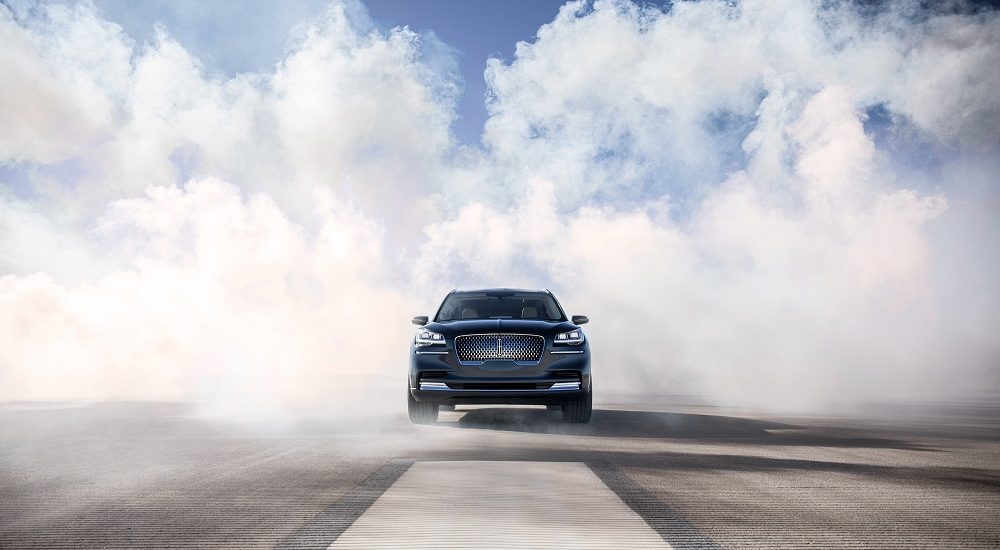


Lincoln is an iconic American luxury automotive brand specializing in premium passenger cars, crossovers, and SUVs. Founded in 1917 by automotive pioneer Henry Leland, Lincoln became part of the Ford Motor Company in 1922 and has since established itself as a symbol of American luxury and prestige.
Headquartered in Dearborn, Michigan, Lincoln vehicles are currently available in:
- North American markets (United States, Canada, Mexico)
- China and South Korea
- Select Middle Eastern countries
From its humble beginnings to becoming a favorite of presidents and dignitaries, Lincoln’s story is one of innovation, luxury, and American automotive excellence.
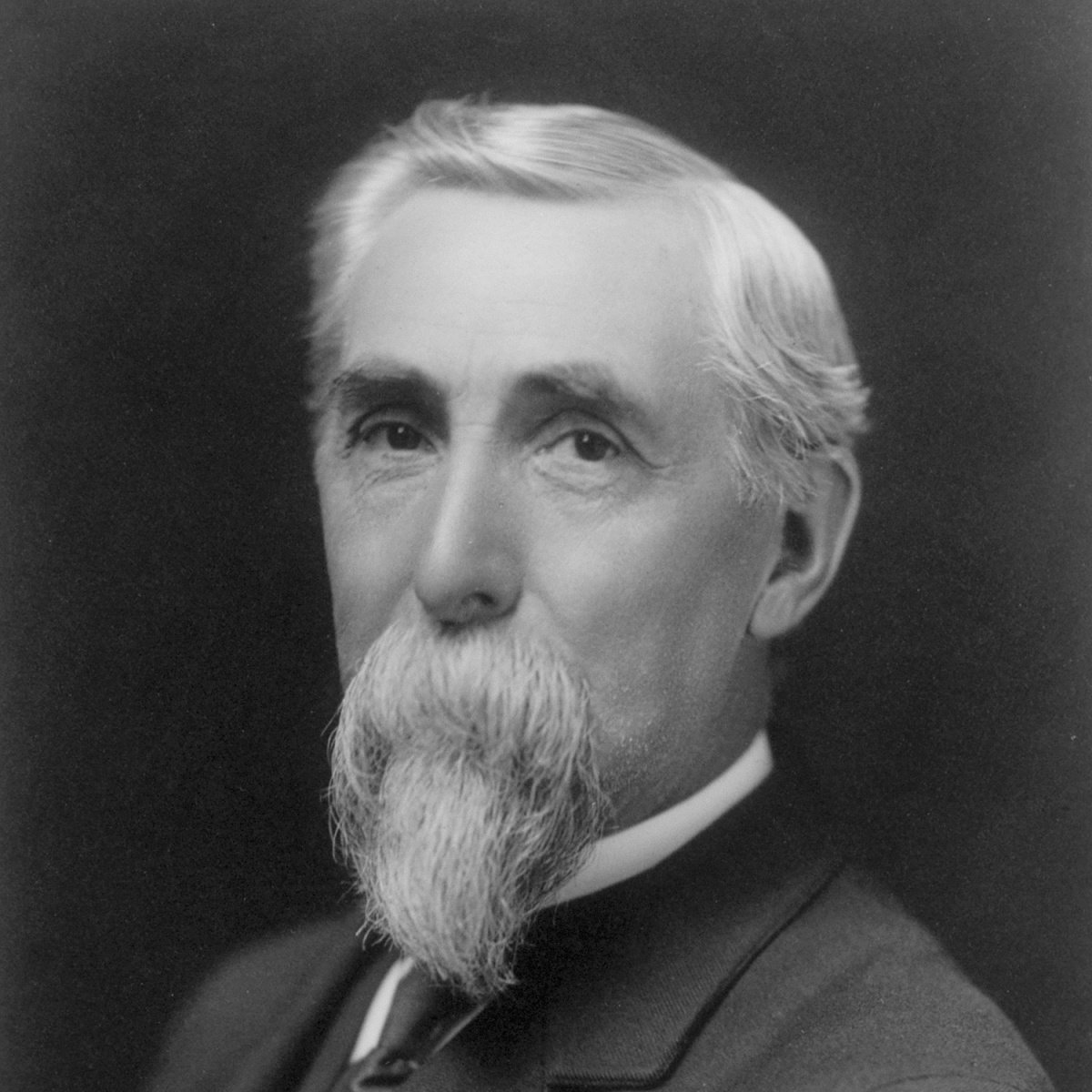
Henry Martyn Leland: The Visionary Behind Lincoln
Henry Martyn Leland was more than just an automotive entrepreneur—he was an engineering genius whose innovations shaped the American automotive industry. His remarkable contributions include:
- Toy innovation: Invented the beloved toy railway that delighted children worldwide
- Engine design: Developed the revolutionary V-shaped engine configuration
- Aviation engines: Produced aircraft engine components under the Liberty brand
- Manufacturing expertise: Pioneered metal casting and stamping techniques
- Locomotive systems: Designed advanced braking systems and steam engines
In the early 1900s, Leland’s reputation as a master mechanic attracted Ransom Olds, founder of Oldsmobile, who commissioned him to build thousands of engines. Leland’s improvements transformed automotive engineering—he increased engine power while making vehicles run quieter and smoother than ever before.
After successful collaborations with Henry Ford and William Durant, Leland eventually founded his own independent production company. However, as he entered his eighties, Leland found it increasingly difficult to maintain control of operations within the Ford organization. He ultimately resigned voluntarily and passed away quietly in Detroit at age 88, his contributions largely forgotten by the mainstream but remembered by automotive historians.
The Birth of the Lincoln Brand (1917-1922)
Lincoln’s origins were rooted in military aviation. Initially, the brand focused on producing V8 engines for military aircraft during World War I. The transition to automotive manufacturing came in 1920 when Leland installed a similar V8 engine in the groundbreaking Lincoln V8 passenger car.
Key milestones in Lincoln’s early years:
- 1917: Henry Leland and his son founded the Lincoln Motor Car Company of Delaware
- 1920: Introduction of the Lincoln V8, featuring impeccable engineering
- 1922: Financial struggles led to acquisition by Henry Ford for the Ford Motor Company
The company was named after President Abraham Lincoln, reflecting Leland’s admiration for the historic leader. Despite its technical excellence, the original Lincoln V8 struggled commercially due to its premium pricing in a market that favored affordable transportation. However, Ford’s acquisition proved transformative—under new ownership, Lincoln quickly established itself as the preferred choice for politicians, law enforcement officials, and even organized crime figures who appreciated its combination of luxury and performance.
Lincoln’s Evolution Through the Decades
The Great Depression Era (1930s)
Under the leadership of Edsel Ford, Henry Ford’s son, Lincoln navigated the challenging economic landscape of the 1930s with strategic innovations:
- Lincoln KB (1932): Featured a powerful 12-cylinder V-engine during a period of declining luxury car demand
- Lincoln Zephyr (1936): Introduced as a more accessible “Lincoln for the masses” with revolutionary streamlined styling
- Lincoln Continental (1939): Developed by Lincoln’s newly created Design Center, this luxury convertible became an instant American icon
The Continental’s success continued into the post-World War II era, cementing Lincoln’s reputation for elegant design and superior craftsmanship.
Mid-Century Innovations (1950s-1970s)
The 1950s brought the Lincoln Premier (1956), built on the Continental platform and representing the brand’s commitment to luxury sedan excellence. By the 1970s, Lincoln vehicles increasingly shared components with Ford Motor Company, creating operational efficiencies while maintaining distinctive luxury features.
Modern Era Breakthroughs (1980s-1990s)
Lincoln Continental Mark VII (1984):
- Aerodynamic body design
- Electronically adjustable suspension
- Advanced Anti-lock Braking System (ABS)
- Set new standards for luxury coupe performance
Lincoln Continental (1995): The final generation featured a modern 8-cylinder V-engine, though its design departed significantly from its legendary predecessors.
Lincoln Town Car: This flagship full-size sedan became synonymous with American luxury, featuring:
- Traditional rear-wheel drive configuration
- Keyless start system
- Powerful V8 engine
- Uncompromising comfort and spaciousness
Lincoln LS (1998): Debuted at the New York Auto Show, this sport-luxury sedan with classic rear-wheel drive layout attracted enthusiasts seeking dynamic performance combined with premium amenities.
Lincoln Enters the SUV Market: The Navigator Revolution
In 1997, Lincoln made automotive history by launching the Lincoln Navigator—the brand’s first SUV and America’s most luxurious full-size sport utility vehicle. Built on the Ford Expedition platform, the Navigator redefined the luxury SUV segment.
First-generation success factors:
- Competitive pricing at $42,000
- Impressive first-year sales of 44,000 units in the United States
- Powerful 5.4-liter V8 engine (used across all generations)
- Family-friendly design with thoughtful features
- Commanding road presence and luxury appointments
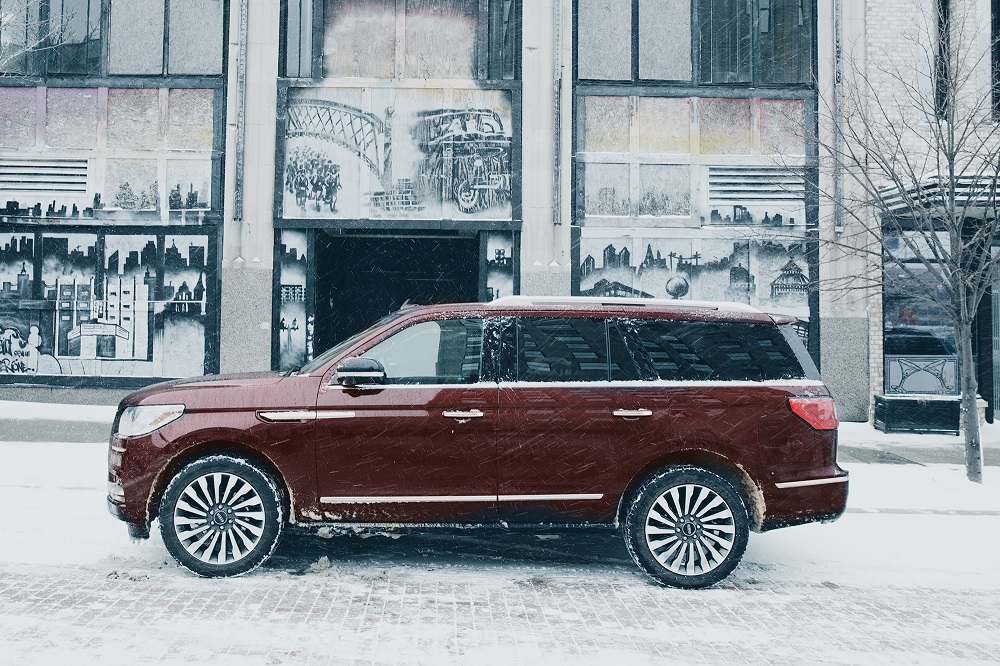
Lincoln Navigator 2018: Complete Redesign
At the 2018 New York Auto Show, Lincoln unveiled a completely reimagined Navigator that addressed customer feedback and elevated the luxury SUV experience.
Exterior and design improvements:
- Bold, contemporary styling with distinctive Lincoln grille
- Enhanced aerodynamics and road presence
- Premium LED lighting technology
- Refined proportions and sophisticated details
Interior technology and comfort:
- State-of-the-art infotainment systems
- Premium materials throughout the cabin
- Advanced climate control
- Spacious seating for up to eight passengers
Safety features in the 2018 Navigator:
- Passive safety: 12 airbags including front, side, and curtain protection for all rows
- Active safety systems:
- Adaptive cruise control
- Pedestrian detection
- Blind spot monitoring
- Automatic parking assistance
- Adaptive front headlights
- Driver assistance:
- Electronic stability control (ESP)
- Anti-lock braking system (ABS)
- Around View Monitor (360-degree camera)
- Tire pressure monitoring
- SOS emergency system
Luxury and convenience features:
- Heated power steering wheel
- Heated seats in all three rows
- Comprehensive power-adjustable seating
- Remote vehicle control system
- Engine immobilizer
- Premium audio system
Lincoln Aviator: The Mid-Size Luxury SUV
The Lincoln Aviator (2019-2020) represents Lincoln’s entry into the competitive mid-size luxury SUV segment. While sharing design language with the Navigator, particularly in the front fascia and profile, the Aviator is built on the Ford Explorer platform, offering a more manageable size for urban environments.
Design highlights:
- Lighting: Full-LED technology throughout, including innovative rear light design with white body accents
- Front styling: Signature Lincoln grille and sleek headlight configuration
- Rear design: Four chrome exhaust tips (dual on each side) and full-width chrome accent
Roof and cargo features:
- Large panoramic sunroof with sliding front section
- Reinforced rear section with distinctive ribbing
- Side rails for additional cargo mounting
- Streamlined design without traditional shark-fin antenna
Cargo versatility:
- Multiple trunk opening methods: cabin button, key fob, trunk button, or hands-free sensors
- Thoughtfully sized cargo area for family needs
- Power liftgate operation
Seating configuration: Seven-passenger layout with flexible second and third-row arrangements
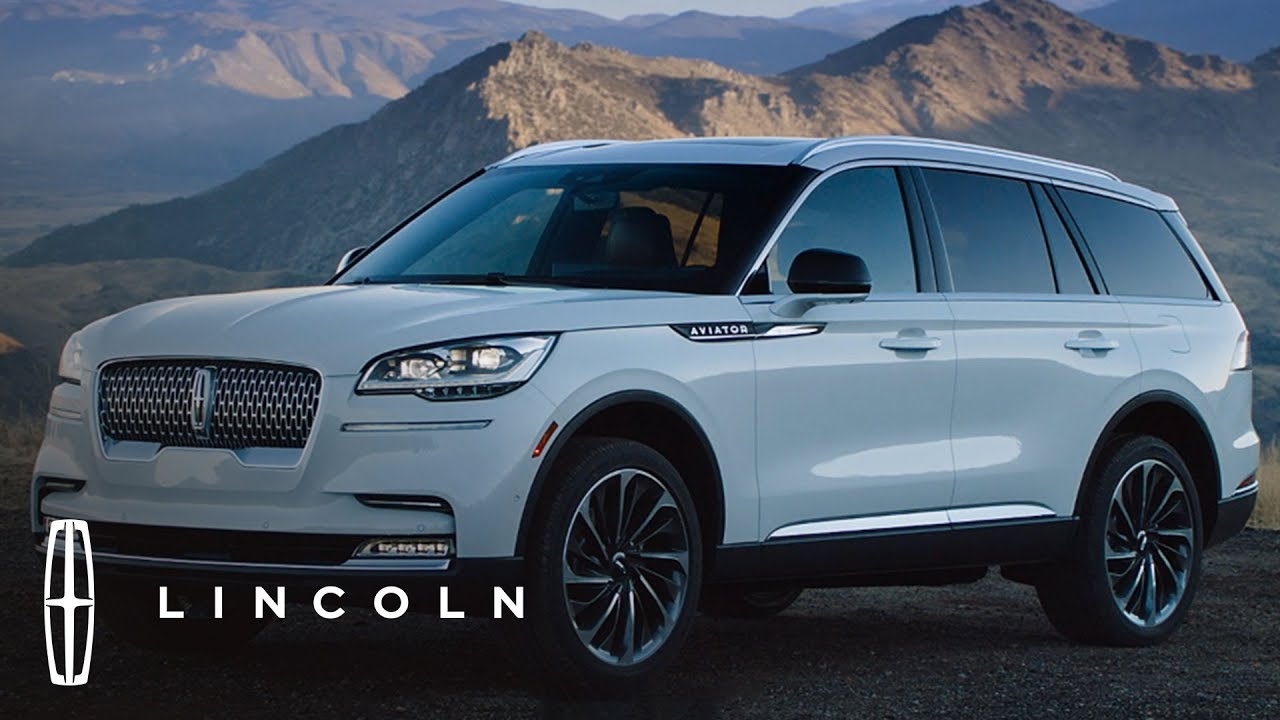
The Aviator distinguishes itself as a standalone model with unique body characteristics and its own personality, exemplifying Lincoln’s modern design philosophy while maintaining the brand’s heritage of understated luxury.
Lincoln: An American Luxury Icon
Lincoln vehicles have earned their place as quintessentially American luxury automobiles, recognized both domestically and internationally. The brand’s design philosophy emphasizes timeless elegance over trendy styling—a classic approach that remains consistent across sedans, SUVs, and crossovers.
What defines Lincoln today:
- Heritage: Over a century of American automotive excellence
- Luxury: Premium materials, advanced technology, and meticulous craftsmanship
- Innovation: Continuous evolution while honoring classic design principles
- Comfort: Spacious interiors and refined ride quality
- Safety: Comprehensive active and passive safety systems
- Performance: Powerful engines paired with sophisticated handling
From the Continental that carried presidents to the Navigator that redefined luxury SUVs, Lincoln continues to represent the pinnacle of American automotive luxury, combining performance, comfort, and prestige in vehicles designed for discerning drivers who appreciate understated elegance and superior quality.

Published November 15, 2019 • 8m to read