

Your car battery is the heart of your vehicle’s electrical system. Without a properly functioning battery, your car simply won’t start. Choosing the right battery and maintaining it correctly can save you from unexpected breakdowns and extend your battery’s lifespan significantly.
Understanding Car Battery Types and Technologies
Modern car batteries come in various types, each designed for specific vehicle requirements and driving conditions. Understanding these differences is crucial for making the right choice.
Essential Criteria for Choosing the Right Car Battery
When selecting a battery for your vehicle, consider these critical factors:
- Battery type – Match the technology to your vehicle’s requirements
- Size type – Ensure proper fit in your battery compartment
- Polarity – Correct terminal configuration for your vehicle
- Cranking amps (CCA) – Starting power for your engine
- Capacity (Ah) – Total energy storage capability
Matching Battery Type to Your Vehicle
For Budget-Friendly and Older Vehicles:
Low-antimonial batteries offer the best balance of affordability and reliability for inexpensive foreign cars, domestic vehicles, and used cars. These batteries provide dependable performance without breaking the bank.
For Mid-Range Modern Vehicles:
Consider these maintenance-free options:
- Ca/Ca (Calcium-Calcium) batteries – Ideal for standard vehicles with typical electrical demands
- Sb/Ca (Hybrid) batteries – Combine the advantages of calcium and low-antimonial technologies for enhanced performance
For Luxury and High-Performance Vehicles:
Premium vehicles with extensive electrical equipment and start-stop systems require advanced battery technology:
- AGM (Absorbent Glass Mat) batteries – Superior performance and longevity
- EFB (Enhanced Flooded Battery) technology – Advanced liquid electrolyte design for demanding applications
Battery Size Types: Euro, Asian, and American Standards
Battery size types vary by region and manufacturer. Understanding these differences ensures proper fitment:
- Euro Standard – Common in European and domestic vehicles, features specific dimensions and terminal configurations
- Asian Standard – Designed for Japanese, Korean, and other Asian-manufactured vehicles with distinct sizing
- American Standard – Less common outside North America, suited for US-manufactured vehicles
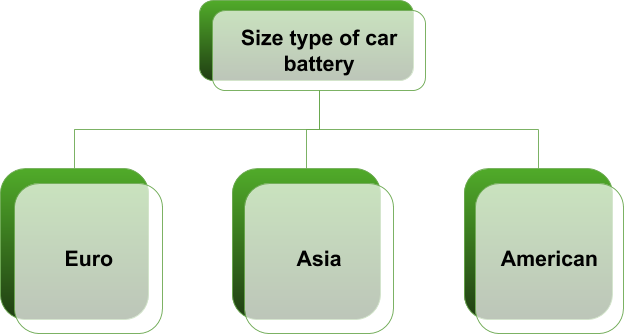
– Euro
– Asia
– American
Pro Tip: Always match the size type of your replacement battery to your original battery to ensure proper installation and secure mounting.
Understanding Battery Polarity
Battery polarity refers to the position of positive and negative terminals. Installing a battery with incorrect polarity can make cable connections difficult or impossible. If you’re unsure, simply reference your existing battery’s terminal layout when purchasing a replacement.
Cranking Amps and Capacity: Power Specifications Explained
These specifications determine your battery’s starting power and energy storage:
- Cranking Amps (CCA) – Measures the battery’s ability to start your engine in cold conditions
- Capacity (Ah) – Indicates how much electrical energy the battery can store and deliver
Larger engines require higher cranking amps and capacity. It’s advisable to choose a battery with slightly higher specifications than minimum requirements for optimal performance and reliability.
9 Essential Tips to Extend Car Battery Life
Proper maintenance is just as important as choosing the right battery. Follow these proven practices to maximize your battery’s lifespan:
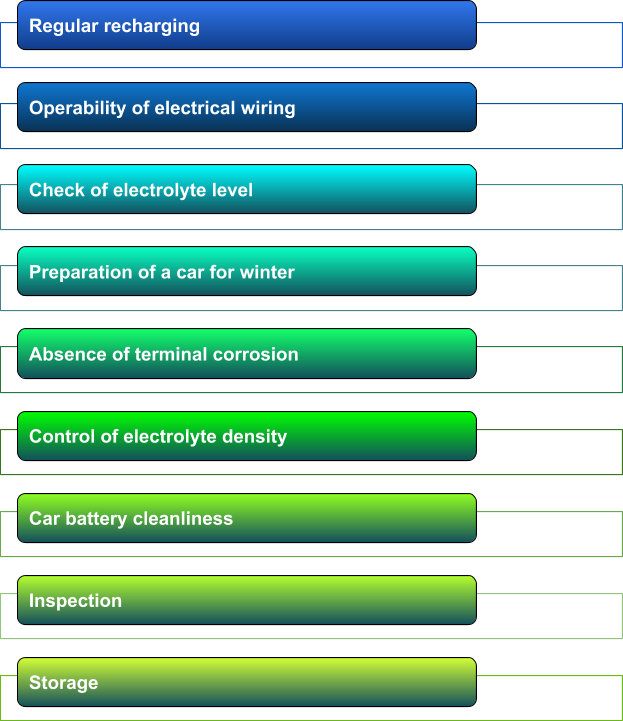
– Regular recharging
– Operability of electrical wiring
– Check of electrolyte level
– Preparation of a car for winter
– Absence of terminal corrosion
– Control of electrolyte density
– Car battery cleanliness
– Inspection
– Storage
Battery Maintenance Best Practices
- Regular Recharging – Never leave your battery in a discharged state. Recharge immediately after deep discharge and perform periodic charge/discharge test cycles to maintain optimal performance.
- Electrical System Health – Monitor your vehicle’s electrical wiring and all current consumers. Pay special attention to the alternator and voltage regulator, as they directly affect battery condition and charging efficiency.
- Electrolyte Level Monitoring – Ensure electrolyte always covers the plates by 10-15 millimeters. Operating a battery with exposed plates causes permanent damage and significantly reduces lifespan.
- Winter Preparation – Cold weather is demanding on batteries. Prepare your vehicle by replacing worn spark plugs, switching to synthetic oil, and ensuring your ignition system is functioning optimally to reduce battery strain.
- Terminal Maintenance – Keep terminals clean and tightly secured. Remove oxidation with fine abrasive paper and apply protective coating or terminal spray to prevent corrosion buildup.
- Electrolyte Density Control – A fully charged battery should maintain electrolyte density of 1.27 g/cm³. In winter conditions, increase density to 1.29 g/cm³ for improved cold-weather performance.
- Cleanliness – Keep the battery top clean and dry. Oil, dust, and electrolyte residue create conductive paths that drain battery power even when the vehicle is off.
- Regular Inspections – Perform routine visual checks to identify damage, leaks, contamination, loose connections, or corroded terminals before they become serious problems.
- Proper Storage – During extended periods of inactivity, remove the battery from the vehicle, fully charge it, and store in a cool, dry location to prevent self-discharge and degradation.
Conclusion: Choosing and Maintaining Your Car Battery
Selecting the right car battery and maintaining it properly ensures reliable vehicle performance and prevents unexpected breakdowns. By following the guidelines in this article, you’ll maximize your battery’s lifespan and avoid costly replacements.
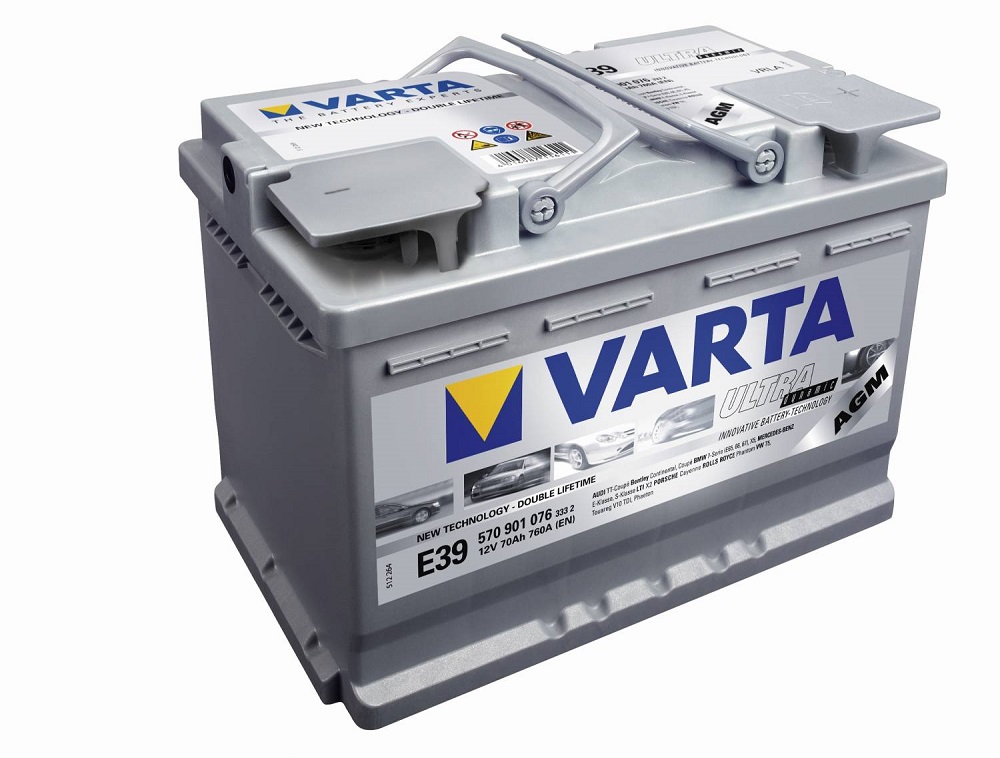
Before hitting the road, always verify your battery is ready for the journey. And if you’re planning international travel, don’t forget to obtain your international driver’s license—you can process it quickly and easily on our website.

Published April 29, 2019 • 5m to read