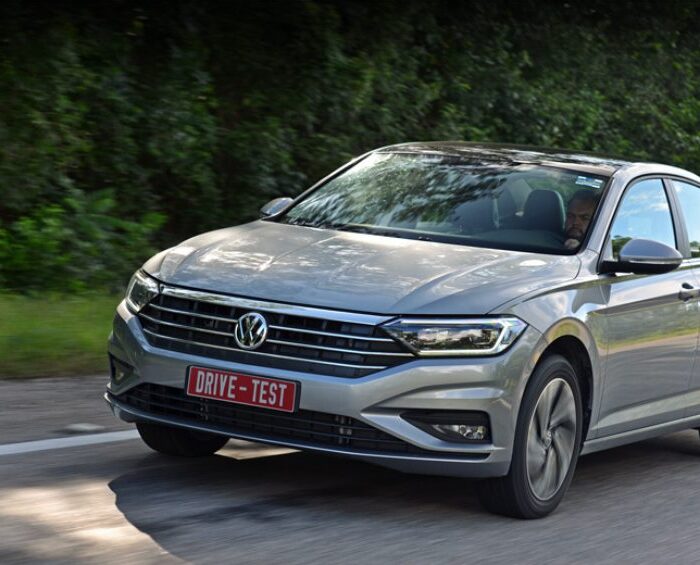
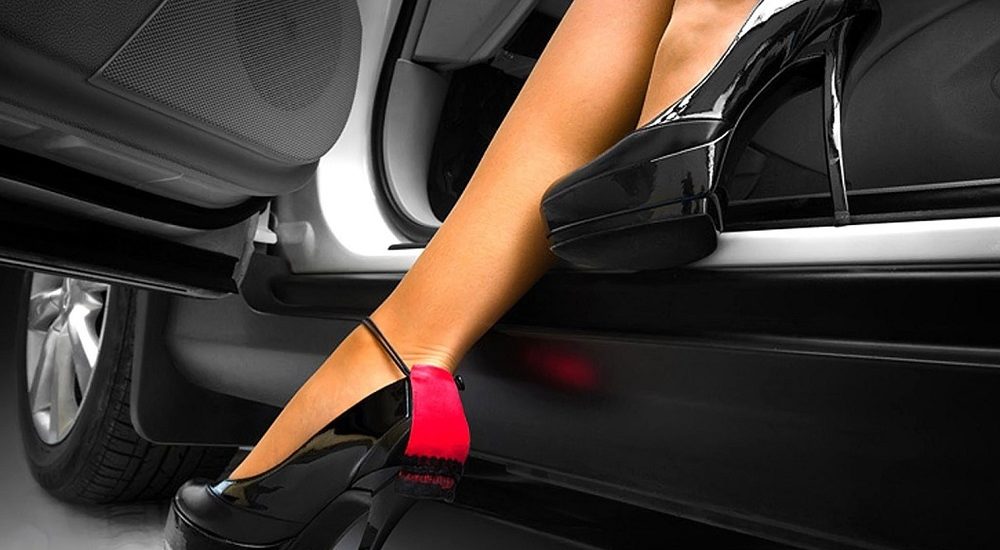


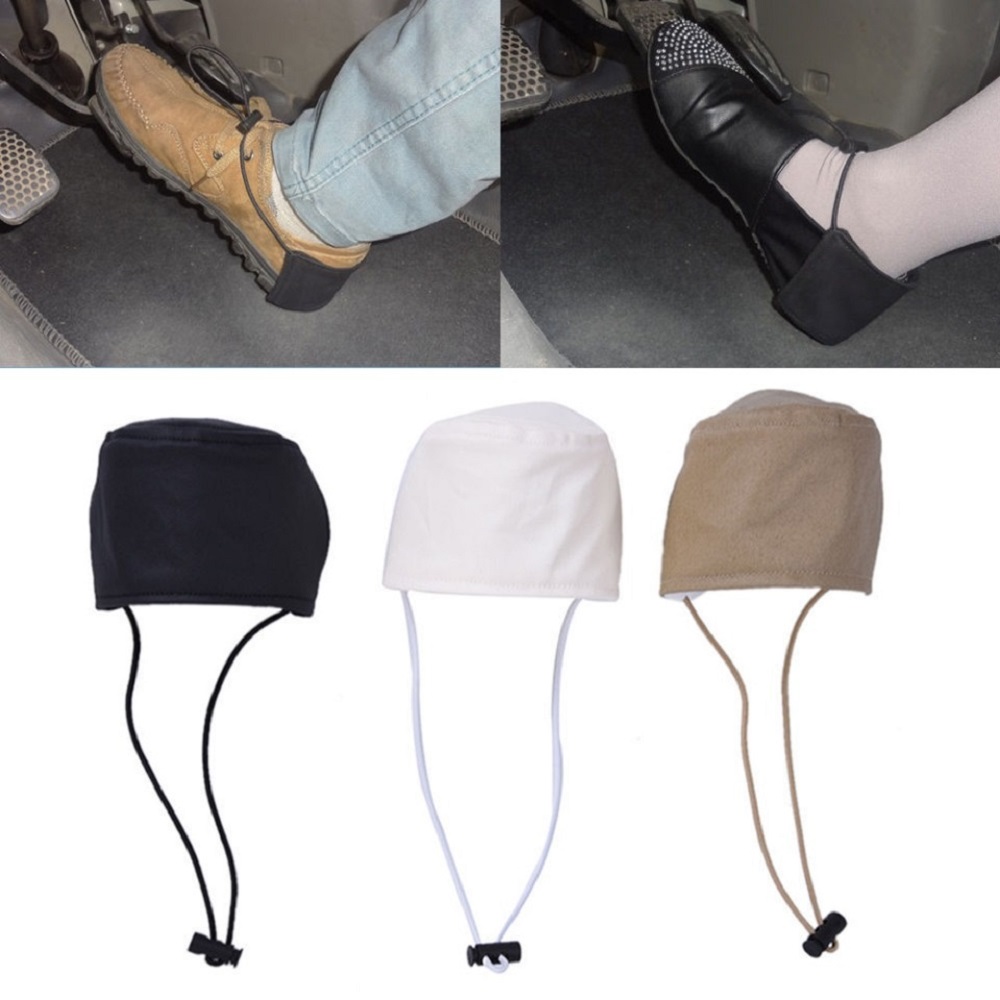
In 2007, car accessories were replenished with one more essential product – the shoe heel protector. Also called a talonniere (from French “talonniere” – heel, lower part of a shoe heel), heel shield, or heel guard, this innovative accessory has become a must-have for drivers who want to preserve their footwear. Modern heel protectors are made from premium materials including genuine leather, with specialized designs for high heels, men’s and women’s sneakers, boots, and even UGG boots. Let’s explore why every driver should consider using heel protectors and how to choose the right ones.
Why Drivers Need Heel Protectors: Benefits and Protection
Driving should be comfortable and effortless. When operating the pedals, drivers must position their feet carefully, which depends heavily on their footwear. Unfortunately, constant contact with the car carpet causes shoe heels to develop scuffs, scratches, and cracks quickly.
This problem is especially noticeable in automatic transmission vehicles, where the right and left shoes experience different levels of wear. A quality heel protector solves this issue by protecting your shoes from premature aesthetic damage while maintaining driving comfort.
Both men and women benefit from heel protectors. Whether you’re wearing dress shoes, sneakers, or boots, protecting your footwear investment makes sense. Men’s heel protectors are increasingly popular alongside other essential car accessories.
Common Problems with Low-Quality Heel Protectors
Many drivers become disappointed with heel protectors after their first purchase. This usually happens due to choosing inferior products. Here are the most common issues with poorly made heel protectors:
- Incorrect construction and weak fastening systems that don’t secure properly
- Uneven seams or poorly assembled products that damage shoes
- Cheap thread materials that unravel quickly
- Low-quality lining materials that stain light-colored footwear
- Wrong material choice – flimsy textiles that tear easily or overly rigid plastic that damages shoes faster than car carpets
Design Issues to Watch For
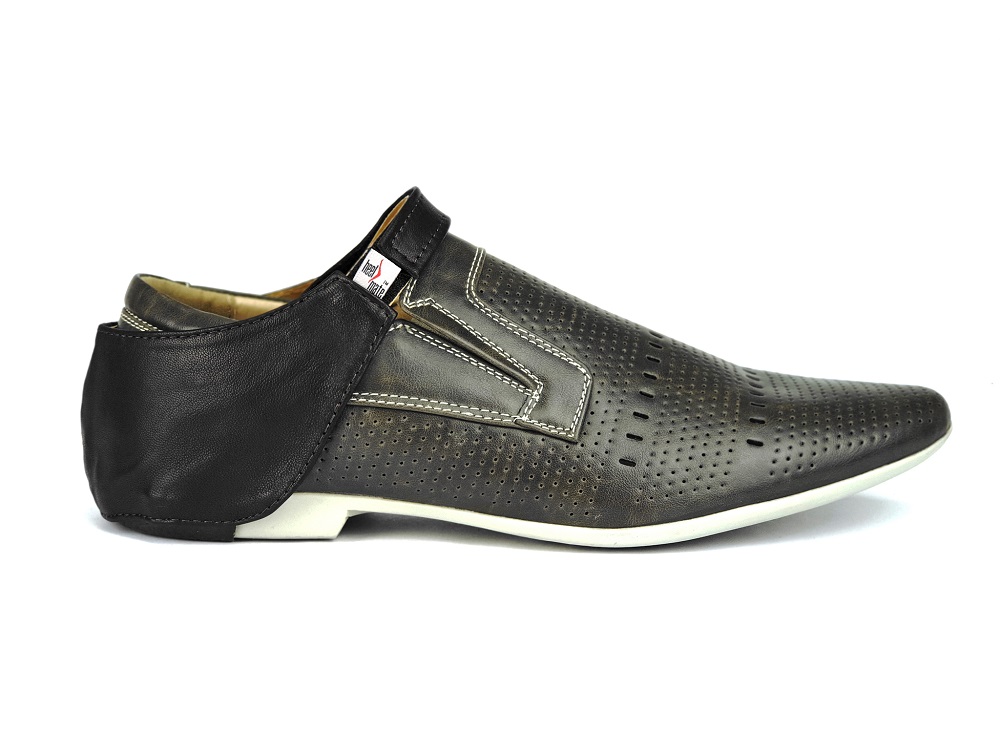
A properly designed heel protector must cover the entire shoe heel, not just the upper portion. Incomplete coverage leaves vulnerable areas exposed, including the attachment points between the shoe and sole, as well as the heel itself. Protectors with narrow sides create similar problems and may actually cause more damage than driving without protection.
The attachment system should be secure yet gentle. Rough, rigid materials can tear stockings or pantyhose and even irritate the skin. Poor fixation creates a serious safety hazard – a constantly slipping heel protector distracts drivers from the road and can lead to accidents.
Material Quality Matters
Never treat heel protector purchases casually. Only buy from proven manufacturers and reliable suppliers. When manufacturers cut corners on quality, the results are predictable:
Unqualified workers create uneven seams and poorly assembled products. Cheap threads unravel within weeks. Low-quality lining materials fade and stain shoes, especially light-colored footwear. The lining fabric must be moisture-resistant to maintain its protective qualities.
The protector material itself is crucial. Overly rigid materials like hard plastic cannot conform gently to the heel shape. When sand and gravel get trapped inside, they damage shoes even faster than regular carpet wear. Conversely, materials that are too soft wear out quickly, making frequent replacements necessary and costly.
How to Choose the Right Heel Protector for Your Shoes
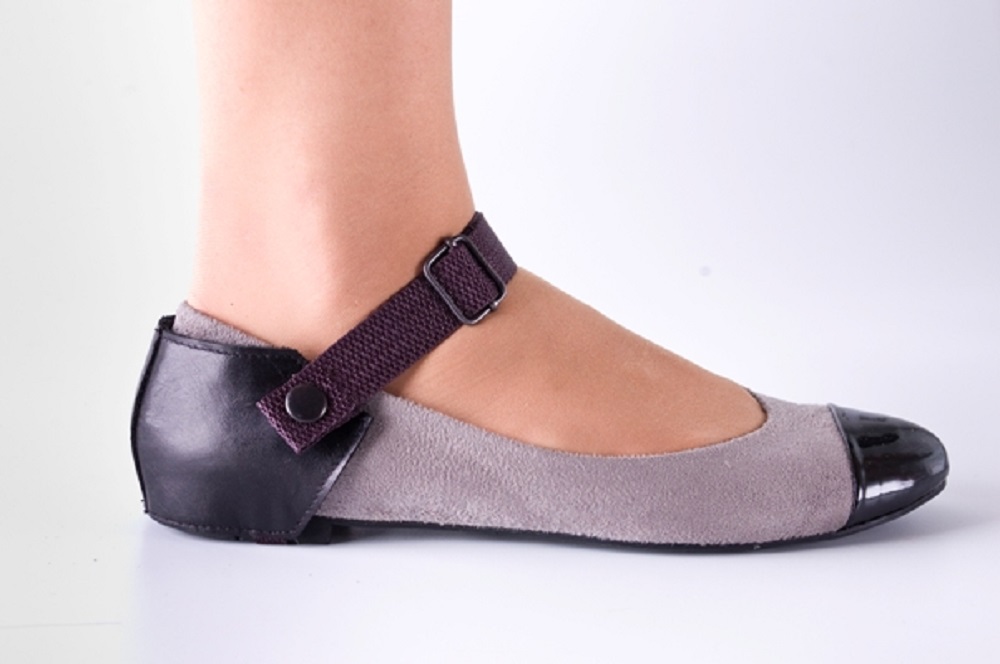
Don’t search for a one-size-fits-all solution. The best approach is purchasing shoe protection designed for your specific footwear type. This ensures your favorite shoes or boots will last significantly longer. For optimal results, consider ordering custom-made heel protectors.
Individual heel protectors offer endless possibilities, from classic designs to exclusive styles with decorative elements. These custom protectors look stylish and blend seamlessly with your shoes. They’ve become fashionable accessories – you can even wear them outside the car without looking out of place. Compare this to the unfortunate appearance of a worn, cracked heel on your right shoe.
Essential Buying Tips for Heel Protectors
Before purchasing heel protectors, keep these important points in mind:
- Invest in quality – expensive protectors last longer and protect better than cheap alternatives
- Take time when shopping – ask sales consultants about materials, construction quality, and manufacturer reputation
- Female drivers should own at least two pairs – one for heeled shoes and another for flats or sneakers
- Check that the protector covers the entire heel, including the sole attachment points
- Verify the attachment system is secure yet comfortable against your skin
Final Thoughts: Protect Your Shoes and Drive Safely
Heel protectors offer a convenient and practical solution for preserving your footwear while driving. Once you experience the benefits, you’ll wonder how you ever drove without them. Remember to stay safe on the road with proper documentation – if you need an international driver’s license, you can easily process one through our website without hassle or significant time investment.

Published July 05, 2019 • 4m to read