

Vietnam is a country that captivates every type of traveler. From the misty rice terraces of the north to the tropical islands of the south, and from ancient imperial cities to modern skyscrapers, it’s a destination where history, culture, and natural beauty blend seamlessly. Add to that one of the world’s most beloved cuisines – fragrant pho, fresh spring rolls, strong coffee – and it’s no wonder Vietnam is a favorite for both first-time and seasoned explorers.
Best Cities in Vietnam
Hanoi
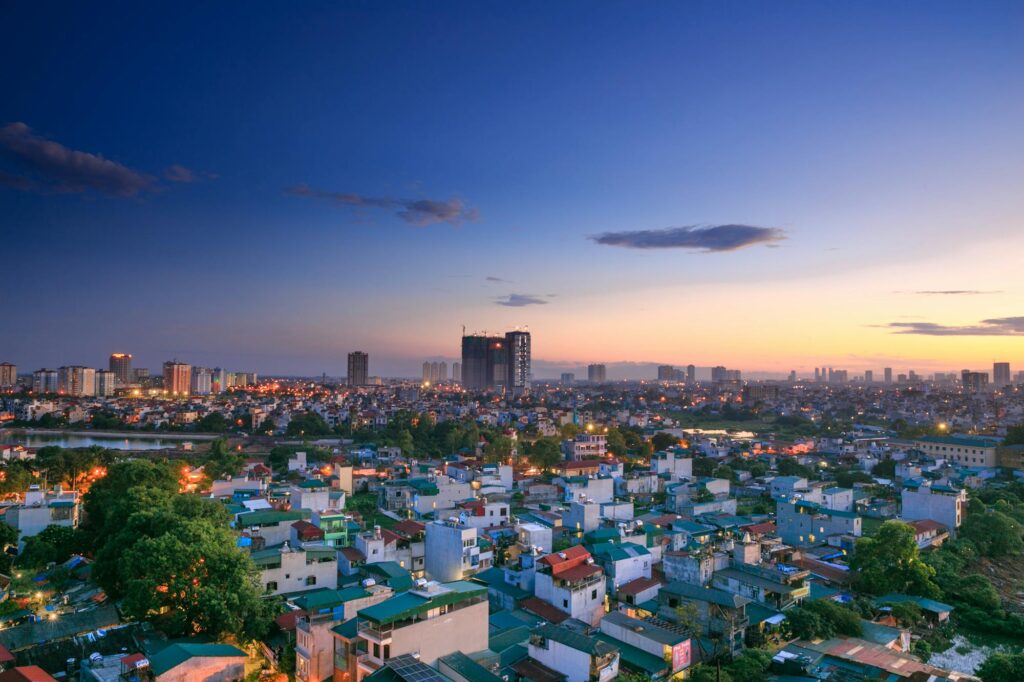
Hanoi, Vietnam’s capital, combines a lively Old Quarter with historic and cultural landmarks. Besides the Ho Chi Minh Mausoleum, One Pillar Pagoda, and the Temple of Literature, travelers can explore the Vietnam Museum of Ethnology for insight into the country’s many ethnic groups, or the Hoa Lo Prison Museum for a glimpse of colonial and wartime history. Hoan Kiem Lake remains the city’s heart, while the French Quarter offers wide boulevards and colonial architecture.
Street food is a highlight – try pho, bun cha, and banh mi from local vendors, or sample regional dishes at Dong Xuan Market. The best time to visit is October–April, when the climate is cooler and drier. Hanoi is served by Noi Bai International Airport, and within the city, walking, cyclos, taxis, and ride-hailing apps are the most practical ways to explore.
Ho Chi Minh City (Saigon)
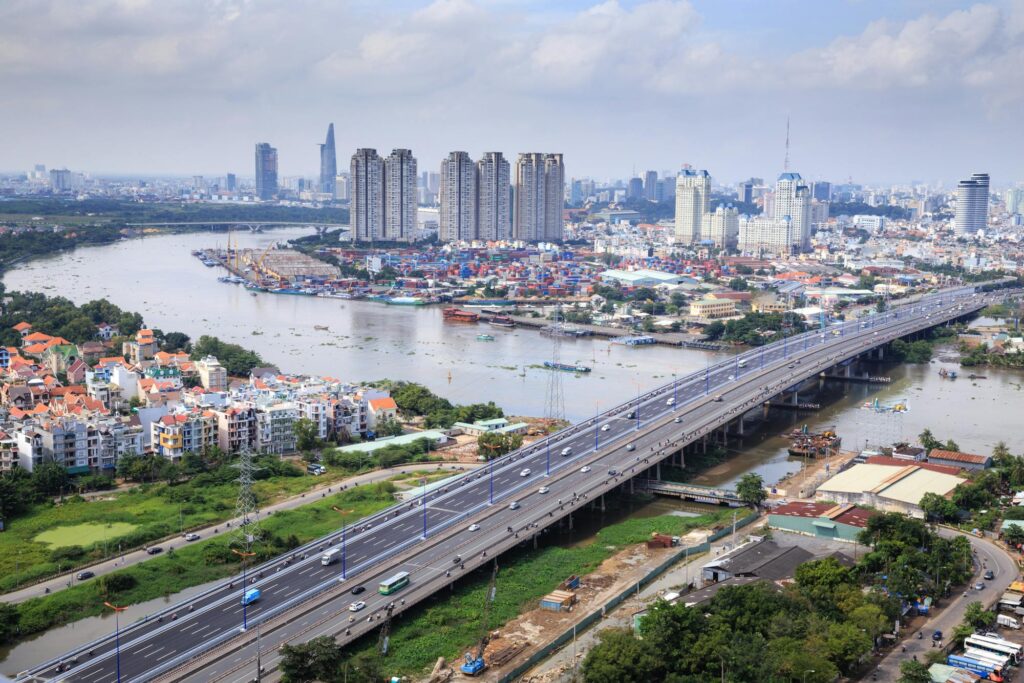
Ho Chi Minh City, Vietnam’s largest metropolis with over 9 million residents, mixes colonial landmarks, wartime history, and modern energy. Key sights include Notre-Dame Cathedral (built 1880) and the Central Post Office, designed by Gustave Eiffel. The Reunification Palace, where the Vietnam War ended in 1975, and the War Remnants Museum provide important historical context. Ben Thanh Market is a must for souvenirs and local food, while Jade Emperor Pagoda (1909) is one of the city’s most atmospheric temples.
The best time to visit is December–April, during the dry season. The city is served by Tan Son Nhat International Airport, located 6 km from the center (20–40 minutes by taxi, ~200,000 VND). Buses and ride-hailing apps like Grab are the cheapest and most convenient ways to move around. Day trips to the Cu Chi Tunnels (70 km) or the Mekong Delta (2–3 hours by bus or boat) add depth to any itinerary.
Hue
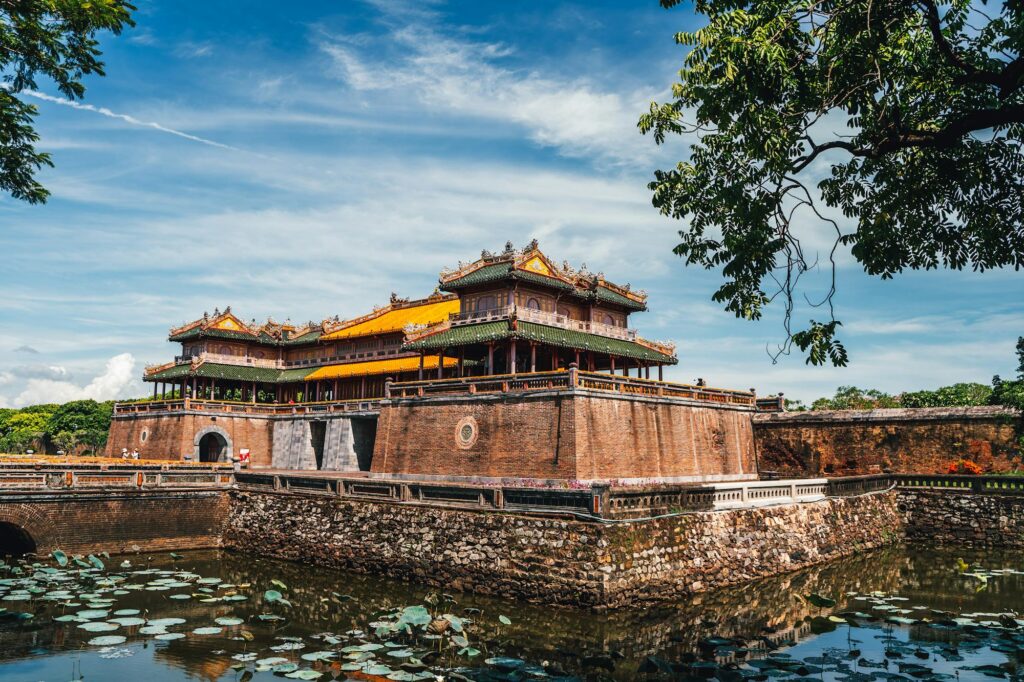
Hue, the former imperial capital of the Nguyen Dynasty (1802–1945), is a UNESCO World Heritage Site located on the Perfume River. The main attraction is the Imperial Citadel and the Forbidden Purple City, partly destroyed during the Vietnam War but still showcasing gates, palaces, and temples. South of the city lie the ornate royal tombs of Tu Duc (completed 1867) and Khai Dinh (completed 1931), both known for their elaborate architecture and hillside settings. The seven-story Thien Mu Pagoda, built in 1601, is another must-see landmark.
Hue is 100 km from Da Nang and easily reached by train (3 hours along the scenic Hai Van Pass), bus, or car. Phu Bai Airport, 15 km south of the city, has daily flights from Hanoi and Ho Chi Minh City. Local transport options include bicycles, motorbikes, and boats on the Perfume River. Hue is also famous for imperial cuisine such as banh beo (steamed rice cakes) and bun bo Hue (spicy beef noodle soup).
Hoi An
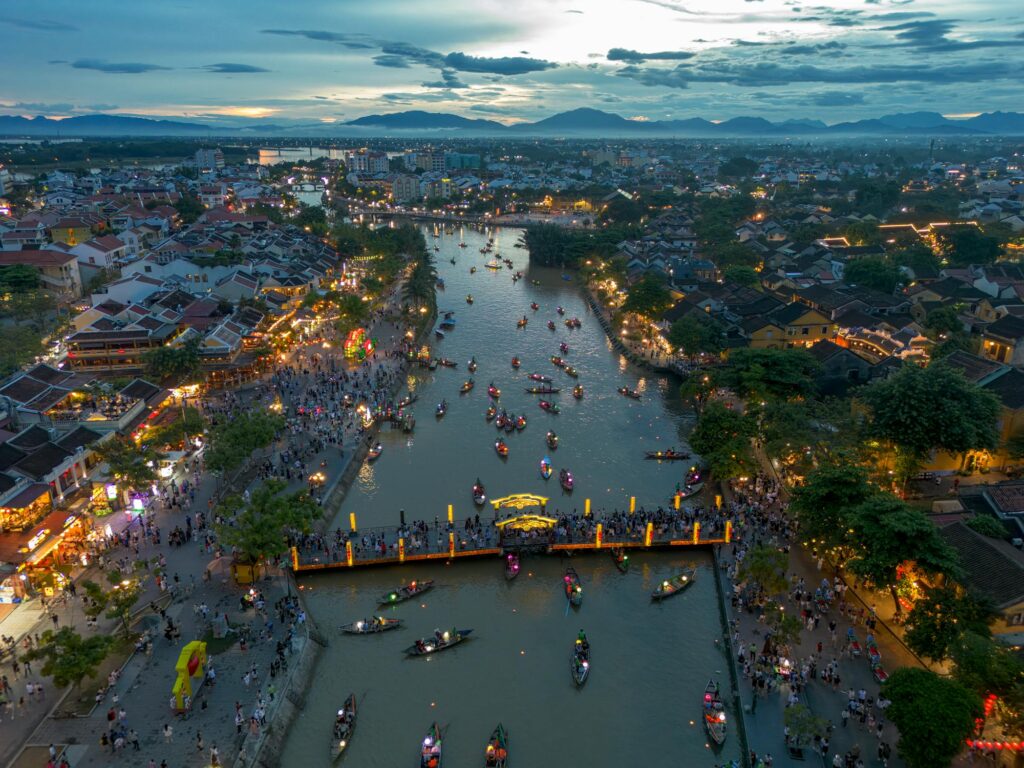
Hoi An, a UNESCO World Heritage town on the Thu Bon River, is one of Vietnam’s best-preserved trading ports, active from the 15th to 19th centuries. The Japanese Covered Bridge (built in the 1590s) is its most iconic landmark, while merchant houses such as Tan Ky and Phung Hung reveal a blend of Japanese, Chinese, and Vietnamese architecture. The Old Town’s lantern-lit streets and night market create a magical evening atmosphere, and nearby Tra Que Vegetable Village offers a glimpse of traditional farming.
The best time to visit is February–April, when the weather is dry and not too hot. Da Nang International Airport (30 km, ~45 minutes by car) provides the closest access, with flights from Hanoi and Ho Chi Minh City. From Da Nang, trains and buses are also available. Within Hoi An, the Old Town is pedestrian-friendly, while bicycles and boats are the best way to explore nearby villages and beaches like An Bang. Popular experiences include cooking classes, riverboat rides during the monthly full moon festival, and custom tailoring at one of the town’s 400+ shops.
Da Nang
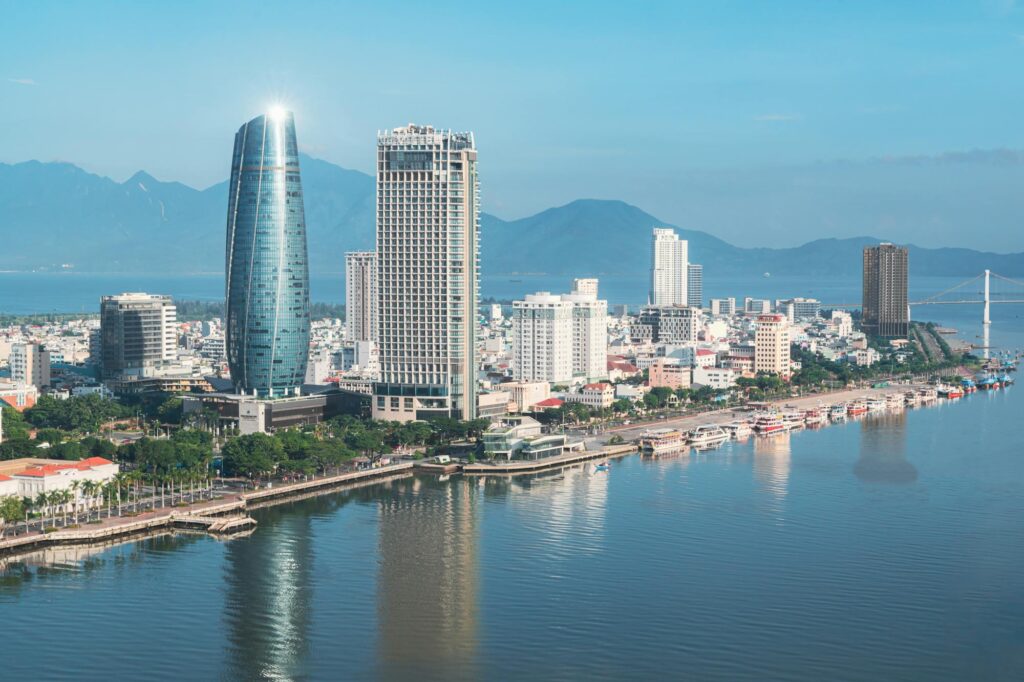
Da Nang, a major coastal city in central Vietnam, sits between Hue and Hoi An and is known for its beaches and modern attractions. My Khe Beach stretches for over 30 km and is ideal for swimming and surfing, while the Marble Mountains offer caves, pagodas, and panoramic views. The Dragon Bridge (666 meters long) breathes fire and water on weekend nights, and Ba Na Hills, a hilltop resort complex, features the famous Golden Bridge held by giant stone hands.
The best time to visit is March–August, with warm, dry weather and calm seas. Da Nang International Airport, just 5 km from the city center, has frequent flights from Hanoi, Ho Chi Minh City, and major Asian hubs. The city also lies on Vietnam’s north–south railway, with trains to Hue (2.5 hours) and Hoi An accessible by road (45 minutes). Local transport options include taxis, ride-hailing apps, and rented motorbikes for exploring beaches and mountains.
Best Natural Attractions in Vietnam
Halong Bay
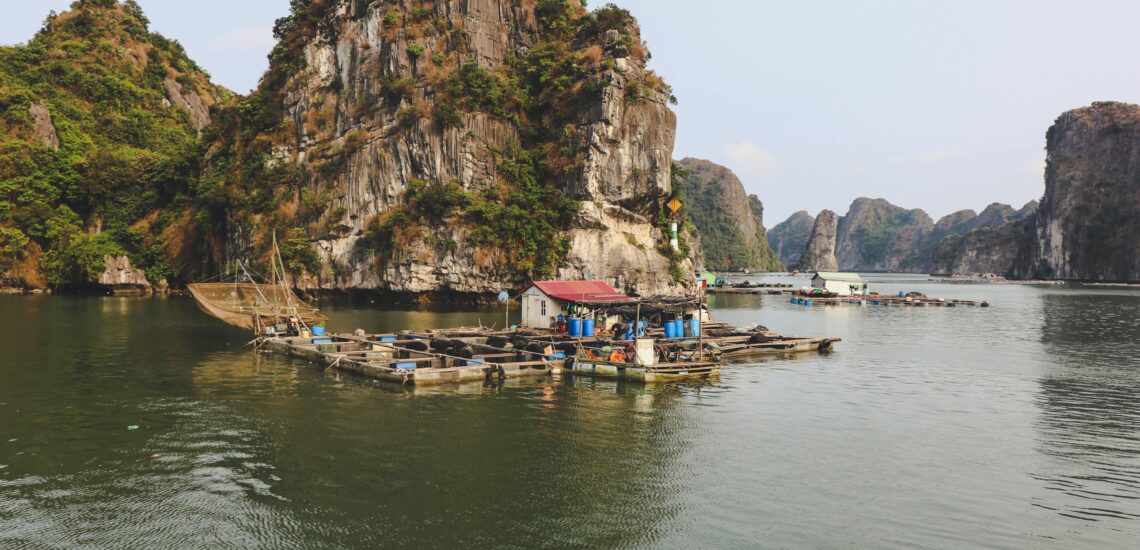
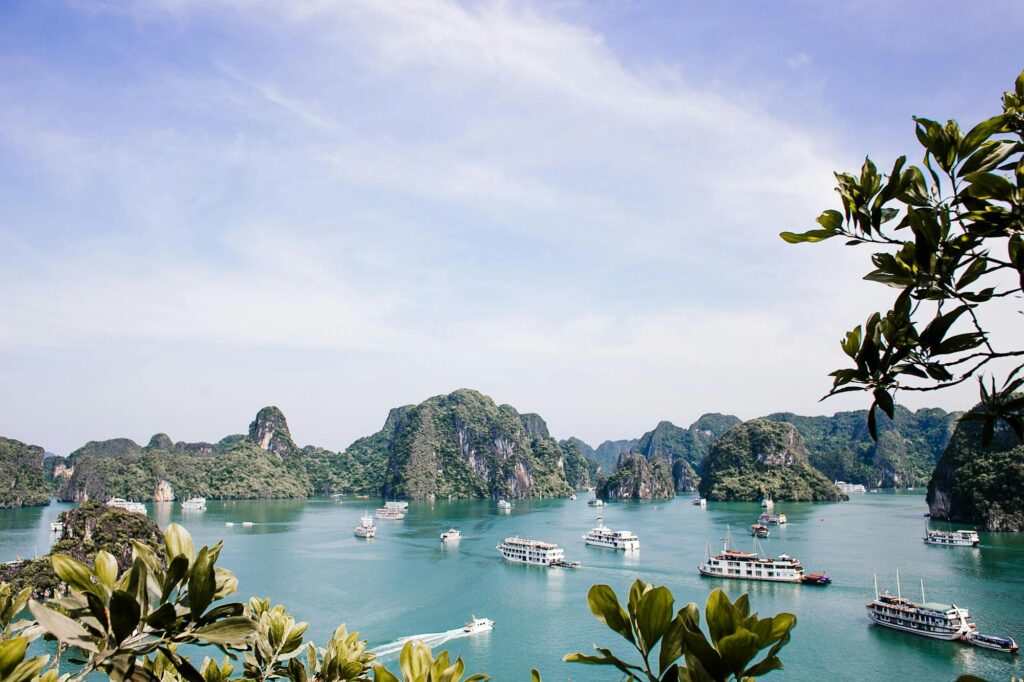
Halong Bay, a UNESCO World Heritage Site in northern Vietnam, is home to over 1,600 limestone islands and islets rising dramatically from emerald waters. The best way to experience it is on an overnight cruise, which includes kayaking through hidden lagoons, swimming at secluded beaches, and exploring caves such as Sung Sot (Surprise Cave) and Thien Cung (Heavenly Palace). For a quieter experience, nearby Lan Ha Bay and Bai Tu Long Bay offer the same scenery with fewer boats.
The best time to visit is October–April, when the weather is dry and skies are clear. Halong Bay is about 160 km from Hanoi (3–4 hours by bus, car, or shuttle). Cruises depart mainly from Tuan Chau Harbor near Halong City, with options ranging from budget boats to luxury liners. A seaplane service from Hanoi provides a scenic 45-minute flight with aerial views of the bay.
Sapa
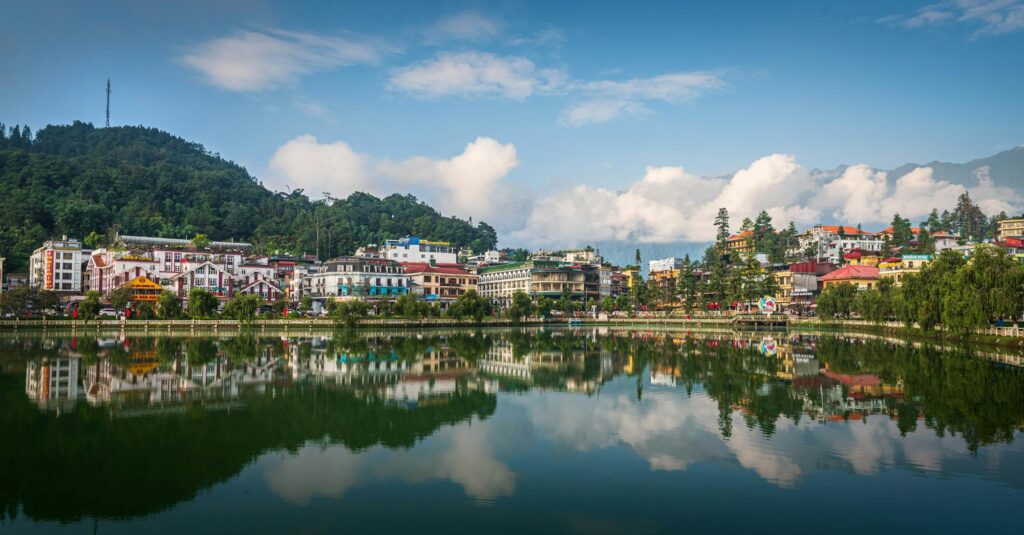
Sapa, in Vietnam’s far north near the Chinese border, is the country’s top trekking destination. Trails wind through the Muong Hoa Valley, with terraced rice fields and villages of the Hmong, Red Dao, and Tay minorities. Homestays in villages like Cat Cat or Ta Van let travelers experience local culture firsthand, with traditional crafts and food. Fansipan, at 3,143 m, is the highest peak in Indochina – accessible either by a challenging two-day trek or a 15-minute cable car ride.
The best time to visit is March–May and September–November, when skies are clear and rice terraces at their most scenic. Sapa is about 320 km from Hanoi, reachable by overnight train or bus to Lao Cai, followed by a 1-hour transfer up the mountains. Around town, treks are best done with local guides, and motorbike rentals are another option for exploring further afield.
Phong Nha-Ke Bang National Park
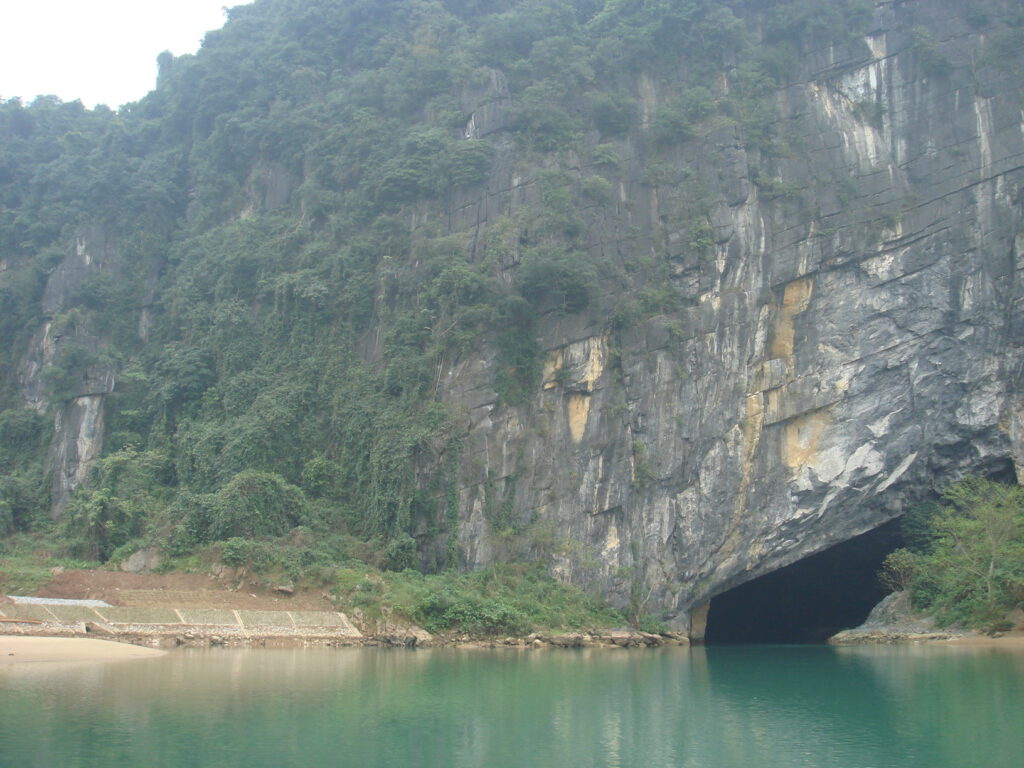
Phong Nha–Ke Bang, a UNESCO World Heritage Site in central Vietnam, is one of Asia’s top caving and adventure destinations. Visitors can explore Paradise Cave (31 km long, with a 1 km section open to the public) or take a boat into Phong Nha Cave with its underground river. More challenging expeditions lead to Hang En, home to thousands of swallows, and Son Doong – at over 200 m high and 9 km long, the largest cave in the world (permit required, tours book up months in advance). Above ground, the park offers jungle hikes, cycling routes, and river kayaking.
The best time to visit is March–August, when caves are most accessible and rainfall is low. The park is about 45 km from Dong Hoi, which has an airport, train station, and bus links to Hanoi and Hue. From Dong Hoi, buses and taxis reach Phong Nha village, the base for tours, homestays, and eco-lodges. Local tour operators arrange guided caving trips and outdoor activities inside the park.
Ninh Binh
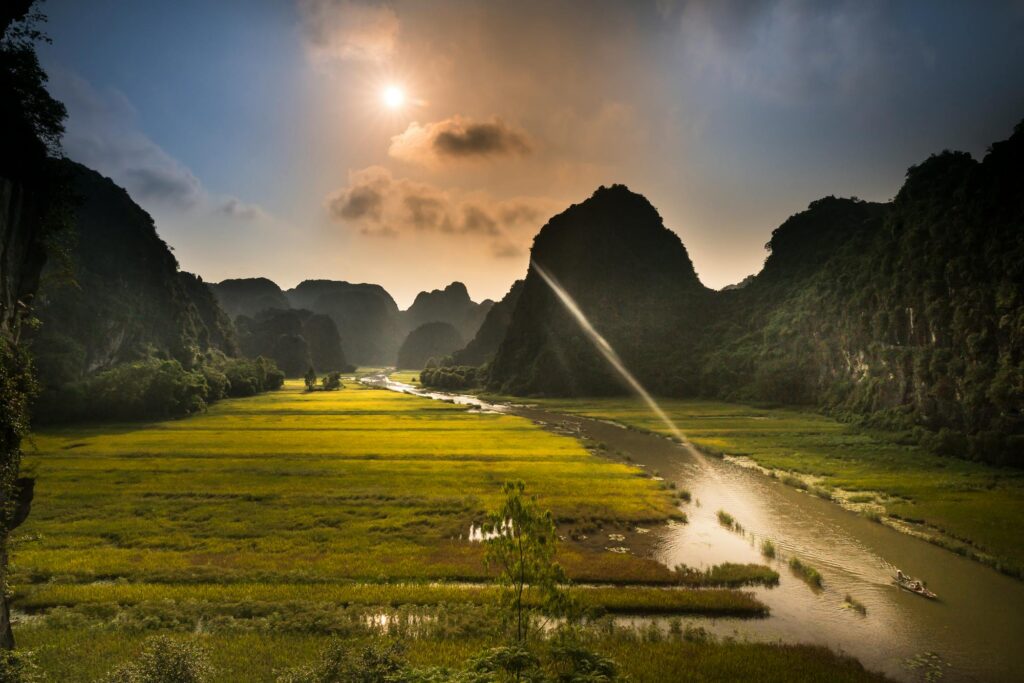
Ninh Binh, often called “Halong Bay on land,” is famous for its limestone cliffs rising above rice paddies and winding rivers. The top experiences are boat trips through Tam Coc and Trang An, where rowers guide visitors past caves, temples, and karst peaks. Bich Dong Pagoda, built into a mountainside, and Hang Mua Peak, with 500 steps leading to panoramic views over the valley, are other must-sees. Hoa Lu, Vietnam’s ancient capital (10th century), adds a layer of history to the landscape.
The best time to visit is late May–June, when rice fields turn golden, or September–November for cooler weather. Ninh Binh is only 90 km south of Hanoi (about 2 hours by train, bus, or car), making it ideal for a day trip or overnight stay. Bicycles and motorbikes are the best way to explore the countryside between villages, pagodas, and viewpoints.
Best Beaches & Islands of Vietnam
Phu Quoc
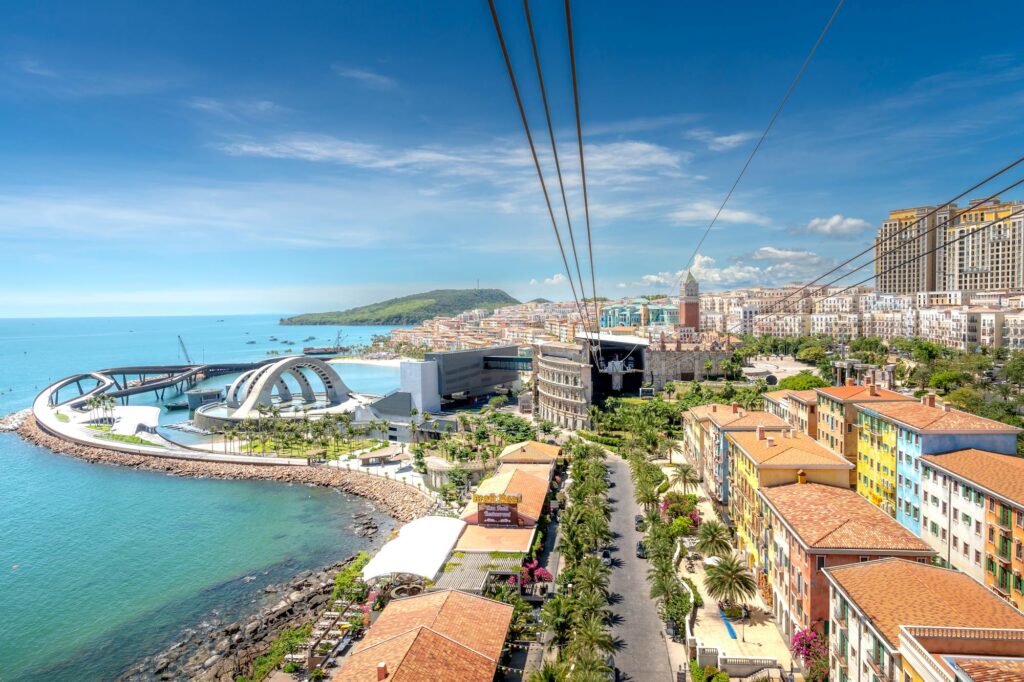
Phu Quoc, Vietnam’s largest island, is known for its white-sand beaches, tropical forests, and laid-back atmosphere. Sao Beach is the most beautiful for swimming, while Long Beach is popular for sunsets, bars, and resorts. The island also offers hiking in Phu Quoc National Park (covering over 50% of the island), snorkeling around the An Thoi Islands, and cultural stops at fish sauce factories, pepper farms, and traditional fishing villages. The Dinh Cau Night Market is the best place to try seafood and shop for local products.
Phu Quoc International Airport has direct flights from Hanoi, Ho Chi Minh City, and several regional hubs. Ferries also connect the island with Ha Tien and Rach Gia on the mainland. Getting around is easiest by scooter rental, taxi, or organized tours.
Con Dao Islands
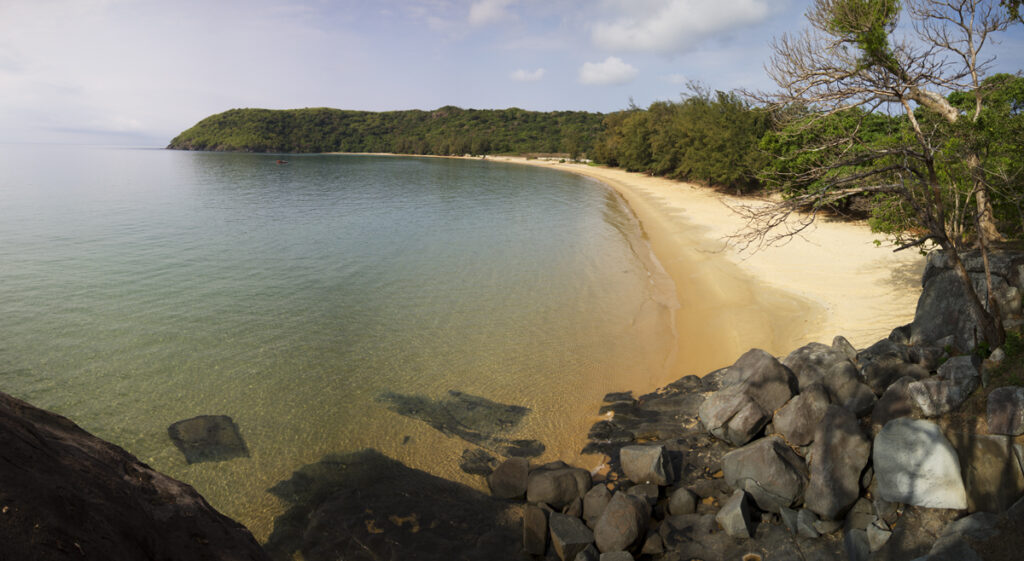
The Con Dao Islands, off Vietnam’s southern coast, combine natural beauty with important history. Once a notorious French colonial and wartime prison, the Con Dao Prison Museum tells the story of political prisoners held here. Today, the islands are better known for quiet beaches, jungle-covered hills, and excellent diving and snorkeling on healthy coral reefs. Trekking trails in Con Dao National Park offer chances to spot black giant squirrels, macaques, and nesting sea turtles (May–October).
Con Dao is reached by daily flights from Ho Chi Minh City (about 1 hour) or by ferry from Vung Tau (3–4 hours). On the main island, scooters, bicycles, and taxis are the easiest ways to reach beaches, hiking trails, and historic sites.
Mui Ne
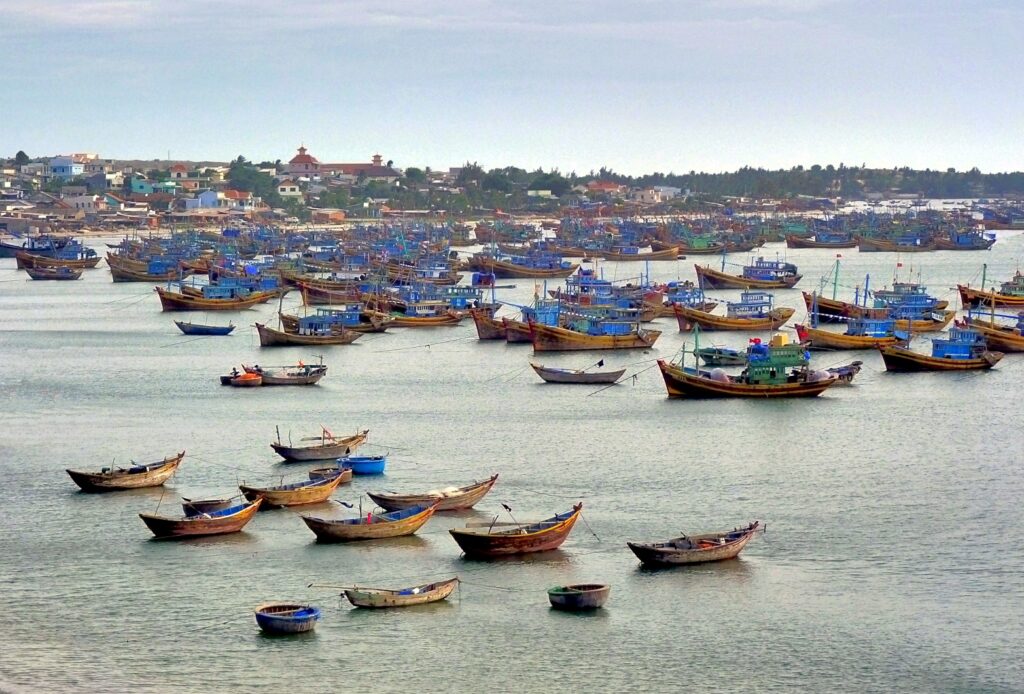
Mui Ne, a coastal town in southern Vietnam, is known for its unique sand dunes and watersports. The Red and White Dunes offer sandboarding and sunrise or sunset photography, while the Fairy Stream is a shallow canyon walk with striking red and white rock formations. The town is also Vietnam’s kitesurfing and windsurfing capital thanks to strong winds from November to March. Fresh seafood restaurants line the coast, and nearby fishing villages give a glimpse of local life.
Mui Ne is about 220 km from Ho Chi Minh City (4–5 hours by bus, train to Phan Thiet plus 30 minutes by taxi, or private car). Around town, taxis, rented motorbikes, and jeeps are the best ways to reach the dunes and coastal sights.
Nha Trang
Nha Trang, further south, is a lively seaside city known for its 6 km beach, island-hopping tours, and nightlife. Highlights include VinWonders amusement park on Hon Tre Island, Po Nagar Cham Towers (dating back to the 8th century), and the Oceanographic Museum. The bay is a hub for diving and snorkeling, with clear waters from April to August.

Hidden Gems of Vietnam
Ha Giang Loop
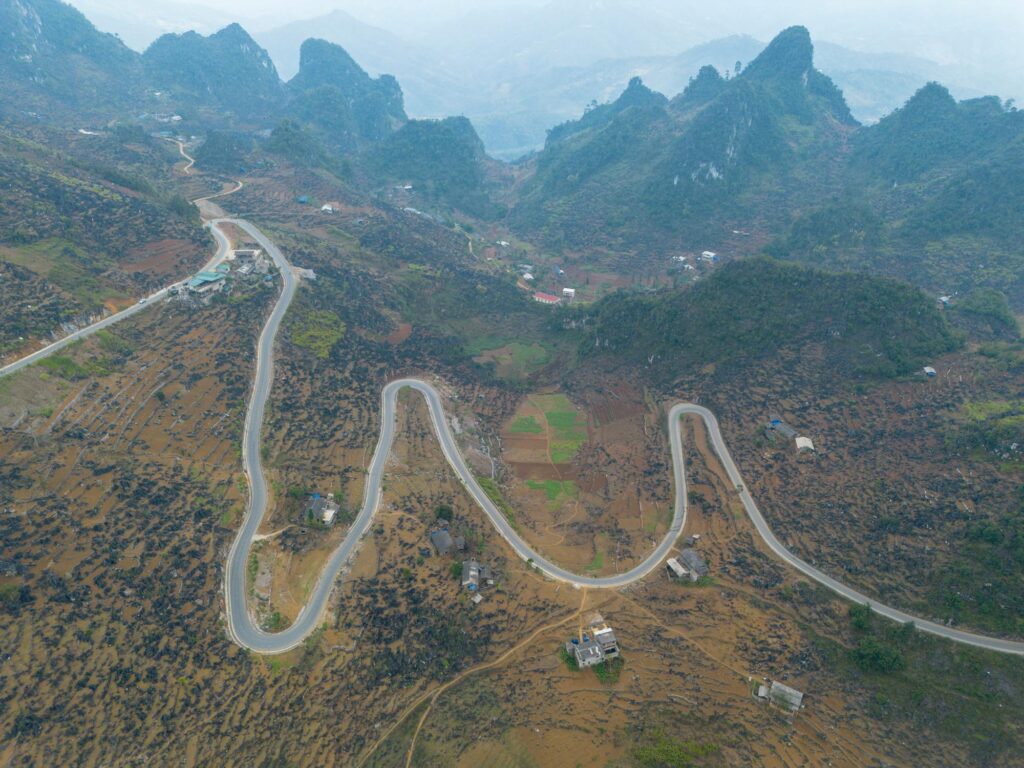
The Ha Giang Loop, in Vietnam’s far north, is considered the country’s most spectacular motorbike route. Stretching about 350 km, it winds through limestone peaks, deep valleys, and terraced rice fields. Highlights include the Ma Pi Leng Pass, with sheer cliffs and views over the Nho Que River, and the Dong Van Karst Plateau, a UNESCO Global Geopark. Along the way, colorful hill tribe markets in towns like Dong Van and Meo Vac offer a glimpse of Hmong, Tay, and Lo Lo culture.
The best time to ride is March–May and September–November, when skies are clear and rice fields are at their most beautiful. Ha Giang is about 300 km from Hanoi (6–7 hours by bus or car). Most travelers rent motorbikes in Ha Giang City to do the loop in 3–5 days, though guided tours are available for those without riding experience. Accommodation is mainly in local guesthouses and homestays.
Ban Gioc Waterfall
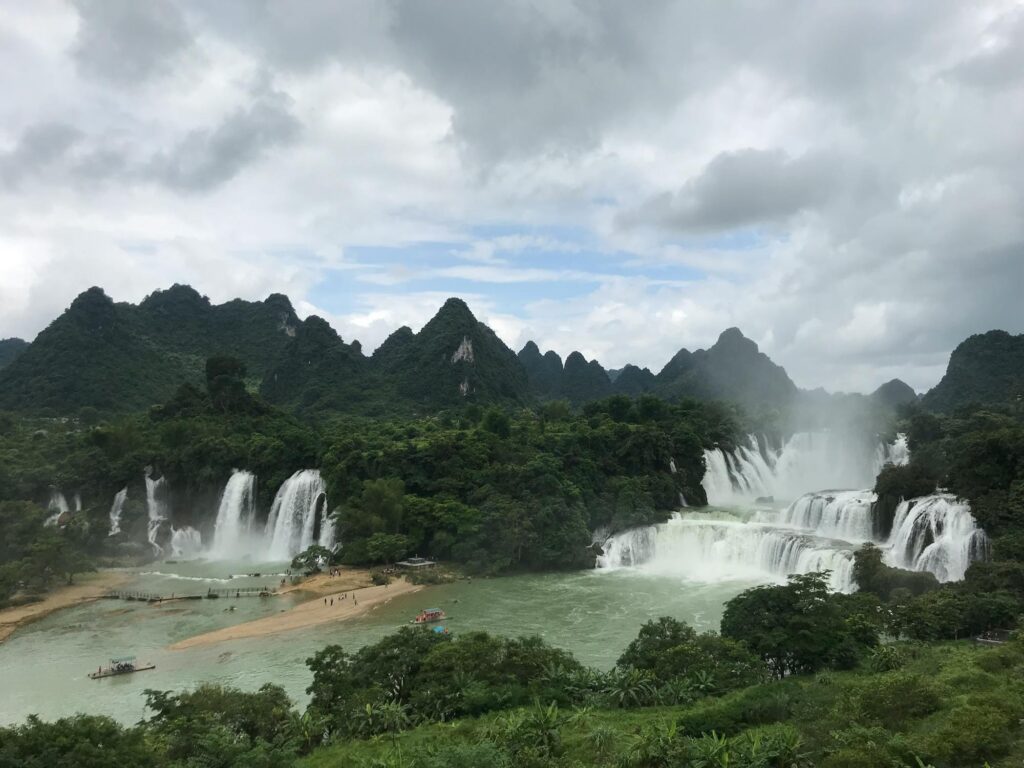
Ban Gioc, on the Vietnam–China border in Cao Bang Province, is the largest waterfall in Vietnam at 30 m high and 300 m wide. Visitors can ride bamboo rafts close to the thundering cascades or view them from shaded pavilions along the river. Nearby Nguom Ngao Cave stretches for several kilometers, with impressive stalactites and chambers that make an excellent add-on to the trip.
Ban Gioc is about 360 km from Hanoi (7–8 hours by bus or private car), usually visited on a 2–3 day trip with an overnight stay in Cao Bang. Local guesthouses and homestays provide simple but welcoming accommodation.
Pu Luong Nature Reserve
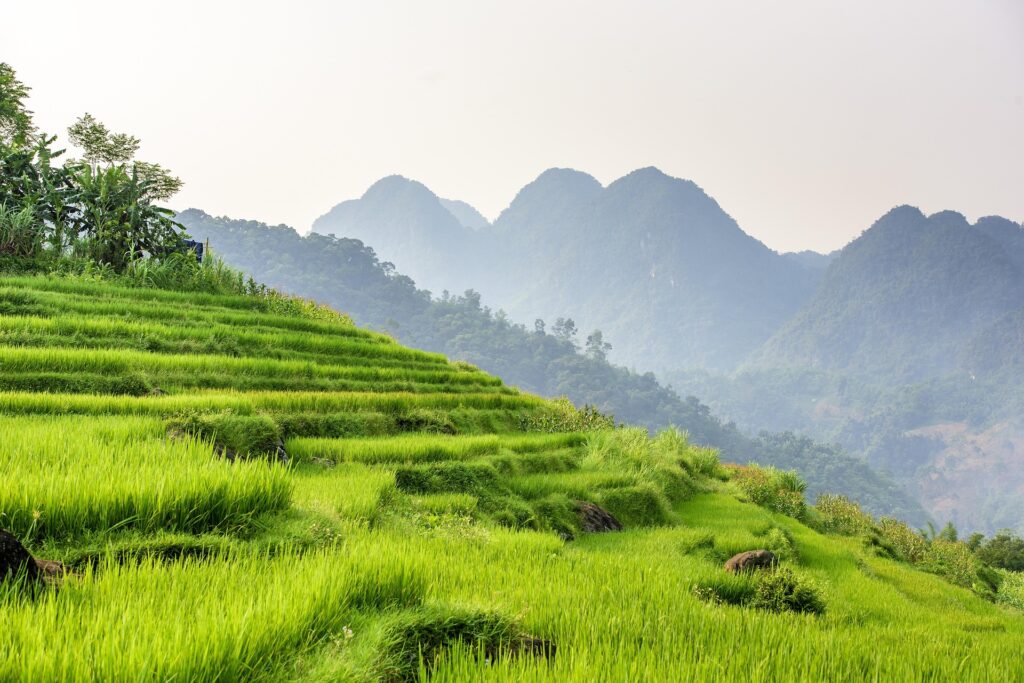
Pu Luong, about 160 km southwest of Hanoi, is a peaceful alternative to Sapa with fewer tourists but equally stunning rice terraces and mountain scenery. Trekking routes pass through stilt-house villages of the Thai and Muong ethnic groups, bamboo forests, and terraced valleys. Visitors often stay in eco-lodges or village homestays, combining hiking with cultural experiences and local food.
Pu Luong is 4–5 hours from Hanoi by bus or car, often combined with a trip to Mai Chau. Once inside the reserve, most exploration is done on foot, though bicycles and motorbikes are available in villages.
Cham Islands
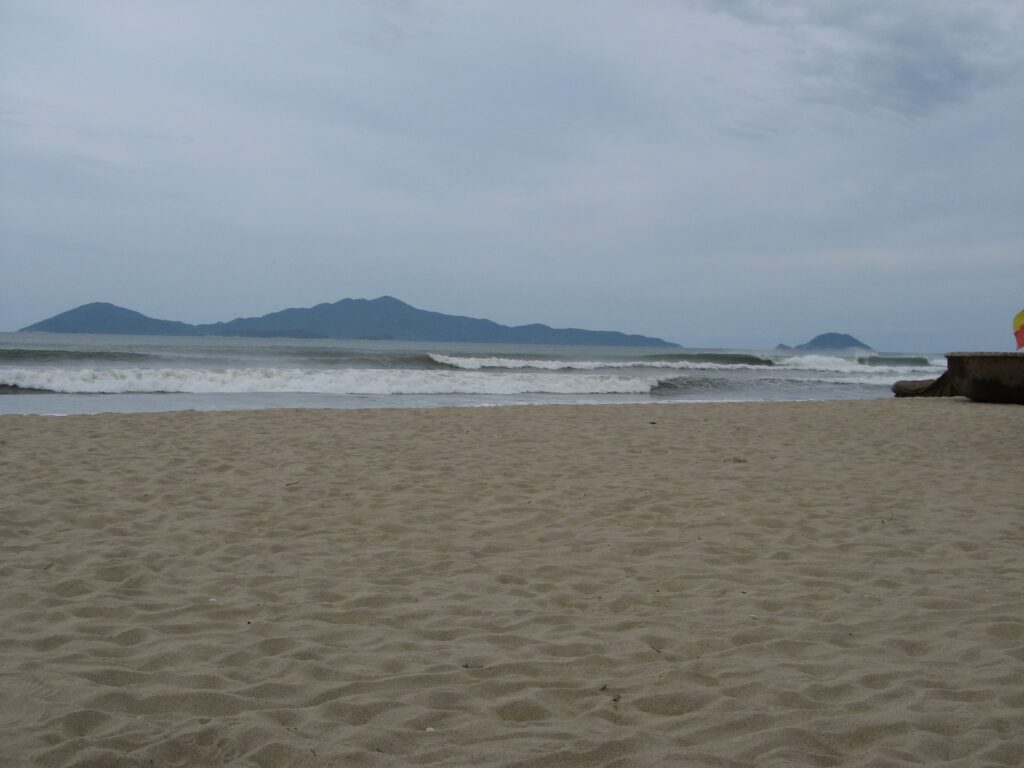
The Cham Islands, 18 km off the coast of Hoi An, form a UNESCO-listed biosphere reserve known for clear waters, coral reefs, and traditional fishing villages. The archipelago is popular for snorkeling and diving, with sites full of colorful marine life, while on land visitors can see old temples, pagodas, and local markets. Bai Chong and Bai Huong beaches offer quiet escapes from Hoi An’s crowds.
Fast boats take 30–40 minutes from Cua Dai Port near Hoi An, while day tours combine snorkeling, seafood lunches, and village visits. Overnight stays are possible in homestays or small guesthouses for those who want to experience the islands after day-trippers leave.
Ba Be Lake
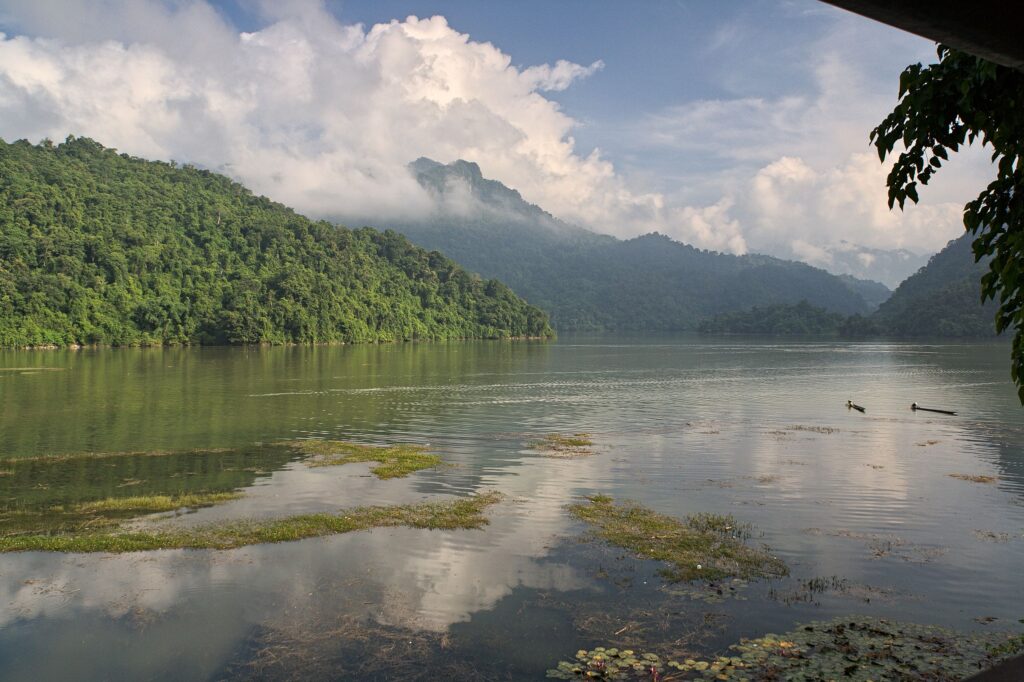
Ba Be Lake, the largest natural lake in northern Vietnam, lies within Ba Be National Park in Bac Kan Province. Surrounded by limestone cliffs and dense forests, it’s ideal for boat or kayak trips to hidden caves, waterfalls, and small islands. Staying in stilt-house homestays with Tay families lets visitors experience local culture while enjoying the park’s peaceful setting.
Ba Be is about 230 km from Hanoi (5–6 hours by bus or car), making it a popular 2–3 day trip. Once inside the park, boats, kayaks, and guided treks are the main ways to explore.
Travel Tips
Visa
Most travelers can apply online for a Vietnam eVisa, valid for 30 days and accepted at airports and many land borders. The process is straightforward, but it’s recommended to apply at least a week before arrival.
Currency
The official currency is the Vietnamese Dong (VND). In tourist hubs, US dollars are often accepted, but outside major cities and resorts, payments must be made in dong. ATMs are widely available, though in rural areas cash is essential, especially for markets, local buses, and small eateries.
Transport
Vietnam has a well-developed transport network that makes travel both practical and exciting. Domestic flights with carriers like Vietnam Airlines, VietJet, and Bamboo Airways are affordable and efficient, linking all major cities. For a more scenic experience, the Reunification Express train runs along the coast, connecting Hanoi and Ho Chi Minh City with stops in Hue, Da Nang, and Nha Trang.
For regional and local travel, buses and minibuses are common, while in cities and towns, apps like Grab make booking taxis and motorbikes easy. Renting a motorbike is a popular way to explore rural areas and coastal roads, but travelers must carry an International Driving Permit together with their home license. Roads can be busy and unpredictable, so only experienced riders should consider self-driving. Otherwise, hiring a driver is a safer choice.

Published August 19, 2025 • 13m to read