
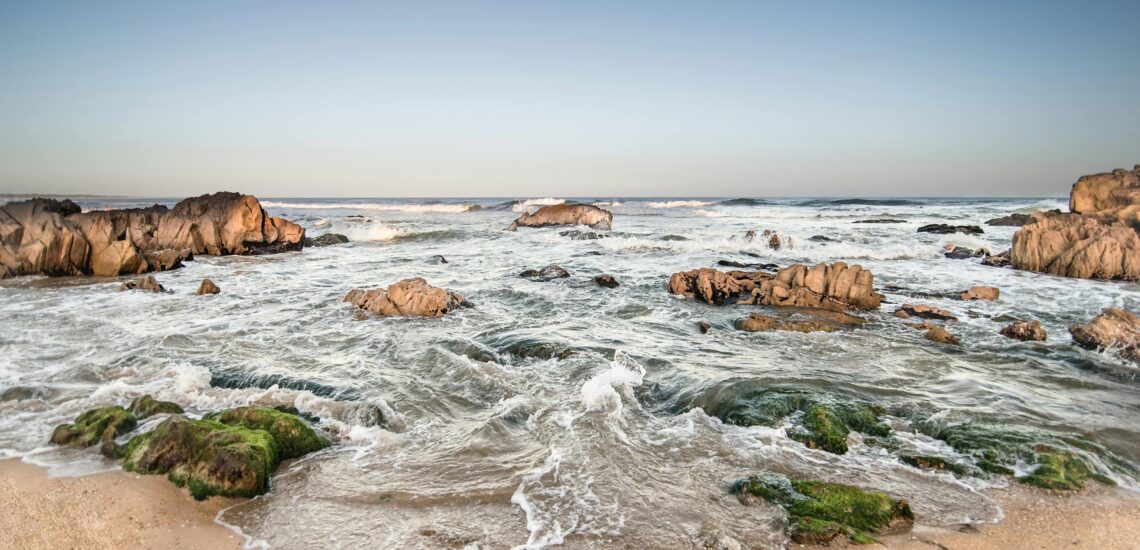


Uruguay is often described as South America’s hidden gem – a country of golden beaches, colonial towns, world-class wine, and a culture that feels both relaxed and deeply vibrant. Sandwiched between Brazil and Argentina, it remains less visited than its neighbors, which makes it ideal for travelers looking for authenticity without the crowds. Whether you want to sip yerba mate on Montevideo’s waterfront, party in Punta del Este, ride horses at a traditional estancia, or lose yourself in an off-grid eco-village, Uruguay is safe, welcoming, and full of surprises.
Best Cities in Uruguay
Montevideo
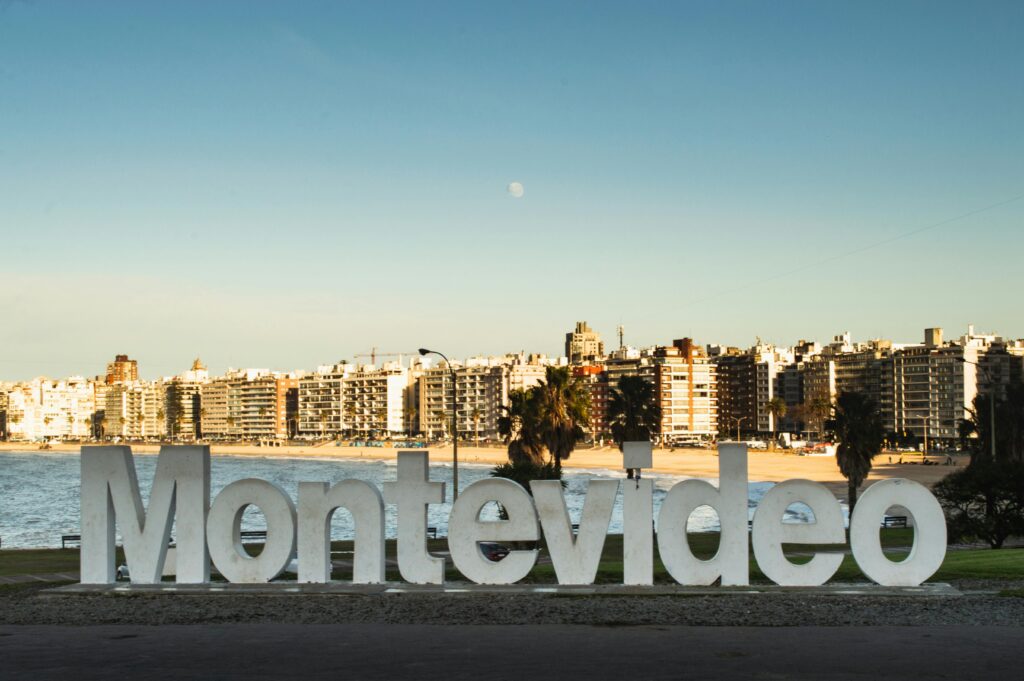
Montevideo, Uruguay’s capital, combines a historic core with coastal neighborhoods and cultural landmarks. The Ciudad Vieja (Old Town) preserves cobblestone streets, colonial buildings, and art galleries. Mercado del Puerto is a well-known food hall where parrillas serve traditional barbecue. Along the Río de la Plata, La Rambla stretches for 22 km and is used for walking, cycling, and social gatherings. Plaza Independencia and the Solís Theatre are key historic and cultural sites. Neighborhoods such as Pocitos, Carrasco, and Parque Rodó add beaches, parks, and residential charm. Montevideo is served by Carrasco International Airport and is connected to Buenos Aires by ferry across the river.
Colonia del Sacramento
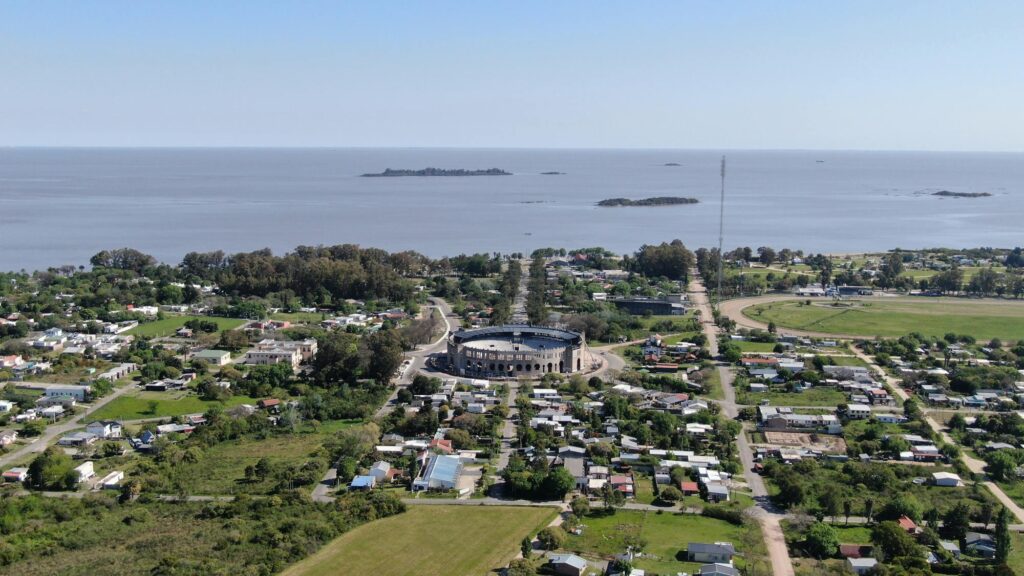
Colonia del Sacramento, on the Río de la Plata, is a UNESCO World Heritage Site and one of Uruguay’s most visited towns. Its Barrio Histórico preserves cobbled streets, stone houses, and plazas that reflect both Portuguese and Spanish colonial heritage. The Colonia Lighthouse offers panoramic views over the river and the old town. Museums, including the Portuguese and Spanish museums, present the city’s history, while the Basilica del Santísimo Sacramento is among the oldest churches in Uruguay. Colonia is easily reached by ferry from Buenos Aires or by road from Montevideo, making it a popular day trip or short stay destination.
Best Beach Destinations
Punta del Este
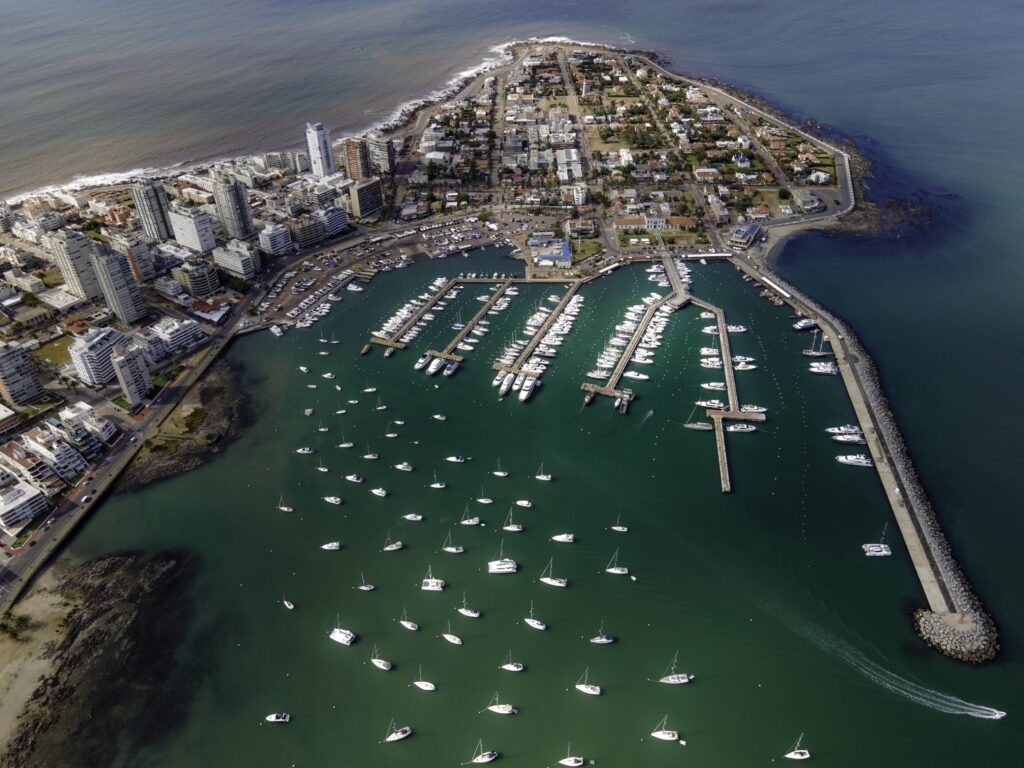
Punta del Este is Uruguay’s best-known resort, attracting international visitors with its beaches and nightlife. Playa Brava is famous for La Mano, the hand-shaped sculpture emerging from the sand, while Playa Mansa offers calmer waters for swimming. Casapueblo, designed by artist Carlos Páez Vilaró, functions as a museum and hotel overlooking the ocean. The city also has marinas, casinos, and clubs that are busiest in the summer months of December to February. Outside peak season, Punta del Este is quieter, with opportunities for coastal walks and relaxed beach visits. The resort is about two hours by road from Montevideo.
José Ignacio
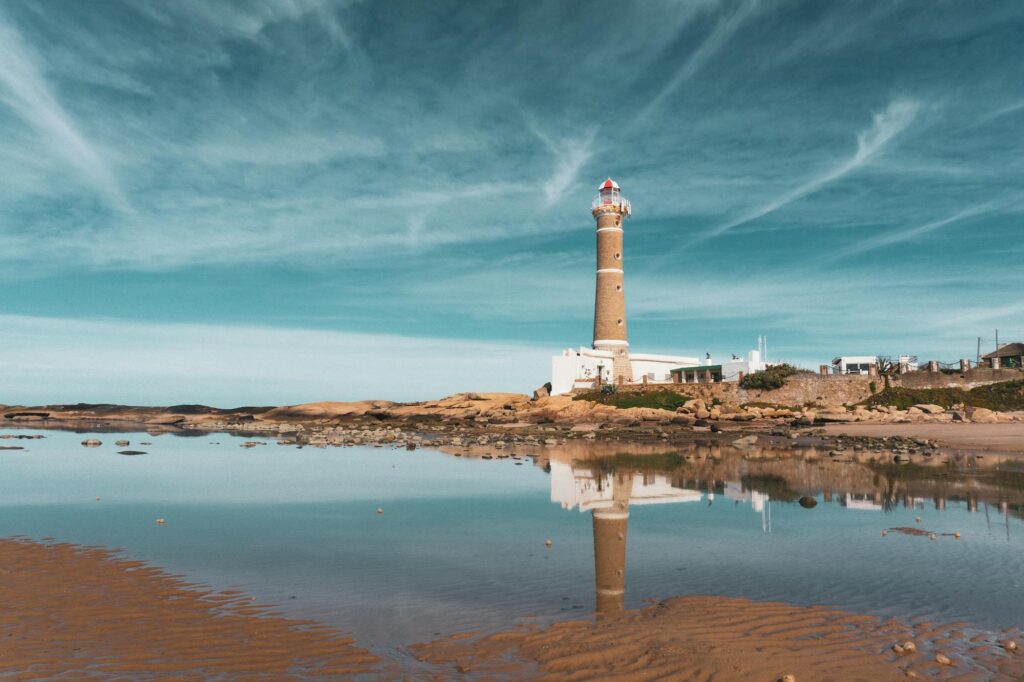
José Ignacio is a small coastal village east of Punta del Este that has grown into one of Uruguay’s most exclusive beach destinations. It is known for wide sandy beaches, striking sunsets, and a collection of boutique hotels and high-end restaurants located directly on the shore. Originally a fishing settlement, it now attracts international visitors, celebrities, and artists seeking privacy in a relaxed setting. The area remains low-rise and quiet compared to nearby resorts, with a focus on exclusivity and gastronomy. José Ignacio is about a 40-minute drive from Punta del Este and two and a half hours from Montevideo.
La Paloma & La Pedrera
La Paloma and La Pedrera are seaside towns on Uruguay’s Rocha coast, offering a quieter and less developed alternative to Punta del Este. La Paloma is larger, with wide beaches that range from calm bays to surf-friendly waves, making it popular for families and surfers alike. La Pedrera is smaller and has a more bohemian atmosphere, attracting younger travelers during the summer season. Both towns offer camping, guesthouses, and small lodges rather than large resorts. Their location on the Atlantic coast makes them known for long, uncrowded beaches and a relaxed pace of life.
Cabo Polonio
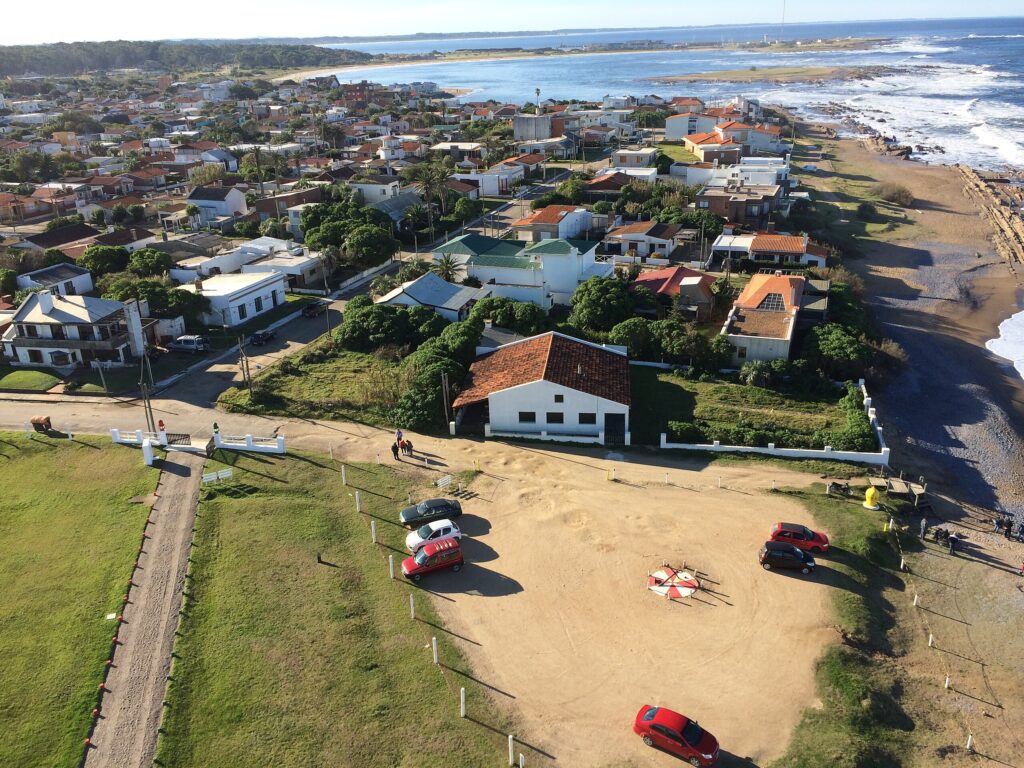
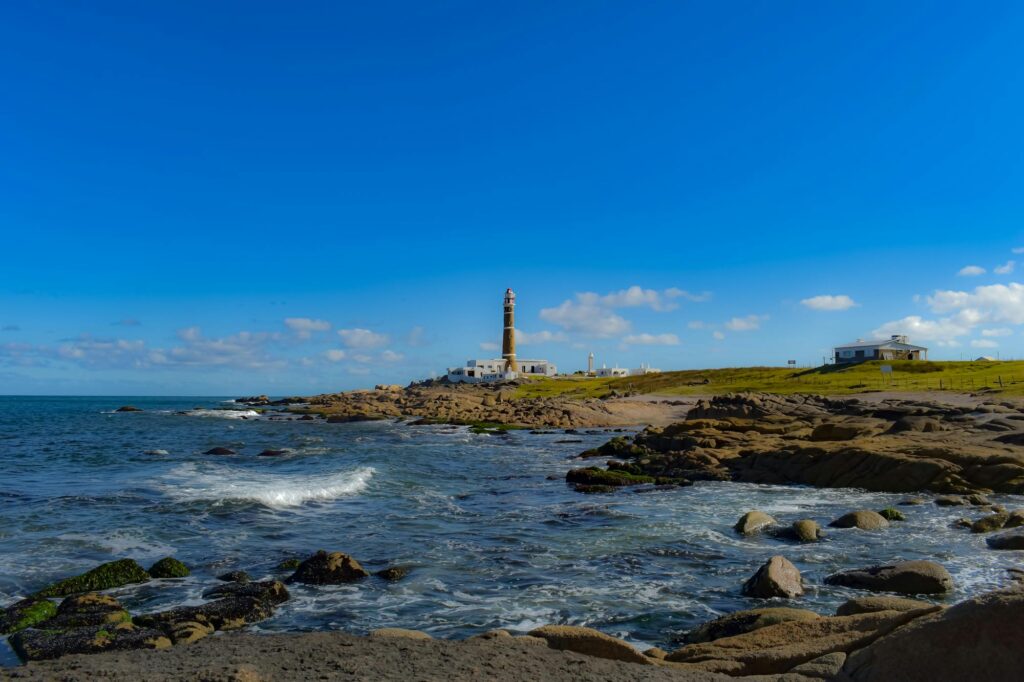
Cabo Polonio is a remote village on Uruguay’s Atlantic coast, accessible only by authorized 4×4 vehicles that cross wide dune fields. The settlement has no roads, limited infrastructure, and no connection to the power grid, giving it a rustic atmosphere. Key features include a large sea lion colony around the headland, a historic lighthouse open to visitors, and vast sand dunes. At night, the lack of artificial light allows for clear views of the stars. Accommodation consists of simple hostels, cabins, and small guesthouses. Cabo Polonio is part of a protected national park in Rocha Department.
Piriápolis
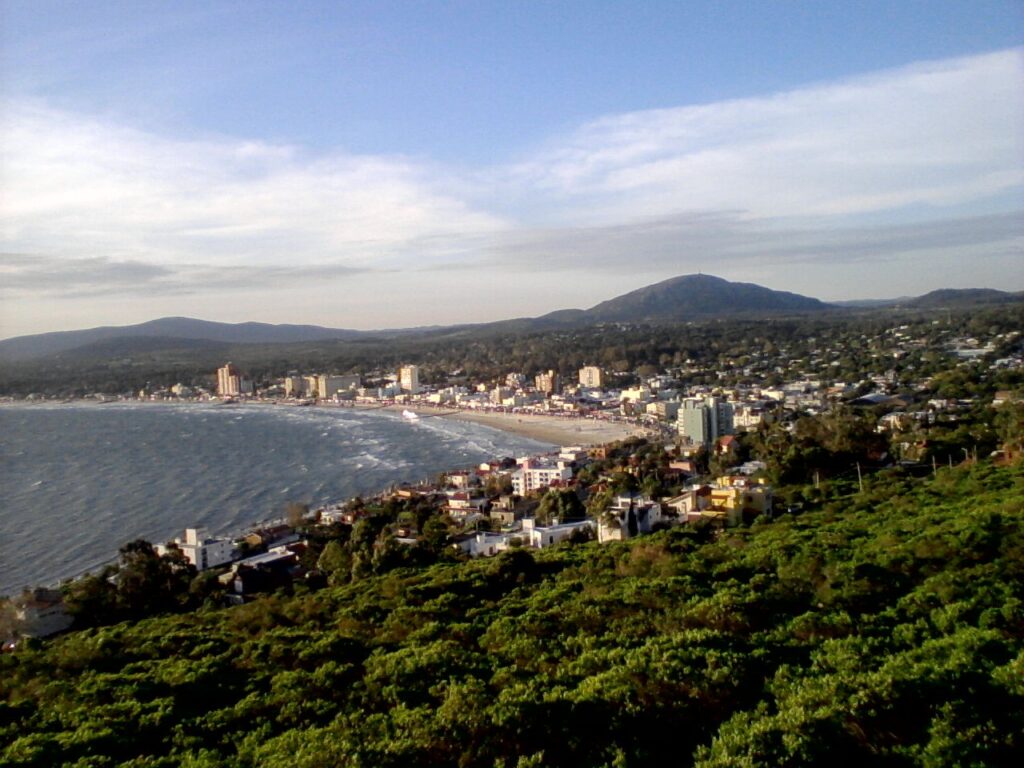
Piriápolis, located between Montevideo and Punta del Este, is Uruguay’s first seaside resort. Founded in the early 20th century, it retains an old-world atmosphere with historic hotels, promenades, and architecture from its early tourism era. Visitors can take a chairlift or drive up Cerro San Antonio for views over the coast, or hike Cerro del Toro for a more active option. Beaches such as Playa Hermosa and Playa Grande offer swimming and sunbathing in a quieter setting than Punta del Este. Piriápolis is about an hour and a half from Montevideo by road, making it suitable for both day trips and longer stays.
Countryside and Wine Regions
Carmelo
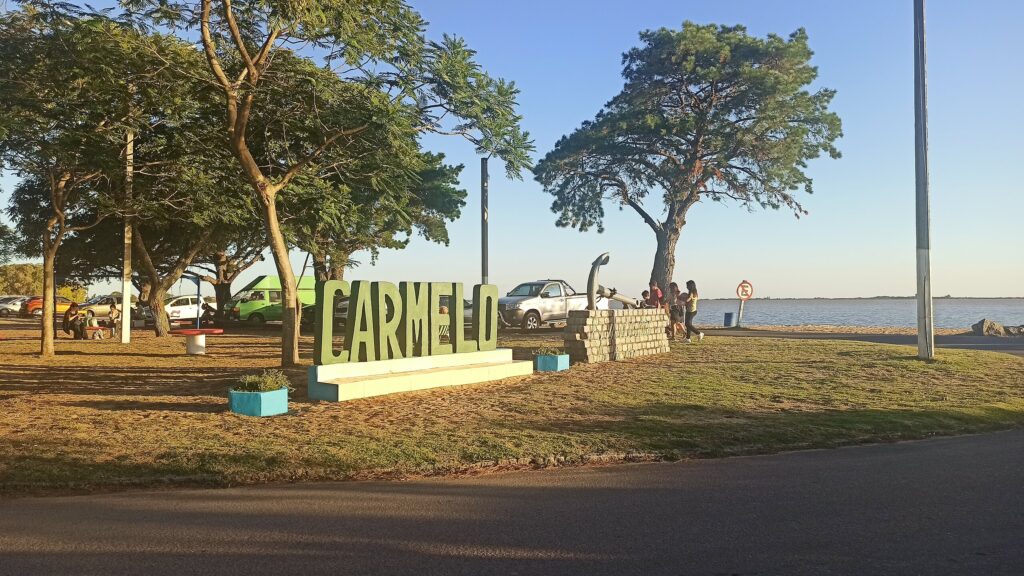
Carmelo is a small town on the Uruguay River, west of Colonia del Sacramento, known for its mix of vineyards, river beaches, and rural charm. The region produces Uruguay’s signature Tannat wine, with boutique wineries such as El Legado and Irurtia offering tastings and tours. Cycling is a popular way to explore the surrounding vineyards and countryside. The town also has quiet sandy riverbanks for swimming and boating, with sunsets over the river as a highlight. Carmelo is accessible by road from Colonia and Montevideo, and by boat from Tigre in Argentina.
Estancias
Uruguay’s interior is dotted with traditional estancias (ranches) that offer an authentic look at rural life. Guests can ride horses with gauchos, take part in cattle work, and join in mate rituals. Shared meals often feature asado, Uruguay’s signature barbecue. Many estancias also provide opportunities for birdwatching, fishing, or simply relaxing in wide open landscapes. Popular regions for estancia stays include Tacuarembó, Durazno, and Mercedes, all within a few hours’ drive of Montevideo. Accommodation ranges from rustic farmhouses to more comfortable country lodges.

Minas & Villa Serrana
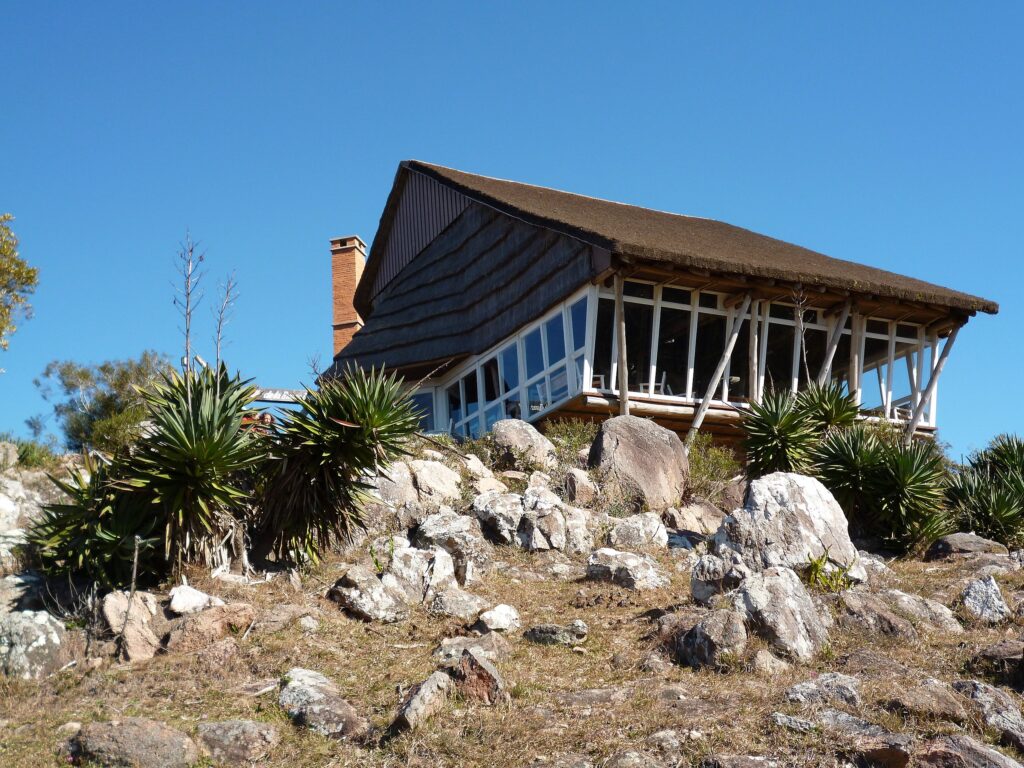
Minas, in the Lavalleja Department, is the main town of Uruguay’s eastern highlands and a base for outdoor activities. Nearby Salto del Penitente is a 60-meter waterfall surrounded by rocky hills with trails and viewpoints. Cerro Arequita, an isolated volcanic hill, offers hiking paths and access to a cave system with unique geology. Villa Serrana, a small eco-village in the hills, provides a quiet retreat with rustic lodges and scenic landscapes. The region is about a two-hour drive from Montevideo and is popular for weekend getaways focused on hiking, nature, and relaxation.
Hidden Gems of Uruguay
Aguas Dulces
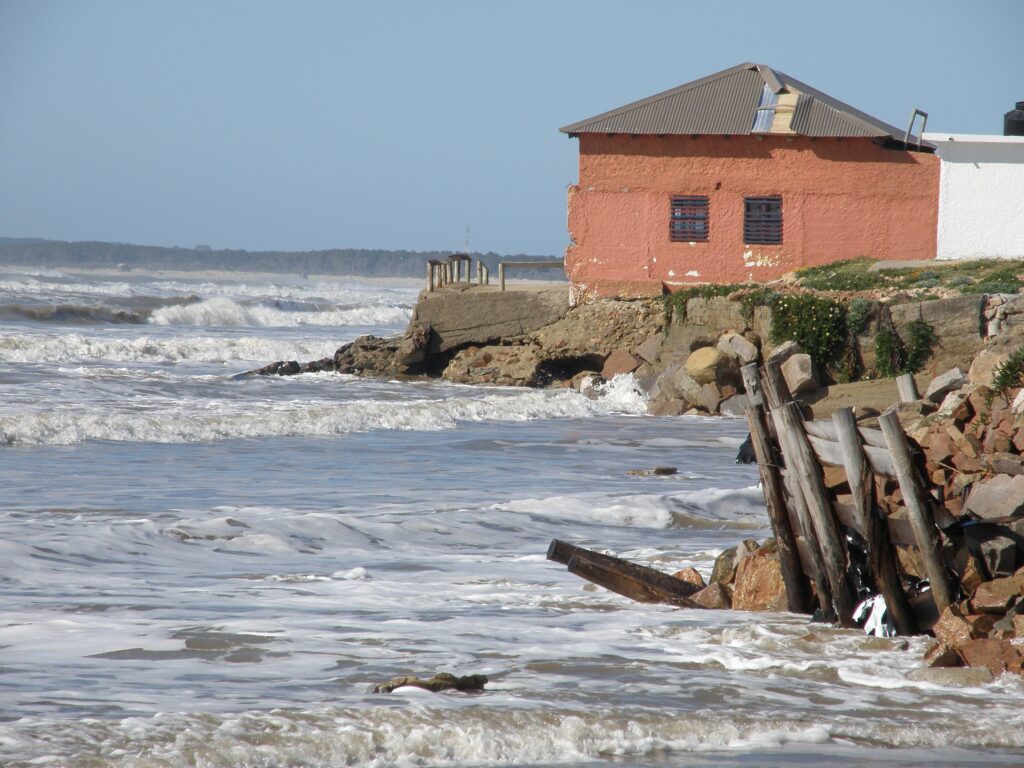
Aguas Dulces is a small fishing village on Uruguay’s Rocha coast, known for its broad sandy beach and relaxed atmosphere. The shoreline is lined with simple houses, seafood restaurants, and rustic beach bars serving fresh catch. It is also a convenient base for visiting nearby nature reserves, including Cabo Polonio National Park to the south and Bañados del Este wetlands to the north. Accommodation is modest, with guesthouses and cabanas catering mainly to local visitors. Aguas Dulces is about a four-hour drive from Montevideo via the coastal highway.
Quebrada de los Cuervos
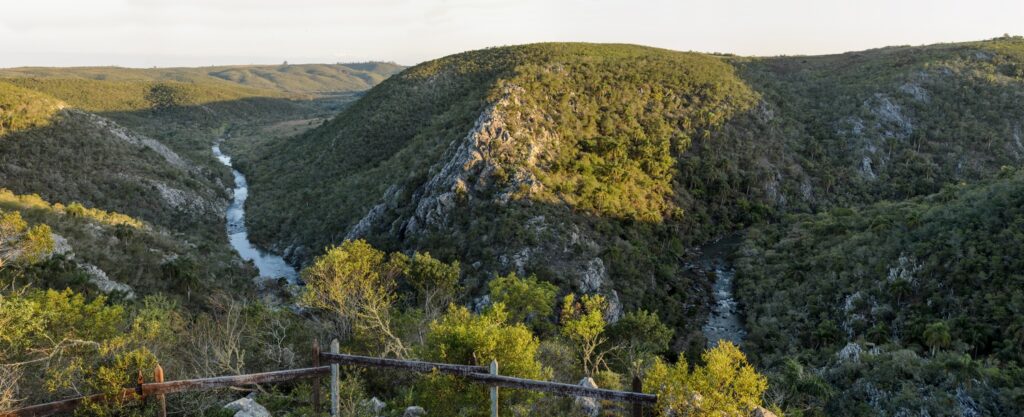
Quebrada de los Cuervos is a protected natural area in Treinta y Tres Department, often described as “Uruguay’s Grand Canyon.” The gorge is carved by the Yerbal Chico stream and is surrounded by hills, cliffs, and native forest. It is a popular destination for hiking, with marked trails leading to viewpoints and down into the ravine. The area is also known for birdwatching, with species such as vultures (cuervos) giving the site its name. Facilities are limited to basic campsites and picnic areas, making it a rustic but accessible nature reserve about 45 minutes by road from the city of Treinta y Tres.
Santa Teresa National Park
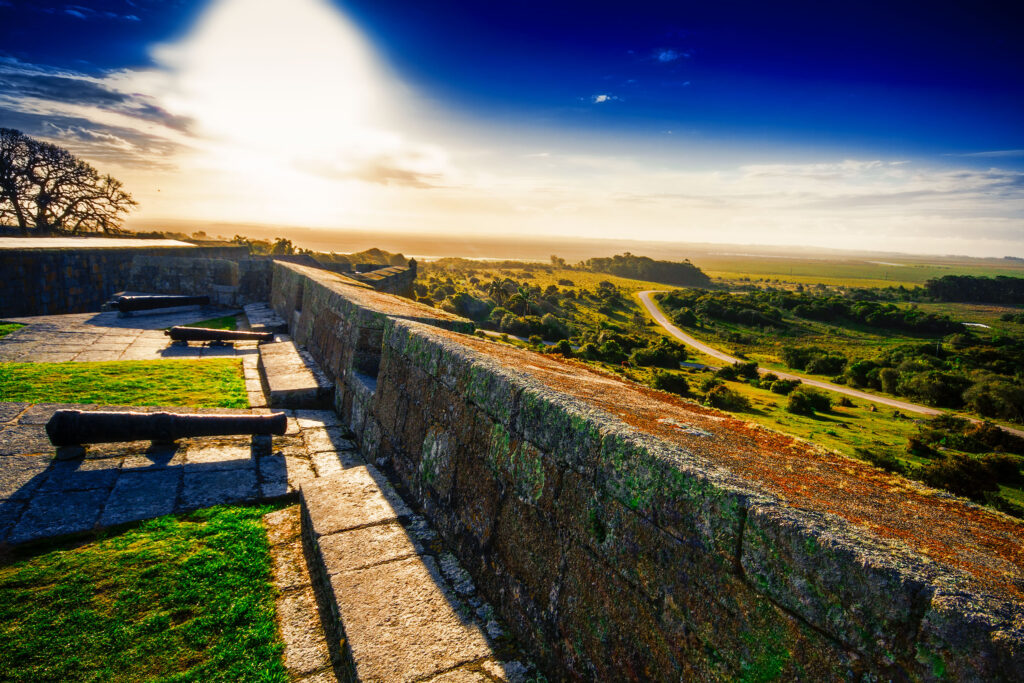
Santa Teresa National Park, on Uruguay’s Atlantic coast in Rocha Department, combines natural and historical attractions. The park features coastal forests, gardens, and long sandy beaches with strong surf. A central highlight is the Fortaleza de Santa Teresa, a 17th-century Portuguese fortress restored and open to visitors. The park is well equipped for tourism, offering extensive campgrounds, cabins, and picnic areas, making it a popular family destination. Wildlife such as capybaras, deer, and diverse bird species can also be observed. Santa Teresa is located near the town of Chuy, close to the Brazilian border, and is accessible by coastal highway.
San Gregorio de Polanco
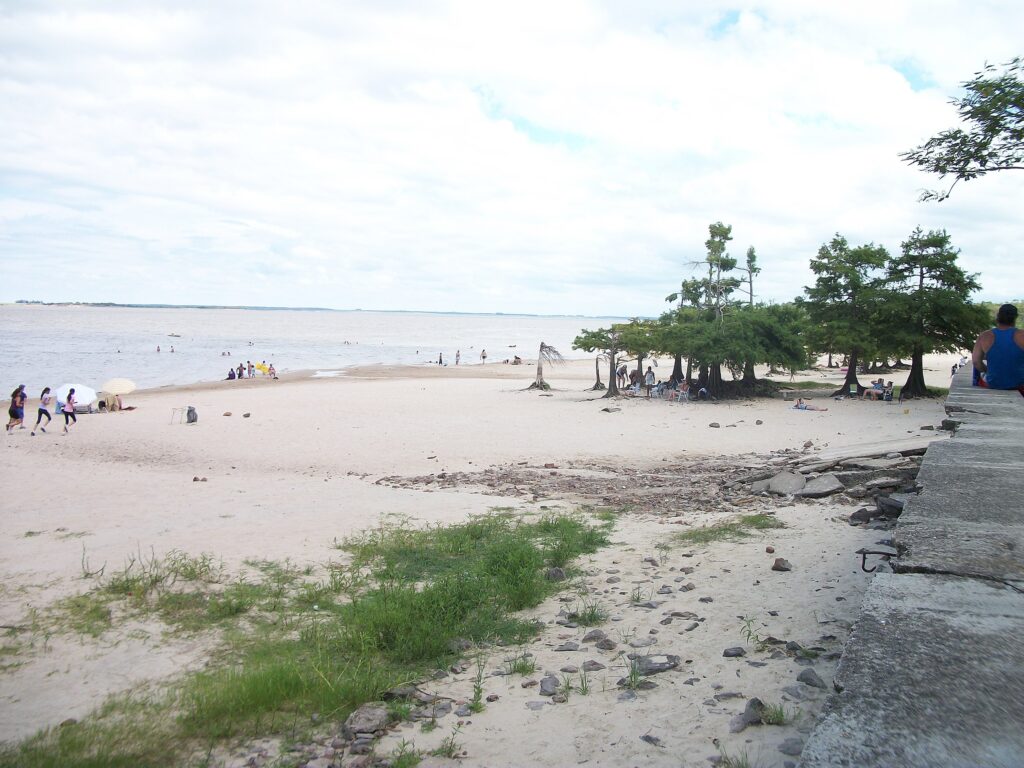
San Gregorio de Polanco is a small town on the banks of the Río Negro, known for its lakeside beaches and artistic character. In the 1990s it became an “open-air museum,” with local and international artists painting colorful murals across houses, walls, and public spaces. Today the town features hundreds of murals, making it a unique cultural destination in Uruguay’s interior. The sandy shoreline of the Río Negro Reservoir offers swimming and water sports, especially in summer. Accommodation is simple, with hotels, cabanas, and camping available. San Gregorio is about 140 km from Paso de los Toros and is accessible by road.
Punta del Diablo
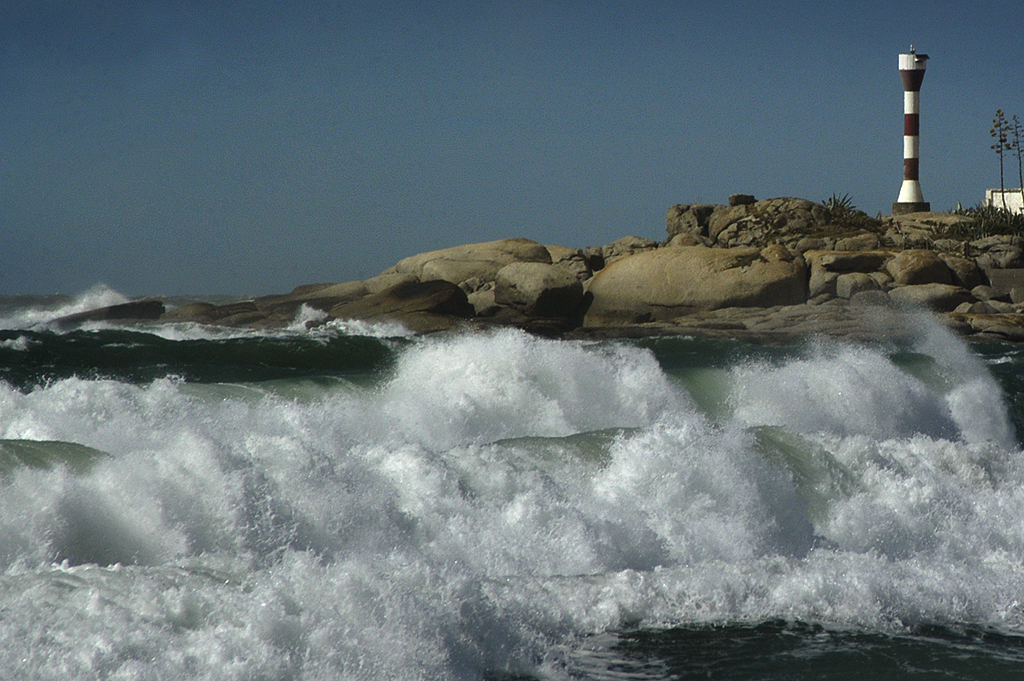
Punta del Diablo, on Uruguay’s Rocha coast, has grown from a fishing village into one of the country’s most popular beach towns. It is known for wide sandy beaches, consistent surf, and a laid-back atmosphere that attracts backpackers and surfers. The town also has yoga retreats, seafood restaurants, and craft markets, especially lively in summer. Nearby protected areas include Santa Teresa National Park to the north and Cabo Polonio National Park to the south, both accessible for day trips. Accommodation ranges from hostels and cabanas to small hotels. Punta del Diablo is about a five-hour drive from Montevideo.
Travel Tips
Currency
The official currency is the Uruguayan Peso (UYU). Credit cards are widely accepted across the country, from restaurants and hotels to larger shops. A notable benefit for foreign visitors is that paying with a card in restaurants often qualifies for automatic tax refunds, making dining out more affordable. ATMs are reliable in cities, but carrying some cash is still useful for small purchases, especially in rural areas.
Language
The official language is Spanish, spoken in the distinctive Rioplatense dialect shared with neighboring Argentina. In major tourist areas like Montevideo, Colonia, and Punta del Este, English is commonly understood in hotels, restaurants, and tour agencies. In smaller towns and rural regions, however, English is less widespread, so knowing a few Spanish phrases is helpful for smoother communication.
Transport
Uruguay is compact and easy to navigate. Intercity buses are comfortable, punctual, and cover nearly every part of the country. For more independence, renting a car is ideal, especially for exploring the Atlantic coast, the hidden beaches of Rocha, and the wine regions near Montevideo and Canelones. To rent and drive legally, travelers must carry an International Driving Permit along with their home license. Roads are generally good and distances manageable, making road trips a relaxed way to see the country.
There are also ferries connecting Montevideo and Colonia with Buenos Aires, providing a convenient link between Uruguay and Argentina for travelers exploring both countries.
Safety
Uruguay is regarded as one of the safest countries in South America, with low crime rates compared to its neighbors. Standard urban precautions still apply, particularly in crowded areas of Montevideo, but most visitors find the country welcoming, peaceful, and easy to explore independently.

Published September 20, 2025 • 10m to read