

The U.S. Virgin Islands (USVI) are where Caribbean dreams come to life – a trio of islands that blend turquoise waters, swaying palms, and laid-back island charm. St. Thomas buzzes with luxury resorts, duty-free shopping, and lively nightlife. St. John invites you to lose yourself in unspoiled nature, from rainforest trails to quiet coves. And St. Croix, rich in history and culture, offers colorful towns, coral reefs, and a slower, soulful rhythm of life.
What makes the USVI truly special is how effortless they are to explore. Just a short flight from the U.S. mainland and requiring no passport for American travelers, these islands deliver the best of both worlds – a seamless escape into tropical beauty with all the comfort and ease of home.
Best Islands
St. Thomas
St. Thomas, the most developed of the U.S. Virgin Islands, combines historic charm with easy access to beaches, shops, and island views. Its capital, Charlotte Amalie, is the main port and cultural center, known for its Danish colonial buildings, duty-free shopping, and landmarks such as the 99 Steps, Fort Christian, and Emancipation Garden. The city’s waterfront cafés and narrow streets make it ideal for a half-day walking tour before heading to the beaches.
Charlotte Amalie
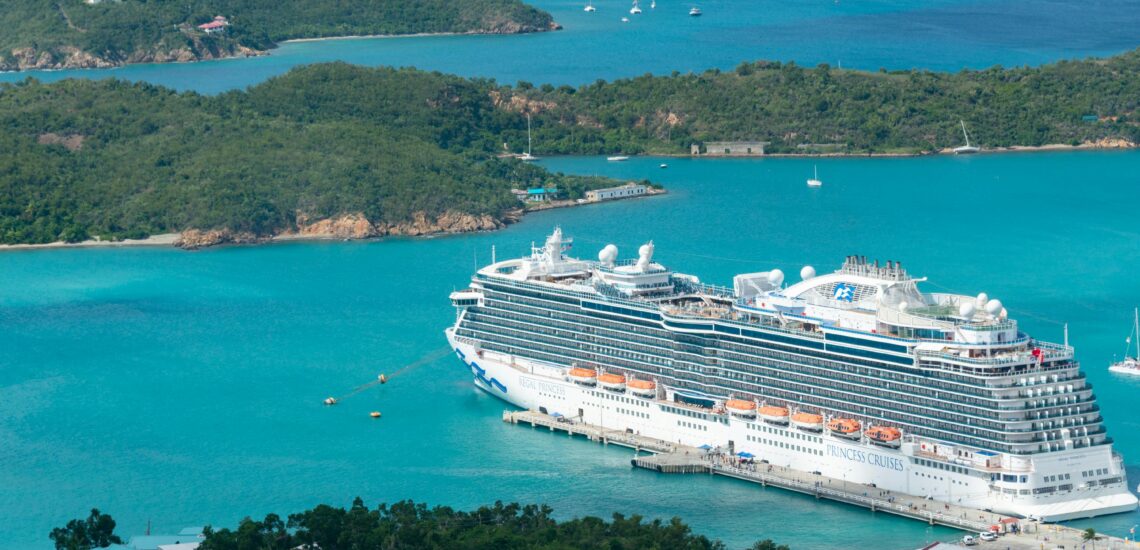
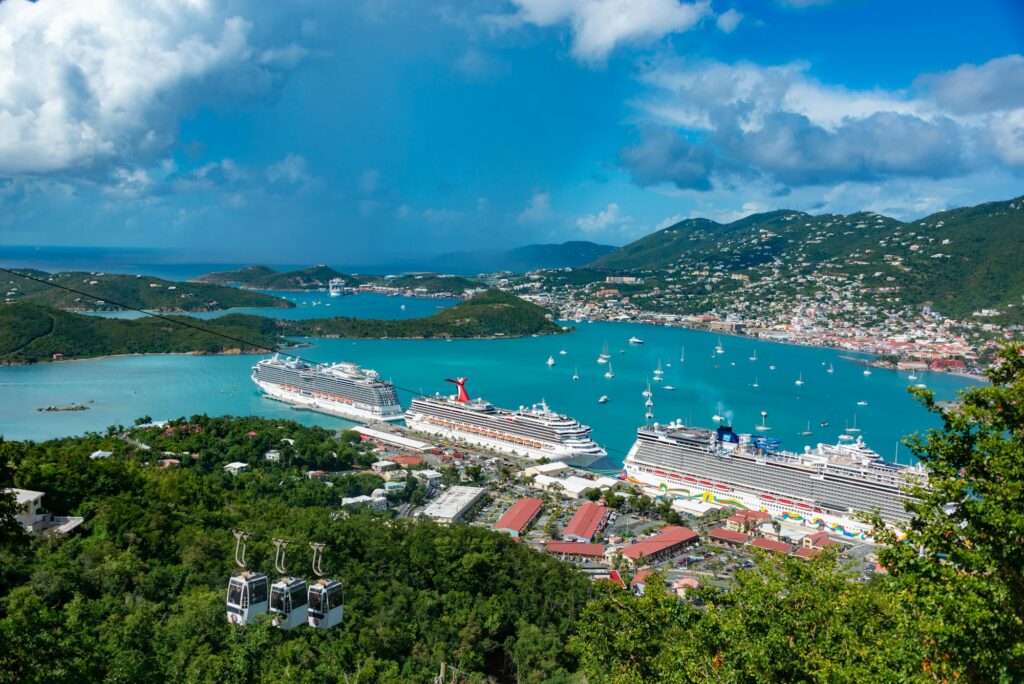
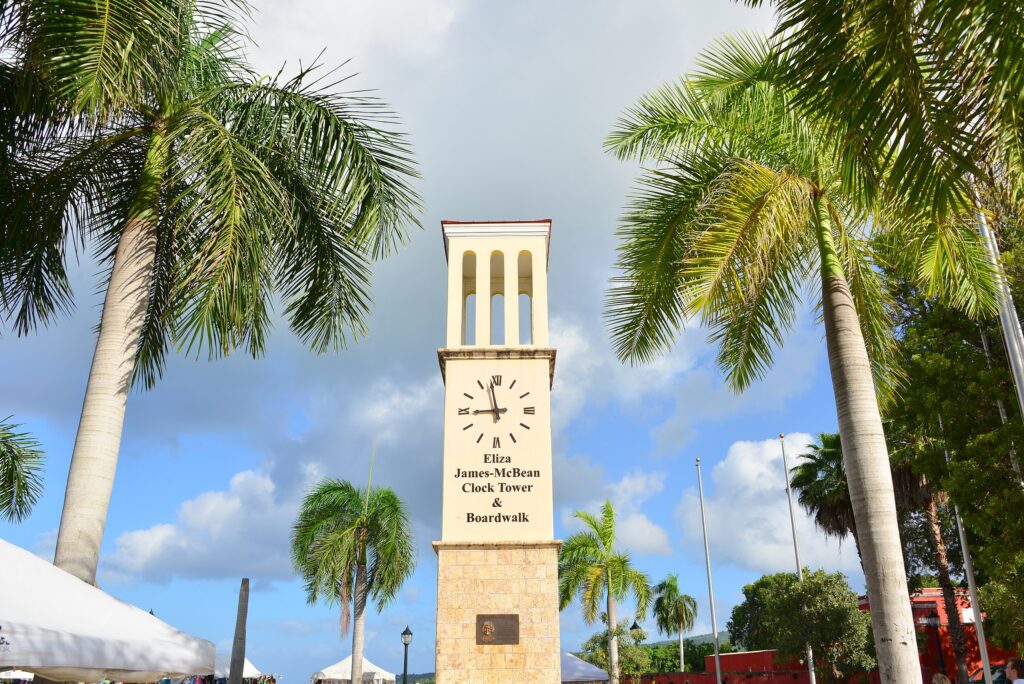
Charlotte Amalie, the capital of the U.S. Virgin Islands and main port on St. Thomas, is worth visiting for its blend of colonial history and modern island life. Founded by the Danish in the 17th century, the town features narrow streets lined with pastel buildings, red-tiled roofs, and old stone warehouses now converted into shops and cafés. Visitors can explore Fort Christian, the oldest standing structure in the Virgin Islands, and stroll through Emancipation Garden, a peaceful square commemorating the end of slavery. The 99 Steps, one of several stairways built from ballast bricks brought by Danish ships, leads to scenic viewpoints over the harbor. Charlotte Amalie also offers duty-free shopping, local markets, and a variety of waterfront restaurants, all within walking distance of the cruise terminal.
Magens Bay
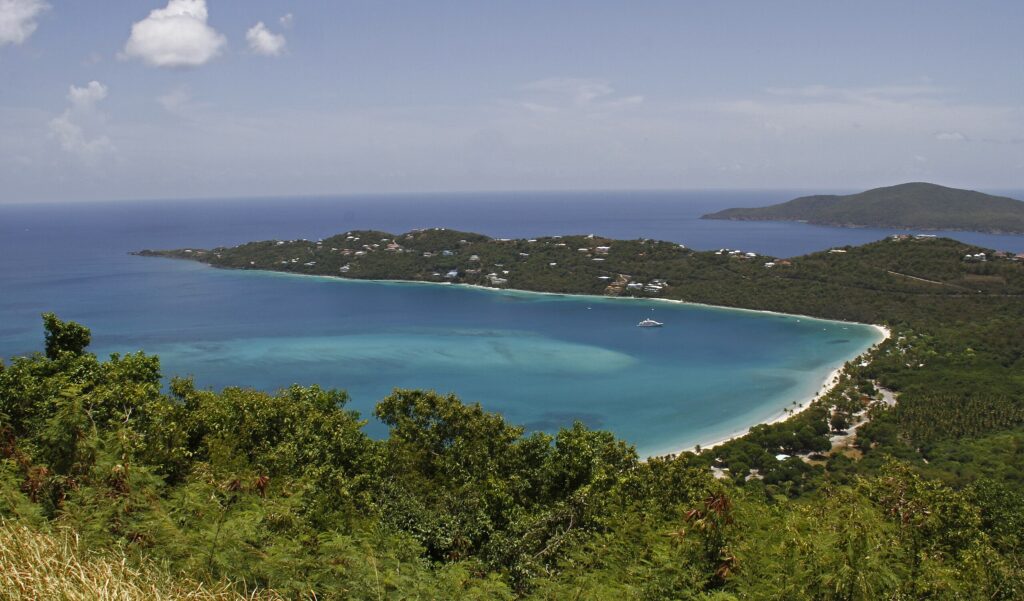
Magens Bay, located on the north coast of St. Thomas, is one of the Caribbean’s most recognized beaches and a must-visit for anyone on the island. It is worth visiting for its long, sheltered bay with calm waters ideal for swimming, kayaking, and paddleboarding. The surrounding hills covered in tropical vegetation give it a scenic, enclosed feel, and the water remains clear and shallow close to shore. Facilities include restrooms, changing rooms, rentals, and a beach café, making it suitable for families and day trips. The beach is part of Magens Bay Park, which also features a nature trail leading to a lookout point with panoramic views.
Mountain Top
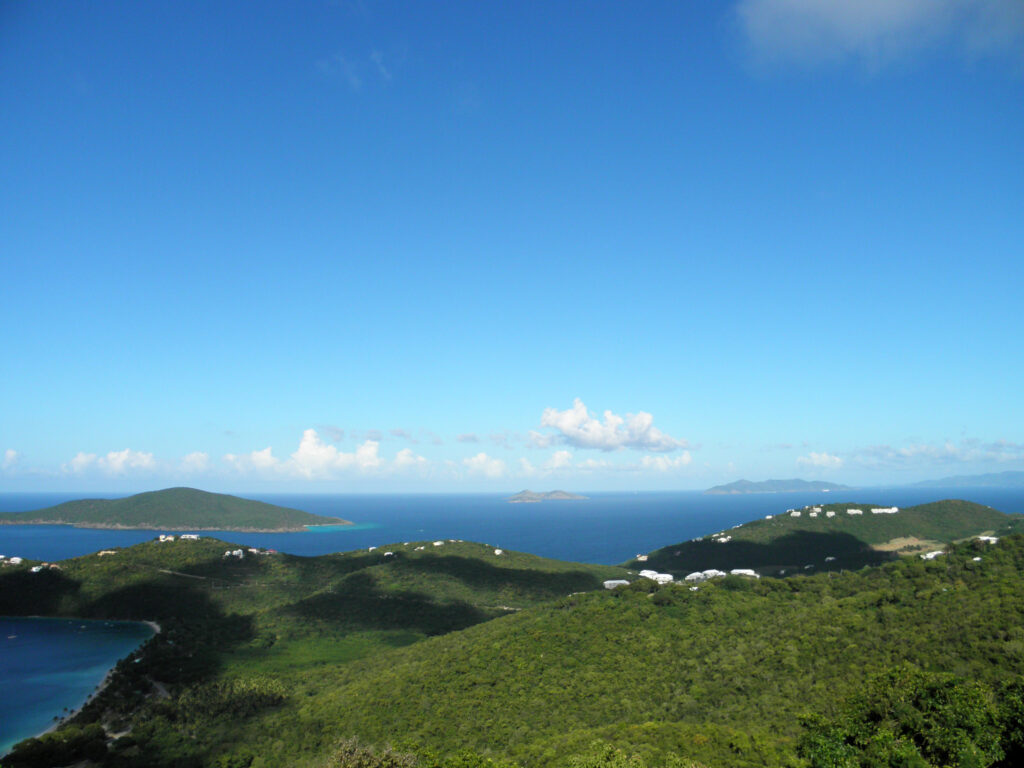
Mountain Top, perched more than 2,000 feet above sea level on the north side of St. Thomas, is one of the island’s most popular viewpoints. It is worth visiting for its wide panoramic views of Magens Bay, St. John, and the nearby British Virgin Islands. The site includes a large observation deck, souvenir shops, and a bar famous for its original banana daiquiri, a drink first popularized here in the 1950s. Visitors can enjoy the cool breeze, take photos, and browse local crafts while overlooking the coastline. Mountain Top is about a 20-minute drive from Charlotte Amalie and is a common stop on island tours, offering one of the best vantage points for understanding the geography of St. Thomas.
Coral World Ocean Park
Coral World Ocean Park, located at Coki Point on the northeastern coast of St. Thomas, is one of the island’s leading family attractions and worth visiting for its close-up encounters with marine life. The park features outdoor aquariums, touch pools, and a 360-degree underwater observatory that allows visitors to view coral reefs and tropical fish without getting wet. Guests can also participate in snorkeling and diving experiences, sea lion interactions, and shark or turtle encounters under the supervision of trained staff. Coral World emphasizes marine education and conservation, making it suitable for visitors of all ages. It is about a 25-minute drive from Charlotte Amalie and sits next to Coki Beach, allowing for an easy combination of sightseeing and beach time in one visit.
Drake’s Seat
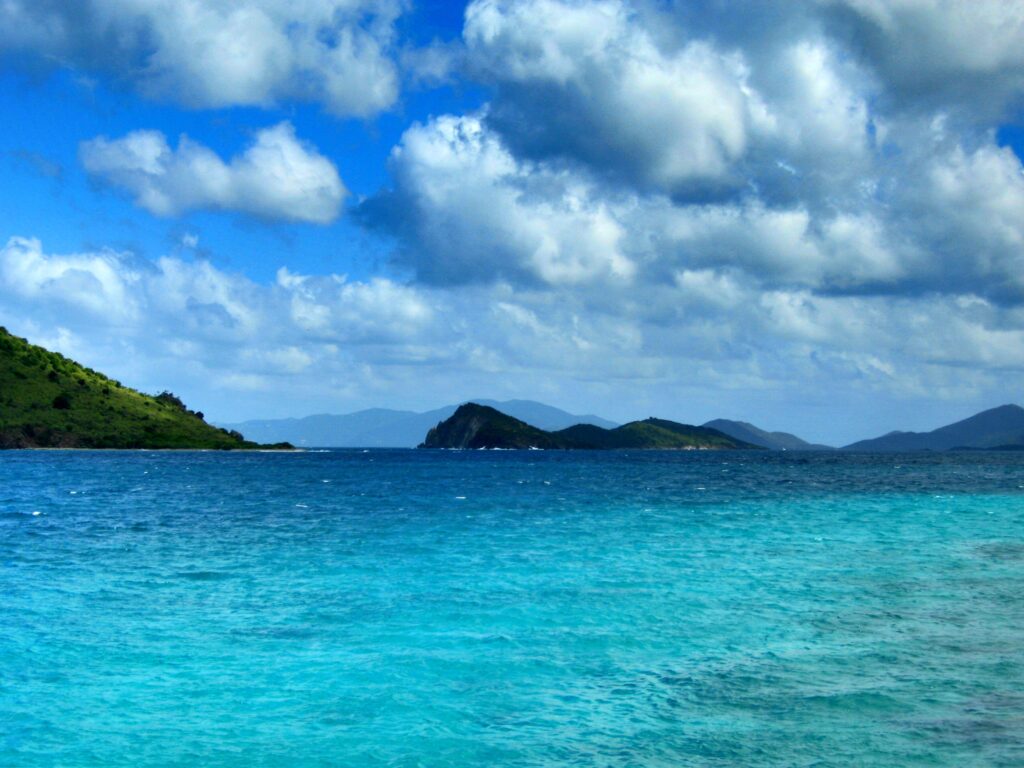
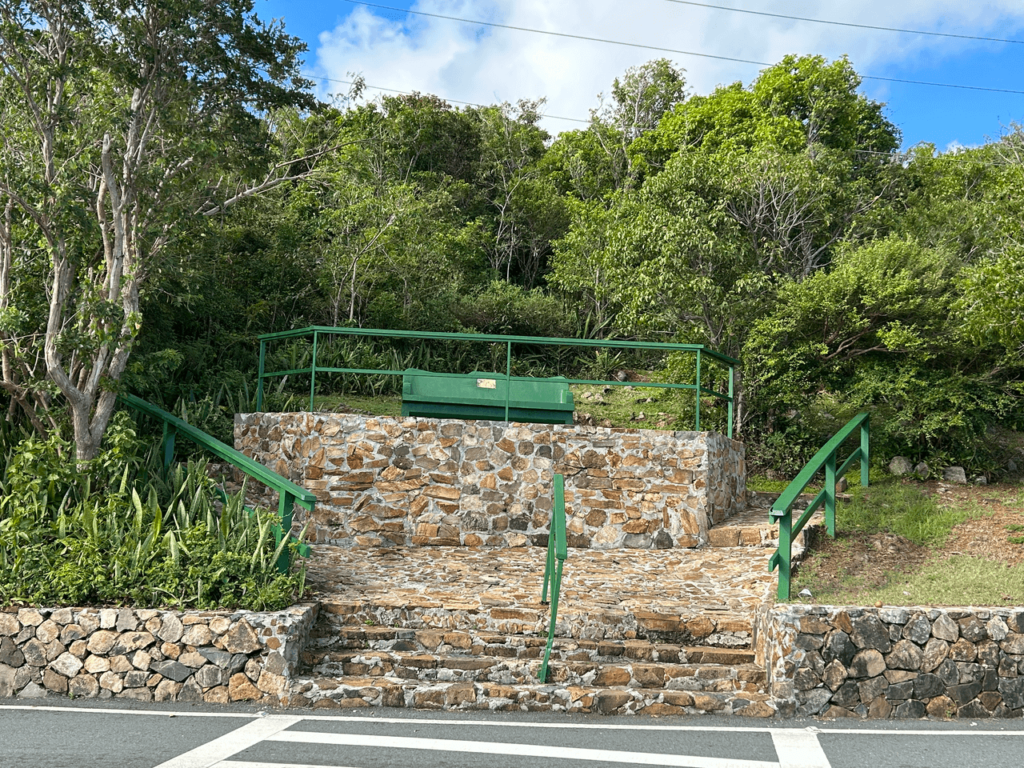
Drake’s Seat, located on the ridge above Magens Bay on St. Thomas, is one of the island’s most visited viewpoints and a quick but worthwhile stop for anyone exploring the north coast. The stone bench and lookout area are said to mark the spot where the English explorer Sir Francis Drake once watched for passing ships as they moved through the Caribbean. Today, it offers panoramic views of Magens Bay below and the surrounding islands, including St. John and the British Virgin Islands on clear days.
St. John
Over two-thirds of St. John is protected as Virgin Islands National Park, making it a paradise for hikers, snorkelers, and eco-travelers.
Trunk Bay
Trunk Bay, part of Virgin Islands National Park on St. John, is one of the Caribbean’s most photographed beaches and a highlight for visitors to the U.S. Virgin Islands. It is worth visiting for its fine white sand, clear turquoise water, and the famous underwater snorkeling trail that guides swimmers past coral reefs and tropical fish with underwater signs explaining marine life. The beach offers full facilities, including restrooms, showers, equipment rentals, and lifeguards, making it convenient for families and day-trippers. Trunk Bay is about a 10-minute drive from Cruz Bay and can be reached by taxi or car.
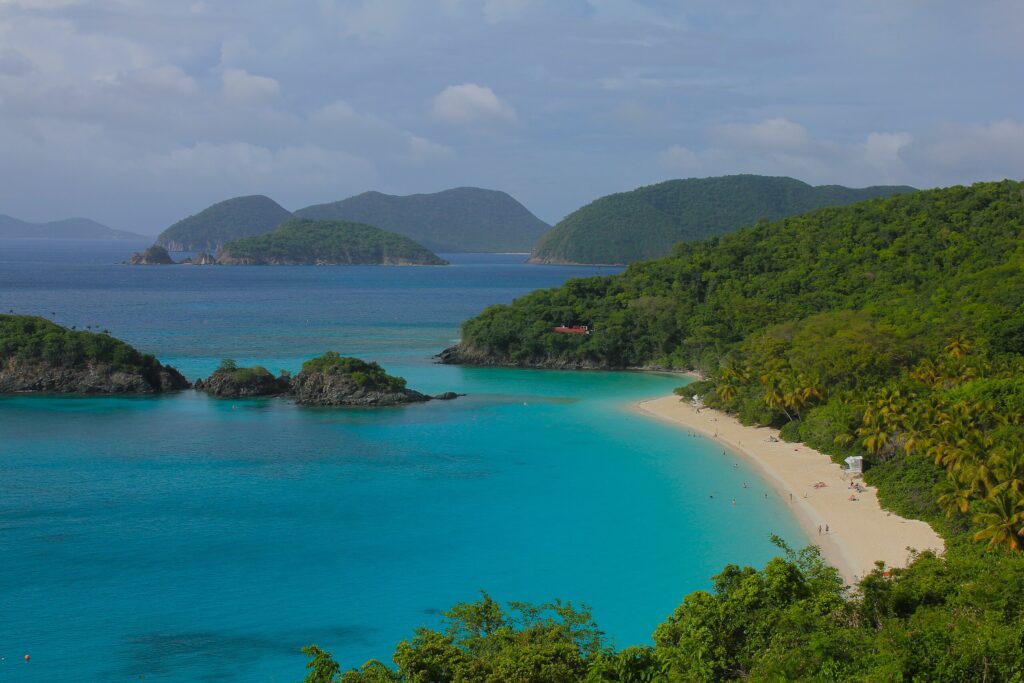
Cinnamon Bay & Maho Bay
Cinnamon Bay and Maho Bay, located side by side along St. John’s north shore, are among the most popular spots in Virgin Islands National Park and are worth visiting for their calm, protected waters and easy access to outdoor activities. Cinnamon Bay offers a long stretch of soft sand, shaded areas, and a campground for those who want to stay overnight. It’s ideal for swimming, snorkeling, and kayaking, with rental facilities and a small café nearby. Maho Bay, just a short drive away, is famous for its shallow, crystal-clear water where sea turtles are often seen feeding close to shore. Both beaches are easily reached from Cruz Bay in about 15 minutes by car or taxi and are excellent choices for families or travelers looking to enjoy relaxed, scenic days on the water.
Reef Bay Trail
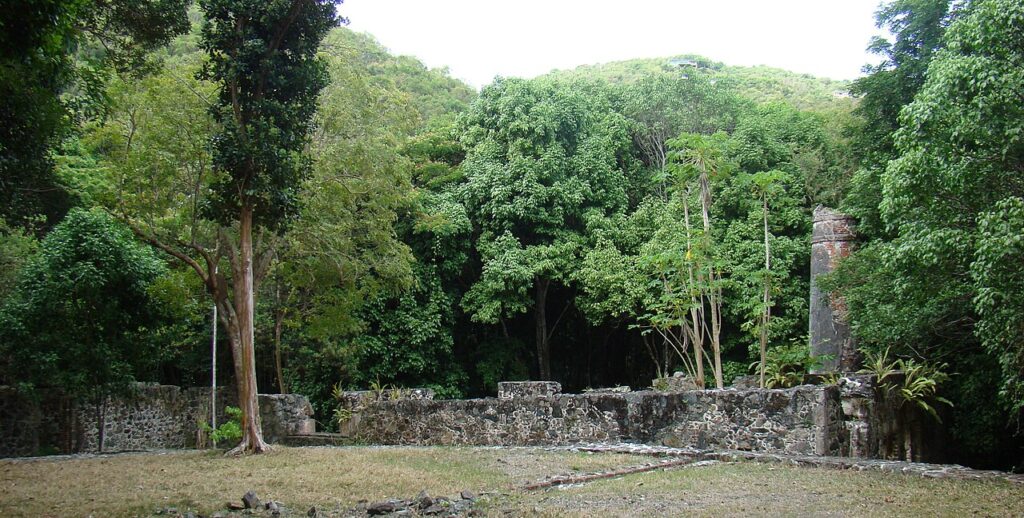
The Reef Bay Trail on St. John is one of the most rewarding hikes in Virgin Islands National Park and is worth visiting for its mix of nature, history, and archaeology. The trail descends through dense tropical forest, passing towering trees, old sugar plantation ruins, and natural waterfalls before reaching the coast at Reef Bay Beach. Midway along the route, visitors can see the island’s famous petroglyphs – ancient rock carvings created by the Taino people centuries ago. The hike is about 4.5 kilometers (2.8 miles) one way and moderately challenging, with steep sections on the return climb. Guided hikes led by the National Park Service provide insight into the island’s flora and history. The trailhead is about a 15-minute drive from Cruz Bay and best tackled in the morning to avoid the afternoon heat.
Cruz Bay
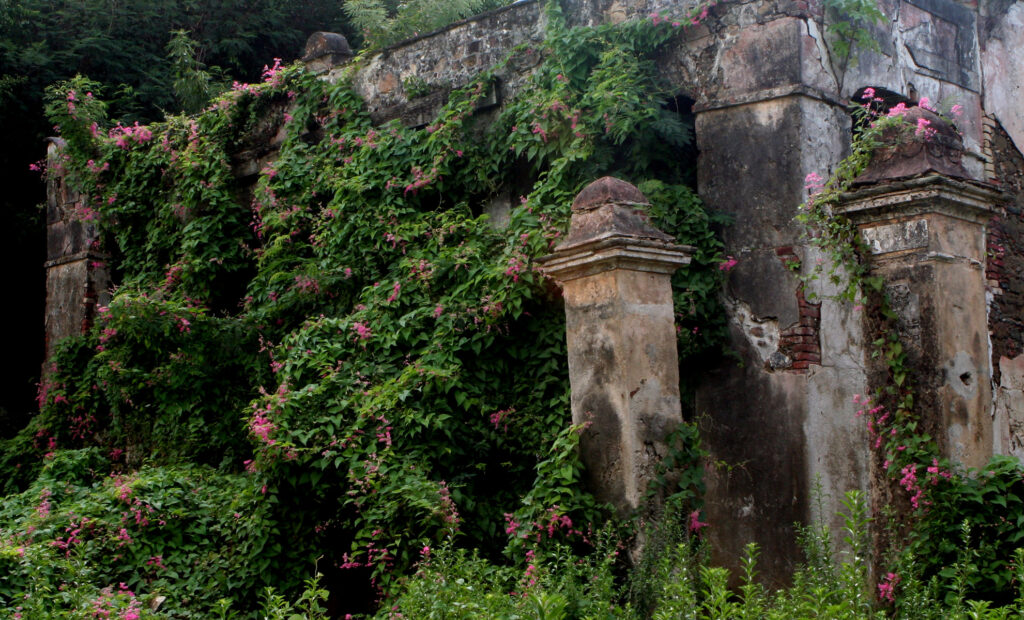
Cruz Bay, the main town and gateway to St. John, is worth visiting for its mix of local culture, dining, and easy access to the rest of the island. It serves as the arrival point for ferries from St. Thomas and the starting point for exploring Virgin Islands National Park. The compact town is lined with small boutiques, cafés, and beach bars where visitors can relax after a day of hiking or snorkeling. Cruz Bay Beach, right beside the ferry dock, offers calm waters for a quick swim, while nearby Mongoose Junction provides a shaded shopping area with restaurants and craft stores.
Annaberg Sugar Plantation
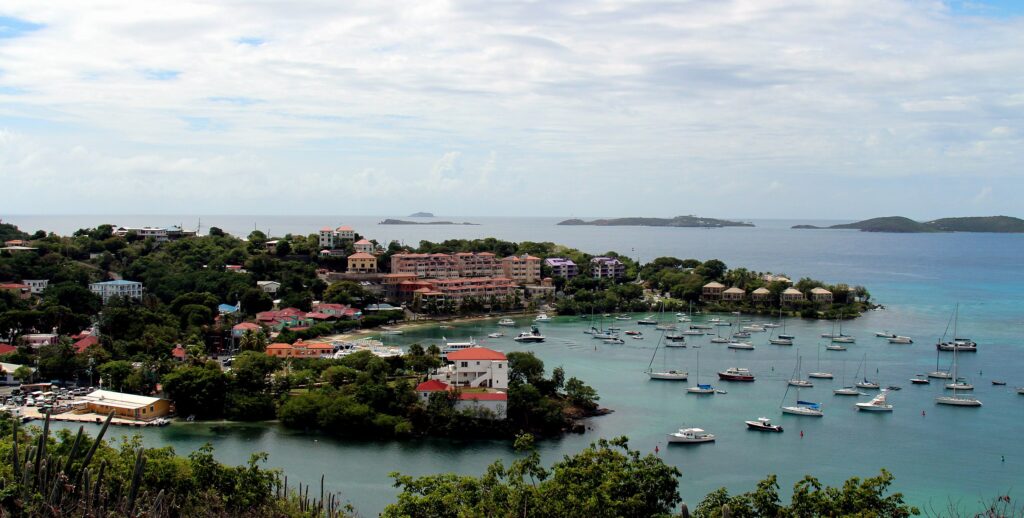
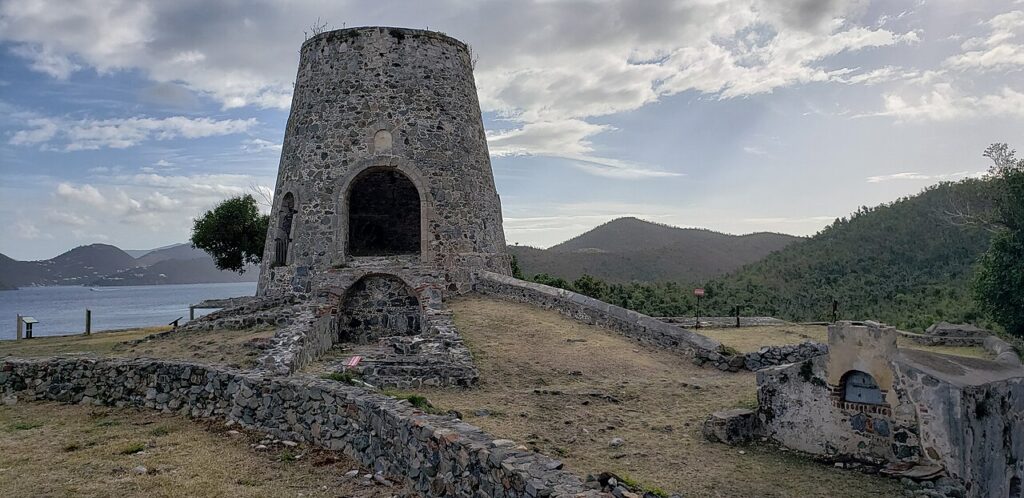
Annaberg Sugar Plantation, located on the north shore of St. John within Virgin Islands National Park, is worth visiting for its well-preserved ruins and historical significance. Once one of the largest sugar plantations on the island, it operated during the 18th and 19th centuries using enslaved labor. Today, visitors can walk among the remains of the windmill, boiling house, and slave quarters while learning about the island’s colonial economy and the people who worked the land. Informational signs and occasional ranger-led tours provide context on sugar production and daily life during that era. The site overlooks Leinster Bay and the British Virgin Islands, offering one of the most scenic views on St. John. Annaberg is easily accessible by car or taxi from Cruz Bay in about 20 minutes.
St. Croix
The largest and most culturally rich of the USVI.
Christiansted
Christiansted is the main town on St. Croix, known for its well-preserved colonial layout and waterfront setting. Visitors can explore Fort Christiansvaern, a yellow Danish-era fort overlooking the harbor, and walk through the old town streets lined with 18th-century buildings that now house galleries, restaurants, and artisan shops. Boat tours and diving excursions depart from the marina to nearby Buck Island Reef National Monument. Christiansted is easily reached from Henry E. Rohlsen Airport by car or taxi in about 20 minutes.
Frederiksted
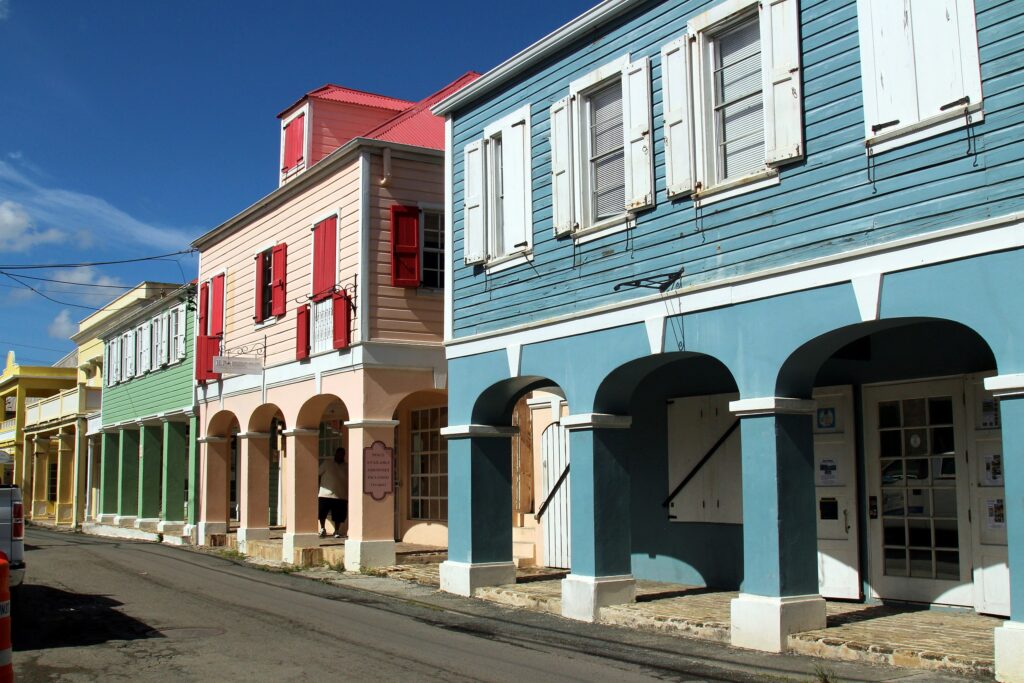
Frederiksted, on the tranquil western side of St. Croix, offers a slower pace and a glimpse into the island’s history and culture. The town’s waterfront features colorful colonial buildings and the restored Fort Frederik, where Danish emancipation of enslaved people was first proclaimed in 1848. The Frederiksted Pier is a favorite for snorkeling and scuba diving, especially for spotting sea turtles and coral formations. Just outside town, visitors can tour the Cruzan Rum Distillery to see traditional rum-making methods and sample local blends. The area also offers sunset cruises, horseback rides along the beach, and easy access to sandy stretches like Rainbow Beach. It’s about a 30-minute drive from Christiansted by taxi or rental car.
Buck Island Reef National Monument
Buck Island Reef National Monument lies just off the northeast coast of St. Croix and is one of the most protected marine areas in the Caribbean. This uninhabited island is surrounded by clear turquoise waters and a coral barrier reef home to tropical fish, sea turtles, and vibrant marine life. Visitors can follow an underwater snorkeling trail marked with plaques explaining the reef’s ecology. The island also has a small hiking path leading to a hilltop lookout with panoramic ocean views. Access to Buck Island is only by authorized boat tour or private charter departing from Christiansted or Green Cay Marina, making it an easy half-day or full-day excursion.
Estate Whim Plantation Museum
Estate Whim Plantation Museum, located just south of Frederiksted, is the only preserved sugar plantation museum on St. Croix. The estate features restored windmills, slave quarters, and a great house that offers insight into the island’s colonial and agricultural past. Visitors can explore the grounds to see original sugar-processing equipment and learn how sugarcane shaped the island’s economy. The museum also hosts local craft demonstrations and cultural events that highlight Crucian traditions. It’s easily accessible by car from both Frederiksted and Christiansted, making it a convenient stop for anyone interested in the history of the Caribbean.
Point Udall
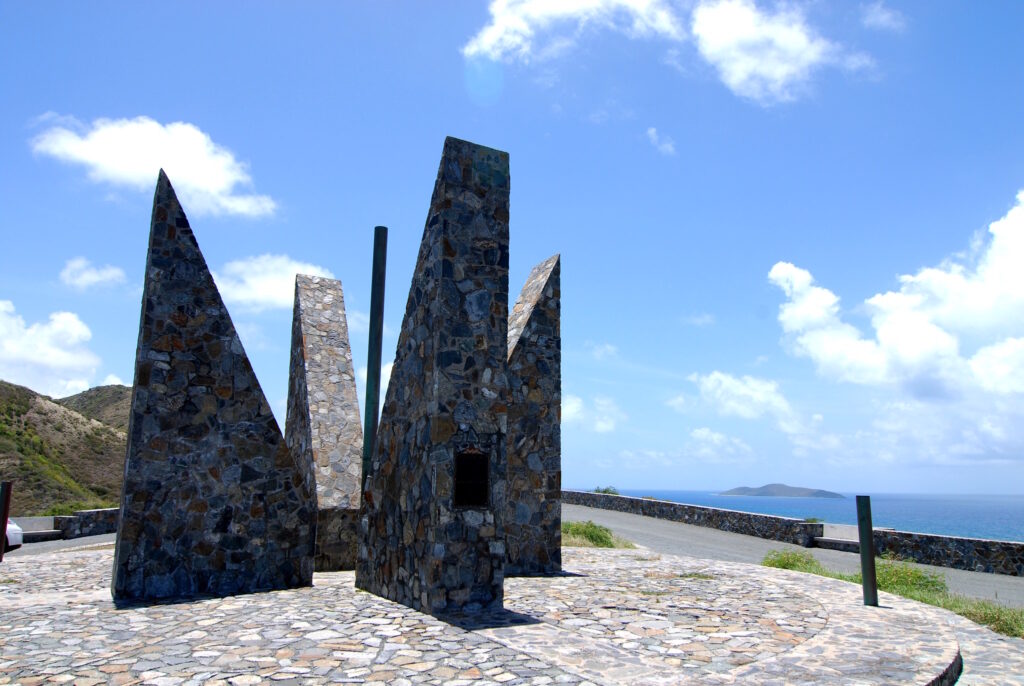
Point Udall marks the easternmost point of the United States and offers sweeping views of the Atlantic Ocean. Located at the end of St. Croix’s East End Road, it’s known as one of the best spots on the island to watch the sunrise. A stone sundial monument, the Millennium Monument, stands at the site, commemorating the first U.S. sunrise of the year 2000. Visitors can take in panoramic views of nearby Buck Island and the surrounding coastline or continue along nearby hiking trails within the East End Marine Park. The drive from Christiansted takes about 30 minutes and passes scenic bays and rolling hills along the way.
Best Natural Wonders in the U.S. Virgin Islands
Virgin Islands National Park (St. John)
Virgin Islands National Park covers most of St. John and is one of the Caribbean’s most diverse natural areas. It offers a mix of white-sand beaches, coral reefs, and forested hills with well-marked hiking trails leading to old sugar mill ruins and scenic overlooks. Visitors can swim or snorkel in calm bays like Trunk Bay, Salt Pond Bay, Francis Bay, and Hawksnest Beach, where marine life such as sea turtles and colorful reef fish are common. The park is also home to tropical birds and iguanas, making it a great place for nature photography. Access to St. John is by ferry from Red Hook or Charlotte Amalie on St. Thomas, and once on the island, rental jeeps and taxis are the main ways to explore.
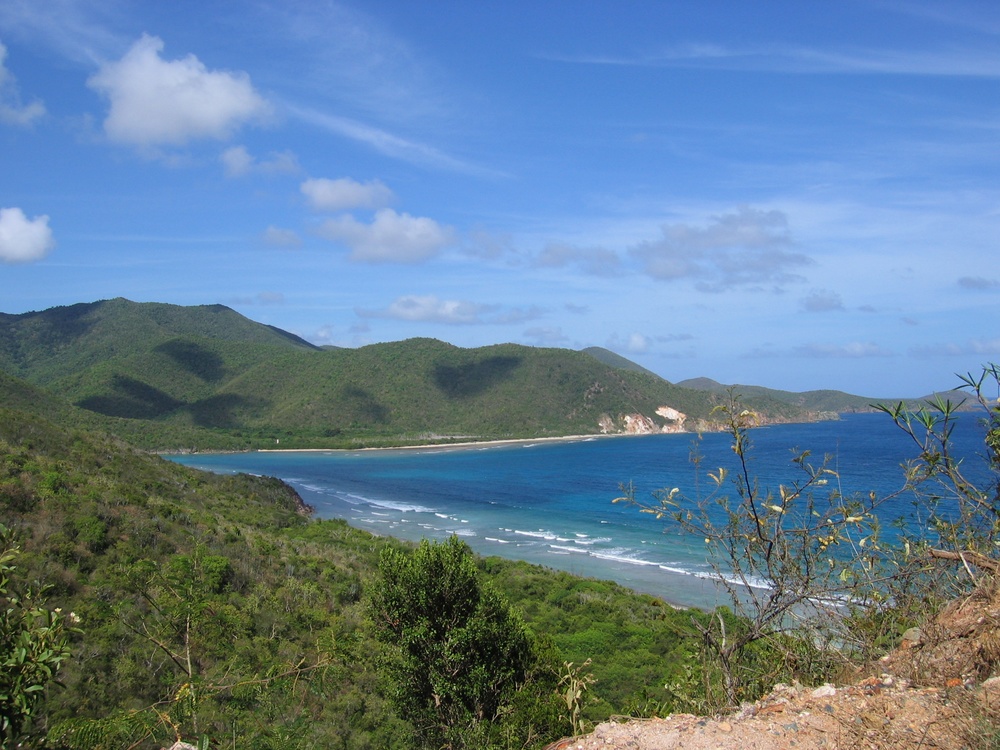
Buck Island Reef National Monument (St. Croix)
Buck Island Reef National Monument, located about 1.5 miles off St. Croix’s north shore, is one of the Caribbean’s top marine sanctuaries. The protected reef surrounds an uninhabited island and features an underwater snorkeling trail where visitors can swim through coral gardens teeming with tropical fish, rays, and sea turtles. Guided tours provide insight into the reef’s fragile ecosystem and conservation efforts led by the National Park Service. On land, a short hiking path leads to a panoramic viewpoint overlooking the reef and surrounding waters. Boats to Buck Island depart daily from Christiansted, Green Cay Marina, and Cane Bay, with both half-day and full-day excursions available.
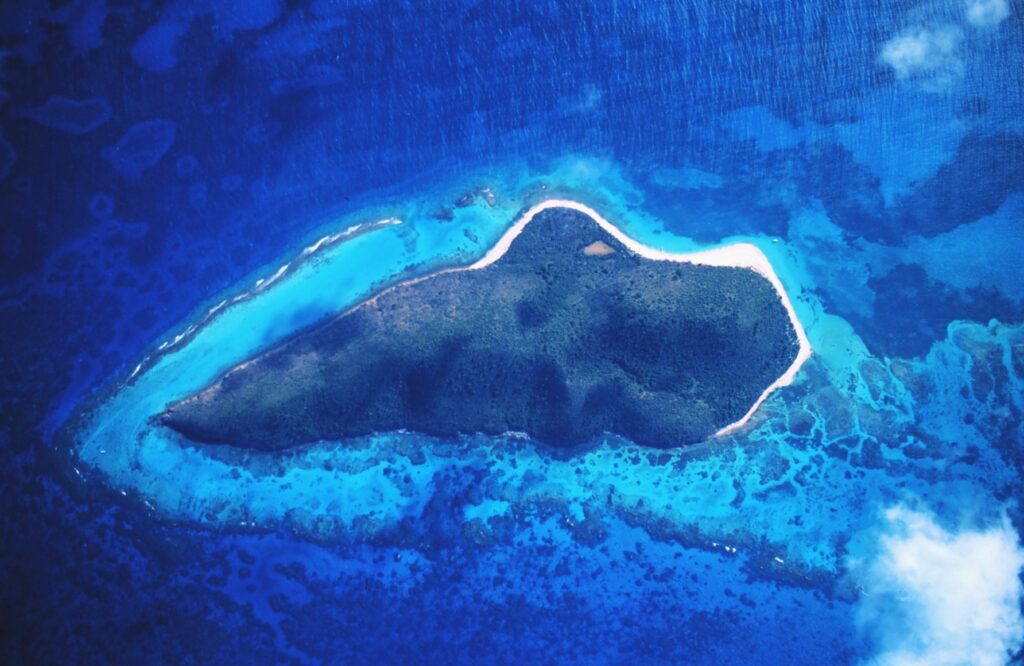
Sandy Point National Wildlife Refuge (St. Croix)
Sandy Point National Wildlife Refuge lies on the southwest tip of St. Croix and is home to one of the longest and most pristine beaches in the U.S. Virgin Islands. The area is protected as a critical nesting site for endangered leatherback, green, and hawksbill turtles, which come ashore between March and August. Because of this, public access is limited to weekends outside the nesting season, ensuring minimal disturbance to the wildlife. When open, visitors can enjoy miles of untouched white sand and crystal-clear water, ideal for walking and photography rather than swimming due to strong currents. The refuge is located near Frederiksted and is best reached by car or taxi.
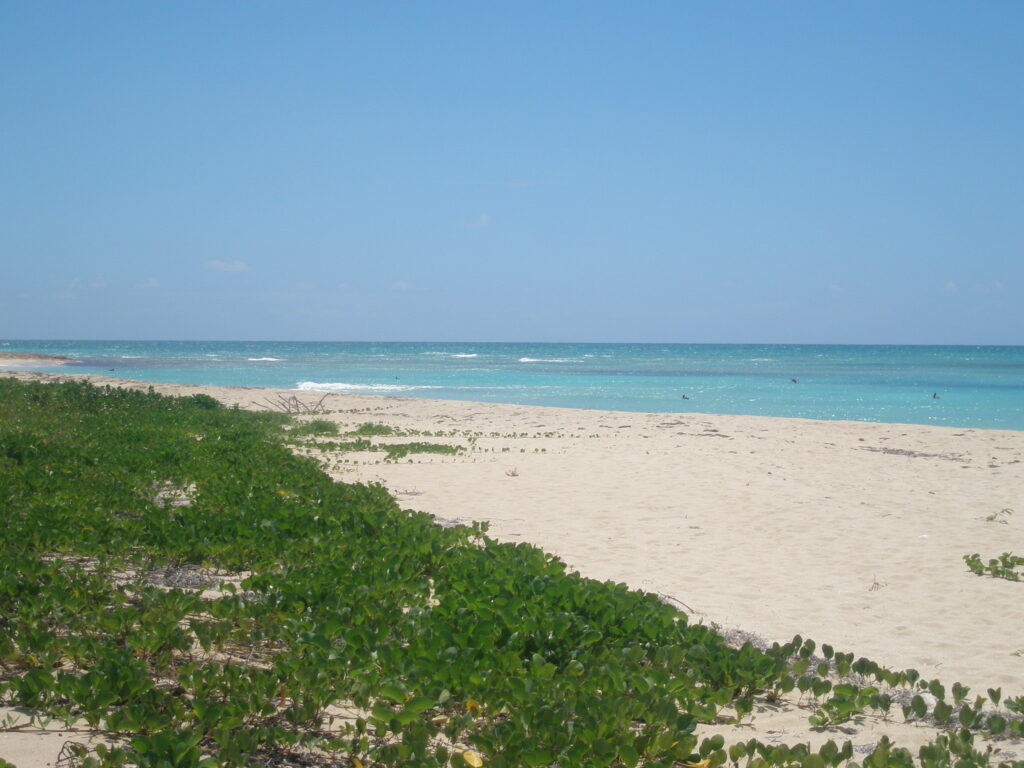
Salt River Bay National Historical Park (St. Croix)
Salt River Bay National Historical Park and Ecological Preserve, on St. Croix’s north coast, combines cultural heritage with natural beauty. It marks the site where Christopher Columbus landed during his second voyage in 1493, making it one of the few places in the U.S. with direct ties to that expedition. Today, the park protects mangrove forests, coral reefs, and an inland bay that serves as a nursery for marine life. Kayaking tours explore the estuary’s calm waters by day, while nighttime trips reveal the glowing bioluminescence caused by microscopic organisms. The park is located about 15 minutes from Christiansted and can be reached by car, with guided tours departing from the nearby marina.
Water Island
Water Island, the smallest of the four main U.S. Virgin Islands, offers a quiet retreat just minutes from St. Thomas. Honeymoon Beach is its centerpiece – a relaxed stretch of sand with calm waters perfect for swimming, kayaking, and paddleboarding. Visitors can rent beach chairs, enjoy casual meals at seaside bars, or explore the island by golf cart. Despite its small size, Water Island has hiking trails leading to scenic viewpoints and remnants of World War II fortifications. The island is easily reached by a short 10-minute ferry ride from Crown Bay Marina in St. Thomas, making it an ideal destination for a peaceful half-day trip.
Hidden Gems
Hull Bay (St. Thomas)
Hull Bay, located on the north side of St. Thomas, is a small, uncrowded beach favored by locals and surfers. The bay’s waves attract surfers during the winter months, while calmer days are ideal for swimming, snorkeling, or relaxing under the shade of sea grape trees. A small beach bar and local fishing boats give the area a laid-back, authentic feel. It’s also a good spot to watch the sunset or join a fishing charter. Hull Bay is about a 15-minute drive from Charlotte Amalie and can be reached by car or taxi.
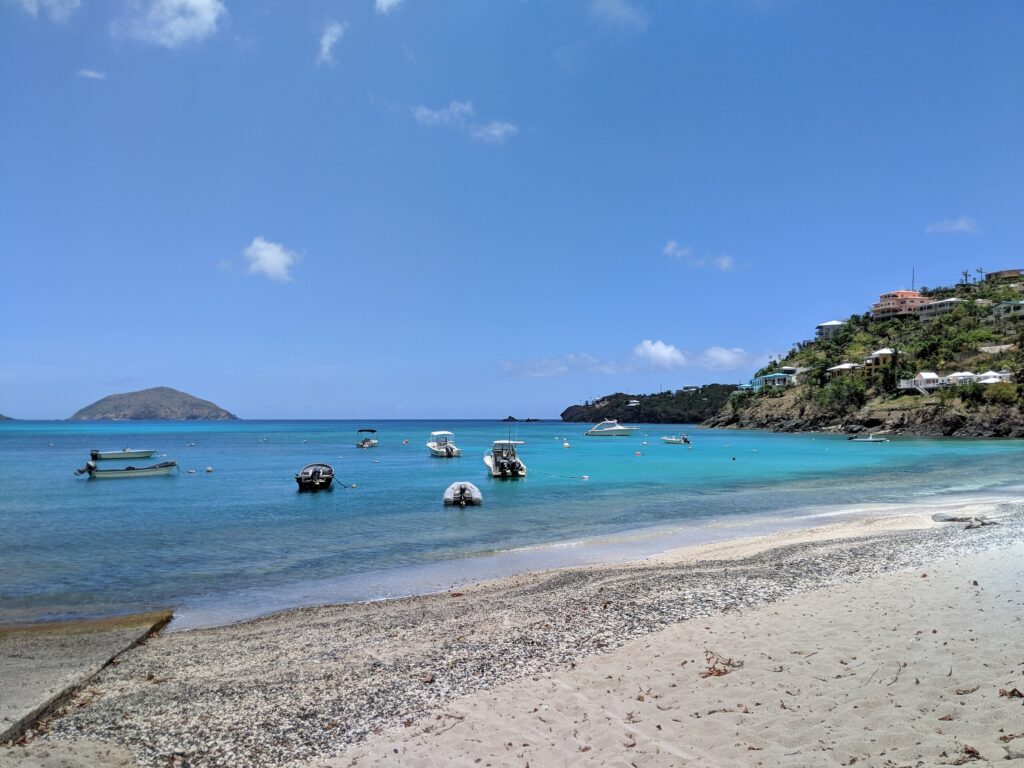
Leinster Bay & Waterlemon Cay (St. John)
Leinster Bay and Waterlemon Cay, on the north shore of St. John within Virgin Islands National Park, are among the island’s best snorkeling spots. A short coastal trail leads from the road to the bay, where calm, clear waters reveal coral gardens filled with colorful fish, sea stars, and occasionally sea turtles. Snorkelers can swim out to Waterlemon Cay, a small offshore cay encircled by vibrant reef life. The area also offers scenic hiking routes with views of historic sugar mill ruins and the British Virgin Islands across the channel. Leinster Bay is accessible by car or taxi from Cruz Bay, followed by a 15-minute walk along the trail.
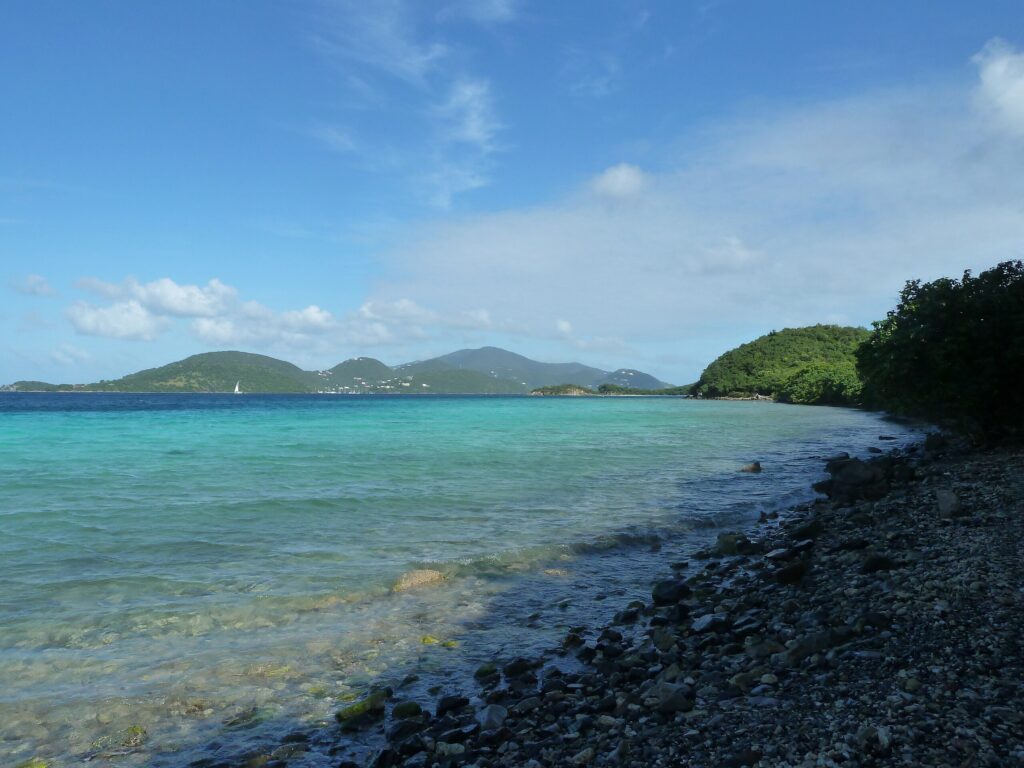
Ram Head Trail (St. John)
Ram Head Trail, located on the southern tip of St. John, is one of the island’s most rewarding hikes. The trail begins at Salt Pond Bay and climbs gradually along the rocky coastline to reach Ram Head Point, a dramatic cliff overlooking the Caribbean Sea and nearby islands. Along the way, hikers pass cactus-covered hills, red sand beaches, and panoramic viewpoints. The route takes about 45 minutes each way and is best done in the early morning or late afternoon to avoid the heat. The area is part of Virgin Islands National Park and is accessible by car or taxi from Cruz Bay, with parking available near Salt Pond Bay.
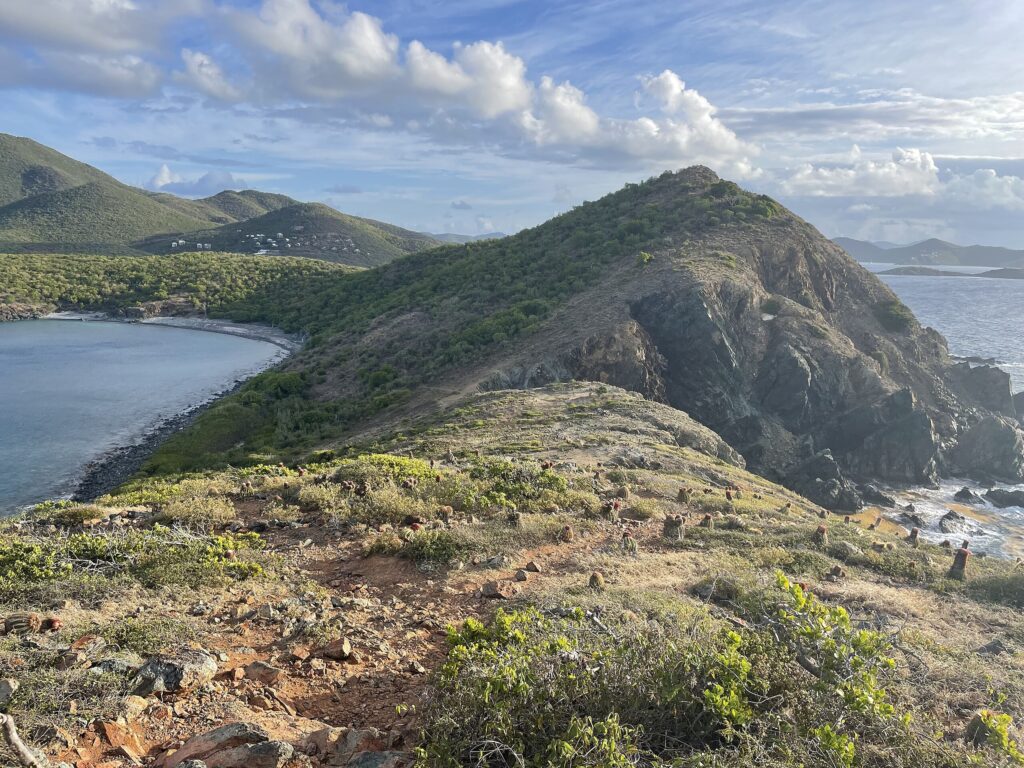
Cane Bay (St. Croix)
Cane Bay, on St. Croix’s north shore, is one of the island’s premier diving and snorkeling destinations. Just offshore lies “The Wall”, an underwater cliff where the seabed plunges from shallow reefs to depths of over 3,000 feet, creating ideal conditions for spotting sea turtles, rays, and vibrant coral formations. The beach itself has calm waters suitable for swimming, as well as a few beach bars and dive shops offering equipment rentals and guided dives. Cane Bay is also popular for kayaking and sunset views across the Caribbean. It’s about a 20-minute drive from Christiansted or Frederiksted and easily accessible by car.
Ha’Penny Beach (St. Croix)
Ha’Penny Beach, located on St. Croix’s south shore, is one of the island’s longest and quietest beaches. Its wide expanse of golden sand and calm waves make it perfect for long walks, beachcombing, or simply relaxing in solitude. The beach is rarely crowded, offering a peaceful setting with clear views of the Caribbean Sea and beautiful sunsets. While there are no facilities on-site, nearby restaurants and accommodations can be found a short drive away. Ha’Penny Beach is about 15 minutes from Christiansted and best reached by car, making it ideal for those seeking a quiet, uncrowded coastal escape.
Travel Tips for the U.S. Virgin Islands
Travel Insurance & Health
Travel insurance is recommended, especially if you plan to go diving, sailing, or take part in outdoor excursions. Make sure your policy includes medical coverage and trip cancellation protection in case of storms or flight disruptions during hurricane season (June – November).
The U.S. Virgin Islands are safe, friendly, and welcoming, particularly in the main tourist areas. Tap water is safe to drink, and healthcare facilities are reliable. Protect yourself from the tropical sun with reef-safe sunscreen, use insect repellent, and stay hydrated throughout the day.
Transportation & Driving
Ferries and small planes link the islands of St. Thomas, St. John, and St. Croix, with regular schedules year-round. On St. Thomas and St. Croix, rental cars and taxis are widely available, while on St. John, jeeps are the best choice for handling steep, winding roads and scenic overlooks.
The U.S. Virgin Islands are unique among U.S. territories – vehicles drive on the left-hand side of the road. Seatbelts are mandatory, and speed limits are low, typically 20–35 mph. Roads can be steep, narrow, and curvy, so drive slowly and enjoy the views. U.S. citizens can drive using their regular U.S. license, while foreign visitors must carry an International Driving Permit along with their national license. Always keep your identification and rental documents with you.

Published October 28, 2025 • 16m to read