
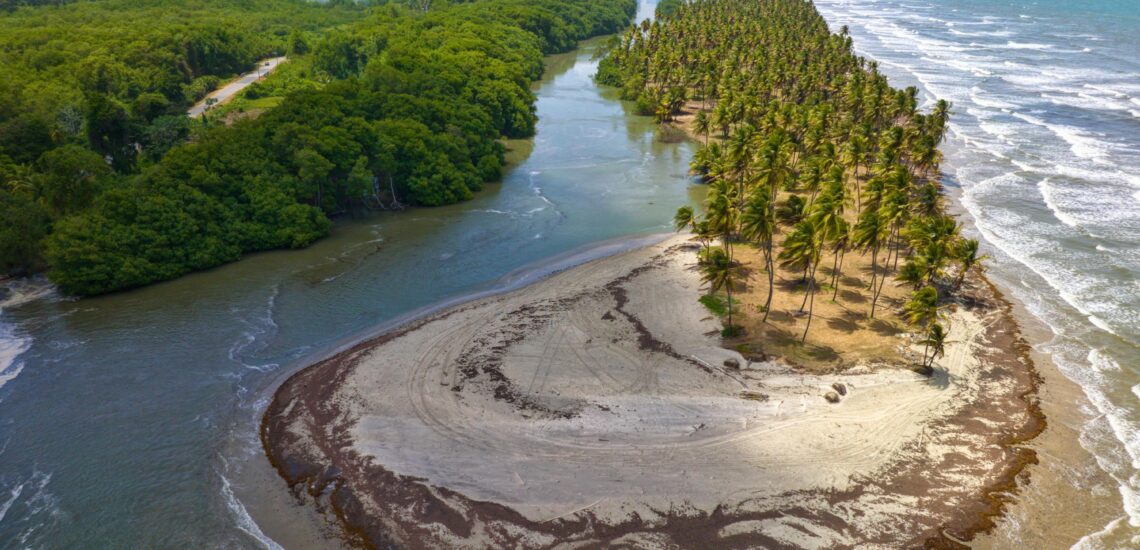


Located just off the northern coast of South America, Trinidad and Tobago is one of the Caribbean’s most diverse and dynamic destinations. The twin-island nation combines the energy of Carnival and calypso with the tranquility of palm-fringed beaches and rainforest-covered hills.
Trinidad, the larger island, is alive with culture, nightlife, and adventure – from bustling Port of Spain to turtle nesting beaches and waterfalls. Tobago, smaller and more laid-back, is known for coral reefs, turquoise bays, and a relaxed island charm. Together, they offer the best of both worlds: vibrant culture and serene Caribbean beauty.
Best Cities in Trinidad and Tobago
Port of Spain
Port of Spain, the capital of Trinidad and Tobago, is the island’s cultural and economic center, known for its energy and diversity. At its core lies the Queen’s Park Savannah, a vast open space used for festivals, sports, and leisure, bordered by the Magnificent Seven – a row of grand colonial mansions that reflect the city’s historic architecture. The National Museum and Art Gallery nearby provides insight into Trinidad’s art, culture, and natural history.
Ariapita Avenue is the city’s main entertainment strip, filled with restaurants, bars, and live music venues that come alive in the evenings. Port of Spain is also the heart of Trinidad’s world-famous Carnival, held each February or March, when the city transforms into a spectacle of music, dance, and colorful costumes. Outside the festive season, it remains a lively urban hub and the main gateway for exploring the rest of the island.
San Fernando
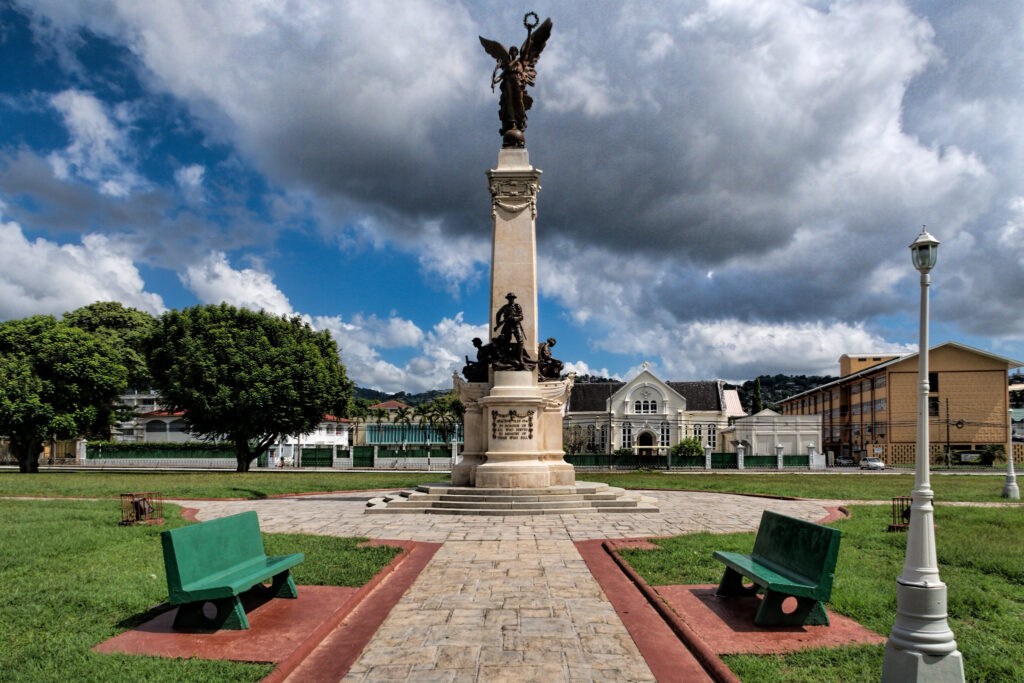
San Fernando, the second-largest city in Trinidad, serves as the commercial and industrial hub of the island’s south while maintaining a distinctly local and welcoming atmosphere. The city overlooks the Gulf of Paria, and its most prominent landmark, San Fernando Hill, offers sweeping views of the coastline and urban landscape. It’s a popular spot for short hikes and sunset visits.
Scarborough (Tobago)
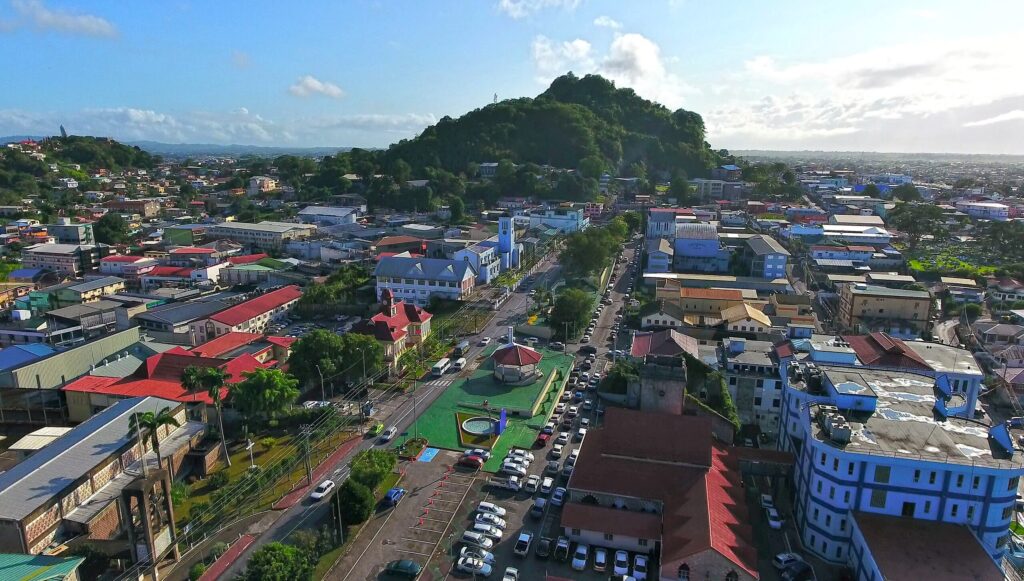
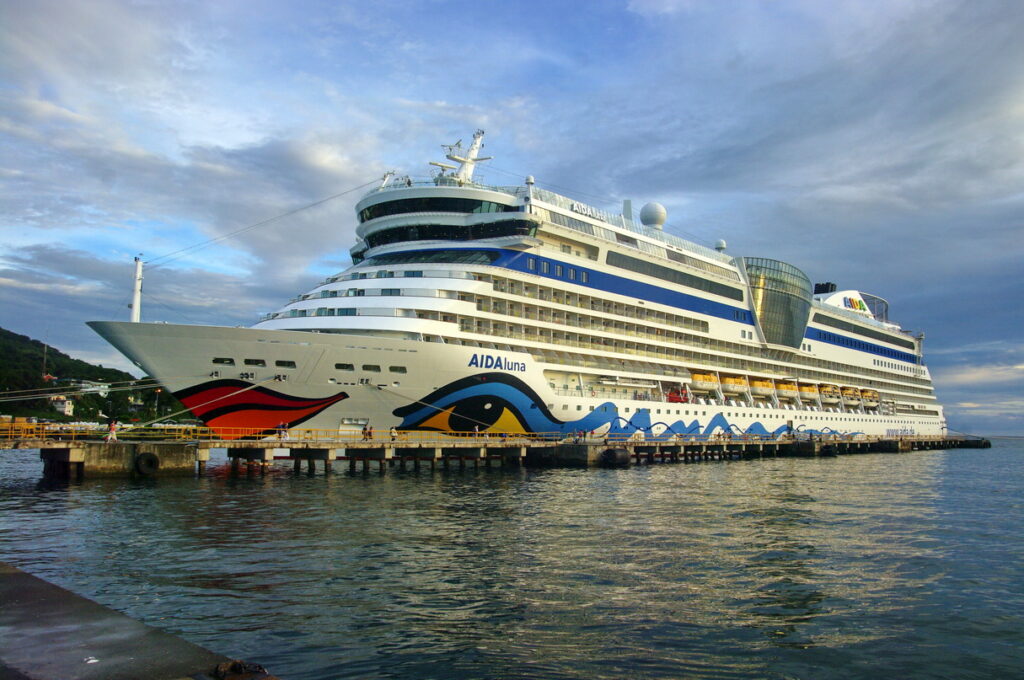
Scarborough, the capital of Tobago, is a compact hillside town overlooking the island’s southwest coast. Despite its small size, it serves as Tobago’s administrative and transport center, with a busy port connecting the island to Trinidad. The town’s main landmark, Fort King George, sits on a ridge above the harbor and offers panoramic views of the coastline. The fort also houses the Tobago Museum, which displays artifacts from the island’s colonial and cultural history.
Arima
Arima is a historic town in eastern Trinidad known for its strong cultural traditions and vibrant local identity. It has deep Amerindian roots and remains an important center for preserving Indigenous heritage on the island. The town is also famous for Parang, a festive folk music style with Spanish influence that fills the streets during the Christmas season. Located about 30 kilometers from Port of Spain, the town is easily reached by road and serves as a gateway to the Northern Range and nearby nature reserves.
Best Natural Wonders in Trinidad and Tobago
Maracas Bay (Trinidad)
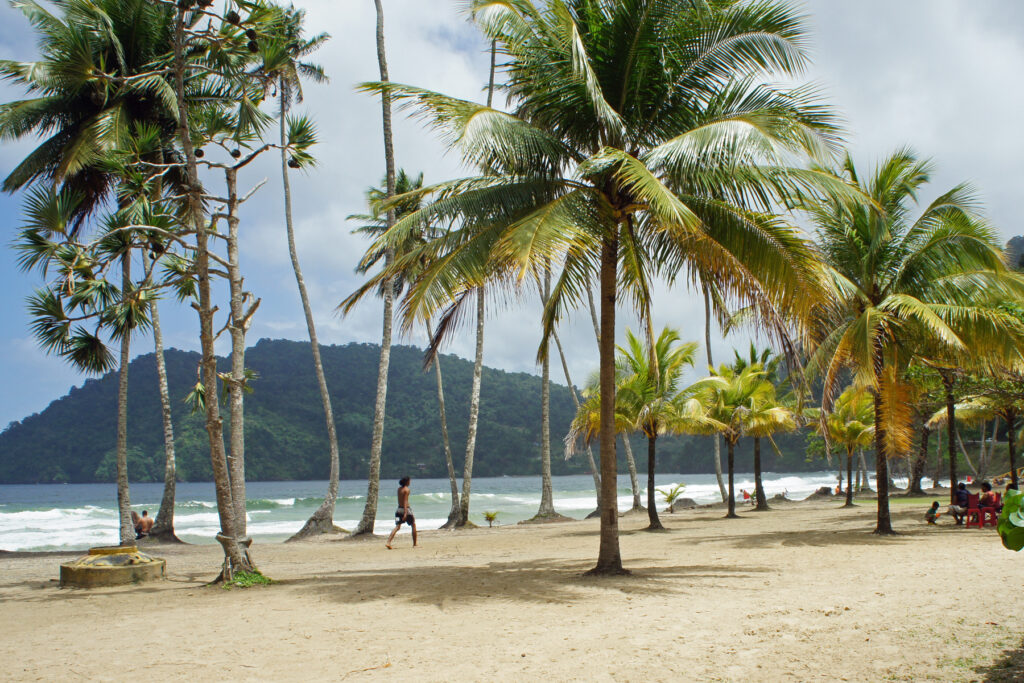
Maracas Bay is Trinidad’s most well-known beach, a wide crescent of golden sand framed by steep, forested hills on the island’s north coast. Its calm, clear waters make it ideal for swimming and relaxing, while the scenic drive from Port of Spain over the Northern Range offers panoramic views of the coastline. The beach is well maintained, with facilities, lifeguards, and food stalls that make it a convenient day trip from the capital.
Asa Wright Nature Centre (Trinidad)
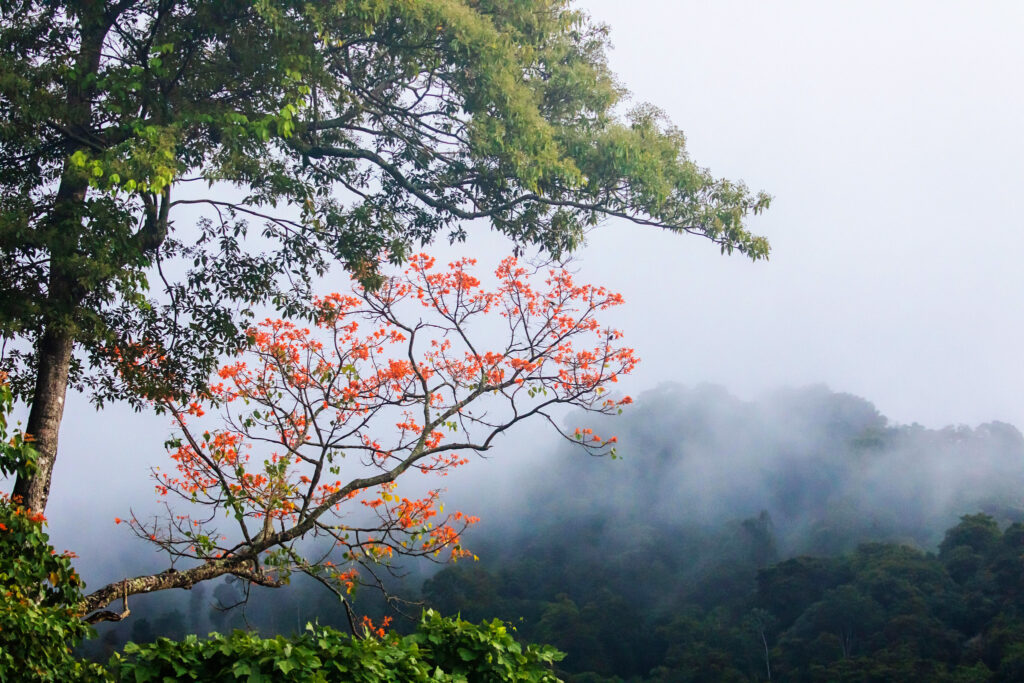
The Asa Wright Nature Centre is one of the Caribbean’s most respected eco-lodges and birdwatching destinations, located in the rainforest-covered Northern Range of Trinidad. The reserve protects more than 500 hectares of tropical forest that provide habitat for an extraordinary range of bird species, including hummingbirds, toucans, manakins, and the rare bearded bellbird. The lodge’s open veranda is a famous spot for observing wildlife up close while surrounded by lush greenery.
Caroni Bird Sanctuary (Trinidad)
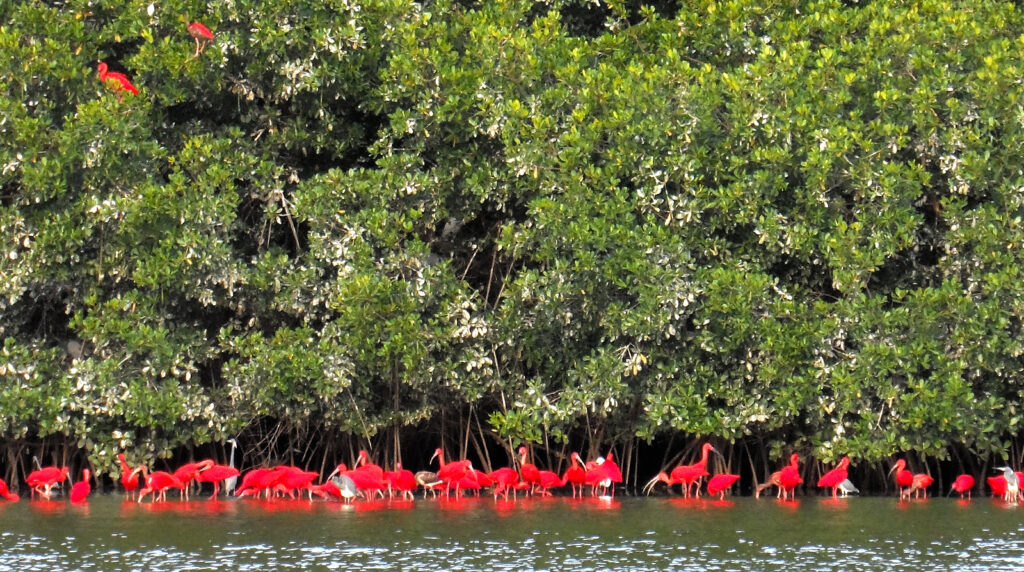
The Caroni Bird Sanctuary is a protected mangrove wetland located just south of Port of Spain, covering a network of waterways, lagoons, and small islands. It is one of Trinidad’s top wildlife destinations, best known for the evening spectacle of scarlet ibis – the national bird – returning in large flocks to roost among the mangroves, creating a vivid display of red against the green canopy.
Boat tours through the sanctuary take visitors deep into the mangrove channels, where guides point out herons, egrets, caimans, and even tree-dwelling boa constrictors. Trips usually depart in the late afternoon to coincide with the ibis’ return, but the sanctuary is also rich in birdlife throughout the day. It is easily reached by car from Port of Spain, making it a convenient and memorable half-day excursion.
Pitch Lake (La Brea, Trinidad)
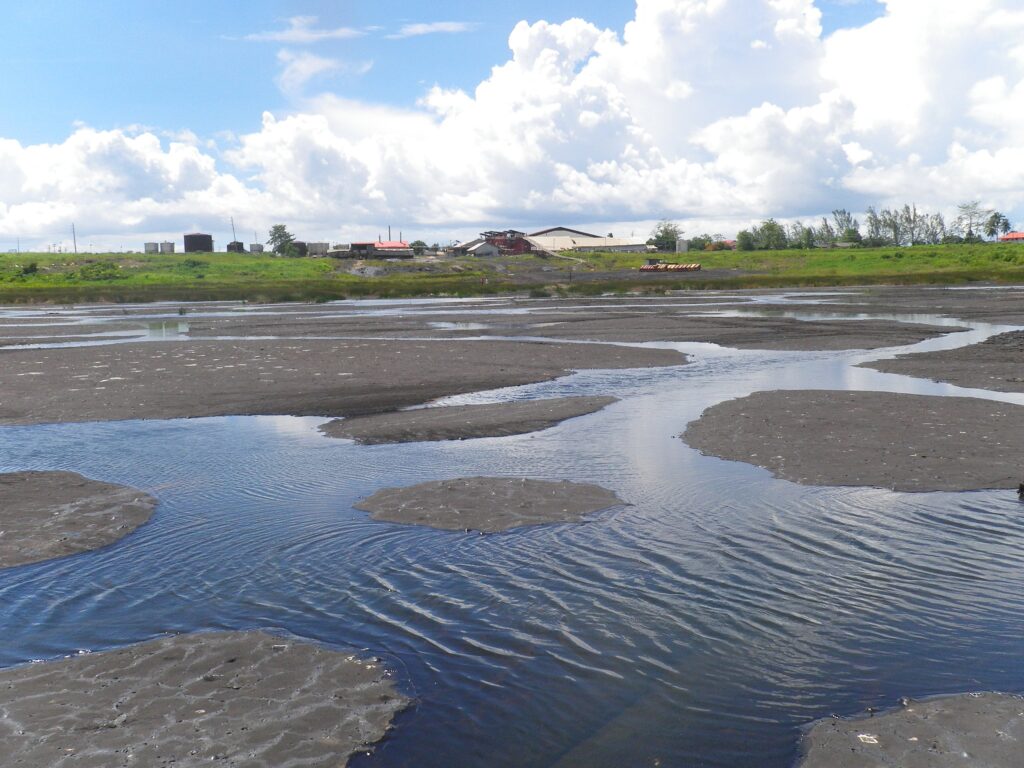
Pitch Lake, located in the town of La Brea in southern Trinidad, is the largest natural asphalt lake in the world. Covering about 40 hectares, it contains a unique mixture of asphalt, clay, and water that gives it a semi-solid surface strong enough to walk on in many areas. The site has been mined for centuries, with its asphalt used in paving roads worldwide, and it continues to draw interest from scientists studying its unusual geology and microbial life. Pitch Lake is about a 90-minute drive from Port of Spain and makes an intriguing stop for anyone interested in natural wonders or unusual landscapes.
Rio Seco Waterfall (Trinidad)
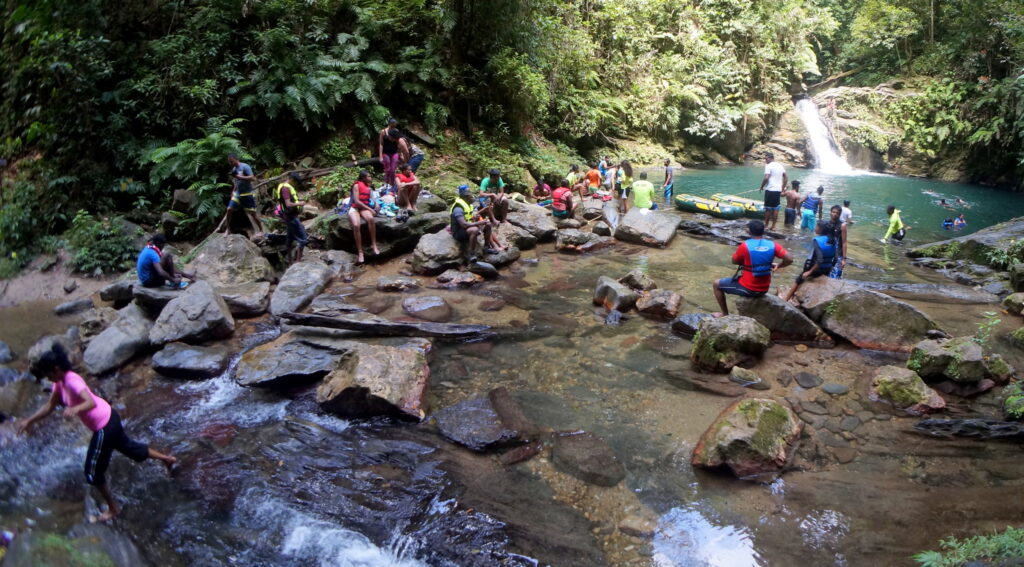
Rio Seco Waterfall is a scenic natural attraction located in the lush rainforest of northeastern Trinidad. The waterfall cascades into a deep, clear pool surrounded by greenery, making it one of the island’s most inviting spots for swimming and relaxation. The hike to reach it takes about 45 minutes to an hour, following a forest trail that passes streams and shaded sections of tropical vegetation. . Rio Seco is accessible by car from Port of Spain in about two hours, making it a great day trip for nature lovers and hikers.
Nylon Pool (Tobago)
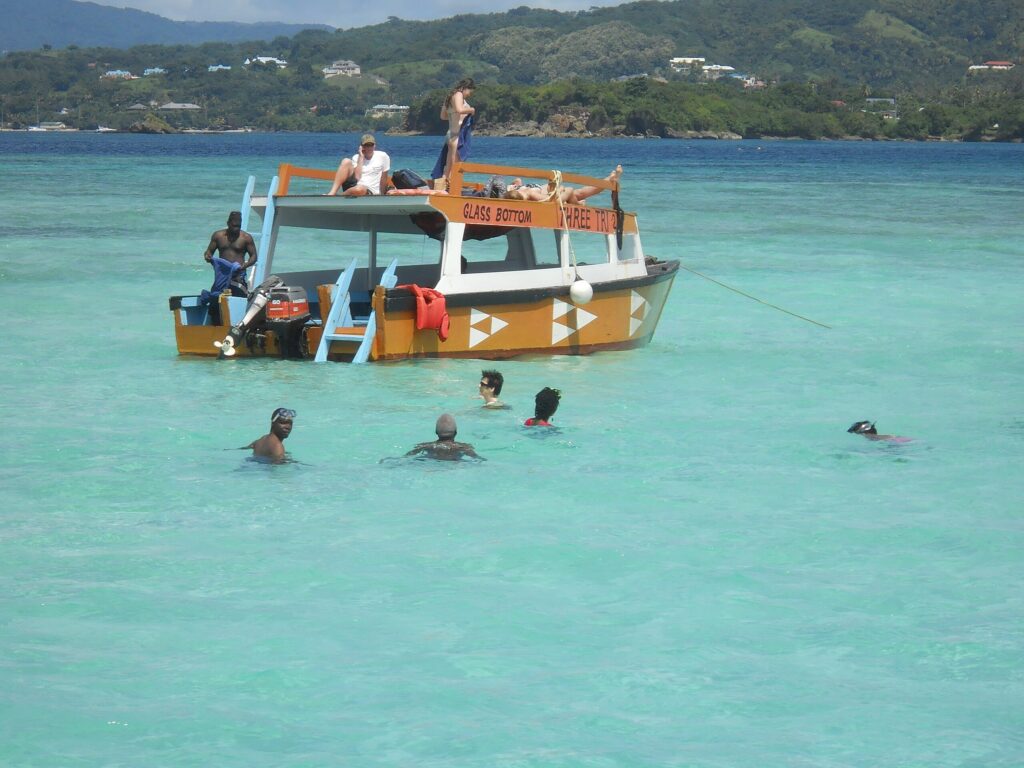
The Nylon Pool is a natural offshore lagoon located in the middle of Tobago’s southwestern waters, not far from Pigeon Point. Formed by a shallow white sandbar surrounded by coral reef, the pool’s clear, turquoise water is only about waist-deep, allowing visitors to stand in the middle of the sea. The area is one of Tobago’s most photographed natural attractions and is often included on snorkeling and reef tours.
Access is by glass-bottom boat from Pigeon Point or Store Bay, with trips that also visit the nearby Buccoo Reef. According to local legend, the waters of the Nylon Pool have rejuvenating qualities, said to make bathers feel younger after a swim. It’s an ideal spot for swimming, relaxing, and experiencing Tobago’s calm Caribbean beauty.
Buccoo Reef (Tobago)
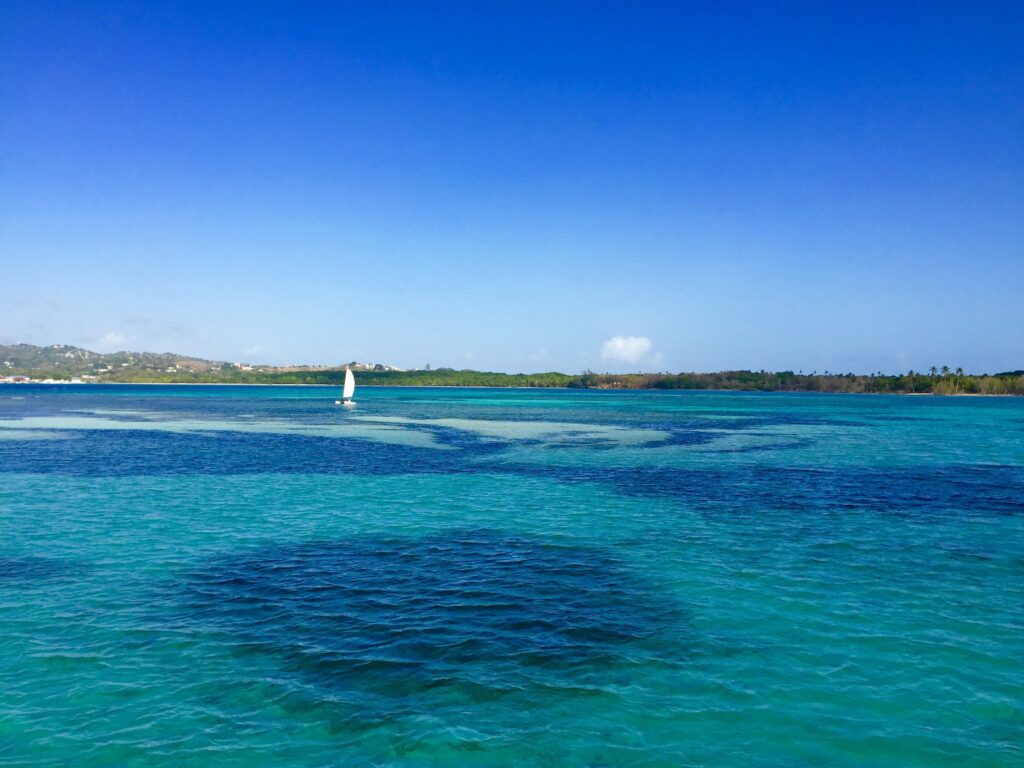
Buccoo Reef is one of the Caribbean’s most accessible and well-known coral reef systems, located off Tobago’s southwest coast near Pigeon Point. The reef is part of a protected marine park and is home to colorful corals, tropical fish, and other marine species, making it a popular destination for snorkeling and diving. The clear, shallow waters allow for easy viewing, even for beginners.
Argyle Waterfall (Tobago)
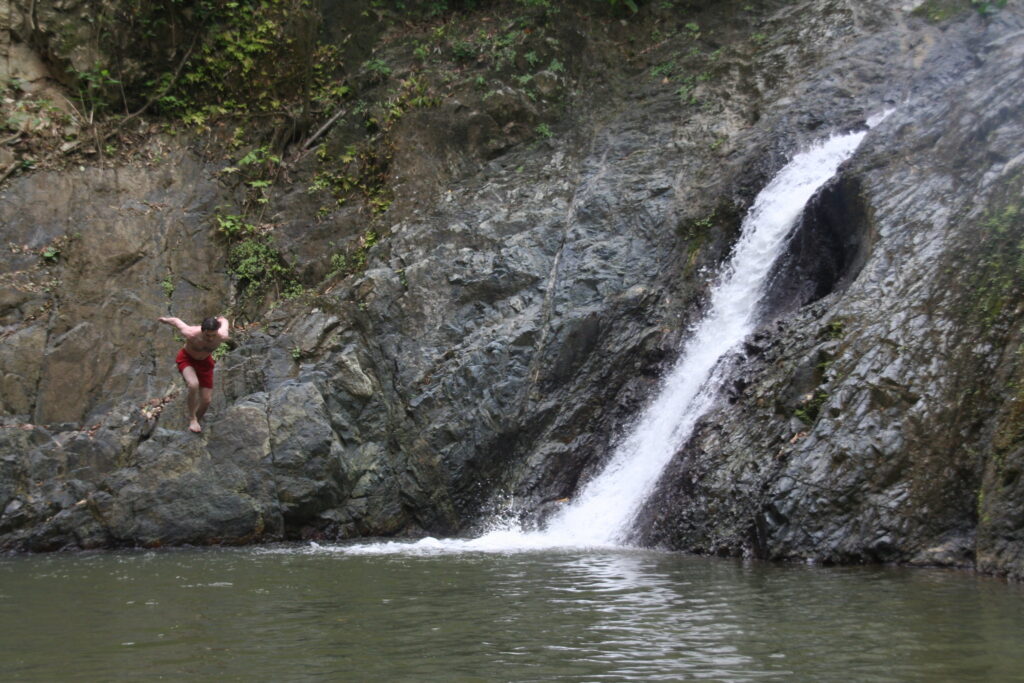
Argyle Waterfall is Tobago’s tallest and most impressive waterfall, located near the village of Roxborough on the island’s eastern side. The falls descend in three tiers through lush tropical forest, creating several natural pools along the way that are perfect for swimming and cooling off. The main pool at the base is easily accessible, while those higher up require a short climb for a more secluded experience.
A marked trail leads from the visitor center to the falls, taking about 15 to 20 minutes through forest filled with birds and butterflies. Guided tours are available, but the path is easy enough to explore independently. Argyle Waterfall is one of Tobago’s most popular nature sites, offering a combination of scenic beauty, gentle hiking, and refreshing swimming in a natural setting.
Main Ridge Forest Reserve (Tobago)
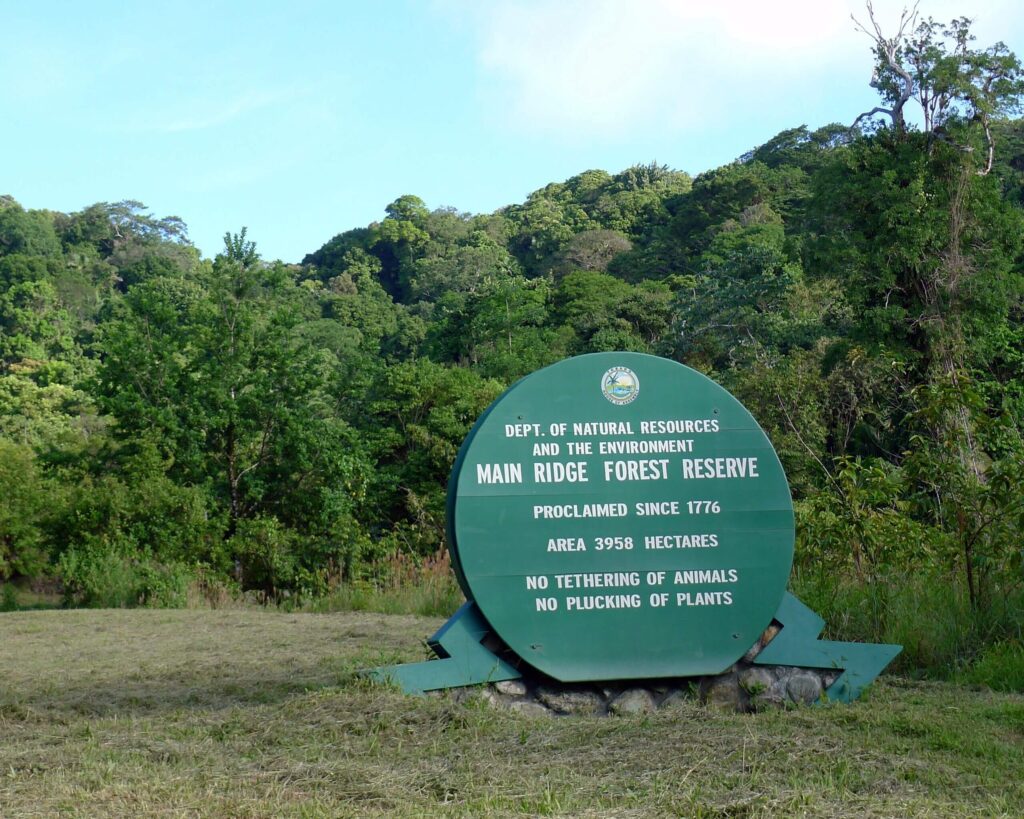
The Main Ridge Forest Reserve stretches across the spine of Tobago and is recognized as the oldest legally protected rainforest in the Western Hemisphere, established in 1776. This vast expanse of tropical forest is home to an incredible diversity of plant and animal life, including hundreds of bird species such as the blue-backed manakin and the white-tailed sabrewing hummingbird. Well-marked trails, like the Gilpin Trace, allow visitors to explore the reserve on guided or independent hikes through the dense canopy and along clear streams.
Hidden Gems in Trinidad and Tobago
Grande Riviere (Trinidad)
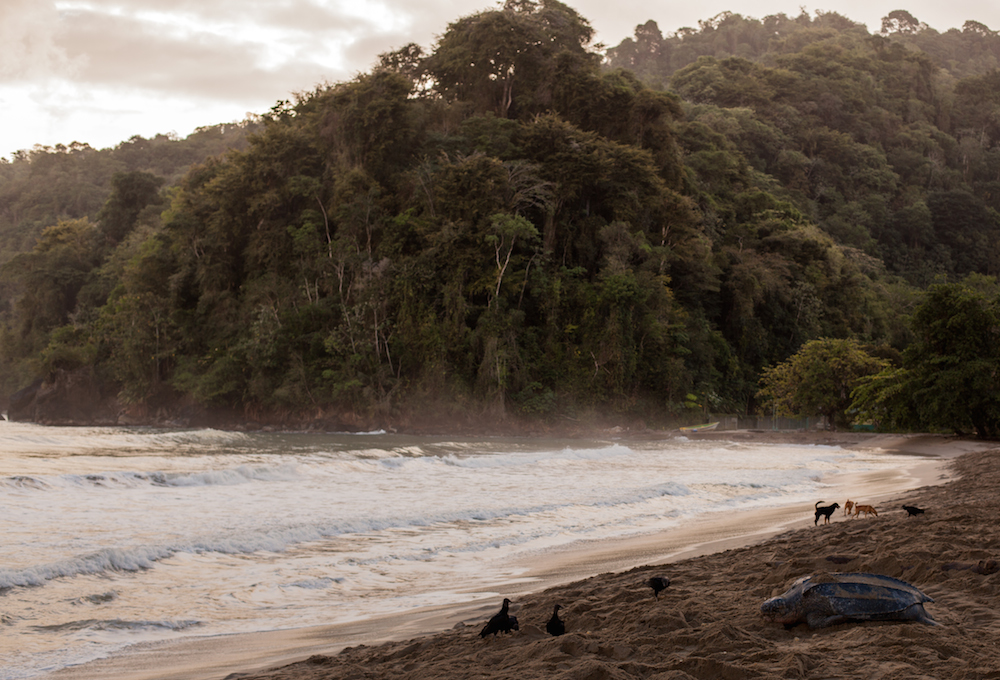
Grande Riviere is a small, secluded coastal village on Trinidad’s north coast, known for its wide, unspoiled beach that serves as one of the most important nesting sites for leatherback turtles in the Caribbean. Between March and August, hundreds of turtles come ashore at night to lay their eggs, offering visitors a rare and unforgettable wildlife experience under the supervision of local guides and conservation groups.
Outside of turtle season, Grande Riviere is a peaceful retreat surrounded by forested hills and rivers. The area is also popular for birdwatching, with species such as the endangered Trinidad piping-guan found nearby. Access is by a winding mountain road from Port of Spain, taking about three hours, and small guesthouses and eco-lodges in the village provide accommodation for travelers who want to stay overnight and experience the natural setting.
Paria Bay & Paria Waterfall (Trinidad)
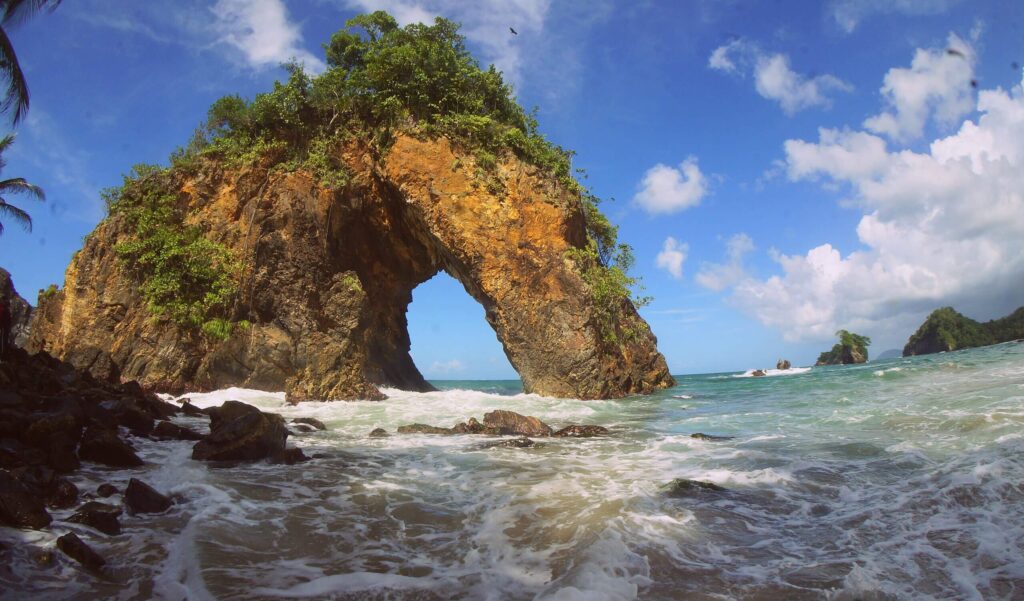
Paria Bay and Paria Waterfall are among Trinidad’s most scenic and remote natural attractions, located along the island’s rugged north coast. They are reached only by hiking through dense rainforest, usually via a challenging trail from the village of Blanchisseuse. The trek takes several hours but rewards visitors with a secluded crescent-shaped beach bordered by cliffs and forest, and the impressive Paria Waterfall just inland.
The waterfall cascades into a clear pool surrounded by greenery, offering a refreshing spot to rest after the hike. The area is completely undeveloped, so visitors should bring all necessary supplies and ideally go with an experienced local guide. Paria Bay combines the beauty of a hidden beach with the tranquility of a rainforest waterfall, making it one of Trinidad’s most memorable outdoor experiences.
Gasparee Caves (Trinidad)
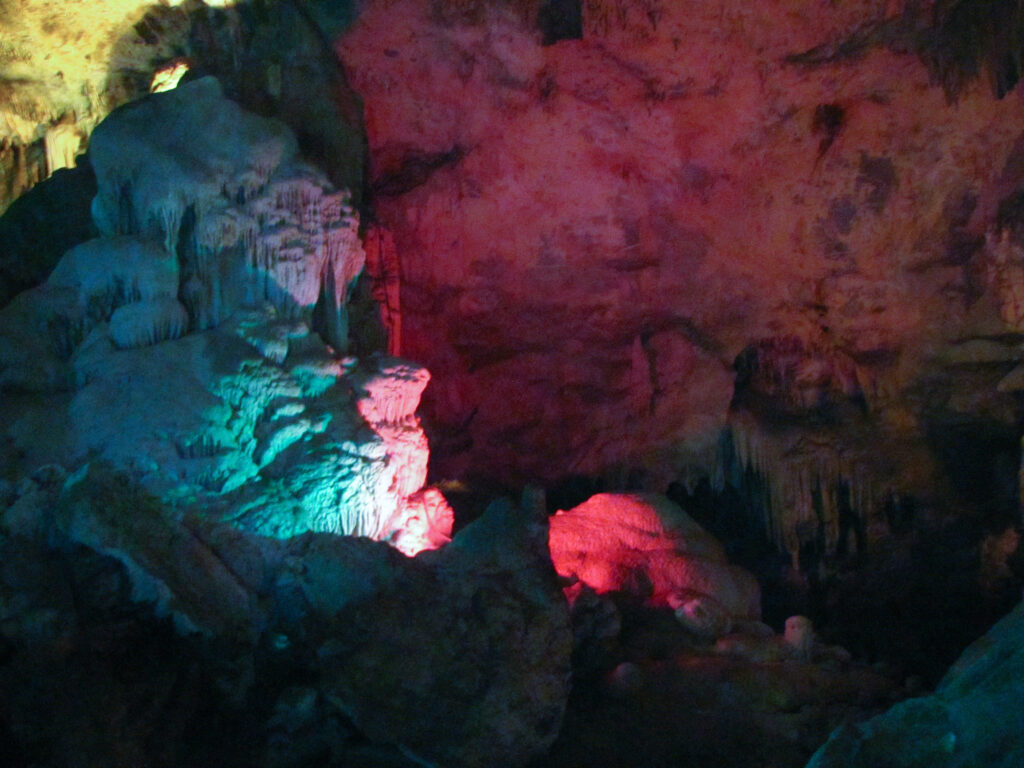
The Gasparee Caves are a network of limestone caverns located beneath Gaspar Grande Island, just off the northwest coast of Trinidad near Chaguaramas. Formed by the erosion of ancient coral reefs, the caves feature striking stalactites, stalagmites, and chambers illuminated by natural light filtering through openings in the rock. The highlight is a deep underground pool at the bottom of the main cavern, where clear blue water reflects the surrounding limestone walls.
Accessible by a short boat ride from the Chaguaramas marina, the caves are reached through guided tours that include a hike up the island’s forested trails before descending into the cave system. The combination of coastal scenery, geology, and adventure makes the Gasparee Caves one of Trinidad’s most distinctive natural attractions.
Manzanilla & Mayaro Beaches (Trinidad)
Manzanilla and Mayaro Beaches stretch along Trinidad’s remote eastern coast, forming one of the island’s longest and most peaceful coastal areas. Backed by coconut palms and bordered by the Atlantic Ocean, these beaches are ideal for quiet walks, scenic drives, and enjoying the natural beauty of the shoreline. The surf can be rough, so swimming is limited, but the wide sands and steady sea breeze make the area popular for picnics and photography.
Manzanilla lies closer to the north, while Mayaro continues farther south, offering small guesthouses and local eateries along the way. The drive from Port of Spain takes about two to three hours, passing through rural villages and open countryside. Both beaches provide a look at a more tranquil side of Trinidad, far from the busier western coast.
Charlotteville (Tobago)
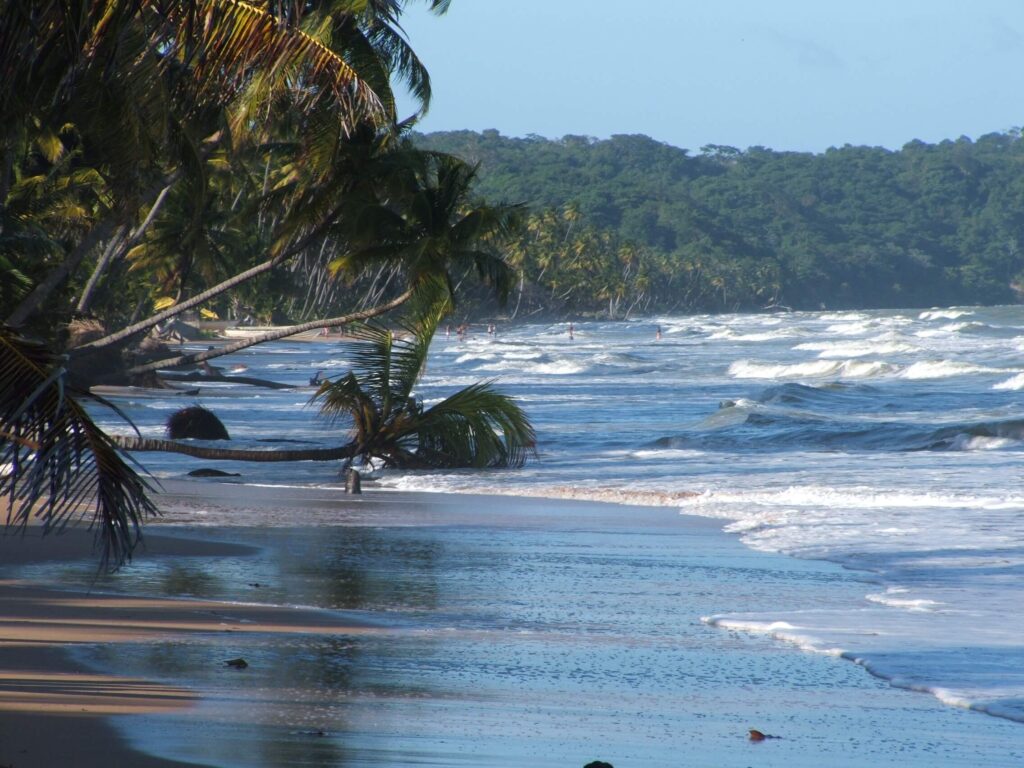
Charlotteville is a quiet fishing village on Tobago’s northeast coast, known for its laid-back atmosphere and scenic bay surrounded by forested hills. The village remains largely untouched by large-scale tourism, giving visitors a glimpse of authentic Tobagonian life. Local fishermen bring in fresh catches daily, and the calm waters offshore are excellent for snorkeling, with coral reefs and colorful marine life close to the shore.
Speyside (Tobago)
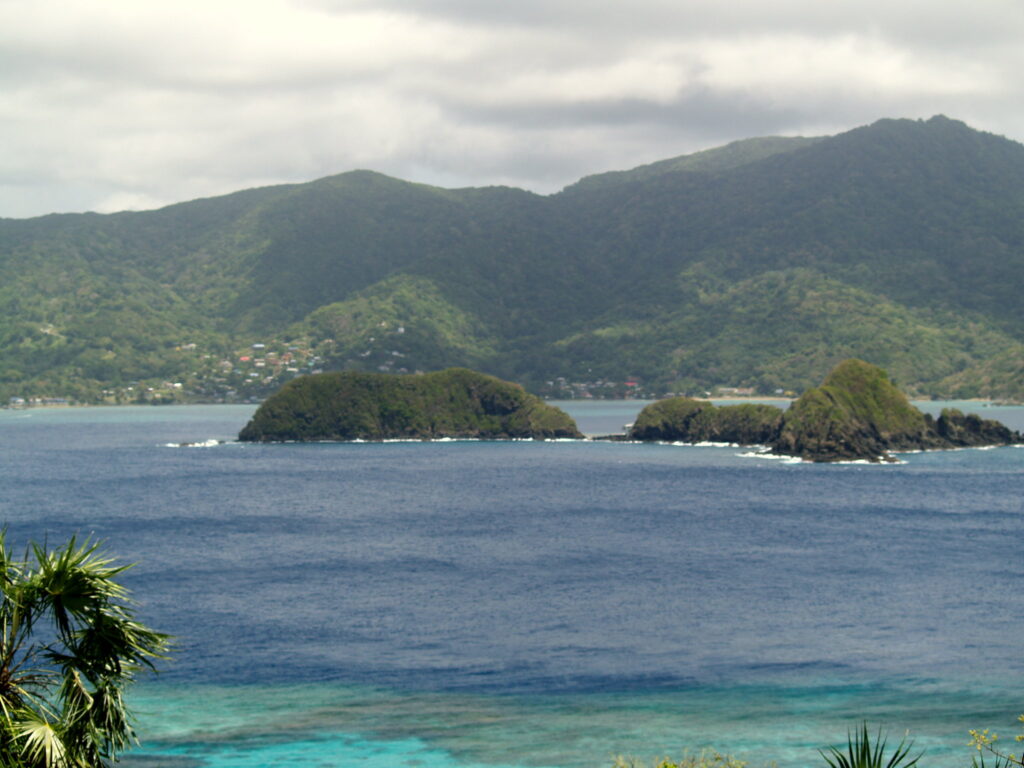
Speyside is a small coastal village on Tobago’s northeastern shore, known for its calm atmosphere and outstanding diving and snorkeling opportunities. The offshore waters host some of the island’s healthiest coral reefs, home to colorful fish, sea turtles, and occasionally manta rays. Just across the bay lies Little Tobago Island, a protected nature reserve and popular spot for birdwatching, with species such as red-billed tropicbirds and frigatebirds nesting on its cliffs.
Travel Tips for Trinidad and Tobago
Travel Insurance & Safety
Travel insurance is recommended, particularly if you plan to enjoy water sports, diving, or remote beach trips. Ensure your policy includes coverage for emergency evacuation, as medical transport between the islands can be costly.
Trinidad and Tobago are generally safe, but visitors should take normal precautions, especially in certain areas of Port of Spain. Avoid displaying valuables and use official taxis at night. Tap water is safe to drink, and food hygiene standards are good. The tropical climate attracts mosquitoes year-round, so bring repellent and light clothing to protect against bites.
Transportation & Driving
The two islands are linked by daily ferries and short 25-minute flights. On Trinidad, minibuses and shared taxis are affordable options for getting around, though they can be informal and crowded. On Tobago, taxis and rental cars offer the easiest way to explore independently, from beaches to forest reserves.
Vehicles drive on the left-hand side of the road. Roads are well-maintained around major towns and highways but become narrow and winding in rural areas. Avoid late-night driving outside urban centers. Police checkpoints are common, so always keep your ID and documents on hand. To rent and drive legally, travelers must carry an International Driving Permit together with their national license.

Published October 04, 2025 • 12m to read