


The United States covers an immense range of landscapes and cultures, stretching from the Atlantic to the Pacific and beyond. It is a country where deserts, forests, mountains, and coastlines coexist with some of the world’s most famous cities. Every region has its own rhythm, from the fast pace of New York to the easygoing charm of the South and the wild beauty of the West.
Travelers can explore national parks like Yellowstone and the Grand Canyon, drive iconic routes such as Route 66, or enjoy the art, food, and music scenes of cities like Chicago, San Francisco, and New Orleans. Whether you are looking for adventure in nature, cultural experiences, or simply new places to discover, the USA offers endless possibilities for exploration.
Best Cities in the USA
New York City
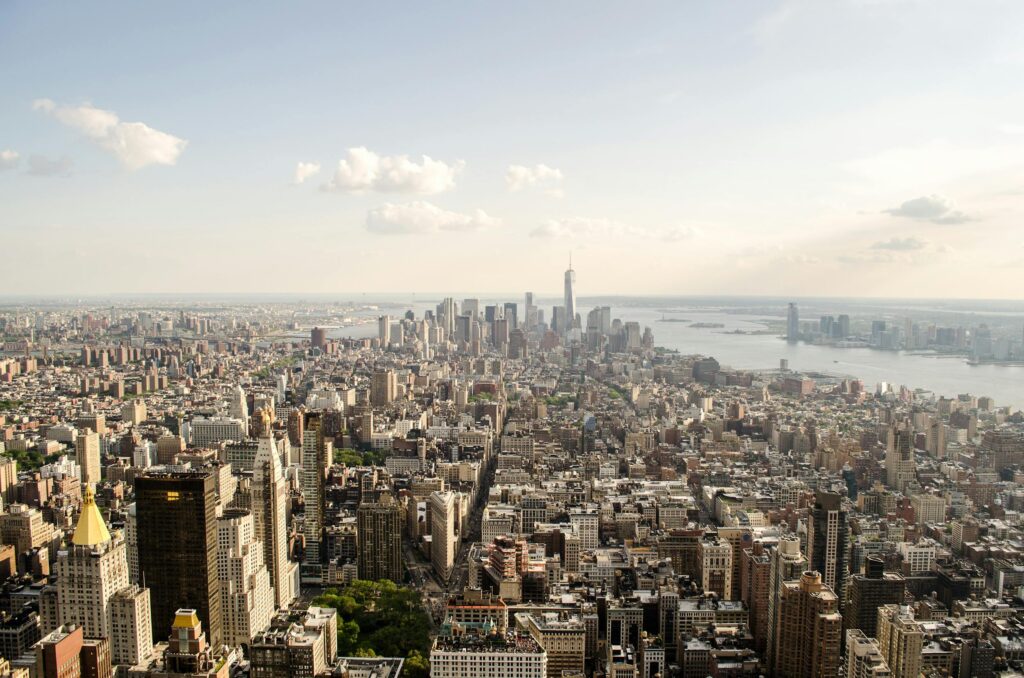
New York City, one of the world’s most dynamic and influential cities, is a place where energy, culture, and creativity never stop. From the bright lights of Times Square to the green expanse of Central Park and the iconic Statue of Liberty, the city offers countless experiences that define the urban spirit. The skyline is crowned by the Empire State Building and One World Observatory, both offering panoramic views of the metropolis below.
New York is also a global capital of art and ideas. The Metropolitan Museum of Art (The Met), Museum of Modern Art (MoMA), and American Museum of Natural History are among the finest in the world. Each neighborhood has its own identity: Greenwich Village for bohemian charm, SoHo for shopping and design, Harlem for jazz and heritage, and Brooklyn for cutting-edge culture and creativity. The city’s food scene is unmatched – from bagels and pizza to Michelin-starred dining and street food from every corner of the world. At night, Broadway theaters, rooftop bars, and live music venues keep the city buzzing.
Washington, D.C.
Washington, D.C. is a city that combines history, politics, and culture in a way no other place can. The heart of the city is the National Mall, a grand expanse lined with monuments and memorials honoring the country’s leaders and defining moments – including the Lincoln Memorial, Washington Monument, World War II Memorial, and Martin Luther King Jr. Memorial. At its eastern end stand the U.S. Capitol and the Library of Congress, symbols of American democracy, while the White House remains one of the most recognized buildings in the world.
D.C. is also home to the Smithsonian Institution, a collection of world-class museums that are all free to enter. Highlights include the National Air and Space Museum, the National Museum of African American History and Culture, and the National Gallery of Art. In spring, the city bursts into color during the Cherry Blossom Festival, when thousands of pink blossoms frame the Tidal Basin.

Chicago, Illinois
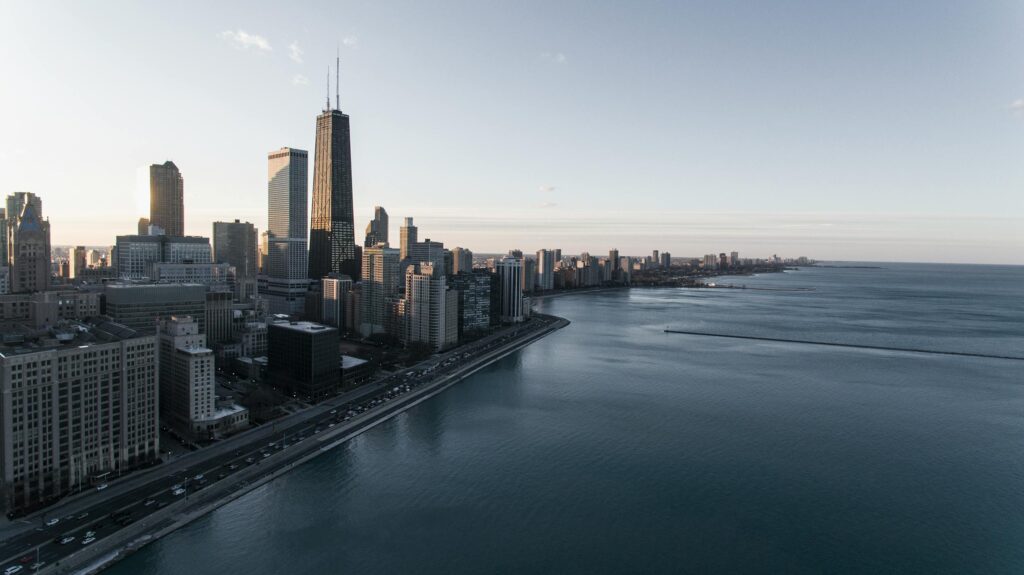
Chicago, set on the shores of Lake Michigan, is known for its architecture, museums, music, and waterfront spaces. Visitors often start at Millennium Park to see Cloud Gate, then walk to nearby attractions such as the Art Institute of Chicago. The Willis Tower Skydeck provides views across the city, and Navy Pier offers entertainment, theaters, and lake cruises. The lakefront trail is easy to reach from downtown and connects several beaches and parks.
Exploring Chicago is straightforward because most major sights are concentrated in the Loop and along the lake. Architectural boat tours depart from the Chicago Riverwalk, which is a short walk from Millennium Park. O’Hare and Midway airports connect the city with domestic and international destinations, and the CTA trains link both airports with downtown. Deep dish pizza, jazz clubs, and neighborhoods such as Wicker Park and Chinatown add more reasons to explore beyond the central area.
San Francisco, California
San Francisco is a compact, hilly city known for its landmarks, waterfront neighborhoods, and diverse cultural districts. The Golden Gate Bridge is the main symbol of the city and is accessible by car, bus, or bicycle from the Presidio. Ferries to Alcatraz Island leave from Pier 33 near Fisherman’s Wharf, where visitors also find sea lions, seafood stalls, and access to the historic F Line streetcar. Riding a cable car is an easy way to experience the city’s older transit system while moving between downtown and Fisherman’s Wharf.
Exploring neighborhoods such as Chinatown, North Beach, and the Mission gives a clear sense of the city’s history and food culture. Chinatown is one of the largest in North America and is within walking distance of the Financial District. North Beach is known for Italian cafés and literary heritage. The Mission has murals, markets, and a straightforward connection to BART trains. From the city, day trips are simple: buses and tours run to Muir Woods and Sausalito across the Golden Gate, while car rentals or guided tours make it easy to reach Napa and Sonoma for wine tasting.

Los Angeles, California
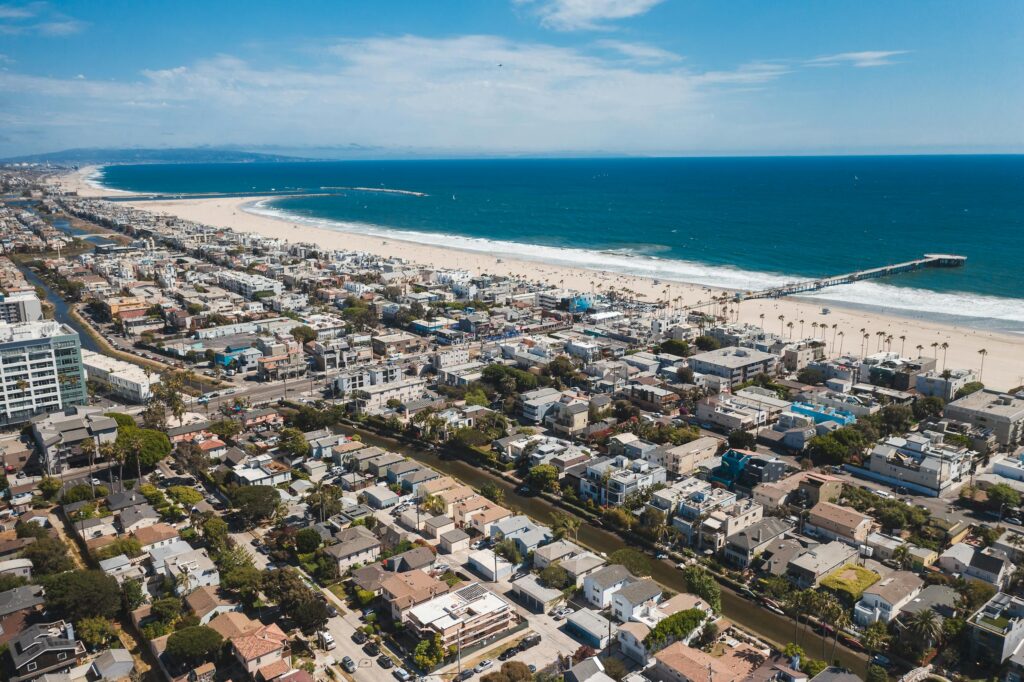
Los Angeles is a large, spread-out city that combines entertainment history, beach communities, museums, and outdoor space. Hollywood is still the main reference point for film and TV, and the Hollywood Walk of Fame is easy to reach by Metro. Griffith Observatory sits on the slopes above the city and offers clear views of the Hollywood Sign along with exhibits about astronomy. Santa Monica Pier marks the end of Route 66 and has rides, restaurants, and direct access to the beach.
Venice Beach is nearby and is known for its boardwalk, skate park, and canals, while Beverly Hills centers on shopping streets such as Rodeo Drive. The Getty Center, located on a hill above Brentwood, holds a strong art collection and is reached by a short tram ride from the parking area. Because Los Angeles covers a wide area, most visitors rely on a car, but the Metro and bus network link major points including downtown, Santa Monica, and Universal City. Beaches, mountain trails, and a varied food scene make it easy to plan days that combine nature and urban attractions.
New Orleans, Louisiana
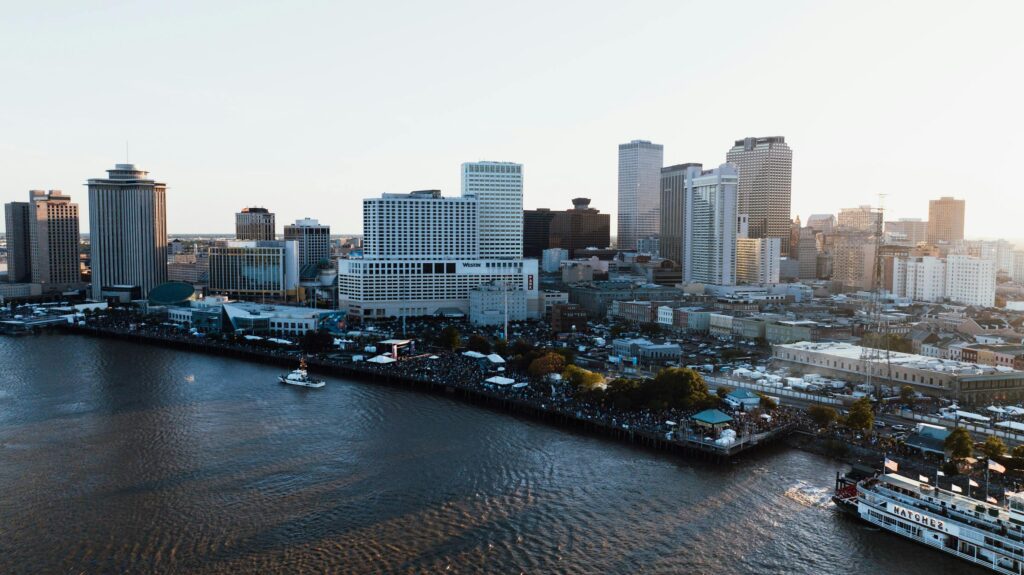
New Orleans is a compact city shaped by French, Spanish, African, and Caribbean influences, which are most visible in the French Quarter. Jackson Square, St. Louis Cathedral, and the streets around Bourbon Street form the core of the historic district, and everything is within an easy walk. Live jazz is central to the city, especially on Frenchmen Street, where many clubs host nightly performances. Visitors often stop at Café du Monde for beignets and explore local Creole and Cajun dishes in nearby restaurants.
The city is also a starting point for experiences outside the center. Plantation homes along the Mississippi River are reached by guided tours or rental car. Bayou excursions depart from locations on the city’s outskirts and give a close look at the wetlands. Mardi Gras is the biggest annual event, with parades that run across uptown and downtown routes; hotels fill early, so planning ahead is essential. Louis Armstrong International Airport connects New Orleans with major cities, and streetcars and rideshares make it simple to move between neighborhoods.
Miami, Florida
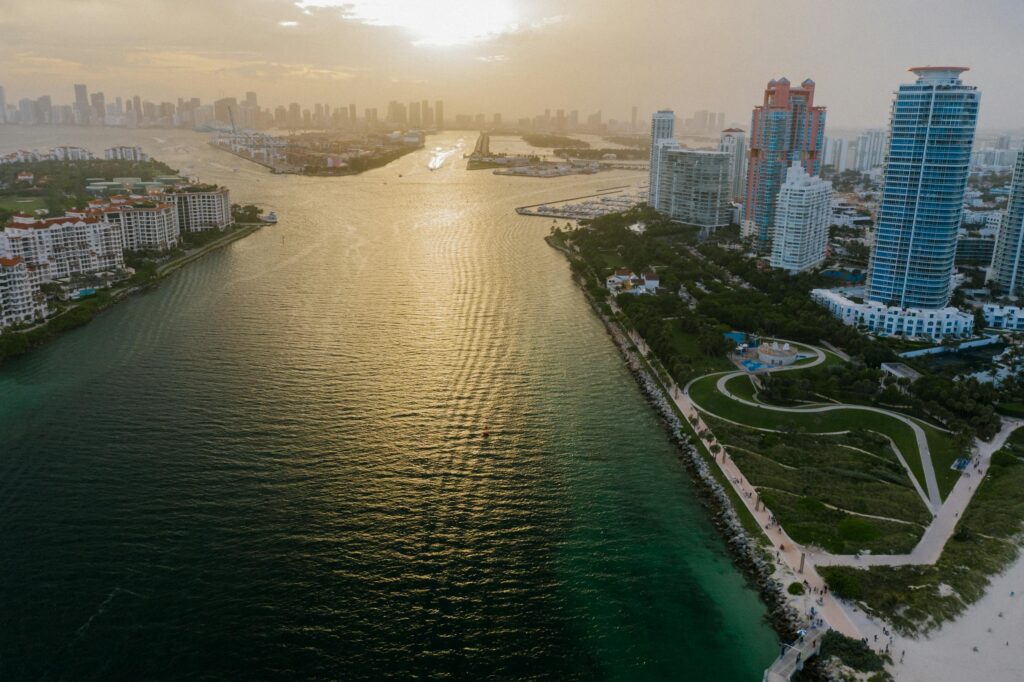
Miami combines beach life, cultural districts, and a strong Latin American influence. South Beach is the most recognized part of the city, known for its Art Deco buildings, open beaches, and active nightlife. Ocean Drive and Collins Avenue are easy to explore on foot, and the beach is directly accessible from most points along the waterfront. Little Havana centers on Calle Ocho, where cafés, cigar shops, and music venues reflect Cuban heritage. Wynwood, a short drive away, is known for murals, galleries, and converted warehouses that now hold cafés and studios.
Miami works well as a base for day trips. The Florida Keys begin about an hour from the city, with Key Largo as the first major stop on the Overseas Highway. The Everglades are also close, with airboat tours and boardwalk trails reachable by car from Miami’s western edge. Miami International Airport offers broad domestic and international connections, and the Metrorail and trolley systems link major neighborhoods, though many visitors choose rideshares or rental cars to move between districts.
Seattle, Washington
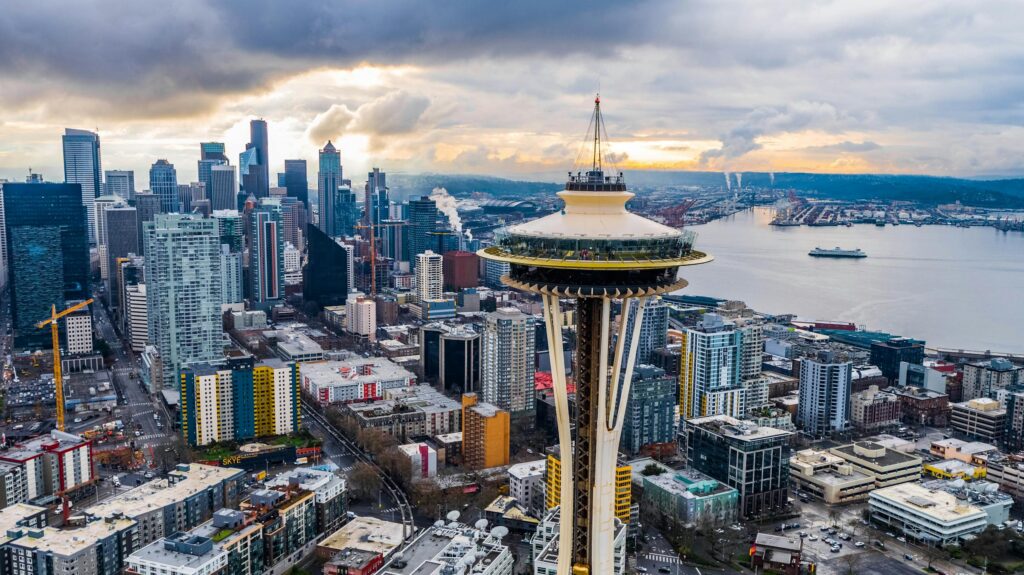
Seattle sits between Puget Sound and Lake Washington, with mountain ranges visible on both sides, which gives the city a strong connection to outdoor activities. The Space Needle and the Museum of Pop Culture are located at Seattle Center and are easy to reach by the Monorail from downtown. Pike Place Market, one of the oldest public markets in the country, overlooks the waterfront and offers produce stands, small shops, and views across Elliott Bay. The city’s neighborhoods, including Capitol Hill and Ballard, show different sides of Seattle’s food, music, and café culture.
Several day trips are possible from the city. Mount Rainier National Park is about a two-hour drive and offers viewpoints, trails, and short walks near the base of the mountain. The Olympic Peninsula can be reached by ferry and car and gives access to rainforests, beaches, and the town of Port Angeles. Ferries also run directly from downtown to Bainbridge Island, which provides a quieter village atmosphere and shoreline parks. Seattle–Tacoma International Airport connects the region with major destinations, and light rail makes it easy to move between the airport and downtown.
Boston, Massachusetts
Boston is one of the oldest cities in the United States and its compact center makes it easy to explore on foot. The Freedom Trail is the best introduction to the city’s Revolutionary history, connecting sites such as the Old State House, Paul Revere House, and the USS Constitution. Boston Common and the Public Garden anchor the downtown area, offering open space close to major shopping streets and the theater district. Faneuil Hall and Quincy Market draw visitors throughout the day and are simple to reach from the waterfront.
Across the Charles River, Cambridge is home to Harvard University and MIT, which are connected to central Boston by the Red Line subway. Fenway Park, one of the oldest ballparks in the country, sits west of downtown and is accessible by the Green Line. Seafood is central to local cuisine, with clam chowder, oysters, and lobster rolls served in restaurants around the harbor and in neighborhoods such as the North End. Logan International Airport is close to downtown and linked by subway, making arrival and departure straightforward.

Las Vegas, Nevada
Las Vegas is centered on the Strip, a long boulevard lined with large resorts that combine hotels, casinos, theaters, and malls. Each property has its own attractions, such as fountains, observation wheels, or indoor promenades, and it is easy to walk between them despite the scale of the area. Shows range from concerts and comedy to Cirque du Soleil, and reservations are usually needed for the most popular performances. Off the Strip, downtown Las Vegas offers the Fremont Street Experience, which features a canopy of LED lights and live entertainment.
The city is also a base for trips into the desert. Hoover Dam is about a 45-minute drive and has tours of the power plant and lookouts over the Colorado River. Red Rock Canyon, located west of the city, is known for its loop drive and hiking trails and can be reached by car or guided tour. Full-day excursions to the Grand Canyon are also common, with options to visit the West Rim by bus or helicopter. McCarran International Airport sits close to the Strip, and rideshares or taxis make transfers simple.
Best National Parks & Natural Wonders
Grand Canyon, Arizona
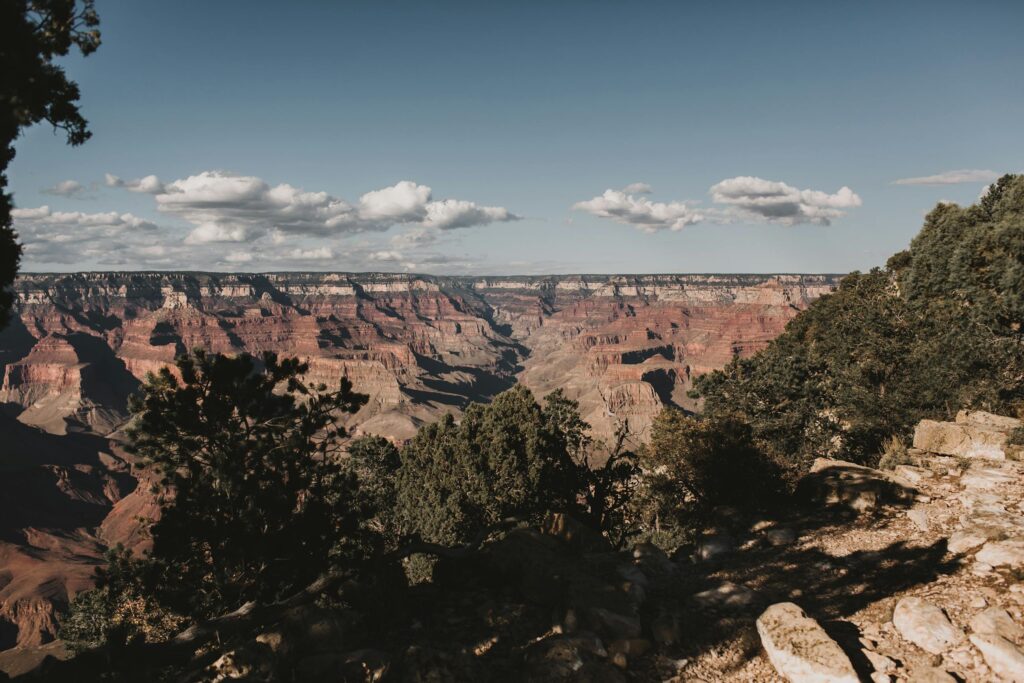
The Grand Canyon is centered around the South Rim, which is the most accessible area and open year-round. Mather Point, Yavapai Point, and Desert View Watchtower give broad views into the canyon and are linked by shuttle buses during peak seasons. The Bright Angel Trail begins near Grand Canyon Village and offers a well maintained path that descends into the canyon, though visitors should plan carefully because the return climb is demanding. Helicopter and airplane tours depart from nearby airports in Tusayan or from Las Vegas for a broader aerial view.
Reaching the park is straightforward by car from Flagstaff, Williams, or Las Vegas. The Grand Canyon Railway also runs from Williams to the South Rim, arriving close to lodges, shops, and trailheads in the historic village. Sunrise and sunset draw crowds to the rim because the changing light reveals different colors and rock layers. Facilities such as viewpoints, visitor centers, and shuttle routes make it easy to plan short walks or longer hikes while staying close to essential services.
Yellowstone National Park (Wyoming, Montana, Idaho)
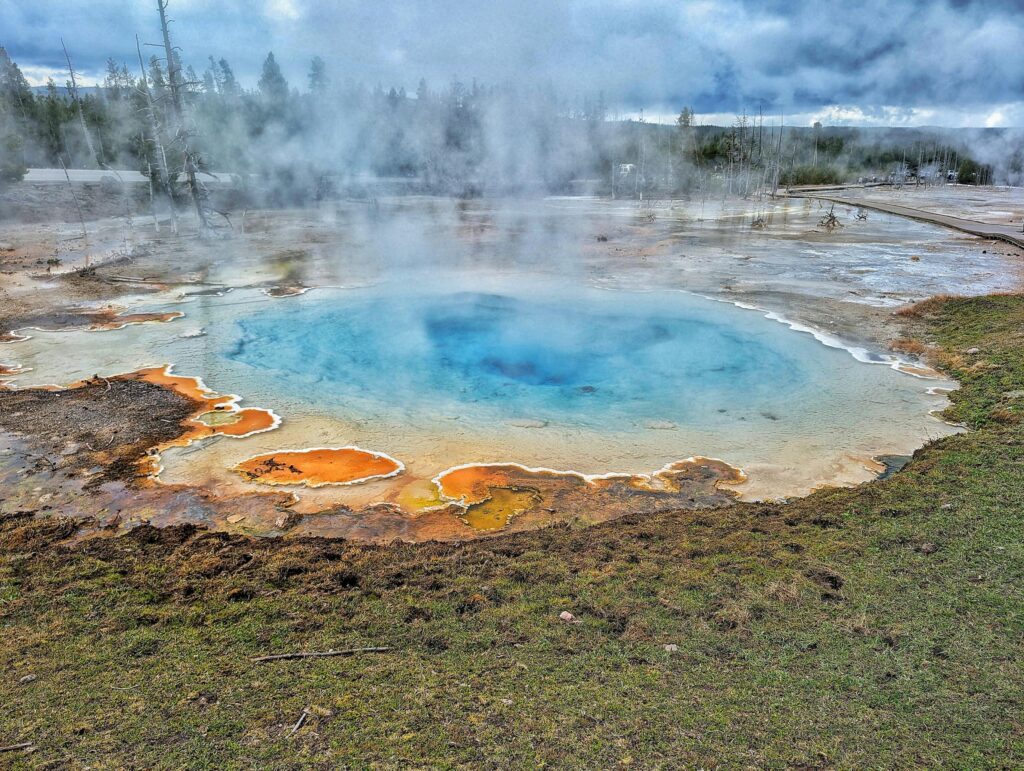
Yellowstone National Park covers parts of Wyoming, Montana, and Idaho and is built around one of the world’s most active geothermal areas. Old Faithful is the best known geyser and is part of a larger basin that includes boardwalks, visitor centers, and predictable eruption times. The Grand Prismatic Spring, located in the Midway Geyser Basin, is reached by a short walk from the parking area and has an overlook trail on the hillside across the road. Other geothermal areas such as Norris, Mammoth Hot Springs, and West Thumb show how varied the park’s thermal features can be.
Wildlife is a major part of the experience, especially in Lamar and Hayden Valleys where bison, elk, bears, and sometimes wolves can be seen from roadside pullouts. The park has a wide network of trails, from short loops to full day hikes, and rangers offer information on safety and conditions at each entrance station.
Yellowstone is most commonly accessed through the gateway towns of West Yellowstone, Gardiner, and Jackson, each offering lodging and services. Roads follow a figure eight pattern, making it possible to combine several major sights in a single day, though distances are long and traffic can be heavy in summer. Visitors often pair a trip to Yellowstone with nearby Grand Teton National Park, which is connected by a direct road corridor.
Yosemite National Park, California
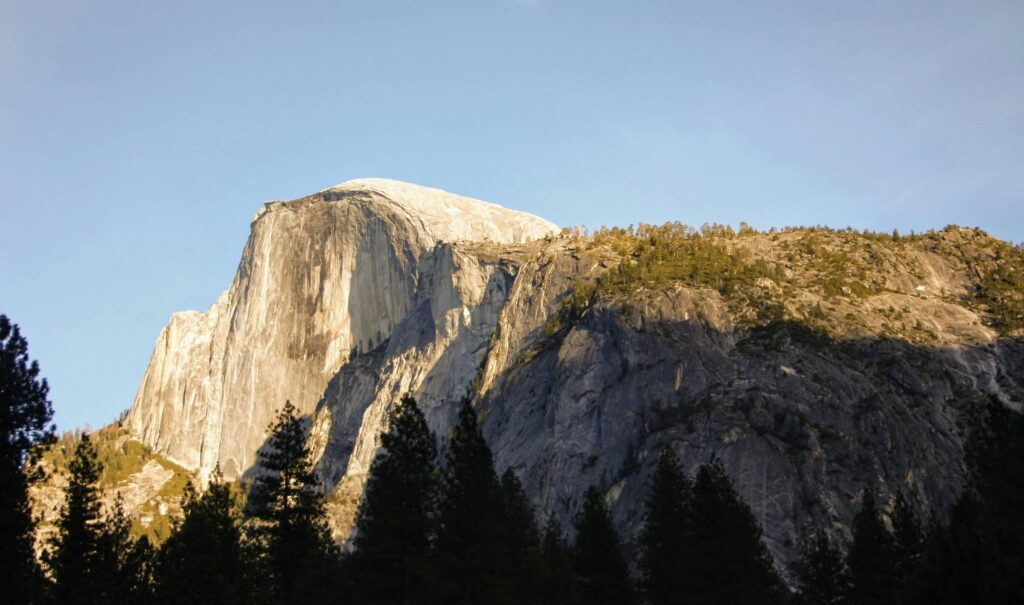
Yosemite National Park is centered on Yosemite Valley, a glacial canyon known for its granite walls and waterfalls. El Capitan and Half Dome rise above the valley floor and are visible from multiple viewpoints along the main road. Yosemite Falls, one of the tallest in North America, is a short walk from Yosemite Village and flows strongest in spring and early summer. Glacier Point, reached by a seasonal road or by hiking trails, provides a broad overlook of Half Dome and the valley.
The park supports a wide range of activities throughout the year. Hiking routes vary from easy valley loops to steep climbs such as the Mist Trail. Rock climbing is significant in Yosemite, particularly on El Capitan, where climbers from around the world test major routes. In winter, the Badger Pass Ski Area opens for skiing, snowshoeing, and snow play. Access to Yosemite is usually by car from gateways such as Fresno, Merced, and the towns along Highway 120, with shuttle services operating inside the valley during busy months.
Zion National Park, Utah
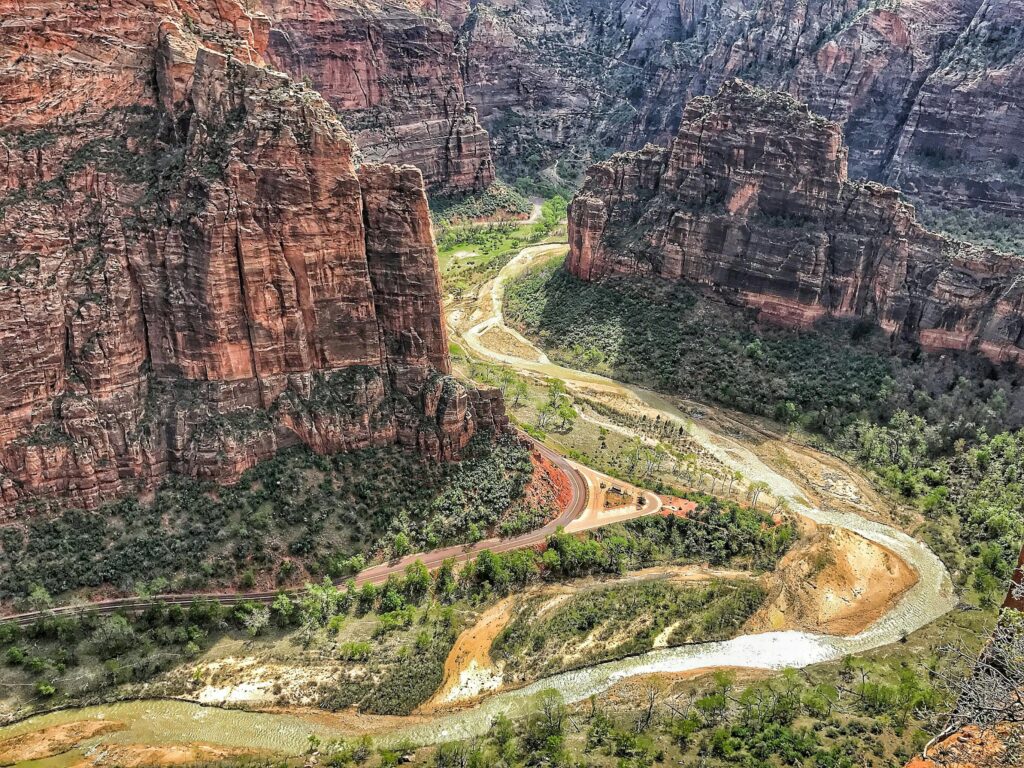
Zion National Park is centered on Zion Canyon, where steep red rock cliffs rise above the Virgin River. Most visitors enter through the south entrance near Springdale, which provides easy access to the park shuttle system. The shuttle runs along the canyon floor and stops at trailheads and viewpoints, making it simple to explore without a car. Angels Landing is one of the most well known hikes and requires a permit for the final chained section, while the lower part of the trail remains open to all. The Narrows begins at the end of the canyon, where hikers walk directly in the river between high walls.
Reaching Zion is straightforward by car from Las Vegas or St George, and Springdale offers lodging, restaurants, and outfitters for gear rentals. The east side of the park is reached by a scenic drive through tunnels and switchbacks, giving access to quieter trailheads and lookout points. Sunrise and late afternoon bring strong colors to the canyon walls, and short trails along the river allow visitors to see the landscape without tackling longer routes.
Glacier National Park, Montana
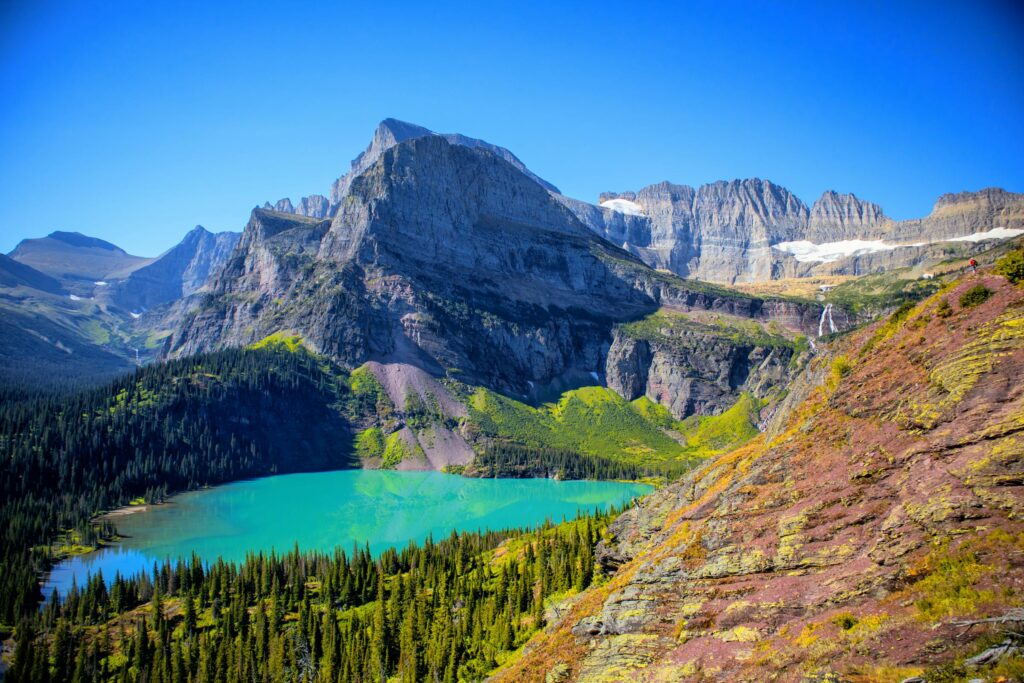
Glacier National Park stretches along the Canadian border and is known for its high peaks, clear lakes, and extensive trail network. The centerpiece of the park is the Going to the Sun Road, a seasonal route that crosses the Continental Divide at Logan Pass. This drive offers access to overlooks, short walks, and trailheads and is often considered one of the most scenic roads in the country. Many Glacier and Two Medicine, located on the east side, provide quieter areas with lakes, boat tours, and long hikes into the backcountry.
Logan Pass is a key wildlife viewing area where mountain goats and bighorn sheep are often seen near the visitor center. Grizzly bears and moose are present throughout the park, especially in early morning or evening hours. The park is typically reached from gateway towns such as Whitefish, Columbia Falls, and St Mary, each offering lodging and transport services. Summer brings the best road access but also the highest visitation, so advance reservations may be required for the Going to the Sun Road and certain campgrounds.
Rocky Mountain National Park, Colorado
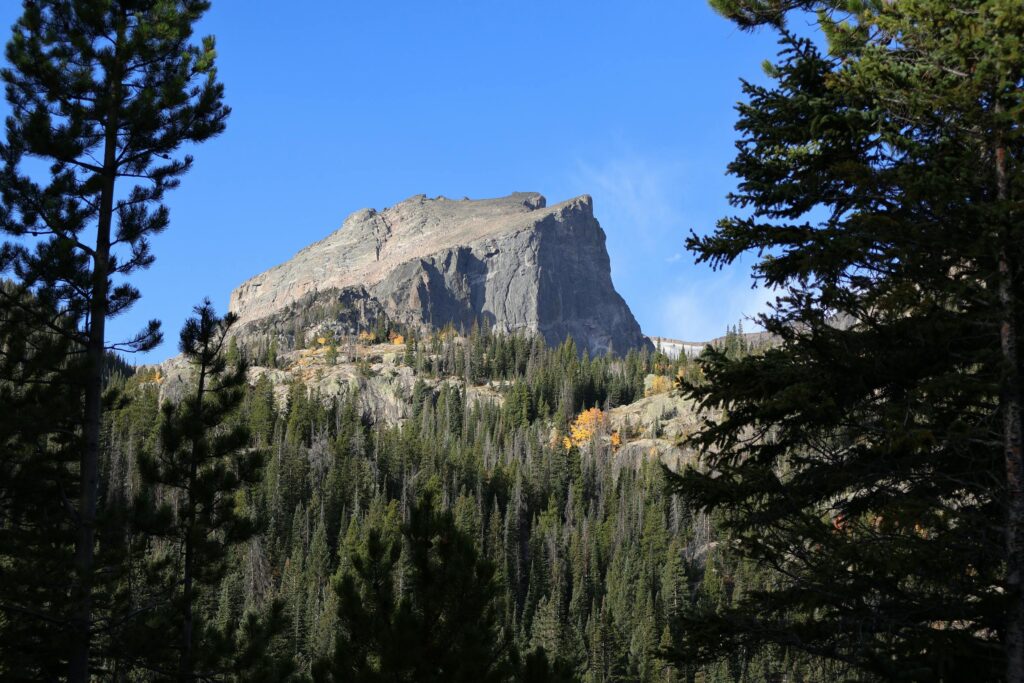
Rocky Mountain National Park spans the Continental Divide and offers a mix of high elevation valleys, peaks, and alpine tundra. Trail Ridge Road is the park’s signature drive and reaches more than 12,000 feet, providing wide views and access to short trails above the tree line. It is typically open from late spring to fall, depending on snow conditions. In the lower valleys, hikes lead to lakes such as Bear Lake, Dream Lake, and Emerald Lake, which are reached from a major trailhead area connected by shuttle buses in peak season.
Elk are commonly seen in meadows around Estes Park and in the park’s eastern sections, especially during the fall rut when herds gather near the road. The park is usually accessed through Estes Park on the east side or Grand Lake on the west side, both of which offer lodging and visitor facilities. Because of the high elevation, weather changes quickly, so visitors should prepare for cooler temperatures even in summer. Trails and scenic drives make it easy to experience both the forested valleys and the open alpine landscape.
Great Smoky Mountains National Park (Tennessee & North Carolina)
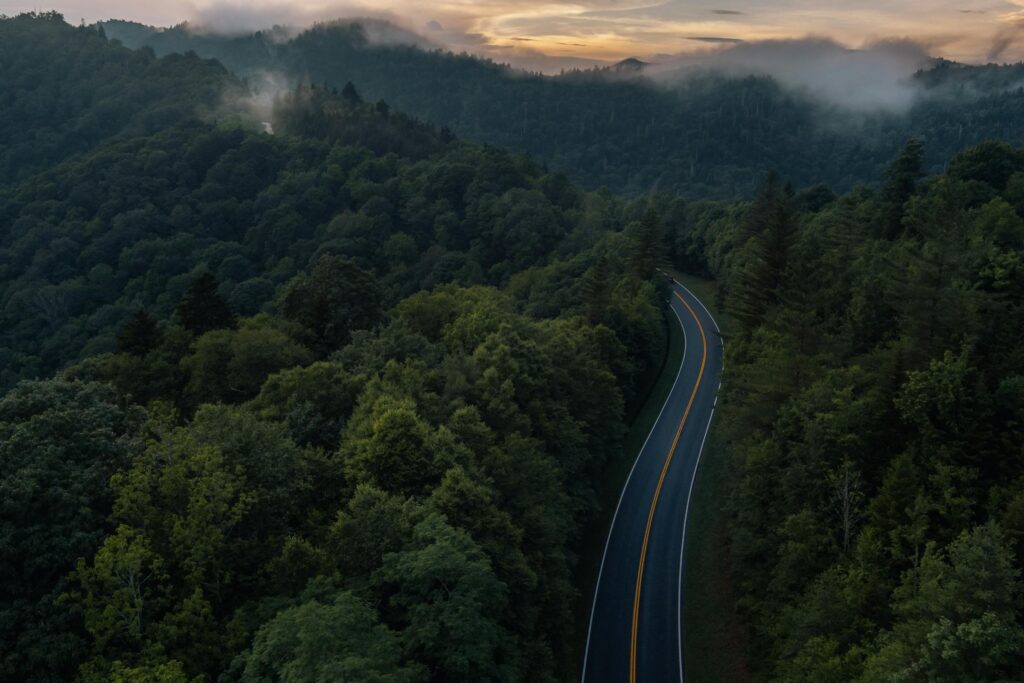
Great Smoky Mountains National Park spans the border of Tennessee and North Carolina and is known for its layered ridgelines, diverse forests, and historic settlements. Popular areas such as Cades Cove and Newfound Gap are accessible by well maintained roads and offer viewpoints, short walks, and opportunities to see black bears, deer, and wild turkeys. Waterfalls like Laurel Falls and Abrams Falls are reached by moderate trails, while Clingmans Dome, the highest point in the park, has an observation tower that is a short but steep walk from the parking area.
The park is easy to reach from gateway towns including Gatlinburg, Pigeon Forge, and Cherokee, each offering lodging and visitor services. Scenic drives such as Roaring Fork Motor Nature Trail and the road through Cades Cove give a broad look at the landscape and the preserved log cabins, mills, and churches from early Appalachian communities. Fall brings some of the region’s strongest foliage, drawing large crowds, and spring offers wildflowers across lower elevations. Because the park has no entrance fee and covers a wide area, visitors can explore at their own pace by car, shuttle, or foot.
Arches National Park, Utah
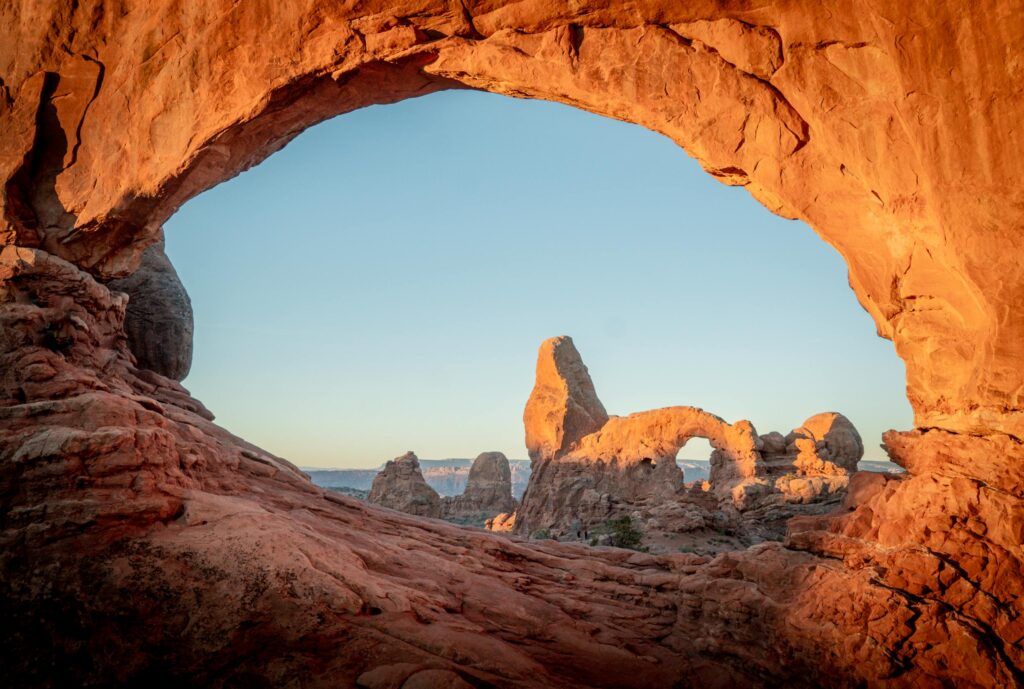
Arches National Park sits just outside Moab and is known for its concentration of natural sandstone arches, fins, and balanced rocks. Delicate Arch is the most recognized landmark and is reached by a moderately strenuous trail that climbs over open rock to a dramatic viewpoint. Landscape Arch and several other major formations are found in the Devil’s Garden area, where trails range from short, easy walks to longer routes over slickrock. The Windows Section is another accessible area with large arches close to the parking areas, making it simple to explore even with limited time.
The park is easy to enter by car, and timed entry permits are often required in peak seasons. Moab serves as the main base for lodging, dining, and tour operators offering guided hikes and photography sessions. Because light pollution is minimal, Arches is well known for night sky viewing, with clear conditions providing strong stargazing opportunities. Sunrise and sunset highlight the red rock formations, and the paved park road connects all major viewpoints, allowing visitors to plan a flexible route through the landscape.
Everglades National Park, Florida
Everglades National Park covers a large subtropical region of marshes, mangroves, and sawgrass plains at the southern end of Florida. The park is known for its slow moving waterways, which create habitat for alligators, manatees, wading birds, and other wildlife. Popular entry points include Shark Valley, where a paved trail leads to an observation tower, and the Ernest F Coe Visitor Center, which provides access to boardwalks and short trails. Flamingo, at the southern tip, offers views over Florida Bay and opportunities to see manatees near the marina.
Exploring the Everglades often involves getting on the water. Airboat tours operate just outside the park boundaries and glide across wetlands where alligators and birds are commonly seen. Inside the park, canoe and kayak routes follow marked water trails through mangrove tunnels and open sloughs. The park is reached by car from Miami or Homestead, and each entrance has different landscapes and activities. Because weather and water levels change through the year, rangers provide current information on wildlife viewing and safe routes for paddling.

Denali National Park, Alaska
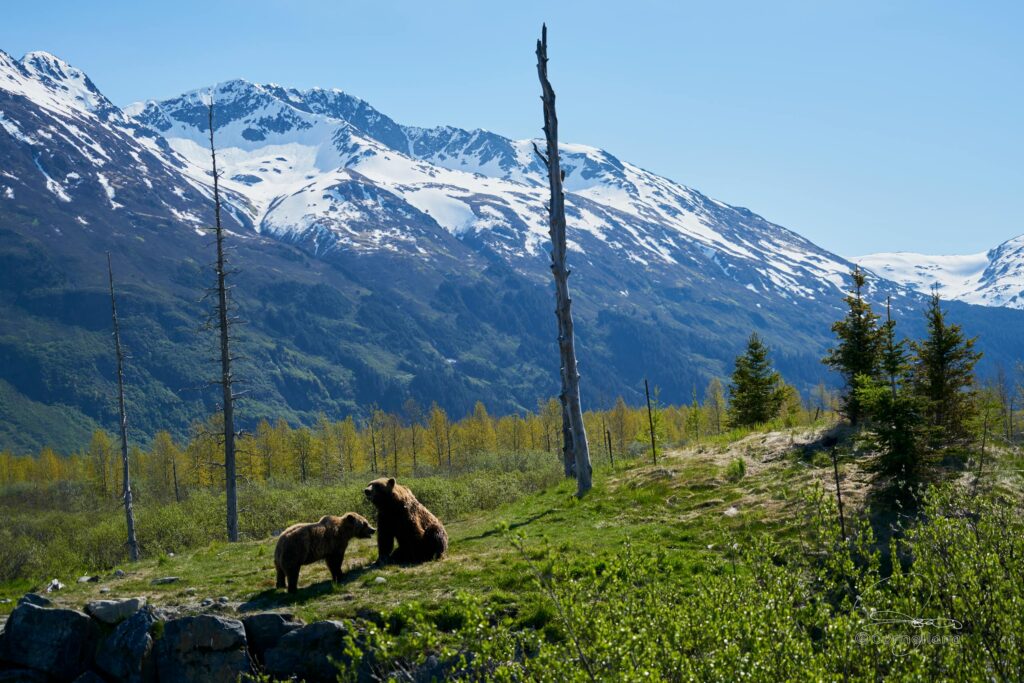
Denali National Park stretches across a large section of central Alaska and is shaped by tundra valleys, braided rivers, and views of Denali, the highest peak in North America. Most visitors travel along the Denali Park Road, which is open to private vehicles only for a short early season period. For the rest of the summer, shuttle and tour buses provide access deep into the park, stopping at overlooks where grizzly bears, moose, caribou, and Dall sheep are often seen. Clear days offer wide panoramas of the Alaska Range, and even partial views of Denali are considered significant because weather often obscures the summit.
Backcountry travel is a major part of the Denali experience. There are no marked trails in much of the park, so hikers obtain permits and choose routes through open tundra or river corridors. Ranger programs in summer help visitors understand conditions and wildlife safety, especially in bear country. The park is reached by car via the George Parks Highway or by Alaska Railroad, both of which connect Anchorage and Fairbanks.
Best Coastal & Island Escapes
Hawaii
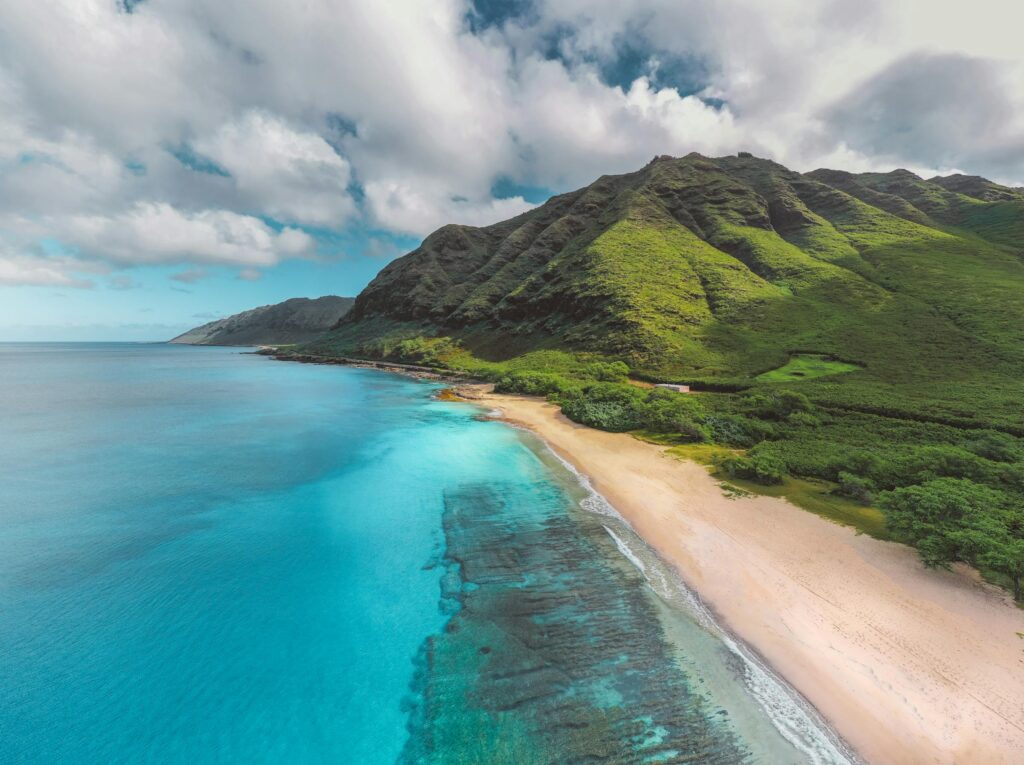
Hawaii is a group of islands with distinct landscapes, cultural traditions, and outdoor activities. Oahu is the most visited and is easy to navigate from Honolulu. Waikiki offers a long beachfront with hotels, shops, and surf schools, while Pearl Harbor presents memorials and historic ships reached by shuttle and guided tours. Diamond Head is a short hike from the eastern end of Waikiki and provides views over the coastline and city. Public buses and rental cars make it simple to move between major sites.
Maui is known for sunrise trips to Haleakalā, which require advance reservations and involve a long drive to the summit. The Road to Hana follows a narrow coastal route with waterfalls, beaches, and short trails; driving the full loop takes a full day. Winter brings strong whale watching opportunities from Lahaina and Kīhei, where boat tours run regularly. Kauai has quieter towns and dramatic scenery. Waimea Canyon is accessible by road and has viewpoints and trails along the rim, while the Nā Pali Coast can be experienced by boat, helicopter, or strenuous hikes such as the Kalalau Trail.
The Big Island holds the most varied landscapes, from lava fields to rainforests. Hawai‘i Volcanoes National Park is the main attraction, with drives and trails that pass craters, steam vents, and sometimes active lava areas depending on volcanic activity. The island also has black sand at Punalu‘u Beach and a rare green sand beach at Papakōlea, which requires a long hike. Interisland flights connect all major islands, and rental cars are typically the best way to explore beyond the resort areas.
Florida Keys
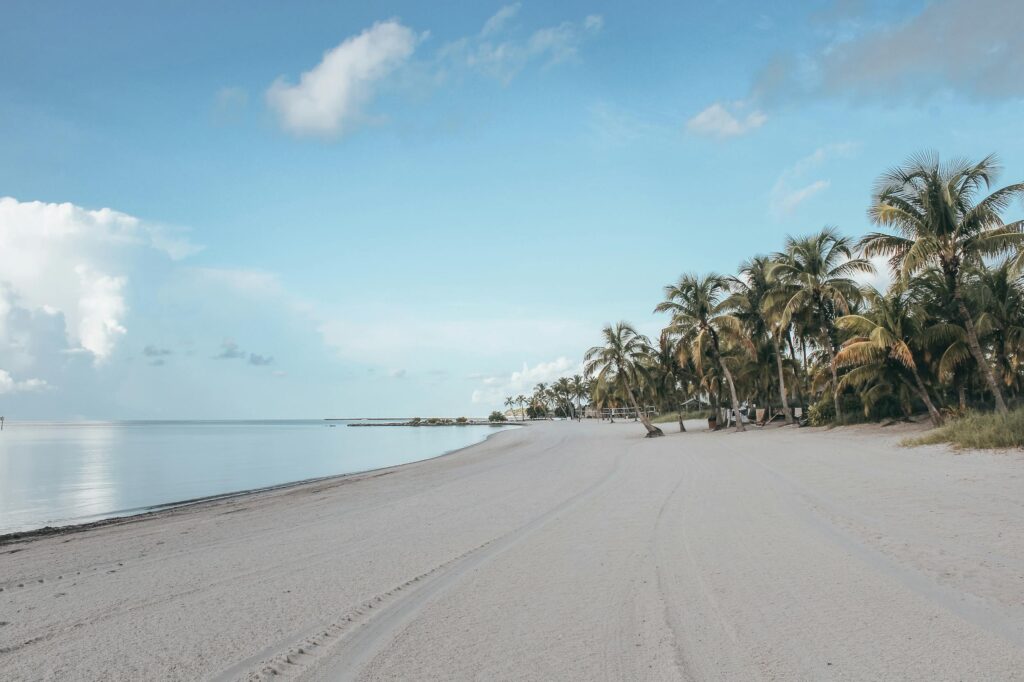
The Florida Keys form a long chain of islands connected by the Overseas Highway, which begins south of Miami and ends in Key West. The drive itself is one of the main attractions because it crosses long bridges with views of the Atlantic Ocean on one side and the Gulf of Mexico on the other. Key West is the final stop and is known for its historic district around Duval Street, the Ernest Hemingway Home, and nightly sunset gatherings at Mallory Square. The island is compact and easy to explore on foot or by bike, with water tours departing from the harbor for snorkeling and sailing.
Key Largo is the first major island in the chain and a gateway to John Pennekamp Coral Reef State Park, where glass bottom boat tours, snorkeling, and scuba trips offer access to reefs and marine life. Islamorada and Marathon sit between Key Largo and Key West and provide fishing charters, beaches, and wildlife centers. Most visitors reach the Keys by car, though shuttles run from Miami and Key West has a small airport with regional flights. The islands have a relaxed pace, and the clear water and marine parks make them popular for diving, boating, and kayaking throughout the year.
Outer Banks, North Carolina
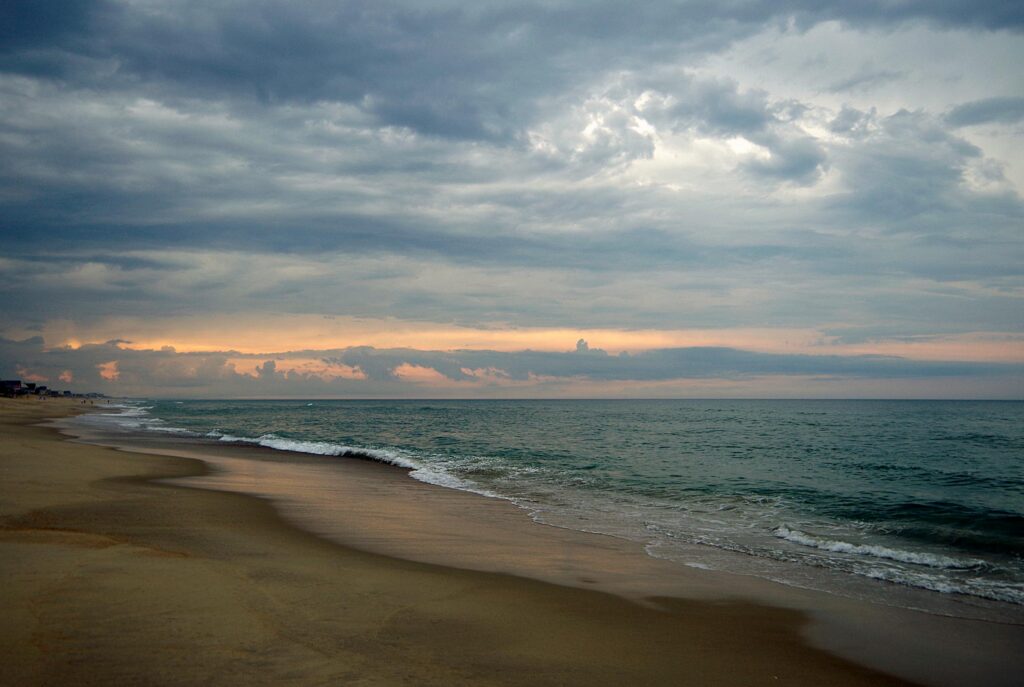
The Outer Banks form a long line of barrier islands separated from mainland North Carolina by sounds and shallow waterways. The area is known for wide beaches, shifting dunes, and small towns that are easy to explore by car. Cape Hatteras National Seashore protects much of the coastline and includes long stretches of undeveloped beach, the Cape Hatteras Lighthouse, and access points for fishing, swimming, and wildlife viewing. Conditions change with the weather, so visitor centers provide updates on tides and beach access.
Kill Devil Hills is home to the Wright Brothers National Memorial, which marks the site of the first powered flight and includes a visitor center and reconstructed buildings from the early 1900s. Driving is the simplest way to explore the Outer Banks because distances between towns can be long and public transit is limited. Ferries connect some of the islands, including routes to Ocracoke, which has a quieter village atmosphere and a historic lighthouse. The region is popular for family trips, water sports, and relaxed beach days, with many vacation rentals spread along the main highway.
California Coast (Pacific Highway 1)
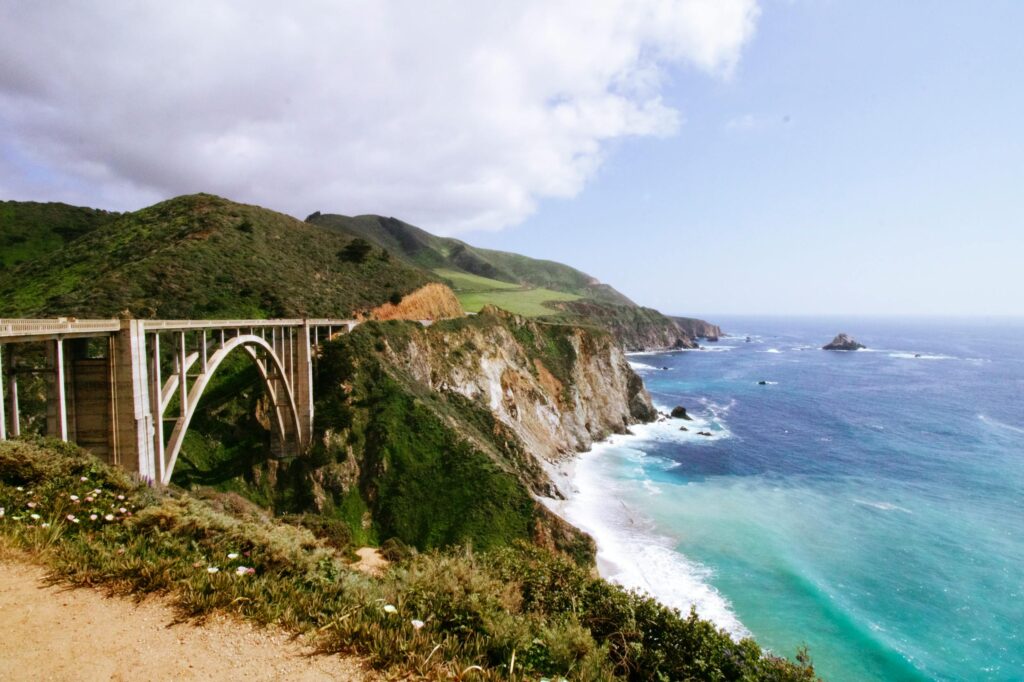
The California Coast along Highway 1 is known for its varied shoreline, coastal towns, and viewpoints that are easy to access from the road. Many travelers start in either San Francisco or Los Angeles and drive in sections or complete the full route over several days. Big Sur is one of the most dramatic stretches, with cliffs, state parks, and viewpoints such as Bixby Bridge and Julia Pfeiffer Burns State Park where short walks lead to coastal overlooks. Monterey offers the Monterey Bay Aquarium, Cannery Row, and access to the 17 Mile Drive, while nearby Carmel is known for its small downtown and beach.
Farther south, Santa Barbara provides a mix of Spanish style architecture, beaches, and wine country in the Santa Ynez Valley, which is a short drive inland. Malibu sits closer to Los Angeles and features long beaches, hiking trails in the Santa Monica Mountains, and coastal restaurants along the highway. Driving Highway 1 requires attention to weather and road conditions because closures sometimes occur after storms. Rental cars offer the most flexibility, and the route has many pullouts for photographs and short walks. Visitors often combine coastal viewpoints with detours into state parks, beach towns, or wineries depending on the pace of their trip.
Best Small Towns
Sedona, Arizona
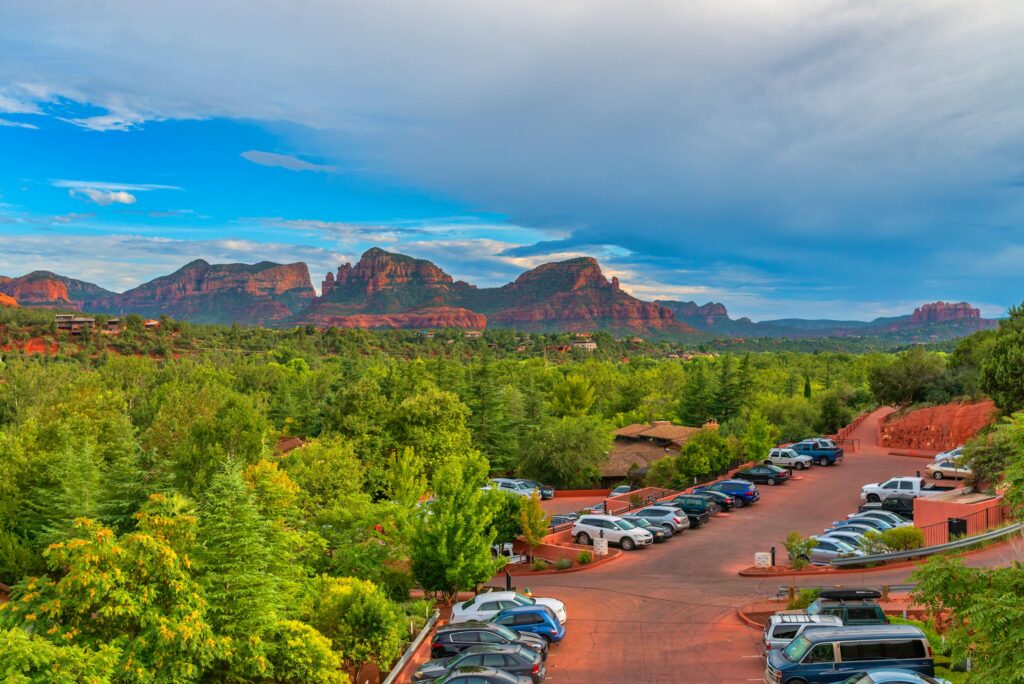
Sedona sits among striking red rock formations that surround the town on all sides, creating easy access to trailheads and scenic drives. Popular spots such as Cathedral Rock, Bell Rock, and Courthouse Butte are close to Highway 179 and can be reached by short hikes or viewpoint pullouts. The town center has galleries, cafés, and small museums, while jeep tours offer a simple way to reach rougher backcountry routes without needing off road experience. Many visitors also explore Sedona’s well known “vortex” sites, which are located at several viewpoints and trail areas.
Reaching Sedona is straightforward by car from Phoenix, with the drive taking about two hours. Once in town, parking at major trailheads can fill early, so shuttles operate seasonally to reduce congestion in popular areas. Beyond hiking, visitors can join wellness retreats, photography sessions, and stargazing programs due to the region’s clear skies. Oak Creek Canyon, located just north of town, adds swimming spots and additional hiking routes, making it a useful extension to a longer stay.
Asheville, North Carolina
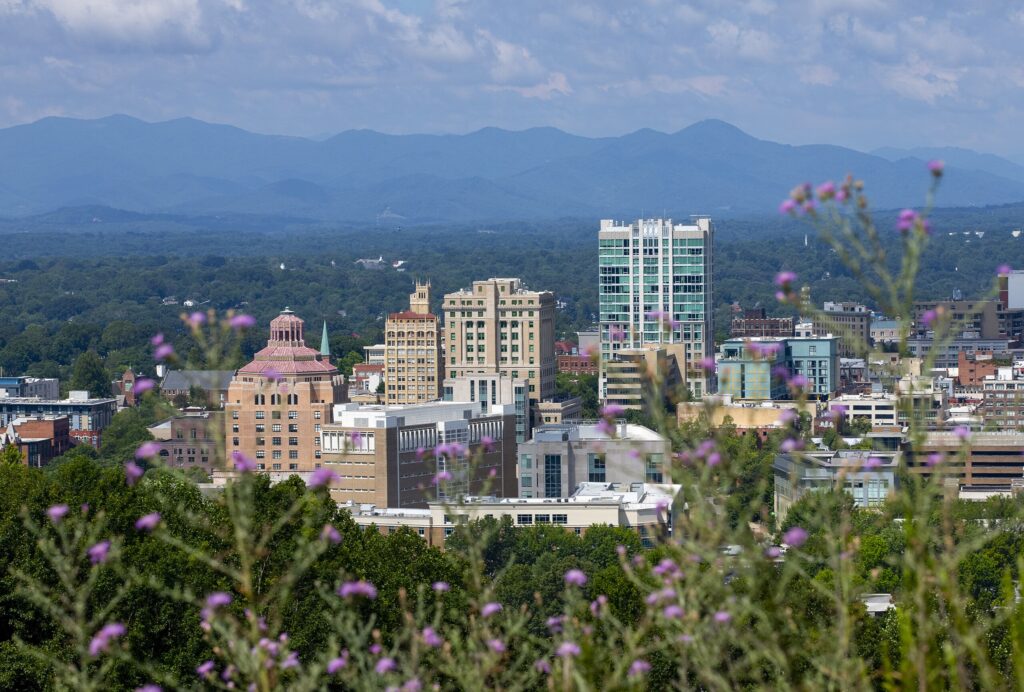
Asheville sits in the Blue Ridge Mountains and blends a small city center with easy access to outdoor activities. The downtown area has art studios, music venues, and cafés, and is known for its large number of craft breweries. The Biltmore Estate is the most prominent attraction, offering tours of the historic mansion, gardens, and winery. From the city, the Blue Ridge Parkway is simple to reach and provides scenic overlooks, picnic areas, and access to hiking trails along the ridgelines.
The region around Asheville offers a wide range of hikes, including routes in Pisgah National Forest and the trails leading to waterfalls near Brevard and Highlands. The city also serves as a base for exploring small mountain towns and scenic drives such as the route to Mount Mitchell, the highest point in the eastern United States. Asheville Regional Airport connects the city with several major hubs, and rental cars make it easy to move between downtown and trailheads. Because of its music scene, food culture, and outdoor access, Asheville works well for both short visits and longer stays.
Charleston, South Carolina
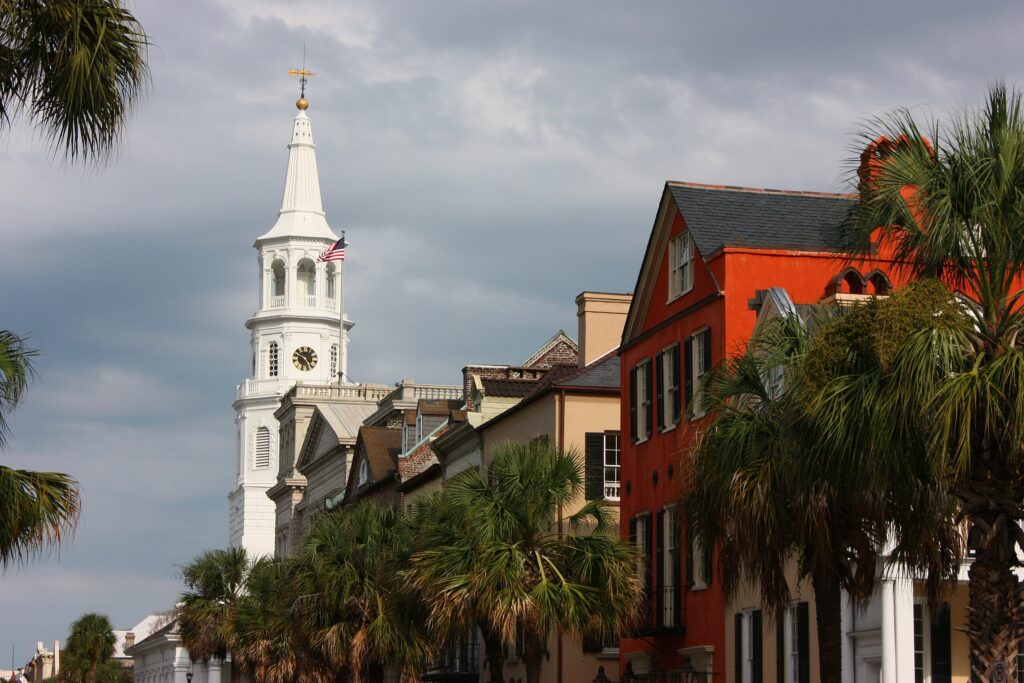
Charleston is a coastal city known for its historic districts, preserved architecture, and waterfront views. The downtown peninsula is easy to explore on foot, with cobblestone streets, antebellum homes, and landmarks such as Rainbow Row and Waterfront Park. The Battery offers a walkway along the harbor, and nearby Fort Sumter can be visited by ferry from Liberty Square. The city’s food scene reflects low country traditions, with seafood, shrimp and grits, and rice based dishes at restaurants throughout the historic core.
Plantation sites such as Boone Hall, Magnolia Plantation, and Middleton Place sit just outside the city and are reached by car or guided tour. These estates include gardens, historic houses, and exhibits on the region’s complex history. Beaches at Sullivan’s Island, Isle of Palms, and Folly Beach are within a short drive and provide a break from the downtown area. Charleston International Airport connects the city with major destinations, and rideshares or rental cars make it simple to move between historic neighborhoods, coastal areas, and plantation sites.
Savannah, Georgia
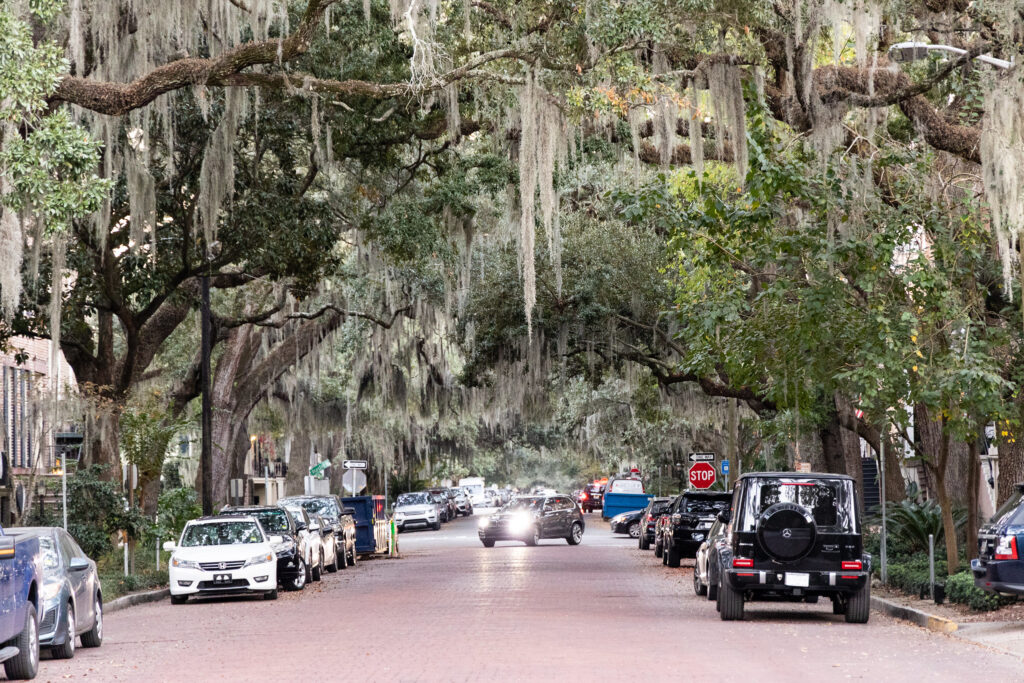
Savannah is centered on its historic district, a grid of landscaped squares, cobblestone streets, and preserved nineteenth century buildings. Walking is the easiest way to see the area, with stops at Forsyth Park, the Cathedral of St John the Baptist, and the riverfront along River Street. Many visitors join guided tours to learn about local architecture and history, and ghost tours are popular because of the city’s long record of folklore and preserved cemeteries. The waterfront offers shops, cafés, and access to river cruises.
Reaching Savannah is simple by car or through Savannah/Hilton Head International Airport, which sits a short drive from downtown. The city also works as a base for exploring Tybee Island, which has beaches, a lighthouse, and wildlife viewing areas about twenty minutes away. Trolley services and rideshares help visitors move between squares, museums, and the riverfront, though most attractions are close enough to experience on foot. Savannah’s mix of shaded parks, historic homes, and coastal access supports relaxed sightseeing over one or several days.
Park City, Utah
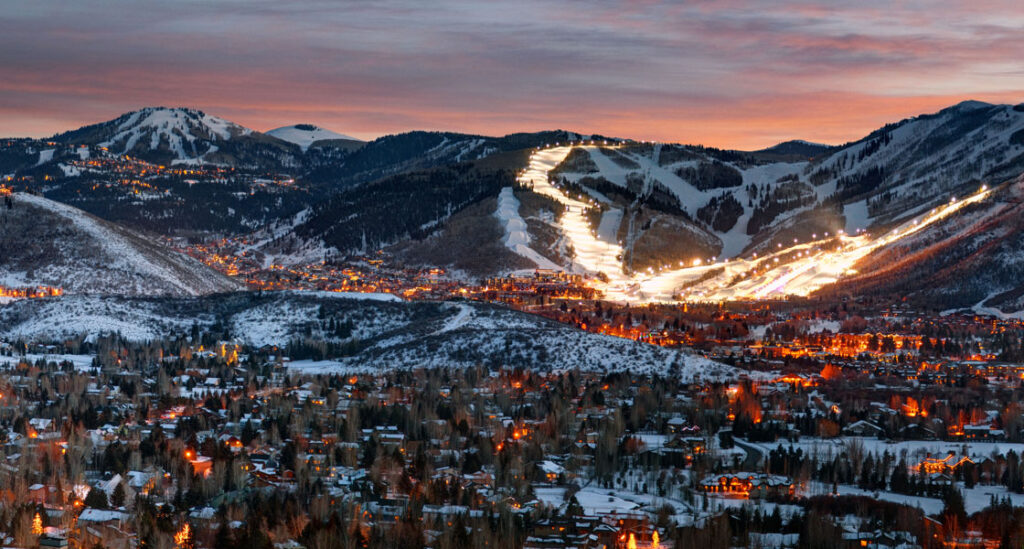
Park City sits in the Wasatch Mountains east of Salt Lake City and is known for its ski resorts, historic Main Street, and annual Sundance Film Festival. In winter, Park City Mountain and Deer Valley Resort offer extensive terrain, efficient lift systems, and easy access from town. The historic district has restaurants, galleries, and theaters that become central gathering spots during Sundance, when screenings and events take place across multiple venues. The town’s compact layout makes it simple to move between lodging, lifts, and Main Street by shuttle or on foot.
In summer, the focus shifts to mountain biking, hiking, and scenic chairlift rides. Trails start directly from the resort bases and connect to a broader regional network that extends toward Deer Valley and the surrounding valleys. Park City is reached by a straightforward forty five minute drive from Salt Lake City International Airport, and shuttles operate year round for travelers who prefer not to rent a car. The area also offers golf courses, alpine slides, and access to Jordanelle Reservoir, making it a practical base for outdoor activities in all seasons.
Moab, Utah
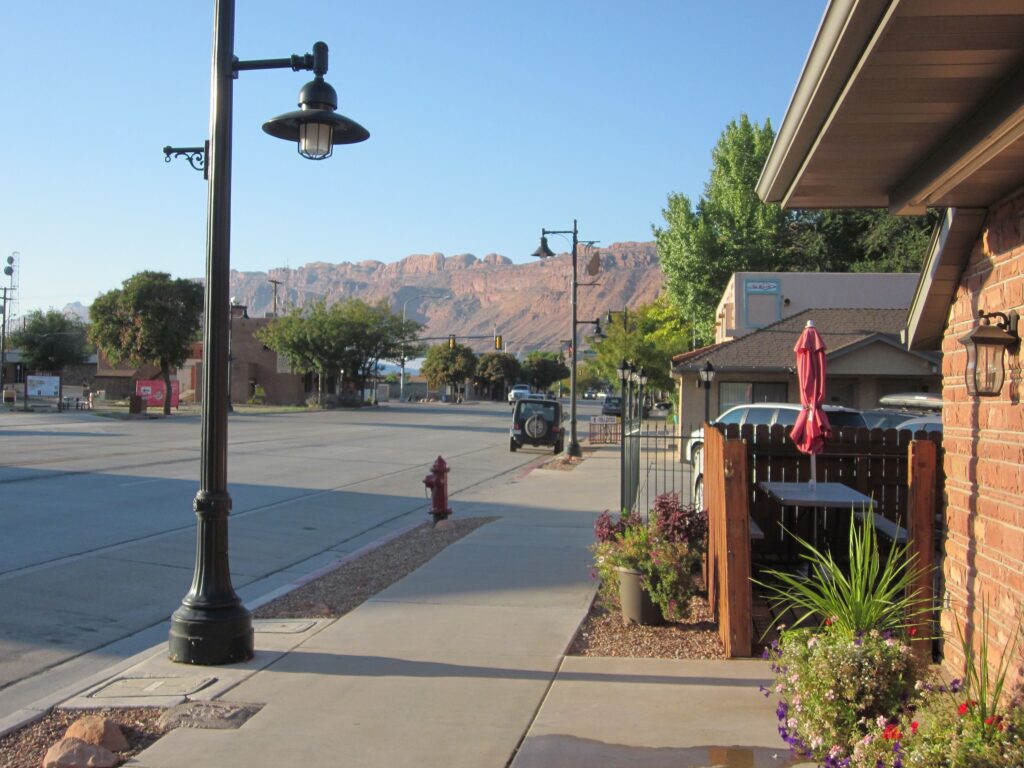
Moab serves as the main hub for exploring Arches and Canyonlands National Parks, both of which sit within a short drive of town. Arches lies just to the north and offers easy access to viewpoints and trailheads along its single park road. Canyonlands is divided into districts, with Island in the Sky being the closest and simplest to reach for short visits. The town itself has outfitters, cafés, and gear shops that support hiking, photography, and guided tours into nearby public lands.
Moab is also a center for off roading, with well known routes such as Hell’s Revenge and Fins and Things that can be explored on guided excursions or with rented equipment. The Colorado River runs along the edge of town and supports rafting trips that range from calm scenic floats to moderate whitewater sections. Clear desert conditions create strong night skies, and several viewing areas outside the city lights are set aside for stargazing. Moab is reached by car from Grand Junction or Salt Lake City, and small regional flights serve the local airport just north of town.
Bar Harbor, Maine
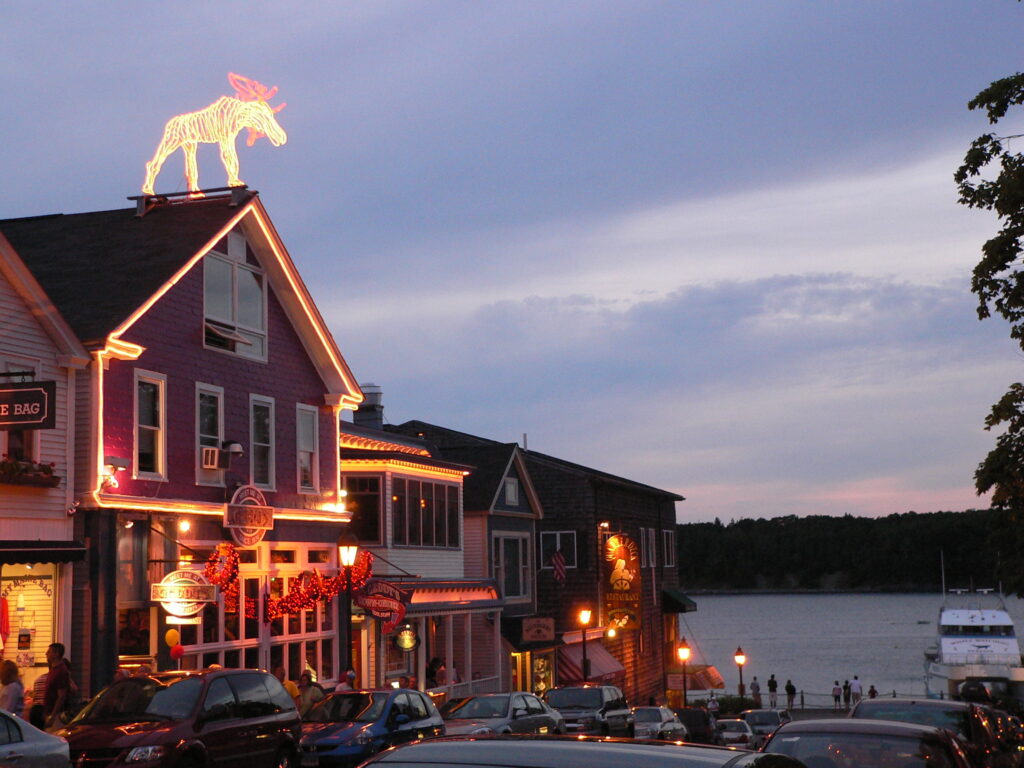
Bar Harbor sits on Mount Desert Island and serves as the primary gateway to Acadia National Park. The town’s waterfront area has shops, restaurants, and access points for boat tours and kayaking trips into Frenchman Bay, where harbor seals, seabirds, and coastal scenery are common. From the center of town, it is a short drive or shuttle ride to Acadia’s trailheads, carriage roads, and viewpoints such as Cadillac Mountain. The Shore Path, starting near the town pier, offers an easy walk along the coastline with views of nearby islands.
Acadia provides a wide range of hiking options, from coastal routes to steep ridge trails like the Beehive and Precipice, which require good weather and proper preparation. Carriage roads open the park to cyclists, and scenic drives such as Park Loop Road give access to sand beaches, rocky headlands, and mountain overlooks. Bar Harbor is reached by car from Bangor or via seasonal flights into Hancock County–Bar Harbor Airport. Seafood is central to the local dining scene, with lobster, clams, and haddock featured in many of the town’s restaurants.
Travel Tips for the USA
Travel Insurance & Safety
Travel insurance is highly recommended when visiting the United States, especially for medical coverage, trip cancellations or delays, and adventure activities such as hiking, skiing, or road trips. Healthcare costs in the U.S. are among the highest in the world, so it’s essential to have a policy that covers emergency treatment, hospitalization, and medical evacuation if needed.
The United States is safe and welcoming for travelers, though it’s always wise to use standard big-city precautions such as avoiding unlit areas at night and keeping valuables secure. Emergency services are reliable nationwide, and tap water is safe to drink almost everywhere. The main concern for visitors is the cost of healthcare, so ensure your travel insurance is comprehensive and valid throughout the country.
Transportation & Driving
Getting around the U.S. depends on the type of trip you plan. Domestic flights are the quickest way to cover long distances between major cities and regions. For budget-friendly travel, Amtrak trains and intercity bus companies such as Greyhound and Megabus connect most major urban centers. However, to experience the country’s national parks, scenic drives, and smaller towns, renting a car is the most practical and rewarding option.
Driving in the USA is on the right-hand side of the road. Speed limits vary by state and type of road, usually ranging from 55 to 75 mph (90–120 km/h) on highways. Roads are well-maintained, but distances can be long, so plan fuel stops carefully. Always carry your driver’s license, insurance, and credit card when renting or driving. An International Driving Permit is recommended for foreign visitors and may be required in some states if your license is not written in English.

Published December 06, 2025 • 28m to read