
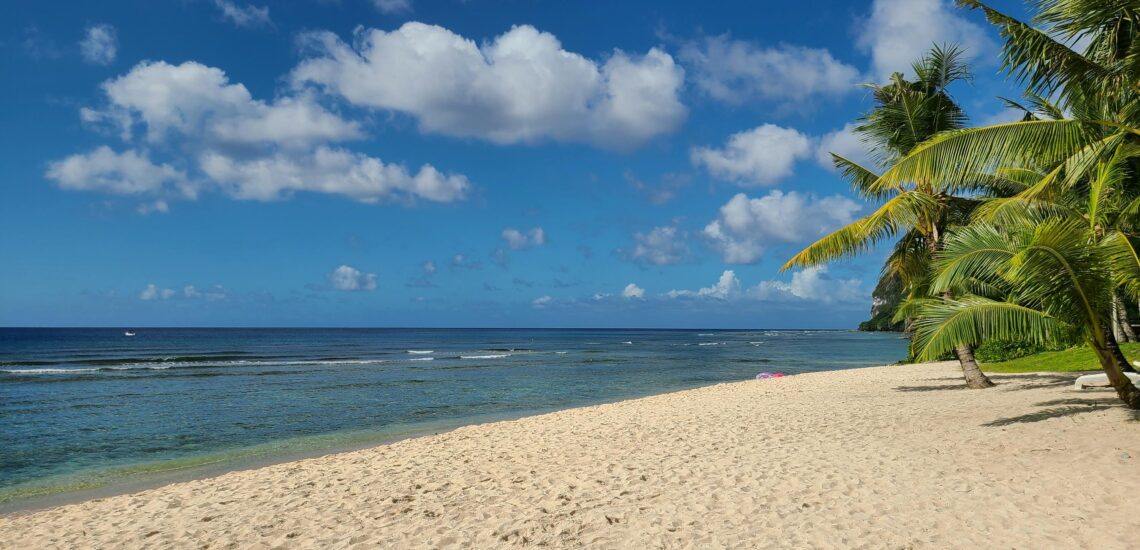


The Marshall Islands, scattered across nearly 2 million square kilometers of the Pacific, is one of the world’s most remote nations. Made up of 29 coral atolls and 5 islands, it’s a destination of pristine lagoons, WWII relics, traditional navigation, and vibrant Marshallese culture. While still off the mainstream tourist radar, it rewards adventurous travelers with rare experiences: wreck diving at Bikini Atoll, cultural immersion on remote islands, and untouched coral reefs.
Best Atolls
Majuro Atoll
Majuro Atoll, the capital of the Marshall Islands, is both the country’s main hub and a gateway to its outer atolls. While it has modern conveniences, the atoll still showcases local traditions and a relaxed island atmosphere. Visitors can head west to Laura Beach, a pristine stretch of white sand and one of the best swimming spots in Majuro. In town, the Alele Museum & Public Library introduces Marshallese history, navigation, and culture, while the Majuro Bridge offers sweeping views across the lagoon and ocean side.
Evenings are best spent with a sunset walk along Uliga Dock or exploring the Delap-Uliga-Djarrit (D-U-D) district, where most shops, restaurants, and government buildings are located. Majuro is also the jumping-off point for trips to outer atolls like Arno or Maloelap.
Arno Atoll
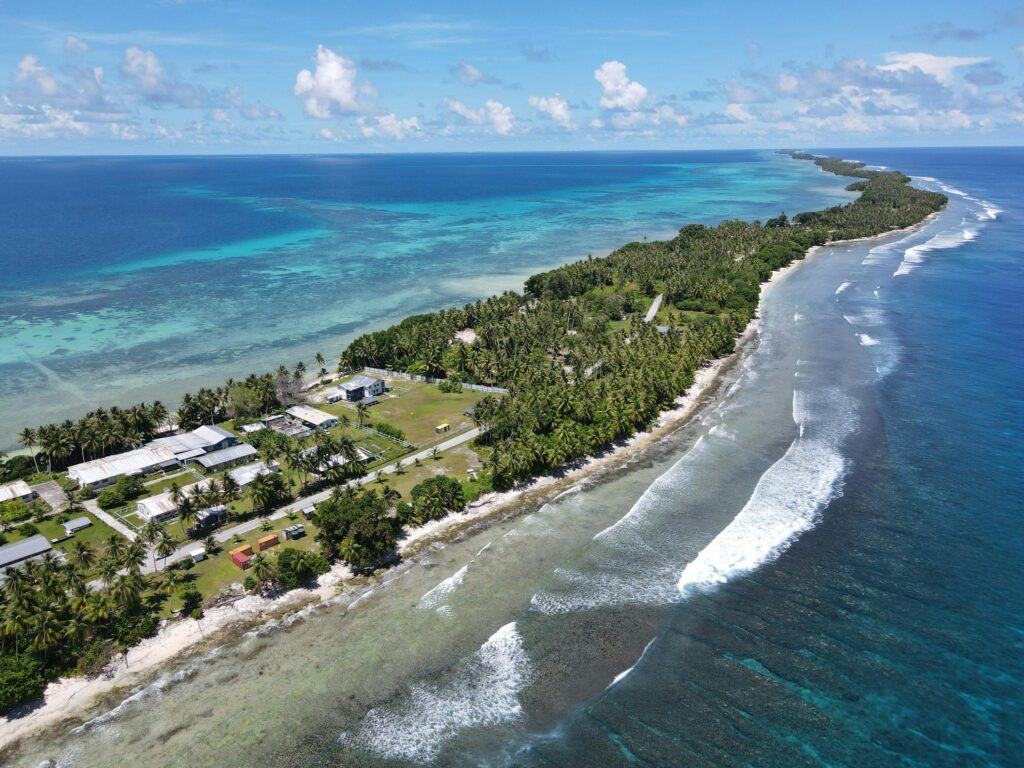
Arno Atoll, only 20 minutes by boat from Majuro, offers a peaceful escape into traditional Marshallese life. The atoll is known for its woven handicrafts, especially pandanus mats and baskets made by local women, which visitors can buy directly in the villages. Its lagoons and reef flats are excellent for snorkeling and reef walking, with calm, clear waters full of fish and coral.
Travelers often come for a day trip from Majuro, though homestays in local villages provide a deeper cultural experience with home-cooked meals and stories of atoll life. With little development, Arno moves at a slower pace, making it an ideal contrast to Majuro’s busier urban strip.
Best Natural Attractions
Bikini Atoll (UNESCO World Heritage)
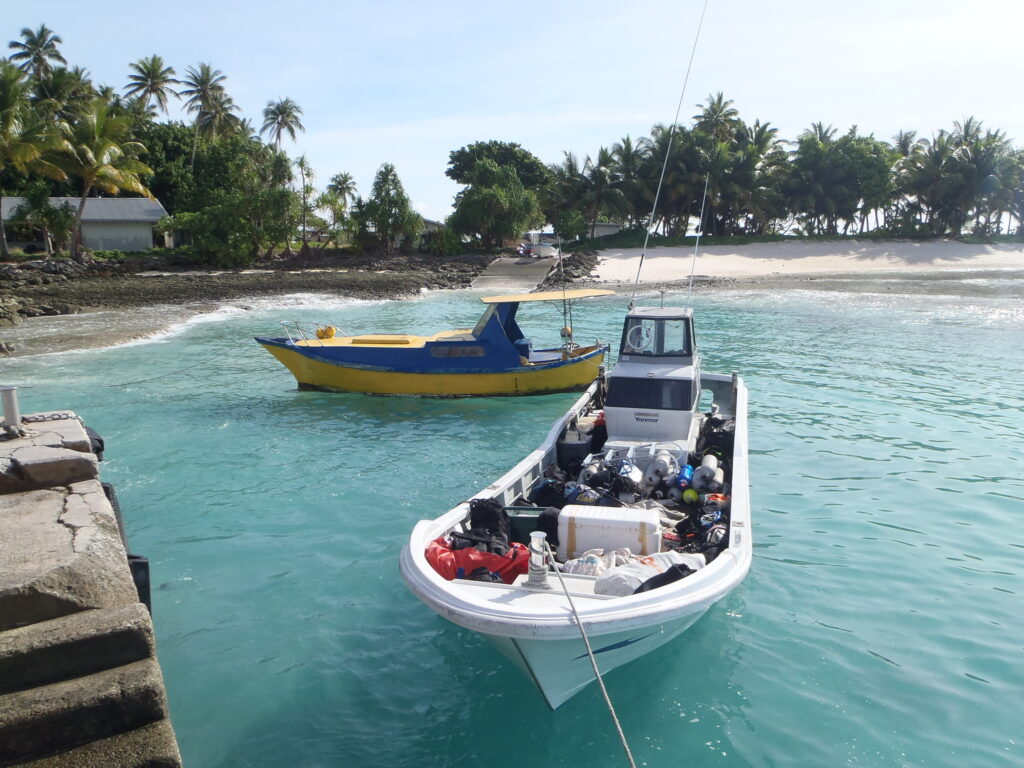
Bikini Atoll, a UNESCO World Heritage Site, is one of the most extraordinary yet sobering places in the Marshall Islands. Between 1946 and 1958, the U.S. conducted 23 nuclear tests here, displacing the local community and leaving behind a lasting legacy. Today, the atoll is uninhabited but open to limited tourism, mainly for diving. Its lagoon holds an unparalleled underwater “museum” of sunken warships and aircraft, including the USS Saratoga aircraft carrier, submarines, and battleships scuttled during testing. These wrecks, now encrusted with coral and teeming with marine life, make Bikini a bucket-list destination for advanced divers.
Visiting requires permits, careful logistics, and advance planning, as access is tightly controlled and facilities are minimal. Most trips are arranged through specialized liveaboard dive operators.
Rongelap Atoll
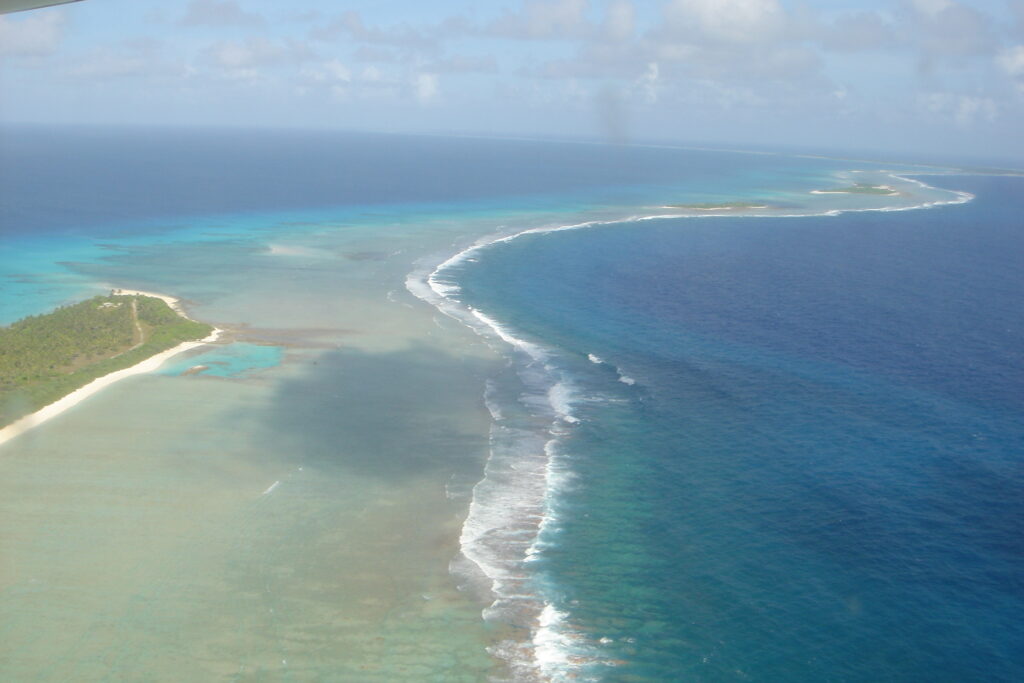
Rongelap Atoll, once heavily affected by nuclear fallout from the 1950s Bikini tests, has since undergone extensive cleanup and is now considered safe to visit with special permission. Its vast turquoise lagoon, white-sand islets, and birdlife make it one of the most beautiful yet least-visited atolls in the Marshall Islands. Nature has returned in force – coral reefs are healthy, seabirds nest on remote motus, and the atoll has become a symbol of ecological revival.
Travelers who make the journey to Rongelap come not only for its beauty but also for its history and sense of reflection. With no major infrastructure, visits usually involve arranged boat trips and basic homestays or camping.
Mili Atoll
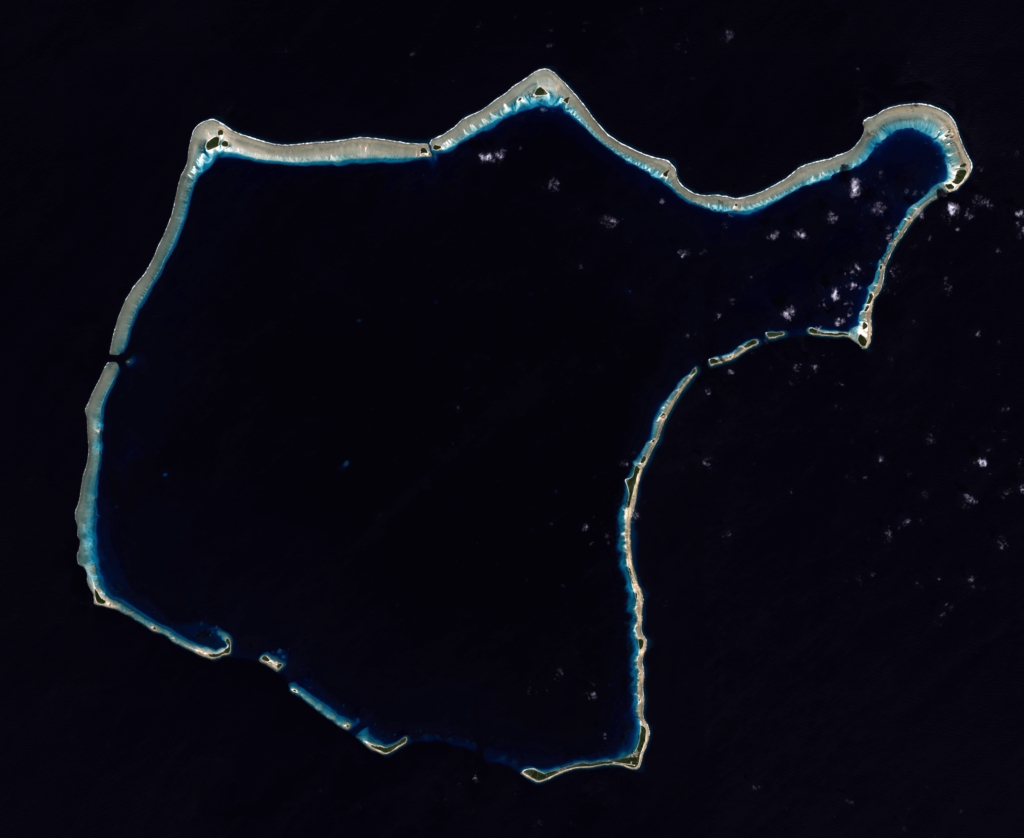
Mili Atoll, in the southern Marshall Islands, combines WWII history with natural beauty. During the war, it was a major Japanese stronghold, and today visitors can still find bunkers, gun placements, and remnants of airstrips hidden among the palms. Its wide lagoon is ideal for kayaking, snorkeling, and fishing, with coral reefs that remain vibrant and little disturbed. The outer islets are home to nesting seabirds and offer long stretches of untouched beach.
Reaching Mili requires advance planning, usually by charter boat or occasional flights from Majuro, and facilities are extremely limited. Accommodation is basic, typically in guesthouses or village stays, making it best suited for adventurous travelers comfortable with rustic conditions.
Ailinglaplap Atoll
Ailinglaplap Atoll, in the Marshall Islands, is one of the best places to experience traditional Marshallese culture. The atoll is home to villages led by hereditary chiefs, where visitors can see cultural houses, canoe sheds, and workshops where master builders still craft outrigger canoes using age-old techniques. Community life reflects the matrilineal system, in which land and heritage are passed down through women, a defining feature of Marshallese society.
The lagoon offers opportunities for snorkeling, fishing, and village-to-village boat trips, while the outer islets are rich in birdlife and coconut groves. Travel here requires advance arrangements, usually by boat or small plane from Majuro, and accommodation is in basic guesthouses or homestays.
Hidden Gems of the Marshall Islands
Likiep Atoll
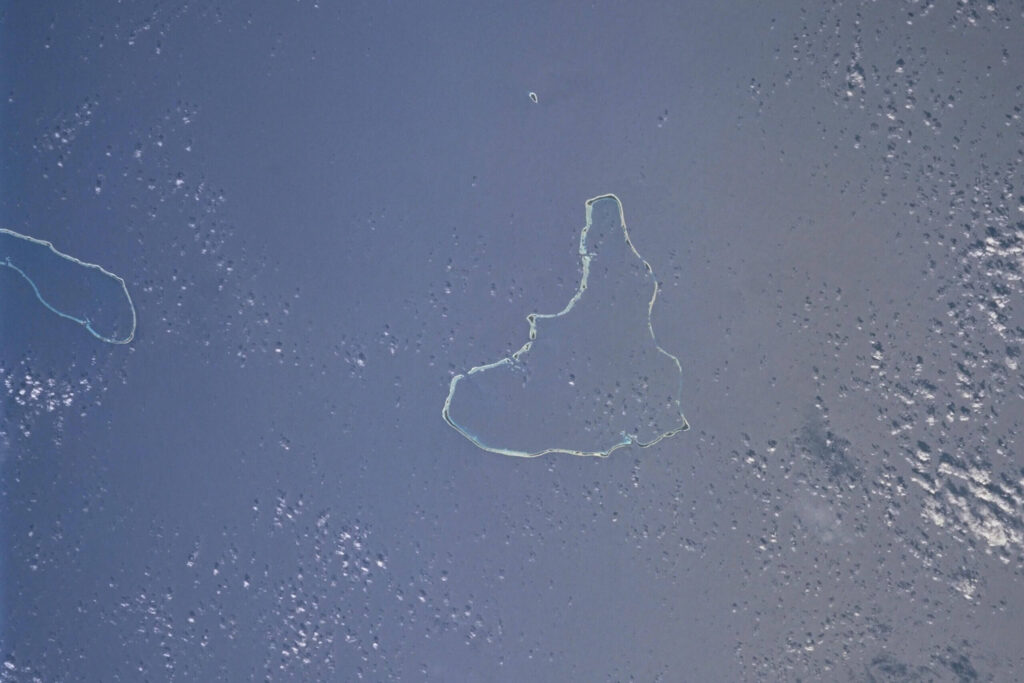
Likiep Atoll, in the northern Marshall Islands, is known for its historic German colonial wooden houses, a rare sight in the Pacific that reflects the islands’ 19th-century history of trade and settlement. The main village has preserved these buildings, giving visitors a glimpse into a unique chapter of Marshallese heritage. Today, the community is small and welcoming, with daily life centered on fishing, copra harvesting, and traditional crafts.
Jaluit Atoll
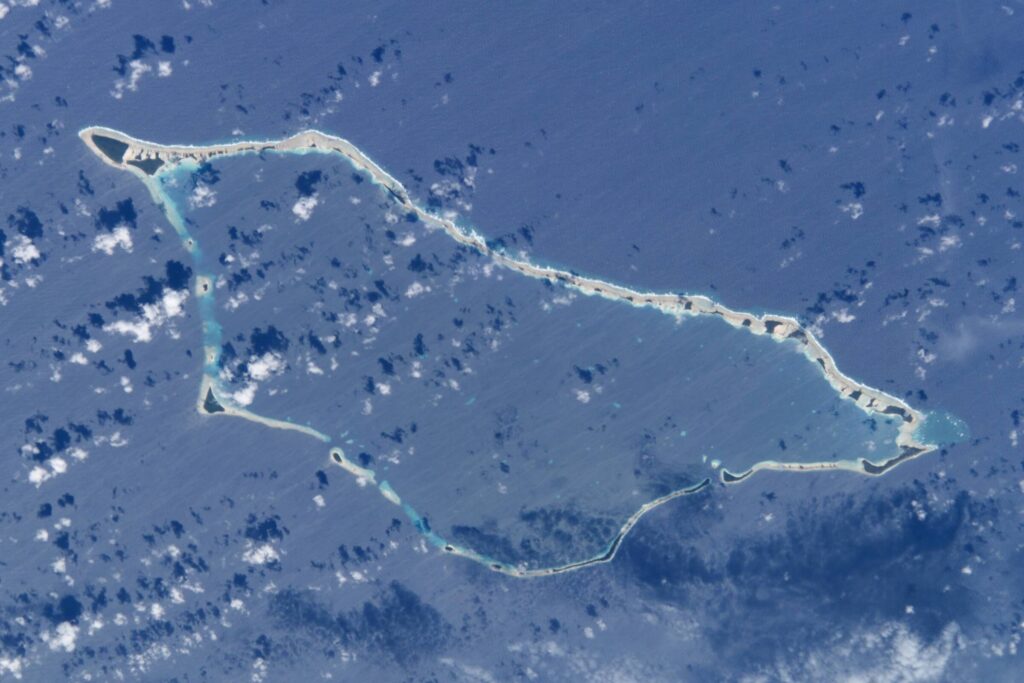
Jaluit Atoll, in the southern Marshall Islands, was once the administrative capital under both German and Japanese rule, leaving behind historic ruins and relics. In Jabor town, the main settlement, visitors can see remains of colonial buildings, Japanese bunkers, and wartime airstrips, making it a fascinating stop for history enthusiasts. The atoll also played a key role during WWII, and scattered sites still tell the story of its strategic importance.
Enewetak Atoll
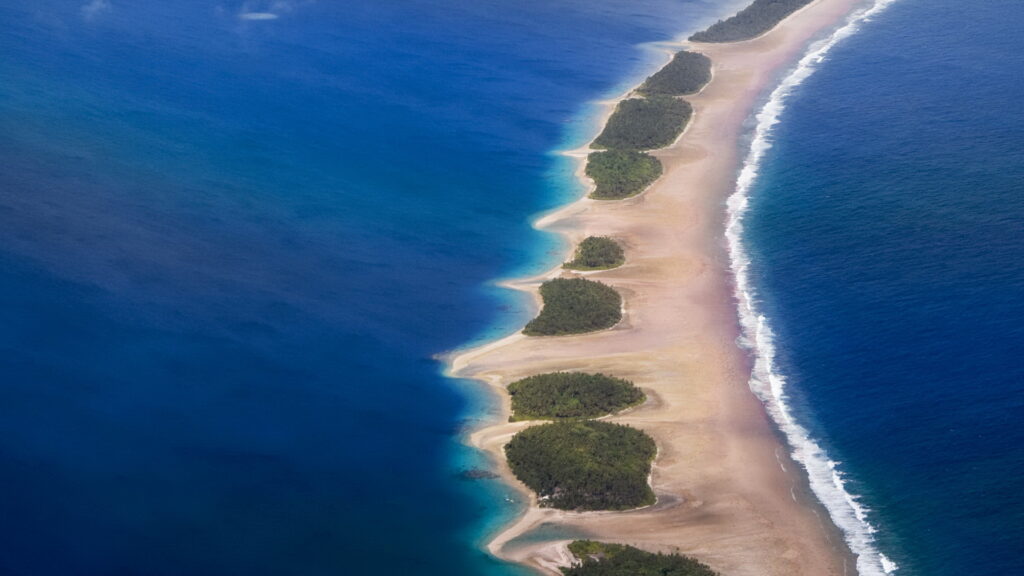
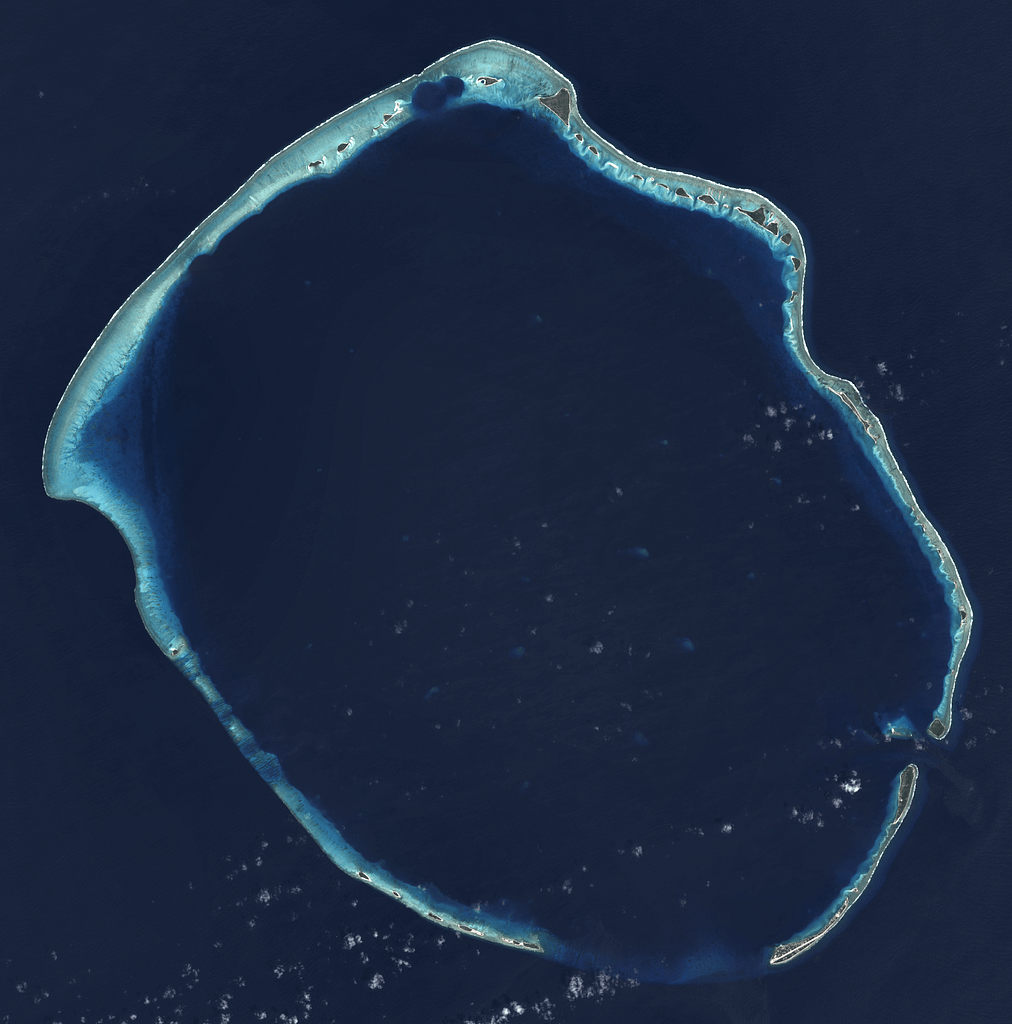
Enewetak Atoll, in the western Marshall Islands, is remembered as one of the main U.S. nuclear test sites between 1948 and 1958. Entire islands were vaporized in powerful explosions, and the atoll’s people were displaced. Today, Enewetak is in a phase of environmental recovery – reefs are rebounding, marine life has returned, and divers can explore sites where coral now grows over scarred seabeds. The iconic Runit Dome, a concrete cap sealing radioactive debris, remains a stark reminder of its history.
Visiting Enewetak is possible but requires special permits and careful logistics, usually arranged through government channels. Accommodation is minimal, and trips are generally limited to researchers, military staff, or highly organized expeditions.
Travel Tips
Currency
The U.S. Dollar (USD) is the official currency, making it convenient for international visitors. ATMs are available in Majuro, but cash is essential when traveling to the outer atolls, where banking services are limited or nonexistent.
Language
Both Marshallese and English are official languages. English is widely spoken in Majuro and other main settlements, making communication easy for travelers, while Marshallese dominates daily life in more remote areas.
Getting Around
Travel between atolls is part of the adventure. Air Marshall Islands (AMI) operates limited flights, but schedules can change frequently, so it’s best to book early and remain flexible. For short distances, local boats and traditional canoes provide transport between islands.
On Majuro, taxis and shared vans are cheap, convenient, and the most common way to get around. Renting a car is possible for more independence, but travelers must carry an International Driving Permit along with their home license. Roads are generally narrow but easy to navigate.
Accommodation
Options vary greatly depending on location. In Majuro, there are a handful of hotels and guesthouses catering to different budgets. On the outer atolls, accommodation is far more basic, often in the form of homestays or mission guesthouses, which provide a simple but authentic glimpse into island life. Booking in advance is highly recommended, especially outside Majuro.
Internet access is slow and unreliable outside of Majuro. Many visitors treat this as a welcome digital detox, choosing instead to spend their time exploring lagoons, diving, or connecting with local communities.
Permits
Many outer islands require permission from local chiefs or municipal councils. These permits are essential and can usually be arranged through local contacts, guides, or tour operators. Respecting this process is important, as it acknowledges traditional authority and helps maintain positive relationships with communities.

Published September 06, 2025 • 7m to read