

Thailand, the “Land of Smiles,” enchants travelers with its balance of spirituality, adventure, and indulgence. It is a country where glittering temples stand alongside bustling cities, where jungles lead to powdery beaches, and where every street corner offers a culinary adventure.
Whether you’re wandering through historic ruins, diving into tropical waters, trekking through lush mountains, or simply sipping coconut water on a hammock, Thailand offers something for everyone.
Best Cities in Thailand
Bangkok
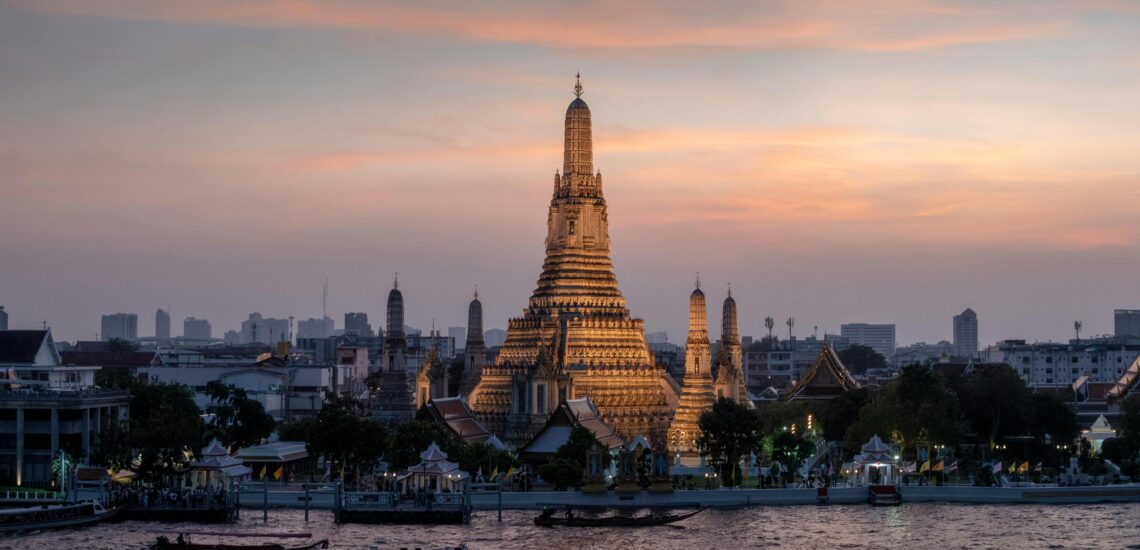
Bangkok, Thailand’s capital, combines sacred landmarks, vibrant markets, and modern city life. Must-sees include the Grand Palace with Wat Phra Kaew (Emerald Buddha), Wat Pho with the Reclining Buddha and massage school, and Wat Arun, best at sunset. Chinatown (Yaowarat) is ideal for street food and culture, while the Jim Thompson House, National Museum, and MOCA showcase art and history.
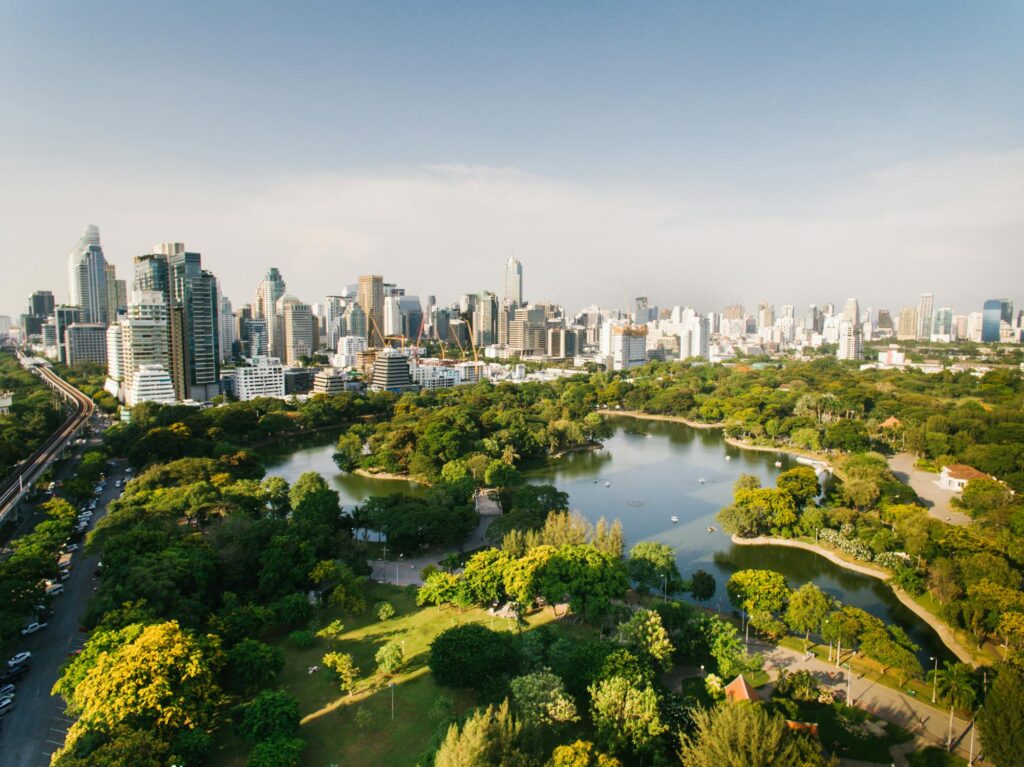
For shopping, Chatuchak Weekend Market offers thousands of stalls, and malls like Siam Paragon and ICONSIAM mix global brands with dining. Nightlife ranges from Khao San Road and Sukhumvit clubs to rooftop bars. River cruises and floating markets give a glimpse of traditional Bangkok, and Lumpini Park provides green space. Best time to visit is November–February. Bangkok is served by two airports with rail, bus, and taxi links. Inside the city, BTS Skytrain, MRT, and river ferries are most efficient, with tuk-tuks and taxis for short rides.
Chiang Mai
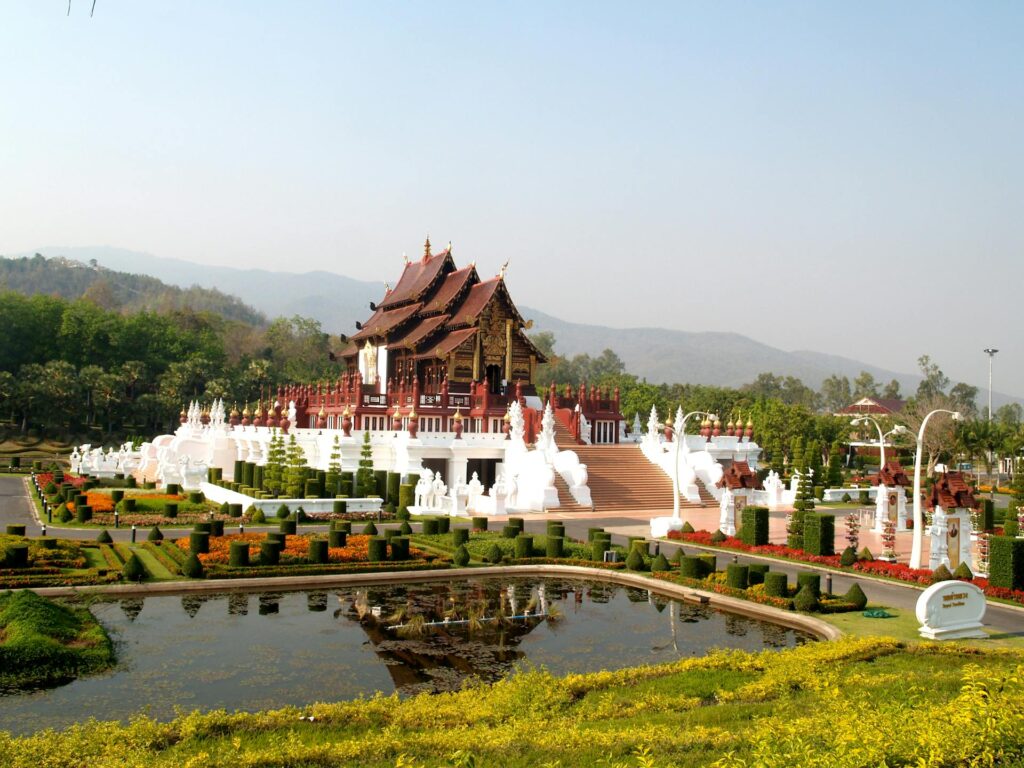
Chiang Mai, Northern Thailand’s cultural hub, is known for its historic temples, lively markets, and mountain scenery. Key highlights include Wat Phra That Doi Suthep overlooking the city, Wat Chedi Luang in the Old Town, and night bazaars filled with food and crafts. Beyond the city, visitors explore ethical elephant sanctuaries, hill tribe villages, and trekking routes in the surrounding hills.
The best time to visit is November–February, when the weather is cooler and festivals like Loy Krathong and Yi Peng Lantern Festival light up the city. Chiang Mai is easily reached by flight from Bangkok or neighboring countries, and the compact Old Town is best explored on foot, by bicycle, or tuk-tuk.
Ayutthaya
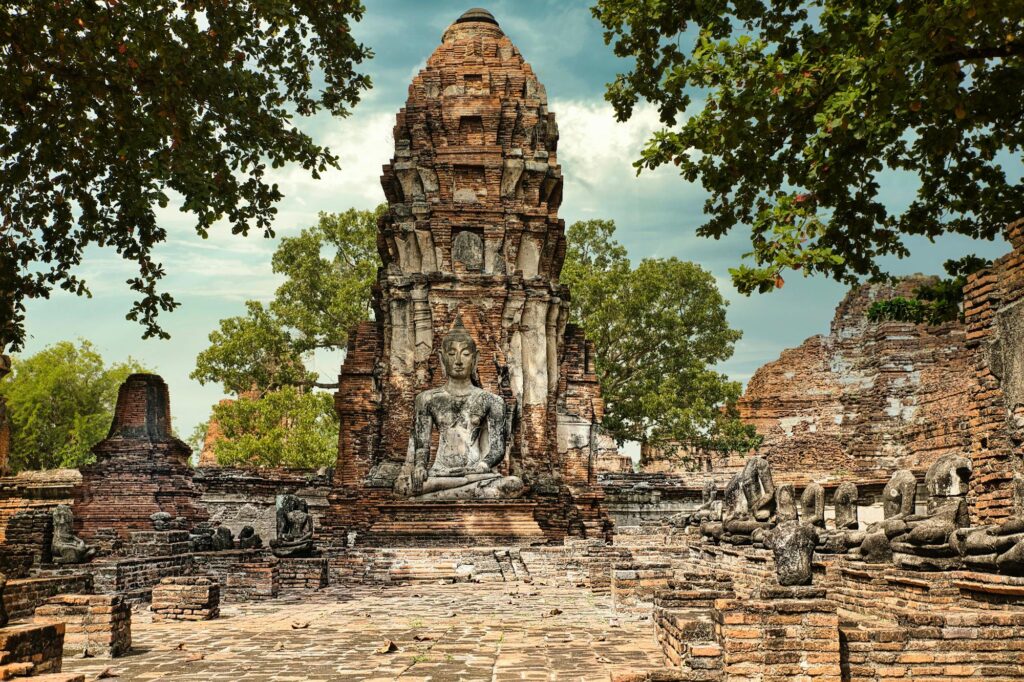
Ayutthaya, a UNESCO World Heritage Site and former royal capital, is famous for its temple ruins and historic atmosphere. Key sites include Wat Mahathat with the Buddha head in tree roots, Wat Ratchaburana with its impressive prang, and riverside Wat Chaiwatthanaram. Exploring by bicycle or boat gives the best sense of the ancient city’s scale.
The best time to visit is November–February, when the weather is cooler. Ayutthaya is just 1–1.5 hours from Bangkok by train, bus, or boat, making it an easy day trip or overnight stay.
Chiang Rai
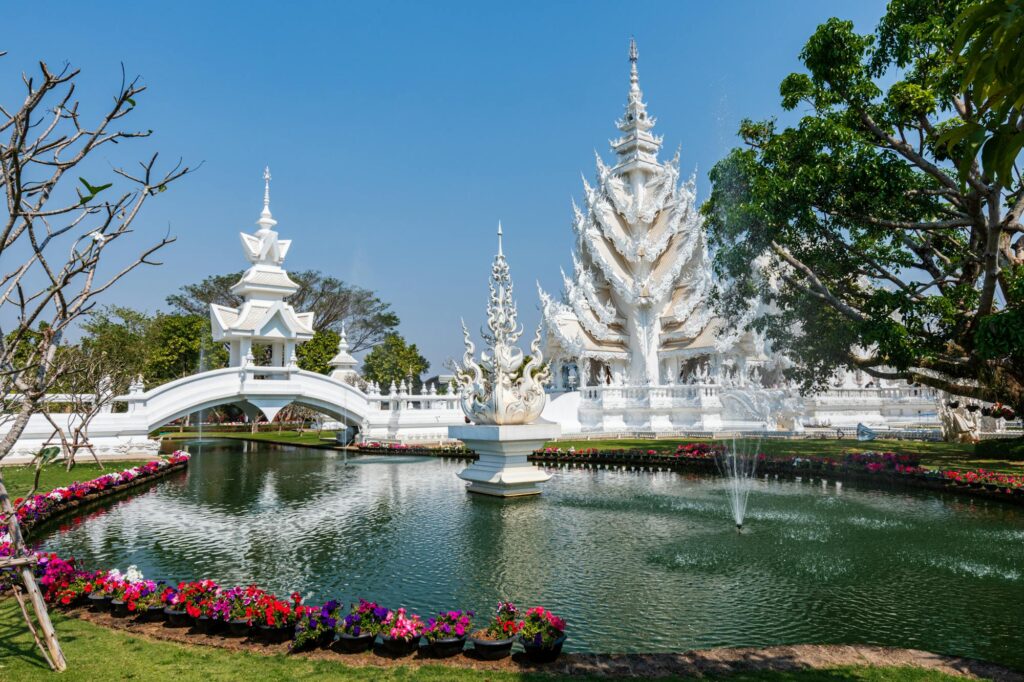
Chiang Rai is known for its striking modern temples and northern landscapes. The White Temple (Wat Rong Khun) dazzles with surreal white carvings, the Blue Temple (Wat Rong Suea Ten) glows with vivid murals, and the Black House Museum (Baan Dam) showcases dark, unconventional art. The city is also a base for exploring the Golden Triangle, where Thailand, Laos, and Myanmar converge.
The best time to visit is November–February, when the weather is cool and clear. Chiang Rai is reached by flight from Bangkok or by bus from Chiang Mai (3–4 hours). Local transport, bicycles, or guided tours are the easiest ways to see the main sites.
Best Beaches & Islands
Phuket – Thailand’s Largest Island
Phuket is Thailand’s biggest island, offering a mix of beaches, nightlife, and cultural sights. Patong Beach is the center of nightlife and water sports, while Phang Nga Bay is famous for its limestone cliffs and boat tours. Other highlights include the Big Buddha overlooking the island and Phuket Old Town with its colorful Sino-Portuguese architecture. The island also serves as a hub for day trips to Phi Phi, Similan, and other Andaman islands.
The best time to visit is from November to April, when seas are calm and the weather is dry. Phuket is reached by direct flights from Bangkok and many international destinations, with taxis, motorbikes, and local buses available for exploring the island.
Krabi
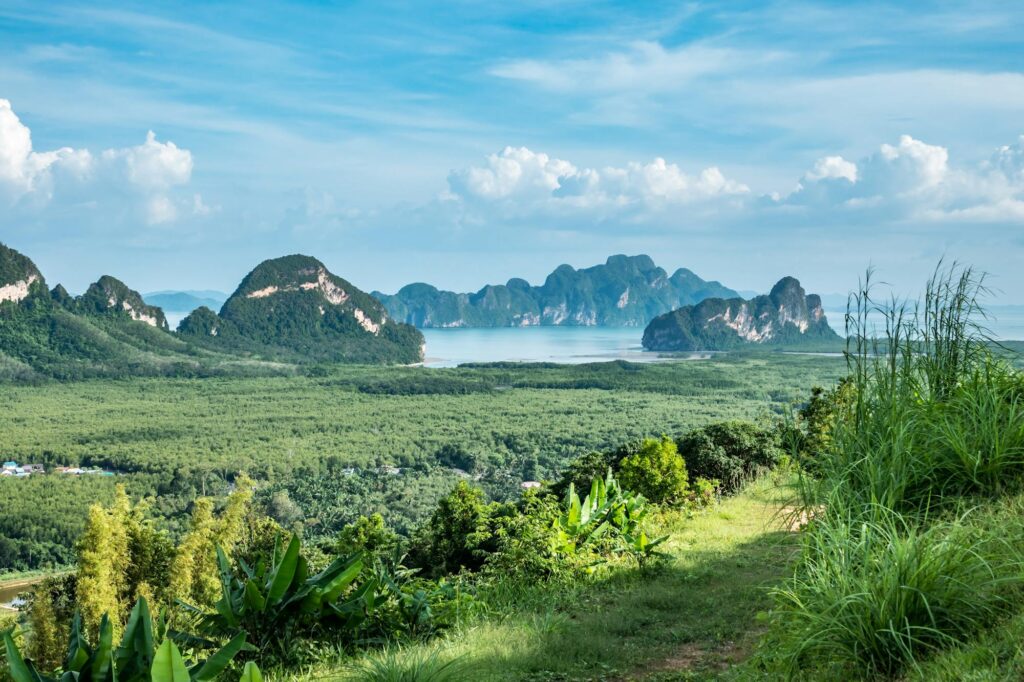
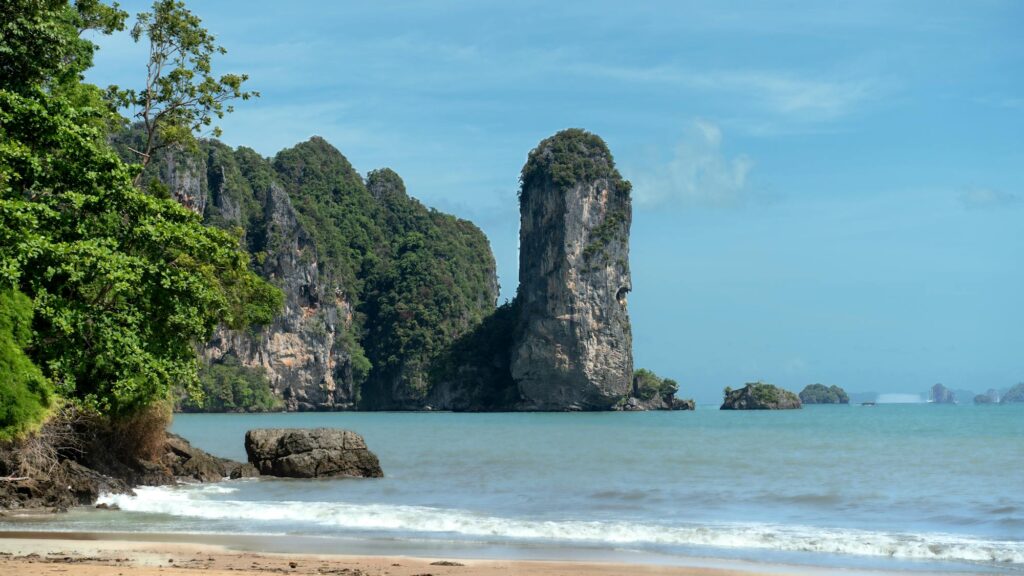
Krabi is famous for its dramatic limestone cliffs, turquoise waters, and island-hopping opportunities. Railay Beach is a top spot for rock climbing and sunsets, while boat trips to the Phi Phi Islands or Hong Islands reveal some of Thailand’s most beautiful beaches and snorkeling spots. Travelers can also kayak through mangroves, visit caves, or hike to viewpoints for panoramic coastal scenery.
Koh Phi Phi
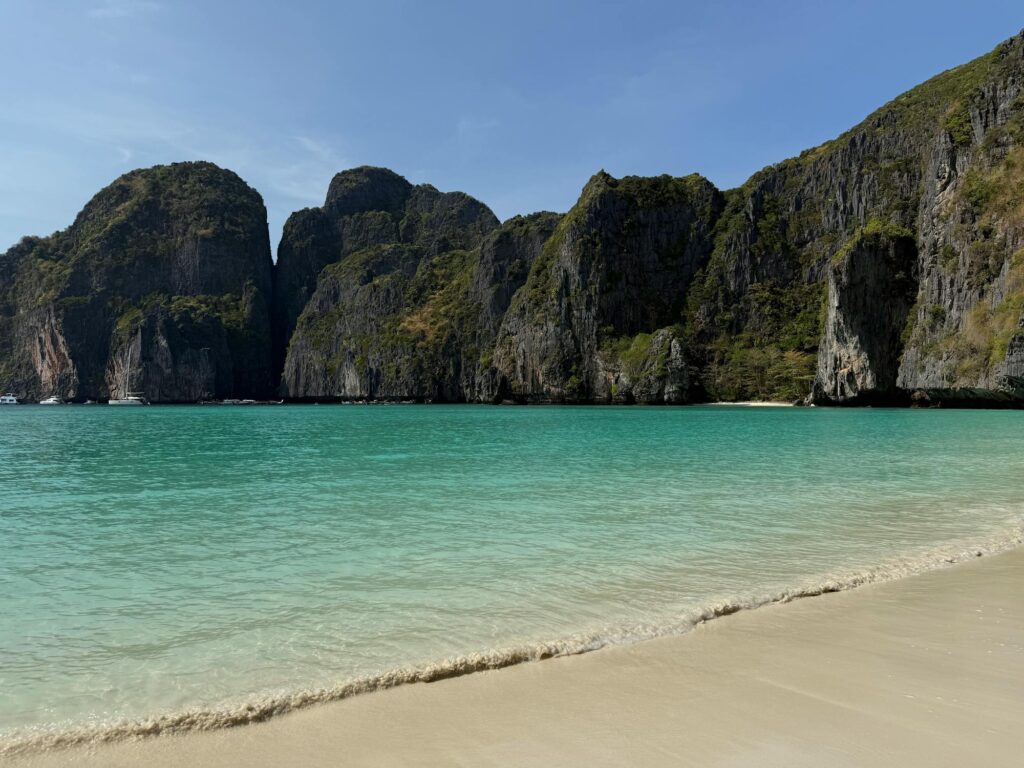
Koh Phi Phi is one of Thailand’s most famous islands, known for turquoise bays, limestone cliffs, and a lively atmosphere. Maya Bay, made famous by The Beach, is the top attraction, alongside snorkeling trips to colorful reefs and boat tours around Phi Phi Leh. Phi Phi Don, the main island, offers beach parties, bars, and resorts for every budget.
The best time to visit is November–April, when the sea is calm for boat trips. Ferries connect Phi Phi to Phuket and Krabi in 1.5–2 hours, making it easy to combine with other islands. Once there, most areas are walkable, with longtail boats used to reach beaches and bays.
Koh Samui
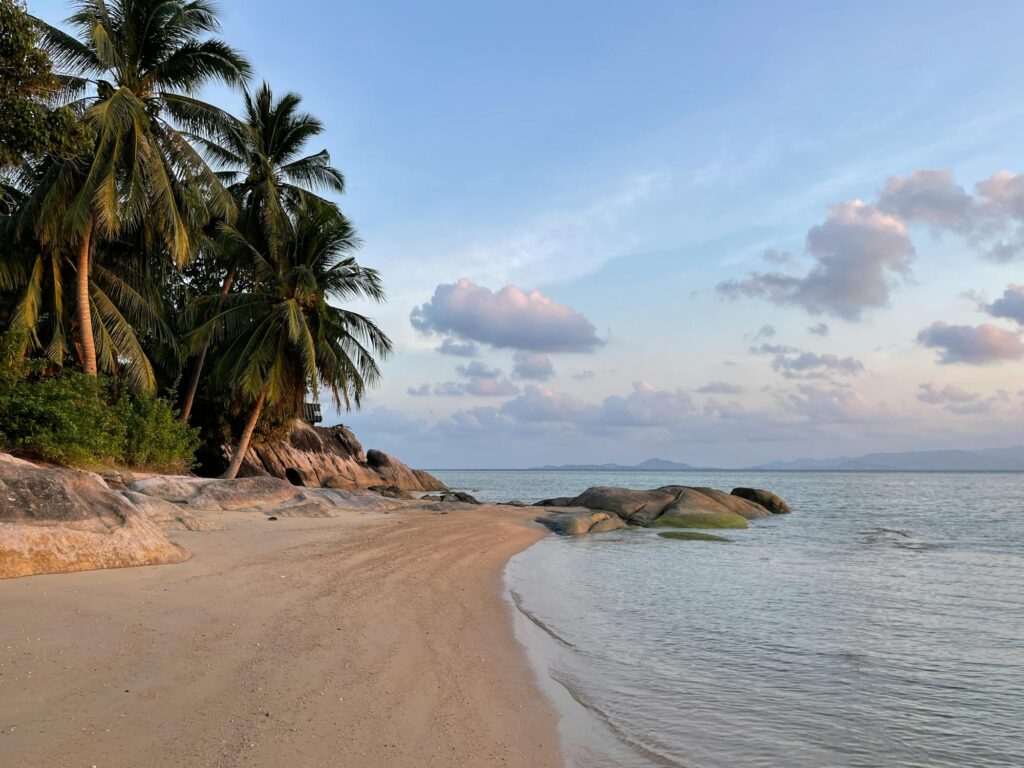
Koh Samui is one of Thailand’s most versatile islands, popular with both honeymooners and families. Top sights include the Big Buddha Temple, lively Chaweng Beach for nightlife, and Lamai Beach for a more relaxed vibe. A must-do day trip is to Ang Thong Marine Park, where visitors can kayak through limestone islands or hike to panoramic viewpoints.
Koh Tao
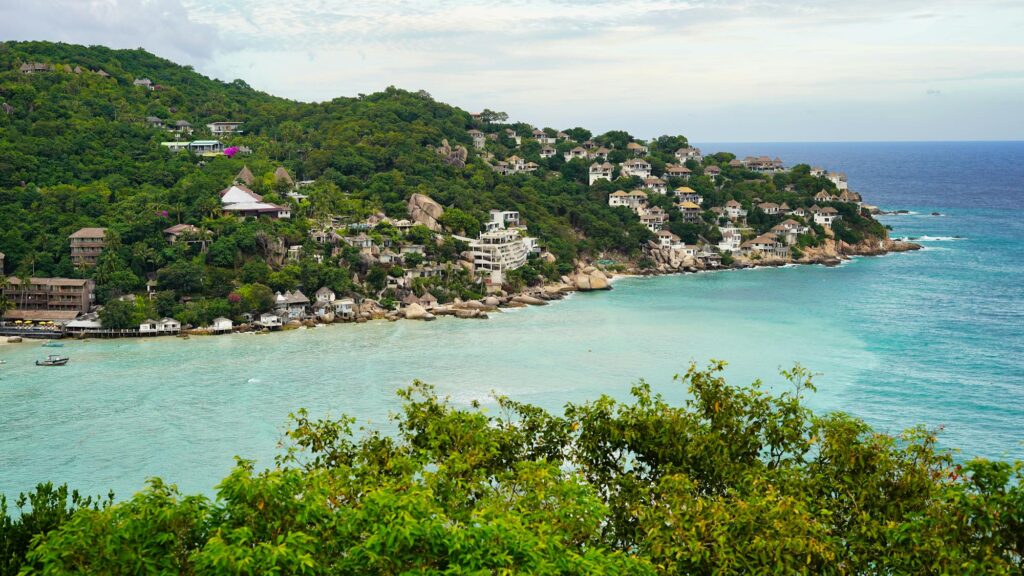
Koh Tao, the “Turtle Island,” is Thailand’s scuba diving capital, known worldwide for its affordable courses and diverse marine life. Dozens of dive sites surround the island, from shallow reefs for beginners to spots like Chumphon Pinnacle where you might see whale sharks. Snorkeling is just as rewarding at Shark Bay and Hin Wong Bay. Beyond the water, Koh Tao offers quiet beaches such as Ao Leuk and Tanote Bay, jungle hikes to viewpoints like John-Suwan, and a laid-back nightlife in Sairee Village.
Koh Lipe
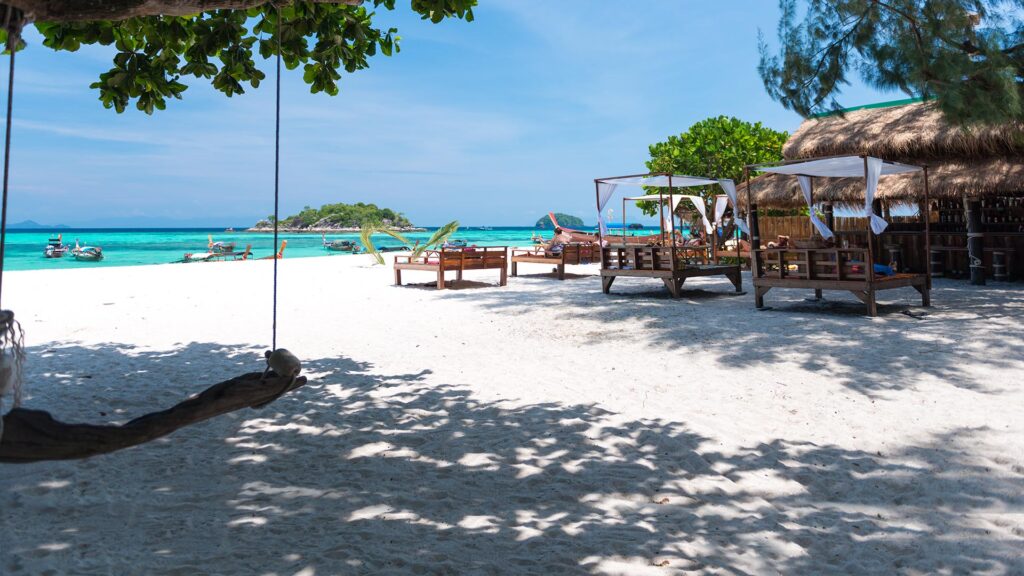
Koh Lipe, close to the Malaysian border, is a small island famous for its powdery white sand and crystal-clear water. Often called the “Maldives of Thailand,” it’s part of Tarutao National Marine Park and is ideal for snorkeling and diving, with colorful coral reefs just offshore. Walking Street is the island’s hub for restaurants and bars, while Sunrise, Sunset, and Pattaya beaches each offer a different vibe – from lively to tranquil.
Natural Wonders in Thailand
Khao Sok National Park
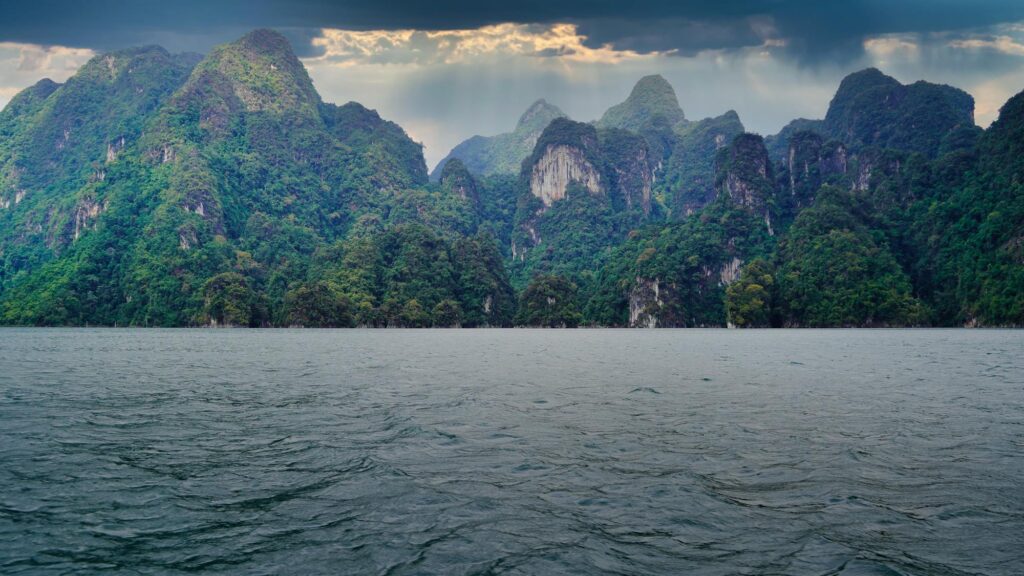
Khao Sok is one of Thailand’s most impressive natural reserves, combining rainforest, limestone cliffs, rivers, and the emerald waters of Cheow Lan Lake. Visitors stay in floating bungalows or jungle lodges, take boat trips among towering karsts, and explore caves and waterfalls. The park is also rich in wildlife, with gibbons, hornbills, and even wild elephants living in the dense jungle. Guided treks, canoeing, and night safaris make it a top choice for nature lovers.
The best time to visit is November–April, when the weather is drier and lake trips are more comfortable, though the rainforest is green year-round. Khao Sok lies between Phuket, Krabi, Surat Thani, and Khao Lak, making it easy to reach by bus, minivan, or private transfer. From the entrance, local guides and park tours arrange lake trips and treks.
Doi Inthanon National Park
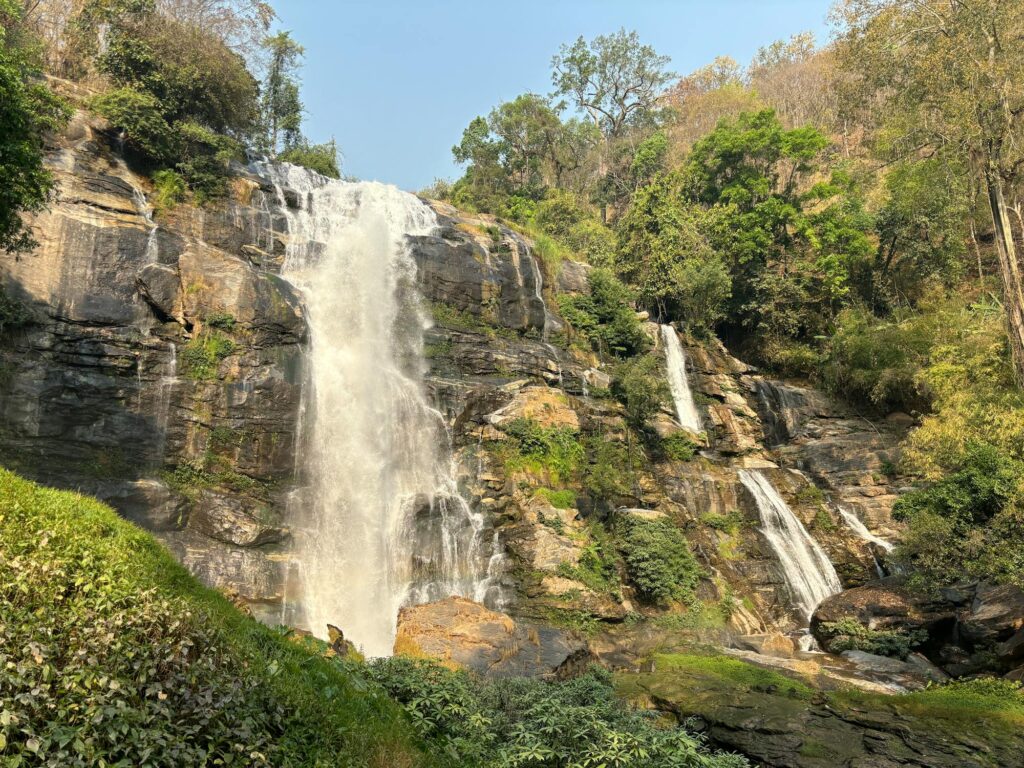
Doi Inthanon, Thailand’s highest peak at 2,565 meters, is a highlight of northern Thailand. The park features the Twin Royal Pagodas built in honor of the King and Queen, scenic waterfalls such as Wachirathan and Siriphum, and viewpoints with panoramic mountain vistas. Visitors can also hike nature trails through cloud forests and visit Karen and Hmong hill tribe villages to learn about local culture.
Erawan National Park
Erawan National Park, in Kanchanaburi Province, is one of Thailand’s most popular natural escapes, famous for the seven-tiered Erawan Waterfall. Each level has emerald-blue pools where visitors can swim or relax, with trails leading through the jungle up to the seventh tier. The park also has impressive caves such as Phartat, Ta Duang, and Mi, known for stalactites and ancient carvings, as well as wildlife including macaques, monitor lizards, and many bird species. It’s a great place for hiking, swimming, and a refreshing break from the heat.
Pai (Mae Hong Son Province)
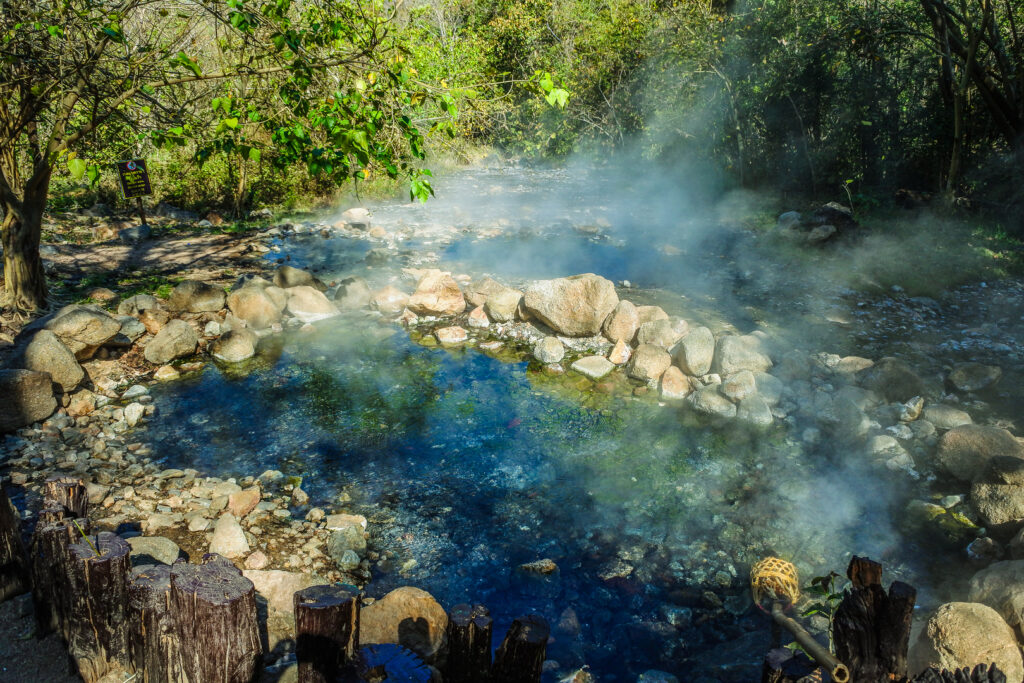
Pai, a small town in the mountains of northern Thailand, is popular with backpackers for its relaxed atmosphere, natural scenery, and budget-friendly stays. The surrounding area offers plenty to explore: Pai Canyon with its striking ridges and sunset views, Tha Pai Hot Springs for a soak in mineral waters, and nearby waterfalls like Mo Paeng and Pam Bok. Rice paddies and mountain viewpoints add to the charm, while the town itself has a lively walking street market each evening.
The best time to visit is November–February, when the weather is cool and pleasant. Pai is about a 3-hour drive from Chiang Mai via a scenic mountain road with 700+ curves, reachable by minivan, motorbike, or private car. Once in Pai, most places are easily explored by scooter, bicycle, or tuk-tuk.
Hidden Gems of Thailand
Loei Province
Loei, on the Laos border in northeastern Isan, is one of Thailand’s most underrated destinations, known for its cool climate, misty mountains, and traditional villages. Phu Kradueng National Park is the highlight, offering a challenging hike to a high plateau with pine forests, waterfalls, and famous sunrise viewpoints. The park is especially popular in the cool season, when flowers bloom and sea-of-mist panoramas appear. Chiang Khan, a riverside town on the Mekong, charms visitors with its wooden houses, bike paths, night markets, and peaceful morning alms-giving along the riverfront.
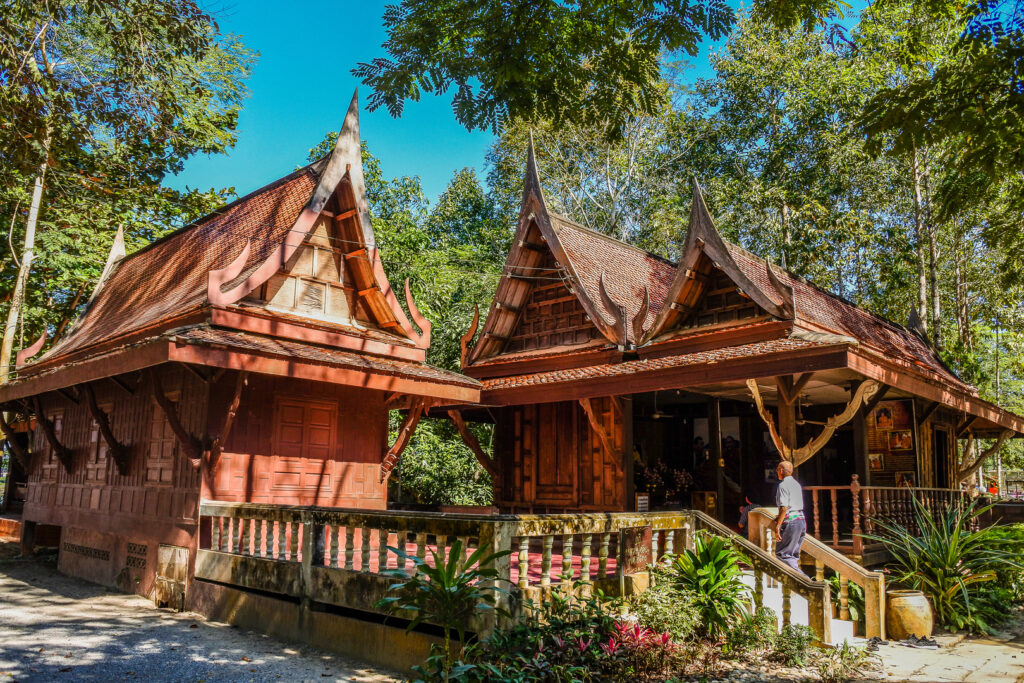
Sukhothai
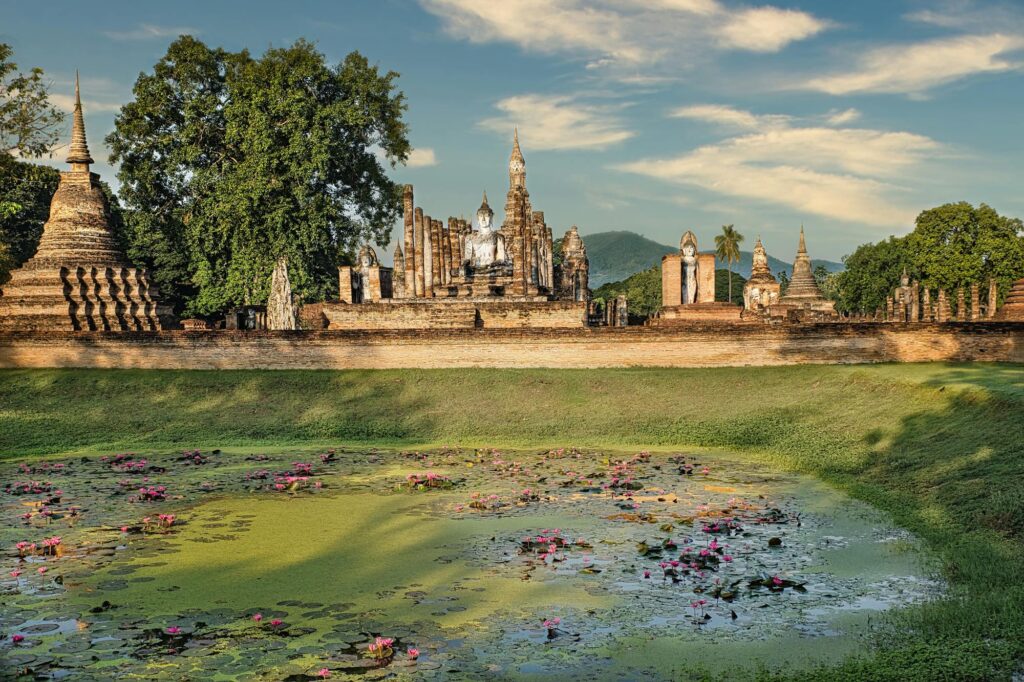
Sukhothai, the first capital of Siam in the 13th–14th centuries, offers a peaceful alternative to busier heritage sites like Ayutthaya. Its UNESCO-listed Historical Park is spread across several zones, with temple ruins, Buddha statues, lotus ponds, and rice fields creating a serene atmosphere. Highlights include Wat Mahathat with its towering Buddha images, Wat Si Chum with the massive seated Buddha, and Wat Sa Si set on a small island. Renting a bicycle is the best way to explore the ruins at your own pace.
Trang Province
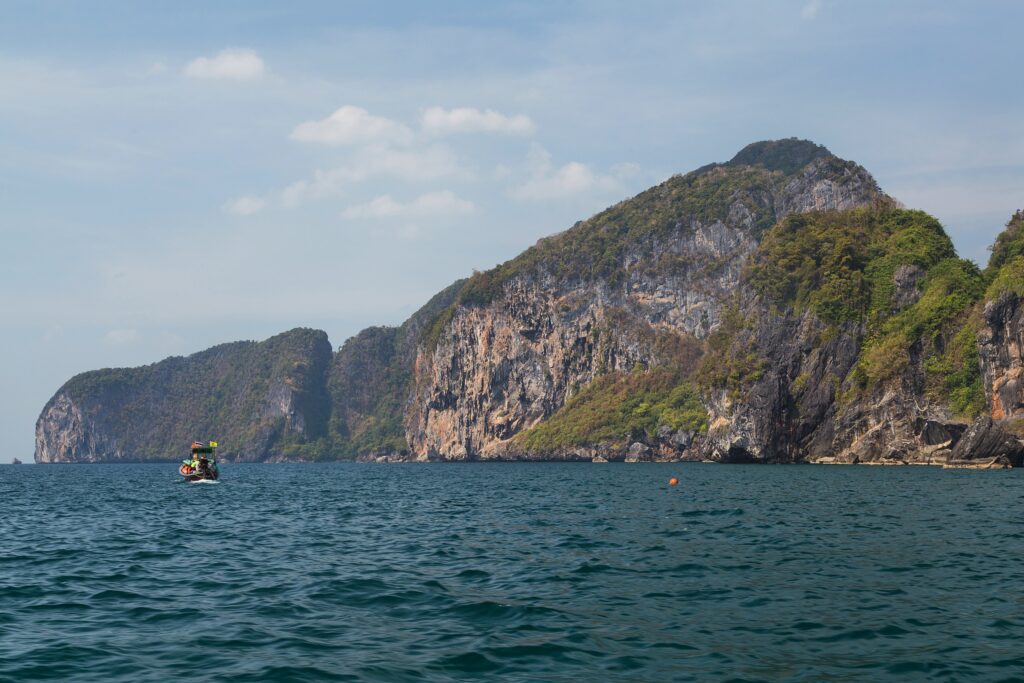
Trang, just south of Krabi, is a great choice for travelers looking for beautiful islands without the heavy crowds. Highlights include Koh Muk with its Emerald Cave, where you swim through a tunnel to a hidden beach, and Koh Kradan, famous for clear water and powdery white sand. The province also offers authentic fishing villages, waterfalls, and caves inland, giving visitors a slower and more traditional Thai experience.
Nan
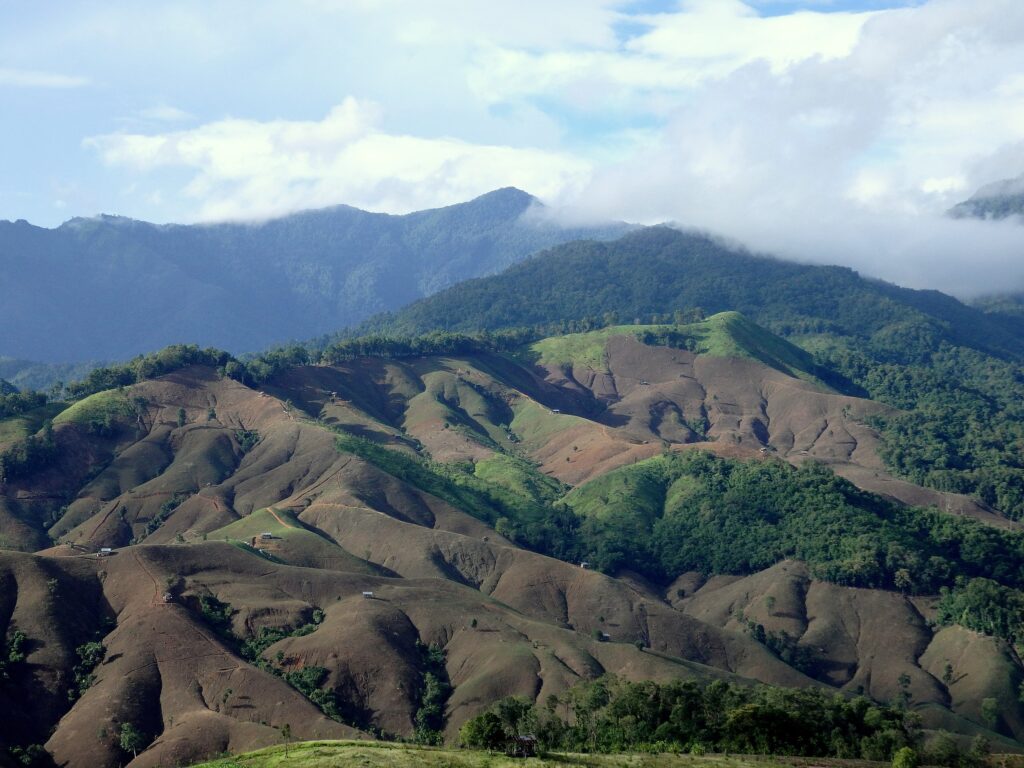
Nan, near the Laos border, is a quiet province rich in Lanna and Tai Lue culture. Its most iconic site is Wat Phumin, known for the famous mural “The Whispering Lovers.” The town also has a relaxed old quarter with traditional temples, museums, and markets. In the countryside, travelers can visit Tai Lue villages, stay in homestays, and experience local weaving, food, and traditions.
Phatthalung
Phatthalung, a hidden gem in southern Thailand, is ideal for travelers seeking nature and tranquility. Its highlight is Thale Noi, a vast freshwater lake where thousands of lotus flowers bloom and migratory birds gather, making it one of the best birdwatching spots in the country. Visitors can stay in floating bungalows, take boat trips at sunrise to see fishermen casting nets, and explore wetlands that feel far removed from Thailand’s tourist trail.

Koh Yao Yai & Koh Yao Noi
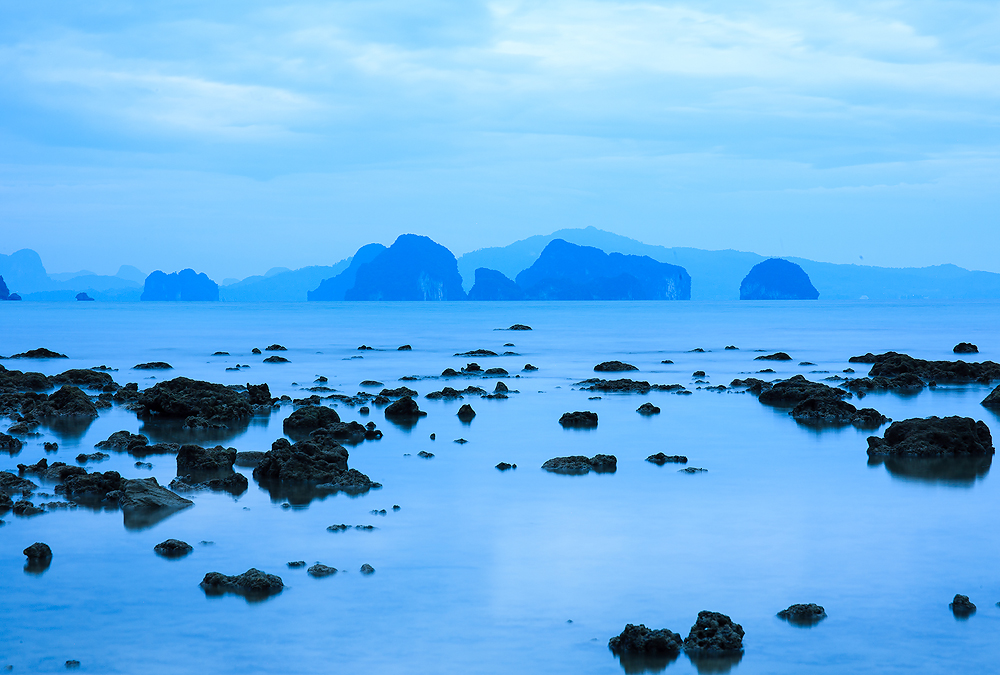
Between Phuket and Krabi, the twin islands of Koh Yao Yai and Koh Yao Noi offer rustic charm, quiet beaches, and local village life. Visitors can cycle through rice paddies and rubber plantations, kayak along mangroves, or relax on empty stretches of sand with views of Phang Nga Bay’s limestone cliffs. Compared to nearby Phuket, these islands remain peaceful and largely undeveloped, making them perfect for slow travel.
Mae Hong Son Loop
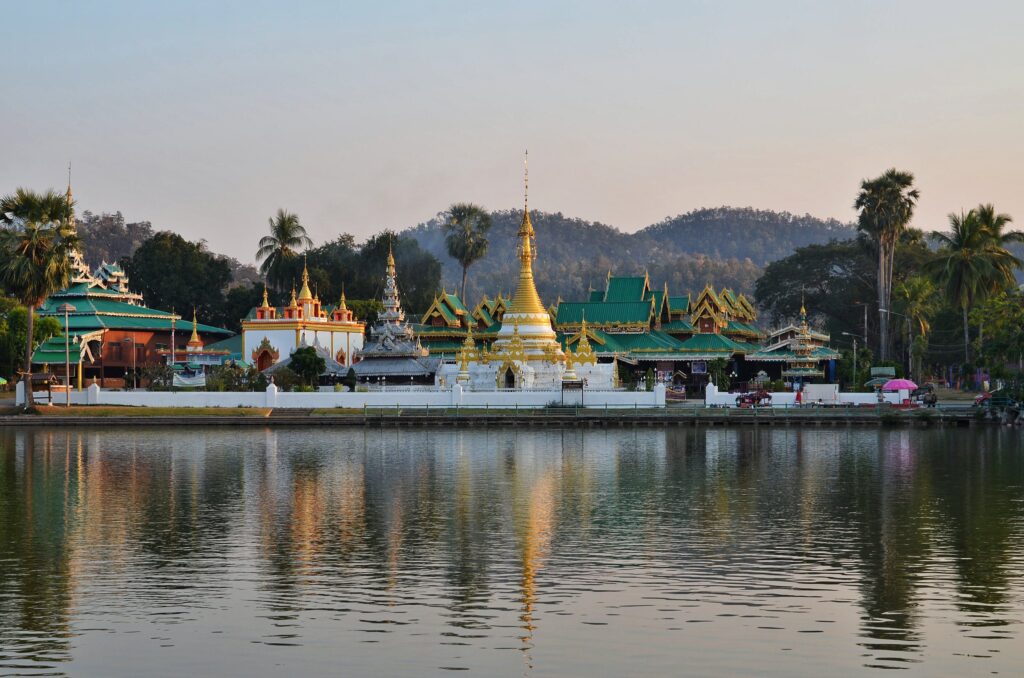
The Mae Hong Son Loop is one of Thailand’s most scenic road trips, winding through misty mountains, rice valleys, and remote towns. Along the way, Pai offers a laid-back, artsy vibe, while Tham Lot Cave impresses with massive chambers explored by bamboo raft. Further west, Ban Rak Thai, a former Chinese settlement, is famous for its tea plantations and peaceful lakeside setting. The loop also passes through hot springs, waterfalls, and viewpoints overlooking endless mountain ranges.
Koh Kood (Koh Kut)
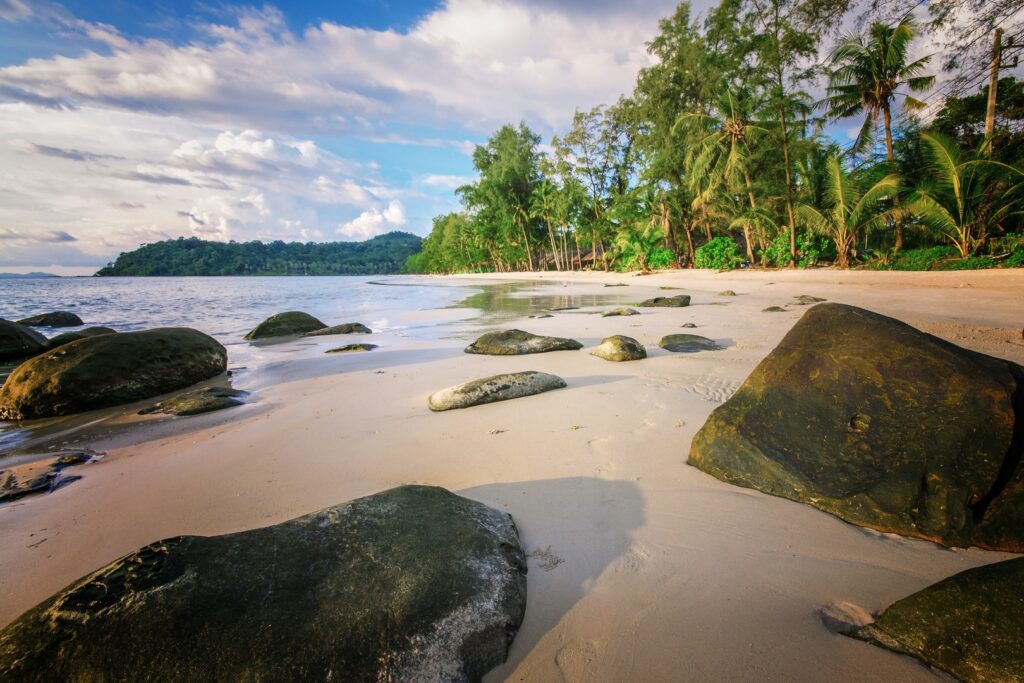
Koh Kood, near the Cambodian border, is one of Thailand’s most unspoiled islands, often compared to how Koh Samui looked decades ago. With very few cars and little development, it offers pristine beaches, clear waters, jungle-covered hills, and waterfalls such as Khlong Chao. The quiet pace makes it especially appealing for couples, slow travelers, and nature lovers.
Ubon Ratchathani
Ubon Ratchathani, in Thailand’s far east near the Laos border, is known for its temples, riverside scenery, and strong Buddhist traditions. Wat Nong Pah Pong, founded by the famous monk Ajahn Chah, is a forest monastery focused on meditation and a major pilgrimage site. The province also offers natural attractions along the Mekong, including cliffs, waterfalls, and viewpoints in Pha Taem National Park, where ancient rock paintings overlook the river.

Chanthaburi
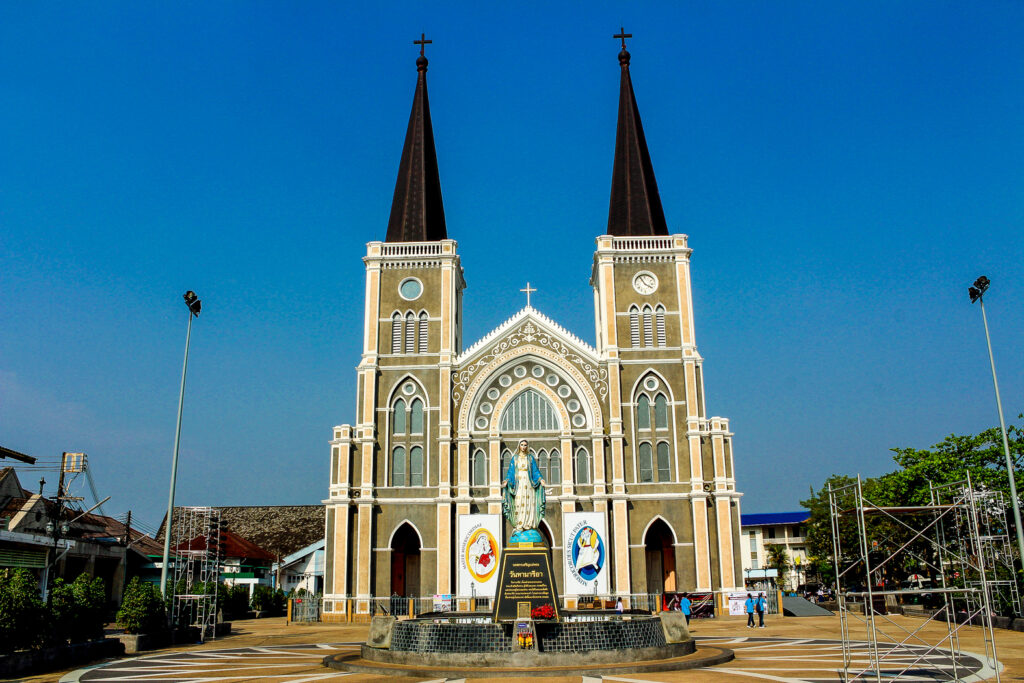
Chanthaburi, on the Gulf of Thailand near the Cambodian border, is known for its mix of history, culture, and fruit orchards. The city’s old French quarter has colonial-era houses and riverside cafes, while the Cathedral of the Immaculate Conception is the largest Catholic church in Thailand. Chanthaburi is also a major gem-trading hub, with local markets selling sapphires, rubies, and jewelry.
The province is Thailand’s durian capital, surrounded by orchards where visitors can taste the “king of fruits” along with mangosteen and rambutan. The best time to visit is May–July during fruit season, or November–February for cooler weather. Chanthaburi is about 4–5 hours by bus or car from Bangkok, and local transport or rented vehicles make it easy to reach waterfalls, national parks, and quiet beaches nearby.
Travel Tips
Currency
The official currency is the Thai Baht (THB). ATMs are widely available in cities and tourist hubs, while cash is essential in rural areas and for small vendors. Credit cards are accepted in hotels, restaurants, and larger shops, but street markets and local eateries usually prefer cash.
Transport
Traveling within Thailand is easy thanks to its well-developed infrastructure. For long distances, domestic flights are affordable and save considerable time, connecting Bangkok with Chiang Mai, Phuket, Krabi, and many other regions. Trains and buses offer reliable and scenic overland travel, with overnight sleeper trains being a popular option.
For short distances, tuk-tuks provide a quintessential Thai experience, while songthaews (shared pickup taxis) are common in smaller cities. Renting a motorbike is a popular way to explore islands and rural areas, but travelers must carry an International Driving Permit along with their home license, as police checks are frequent. Car rentals also require International Driving Permit, though many visitors prefer using taxis or ride-hailing apps like Grab for convenience and safety.
Visa
Thailand’s entry policy is welcoming. Many nationalities are granted 30-day visa-free entry or a visa on arrival, making it easy to plan spontaneous trips. For longer stays, applying for a tourist visa in advance may be necessary. Always check current regulations before traveling, as policies can change.

Published August 18, 2025 • 12m to read