


Singapore is a city-state that feels like the future – sleek, efficient, and green – yet it also holds a rich history, cultural diversity, and culinary treasures. Compact but powerful, Singapore blends modern skylines with tropical gardens, vibrant ethnic neighborhoods, and world-class attractions. Whether you’re here for hawker food or fine dining, nature walks or shopping malls, street art or theme parks, Singapore proves that size is no limit to travel excitement.
Best City Attractions
Marina Bay
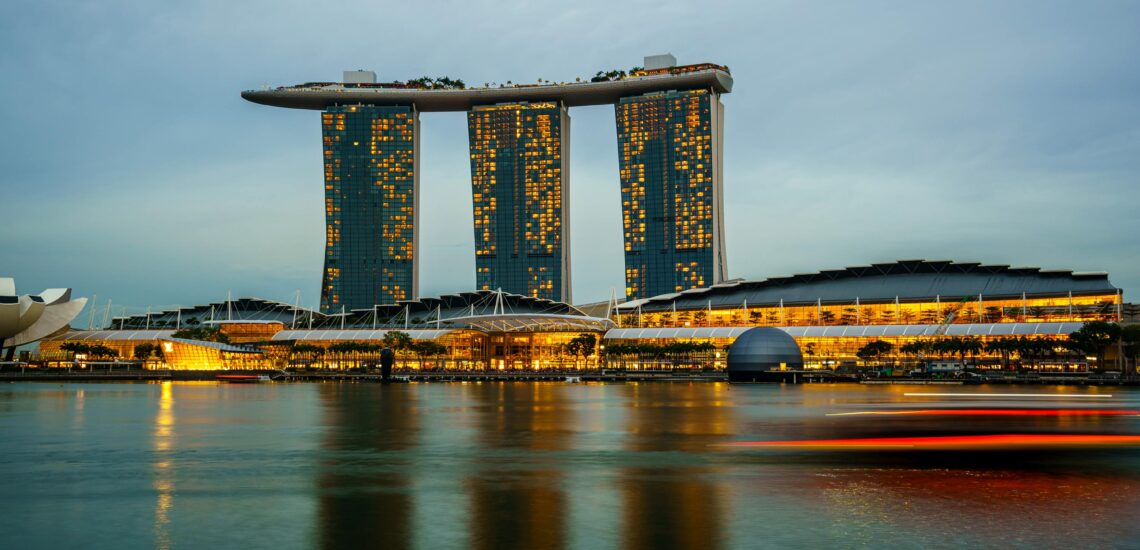
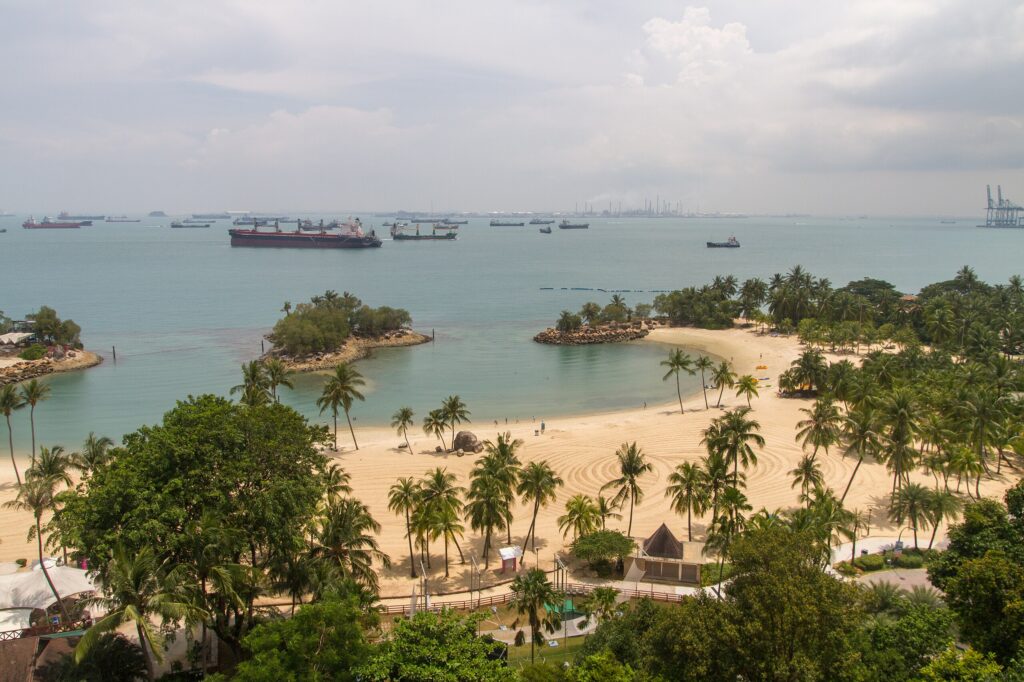
Marina Bay is Singapore’s most futuristic district, showcasing the city’s blend of architecture, entertainment, and waterfront living. The centerpiece is Marina Bay Sands, where the SkyPark observation deck offers panoramic skyline views and the iconic infinity pool (hotel guests only) overlooks the bay. Nearby, the ArtScience Museum, shaped like a lotus flower, hosts world-class exhibitions, while the Helix Bridge links attractions with its DNA-inspired design. Each evening, the Spectra light and water show illuminates the bay with music, lasers, and dancing fountains – free to watch from the promenade.
Travelers visit Marina Bay for its modern skyline and world-class attractions, best enjoyed in the evening when the city lights up. The area is easily reached by Bayfront MRT Station, and pedestrian-friendly paths make it perfect for walking. From here, it’s a short stroll to Gardens by the Bay with its Supertrees and Cloud Forest dome, making Marina Bay the ultimate showcase of Singapore’s innovation and urban beauty.
Gardens by the Bay
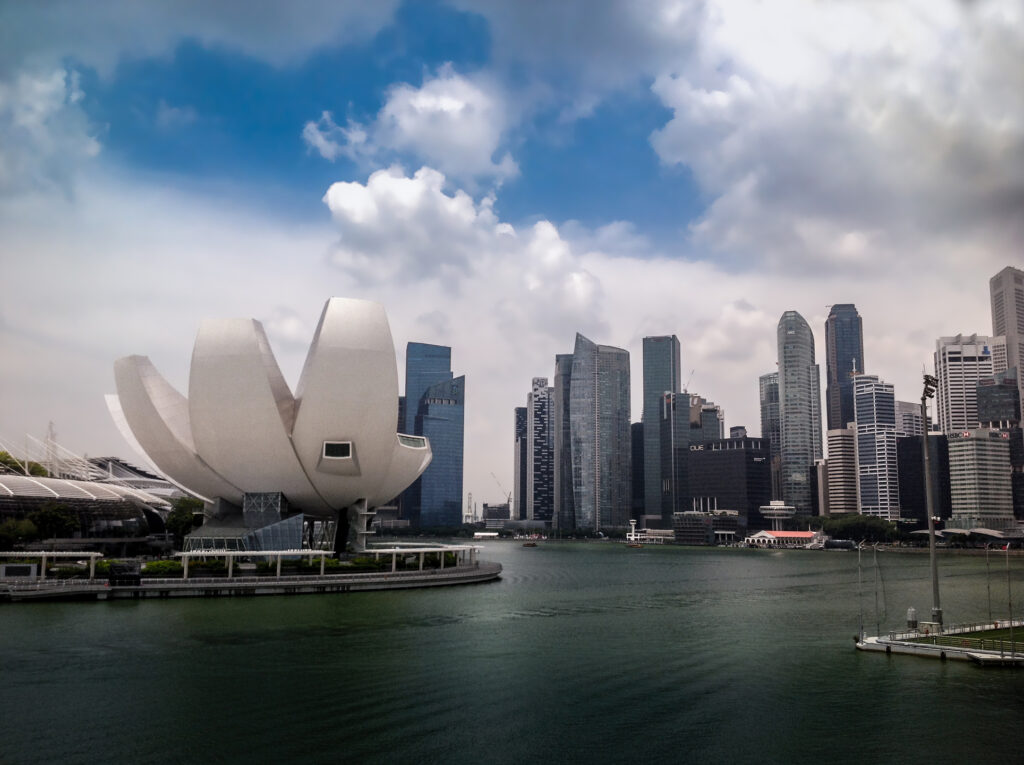
Gardens by the Bay is Singapore’s most iconic green space, blending futuristic design with lush landscapes. The highlight is the Supertree Grove, towering vertical gardens up to 50 meters tall, connected by the OCBC Skyway walkway for panoramic views. At night, the Garden Rhapsody light and sound show transforms the Supertrees into a dazzling spectacle. Indoors, the Cloud Forest dome features the world’s tallest indoor waterfall and a mist-filled mountain of rare plants, while the Flower Dome, the largest glass greenhouse on Earth, hosts colorful seasonal displays from around the world.
The best time to visit is in the late afternoon, staying through the evening to enjoy both daylight and the illuminated night show. Easily reached via Bayfront MRT Station, Gardens by the Bay is right next to Marina Bay Sands and takes at least half a day to explore. With its mix of cutting-edge architecture, sustainable technology, and natural beauty, it has become one of Singapore’s must-see attractions.
Sentosa Island
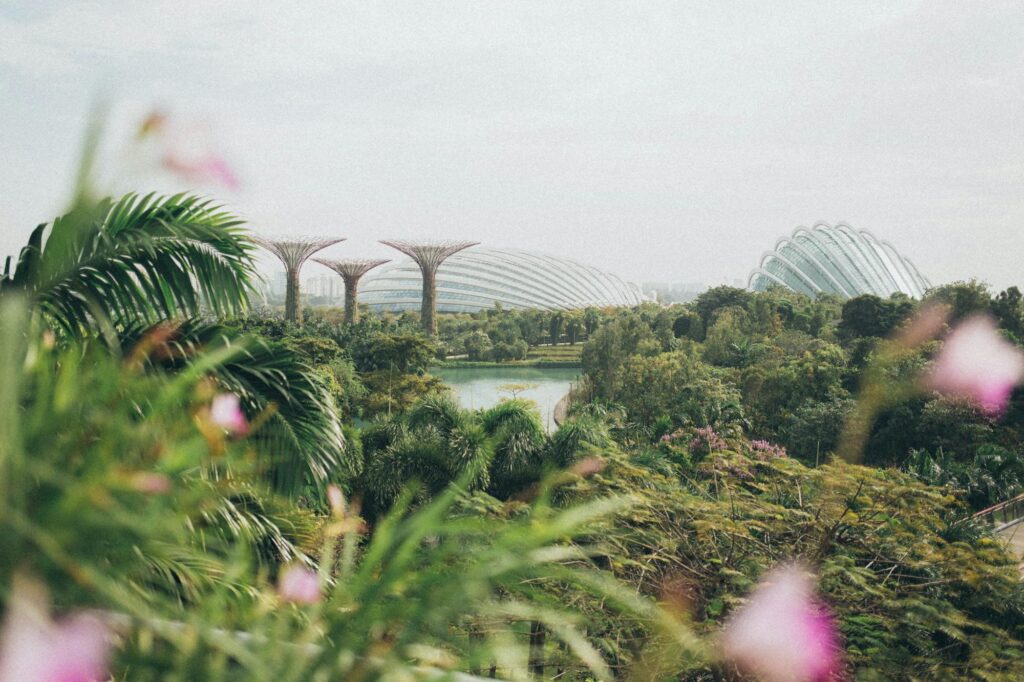
Sentosa Island, just off Singapore’s southern coast, is the country’s top leisure destination packed with theme parks, beaches, and family attractions. Highlights include Universal Studios Singapore, with rides and shows across themed worlds, the S.E.A. Aquarium, one of the largest in the world, and Adventure Cove Waterpark for slides and snorkeling with tropical fish. For a slower pace, Siloso, Palawan, and Tanjong Beaches offer swimming, volleyball, and seaside dining, while the Skyline Luge provides downhill fun for all ages.
Chinatown
Chinatown is one of Singapore’s most vibrant heritage districts, where temples, markets, and food stalls reflect the city’s multicultural roots. The ornate Buddha Tooth Relic Temple, built in Tang dynasty style, houses a sacred relic and a rooftop prayer wheel, while the Sri Mariamman Temple, Singapore’s oldest Hindu temple, stands nearby with its colorful gopuram. The Chinatown Heritage Centre tells the story of early Chinese migrants through restored shophouses and exhibits. Shoppers will find everything from herbal medicine to souvenirs along Pagoda Street and Chinatown Complex Market.
Food is a major draw – Chinatown Food Street offers satay, noodles, and roasted meats, while the famous Maxwell Hawker Centre is home to stalls like Tian Tian Hainanese Chicken Rice. Easily reached via Chinatown MRT Station, this compact district is best explored on foot, making it a must-stop for culture, history, and some of Singapore’s best eats.
Little India
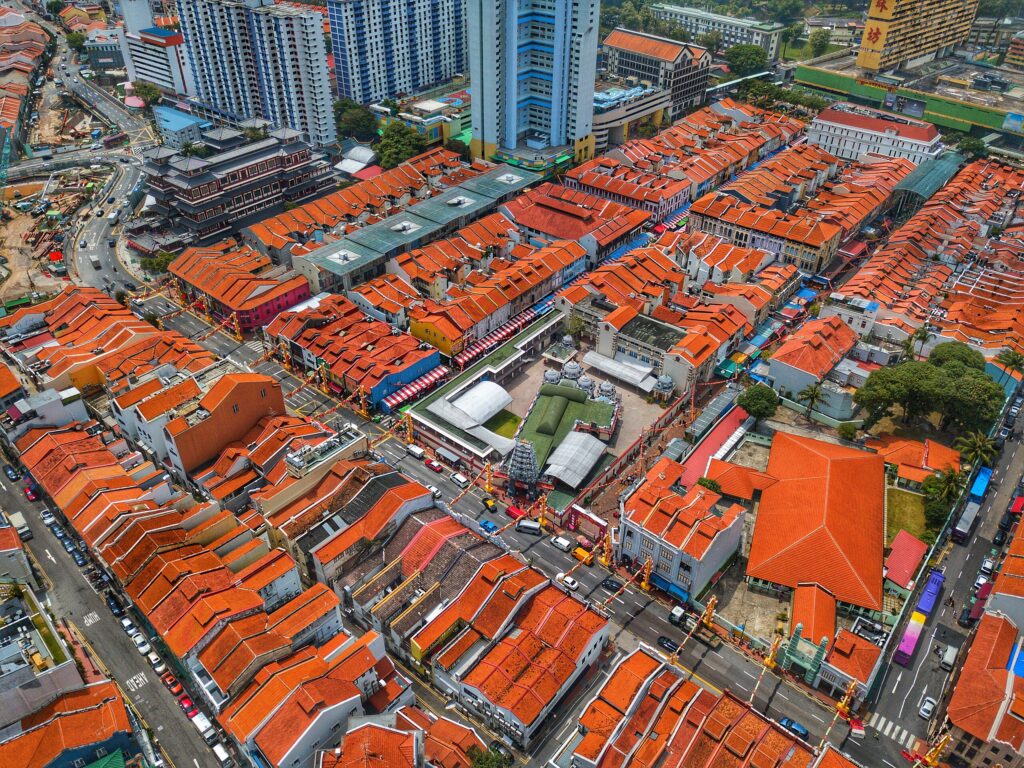
Little India is one of Singapore’s most colorful districts, filled with temples, markets, and the scent of spices. The centerpiece is the Sri Veeramakaliamman Temple, dedicated to the goddess Kali, its gopuram covered in vibrant deities. The Tekka Centre is a local favorite for South Indian food, fresh produce, and fabric shops, while Serangoon Road and Campbell Lane are lined with goldsmiths, sari boutiques, and spice stalls. For a deeper look at the community’s heritage, the Indian Heritage Centre offers interactive exhibits on Singapore’s Indian diaspora.
Kampong Glam
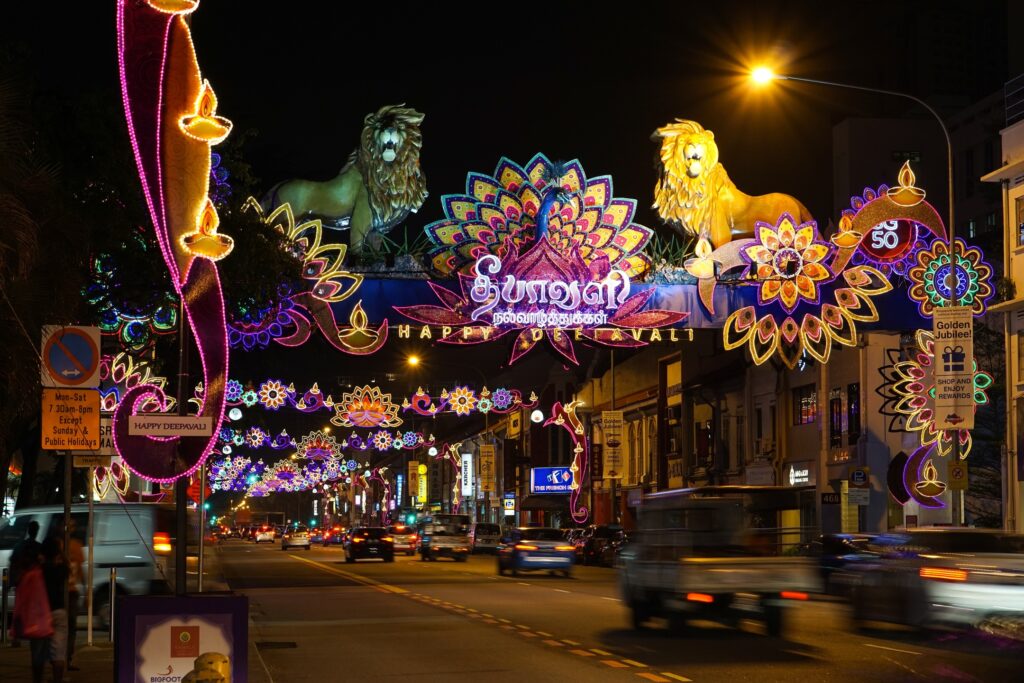
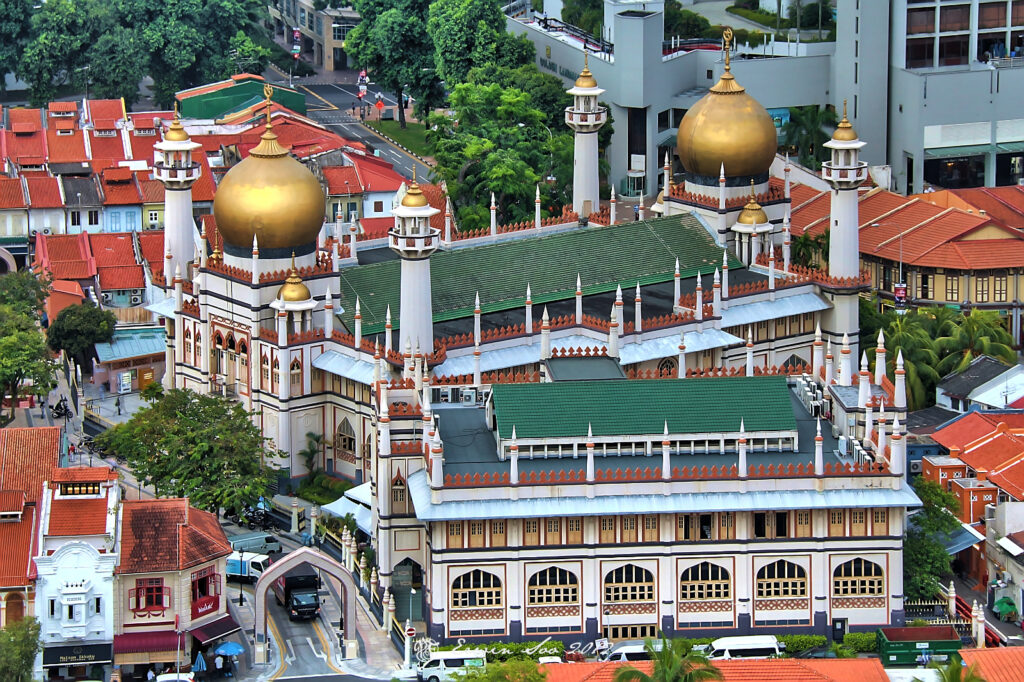
Kampong Glam is Singapore’s historic Malay-Arab quarter, where heritage and modern style blend seamlessly. At its heart stands the Sultan Mosque, crowned with a golden dome and surrounded by traditional shophouses. Arab Street is lined with textile shops and carpet dealers, reflecting the neighborhood’s trading past, while Haji Lane has become a hotspot for indie boutiques, cafés, and colorful street art. The Malay Heritage Centre, housed in a former sultan’s palace, offers insight into Malay history and culture in Singapore.
Best Natural & Outdoor Attractions
Singapore Botanic Gardens
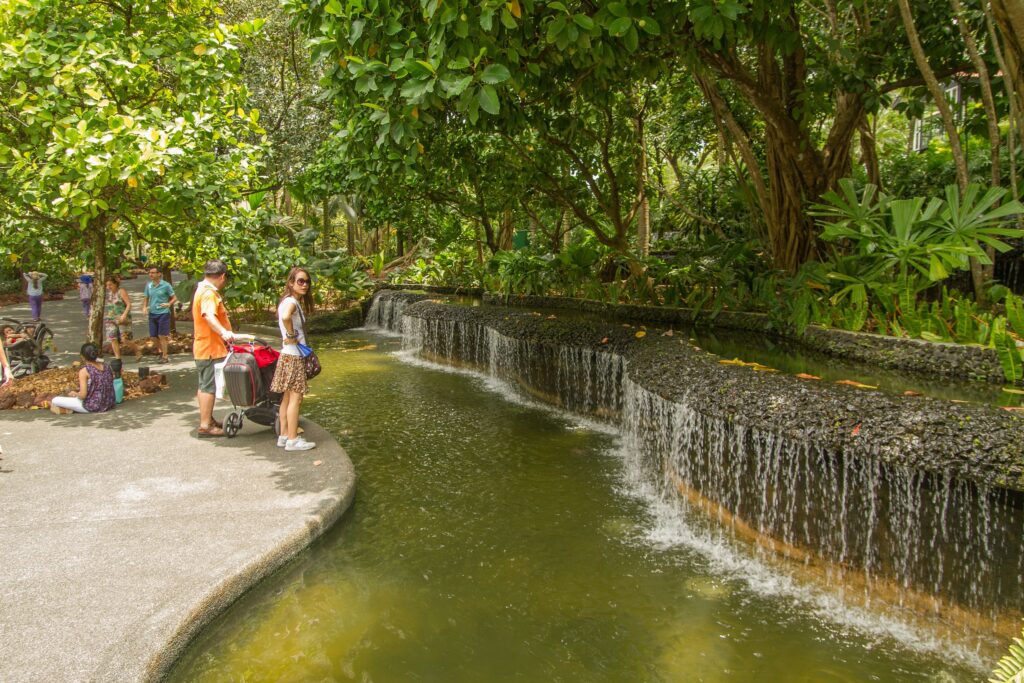
Singapore Botanic Gardens, a UNESCO World Heritage Site, is a lush 82-hectare park in the heart of the city and one of Singapore’s most beloved green spaces. Shaded walking trails wind past lakes, rainforest patches, and themed gardens, making it a favorite spot for joggers, families, and picnickers. The highlight is the National Orchid Garden, home to over 1,000 species and 2,000 hybrids, including orchids named after world leaders and celebrities. Other attractions include Swan Lake, the Ginger Garden, and a small tropical rainforest older than the city itself.
Singapore Zoo
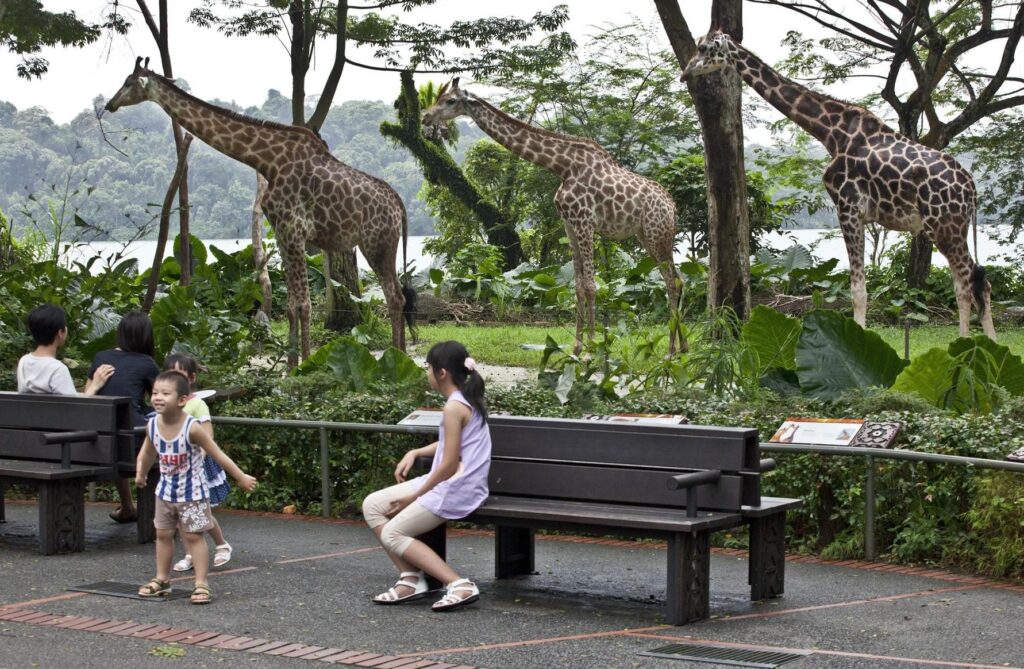
Singapore Zoo, set in the Mandai nature reserve, is world-renowned for its open-concept habitats where animals live in naturalistic enclosures instead of cages. Visitors can see orangutans swinging freely above the paths, observe white tigers, and join interactive feeding sessions. Next door, the Night Safari offers a unique after-dark experience, with guided tram rides and walking trails that reveal nocturnal animals such as leopards, hyenas, and fishing cats in a rainforest setting.
The third park, River Wonders, focuses on the world’s great rivers – from the Amazon to the Yangtze – and is home to manatees, giant river otters, and the star attractions, giant pandas Jia Jia and Kai Kai. The best time to visit is early morning or evening to avoid the heat and crowds. All three parks are about 30 minutes by car from downtown Singapore or accessible by shuttle from major MRT stations. Together, they make Mandai one of the most rewarding wildlife destinations in Asia, offering full-day and night experiences for families and nature enthusiasts alike.
East Coast Park
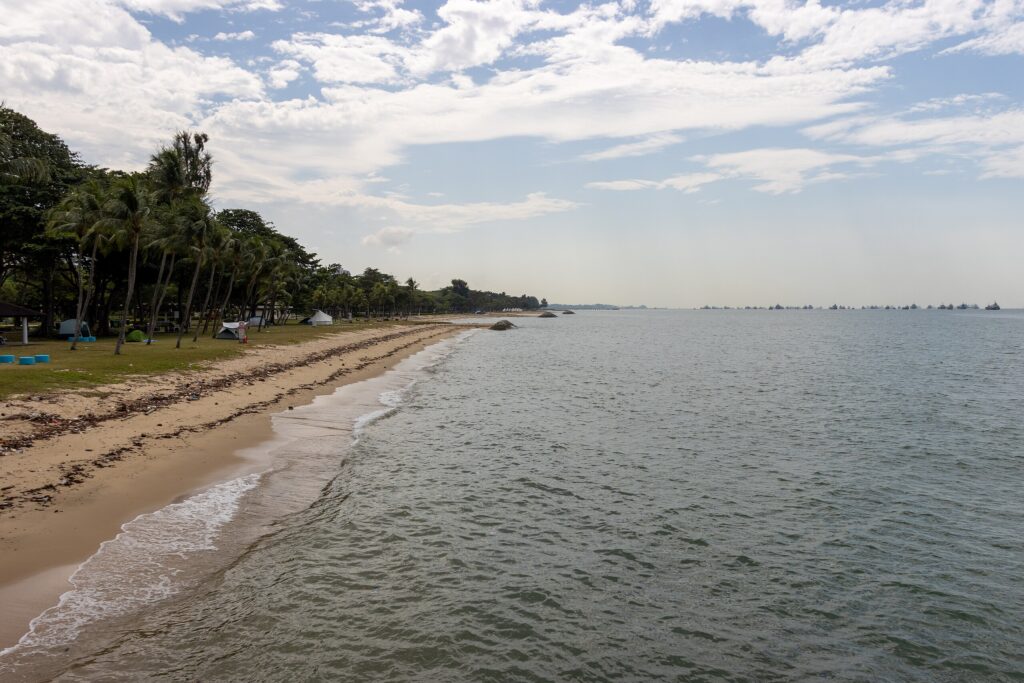
East Coast Park, stretching over 15 km along Singapore’s southeastern shoreline, is the city’s largest and most popular coastal park. Locals flock here for cycling, rollerblading, jogging, and water sports, with rental shops making it easy to join in. Shady lawns and sandy stretches attract weekend picnics and barbecues, while playgrounds and skate parks keep it family-friendly. The beachfront offers plenty of spots to relax by the sea, catch a breeze, or watch passing ships.
Food is part of the experience – the park is famous for its East Coast Lagoon Food Village, where satay, chili crab, and seafood barbecues are staples after an active day. The best time to visit is in the late afternoon and evening, when the heat softens and the area comes alive. East Coast Park is easily reached by bus or taxi (15 minutes from downtown), with cycling paths linking to other parts of the island. It’s a must-visit for those wanting to see how Singaporeans unwind by the sea.
MacRitchie Reservoir & TreeTop Walk
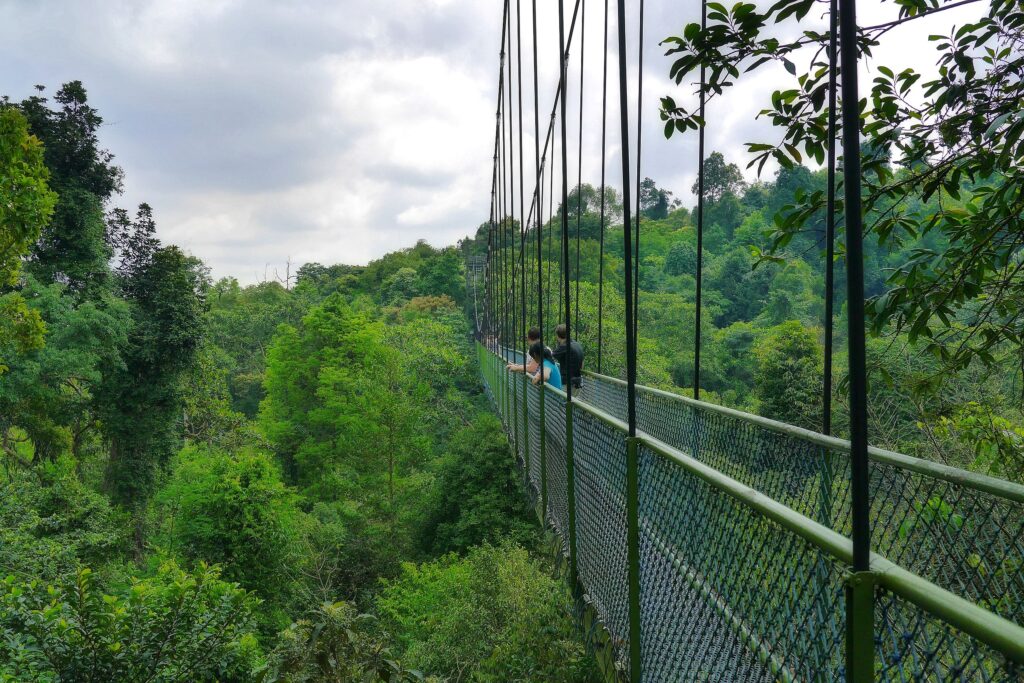
MacRitchie Reservoir Park, Singapore’s oldest reservoir, is a favorite escape for hiking, jogging, and wildlife spotting just minutes from the city. Its 11 km network of forest trails winds through secondary rainforest, home to long-tailed macaques, monitor lizards, kingfishers, and even otters along the water’s edge. The park’s highlight is the TreeTop Walk, a 250-meter suspension bridge connecting two hilltops and offering canopy-level views of the forest – best tackled as part of a 7 km loop hike.
The park is most enjoyable in the morning or late afternoon, when it’s cooler and wildlife is more active. Entry is free, and trails are well marked, though visitors should bring water and good shoes for longer treks. MacRitchie is easily reached by bus or taxi (15–20 minutes from downtown), with nearby MRT stations providing connections. For travelers wanting a taste of Singapore’s wild side, this reservoir and canopy walk offer the perfect mix of exercise, scenery, and nature encounters.
Hidden Gems of Singapore
Southern Ridges & Henderson Waves
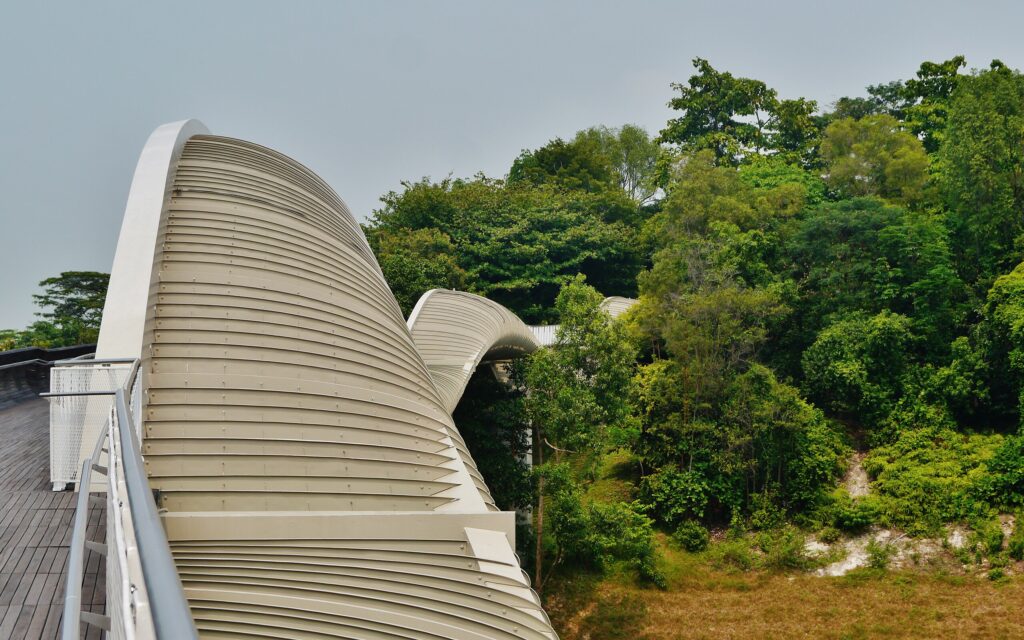
The Southern Ridges is a 10 km trail linking Singapore’s southern hilltop parks, offering a mix of rainforest, gardens, and sweeping city views. The route connects Mount Faber Park, Telok Blangah Hill, HortPark, and Kent Ridge Park, making it a favorite for both hikers and photographers. Along the way, elevated walkways like the Forest Walk let you stroll above treetops, while lookout points reveal the skyline, Sentosa, and even glimpses of ships in the Singapore Strait.
Haw Par Villa
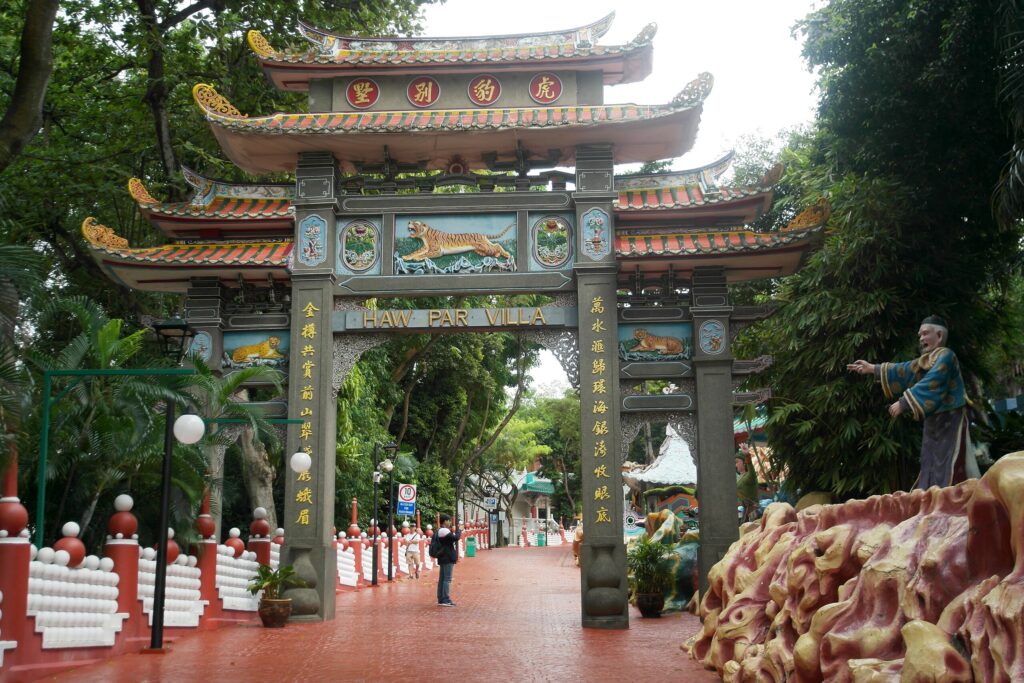
Haw Par Villa, built in 1937 by the creators of Tiger Balm, is one of Singapore’s most unusual attractions. This outdoor theme park holds over 1,000 statues and 150 dioramas depicting scenes from Chinese folklore, Taoist legends, and Buddhist teachings. The most famous – and eerie – section is the Ten Courts of Hell, which graphically illustrates punishments for sins in the afterlife, making it both educational and unsettling. Beyond that, the park features characters like the Laughing Buddha, the Eight Immortals, and even odd blends of Eastern and Western figures.
Pulau Ubin
Pulau Ubin, just off Singapore’s northeast coast, is a step back in time to the country’s rural past. This rustic island is home to traditional kampong houses, abandoned granite quarries, and thriving ecosystems of mangroves and wetlands. The best way to explore is by renting a bicycle from the jetty and cycling through shaded trails that pass fruit orchards, shrines, and wooden houses. A highlight is the Chek Jawa Wetlands, where boardwalks wind through mangroves, seagrass lagoons, and a coastal forest rich in birdlife and marine creatures.
Travelers come to Pulau Ubin to experience the charm of 1960s-style village life, far removed from modern Singapore. The island is easily reached by a 10-minute bumboat ride from Changi Point Ferry Terminal, costing about S$4 each way. The best time to visit is in the morning or late afternoon, when it’s cooler for cycling and wildlife spotting. With no cars and only a handful of local eateries, Pulau Ubin is ideal for a half- or full-day trip into nature and heritage.
Changi Boardwalk & Coastal Parks
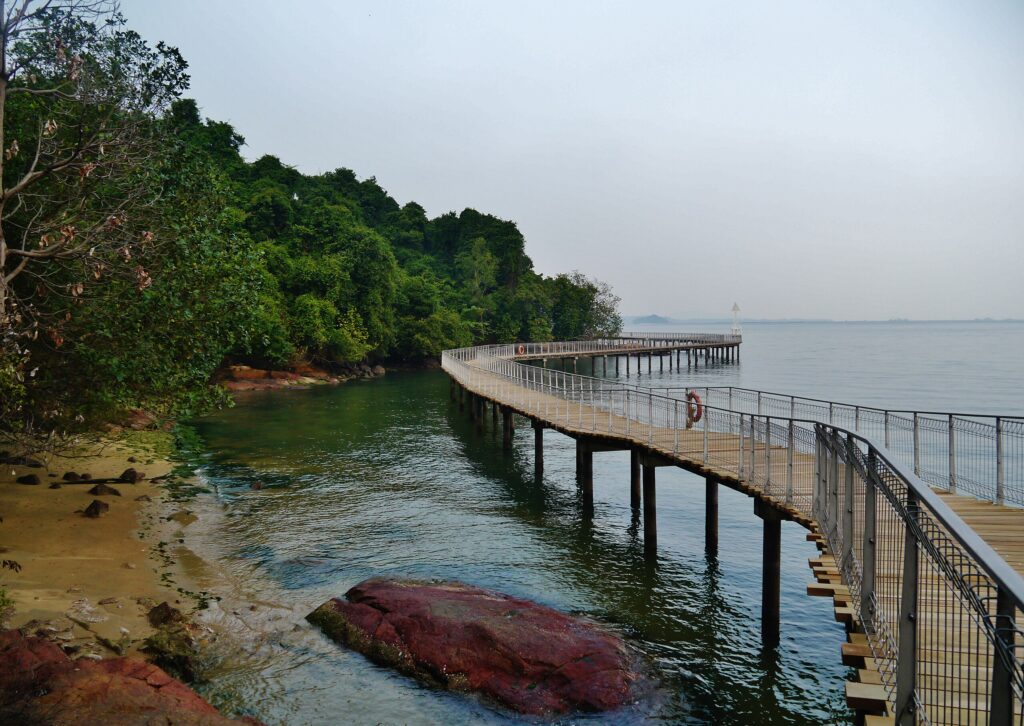
Changi Boardwalk, also called the Changi Point Coastal Walk, is a scenic 2.2 km trail hugging Singapore’s northeastern shoreline. Divided into sections like the Sunset Walk, Kelong Walk, and Cliff Walk, it offers peaceful views of the sea, offshore kelongs (fishing platforms), and even glimpses of Malaysia across the water. It’s especially popular in the late afternoon for sunset strolls, when the sky glows over the Johor Strait. Nearby Changi Beach Park adds picnic areas, cycling paths, and a stretch of sandy coastline that feels far from the city bustle.
The boardwalk pairs perfectly with a stop at Changi Village Hawker Centre, famous for its nasi lemak and satay. Located about 30 minutes by car from downtown Singapore, Changi is also served by buses from Tanah Merah MRT. With its relaxed vibe, sea breezes, and local food scene, Changi offers one of the city’s most laid-back coastal experiences, ideal for a half-day escape.
Fort Canning Park
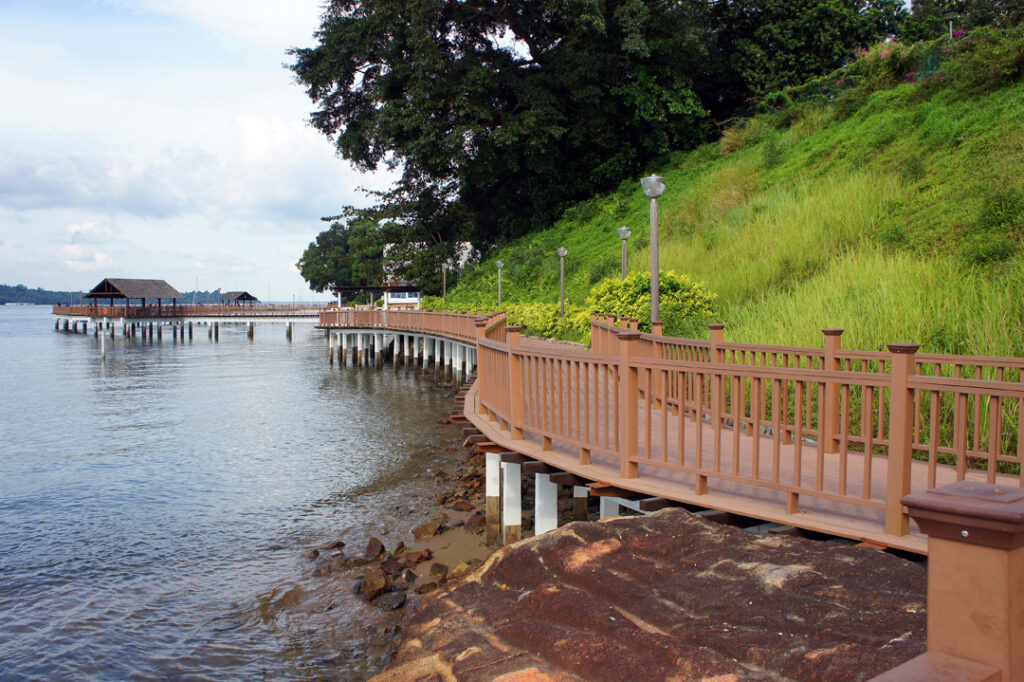
Fort Canning Park, set on a hill in central Singapore, is a historic green space layered with centuries of heritage. Once the seat of Malay rulers, it later became a British colonial fort and WWII command center. Today, visitors can explore the Battlebox Museum, an underground bunker that tells the story of Singapore’s surrender in 1942, and the restored Raffles House, where Sir Stamford Raffles built his first residence. The park also features archaeological excavations, spice gardens, and landscaped lawns often used for concerts and festivals.
Travelers visit Fort Canning for its mix of history and greenery right in the city center. The park is open year-round and free to enter (with admission fees for the Battlebox), making it an easy stop while exploring nearby Clarke Quay or the National Museum. Accessible via Dhoby Ghaut, Fort Canning, or Clarke Quay MRT stations, it’s best enjoyed on foot with a couple of hours to wander. With its combination of colonial landmarks, war history, and peaceful gardens, Fort Canning is one of Singapore’s most culturally significant parks.

Kranji Countryside
Kranji Countryside, in Singapore’s northwest, offers a rare glimpse of the island’s rural side, far removed from the urban skyline. Visitors can tour Hay Dairies Goat Farm, the only goat farm in Singapore, to watch milking sessions and try fresh goat’s milk. At Bollywood Veggies, an organic farm and bistro, guests can walk through tropical fruit and vegetable gardens, then enjoy farm-to-table dishes. The quirky Jurong Frog Farm lets visitors learn about amphibian farming and even feed bullfrogs, while nearby koi and orchid farms showcase other niche agriculture.
Travel Tips
Language
Singapore is one of the easiest places in Asia for international visitors to communicate. English is widely spoken and is one of the country’s four official languages, alongside Malay, Mandarin, and Tamil. Street signs, menus, and public information are usually bilingual or in English, making navigation straightforward for travelers.
Currency
The local currency is the Singapore Dollar (SGD). Credit cards are accepted almost everywhere, from luxury shopping malls to hawker centers, though carrying some cash can be useful for small vendors or in older neighborhoods. ATMs are abundant and reliable.
Transport
Getting around Singapore is exceptionally convenient. The MRT (Mass Rapid Transit) and bus system is clean, efficient, and covers nearly all parts of the city. Travelers can use an EZ-Link card or Singapore Tourist Pass, which offer unlimited rides for a set period and add extra convenience. For short trips, taxis and Grab ride-hailing services are widely available, though public transport is usually faster and cheaper.
While Singapore is very walkable, those who wish to rent a car or scooter must hold an International Driving Permit alongside their home license. However, given the city’s excellent public transport and dense traffic, most visitors find it unnecessary.
Cleanliness & Laws
Singapore is renowned for being one of the cleanest and safest cities in the world. This reputation is maintained by a strict system of laws and fines. Visitors should be mindful of rules such as no littering, jaywalking, chewing gum, or eating and drinking on trains. Respecting these regulations not only avoids fines but also helps preserve the city’s orderly and pleasant atmosphere.

Published August 31, 2025 • 13m to read