

São Tomé and Príncipe is a small island nation in the Gulf of Guinea that feels like a tropical world slowed down. The scenery is lush and volcanic, with rainforest-covered hills, dramatic peaks, and beaches that are often quiet even in high season. Add historic cocoa plantations, Portuguese colonial heritage, and a warm Afro-Creole culture, and you get a destination that is less about nightlife and more about nature, food, and unhurried days.
These islands reward travelers who like simple pleasures and short, flexible plans. Roads can be slow, weather can change quickly, and some of the best places are reached with local help rather than fixed schedules. If you travel with patience and a light itinerary, the experience becomes smoother and more enjoyable.
Best Beaches and Coastal Destinations
Praia Jalé
Praia Jalé is a remote beach on São Tomé’s southern coast, valued mainly for its undeveloped shoreline and, in the right season, sea turtle nesting. The main activity is simply spending time on the beach and walking the coast, and if you visit during nesting months you may be able to join a night turtle watch that explains nesting behavior and local conservation rules. Outside nesting periods, it still works well as a quiet coastal stop, with the surrounding vegetation and the lack of construction being the main features rather than facilities or organized activities.
Access is usually by road from São Tomé city toward the south, then onward on smaller coastal roads, often easiest with a hired driver because timings and road conditions can vary. Plan extra travel time, especially after heavy rain, and do not assume there will be reliable food, shade, or shops on arrival, so bring water, snacks, and sun protection. If turtles are a priority, arrange the visit with a responsible local guide so you follow low-impact rules such as no flash photography and keeping distance from nesting sites.
Praia Inhame
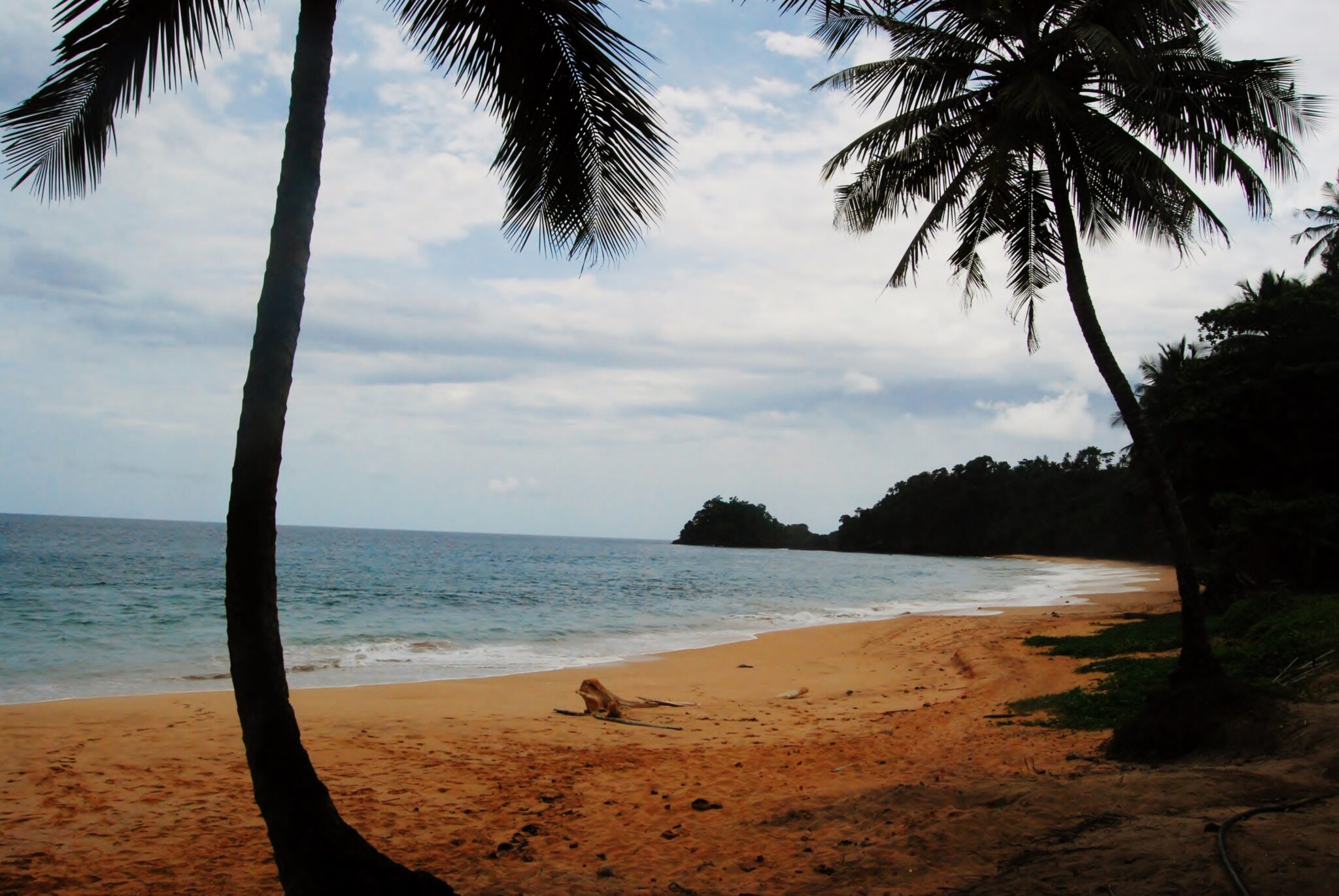
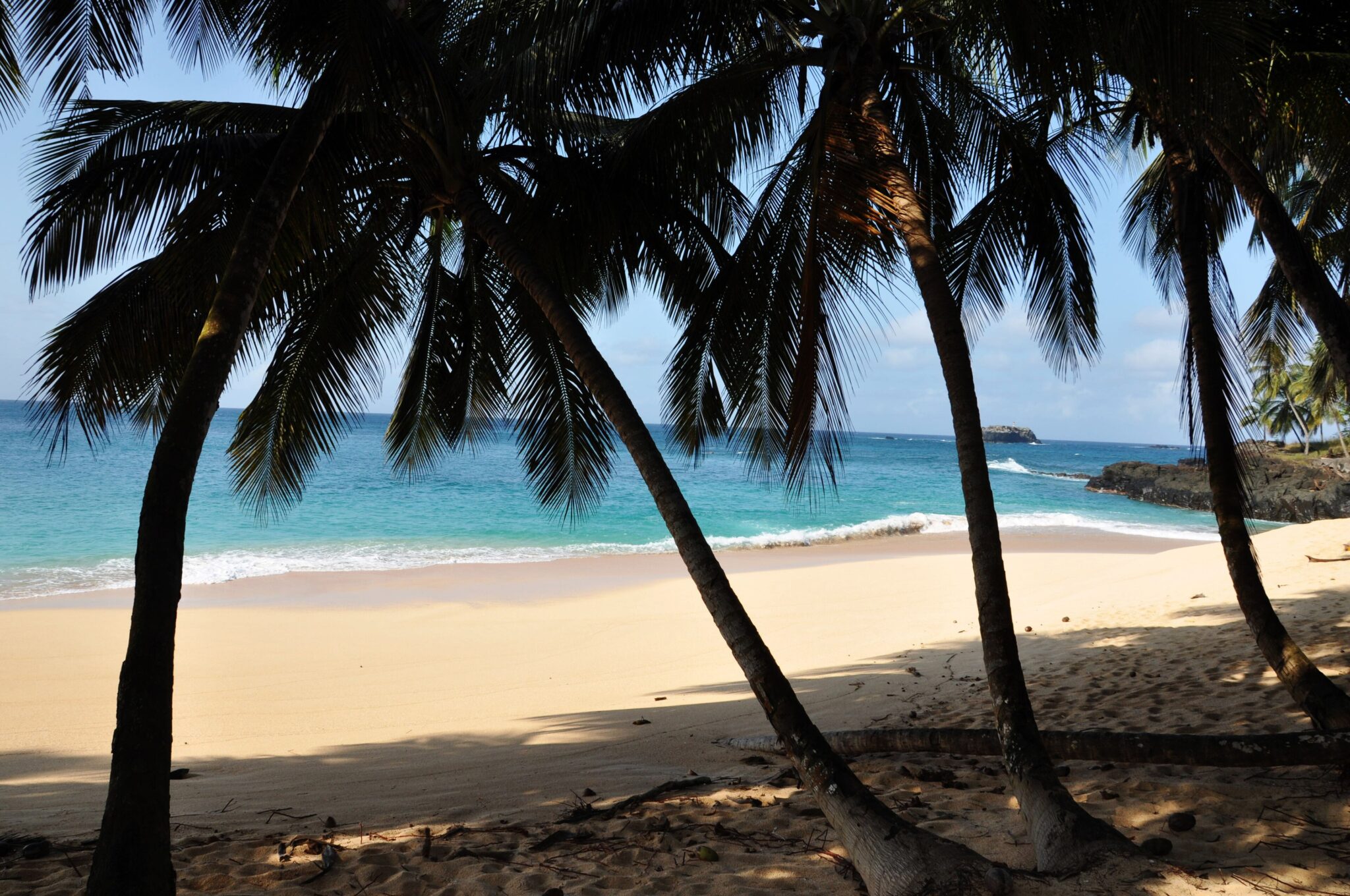
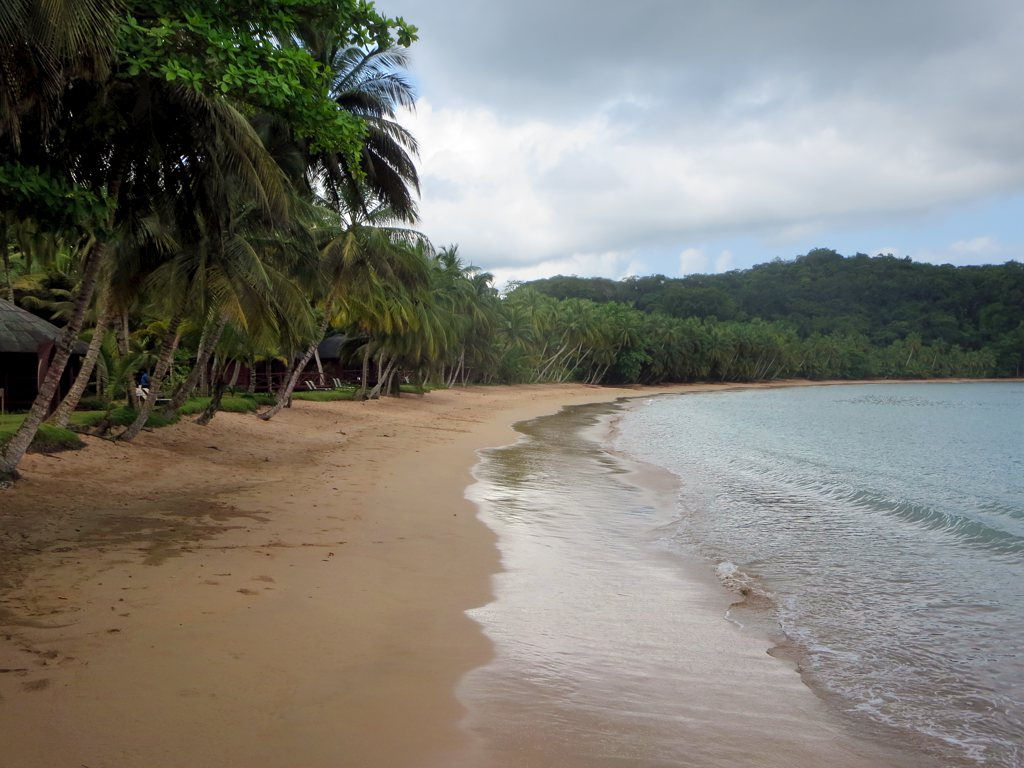
Praia Inhame is on São Tomé’s southern coast near Porto Alegre and is a good stop if you want a quiet beach day with simple facilities and a slower pace than the north. The setting is typically palm-lined and sheltered, and the main appeal is straightforward time on the sand, with swimming when conditions are calm and short walks along the shoreline or nearby tracks. It fits well into a southern loop that also includes Porto Alegre village and other coastal viewpoints, since distances are short but travel can still be slow.
Reaching Praia Inhame is usually done by road from São Tomé city, and the easiest option is a hired driver or a pre-arranged taxi, especially if you want to combine multiple stops in the south. This part of the island has fewer transport options and less predictable timing, so confirm return transport before you settle in for the day and avoid building a tight schedule.
Praia Piscina
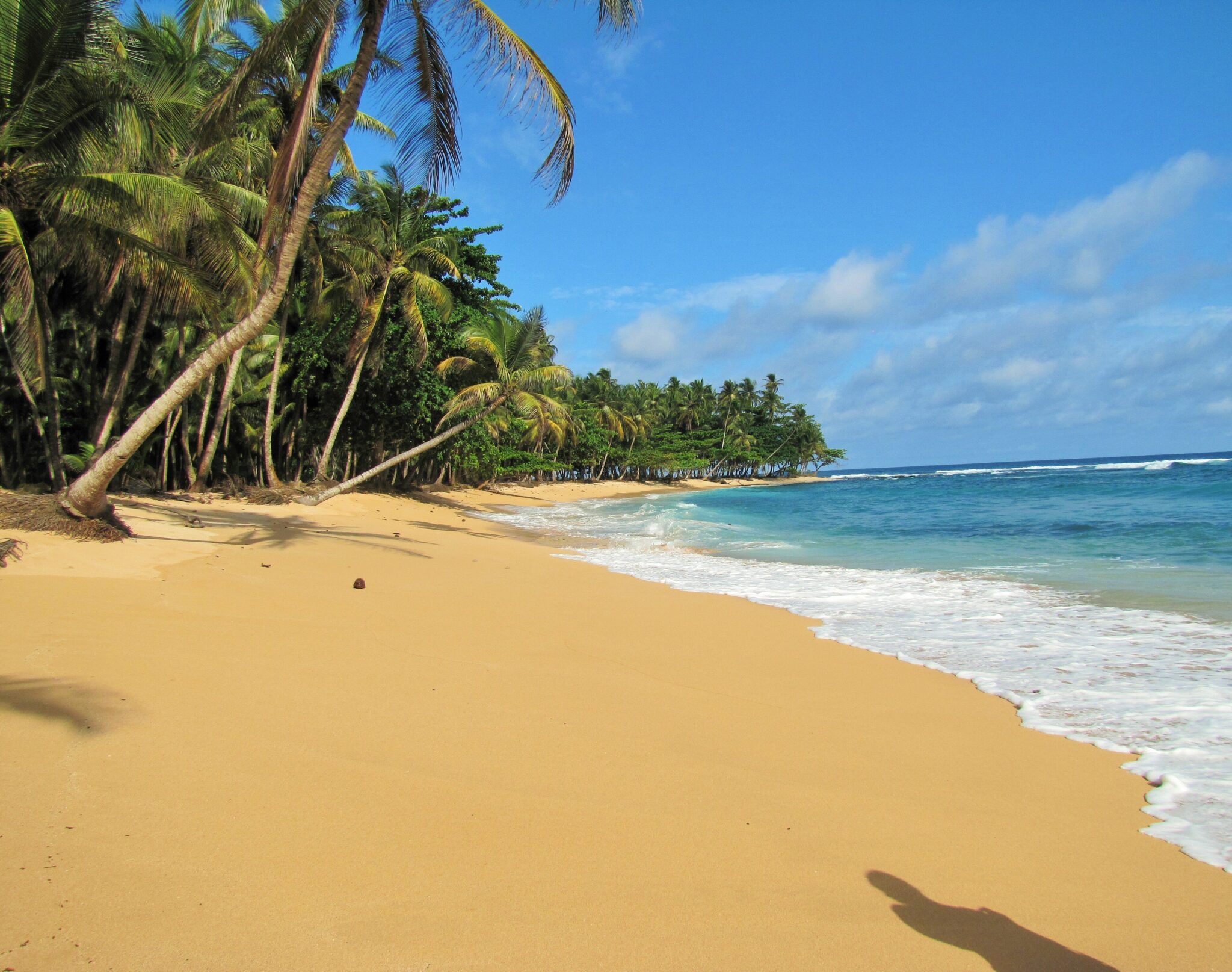
Praia Piscina is a beach stop on São Tomé’s northern coast known for natural rock pools that can create calmer water for swimming when sea conditions are right. The main appeal is a more sheltered dip compared with fully open-ocean beaches, plus an easy coastal setting that works well for a short break during a day of driving. It is often included on the northern coastal road route, so you can combine it with other beaches and viewpoints without major detours.
Access is straightforward by road from São Tomé city, either with a hired car, driver, or taxi as part of a north-coast loop. Conditions can change with tide and swell, so check the pools when you arrive and use the safest entry points, since rocks can be slippery and water depth varies.
Praia Banana (Príncipe)
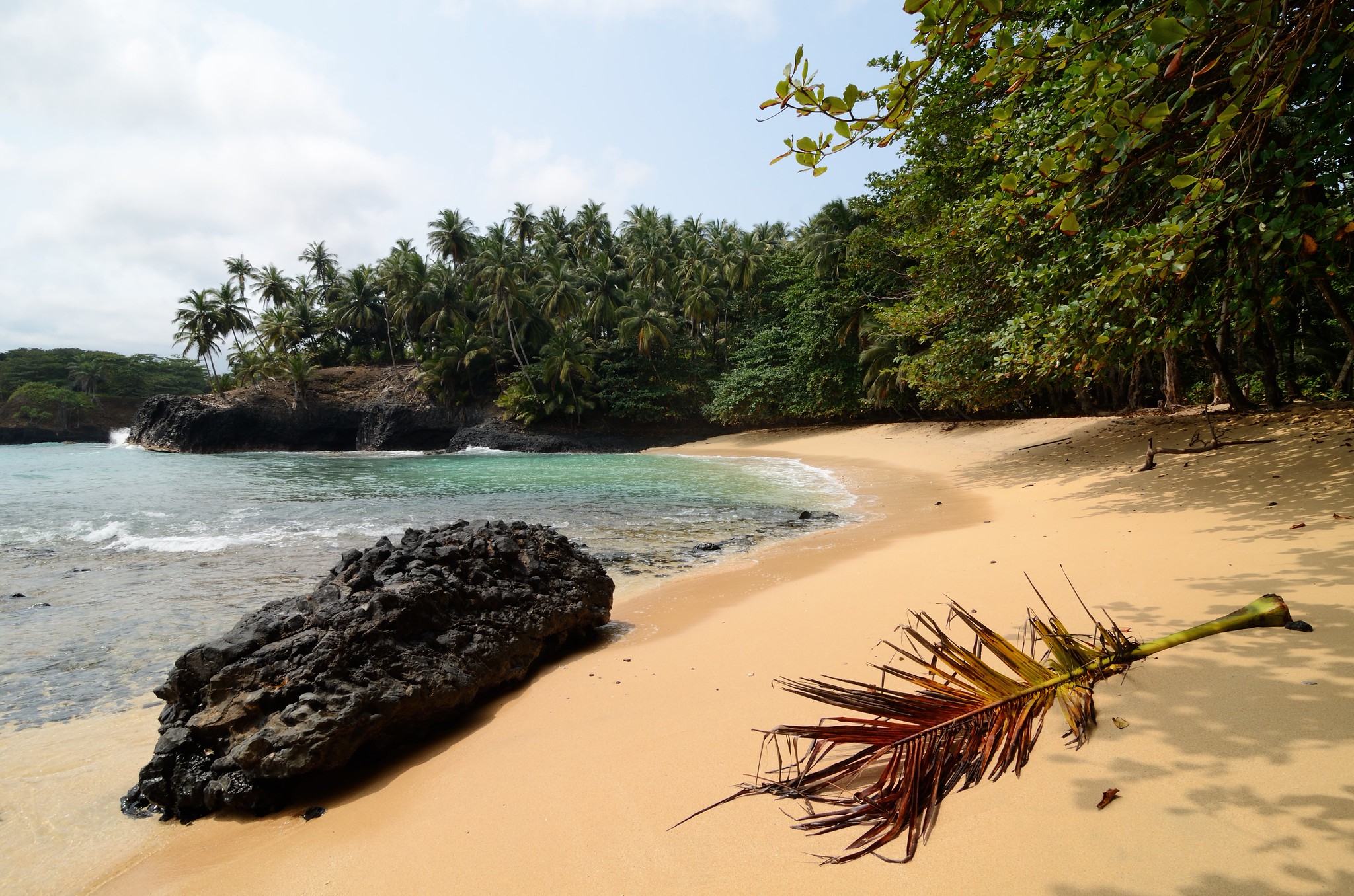
Praia Banana is a small bay on Príncipe Island known for clear water and a compact, sheltered beach setting that works well for a short swim and a calm morning stop. It is usually visited as part of a day tour or a half-day coastal outing, since the beach is small and the experience is about the viewpoint, the water clarity, and a brief break on the sand rather than a full day of facilities. Going earlier in the day often gives better light and fewer people, and sea conditions are typically calmer before afternoon changes.
Access is normally arranged by road with a driver from Santo António, then continued with a short walk to the bay depending on the drop-off point. Treat it as a highlight stop, then use the rest of the day for less obvious beaches and coastal viewpoints around Príncipe, which are often quieter and give a better sense of the island beyond the famous photo angle.
Praia Boi (Príncipe)
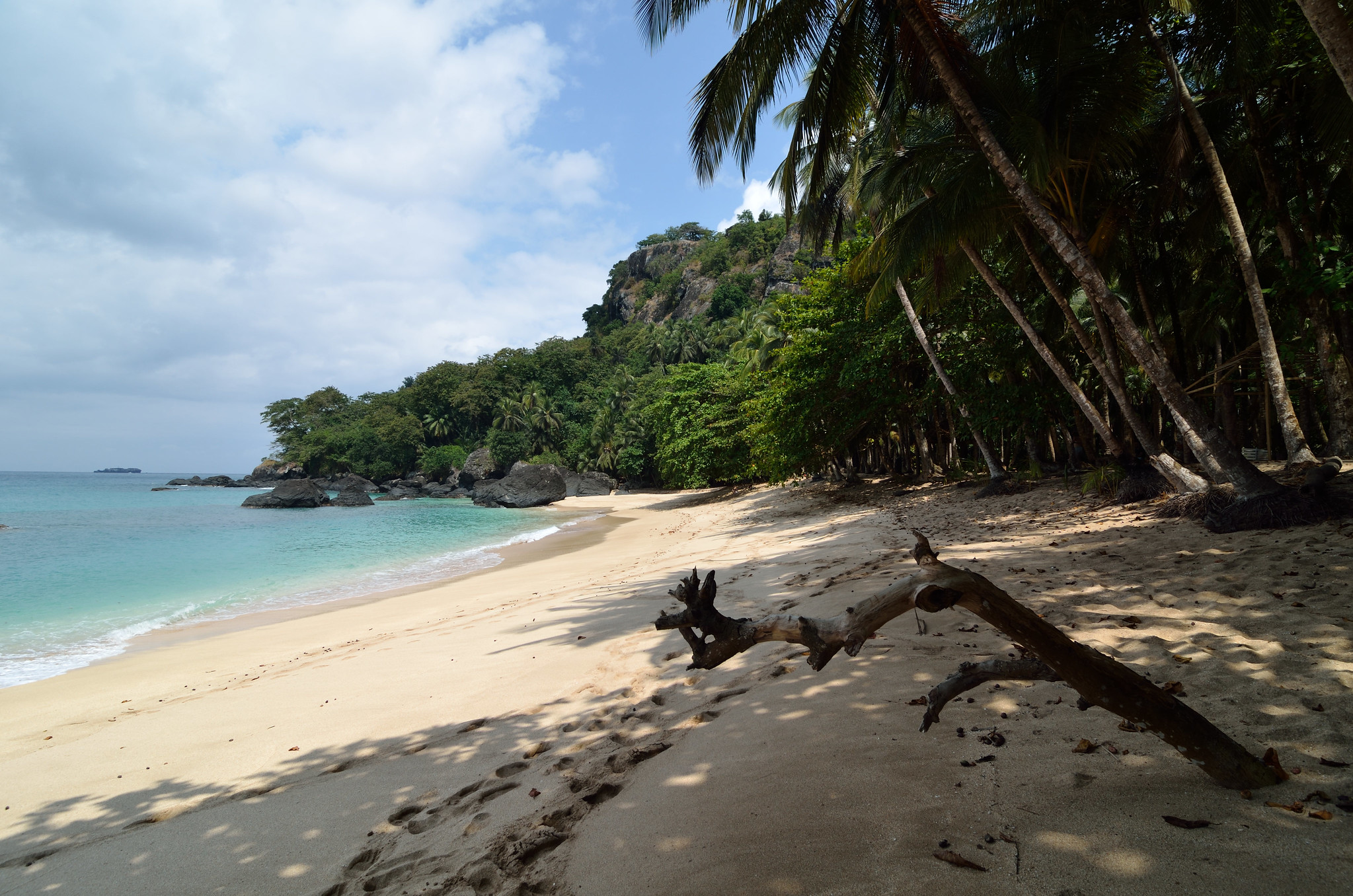
Praia Boi is a more secluded beach on Príncipe, backed by dense vegetation and reached through routes that usually require local coordination, which helps keep it quiet. The experience is simple and nature-focused: a narrow stretch of sand, jungle edges close to the shore, and minimal to no facilities, so it suits travelers who want a remote coastline rather than a serviced beach. Depending on access that day, you may need a short walk from the road or a guided approach through nearby tracks.
Plan the visit with a local driver or guide who knows the route and can judge conditions on arrival, since remote beaches can have strong currents even when the surface looks calm. Bring water, sun protection, and a dry bag for essentials, and avoid swimming far from shore if there is no clear safe entry point. Because there may be few people nearby, it’s best to treat Praia Boi as a cautious, low-risk beach stop focused on walking and scenery if the surf is active.
Best Natural Wonders and National Parks
Ôbo National Park (São Tomé)
Ôbo National Park is São Tomé’s main protected rainforest zone and the best place on the island for a true interior forest experience, with thick vegetation, steep terrain, and frequent humidity and cloud cover. Visits are usually about guided walks through primary and secondary forest, where the highlights are less “big wildlife” and more the ecosystem itself: endemic birds, forest soundscapes, giant ferns, and river valleys that can lead to small waterfalls depending on your route. Trails are not always obvious and conditions change with rain, so a guide adds real value by helping you follow safe paths and by pointing out species and features you would otherwise miss.
Access typically starts from São Tomé city by road toward trailheads on the island’s interior routes, often arranged with a driver and a local guide who sets the hike length and difficulty to match your time and fitness. Start early because mornings are cooler and clearer, and you are more likely to hear and spot birds before midday heat and afternoon rain build.
Ôbo National Park (Príncipe)
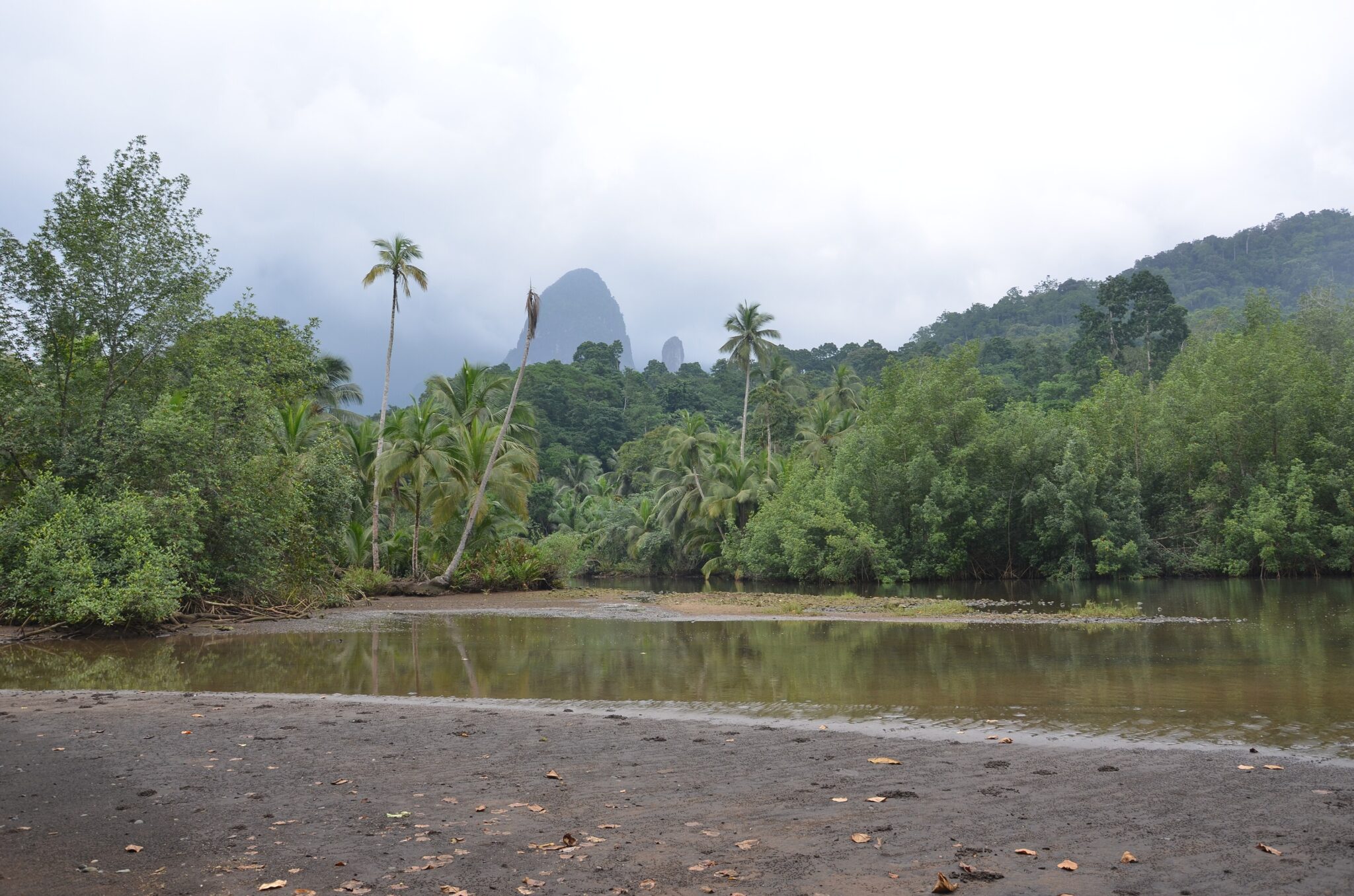
Ôbo National Park on Príncipe protects much of the island’s interior, and the rainforest feels unusually close to the coast, so short drives can bring you into dense green landscapes quickly. Visits are typically guided and focused on forest immersion, with trails that pass through humid canopy, river valleys, and viewpoints where you can understand how the island’s protected status shapes land use and daily life. Birdlife and plant diversity are key highlights, and many walks are designed to explain conservation work and endemic species rather than to chase a single “big” animal sighting.
Access is usually organized from Santo António with a local guide and driver, and route choice depends on recent rain and which trails are open or passable. Keep expectations realistic about wildlife visibility because the forest is thick and animals can be shy, so patience and slow movement matter more than distance covered.
Pico Cão Grande
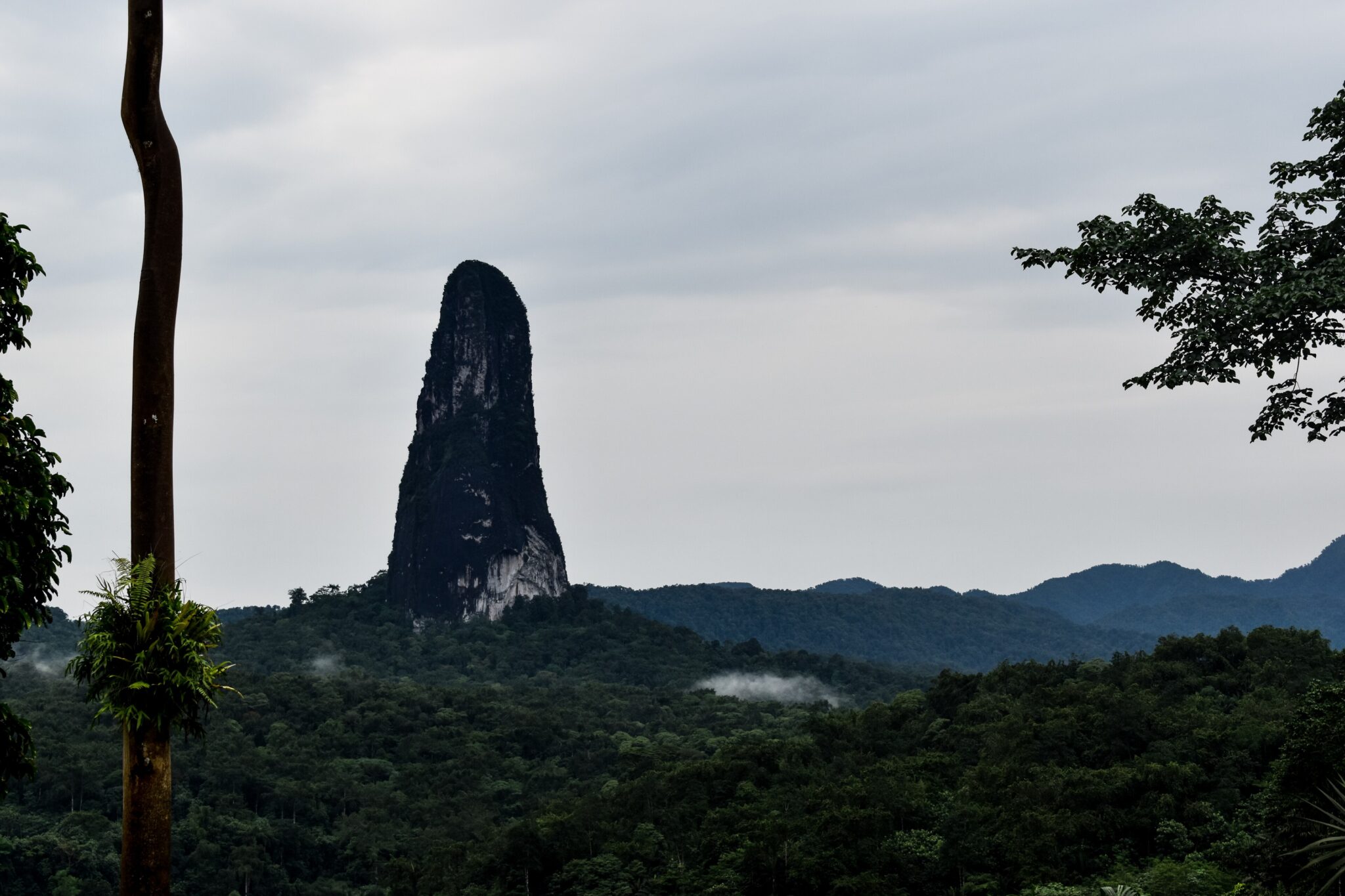
Pico Cão Grande is a dramatic volcanic spire in southern São Tomé, rising sharply from rainforest and serving as one of the island’s most recognizable landmarks. You do not need a major trek to appreciate it, since several roadside and trail viewpoints give clear sightlines when conditions are good, and the surrounding area is often combined with visits to southern plantations, forest walks, or coastal stops. For experienced hikers, some routes in the southern interior can bring you closer to the peak, but access and trail conditions depend on season and local guidance.
Viewpoints are usually best earlier in the day because clouds and haze often build later and can hide the spire, especially in humid periods. Plan transport in advance if you are not driving, since stops are scattered and timing matters for visibility.
Pico de São Tomé
Pico de São Tomé is the country’s highest peak and the main serious hike on São Tomé, typically involving a long day or an overnight trek through cloud forest and higher volcanic terrain. The route is physically demanding with steep, muddy sections and frequent humidity, and the best parts are often the change in ecosystems as you gain altitude and the rare clear windows that open views across the island. Even if you do not reach the summit, shorter high-elevation routes can still deliver the cloud-forest experience and a sense of scale.
Go with a guide and plan conservatively, since weather can shift quickly and the trail becomes slippery after rain. Start early, carry enough water and food, and bring a headlamp, rain protection, and a warm layer for higher elevations where temperatures drop. Footwear with strong grip is essential, and it helps to protect electronics in waterproof storage because condensation and sudden showers are common on the mountain.
Lagoa Azul
Lagoa Azul is a north-coast lagoon area on São Tomé known for clear water and good snorkeling when conditions are calm. It is an easy stop on a north-coast drive, and the visit is usually simple: short time by the water, swimming or snorkeling if visibility is good, and watching coastal scenery without the effort of a long hike. Water clarity can change quickly with tides, swell, and recent rain, so the experience varies day to day even in the same season.
Access is straightforward by road from São Tomé city, either with a hired driver or as part of a taxi day route along the north coast. Bring your own mask and snorkel if you have them, since rentals are not always available, and carry water and sun protection because shade and services can be limited.
Best Cultural and Historical Sites
Roças (Colonial Cocoa Plantations)
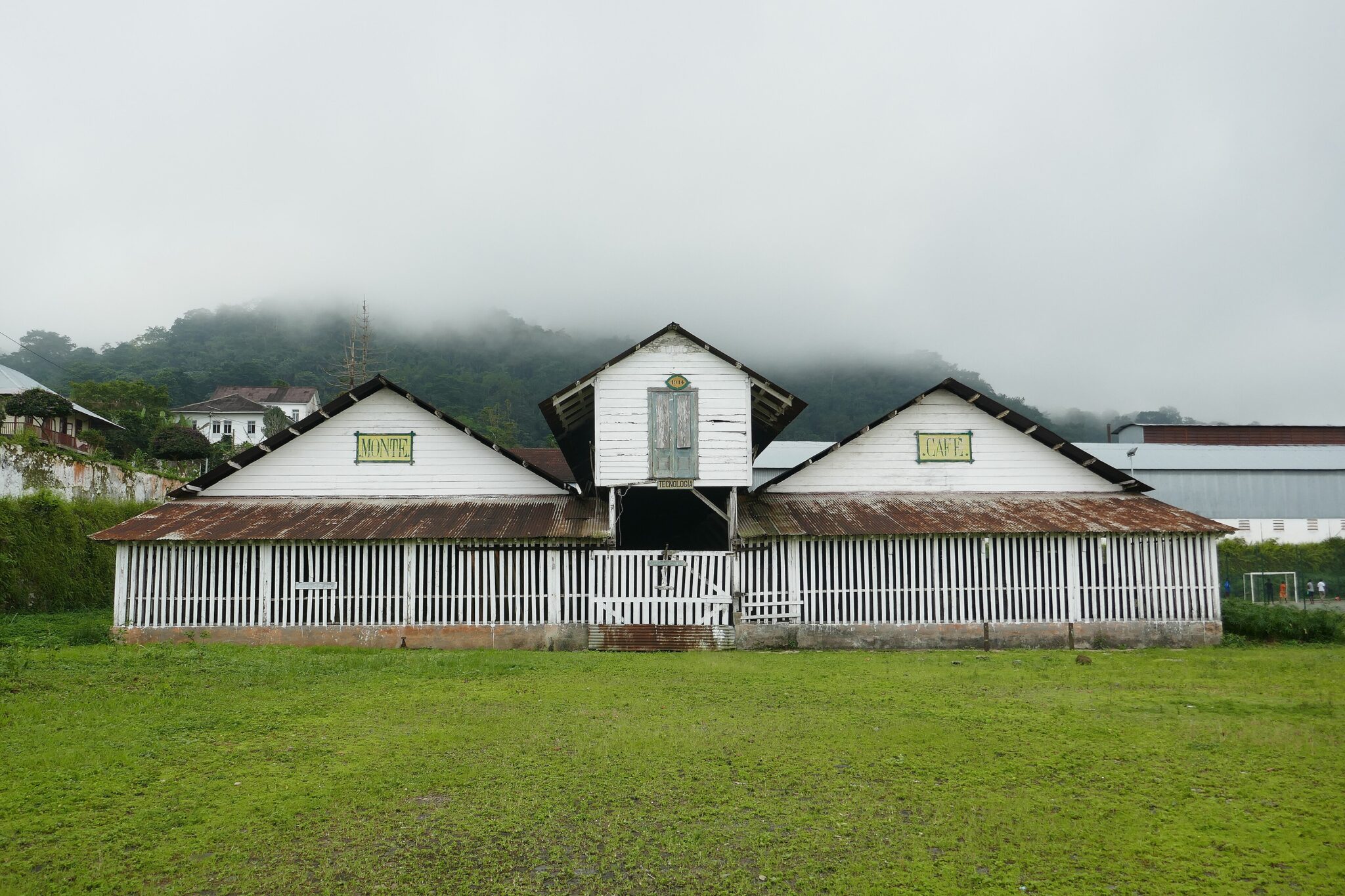
The roças are former Portuguese cocoa and coffee plantation estates on São Tomé and Príncipe, and visiting them is one of the best ways to understand colonial-era economy, architecture, and how island communities developed around agricultural labor. Some estates are still active or partially restored, while others are semi-ruined, so the experience can range from working production areas to quiet courtyards, old drying yards, and long rows of colonial buildings. On São Tomé, Roça Agostinho Neto is a strong, accessible introduction, Roça São João dos Angolares adds a more lived-in feel with local culture and food, and on Príncipe, Roça Sundy is often included for its historical associations and its role in the island’s heritage.
These visits work best with context rather than as quick photo stops. Arrange a guided walk or speak with staff or residents so you understand what different spaces were used for and how the estate functions today, and be careful exploring older buildings where floors, stairs, and roofs may be unsafe.
Fort São Sebastião
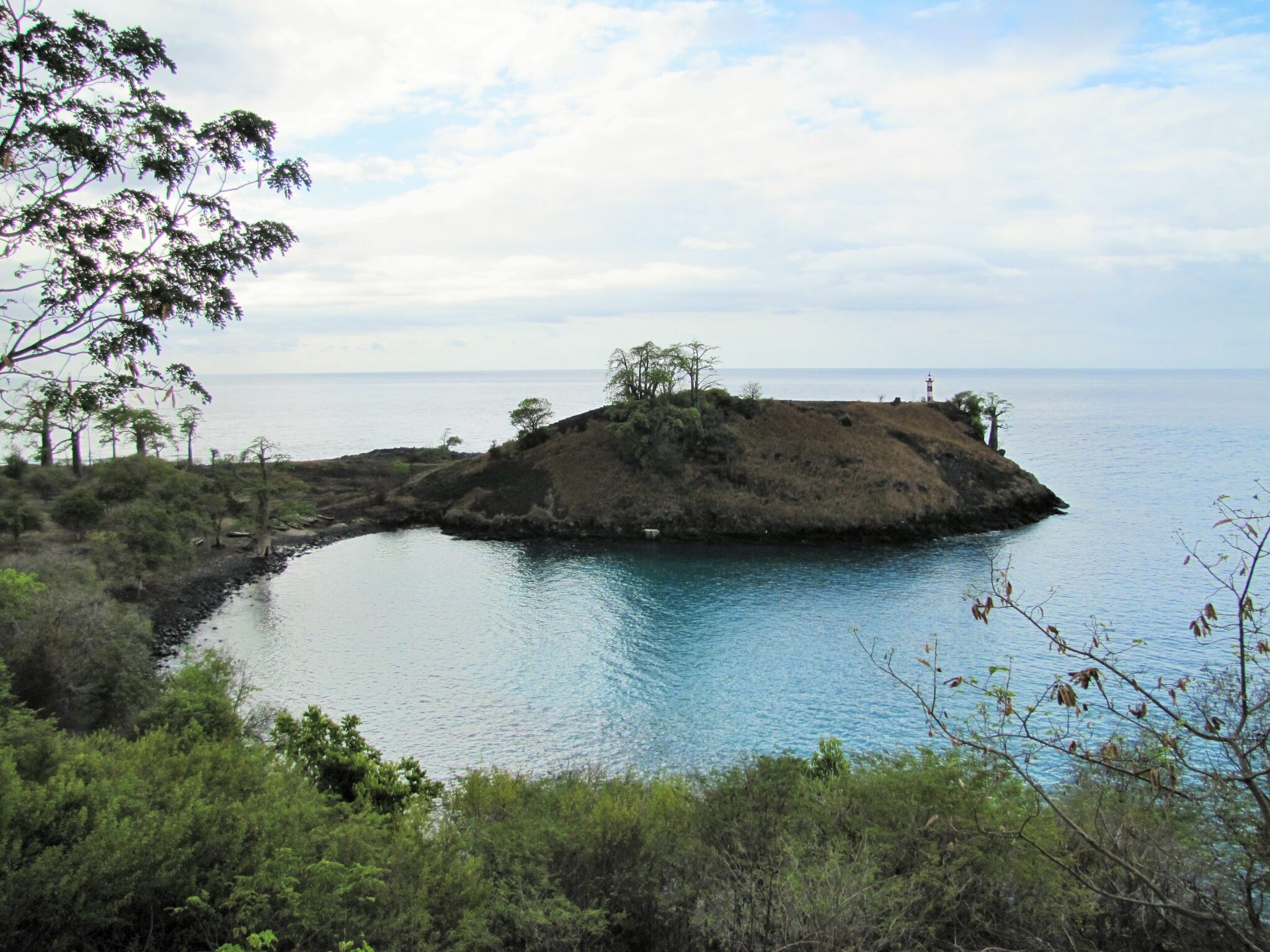
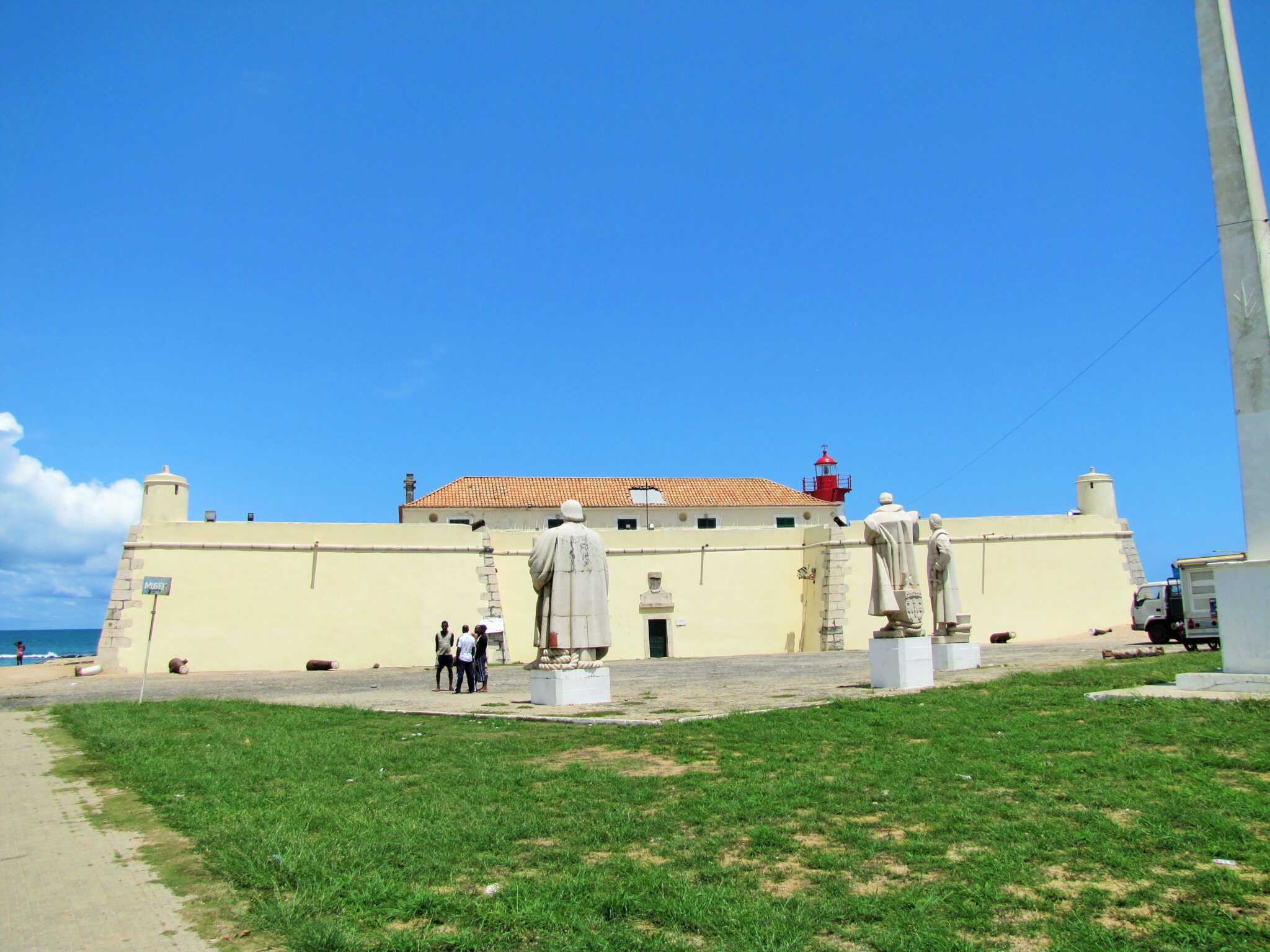
Fort São Sebastião is a small coastal fort in São Tomé city that offers a clear introduction to how the islands were defended and administered during the colonial era, and why the capital developed where it did. The museum inside provides basic historical context through exhibits and objects, which makes it a useful indoor stop if the weather turns wet or you want a break from outdoor travel. The fort’s location by the water also gives a simple viewpoint over the harbor area and the city’s shoreline.
It is easy to combine the fort with a slow walk through central São Tomé afterward, since the capital is compact and many streets are best experienced on foot. You can pass civic squares, older buildings, small shops, and cafés to get a feel for everyday city life without needing a strict plan.
São João dos Angolares
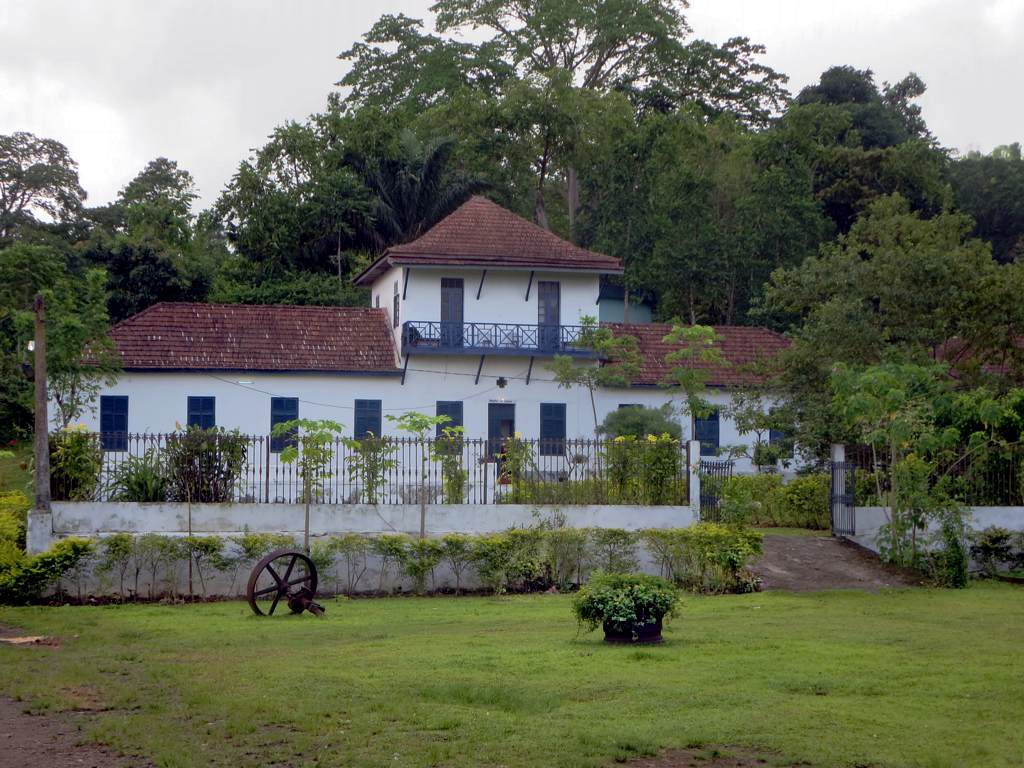
São João dos Angolares is a small coastal community on São Tomé’s southeast, closely linked to a restored plantation complex that has become a cultural and creative center. Many visitors stop for meals and local products, but it is also a useful place to see how older plantation spaces are used today for workshops, small craft production, and community-focused projects. The setting makes it easy to combine culture with a simple coastal drive, and it works well as a half-day stop on routes through the south.
Access is usually by road from São Tomé city, often with a hired driver as part of a southern loop that includes viewpoints and beaches. If you are interested in crafts, take time to ask about materials, techniques, and what is made locally versus brought in, since quality can vary and conversations often lead to better choices. Keep some cash for small purchases, and plan your timing so you are not rushing the return drive, since roads can be slower than expected after rain.
Best Islands
Príncipe Island
Príncipe is the smaller of the two main islands and tends to feel more remote and conservation focused, with a low tourism footprint and a strong emphasis on protected forest and quiet coastline. The best experiences are usually simple and slow: short drives from Santo António, guided nature walks into rainforest areas, and time on beaches that have minimal development. Because distances are short but services are limited, plans often revolve around a driver and local guides rather than independent wandering, and weather can shape what is realistically reachable in a day.
Príncipe works best when you treat it as a slow trip rather than a checklist. If you only have two nights, transfers and logistics can take up a large part of your time, so adding extra days usually improves the experience more than adding more “stops”.
Ilhéu das Rolas
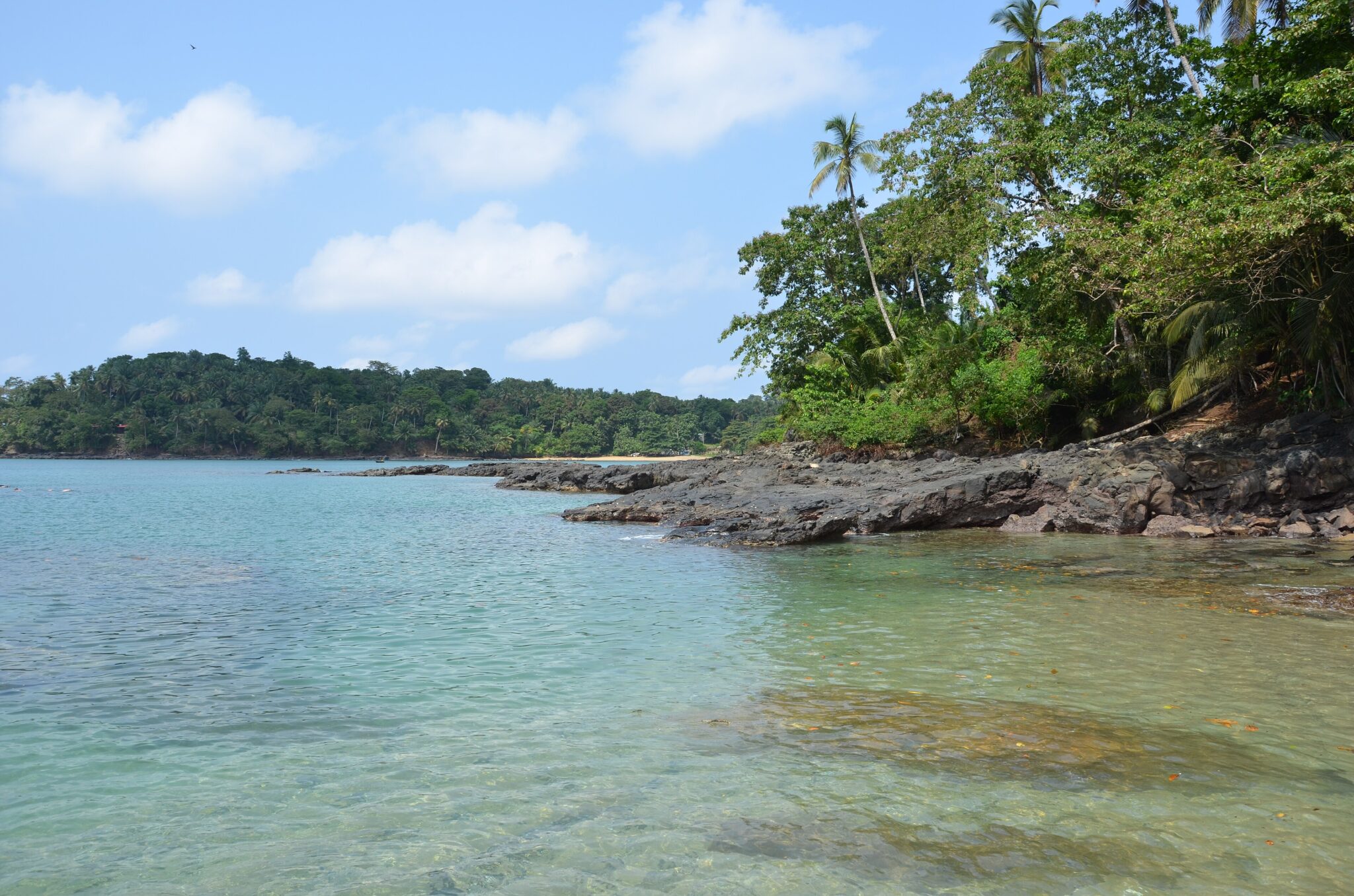
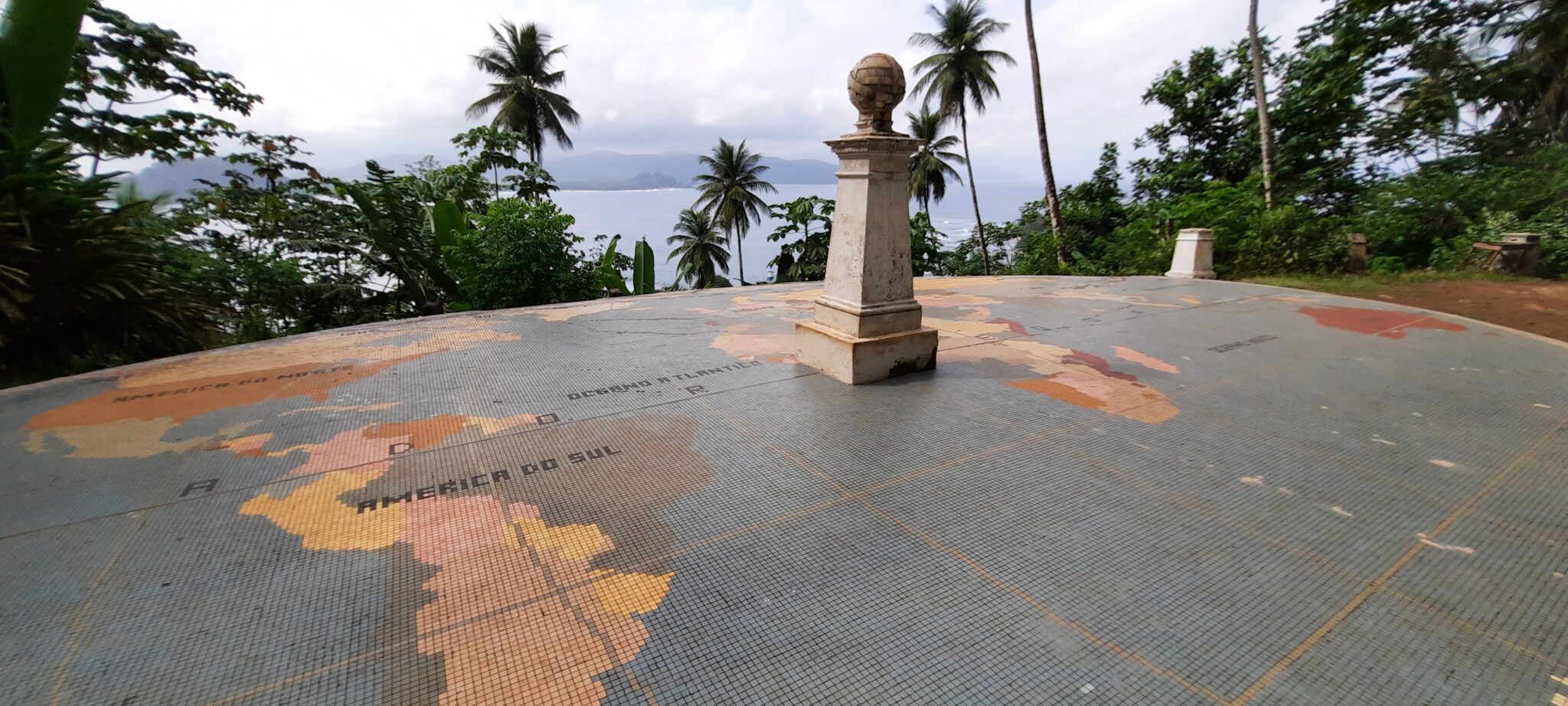
Ilhéu das Rolas is a small islet off the southern coast of São Tomé, usually visited as a day trip for its beaches, coastal scenery, and the Equator line marker that many travelers stop to see and photograph. The visit is typically low effort, with time split between a short walk to the marker, beach time, and a simple lunch if you are going with an organized boat trip. The island is small enough that you can see the main points without rushing, and it works well as a break from inland hikes and plantation visits.
Access is by boat from the south of São Tomé, usually arranged through local operators, and timing depends on sea conditions and schedules. Choose a calmer day if you can, since rough water can make the crossing tiring and can shorten the time you spend on the island.
Ilhéu Bom Bom
Ilhéu Bom Bom is a small islet connected to Príncipe by a short footbridge and is best known for eco-lodge stays that focus on quiet nature time. The setting is coastal forest and rocky shoreline rather than a busy beach town, so days usually revolve around swimming when conditions are calm, short walks, and sitting by the water with minimal noise and light. It works well if you want a simple “off the main island” feel while still being close enough to reach Santo António by road when needed.
Plan for relaxed days and treat it as a retreat rather than a base for constant excursions. Pack essentials you rely on, including reef-safe sunscreen, insect repellent, and waterproof protection for electronics, since supplies can be limited and humidity is constant. If you want day trips around Príncipe, arrange them in advance with the lodge or a local driver, but leave space in your schedule because sea conditions and timing can change quickly.
Hidden Gems of Sao Tome and Principe
Porto Alegre
Porto Alegre is one of the main reasons travelers go deep into southern São Tomé because it puts you close to the island’s quieter coastal stretch and gives access to places that feel far from the capital’s day-trip circuit. People base here to spend time on less visited beaches in the south, to see small fishing activity and village routines, and to use the area as a starting point for short coastal outings that focus on swimming, walking the shoreline, and slow time by the water rather than sightseeing.
It is also the usual jumping-off point for trips to Ilhéu das Rolas, so many visitors come specifically to combine a southern stay with the islet day trip and the Equator marker stop. Beyond that, Porto Alegre works as a hub for exploring nearby southern viewpoints and forested coastal roads, which helps you see how São Tomé’s landscape changes as you move into the island’s more rural end.
Santa Catarina
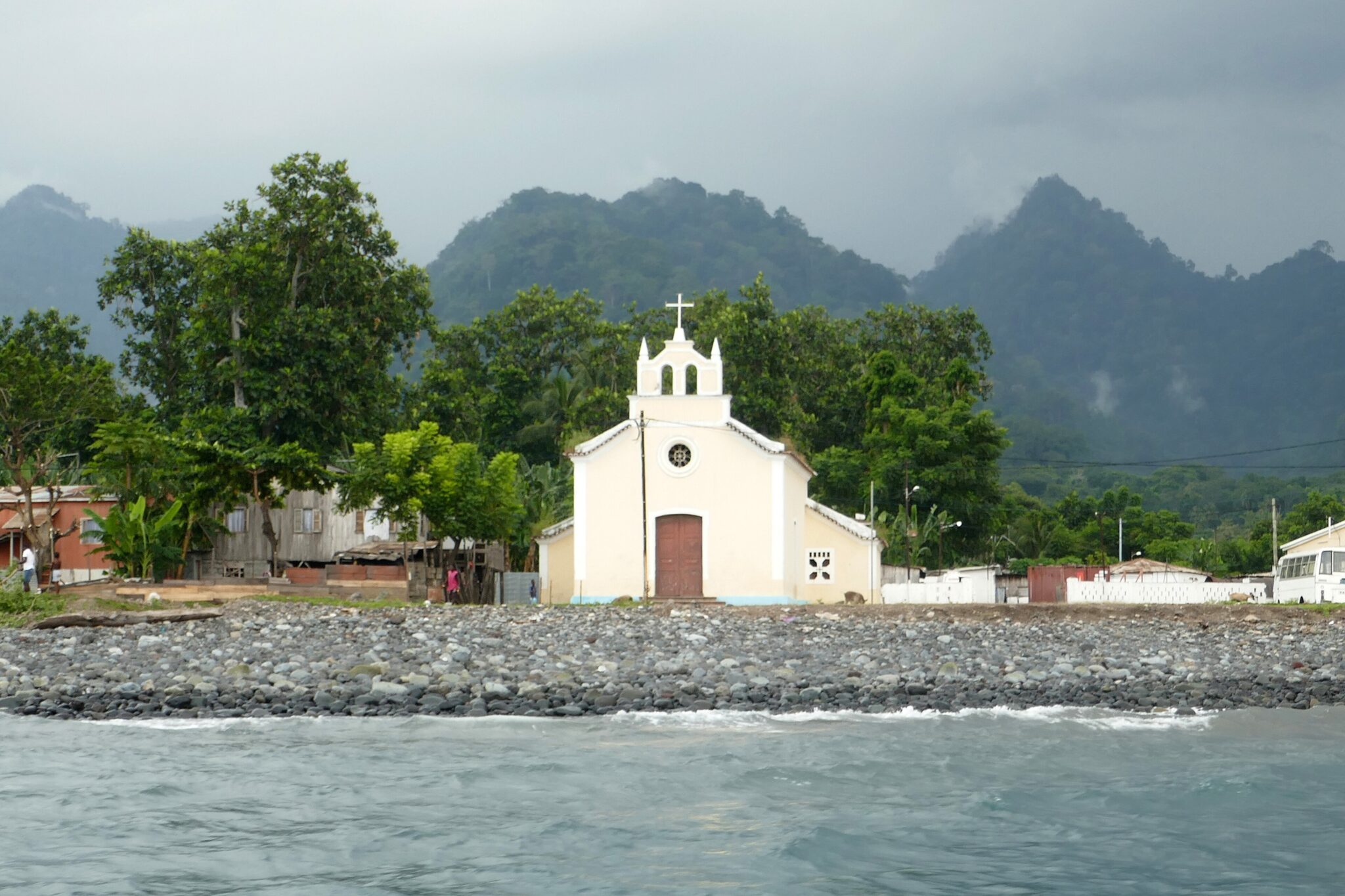
Santa Catarina is a small area on São Tomé’s north coast that people use as a low-key stop for seeing everyday village life away from the capital while still staying close to beaches and coastal scenery. Travelers come here for the north-coast road experience, with short stops for ocean viewpoints, quick beach breaks, and a look at local routines around roadside stalls, small churches, and village centers that reflect how life works outside São Tomé city. It suits visitors who want a simple day of moving along the coast and making several short, informal stops rather than committing to one major attraction.
It also works well as a base for exploring multiple north coast beaches in one day, because distances are short and you can mix beach time with viewpoints and small detours to quieter stretches of shoreline. The appeal is the variety you can get without a long itinerary: a few coastal angles, a couple of beach stops, and a clearer sense of the north’s rhythm compared with the plantations and rainforest interior.
Ribeira Peixe
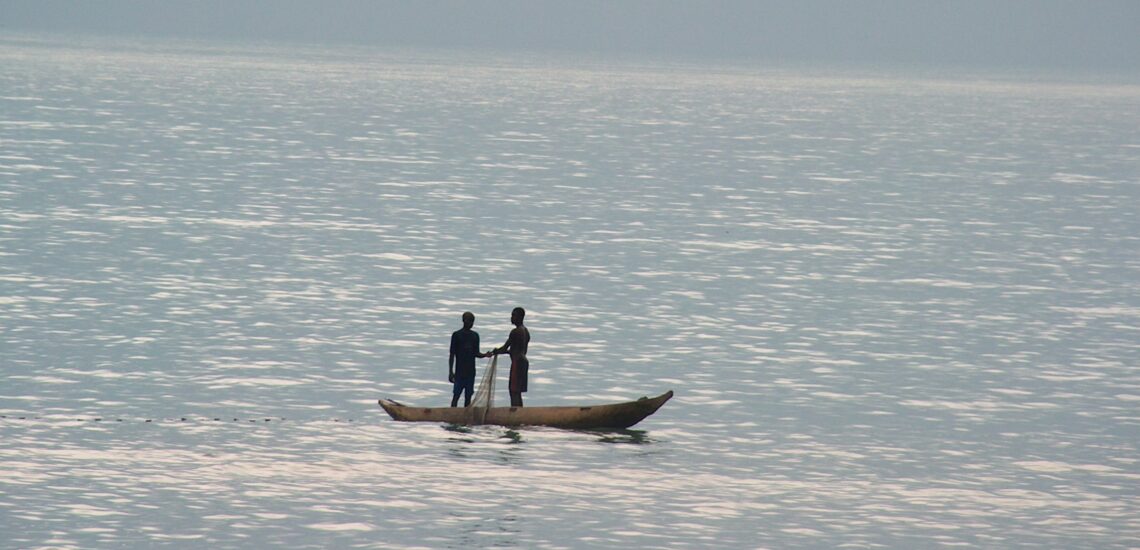
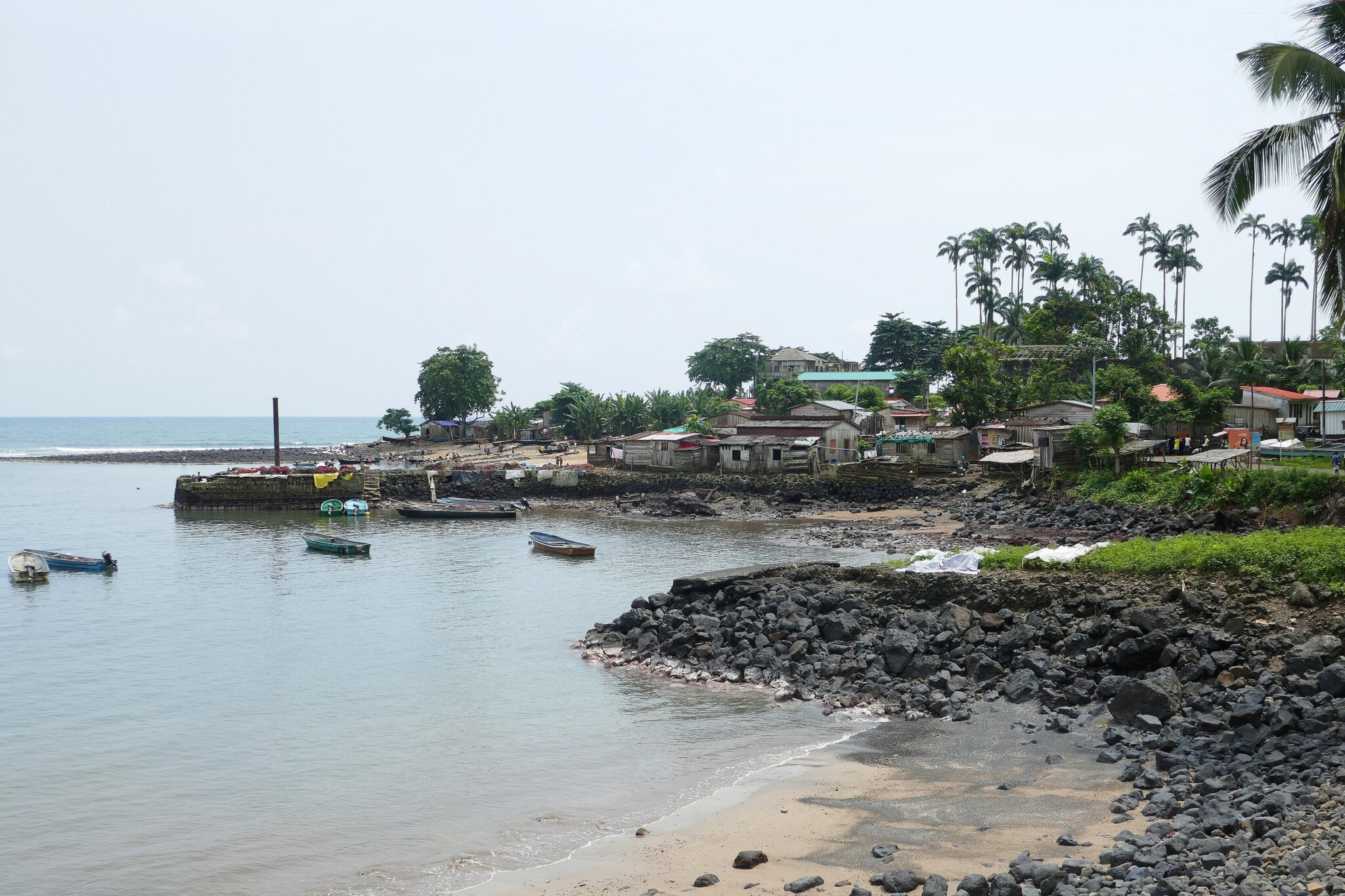
Ribeira Peixe is one of the southern coastal villages people visit when they want to see São Tomé beyond the “easy” stops, with a focus on working fishing life and a coastline that feels more exposed and rural. The draw is the setting and the rhythm: boats, nets, fish drying, and daily routines that are not organized for visitors, plus long stretches of shore where you can walk and watch the ocean without much development. It’s a place for observing how the south functions day to day, not for curated attractions.
Travelers also use Ribeira Peixe as a point on a southern loop to compare different parts of the coast, since the landscapes here feel distinct from the beaches closer to Porto Alegre. It can be a useful stop if you want to photograph coastal life and scenery in a low-key way and understand how villages relate to the sea, but the experience depends on your approach, since the value comes from respectful time on the ground rather than from “things to do”.
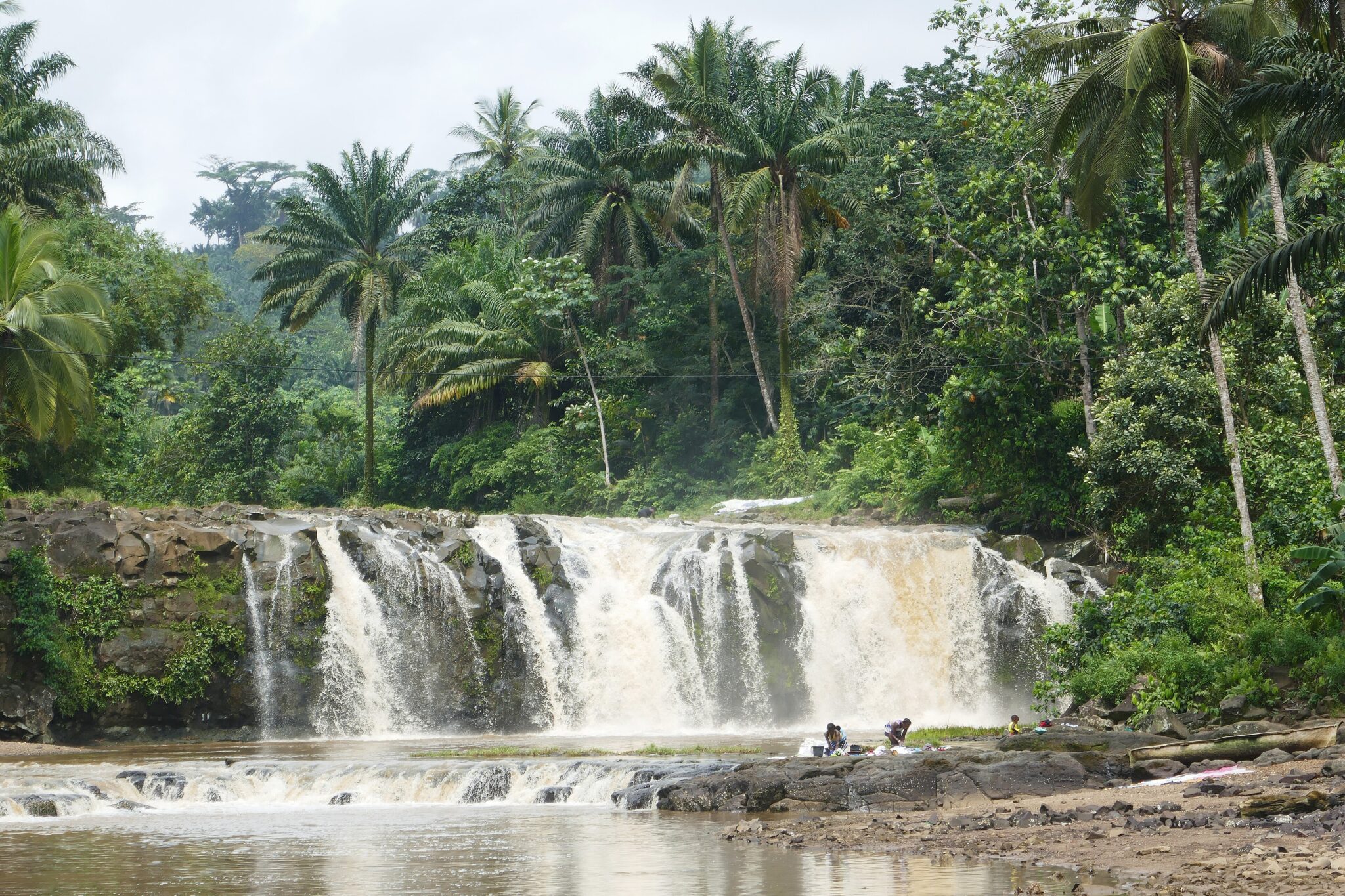
Oque Pipi Waterfalls
Oque Pipi Waterfalls are a short, accessible rainforest stop in southern São Tomé that people visit for a quick taste of the island’s interior without planning a full-scale park hike. The main reason to go is the forest setting itself: shaded trails, dense vegetation, and a small waterfall and pool area that gives you a clear sense of how humid and green the south can be. It’s especially useful if your itinerary is mostly beaches and coastal drives and you want at least one easy inland nature walk.
This kind of stop also works well for travelers who want a simple “waterfall break” on a southern loop, because it adds variety without needing major trekking. You’re not going for a dramatic, massive cascade, but for a compact, low-effort forest experience where the walk and the surrounding jungle atmosphere are as much the point as the waterfall itself.
Travel Tips for São Tomé and Príncipe
Safety and General Advice
São Tomé and Príncipe is one of Africa’s most peaceful and laid-back destinations, offering a relaxed atmosphere and friendly local hospitality. The islands are generally safe, though travelers should take basic precautions in crowded areas and carry cash when visiting rural communities, as ATMs and card facilities are limited outside the capital. Infrastructure can be simple, so a bit of planning ahead – particularly for accommodation, transport, and fuel – helps ensure a smoother journey.
Health and Vaccinations
A yellow fever vaccination may be required depending on your travel route, particularly if arriving from an endemic country. Malaria prophylaxis is commonly recommended, and travelers should use bottled or filtered water instead of tap water. Bring insect repellent, sunscreen, and a small first-aid kit, especially when visiting the southern or more remote parts of the islands. Healthcare facilities are available in São Tomé city but are limited elsewhere, so comprehensive travel insurance with evacuation coverage is advised.
Car Rental and Driving
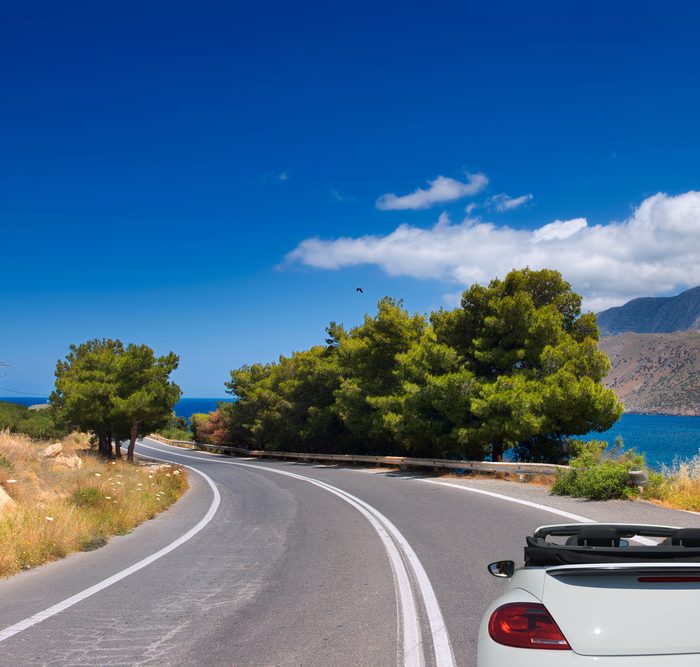
Driving in São Tomé and Príncipe is on the right-hand side of the road. Roads around the capital and along the main coastal routes are generally in decent condition, but southern and interior roads can be rough and narrow, particularly after rain. A 4×4 vehicle is recommended for exploring remote beaches or the forested highlands. Many visitors prefer hiring a driver, as it allows easier navigation and avoids the challenges of local road conditions. An International Driving Permit is recommended alongside your national driver’s license, and both should be carried when renting or driving vehicles.

Published January 12, 2026 • 17m to read