

Rwanda is one of Africa’s most accessible and well-organized destinations, known for mountain gorilla trekking, volcanic highlands, rainforest ecosystems, and scenic lakes. Its compact size allows travelers to combine several very different experiences in one itinerary, such as time in Kigali, wildlife viewing in the eastern savannah, and forest trekking in the west or north. Road conditions are generally good by regional standards, services are reliable, and logistics are straightforward when permits and transport are arranged in advance.
Rwanda is especially well suited to travelers who enjoy active, nature-based travel. Gorilla trekking in Volcanoes National Park, chimpanzee tracking in Nyungwe Forest, and lakeside stays along Lake Kivu form the core of most visits. With a focus on conservation, safety, and efficiency, Rwanda offers a smooth and rewarding experience built around wildlife, hiking, and time spent in well-protected natural landscapes.
Best Cities in Rwanda
Kigali
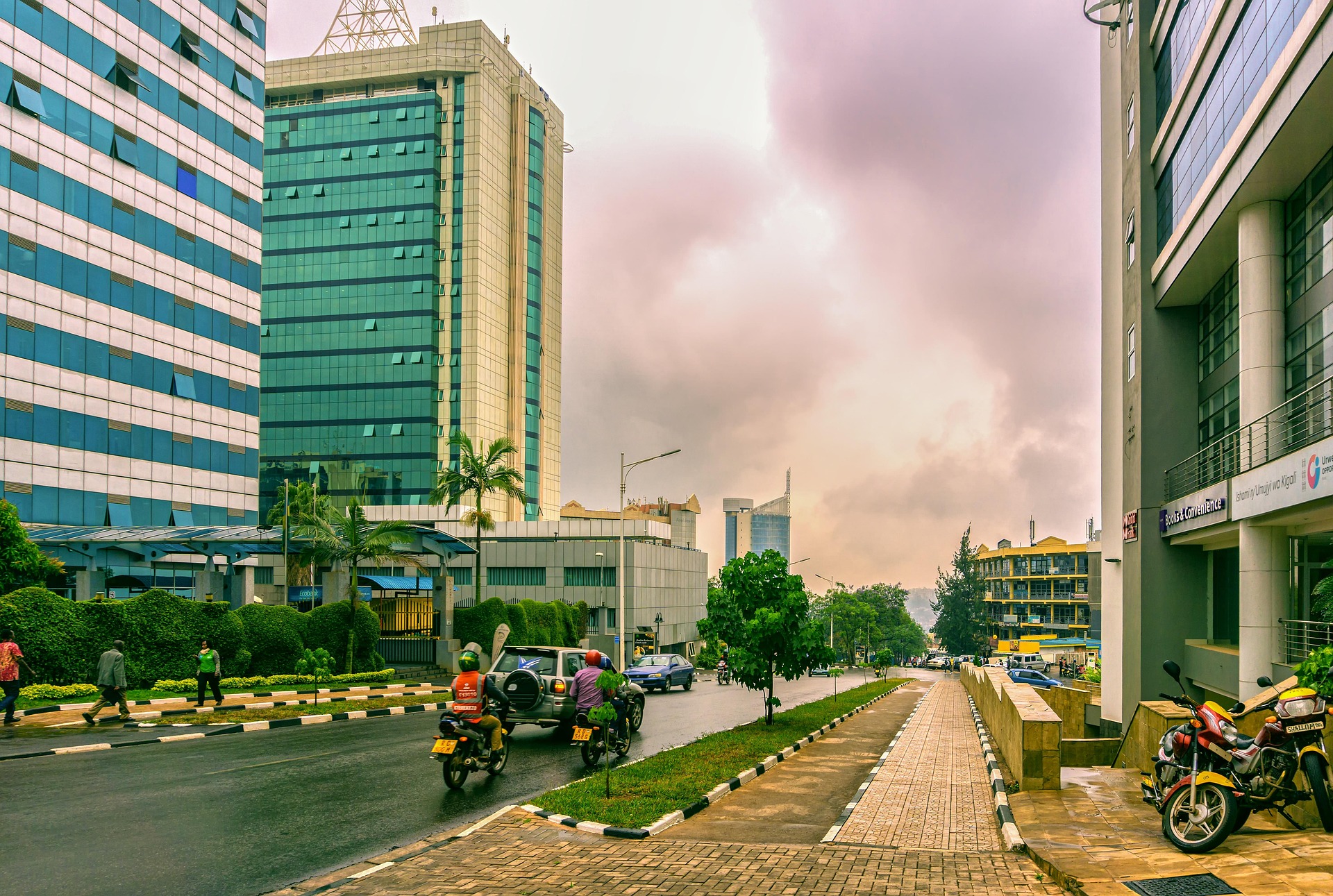
Kigali is Rwanda’s capital and the country’s main arrival hub, set on a series of green hills at roughly 1,500 to 1,600 m above sea level, which keeps evenings cooler than many lowland capitals. The city is widely considered one of the region’s easiest to navigate thanks to organized districts, consistent road signage, and a strong focus on cleanliness. Kigali’s population is commonly estimated at around 1.1 to 1.3 million within the city, with several million in the wider metro area, so it feels busy without being overwhelming. The most important historical visit is the Kigali Genocide Memorial, where you can expect to spend 1.5 to 3 hours if you go at a thoughtful pace. For contemporary culture, Inema Arts Center is a reliable stop for modern Rwandan art, while Kimironko Market is the best everyday-life window, with dense lanes of produce, staples, tailors, and textile stalls where you can buy kitenge fabrics and small crafts at local prices.
Kigali is also the best place in Rwanda for logistics: park permits, drivers, cash, and SIM cards are all easier to arrange here than in smaller towns. Kigali International Airport (KGL) is close to the city, typically 20 to 40 minutes by car depending on traffic and where you stay. Overland, Kigali is about 105 to 115 km from Musanze (gateway for Volcanoes National Park), usually 2 to 3 hours by road; and about 150 to 170 km from Rubavu (Gisenyi) on Lake Kivu, typically 3 to 4 hours. For regional connections, Kampala is roughly 500 to 520 km away and usually a full-day drive (8 to 10+ hours with border time), while Bujumbura is commonly 250 to 300 km depending on the route, often 6 to 9 hours including border formalities.
Huye (Butare)
Huye (often still called Butare) is Rwanda’s main academic and cultural center in the south, anchored by the country’s flagship university campus and a noticeably calmer pace than Kigali. The key visit is the Ethnographic Museum, widely considered Rwanda’s most informative museum, where the exhibits give clear context on traditional housing, farming tools, crafts, social customs, and historical change. Plan 1.5 to 3 hours if you want to read displays properly, as it is most rewarding when you take it slowly rather than treating it as a quick stop. Outside the museum, Huye is good for simple city walks, small cafés, and local markets that feel more regional and less “capital-like”, which makes it a useful contrast in a Rwanda itinerary.
Rubavu (Gisenyi)
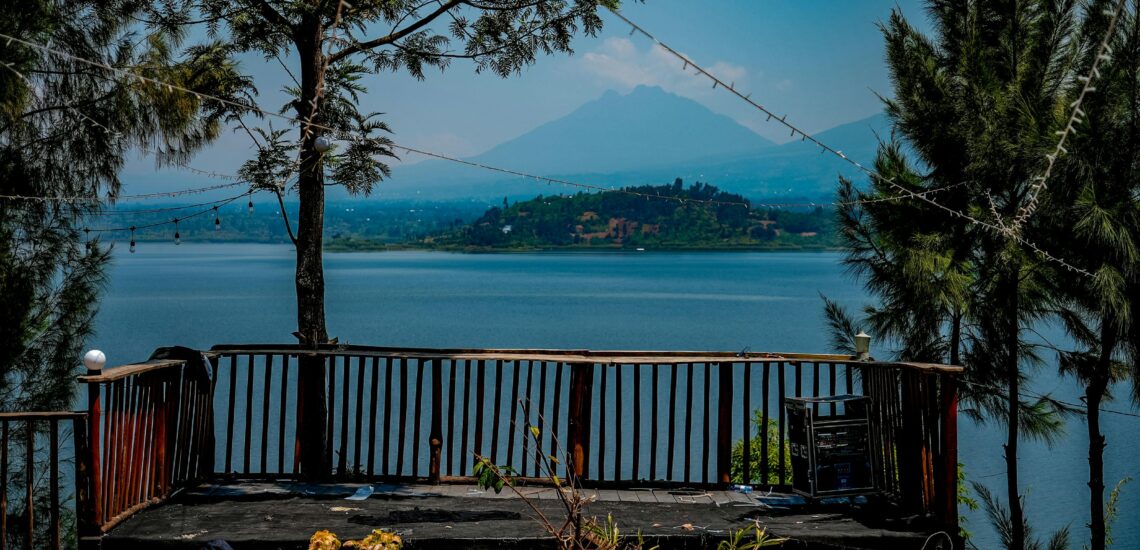
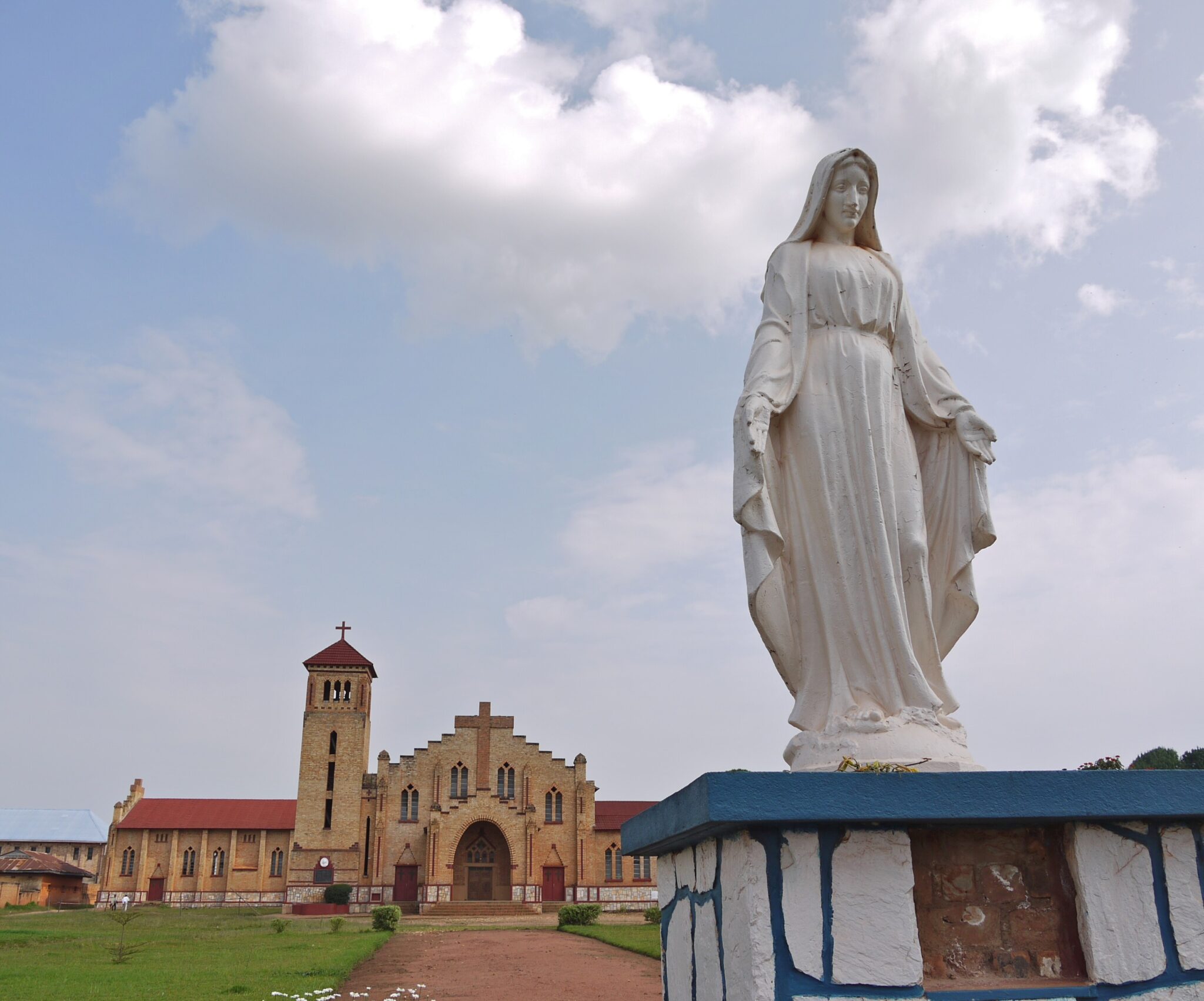
Rubavu (often still called Gisenyi) is Rwanda’s main lakeside town on Lake Kivu, set at roughly 1,460–1,500 m elevation with cooler evenings and a noticeably relaxed rhythm compared with Kigali. The best “things to do” are simple and restorative: sunset walks along the waterfront, café time with wide lake views toward the Congo, and short boat trips that let you experience the scale of the lake without heavy logistics. The town also has small beaches and lakeside promenades that work well for slow recovery days after early-morning treks in Volcanoes National Park, and it is a practical stopping point if you want to break up overland travel between the volcano region and the south.
Best Natural Wonders Sites
Volcanoes National Park
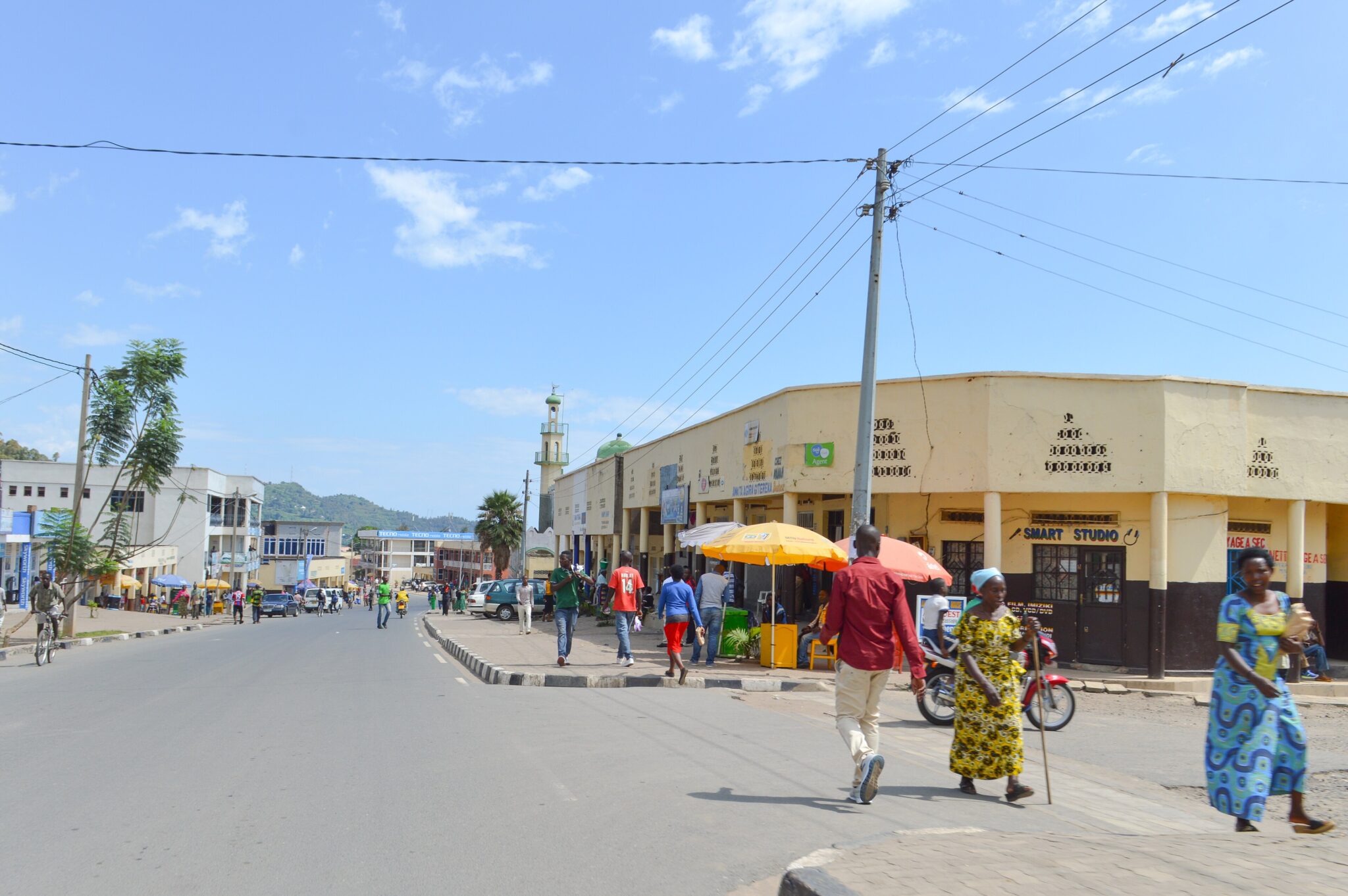
Volcanoes National Park is Rwanda’s flagship primate destination in the Virunga Mountains, protecting a compact but dramatic 160 km² of rainforest, bamboo, and high-altitude slopes that include five volcanoes: Karisimbi (4,507 m), Bisoke (3,711 m), Muhabura, Gahinga, and Sabyinyo. The park’s headline experience is mountain gorilla trekking, run under a strict, permit-based system: the standard permit is US$1,500 per person per trek, the minimum age is 15, group sizes are kept small (commonly up to 8 visitors per gorilla family), and time with gorillas is typically limited to about 1 hour after you locate them. If you want a shorter, often less demanding primate option, golden monkey tracking is a strong addition, and the same misty bamboo setting gives the park its signature atmosphere even on non-trekking days.
Access is straightforward compared with many Central African parks. Most travelers base in Musanze (Ruhengeri), reached from Kigali by a paved drive of about 92 km, typically around 1.5 hours in normal conditions, then continue another 20 to 30 minutes to the Kinigi area where briefings and trek allocations usually happen. Planning works best as a two-day block: one dedicated gorilla day plus a buffer day for a second activity (golden monkeys, a volcano hike, or the Dian Fossey-related sites) in case weather or operations shift schedules. Pack for wet vegetation and steep ground even in drier months, and consider gloves for hand protection on dense, thorny trails.
Dian Fossey’s Karisoke Research Center
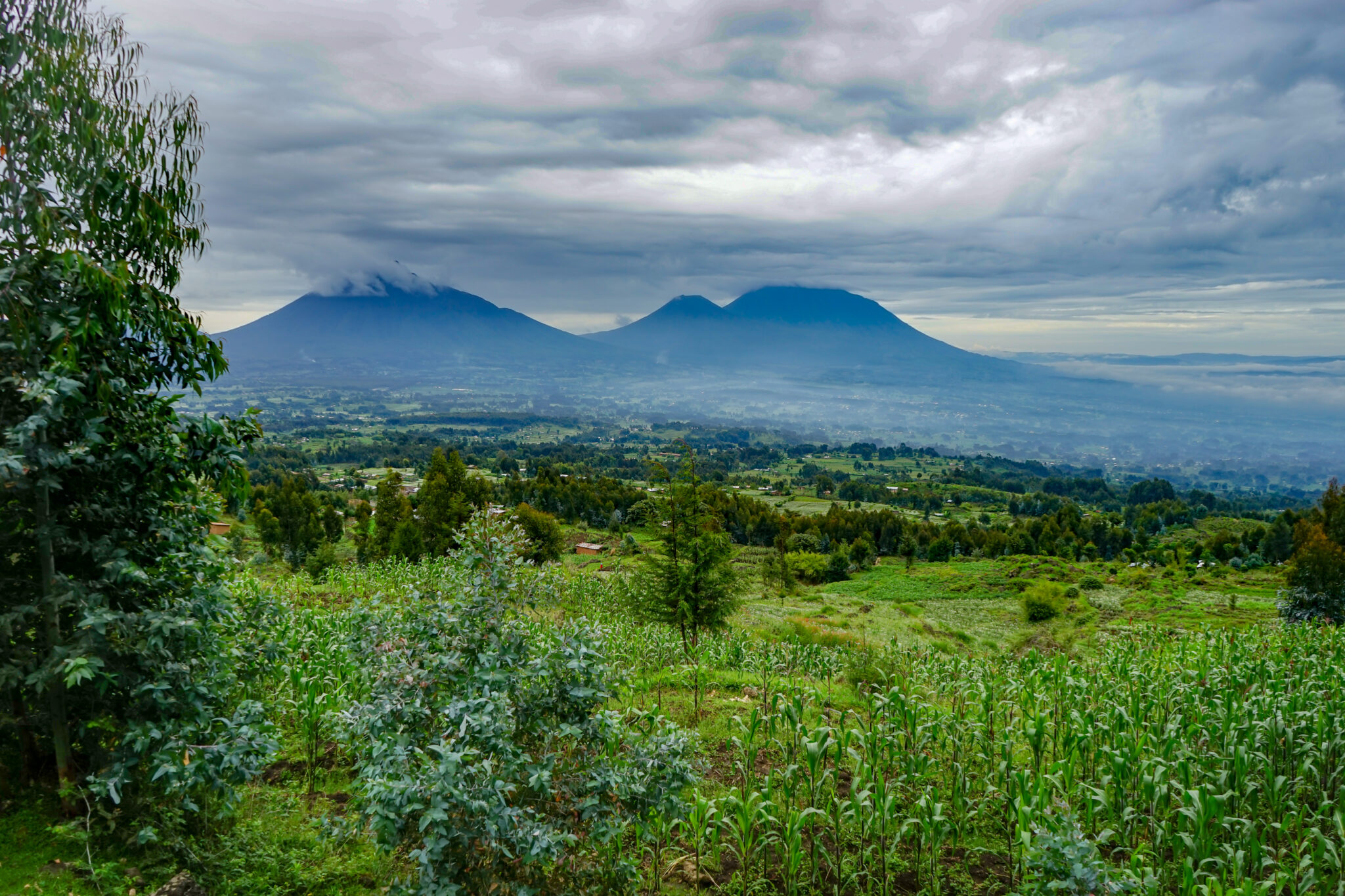
Karisoke hike in Volcanoes National Park is a long forest trek to the site associated with Fossey’s work and the Karisoke story, including the memorial area that many visitors describe as the emotional center of the experience. The trail climbs through farmland edges and then into bamboo and montane forest on the Virunga slopes, where mud, nettles, and steep sections are common, especially after rain. In terms of effort, this is usually a full-day outing rather than a short walk: many itineraries take around 2 to 3 hours each way on foot (sometimes longer depending on conditions and pace), with meaningful elevation gain and slippery footing that can make it feel harder than the distance suggests. It is chosen less for guaranteed wildlife and more for context: you get a clearer sense of how gorilla conservation developed here, why research stations were placed in specific terrain, and how protection systems evolved over decades.
Nyungwe National Park
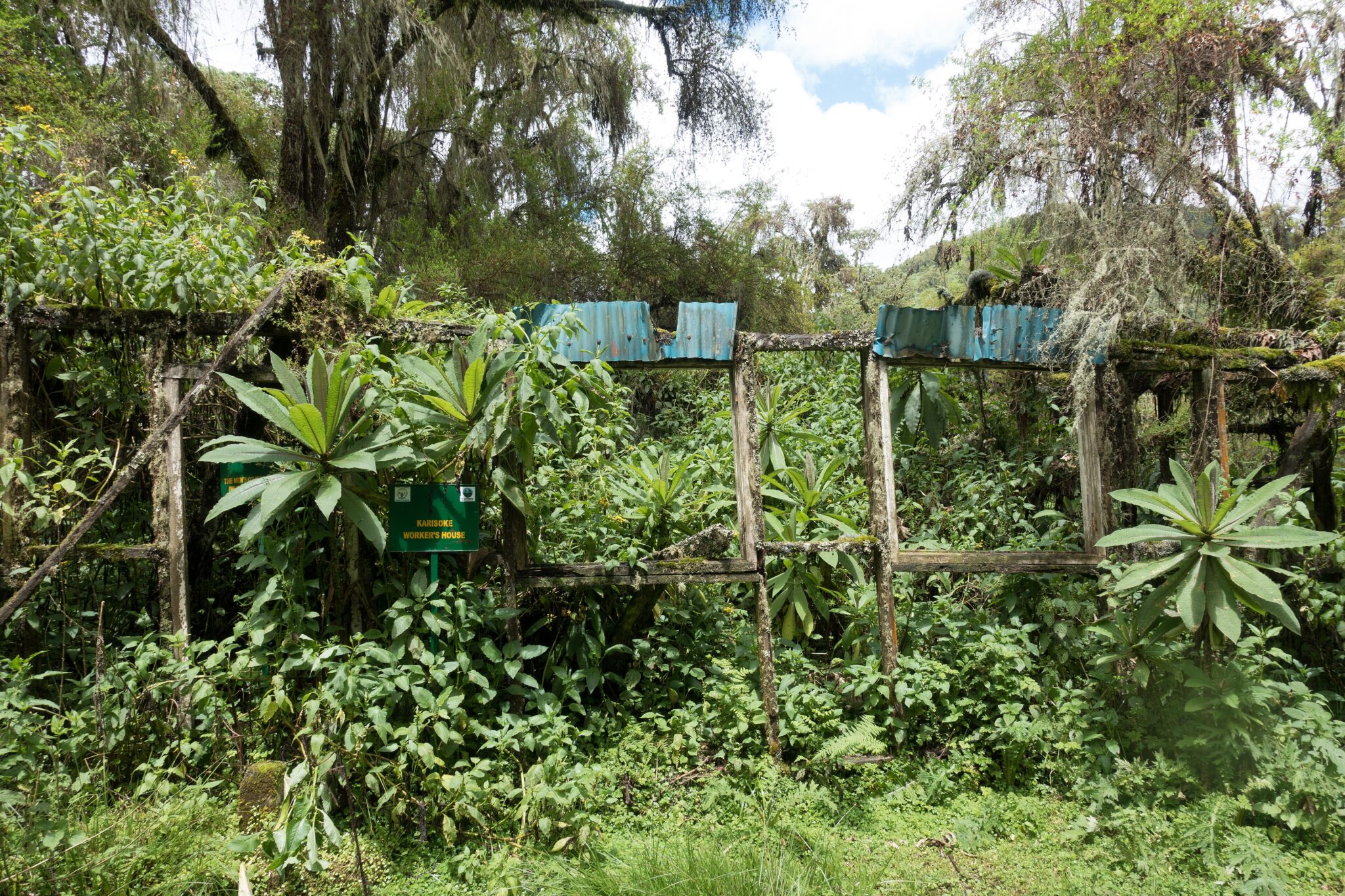
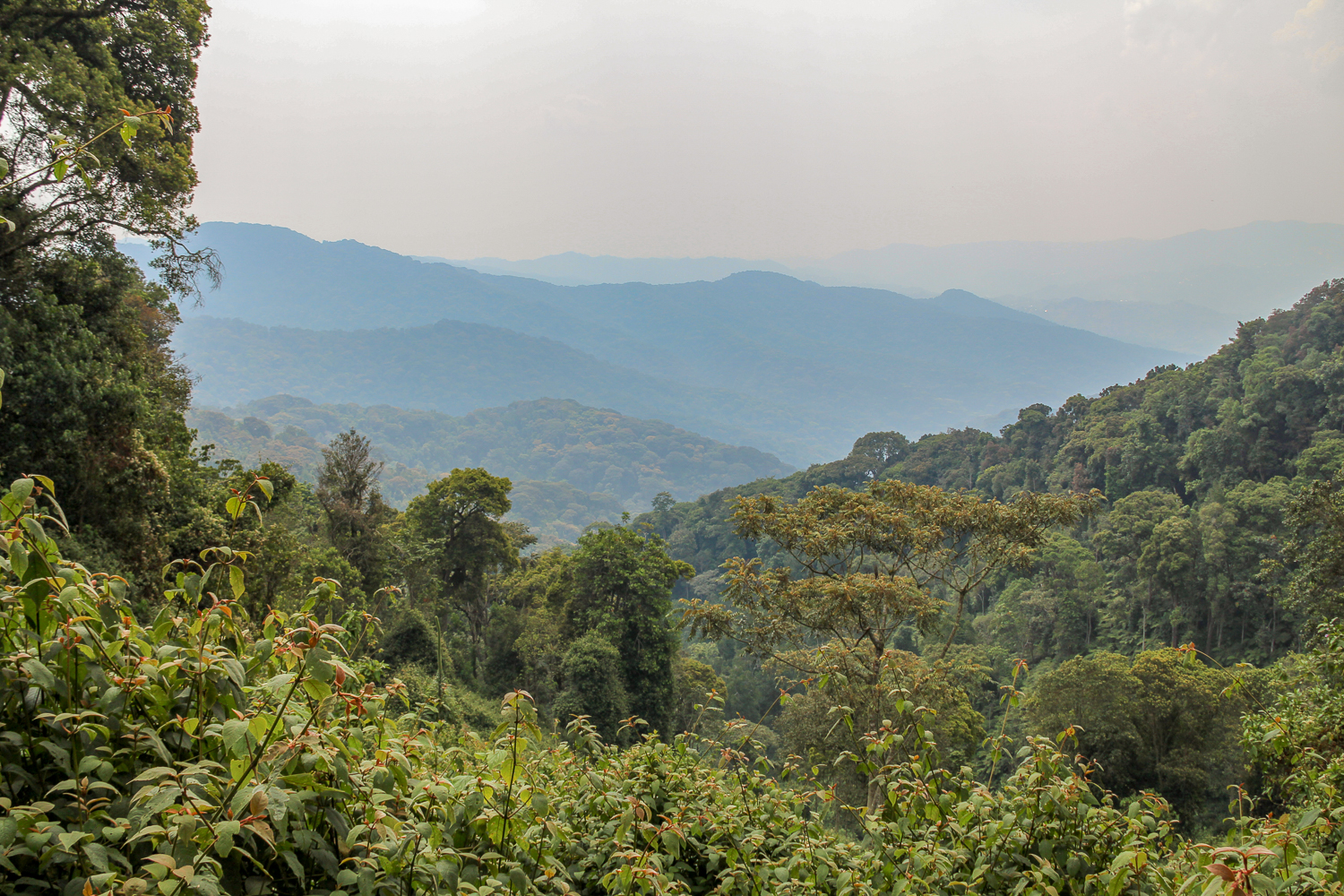
Nyungwe National Park is Rwanda’s premier montane rainforest destination, protecting roughly 1,019 km² of highland forest and deep valleys along the country’s southwest. The park is best known for chimpanzee trekking, which is typically an early-start activity with fast-moving tracking because chimps travel quickly through the canopy. It is also a strong hiking park: there are 13 marked trails covering about 130 km in total, ranging from short forest loops to longer ridge-and-valley hikes. For a “big view” experience without a full-day trek, Nyungwe’s canopy walkway is a highlight, suspended about 60 m above the forest floor and stretching roughly 200 m, giving a rare top-down perspective on the forest structure. Birding is another major draw, with over 300 recorded species, including endemics of the Albertine Rift, making it one of the most productive birding areas in the region.
Most travelers access Nyungwe from the Huye side or from Rusizi (Cyangugu) near Lake Kivu, depending on route. From Kigali, the overland drive to the park area is commonly 200–230 km and usually 5 to 6.5 hours, largely because roads are winding and speed is moderate; from Huye it is often 3 to 4+ hours depending on your starting point and where you enter the park. Plan to arrive with daylight to spare, since the last segments can be slow and fog is common. For trip structure, Nyungwe works best with at least 2 nights: one early morning for chimp tracking, then a second day for a canopy walk or a longer trail (or as a buffer if rain affects visibility).
Akagera National Park
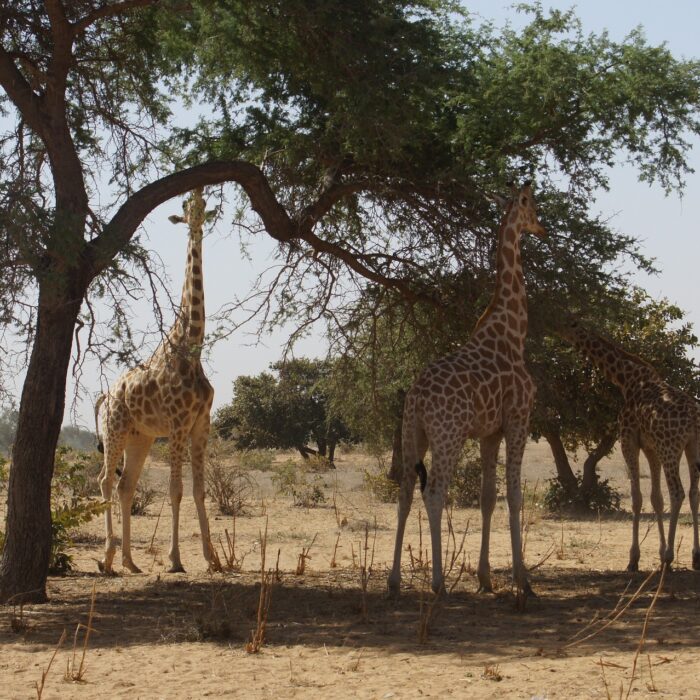
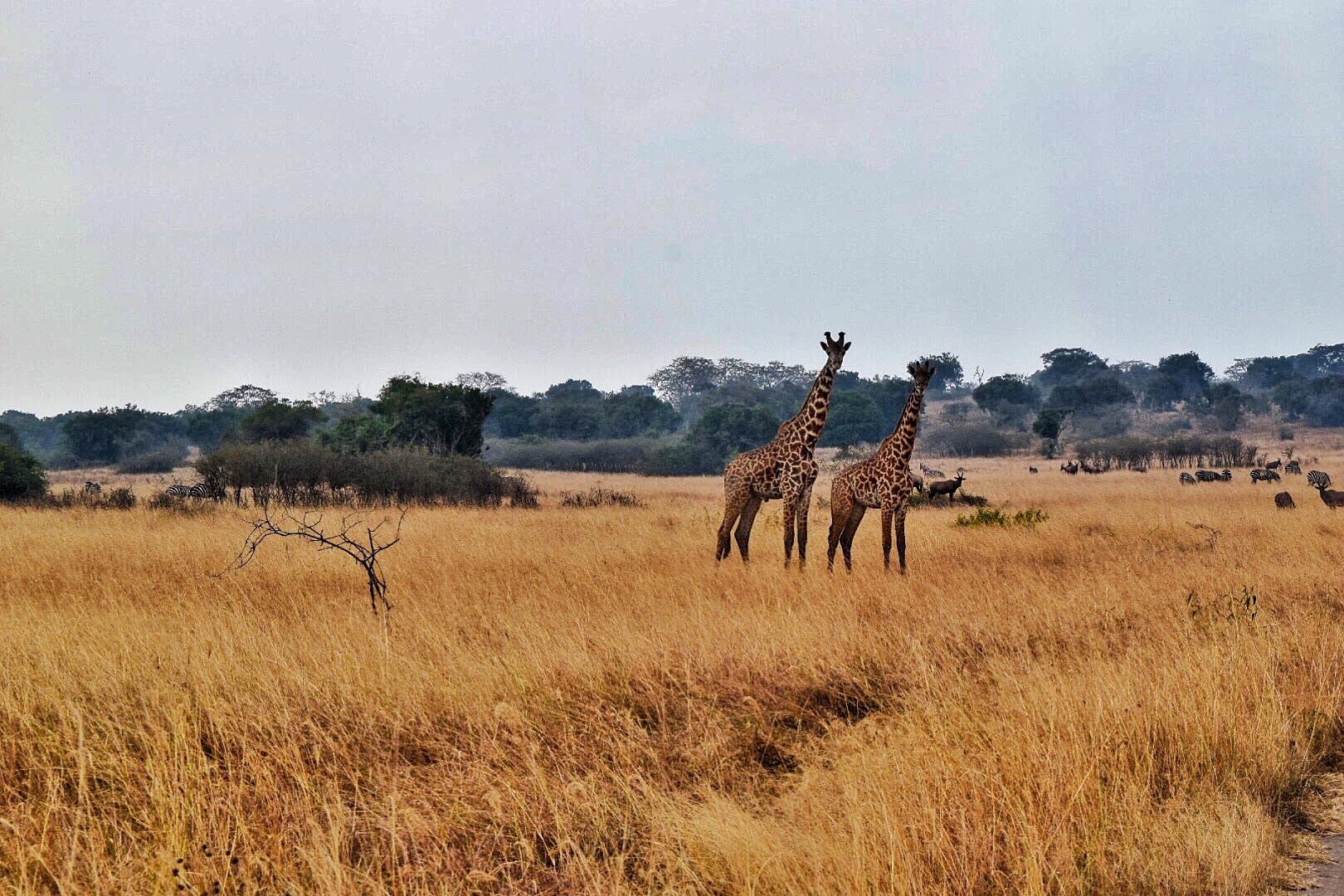
Akagera National Park is Rwanda’s classic savannah-and-lakes safari destination in the east, covering about 1,122 km² of grassland plains, acacia woodland, wetlands, and a chain of lakes along the Akagera River system. It is widely described as Rwanda’s “Big Five” park after major reintroductions in the 2010s, and it is especially strong for boat-based wildlife viewing on Lake Ihema, where hippos and crocodiles are common and birdlife is a headline feature, with well over 450 bird species recorded in the wider ecosystem. A typical visit combines a dawn or late-afternoon game drive for better light and animal activity, then a boat safari for close, low-effort viewing along the shoreline, which adds variety and often produces some of the most consistent sightings.
Best Lakes and Scenic Landscapes
Lake Kivu
Lake Kivu is one of Africa’s Great Lakes and Rwanda’s best region for slower, recovery-focused travel. The lake is large and dramatic, covering roughly 2,700 km², stretching about 89 km north to south, and reaching depths of up to around 475 m, with steep green hills dropping straight into the water. The “things to do” are intentionally simple: lakeside promenades and sunset walks in towns such as Rubavu, Karongi (Kibuye), and Rusizi, short boat trips to islands and quiet bays, and low-effort days built around swimming, café stops, and viewpoints rather than early starts. Because the shoreline is developed in pockets, you can choose the pace, from basic local guesthouses to comfortable lake resorts, without needing complex logistics.
Getting around the Lake Kivu corridor is straightforward by road, but travel times are longer than the distances suggest because the route follows winding hills. From Kigali to Rubavu is typically 150–170 km (often 3–4 hours), Kigali to Karongi about 130–150 km (roughly 3–4 hours), and Kigali to Rusizi commonly 230–260 km (often 5–7 hours). Many itineraries travel the lake as a north–south sequence: Rubavu → Karongi → Rusizi, which keeps days manageable and avoids backtracking. The best way to use Lake Kivu is as true recovery time: schedule at least one full rest day, keep afternoons flexible for weather and mood, and use the calmer rhythm to regroup before returning to trekking-heavy segments.
Karongi (Kibuye)
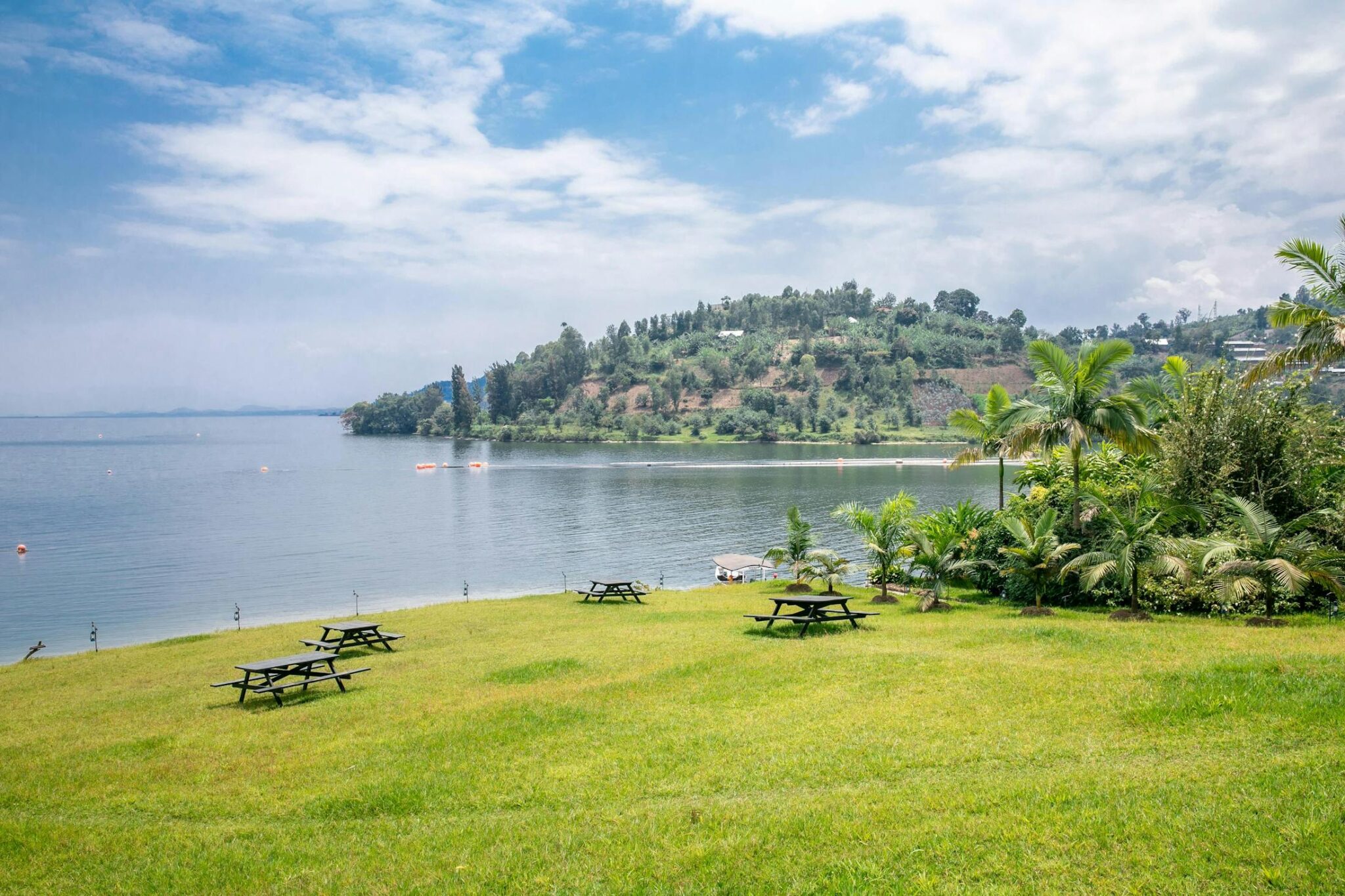
Karongi (often still called Kibuye) is one of Lake Kivu’s most relaxed bases, set on a series of sheltered bays with a dense scatter of small islands and peninsulas that make the shoreline feel intimate and scenic. It is ideal for slow travel: short waterfront walks, sunset viewpoints over the island-dotted lake, and easy mornings that do not require early starts. The town’s strength is boat-based exploration, because the calm coves and island channels create varied scenery without long distances, and the pace is generally quieter than Rubavu, with fewer crowds and a more “retreat” feel.
Nyamirundi Island
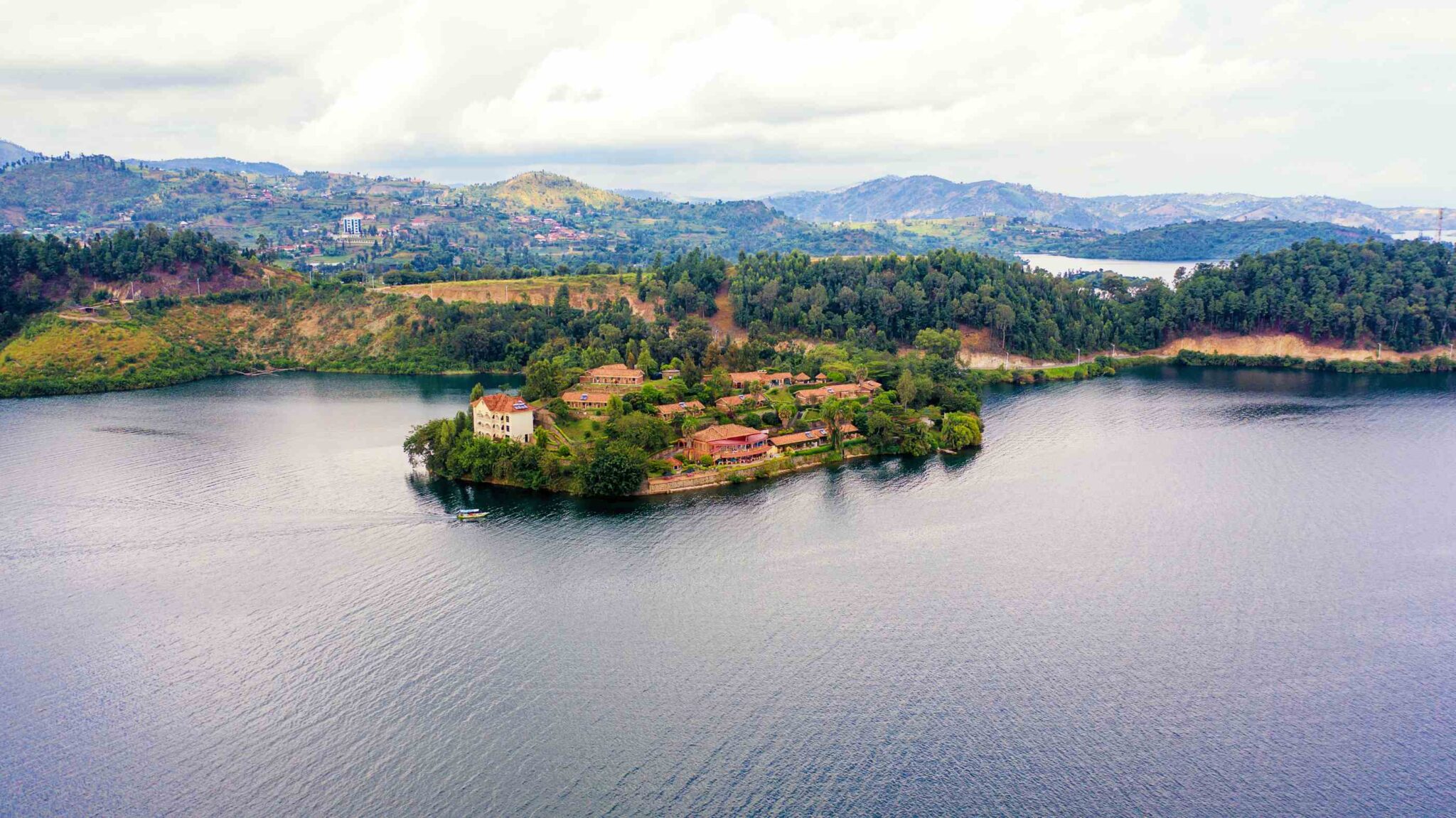
Nyamirundi Island is a small Lake Kivu island near Rubavu that is best known for its coffee-growing slopes and quiet, agricultural scenery rather than “attractions” in the usual sense. The experience is a calm, island-scale version of Rwanda’s rural lake life: terraced hillsides with coffee and banana plantations, footpaths between small farms, and viewpoints back toward the Rubavu shoreline. Many visits are built around a practical “crop-to-cup” coffee session where you see the main steps of production, typically harvesting (when in season), sorting, drying, roasting, and tasting, plus a short walk to understand how farming and lake transport connect in this part of Kivu. Access is usually by boat arranged from Rubavu’s lakefront, and the crossing is generally a short ride that varies with the operator, boat type, and lake conditions, so it works well as a half-day outing.
Best Cultural and Historical Sites
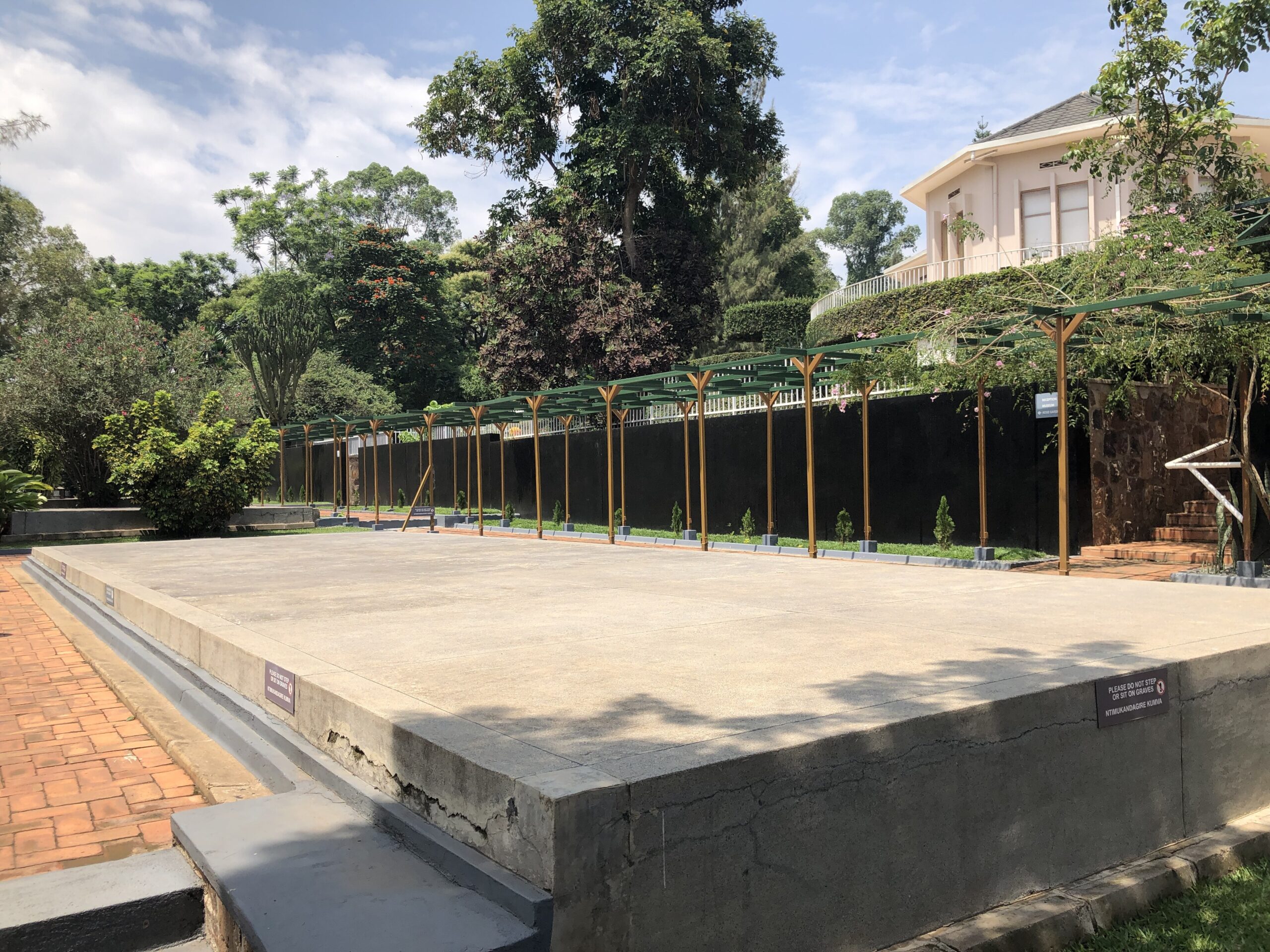
Kigali Genocide Memorial
The Kigali Genocide Memorial is Rwanda’s most important site for understanding the 1994 Genocide against the Tutsi and the country’s post-genocide rebuilding. The memorial grounds include mass graves where over 250,000 victims are interred, and the exhibition spaces provide a structured narrative that combines historical context, personal testimony, and documentation of how the genocide unfolded. It is a serious, emotionally heavy visit, and most travelers find that it takes 1.5 to 3 hours to move through the main exhibits at a respectful pace, longer if you use the audio guide and read detailed panels.
From central Kigali districts such as Gombe-style equivalents are not relevant here; within Kigali, the memorial is generally a short taxi ride from most hotels, often 15 to 30 minutes depending on traffic, and it is typically 30 to 50 minutes from Kigali International Airport in normal conditions. The best way to schedule it is as the anchor of a lighter day: visit in the morning when you are fresh, then leave time afterward to decompress with a quiet walk, a calm café stop, or a return to your accommodation before you do anything busy.
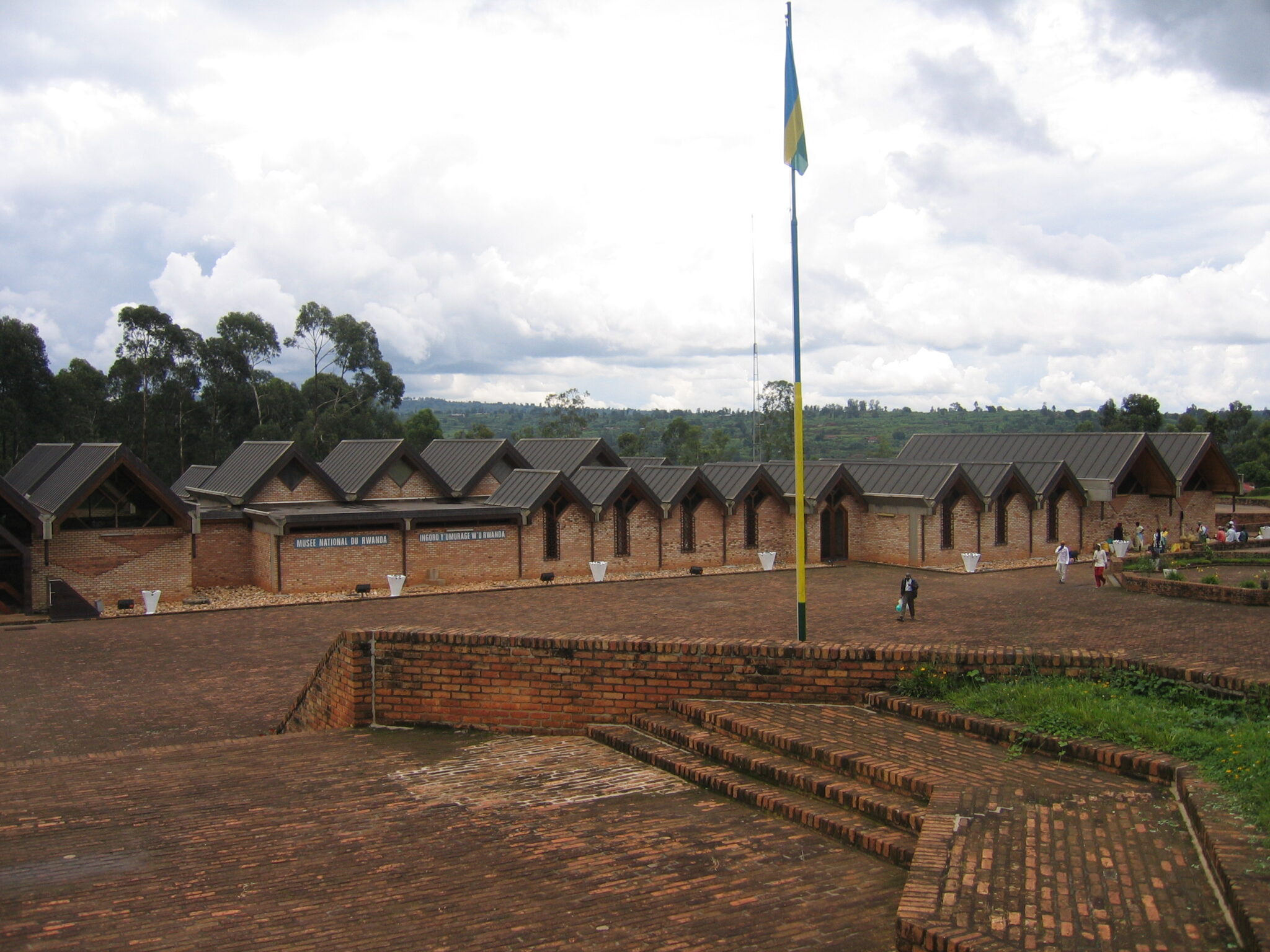
Ethnographic Museum (Huye)
The Ethnographic Museum in Huye is Rwanda’s most informative museum for understanding everyday life and cultural traditions across the country. Opened in 1989, it is known for a substantial collection often cited at over 100,000 objects, with curated displays covering themes such as farming and household tools, crafts and materials, traditional dress, hunting and herding practices, pottery and basketry, music and dance instruments, and the social meaning behind ceremonial objects. It is a high-value stop because it gives you a practical “reference library” of motifs and functions, so later visits to markets, rural landscapes, and heritage sites make more sense. Plan 1.5 to 3 hours for a focused visit, and longer if you enjoy reading labels and moving slowly.
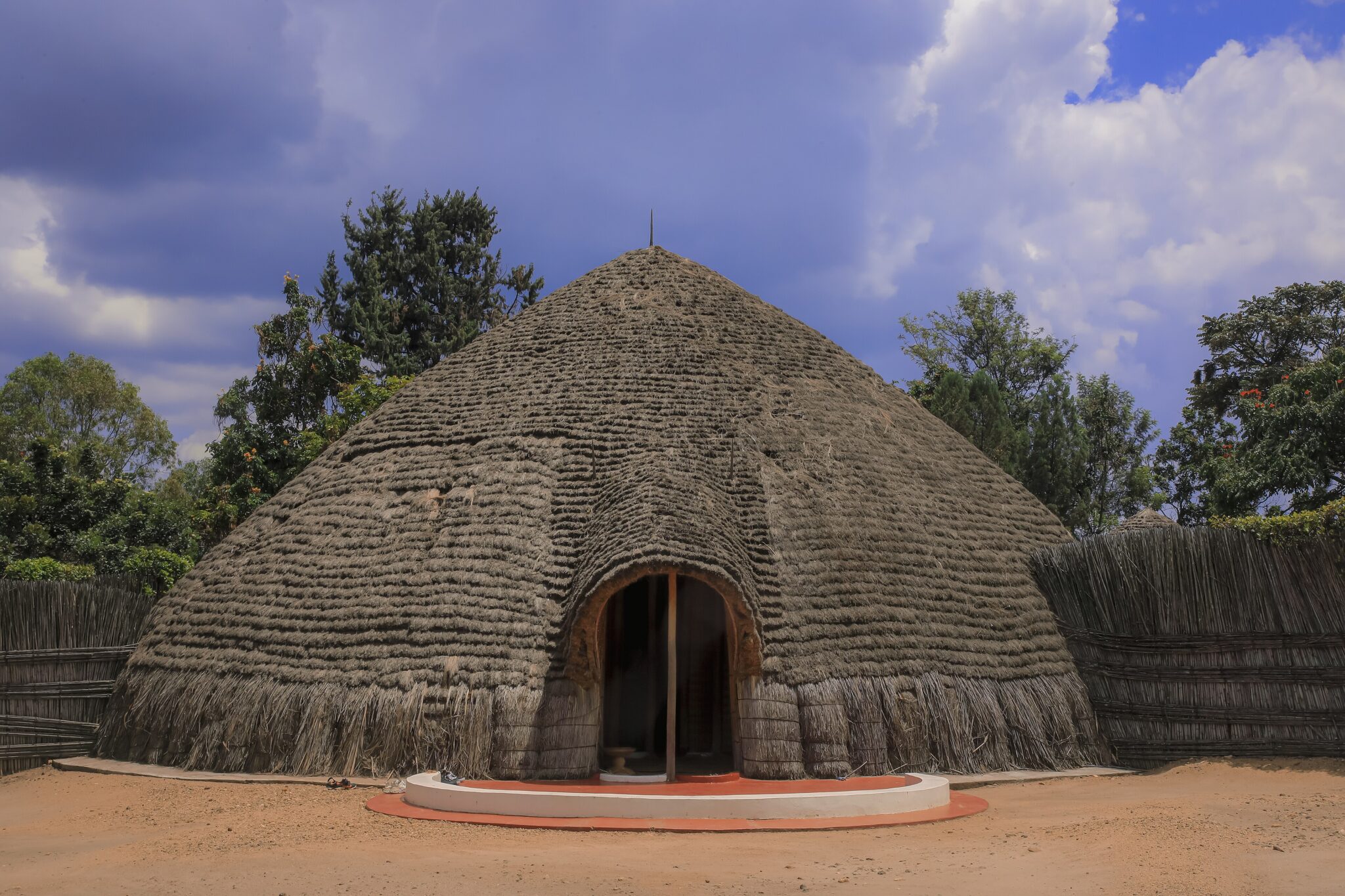
King’s Palace Museum (Nyanza)
The King’s Palace Museum in Nyanza is Rwanda’s most accessible window into the pre-colonial monarchy and the social systems that shaped the country before colonial rule. The core experience is the reconstructed royal compound, where you can see traditional architectural techniques, the layout of a king’s residence, and the way space was organized around status, ceremony, and daily court life. Even if you are not a “museum person”, the site is visually strong because the structures and materials are very different from modern Rwanda, and it helps you understand why Nyanza was historically significant as a royal center. A major highlight is the Inyambo herd, the long-horned royal cattle that are kept for their cultural symbolism as much as their appearance. The horns can be exceptionally large, and photography works best in softer light, so late afternoon often produces the most flattering images.
Hidden Gems of Rwanda
Lake Muhazi
Lake Muhazi is a long, narrow freshwater lake east of Kigali, popular as a low-effort escape when you want calmer scenery without committing to long travel days. The lake stretches for roughly 40 to 50 km in length, with a thin, fjord-like shape and many small inlets, which makes it feel more intimate than the larger Great Lakes. The best things to do are simple and restorative: lakeside walks, quiet viewpoints over the water, and short boat outings where available, plus relaxed meals at lakefront lodges. It is also a good spot for birdwatching and an easy “reset” day between more structured activities like city touring or park travel.
From Kigali, Lake Muhazi works well as a half-day trip or a one-night stay. Most access points are reached by road in roughly 45 to 90 minutes depending on which bay or lodge you choose and traffic leaving the city, with the common approach heading toward the Rwamagana corridor and then turning off toward the shoreline. If you are not staying at a lodge, bring water and snacks because services can be patchy once you leave the main road, and keep your timing flexible for weekend demand, as popular spots can get busier on Saturdays and Sundays.
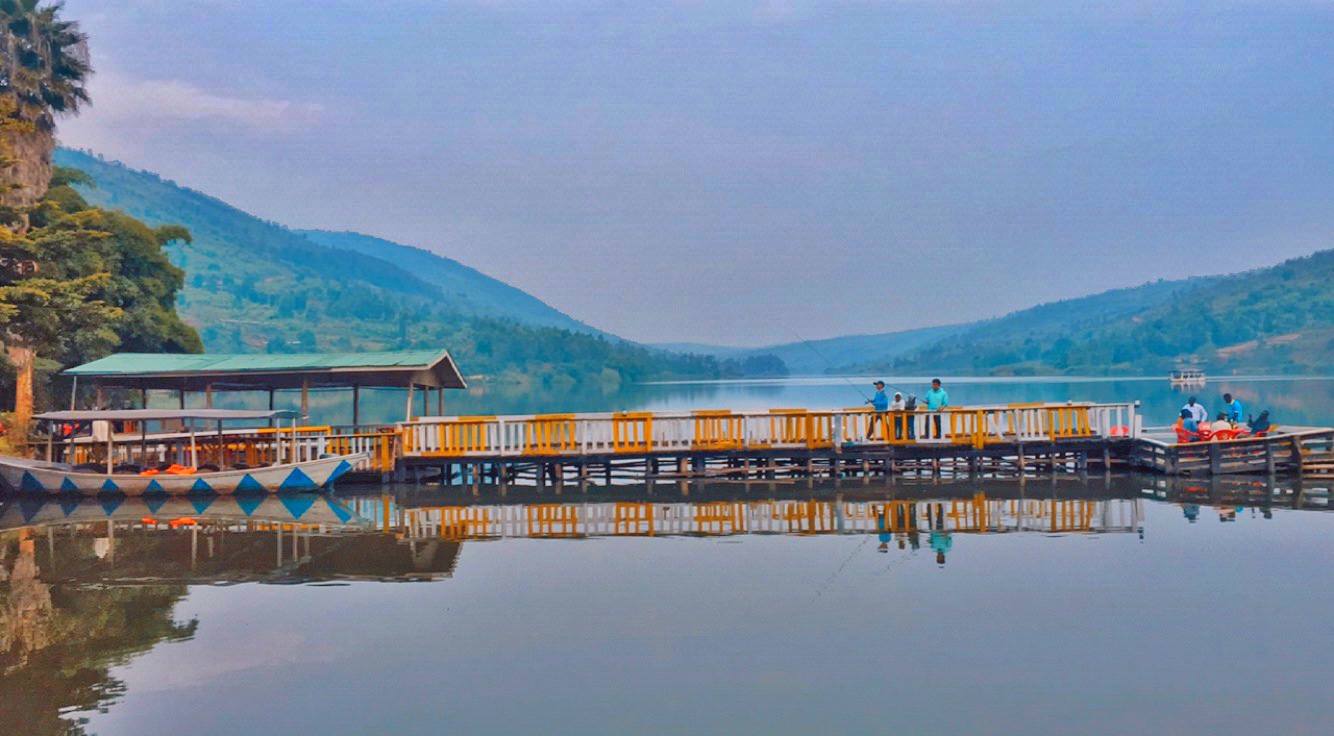
Twin Lakes: Burera and Ruhondo
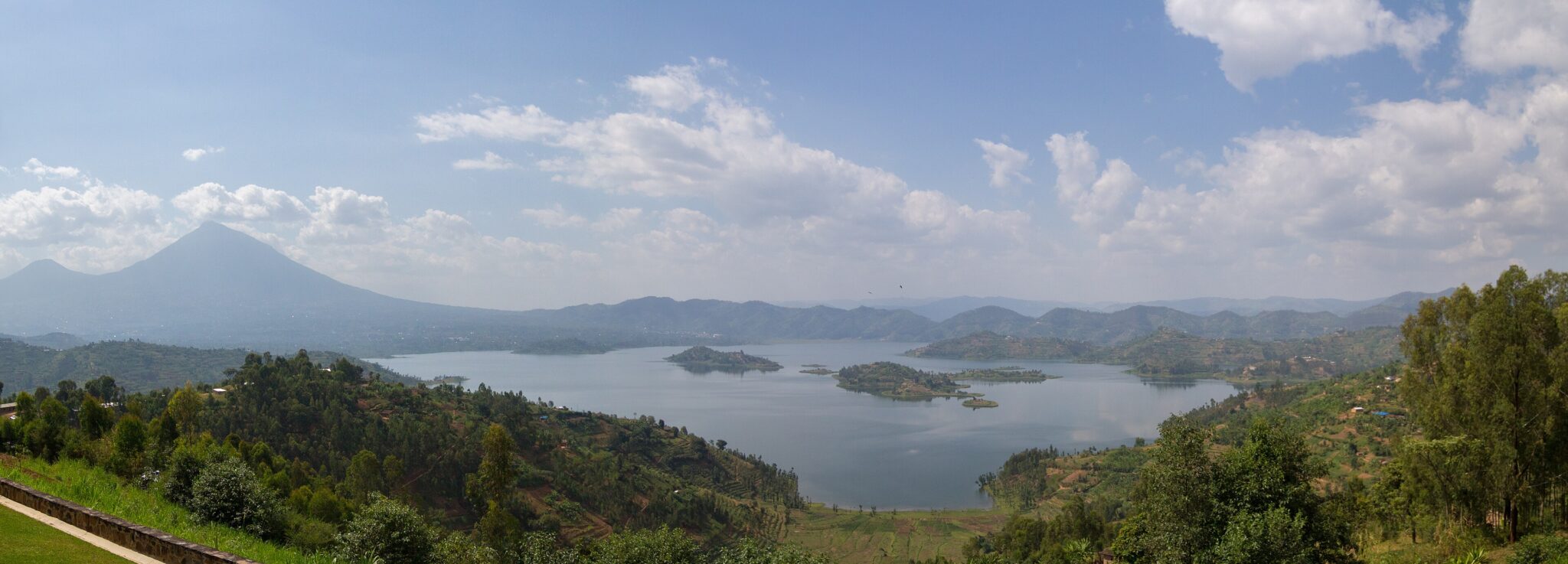
The Twin Lakes, Burera and Ruhondo, sit on the lower slopes of the Virunga volcanoes and are among the most scenic “slow travel” stops in northern Rwanda. The landscape is built for viewpoints: steep green hills, terraced farms, and volcanic silhouettes rising behind the water, with early-morning mist often hovering over the lake surfaces. The lakes also have a distinctly rural rhythm, with fishing boats, small landing points, and villages that feel calmer than the busier trekking bases around Kinigi and Musanze. For photography and atmosphere, aim for sunrise to mid-morning, when visibility is crisp and the light shapes the slopes.
Mount Bisoke
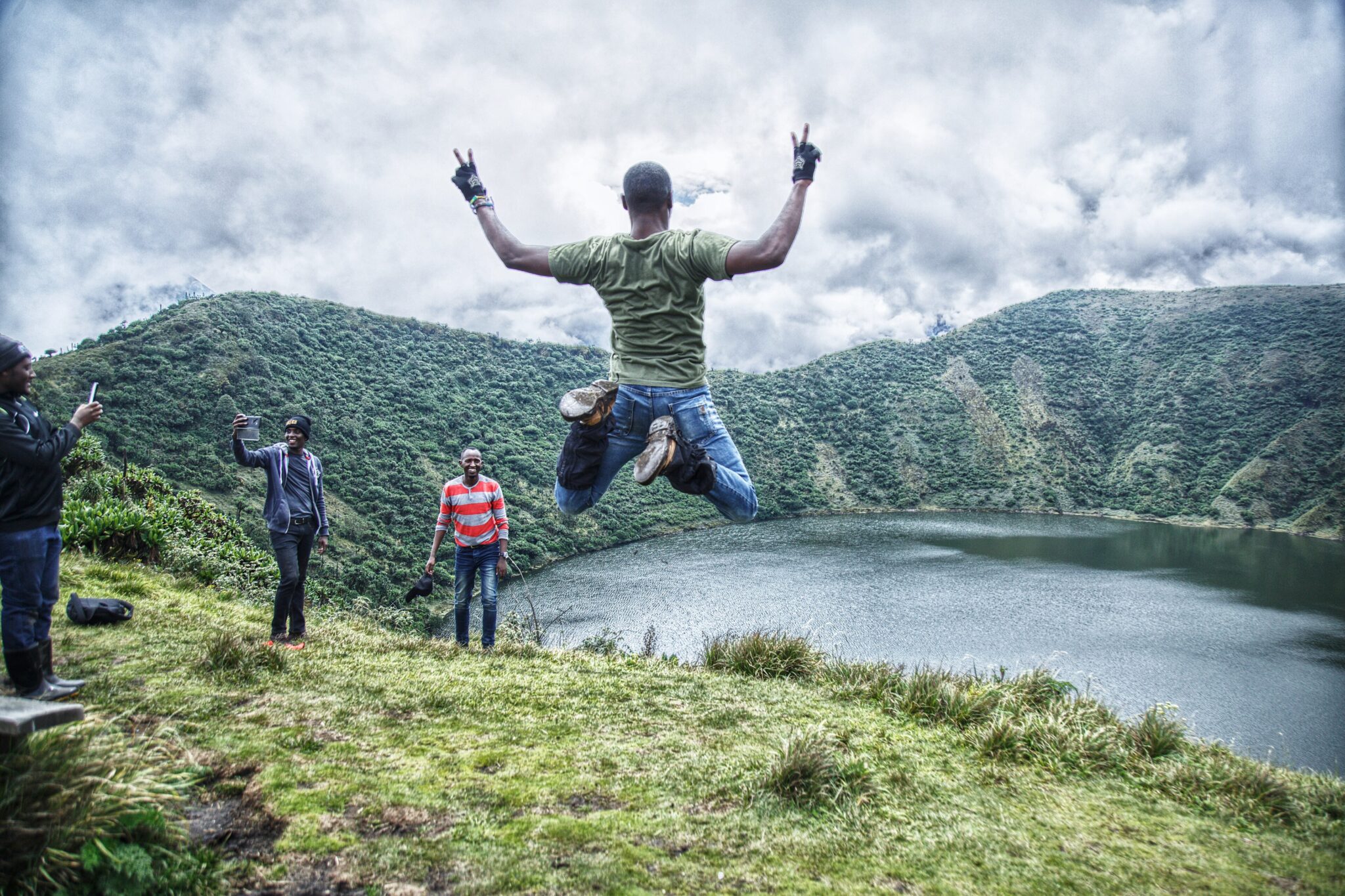
Mount Bisoke is one of the most rewarding day hikes in the Volcanoes National Park area, rising to 3,711 m and ending at a crater lake near the summit. The trail is steep and often muddy, climbing through cultivated foothills into bamboo and then denser montane vegetation, with frequent weather shifts. Most hikers should plan 5 to 7 hours total (often 3 to 4.5 hours up and 2 to 3 hours down), with a meaningful altitude gain that makes the final section feel harder than the distance suggests. On clear days, the payoff is excellent: wide views over the Virunga chain and a dramatic look down into the crater, but mist can roll in quickly, so the summit can turn from panoramic to whiteout within minutes.
Rusumo Falls
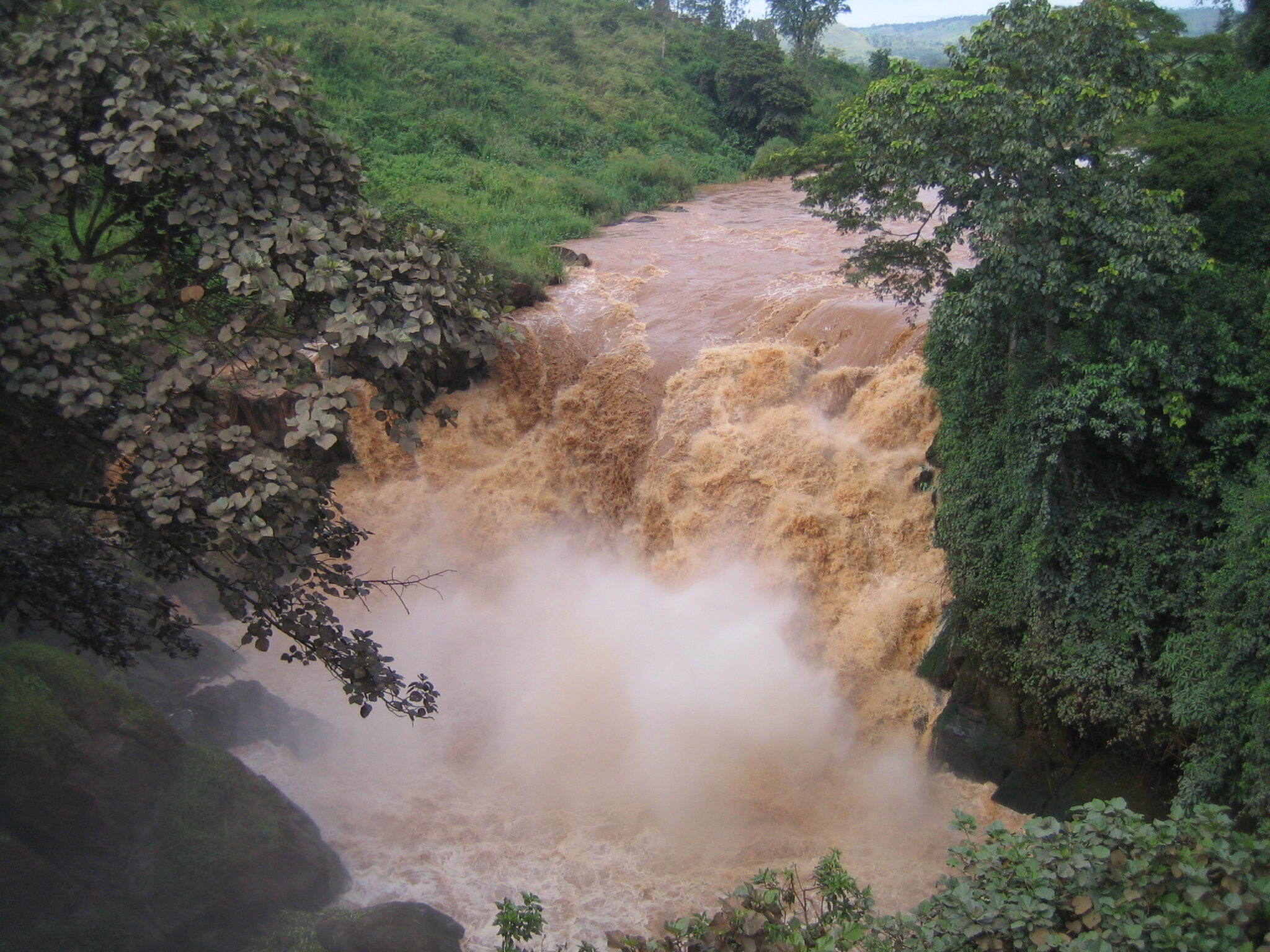
Rusumo Falls is a compact but powerful set of rapids on the Kagera River right on the Rwanda–Tanzania border, notable less for height than for force and geography. The drop is commonly cited at about 15 m, spread across roughly 40 m of river width, which makes the scene feel wide and energetic rather than tall. The site is also a key crossing point on this stretch of the Kagera, and today it is closely linked to regional infrastructure: an 80 MW hydroelectric project was built here and the border zone operates as a major overland gateway between Rwanda and northwestern Tanzania. Expect a practical, working-river atmosphere: border traffic, riverbank activity, and a short, dramatic look at the Congo-Nile headwaters system in motion, especially after rains when the volume is higher and spray is stronger.
Access is easiest by road from Rwanda’s main routes in the east. From Kigali, plan roughly 130–165 km by road (typically 3.5–5 hours depending on traffic, checkpoints, and road conditions), usually via Rwamagana and Kayonza toward Kirehe District and the Rusumo border area. A common low-effort approach is to travel to the Rusumo border post by car or bus from Kigali, then continue a short distance on foot or by local taxi/moto to the viewing area near the river.
Travel Tips for Rwanda
Safety and General Advice
Rwanda is one of Africa’s safest and most organized destinations, known for its cleanliness, efficient infrastructure, and welcoming atmosphere. Normal precautions should still be observed in crowded areas and city markets, where petty theft can occasionally occur. When visiting national parks, including Volcanoes and Akagera, it’s best to book activities and treks through official operators to ensure safety and proper permitting.
A yellow fever vaccination may be required depending on your travel route, especially if arriving from an endemic country. Malaria prophylaxis is recommended for visitors, particularly when traveling outside Kigali. Tap water is not consistently safe to drink, so bottled or filtered water should be used at all times. Travelers should also carry insect repellent, sunscreen, and basic medical supplies, as healthcare services in rural areas are limited.
Car Rental and Driving
An International Driving Permit is recommended alongside your national driver’s license, and both should be carried when renting or operating a vehicle. Police checkpoints are common, but they are generally routine and friendly when all documents are in order. Driving in Rwanda is on the right-hand side of the road, and conditions are good along main routes. However, mountain roads can be steep and winding, and night driving outside cities is not recommended due to limited lighting and sharp curves. Travelers who prefer independence can rent a car, though many visitors opt for a driver-guide to navigate comfortably between attractions.

Published January 24, 2026 • 16m to read