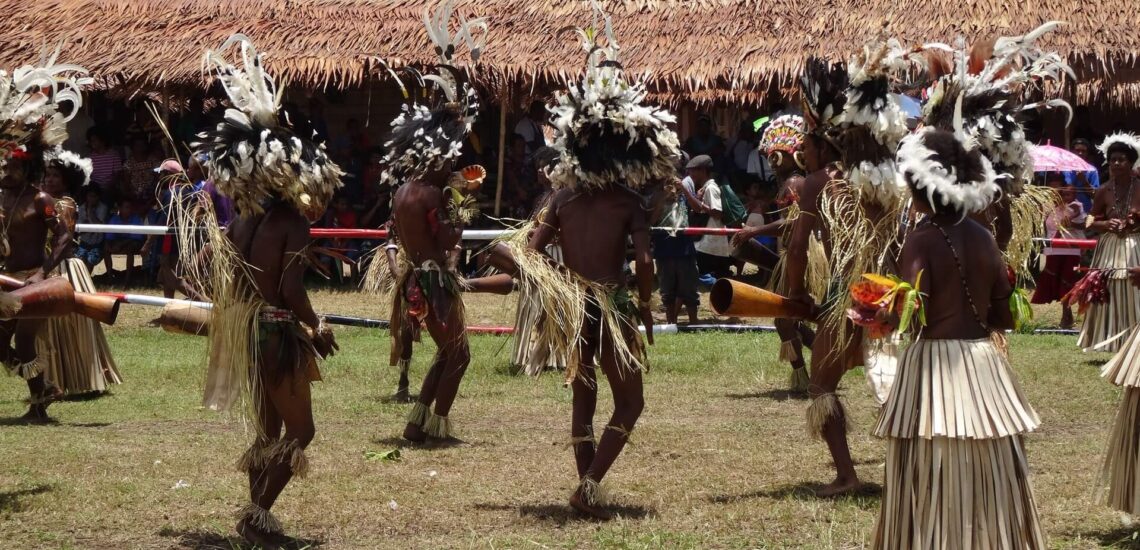


Papua New Guinea (PNG) is one of the world’s last great frontiers – a land of tribal cultures, wild rainforests, volcanic peaks, and pristine reefs. With more than 850 languages, it’s one of the most culturally diverse countries on Earth.
Here you can trek ancient trails in the highlands, paddle dugout canoes on the Sepik River, dive among WWII wrecks, or join colorful sing-sing festivals. For travelers who crave raw authenticity, PNG is an adventure like no other.
Best Cities in Papua New Guinea
Port Moresby
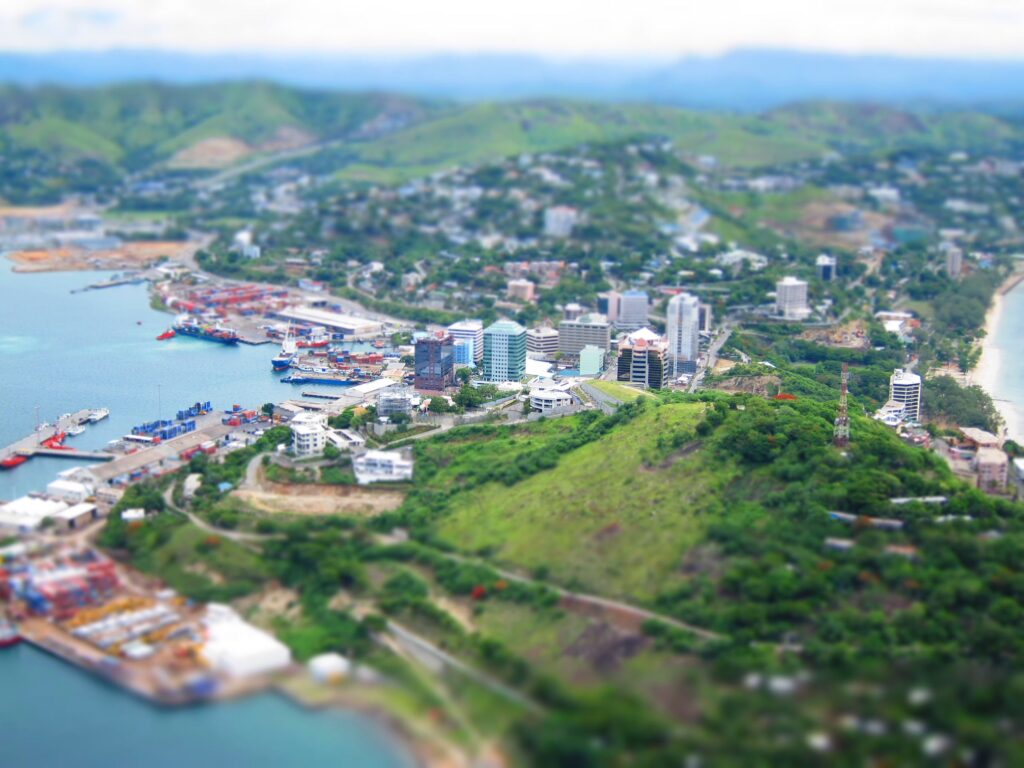
Port Moresby, the capital of Papua New Guinea, is the country’s main entry point and a practical hub for arranging onward travel into the Highlands, islands, or Sepik River region. For those with time to explore, the National Museum & Art Gallery offers an excellent introduction to PNG’s tribal masks, artifacts, and traditional crafts. The Port Moresby Nature Park showcases native wildlife such as tree kangaroos, cassowaries, and colorful birds of paradise in well-kept surroundings. Along the coast, Ela Beach is the city’s main public shoreline, while the nearby Paga Hill Lookout provides sweeping views of Fairfax Harbour and the Coral Sea.
The capital is not a major tourist destination in itself, but it’s the best place to arrange domestic flights and tours across PNG. The city is served by Jacksons International Airport, just 15 minutes from downtown, with connections to Australia and most regional centers within the country. Travelers usually spend a short stop here before continuing to remote provinces, but Port Moresby remains a useful and increasingly accessible gateway to Papua New Guinea.
Goroka
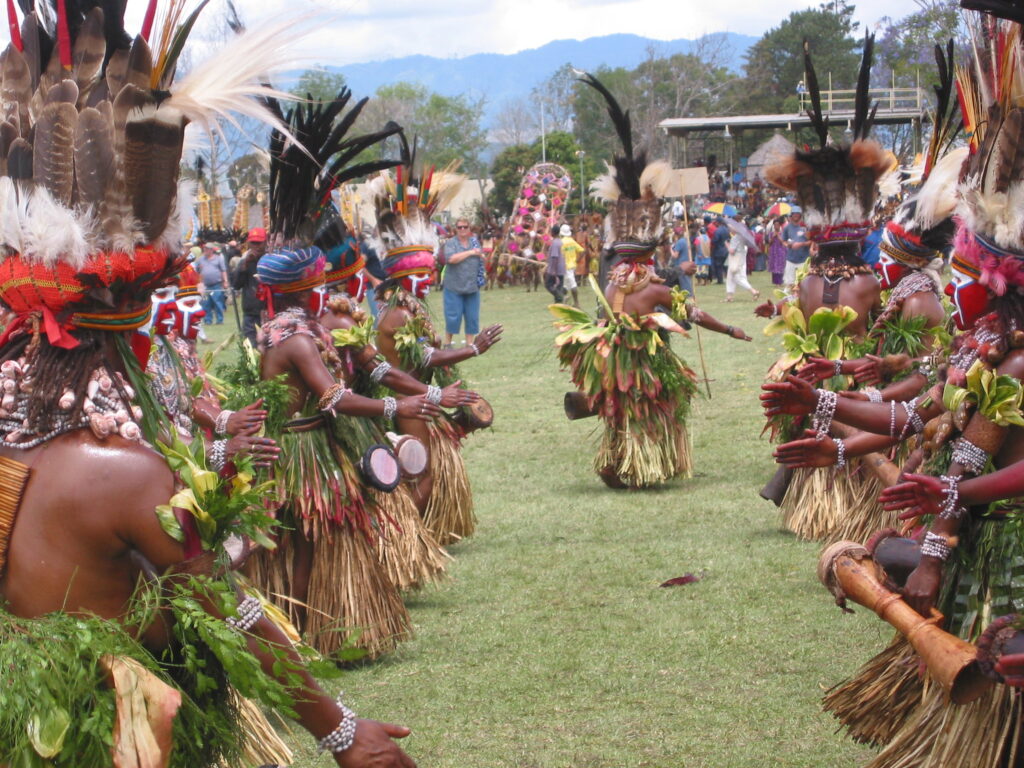
Goroka, set in Papua New Guinea’s Eastern Highlands, is a cool, green town surrounded by coffee plantations and tribal villages. It’s most famous for the Goroka Show, held every September, where thousands of performers from across PNG gather in full traditional dress for one of the Pacific’s largest cultural festivals. Outside festival time, visitors can explore the J.K. McCarthy Museum, which displays tribal artifacts and World War II relics, or tour local coffee estates to see how some of PNG’s best beans are grown and processed.
The town is also a base for guided trips into surrounding villages, where travelers can witness smaller sing-sings (tribal gatherings), traditional crafts, and everyday life in the highlands. The town is accessible by domestic flights from Port Moresby (about 1 hour), as overland travel is slow and challenging. For those seeking both cultural immersion and scenic mountain landscapes, Goroka is one of PNG’s most rewarding highland stops.
Mount Hagen
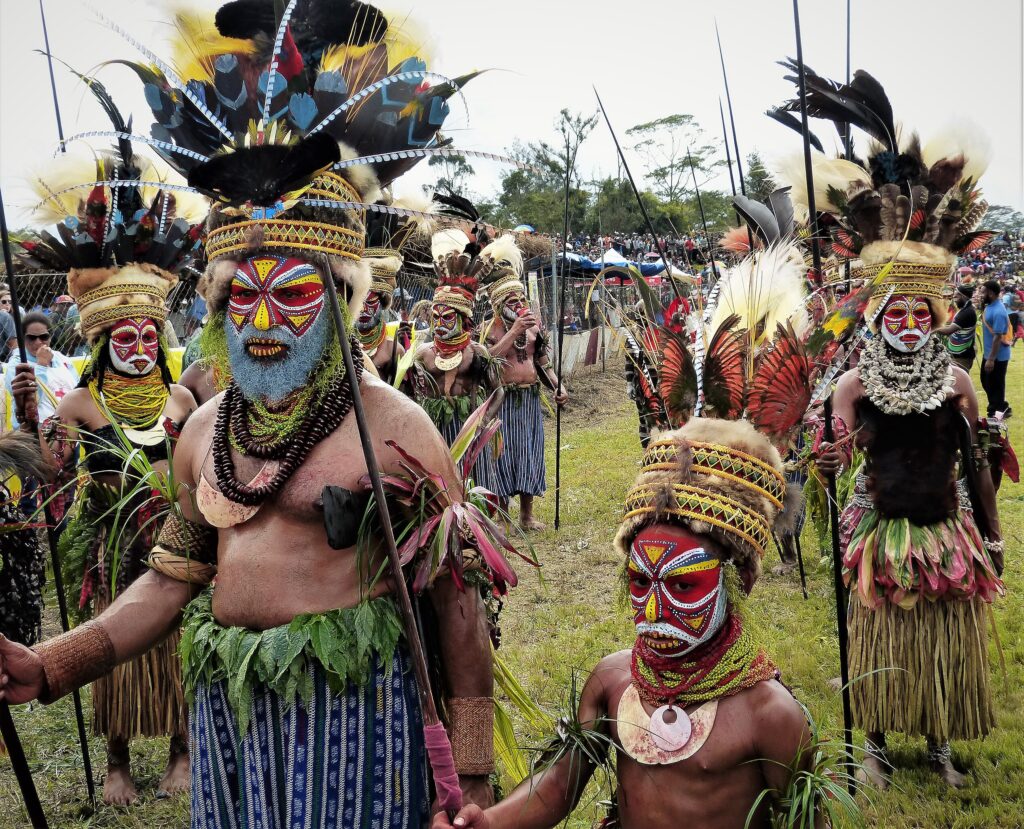
Mount Hagen, in Papua New Guinea’s Western Highlands, is a bustling town framed by rugged mountains and fertile valleys. It is best known for the Mount Hagen Cultural Show, held each August, where tribes from across the country gather to perform in elaborate feathered headdresses, face paint, and traditional dress – one of PNG’s most spectacular festivals. Outside festival time, the town’s local markets are lively places to see highland produce, crafts, and daily trade, while traditional haus tambaran (spirit houses) reflect the region’s cultural heritage.
The surrounding Wahgi Valley offers trekking, birdwatching, and visits to remote villages where age-old customs are still practiced. Travelers come here to experience both the energy of PNG’s highland culture and the dramatic scenery that surrounds it. Mount Hagen is accessible by domestic flight from Port Moresby (about 1.5 hours), as overland routes are challenging. For culture, landscapes, and access to tribal life, Mount Hagen is one of the country’s most fascinating destinations.
Best Natural Attractions
Kokoda Track
The Kokoda Track is Papua New Guinea’s most famous trek, a 96 km trail that cuts through dense jungle, steep ridges, and fast-flowing rivers in the Owen Stanley Range. It follows the route of the WWII Kokoda Campaign, where Australian and Japanese forces fought in 1942, and today serves as both a moving war memorial and a challenging adventure. Along the way, trekkers pass traditional villages, memorial sites, and battlefields, while learning about the resilience of local communities who supported soldiers as the legendary “Fuzzy Wuzzy Angels.”
The trek takes 6–10 days depending on pace and weather, and must be done with licensed guides or tour operators, who also help arrange permits and logistics. The best time to attempt it is the dry season, May–October, as trails become extremely muddy during heavy rains. Most treks start near Port Moresby, with transport arranged to the trailheads at Owers’ Corner or Kokoda village. Demanding but deeply rewarding, the Kokoda Track combines history, physical challenge, and cultural encounters in one of the world’s great jungle treks.
Sepik River
The Sepik River, winding over 1,100 km through northern Papua New Guinea, is one of the most culturally rich and remote regions in the country. Travel here is by canoe or motorized dugout, passing villages where life revolves around the river. Communities are famed for their haus tambaran (spirit houses), intricate wood carvings, and traditions tied to the crocodile cult, where scarification rituals honor the reptile as a symbol of strength. Villages like Palimbei, Timbunke, and Kanganaman are among the best known for their artistry and cultural depth.
There are no roads linking the Sepik, so visiting requires joining a guided expedition from Wewak or Pagwi, arranged with local boatmen and community hosts. Accommodation is usually in basic village guesthouses, making it an immersive cultural experience.
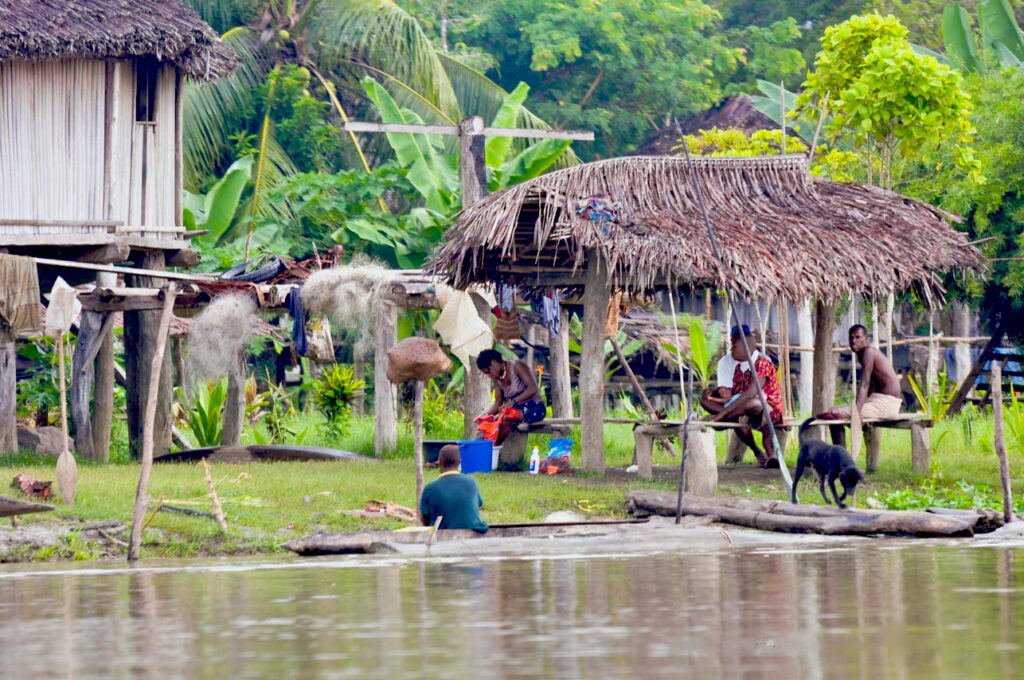
Tufi Fjords (Oro Province)
Tufi, in Oro Province, is often called the “Scandinavia of the Tropics” for its dramatic volcanic fjords, deep bays carved by ancient eruptions and fringed with rainforest. The fjords are perfect for snorkeling, kayaking, and village visits, while offshore reefs offer world-class diving on WWII wrecks, coral walls, and manta ray cleaning stations. On land, travelers can hike into waterfalls and gardens hidden in the jungle.
The region is also home to the Orokaiva people, known for traditional ceremonies featuring striking facial painting and feathered headdresses. Staying in village guesthouses or at Tufi Dive Resort allows visitors to join cultural performances and learn about daily life. Tufi is reached by small plane from Port Moresby (about 1 hour), making it remote but accessible.
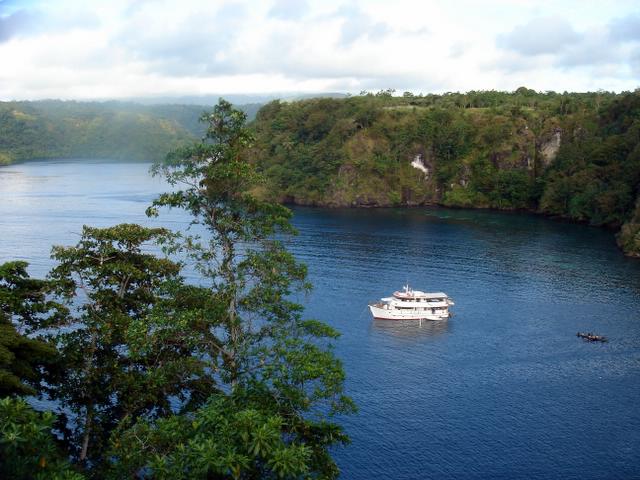
Rabaul (East New Britain)
Rabaul, in East New Britain, is a city rebuilt multiple times after volcanic eruptions and World War II, making it one of Papua New Guinea’s most dramatic destinations. The smoking cone of Mount Tavurvur, still active, can be hiked for views over Rabaul’s harbor and surrounding ash plains. Beneath the town lie extensive Japanese tunnels and WWII bunkers, remnants of its role as a major military base. Nearby, visitors can soak in hot springs, explore war relics, or dive wrecks lying just offshore.
Culturally, Rabaul is known for the Tolai people and the spectacular Baining fire dances, performed at night with masked dancers leaping through flames. Rabaul is reached via flights to Tokua Airport, about 30 minutes from town, with connections from Port Moresby.
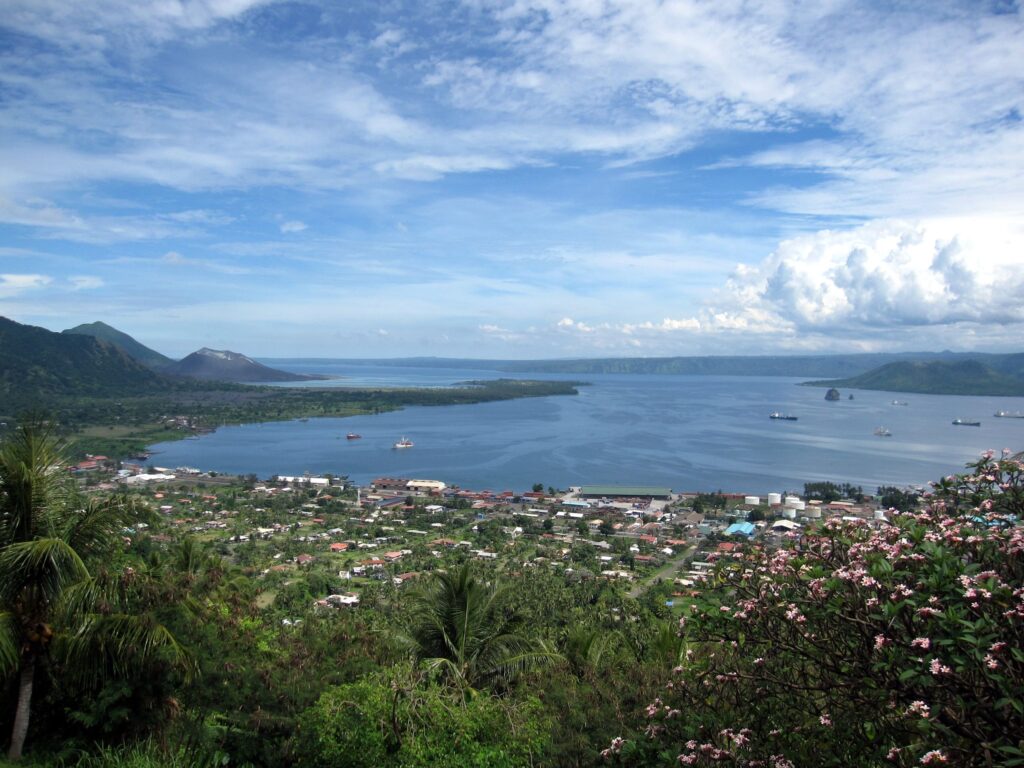
Best Islands & Diving Destinations
Madang
Madang, on Papua New Guinea’s north coast, is often called one of the Pacific’s prettiest towns, known for its tropical setting, offshore islands, and vibrant marine life. Divers are drawn to its clear waters with reefs, wrecks, and vertical drop-offs, where sharks, turtles, and colorful coral thrive. Snorkeling is just as rewarding, with small islands like Kranket and Siar a short boat ride from town. On land, the Balek Wildlife Sanctuary offers jungle trails with hot springs, caves, and freshwater eels, while the town itself has WWII relics and a lively local market.
Madang is also culturally diverse, with over 100 languages spoken in the province, and village visits reveal traditional music, dance, and crafts. Madang is accessible by domestic flights from Port Moresby (about 1.5 hours), and once there, boats and local guides help explore the surrounding islands and dive sites.
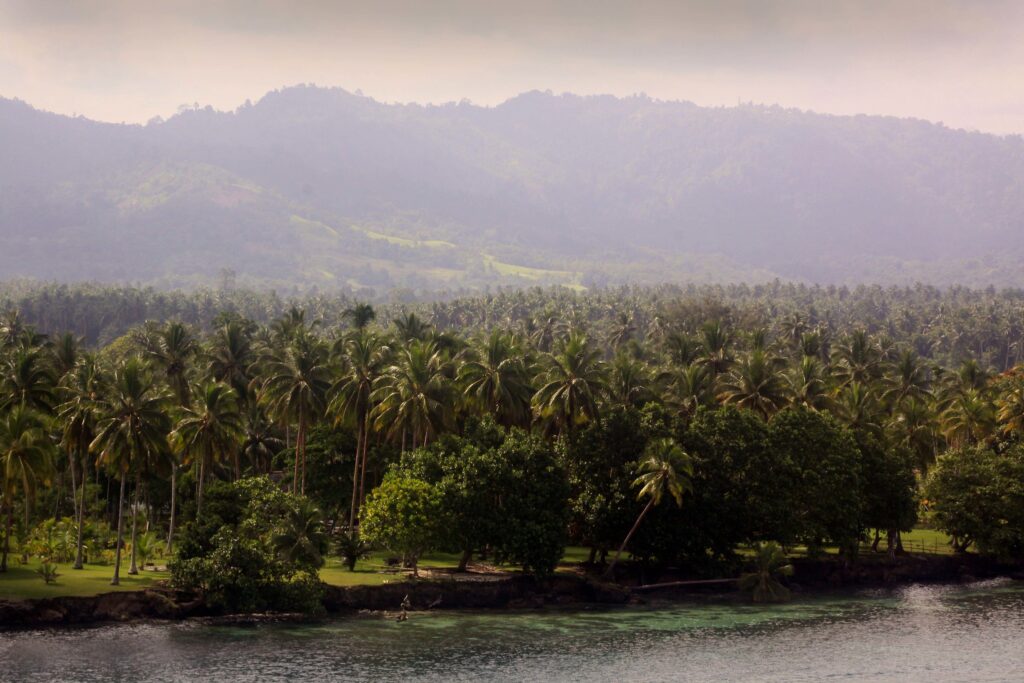
Kimbe Bay (New Britain)
Kimbe Bay, on the north coast of New Britain, is a marine paradise ranked among the most biodiverse coral reef systems on Earth. Scientists have recorded over 400 species of coral and 900 species of fish here, making it a dream destination for divers and snorkelers. The bay is dotted with seamounts, reefs, and WWII wrecks, where visitors can spot everything from pygmy seahorses and reef sharks to schools of barracuda and dolphins.
Most travelers base themselves at Walindi Plantation Resort, renowned worldwide for dive expeditions and marine research. From here, day trips head out to pristine reefs as well as night dives to see rare creatures. Kimbe Bay is reached via flights to Hoskins Airport (about 1 hour from Port Moresby), followed by a short drive to the resort.
Milne Bay (Alotau)
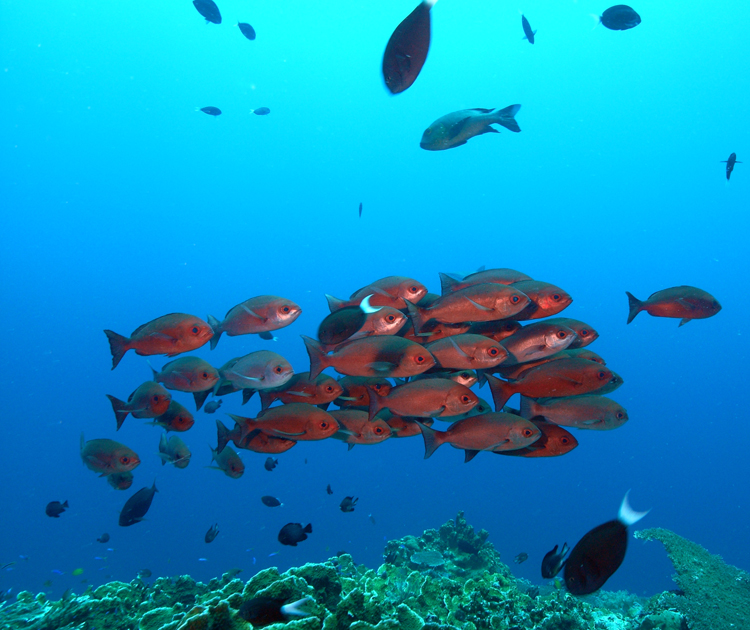
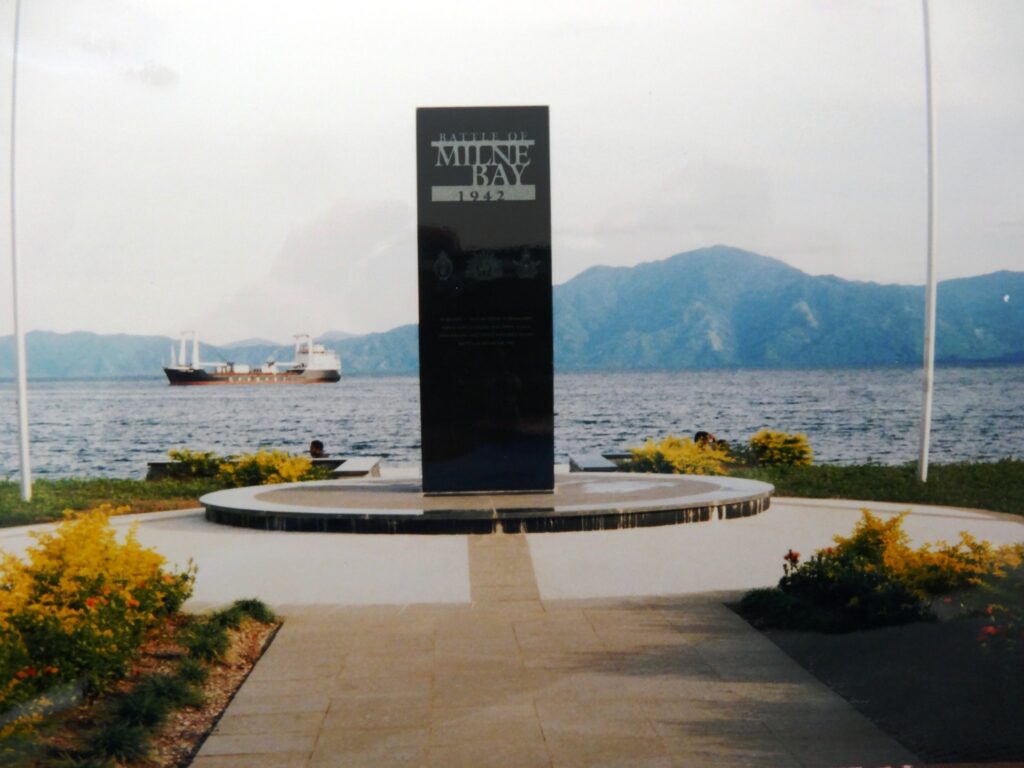
Milne Bay, centered on the town of Alotau, combines WWII history, rich marine life, and unique cultural traditions. Offshore, the bay is a diver’s paradise with sites like the Black Jack Wreck, a B-17 bomber resting in clear waters, and Deacon’s Reef, known for soft corals and reef fish. Beyond the bay, island groups such as the Trobriand Islands and Conflict Islands offer pristine beaches, snorkeling, and encounters with traditional village life.
Culturally, Milne Bay is famous for its matrilineal societies and the kula exchange system, a centuries-old practice of trading shell ornaments that reinforces alliances among island communities. The Canoe and Kundu Festival, usually held in November, showcases traditional war canoes, drumming, and dances. Alotau is reached by domestic flights from Port Moresby (about 1 hour), and boats connect the surrounding islands.
Hidden Gems of Papua New Guinea
Ambunti (Upper Sepik)
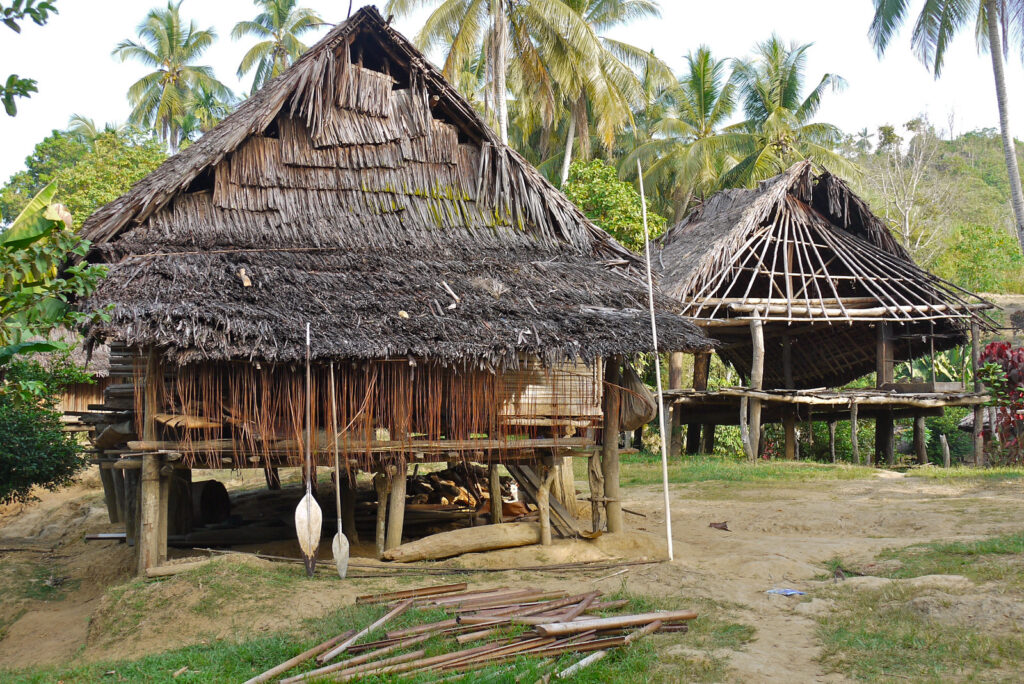
Ambunti, in the Upper Sepik region, is a riverside town known as a cultural hub along Papua New Guinea’s great Sepik River. It is best visited during the Ambunti Canoe and Cultural Festival (July), when decorated war canoes, traditional dances, and music bring together communities from across the river basin. The area is also tied to the crocodile initiation ceremonies of Sepik culture, where young men undergo scarification to honor the crocodile as a spiritual ancestor. Villages near Ambunti are renowned for their traditional art and wood carvings, especially masks and figures linked to haus tambaran (spirit houses).
Lake Kutubu (Southern Highlands)
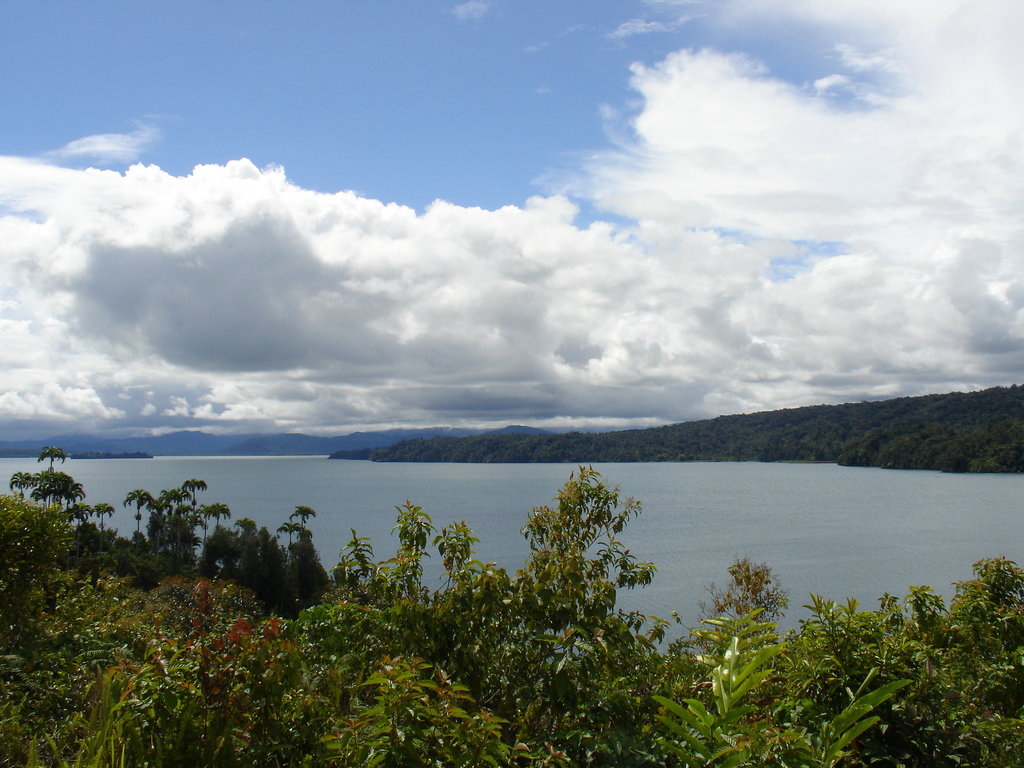
Lake Kutubu, in Papua New Guinea’s Southern Highlands, is a tranquil crater lake surrounded by forested hills and traditional villages. The area is recognized as a UNESCO World Heritage–listed wetland for its ecological importance, home to rare endemic fish and over 150 species of birds, making it a prime spot for birdwatching. Mist often drifts over the lake at dawn, adding to its serene beauty. Traditional longhouses dot the shoreline, and eco-lodges give travelers a chance to experience daily life in the highlands.
Manus Island
Manus Island, the largest in the Admiralty Islands of northern Papua New Guinea, is a remote destination known for its WWII history, coral reefs, and unspoiled beaches. Divers can explore sunken aircraft and ships left from fierce battles in the Pacific War, as well as thriving reefs home to turtles, reef sharks, and colorful marine life. On land, the island offers quiet coastal villages, rainforest walks, and birdwatching, with species found only in this part of PNG.
Kavieng (New Ireland)
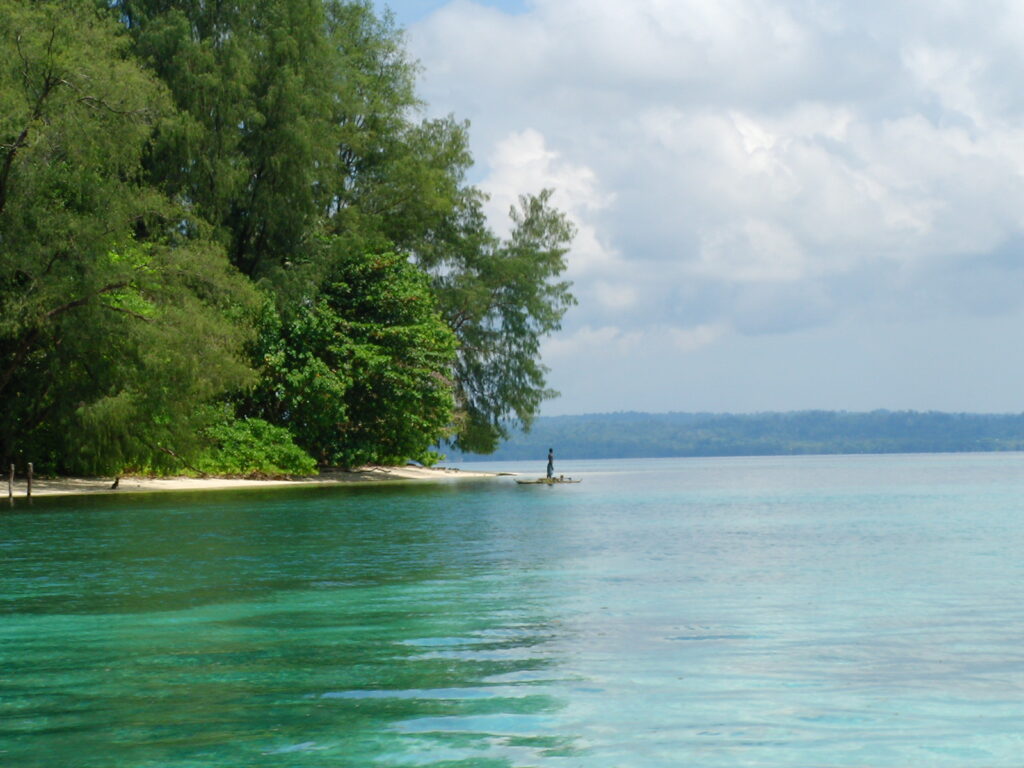
Kavieng, on the northern tip of New Ireland, offers a mix of adventure, culture, and laid-back island life. Its coastline is lined with empty white-sand beaches, while offshore reefs and underwater caves make it a hotspot for diving and snorkeling. The town is also known among surfers for waves that peak between November and April, drawing riders to uncrowded breaks. Local markets and the small harbor reflect the area’s relaxed pace, with friendly communities welcoming visitors.
Telefomin (West Sepik)
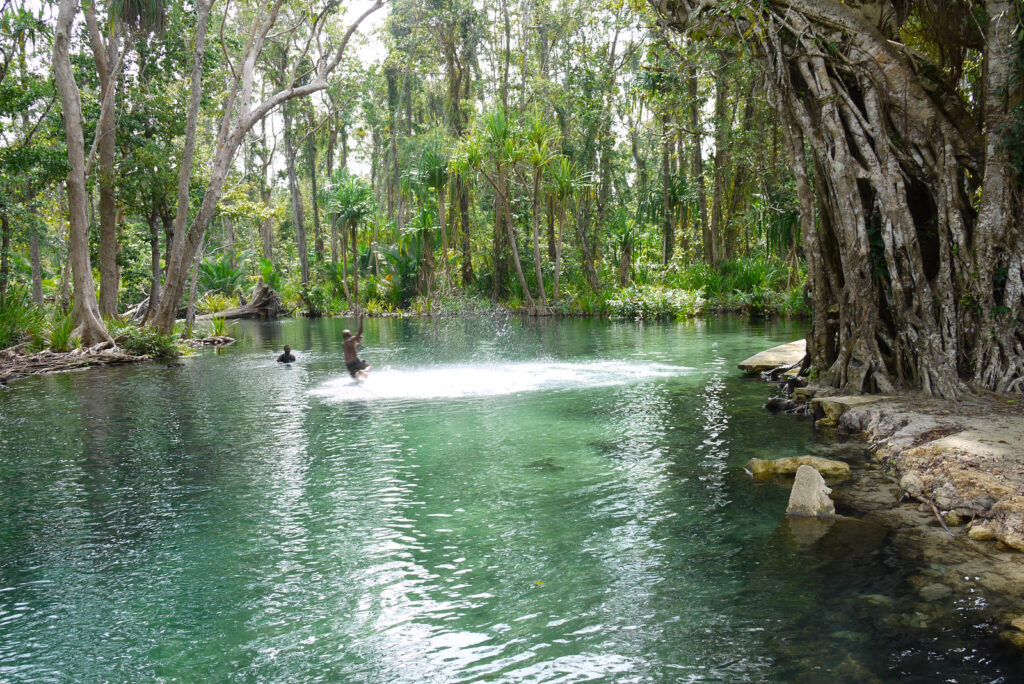
Telefomin, tucked deep in the mountains of West Sepik Province, is one of Papua New Guinea’s most remote highland towns, accessible mainly by small aircraft landing on its short airstrip. The surrounding valleys and limestone ridges are rich in ancient rock art sites, some believed to date back thousands of years, offering a rare glimpse into the region’s early human history. The area is also a hotspot for rare wildlife, including birds of paradise and marsupials found only in PNG’s isolated highlands.
Travel Tips
Visa
Entry into Papua New Guinea is relatively straightforward. Many nationalities qualify for a visa on arrival at major airports, while an eVisa option is also available for short stays. As regulations can change, it’s best to check requirements in advance to avoid delays.
Currency
The local currency is the Papua New Guinean Kina (PGK). ATMs are available in cities, but cash is essential in rural areas, markets, and villages. Carry small denominations, as change may not always be available.
Transport
Given the country’s mountainous terrain and limited road network, domestic flights are essential for covering longer distances. Airlines such as Air Niugini and PNG Air connect Port Moresby with regional hubs. Once outside urban centers, travel often involves boats, 4WD vehicles, or even small charter planes.
Independent travel can be challenging. Renting a vehicle requires an International Driving Permit in addition to your home license, but due to difficult road conditions and safety concerns, most visitors prefer hiring local drivers. In remote regions, it is strongly advised to hire local guides, who not only ensure safety but also help navigate cultural protocols.
Safety
Travelers should exercise caution in Port Moresby and other large towns, where petty crime can be an issue. Rural areas are generally safer, but they require sensitivity to local customs. Always ask permission before taking photos, dress modestly in villages, and show respect to community leaders. A courteous approach goes a long way in building trust and enjoying authentic cultural experiences.

Published September 06, 2025 • 11m to read