

Panama sits between Central and South America, linking the Pacific and Atlantic Oceans. It is a country of variety – modern cities, tropical forests, mountain valleys, and hundreds of islands. The famous Panama Canal remains its most recognized landmark, but there is much more to see beyond it.
In Panama City, visitors can explore the historic Casco Viejo district or watch ships crossing the canal. The highlands around Boquete are known for coffee farms and hiking trails, while Bocas del Toro and the San Blas Islands offer coral reefs and beaches ideal for snorkeling and sailing. Panama brings together nature, culture, and modern life in one compact and fascinating destination.
Best Cities in Panama
Panama City
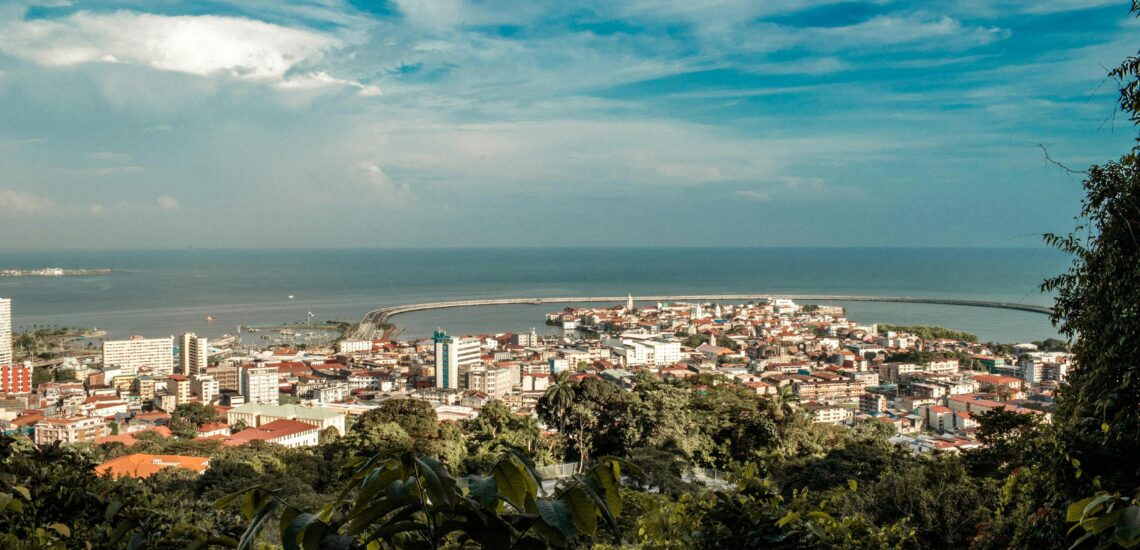
Panama City, the capital of Panama, is a place where modern skyline and history meet at the edge of the rainforest. The city’s old quarter, Casco Viejo, is a UNESCO World Heritage Site filled with restored colonial buildings, cobblestone streets, and lively plazas surrounded by cafés, galleries, and rooftop bars overlooking the bay. Just a short drive away, the Panama Canal offers a glimpse of one of the world’s greatest engineering feats – visitors can watch massive ships pass through the Miraflores Locks or learn more about its operation at the visitor centers.
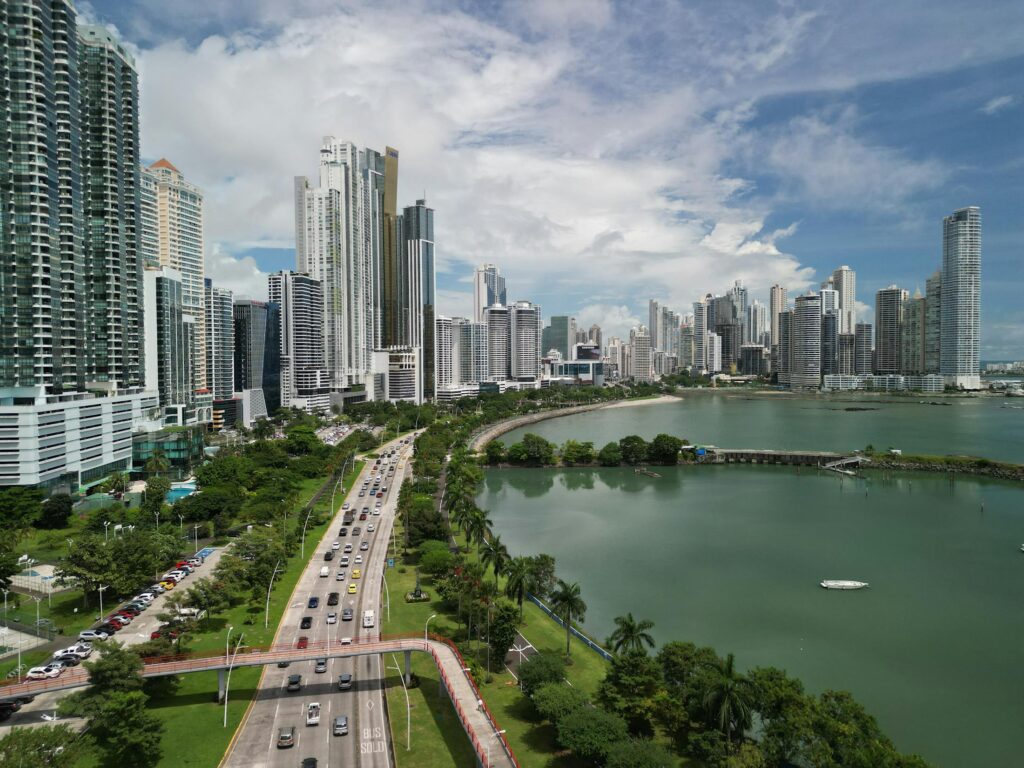
The Cinta Costera, a coastal promenade stretching along the waterfront, is perfect for walking, cycling, or enjoying sunset views of the city and Pacific Ocean. For something different, the Biomuseo, designed by architect Frank Gehry, explores Panama’s unique biodiversity and its role as the bridge between two continents. With its mix of world-class dining, nightlife, and easy access to both beaches and rainforest, Panama City is one of Latin America’s most dynamic urban destinations.
Colón
Colón, located on Panama’s Caribbean coast, is a city shaped by maritime history and its strategic position at the Atlantic entrance of the Panama Canal. The Agua Clara Locks, part of the canal’s modern expansion, give visitors an up-close view of massive container ships navigating the wider channels that connect the oceans – a fascinating look at one of the world’s busiest trade routes.
Just east of the city lies Portobelo National Park, where visitors can explore colonial-era forts, crumbling stone walls, and cannons that once defended the Spanish Main. The nearby town of Portobelo is also known for its vibrant Afro-Panamanian culture and the annual Black Christ Festival. To the west, the San Lorenzo Fort, a UNESCO World Heritage Site perched above the mouth of the Chagres River, offers panoramic views and insight into the region’s past as a key link in the Spanish treasure routes. Colón is about an hour and a half by car or train from Panama City, making it an easy and rewarding day trip.
David
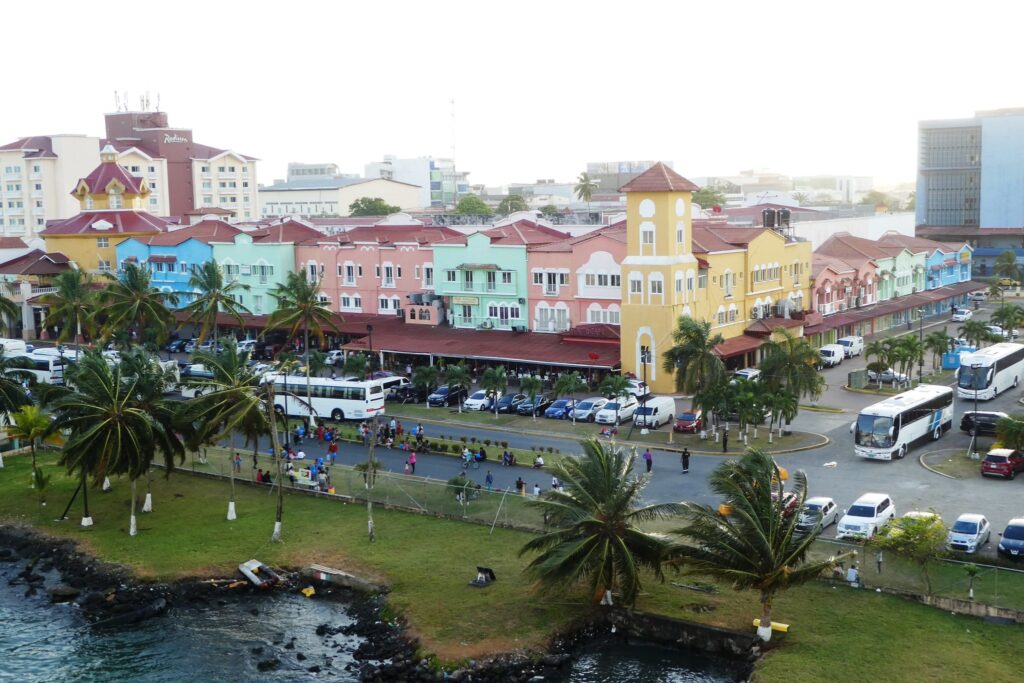
David is the commercial and transport center of western Panama, offering travelers a real sense of local life before heading into the mountains or to the coast. The city is known for its public markets, where farmers from the Chiriquí Highlands sell coffee, fruit, and regional food. Visitors can explore small restaurants serving Panamanian staples like sancocho soup and empanadas or visit the central park area, which stays lively from morning to night.
David also works as a convenient base for day trips. To the north, Boquete attracts visitors for its coffee farms, hiking trails, and volcanic scenery. To the south, Las Lajas Beach and the Gulf of Chiriquí Marine Park offer swimming, diving, and boat tours. Regular flights and buses from Panama City arrive daily, making David the most efficient starting point for exploring the western region.
Boquete
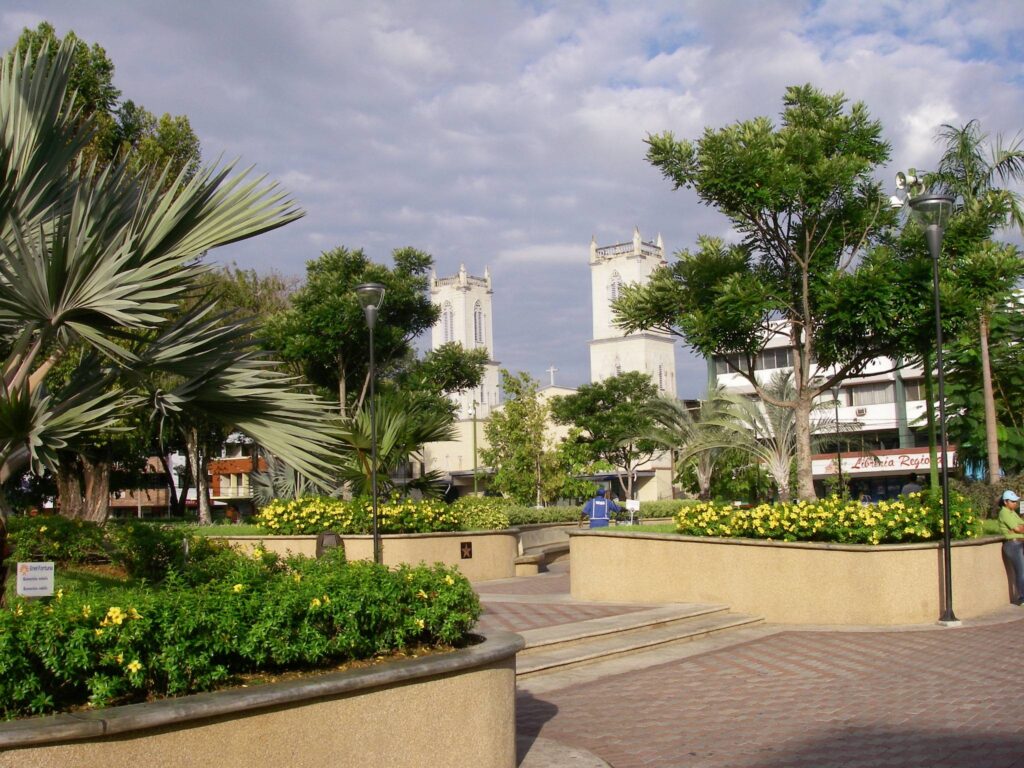
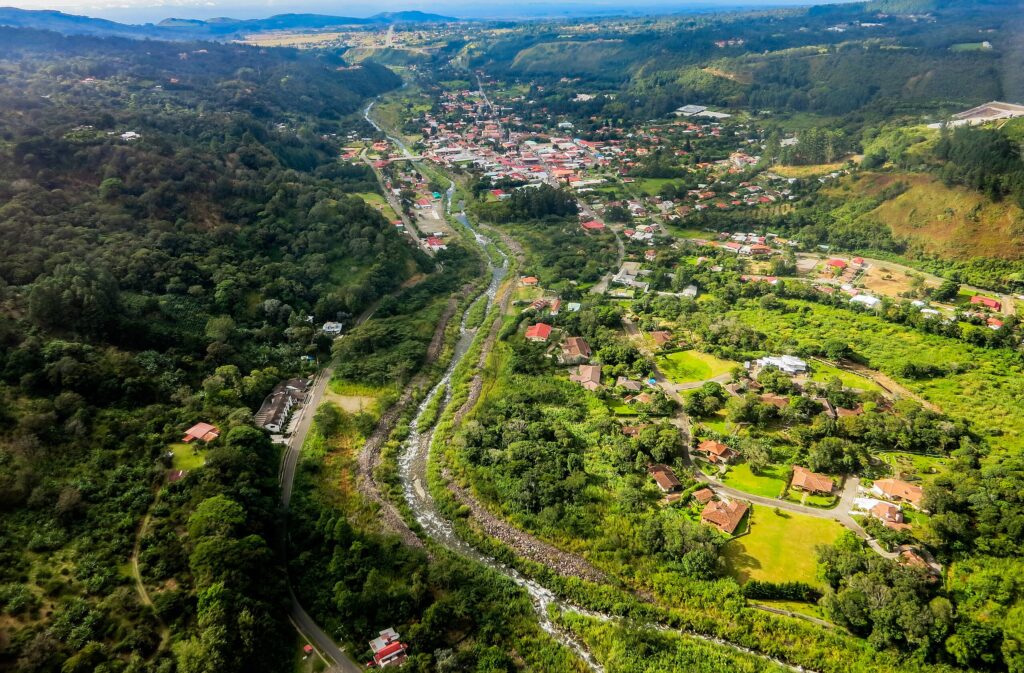
Boquete, set in the Chiriquí Highlands, is a mountain town known for its cool climate, coffee culture, and outdoor activities. Surrounded by rivers and forested hills, it attracts visitors who come to hike, explore, and experience rural Panama. The main attraction is Volcán Barú National Park, where the country’s highest peak offers sunrise views of both the Pacific and Caribbean on clear days.
Around town, visitors can tour family-run coffee plantations to learn about the production of Panama’s famous Geisha coffee, soak in natural hot springs, or walk across hanging bridges overlooking waterfalls and cloud forest. Boquete also has an active local scene with weekend markets and small restaurants serving regional food. Regular buses and shared taxis connect Boquete with David, the nearest city and transport hub for the Chiriquí region.
Best Natural Wonders nd Coastal Destinations
Bocas del Toro Archipelago
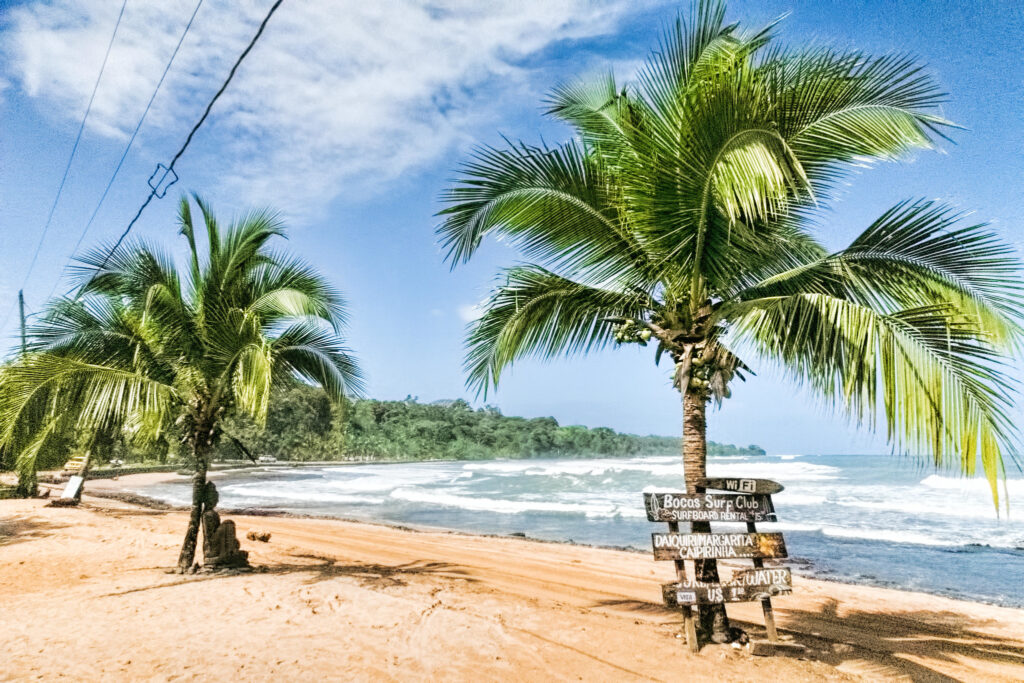
The Bocas del Toro Archipelago, on Panama’s Caribbean coast near the Costa Rican border, is a cluster of islands known for beaches, coral reefs, and relaxed island life. Isla Colón serves as the main hub, with small hotels, surf spots, and lively waterfront restaurants. From there, water taxis connect the surrounding islands, each offering a different experience – Isla Bastimentos with its rainforest trails and Red Frog Beach, and Isla Zapatilla with untouched sand and coral reefs ideal for snorkeling.
The surrounding Bastimentos National Marine Park protects mangroves, seagrass beds, and coral gardens that support turtles, dolphins, and sloths. Visitors can surf, dive, kayak through calm lagoons, or spend the day moving between beaches. Reaching Bocas del Toro is easy via short flight from Panama City or by bus and boat from David or Costa Rica, making it one of the country’s most accessible island getaways.
San Blas Islands
The San Blas Islands, officially known as the Guna Yala Region, stretch along Panama’s Caribbean coast and consist of more than 300 small islands and cays. Managed entirely by the Guna Indigenous people, the area offers a balance between natural beauty and cultural authenticity. Visitors stay in simple eco-lodges or palm-frond cabins built over the water, often run by local families who prepare fresh seafood and share Guna traditions.
Days here revolve around sailing between islands, snorkeling in coral reefs, and visiting Guna villages to learn about their crafts and way of life. Electricity and Wi-Fi are limited, which adds to the sense of remoteness and calm. The islands are reached by 4×4 from Panama City to the Caribbean coast, followed by a short boat ride, or by small plane from Albrook Airport.

Pearl Islands
The Pearl Islands, scattered across the Gulf of Panama, combine quiet beaches, clear water, and easy access from the capital. Once known for pearl diving, the archipelago now attracts visitors looking for a quick island getaway. Contadora Island is the main base, with small hotels, beachside restaurants, and calm coves for swimming and snorkeling. Nearby islands can be reached by short boat rides for day trips and private excursions.
Isla del Rey, the largest of the group, remains mostly undeveloped and offers hiking trails, birdwatching, and whale sightings between July and October. The surrounding waters are excellent for diving and sport fishing. The Pearl Islands are reachable by a short flight or ferry from Panama City, making them one of the most accessible island escapes on Panama’s Pacific coast.
Coiba National Park
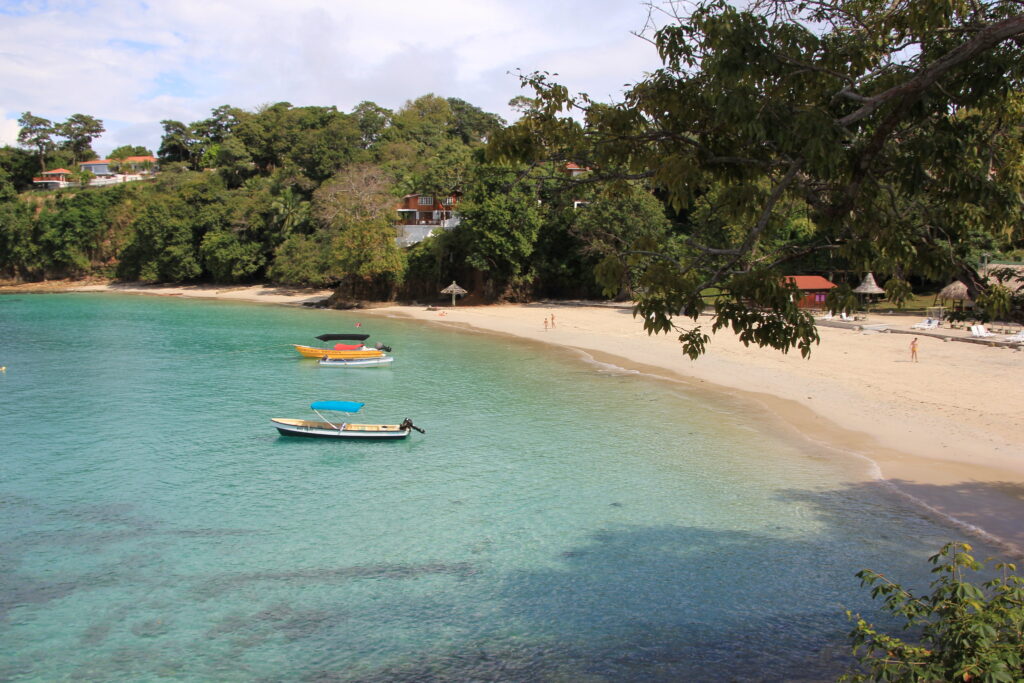
Coiba National Park, located off Panama’s Pacific coast, is a UNESCO World Heritage Site and one of the best diving areas in the world. Once a restricted island used as a penal colony, it now protects an extraordinary range of marine life and ecosystems. Divers and snorkelers can see sharks, dolphins, sea turtles, rays, and large schools of tropical fish in clear, nutrient-rich waters surrounding the park’s islands and reefs.
The park covers over 400,000 hectares of ocean and forest, including Coiba Island itself and several smaller islets. It’s also part of the same marine corridor as the Galápagos, which explains its exceptional biodiversity. Access is by boat from Santa Catalina on Panama’s Pacific coast, where dive operators organize day trips and multi-day expeditions to the park’s reefs and dive sites.
Santa Catalina
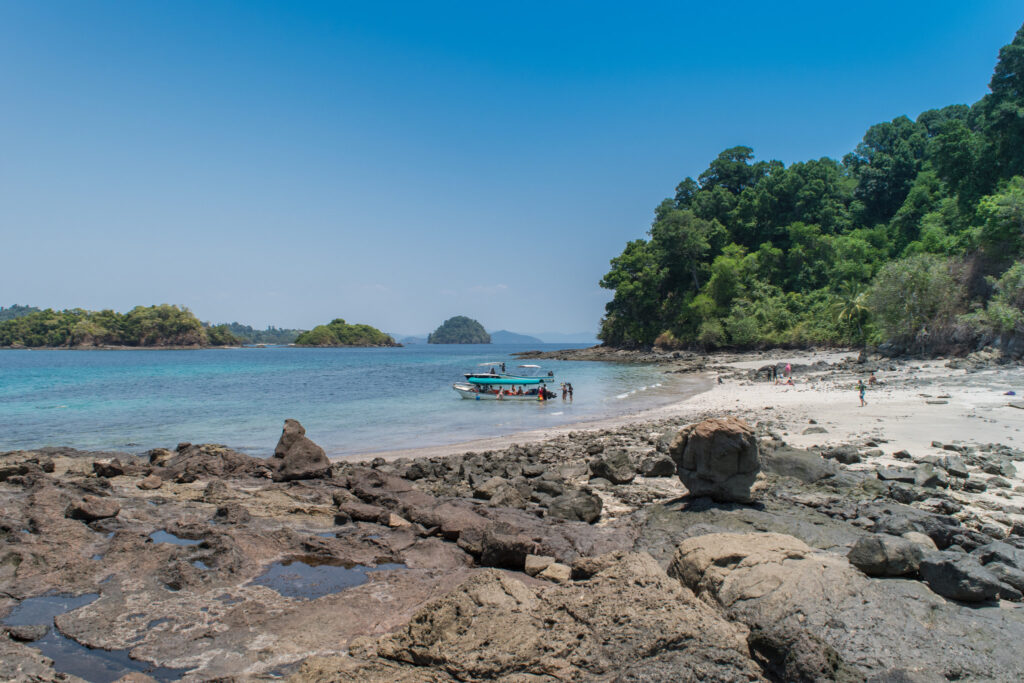
Santa Catalina, on Panama’s Pacific coast, is a small fishing village that has become one of the country’s main surf and dive destinations. Its consistent waves attract surfers from around the world, with breaks suitable for both beginners and experts. The calm side of the bay is ideal for swimming, kayaking, and diving trips.
The village also serves as the main departure point for boat tours to Coiba National Park, known for its marine life and world-class dive sites. Accommodation ranges from surf hostels to beachfront lodges, and the town’s few restaurants serve fresh seafood caught daily. Santa Catalina is about a six-hour drive from Panama City via Santiago and Soná.
Isla Taboga
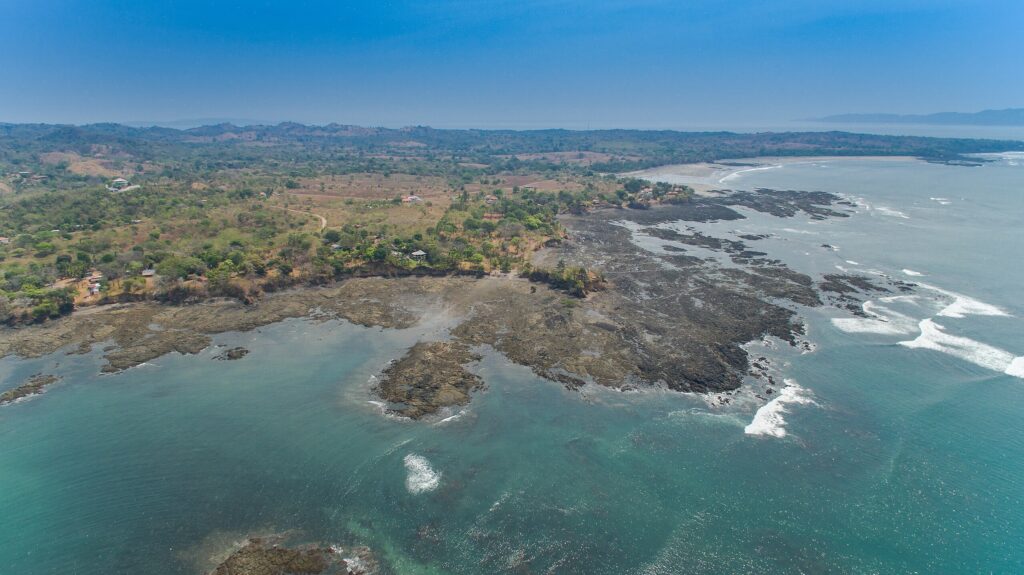
Isla Taboga, known as the “Island of Flowers”, is a quick island escape just 30 minutes by ferry from Panama City. The island combines history, nature, and beach life in a compact setting. Visitors can stroll through its small colonial village, relax on sandy beaches, or hike to the summit of Cerro de la Cruz for wide views of the Pacific and ships waiting to enter the Panama Canal. The island also has simple guesthouses, seaside restaurants, and a laid-back pace that makes it perfect for a day trip or overnight stay.
Hidden Gems of Panama
Darién National Park
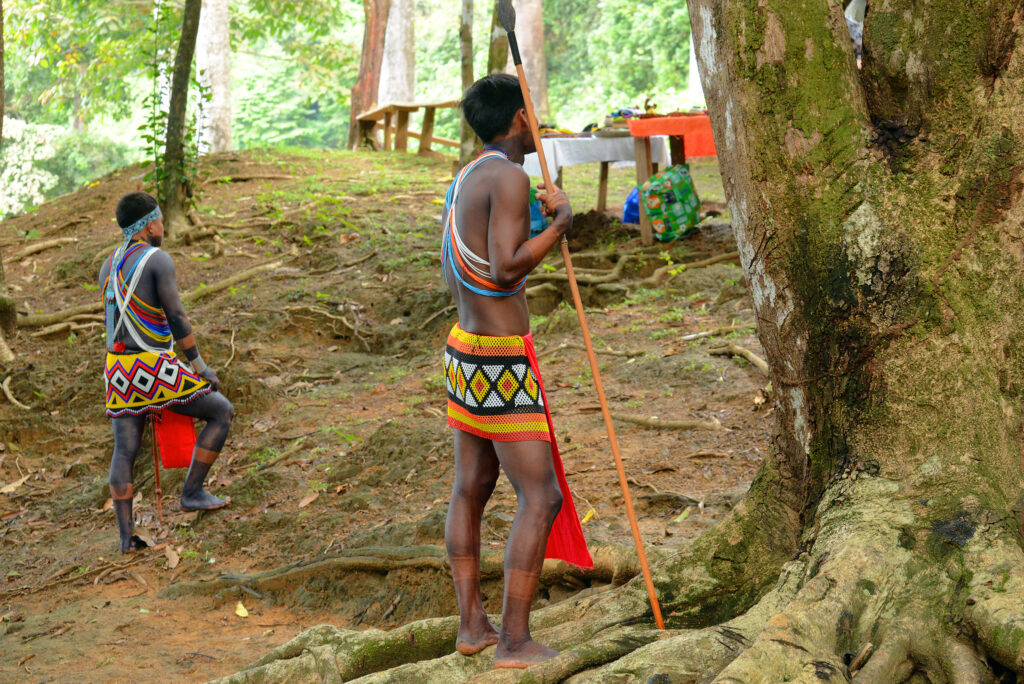
Darién National Park, in eastern Panama, is the country’s largest protected area and one of the most biodiverse places on Earth. Covering dense rainforest, rivers, and mountains that extend to the Colombian border, it remains one of the few truly wild regions in Central America. The park shelters rare wildlife including jaguars, tapirs, harpy eagles, and hundreds of bird species found nowhere else.
Travel here is possible only with authorized guides, usually on organized eco-tours that visit Emberá and Wounaan Indigenous communities along the river valleys. These visits offer insight into traditional life deep within the jungle. Reaching the Darién requires a flight or long drive from Panama City to the towns of Yaviza or El Real, followed by river transport into the park.
El Valle de Antón
El Valle de Antón, set inside the crater of an extinct volcano, is one of Panama’s most unique mountain towns. The cool climate and green surroundings make it a favorite weekend escape from Panama City. Visitors can hike to Chorro El Macho Waterfall, relax in natural hot springs, or visit butterfly and orchid gardens. The town’s artisan market sells local crafts, fresh produce, and handmade souvenirs.
Several hiking trails lead into the surrounding cloud forests, including routes to the India Dormida ridge for panoramic views of the valley. El Valle also offers small inns, eco-lodges, and restaurants serving local food. The town is about a two-hour drive from Panama City along the Inter-American Highway.
Pedasí & the Azuero Peninsula
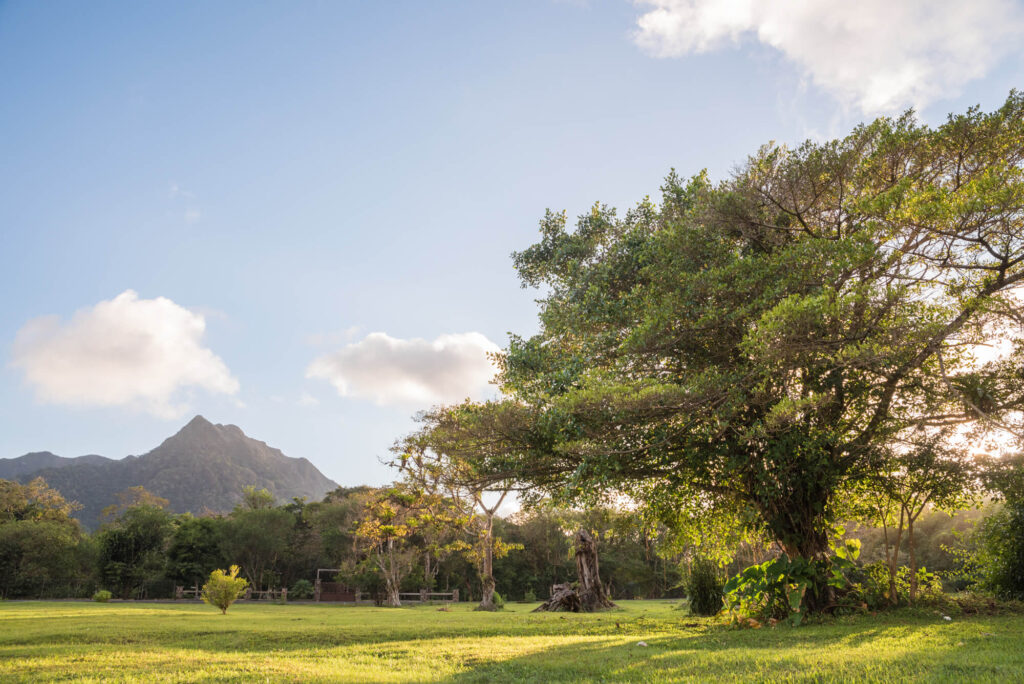
Pedasí, located on the Azuero Peninsula, is a small coastal town that serves as the cultural and outdoor center of southern Panama. The region is known for its strong traditions in music, crafts, and festivals, giving visitors a look at rural Panamanian life. Just outside town, Playa Venao offers consistent surf breaks, beachfront restaurants, and yoga retreats, attracting both surfers and travelers seeking a relaxed beach setting. From Pedasí, boats depart for the Isla Iguana Wildlife Refuge, a protected island with white sand beaches, coral reefs, and nesting sea turtles. Between July and October, the surrounding waters become one of Panama’s best whale-watching areas.
Volcán & Cerro Punta
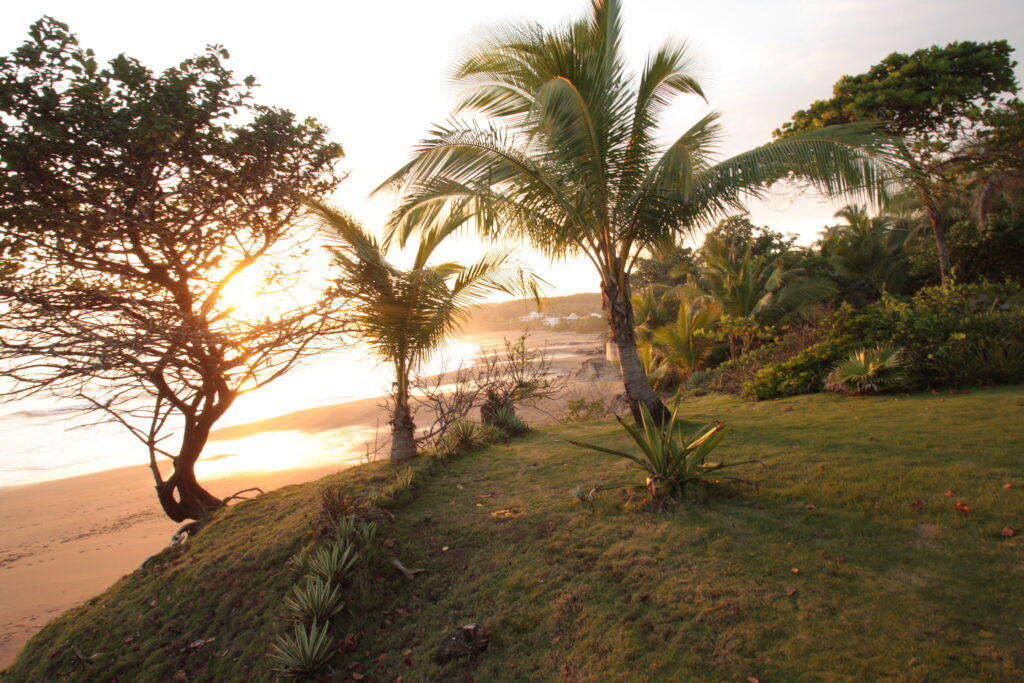
Volcán and Cerro Punta are two quiet mountain towns surrounded by farmland, cloud forests, and rivers. The cool climate and fertile soil make this area one of Panama’s main agricultural regions, known for fresh vegetables, flowers, and coffee. Visitors come here for hiking, birdwatching, and exploring La Amistad International Park, a UNESCO World Heritage Site that protects one of Central America’s richest ecosystems.
Trails through the park and nearby reserves offer the chance to spot quetzals, toucans, and other highland wildlife. Horseback riding and visits to local farms are popular ways to experience rural life. Volcán and Cerro Punta are about a 90-minute drive from David, the main transport hub in western Panama.

Santa Fé
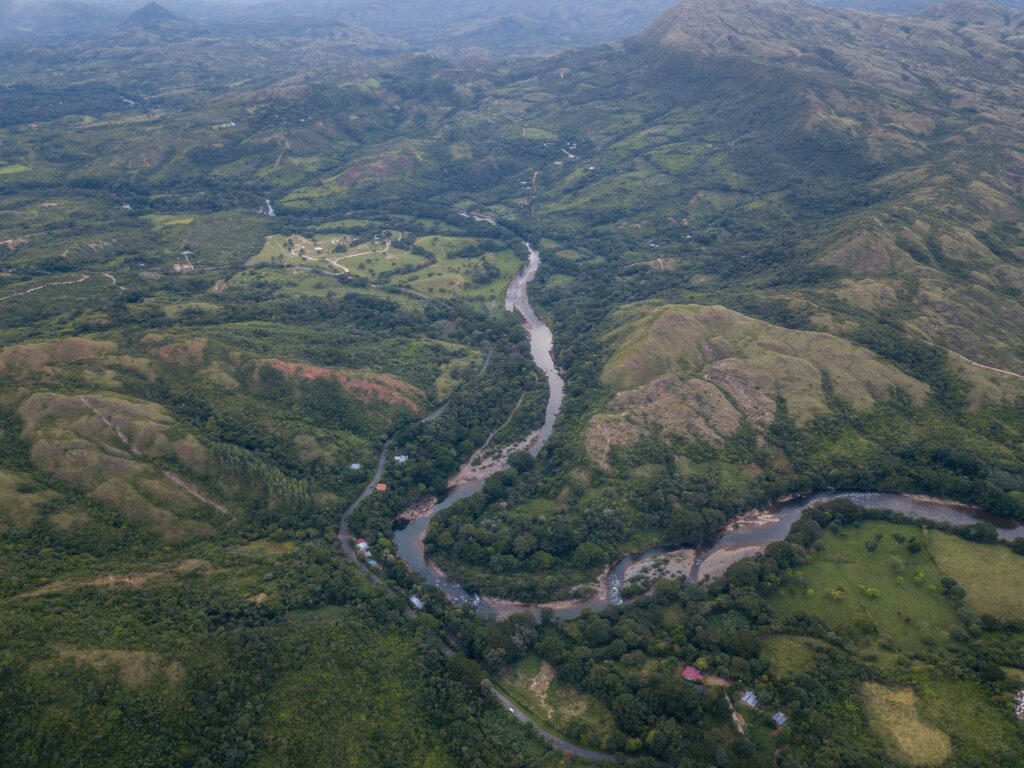
Santa Fé is a quiet highland town surrounded by forests, rivers, and waterfalls. It’s a good base for hiking, swimming in natural pools, and exploring the nearby Santa Fé National Park, which protects cloud forest and rare wildlife. The town’s small network of eco-lodges and family-run guesthouses provides a peaceful place to stay close to nature.
Local guides offer walks to hidden waterfalls, coffee farms, and viewpoints overlooking the valley. With its mild climate and limited development, Santa Fé appeals to travelers seeking nature and simplicity away from the main tourist routes. The town is about a five-hour drive from Panama City or a two-hour trip north from Santiago.
Travel Tips for Panama
Travel Insurance & Safety
Travel insurance is essential, particularly if you plan to go diving, trekking, or exploring remote regions. Make sure your policy includes trip cancellation and emergency evacuation coverage, especially if visiting Darién or Coiba, where access to medical care is limited.
Panama is safe and welcoming, though it’s best to take normal precautions in urban areas. Avoid traveling in remote areas of the Darién Gap unless accompanied by certified guides. Tap water is safe to drink in most cities, but bottled water is advisable in rural areas and on the islands.
Transportation & Driving in Panama
Domestic flights link Panama City with Bocas del Toro, David, and the San Blas region, offering quick access to Panama’s coasts and islands. Long-distance buses are reliable and inexpensive for intercity travel. For exploring the highlands, Azuero Peninsula, or Pacific coast, car rental provides the most flexibility.
Vehicles drive on the right-hand side of the road. Roads are generally well-paved, but mountain and coastal routes can be steep or winding. During the rainy season, drive cautiously to avoid flash flooding or slippery surfaces. An International Driving Permit is recommended alongside your national license. Always carry your ID, license, and insurance papers, as police checkpoints are common.

Published November 16, 2025 • 12m to read