

Pakistan is one of Asia’s most rewarding and diverse destinations, where breathtaking nature meets centuries of history. From the mighty peaks of the Karakoram Range to the bustling bazaars of Lahore, from ancient Indus Valley ruins to pristine Arabian Sea beaches, the country offers an extraordinary range of experiences.
Its landscapes include some of the world’s highest mountains, fertile river plains, deserts, and tropical coastlines. Culturally, it’s equally rich – home to Mughal masterpieces, Sufi shrines, vibrant festivals, and regional cuisines with deep traditions.
Best Cities & Towns to Visit
Islamabad
Built in the 1960s as Pakistan’s planned capital, Islamabad is known for its wide boulevards, orderly layout, and forested surroundings. It’s one of South Asia’s cleanest and calmest capitals, making it a comfortable base for both business and leisure travel. The city is easy to navigate, with distinct sectors, modern amenities, and plenty of green space.
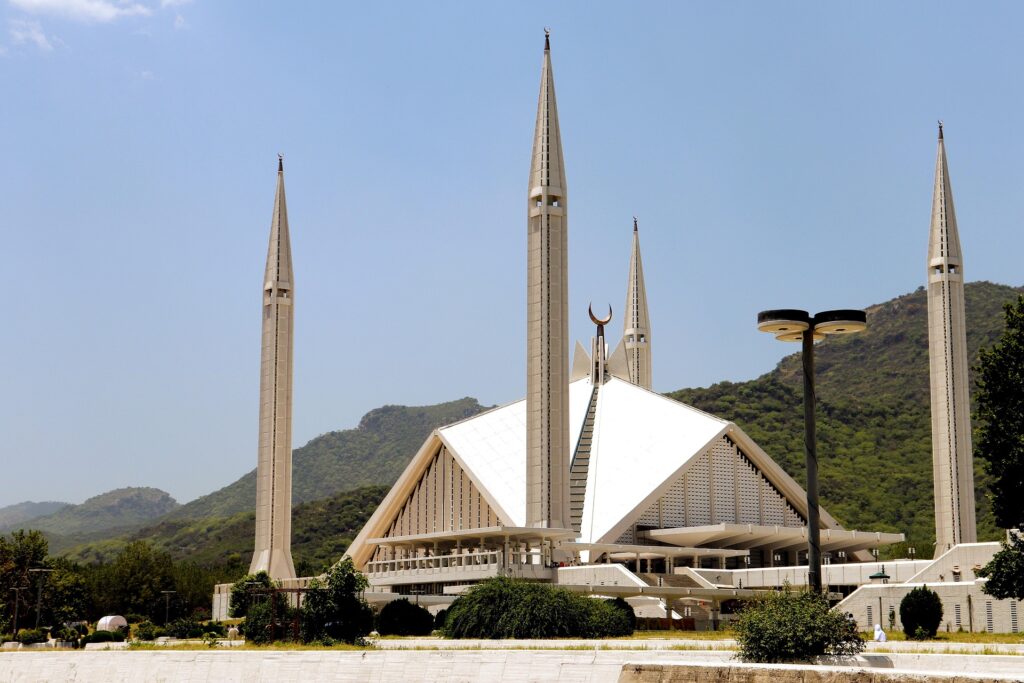
Key attractions include the Faisal Mosque, among the largest in Asia, with its striking contemporary design; Daman-e-Koh viewpoint, offering panoramic views over the city; and the Pakistan Monument, representing the country’s provinces and national unity. For outdoor lovers, the Margalla Hills National Park provides accessible hiking trails, birdwatching, and picnic spots just minutes from downtown.
Lahore
Known as Pakistan’s cultural capital, Lahore blends centuries of Mughal grandeur, colonial heritage, and vibrant street life. At its core stand two UNESCO World Heritage Sites – the Lahore Fort, a sprawling complex of palaces and halls, and the Shalimar Gardens, a fine example of Mughal landscaping. The Badshahi Mosque, one of the largest in the world, dominates the skyline and reflects the city’s deep Islamic heritage.
The Old City is a maze of narrow lanes, bustling bazaars, and historic gates, where you can shop for textiles, spices, and handicrafts. In the evening, Food Street near the Fort becomes a hub of Punjabi cuisine, from grilled kebabs to rich curries. Lahore is also home to museums, art galleries, and seasonal festivals that showcase its artistic side.
Karachi
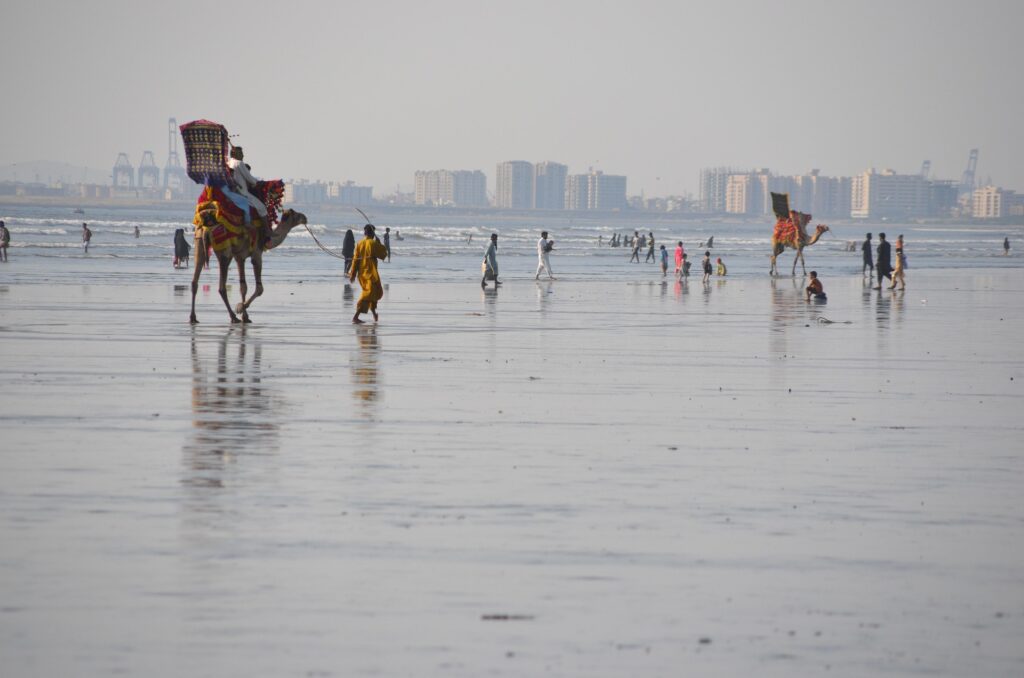
As Pakistan’s largest city and economic hub, Karachi is a dynamic mix of colonial-era architecture, modern development, and coastal scenery. The city offers a variety of experiences, from history and culture to beaches and shopping.
Key attractions include Clifton Beach, popular for evening walks and local snacks; the Quaid-e-Azam Mausoleum, the grand resting place of Pakistan’s founder, Muhammad Ali Jinnah; and the Pakistan Maritime Museum, showcasing the country’s naval history with indoor and outdoor exhibits. For shopping, Zainab Market is a go-to spot for souvenirs, handicrafts, and textiles at negotiable prices.
Peshawar
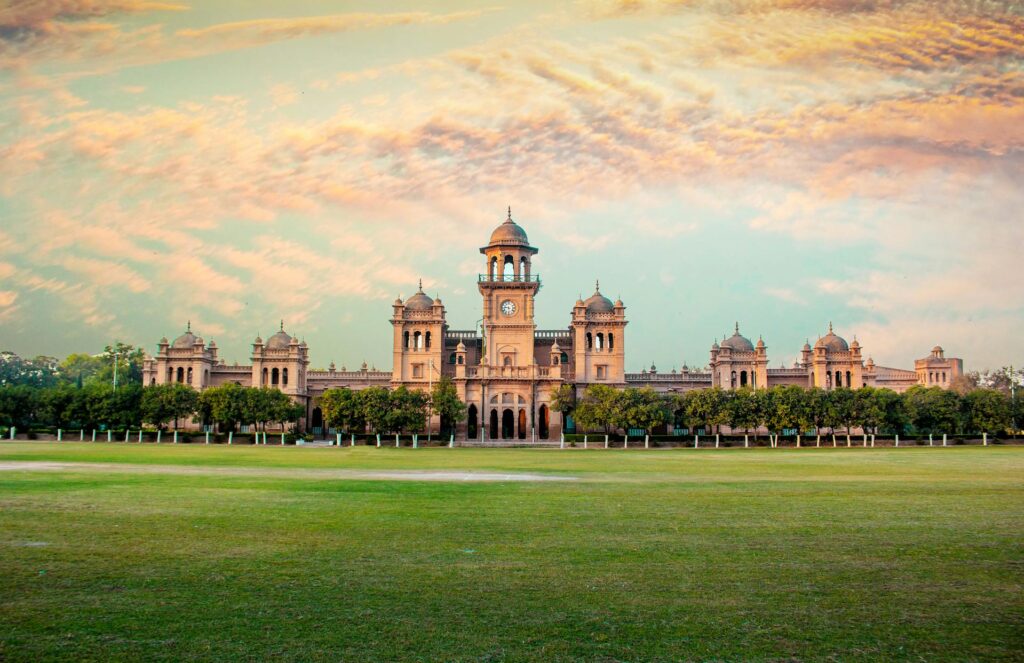
One of the oldest continuously inhabited cities in South Asia, Peshawar has been a crossroads of trade, culture, and empires for over 2,000 years. Situated near the Khyber Pass, it remains a center of Pashtun culture and a living link to the Silk Road era. The city’s historic core is a dense network of bazaars, mosques, and caravanserais.
Highlights include the Qissa Khwani Bazaar (“Storytellers’ Market”), once a meeting place for traders and travelers to share tales over tea; the imposing Bala Hissar Fort, with its commanding views and military history; and beautifully decorated mosques such as Mahabat Khan Mosque, known for its white marble and intricate frescoes. The city’s markets are also excellent for handicrafts, gemstones, and traditional Pashtun clothing.
Multan
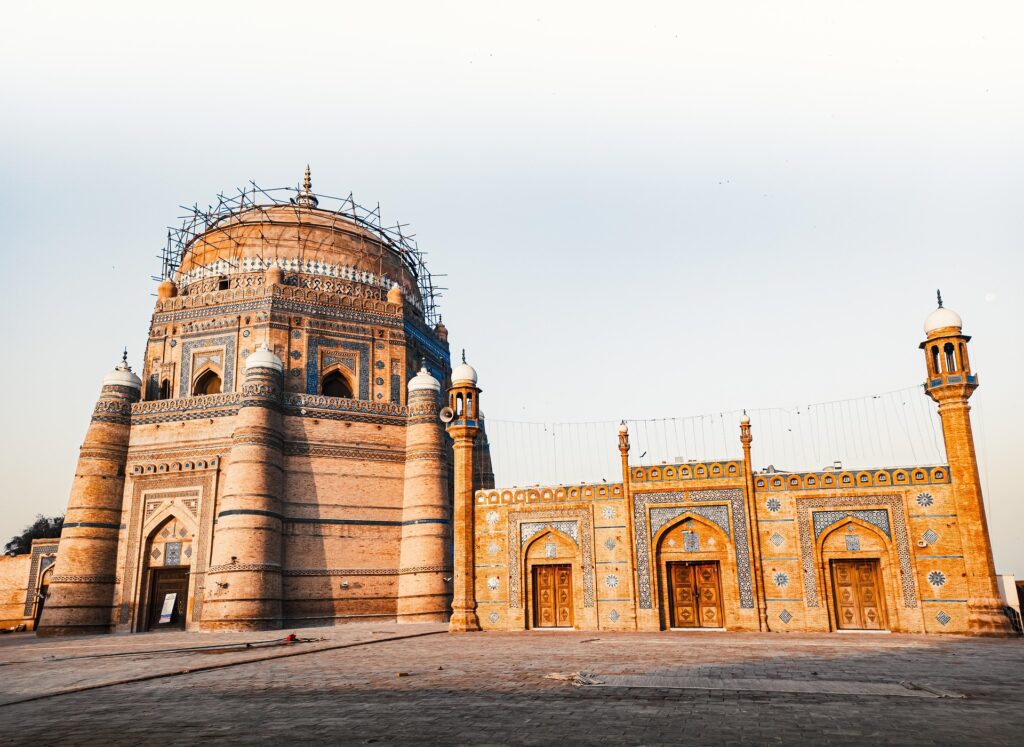
Nicknamed the “City of Saints,” Multan is one of Pakistan’s oldest cities and a major center of Sufi culture in South Asia. Its skyline is marked by the domes of famous shrines, including those of Bahauddin Zakariya and Shah Rukn-e-Alam, both renowned for their distinctive blue tilework and role as active pilgrimage sites. The atmosphere around these shrines blends spirituality with daily life, as devotees, merchants, and travelers mingle in the surrounding courtyards.
The city’s bazaars are vibrant and colorful, offering blue-glazed pottery, hand-embroidered textiles, and local sweets. Wandering through the old city streets reveals a mix of Mughal-era architecture, narrow lanes, and workshops where artisans still use centuries-old techniques.
Best Natural Wonders
Hunza Valley
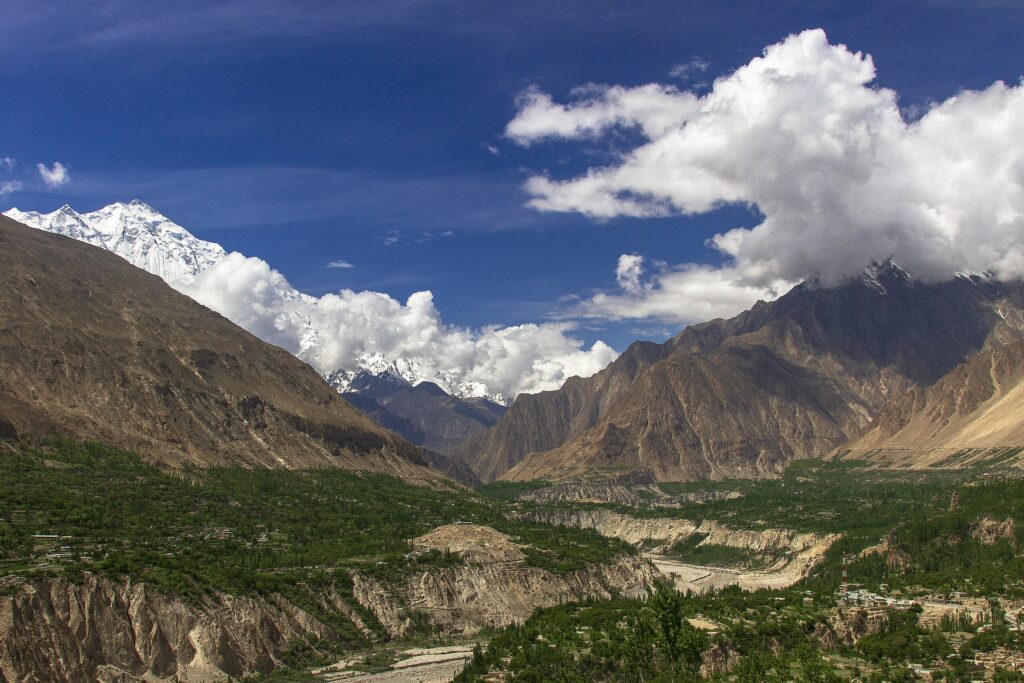
Located in Pakistan’s Gilgit-Baltistan region, the Hunza Valley is one of the country’s most famous mountain destinations, surrounded by 7,000-meter peaks, glaciers, and dramatic landscapes. The main town, Karimabad, offers spectacular views of Rakaposhi and Ultar Sar, especially at sunrise and sunset. Its relaxed atmosphere, clean air, and welcoming locals make it a comfortable base for exploring the region.
Nearby, the restored Baltit Fort and Altit Fort showcase centuries of Hunza history, blending Tibetan, Central Asian, and local architectural styles. The valley also serves as a starting point for treks to Hopper Glacier, Passu Cones, and other high-mountain trails. Spring brings apricot blossoms, while autumn covers the valley in gold and red foliage.
Fairy Meadows
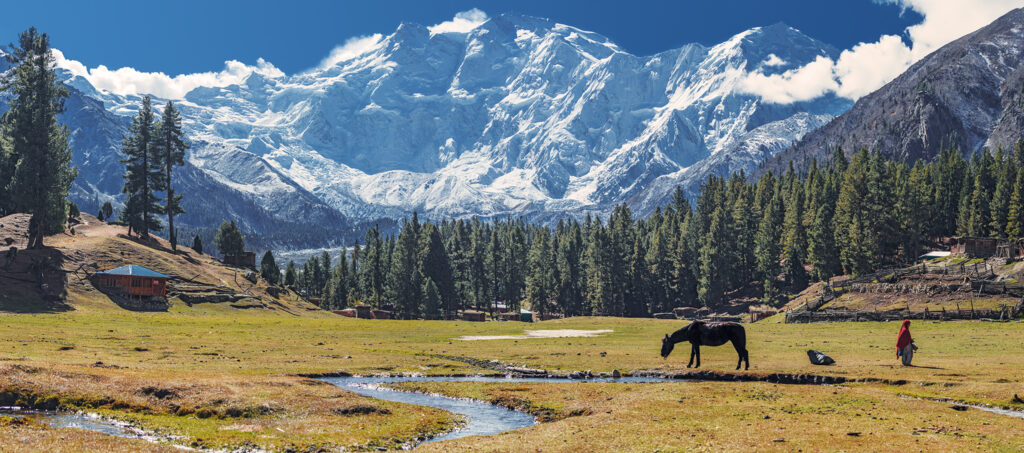
Fairy Meadows is one of Pakistan’s most scenic trekking destinations, offering spectacular close-up views of Nanga Parbat (8,126 m), the world’s ninth-highest mountain. Located in Gilgit-Baltistan, the meadows are famous for their lush alpine pastures, surrounded by pine forests and framed by snow-capped peaks.
Getting there involves a jeep ride on a narrow mountain track from Raikot Bridge, followed by a 2–3 hour uphill hike to the meadows. Basic wooden cabins and camping facilities are available, making it a popular overnight stop for trekkers continuing to Base Camp or Beyal Camp.
Skardu
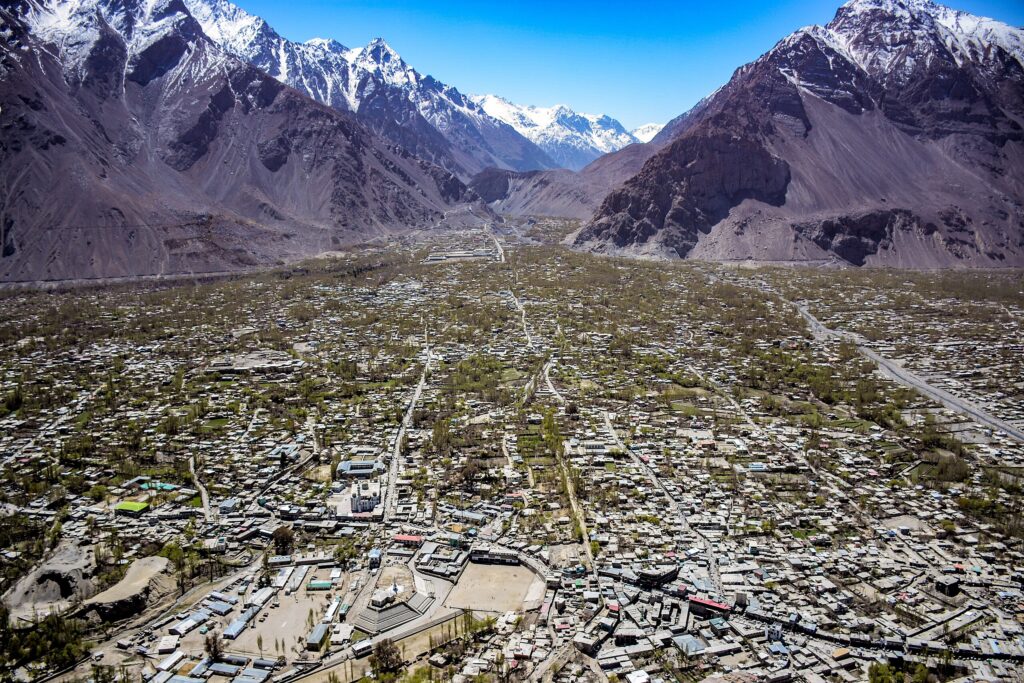
Located in Gilgit-Baltistan, Skardu is the main access point for expeditions to K2 Base Camp, the Baltoro Glacier, and other major trekking routes in the Karakoram Range. Surrounded by rugged mountains and alpine scenery, the region is also dotted with stunning lakes, including Sheosar Lake, Satpara Lake, and Upper Kachura Lake, each offering crystal-clear waters and dramatic backdrops.
Within easy reach of town is the well-known Shangrila Resort, set by Lower Kachura Lake, as well as local landmarks like Skardu Fort and traditional villages. The area serves as a comfortable base for both high-altitude trekkers and travelers seeking scenic day trips.
Swat Valley
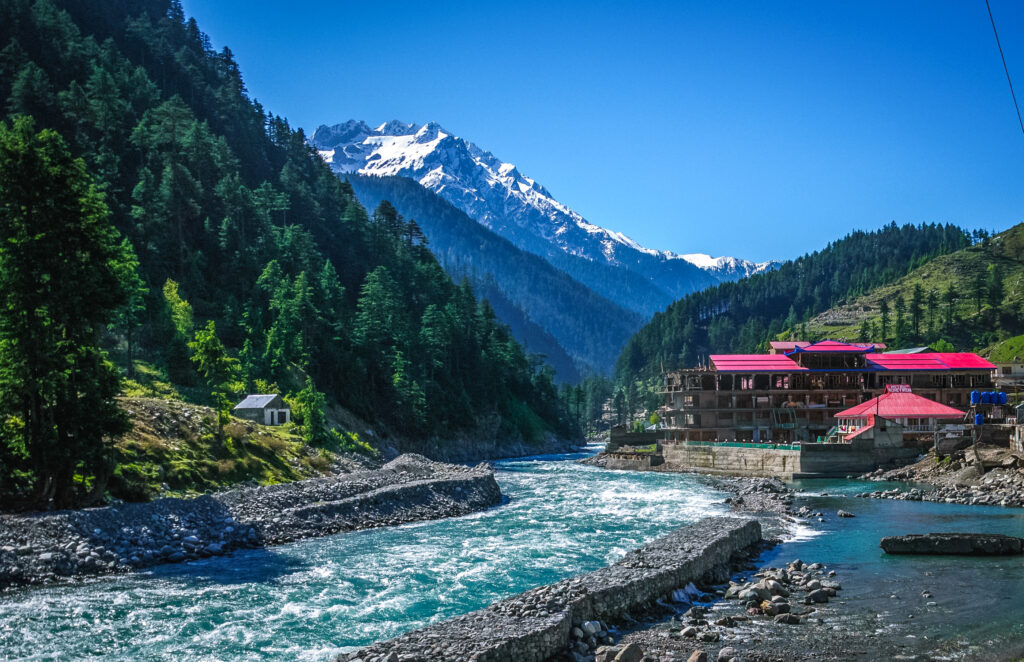
Located in Pakistan’s Khyber Pakhtunkhwa province, the Swat Valley is celebrated for its lush landscapes, waterfalls, and snow-capped peaks, earning it the nickname “Switzerland of the East.” The valley has a long history as a Buddhist learning center, with archaeological sites such as Butkara Stupa and rock carvings scattered throughout the region.
Modern Swat offers diverse activities: Malam Jabba is a ski resort in winter and a hub for hiking and chairlift rides in summer, while towns like Mingora and Fizagat serve as gateways to the valley’s natural and cultural attractions. Rivers, alpine meadows, and mountain passes make the area popular for trekking and photography.
Neelum Valley (Azad Kashmir)
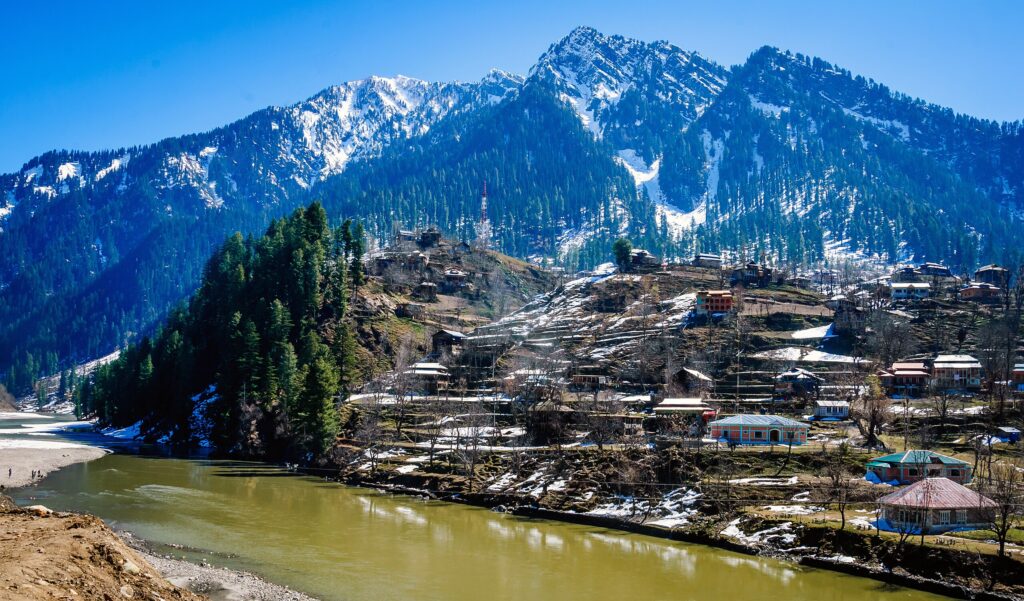
Stretching through the mountains of Azad Jammu and Kashmir, the Neelum Valley is known for its clear rivers, forested slopes, and alpine meadows. The valley’s winding road passes through Keran, with scenic river views across the Line of Control, and Sharda, home to the ruins of an ancient Hindu temple and a peaceful lakeside setting.
The landscape transforms with the seasons: spring and summer bring green fields, wildflowers, and mild weather, while autumn covers the valley in golden hues. In winter, higher areas receive heavy snowfall, turning villages into postcard-like scenes, though access can be limited.
Deosai National Park
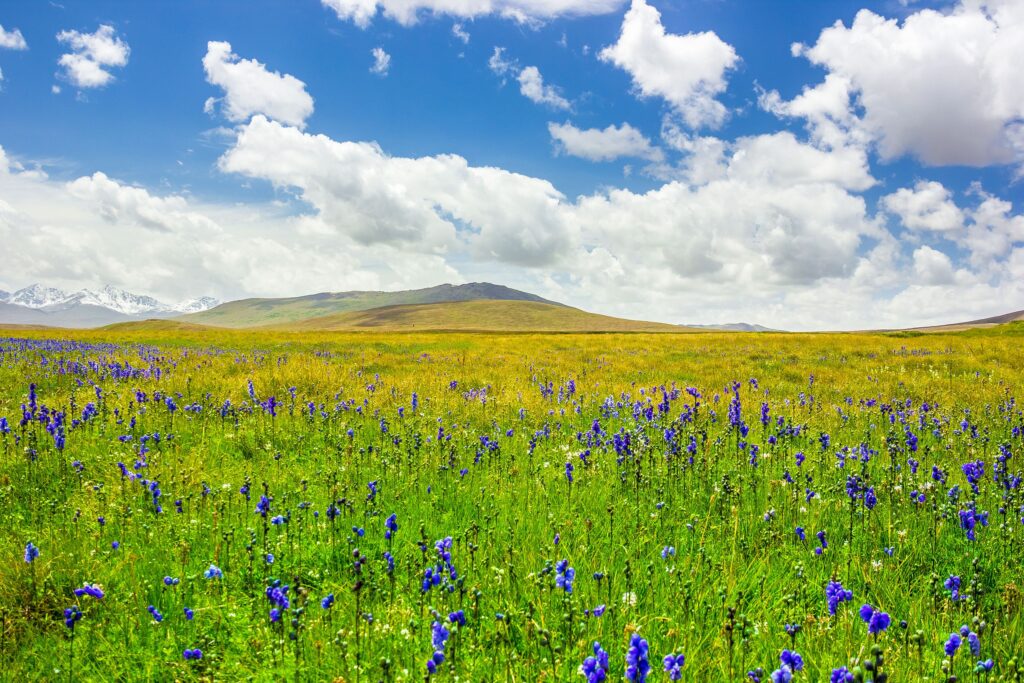
Spread across over 4,000 meters above sea level, Deosai National Park – often called the “Land of Giants” – is one of the world’s highest plateaus. Known for its open grasslands, rolling hills, and endless horizons, it’s a prime summer destination for nature lovers. In July and August, the plains are carpeted with wildflowers, and the area is home to rare wildlife, including the Himalayan brown bear, golden marmot, and various bird species.
Access is typically from Skardu or Astore, but only during the warmer months, as heavy snow closes the park from roughly October to June. Visitors can explore by jeep, camp under clear night skies, or stop at Sheosar Lake, a deep blue alpine lake with breathtaking views of surrounding peaks.
Hingol National Park
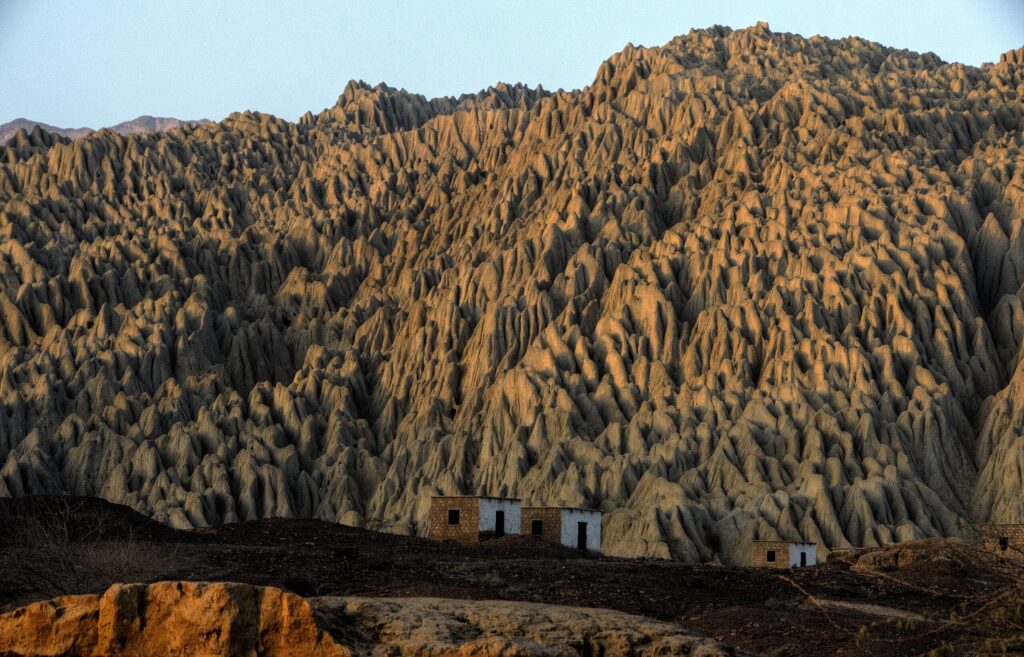
Stretching across Balochistan along the Makran Coastal Highway, Hingol National Park is Pakistan’s largest protected area, covering a mix of desert plains, rugged mountains, and coastal scenery. Its landscapes are strikingly varied – from wind-carved rock formations to river valleys that cut through arid cliffs.
Key highlights include the Princess of Hope rock formation, shaped by natural erosion, the unusual Lion of Balochistan cliff, and Kund Malir Beach, known for its clean sand and turquoise water. Wildlife enthusiasts may spot Sindh ibex, chinkara gazelles, and migratory birds along the Hingol River.
Hidden Gems of Pakistan
Kalash Valleys (Chitral)
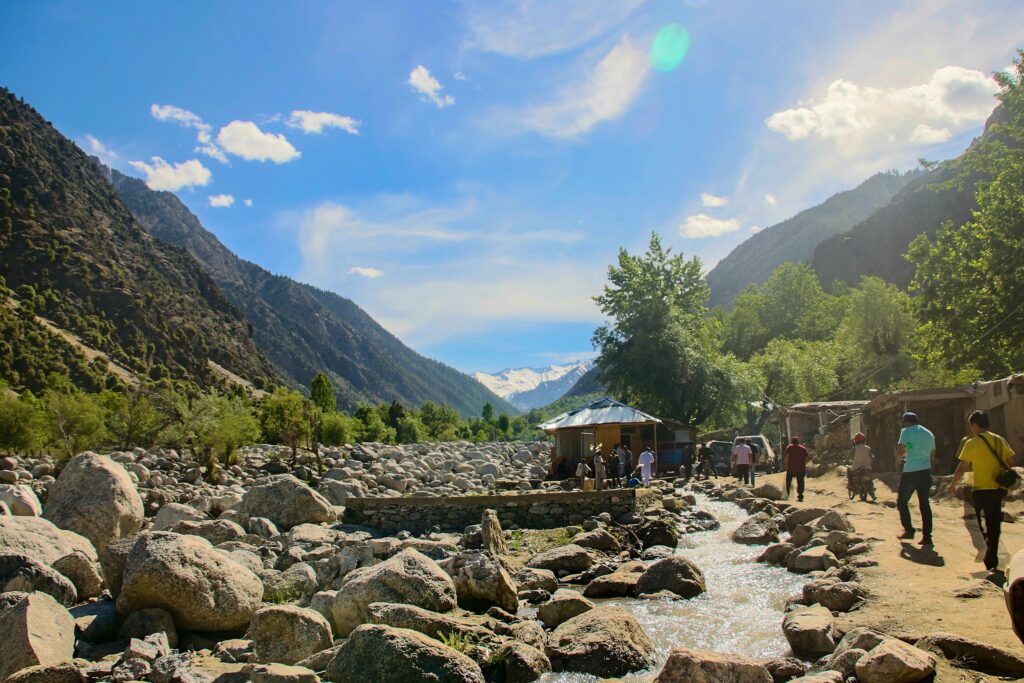
Tucked into the mountains of Chitral District, the Kalash Valleys – Bumburet, Rumbur, and Birir – are home to the Kalash people, a small ethnic community known for their colorful traditional dress, wooden hillside villages, and polytheistic traditions distinct from the surrounding Muslim population. The valleys offer a mix of cultural immersion and mountain scenery, with terraced fields, fruit orchards, and alpine backdrops.
The Kalash celebrate several seasonal festivals, such as Chilimjusht (spring), Uchau (autumn harvest), and Chaumos (winter solstice), which feature music, dancing, and communal feasts. Bumburet is the most accessible and developed for visitors, while Rumbur and Birir are smaller and more traditional. Access is via road from Chitral town, with guesthouses and homestays available in all three valleys.
Ormara & Kund Malir Beaches
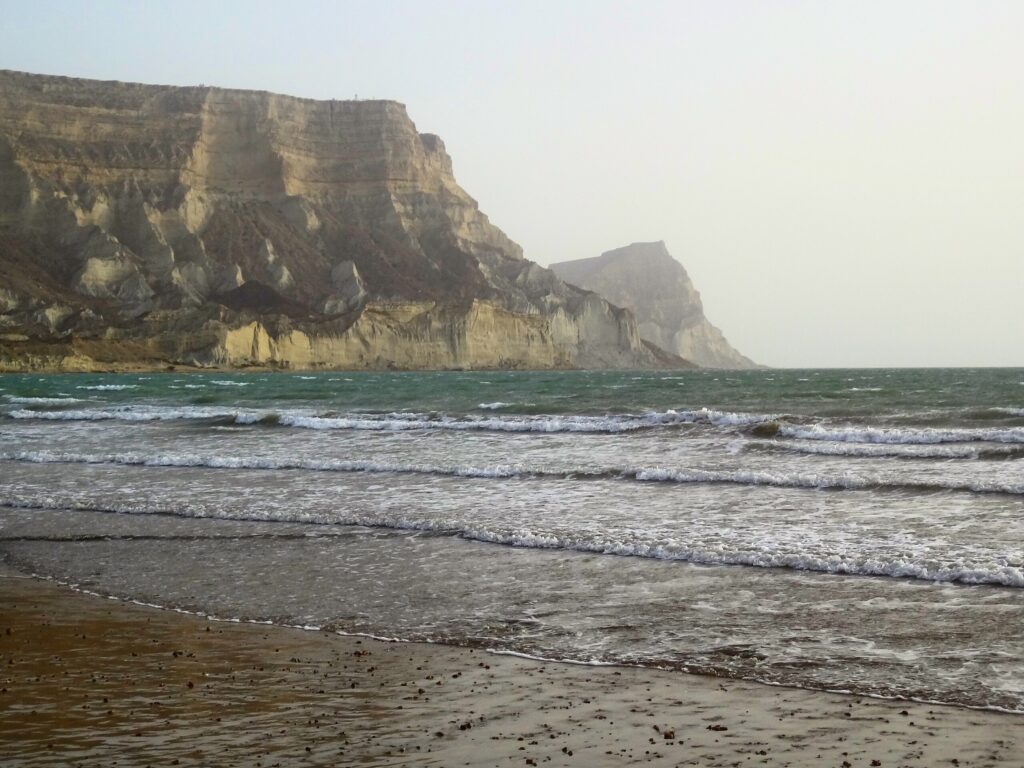
Located along Pakistan’s Makran Coastal Highway, Ormara and Kund Malir are among the country’s most scenic and least crowded beaches. Both offer wide sandy shores, turquoise waters, and a peaceful atmosphere far removed from urban noise. The drive itself is part of the experience – the highway winds between desert landscapes, rocky cliffs, and the Arabian Sea.
Kund Malir is closer to Karachi (about 4–5 hours by car) and is popular for day trips, picnics, and overnight camping, while Ormara, farther west, feels more remote and is often used as a stopover on longer coastal road trips toward Gwadar. Facilities are limited, so visitors should bring their own supplies, especially if camping.
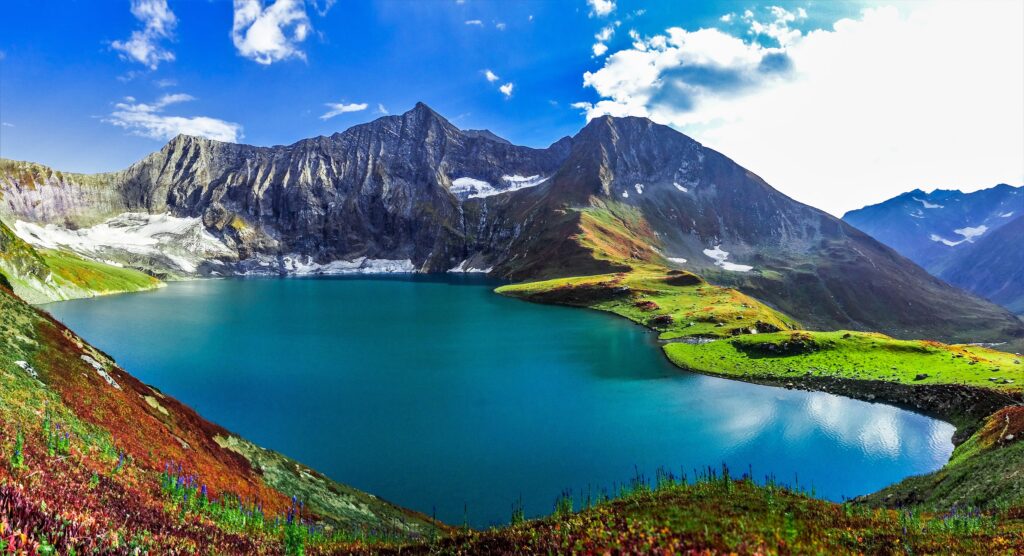
Ratti Gali Lake
Located in Neelum Valley, Azad Jammu and Kashmir, Ratti Gali Lake is a high-altitude alpine lake surrounded by snow-capped peaks and wildflower meadows. Its deep blue waters and remote setting make it one of the most photogenic natural spots in the region. The lake is fed by glacier melt and remains partly frozen well into summer.
Access involves a jeep ride from Dowarian up a rough mountain track, followed by a 1–2 hour hike through alpine terrain. The best time to visit is from July to September, when the weather is mild, flowers are in bloom, and trails are free of snow. Basic camping is possible near the lake, and some local operators offer guided trips.
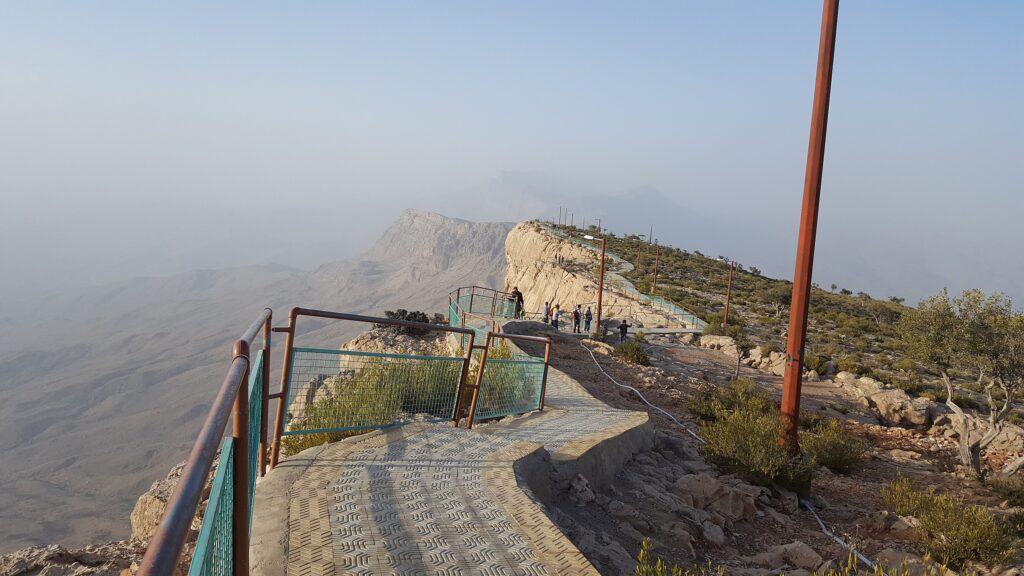
Gorakh Hill
Located in Sindh province at an elevation of 1,734 meters, Gorakh Hill is one of the few places in the region with cooler temperatures year-round, making it a popular escape from the summer heat. The hill station offers panoramic views over the rugged Kirthar Range, with landscapes that shift from rocky ridges to rolling plains.
Access is via a winding road from Dadu, with the last stretch requiring a jeep. Visitors often come for overnight stays to enjoy star-filled skies and crisp mountain air. Basic accommodation and camping areas are available, though facilities are limited, so bringing essentials is recommended.
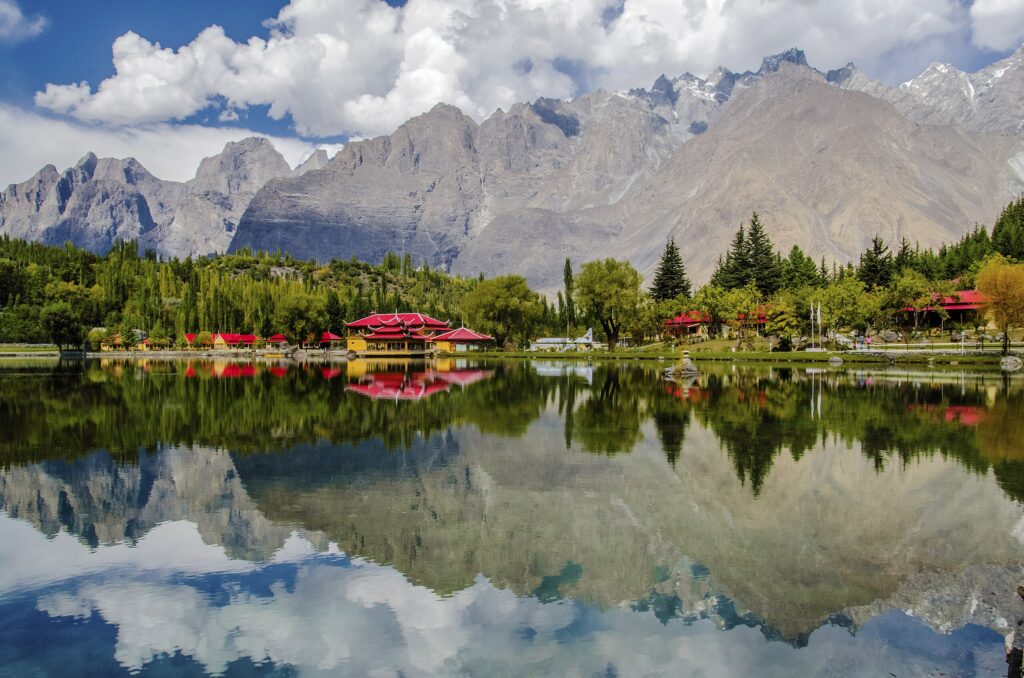
Shangrila Resort (Skardu)
Located just outside Skardu in Gilgit-Baltistan, Shangrila Resort is one of Pakistan’s most famous mountain retreats. Set along the shore of Lower Kachura Lake, it’s instantly recognizable by its red-roofed cottages, manicured gardens, and backdrop of towering Karakoram peaks. The lake’s still waters reflect both the mountains and the buildings, making it a popular spot for photography.
The resort offers comfortable rooms, a restaurant with lake views, and easy access to nearby attractions such as Upper Kachura Lake, Skardu Fort, and day trips into the surrounding valleys. Boating on the lake and short nature walks are popular activities for guests.
Best Cultural & Historical Landmarks
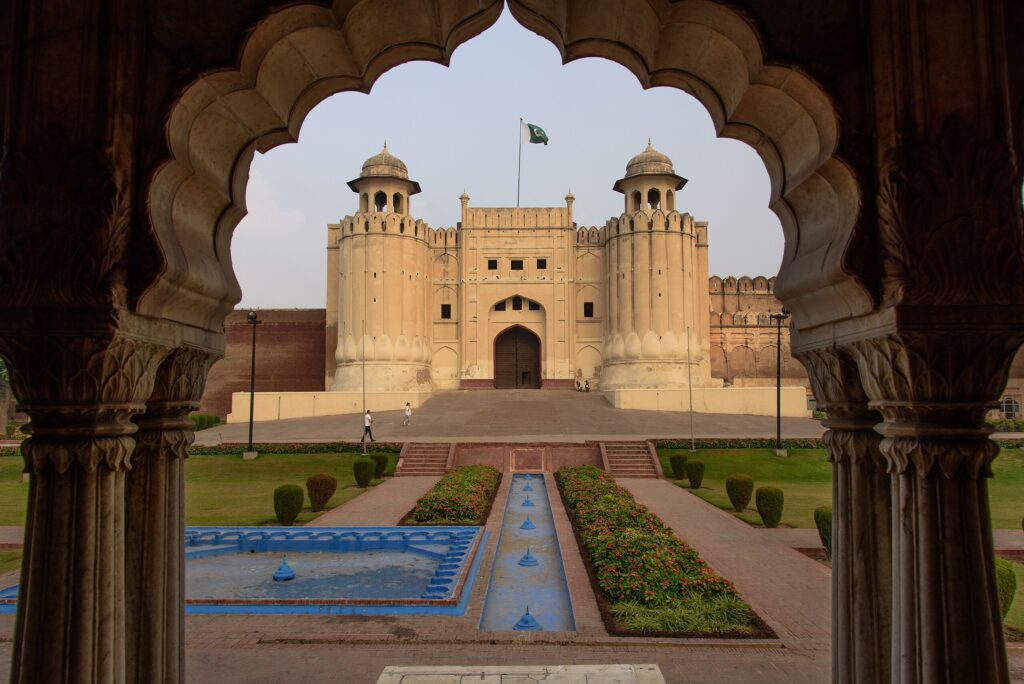
Lahore Fort & Shalimar Gardens (UNESCO)
Both listed as UNESCO World Heritage Sites, the Lahore Fort and Shalimar Gardens are prime examples of Mughal-era architecture and design. The Lahore Fort, expanded under emperors Akbar, Jahangir, and Shah Jahan, contains palaces, audience halls, ornate gates, and intricate frescoes. Highlights include the Sheesh Mahal (Palace of Mirrors), Alamgiri Gate, and richly decorated chambers that reflect the opulence of the Mughal court.
The Shalimar Gardens, built by Shah Jahan in the 17th century, are a masterpiece of Persian-style landscaping, featuring tiered terraces, flowing water channels, and marble fountains. Once a royal leisure ground, they still retain an atmosphere of symmetry and tranquility, especially in the early morning or late afternoon.
Badshahi Mosque
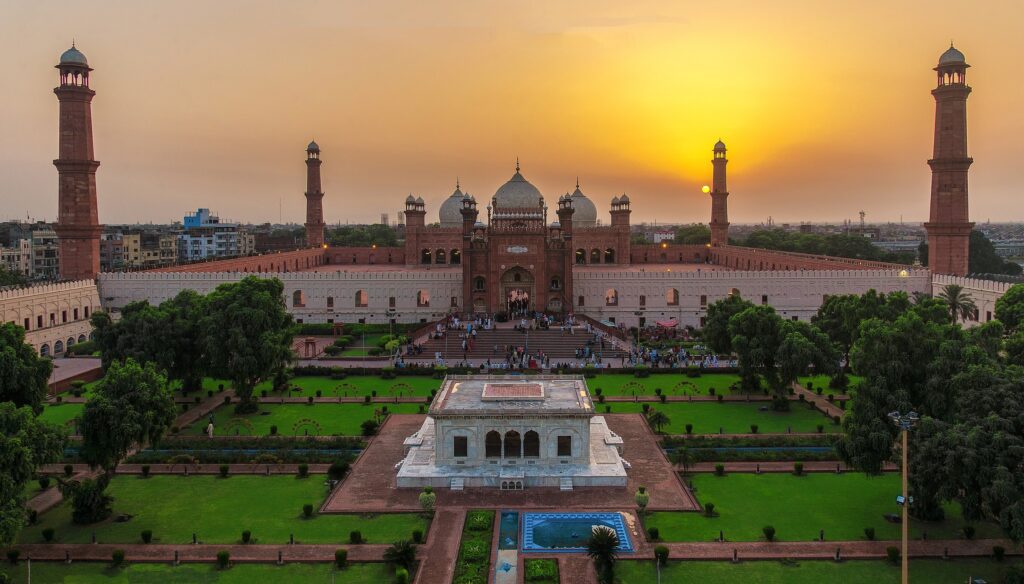
Built in 1673 by Mughal Emperor Aurangzeb, the Badshahi Mosque is one of the largest mosques in the world and a defining landmark of Lahore. Its vast red sandstone façade, topped with white marble domes, dominates the skyline, while the main courtyard can accommodate over 50,000 worshippers. The mosque’s design reflects the height of Mughal architectural ambition, combining monumental scale with intricate detailing.
Inside, the marble prayer hall features delicate inlay work, carved arches, and frescoes, creating an atmosphere both grand and serene. Located opposite the Lahore Fort, the mosque is easily visited as part of a combined historical tour. Evening visits are especially memorable when the complex is illuminated.
Rohtas Fort (UNESCO)
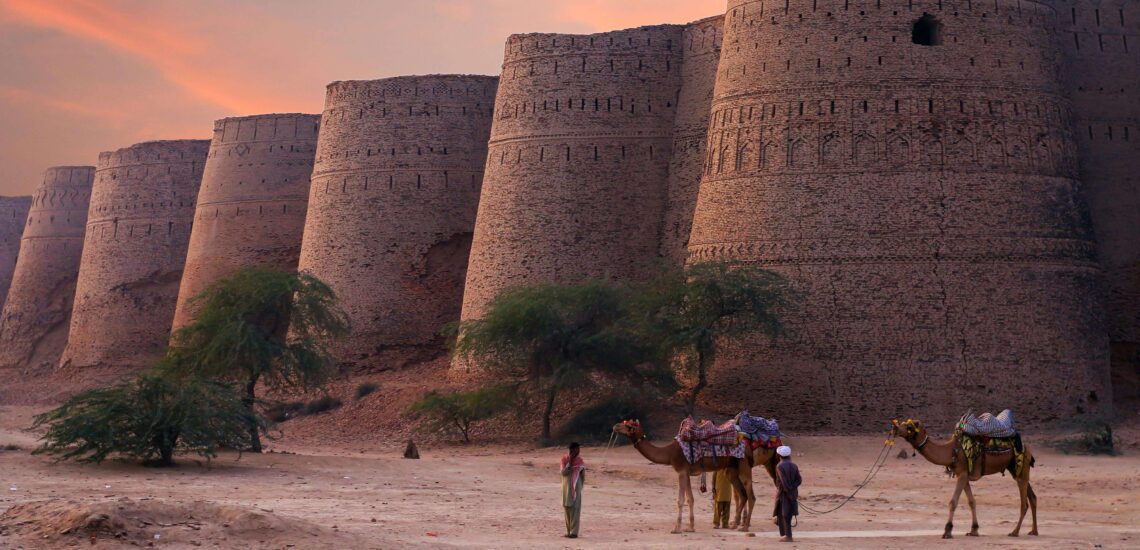
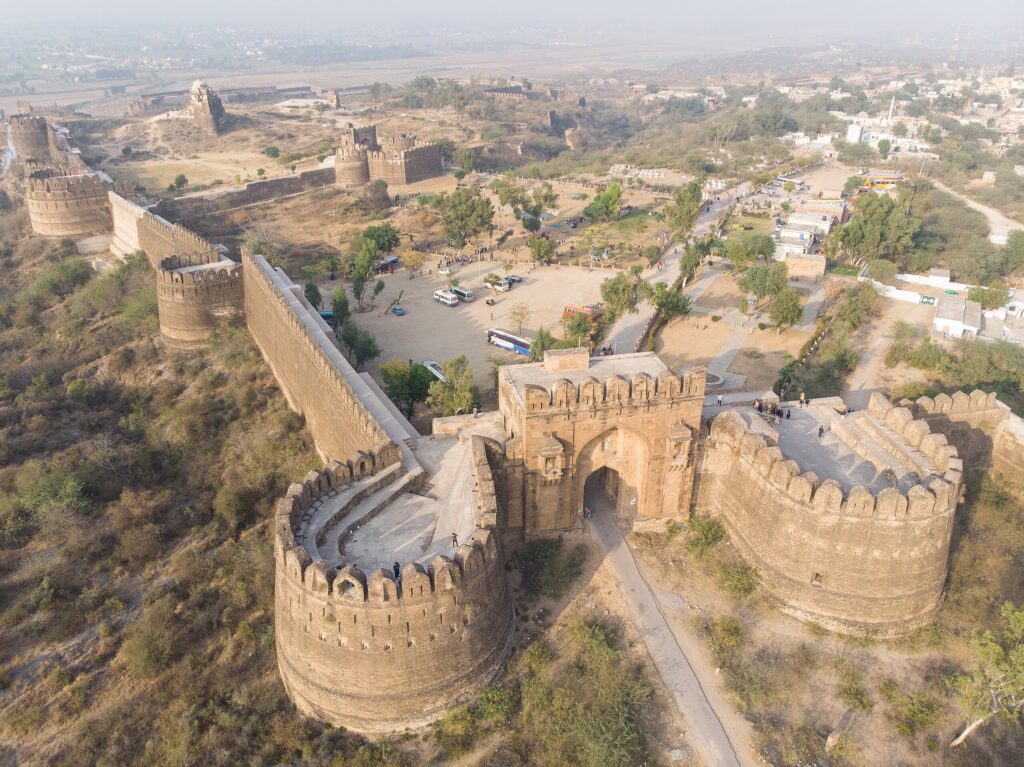
Built in the 1540s by Afghan ruler Sher Shah Suri, the Rohtas Fort is a UNESCO World Heritage Site and one of the largest fortifications in South Asia. Its purpose was to control the Gakhar tribes and secure the strategic route between the Peshawar Valley and northern Punjab. The massive stone walls stretch over 4 km, reinforced by 12 gates and dozens of bastions, making it an imposing example of military architecture.
The fort combines Afghan, Persian, and Indian architectural elements, with gateways like the Sohail Gate standing out for their intricate calligraphy and stone carving. Though the interior is largely in ruins, the scale of the fort and the surrounding views are striking, and visitors can explore ramparts, gateways, and remains of residential areas.
Mohenjo-Daro (UNESCO)
A UNESCO World Heritage Site, Mohenjo-Daro is one of the most important archaeological sites in South Asia, dating back over 4,000 years to the Indus Valley Civilization. Once a thriving urban center, the city showcased remarkably advanced town planning for its time, with a grid-like street system, standardized brick construction, public wells, and one of the world’s earliest known drainage and sewage systems.
Visitors can explore the Great Bath, thought to have been used for ritual purposes, the remains of granaries, residential blocks, and wide streets that reveal the sophistication of this Bronze Age society. The on-site museum houses artifacts including pottery, tools, and the famous “Dancing Girl” statue (a replica; the original is in Karachi).

Taxila (UNESCO)
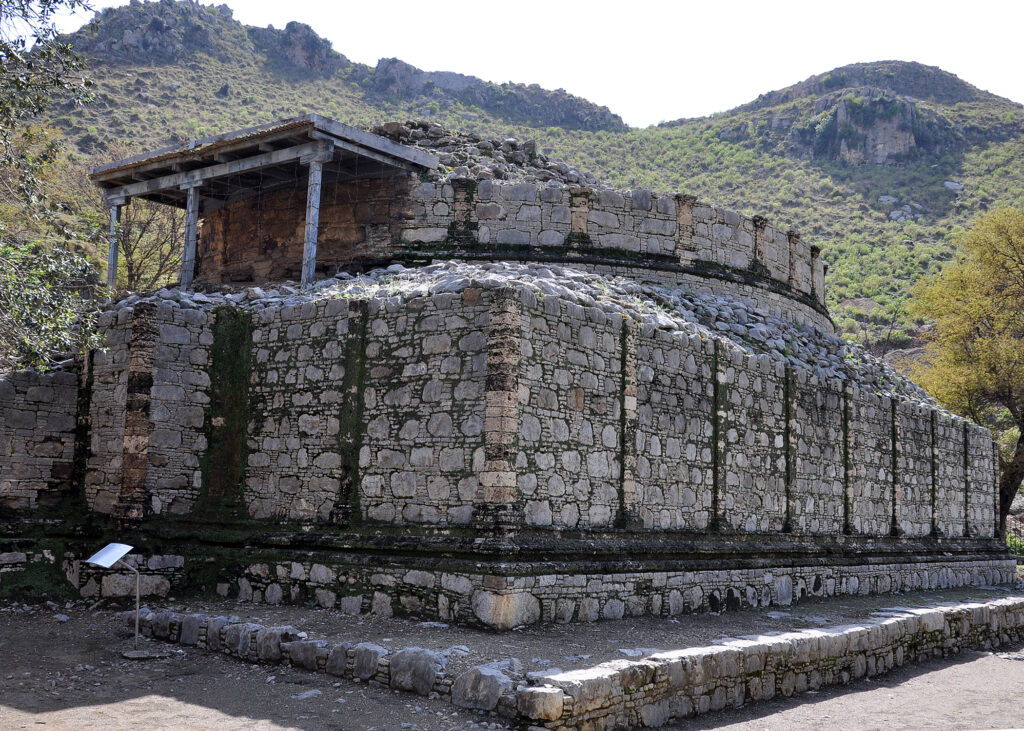
A UNESCO World Heritage Site, Taxila was a major center of the Gandhara civilization and a key stop along ancient trade routes linking South Asia with Central Asia. Flourishing between the 5th century BCE and 5th century CE, the city became a hub of Buddhist learning, art, and culture, blending Greek, Persian, and Indian influences into the distinctive Greco-Buddhist style.
The archaeological complex spans multiple sites, including the Dharmarajika Stupa, the well-preserved Jaulian Monastery, and the remains of ancient city settlements. The Taxila Museum houses remarkable artifacts such as Buddha statues, stone reliefs, coins, and jewelry, offering insight into the region’s multi-layered history.
Shah Jahan Mosque (Thatta)
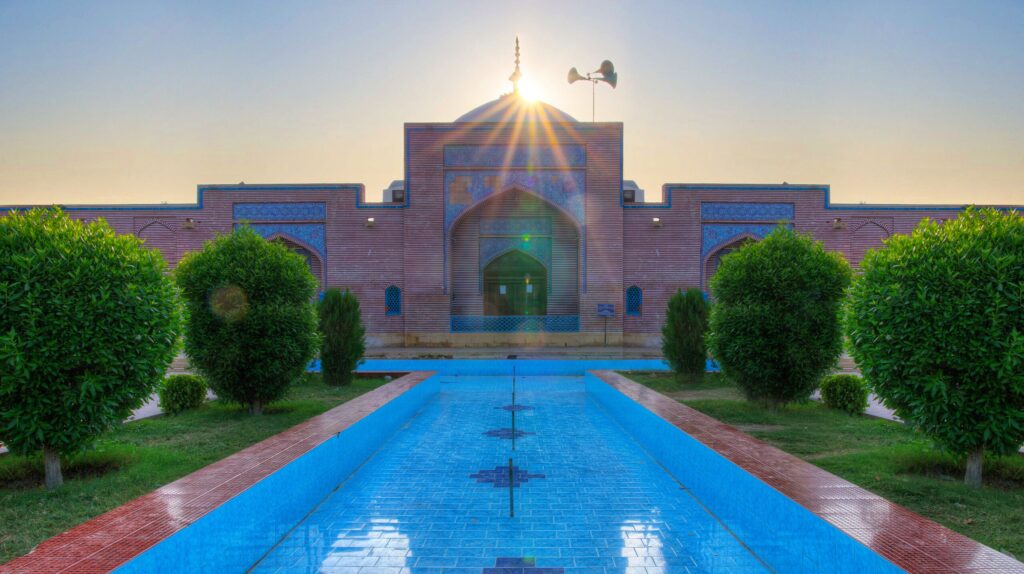
Located in Thatta, Sindh, the Shah Jahan Mosque was built in the mid-17th century under the patronage of the Mughal emperor Shah Jahan, famed for commissioning the Taj Mahal. Unlike most Mughal monuments, this mosque is notable for its extensive use of glazed tilework instead of marble. Its walls and domes are covered in intricate blue, white, and turquoise geometric and floral patterns, representing some of the finest craftsmanship of the era.
The mosque is also renowned for its exceptional acoustics – a person speaking at one end of the main dome can be clearly heard on the opposite side without raising their voice. It has no minarets, which is unusual for Mughal architecture, but features 93 domes, making it one of the largest domed structures in South Asia.
Culinary & Market Experiences
Pakistani Dishes to Try
Pakistan’s cuisine is as diverse as its regions, with each dish carrying a strong sense of place. Biryani, a fragrant rice dish layered with spiced meat, is a Karachi specialty often served at celebrations. Nihari, a slow-cooked beef or mutton stew, is a breakfast favorite in Lahore and Karachi, best enjoyed with fresh naan. From Peshawar, Chapli Kebab brings bold flavors in the form of flat, spicy minced meat patties, usually eaten with chutney and bread.
For hearty main courses, Karahi is a must — a tomato-based curry cooked in a wok-like pan and popular nationwide, with regional variations in spice and texture. Sajji, originating from Balochistan, features whole lamb or chicken stuffed with rice and roasted, traditionally over an open fire. These dishes can be found in local markets, roadside dhabas, and specialty restaurants, offering travelers a direct taste of Pakistan’s rich food heritage.
Best Markets
- Anarkali Bazaar (Lahore) – Historic market for textiles, jewelry, and street food.
- Zainab Market (Karachi) – Known for handicrafts, leather goods, and souvenirs.
- Qissa Khwani Bazaar (Peshawar) – A centuries-old bazaar for spices, tea, and dry fruits.
Travel Tips for Visiting Pakistan
Best Time to Visit
- Spring (March–May) & Autumn (September–November) – Ideal for most regions.
- Summer (June–August) – Best for the northern mountains.
- Winter (December–February) – Good for the south; cold in the highlands.
Pakistan offers an eVisa system for many nationalities, allowing online application before travel. Processing times can vary, so applying at least 2–3 weeks in advance is recommended. Some regions – including Gilgit-Baltistan, certain border areas, and parts of Balochistan – may require special permits in addition to your visa. These are typically arranged through local tour operators or relevant authorities. Always check the latest entry requirements before your trip.
Urdu is the national language, while English is widely understood in cities, hotels, and tourist services, but less common in rural areas – knowing a few Urdu phrases can be helpful. The local currency is the Pakistani Rupee (PKR). ATMs are available in major cities and towns, but cash is essential for rural travel, small shops, and markets. Currency exchange is straightforward in urban centers, and larger hotels may also offer this service.
Transportation & Driving Tips
Getting Around
Domestic flights connect major cities such as Karachi, Lahore, and Islamabad with northern hubs like Skardu and Gilgit, saving significant travel time compared to road journeys. Buses and trains are budget-friendly but slower and less comfortable for long distances. For remote mountain areas, hiring a private car with a local driver is highly recommended – not only for comfort, but also for navigation and safety on challenging roads.
Driving
Road conditions in Pakistan vary widely, from modern motorways to narrow, unpaved mountain tracks. A 4WD vehicle is essential for high-altitude routes (e.g., Karakoram Highway side valleys, Deosai National Park, or the Kalash Valleys). Foreign drivers must carry an International Driving Permit (IDP) alongside their national license. Mountain driving requires caution – landslides, sharp turns, and unpredictable weather can make travel slow, so always plan extra time.
Pakistan is a country of contrasts and connections – where snow-covered peaks meet sunlit deserts, and ancient ruins stand beside bustling modern cities. Its landscapes are as diverse as its cultures, and its people are known for unmatched hospitality.

Published August 10, 2025 • 17m to read