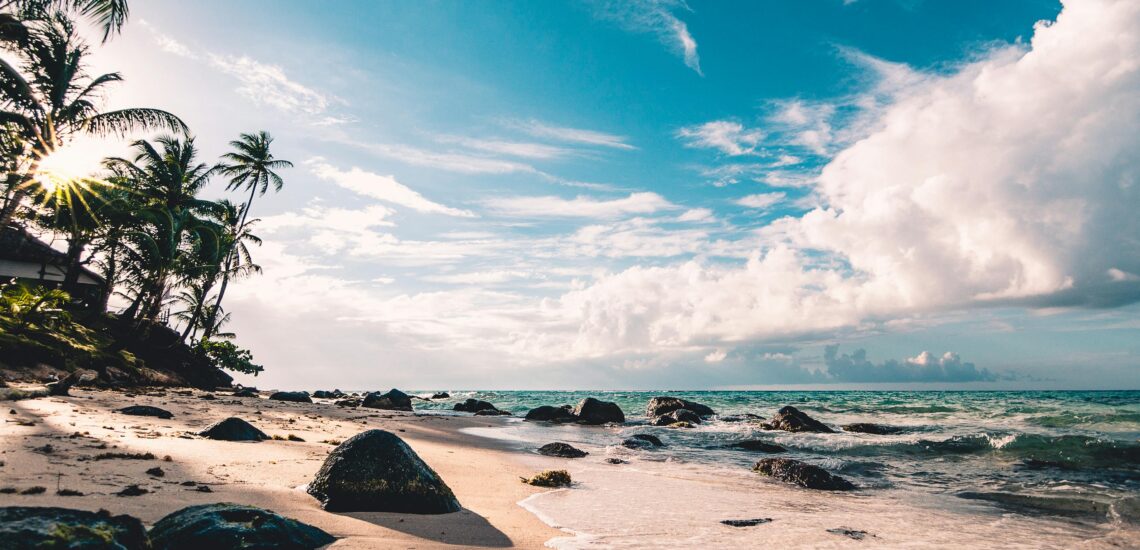


Nicaragua is a country of striking landscapes and strong local character. It combines colonial towns, active volcanoes, freshwater islands, and long stretches of coast on both the Pacific Ocean and the Caribbean Sea. Still less visited than its neighbors, Nicaragua offers travelers a chance to experience Central America in a more natural and unspoiled way. In Granada and León, you can walk through centuries-old streets and explore nearby volcanoes. Lake Nicaragua is dotted with small islands perfect for kayaking, while the Corn Islands offer quiet beaches and diving in clear Caribbean waters.
Best Cities in Nicaragua
Granada
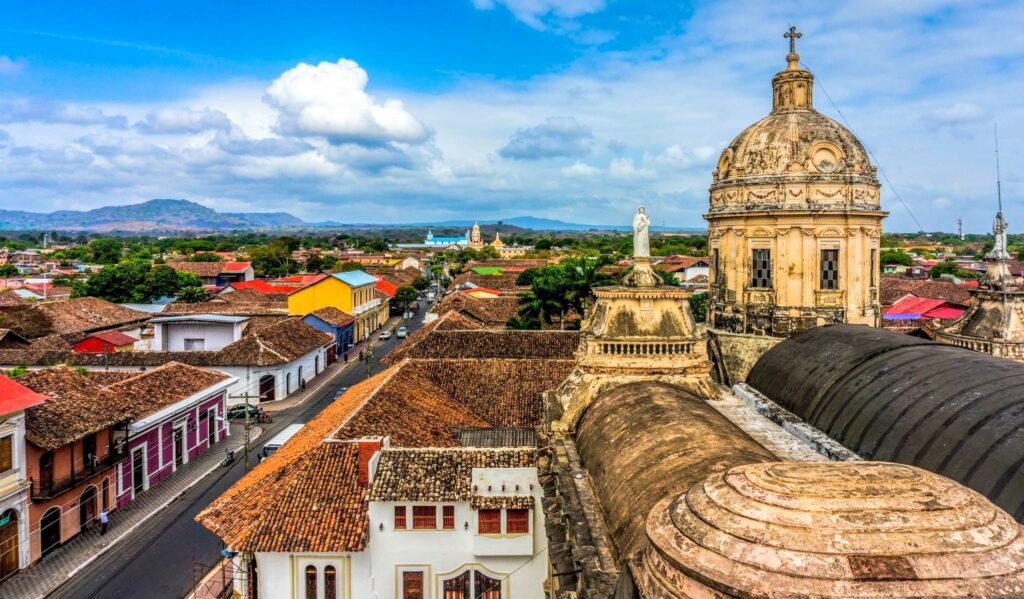
Granada, founded in 1524 on the shores of Lake Nicaragua, is the country’s most historic and visually striking city. Its well-preserved colonial center features Central Park (Parque Colón), surrounded by colorful façades, open-air cafés, and the bright yellow Granada Cathedral, where visitors can climb the bell tower for sweeping views of the city and lake. The nearby Calle La Calzada is the main pedestrian street, lined with restaurants, bars, and galleries that come alive in the evening.
From the waterfront, boat tours explore Las Isletas, a cluster of small volcanic islands covered in tropical vegetation and home to birds and local families. Adventurous travelers can head to the nearby Mombacho Volcano Nature Reserve for hiking trails and canopy zip-lining through the cloud forest. Granada is about an hour’s drive from Managua or two hours from the Costa Rican border, making it one of Nicaragua’s easiest and most rewarding destinations to visit.
León
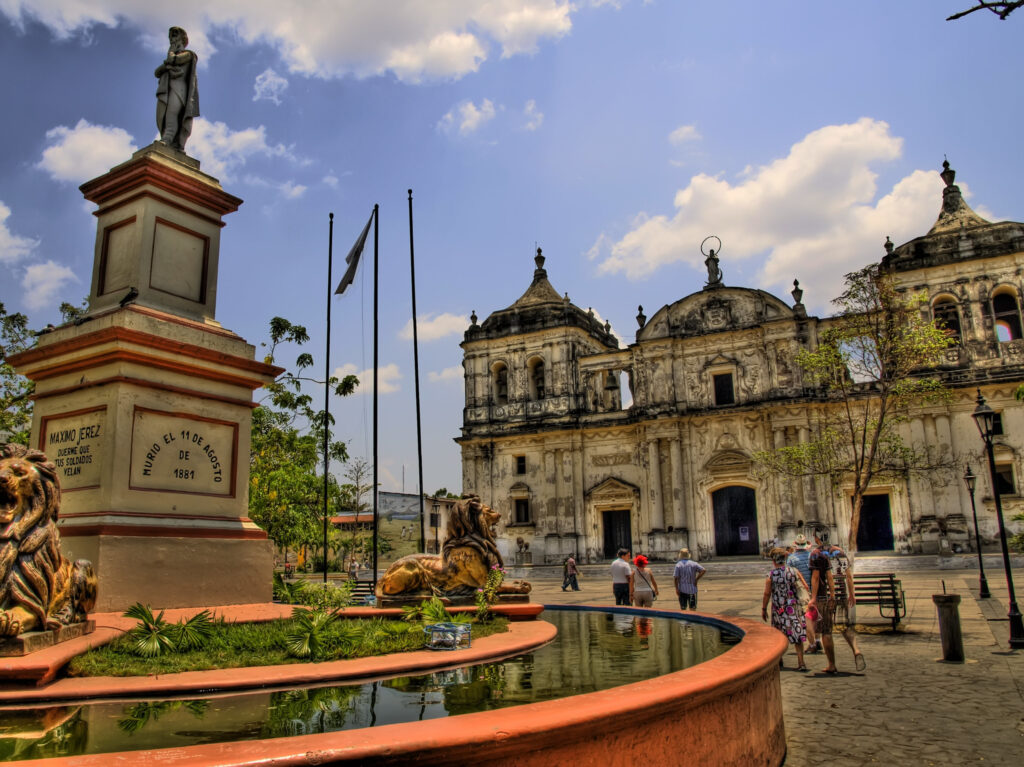
León, Nicaragua’s historic university city, rivals Granada in charm but carries a more intellectual and revolutionary edge. Its centerpiece, the León Cathedral (Basílica de la Asunción), is a UNESCO World Heritage Site and the largest church in Central America. Climbing onto its whitewashed rooftop reveals panoramic views of the surrounding volcanoes and the city’s colonial skyline. The Museum of the Revolution, housed in a former palace, tells the story of Nicaragua’s modern struggles through firsthand accounts and striking photographs.
León’s streets are filled with murals, art galleries, and cafés that reflect its creative and political spirit. Just outside the city, Cerro Negro Volcano offers one of Nicaragua’s most unique adventures – hiking to the summit of the active volcano and sliding down its black ash slopes on a wooden board. León is about a 90-minute drive northwest of Managua and can easily be combined with a visit to the Pacific coast or nearby nature reserves.
Managua
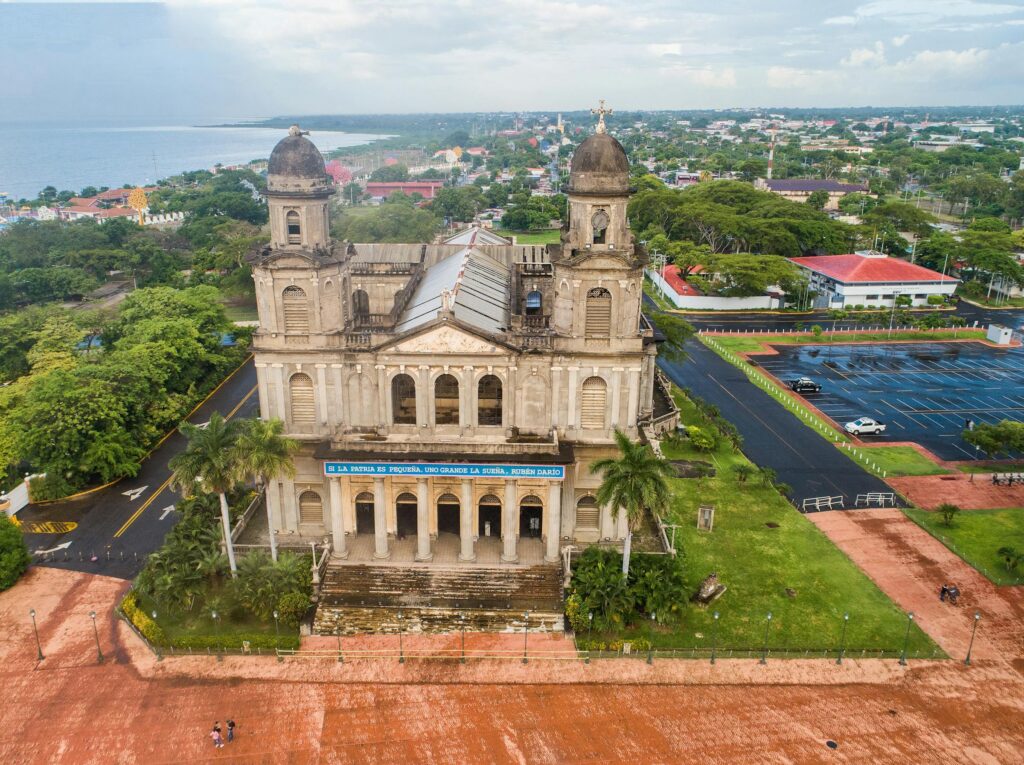
Managua, the capital of Nicaragua, is the country’s political and economic center and a starting point for most travelers. The city blends historical landmarks with modern development and a growing cultural scene. Key sights include the Old Managua Cathedral, a haunting shell preserved after the 1972 earthquake, and the nearby National Palace of Culture, which houses museums and exhibitions on Nicaraguan history and art.
For views of the city and Lake Managua, visitors can head to the Tiscapa Lagoon Natural Reserve, set inside a volcanic crater, where walking trails and a zip-line overlook the skyline. Managua also serves as a convenient base for day trips to Masaya Volcano National Park, where visitors can look directly into an active crater, and the colonial city of Granada. The international airport lies just 20 minutes from downtown, making it the main gateway to the rest of the country.
Masaya
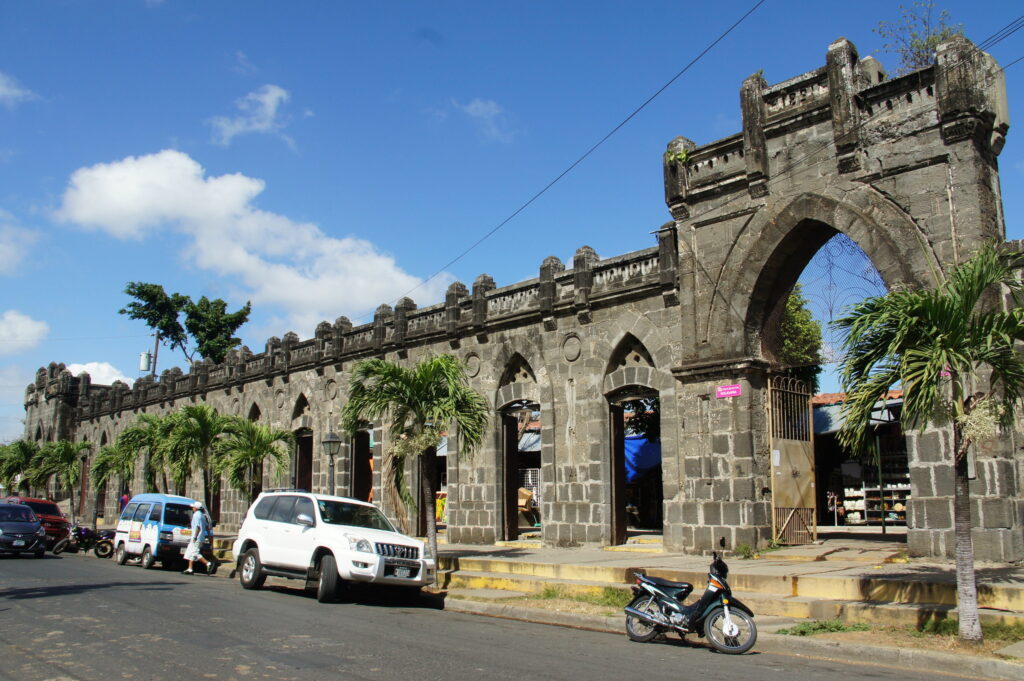
Masaya, located between Managua and Granada, is known as Nicaragua’s “City of Flowers” and a center of traditional crafts and culture. The Masaya Artisan Market inside a restored fortress is the best place to buy handmade hammocks, pottery, leather goods, and textiles while enjoying live marimba music and local food. The town’s lively festivals and parades reflect its deep cultural roots and strong sense of community.
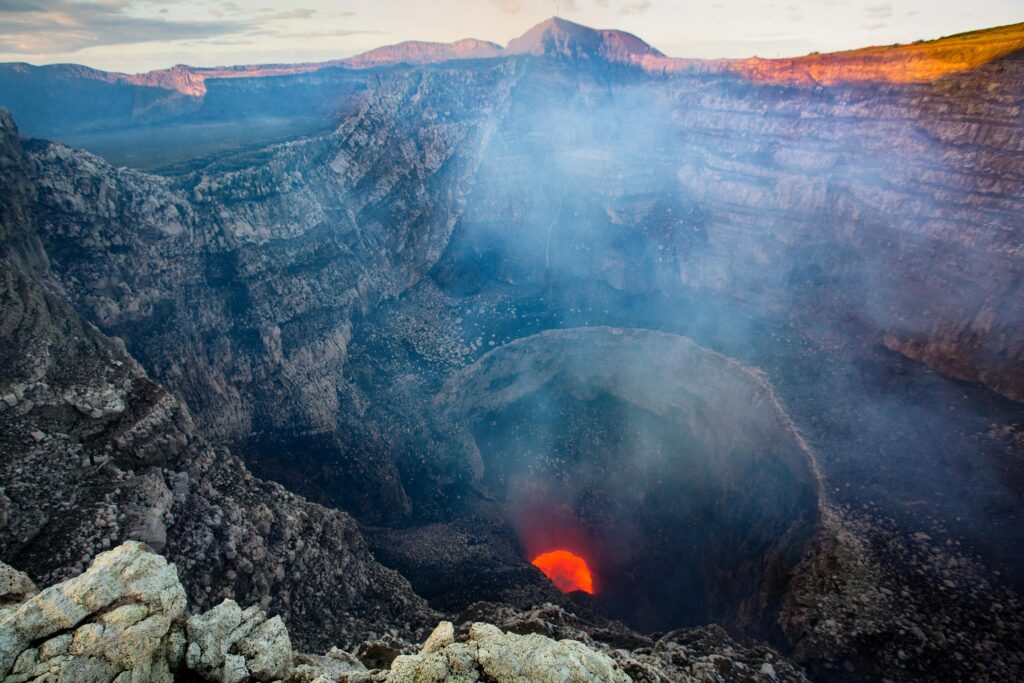
Just outside town, Masaya Volcano National Park offers one of the most dramatic sights in Central America – an active crater that glows with molten lava, visible right from the rim. Visitors can drive to the top, walk along observation platforms, and learn about the volcano’s history at the visitor center. Masaya is only 30 minutes from both Managua and Granada.
Best Natural Wonders in Nicaragua
Ometepe Island
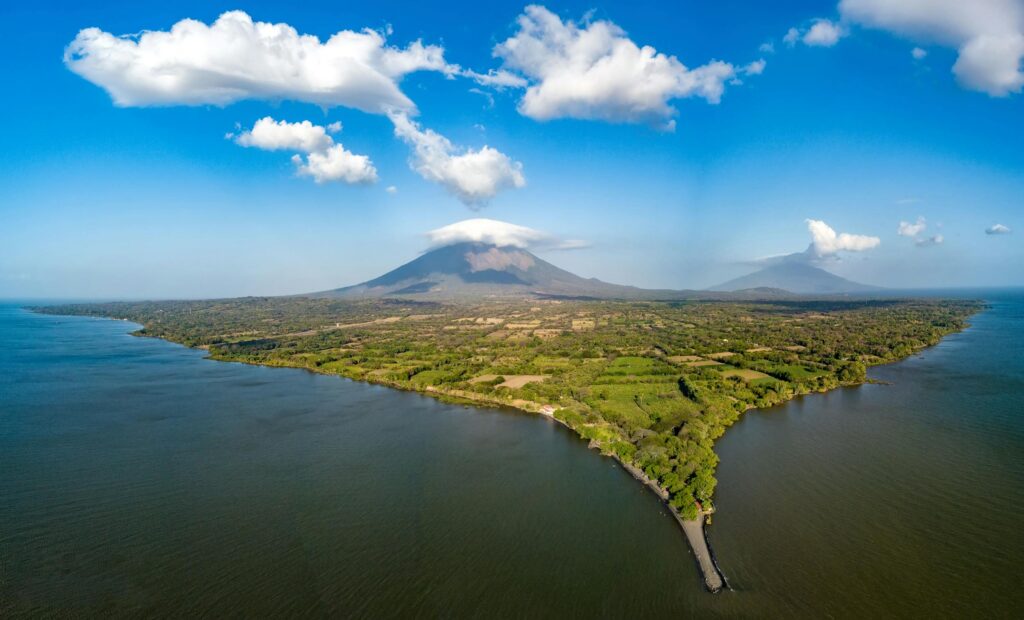
Ometepe Island, set in the middle of Lake Nicaragua, is one of the country’s most unique destinations – a twin-volcano island formed by Concepción, an active peak, and Maderas, a dormant one covered in rainforest. The island’s mix of fertile farmland, quiet villages, and scenic trails makes it ideal for hiking, cycling, and kayaking.
Visitors can swim in the clear waters of Ojo de Agua, a natural volcanic spring, explore ancient petroglyphs carved by pre-Columbian peoples, or visit small organic coffee farms on the slopes of Maderas. Local guides offer volcano hikes and wildlife tours where monkeys, parrots, and tropical birds are common. Ometepe is reached by ferry from the port of San Jorge, about 90 minutes from Granada or Managua by road.
Lake Nicaragua (Cocibolca)
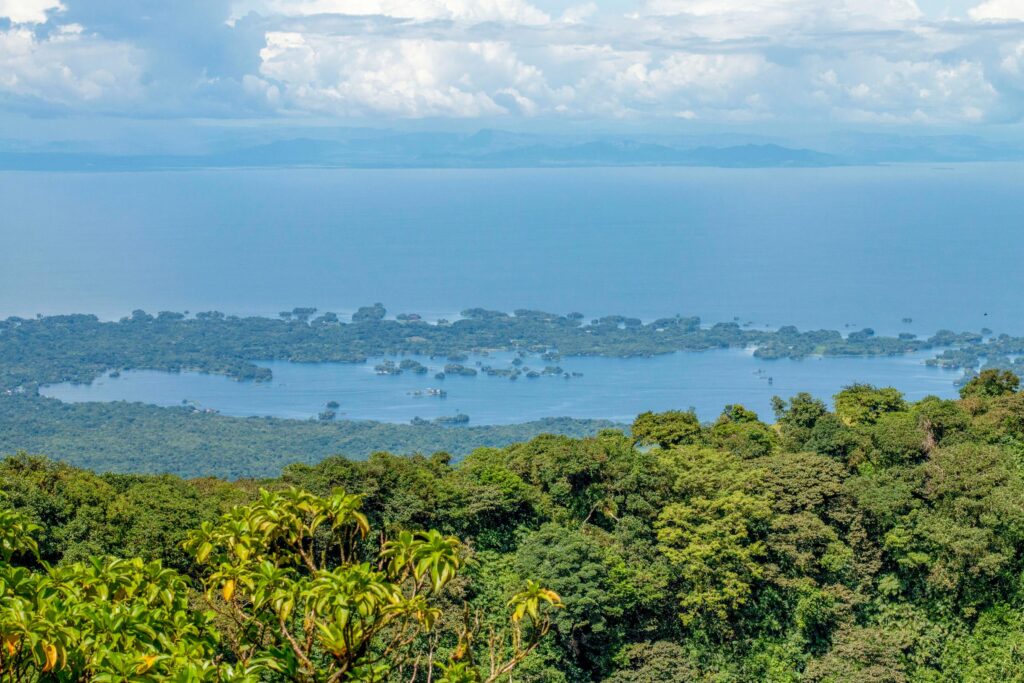
Lake Nicaragua, also known as Lake Cocibolca, is the largest freshwater lake in Central America and a defining feature of southern Nicaragua. Its vast surface is dotted with volcanic islands and small fishing villages, offering plenty to explore by boat. Visitors can take tours from Granada to see Las Isletas, a cluster of tiny islands formed by ancient eruptions, or travel farther to reach Ometepe Island, the lake’s most famous destination.
The lake is also known for its rare freshwater sharks and rich birdlife, which make it a fascinating spot for nature enthusiasts. Fishing, kayaking, and scenic cruises are popular ways to experience its calm waters. The main access points are Granada, San Jorge, and San Carlos, each offering boat connections to different parts of the lake.
Masaya Volcano National Park
Masaya Volcano National Park is one of Nicaragua’s most accessible and dramatic natural sites. Visitors can drive right up to the edge of the active Santiago Crater and watch molten lava glow deep inside – an experience that’s especially striking after sunset. The park also features viewpoints, short trails, and a small museum explaining the area’s volcanic history and geology.
Because the volcano remains active, visits are timed and closely monitored by park rangers, ensuring safety while offering an unforgettable close-up look at the Earth’s raw power. The park is easily reached by car or guided tour from Managua, Granada, or Masaya.
Cerro Negro Volcano
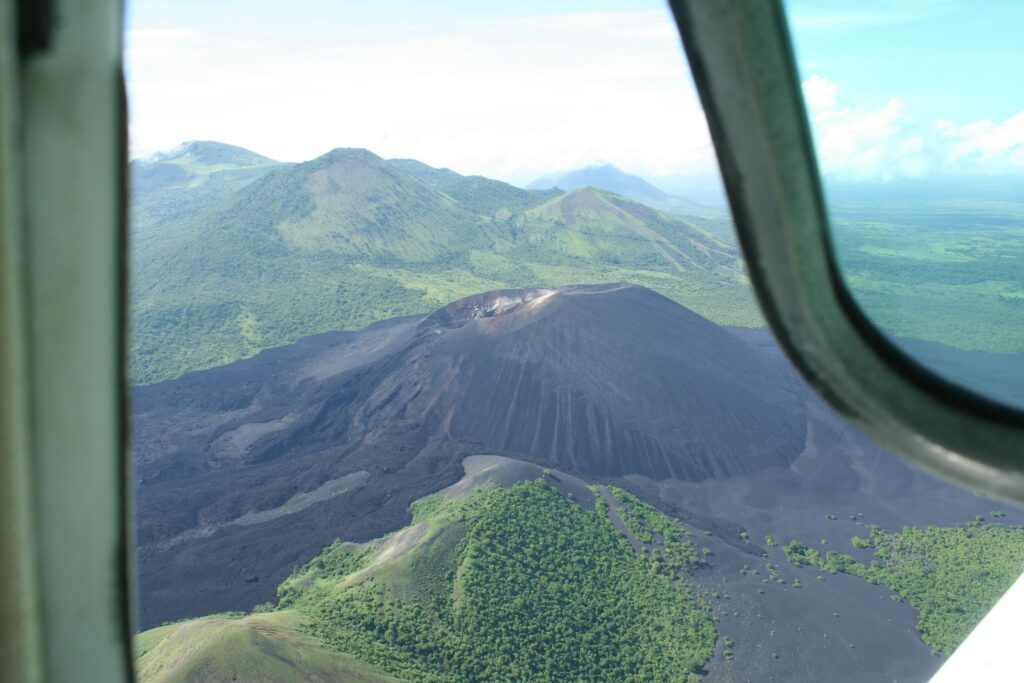
Cerro Negro is one of Nicaragua’s most active and distinctive volcanoes – a dark cone of loose volcanic rock rising from an otherwise green landscape. The hike to the top takes about an hour, offering panoramic views of surrounding volcanoes and plains. The real adventure begins on the way down: visitors strap on special boards and slide down the steep black slope in an activity known as volcano boarding, a uniquely Nicaraguan experience that combines speed and adrenaline. Tours from León include transport, equipment, and guides who explain the volcano’s history and geology. Cerro Negro is about a 45-minute drive from León and can easily be visited as a half-day trip.
Mombacho Volcano
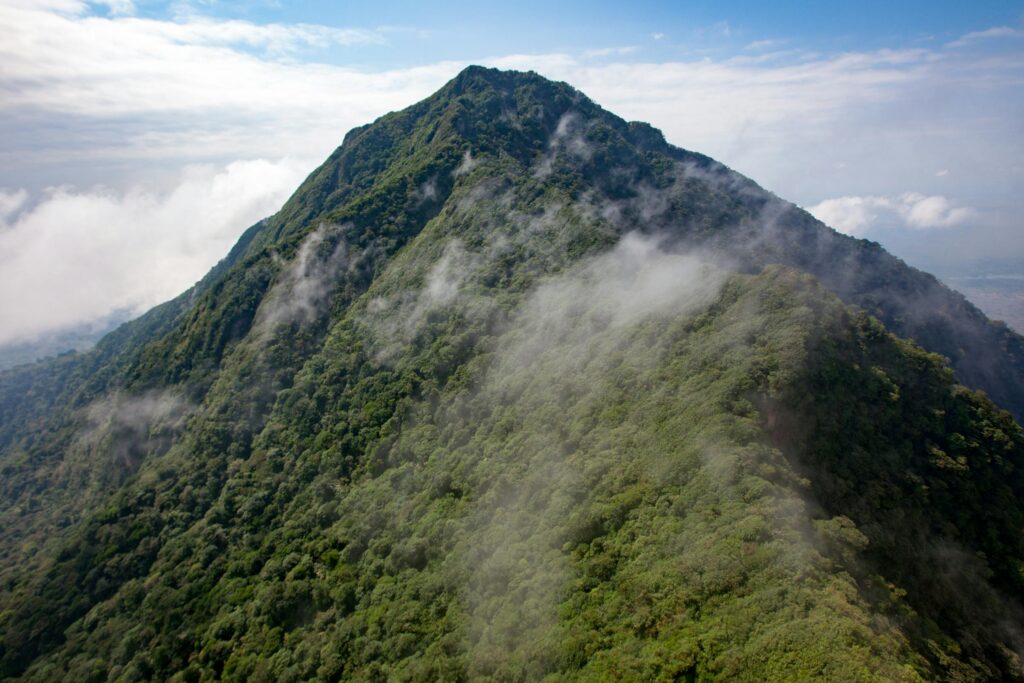
Mombacho Volcano is one of Nicaragua’s most accessible and scenic volcanic reserves. The dormant volcano is covered in dense cloud forest, home to orchids, bromeliads, howler monkeys, and colorful tropical birds. Well-maintained hiking trails circle the crater and lead to viewpoints overlooking Granada, Lake Nicaragua, and the surrounding islets.
Visitors can also explore canopy bridges and zip-line tours that pass through the upper forest, offering a close look at the ecosystem. The summit area, often wrapped in mist, provides a cool contrast to the lowlands below. Mombacho Volcano is about a 30-minute drive from Granada and can be visited easily on a half-day trip.
Somoto Canyon National Monument
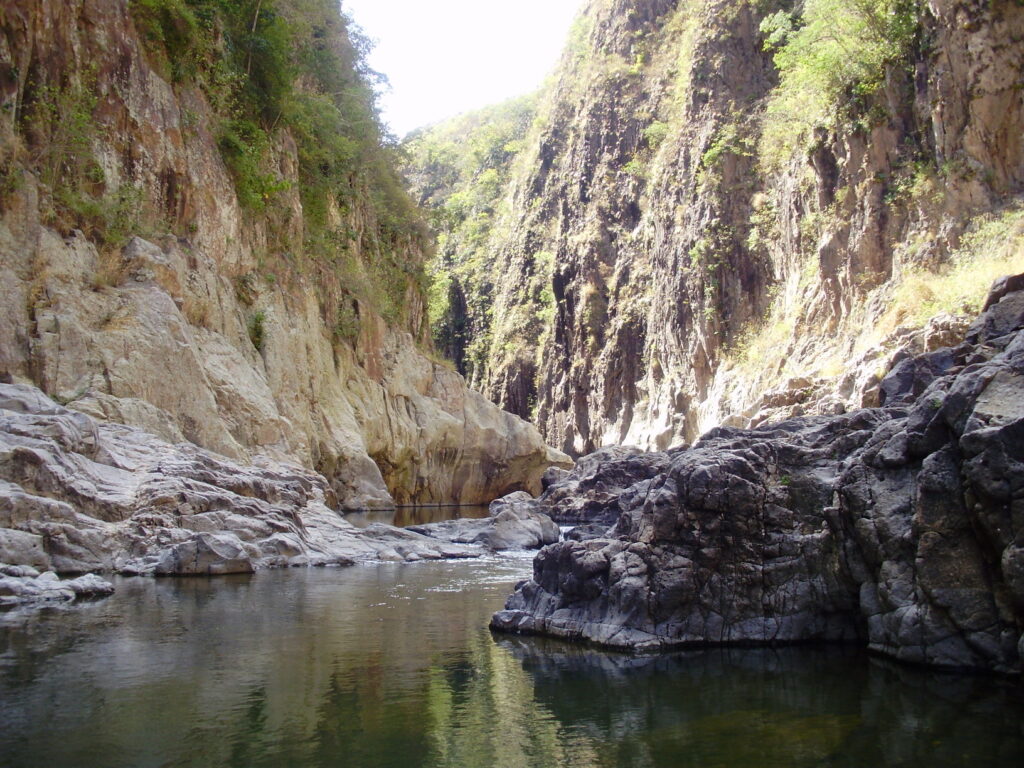
Carved by the Coco River over millions of years, the canyon features turquoise water winding between steep limestone cliffs that rise more than 100 meters high. Visitors can explore the gorge by swimming, tubing, or taking guided tours that include light climbing and short hikes. The canyon offers a mix of adventure and untouched beauty, with calm sections for floating and deeper pools perfect for cliff-jumping. Local guides from nearby communities lead tours of varying lengths, ensuring safe access while supporting sustainable tourism. Somoto Canyon is about a 3.5-hour drive north of Estelí or six hours from Managua.
Apoyo Lagoon Natural Reserve
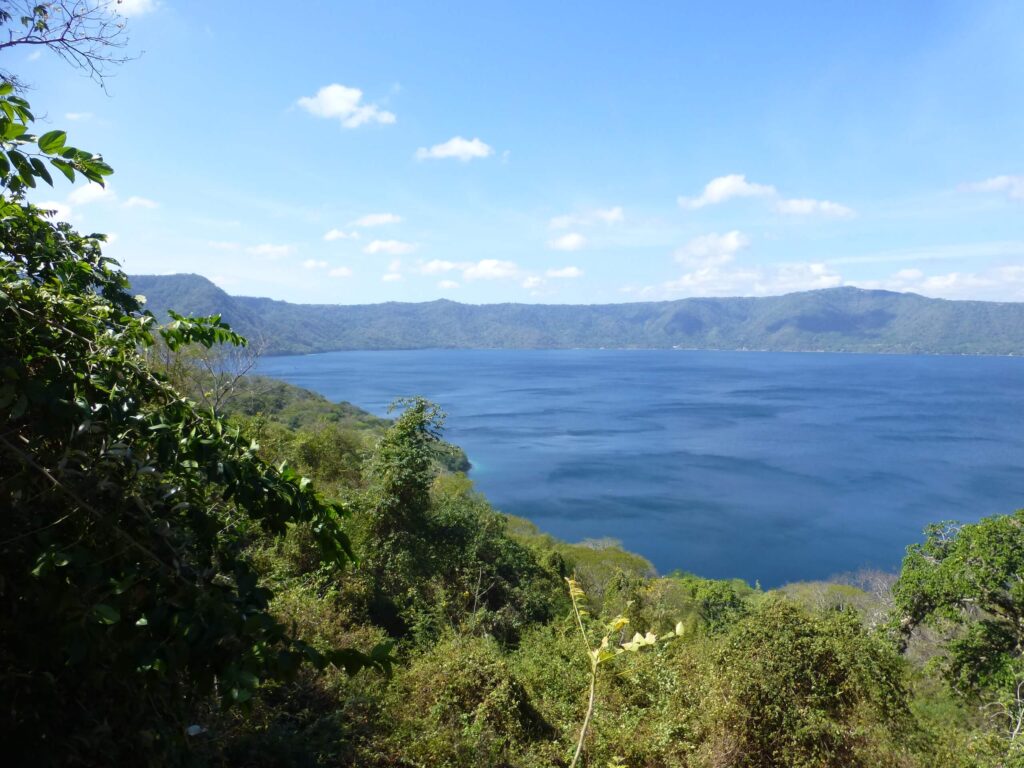
Apoyo Lagoon Natural Reserve is a large volcanic crater filled with clear, warm water perfect for swimming and kayaking. Surrounded by forested hills, the lagoon is protected as a nature reserve, home to tropical birds, monkeys, and butterflies. Its calm setting and clean water make it one of Nicaragua’s best spots to relax and enjoy the outdoors. Several eco-lodges and restaurants sit along the shore, offering equipment rentals, hiking access, and peaceful lake views. The lagoon is easily reached by car or taxi – about 20 minutes from either Granada or Masaya.
Best Beaches
San Juan del Sur
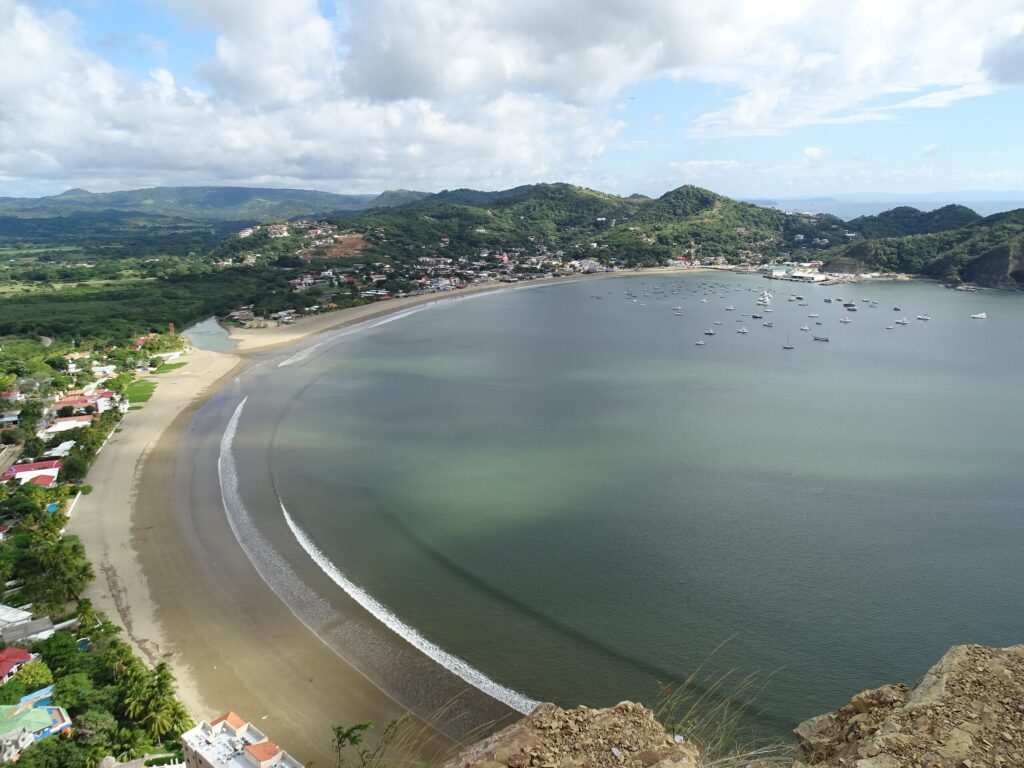
San Juan del Sur is the country’s most popular beach town and a hub for surfing, relaxation, and nightlife. The crescent-shaped bay offers calm waters for swimming and sailing, while nearby beaches such as Playa Maderas and Playa Hermosa attract surfers with consistent waves and laid-back beach bars.
In town, visitors can join yoga classes, explore cafés and seafood restaurants, or enjoy the lively atmosphere after sunset. A short hike or drive up to the Christ of Mercy statue provides panoramic views of the coastline, especially at sunset. San Juan del Sur is about a two-hour drive from Granada or 45 minutes from the Costa Rican border.
Popoyo Beach (Emerald Coast)
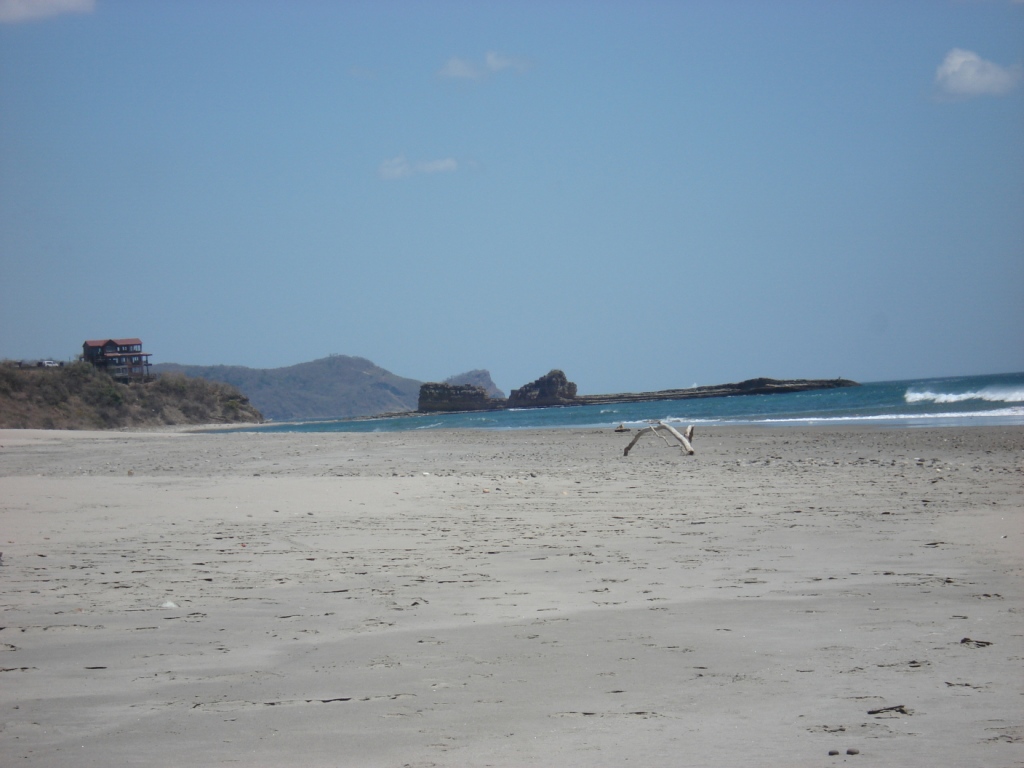
Popoyo Beach is a peaceful surf destination known for its consistent waves and relaxed atmosphere. The beach attracts both beginners and experienced surfers, with multiple breaks including the famous Popoyo Outer Reef for advanced riders. Away from the water, visitors can unwind in boutique lodges or visit the nearby natural hot springs that flow from the coastal cliffs. Unlike the busier resort towns farther south, Popoyo retains a low-key feel with small restaurants and beach bars serving local seafood. It’s also a great base for exploring nearby beaches such as Playa Santana and Playa Guasacate. Popoyo is about a 2.5-hour drive from Managua or 90 minutes from San Juan del Sur along the coastal highway.
Corn Islands (Big Corn & Little Corn)
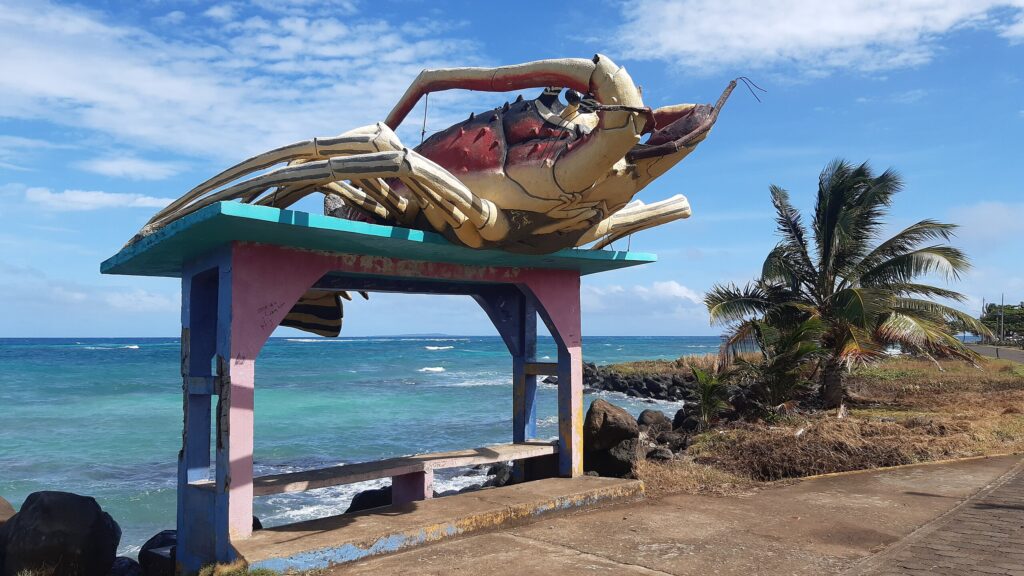
The Corn Islands, located about 70 kilometers off Nicaragua’s Caribbean coast, offer a relaxed island experience far removed from the mainland. Little Corn Island is a car-free paradise of palm-fringed beaches, coral reefs, and small guesthouses where life moves at an easy pace. It’s a top spot for diving, snorkeling, and exploring by foot or kayak.
Big Corn Island is larger and more developed, with colorful guesthouses, local seafood restaurants, and easy access to beaches and viewpoints. Travelers often visit both islands, connected by a short boat ride. The Corn Islands are reached by a 1.5-hour flight from Managua to Big Corn, followed by a 30-minute boat transfer to Little Corn, or by ferry from Bluefields for those traveling along the Caribbean coast.
Playa El Coco
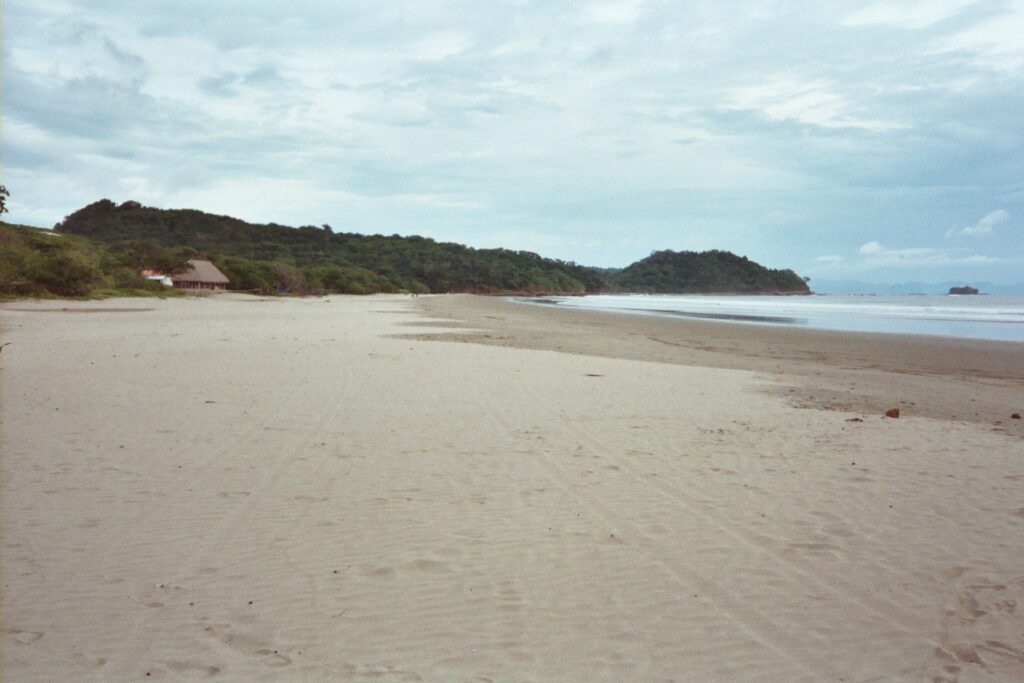
Playa El Coco is a quiet and sheltered beach popular with families and travelers seeking a relaxed coastal escape. Its long stretch of golden sand and calm waves make it perfect for swimming, paddleboarding, and beach games. A few small restaurants and lodges provide food and accommodation right by the shore, maintaining a laid-back atmosphere. The beach is also a nesting site for sea turtles during certain months, with guided evening tours available through local conservation groups. Playa El Coco is easily reached by car or taxi from San Juan del Sur in about 30 minutes.
Pearl Cays
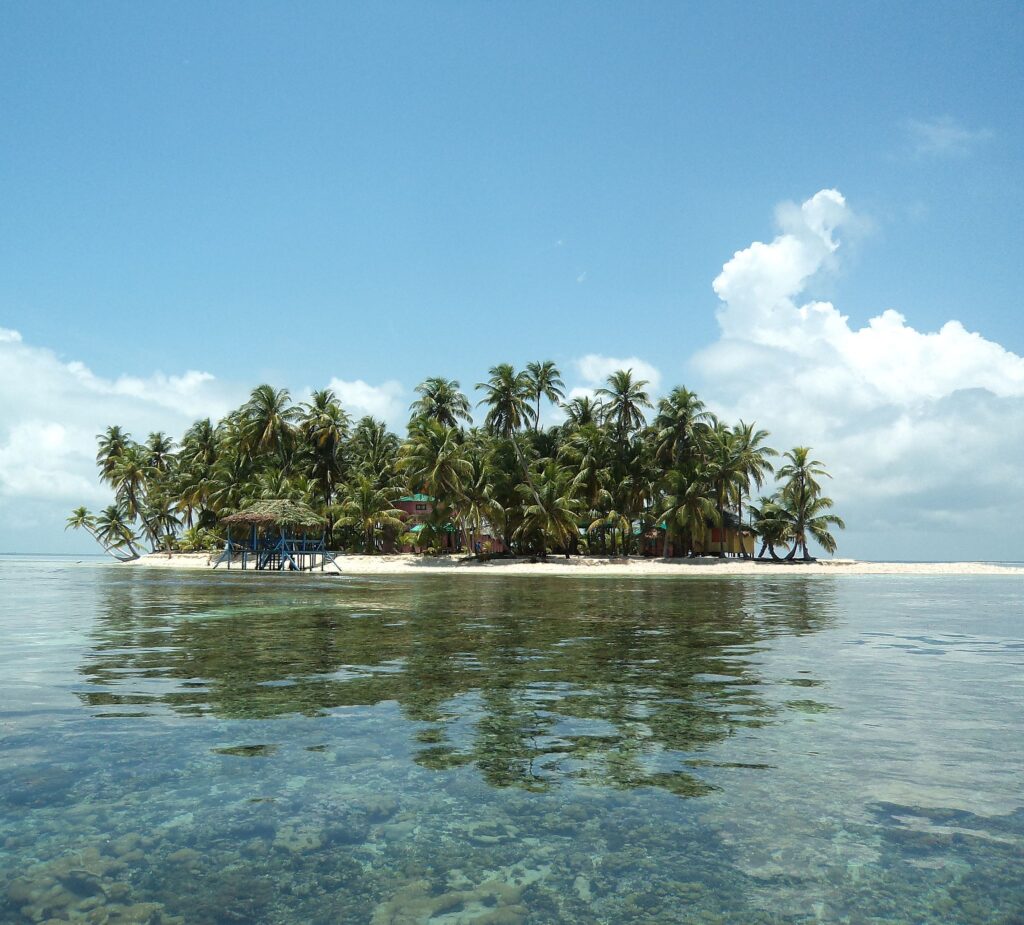
The Pearl Cays are a cluster of small, uninhabited islands surrounded by turquoise water and coral reefs. These remote cays are known for their white sand beaches, clear lagoons, and abundant marine life, making them ideal for snorkeling, swimming, and private boat excursions. Several of the islands serve as nesting sites for sea turtles, particularly between July and October. There are no facilities on the cays, so visits are arranged through local operators in Bluefields, which is accessible by plane or boat from Managua. The Pearl Cays offer one of the most untouched and peaceful island experiences in Nicaragua.
Hidden Gems of Nicaragua
Estelí
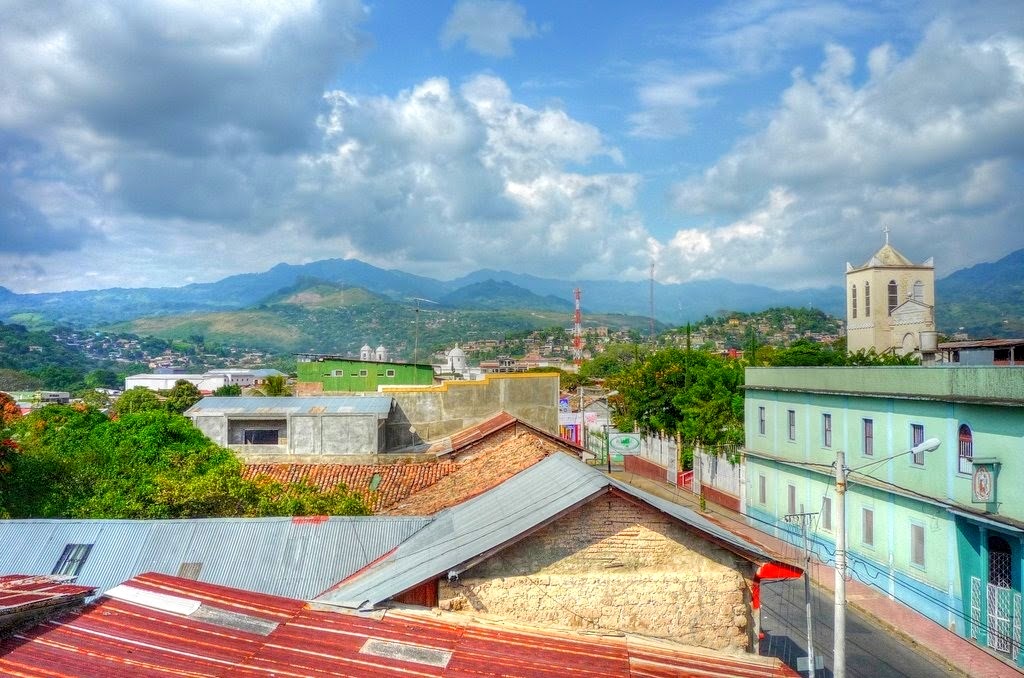
Estelí is known for its strong tobacco industry, vibrant street art, and cool mountain climate. Visitors can tour local cigar factories to see the hand-rolling process that has made the region’s cigars famous, or visit surrounding farms to learn about tobacco cultivation. The city itself is lively but laid-back, with colorful murals depicting social and historical themes across its walls.
Estelí also serves as a base for exploring the Miraflor Nature Reserve, a highland area of forests, waterfalls, and coffee farms. Guided hikes and community-based lodges allow visitors to experience rural life and spot orchids, quetzals, and other wildlife. Estelí is about a three-hour drive north of Managua along the Pan-American Highway.

Matagalpa & Jinotega
Matagalpa and Jinotega are the heart of the country’s coffee-growing region. The cool climate, misty forests, and fertile soil make them ideal for producing some of Nicaragua’s best beans. Visitors can tour family-owned coffee farms to learn about sustainable cultivation and sample fresh roasts right at the source. The region is also known for hiking trails that lead to waterfalls, viewpoints, and cloud forest reserves filled with birds and orchids.
A highlight is Selva Negra Eco-Lodge near Matagalpa, which combines a working organic coffee estate with eco-tourism. Guests can explore forest trails, visit the farm, and learn about conservation and sustainable farming practices. Both towns are about a 2.5- to 3-hour drive north of Managua.
Río San Juan
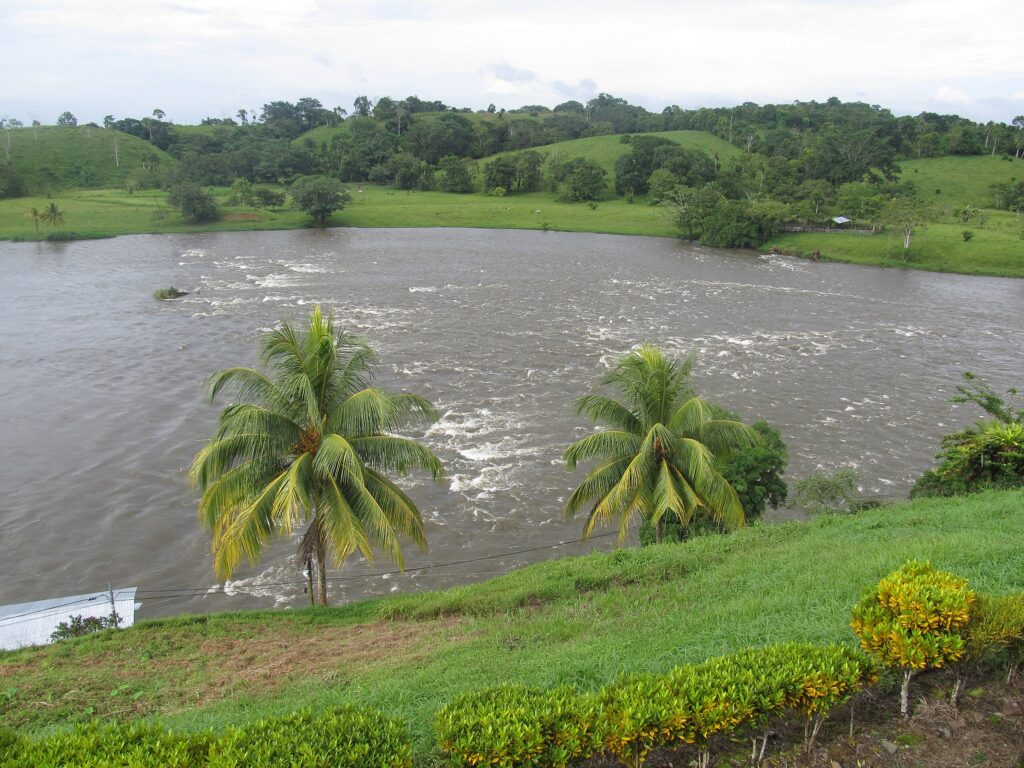
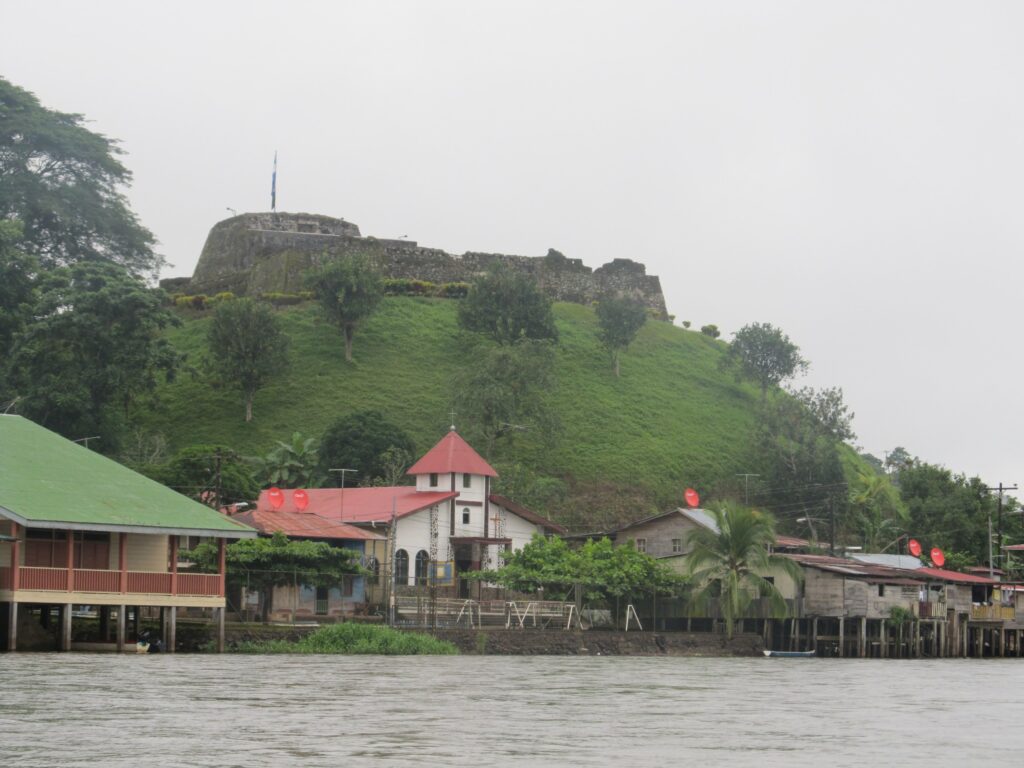
The Río San Juan, stretching from Lake Nicaragua to the Caribbean Sea, is a peaceful yet adventurous route through some of the country’s most pristine rainforest. Traveling along the river reveals dense jungle, small fishing villages, and abundant wildlife – monkeys, caimans, tropical birds, and river turtles are common sights. Visitors can explore by kayak, canoe, or guided boat tour, stopping at historic sites like El Castillo, a 17th-century Spanish fortress that once protected the waterway from pirates.
Eco-lodges and jungle retreats along the river offer comfortable stays and guided excursions into nearby nature reserves such as Indio Maíz, one of Central America’s most biodiverse areas. The journey begins in San Carlos, reached by flight or bus from Managua, followed by a scenic boat trip downriver.
El Castillo
El Castillo, a small town along the Río San Juan, is one of Nicaragua’s most picturesque river destinations. Built on a hillside overlooking the water, it is dominated by the Fortaleza de la Inmaculada Concepción, a 17th-century Spanish fortress constructed to defend the route from pirates sailing toward Lake Nicaragua. Visitors can tour the well-preserved fort and its small museum for insight into the region’s colonial history while enjoying panoramic views of the jungle and river below.
The town itself is quiet and walkable, with family-run guesthouses and restaurants serving fresh river fish. Boat trips from El Castillo explore nearby rainforests and wildlife-rich stretches of the Río San Juan, including excursions into Indio Maíz Biological Reserve. The town is accessible by boat from San Carlos, making it an ideal stop for travelers exploring Nicaragua’s southern river region.
Tola
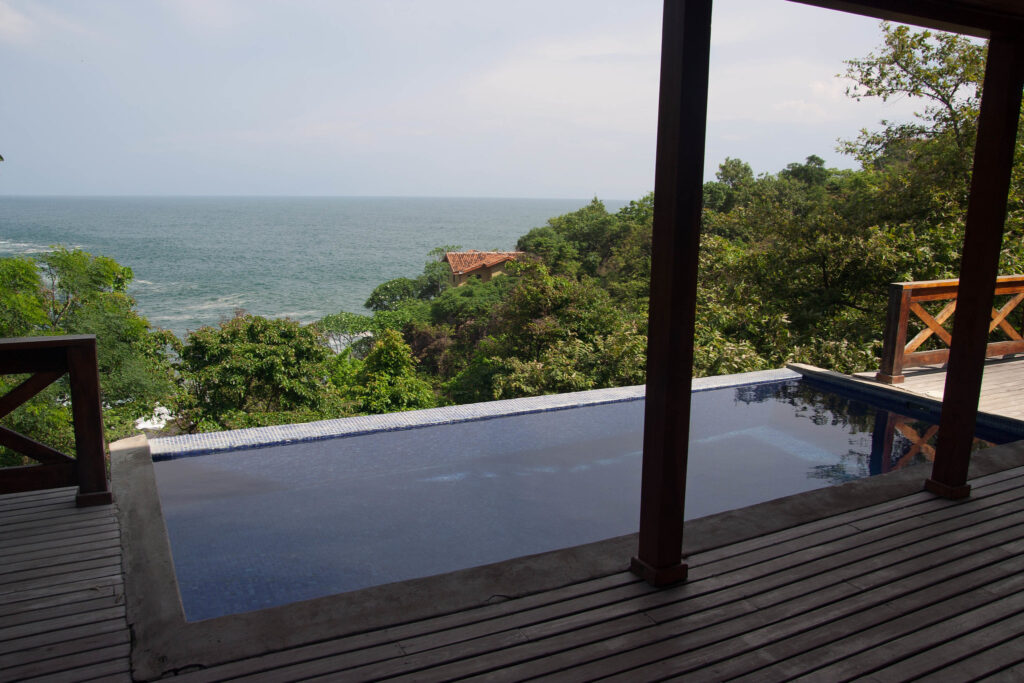
Tola is known for its mix of luxury resorts, world-class surfing, and quiet natural beauty. The area features pristine beaches such as Playa Guacalito, Playa Gigante, and Playa Colorado, each offering consistent waves and calm coves for swimming and paddleboarding. It’s also home to Mukul, Nicaragua’s first luxury eco-resort, which helped put the region on the map for upscale travelers seeking privacy and sustainability.
Beyond the beaches, visitors can play golf at oceanfront courses, enjoy spa retreats, or explore small fishing villages nearby. The area remains peaceful and uncrowded, making it ideal for those looking to combine comfort with adventure. Tola is about a 2.5-hour drive from Managua or just 20 minutes from Costa Esmeralda Airport, which receives small regional flights.
Travel Tips for Nicaragua
Travel Insurance & Safety
Travel insurance is essential, particularly for adventure sports, rural exploration, and medical coverage. Make sure your policy includes hiking, surfing, and evacuation protection, especially if visiting remote regions or the Corn Islands.
Nicaragua is considered one of the safest destinations in Central America, though normal precautions should be observed in urban areas. Tap water is not safe to drink – bottled or filtered water instead. Basic medical services are available in cities, but rural areas may have limited facilities, so plan accordingly.
Transportation & Driving
Nicaragua has a reliable and affordable bus network connecting major cities and towns. Taxis and private transfers are convenient and inexpensive, while domestic flights link Managua with the Corn Islands and the Caribbean coast. Car rental is optional, as most tourist routes are easily accessible without one.
An International Driving Permit is required alongside your national license for foreign visitors. drive on the right-hand side of the road. Roads are generally good between cities but can be rough or unpaved in rural regions – avoid driving at night due to limited lighting. Always carry your driver’s license, ID, and insurance papers, as police checkpoints are common.

Published November 22, 2025 • 14m to read