

Myanmar (formerly Burma) is a country of golden pagodas, mystical temples, serene landscapes, and a heritage that has remained relatively untouched by mass tourism. After decades of isolation, Myanmar is slowly opening to the world, offering travelers a chance to experience a Southeast Asian culture that feels both timeless and authentic.
Best Cities in Myanmar
Yangon (Rangoon)
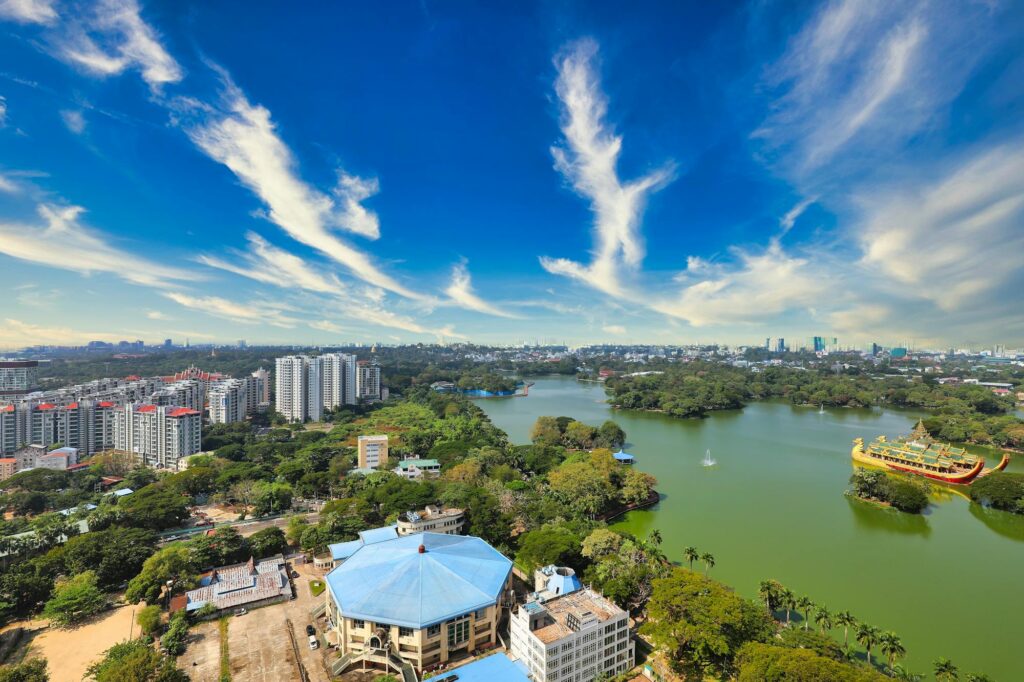
Yangon, Myanmar’s largest city, combines colonial-era architecture with vibrant street life and important Buddhist landmarks. The Shwedagon Pagoda, covered in gold and jewels, is the country’s most sacred site and a must-see at sunset. Sule Pagoda sits at the city’s heart, while Scott Market (Bogyoke Aung San Market) is the go-to place for gems, handicrafts, and souvenirs. For a calmer escape, Kandawgyi Lake offers a scenic walk with views of Shwedagon.
The best time to visit is from November to February, when the weather is cooler and drier. Yangon is served by Yangon International Airport, with easy connections across Asia. Getting around the city is best done by taxi, ride-hailing apps, or on foot in the central districts.
Mandalay
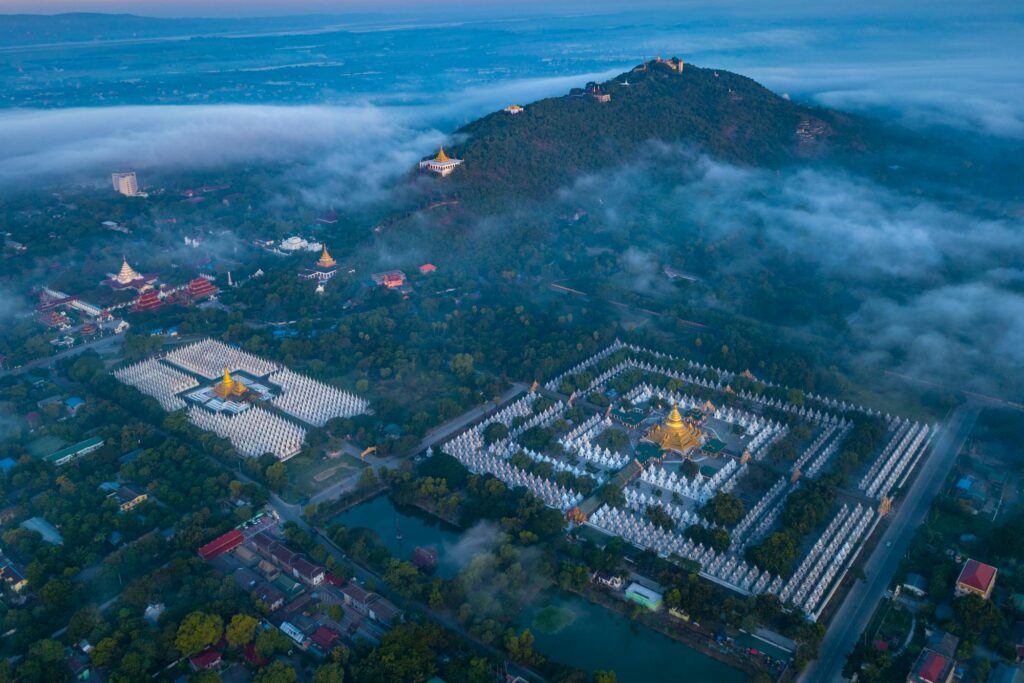
Mandalay, Myanmar’s last royal capital, is worth visiting for its monasteries, artisan traditions, and historic surroundings. Key sights include the Mandalay Palace, Mahamuni Buddha Temple with its gold-covered statue, and U Bein Bridge – the world’s longest teakwood bridge, most impressive at sunset. Nearby day trips take you to Mingun, home to the massive unfinished pagoda and Mingun Bell, and to Sagaing and Amarapura, known for hills dotted with monasteries and meditation centers.
The best time to visit is November to February, when the weather is dry and pleasant for exploring. Mandalay is served by an international airport with flights from Yangon, Bangkok, and other regional hubs. From the airport, taxis or private cars are the easiest way to reach the city and its surrounding sites.
Bagan
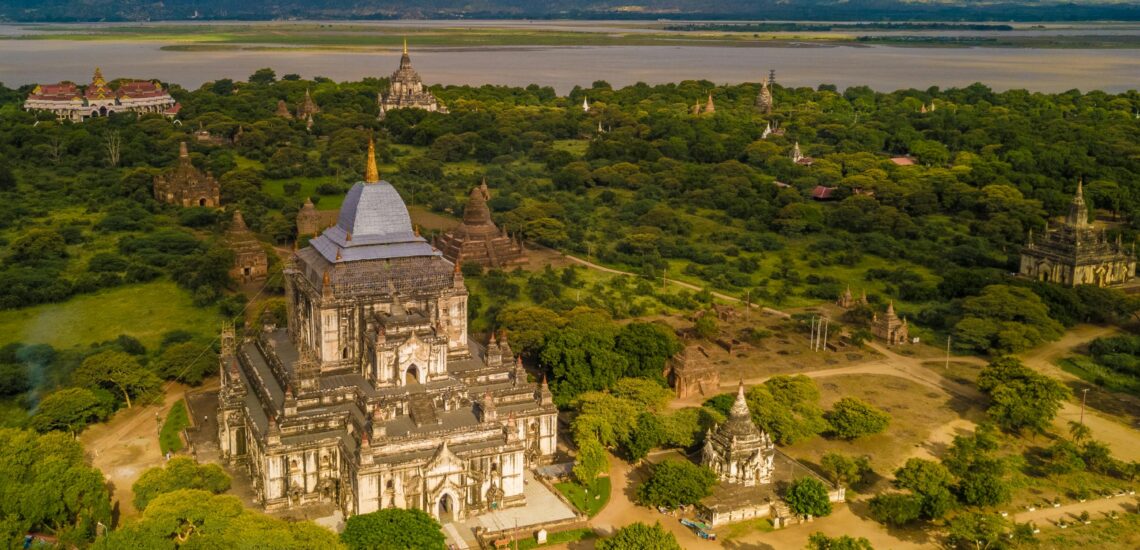
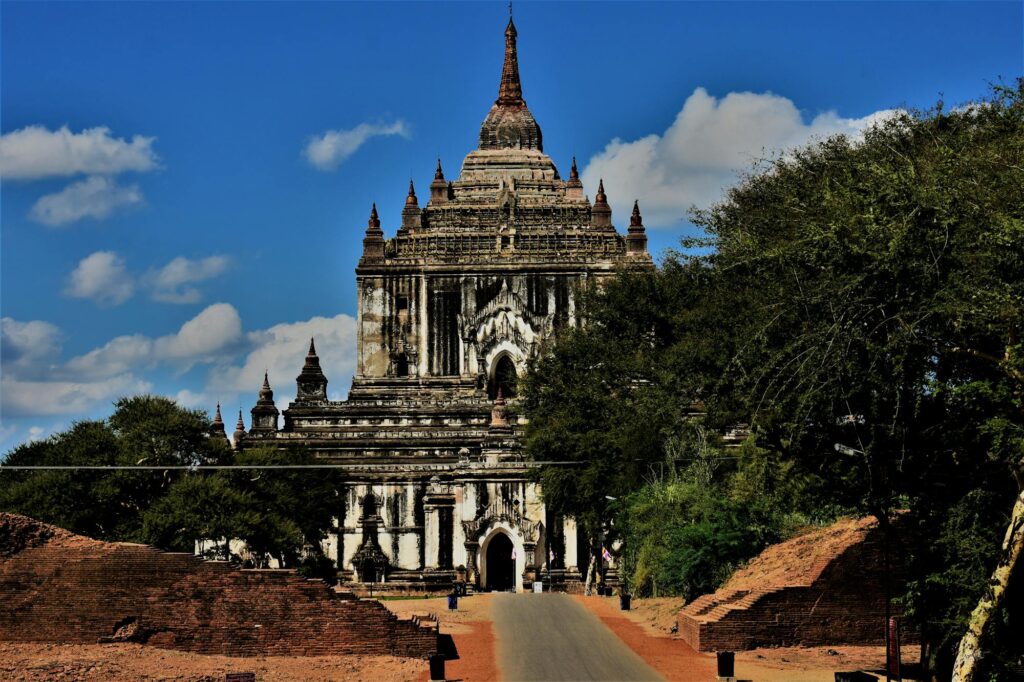
Bagan, a UNESCO World Heritage Site, is Myanmar’s most iconic destination with more than 2,000 temples and pagodas spread across vast plains. Major highlights include Ananda Temple, Shwezigon Pagoda, Dhammayangyi Temple, and Thatbyinnyu Temple, each showcasing the artistic and religious heritage of ancient Burma. Exploring the site at sunrise or sunset makes for unforgettable views, whether from temple terraces or a hot air balloon.
Naypyidaw
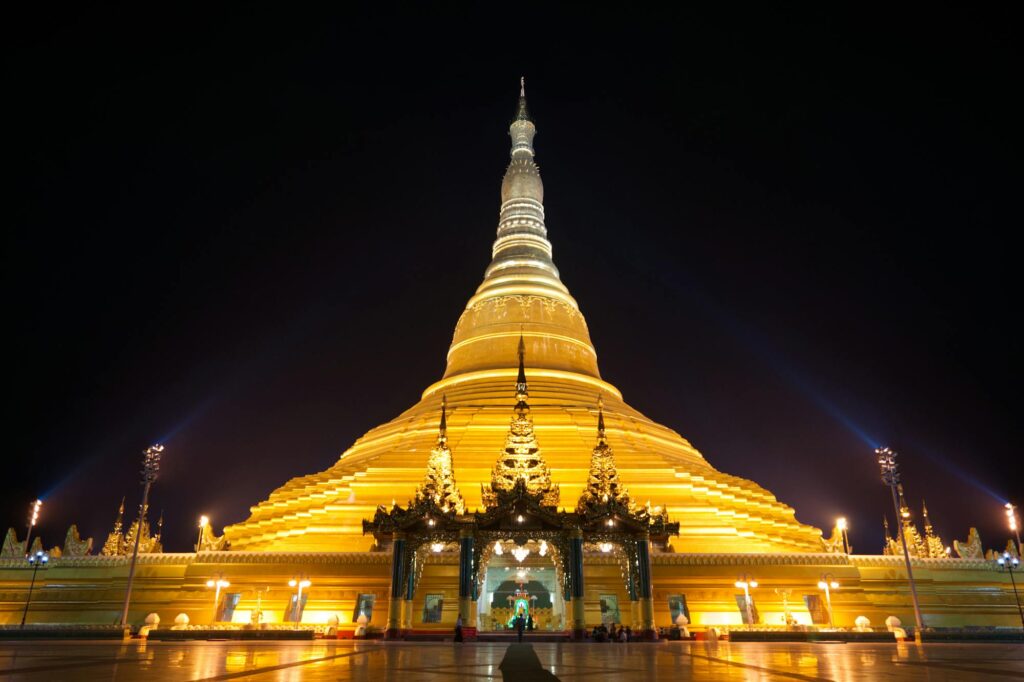
Naypyidaw, Myanmar’s capital since the early 2000s, is a planned city known for its wide, empty highways, monumental government buildings, and unusual sense of scale. Key places to see include Uppatasanti Pagoda (a replica of Yangon’s Shwedagon), the National Museum, and the Zoological Gardens. The city offers insight into modern Myanmar’s political landscape rather than traditional sightseeing.
Best Natural Attractions
Inle Lake
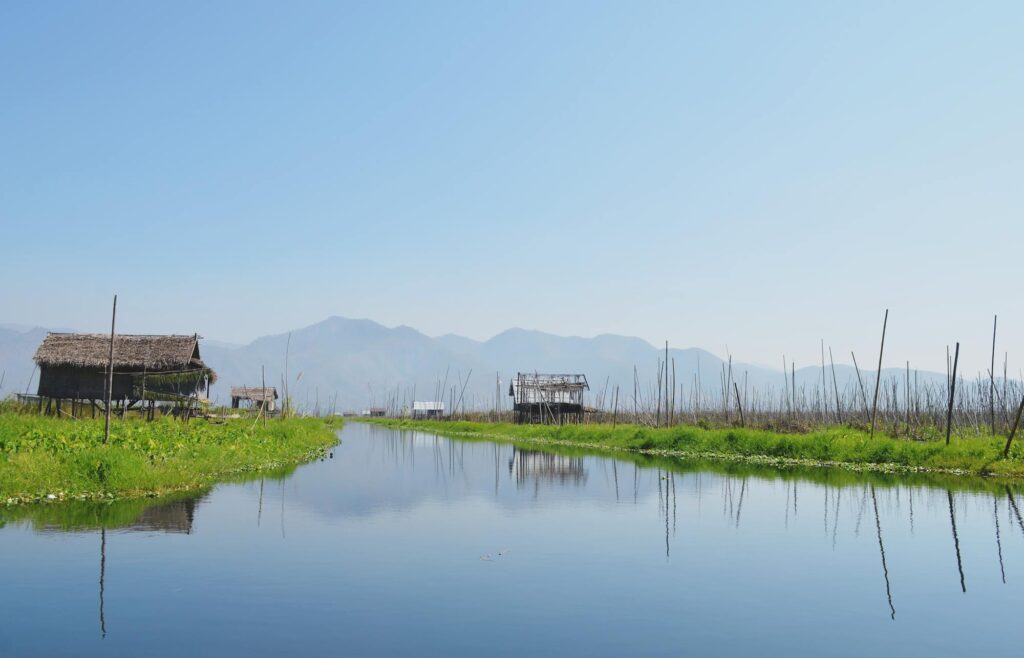
Inle Lake, set among the Shan Hills, is famous for its floating gardens, stilt-house villages, and traditional markets run by the Intha people. Highlights include watching the unique leg-rowing fishermen, visiting Phaung Daw Oo Pagoda and Nga Hpe Kyaung Monastery, and exploring the Indein Pagodas hidden among bamboo groves. A sunrise boat ride across the calm waters is the most memorable way to experience the lake.
The best season to visit is from November to February, when the weather is cool and the skies clear. Inle Lake is reached via Heho Airport, a short flight from Yangon or Mandalay, followed by an hour’s drive to Nyaung Shwe, the main gateway where boat trips begin.
Kalaw
Kalaw, a former British hill station, is known for its cool climate and scenic trekking routes. Travelers come here to walk through tea plantations, pine forests, and minority villages, often joining community-based treks that highlight the traditions of local Danu, Pa-O, and Palaung communities. It is also the most popular starting point for multi-day hikes leading to Inle Lake.
Hpa-An
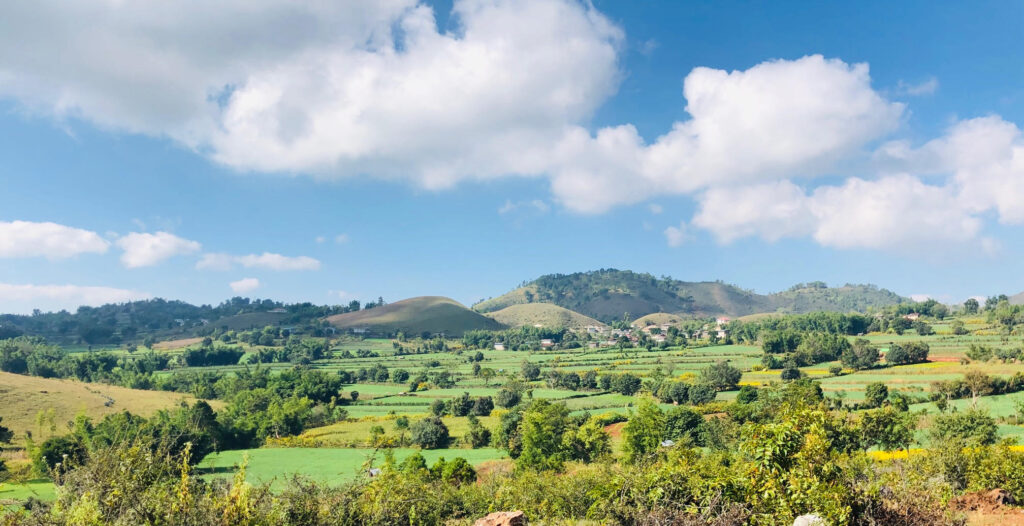
Hpa-An is a laid-back riverside town known for its dramatic limestone cliffs, rice paddies, and cave temples. Top attractions include Sadan Cave with its vast chambers, Kawgun Cave decorated with thousands of tiny Buddha images, and the striking Kyauk Ka Lat Pagoda set on a rock in the middle of a lake. The town offers a slower pace and authentic charm, making it a great off-the-beaten-path stop in Myanmar.
The best time to visit is from November to February, when the weather is cooler and dry. Hpa-An is about a 6–7 hour drive from Yangon or 4–5 hours from Mawlamyine, with buses and shared vans available. Once there, motorcycles or tuk-tuks are the easiest way to explore the caves and countryside.
Mount Kyaiktiyo (Golden Rock)
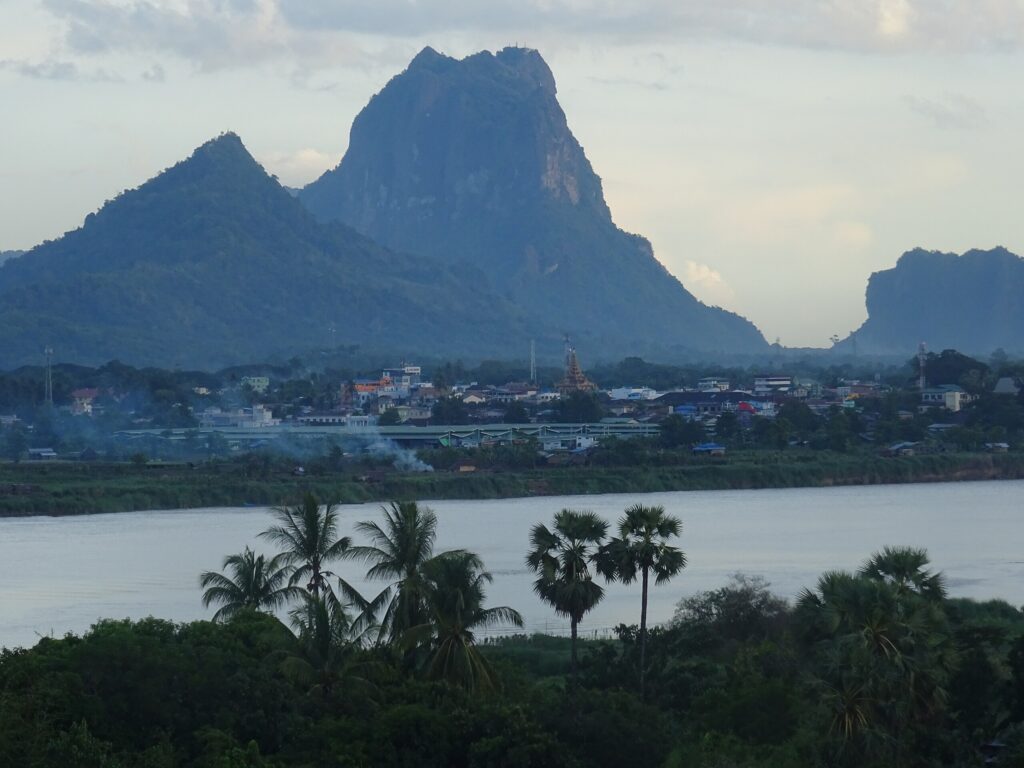
Mount Kyaiktiyo, better known as the Golden Rock, is one of Myanmar’s most sacred pilgrimage sites. The giant golden boulder appears to balance on the edge of a cliff, said to be held in place by a single hair of the Buddha. Pilgrims and visitors come to witness its unique setting, light candles, and enjoy panoramic views of the surrounding mountains.
Ngapali Beach
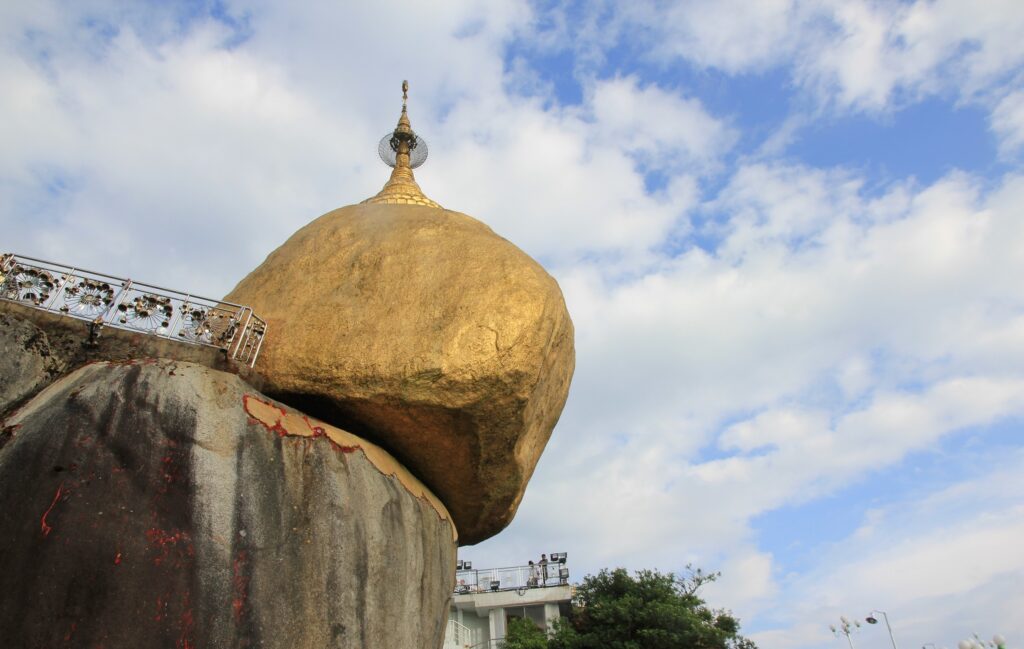
Ngapali Beach is Myanmar’s top seaside escape, with palm-fringed white sand and clear turquoise waters. It’s ideal for relaxing in boutique resorts, visiting nearby fishing villages, or enjoying boat trips and snorkeling in the Bay of Bengal. Fresh seafood is another highlight, with beachside restaurants serving daily catches.
Hidden Gems
Mrauk U
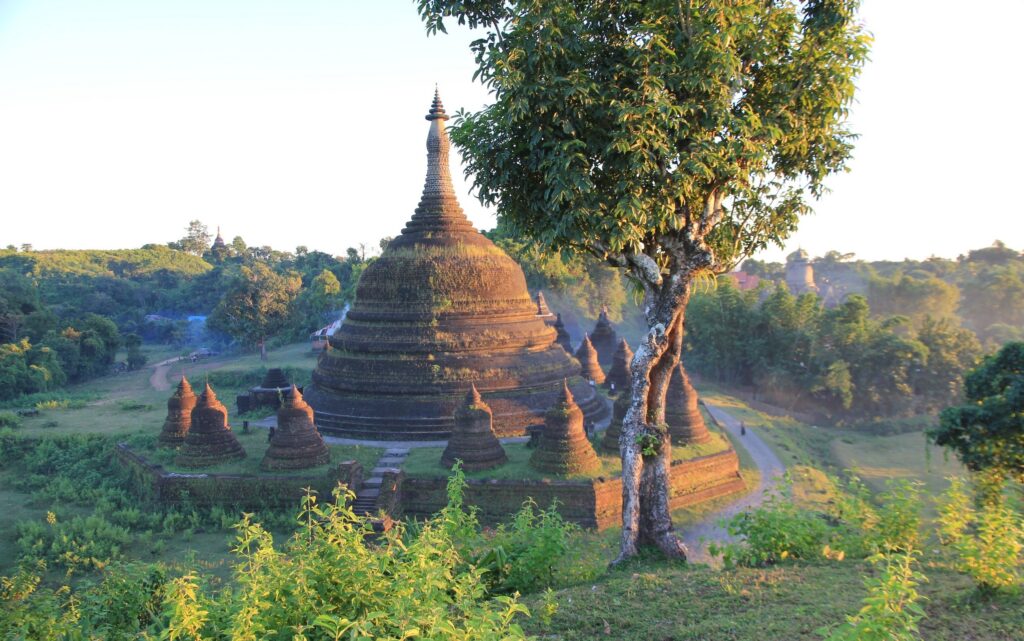
Mrauk U, once the capital of the Arakanese kingdom, is home to atmospheric temple ruins often compared to Bagan but with far fewer visitors. Highlights include Shittaung Pagoda, known as the “Temple of 80,000 Buddhas,” and Htukkanthein Pagoda, built like a fortress. The surrounding landscape of hills and mist adds to the site’s mysterious appeal.
The best time to visit is from November to February, when the weather is dry and cooler for exploring. Mrauk U is reached by a domestic flight to Sittwe, followed by a 4–5 hour boat journey up the Kaladan River, making it more remote but rewarding for those seeking history off the beaten path.
Putao
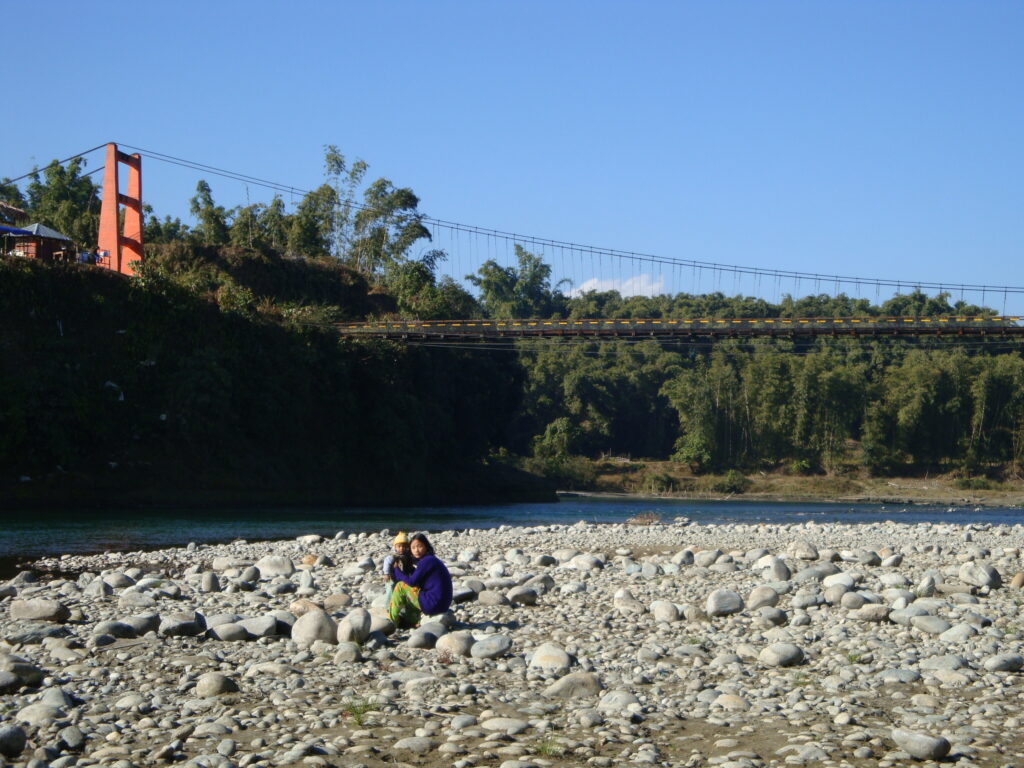
Putao, in the far north of Myanmar, is a remote Himalayan town known for trekking, eco-tourism, and untouched natural beauty. Surrounded by snow-capped peaks, rivers, and dense forests, it serves as a base for multi-day hikes to ethnic villages and expeditions into the mountains. The area is popular with adventure travelers looking for off-the-beaten-path experiences.
Loikaw
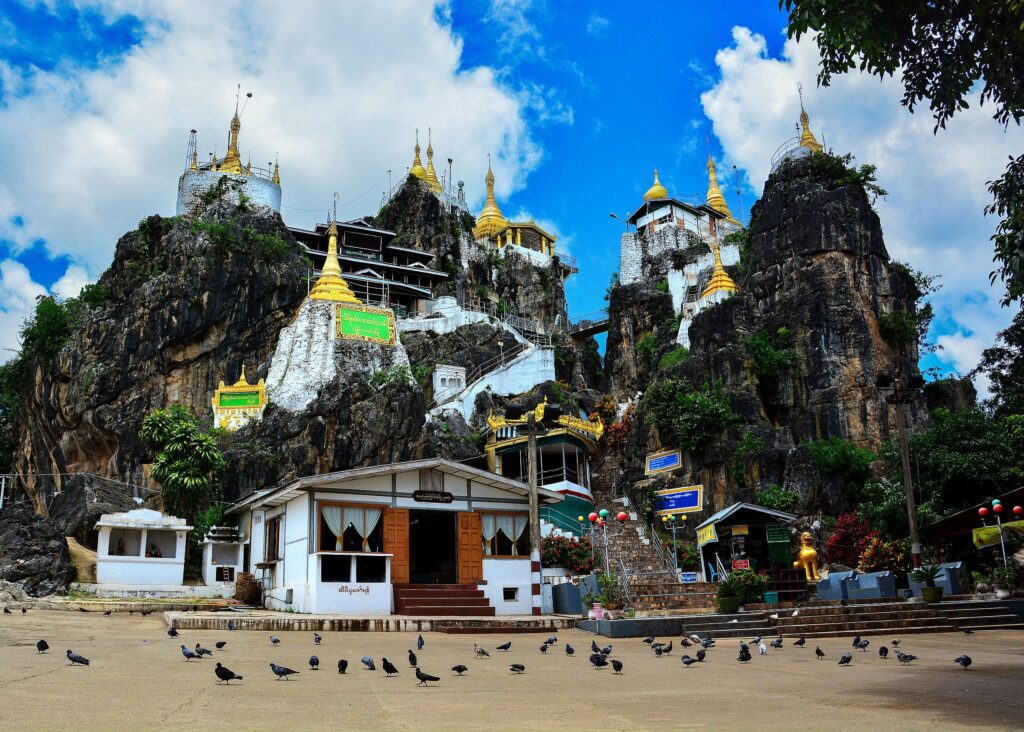
Loikaw, the capital of Kayah State, is best known for its diverse ethnic communities, including the Padaung women, famous for their traditional long-neck rings. Visitors can explore tribal villages, local markets, and hillside pagodas such as Taung Kwe Pagoda, which offers panoramic views over the town. Cultural encounters and community-based tourism make Loikaw a rewarding stop for those seeking authentic experiences.
Lashio
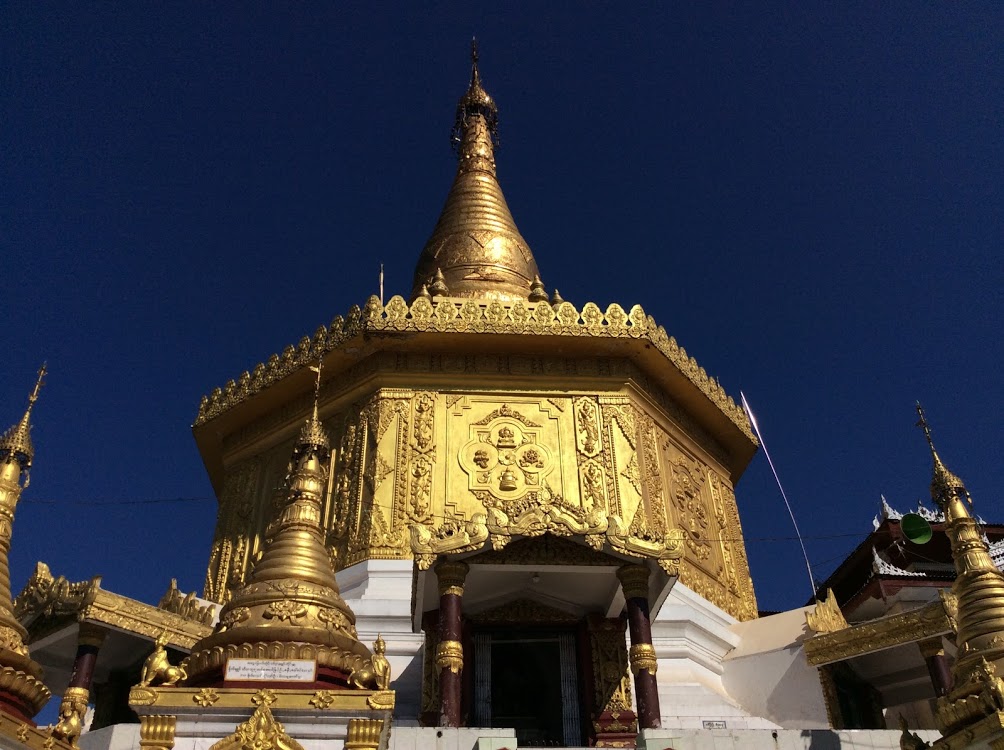
Lashio, in northern Shan State, is a frontier town once known as the starting point of the historic Burma Road linking Myanmar and China. Today it serves as a gateway to trekking routes, hot springs, and visits to nearby ethnic minority villages, offering a mix of history and adventure. The bustling local markets also give a glimpse of cross-border trade and regional culture.
Dawei Peninsula
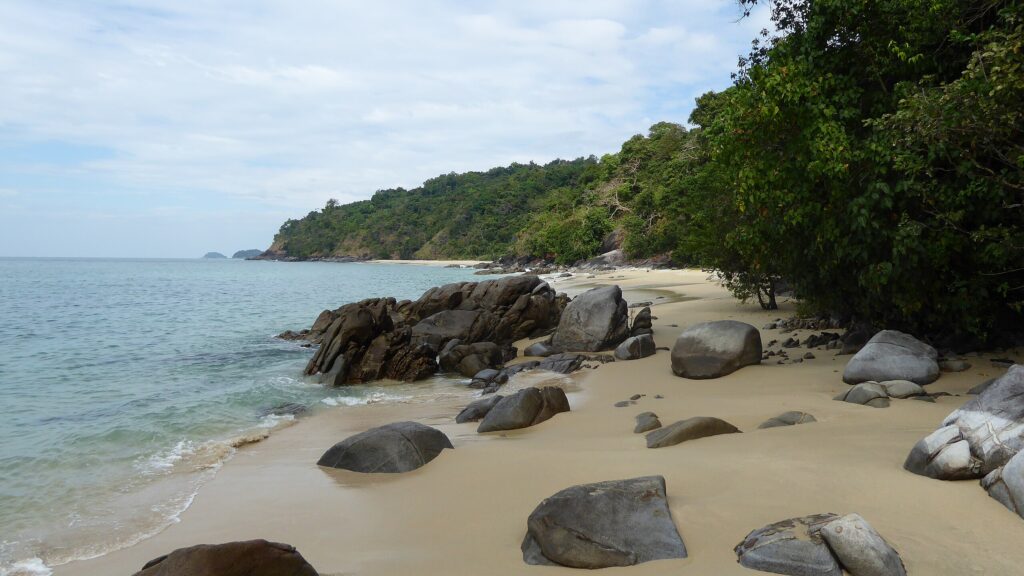
The Dawei Peninsula in southern Myanmar is known for its unspoiled beaches, fishing villages, and laid-back atmosphere. Popular spots include Maungmagan Beach, as well as remote stretches of sand further south that feel completely untouched. The area offers a chance to see local village life, explore quiet coves, and enjoy fresh seafood without tourist crowds.
Cultural Experiences
Myanmar’s Buddhist traditions and ethnic diversity create a rich calendar of festivals:
- Thingyan (Burmese New Year) – A water festival in April, similar to Songkran in Thailand.
- Thadingyut (Festival of Lights) – Celebrated with lanterns, candles, and offerings.
- Phaung Daw Oo Festival (Inle Lake) – Sacred Buddha images are paraded around the lake by elaborately decorated boats.
- Ananda Pagoda Festival (Bagan) – A centuries-old festival in January, where locals gather for prayer, trade, and celebration.
Travel Tips
Visa Requirements
Entering Myanmar is relatively straightforward for most visitors. Many nationalities can apply for an eVisa online, which grants entry through Yangon, Mandalay, or Naypyidaw airports, as well as select land borders. Processing is usually quick, but travelers should ensure their passport has at least six months’ validity.
Currency
The local currency is the Myanmar Kyat (MMK). While larger hotels and tourist hubs may accept US dollars, daily transactions are almost always carried out in kyat. ATMs are available in major cities such as Yangon, Mandalay, and Naypyidaw, though they can be scarce in rural areas. Carrying some cash is recommended, especially when traveling to remote regions or local markets.
Transport
Getting around Myanmar can be both exciting and challenging. For long distances, domestic flights provide the fastest and most reliable connections between major destinations like Yangon, Mandalay, Bagan, and Inle Lake. Buses and trains are inexpensive but often slow, best suited for those who want a more local travel experience.
In cities, taxis and private cars are the most practical way to move around. For those considering car rentals, it’s important to note that an International Driving Permit is required, and road conditions can be difficult outside urban areas, so many travelers prefer hiring a driver. On the water, boats remain an essential mode of transport, whether cruising the Irrawaddy River or exploring the stilt villages of Inle Lake.

Published August 18, 2025 • 8m to read