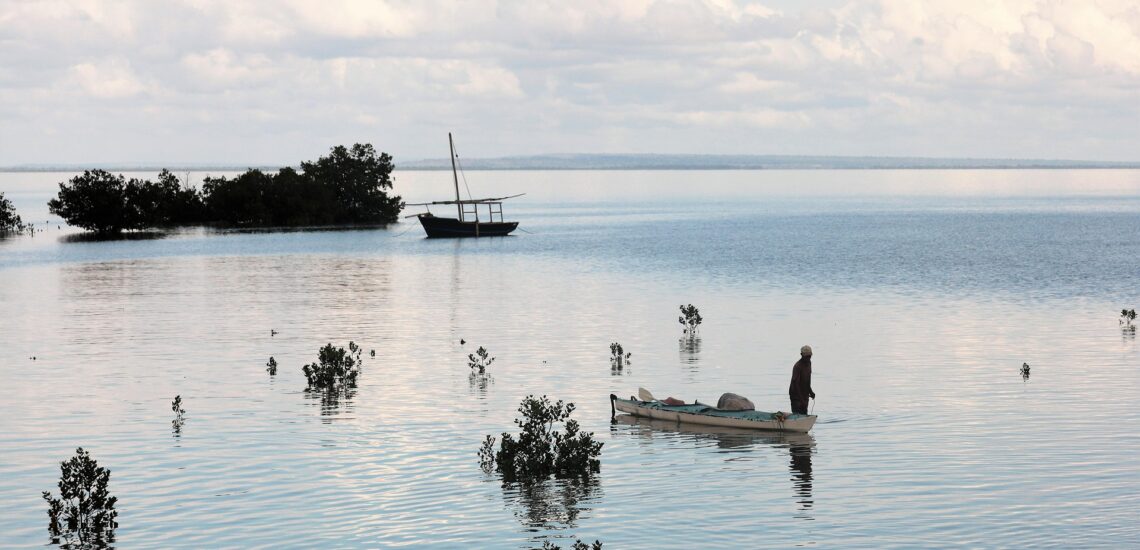


Mozambique is one of Southern Africa’s most attractive coastal destinations, shaped by the Indian Ocean, offshore islands, coral reefs, and a cultural mix influenced by both African and Portuguese history. It appeals to travelers looking for beach-focused travel without large crowds, combined with local cuisine, maritime heritage, and activities such as snorkeling, diving, and sailing. With a long and diverse coastline, trips are most effective when centered on one or two specific regions rather than attempting to cover the entire country.
Travel in Mozambique is best approached at an unhurried pace. Road conditions can slow overland journeys, and boat and flight schedules may change depending on weather and sea conditions. Allowing extra time for island stays, tides, and calm-water periods greatly improves the experience. When planned with flexibility, Mozambique offers a rewarding blend of coastal scenery, marine life, and everyday culture that feels relaxed and genuine.
Best Cities in Mozambique
Maputo
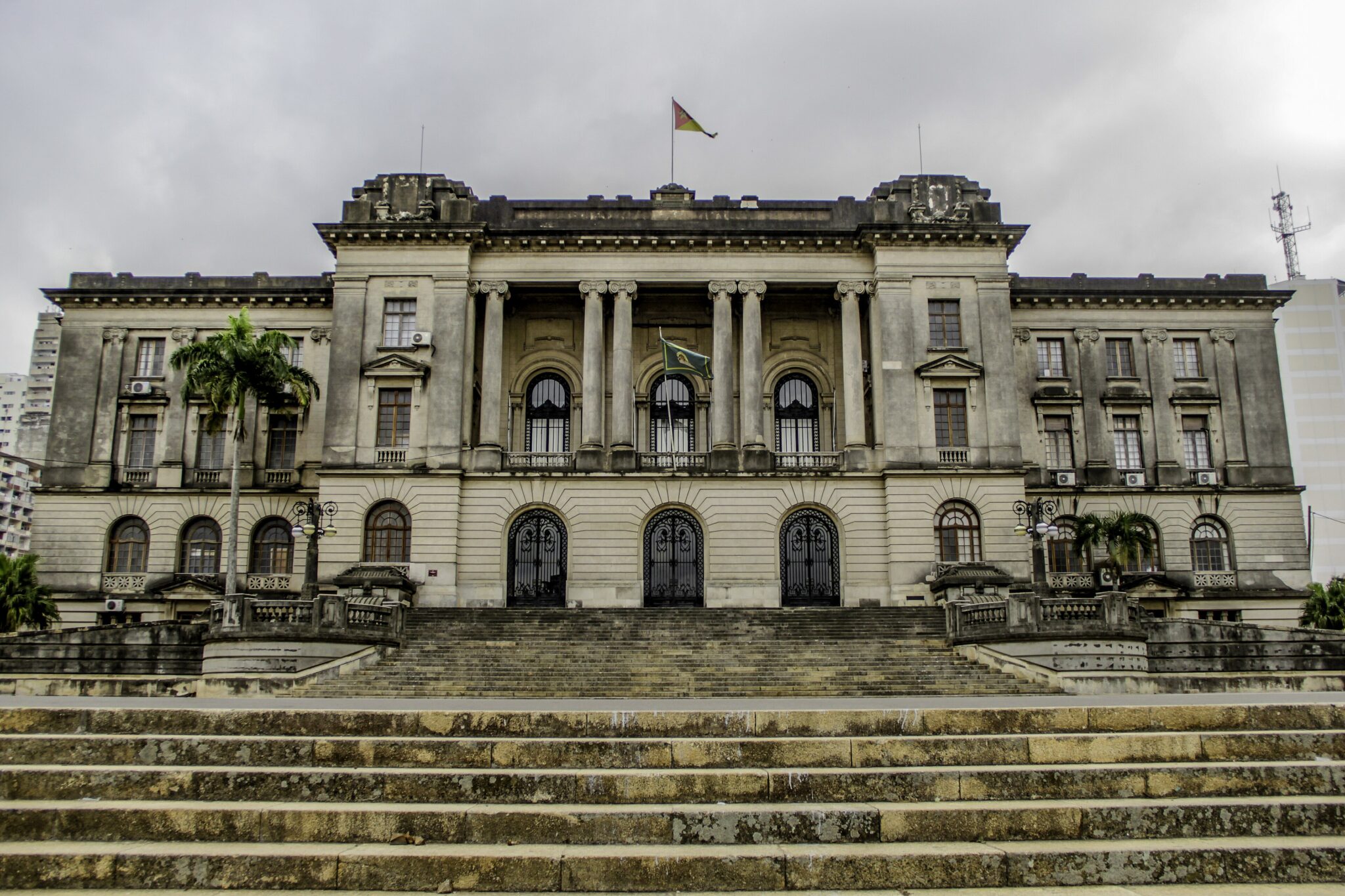
Maputo is Mozambique’s capital and the country’s strongest city stop for culture, architecture, and food, so 1 to 2 days can feel complete if you keep it concentrated. Start in the Baixa with the Central Market for a fast read on local ingredients and daily rhythm, then walk to the Central Railway Station area for landmark architecture and street life. Add the Fortaleza de Maputo for coastal history, then detour to Casa de Ferro for a quick “oddity” stop, and reset in Jardim Tunduru for shade and a short loop between older civic buildings. If you want crafts without chasing scattered stalls, the FEIMA artisan market is the most efficient single stop for carvings, textiles, and small gifts, and it fits naturally between the market and the waterfront.
Use Maputo for logistics before heading to the coast: cash, SIM cards, supplies, and transport confirmations are easier here than in beach towns. The Marginal waterfront is the easiest late-afternoon walk, and pairing it with a seafood dinner is one of the most consistent “Maputo” experiences without overplanning. If you want a nearby escape, Inhaca Island is a common day trip by ferry, but it is time-heavy once you add boarding and return schedules, so it works best if you have a full day free. For beach extensions by road, transfers can be slower than they look on the map, so start early and avoid pushing arrivals into late afternoon, especially if you are relying on border-area or rough-road segments.
Inhambane
Inhambane is a historic coastal city with a slow pace and a clear Portuguese-era imprint in parts of its older center, and it works best as a “town plus beach” base rather than a place packed with headline sights. A good morning loop is the central market for seafood, fruit, and everyday staples, then a walk through the old-town streets and along the bayfront to see dhow-style boats and local harbor activity. Add one short cultural stop such as a church or a small museum-style visit if it is open, then keep your schedule loose, because Inhambane is most enjoyable when you let the day breathe rather than rushing between stops.
Most travelers pair the town with nearby beach areas for snorkeling, diving, and boat trips. Tofo is roughly 25 km away and often around 30 to 45 minutes by road depending on traffic and the last sections, while Barra is a similar distance and can take longer if access roads are sandy. If you are arriving overland from Maputo, treat it as a full travel day and plan to reach town with daylight, then use the next day for the “rhythm shift”: relaxed town morning, beach and water time in the afternoon. Stock basics in town before you head out to beach lodges, because choice and pricing tend to be better in Inhambane than in smaller coastal strips.
Pemba
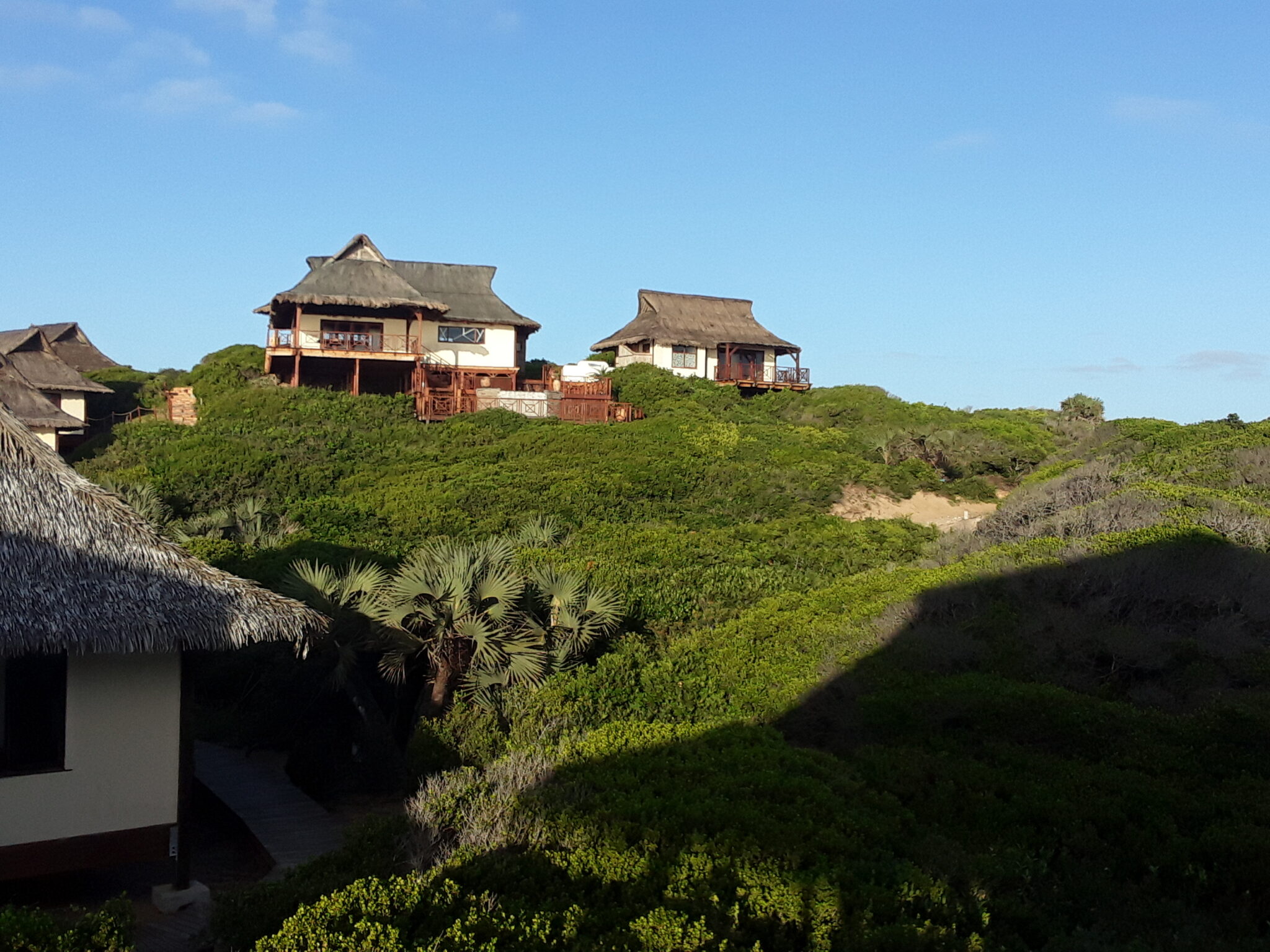
Pemba is the main entry point for Mozambique’s far north and is built around its large natural bay, which gives the city an immediate coastal feel even if you are only there for logistics. A short, useful city plan is to spend time along the waterfront for the bay views, then dip into the central market area for daily trade and local produce, and finish with a relaxed meal focused on seafood, which is one of the easiest “Pemba experiences” without overplanning. If you want one compact cultural stop, look for a local museum or small heritage site in the center, but in most itineraries the city’s value is the bay atmosphere and the way it sets up onward travel rather than a long list of urban attractions. Use Pemba as an access hub for island and coastal routes, and build extra buffer into every transfer. Domestic flights, boat connections, and vehicle arrangements can shift with weather and sea conditions, so it helps to confirm timings the day before, keep luggage simple, and avoid tight same-day connections if you are linking flight-to-boat.
Best Beaches and Island Destinations
Tofo Beach
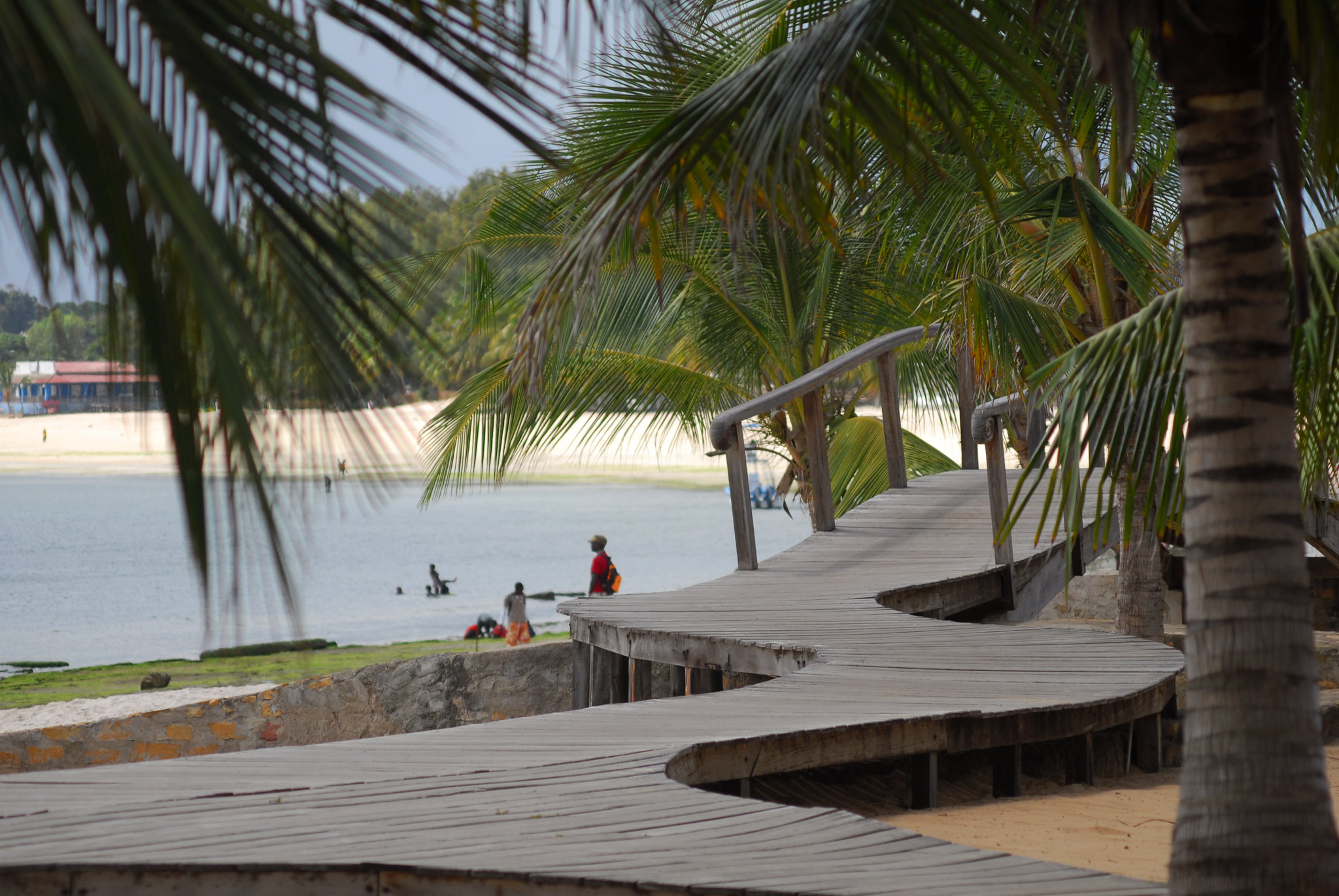
Tofo Beach is one of Mozambique’s best-known ocean bases, built around diving, snorkeling, and boat trips rather than “town sightseeing”. The main rhythm is water-first: morning launches for dives and snorkel runs, late-morning beach time when the tide and wind settle, and a slower afternoon split between cafés, short coastal walks, and watching the surf line change. Tofo’s reputation comes from marine life and offshore reefs, so it suits both active travelers who want multiple dive days and travelers who prefer a simple beach routine with one or two boat outings. On land, the area is compact and walkable, with a central strip of small shops and casual restaurants that makes it easy to keep days flexible.
Tofo is typically reached via Inhambane, then a short road transfer, and it works best when you give it time. Ocean conditions can shift quickly, so build 3 to 5 nights if diving or snorkeling is a priority, which gives you multiple chances for good visibility and calmer seas rather than pinning everything on one perfect morning. Book marine activities with operators who match your experience level, and keep your schedule loose on the water days so you can move trips earlier or later if wind or swell rises.
Barra Beach
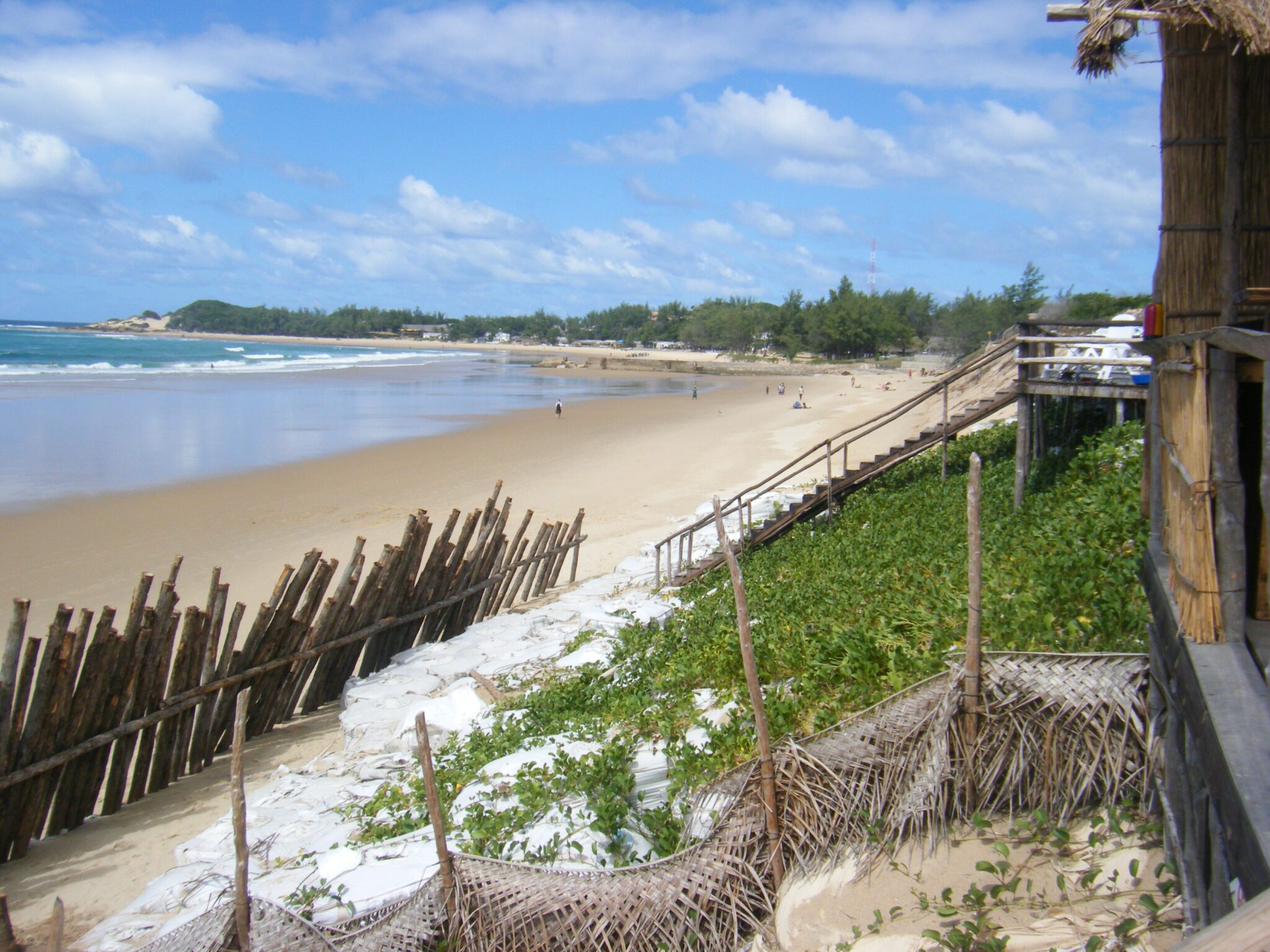
Barra Beach, near Inhambane, is a quieter coastal strip with long, open sand and a slower daily rhythm than Tofo. The main appeal is simple: wide beach walks at low tide, calm water windows that can suit paddling or an easy swim in sheltered sections, and evenings built around sunset light and low noise rather than nightlife. Because accommodation is more spread out, the experience often feels like a beach retreat, with time shifting between sand, short dune walks, and relaxed meals rather than a packed activity schedule. If you want one “do” item beyond the beach, plan a boat outing or a short coastal drive to a viewpoint, then return to the same base without trying to cover multiple areas in one day.
Barra is usually reached via Inhambane, with road time varying depending on the final access roads, which can be sandy or slow in places. Plan your days around conditions: mornings are often the best for calm water and walking before heat builds, while afternoons can bring stronger wind that makes the beach feel more exposed. Bring basics for comfort because services can be light once you are away from the main clusters: drinking water, sun protection, cash for small purchases, and a simple dry bag for electronics.
Vilanculos
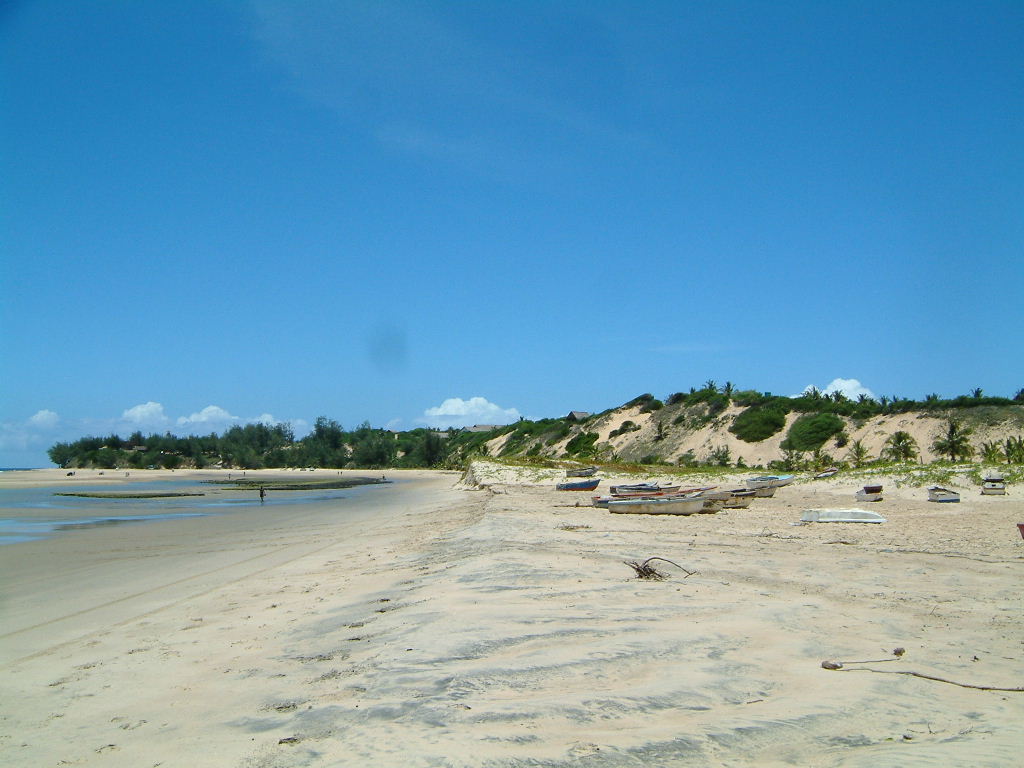
Vilanculos is Mozambique’s most practical base for reaching the Bazaruto Archipelago, and it works well as a “beach plus boats” town rather than a place packed with urban sights. The best days combine a calm morning on the beach with one island-focused outing: a dhow-style sail or speedboat trip to snorkel sites, sandbanks that appear at lower tide, and short walks on dunes for views back across the channel. In town, keep it simple and local, a quick market stop for fruit and snacks, a coastal viewpoint for sunset, and seafood meals that fit naturally into the island-gateway rhythm.
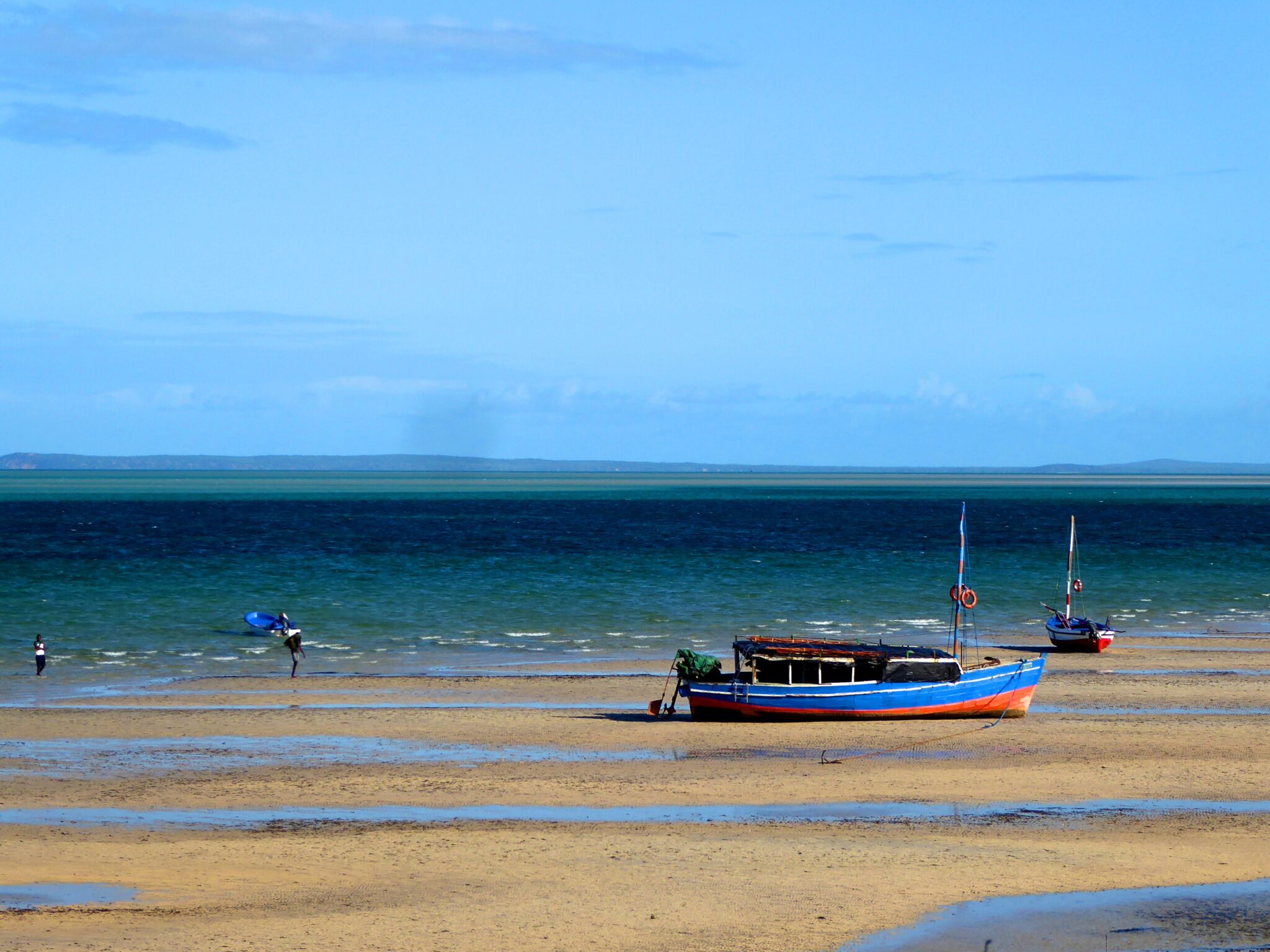
Bazaruto Island
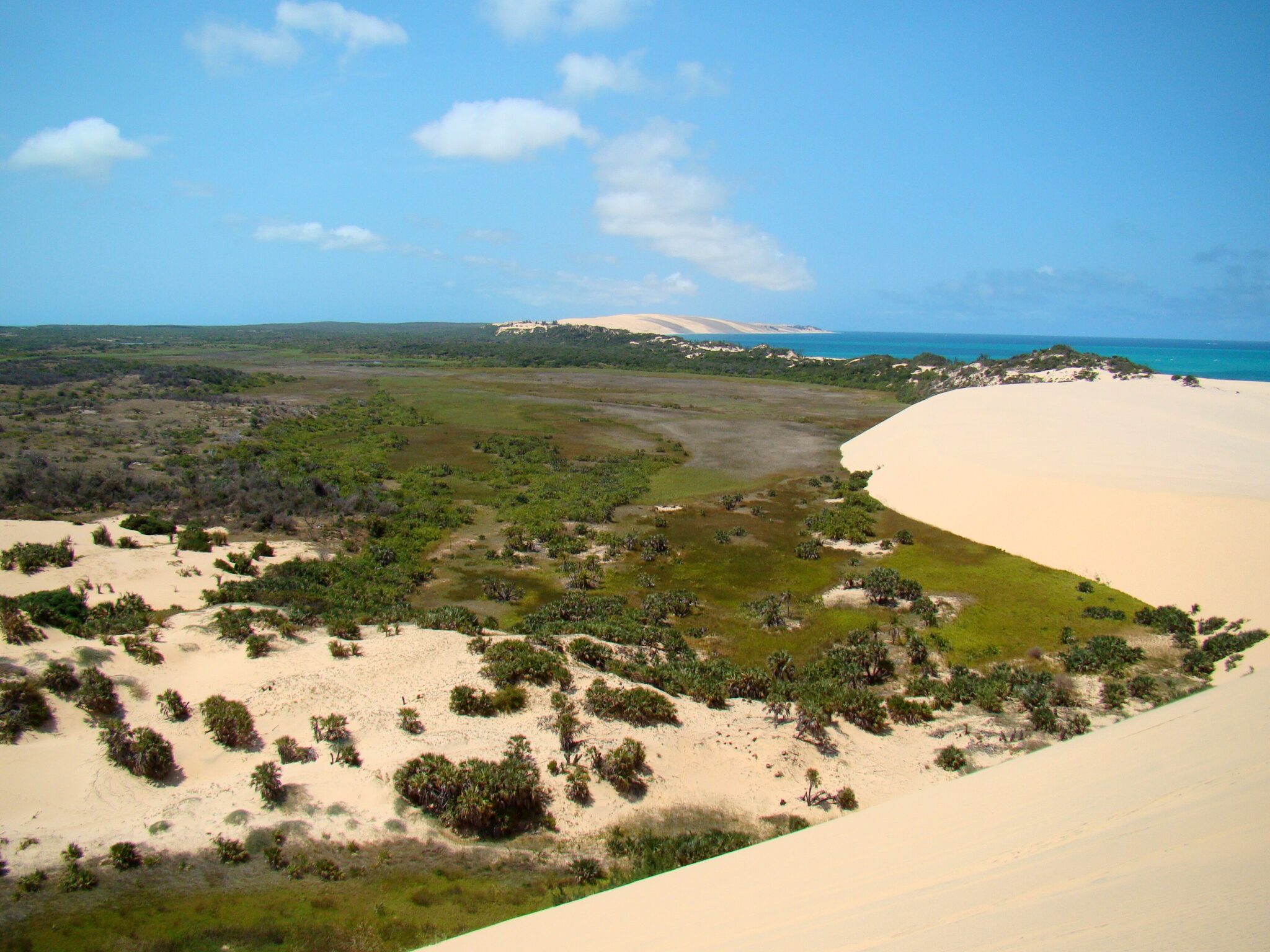
Bazaruto Island is the headline island of the archipelago, defined by pale dunes, turquoise shallows, and a lodge-based rhythm that keeps days simple and water-focused. The best experiences usually come from a small set of high-value activities: a dune walk for the wide views over the channel and sandbanks, a snorkel or boat outing to reefs and clear shallows, and long blocks of beach time timed to the tide when the water is calmest. Because the shoreline and sandbars change with tides, even a short walk can feel different in the morning versus late afternoon, and the island’s appeal is often the combination of quiet, wind-sculpted scenery, and the feeling of distance from the mainland.
Benguerra Island
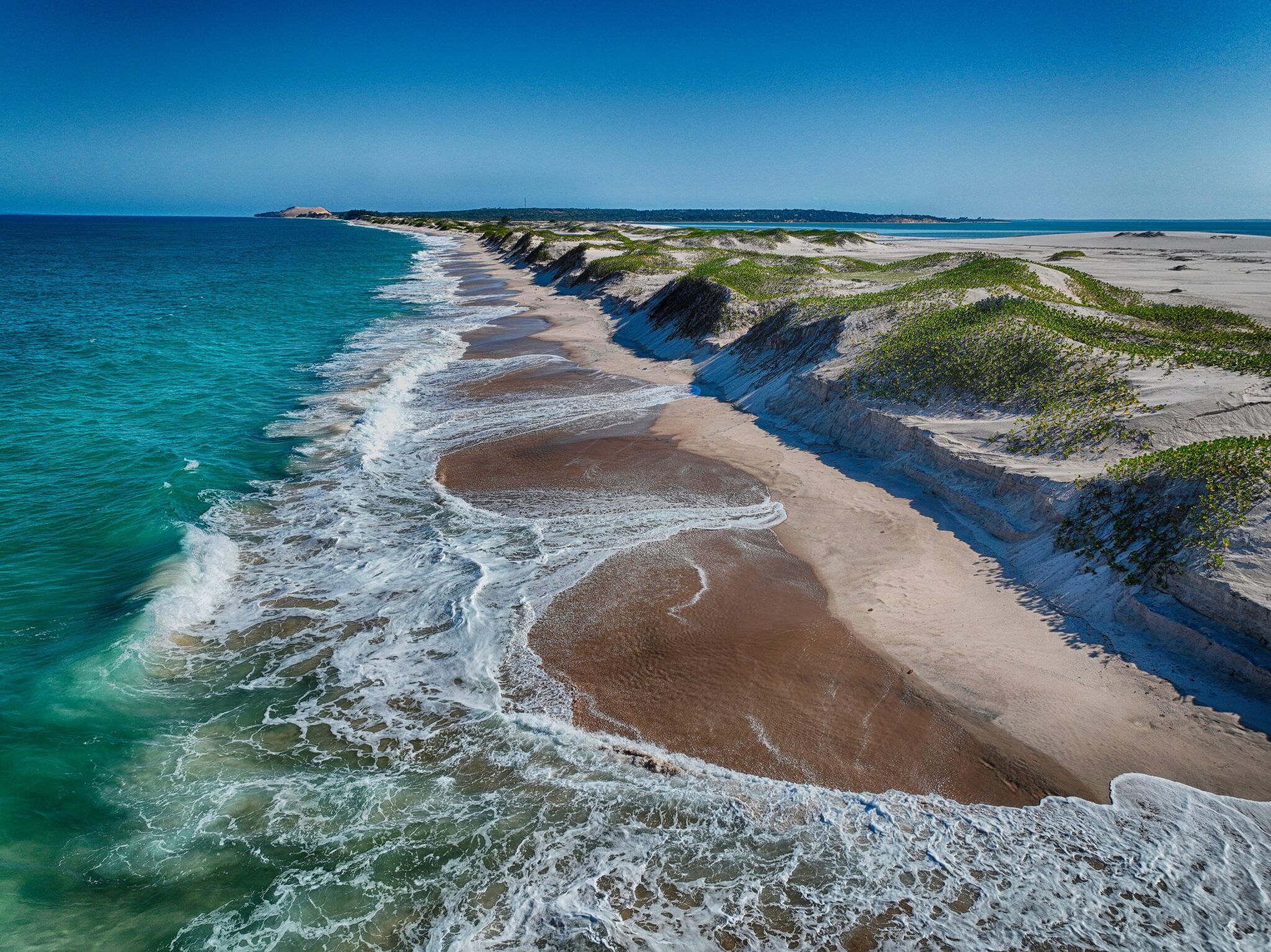
Benguerra Island is one of the archipelago’s strongest choices for a marine-focused stay, combining lagoon-like shallows, clear water color, and easy access to snorkel and dive outings. The best days tend to alternate between one water activity and long beach blocks: a morning snorkel or dive, then a slow afternoon timed to the tide when the water turns glassy around sandbanks and channels. Compared with larger islands, Benguerra often feels more intimate and easy to “learn” quickly, with short walks along the beach, simple dune viewpoints, and a calm evening rhythm that stays quiet once the light drops.
Snorkeling quality is highly tide-dependent here, so ask locally which windows produce the clearest, safest water and the best visibility over reefs. Plan boat trips earlier in the day when wind is typically lower, then keep the rest of the schedule light so you can shift if conditions change. If you are choosing between islands, Benguerra suits travelers who want a balanced split of relaxation and water time without needing constant movement, and it works best when you commit to a few key outings and leave space for swimming, shoreline walks, and unplanned “good light” moments.
Ilha de Moçambique
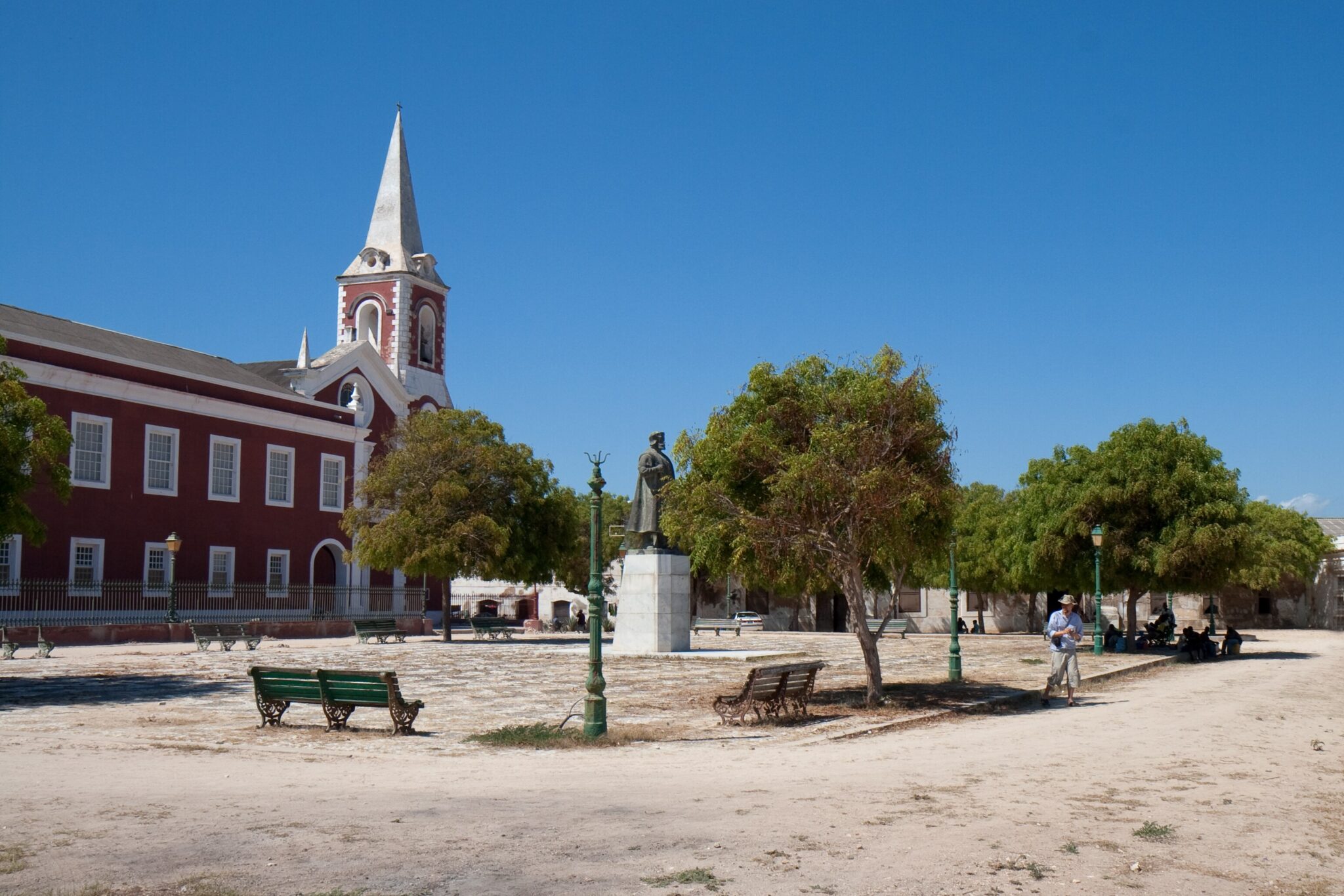
Ilha de Moçambique is a small island city with outsized historical weight, a former Indian Ocean trading hub that later became the first capital of Portuguese East Africa. The island is compact, about 3 km long, and you can explore most of it on foot: walk the stone-built core for churches, courtyards, and narrow streets, then continue into the Macuti neighborhoods where reed-roof architecture and daily life give the place its living rhythm. High-value stops include Fort São Sebastião for walls, cannons, and bay views, the Chapel of Nossa Senhora de Baluarte (often cited as one of the oldest European buildings in the southern hemisphere), and the former Palace and Chapel of São Paulo complex for museum-style context. Between sites, spend time at the waterfront watching dhow activity and fishing boats, and use early morning or late afternoon for the best light and cooler walking.
Logistically, Ilha de Moçambique is reached by a fixed causeway from the mainland, so it works as an easy overnight base rather than a rushed “in and out” stop. Most travelers approach via Nampula or Nacala: Nampula is roughly 180 km away (often 3 to 4 hours by road depending on conditions), and Nacala is roughly 110 km (often 2 to 3 hours). Plan at least one night so you can do the fort and museum area at a steady pace, then return to the streets and waterfront when the day quiets down.
Best Natural Wonders Sites
Bazaruto Archipelago National Park
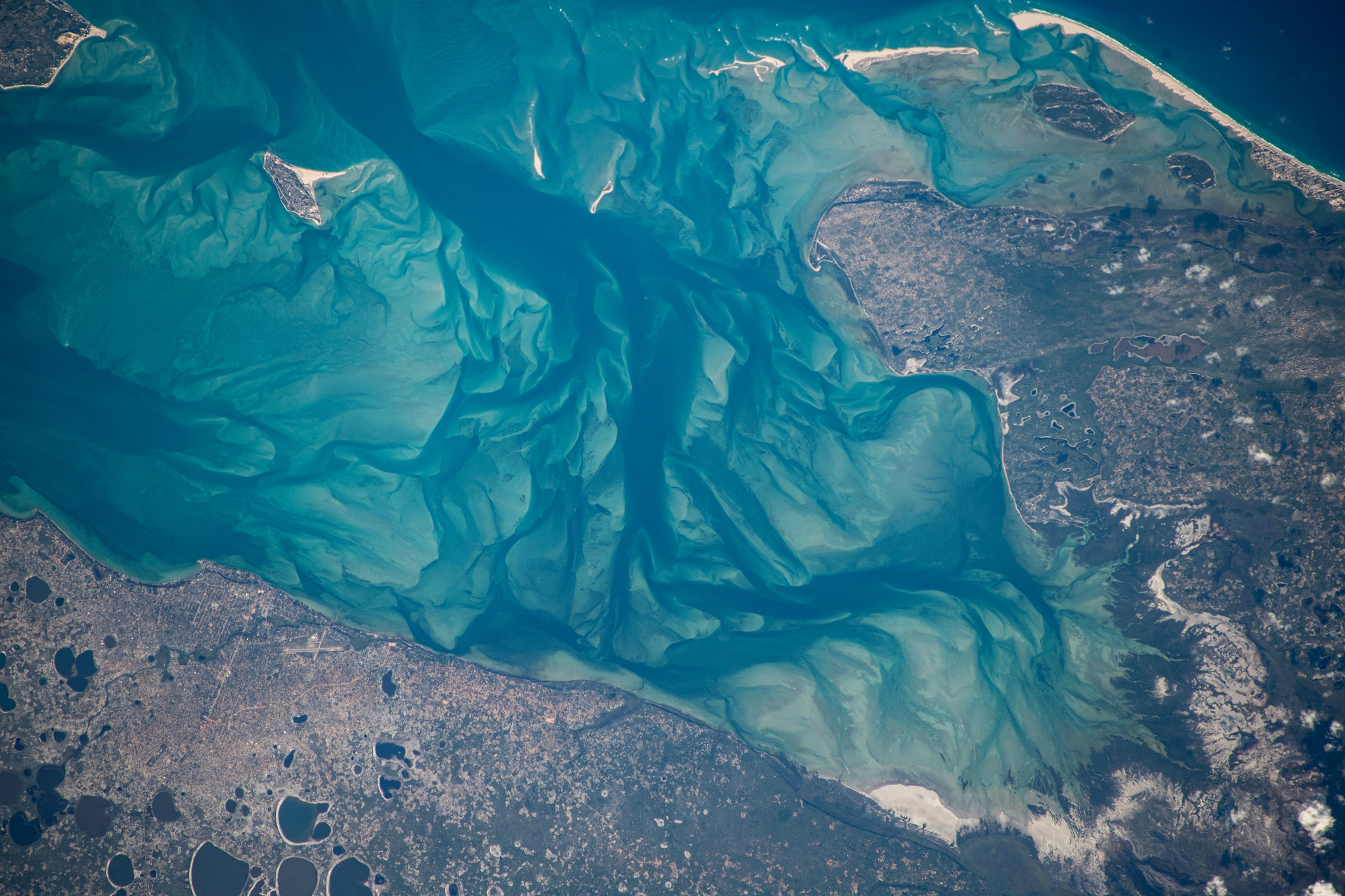
Bazaruto Archipelago National Park is the marine core of the Bazaruto island group, protecting clear-water channels, coral reefs, seagrass beds, and sandbanks that shift with tides. The best experiences are boat-based and tide-aware: snorkeling over reef patches, drifting along calmer channel edges for fish and coral structure, and stopping on sandbanks for short walks and wide views across the archipelago. Even without a “big checklist”, the park delivers variety through water color changes, visibility shifts, and the way dunes and shallow flats reshape the scenery from hour to hour. Many trips also include a viewpoint moment from an island dune, because the park’s scale is easiest to understand when you see reef lines and sandbanks from above.
Plan around conditions and operator quality. Sea state can change quickly, so morning departures are often more comfortable, with afternoons more likely to be windy and choppy. Choose reputable operators with clear safety procedures, well-maintained boats, and proper snorkeling equipment, and ask what happens if conditions deteriorate, because that tells you how conservative their decision-making is. Keep your schedule light with one main boat outing per day, then leave buffer for tides and rest, since the park is most enjoyable when you are not forcing multiple crossings into one day.
Gorongosa National Park
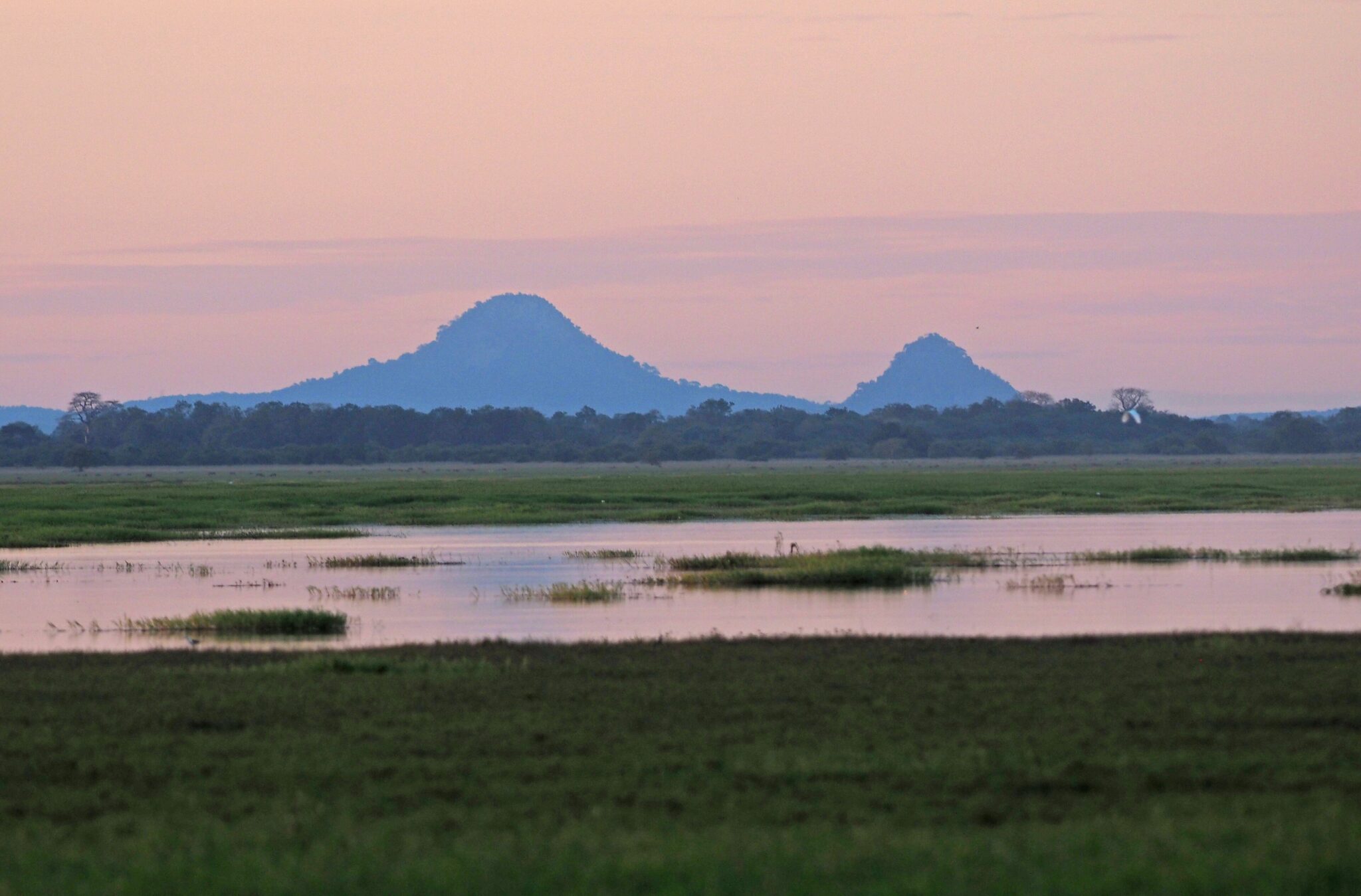
Gorongosa National Park is Mozambique’s main inland safari area, covering roughly 4,000 km² at the southern end of the Great Rift Valley, with a habitat mix that includes floodplains, savannah, woodland, and seasonal wetlands. The park’s “to do” list is built around variety rather than one loop: a sunrise and late-afternoon game drive on the plains, a slower mid-morning session around wetter areas for birds and water-dependent species, and at least one change of scenery day that adds the Mount Gorongosa side for cooler elevations and forest-edge viewpoints. The conservation-recovery story is part of the visit, but the practical payoff is that repeated drives across different habitats usually improve sightings and reduce the feeling of “we only tried one area”.
Logistics work best when you treat Gorongosa as a multi-night segment with a realistic transfer day on each side. The most common access is via Beira, then an overland drive of roughly 200 km that often takes about 3.5 to 5 hours depending on road conditions and stops; Chimoio is closer inland, typically around 130 to 160 km and about 2 to 3.5 hours by road. From Maputo it is a long overland push of roughly 900 to 1,100 km, usually split with an overnight unless you are flying into the region first. Plan at least 3 nights, and 4 to 5 nights if you want to vary habitats and not rush, because the park is large and wildlife viewing tends to improve when you can repeat the best hours at dawn and dusk while rotating through different zones rather than trying to “cover” the park in one or two drives.
Limpopo National Park
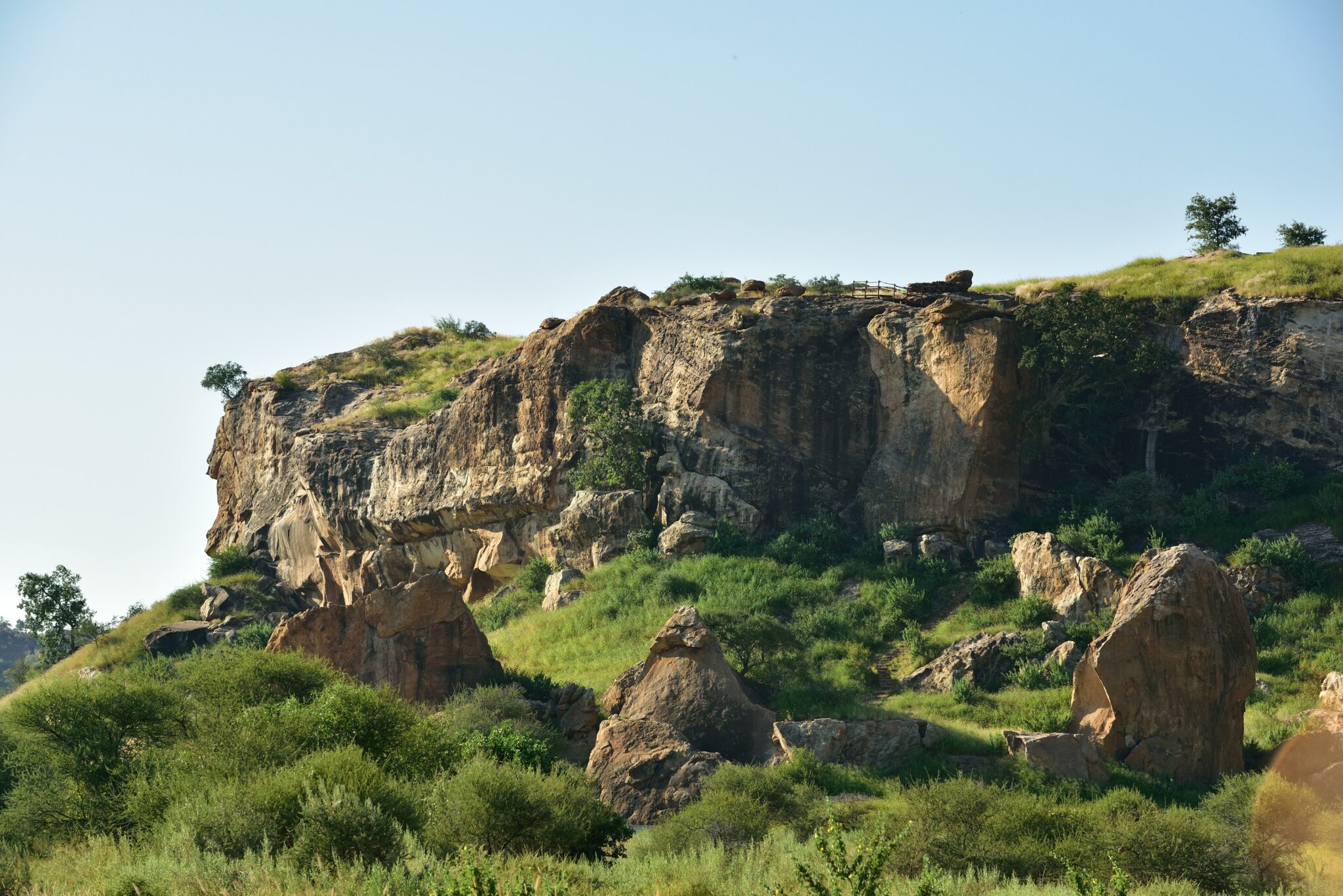
Limpopo National Park in southern Mozambique forms part of a wider transboundary conservation landscape connected to the Kruger system, so the appeal is scale, open bush country, and the sense of crossing into a less-developed safari space. The experience is often more landscape-led than “sightings-led”: long drives on quiet tracks, riverine areas and pans that draw animals in the right season, and a developing wildlife picture that can feel rewarding when you treat each sighting as a bonus rather than a guarantee. It suits travelers who like remote parks, slower pacing, and the idea of being in a large ecosystem corridor where wildlife movement and recovery are part of the story.
Access and services can be limited compared with more established parks, so fuel, water, navigation, and timing matter, and it is better to base in one area and explore in loops than to push long distances each day. If you are linking it with a Kruger-side itinerary, build buffer for border and transfer time and avoid late arrivals, because the trip feels best when you have daylight to settle in and do an initial drive. In Limpopo, patience pays: focus your driving around early morning and late afternoon, spend time near water points when conditions are dry, and treat the landscape itself as part of the value even on quieter wildlife days.
Best Cultural and Historical Sites
Maputo Railway Station
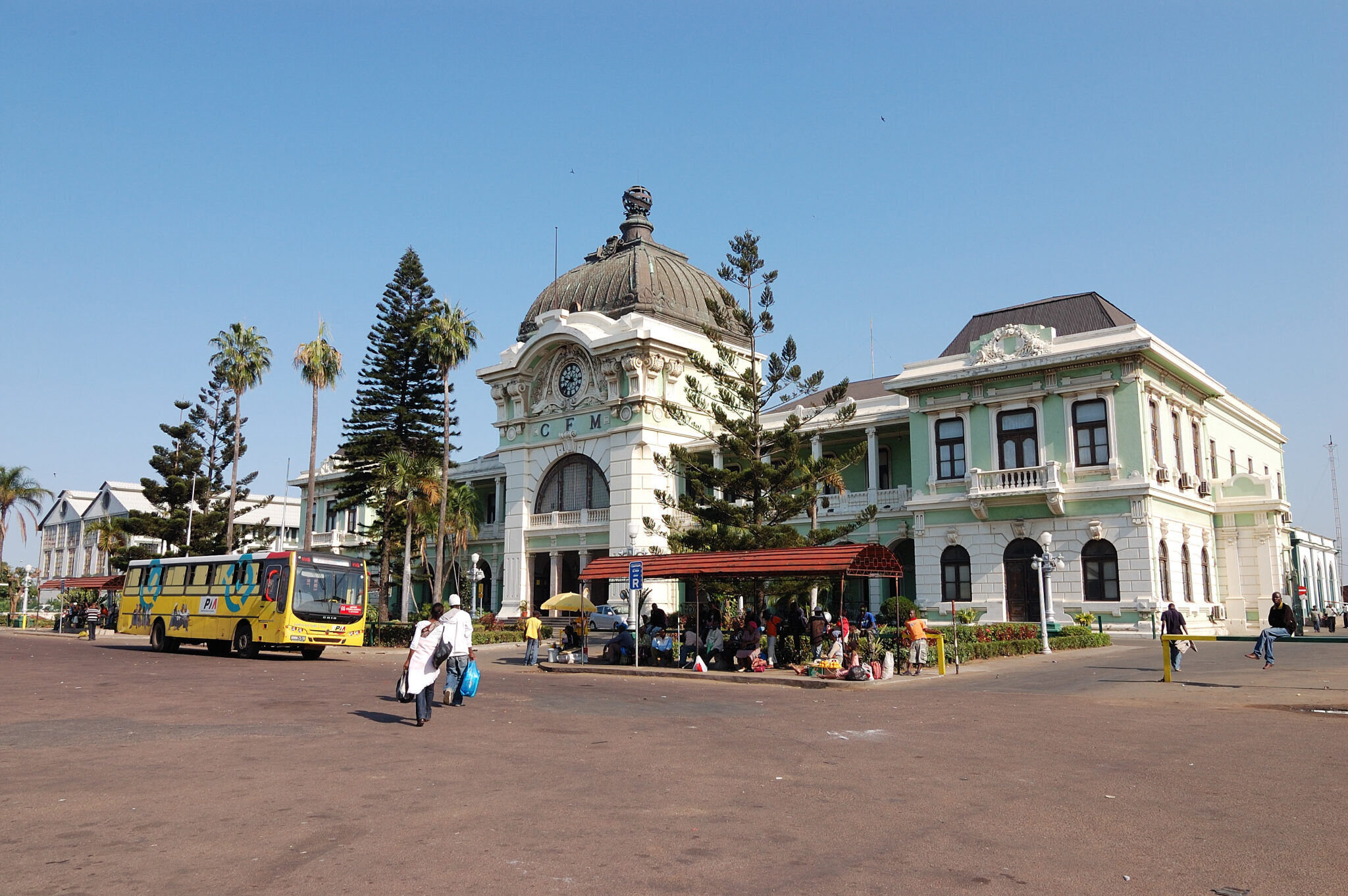
Maputo Railway Station is one of the city’s most recognizable historic buildings and an easy high-impact stop for architecture and urban photography, especially if you enjoy details like ironwork, arches, and big public interiors. It works best as part of a central Baixa walk: pair it with the Central Market for street rhythm and local ingredients, then continue to the Fortaleza de Maputo and the nearby Casa de Ferro for quick, contrasting heritage stops, and finish with a short reset in Jardim Tunduru before heading toward the waterfront. Even if you spend only 20 to 40 minutes at the station, it adds a clear “city landmark” moment that balances a day that might otherwise be only markets and meals.
Fortaleza de Maputo
Fortaleza de Maputo is a compact heritage stop near the bay that works well when you want a short, high-context visit without spending half a day moving around. Inside the walls you get a clear sense of coastal defense logic, with thick masonry, simple courtyards, and small museum-style displays that help place Maputo’s port role within a longer colonial-era timeline. Most visitors spend about 30 to 60 minutes, which makes it ideal for rounding out a Baixa walking route: combine it with the Maputo Railway Station for architecture, the Central Market for daily rhythm and ingredients, and Casa de Ferro for a quick, distinctive photo stop, then slow down with a waterfront walk later when light softens.
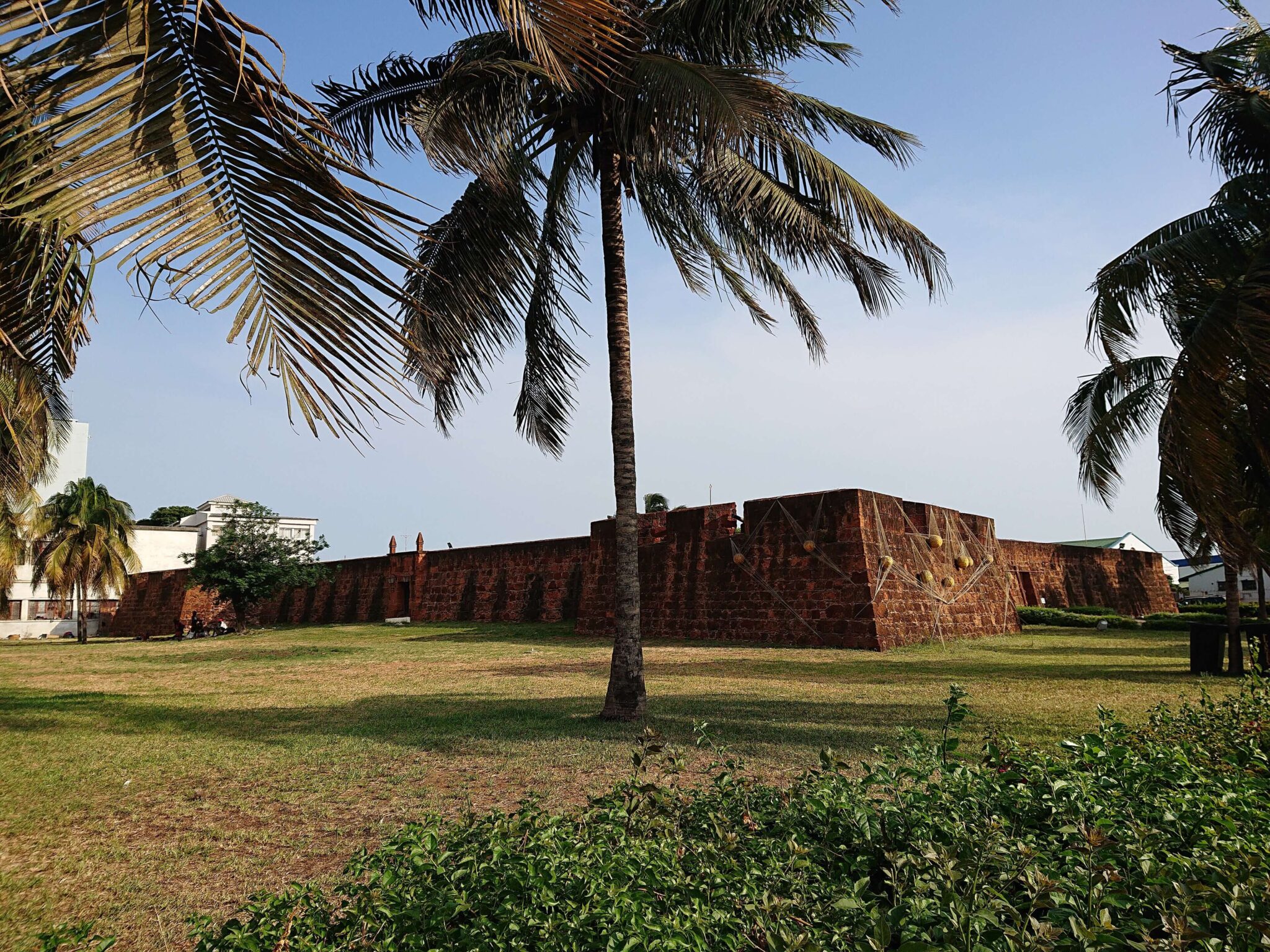
Ilha de Moçambique Historic Stone Town
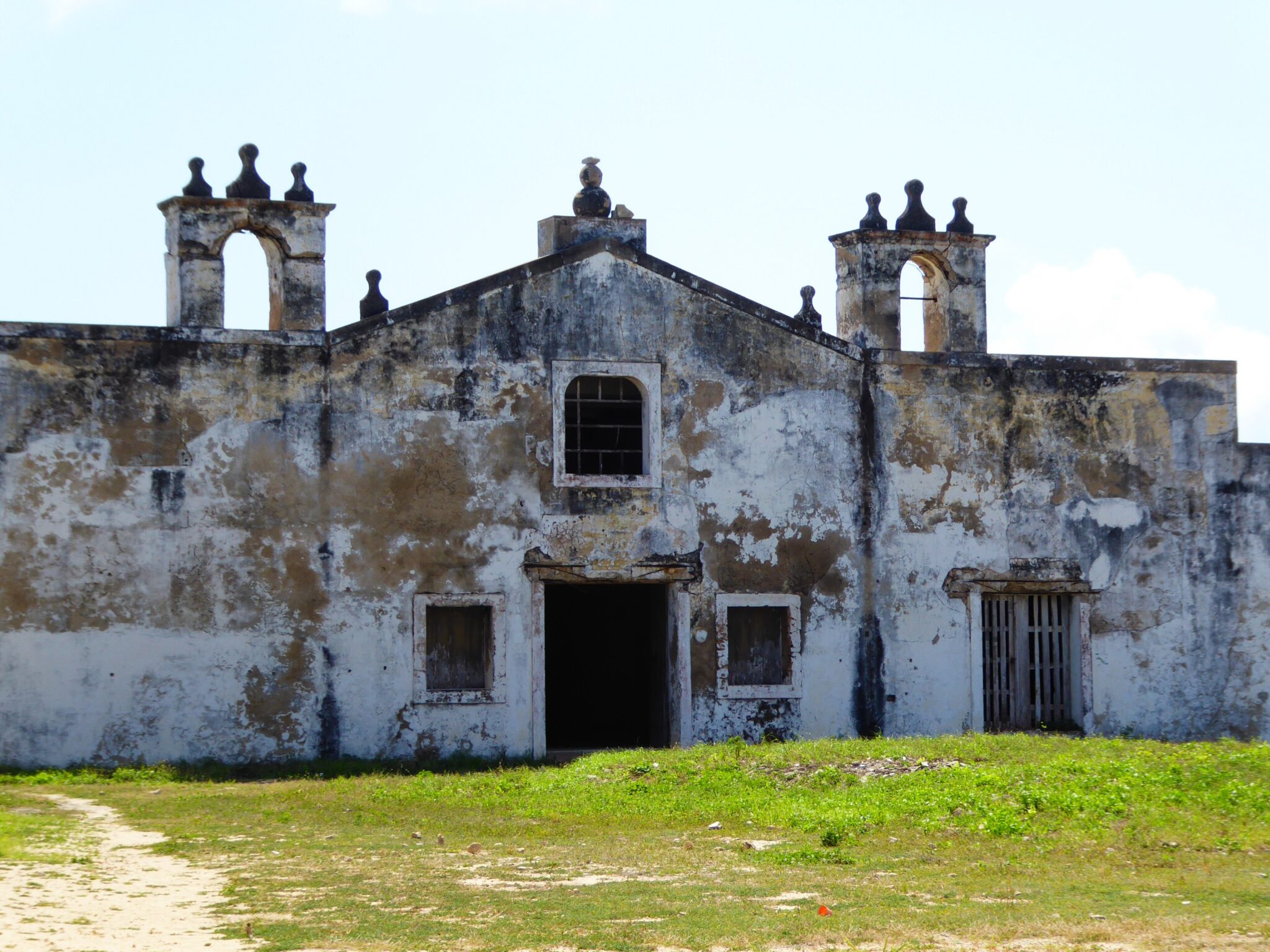
lha de Moçambique’s Historic Stone Town is the island’s cultural core, a tight grid of coral-stone buildings, balconies, courtyards, and older churches that reflect centuries of Indian Ocean trade and cultural mixing. It is best explored as a slow walking loop where the “sights” are often small: carved doorways, shaded lanes, sea-facing verandas, and the way daily life plays out in narrow streets. Anchor the walk with one or two major stops, typically Fort São Sebastião for scale and bay views and the São Paulo complex for museum-style context, then spend the rest of your time moving without a strict plan, pausing at the waterfront to watch boats and to let the town’s textures land. If you want a contrast within the same day, step into the Macuti neighborhoods afterward to see reed-roof architecture and a different street rhythm.
Hidden Gems of Mozambique
Quirimbas Archipelago
The Quirimbas Archipelago is a chain of low-lying northern Mozambican islands and sandbanks known for lagoon-like shallows, coral reefs, and a “far from anywhere” rhythm that suits travelers who want water, light, and quiet more than nightlife or easy day-trip logistics. The core experiences are boat-based and simple: snorkeling over reef patches when visibility is good, sandbank walks at low tide, and slow lagoon cruising where water color shifts from pale green to deep blue over channels. Most stays revolve around one main beach base, with days split between a single excursion and long downtime blocks, because the best part is often the calm routine, early swims, shade breaks, and sunset light rather than a packed activity schedule.
Quirimbas travel is plan-heavy, so it works best when you build buffer and accept limited flexibility. Many itineraries route via Pemba as the main supply and flight hub, then continue north by road and boat to your island base, with timings that depend on tides, sea state, and operator schedules. Treat it as a multi-night segment, typically 4 to 7 nights, so you can absorb the remoteness and still have time for a few strong water days if conditions shift.
Ibo Island
Ibo Island is the cultural standout in the Quirimbas, valued less for “perfect beach” and more for heritage texture: old fortifications, coral-stone buildings, worn lanes, and a coastal identity shaped by centuries of Indian Ocean trade. The best way to spend time here is on foot, moving slowly through the historic core, stopping at the fort for bay views and context, then drifting between small workshops, courtyards, and waterfront edges where dhow activity and daily routines give the island its rhythm. Ibo also works well for a simple boat half-day to sandbanks or nearby reefs, but the island’s strength is the atmosphere you get from walking, listening, and letting the place unfold in small details rather than chasing a list.
Vamizi Island
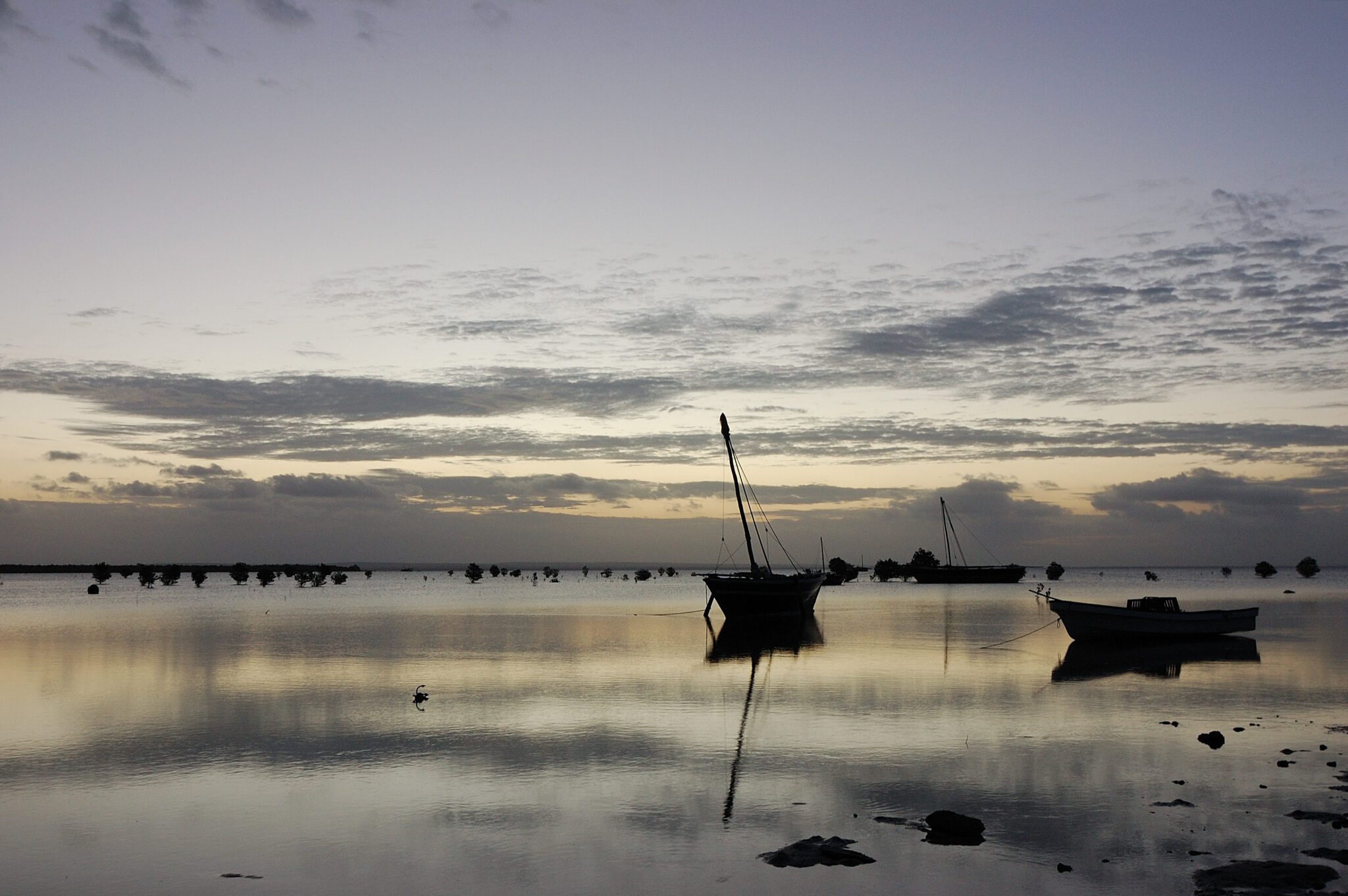
Vamizi Island is a limited-access, high-end island retreat in Mozambique’s far north, designed around privacy, reef time, and minimal crowds rather than village life or independent exploration. The main experiences are water-first: snorkeling directly from shore in calm conditions, dive outings when visibility and wind cooperate, and long stretches of beach time timed to the tide when the lagoon edges and sandbars look their best. Because the island is remote and purpose-built for low numbers, the “impression” is often quiet structure: guided activities when you want them, then large gaps of uninterrupted downtime, with marine scenery and clear water doing most of the work.
Ponta do Ouro
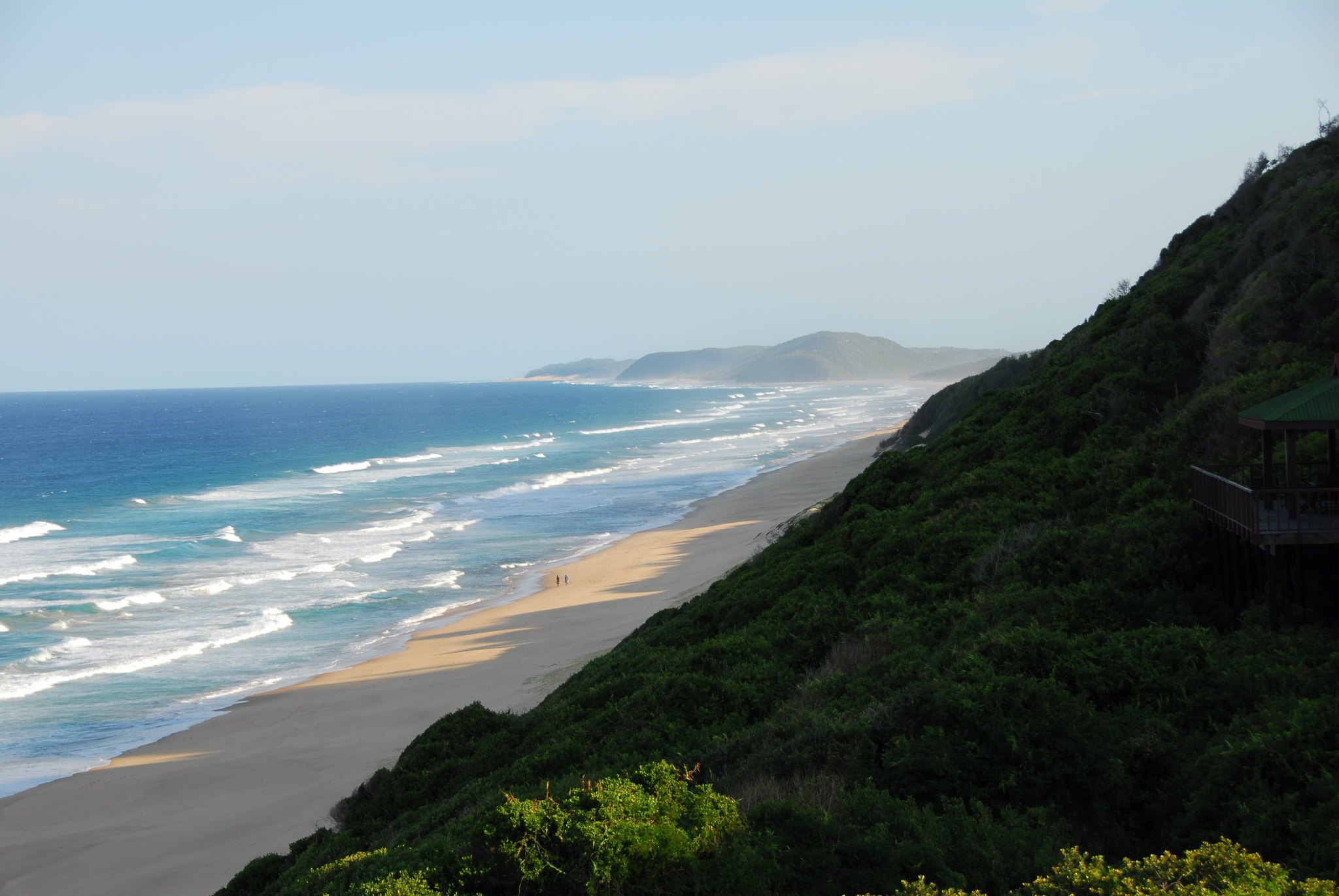
Ponta do Ouro is a small beach town near the South Africa border that works best as an easy, activity-led coastal extension rather than a resort-style stay. The main draw is the water: diving and snorkeling trips when visibility is good, boat outings for marine encounters, and long beach walks at low tide when the coastline opens up. On land, the town rhythm is simple and local, with a short main strip of cafés and dive shops, informal beach bars, and viewpoints along the dunes that make sunrise and late afternoon the most rewarding times. If you want a quieter variation, short drives to nearby beaches and headlands can change the day without adding major transfer time.
Road access is straightforward but timing-sensitive. Many travelers route via the border area and then continue on coastal roads that can be sandy or slow in places, so it is worth building buffer and avoiding late arrivals. From Maputo, it is roughly 120 km, but driving time often ranges from about 2 to 4 hours depending on traffic, checkpoints, and the condition of the last sections.
Travel Tips for Mozambique
Safety and General Advice
Mozambique is a popular destination for beach holidays and marine adventures, known for its pristine coastline and welcoming culture. While it is generally safe, conditions can vary by region, and travelers should take normal precautions in cities, markets, and at night. For those visiting remote coastal areas or islands, it’s important to plan logistics and accommodation in advance, as services and transport can be limited. Travelers will find that local hospitality and rich cultural diversity make Mozambique an engaging and rewarding destination.
A yellow fever vaccination may be required depending on your travel route, particularly if arriving from an endemic country. Malaria prophylaxis is strongly recommended across much of Mozambique, especially in low-lying coastal and tropical regions. Tap water is not consistently safe, so it’s best to use bottled or filtered water. Visitors should carry sunscreen, insect repellent, and a small medical kit. Comprehensive travel insurance with evacuation coverage is advisable, as medical facilities outside Maputo are limited.
Car Rental and Driving
An International Driving Permit is recommended alongside your national driver’s license. Both should be carried at all times, particularly at checkpoints and when renting vehicles. Police checks are frequent but generally polite and routine. Driving in Mozambique is on the left-hand side of the road. While main roads are generally good, rural and coastal routes can be rough and may require a 4×4 vehicle, especially when traveling to national parks or remote beaches. Night driving outside towns is discouraged due to limited lighting, unpredictable road conditions, and animals crossing the road.

Published February 01, 2026 • 19m to read