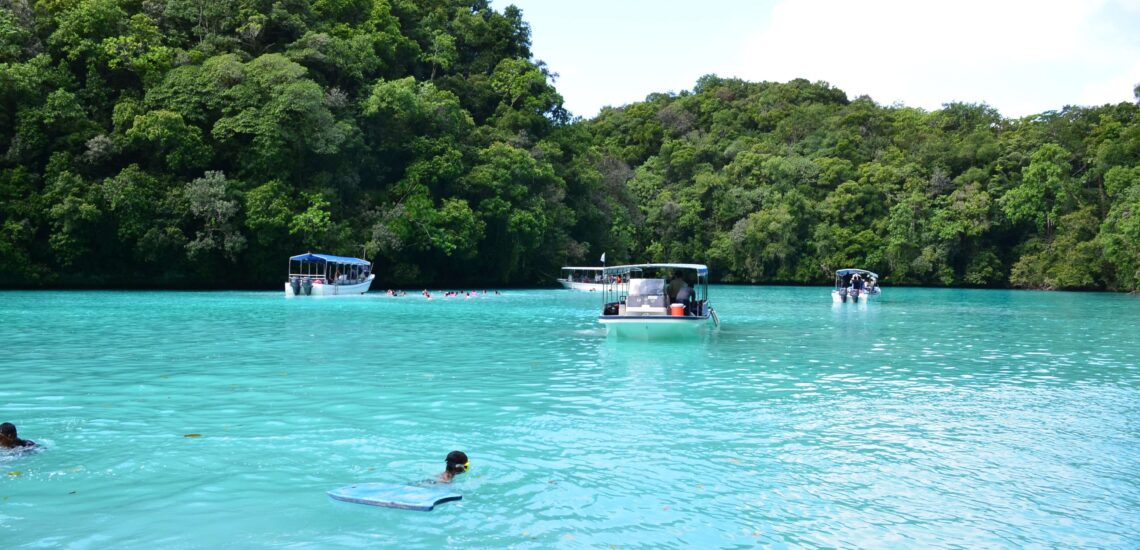


Micronesia, scattered across the western Pacific, is a region of over 2,000 small islands, renowned for its turquoise lagoons, WWII relics, ancient ruins, and vibrant cultures. While “Micronesia” refers to the wider region, this guide highlights the Federated States of Micronesia (FSM), which is made up of four island states – Yap, Chuuk, Pohnpei, and Kosrae. Each offers something unique: stone money, sunken ships, basalt ruins, lush rainforests, and coral reefs.
Best Islands in Micronesia
Yap
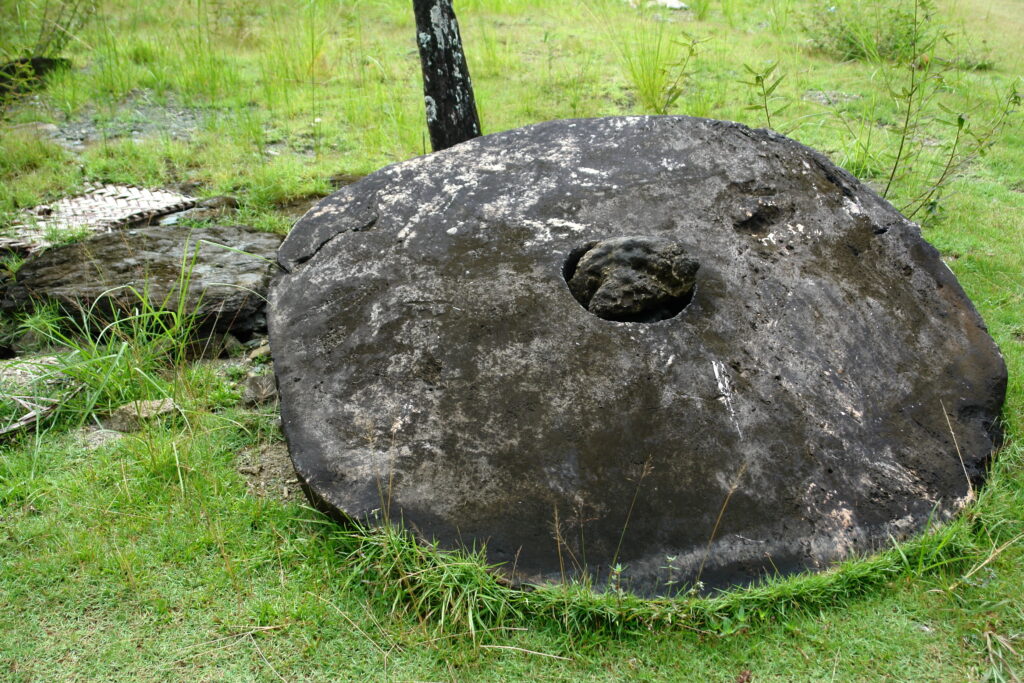
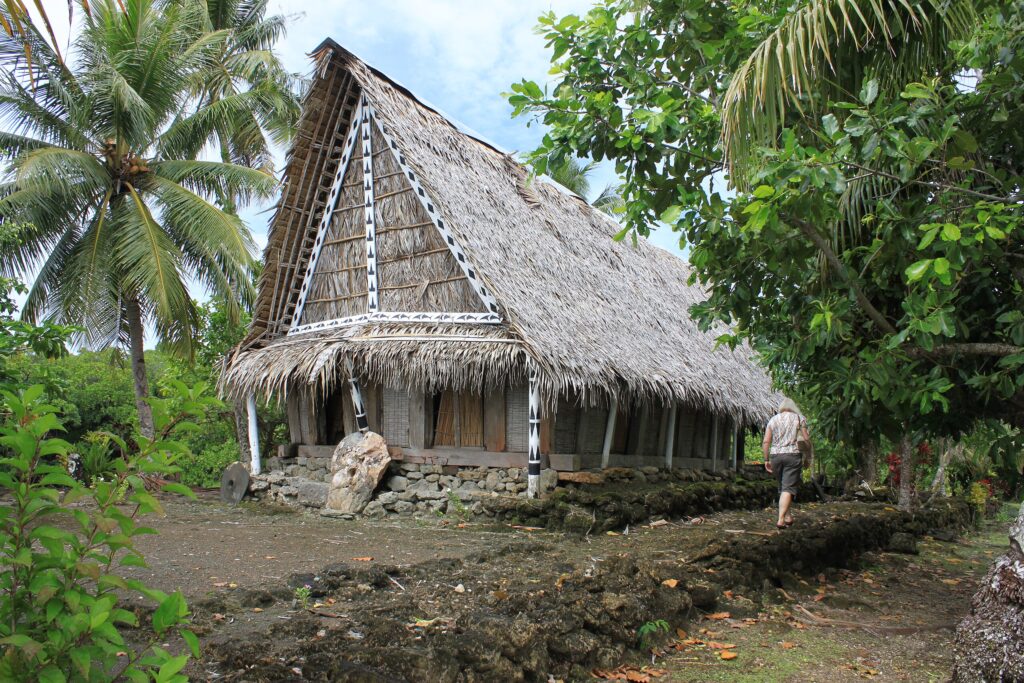
Yap, one of the four states of the Federated States of Micronesia, is unique for its deep-rooted traditions and cultural pride. The island is world-famous for its rai, or stone money – massive carved limestone discs kept in “stone money banks” along village paths, still used symbolically in exchanges such as marriages and land deals. Visitors can walk among these ancient stones, see traditional faluw (men’s houses) built of wood and thatch, and witness Yapese dances, which remain a vibrant part of community life. The island is also known for preserving traditional navigation skills, with canoe builders and wayfinders still practicing ancient methods of ocean travel.
Nature here is just as rich. M’il Channel is one of the best places in the world to snorkel or dive with manta rays, which glide gracefully through cleaning stations year-round. The island’s reefs also support pristine coral gardens and abundant marine life, making it a favorite for eco-tourists. Yap is reached via flights from Guam or Palau, with accommodations ranging from small inns to eco-lodges.
Chuuk (Truk Lagoon)
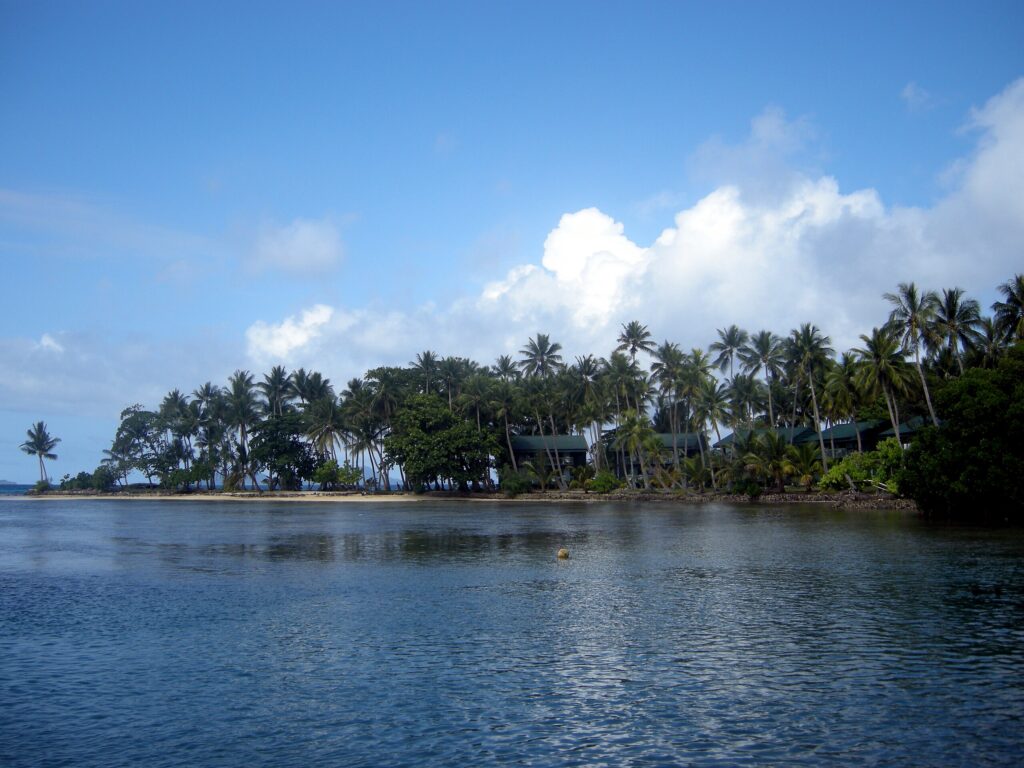
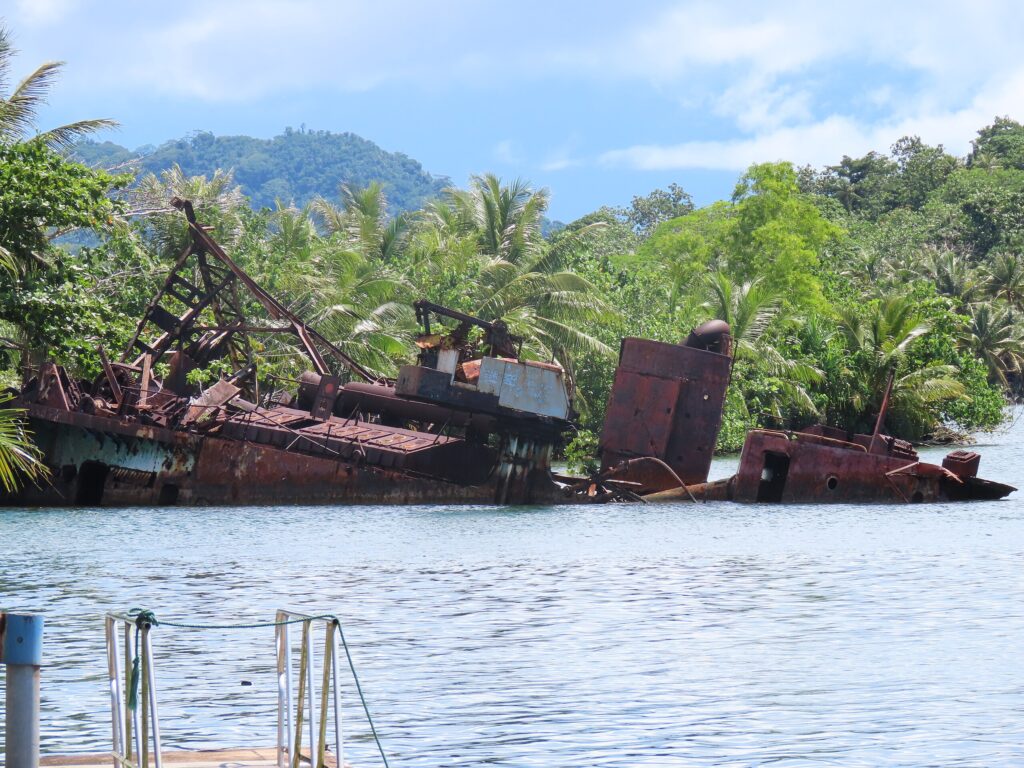
Chuuk (Truk Lagoon) in the Federated States of Micronesia is legendary among divers as the site of Operation Hailstone (1944), when U.S. forces sank much of Japan’s Pacific fleet. Today, the lagoon is the world’s largest underwater WWII graveyard, with over 60 wrecks of ships, planes, and tanks resting on the seafloor. Many lie at recreational diving depths and are covered in coral, sponges, and fish, making them both historic relics and thriving artificial reefs. Highlights include the Fujikawa Maru, still holding aircraft parts, and the San Francisco Maru, nicknamed the “million-dollar wreck” for its cargo of tanks and mines.
Chuuk isn’t only for divers – snorkelers can explore shallow wrecks and coral gardens, while canoe trips reveal traditional island life in remote villages. Most travelers base themselves at Blue Lagoon Resort or Truk Stop Hotel, which organize dives and excursions. Chuuk is reached by flight from Guam (about 1.5 hours) on United Airlines.
Pohnpei
Pohnpei, the largest and lushest of the Federated States of Micronesia, is famed for its rainforests, waterfalls, and ancient ruins. The island’s most remarkable site is Nan Madol, a UNESCO World Heritage Site – a vast network of islets and canals built from massive basalt stones, often called the “Venice of the Pacific.” Nature lovers can trek to Kepirohi Waterfall, with its broad cascades and swimming pool, or climb Sokehs Ridge for sweeping views over Kolonia and the lagoon.
The island also draws surfers to the world-class Palikir Pass, known for powerful reef breaks, while kayakers can explore winding mangrove channels rich in birdlife. Most visitors stay in Kolonia, the small capital, which offers guesthouses, restaurants, and tour operators.
Kosrae
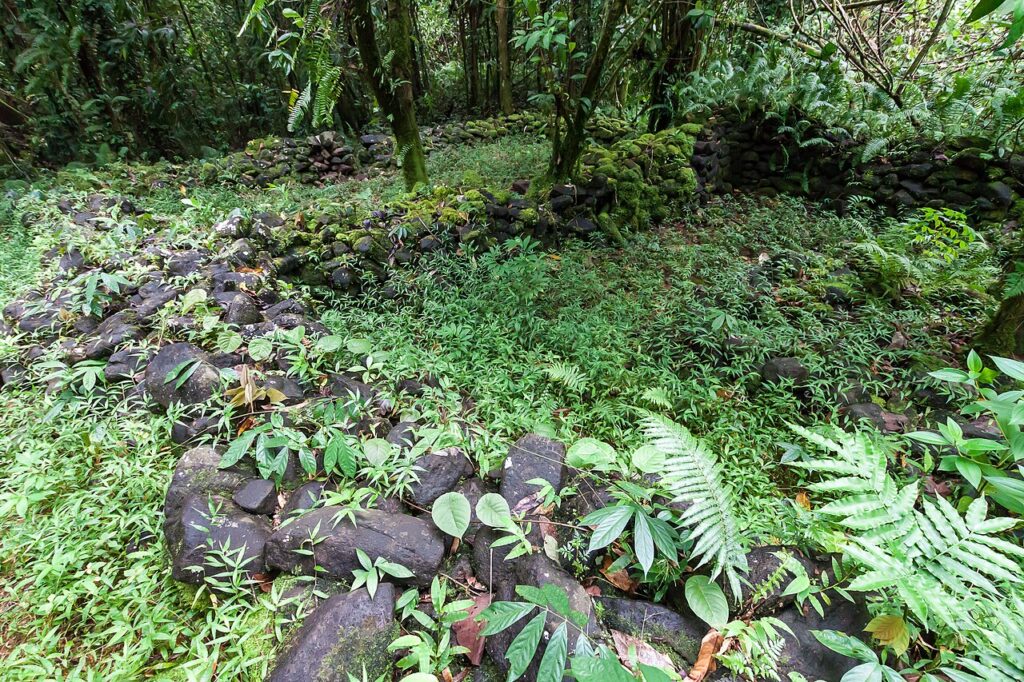
Kosrae, the easternmost island of the Federated States of Micronesia, is often described as the Pacific’s last hidden paradise. Shaped like a reclining woman, it is blanketed in rainforest and surrounded by some of the healthiest, least disturbed coral reefs in the world, with visibility often over 30 meters. Divers and snorkelers find pristine walls, lagoons, and abundant marine life, while kayakers can glide through extensive mangrove channels. On land, history comes alive at the Lelu Ruins, once a royal city built of basalt walls and canals, and at the remote Menke Ruins, hidden deep in the jungle.
Adventurers can also hike Mount Finkol, Kosrae’s highest peak, or take gentler treks to waterfalls and forest viewpoints. With only a handful of guesthouses and no crowds, Kosrae is ideal for travelers seeking solitude and raw natural beauty. Access is via flights from Guam, Pohnpei, or Honolulu, making Kosrae remote but reachable.
Best Natural Attractions of Micronesia
Nan Madol (Pohnpei)
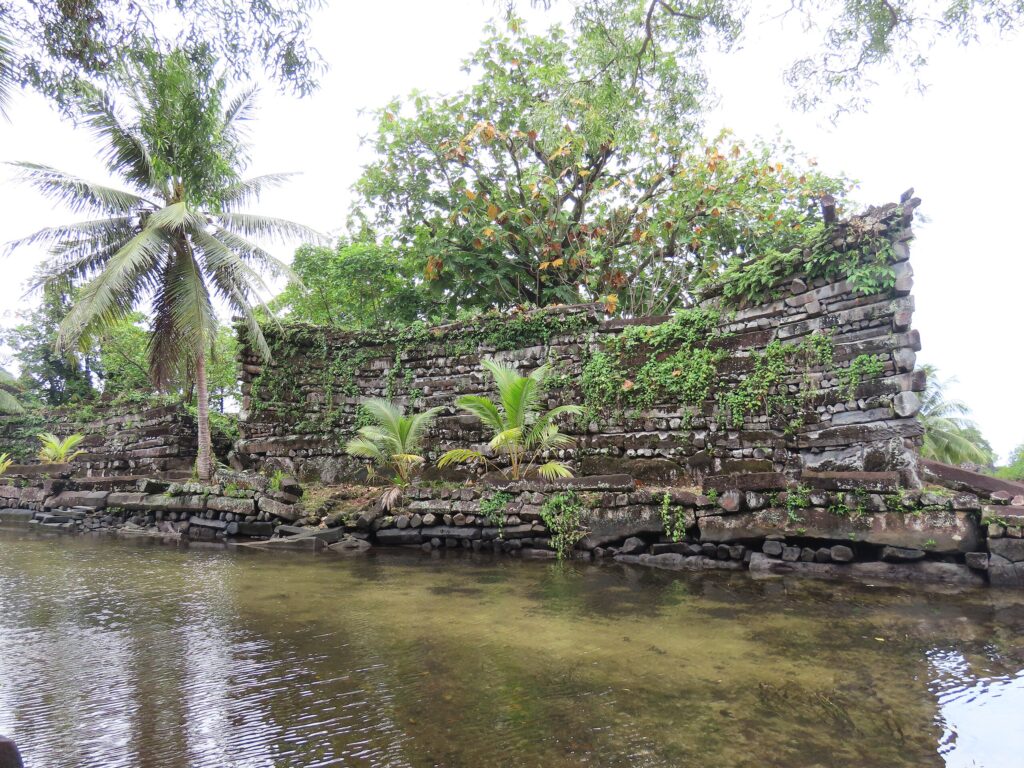
Nan Madol, on the southeast coast of Pohnpei, is one of the Pacific’s most extraordinary archaeological sites and a UNESCO World Heritage Site. Built between the 13th and 17th centuries, it consists of 90+ artificial islets constructed from massive basalt columns stacked like logs, forming canals, walls, and platforms. Often called the “Venice of the Pacific,” it was once the ceremonial and political center of the Saudeleur dynasty, though its exact construction methods remain a mystery.
The ruins are scattered across tidal flats and mangroves, giving the site an otherworldly feel best explored by kayak or guided tour. Highlights include Nan Douwas, a walled compound believed to be a royal tomb. Located about an hour’s drive from Kolonia, Nan Madol is reachable via road and short boat ride, often arranged through local guides.
Blue Hole (Chuuk)
Blue Hole, in Chuuk Lagoon, is a dramatic underwater sinkhole that plunges vertically into the deep, surrounded by steep reef walls covered in coral and sponges. The site is best suited for advanced divers, who descend through the opening to explore sheer drop-offs where reef sharks, tuna, and schools of jack patrol the blue. Within the hole and along the surrounding walls, divers often spot turtles, barracuda, and a mix of macro and pelagic life, making it both scenic and thrilling.
Located just outside Chuuk Lagoon’s wreck diving hotspots, Blue Hole adds a natural highlight to the region’s WWII history sites. Dives here are arranged through local operators based in Weno, typically from Blue Lagoon Resort or Truk Stop Hotel, and require certification for deep or advanced diving.
Kosrae’s Coral Reefs
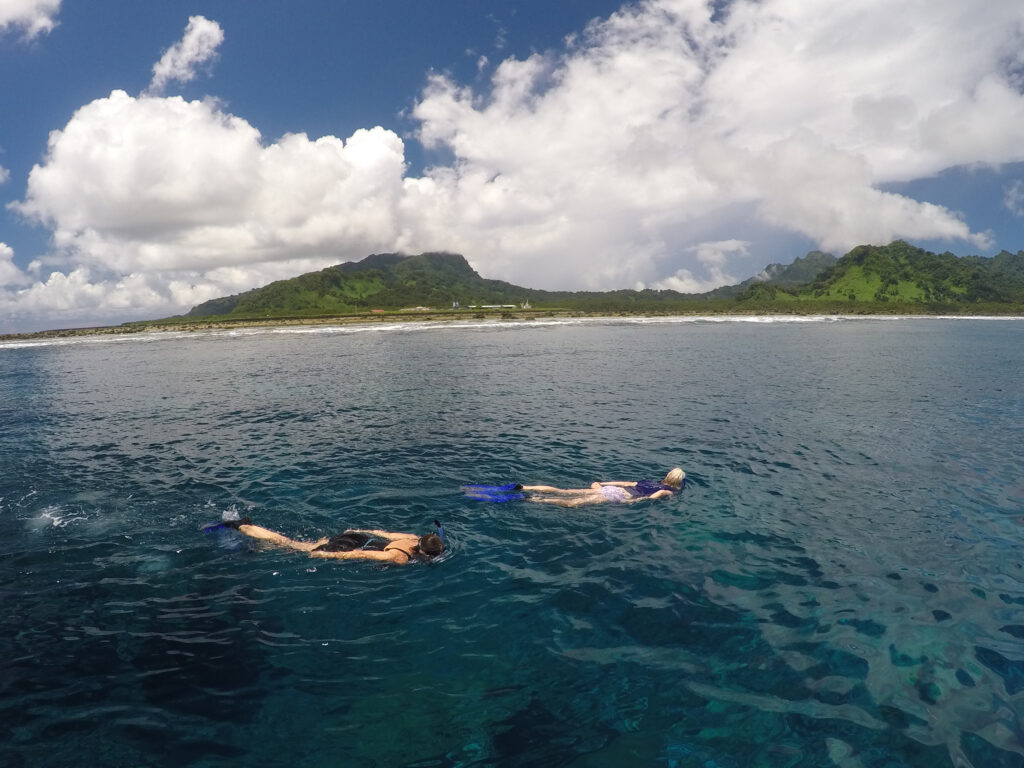
Kosrae’s coral reefs are among the most untouched in the Pacific, protected by the island’s small population and commitment to conservation. With over 200 dive sites and visibility often exceeding 30–40 meters, the reefs offer something for everyone – from shallow lagoons perfect for beginners to dramatic walls and drop-offs for advanced divers. Hard corals dominate here, creating sprawling gardens that shelter reef sharks, turtles, barracuda, and countless tropical fish.
Yap’s Manta Ray Channels
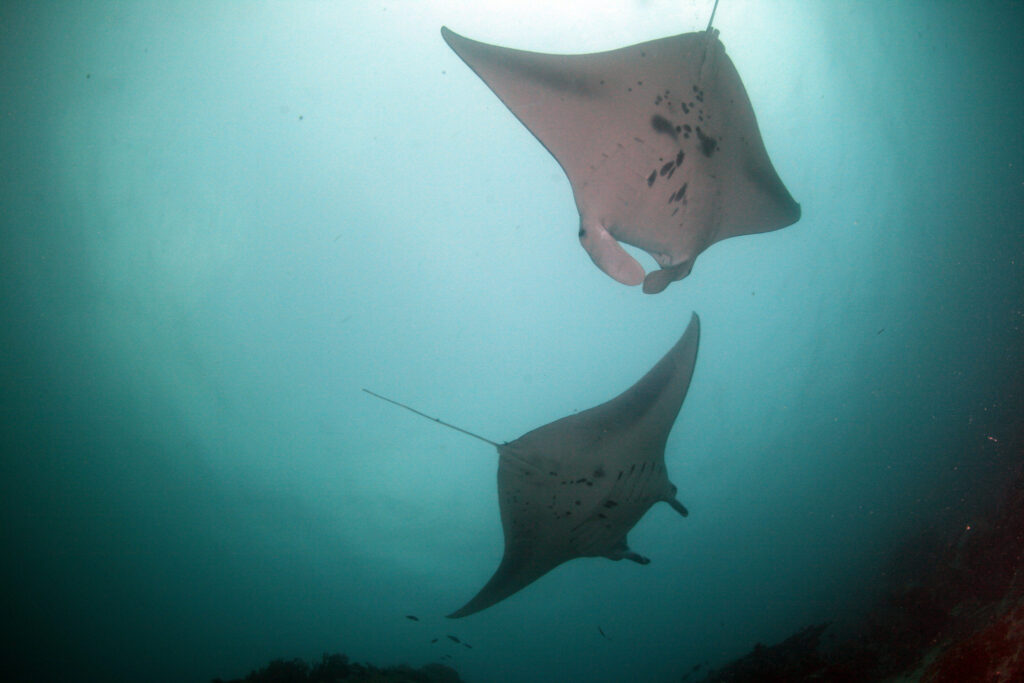
Yap’s Manta Ray Channels are world-renowned for offering year-round encounters with resident reef manta rays, which gather to feed and visit cleaning stations in the island’s lagoon passes. The two most famous sites are Mi’il Channel and Goofnuw Channel, where divers and snorkelers can watch mantas glide gracefully overhead, often coming within arm’s reach as cleaner fish pick parasites from their wings. Dives here are typically shallow with gentle currents, making them accessible to most certified divers, while snorkel tours allow non-divers to enjoy the spectacle.
Pohnpei’s Waterfalls & Rainforests
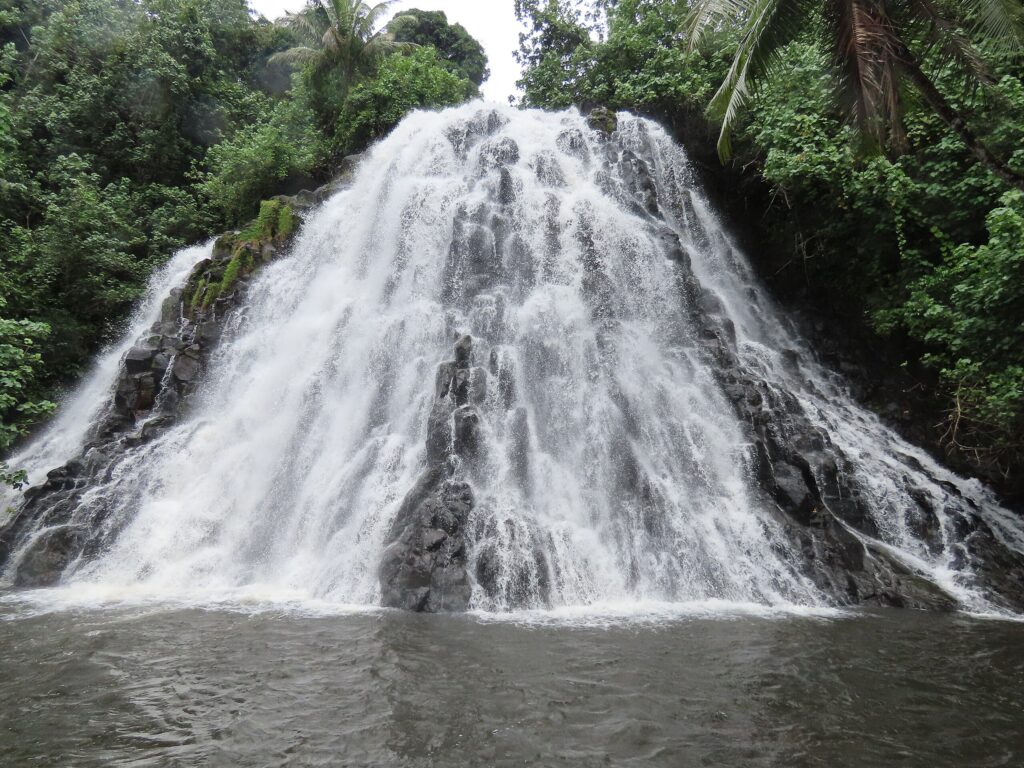
Pohnpei is the green heart of Micronesia, famous for its constant rainfall that feeds countless waterfalls and dense rainforests. Among the most accessible is Kepirohi Waterfall, a broad curtain of water with a clear pool at its base for swimming. The Liduduhniap Twin Falls are reached by a short jungle walk and offer a quieter setting, while Sahwartik Falls lies deeper inland, rewarding hikers with a multi-tiered cascade surrounded by untouched forest.
Beyond the falls, Pohnpei’s rainforest trails are alive with birdlife, orchids, and giant tree ferns, making the island a paradise for eco-travelers and photographers. Guided hikes can be arranged from Kolonia, the capital, with transport to trailheads.
Hidden Gems of Micronesia
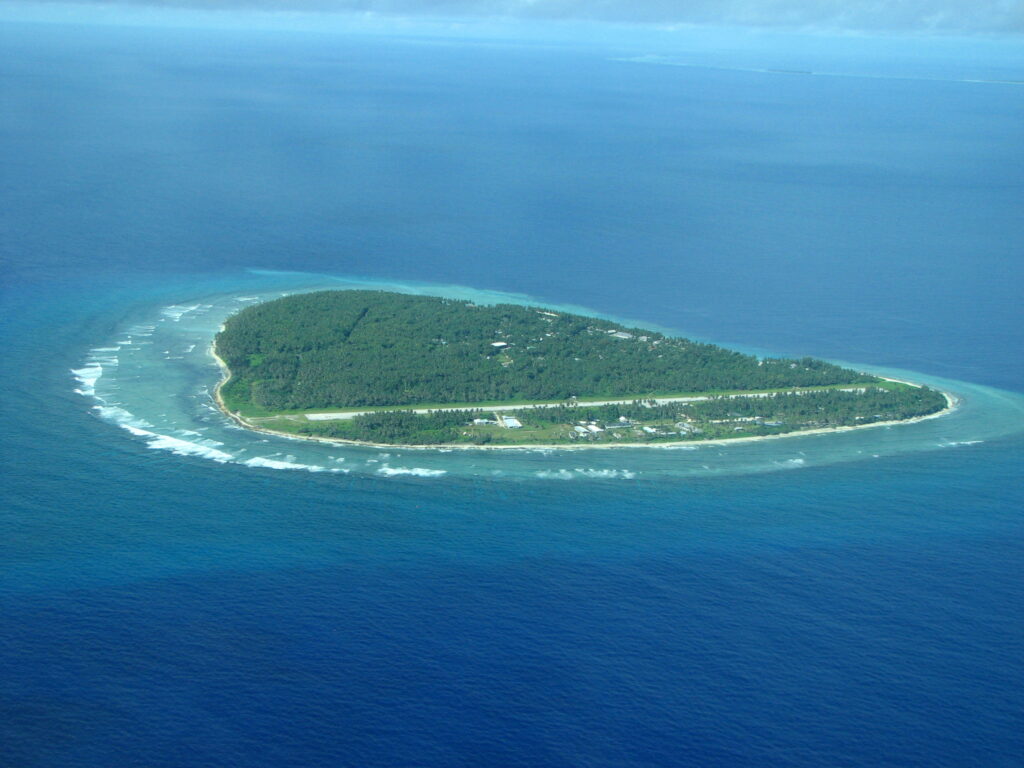
Ulithi Atoll (Yap)
Ulithi Atoll, part of Yap State in Micronesia, is a vast ring of over 40 islets enclosing one of the world’s largest lagoons. During WWII, it served as the largest U.S. naval base in the Pacific, hosting hundreds of ships. Today, it is a quiet, little-visited destination where life revolves around traditional villages, fishing, and canoe navigation. The lagoon’s crystal waters are perfect for snorkeling, diving, and island-hopping, with reefs that shelter turtles, reef sharks, and colorful fish.
Reaching Ulithi requires a small plane flight from Yap Island (about 1 hour), making it remote even by Micronesian standards. Accommodation is basic, usually in community guesthouses, and visitors are expected to respect local customs in this conservative region.
Tonoas Island (Chuuk)
Tonoas Island, in Chuuk Lagoon, was once the Japanese military headquarters in Micronesia and still bears the scars of World War II. The island is dotted with abandoned bunkers, airfields, command posts, and anti-aircraft guns, many hidden in the jungle since 1945. These relics make it a fascinating stop for history enthusiasts, complementing Chuuk’s famous underwater wrecks. Accessible by boat from Weno (15–20 minutes), Tonoas is often included in day tours that combine cultural visits with WWII exploration.
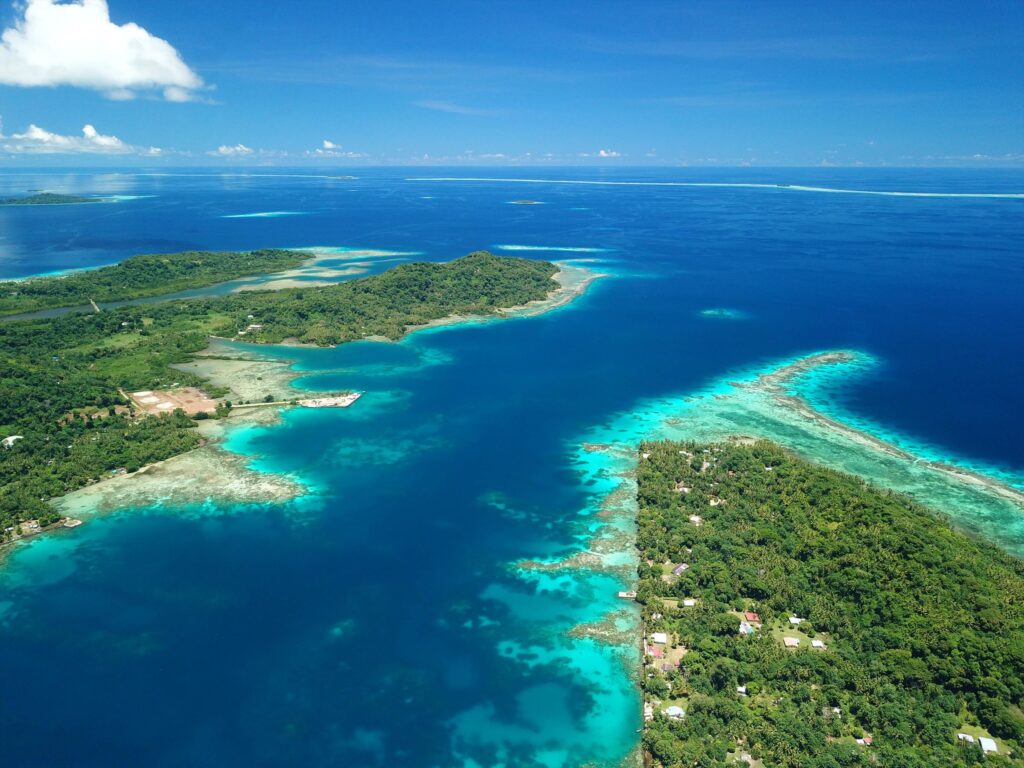
Walung Marine Park (Kosrae)
Walung Marine Park, on Kosrae’s southwest coast, is a quiet reserve showcasing the island’s unspoiled marine and coastal ecosystems. Visitors can kayak through coral gardens, mangrove forests, and seagrass beds, spotting tropical fish, rays, and sometimes turtles in the shallow waters. The mangroves are also home to herons, kingfishers, and other bird species, making the park a great spot for birdwatching and photography.
Unlike busier dive destinations, Walung offers a slower, more intimate experience of Kosrae’s natural beauty. Local guides arrange tours that combine snorkeling and paddling, often paired with a visit to nearby villages.
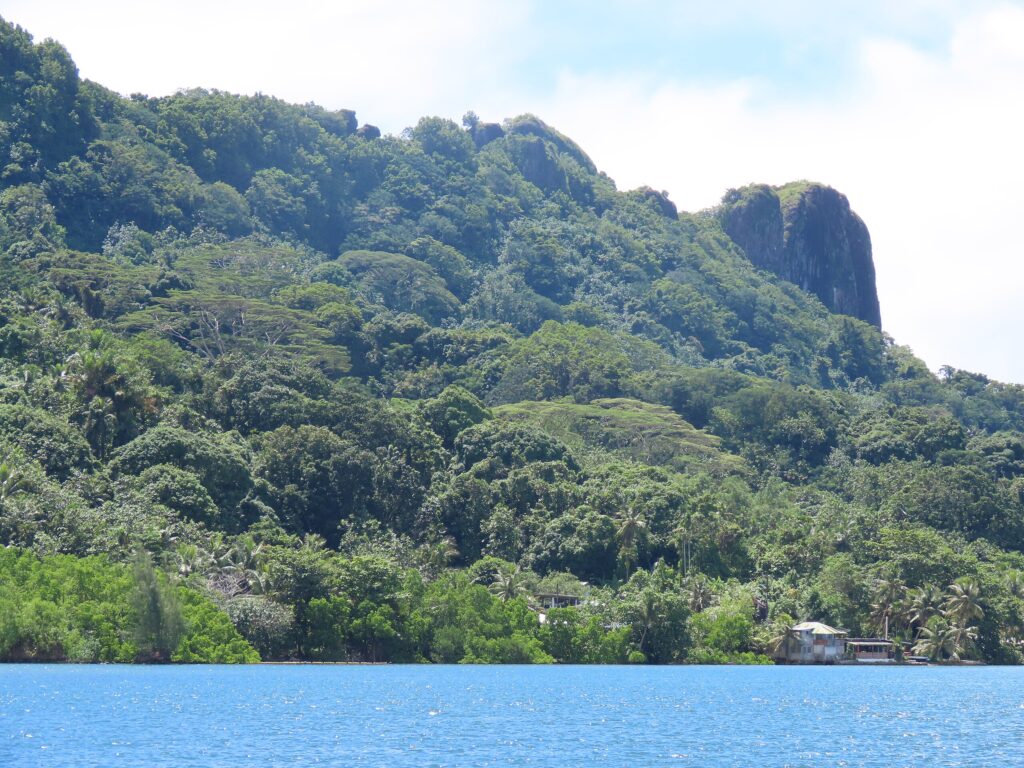
Sokehs Ridge (Pohnpei)
Sokehs Ridge, towering above Kolonia on Pohnpei, is one of the island’s most rewarding hikes, combining WWII history with dramatic views. The trail climbs past Japanese gun placements and bunkers left from the war, reminders of Pohnpei’s strategic role in the Pacific. At the top, hikers are treated to panoramic vistas over Kolonia, the surrounding lagoon, and the lush mountains that dominate the island’s interior.
The hike is moderate but steep in sections, usually taking 1.5–2 hours round trip, and is best done in the morning or late afternoon to avoid the midday heat. Good shoes, water, and insect repellent are essential. Sokehs Ridge is easily reached by car from Kolonia, with trail access near Sokehs Municipality.
Outer Islands of Yap
The Outer Islands of Yap, scattered across the western Pacific, are among the most traditional and remote communities in Micronesia. Life here still revolves around fishing, taro farming, and sailing outrigger canoes, which remain the primary form of transport between islands. Visitors can witness navigation techniques passed down for generations, as well as ceremonies, dances, and daily routines that have changed little over the centuries.
Reaching these islands requires advance planning and special permits, as they are accessible only by infrequent government-chartered flights or inter-island boats from Yap Proper. Accommodation is basic, usually in village guesthouses or homestays, where travelers are welcomed into community life.
Travel Tips
Currency
The U.S. Dollar (USD) is the official currency across all four states of the Federated States of Micronesia (Yap, Chuuk, Pohnpei, and Kosrae). ATMs are available in the main towns, but cash is essential on the smaller islands, where electronic payments are rarely accepted.
Language
English is widely spoken, especially in government, tourism, and business, making travel easy for international visitors. Each state also has its own local language – Yapese, Chuukese, Pohnpeian, and Kosraean – which are commonly used in daily life and reflect the islands’ strong cultural identities.
Getting Around
Due to the wide distances between islands, air travel is essential. United Airlines operates the famous “Island Hopper” service, connecting Guam with the four FSM states and onward to the Marshall Islands and Hawaii. On the islands themselves, transport options vary: taxis, rental cars, and small boats are the most common. Renting a car can be practical for exploring Yap, Pohnpei, or Kosrae, but travelers must carry an International Driving Permit together with their home license.
Accommodation
Lodging is modest but welcoming, often run by local families. Options include guesthouses, eco-lodges, and small hotels, with a strong focus on personal hospitality. On the smaller islands, availability is limited, so it’s best to book in advance to secure a room.
Connectivity
Internet access in FSM is slow and limited, particularly outside main towns. Many travelers see this as an opportunity to disconnect and enjoy a natural digital detox – replacing screen time with diving, hiking, and cultural immersion.

Published September 06, 2025 • 11m to read