

Malaysia is a dynamic, multicultural country that captures the essence of Southeast Asia. From modern skyscrapers and colonial towns to tropical beaches and rainforests teeming with wildlife, Malaysia offers an impressive range of experiences. Its mix of Malay, Chinese, Indian, and indigenous cultures makes it one of the region’s most vibrant destinations, famous for street food, heritage sites, lush islands, and unique eco-adventures.
Best Cities in Malaysia
Kuala Lumpur
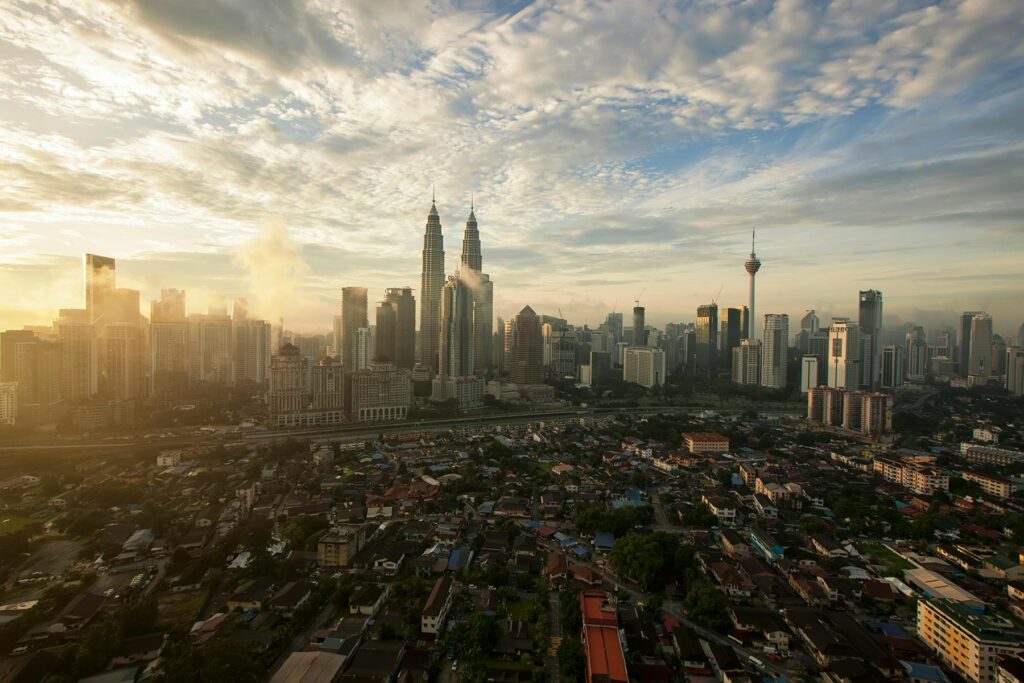
Kuala Lumpur, Malaysia’s capital, is a dynamic mix of modern skyscrapers, colonial landmarks, and multicultural neighborhoods. Its centerpiece is the Petronas Twin Towers, once the tallest in the world, where the skybridge and observation deck give sweeping city views. Just outside the center, the Batu Caves house colorful Hindu shrines inside massive limestone caverns, while in the city, the Thean Hou Temple and Merdeka Square highlight Kuala Lumpur’s cultural and historical layers. The Islamic Arts Museum, considered one of Asia’s finest, offers an in-depth look at Islamic calligraphy, textiles, and architecture.
Travelers come not only for sightseeing but also for Kuala Lumpur’s vibrant food and urban culture. Bukit Bintang is the city’s shopping and nightlife hub, Kampung Baru mixes traditional Malay houses with modern street art, and Jalan Alor night market is the go-to spot for satay, noodles, and tropical fruits. The best time to visit is May–July or December–February, when rainfall is lighter. Kuala Lumpur is served by KLIA and KLIA2 airports, 45 minutes from downtown by KLIA Ekspres train, with an efficient metro (LRT/MRT) and Grab taxis making it easy to explore the city’s highlights in just a few days.
George Town (Penang)
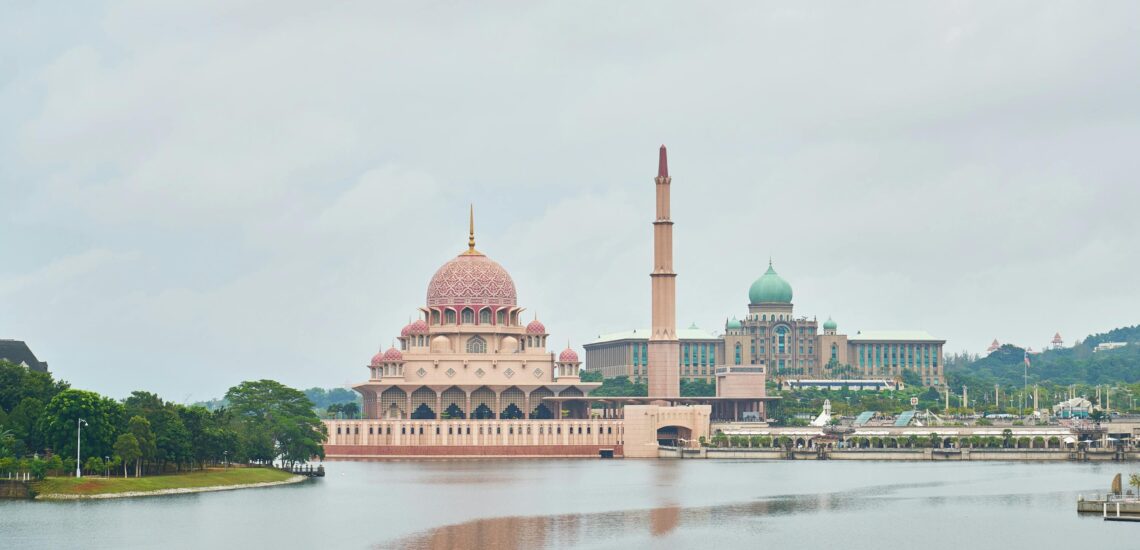
George Town, the capital of Penang, is a UNESCO World Heritage city that blends colonial architecture, Chinese clan houses, and vibrant street art. Walking through its old quarters reveals colorful murals, rows of shophouses, and landmarks like Khoo Kongsi, a richly decorated clan hall, and the Pinang Peranakan Mansion, which showcases the hybrid culture of the Straits Chinese. On the city’s outskirts, the vast Kek Lok Si Temple rises over the hills, one of Southeast Asia’s largest Buddhist temples.
Travelers come to George Town as much for its food as for its history. Penang is Malaysia’s culinary capital, and stalls at Gurney Drive, Chulia Street, and New Lane serve legendary dishes such as char kway teow, asam laksa, and nasi kandar. The best time to visit is December–March, when the weather is cooler and drier. George Town is 30 minutes from Penang International Airport and linked to the mainland by bridge and ferry. The city is compact, making it easy to explore by foot, bicycle, or trishaw while sampling one of Asia’s most atmospheric and flavorful destinations.
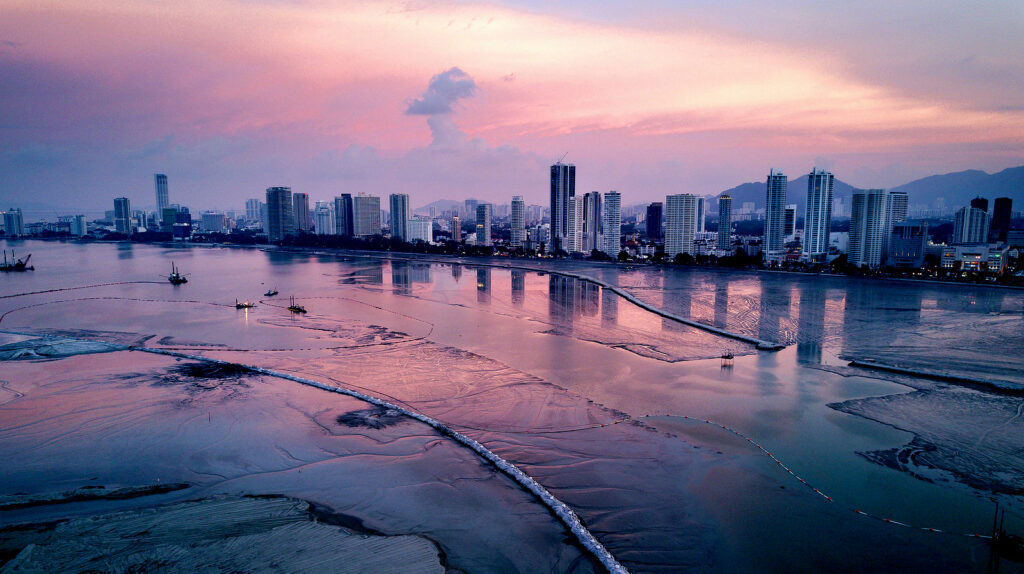
Malacca (Melaka)
Malacca (Melaka), a UNESCO World Heritage city on Malaysia’s west coast, is a crossroads of Malay, Chinese, Indian, and European influences shaped by centuries of trade. The remains of A Famosa Fort and St. Paul’s Hill recall Portuguese and Dutch rule, while the Stadthuys (red town hall) showcases Dutch colonial architecture. The vibrant Jonker Street in Chinatown comes alive on weekend nights with a bustling market of street food, antiques, and live performances.
A Melaka River cruise reveals colorful murals and old warehouses along the waterway, and heritage museums like the Baba & Nyonya House give insight into the unique Peranakan culture. Food is a highlight, with specialties such as chicken rice balls, cendol, and rich Nyonya cuisine. Malacca is about 2 hours from Kuala Lumpur by bus or car, making it a popular day trip, though staying overnight allows more time to enjoy the night market and riverside charm.
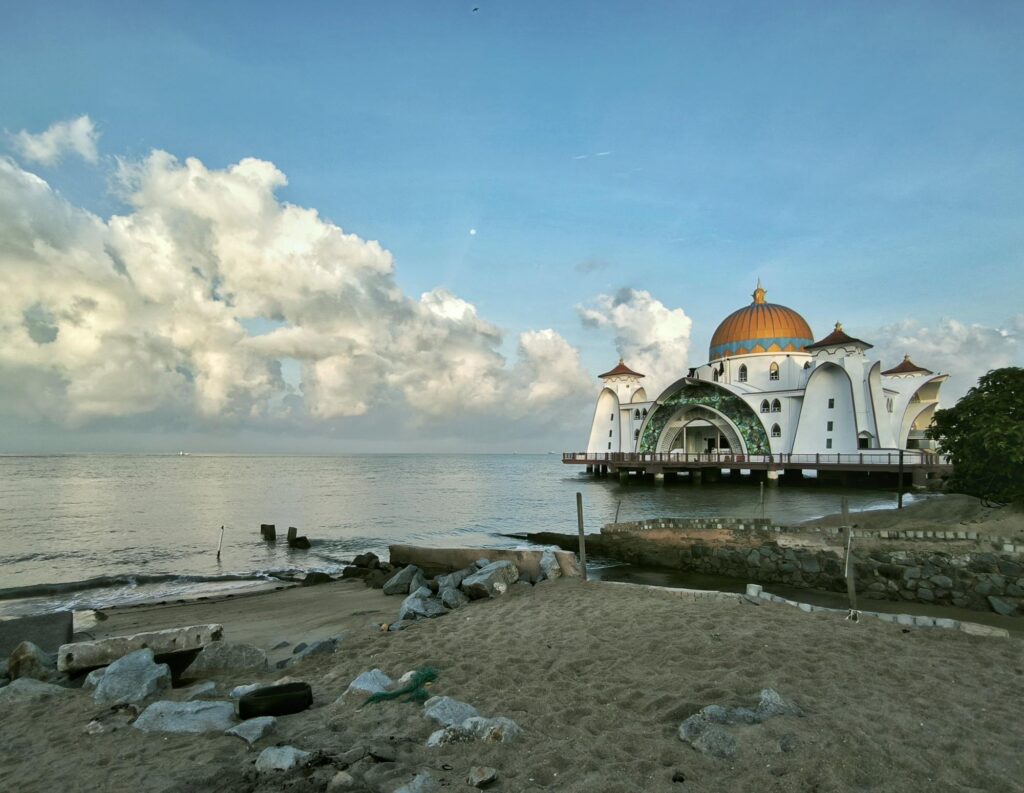
Ipoh
Ipoh, the capital of Perak, has emerged as one of Malaysia’s most underrated destinations, mixing heritage charm with a growing café culture. The old town is best explored on foot, with narrow Concubine Lane lined with shops, murals, and quirky coffee houses. Street art by local and international artists decorates building walls, giving the city a youthful energy. Beyond the center, Ipoh is ringed by limestone hills that hide stunning cave temples such as Kek Lok Tong, with its gardens and meditation spaces, and Perak Cave Temple, filled with colorful murals and Buddha statues.
The city is also famous for its food – especially Ipoh white coffee, roasted in palm oil margarine and served creamy, and bean sprout chicken, a simple but iconic local dish. Ipoh is about 2 hours from Kuala Lumpur by train or car, making it a convenient short getaway. With its mix of heritage, food, and natural scenery, Ipoh offers a relaxed alternative to Malaysia’s bigger cities.
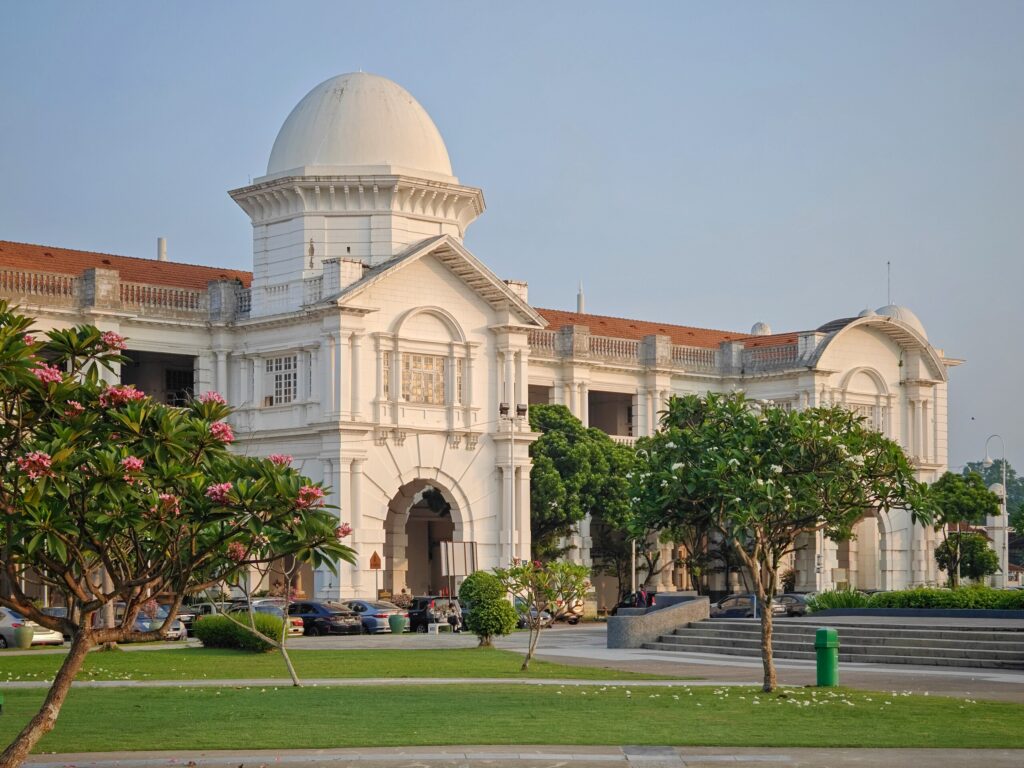
Best Natural Attractions of Malaysia
Cameron Highlands
Cameron Highlands, sitting at 1,500 meters above sea level, is Malaysia’s most famous hill station, known for its cool climate and rolling green landscapes. The highlight is the Boh Tea Plantation, where visitors can tour the estate, learn about tea production, and sip freshly brewed tea overlooking endless rows of bushes. Nature lovers shouldn’t miss the Mossy Forest, a mist-covered highland ecosystem with wooden walkways winding through orchids, ferns, and moss-draped trees.
Travelers also enjoy visiting strawberry farms, butterfly gardens, and local markets selling honey, vegetables, and flowers grown in the fertile soil. Cameron Highlands is about 3–4 hours from Kuala Lumpur by bus or car, with winding roads leading into the towns of Tanah Rata and Brinchang. Once there, taxis and local tours connect the main farms, trails, and viewpoints, making it an ideal retreat from Malaysia’s tropical heat.
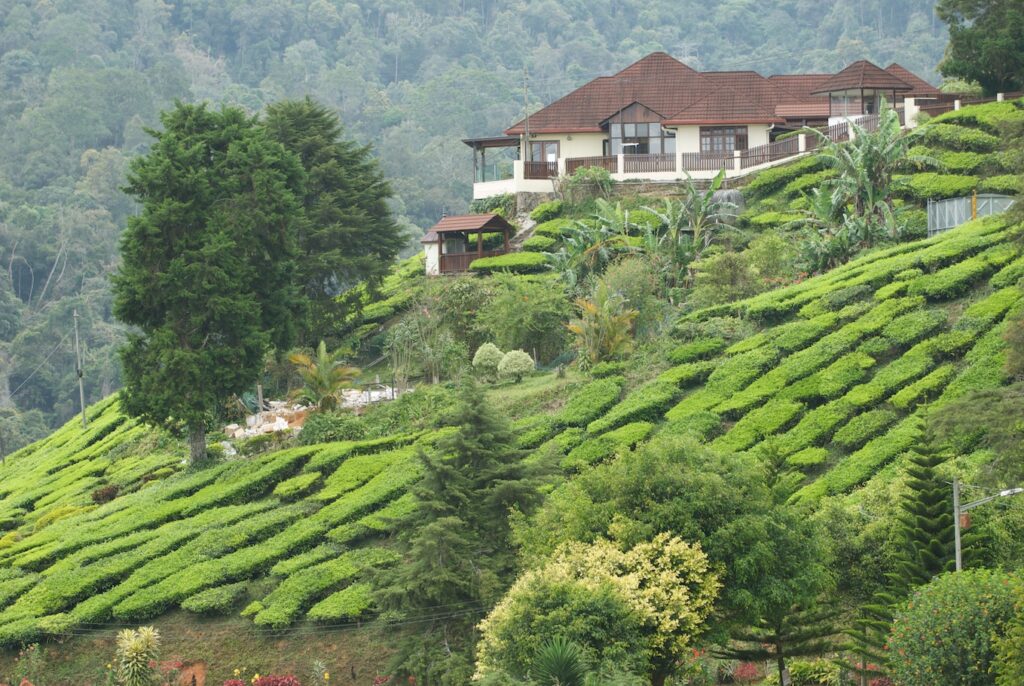
Taman Negara
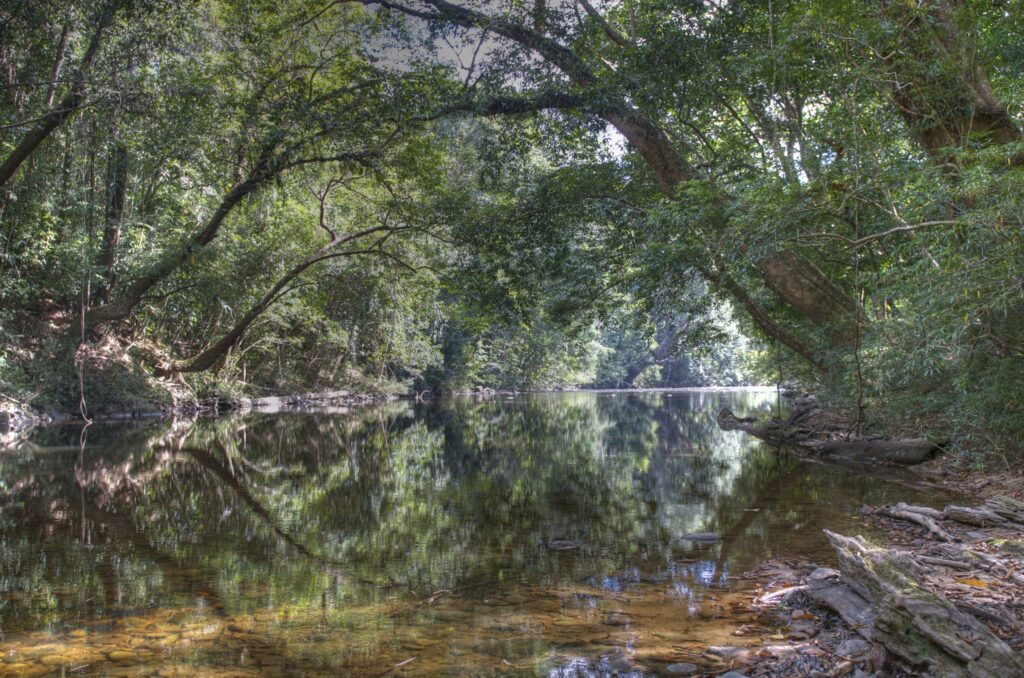
Taman Negara, spanning over 4,300 km² across central Malaysia, is believed to be over 130 million years old, making it one of the world’s oldest rainforests. Visitors come for its rich biodiversity and adventure activities, from hiking jungle trails to cruising the Tembeling River in longboats. The park’s iconic canopy walkway, suspended 40 meters above ground, offers a bird’s-eye view of the rainforest, while guided night safaris reveal nocturnal wildlife. Adventurers can trek to Gunung Tahan, Peninsular Malaysia’s highest peak, though easier routes lead to caves, waterfalls, and indigenous Orang Asli villages.
Wildlife enthusiasts may spot hornbills, tapirs, monitor lizards, and even leopards, though the dense jungle means sightings are often rare and rewarding. Most travelers reach the park via Kuala Tahan village, accessible by bus from Kuala Lumpur (4–5 hours), followed by a riverboat ride into the park. Basic guesthouses and eco-lodges in Kuala Tahan provide access to tours and guides, making Taman Negara a must-visit for those seeking an authentic rainforest experience.
Langkawi
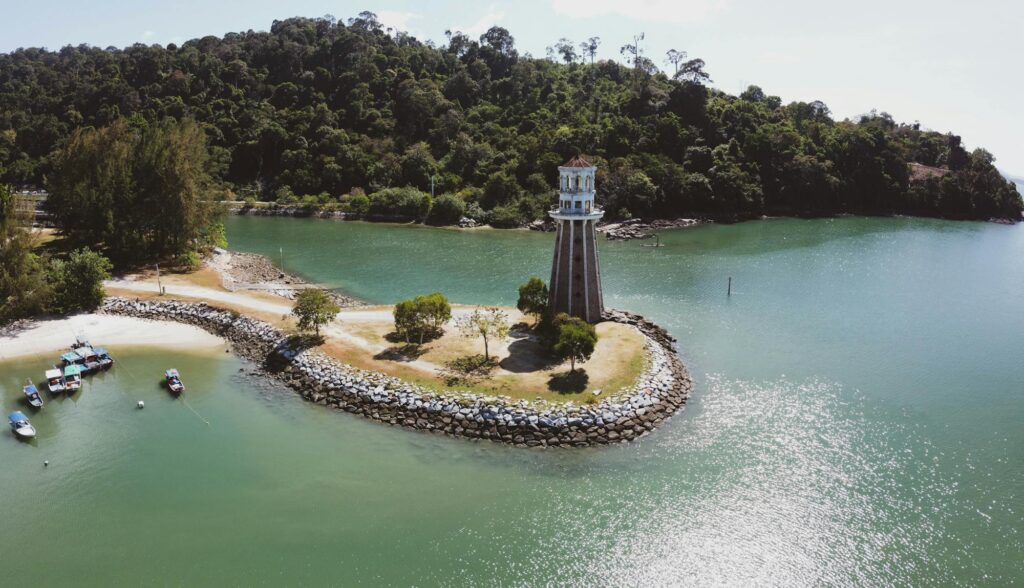
Langkawi, an archipelago of 99 islands in the Andaman Sea, is Malaysia’s top island destination, combining beaches, rainforest, and adventure. The highlight is the Langkawi SkyCab, one of the world’s steepest cable cars, leading to the curved Sky Bridge with sweeping views over jungle-covered peaks and turquoise waters. Popular beaches like Pantai Cenang and Tanjung Rhu offer soft sand and water sports, while inland, visitors can hike to Seven Wells Waterfall or join a mangrove tour in Kilim Karst Geoforest Park, a UNESCO-listed site with limestone cliffs, caves, and eagle habitats.
Kinabalu Park (Sabah, Borneo)
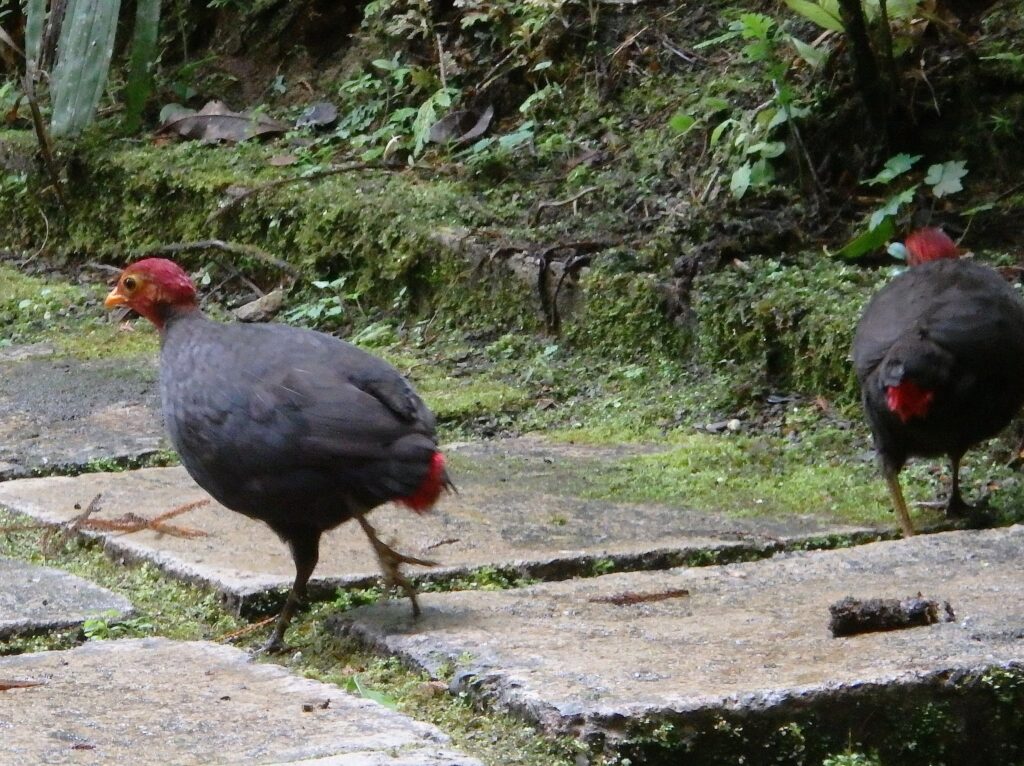
Kinabalu Park, a UNESCO World Heritage Site in Sabah, protects one of the most diverse ecosystems in the world and is the gateway to Mount Kinabalu (4,095 m), the highest peak in Southeast Asia. Trekkers from around the globe come to attempt the two-day climb, which requires a permit and overnight stay at mountain lodges. For those not climbing, the park itself offers a network of forest trails, botanical gardens, and excellent birdwatching, with over 300 species recorded, including hornbills and mountain endemics. Botanists are drawn to its unique flora, from orchids to the rare Rafflesia, the world’s largest flower.
Best Islands & Beaches of Malaysia
Perhentian Islands
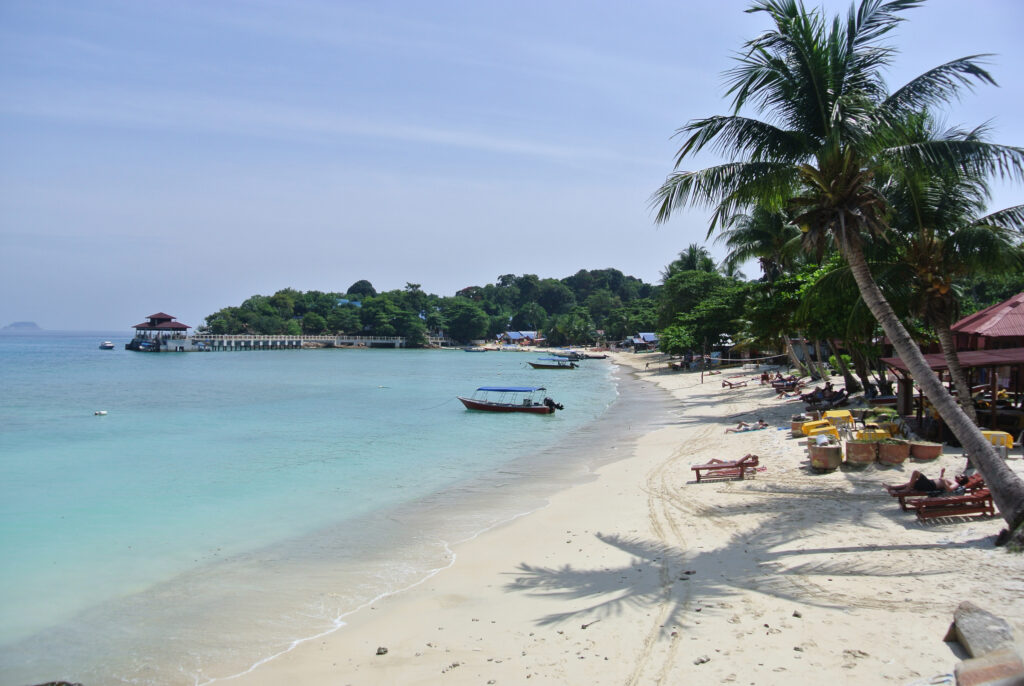
Perhentian Islands, off the northeast coast of Malaysia, are a tropical duo famous for crystal-clear waters and a relaxed atmosphere. Perhentian Kecil draws backpackers with budget stays, beach bars, and a lively social scene, while Perhentian Besar is quieter, catering to families and couples with mid-range resorts. Both islands offer outstanding snorkeling and diving, with shallow reefs full of clownfish, turtles, and reef sharks, and dive sites featuring coral walls and wrecks. White-sand beaches like Long Beach and Coral Bay provide laid-back spots for swimming and sunset views.
Access is via speedboat from Kuala Besut Jetty (30–45 minutes), after a 1-hour drive from Kota Bharu Airport or 7–8 hours from Kuala Lumpur. With no cars on the islands, visitors get around by walking water’s edge trails or hiring water taxis. The Perhentians are perfect for travelers seeking affordable island life, underwater adventures, and some of Malaysia’s most beautiful beaches.
Tioman Island
Tioman Island, off Malaysia’s east coast, offers a mix of diving, hiking, and village life in a laid-back tropical setting. Its waters are part of a protected marine park, with excellent dive sites such as Renggis Island and Chebeh, where divers and snorkelers encounter turtles, reef sharks, and colorful coral gardens. On land, jungle trails lead to hidden waterfalls like Asah Waterfall, and the island’s interior is home to monitor lizards, monkeys, and rare bird species. Traditional villages such as Tekek and Salang provide simple guesthouses, beach bars, and local seafood, keeping the atmosphere relaxed and authentic.
Tioman is reached by ferry from Mersing or Tanjung Gemok (1.5–2 hours), with buses linking the jetties to Kuala Lumpur and Singapore. Small propeller flights also connect Kuala Lumpur to Tioman, though less frequently. Once on the island, most visitors get around by boat taxis or jungle trails, as there are few roads. With its balance of underwater exploration and rustic charm, Tioman is ideal for divers, trekkers, and travelers seeking a quieter alternative to Malaysia’s busier beach resorts.
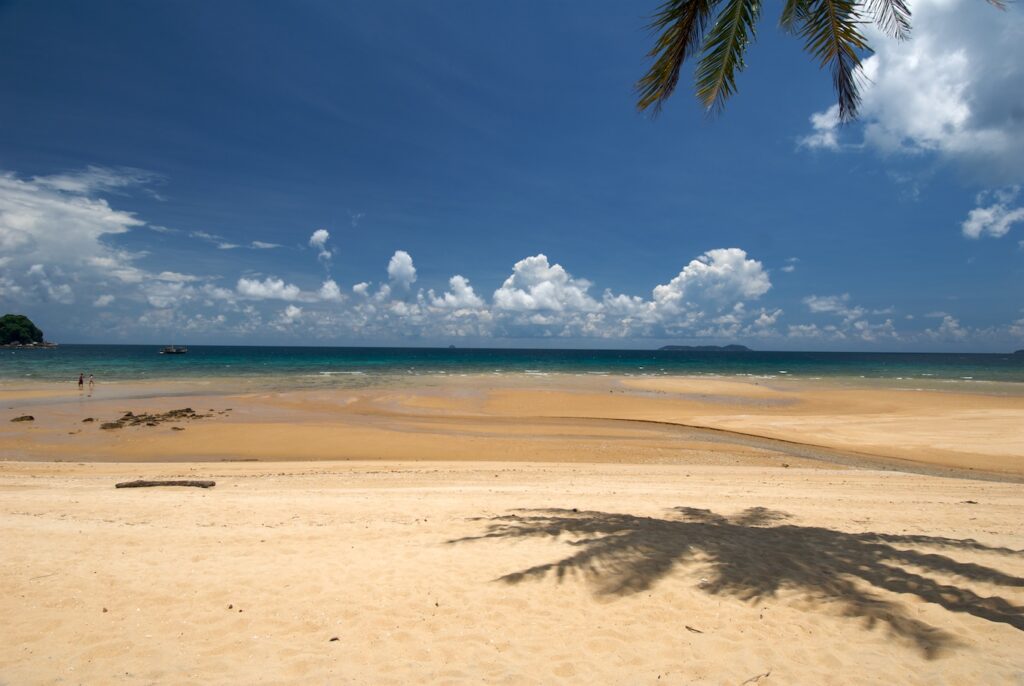
Redang Island
Redang Island, on Malaysia’s east coast, is one of the country’s most exclusive beach destinations, known for its powdery white sands and crystal-clear waters. Protected within a marine park, it offers excellent snorkeling and diving, with coral gardens and sites like Tanjung Tengah where green and hawksbill turtles are often spotted. The island is lined with upscale resorts, many set directly on Pasir Panjang (Long Beach), making it popular with honeymooners and families seeking comfort and tranquility.
Redang is accessible by ferry from Merang or Shahbandar Jetty (45–90 minutes), or via flights from Kuala Lumpur to Kuala Terengganu followed by boat transfers. With limited nightlife and no backpacker hostels, Redang appeals to travelers looking for a serene, resort-based island stay paired with some of Malaysia’s most pristine coral reefs.
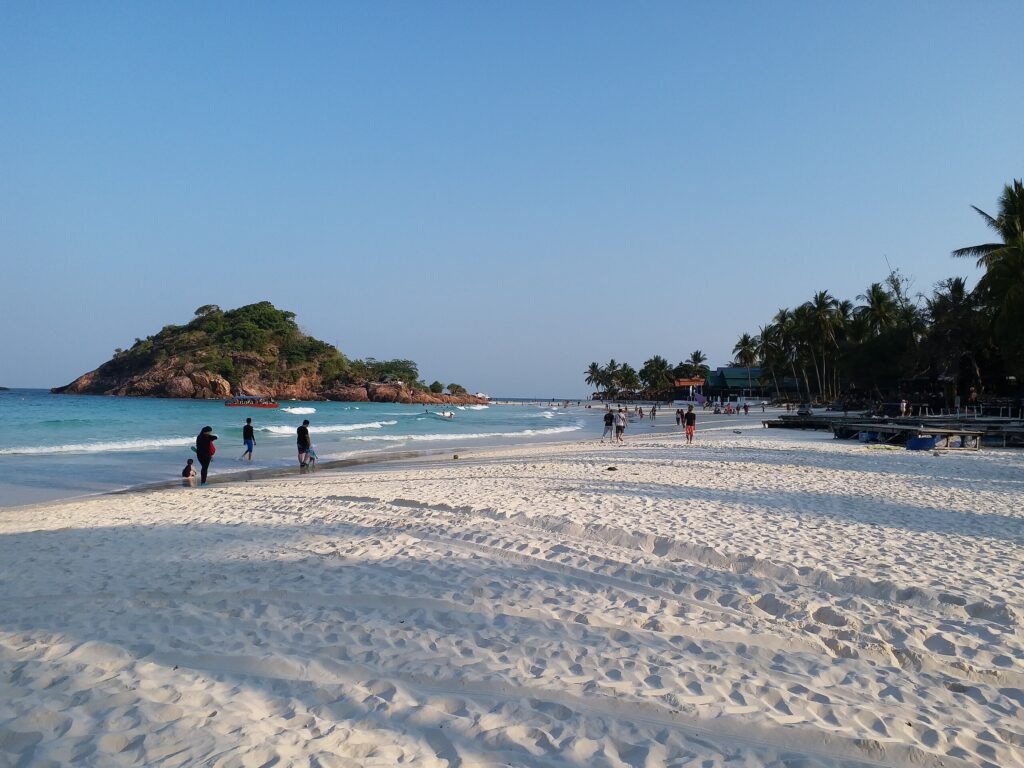
Sipadan Island (Sabah, Borneo)
Sipadan Island, off the coast of Sabah in Borneo, is Malaysia’s crown jewel for diving and consistently ranked among the world’s top dive sites. Rising from a steep undersea volcano, its reefs drop off into the deep, creating dramatic walls teeming with life. Divers regularly encounter green and hawksbill turtles, barracuda tornadoes, reef sharks, jackfish schools, and an extraordinary variety of coral and macro life. Famous sites like Barracuda Point, Drop Off, and Turtle Cavern make Sipadan a bucket-list destination for serious divers.
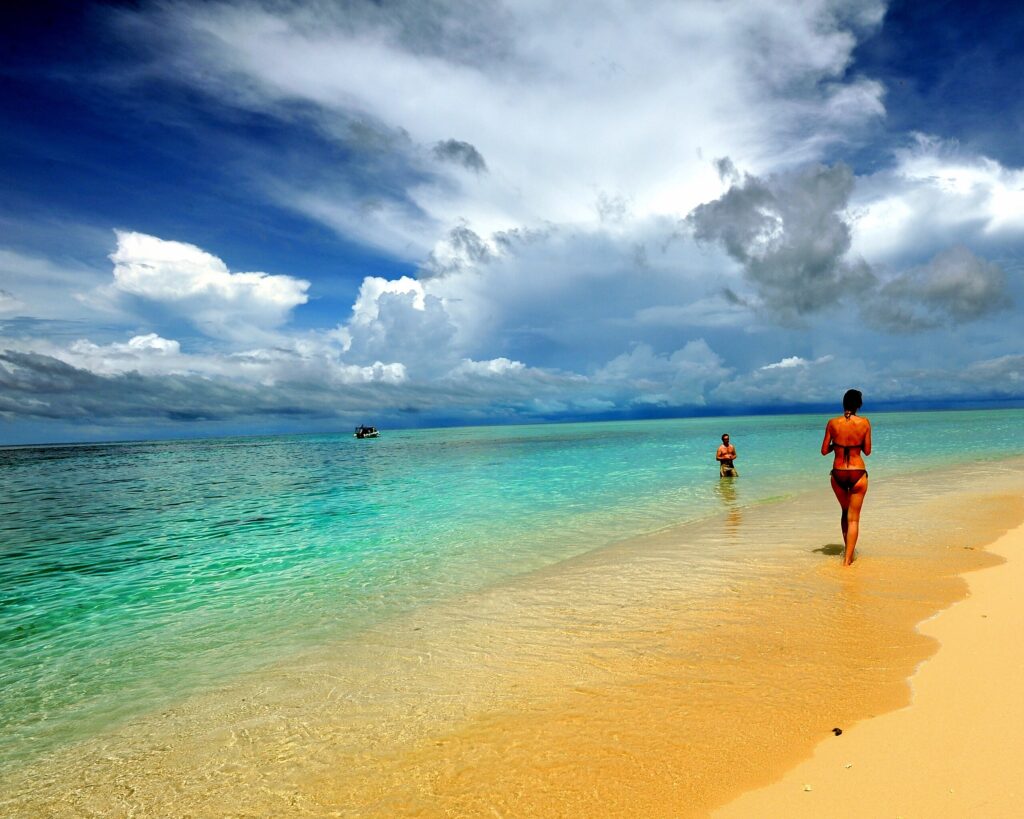
Hidden Gems of Malaysia
Kapas Island
Kapas Island, just off the coast of Terengganu, is a small, laid-back island ideal for travelers seeking peace and simplicity. With no large resorts or cars, its appeal lies in soft white beaches, clear shallow waters, and excellent snorkeling right from the shore. Coral gardens host clownfish, turtles, and reef sharks, while kayaking and short jungle treks reveal hidden coves. Life here is slow, centered around hammocks, beach cafés, and sunsets.
Kapas is easily reached by a 15-minute boat ride from Marang Jetty, which is about 30 minutes from Kuala Terengganu Airport. Accommodation is basic, with small chalets and guesthouses rather than luxury hotels, keeping the island’s charm intact. Perfect for backpackers and couples, Kapas is one of Malaysia’s best-kept secrets for low-key island life.
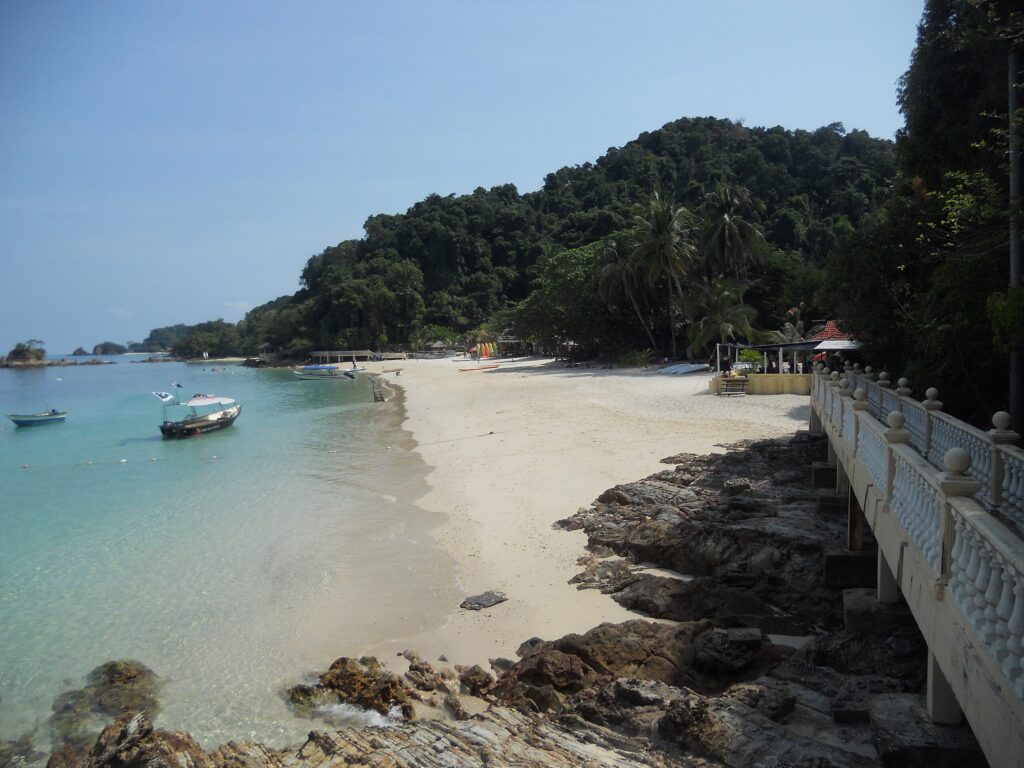
Sekinchan
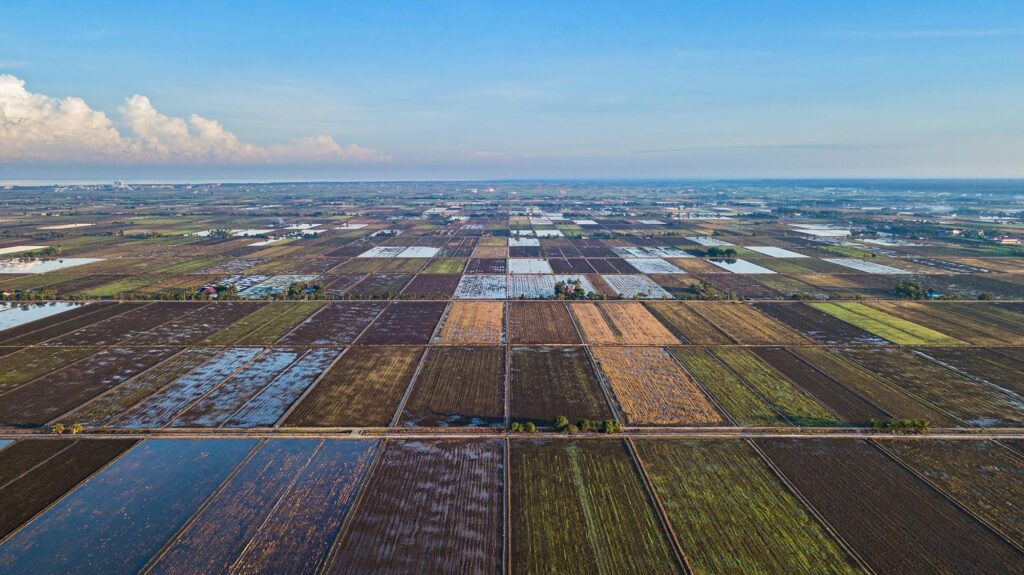
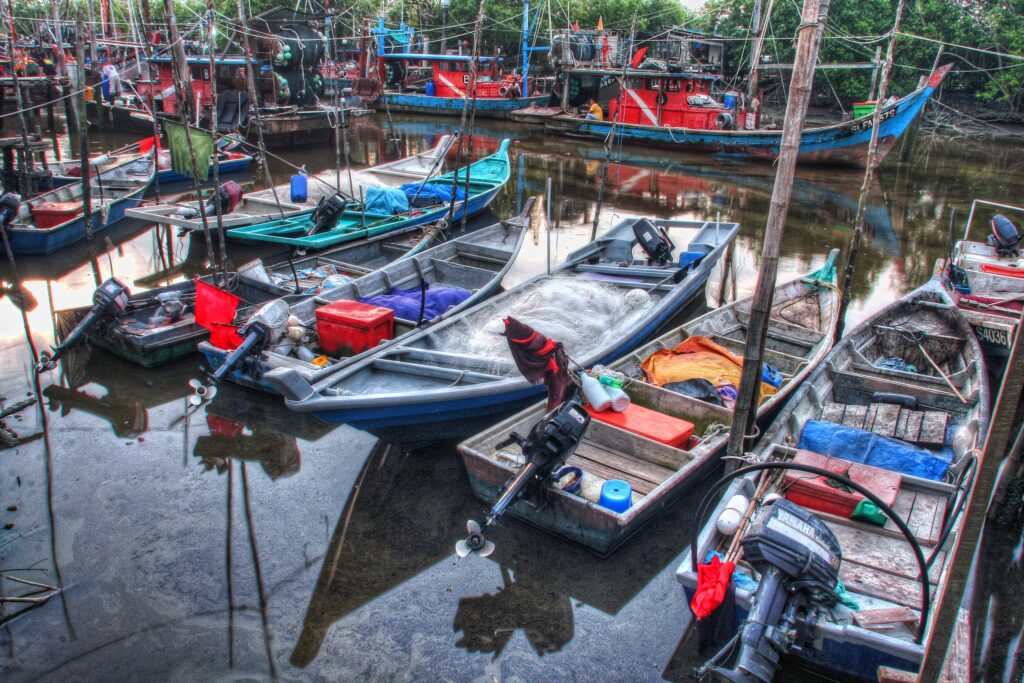
Sekinchan, a coastal town in Selangor, is famous for its endless rice paddies, fishing villages, and fresh seafood. The landscape turns golden during the harvest seasons in May–June and November–December, when the fields are at their most photogenic. Visitors can stop at the Paddy Gallery to learn about rice cultivation, cycle or drive through the fields dotted with windmills, and visit the seaside Nan Tian Temple for sweeping views. The nearby fishing village also serves some of the region’s freshest seafood, with popular dishes like steamed fish and prawn dishes.
Belum Rainforest (Perak)
Belum-Temengor Rainforest, in northern Perak, is one of Malaysia’s last great wildernesses, older even than the Amazon at over 130 million years. This vast jungle is home to all of Malaysia’s 10 hornbill species, the rare rafflesia flower, and endangered animals such as Malayan tigers and Asian elephants. Exploring is usually by boat across Temengor Lake, where visitors trek into the forest with guides, swim under hidden waterfalls, and visit Orang Asli villages.

Mulu Caves (Sarawak, Borneo)
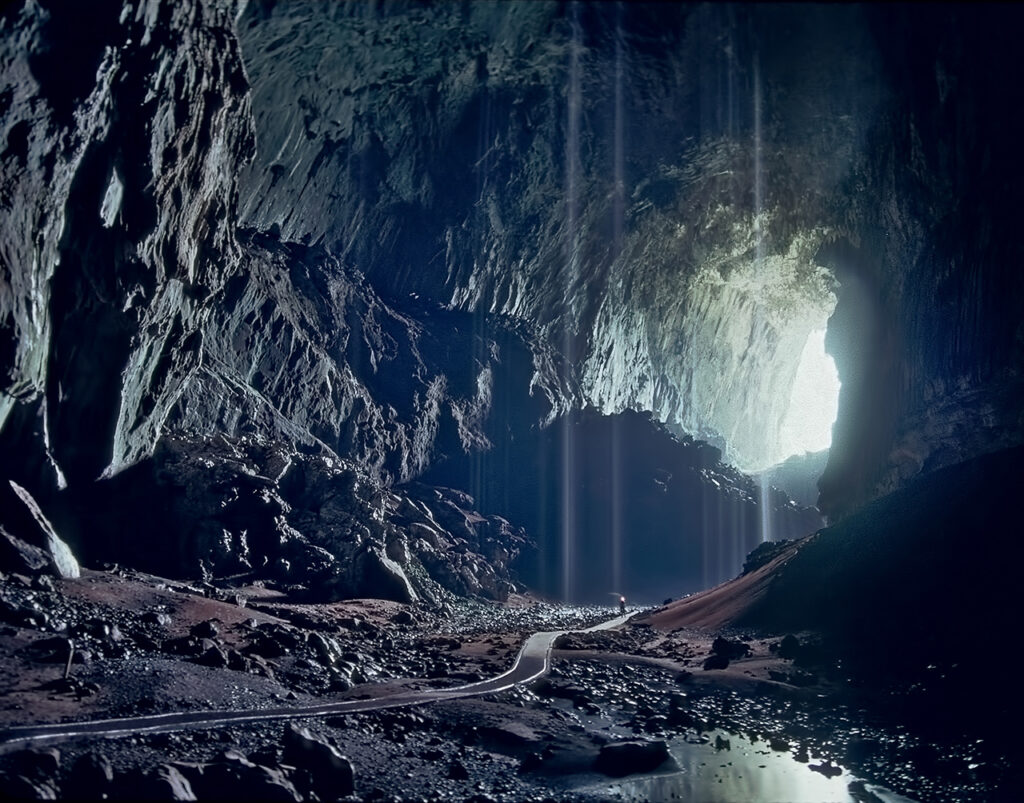
Gunung Mulu National Park in Sarawak, a UNESCO World Heritage Site, is world-famous for its extraordinary cave systems set within Borneo’s rainforest. The park contains the world’s largest cave chamber (Sarawak Chamber), capable of holding dozens of jumbo jets, as well as Deer Cave, with a massive entrance where millions of bats stream out at dusk in a spectacular daily migration. Other highlights include Clearwater Cave, one of the longest cave systems in the world, and the jagged limestone pinnacles of Mount Api, reached by a challenging multi-day trek.
Kuala Selangor Fireflies
Kuala Selangor, just an hour from Kuala Lumpur, is famous for its magical displays of synchronized fireflies along the mangrove-lined banks of the Selangor River. At night, thousands of fireflies gather on berembang trees, flashing in unison like natural Christmas lights. The best way to experience it is by boat ride from Kampung Kuantan or Kampung Bukit Belimbing, where local operators run nightly tours.
The phenomenon is most visible on clear, moonless nights, with peak activity from May to July during the dry season. Visitors often combine the firefly trip with a stop at Kuala Selangor Nature Park for birdwatching or Bukit Melawati to see silvered leaf monkeys and catch the sunset. Easily done as a half-day trip from the capital, Kuala Selangor offers a rare chance to see one of the world’s largest firefly colonies in their natural habitat.
Tip of Borneo (Kudat, Sabah)
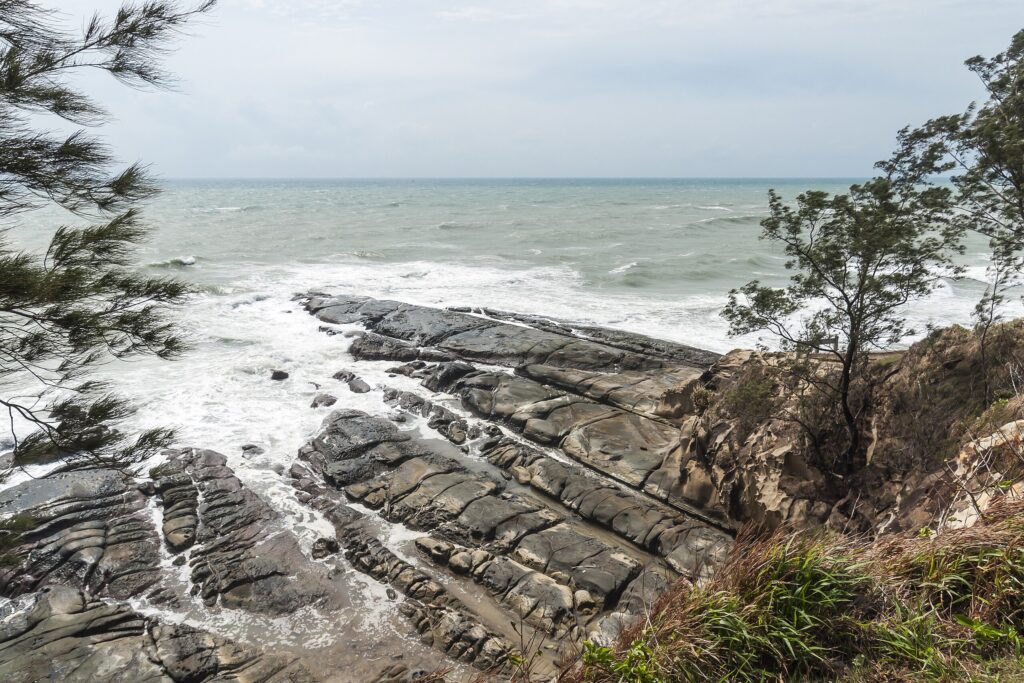
The Tip of Borneo, near Kudat in northern Sabah, is a dramatic headland where the South China Sea meets the Sulu Sea. The rocky promontory, known locally as Tanjung Simpang Mengayau, offers sweeping ocean views and some of the most spectacular sunsets in Borneo. A large bronze globe marks the site, and nearby beaches such as Kalampunian Beach provide long stretches of white sand for swimming and picnics.
Travelers visit not just for the scenery but also for the sense of standing at one of Asia’s farthest edges. The Tip of Borneo is about 3–4 hours by car from Kota Kinabalu, often combined with a stop in Kudat town, known for its coconut plantations and Rungus longhouse villages. With its mix of coastal beauty and cultural stops, this journey offers a rewarding day trip into Sabah’s northernmost landscapes.
Taiping
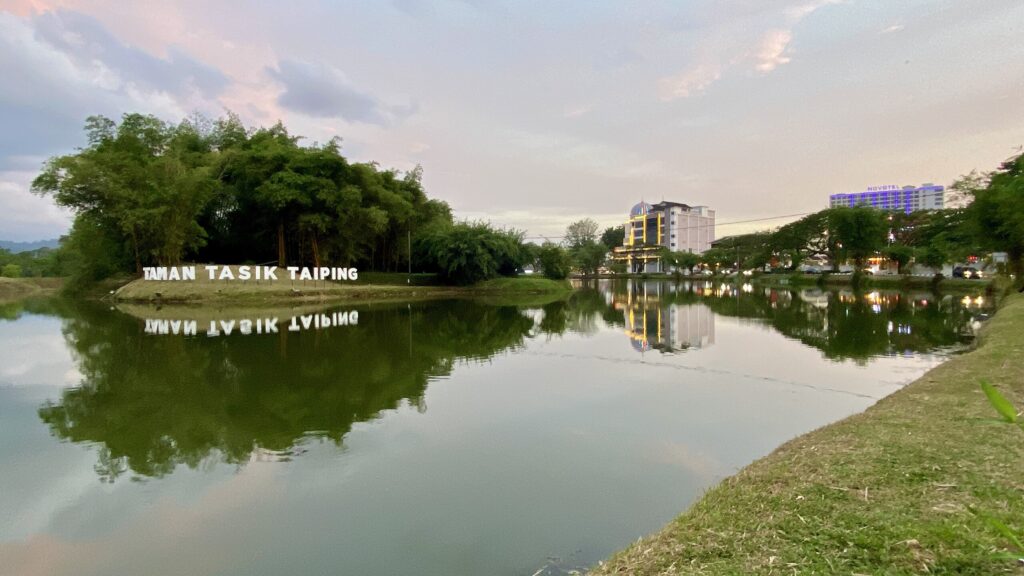
Taiping, in Perak, is one of Malaysia’s most charming colonial-era towns, known for its rich history and greenery. The highlight is the Taiping Lake Gardens, established in 1880 as the country’s first public park, where lotus-filled ponds, rain trees, and walking paths make it perfect for an evening stroll. The town also holds Malaysia’s first museum, zoo, and railway station, reflecting its importance during the tin-mining boom. Its old streets are lined with colonial shophouses, traditional coffee shops, and a lively central market.
Travel Tips
Currency
The national currency is the Malaysian Ringgit (MYR). Credit cards are widely accepted in hotels, malls, and restaurants, while ATMs are available in most towns and cities. However, carrying some cash is essential when visiting rural areas, night markets, or small eateries where electronic payments may not be possible.
Language
The official language is Malay (Bahasa Malaysia), but English is widely spoken, especially in urban centers and tourist areas. Signage in cities is often bilingual, and communication in English is easy in hotels, restaurants, and shops, making travel convenient for international visitors.
Transport
Malaysia has a well-developed and affordable transport system. Buses and trains connect major cities and towns, providing a comfortable way to travel across the peninsula. For everyday convenience, the Grab app is inexpensive and reliable in urban areas, offering both taxis and private car rides.
For longer distances, especially when connecting Kuala Lumpur with Penang, Langkawi, Sabah, or Sarawak, domestic flights are frequent, efficient, and budget-friendly. Travelers who wish to explore more independently can rent a car or scooter, particularly in regions like Borneo or along scenic coastal routes. An International Driving Permit is required for rentals, and while roads are generally good, traffic in big cities like Kuala Lumpur can be heavy.

Published August 31, 2025 • 14m to read