


Kenya stands out for the way it brings together many of Africa’s most iconic landscapes in one accessible destination. Open savannahs with classic big-game viewing sit alongside the dramatic escarpments and lakes of the Great Rift Valley, while forested highlands, alpine zones on Mount Kenya, and a warm Indian Ocean coastline add further contrast. This range makes it easy to combine safari, scenery, cultural encounters, and beach time in a single trip.
Kenya works well for both first-time visitors to Africa and experienced travelers looking for variety. Travel routes are well established, guides are widely available, and accommodation options cover all comfort levels. The main planning challenge is routing rather than availability. Distances can be longer than expected, road travel takes time, and park logistics require coordination. A well-sequenced itinerary, such as moving logically from Nairobi through the Rift Valley to the Maasai Mara or combining southern parks with the coast, makes the journey far more efficient and enjoyable.
Best Cities in Kenya
Nairobi
Nairobi is one of the few African capitals where you can mix major wildlife, conservation, and culture without leaving the city footprint. A strong one-day plan is to start early with a “city safari” in Nairobi National Park, where you can see plains wildlife with the skyline behind it, then pivot to a conservation-led half day: the David Sheldrick Wildlife Trust (timed-entry visits, typically late morning) and the Giraffe Centre for a short, easy stop. For a nature break that still feels urban-safe and well managed, Karura Forest is ideal for a 60 to 120 minute walk on clear trails, with waterfalls and shaded sections that make it a good late-afternoon option when traffic and heat build.
For context beyond wildlife, add one cultural anchor rather than stacking museums. The Nairobi National Museum gives a broad overview of Kenya’s natural and cultural history, while the Karen Blixen Museum adds a specific colonial-era lens and works well if you are already in the Karen area. For shopping, the Maasai Market is best when you treat it as a quality craft stop: set a rough budget, compare several stalls, and prioritize items with clear workmanship such as beadwork, textiles, carvings, and basketry.
Mombasa
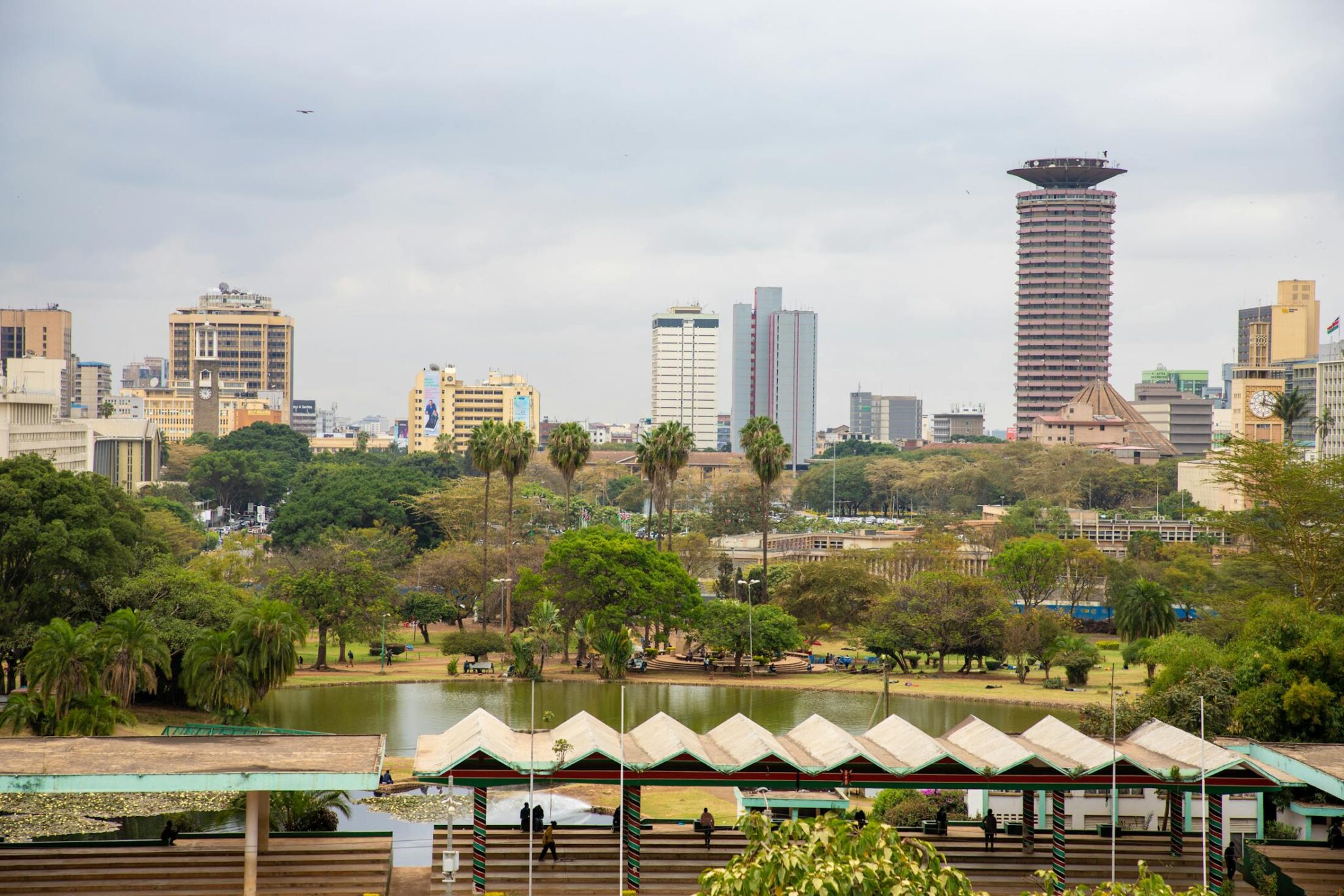
Mombasa is Kenya’s historic Swahili Coast city and it works best as a heritage-and-atmosphere stop with easy beach access rather than a place to rush. Anchor your visit with Fort Jesus (a major 16th-century Portuguese fort and museum) and then explore Old Town on foot, where carved doors, balconies, and narrow lanes show the city’s Indian Ocean trading layers. Add a quick landmark stop at the Moi Avenue tusks, then switch pace at Haller Park for a greener break that is simple, shaded, and good for a 1 to 2 hour reset. For beach time, Nyali and Bamburi are the most practical bases because they are close to town, have reliable services, and make it easy to combine mornings in Old Town with afternoons on the coast. If you want a water day, use Mombasa to arrange a single focused marine outing such as a snorkelling or boat trip to nearby reef areas, then return for a late-afternoon Old Town walk when the heat drops.
Typical transfer times are short in distance but variable in reality: Old Town to Nyali is often 15 to 40 minutes, Old Town to Bamburi commonly 25 to 60 minutes, depending on congestion. Arrival logistics are straightforward: Moi International Airport is close to the city and many transfers are 20 to 45 minutes. Overland, Mombasa is well connected on the coast corridor: Diani (via Likoni ferry and the south coast road) is often 1.5 to 3 hours depending on ferry queues, Malindi is roughly 120 km and commonly 2 to 3.5 hours, and Watamu is typically 2.5 to 4 hours. From Nairobi, the distance is about 480 to 500 km; driving is usually 8 to 10+ hours depending on route and stops, while the express train option is typically around 5 to 6 hours station-to-station.
Kisumu (Lake Victoria)
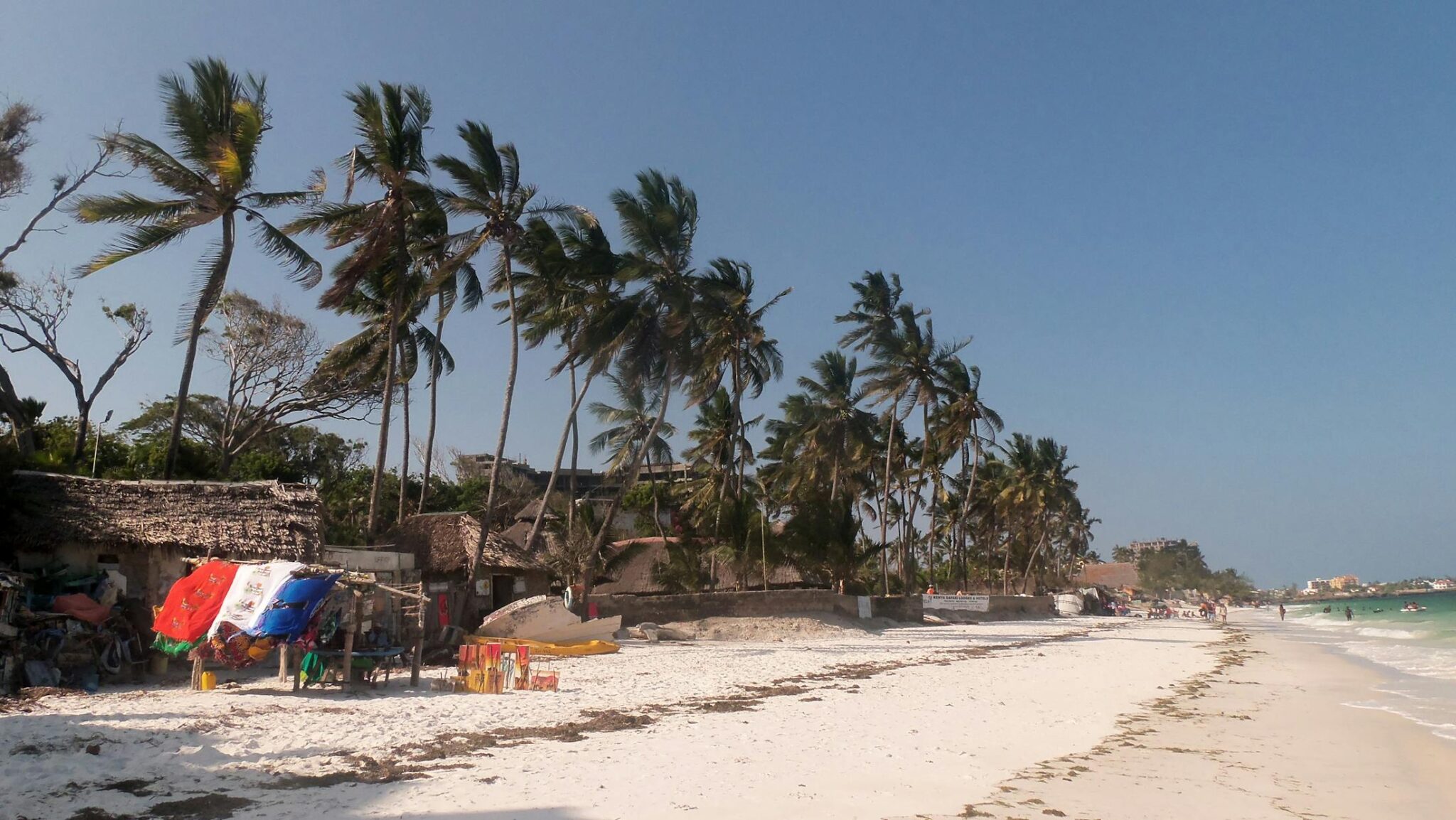
Kisumu is Kenya’s main Lake Victoria city and a good change of pace from the safari circuit, with a calmer lakeside rhythm and strong sunset atmosphere. For an easy nature stop, Kisumu Impala Sanctuary is ideal because it is close to town and low-effort, combining short walking loops with views over the lake and a realistic chance to see impala and other common species without committing to a full park day. Later, head to Dunga Beach for golden-hour light, fishing-boat scenery, and a simple taste of everyday lakeside life. If you want a longer, quieter nature add-on, a boat day trip to Ndere Island National Park is a strong option, offering water scenery and a more secluded feel than mainland stops.
Lean into Lake Victoria fish, especially Nile perch and tilapia, commonly served grilled or fried with ugali and greens, and use produce markets to guide what you eat rather than hunting for international options. For logistics, Kisumu is well connected: it is roughly 340 to 360 km from Nairobi, typically 6 to 8 hours by road depending on traffic and roadworks, while flights are usually around 45 to 60 minutes airborne.
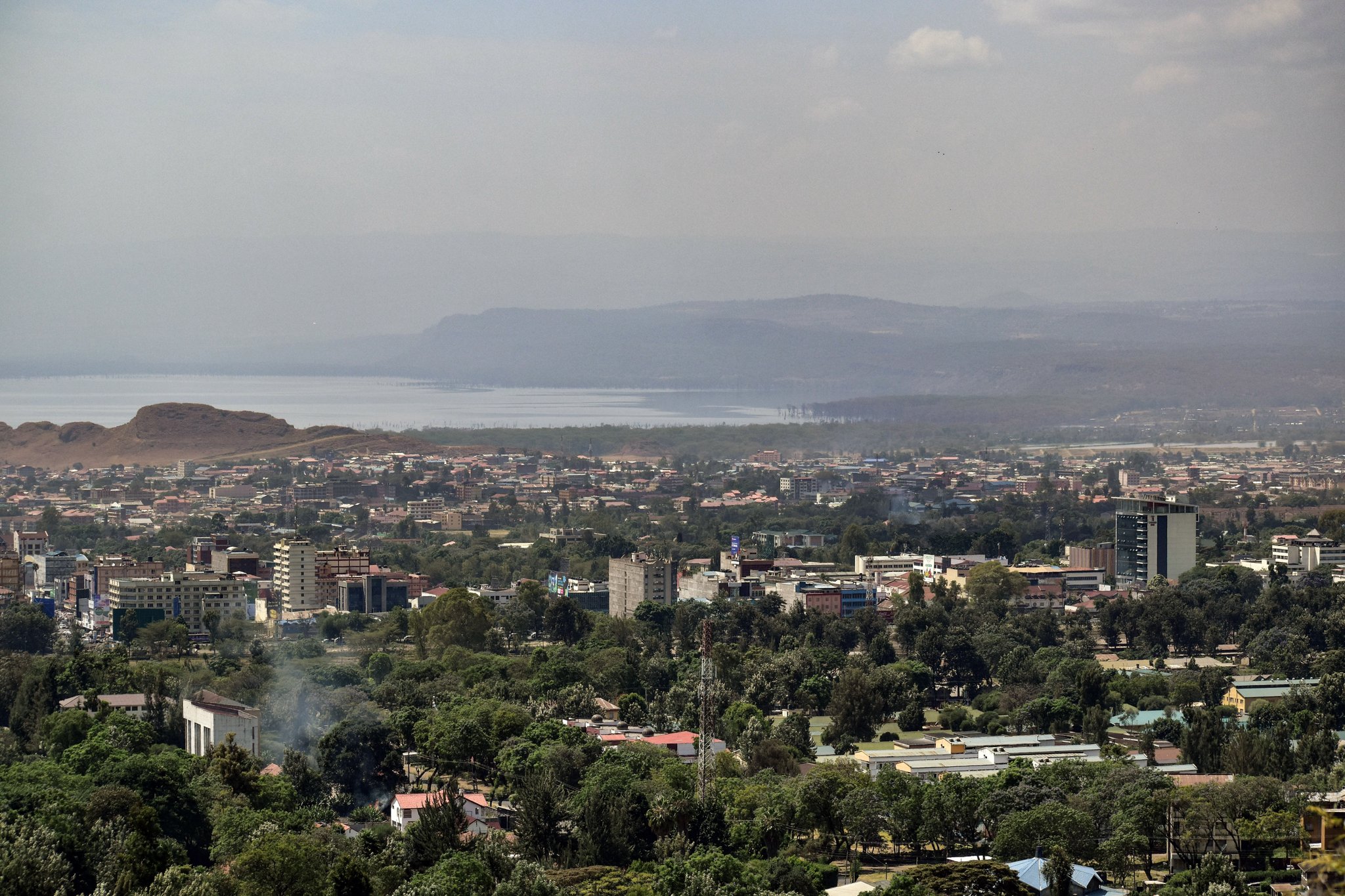
Nakuru
Nakuru is a practical Rift Valley stop that works best as a short overnight base rather than a city you “tour”, mainly because it makes an early start into Lake Nakuru National Park easy. The town sits in Kenya’s Great Rift Valley corridor, so it is a convenient reset point for fuel, supplies, and a straightforward hotel night before a high-value park morning. If you have a spare hour or two, a detour to Menengai Crater viewpoints adds real scale: it is one of the world’s largest volcanic calderas, and the rim views give you a clear sense of the Rift’s dramatic geology without needing a long hike.
From Nairobi, Nakuru is roughly 160 to 180 km and typically 2.5 to 4 hours by road depending on traffic and conditions, which makes it easy to arrive in the afternoon, settle, and sleep early. On the next day, aim to enter Lake Nakuru National Park early for cooler temperatures and calmer roads. Menengai’s access from central Nakuru is usually 20 to 45 minutes by car, but visibility is best in the morning or late afternoon when haze is lower.
Nanyuki (Mount Kenya region)
Nanyuki is one of the most practical and enjoyable bases in central Kenya because it combines highland comfort with easy access to both mountain scenery and a strong conservation-led safari day. The town sits on the Laikipia plateau near Mount Kenya, so days are often cooler than the lowlands and the pace is calmer than Nairobi. Use it as a hub for Mount Kenya day hikes on the lower slopes, where you can choose shorter forest walks or longer routes toward moorland viewpoints depending on fitness and weather. In town, keep it simple: a relaxed café stop, a quick browse of local craft shops, and the Equator marker as a short, photo-friendly break that adds a clear “Kenya moment” without eating the day.
The big add-on is Ol Pejeta Conservancy, which is close enough for an easy day trip and is one of the most consistently high-quality wildlife experiences in the region, with a strong conservation angle. Plan an early start, do a full morning drive, then add one focused visit such as a conservation centre before returning to Nanyuki for a slower afternoon.
Best Natural Places in Kenya
Iconic Safari Landscapes
Maasai Mara National Reserve
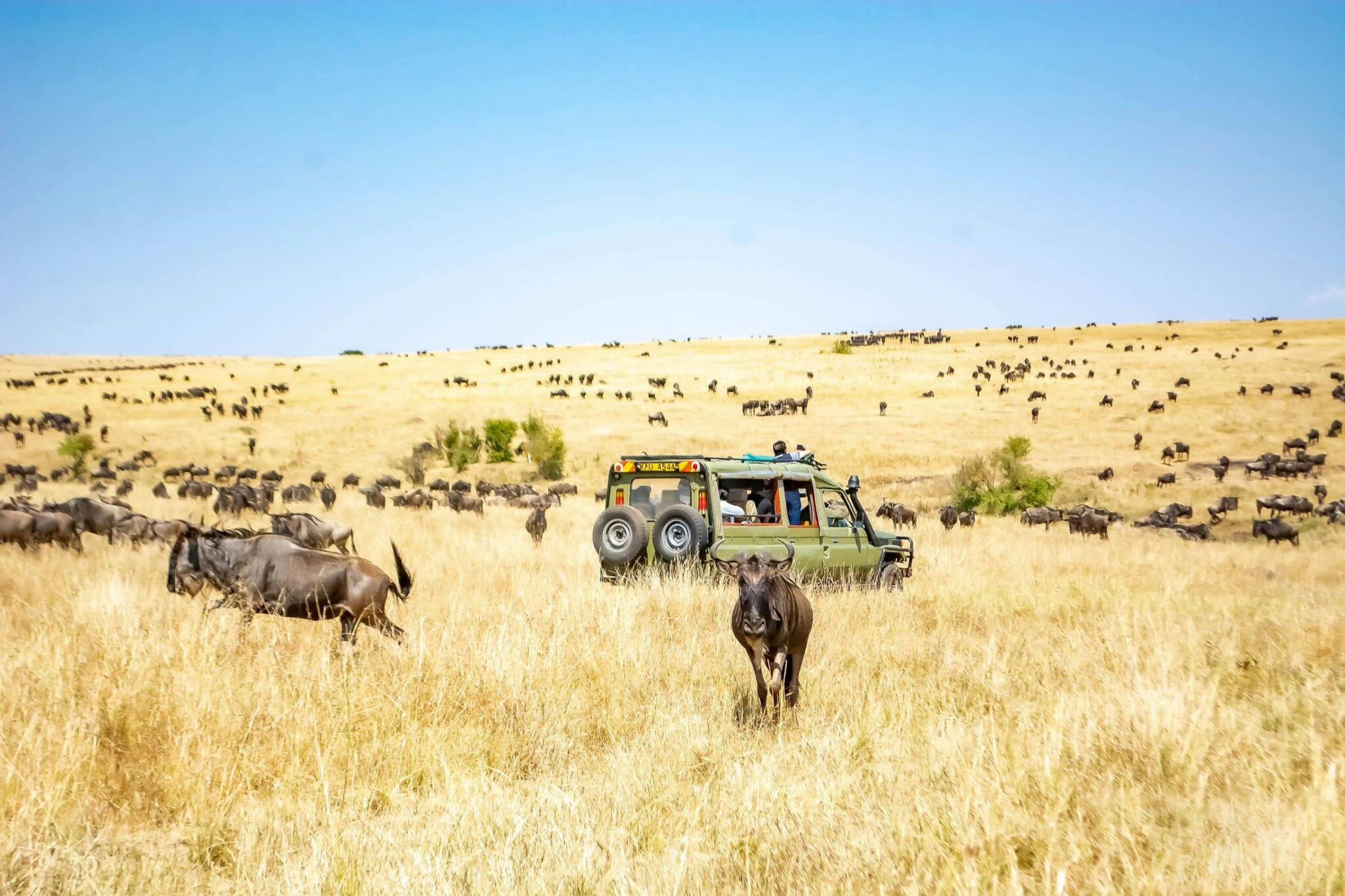
Maasai Mara National Reserve is Kenya’s headline safari for classic savannah scenery and consistently strong predator viewing, especially lions, cheetahs, and leopards, with large herds of zebra and wildebeest supporting the food chain year-round. The reserve covers roughly 1,510 km² and forms one ecosystem with Tanzania’s Serengeti, which is why the Great Migration can be an added seasonal highlight rather than the only reason to go. In broad terms, the largest migration concentrations are most often in the Mara during the July to October window, but exact locations shift daily across a huge landscape, so the most reliable approach is to stay long enough to adapt your drives rather than chasing a single “guaranteed” crossing moment. For the best rhythm, plan at least 3 nights, build days around early morning and late afternoon, and use midday for rest so you can stay sharp for predator activity.
Amboseli National Park
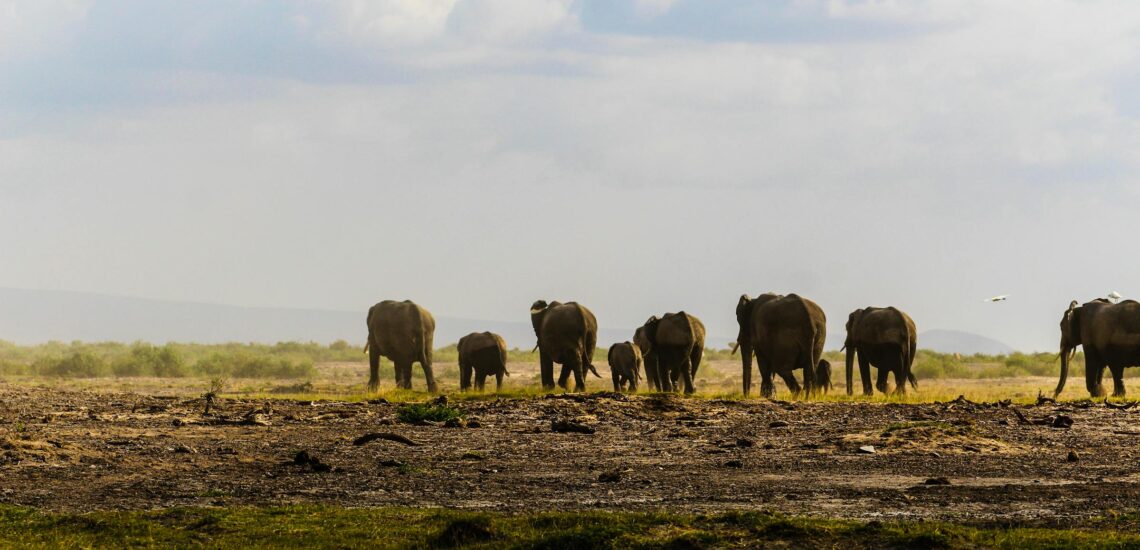
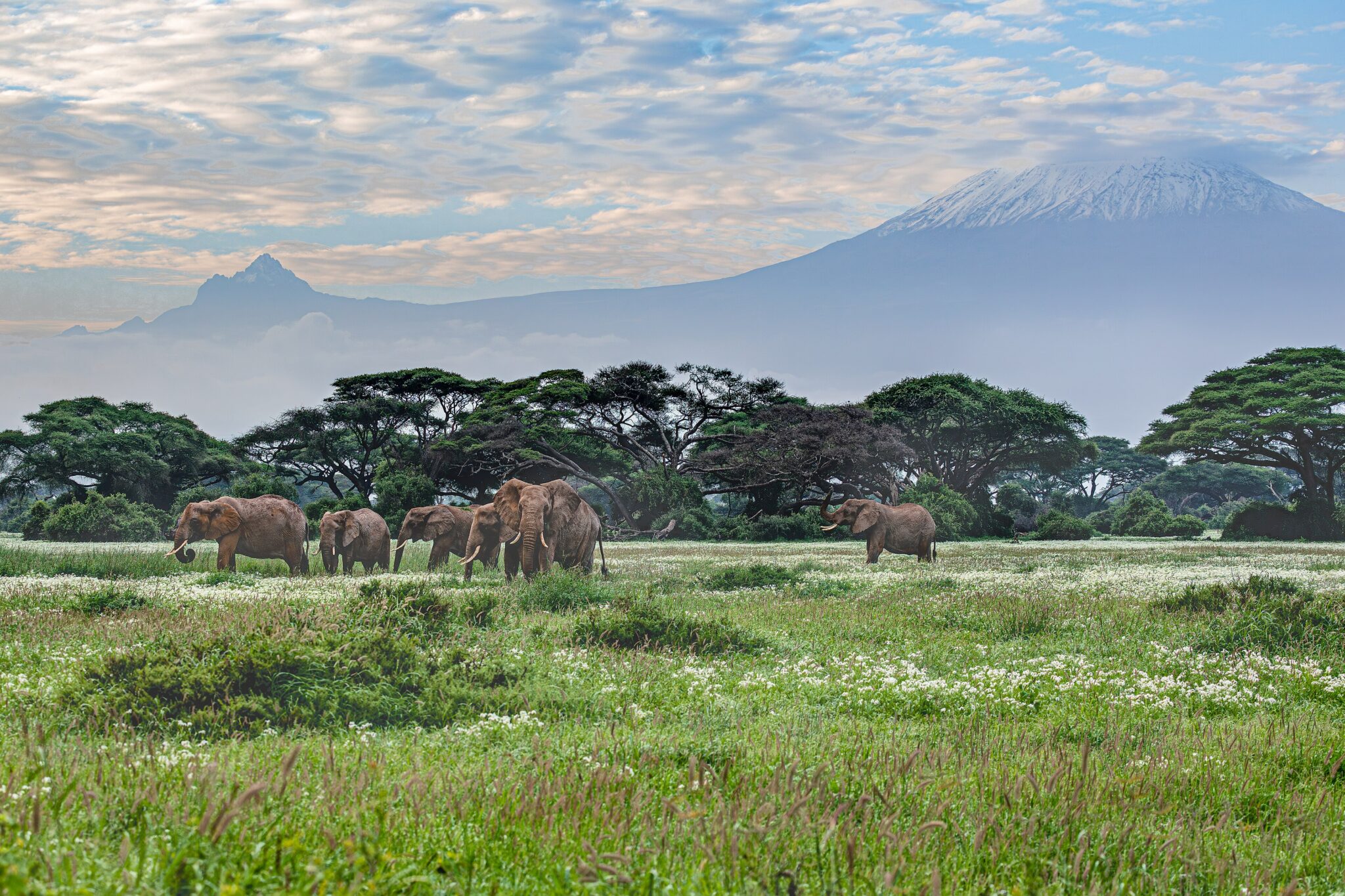
Amboseli National Park is best known for its large elephant herds moving across open plains with Mount Kilimanjaro as the iconic backdrop, and it rewards travelers who plan around light and visibility rather than expecting perfect views on demand. The park is relatively compact at roughly 390 km², but it packs in variety through its swamps and seasonal wetlands fed by underground water from Kilimanjaro, which is why wildlife often concentrates around green channels even in the dry season. Elephant viewing is the headline, but you can also expect buffalo, zebra, wildebeest, giraffe, and strong birdlife around the marshes, with predators present though sightings are less predictable than in the Maasai Mara.
For photographers, the key is sunrise. Kilimanjaro is most likely to be clear in the early morning before heat haze and cloud build, so plan at least one dawn drive, then keep the rest of the day flexible. Dust can be heavy in dry months and visibility can change quickly, so treat the mountain as a “bonus when it works” rather than a guarantee, and use the swamps as your reliable wildlife anchor when the backdrop disappears. Practical access is simple: from Nairobi, Amboseli is roughly 210 to 250 km depending on route and entry point, typically 4 to 6 hours by road, and many itineraries route via Emali or Namanga.
Tsavo East and Tsavo West National Parks
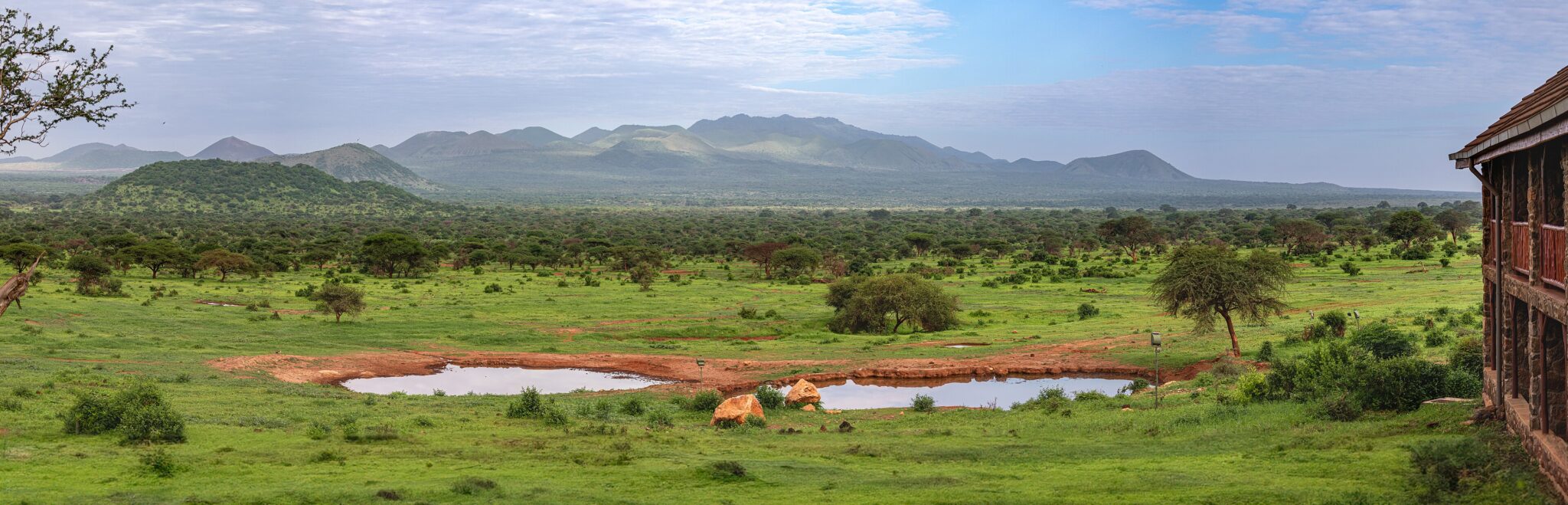
Tsavo East and Tsavo West are Kenya’s great “big landscape” safari parks, designed for travellers who enjoy road-trip rhythm, wide horizons, and a more rugged feel than the smaller headline reserves. Together they cover roughly 22,000 km², so the experience is about scale: long drives through changing terrain, fewer “crowd scenes”, and wildlife encounters that feel earned rather than packaged. Tsavo East is generally flatter and more open, with long views and a classic focus around water points and river lines, while Tsavo West is hillier and more varied, with volcanic geology, thicker bush in places, and more dramatic scenery. In both parks, the best days are built around early starts and patient scanning rather than constant chasing, because distances are real and animals can be widely spread.
In Tsavo West, Mzima Springs is the standout stop because the clear water and lush vegetation create a striking contrast to the surrounding dry landscapes, and it often works well as a slower mid-morning visit between drives. In Tsavo East, the Aruba Dam area can be productive when conditions concentrate animals near water, so it is worth timing drives around cooler hours and checking where water is holding in drier periods.
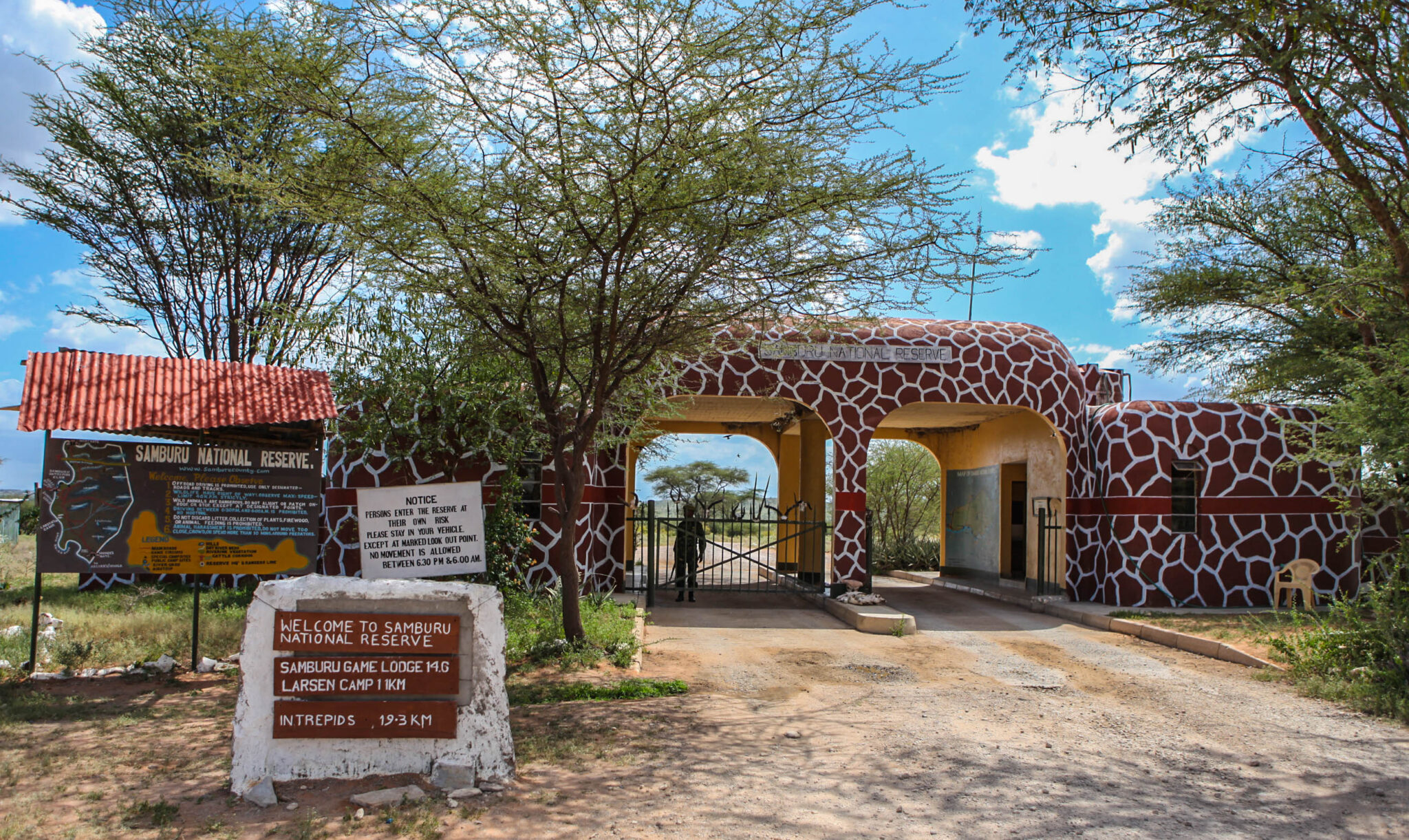
Samburu, Buffalo Springs, and Shaba (Samburu ecosystem)
The Samburu ecosystem, meaning Samburu National Reserve, Buffalo Springs, and Shaba, is one of Kenya’s most distinctive safari regions because it specialises in “northern” wildlife and a sculpted, semi-arid landscape. The reserves sit along the Ewaso Ng’iro River corridor, which creates a strong contrast between dry, open country and green riverine strips, and that is where many sightings concentrate in drier periods. This is the classic place to look for northern specials such as Grevy’s zebra, reticulated giraffe, Beisa oryx, and the Somali ostrich, with elephants common and predators present, but often in a calmer, less vehicle-heavy setting than Kenya’s most famous southern reserves. The scenery is a key part of the appeal: dusty plains, rocky outcrops, and acacia silhouettes that photograph beautifully in early light.
Plan at least 3 nights to get the ecosystem’s rhythm rather than treating it as a fast add-on. A strong structure is early morning drives for cooler temperatures and active wildlife, a slower midday break, then late-afternoon river corridor time when animals move back toward water. If you want the most personal experience, consider staying just outside the busiest gates and splitting drives across the three areas, because each has slightly different terrain and the variety keeps the days from feeling repetitive.
Meru National Park
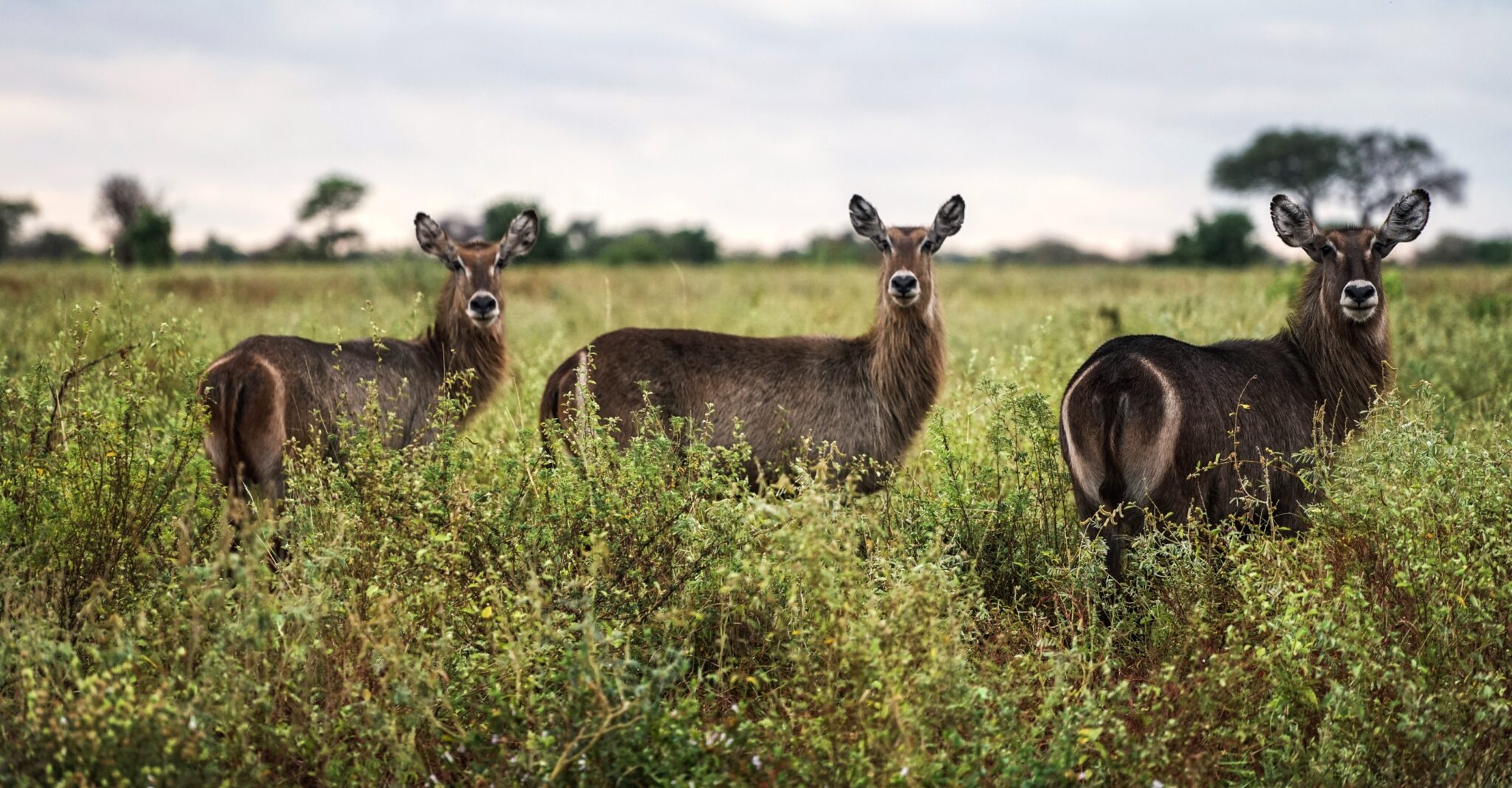
Meru National Park is a strong “classic Kenya” alternative if you want space and a quieter safari rhythm than the headline reserves. The park is large at roughly 870 km², with varied habitats that range from open plains and bushland to greener river corridors and palm-lined streams, so drives feel diverse rather than repetitive. It suits travellers who enjoy the process of searching and tracking, because wildlife is spread across a big landscape and sightings often feel earned, with far fewer vehicles competing for the same moment. The atmosphere is a key part of the appeal: long, calm drives, big skies, and a sense that you are exploring a less-visited corner of the country rather than following a fixed “greatest hits” route. Meru works best when you give it time for repeated drives, ideally 2 to 4 nights, with early mornings and late afternoons as your high-value windows and midday used for rest in the heat.
Rift Valley, Lakes, and Dramatic Landscapes
Lake Nakuru National Park
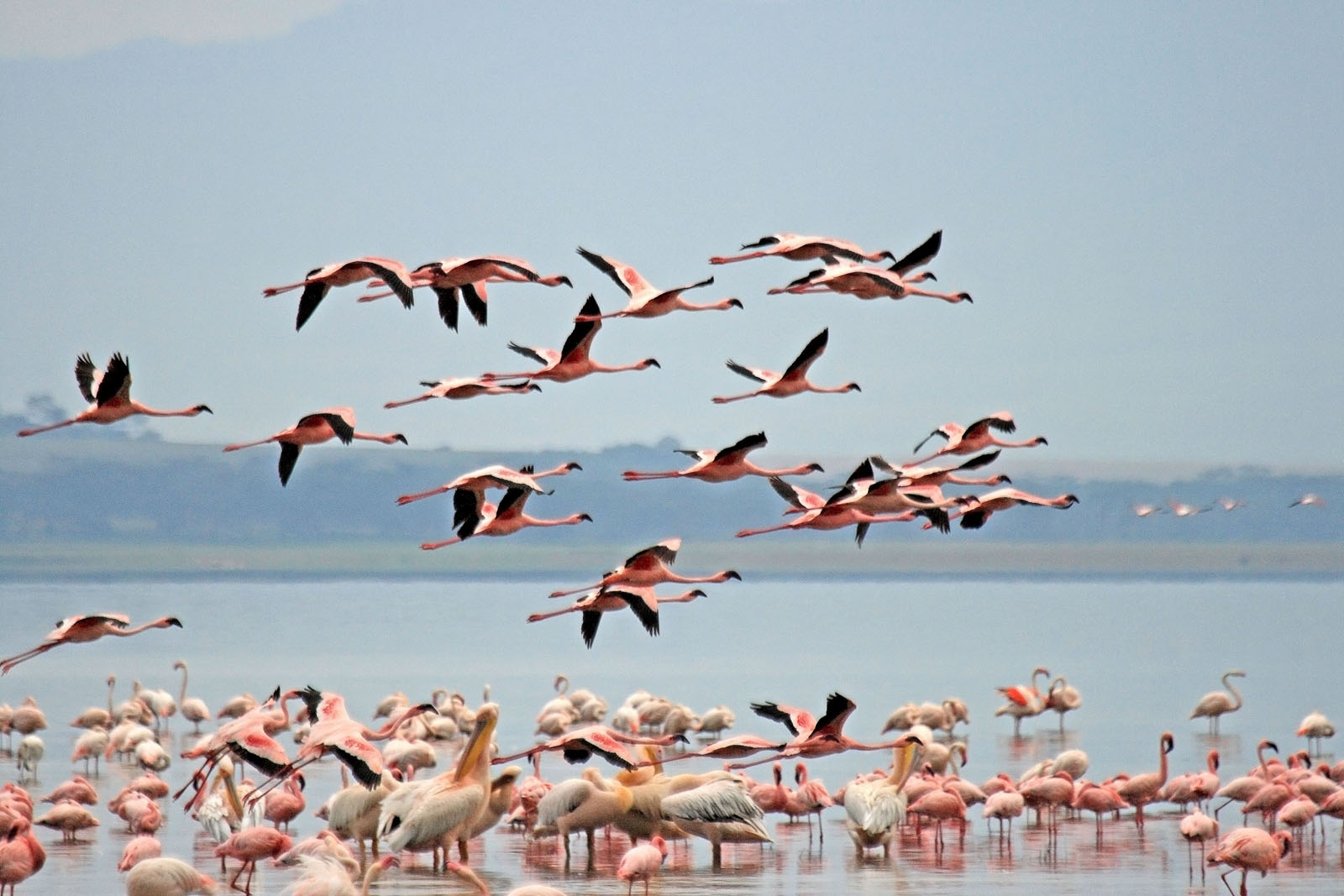
Lake Nakuru National Park is one of Kenya’s best “short, high-impact” safaris because it is compact, scenic, and especially strong for rhino viewing. The park is widely associated with both black and white rhinos, and its fenced, well-managed setting often makes sightings more realistic within a half-day than in many larger, more dispersed ecosystems. The landscape variety is a big part of the experience: acacia woodland, open grasslands, and elevated lookouts that frame the lake, with the shoreline changing character as water levels rise and fall across seasons. Because distances inside the park are manageable, you can usually build a productive loop in a morning or afternoon without spending hours just repositioning.
Birdlife can be excellent, including large numbers of waterbirds when conditions suit, but it fluctuates with lake levels and food availability, so keep expectations flexible. The best rhythm is an early start for cooler temperatures and clearer viewpoints, then a slower mid-morning phase for woodland driving where wildlife can be in shade. Access is straightforward on Rift Valley routes: from Nakuru town to the park gates is typically 15 to 30 minutes, and from Nairobi to Nakuru is roughly 160 to 180 km, commonly 2.5 to 4 hours by road depending on traffic and road conditions.
Lake Naivasha and Hell’s Gate National Park
Lake Naivasha is a scenic Rift Valley stop that delivers a water safari feel: short boat trips often bring you close to hippos, fish eagles, and lakeshore wildlife, and the pace is calmer than classic game-drive circuits. The best plan is simple and time-efficient: a morning or late-afternoon boat outing for softer light and smoother water, then a short, easy walk on Crescent Island if conditions and timing suit. This pairing gives you both the lake perspective and a light on-foot element without turning the day into a long commitment, and it works well as a decompression stop between more intensive safari legs.
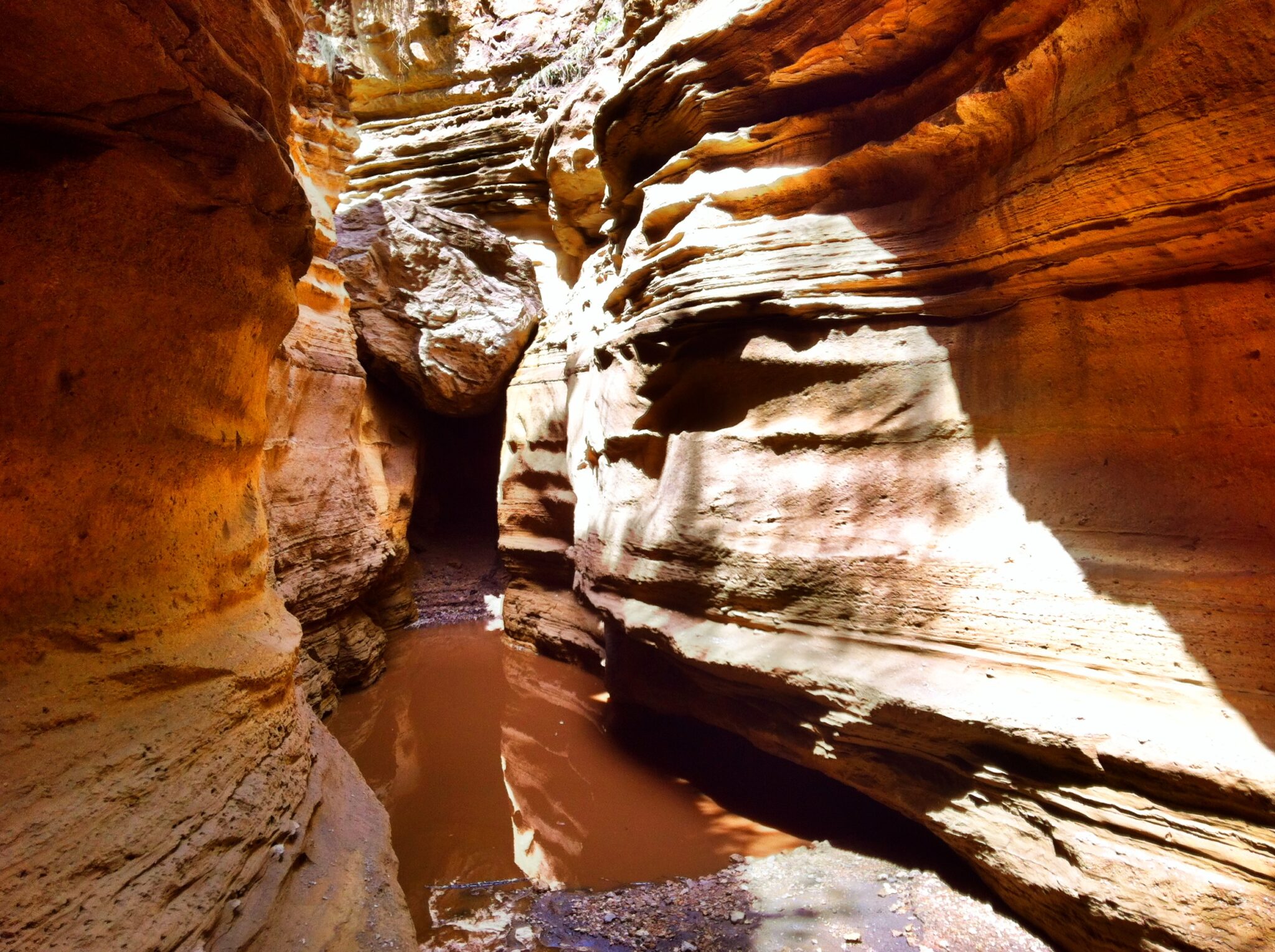
Nearby Hell’s Gate National Park is the standout active alternative because it allows cycling and walking inside the park, shifting the focus from “spotting” to landscape immersion. The scenery is the headline: steep gorge sections, geothermal features, and open plains that feel dramatic even when wildlife is not dense, which is why it works as a break from vehicle-heavy itineraries. Treat it as a half-day to full-day outing depending on how much you want to walk or cycle, and start early to avoid midday heat. Access is easy on the main Rift Valley route: Nairobi to Naivasha is roughly 90 to 110 km and typically 1.5 to 2.5 hours by road, and Naivasha to Hell’s Gate is usually 20 to 40 minutes depending on your base and the gate.
Lake Bogoria
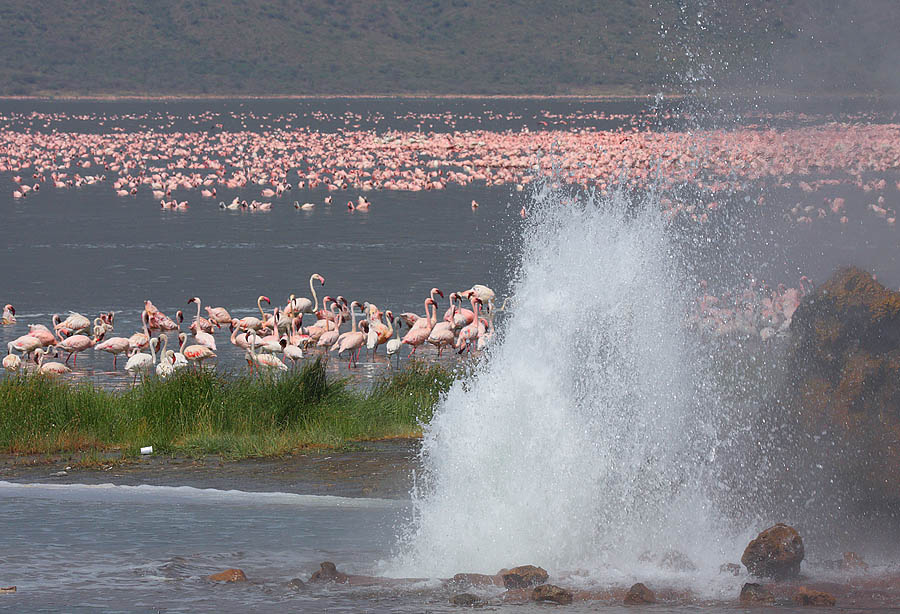
Lake Bogoria is a Rift Valley detour built around geothermal drama rather than classic wildlife viewing, with hot springs, geysers, and steaming vents lining parts of the lakeshore and creating a distinctive, almost volcanic atmosphere. The shoreline is open and largely exposed, so the experience is about walking short sections, watching boiling pools and spouting jets, and taking in the stark contrast between bright mineral crusts, dark lava rocks, and the lake’s shifting colours. Birdlife can be rewarding, including waterbirds when conditions suit, but it is highly variable with water levels and seasonal changes, so it is best treated as a landscape-and-geology visit first.
Plan the visit for cooler hours and keep it simple. Morning or late afternoon is usually most comfortable and gives better light, while midday heat can be intense and shade is limited. Allow 2 to 4 hours for the lakeshore geothermal zone and viewpoints, carry more water than you think you need, and wear shoes that handle rough ground and hot, crusty edges near vents.
Lake Elementaita
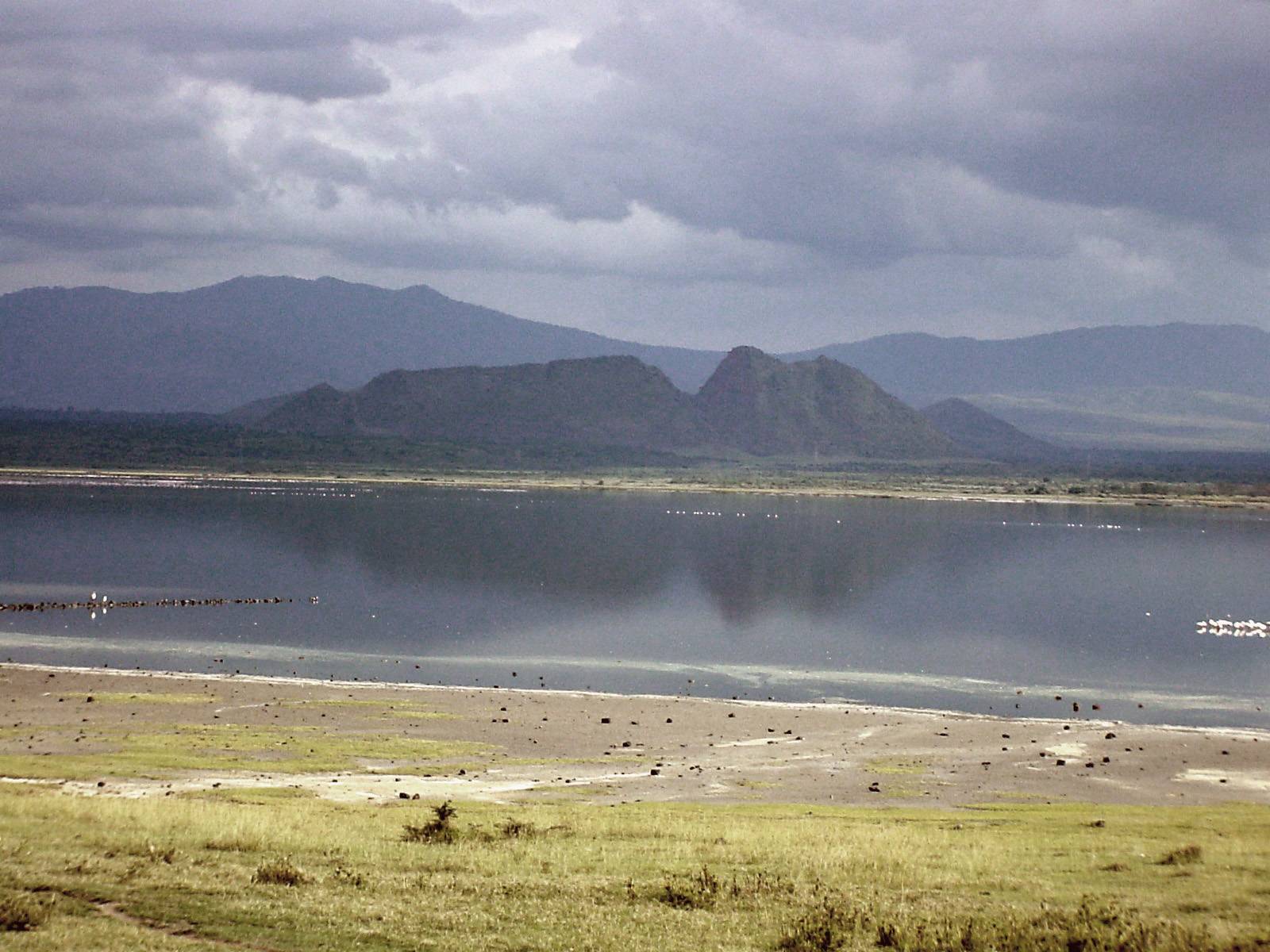
Lake Elementaita is a quieter Rift Valley pause that delivers atmosphere more than “must-see” wildlife, with a shallow, open lake basin and wide horizons that feel spacious compared with the busier parks nearby. The appeal is visual and slow: changing light across the water, big skies, and the escarpment backdrop that makes even a short stop feel scenic. Birdlife can be present and enjoyable, but it varies with conditions and water levels, so the best mindset is to treat Elementaita as a landscape reset rather than a sightings mission. It fits neatly into a Rift Valley route as an easy overnight that breaks up longer drives without adding complexity. Use the late afternoon for viewpoints and soft light, then a calm morning walk or coffee with lake views before you continue.
Mountains and Highlands
Mount Kenya National Park
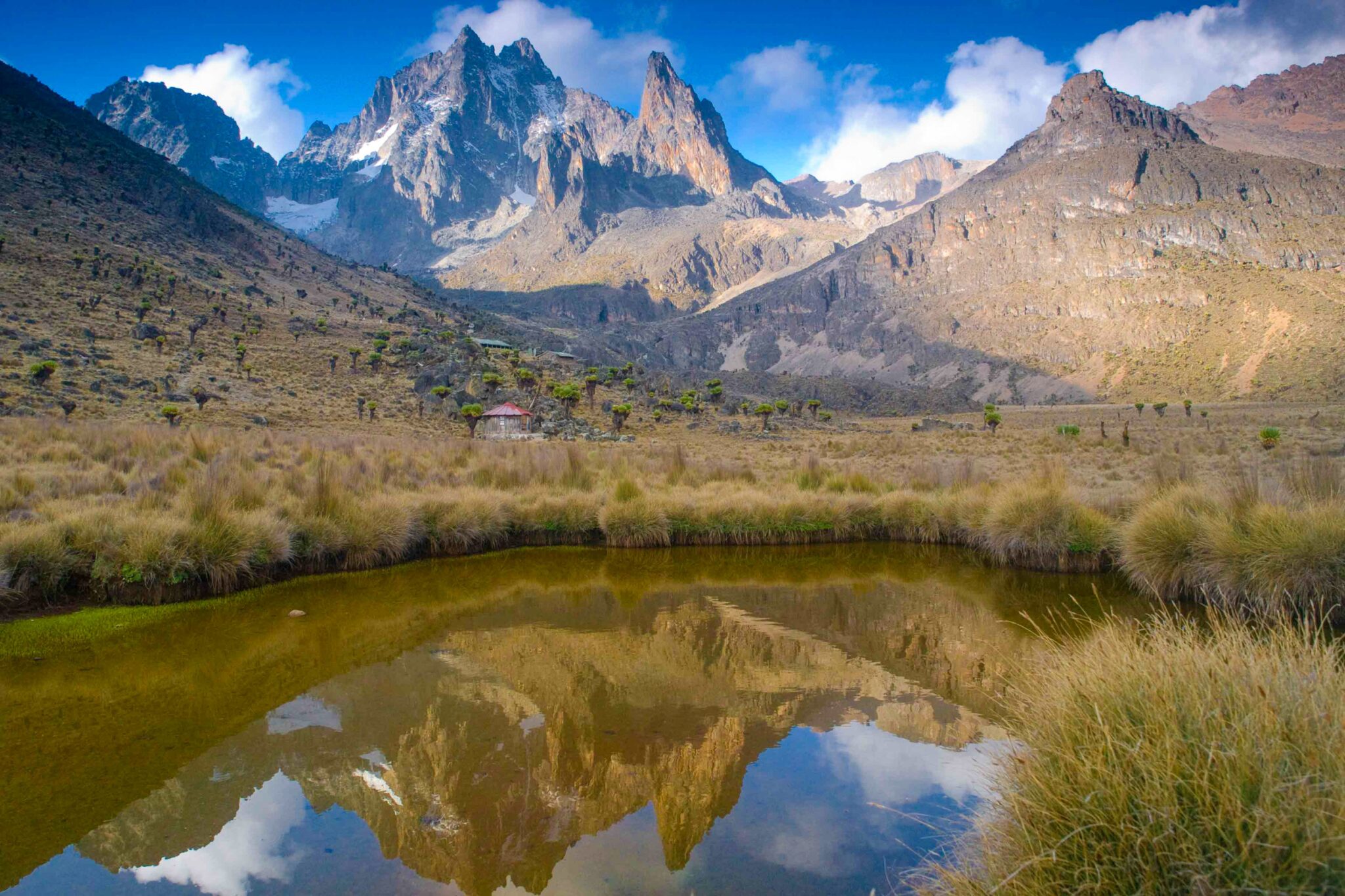
Mount Kenya National Park is Kenya’s premier high-altitude hiking area, built around an extinct volcanic massif whose highest summit, Batian (5,199 m), and the next peak, Nelion (5,188 m), are technical climbs, while Point Lenana (4,985 m) is the most common trekking goal for strong hikers. The park rewards both day walkers and multi-day trekkers because the scenery changes quickly with altitude: lower montane forest and bamboo give way to heather and moorland, then to alpine rock, tarns, and sharp ridgelines. Route choice matters more here than in many mountain areas. Naro Moru is often used for direct, efficient access and faster summit attempts, Chogoria is widely liked for its dramatic scenery, viewpoints, and a more “journey” feel, and Sirimon (often approached from the Nanyuki side) is commonly used for steadier gradients and strong acclimatisation logic. A good Mount Kenya plan matches fitness and time: a half-day or full-day hike for forest and moorland atmosphere, 2 to 4 days for a solid Point Lenana trek, and longer itineraries if you want slower pacing and more weather flexibility.
Nanyuki is the most practical hub for supplies, guides, and transport, and it sits roughly 190 to 210 km from Nairobi, commonly 3.5 to 5.5 hours by road depending on traffic and conditions. Chogoria and Naro Moru are commonly used as dedicated trailhead towns, with Naro Moru typically 150 to 170 km from Nairobi (often 3 to 4.5 hours) and Chogoria usually reached via Embu and the eastern approach with variable timings depending on the final road section. Once you are on the mountain, start early, plan for cold mornings, and assume fast weather changes: cloud can build by late morning and rain can roll in even in drier periods, reducing visibility and slowing progress.
Aberdare National Park
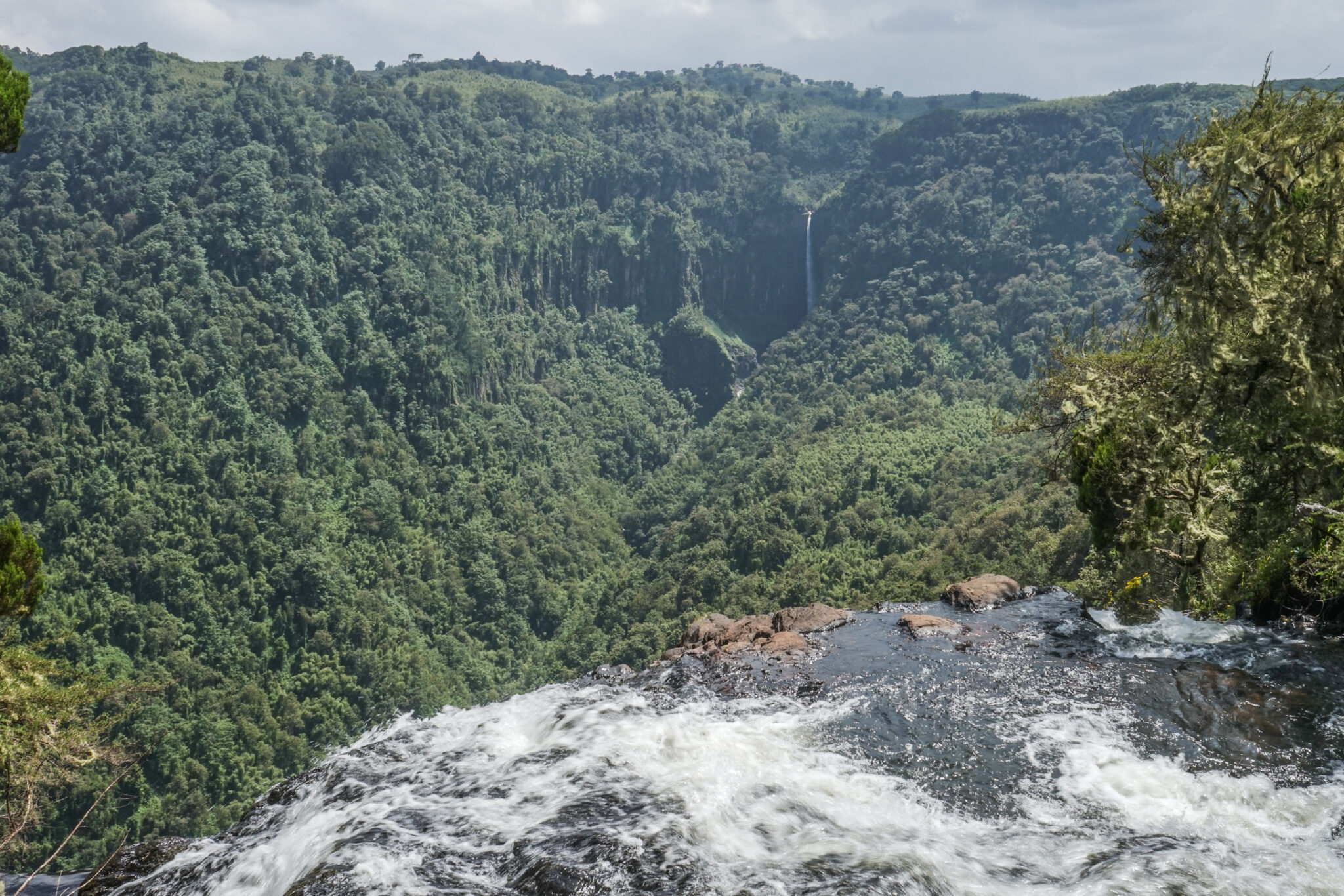
Aberdare National Park is one of Kenya’s most distinctive protected areas because it is built around cool, forested highlands rather than open savannah. The scenery is the headline: deep valleys, bamboo zones, and moorland ridges with frequent mist, plus a strong waterfall focus that can make drives and short walks feel almost alpine. Because vegetation is dense, wildlife is often harder to spot than in the plains parks, so the most satisfying mindset is atmosphere-first, with wildlife as a bonus rather than a constant. It is a strong choice if you want a quieter, greener interlude in a Kenya route, especially after dustier lowland parks.
The signature way to experience the Aberdares is lodge-based viewing near waterholes and salt licks, which can deliver excellent sightings with minimal driving. Staying in a lodge with a lit waterhole lets you watch animals come in during late afternoon, evening, and early morning, often with longer, calmer observation than you get in vehicle-heavy circuits. A practical plan is one short scenic drive or waterfall stop during daylight, then lean into the lodge setting for the best viewing windows.
Coast and Marine Nature
Diani Beach
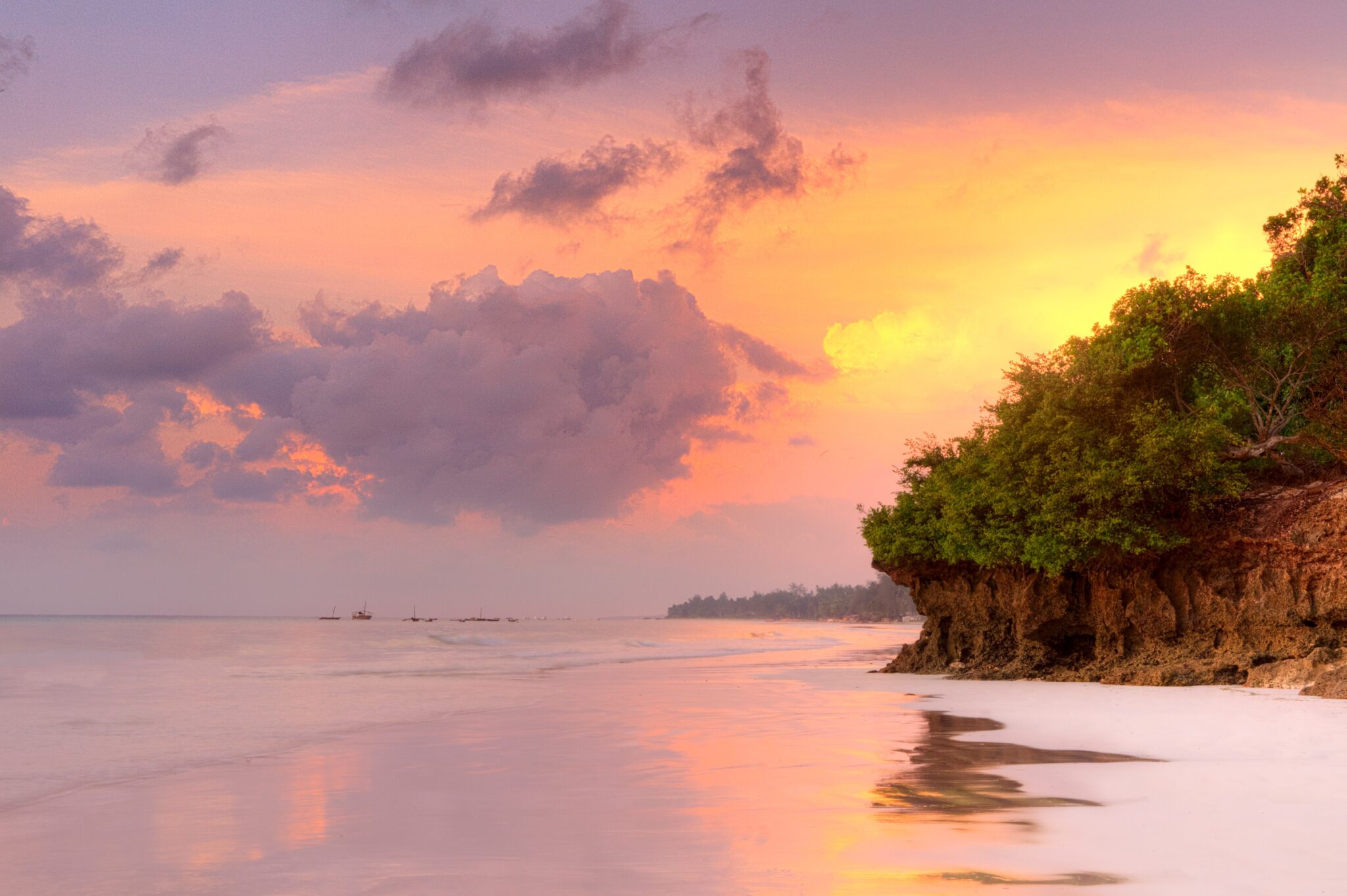
Diani Beach is one of Kenya’s strongest all-round coastal bases because it combines a long, bright sandy shoreline with dependable accommodation choice and easy access to water activities without feeling like a purely built-up resort strip. It works especially well as the “reward” after safari days: mornings for calm swims and beach walks, midday for shade and slow lunches, then late afternoon for softer light and a cooler breeze. If you want to add structure, Diani is a practical launch point for snorkelling, diving, and boat trips to nearby reef areas, and it also supports simple day trips without turning the stay into constant transit.
Logistically, Diani is straightforward but you should plan around the Likoni crossing if you are coming by road from Mombasa. From central Mombasa to Diani is often 35 to 45 km, but travel time is typically 1.5 to 3 hours because ferry queues can be the main delay, especially at peak times. From Ukunda Airstrip, many transfers to hotels are 10 to 25 minutes, which is why short domestic flights can save time if you are linking from Nairobi or from safari regions. For the best experience, plan at least 3 nights, and 5 to 7 nights if you want a true slow-beach rhythm with one or two marine outings rather than daily activities.
Watamu Marine National Park
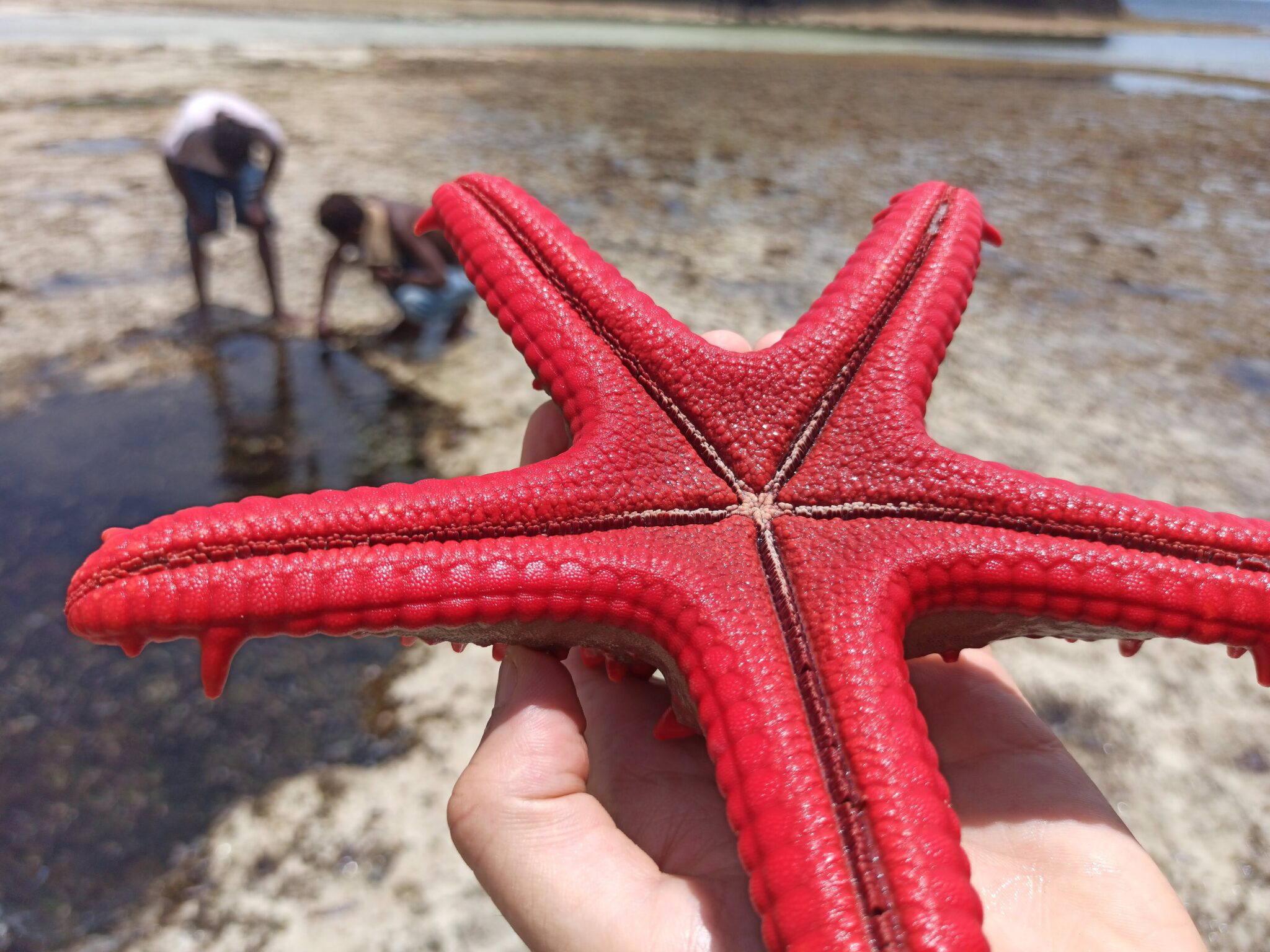
Watamu Marine National Park is one of Kenya’s best-known reef-and-lagoon areas for snorkelling and diving, and it suits travellers who want marine life and clear-water days without a nightlife-heavy scene. The main draw is the protected reef system and shallow lagoons that can be excellent for snorkelling when the sea is calm, with coral gardens and a wide spread of reef fish, plus a good chance of turtles in the right conditions. Plan your water time around tides and wind: higher tide usually makes lagoon access easier and can improve swim comfort, while stronger afternoon winds can add chop and reduce visibility, so mornings often feel more reliable for snorkelling and boat trips.
A full, high-quality day here pairs the reef with Mida Creek, which adds a completely different ecosystem without long travel. Do the marine park in the morning, then shift to the creek for mangrove scenery, birdlife, and a calmer late-afternoon mood that works well for sunset. Keep expectations realistic about conditions: even great sites can be average on a windy day, so build flexibility and be ready to swap a boat trip for a quieter mangrove walk if the ocean is rough. Watamu is usually reached via Malindi as the nearest major hub, and it is most enjoyable when you stay at least 2 to 4 nights so you can choose the best sea windows rather than forcing activities on a single day.
Kisite-Mpunguti Marine Park
Kisite-Mpunguti Marine Park is one of the south coast’s highest-value marine days, best known for clear-water reef scenery and long time on a traditional-style dhow or small boat, often with dolphin sightings in the wider channel. Treat it as a dedicated outing because the experience depends on sea state and timing: when conditions are calm you can get excellent snorkelling over coral gardens with good fish life and a relaxed pace between water sessions, while wind and swell can quickly make the day feel more about transit than swimming. Plan for an early start, keep your schedule flexible, and be prepared to shift the order of stops based on tides and visibility rather than forcing a fixed timetable.
Most trips run via Wasini Island on the far south coast, so logistics are part of the day. From Diani Beach, the drive to the Wasini/Shimoni area is typically around 60 to 80 km and often 1.5 to 2.5 hours depending on traffic and road conditions, then you transfer to the boat for the marine park segment. From Mombasa, allow roughly 90 to 120 km and commonly 2.5 to 4 hours, with ferry timing at Likoni a frequent variable.
Hidden Gems in Kenya
Kenya’s best “less crowded” experiences are often in named conservancies and specific parks that sit just outside the main tourist flow. In Laikipia, Lewa Wildlife Conservancy, Ol Pejeta Conservancy, and Borana Conservancy are top-tier options with strong guiding and a calmer feel than the busiest reserves. Chyulu Hills offers cinematic volcanic landscapes between Amboseli and Tsavo and works well as a scenic transition rather than a standalone trip.
Hell’s Gate is well known, but it is still underused compared to big safari parks, and it is one of the most distinctive active days you can have in Kenya. Arabuko-Sokoke Forest near the coast is a serious nature stop for rare birds and forest trails, and it pairs well with Watamu without adding huge driving time.
For travellers who want truly off-the-beaten-path wildlife, Ruma National Park in western Kenya and the small Saiwa Swamp National Park are niche but rewarding if you enjoy quiet, nature-focused stops. For pure scenery, Kerio Valley viewpoints make a dramatic escarpment detour with big Rift Valley scale, best for confident road-trippers who plan daylight driving. The Ndoto Mountains and Mathews Range are adventurous and infrastructure-light, so they suit experienced travellers who are comfortable with limited services and who prioritise landscapes over convenience.
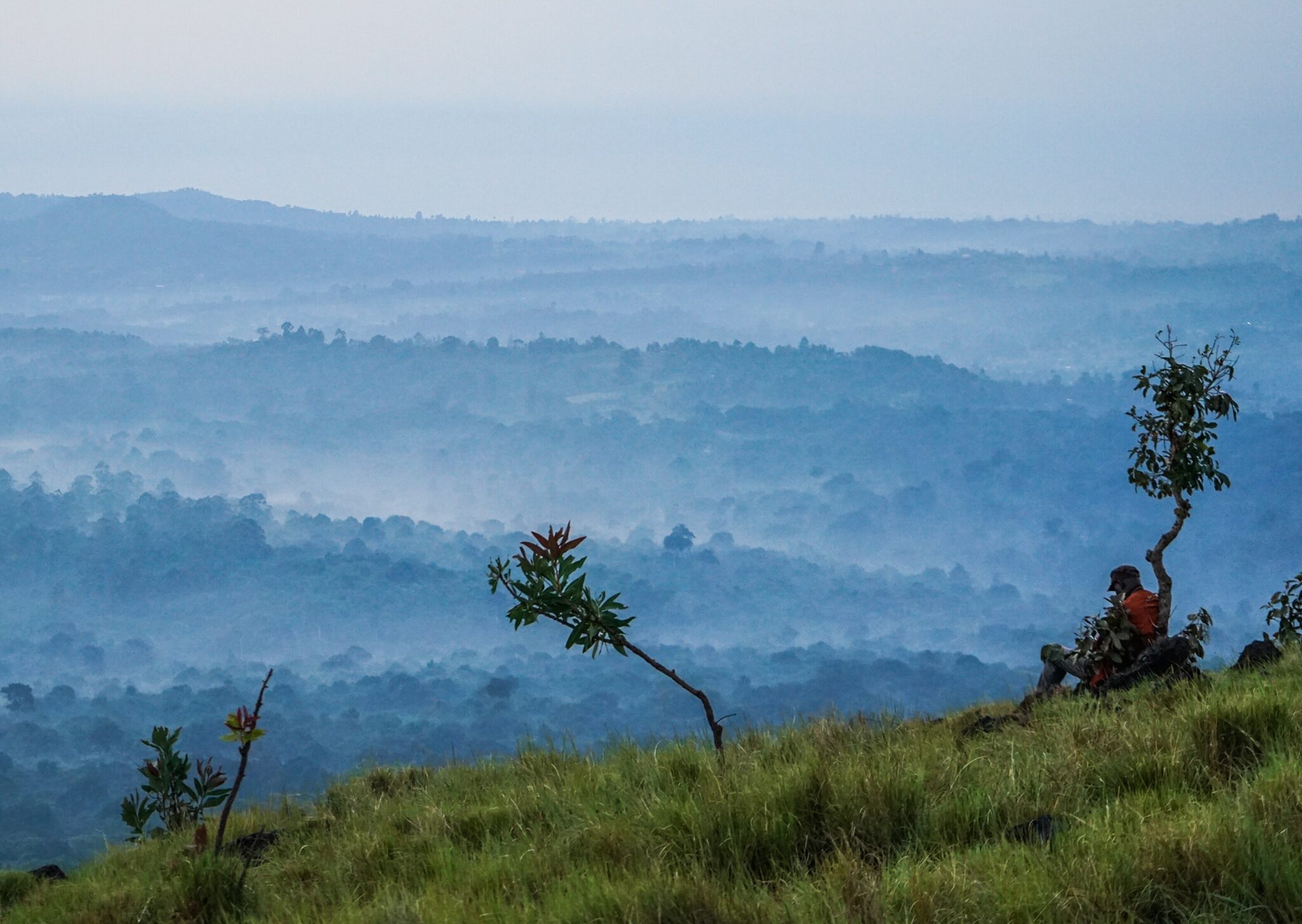
If you are travelling along the Tsavo corridor, Taita Hills Wildlife Sanctuary can be a scenic, quieter alternative or add-on that breaks up the big-park rhythm. Near Lamu, Manda Island is an excellent choice for quieter beach time than the main town, especially if you want a calm, low-key coastal stay.
Travel Tips for Kenya
Safety and Common Sense
Kenya is one of Africa’s most popular destinations for safaris and coastal holidays, but as in any major travel hub, basic city precautions are important. In urban areas, avoid carrying valuables in plain sight, use registered taxis or ride-hailing apps at night, and stay alert in crowded places. Be cautious of common scams or unofficial guides, particularly around transport hubs and tourist sites.
During safaris, follow your guide’s instructions closely, maintain a safe distance from wildlife, and never exit vehicles or drive off designated tracks unless permitted. Most parks have clear safety rules that ensure both visitor security and wildlife conservation – respecting them is part of a responsible safari experience.
Health and Insurance
Comprehensive travel insurance is strongly recommended and should include medical care, evacuation or airlift coverage, theft protection, and activities such as safari drives or balloon rides. Consult a travel clinic before your trip for advice on vaccinations and malaria prevention, as risk levels vary by region. Tap water is not safe to drink, so rely on bottled or filtered water throughout your stay. Bring insect repellent, sunscreen, and any personal medication – pharmacies are available in cities but limited in rural areas.
Renting a Car
Car rental is practical for travelers exploring city-to-park routes, the Rift Valley circuit, or combining safaris with coastal destinations. However, self-driving deep within national parks is not recommended without 4×4 experience, as terrain can be challenging and off-road driving is often prohibited. A 4×4 vehicle is essential for most parks and rural roads, where ground clearance and traction are critical.
Self-Drive Safaris: What to Know
An International Driving Permit is recommended in addition to your national driver’s license. Always carry your license, passport, rental paperwork, and proof of insurance, as these may be checked at police or park gates. If you plan to self-drive, familiarize yourself with park regulations, which typically include staying on marked tracks, observing gate hours, and avoiding unnecessary noise or interference with wildlife. Communication equipment, such as a radio or mobile coverage backup, can be useful in larger parks. For most travelers, hiring a driver-guide offers a more relaxing and rewarding experience – guides handle navigation, vehicle maintenance, and spotting wildlife, allowing you to focus on the scenery.

Published February 08, 2026 • 22m to read