

Guatemala, known as the Heart of the Mayan World, is a country where ancient history and natural beauty come together. Its landscape includes volcanoes, lakes, rainforests, and highland villages where Indigenous traditions remain strong. The mix of old temples, colonial towns, and living culture makes it one of the most fascinating destinations in Central America.
Travelers can visit the ruins of Tikal deep in the jungle, walk the cobblestone streets of Antigua surrounded by volcanoes, or take a boat across Lake Atitlán to explore local villages. Markets like those in Chichicastenango showcase colorful textiles and crafts, while hikes and volcano climbs offer striking views. Guatemala combines culture, nature, and everyday life in a way that feels both authentic and unforgettable.
Best Cities in Guatemala
Antigua Guatemala
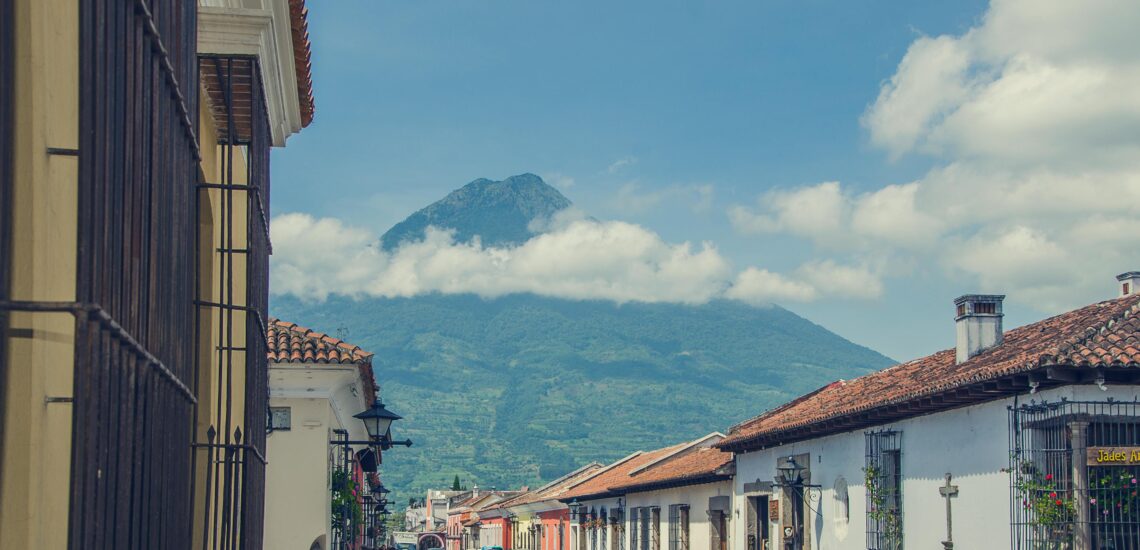
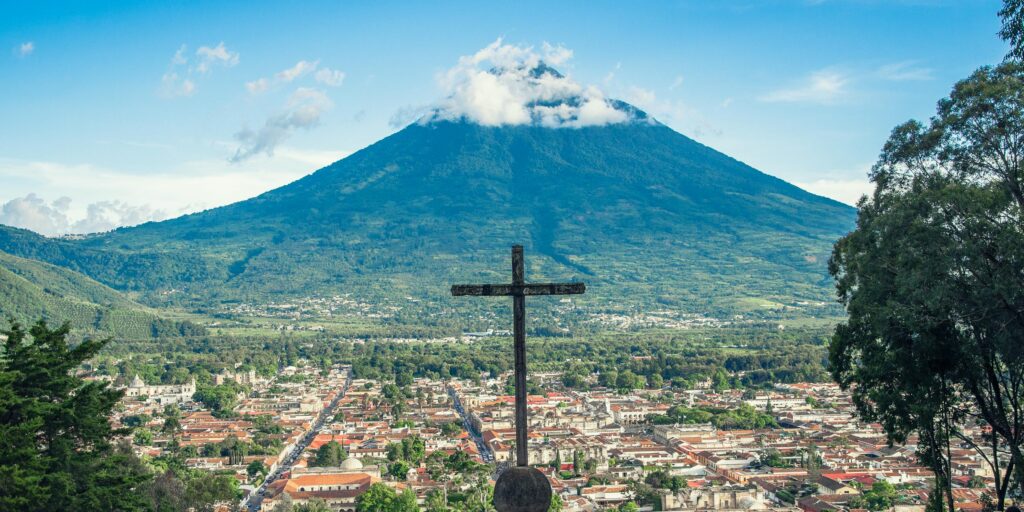
Antigua Guatemala, surrounded by the volcanoes Agua, Fuego, and Acatenango, is one of Central America’s most beautiful and historically rich cities. A UNESCO World Heritage Site, it’s known for its cobblestone streets, colonial churches, and colorful façades framed by mountain views. Key landmarks include the Santa Catalina Arch, the ruins of the Antigua Cathedral, and the Cerro de la Cruz Viewpoint, which offers sweeping views of the city and surrounding peaks.
Visitors can explore local craft markets, take chocolate-making workshops, or stay in restored colonial mansions that now serve as boutique hotels. Antigua also serves as a base for volcano hikes, coffee plantation tours, and cultural experiences in nearby Maya villages. The city is just 45 minutes from Guatemala City, making it both accessible and unforgettable.
Guatemala City
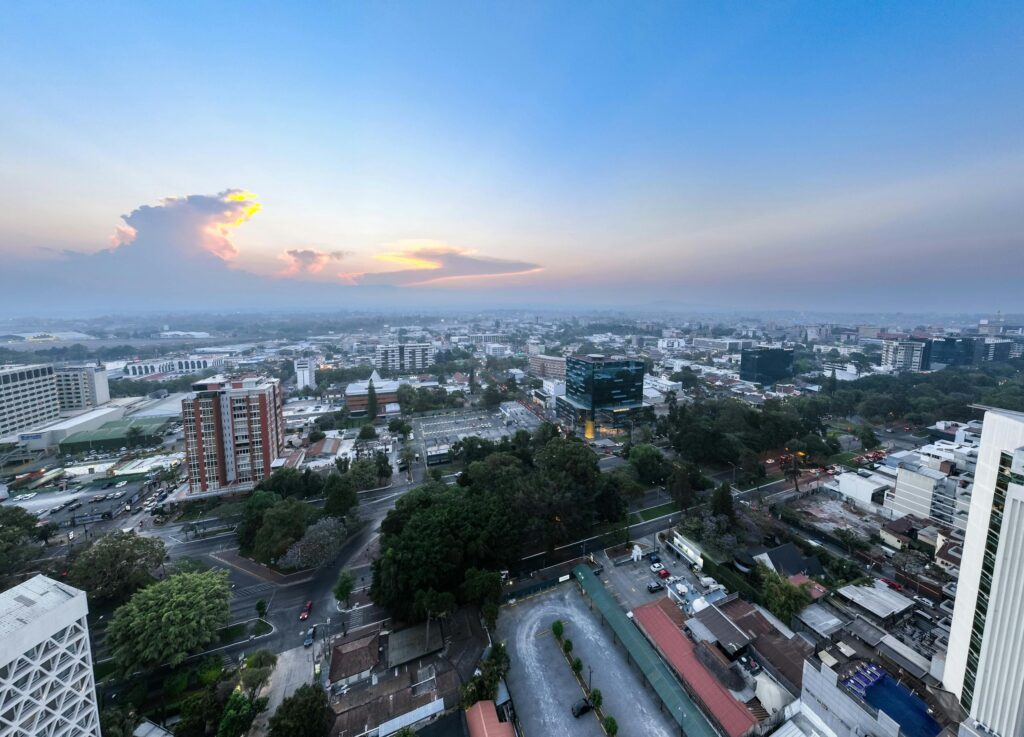
Guatemala City, the country’s capital and largest urban center, combines historic landmarks with a growing modern and cultural scene. In the heart of the city, Plaza Mayor, the National Palace, and the Metropolitan Cathedral reflect Guatemala’s colonial heritage and political history. The Museo Nacional de Arqueología y Etnología houses one of the world’s best collections of Mayan artifacts, including sculptures and ceramics from ancient cities like Tikal and Kaminaljuyú.
Each district has its own personality: Zona 1 preserves the city’s historic core, Zona 10 (Zona Viva) offers upscale dining and nightlife, and Zona 4 is known for its art galleries, design studios, and vibrant coffee culture. Guatemala City is the main gateway to the country, with its international airport just a short drive from the city’s central zones.
Chichicastenango
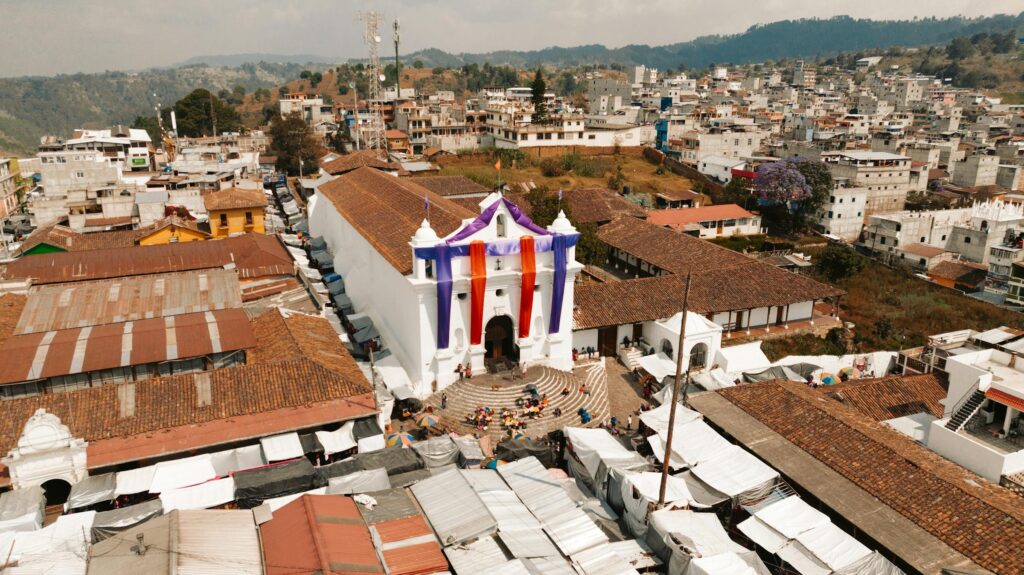
Chichicastenango is best known for its vibrant Thursday and Sunday markets, where traders from surrounding villages gather to sell colorful textiles, wooden masks, pottery, and hand-carved crafts. The market fills the streets with sound, color, and the scent of incense and traditional food, offering one of the most authentic cultural experiences in Central America.
At the center of town stands the Santo Tomás Church, where Mayan ceremonies and Catholic traditions merge in a centuries-old expression of spiritual life. Visitors can also explore the nearby Pascual Abaj shrine, an outdoor altar still used for ancestral rituals. Chichicastenango is about a three-hour drive from Antigua or Guatemala City and is best visited on market days to experience its full energy.
Quetzaltenango
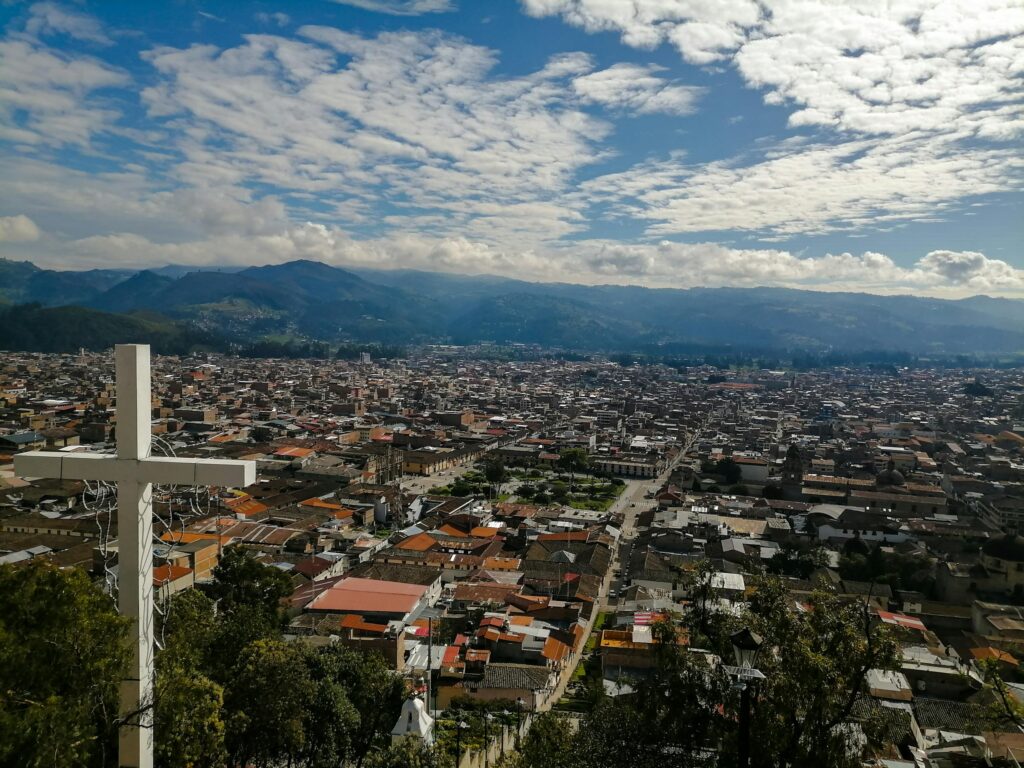
Quetzaltenango, commonly known as Xela, is Guatemala’s second-largest city and a cultural hub set in a highland valley surrounded by volcanoes. The city blends Indigenous traditions with colonial architecture and a youthful energy fueled by its universities and Spanish language schools, making it a popular destination for long-term travelers and volunteers.
The surrounding region is rich in natural and cultural attractions. Visitors can relax at the Fuentes Georginas Hot Springs, hike to the viewpoint at Cerro El Baúl, or visit Laguna Chicabal, a sacred lake revered by the local Maya community. Xela also serves as a base for treks up Santa María Volcano and multi-day hikes to Lake Atitlán. The city is about a 3.5-hour drive from Antigua or Guatemala City.
Best Natural Wonders in Guatemala
Lake Atitlán
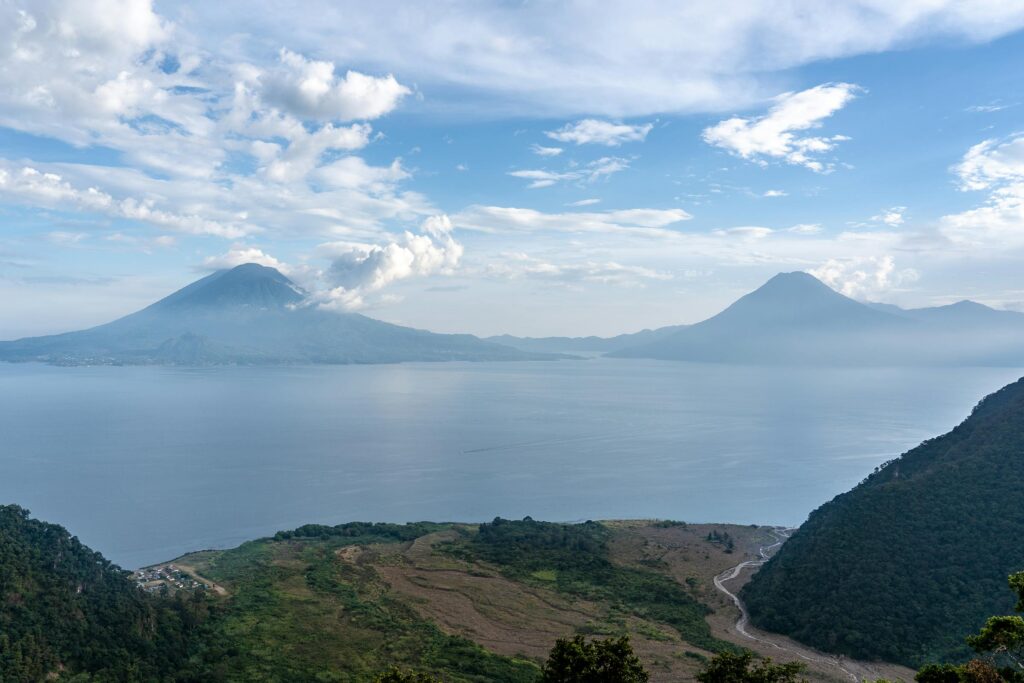
Lake Atitlán, ringed by towering volcanoes and traditional Maya villages, is often called one of the most beautiful lakes in the world. Formed in a massive volcanic crater, it offers stunning scenery, cultural depth, and a relaxed pace that draws travelers year-round. Each lakeside village has its own character:
- Panajachel serves as the main gateway, with lively markets, restaurants, and nightlife.
- San Marcos La Laguna is known for its yoga centers, holistic retreats, and peaceful atmosphere.
- San Juan La Laguna features women’s weaving cooperatives and vibrant art galleries.
- Santiago Atitlán preserves deep Tz’utujil Maya traditions, visible in its ceremonies and local dress.
Around the lake, visitors can kayak, paddleboard, or hike between villages, climb Volcán San Pedro, or catch sunrise from Indian Nose. Cultural workshops and artisan visits give insight into local crafts and community life. Lake Atitlán is about a 2.5-hour drive from Antigua, with boats connecting the villages once you arrive.
Tikal National Park
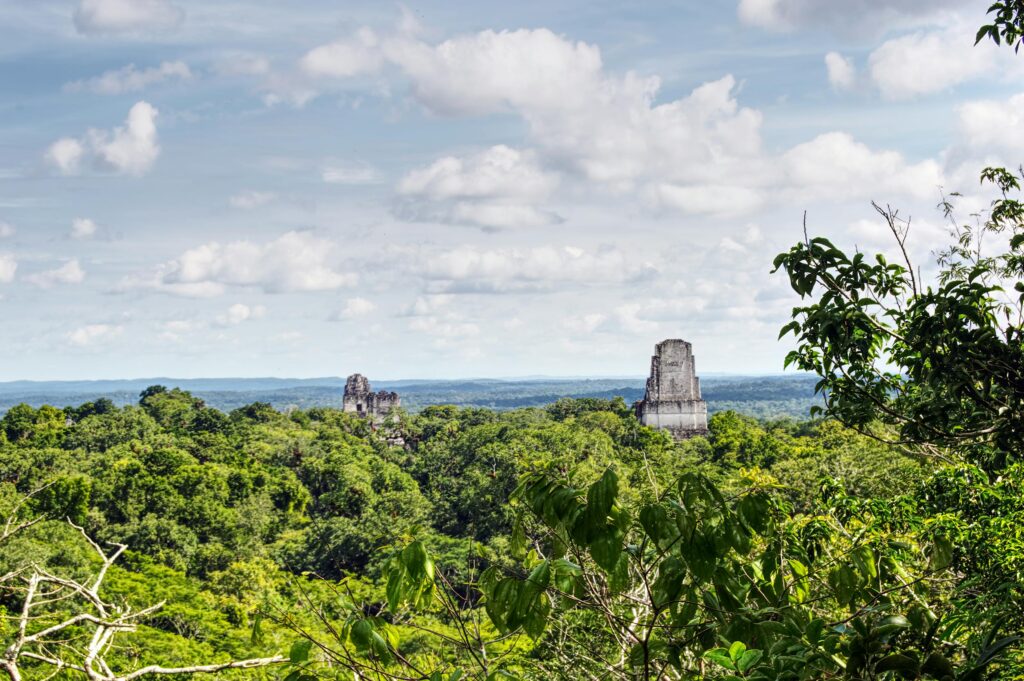
Tikal National Park is one of the most impressive archaeological sites in the ancient Maya world and a UNESCO World Heritage Site. Deep in the rainforest, its towering temples rise above the jungle canopy, surrounded by wildlife such as parrots, toucans, and howler monkeys. Visitors can explore ceremonial plazas, palaces, and pyramids that date back over 1,000 years, revealing the grandeur of this former Mayan capital.
Climbing Temple IV, the tallest structure in Tikal, rewards travelers with a panoramic view over the treetops – especially breathtaking at sunrise. The site is best explored with a guide to understand its history and ecology. Most visitors stay in Flores or El Remate, both about an hour’s drive from the park.
Semuc Champey
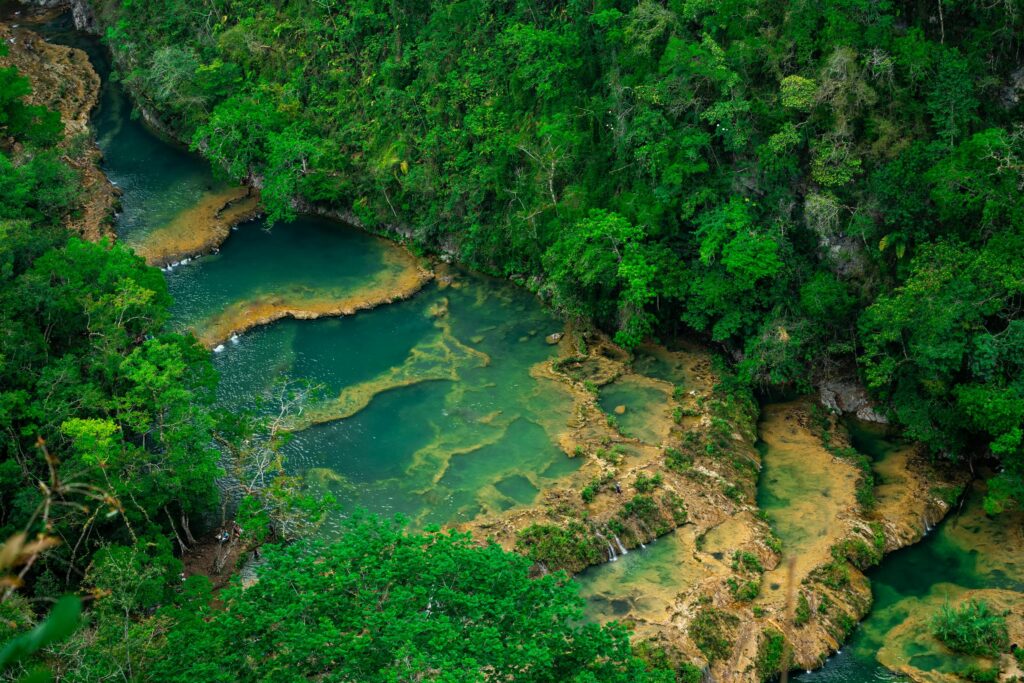
Semuc Champey is one of the country’s most spectacular natural wonders. A natural limestone bridge forms a series of turquoise pools fed by the Cahabón River, creating perfect spots for swimming and relaxing in crystal-clear water. Adventurous visitors can hike up to El Mirador, a steep viewpoint overlooking the pools and the surrounding jungle.
Nearby, the Kan’Ba Caves offer a unique experience – exploring underground passages by candlelight while wading through rivers and waterfalls. Though remote, Semuc Champey rewards the effort to reach it with its combination of natural beauty and adventure. It’s about a 30-minute drive from Lanquín, which is roughly eight hours by road from Antigua or Guatemala City.
Pacaya Volcano
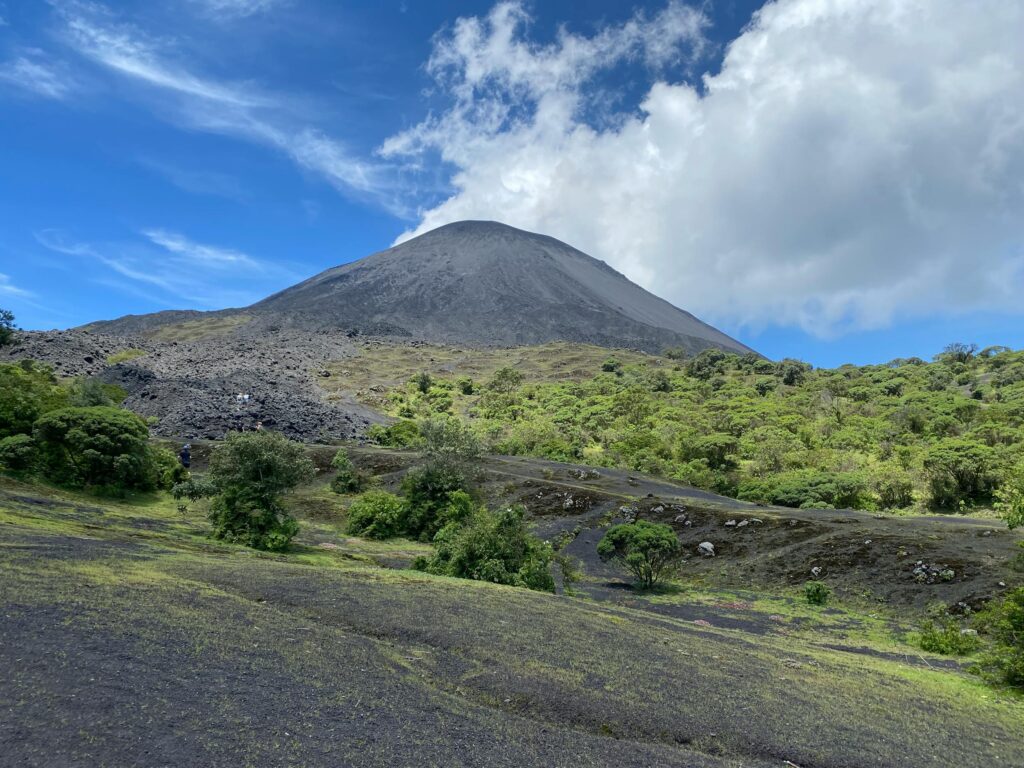
Pacaya Volcano offers an unforgettable hiking experience just outside Antigua. Guided hikes take visitors up the volcanic slopes to viewpoints where they can see recent lava flows and the smoking crater in the distance. The terrain of black volcanic rock and sweeping views of neighboring volcanoes make the climb both scenic and adventurous.
At the top, it’s a tradition to roast marshmallows over natural heat vents in the warm volcanic ground – a simple but memorable highlight. The hike usually takes about two to three hours round-trip and is suitable for most fitness levels. Pacaya is about a 1.5-hour drive from Antigua or two hours from Guatemala City.
Acatenango Volcano
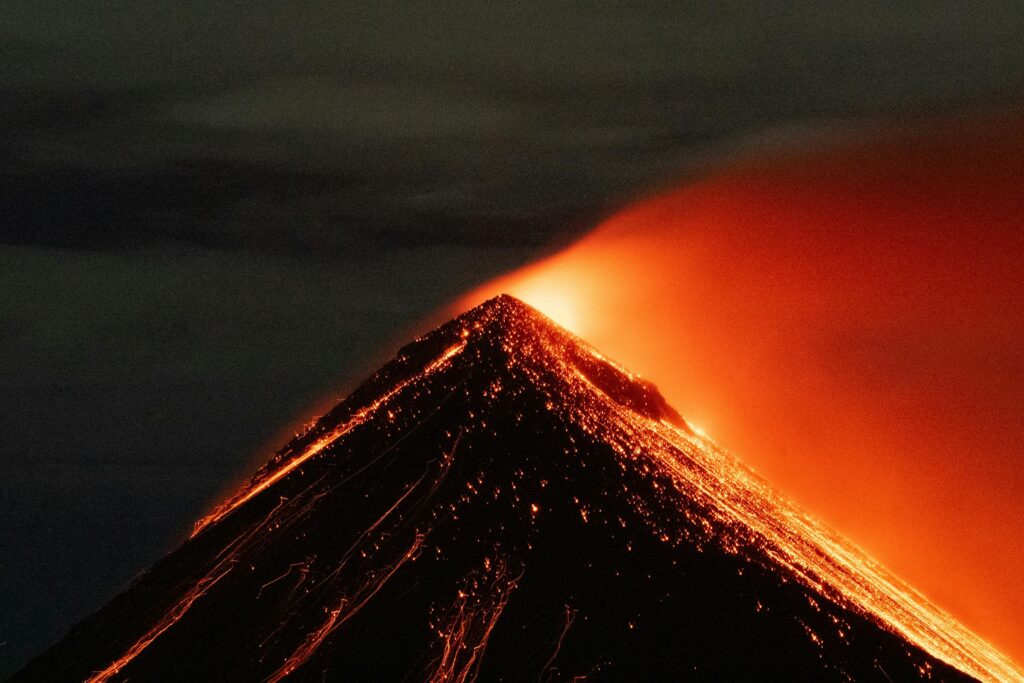
Acatenango Volcano offers one of Central America’s most spectacular trekking experiences. The challenging overnight hike takes you to nearly 4,000 meters above sea level, where you can watch neighboring Volcán de Fuego erupt in fiery bursts against the night sky – a sight few places on Earth can match. Campers spend the night near the summit to catch a breathtaking sunrise above the clouds, with panoramic views stretching across Guatemala’s volcanic chain. The climb typically takes 5–6 hours, and local guides provide gear, meals, and safety support.
Sierra de los Cuchumatanes
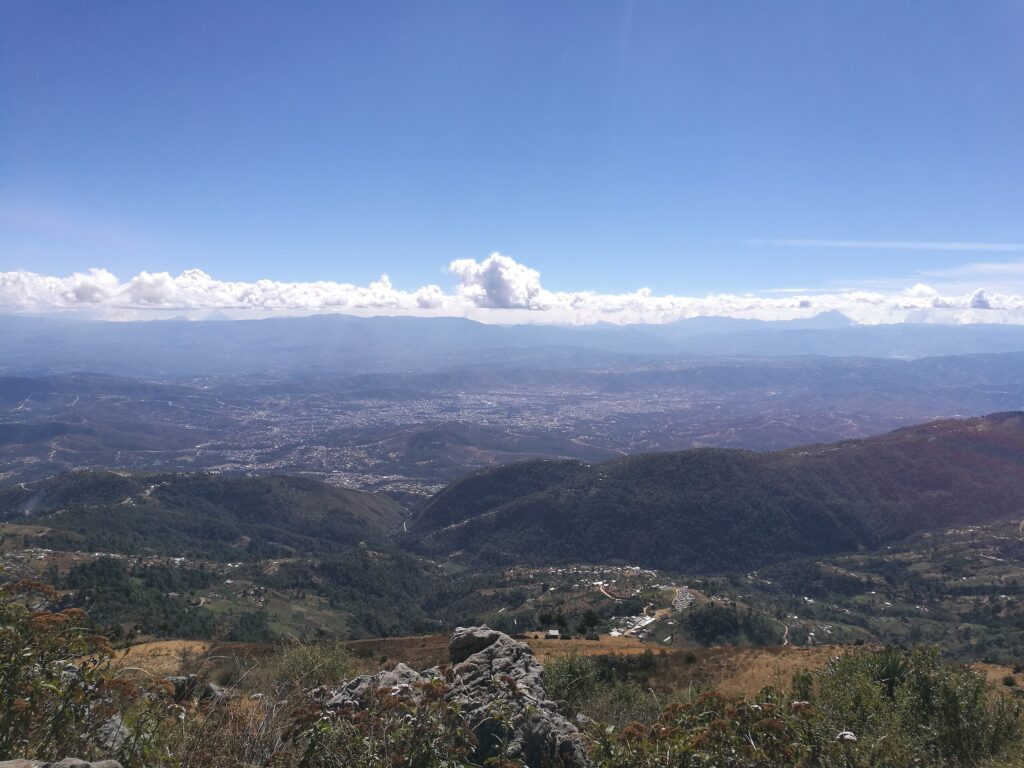
The Sierra de los Cuchumatanes is the country’s highest non-volcanic mountain range and one of its most striking natural regions. The landscape is defined by rolling plateaus, steep valleys, and pine-covered hills that reach altitudes over 3,800 meters. The area offers cool mountain air, remote hiking trails, and sweeping views across Guatemala’s highlands.
The town of Todos Santos Cuchumatán is the cultural heart of the region, known for its vividly woven traditional clothing and lively annual festival held each November. Visitors can hike to viewpoints, explore local markets, or stay in small lodges that support community tourism. The Sierra de los Cuchumatanes is best reached from Huehuetenango, about a 6-hour drive from Antigua or Guatemala City.
Best Beaches in Guatemala
Monterrico
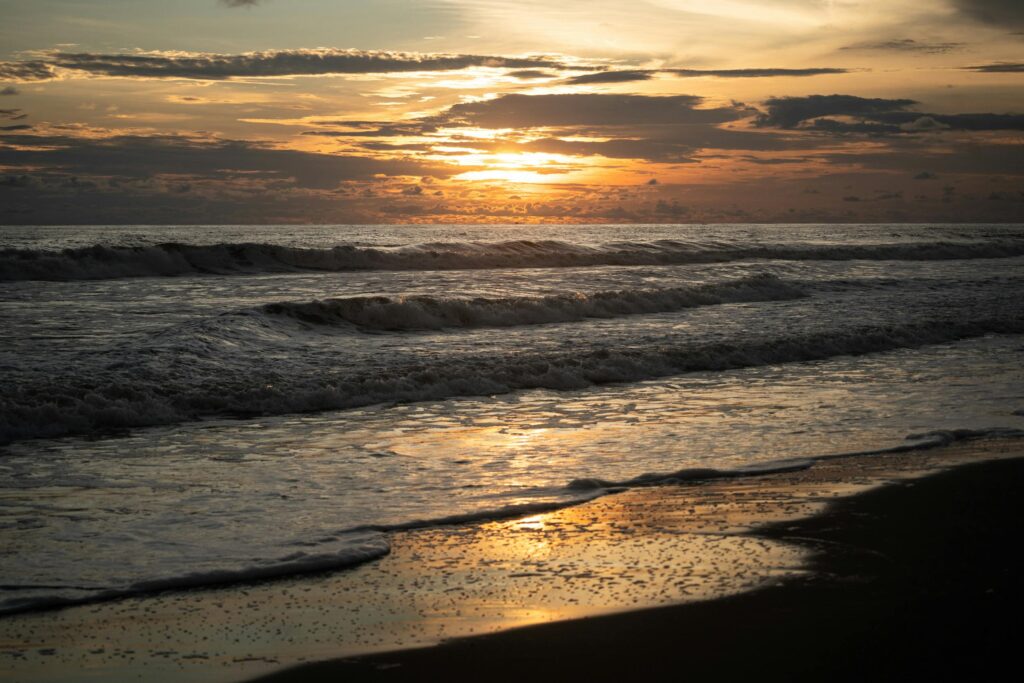
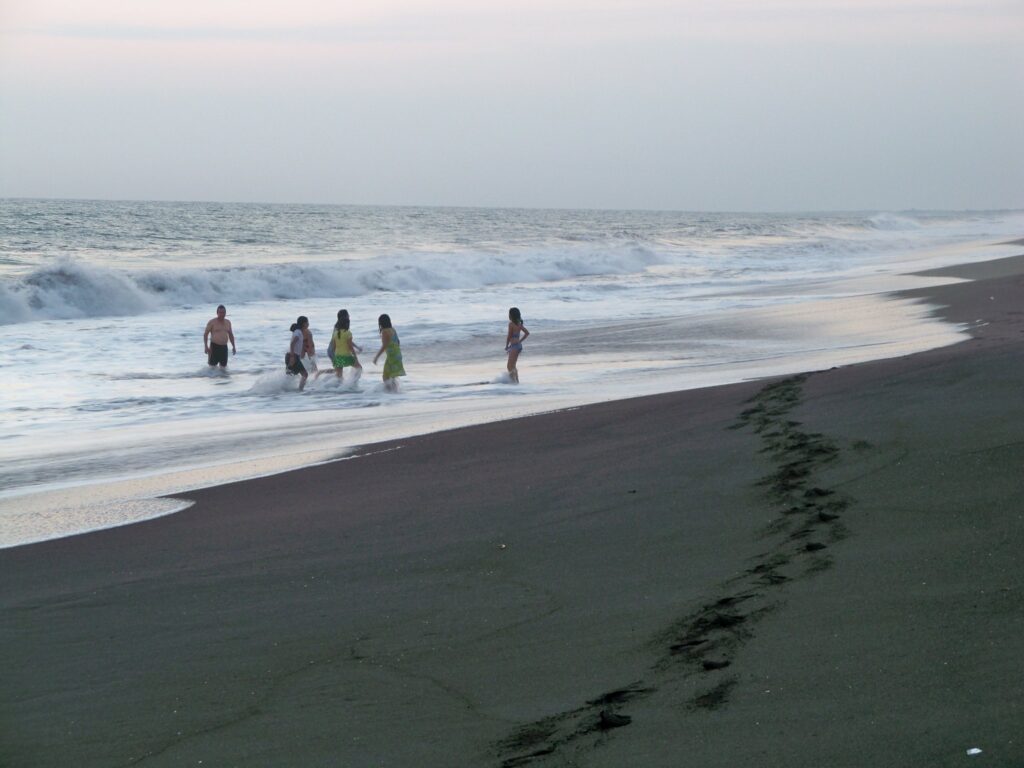
Monterrico is a laid-back beach town known for its wide stretches of volcanic black sand and consistent surf. The waves can be strong, making it popular with experienced surfers, while the sunsets here are some of the most striking in the country.
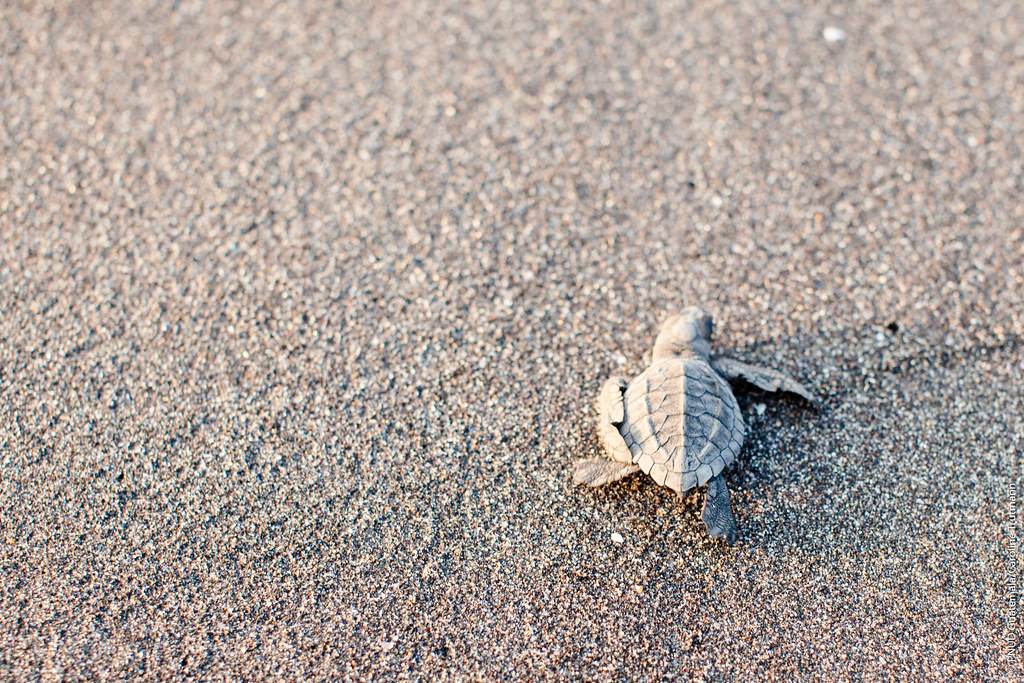
The nearby Monterrico Nature Reserve protects mangroves and serves as a nesting site for sea turtles, with local conservation programs that allow visitors to help release hatchlings into the ocean. Boat tours through the mangrove canals offer opportunities to spot birds and other wildlife. The town has a range of small hotels and beachfront eco-lodges. Monterrico is about a two-hour drive from Antigua or Guatemala City.
El Paredón
El Paredón, on Guatemala’s Pacific coast, has quickly become the country’s top surf destination and a favorite for travelers seeking a relaxed beach atmosphere. The long sandy beach offers consistent waves year-round, with surf schools catering to both beginners and experienced surfers. Beyond the waves, the town’s growing scene of yoga retreats, beach clubs, and eco-lodges creates a laid-back, community-driven vibe.
Visitors can join sunrise surf sessions, explore the nearby mangroves by kayak, or simply unwind in a hammock by the sea. Despite its rising popularity, El Paredón remains small and peaceful, perfect for those looking to combine adventure with relaxation. It’s about a two-hour drive from Antigua or Guatemala City.
Livingstson
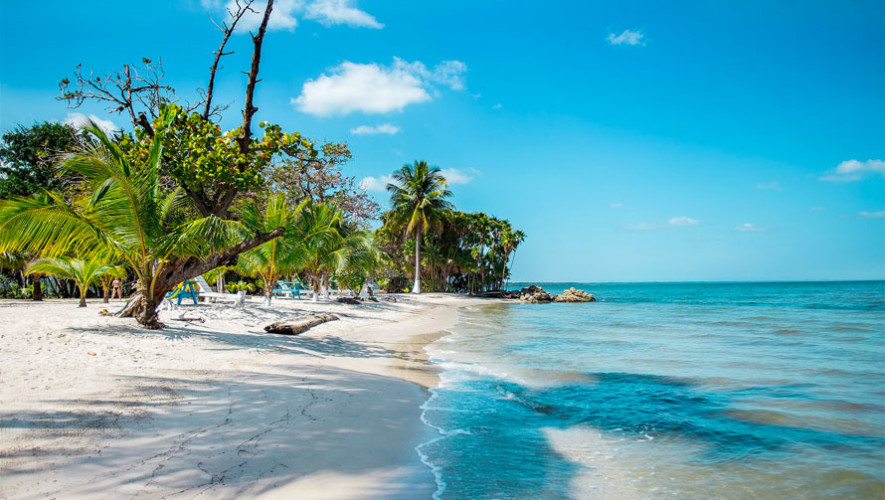
Livingston is a lively town that can only be reached by boat – giving it an isolated, distinctive charm. It’s the heart of the country’s Garifuna culture, where Afro-Caribbean traditions mix with Maya and Ladino influences. Reggae music drifts through the streets, and local restaurants serve dishes like tapado, a rich seafood and coconut stew that defines the region’s cuisine. Boat trips from Livingston explore nearby natural attractions, including the Siete Altares waterfalls and Playa Blanca, one of Guatemala’s few white-sand beaches.
Playa Blanca
Playa Blanca is one of the country’s most pristine and picturesque beaches. Unlike most of Guatemala’s darker volcanic shores, it features soft white sand and calm turquoise water, making it ideal for swimming and relaxing. The beach is privately managed to preserve its natural beauty and can only be reached by boat from Livingston or Puerto Barrios, adding to its secluded feel. Visitors can spend the day sunbathing, snorkeling, or enjoying fresh seafood from local vendors.
Hidden Gems of Guatemala
Río Dulce
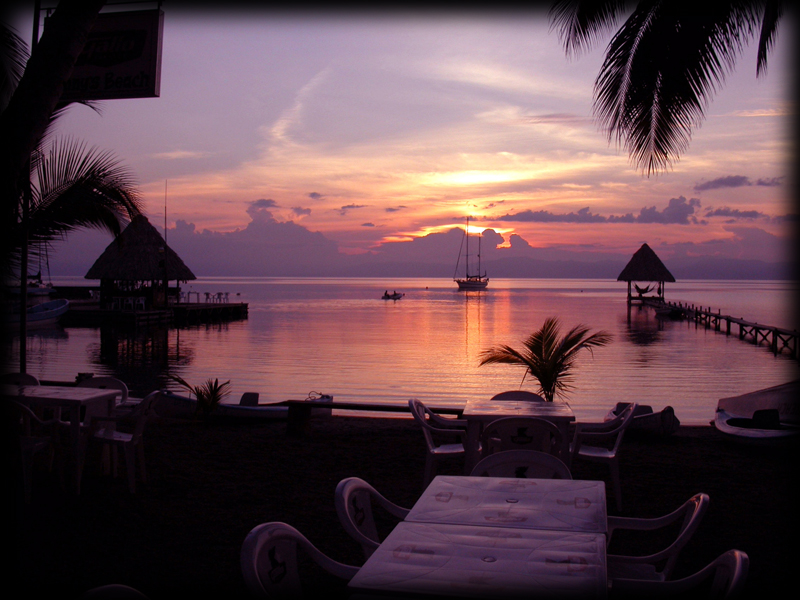
Río Dulce, meaning “River”, flows from Lake Izabal to the Caribbean and is one of Guatemala’s most scenic waterways. Lined with dense jungle and dotted with small villages, it’s best explored by boat – passing through the dramatic Río Dulce Canyon, where limestone cliffs rise steeply above the water. Along the way, visitors can stop at the Castillo de San Felipe, a 17th-century Spanish fortress built to guard against pirates.
The area is also known for natural attractions such as Finca Paraíso, a waterfall where hot springs mix with cool river water, and for riverside eco-lodges that offer kayaking, birdwatching, and peaceful stays surrounded by nature. Río Dulce town is the main jumping-off point, reachable by road from Guatemala City in about six hours or by boat from Livingston.
Flores
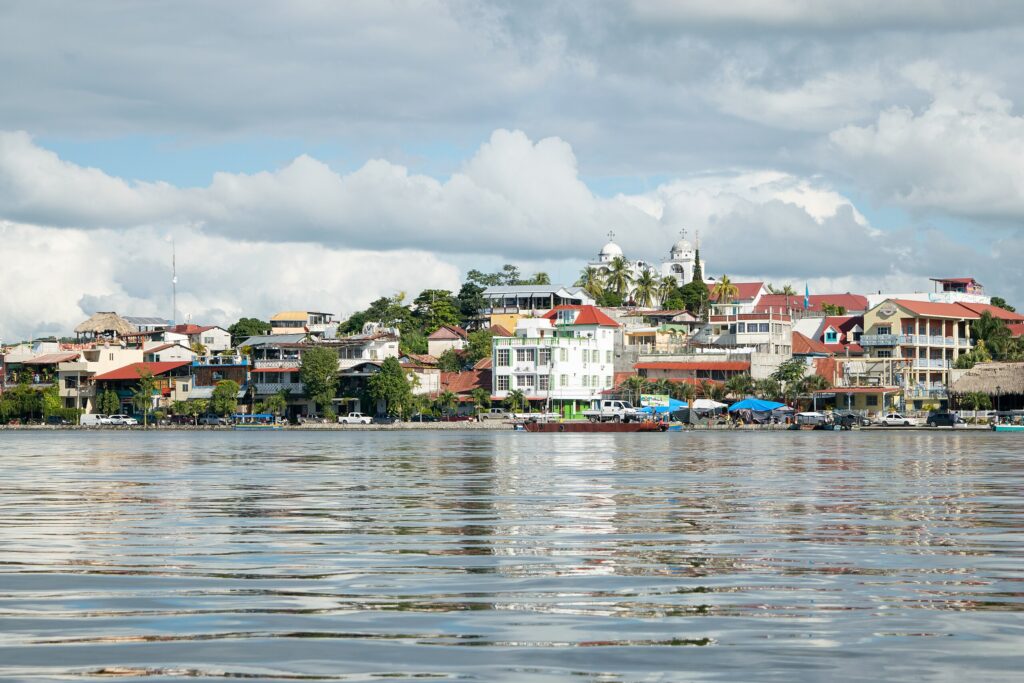
Flores, a small island town on Lake Petén Itzá, serves as the main gateway to northern Guatemala’s ancient Maya sites. Its cobblestone streets, colorful colonial buildings, and lakeside cafés create a relaxed atmosphere perfect for unwinding after visiting the nearby ruins. The town connects to the mainland by a short causeway and is easy to explore on foot.
Visitors can enjoy boat rides on the lake, dine at waterfront restaurants, or take day trips to Tikal, Yaxhá, and lesser-known archaeological sites hidden in the surrounding jungle. Sunset views from the lakeshore are a highlight. Flores is about an hour from Tikal and accessible by direct flights from Guatemala City or Belize City.
Cobán
Cobán is a cool, green city surrounded by mountains, coffee plantations, and cloud forest. It serves as the main access point to Semuc Champey, one of the country’s top natural attractions, as well as nearby orchid sanctuaries such as Orquigonia, which showcase Guatemala’s rich plant diversity.
The region is ideal for nature lovers – visitors can tour local coffee farms, hike through forest reserves, or explore caves and rivers in the surrounding countryside. Cobán’s central location and mild climate make it a convenient base for travelers heading deeper into Alta Verapaz or onward to Petén. It’s about a five-hour drive from Guatemala City or four hours from Antigua.
Huehuetenango
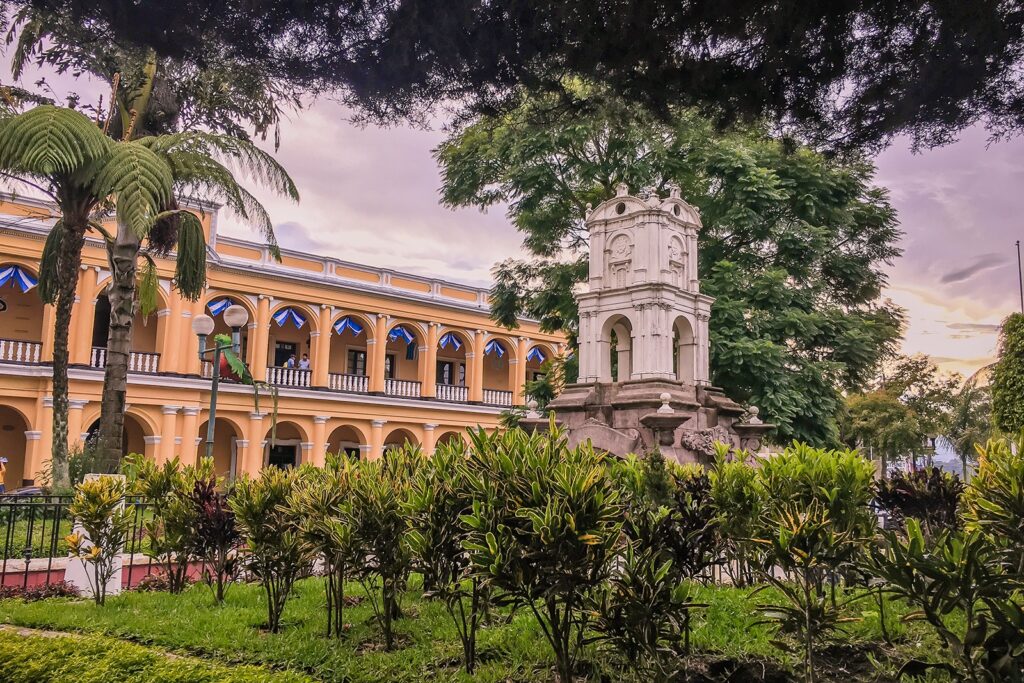
Huehuetenango is one of the country’s most diverse and dramatic regions, known for its remote mountains, deep valleys, and strong Indigenous heritage. The area is dotted with traditional villages where ancient customs and languages are still preserved. Nature lovers are drawn to Laguna Brava, a vast turquoise lake surrounded by forested hills, and the Cenotes de Candelaria, a network of blue sinkholes hidden in the countryside. The department also offers high-altitude trekking in the Sierra de los Cuchumatanes and opportunities to experience authentic community tourism. Huehuetenango city serves as the main base, about a six-hour drive from Guatemala City or four hours from Quetzaltenango.
Travel Tips for Guatemala
Travel Insurance
Travel insurance is strongly recommended for travelers engaging in outdoor and long-distance activities. Whether you plan to hike active volcanoes, go caving, or join adventure tours, it’s important that your policy covers medical emergencies and evacuation. Guatemala’s major cities and tourist hubs have reliable medical services, but coverage can be limited in remote regions.
Safety & Health
Guatemala is generally safe for visitors who exercise common sense. Use normal precautions in cities, avoid isolated areas after dark, and keep valuables out of sight. Always choose reputable tour operators and shuttle services for intercity travel and adventure excursions. Tap water is not safe to drink, so stick to bottled or filtered water. In higher-altitude destinations such as Antigua or Lake Atitlán, some travelers may experience mild altitude sickness – acclimatize slowly and stay hydrated.
Transportation & Driving
Getting around Guatemala is relatively straightforward. Comfortable tourist shuttle buses connect major destinations like Antigua, Lake Atitlán, Cobán, and Flores, while domestic flights link Guatemala City with Flores, the gateway to Tikal and the northern Petén region. On the lakes and rivers, boat taxis are the main way to travel between villages, particularly around Lake Atitlán and along the Río Dulce–Livingston route. Public “chicken buses” are inexpensive and colorful but often crowded and unpredictable, so they’re best for short or local journeys.
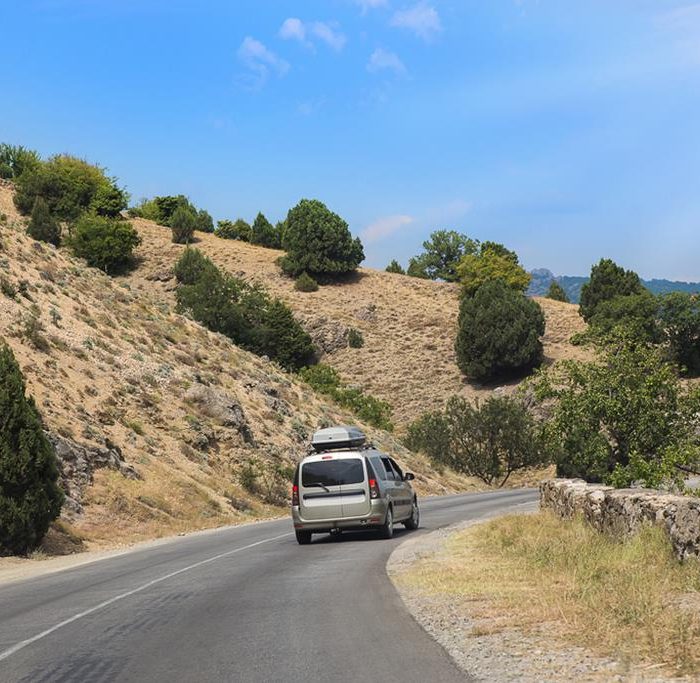
For more freedom, renting a car is an option, though driving conditions vary. Vehicles drive on the right-hand side, and main highways are generally well-maintained, but rural and mountain roads can be steep and winding. A 4×4 vehicle is recommended for remote areas and national parks. It’s best to avoid driving at night due to poor lighting and limited signage. An International Driving Permit is required alongside your home license. Always carry your license, ID, insurance, and rental documents, as roadside checkpoints are common.

Published November 23, 2025 • 13m to read