

Guam, the largest and southernmost of the Mariana Islands, is a tropical U.S. territory in the western Pacific. Known for its white-sand beaches, Chamorro culture, WWII history, and lush jungles, it blends island traditions with American conveniences. Whether you’re looking for outdoor adventure, underwater exploration, or cultural immersion, Guam is a destination where history and nature meet in a unique island setting.
Best Cities
Hagåtña (Agana)
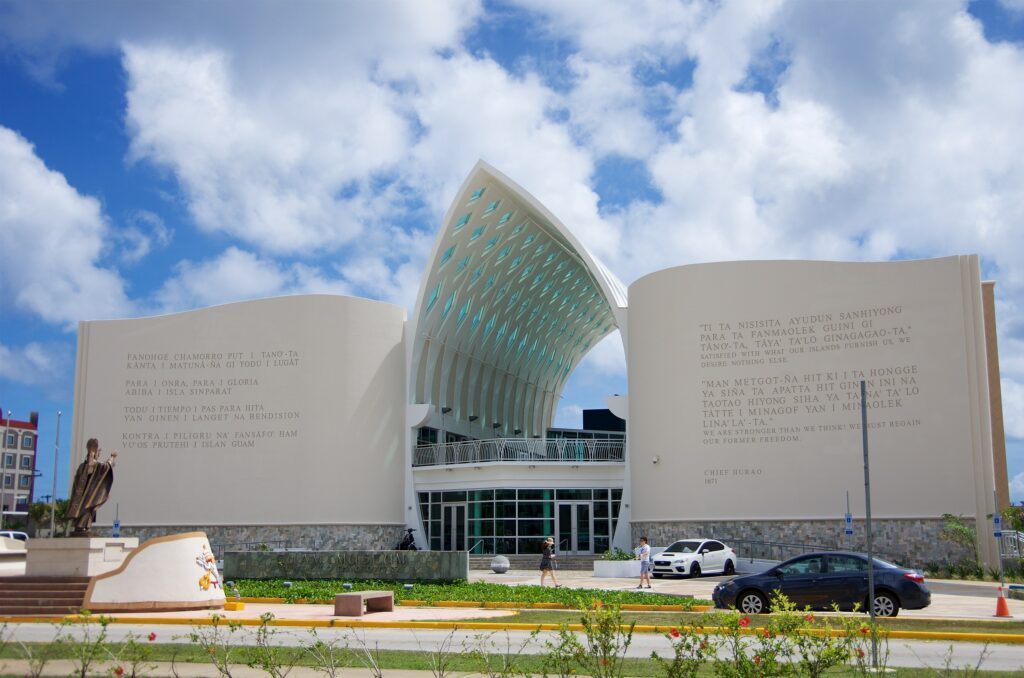
Hagåtña (Agana), Guam’s capital, is small in size but rich in history and Chamorro heritage. The Plaza de España recalls Guam’s centuries under Spanish rule, with ruins of colonial buildings still standing. At the Guam Museum, visitors can explore artifacts, photographs, and exhibits on Chamorro traditions and the island’s complex colonial past. The Dulce Nombre de Maria Cathedral-Basilica, facing the main square, is one of Hagåtña’s most recognizable landmarks and remains a center of Catholic life on the island.
Nearby, Latte Stone Park showcases ancient Chamorro stone pillars, symbols of Guam’s indigenous architecture and culture. Travelers come to Hagåtña not for a bustling city vibe but to understand Guam’s layered history and cultural identity. The city is compact and walkable, easily explored in half a day, and best visited during the dry season (December–June).
Tumon Bay
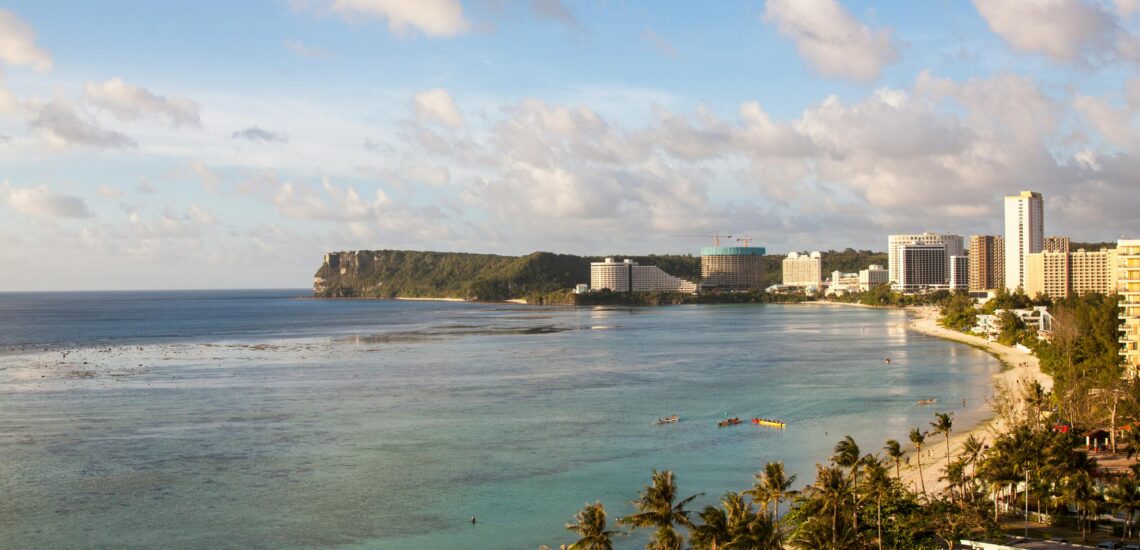
Tumon Bay is Guam’s main tourist hub, known for its crescent-shaped white-sand beach and calm, reef-protected waters ideal for swimming, snorkeling, and paddleboarding. The beachfront is lined with resorts, restaurants, and shops, making it the island’s liveliest area. Popular attractions include UnderWater World, a walk-through aquarium, and Two Lovers Point, a cliffside lookout with sweeping ocean views and a legendary backstory. Beyond the beach, Tumon is Guam’s center for shopping and nightlife, with malls like Micronesia Mall and T Galleria by DFS, plus bars, clubs, and international dining. Water sports such as jet skiing, parasailing, and diving are easily arranged along the bay.

Inarajan & Southern Villages
Inarajan and Guam’s southern villages offer a slower, more traditional side of the island, far from the resorts of Tumon. In Inarajan, the Gef Pa’go Cultural Village brings Chamorro heritage to life, with demonstrations of weaving, traditional cooking, farming, and dance. The village is set by the sea with Spanish-era stone houses, giving visitors a sense of how life once was on Guam.
Best Natural Attractions of Guam
Two Lovers Point (Puntan Dos Amantes)
Two Lovers Point (Puntan Dos Amantes) is one of Guam’s most iconic landmarks, a sheer limestone cliff rising 120 meters above the Philippine Sea and overlooking Tumon Bay. According to Chamorro legend, two lovers bound their hair together and leapt from the cliffs to remain united forever – a story that gives the site both its name and romantic aura. Today, the lookout platforms provide panoramic views of the bay and coastline, making it one of the island’s top spots for photography.

Ritidian Point
Ritidian Point, at Guam’s northern tip, is part of the Guam National Wildlife Refuge and one of the island’s most pristine natural areas. Its white-sand beaches and crystal-clear waters are ideal for swimming and picnics, though currents can be strong offshore. Inland, trails lead through limestone forests rich in native plants and wildlife, including endangered species such as the Mariana fruit bat and Micronesian kingfisher. Caves along the paths preserve ancient Chamorro rock art, adding cultural depth to the natural setting.
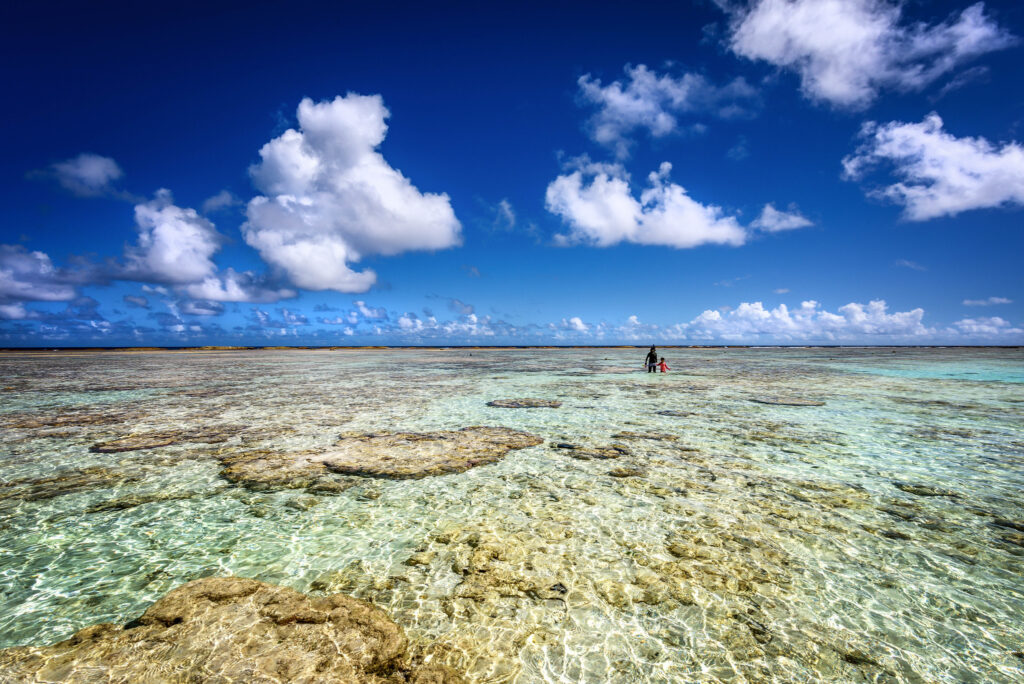
Talofofo Falls & Valley of the Latte
Talofofo Falls, in southern Guam, is a scenic spot where twin waterfalls cascade into a jungle valley. A cable car gives visitors panoramic views of the falls and forest, while trails lead to WWII-era caves once used by Japanese holdouts. The site also features small cultural exhibits and a park setting, making it a family-friendly stop.
Nearby, the Valley of the Latte Adventure Park offers a deeper cultural experience. Set along the Talofofo River, it combines river cruises, kayaking, and paddleboarding with demonstrations of Chamorro traditions such as fire-making, weaving, and traditional cooking. The park also highlights local wildlife and medicinal plants. Both attractions are about 45 minutes by car from Tumon.
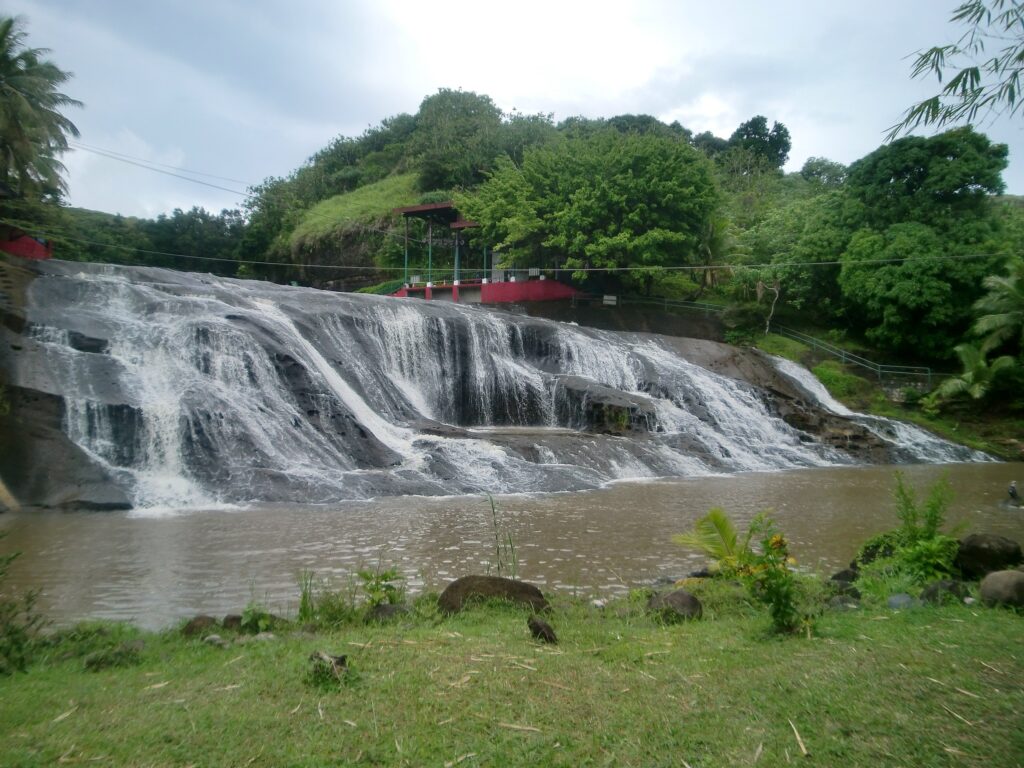
Mount Lamlam
Mount Lamlam, at 1,332 ft (406 m), may not sound tall, but measured from its base in the Mariana Trench, it holds the title of the world’s tallest mountain from base to summit. The hike to the top is short – usually 30–60 minutes – but steep, with the trail dotted by religious crosses placed during annual Easter pilgrimages. At the summit, hikers are rewarded with 360° views over Guam’s rolling hills, coastline, and the endless Pacific.
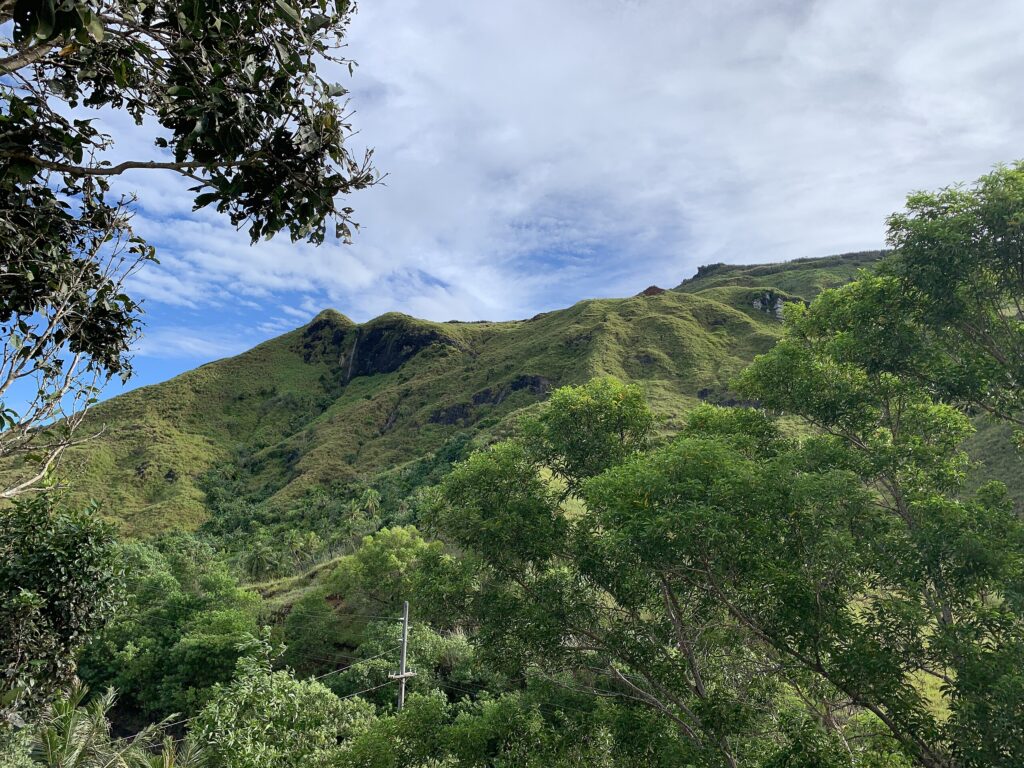
Best Beaches & Diving Spots
Tumon Beach
Tumon Beach is the centerpiece of Guam’s tourism district, a long stretch of white sand and reef-protected waters perfect for swimming, snorkeling, and paddleboarding. Its calm, shallow lagoon makes it especially popular with families, while the beachfront is lined with resorts offering easy access to water sports rentals, loungers, and dining. Snorkelers can spot parrotfish, butterflyfish, and sea turtles just a few meters offshore.
The beach is busiest around sunset, when both locals and visitors gather to watch the sky glow over Tumon Bay. Located just 10 minutes from Guam’s airport, Tumon Beach is the island’s most convenient and accessible shoreline, with amenities ranging from lifeguards to beach bars.

Gun Beach & Fai Fai Beach
Gun Beach, at the northern end of Tumon Bay, combines natural beauty with WWII history. A short walk from the resorts, it features a preserved Japanese coastal gun and bunker, reminders of Guam’s wartime past. The beach itself is great for snorkeling, with clear waters and coral gardens close to shore, and its cliffside bar is a popular sunset spot.
Just beyond, reached by a 10-minute jungle trail over the headland, lies Fai Fai Beach – quieter and more secluded. Backed by forest and framed by cliffs, it’s a peaceful escape ideal for swimming, picnics, or photography. Both beaches can be reached on foot or by a short drive from Tumon.
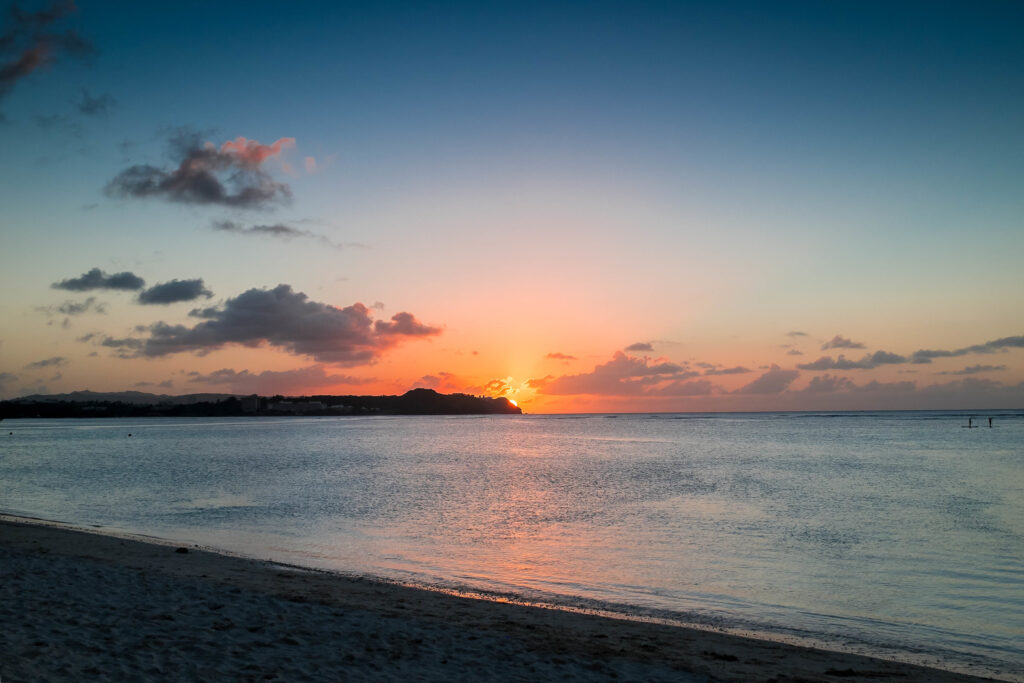
Ypao Beach Park
Ypao Beach Park, on the southern end of Tumon Bay, is one of Guam’s most popular family spots, combining a wide sandy beach with shaded lawns, picnic pavilions, and playgrounds. The park regularly hosts festivals and concerts, but it’s just as popular for weekend barbecues and gatherings.
Offshore, the beach is part of a marine protected area, with coral reefs close to shore that make for easy snorkeling among parrotfish, angelfish, and even sea turtles. Conveniently located near Tumon’s hotels and just 15 minutes from the airport, Ypao is ideal for both relaxation and casual water activities.
Gab Gab Beach
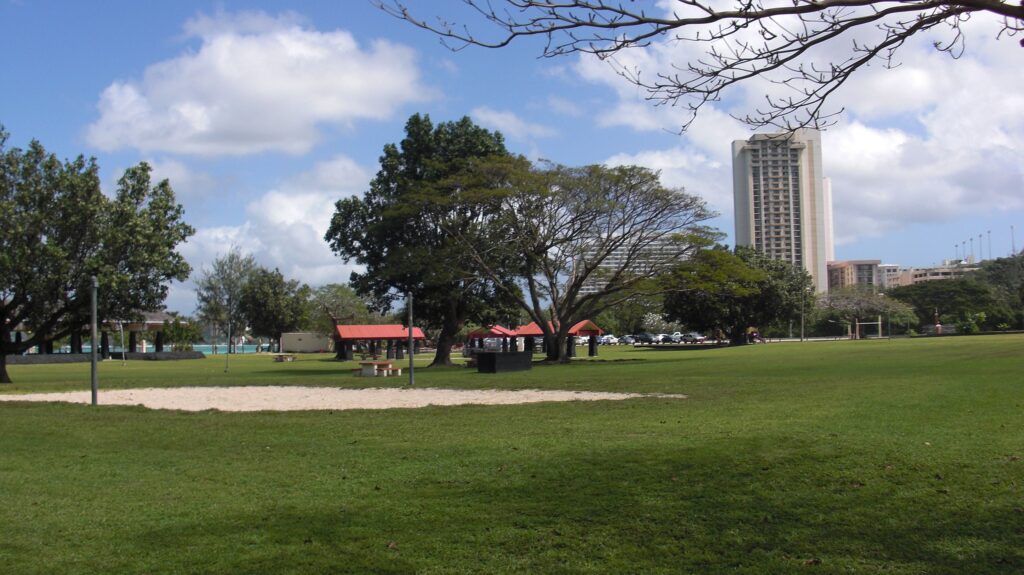
Gab Gab Beach, located within the U.S. Naval Base Guam, is famous for its healthy coral reefs and clear waters that make it one of the island’s best diving and snorkeling sites. The beach is part of the Navy’s Family Beach Area, with facilities for swimming, picnicking, and beach activities. Just offshore, divers can explore vibrant reefs teeming with tropical fish, sea turtles, and rays, while the nearby Tokai Maru and SMS Cormoran shipwrecks, lying side by side, are among Guam’s most unique underwater attractions.
Blue Hole & The Crevice
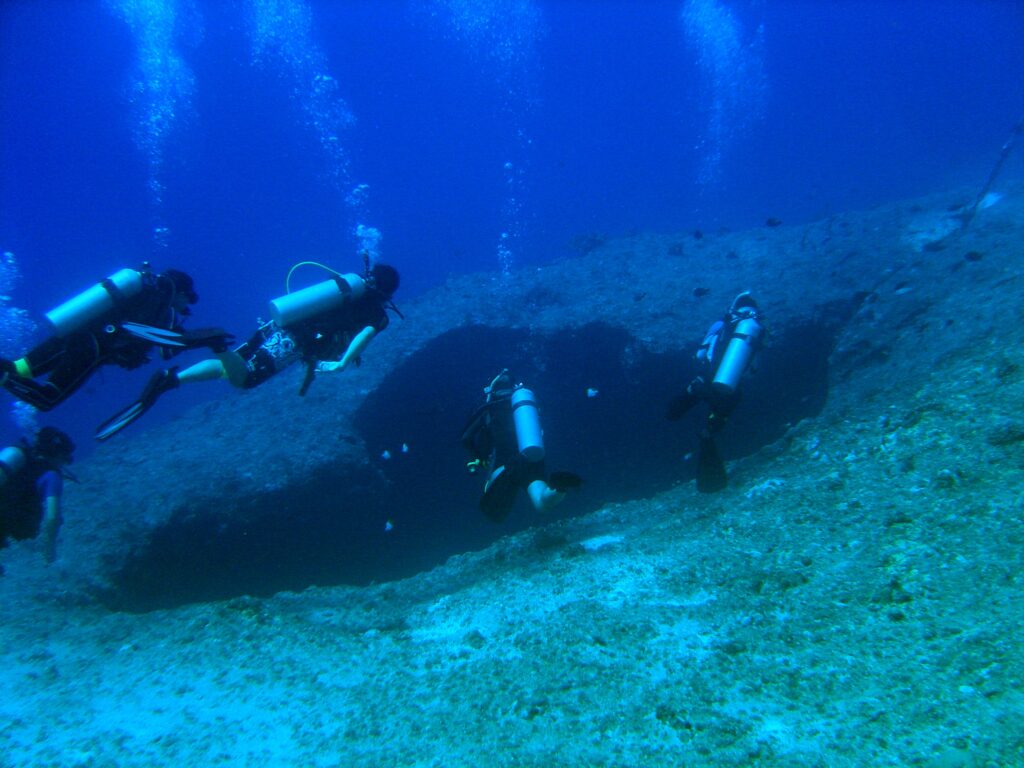
Blue Hole and The Crevice are two of Guam’s most spectacular dive sites, offering dramatic underwater landscapes and abundant marine life. Blue Hole is a natural vertical shaft that begins at about 18 meters and drops over 90 meters into the deep, with divers entering through the “hole” and exiting onto a coral wall teeming with reef sharks, barracuda, and sea turtles. Nearby, The Crevice features sheer walls, caverns, and canyons where colorful corals and schools of fish thrive, making it a favorite for underwater photography.
Both sites are located off Guam’s western coast and are accessible only by boat with certified dive operators, as strong currents and depth require advanced diving skills. For experienced divers, Blue Hole and The Crevice are must-dive locations, showcasing the volcanic geology and marine biodiversity that make Guam a top destination in Micronesia.
Hidden Gems of Guam
Cetti Bay Overlook
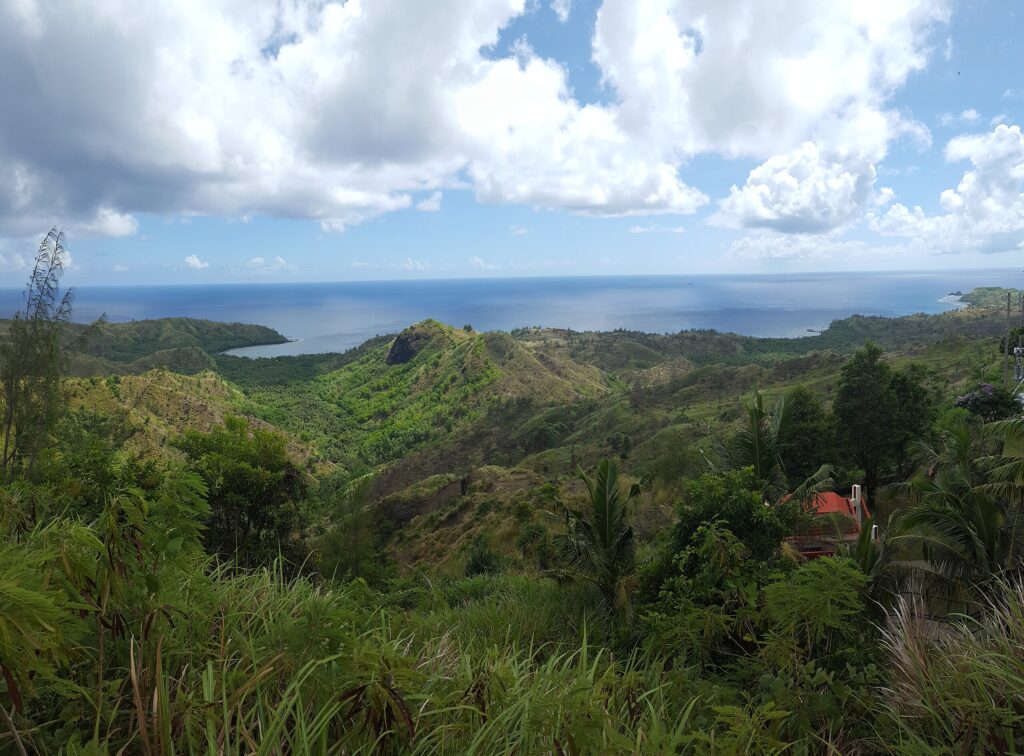
Cetti Bay Overlook, along Guam’s southern coast, offers one of the island’s most striking panoramas. From the roadside viewpoint, visitors look down on Cetti Bay’s blue waters framed by volcanic ridges and dense jungle, a classic example of Guam’s rugged natural beauty. Layers of folded rock formations tell the island’s geological story, while the bay below remains undeveloped and wild.
The overlook is a popular photo stop on the drive along Route 2, often combined with visits to nearby Umatac and Mount Lamlam. Easily accessible by car and requiring no hike, Cetti Bay Overlook provides a quick but unforgettable glimpse of Guam’s southern landscapes.
Pagat Cave Trail
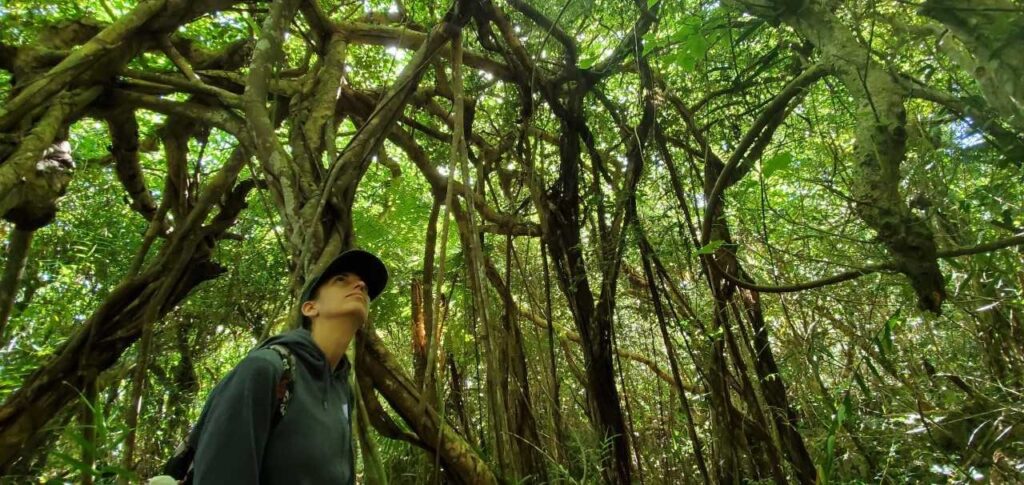
Pagat Cave Trail, on Guam’s northeast coast, is a rewarding hike that combines nature, history, and a refreshing swim. The moderate 3 km round-trip trek descends through limestone forest to a large underground freshwater cave, where visitors can swim in a cool, clear pool beneath stalactites. Near the cave, the trail also passes ancient latte stone ruins, remnants of Chamorro settlements that add cultural depth to the adventure.
The hike is best done in the morning or late afternoon to avoid the midday heat, and sturdy shoes are recommended as the trail is rocky and can be slippery. Access is via Route 15 near Yigo, with parking at the trailhead. The walk takes about 1.5–2 hours round trip, making it suitable for most hikers with moderate fitness.
Sella Bay
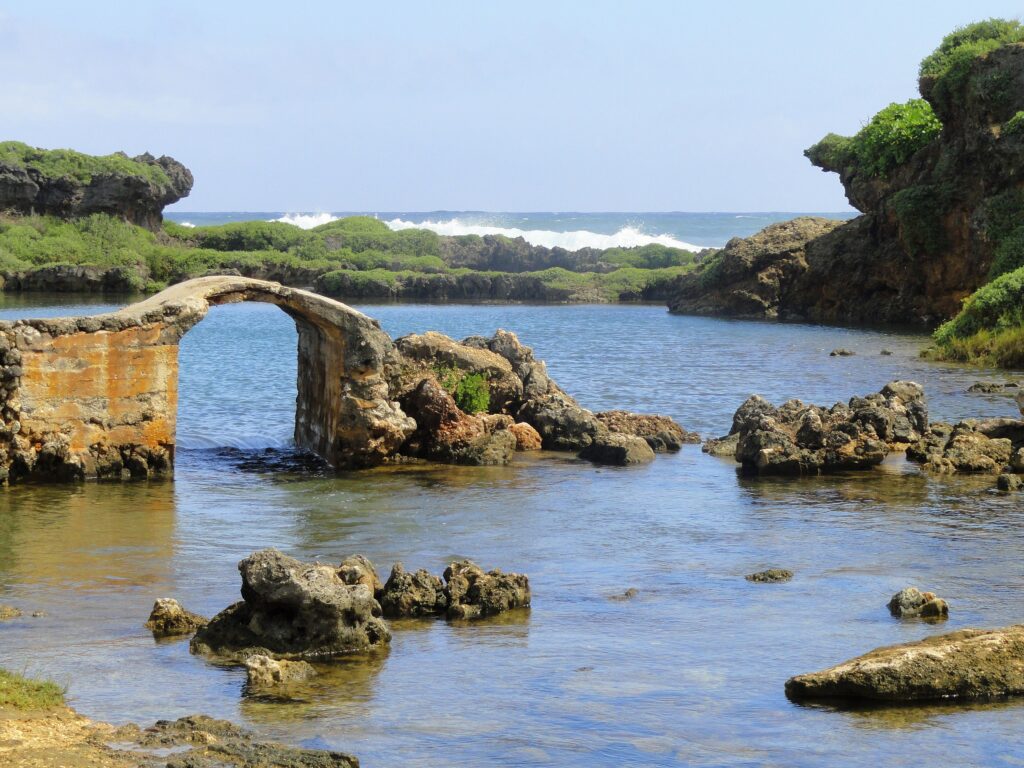
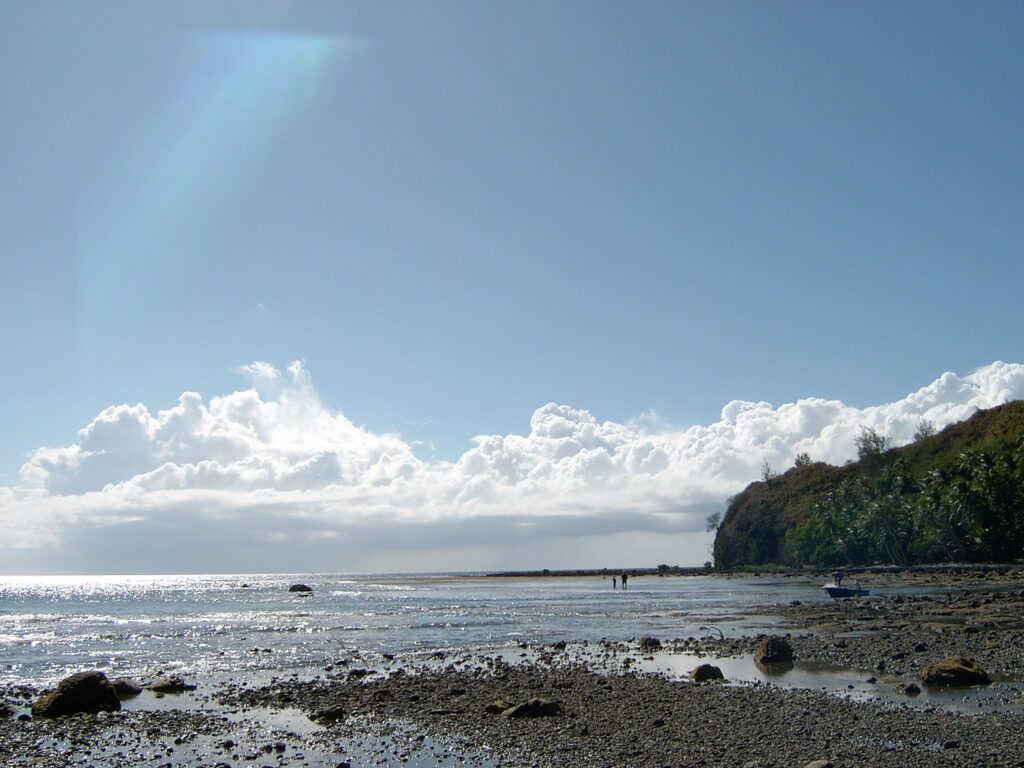
Sella Bay, on Guam’s southern coast, rewards adventurous travelers with history and seclusion. A steep downhill trail (about 45 minutes each way) leads through jungle and limestone terrain to a quiet shoreline of coral beaches and turquoise water. Scattered along the bay are the ruins of a Spanish-era stone bridge and walls, reminders of Guam’s colonial past, now half-hidden by vegetation. The area is excellent for picnics, snorkeling, or simply enjoying solitude far from Tumon’s crowds.
Because of the challenging hike back uphill, the trail is best attempted in the morning or late afternoon, and good footwear plus water are essential. The bay is accessible from a trailhead along Route 2 near Umatac, about an hour’s drive from Tumon. With its mix of coastal scenery, history, and tranquility, Sella Bay is one of Guam’s most atmospheric off-the-beaten-path destinations.
Inarajan Pools
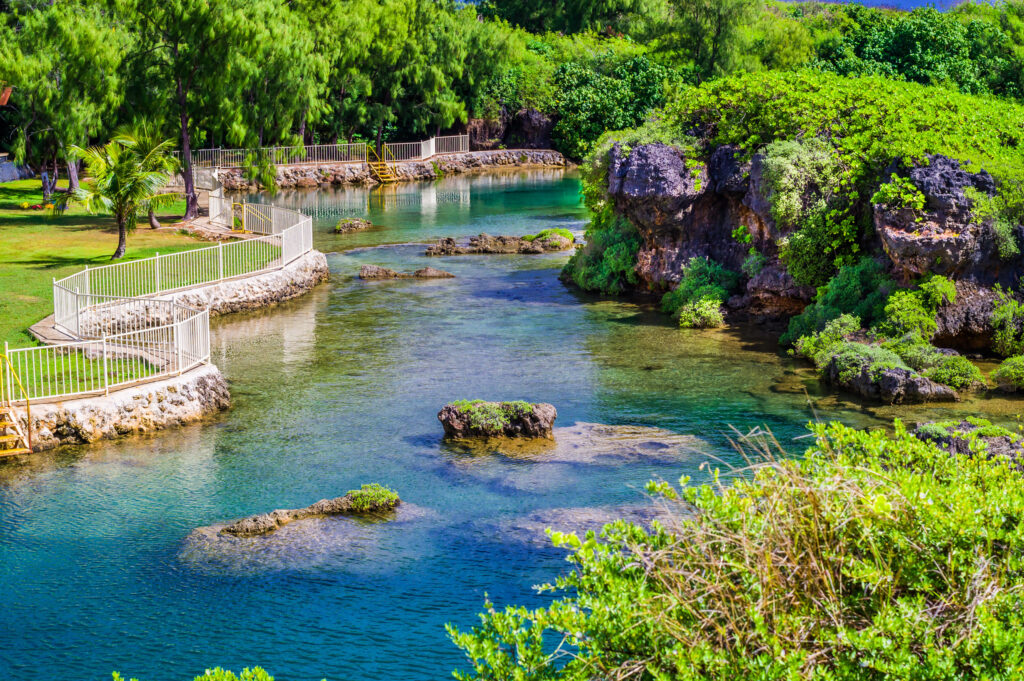
Inarajan Pools, on Guam’s southern coast, are a series of natural saltwater pools formed by lava rock barriers along the shoreline. The rocks shield the area from strong waves, creating calm, crystal-clear waters ideal for safe swimming, snorkeling, and family outings. Concrete walkways and picnic shelters make the site easy to enjoy, while the pools themselves range from shallow spots for children to deeper sections for confident swimmers.
The pools are best visited in the morning or late afternoon, when the light brings out the turquoise hues and the area is less crowded. Located along Route 4 in Inarajan, they are about a 45–60 minute drive from Tumon, with parking and basic facilities available.
Talofofo Cave & Yokoi’s Cave
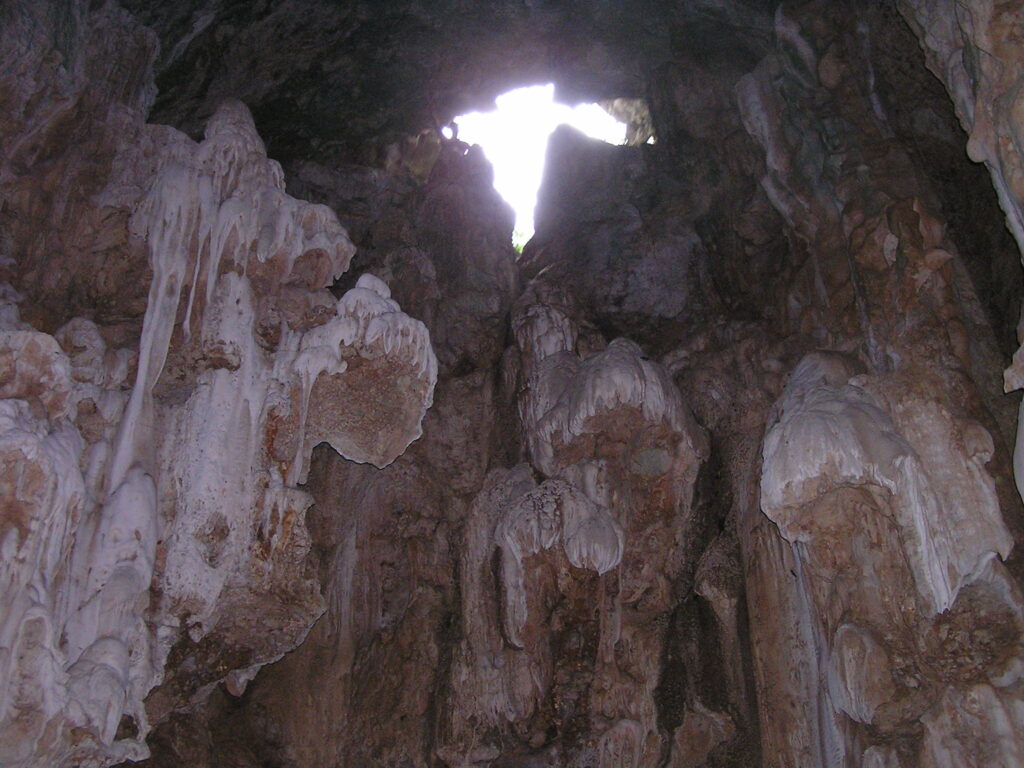
Talofofo Cave, within Talofofo Falls Park in southern Guam, is best known as the hideout of Shoichi Yokoi, a Japanese soldier who remained in the jungle for 28 years after World War II, unaware the war had ended. Discovered in 1972, his survival story became world famous, and today visitors can see a reconstruction of Yokoi’s Cave, along with displays about his life in hiding. The site offers a poignant glimpse into Guam’s wartime past and human resilience.
The cave is part of the broader Talofofo Falls Park, which also features twin waterfalls, a cable car, and cultural exhibits, making it an easy half-day trip. Located about 45 minutes by car from Tumon, it’s accessible via Route 4.
Travel Tips
Currency
The official currency of Guam is the U.S. Dollar (USD), making transactions easy for American travelers. ATMs are widely available, and credit cards are accepted almost everywhere, from hotels and restaurants to shops and tourist attractions.
Language
Both English and Chamorro are official languages. English is spoken fluently across the island, ensuring smooth communication for visitors. Chamorro, the indigenous language, is still present in cultural expressions, traditions, and local communities, giving travelers a deeper connection to Guam’s heritage.
Getting Around
The most practical way to explore Guam is by renting a car, as attractions and beaches are spread out along the island’s coastline. Roads are well-maintained, and driving is on the right-hand side. To rent legally, visitors must carry an International Driving Permit along with their home license, unless they hold a U.S. license.
Public transport is very limited, with only a small number of buses. In the Tumon area, where many hotels and resorts are located, shuttle services and taxis are available, but for greater flexibility, a rental car remains the best option.
Entry Requirements
Entry rules depend on nationality. U.S. citizens can travel to Guam without a passport, as it is a U.S. territory. For international travelers, a valid U.S. visa or ESTA (Electronic System for Travel Authorization) may be required, depending on country of origin. Always check the latest regulations before departure.

Published September 06, 2025 • 11m to read