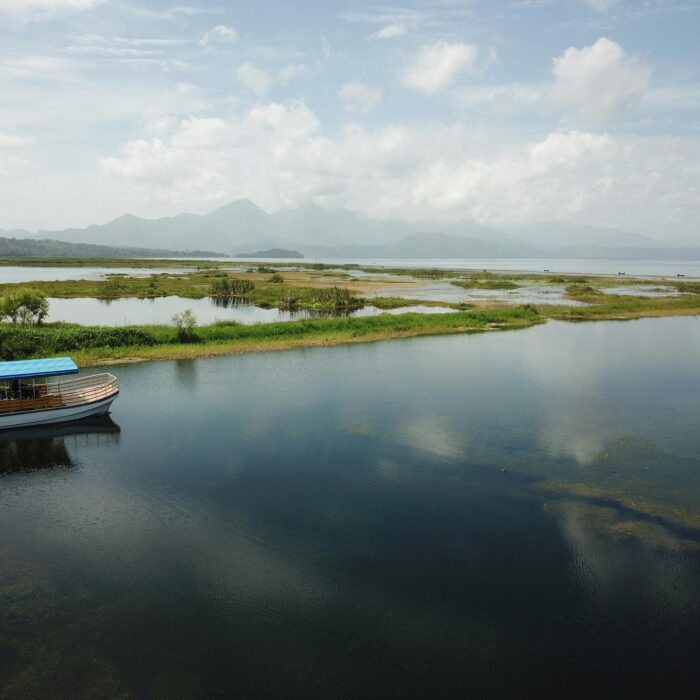
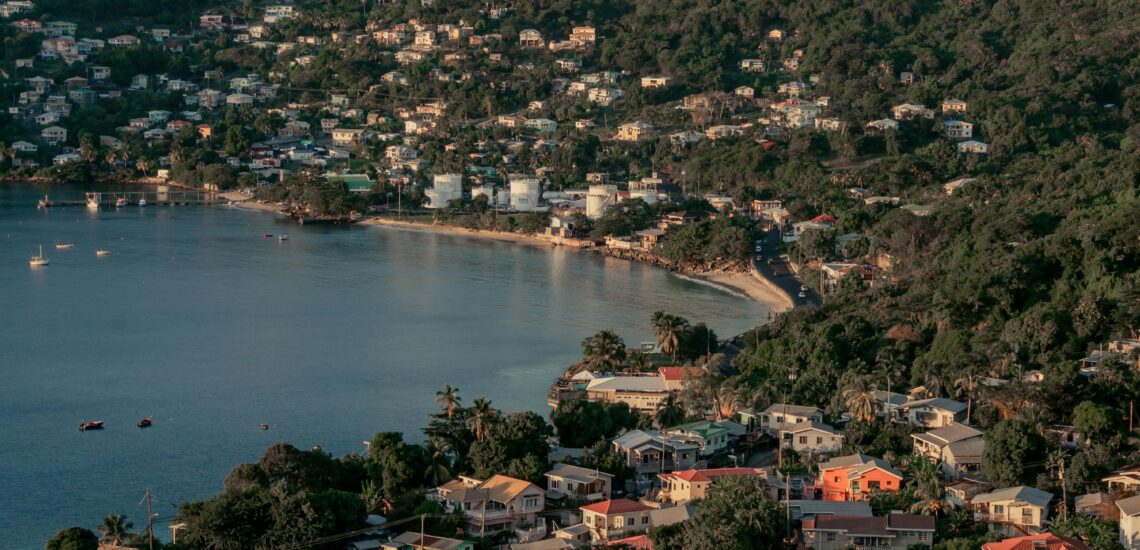


Known as the “Spice Island” of the Caribbean, Grenada enchants visitors with its sweet aroma of nutmeg, cinnamon, and cocoa – as well as its lush rainforests, golden beaches, and friendly island spirit. This tropical paradise offers an irresistible mix of nature, culture, and relaxation. From colorful colonial streets and historic forts to waterfalls, plantations, and underwater art, Grenada is one of the Caribbean’s most rewarding and diverse destinations.
Best Cities in Grenada
St. George’s
St. George’s, the capital of Grenada, is often described as one of the Caribbean’s most picturesque cities. Built around a natural horseshoe-shaped harbor, it combines colonial architecture, colorful hillside homes, and a busy waterfront atmosphere. The Carenage, the city’s main harborfront promenade, is ideal for walking and watching boats come and go while admiring the pastel façades that line the water’s edge.
Overlooking the town are Fort George and Fort Frederick, both offering wide views of the coastline and harbor. The Grenada National Museum, housed in a former French barracks dating back to 1704, displays exhibits on the island’s history, archaeology, and culture. Market Square provides a sensory experience with stalls selling nutmeg, cocoa, fruits, and handmade crafts, reflecting Grenada’s nickname as the “Spice Island.”
Gouyave
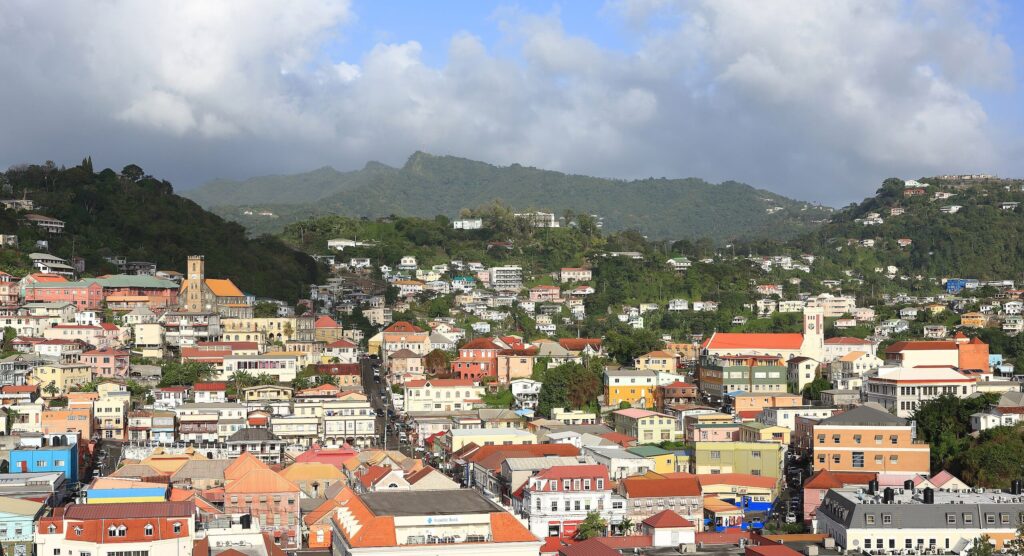
Gouyave is a traditional fishing town on Grenada’s west coast, known for its strong community spirit and lively local culture. Fishing remains central to daily life, with boats bringing in fresh catches that supply markets across the island. The town’s narrow streets and seafront create an authentic, down-to-earth atmosphere that reflects everyday Grenadian life.
Sauteurs
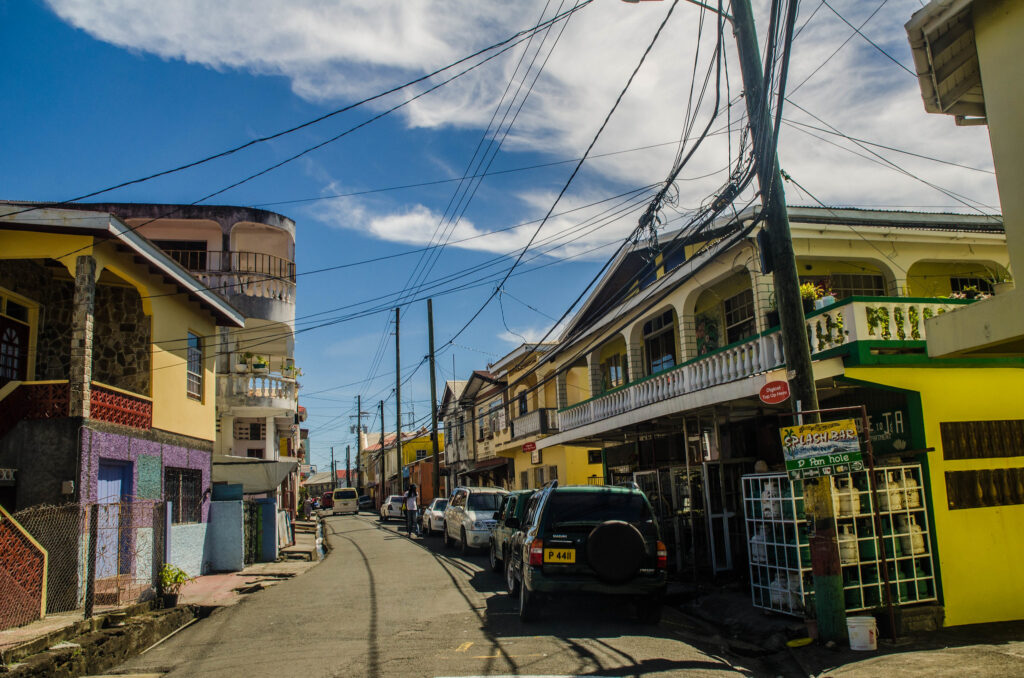
Sauteurs is a small coastal town on Grenada’s northern tip, known for its dramatic cliffs and deep historical significance. The town overlooks the open Atlantic, with sweeping ocean views visible from many points along the coast. Its most famous site is Leapers’ Hill, where the island’s Indigenous Caribs are said to have leapt to their deaths in the 17th century to avoid surrendering to European colonizers – a solemn reminder of Grenada’s early history.
Grenville
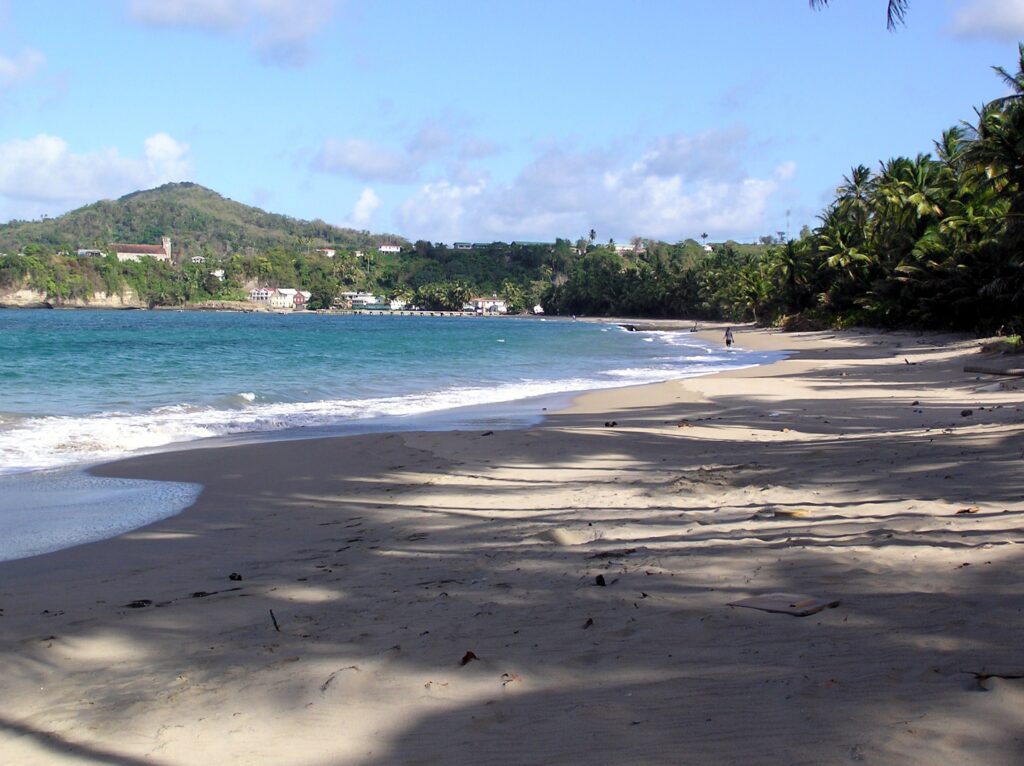
Grenville, located on Grenada’s east coast, is the island’s second-largest town and a key commercial center with a strong local character. It offers a more authentic glimpse of everyday Grenadian life than the capital, with colorful storefronts, fishing boats along the bay, and a lively atmosphere. The town’s central market is especially vibrant, filled with stalls selling spices, fruits, vegetables, and handmade goods that showcase the island’s agricultural richness.
Best Natural Wonders in Grenada
Grand Anse Beach
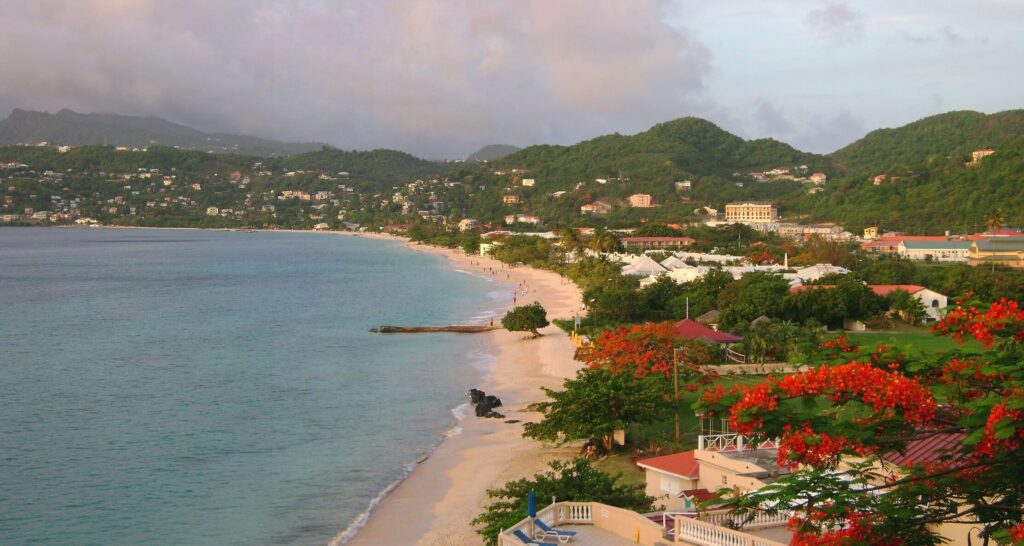
Grand Anse Beach is Grenada’s most famous and visited stretch of coastline, extending for about two miles along the island’s southwest coast. Its calm turquoise waters and fine white sand make it ideal for swimming, snorkeling, and a wide range of water sports. The beach is lined with palm trees and backed by resorts, restaurants, and beach bars, creating a balanced mix of relaxation and activity.
Easily accessible from the capital, St. George’s, just a short drive away, Grand Anse also offers convenient facilities and scenic views of the harbor and surrounding hills. Visitors can enjoy fresh seafood, local drinks, and sunset walks along the shore, making it a highlight for anyone traveling to Grenada.
Annandale Waterfall
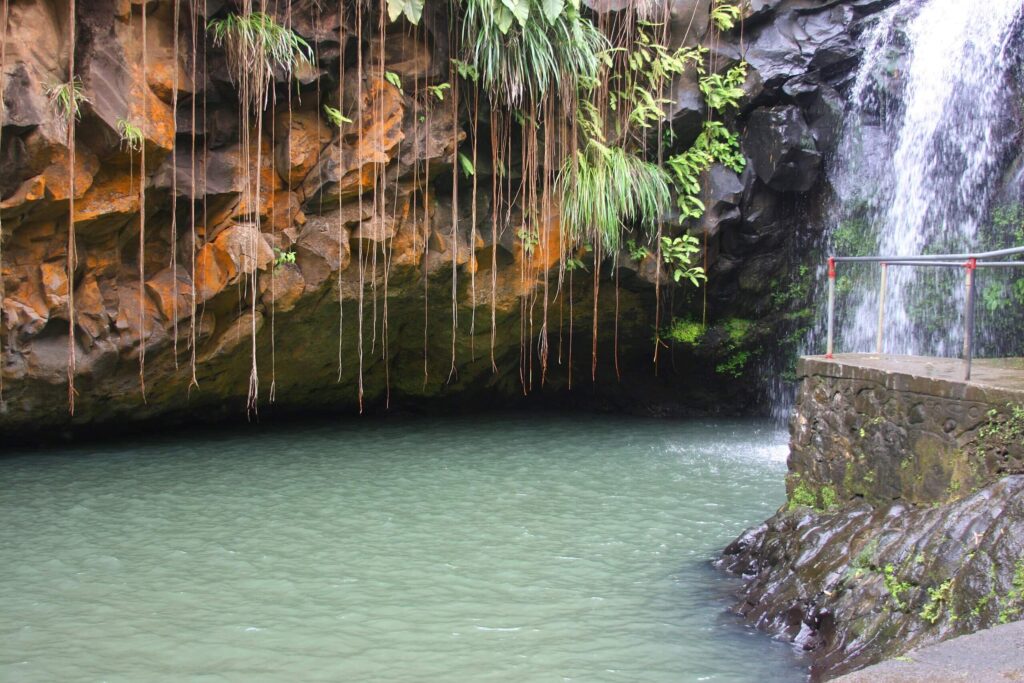
Annandale Waterfall is one of Grenada’s most easily accessible and popular natural attractions, located just a short drive from St. George’s. The waterfall drops into a clear pool surrounded by lush tropical gardens and ferns, creating a peaceful setting ideal for a quick swim or a relaxing stop on a day trip through the island’s interior. The short, well-maintained path from the entrance makes it suitable for visitors of all ages.
Seven Sisters Waterfalls
The Seven Sisters Waterfalls, located within Grand Etang National Park, are among Grenada’s most rewarding natural attractions for hikers and nature enthusiasts. The site features a chain of seven cascading waterfalls set deep in the rainforest, surrounded by dense vegetation and the sounds of flowing water and tropical birds. The main trail leads to the first two pools, which are perfect for swimming and cooling off after the hike.
The trek takes about 30 to 45 minutes each way, following muddy but well-trodden paths through the forest. Local guides are available and recommended, especially for visitors who want to continue to the more remote upper falls. The combination of scenic hiking, refreshing pools, and untouched nature makes the Seven Sisters one of the most memorable outdoor experiences in Grenada.
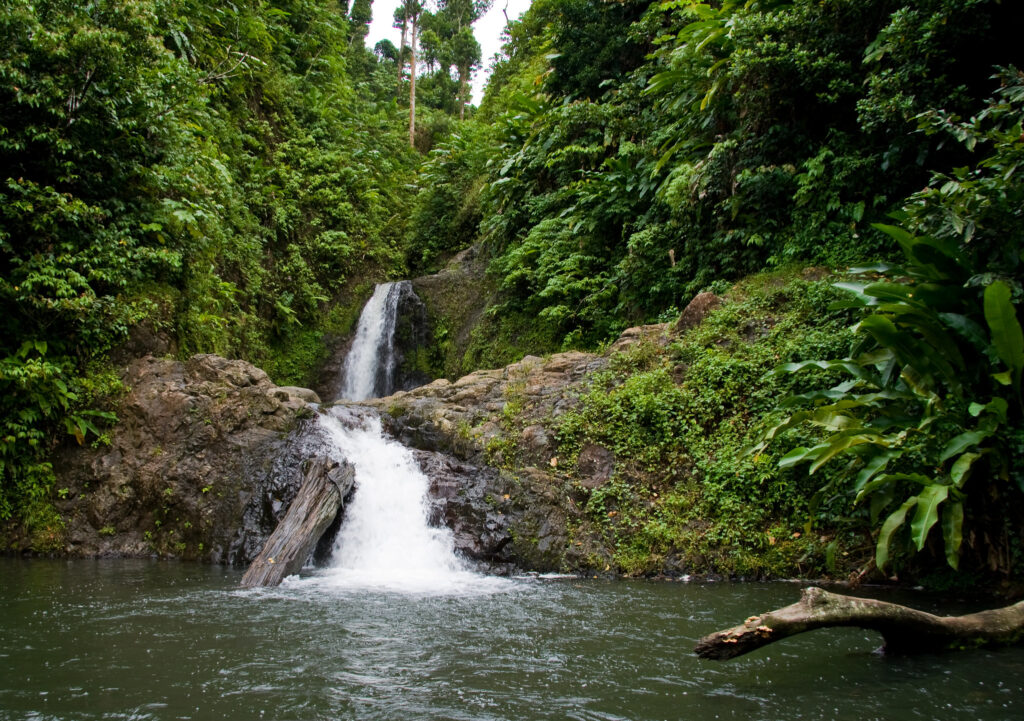
Concord Falls
Concord Falls is a beautiful three-tiered waterfall located near the village of Concord on Grenada’s west coast. The first and most accessible cascade is just a short walk from the parking area, making it ideal for a quick visit, photography, or a refreshing dip in the clear pool below. The surrounding greenery and mountain backdrop create a tranquil atmosphere perfect for relaxation.
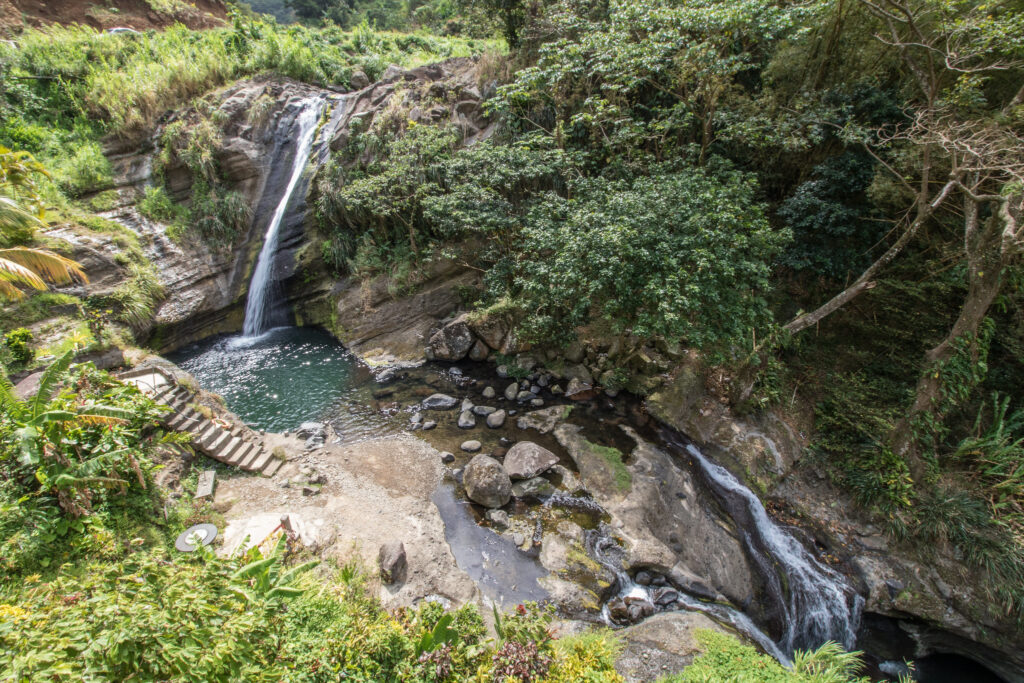
Grand Etang National Park
Grand Etang National Park lies in the mountainous center of Grenada and protects one of the island’s richest rainforest ecosystems. Its main feature, Grand Etang Lake, sits inside an extinct volcanic crater surrounded by misty hills and dense vegetation. The lake’s calm waters and scenic views make it a popular stop for visitors exploring the island’s interior.
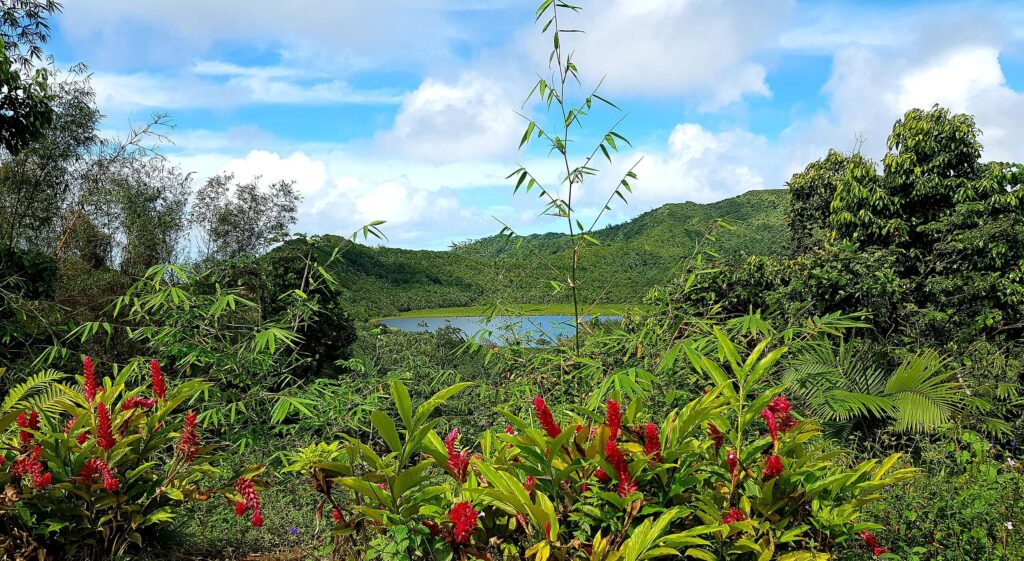
Mount St. Catherine
Mount St. Catherine, rising to about 840 meters, is the highest point in Grenada and the center of the island’s volcanic landscape. The mountain is covered in dense rainforest and fed by streams that form several waterfalls on its slopes. Hiking to the summit is challenging but rewarding, offering sweeping views over the island’s interior, coastline, and the Caribbean Sea on clear days.
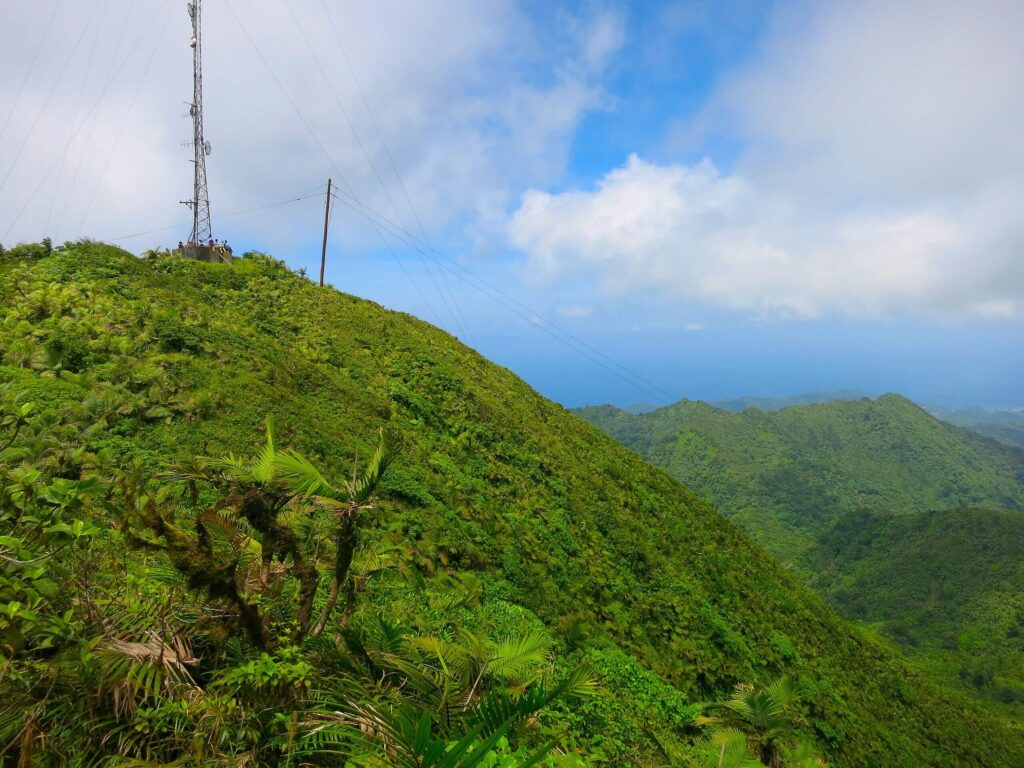
Levera National Park
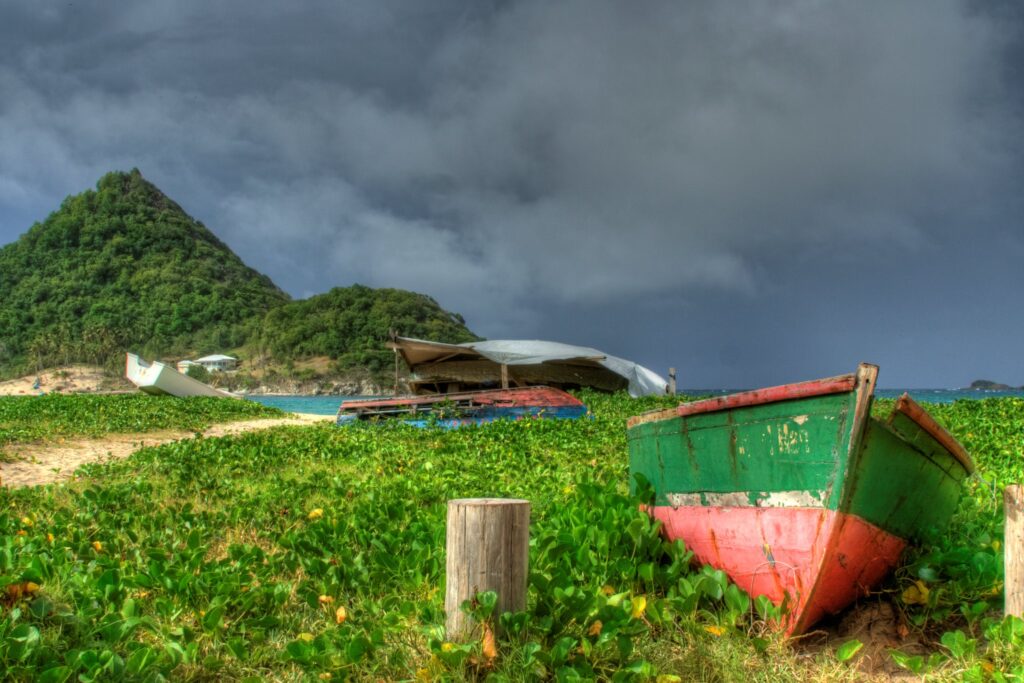
Levera National Park occupies the northern tip of Grenada and is one of the island’s most important wildlife sanctuaries. The park combines beaches, mangroves, and wetlands that provide vital habitats for many species, including migratory birds and marine life. Levera Beach is especially significant as a nesting site for endangered leatherback turtles, which come ashore to lay their eggs between March and July under the protection of local conservation groups.
Hidden Gems in Grenada
Underwater Sculpture Park (Molinière Bay)
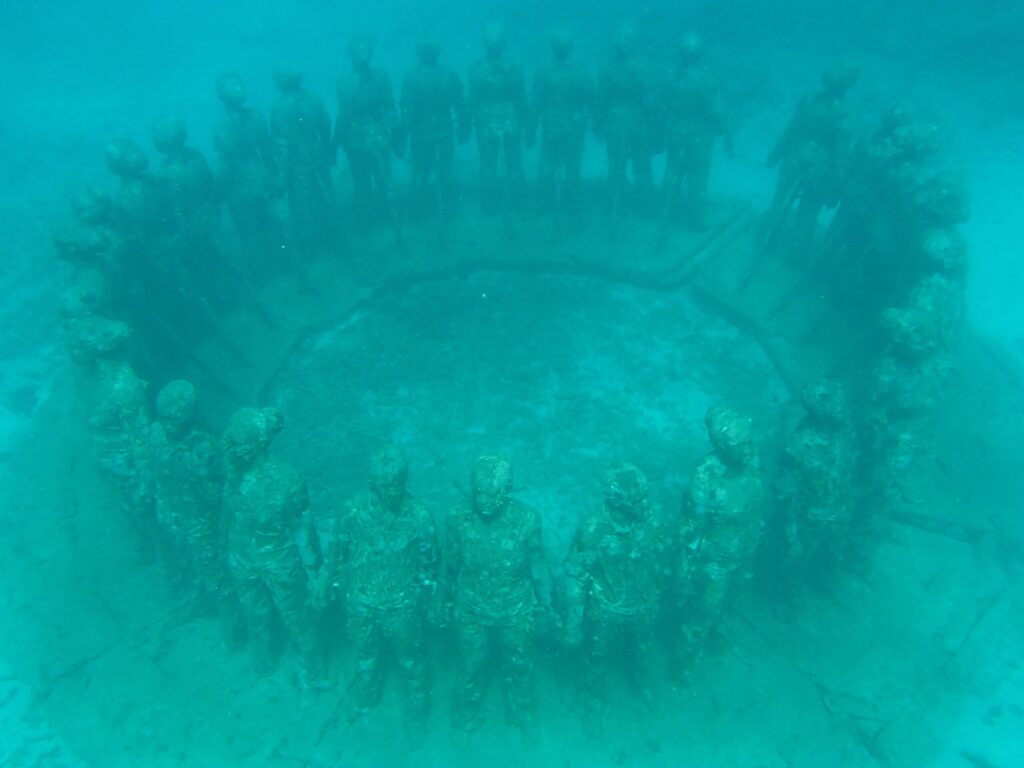
The Underwater Sculpture Park in Molinière Bay is one of Grenada’s most distinctive attractions and the first of its kind in the world. Created by British artist Jason deCaires Taylor, the park features a collection of life-size sculptures placed on the seabed, gradually becoming part of the marine ecosystem as corals and sea life grow over them. The installations include figures such as a circle of children holding hands, a submerged bicycle, and various symbolic pieces that blend art with environmental awareness.
Carriacou Island
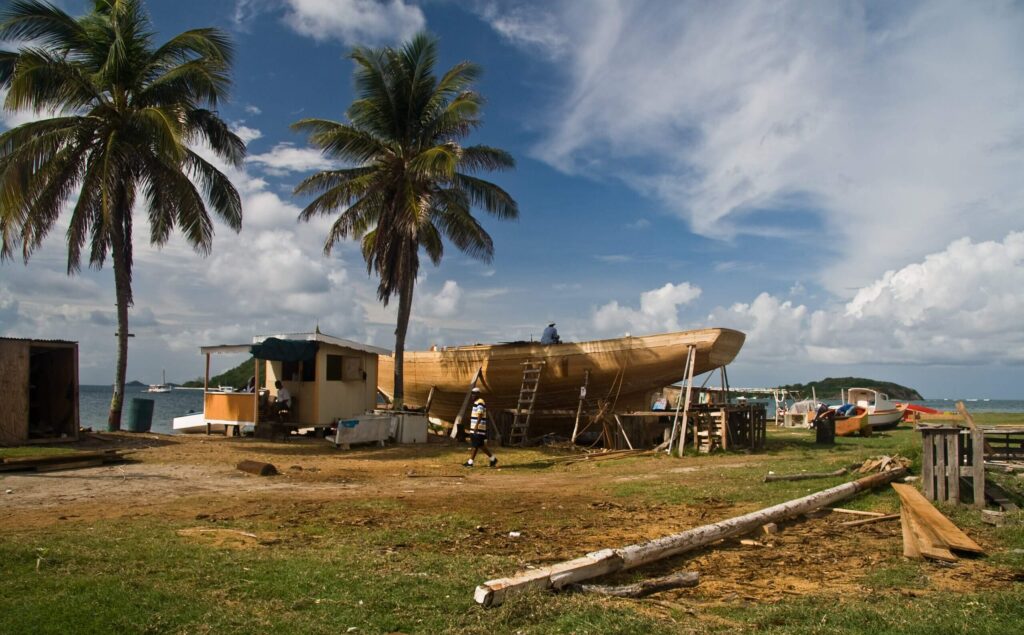
Carriacou, the largest of Grenada’s sister islands, is known for its laid-back atmosphere, unspoiled beaches, and strong sense of tradition. Life here moves at a slower pace, and the island’s small communities remain deeply connected to the sea. Carriacou has a long history of wooden boatbuilding, and visitors can often see craftsmen at work using techniques passed down through generations.
Paradise Beach lives up to its name with calm turquoise water ideal for swimming and snorkeling, while the nearby Sandy Island Marine Park offers protected reefs and excellent diving conditions. The island also hosts the annual Carriacou Regatta, a lively celebration of sailing and culture that draws visitors from across the Caribbean. Accessible by ferry or short flight from Grenada’s main island, Carriacou is perfect for travelers seeking authenticity and tranquility.
Petite Martinique
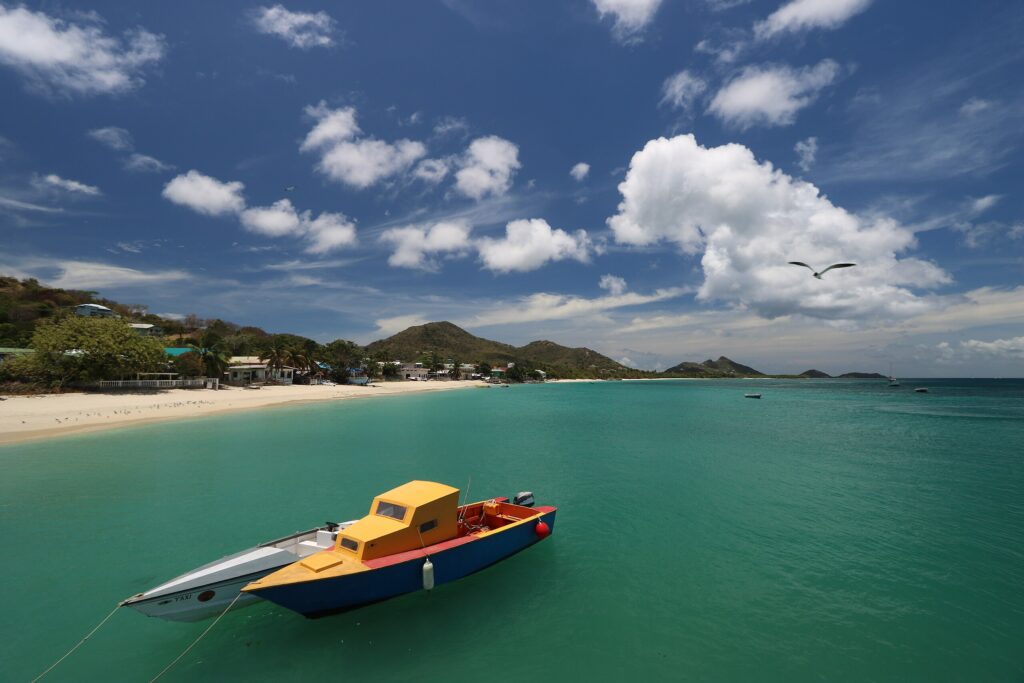
Petite Martinique is the smallest of Grenada’s inhabited islands, offering a peaceful escape far from crowds. With a population of only a few hundred people, it retains a traditional Caribbean lifestyle centered around fishing, boatbuilding, and sailing. The island’s coastline is dotted with small beaches and calm bays, ideal for swimming or anchoring a yacht.
There are no large resorts or busy attractions here – instead, visitors come for the tranquility, friendly locals, and relaxed pace of life. The island is easily reached by boat from nearby Carriacou, making it a popular day trip or quiet overnight stop for sailors exploring the Grenadines.
Belmont Estate
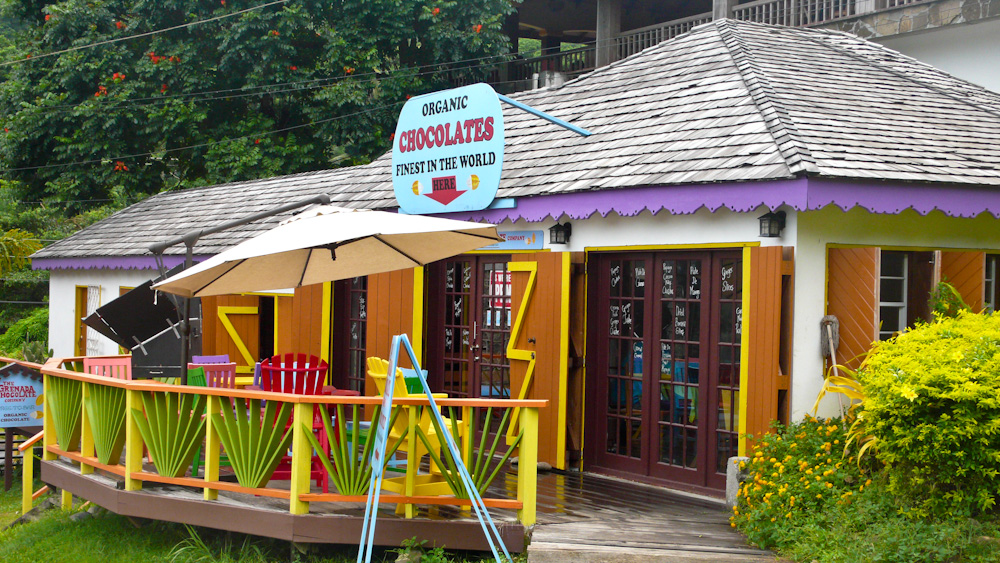
Belmont Estate is a historic working cocoa plantation in northern Grenada that provides visitors with an in-depth look at the island’s agricultural heritage. The estate dates back to the 17th century and continues to produce high-quality organic cocoa used in Grenada’s famous chocolate. Guided tours take visitors through the cocoa fields, fermentation sheds, and drying houses, explaining each step of the chocolate-making process.
River Antoine Rum Distillery
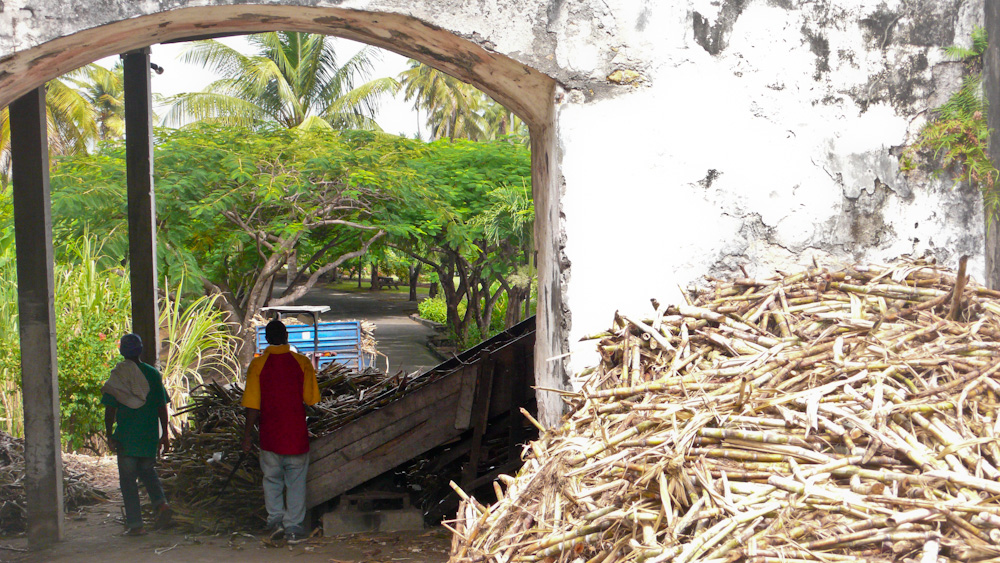
River Antoine Rum Distillery, located on Grenada’s northeast coast, is the oldest continuously operating rum distillery in the Caribbean. Established in the 1780s, it still produces rum using traditional methods, including a waterwheel powered by the nearby river to crush the sugarcane. The distillery’s rustic setup, with open copper pots and wooden fermentation vats, offers a rare glimpse into centuries-old craftsmanship that remains largely unchanged.
Clabony Sulphur Springs
Clabony Sulphur Springs is a natural geothermal site located in Grenada’s lush rainforest near the community of Clabony, not far from Grand Etang National Park. The warm, mineral-rich waters flow from underground volcanic activity and are known for their soothing and therapeutic properties. Visitors can bathe in the shallow pools surrounded by dense vegetation, enjoying a peaceful, natural spa experience in the middle of the forest.
Laura’s Herb & Spice Garden
Laura’s Herb & Spice Garden, located in the parish of St. David, is a small but vibrant botanical attraction that showcases Grenada’s rich tradition of spice cultivation. Guided tours take visitors through well-tended gardens filled with cinnamon, nutmeg, cloves, turmeric, bay leaf, and numerous medicinal plants, while guides explain their uses in local cooking and traditional remedies.
Travel Tips for Grenada
Travel Insurance & Safety
Travel insurance is recommended, especially if you plan to go snorkeling, diving, hiking, or take part in adventure activities. Make sure your policy includes medical coverage and emergency evacuation, as smaller medical facilities on the outer islands may have limited resources.
Grenada is considered one of the safest and most welcoming Caribbean destinations. Tap water is safe to drink, and local food is generally prepared to high standards. The tropical climate means year-round sunshine and insects, so always use sunscreen and mosquito repellent when spending time outdoors.
Transportation & Driving
Minibuses are an affordable and lively way to travel between towns, though schedules can be flexible. Taxis are widely available for short distances, while car rentals are the best option for exploring waterfalls, beaches, and inland trails at your own pace.
To rent and drive legally, visitors must carry an International Driving Permit along with their home license and obtain a temporary local driving permit, available through rental agencies or police stations. Police checkpoints are routine, so keep your documents handy at all times.
Grenada drives on the left-hand side of the road. Roads are generally well-maintained but can be narrow and winding, particularly in the hilly interior — drive cautiously, especially around blind corners. A 4×4 vehicle is useful for reaching remote waterfalls and rainforest trails.

Published October 04, 2025 • 10m to read