

Perched on South America’s northeastern coast, French Guiana is a fascinating blend of European, Caribbean, and Amazonian cultures. As an overseas department of France, it’s technically part of the European Union – but with rainforests instead of vineyards, and Creole markets instead of cafés.
Here, you can explore everything from the European Space Centre to turtle nesting beaches, colonial ruins, and vast stretches of Amazon jungle. French Guiana remains one of South America’s most intriguing and least-visited destinations – a place where adventure, culture, and wilderness coexist in rare harmony.
Best Cities in French Guiana
Cayenne
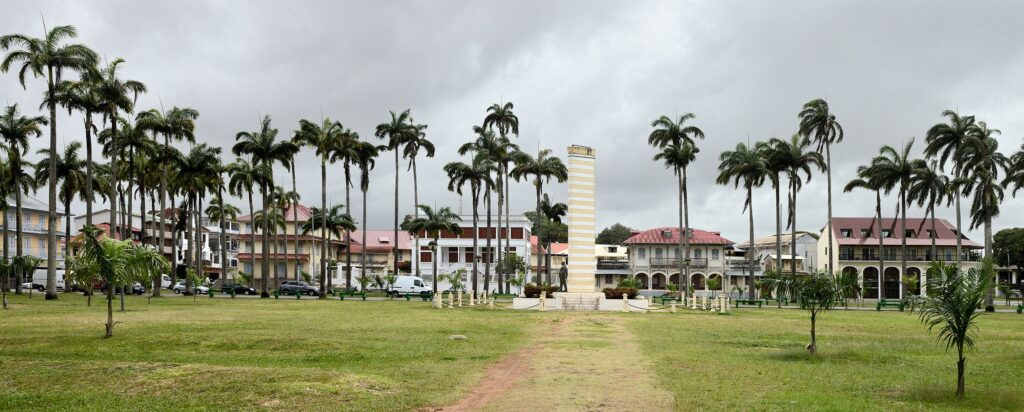
Cayenne, the capital of French Guiana, blends French influence with a Caribbean atmosphere. The historic center is compact and walkable, featuring colonial-era wooden houses, shaded boulevards, and colorful markets. St. Peter and Paul Cathedral stands as one of the city’s main landmarks, while Fort Cépérou offers panoramic views over Cayenne and the Atlantic coast from its hilltop position.
At the heart of the city lies Place des Palmistes, a wide square lined with palm trees and surrounded by cafés and restaurants that reflect the region’s Creole culture. The Cayenne Market provides a lively mix of sights and scents, with stalls selling tropical fruits, spices, and local dishes. Cayenne is also a good starting point for exploring nearby nature reserves, beaches, and the wider region of French Guiana.
Kourou
Kourou is a coastal city known as both a scientific hub and a base for exploring French Guiana’s natural and historical sites. It is home to the Centre Spatial Guyanais, the European Space Centre, where visitors can take guided tours to learn about satellite launches, rocket technology, and the role the site plays in European space missions. The Kourou River nearby offers opportunities for boat trips and birdwatching in the surrounding mangroves. Just offshore lie the Îles du Salut, a group of small islands that include the former penal colony of Devil’s Island, now a popular day trip destination accessible by ferry.
Saint-Laurent-du-Maroni
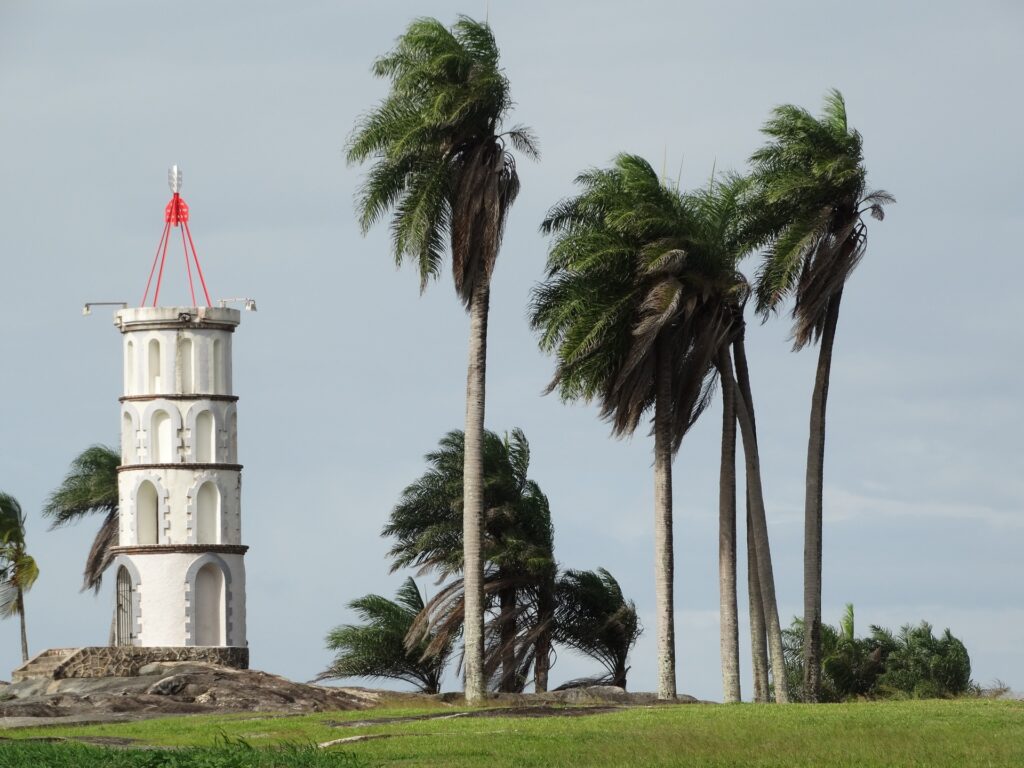
Saint-Laurent-du-Maroni is a historic riverside town on the western border of French Guiana, facing Albina in Suriname across the Maroni River. It was once the administrative center of France’s penal colony system and still preserves many structures from that period. The main attraction is the Camp de la Transportation, where convicts arriving from France were registered before being sent to remote prison sites such as Devil’s Island. Visitors can tour the preserved buildings and learn about the lives of the prisoners and guards.
The town retains much of its colonial charm, with tree-lined streets and wooden architecture reflecting its 19th-century origins. It also serves as a key river port, with ferries and boats connecting both sides of the Maroni, allowing easy cross-border travel to Albina. Saint-Laurent-du-Maroni is about a three-hour drive from Cayenne and makes an interesting stop for travelers exploring the cultural and historical side of French Guiana.
Rémire-Montjoly
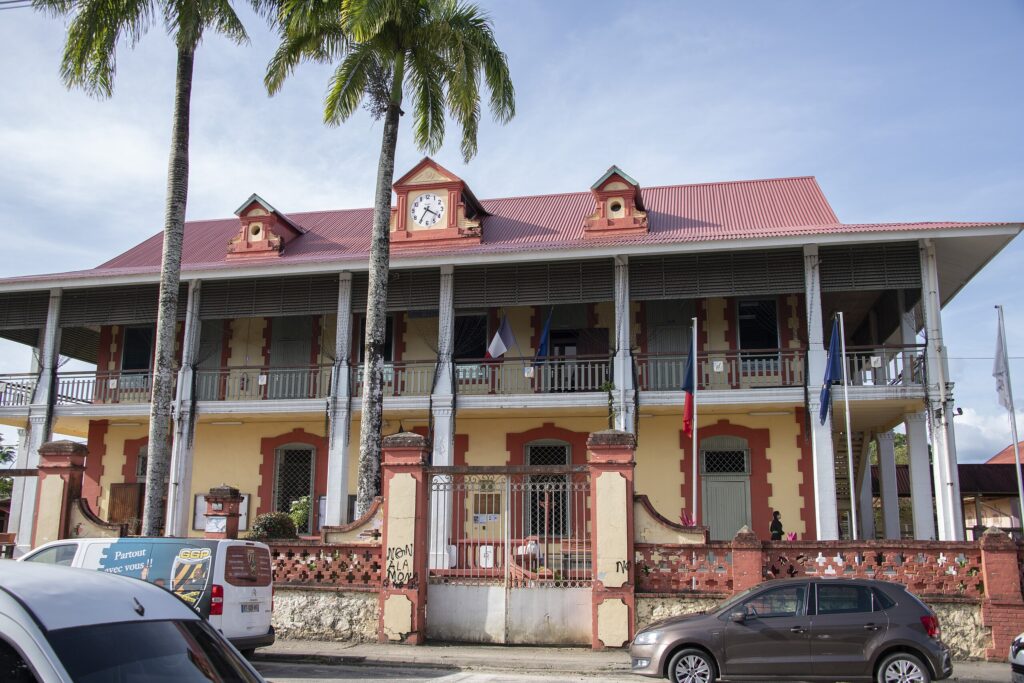
Rémire-Montjoly is a coastal suburb just east of Cayenne, known for its long, quiet beaches and relaxed atmosphere. The coastline is bordered by tropical forest, and several beaches serve as nesting grounds for sea turtles between April and July, when visitors can sometimes see them coming ashore at night. The area offers a more tranquil alternative to the city while still being only a short drive away. It is also a convenient base for outdoor activities, including the Rorota Trail, a well-known hiking route that passes through dense forest and offers ocean views from higher points.
Best Natural Wonders in French Guiana
Iles du Salut (Salvation Islands)
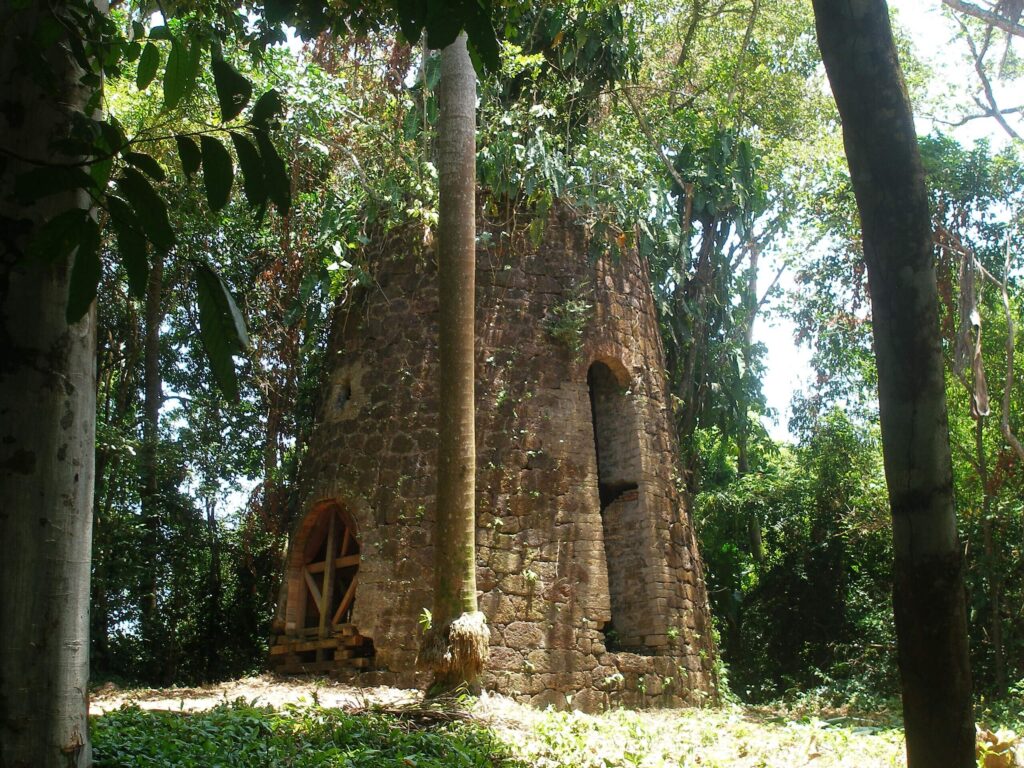
The Îles du Salut, or Salvation Islands, are a group of three small islands off the coast of Kourou: Île Royale, Île Saint-Joseph, and the infamous Devil’s Island. Once part of France’s penal colony system, the islands housed thousands of convicts, including political prisoners. Today, visitors can explore the well-preserved prison ruins on Île Royale and Île Saint-Joseph, gaining insight into one of the most dramatic chapters of French colonial history.
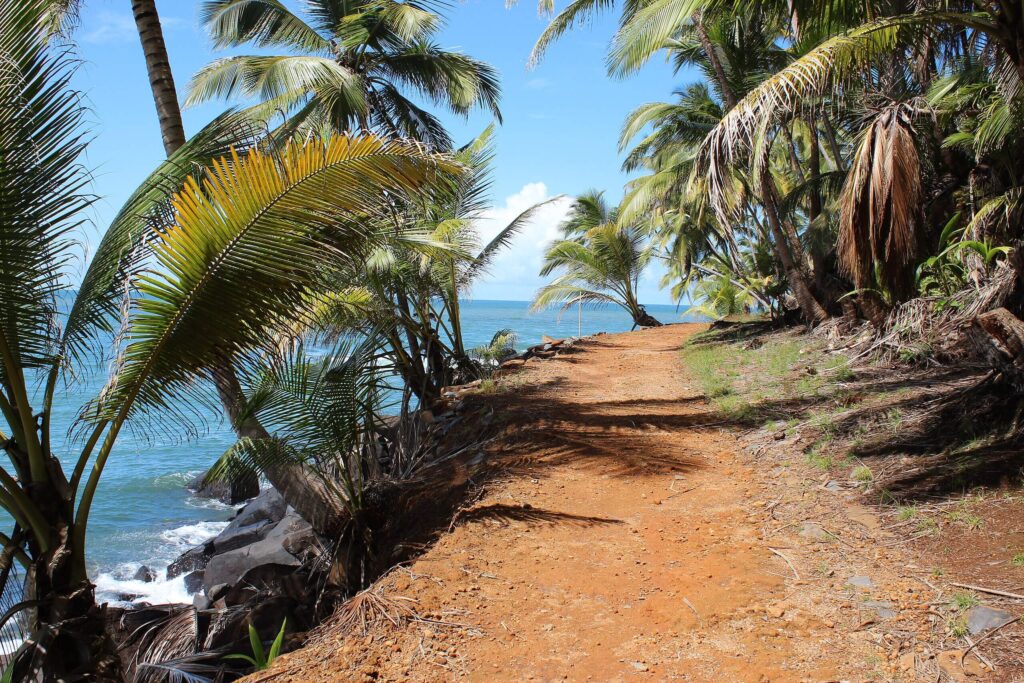
Beyond their historical significance, the islands are also a place of natural beauty, with palm-fringed paths, sea views, and sheltered bays suitable for swimming. The area is home to tropical birds and monkeys that roam freely among the ruins. Ferries run regularly from Kourou, making the islands an easy and rewarding day trip that combines history, nature, and a glimpse into French Guiana’s past.
Kaw Marshlands (Marais de Kaw)
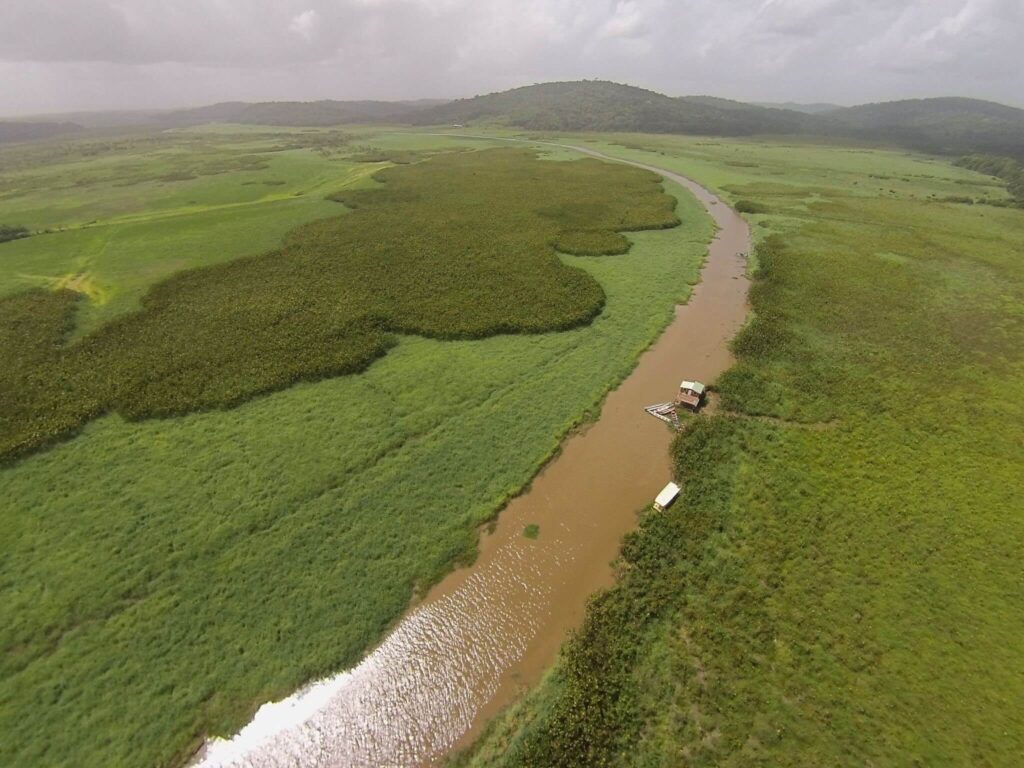
The Kaw Marshlands, or Marais de Kaw, form one of the largest protected wetland areas in French Guiana, stretching between Cayenne and the lower Approuague River. The region is made up of swamps, mangroves, and freshwater channels that support rich biodiversity, including caimans, giant river otters, sloths, and numerous tropical bird species. It is one of the best places in the country for observing wildlife in its natural environment.
Exploration is mainly by boat, with guided safaris departing from the village of Kaw, often continuing into the evening for night-time caiman spotting. Some tours include overnight stays in floating eco-lodges anchored within the marshes, where visitors can listen to the sounds of the rainforest and enjoy sunrise views over the water.
Trésor Nature Reserve
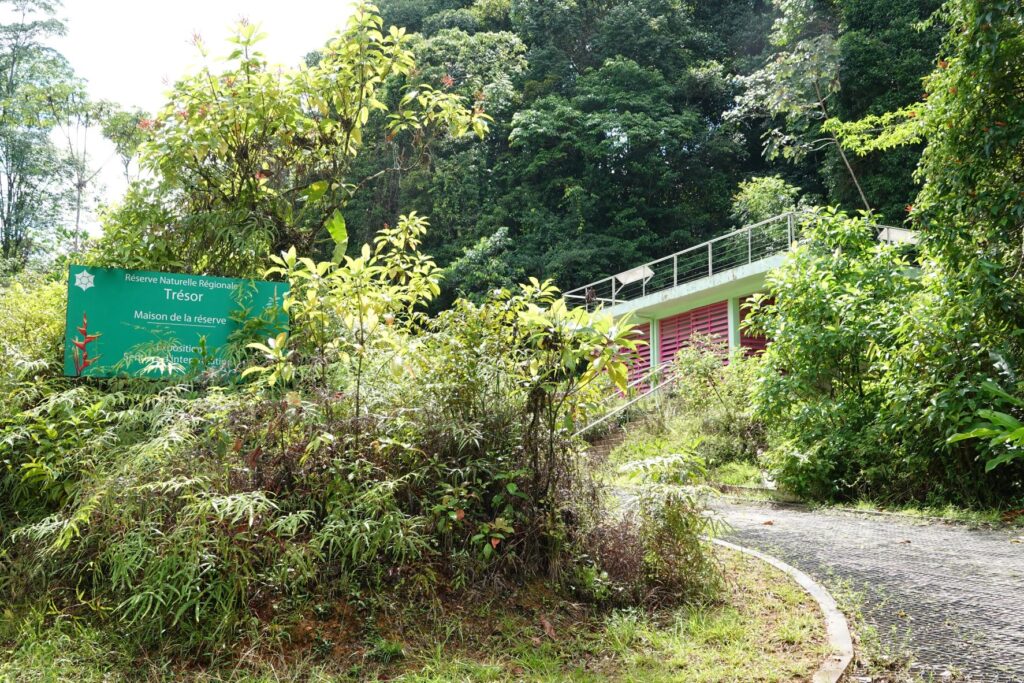
Trésor Nature Reserve lies near the Kaw region and protects a section of lowland rainforest known for its exceptional biodiversity. The reserve is home to a wide range of flora and fauna, including orchids, brightly colored frogs, butterflies, and many bird species. It provides an accessible way to experience the rich ecosystems of French Guiana without venturing deep into the interior.
Amazon Rainforest (Guiana Shield)
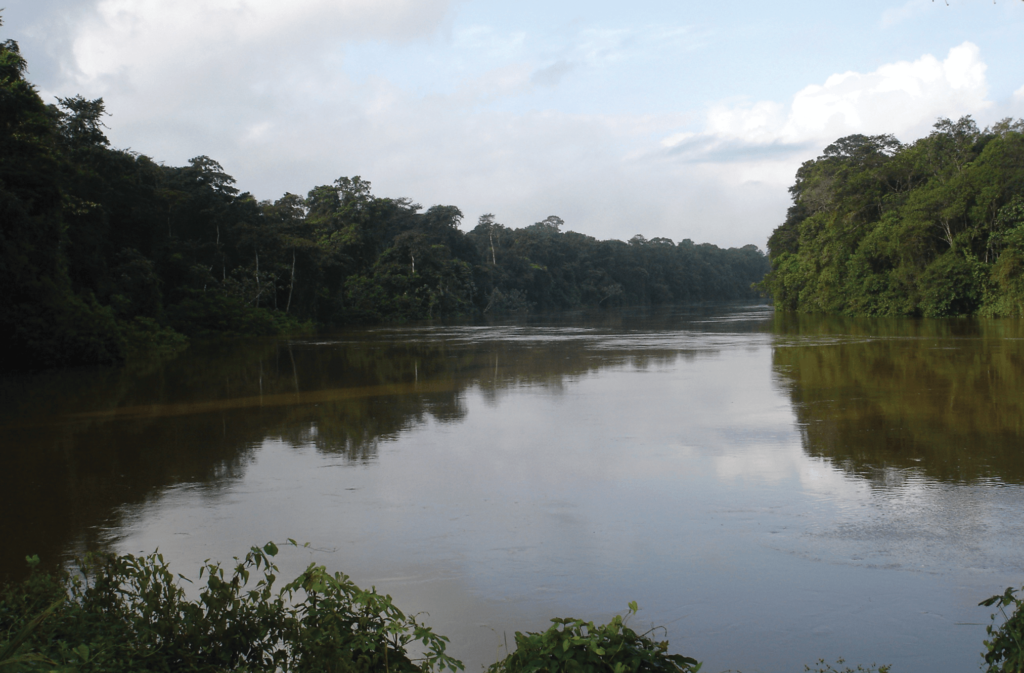
More than 90% of French Guiana is covered by dense tropical rainforest, forming part of the vast Guiana Shield – one of the most pristine and least disturbed regions of the Amazon Basin. The area shelters an immense variety of wildlife, including jaguars, tapirs, giant river otters, toucans, macaws, and countless plant species such as bromeliads and orchids. The forest remains largely undeveloped, offering visitors a chance to experience true wilderness.
Access to the interior is possible through small towns like Saül and Régina, which serve as gateways for guided treks, river expeditions, and scientific excursions. Saül, in particular, is surrounded by hiking trails that start directly from the village, while Régina connects to boat routes on the Approuague River.
Tumuc-Humac Mountains
The Tumuc-Humac Mountains form a remote chain of highlands along the border between French Guiana and Brazil. These rugged peaks are the source of several major rivers, including tributaries of the Amazon, and are surrounded by dense, largely unexplored rainforest. The region is home to small Indigenous communities that have lived in isolation for generations, maintaining traditional ways of life closely tied to the forest.
Because of its extreme remoteness, the area is accessible only by expedition involving multiple flights, river travel, and trekking through uncharted terrain. There are no roads or established tourist facilities, making it one of the least-visited parts of South America. Expeditions are organized only occasionally by specialized operators, appealing mainly to scientific teams and experienced adventure travelers seeking a true wilderness experience.
Hidden Gems in French Guiana
Saül
Saül is a small, isolated village located in the heart of French Guiana’s rainforest, accessible only by small aircraft. Surrounded by dense jungle, it serves as a peaceful base for exploring one of the most pristine parts of the Amazon. Well-marked trails radiate from the village, leading through lush forest filled with orchids, giant trees, colorful birds, and occasional sightings of monkeys and other wildlife.
Régina
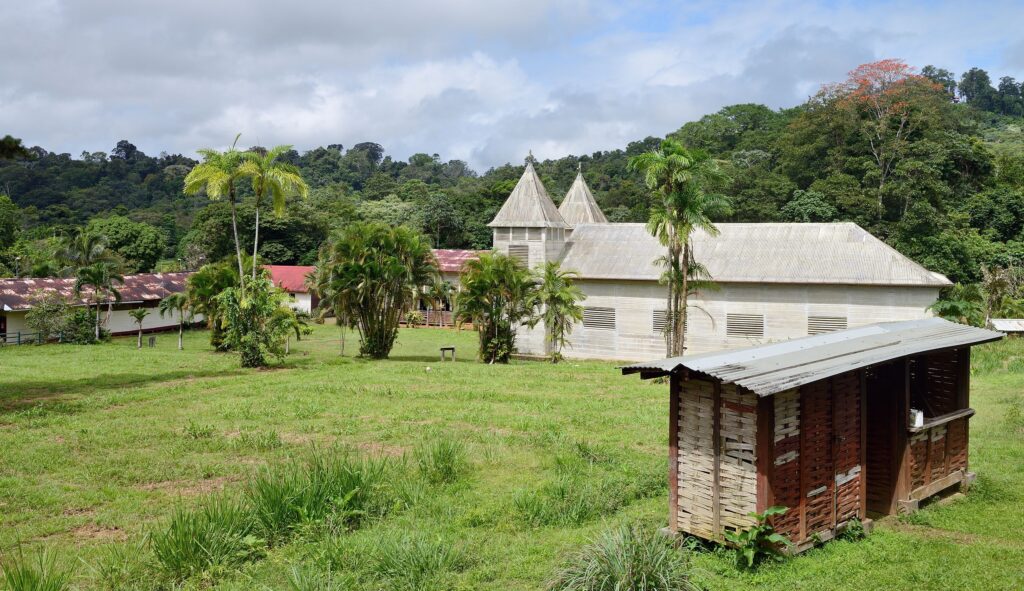
Régina is a small riverside town on the banks of the Approuague River, serving as one of the main gateways to the eastern Amazon rainforest of French Guiana. The town itself is quiet and surrounded by dense jungle, offering a glimpse of life in the country’s interior. From here, travelers can begin river expeditions and guided treks that venture deep into the forest, exploring remote ecosystems rich in wildlife and plant diversity. Régina is connected to Cayenne by the main east–west road, making it one of the few interior towns accessible by land.
Cacao & Javouhey
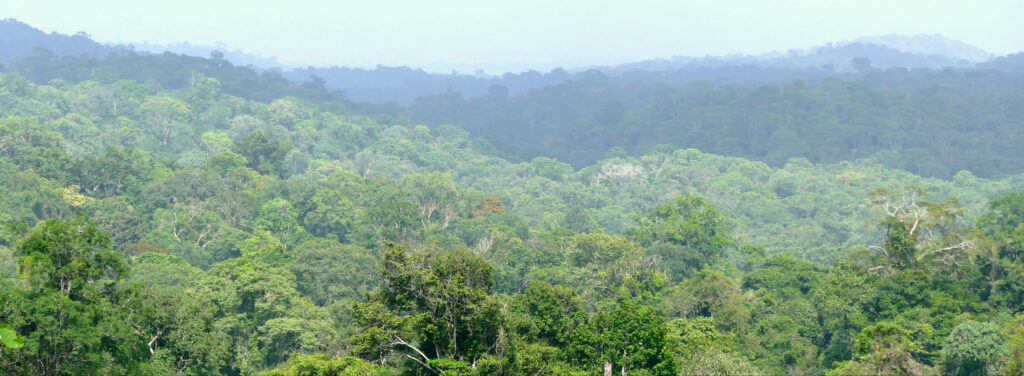
Cacao and Javouhey are rural villages founded by Hmong refugees who settled in French Guiana after the 1970s. Located in the interior near the Comté and Mana rivers, these communities have preserved many elements of Southeast Asian culture while adapting to life in the Amazon. Both villages are known for their lively Sunday markets, where visitors can sample homemade Asian dishes, buy fresh produce, and browse local handicrafts such as woven baskets and embroidered textiles.
Cacao, about 75 kilometers from Cayenne, is surrounded by forest and small farms, making it a popular weekend excursion from the capital. Javouhey lies farther west, near Mana, and offers a similar mix of cultural heritage and rural charm.
Sinnamary
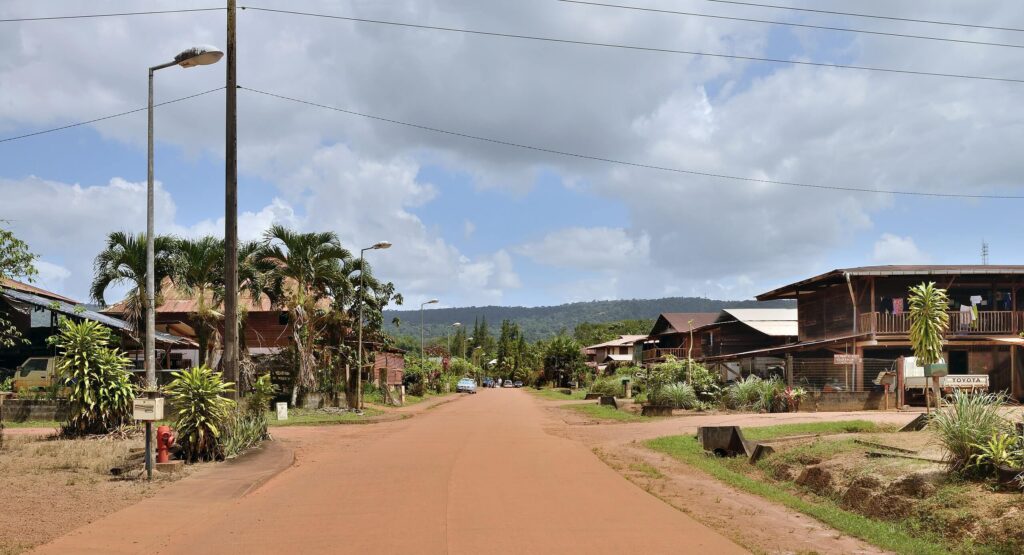
Sinnamary is a peaceful town located on the banks of the Sinnamary River, north of Kourou. It is one of the oldest settlements in French Guiana and today serves as a quiet base for exploring the region’s mangroves, coastal wetlands, and nearby nature reserves. The area is well known among birdwatchers, with opportunities to spot herons, ibis, and other species that thrive in the estuarine environment.
Montagne des Singes (Monkey Mountain)
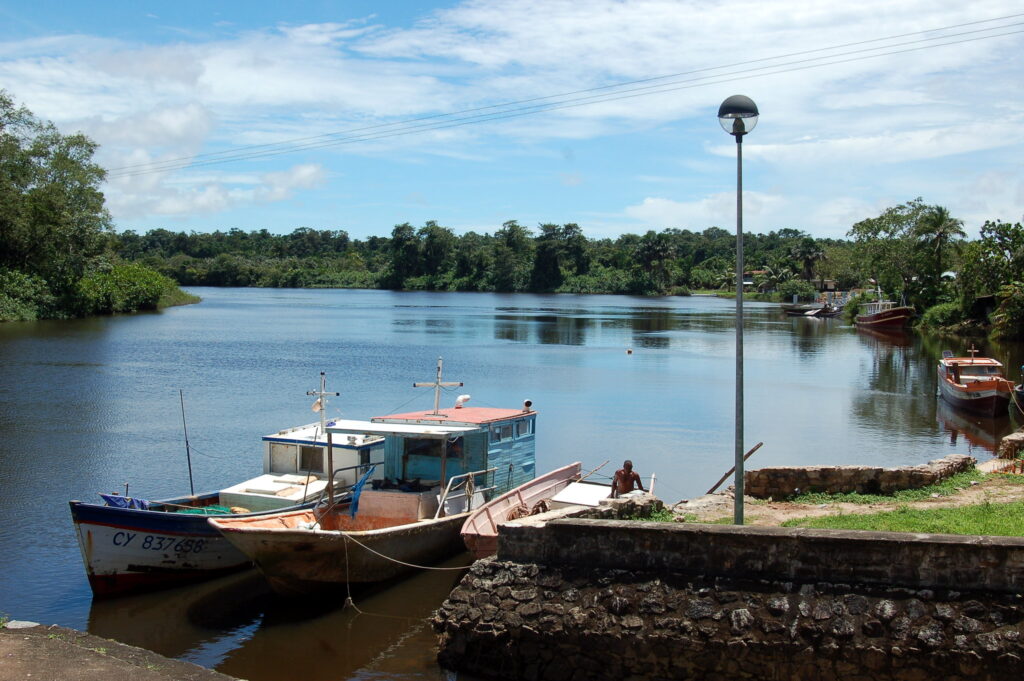
Montagne des Singes, or Monkey Mountain, is a small forest reserve located just outside Kourou. The area is known for its network of hiking trails that wind through dense tropical forest, offering visitors a chance to see wildlife in a natural setting. As the name suggests, monkeys are frequently spotted along the paths, along with a variety of tropical birds, butterflies, and other forest species. The trails vary in difficulty, with several viewpoints overlooking Kourou, the surrounding savannah, and the Atlantic coast. It is an ideal day trip for those staying in Kourou or visiting the nearby space center.
Travel Tips for French Guiana
Travel Insurance & Safety
Travel insurance is highly recommended for those planning eco-travel or remote exploration. Ensure your policy includes medical evacuation and coverage for adventure activities such as hiking or river excursions, as some areas are only reachable by small aircraft or boat.
French Guiana is safe and politically stable, as it is an overseas department of France. Standard urban precautions apply in Cayenne and Saint-Laurent-du-Maroni. A yellow fever vaccination is required for entry, and travelers should use mosquito repellent to prevent malaria and dengue, especially in forested or riverine regions.
Transportation & Driving
A well-maintained coastal highway connects Cayenne, Kourou, and Saint-Laurent-du-Maroni. To reach interior destinations such as Saül, travelers can take domestic flights or river boats. Public transport options are limited, so renting a car is the best way to explore independently.
For visitors from the European Union, national driver’s licenses are valid. Non-EU travelers must carry an International Driving Permit along with their home license. Driving is on the right-hand side. Roads along the coast are generally excellent, while inland routes toward rainforest areas can be rough and require a 4×4 vehicle. Police checkpoints are frequent, so always carry your passport or ID, insurance, and driver’s license.

Published October 04, 2025 • 10m to read