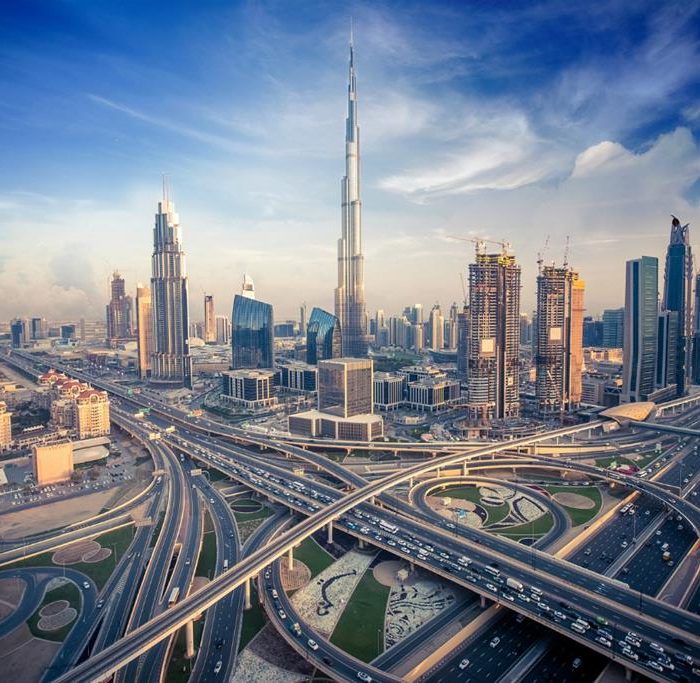


East Timor, officially Timor-Leste, is Southeast Asia’s youngest nation and one of its least-explored. Located on the eastern half of Timor Island, just north of Australia, it is a land of rugged mountains, pristine coral reefs, Portuguese colonial charm, and resilient culture. For travelers looking for authenticity, raw beauty, and adventure off the beaten path, Timor-Leste is a hidden gem waiting to be discovered.
Best Cities in Timor-Leste
Dili
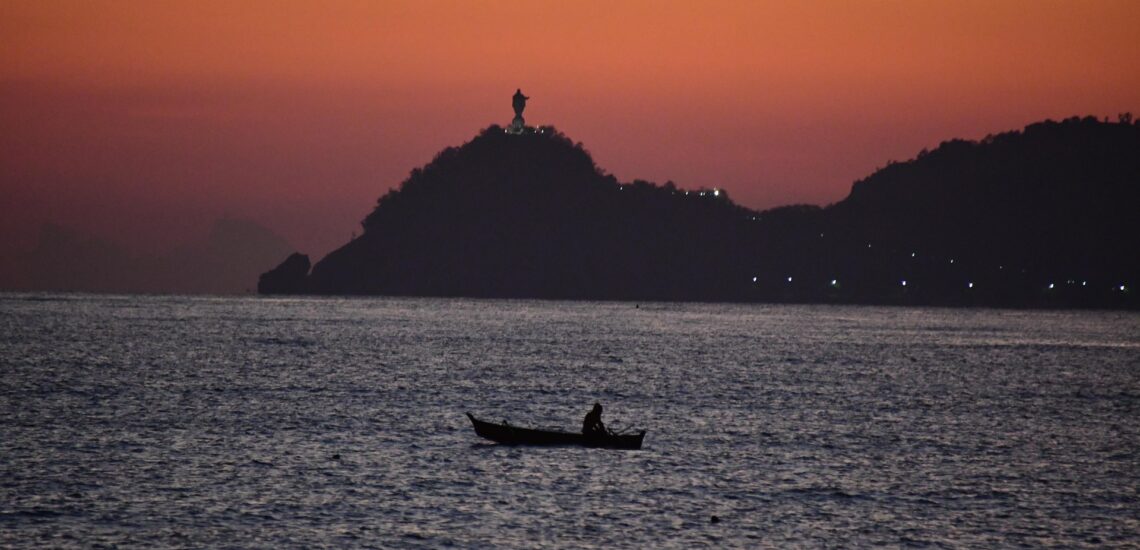
Dili, the capital of Timor-Leste, is a small but fascinating city where Portuguese colonial heritage meets the nation’s fight for independence. Its most famous landmark is the Cristo Rei of Dili, a 27-meter statue of Christ overlooking the sea, reached by climbing 570 steps with panoramic views of the bay and hills. The city also offers moments of reflection at the Resistance Museum and Chega! Exhibition, both documenting the country’s turbulent history and long struggle for freedom. For a deeper sense of Timor’s past, the Santa Cruz Cemetery remains a solemn site tied to the 1991 massacre that galvanized international attention.
Beyond its history, Dili has a laid-back coastal charm. Areia Branca Beach, just outside the center, is lined with simple cafés where locals and visitors gather for sunsets over the crescent-shaped bay. The best time to visit is during the dry season, May–November, when seas are calm for diving and snorkeling trips to nearby Atauro Island. Dili is served by Presidente Nicolau Lobato International Airport, with flights from Bali, Darwin, and Singapore, making it the gateway for exploring both the capital’s cultural sites and the wider natural beauty of Timor-Leste.
Baucau
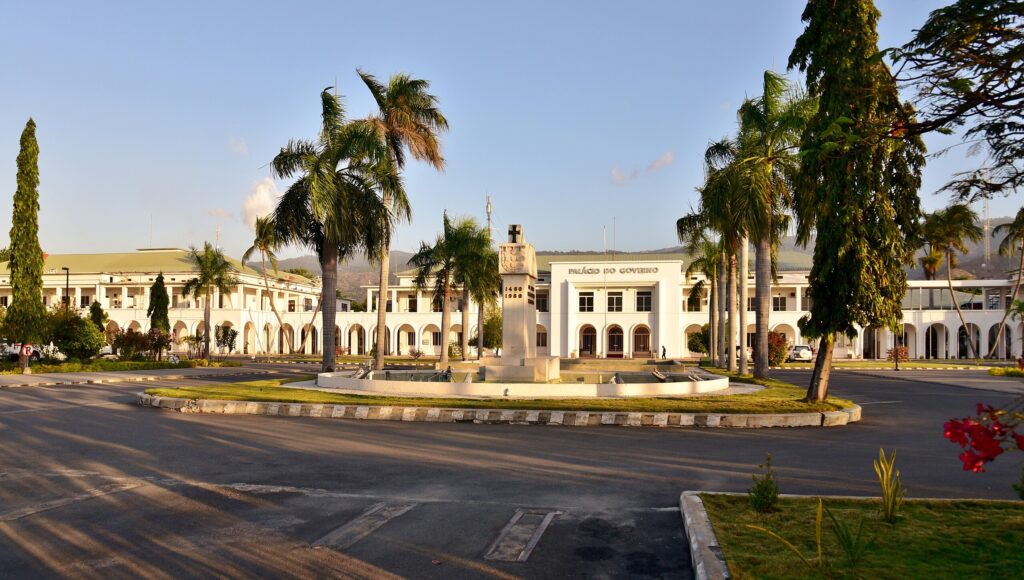
Baucau, Timor-Leste’s second-largest city, sits on a hillside overlooking the sea and blends colonial heritage with a slow, coastal rhythm. Its old quarter is lined with Portuguese-era buildings, including the former municipal market and churches that reflect its colonial past, while the newer part of town has lively markets and small cafés. Just below the cliffs lies Baucau Beach, with clear waters and palm-fringed sand, perfect for swimming and picnics. Inland, the Venilale hot springs provide a relaxing break surrounded by forested hills.
Travelers often use Baucau as a stopover on the long journey to Jaco Island and Nino Konis Santana National Park, but the town itself is worth a pause to enjoy its mix of history and coastal scenery. Baucau is about 3–4 hours by road from Dili, with shared taxis and minibuses as the main transport. Its cooler highland air and laid-back vibe make it a pleasant contrast to the capital before venturing deeper into Timor-Leste’s east.
Maubisse
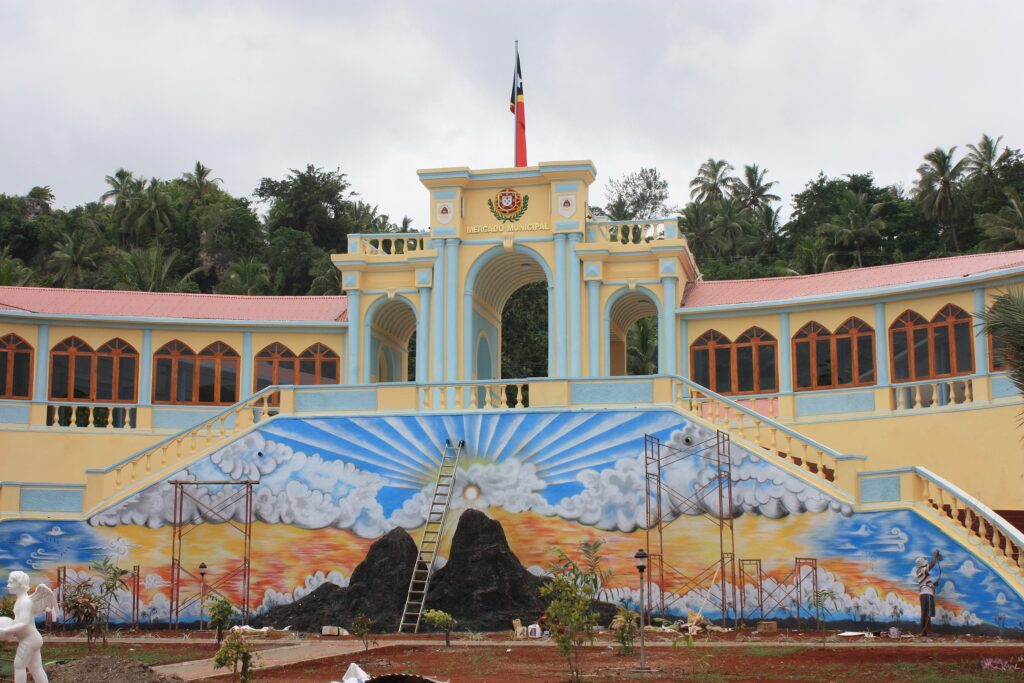
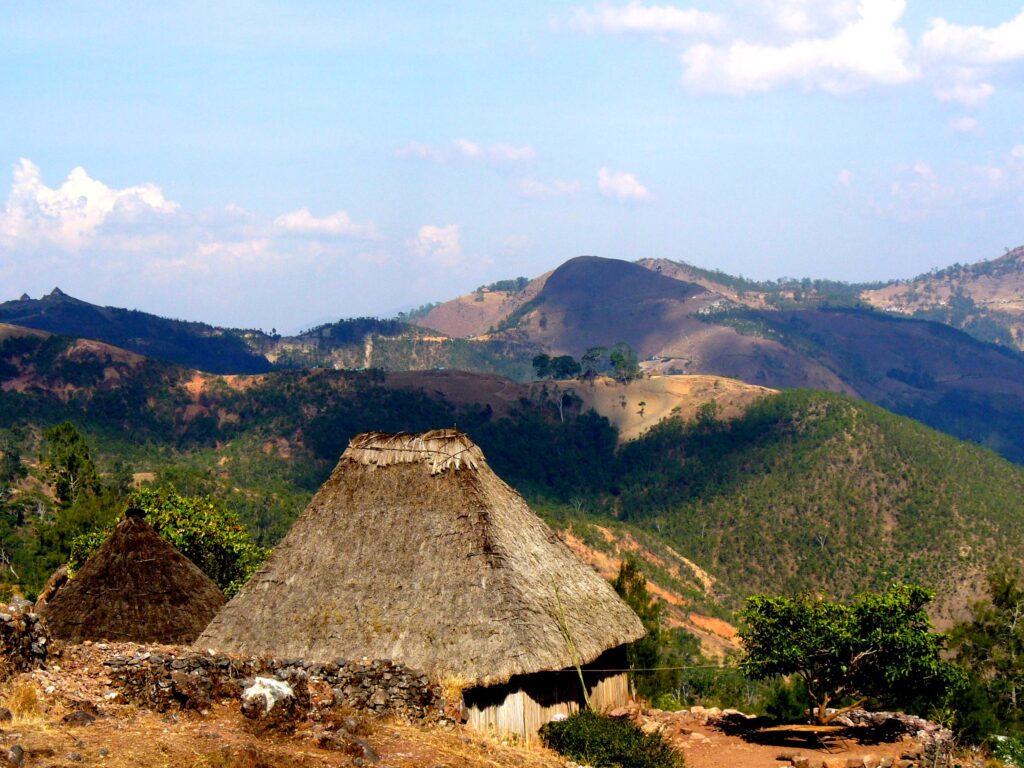
Maubisse, set in Timor-Leste’s central highlands, is a cool mountain town surrounded by valleys, coffee plantations, and traditional villages. The town itself is dotted with thatched Timorese houses and offers sweeping views across the hills, making it a favorite stop for photography and cultural encounters. Local markets showcase mountain produce, while homestays provide an authentic way to experience daily life in the highlands.
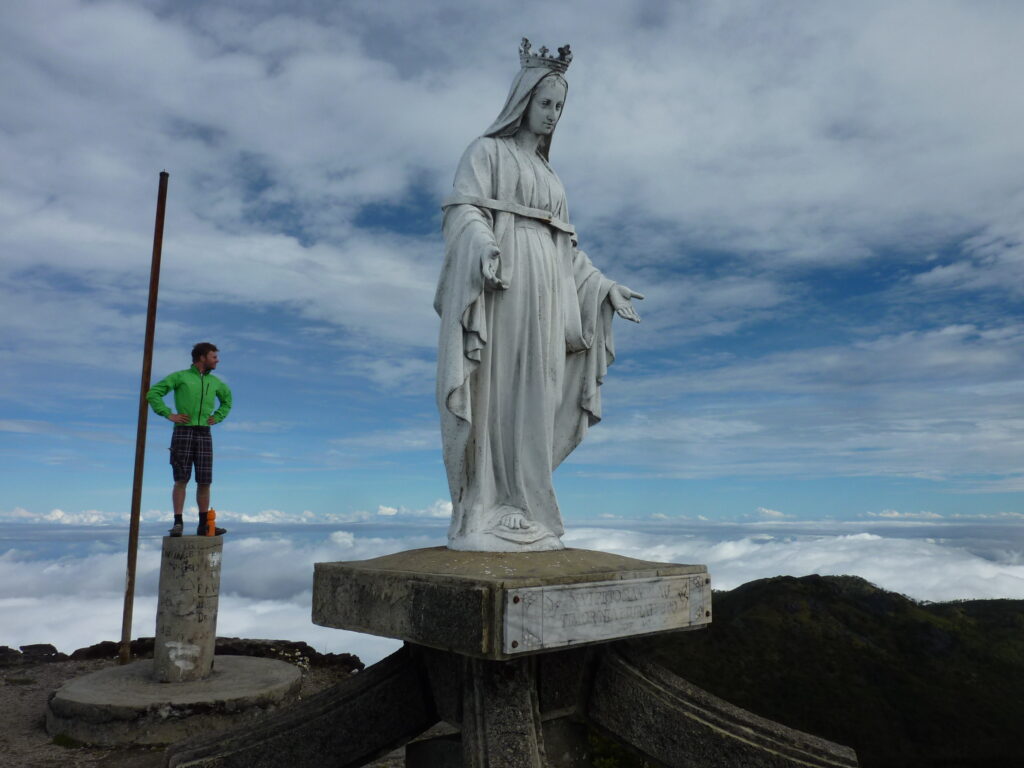
It’s also the main base for climbing Mount Ramelau (2,986 m), the country’s highest peak, where sunrise treks reveal panoramic views above the clouds and a statue of the Virgin Mary at the summit. Maubisse is about 2–3 hours by road from Dili, though the journey winds through steep mountain roads. For hikers, culture-seekers, and anyone escaping the coastal heat, Maubisse offers one of Timor-Leste’s most rewarding retreats.
Best Natural Attractions
Mount Ramelau (Tatamailau)
Mount Ramelau (Tatamailau), rising to 2,986 meters, is the highest peak in Timor-Leste and a symbol of both natural beauty and spiritual devotion. Trekkers typically begin in the village of Hato Builico, with the climb taking 2–4 hours depending on pace. The reward is a breathtaking sunrise above the clouds, with views stretching across the island to the sea. At the summit stands a statue of the Virgin Mary, making the mountain not only a hiking destination but also a pilgrimage site for local Catholics.
Atauro Island
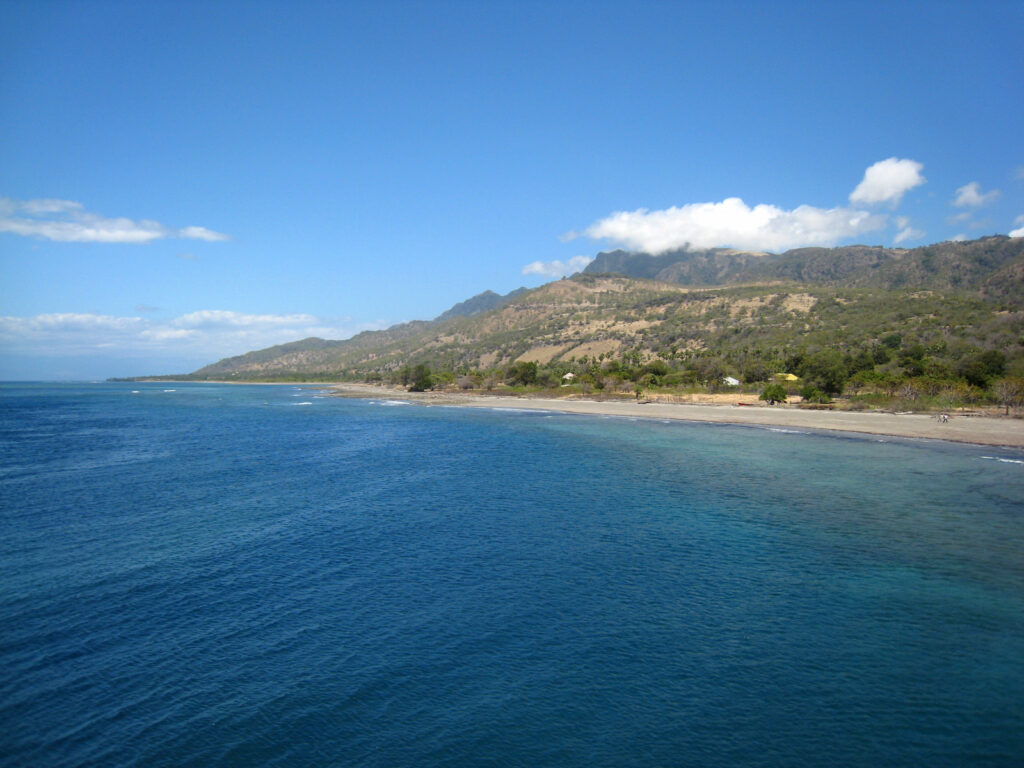
Atauro Island, lying just 30 km north of Dili, is a haven for eco-travelers and divers. Its surrounding waters are considered among the most biodiverse reefs on Earth, with over 600 species of reef fish recorded. Snorkeling and diving here reveal pristine coral gardens, manta rays, and turtles, while calm seas make kayaking along the coast easy and rewarding. Inland, trails lead to hilltop villages, where visitors can experience local life, buy handicrafts, and enjoy sweeping views of the island and sea.
Jaco Island
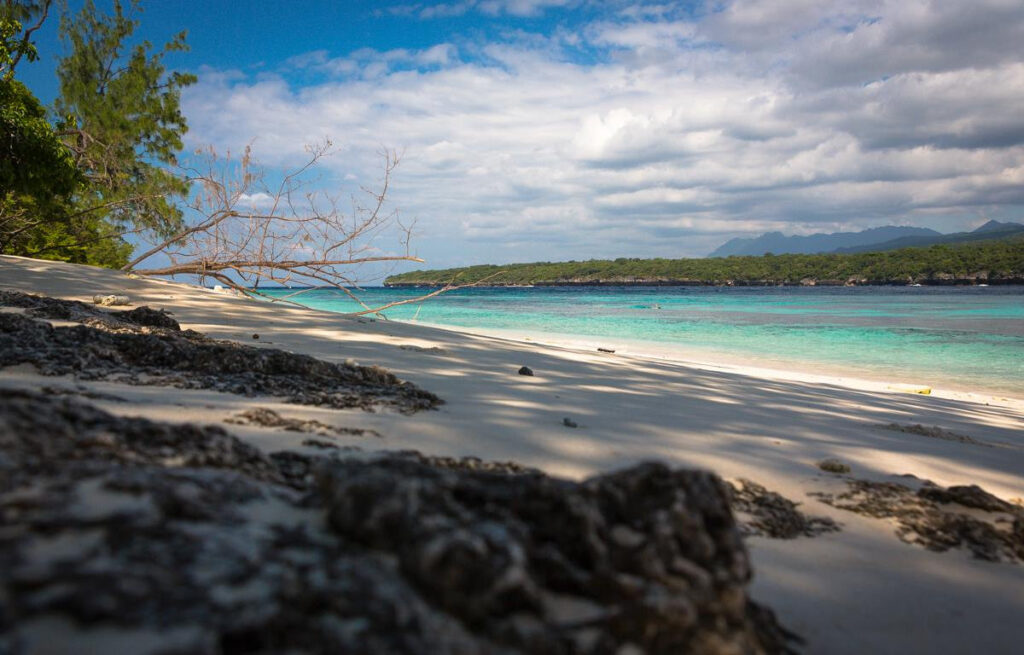
Jaco Island, at the far eastern tip of Timor-Leste, is an uninhabited paradise of white-sand beaches, turquoise waters, and untouched coral reefs. Protected within Nino Konis Santana National Park, the island is considered sacred by locals, which has kept it free from development. Visitors can swim and snorkel in crystal-clear waters teeming with fish, walk along its pristine shoreline, or simply enjoy the solitude of a completely undeveloped island.
Because overnight stays are not allowed, travelers base themselves in Tutuala village, where simple guesthouses provide meals and lodging. From there, it’s a short ride by local boat across to Jaco. With its spiritual significance, raw beauty, and complete lack of facilities, Jaco offers one of Timor-Leste’s purest natural experiences – a rare chance to step onto a truly untouched island.
Nino Konis Santana National Park
Nino Konis Santana National Park, established in 2007, is Timor-Leste’s first and largest national park, covering over 1,200 km² of land and sea in the far east of the country. It protects a rich mix of habitats – from coastal forests and limestone caves to mangroves and coral reefs – making it a hotspot for biodiversity. Wildlife includes monkeys, flying foxes, and rare endemic birds such as the Timor green pigeon and dusky cormorant. Inland, the vast Ira Lalaro Lake supports wetlands and traditional fishing, while the surrounding forests shelter caves with ancient rock art. Along the coast, Tutuala Beach offers pristine sands and crystal waters at the edge of the park.
Hidden Gems of Timor-Leste
Com (Lautém)
Com, a quiet fishing town in Lautém District, is one of Timor-Leste’s most inviting coastal stops. Set along a crescent bay with crystal-clear waters and healthy coral reefs, it’s ideal for snorkeling and diving straight from the shore. The town has a handful of guesthouses and beachside restaurants where visitors can enjoy fresh seafood while looking out over the sea. Friendly local hospitality and a slower pace make Com a perfect place to unwind after long drives through the east.
Travelers often include Com on the way to Tutuala and Jaco Island, making it a convenient base for exploring Lautém’s coast. Com is about 7–8 hours by road from Dili, usually requiring an overnight stay, but the journey passes through dramatic mountain and coastal scenery. For those seeking both relaxation and access to marine life, Com offers one of the best low-key seaside experiences in Timor-Leste.
Lospalos
Lospalos, the main town in Lautém District, is a cultural hub of eastern Timor-Leste and a center of the Fataluku people. It is best known for its uma lulik, traditional sacred stilt houses with tall thatched roofs, which play an important role in local spirituality and community life. Visitors can learn more at the Ethnographic Museum, which showcases regional crafts, rituals, and everyday traditions. The surrounding area offers natural attractions such as lakes, limestone caves, and forested hills, often linked with local legends.
Travelers usually stop in Lospalos en route to Tutuala and Nino Konis Santana National Park, but the town itself provides a fascinating glimpse into Timor-Leste’s indigenous heritage. Lospalos is about 7 hours by road from Dili, with basic guesthouses and eateries for overnight stays. For those seeking cultural immersion as well as natural exploration, Lospalos is an essential stop on the journey through Timor’s east.
Suai
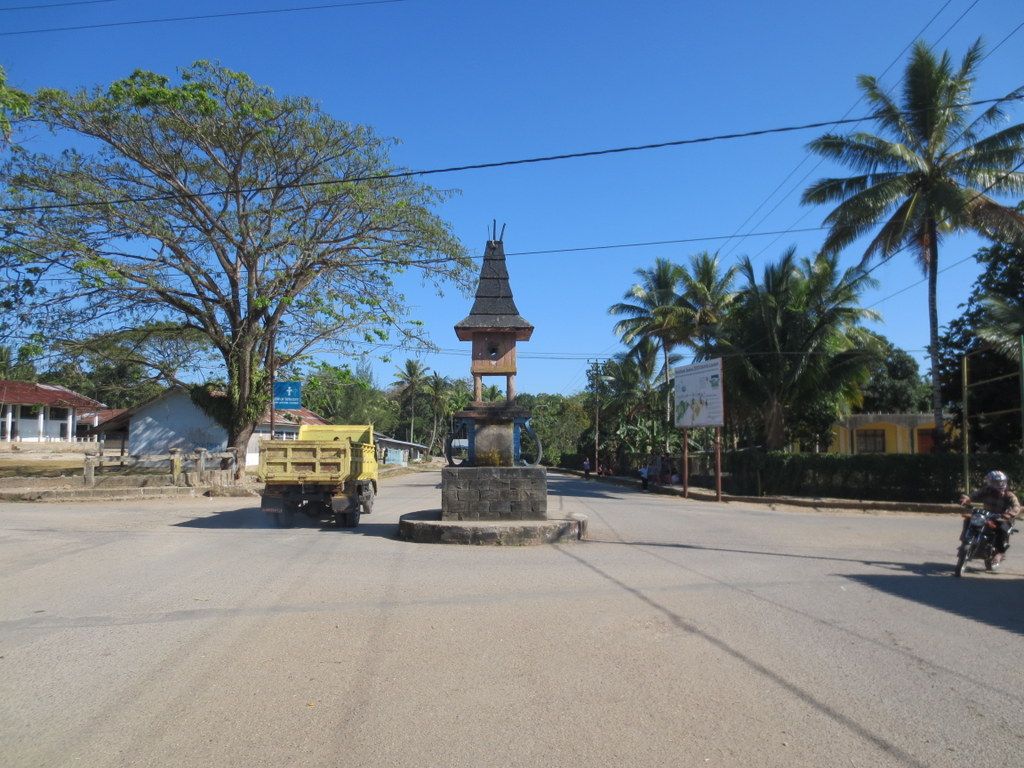
Suai, in Cova Lima District on Timor-Leste’s south coast, is a small town known for the Our Lady of Fatima Church, one of the country’s largest Catholic churches, reflecting the deep faith of the local community. The surrounding coastline is rugged and dramatic, with steep cliffs and wide, empty beaches that see very few visitors. Offshore waters are rich in marine life, though the area remains largely undeveloped for tourism, giving it a raw and remote charm.
Travelers usually pass through Suai en route to Timor-Leste’s southern beaches or as part of overland journeys toward the Indonesian border. Suai is about 5–6 hours by car from Dili, best reached with a 4WD due to rough stretches of road. For those venturing off the beaten track, Suai offers a mix of coastal scenery, religious landmarks, and a glimpse into a quieter, less-visited side of Timor-Leste.
Venilale
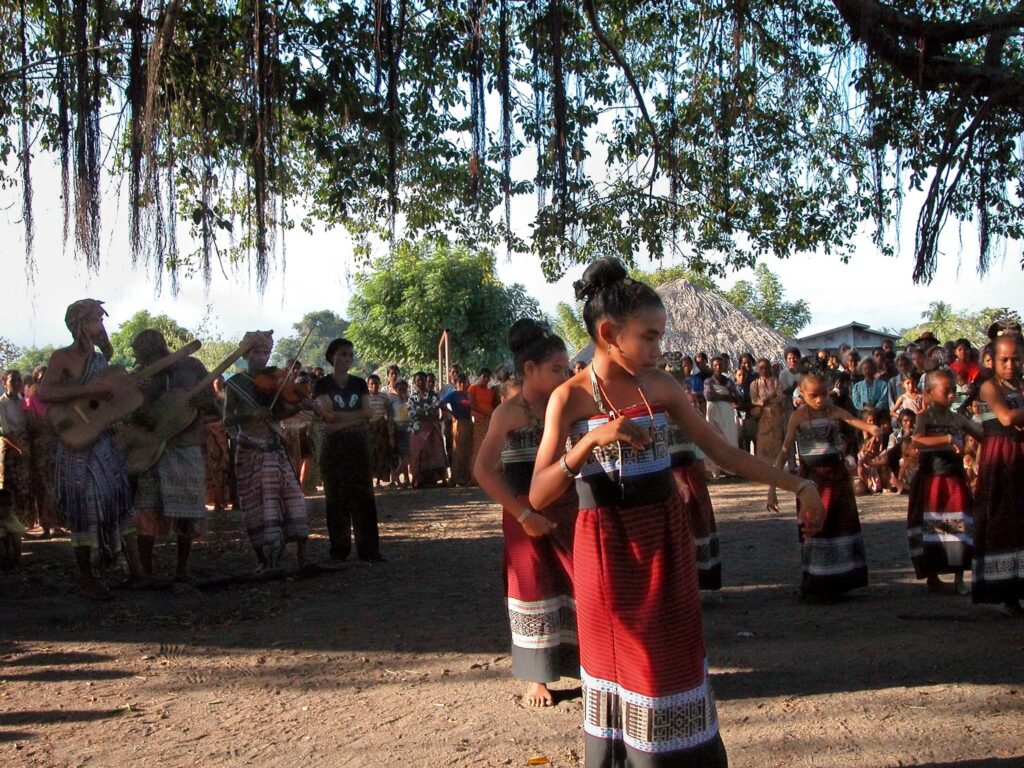
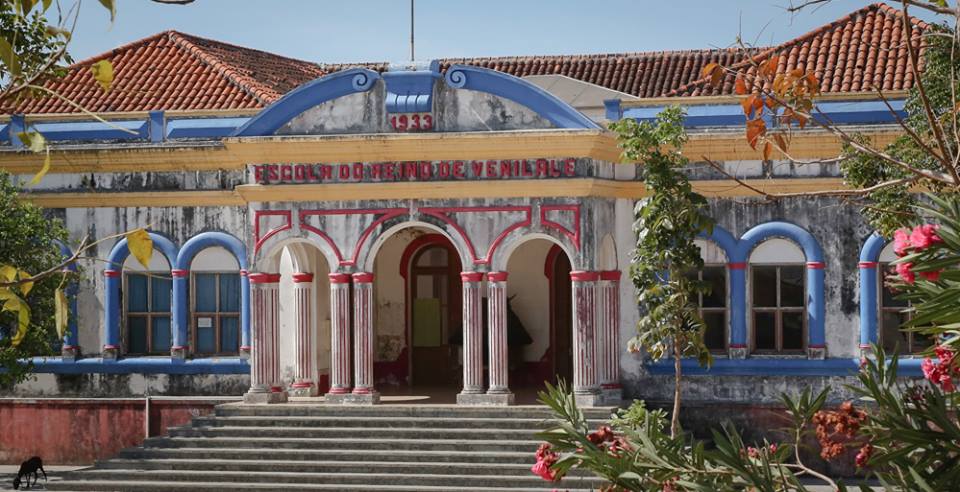
Venilale, in the mountains of Baucau District, is a quiet town surrounded by lush valleys and rural landscapes. Its most notable historic sites are the Japanese-built tunnels from World War II, which can still be visited today, offering a glimpse into Timor’s wartime past. The town is also known for its natural hot springs, used by locals for relaxation, and for scenic viewpoints over rice fields and forested hills. Traditional villages nearby preserve local crafts and farming practices, making Venilale a good place for cultural encounters.
Travelers stop in Venilale for its mix of history, nature, and community hospitality. Venilale is about 4–5 hours by road from Dili or a shorter drive from Baucau, often included on routes toward the east. With its welcoming atmosphere and laid-back pace, Venilale offers an authentic glimpse into rural Timor-Leste beyond the main tourist trail.
Manufahi Region
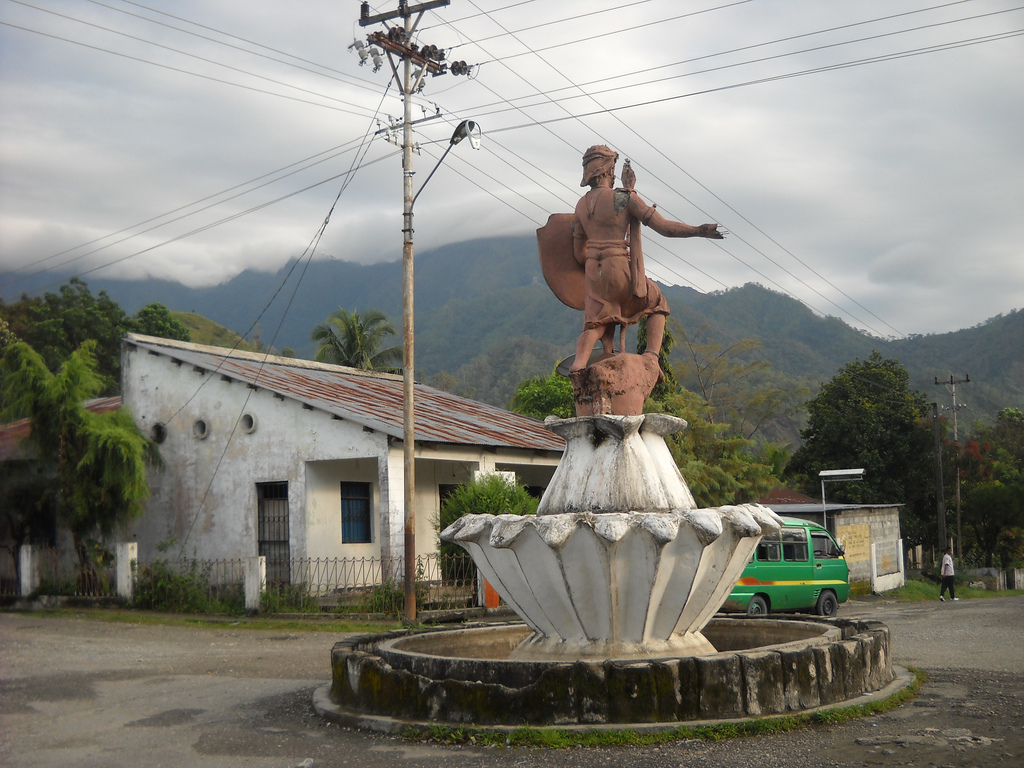
Manufahi Region, in central Timor-Leste, is a mountainous district best known for Same, a small town set at the base of Mount Ramelau. The area is surrounded by coffee plantations, rice terraces, and forested hills, making it a natural stop for trekking and agro-tourism. Visitors can stay in local homestays or eco-lodges, where hosts introduce them to traditional farming, coffee production, and Timorese hospitality.
Travel Tips
Currency
The official currency of Timor-Leste is the US Dollar (USD). Local centavo coins are also minted and used for smaller denominations, but banknotes are in US dollars. Credit card facilities are limited outside Dili, so carrying enough cash is essential, especially when traveling to rural areas.
Language
The two official languages are Tetum and Portuguese, though English is used mainly in tourism hubs and among younger generations. In rural areas, travelers will encounter various local dialects, so a translation app or phrasebook can be helpful for smoother communication.
Transport
Travel around Timor-Leste can be adventurous due to the country’s rugged terrain. Roads are often rough and poorly maintained, making a 4WD vehicle highly recommended for safety and comfort. Within cities, taxis and mikrolets (shared minivans) are the main forms of local transport. For independent exploration, motorbike rentals are popular, but travelers must carry an International Driving Permit alongside their home license.
Boats connect Dili with Atauro Island, a favorite destination for diving and eco-tourism. Services are more frequent on weekends, but schedules can vary depending on weather and sea conditions.
Accommodation
Lodging options range from basic guesthouses and homestays to charming eco-lodges and small boutique hotels. In Dili, accommodation is more plentiful and diverse, while in rural areas choices can be limited. It is advisable to book ahead if traveling outside the capital, particularly during festivals or holiday periods.

Published August 31, 2025 • 10m to read