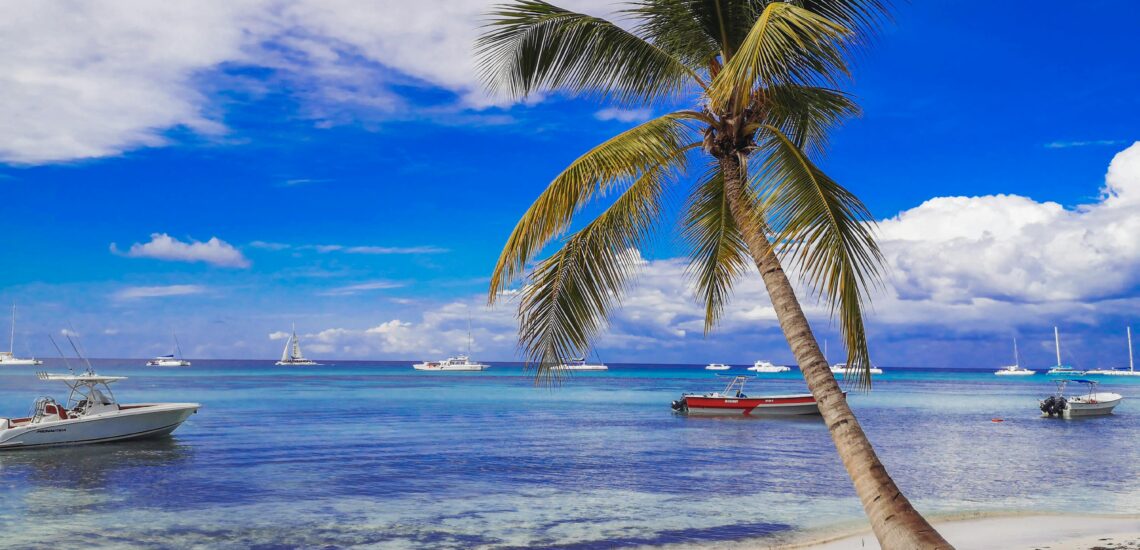


The Dominican Republic (DR) is the Caribbean’s most diverse destination – an island where golden beaches, rainforest-covered mountains, cascading waterfalls, and colonial charm all coexist.
Whether you’re strolling through the historic streets of Santo Domingo, lounging on the beaches of Punta Cana, or exploring the wild beauty of Samaná, the DR offers something for every traveler. From eco-adventures to luxury resorts, from mountain hikes to music-filled nights, this tropical paradise is alive with color, rhythm, and warm hospitality.
Best Cities in Dominican Republic
Santo Domingo
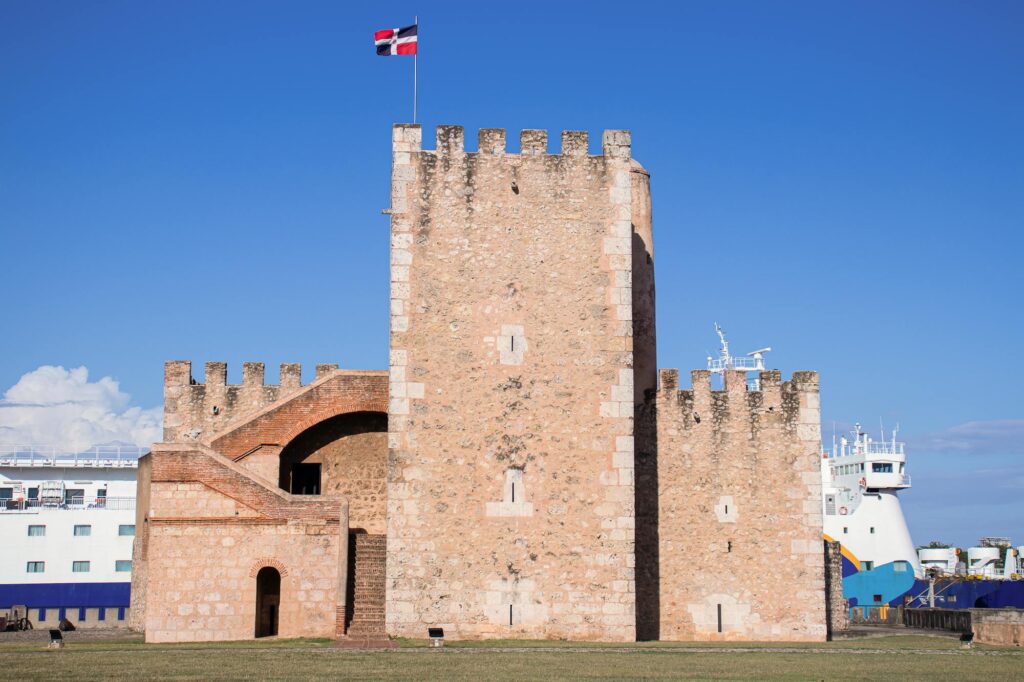
Santo Domingo, the capital of the Dominican Republic, is the oldest continuously inhabited European city in the Americas and the cultural heart of the nation. Its Zona Colonial, a UNESCO World Heritage Site, preserves centuries of history within its cobblestone streets, colorful Spanish buildings, and 16th-century landmarks. Highlights include the Catedral Primada de América, the first cathedral built in the New World, and the Alcázar de Colón, the former residence of Christopher Columbus’s son. The Ozama Fortress and surrounding plazas reflect the city’s colonial legacy, while the modern Malecón waterfront offers a lively contrast with its oceanfront promenade, restaurants, and nightlife. Santo Domingo is easily reached via Las Américas International Airport and serves as a gateway to exploring the rest of the Dominican Republic.
Santiago de los Caballeros
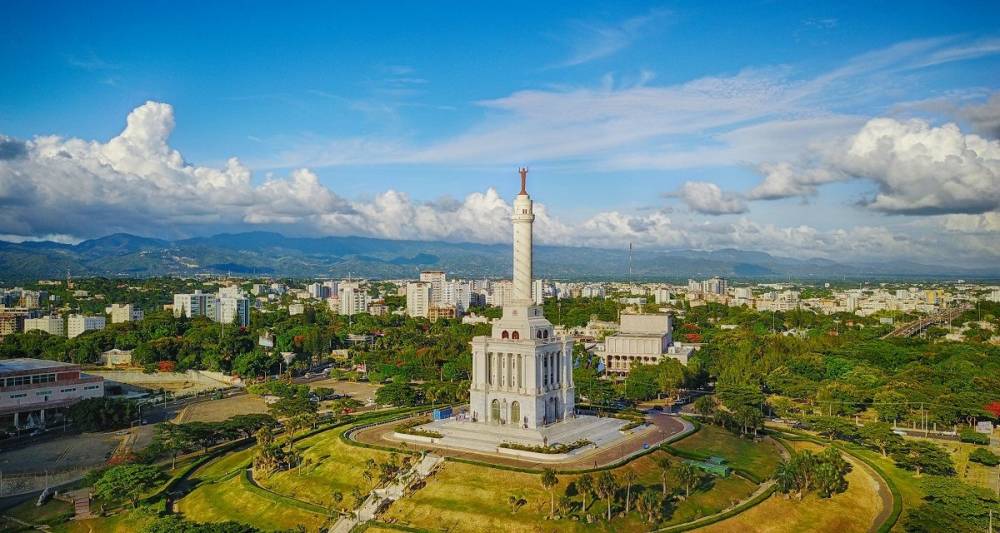
Santiago de los Caballeros, the Dominican Republic’s second-largest city, lies in the heart of the fertile Cibao Valley and is known for its deep cultural roots and creative spirit. The Monumento a los Héroes de la Restauración, perched on a hill, offers sweeping views of the city and serves as a symbol of national pride. The Centro León Museum highlights Dominican art, history, and identity through modern exhibits and cultural programs. Santiago is also famous for its premium cigars, lively merengue music, and authentic local lifestyle that contrasts with the country’s coastal resort areas. The city is about a two-hour drive from Santo Domingo and has its own international airport for easy access.
Puerto Plata
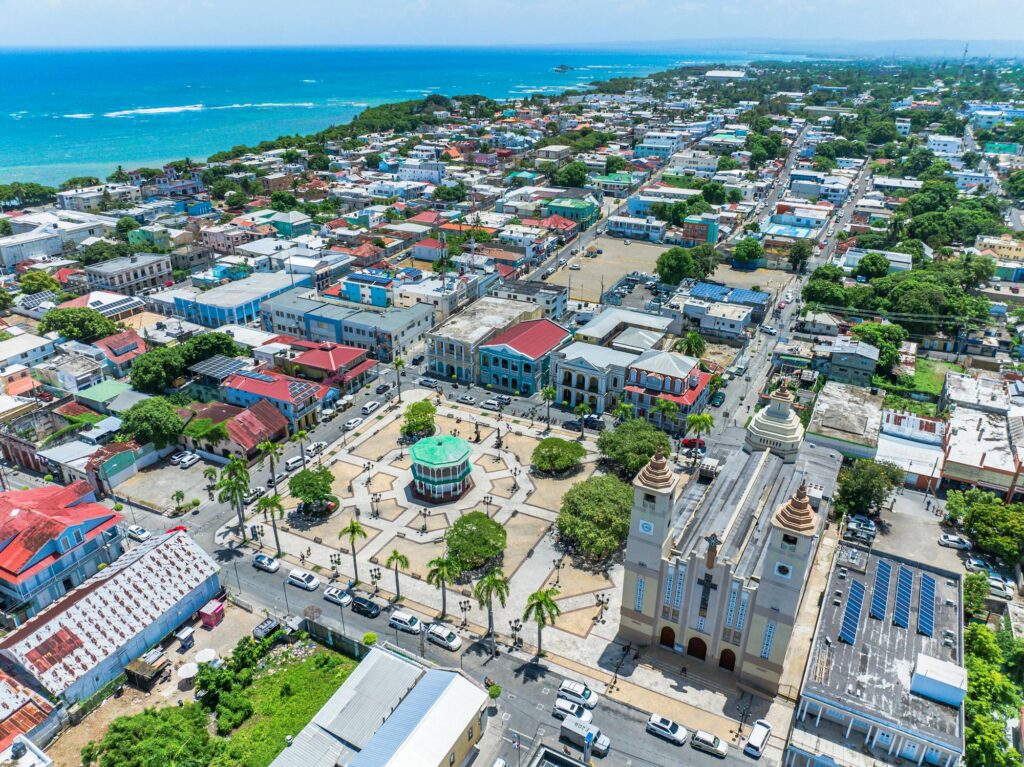
The city’s historic center features pastel-colored Victorian buildings and landmarks like Fortaleza San Felipe, a 16th-century fortress overlooking the bay. The Teleférico cable car carries visitors up Mount Isabel de Torres for panoramic views of the Atlantic and the surrounding mountains, as well as a botanical garden and a statue of Christ the Redeemer at the summit. In town, Umbrella Street and Pink Street offer colorful backdrops for photos, while the Amber Museum displays ancient fossils and gemstones unique to the region. Nearby beaches such as Playa Dorada and Sosúa attract swimmers, windsurfers, and divers, making Puerto Plata a well-rounded destination for culture and recreation.
La Romana
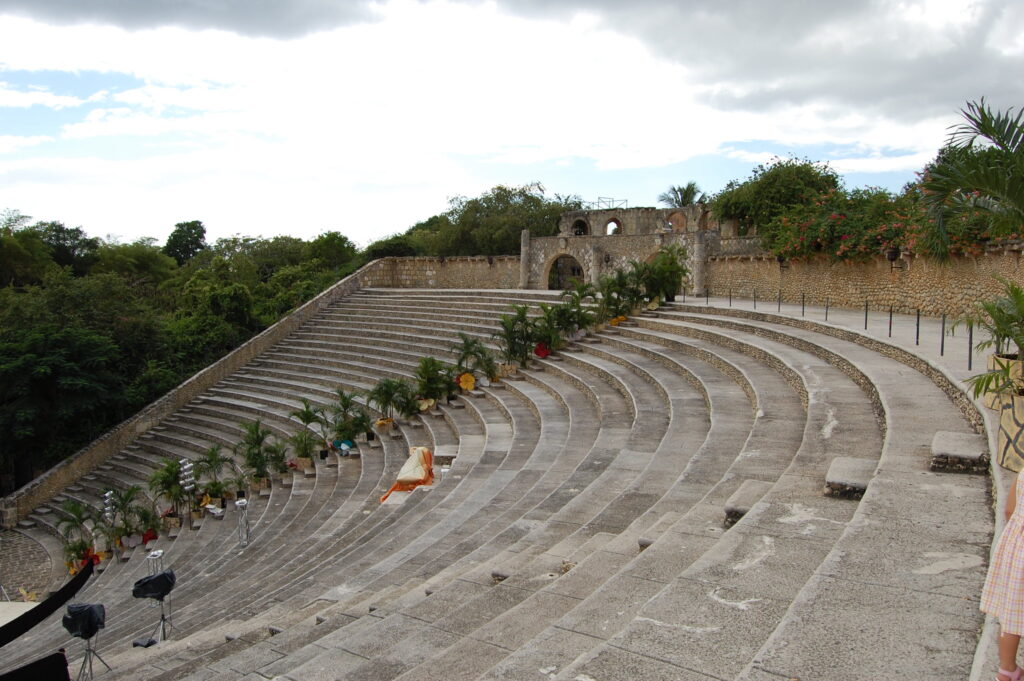
The highlight is Altos de Chavón, a meticulously crafted replica of a 16th-century Mediterranean village set high above the Chavón River. The village features cobblestone streets, artisan workshops, art galleries, and an open-air amphitheater that hosts international concerts. Nearby, the exclusive Casa de Campo resort offers championship golf courses, private beaches, and upscale dining, making it a favorite among travelers seeking both relaxation and sophistication. La Romana is about 90 minutes by car from Santo Domingo and has its own international airport, making it easily accessible for visitors.
San Pedro de Macorís
Often called the “Cradle of Dominican Baseball”, it has produced many of the nation’s most celebrated players. Visitors can stroll through the old town to see 19th-century wooden houses, visit local museums, and enjoy the scenic riverside promenades along the Higuamo River. The city’s cultural mix, shaped by Caribbean and European influences, gives it a distinctive charm. San Pedro de Macorís lies between Santo Domingo and La Romana and is easily reached by car in under two hours from either city.

Best Natural Wonders in the Dominican Republic
Punta Cana
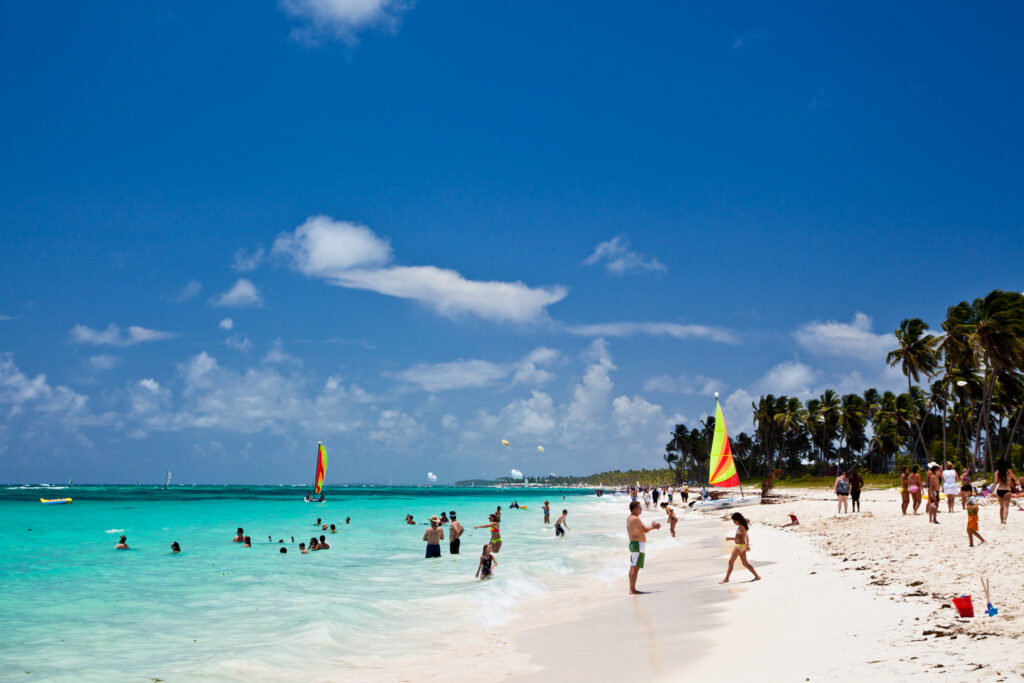
Punta Cana, on the eastern tip of the Dominican Republic, is the country’s premier resort destination, celebrated for its long white-sand beaches and clear turquoise waters. Bávaro Beach is the area’s main attraction, offering calm seas ideal for swimming, snorkeling, and water sports. Beyond the coast, visitors can explore adventure parks such as Scape Park, with zip lines and hidden cenotes, or the Indigenous Eyes Ecological Reserve, home to freshwater lagoons and walking trails. Catamaran cruises, scuba diving excursions, and horseback rides along the beach add to the appeal. Punta Cana International Airport provides direct flights from many international destinations, making it the most accessible and popular getaway in the Caribbean.
Samaná Peninsula
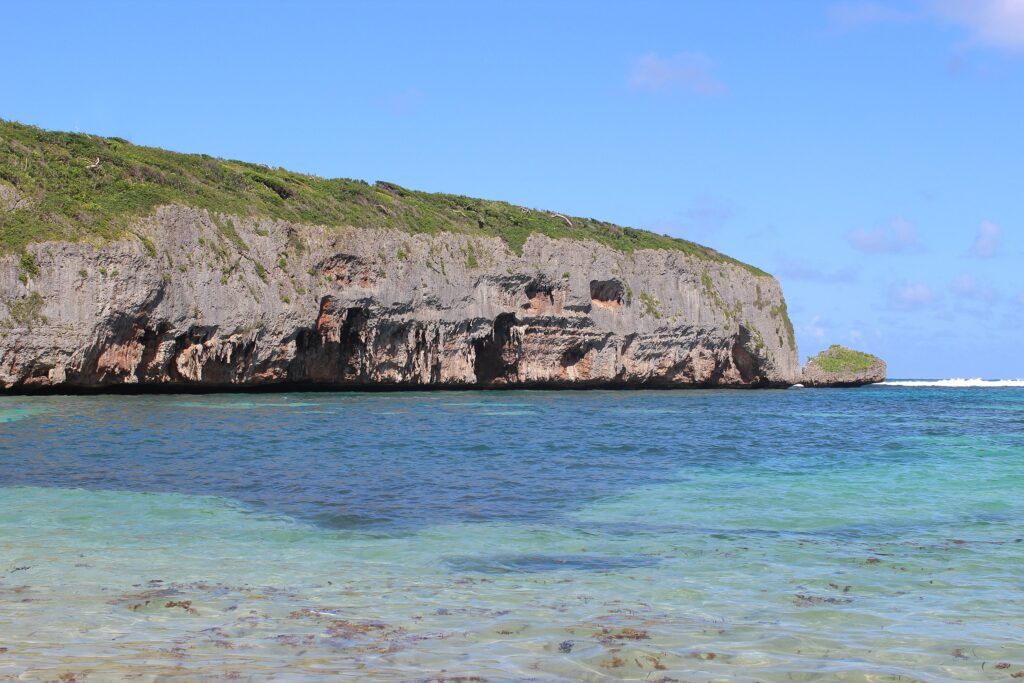
The Samaná Peninsula, on the northeastern coast of the Dominican Republic, is a natural haven known for its unspoiled landscapes and ecological diversity. Visitors can hike or ride on horseback through the rainforest to reach El Limón Waterfall, a 50-meter cascade surrounded by tropical vegetation. The region’s beaches, including Playa Rincón and Playa Frontón, are often described as some of the most pristine in the Caribbean, with soft sand and clear waters perfect for swimming and snorkeling. Los Haitises National Park, accessible by boat from Samaná Bay, features mangrove forests, limestone cliffs, and caves adorned with ancient Taíno petroglyphs. From January to March, the bay becomes one of the world’s best whale-watching spots as thousands of humpback whales return to mate and give birth. The area is reachable by car from Santo Domingo in about three hours or via regional flights to El Catey International Airport.
Jarabacoa
Surrounded by rivers and pine-covered mountains, it serves as the country’s hub for outdoor adventure. Visitors can hike or ride horseback to the scenic Jimenoa and Baiguate Waterfalls, raft the rapids of the Yaque del Norte River, or try paragliding over lush valleys and coffee plantations. The town itself has a relaxed mountain atmosphere with local markets, cafés, and eco-lodges catering to travelers seeking nature and tranquility. Jarabacoa is about a 40-minute drive from Santiago and roughly two hours from Santo Domingo.
Constanza
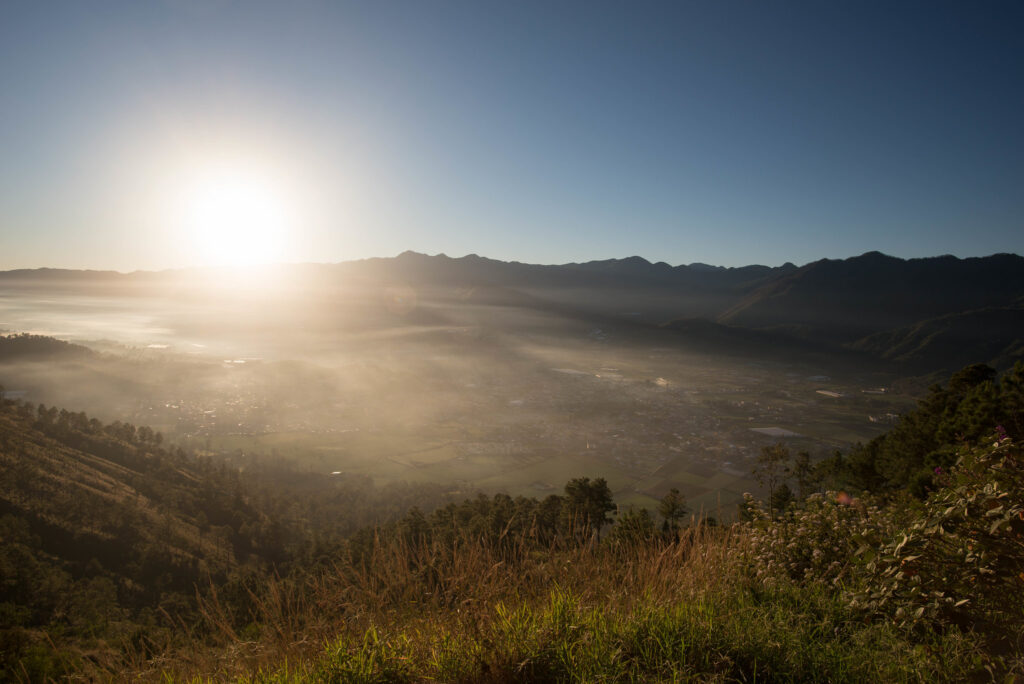
Constanza, nestled in a high mountain valley within the Cordillera Central, is the highest-altitude town in the Caribbean and one of the Dominican Republic’s most scenic destinations. The area’s cool climate and fertile soil make it a center for agriculture, with fields of strawberries, flowers, and vegetables stretching across the valley floor. Visitors can enjoy hiking in nearby national parks, exploring waterfalls, and staying in eco-lodges surrounded by pine forests. The town’s peaceful atmosphere and crisp mountain air offer a refreshing contrast to the country’s coastal heat. Constanza is about a two-hour drive from Santiago and is best reached by car for those seeking an authentic rural retreat.
Bahía de las Águilas (Pedernales)
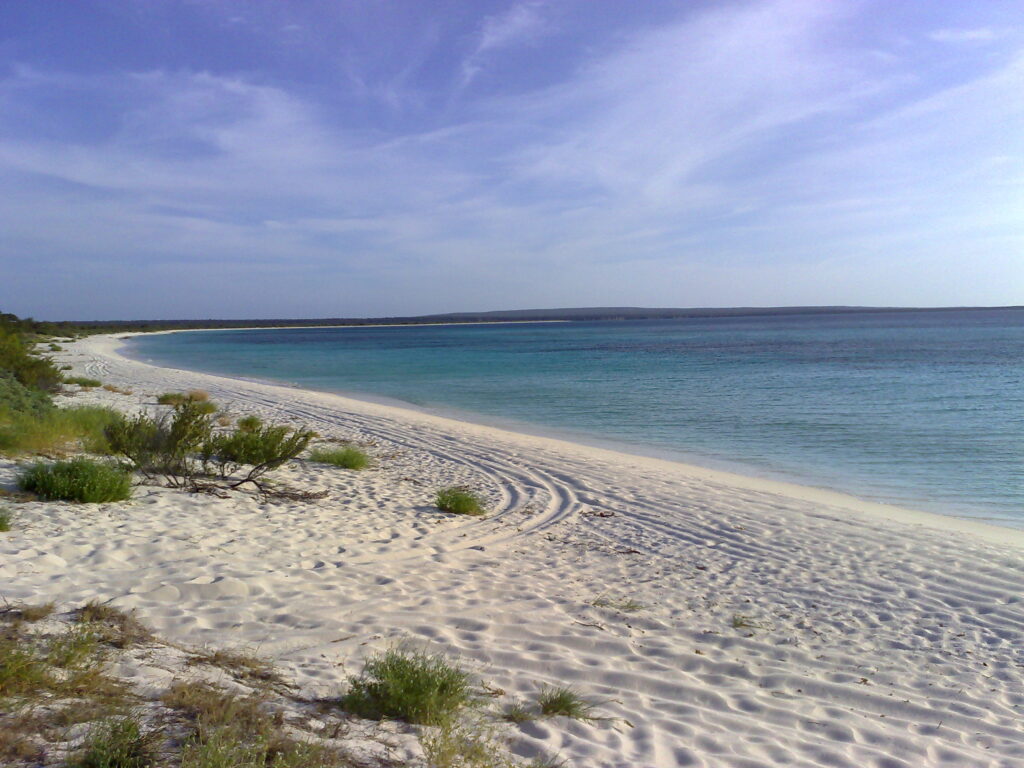
Bahía de las Águilas, in the remote southwest near Pedernales, is considered one of the most stunning and untouched beaches in the Caribbean. Part of Jaragua National Park, it features miles of white sand, crystal-clear turquoise waters, and striking desert landscapes framed by limestone cliffs. The beach has no facilities or development, preserving its pristine condition and sense of isolation. Access is limited to boats from nearby La Cueva or via a 4×4 track through the park, making the journey part of the adventure. The area is ideal for swimming, snorkeling, and photography, offering a glimpse of the Dominican Republic’s wild, unspoiled beauty.
Lake Enriquillo
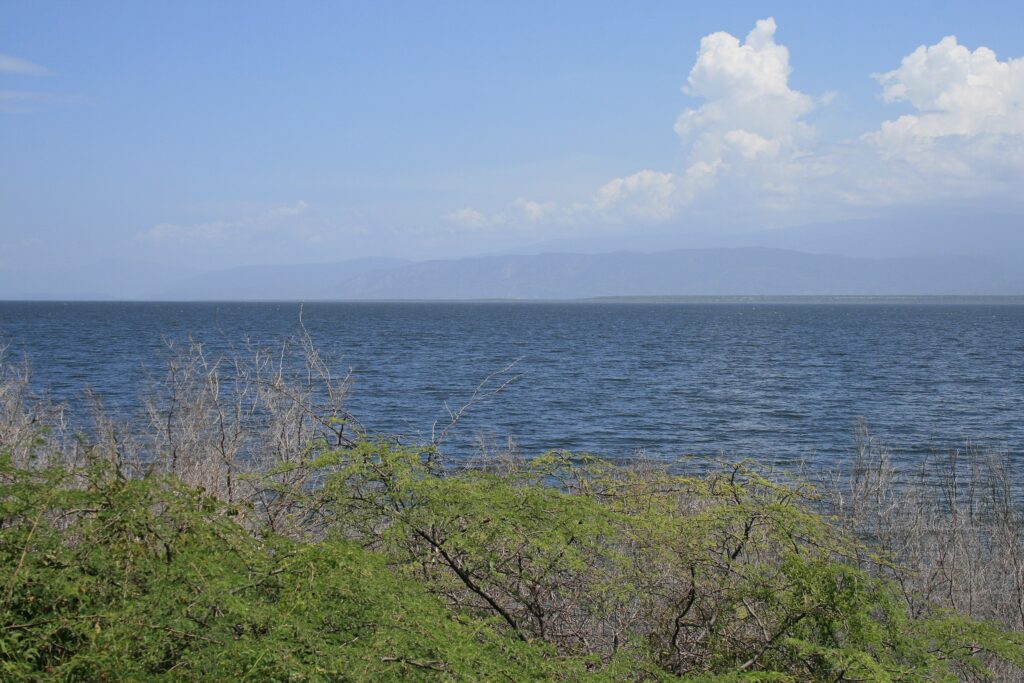
Lake Enriquillo, located in the southwest of the Dominican Republic near the border with Haiti, is the largest lake in the Caribbean and sits about 40 meters below sea level, making it the lowest point in the Antilles. The hypersaline lake lies within a dry, semi-desert landscape and supports a unique ecosystem that includes American crocodiles, pink flamingos, and endemic rhinoceros iguanas. Boat tours allow visitors to explore Isla Cabritos, a small island in the middle of the lake that serves as a wildlife refuge. The area’s combination of desert scenery, wildlife, and geological significance makes it one of the country’s most fascinating natural attractions. Lake Enriquillo is best reached by car from Barahona or Pedernales.
Hidden Gems of Dominican Republic
Barahona
It offers a mix of mountains, rivers, and beaches rarely found elsewhere on the island. The San Rafael and Los Patos Rivers create refreshing natural pools where visitors can swim just steps from the ocean, while nearby cliffs and winding coastal roads provide striking views of the Caribbean. The region is also a gateway to natural attractions like Lake Enriquillo and Bahía de las Águilas. Barahona’s less-developed charm makes it ideal for travelers seeking an authentic experience surrounded by dramatic landscapes. It is about a four-hour drive from Santo Domingo via the coastal highway.
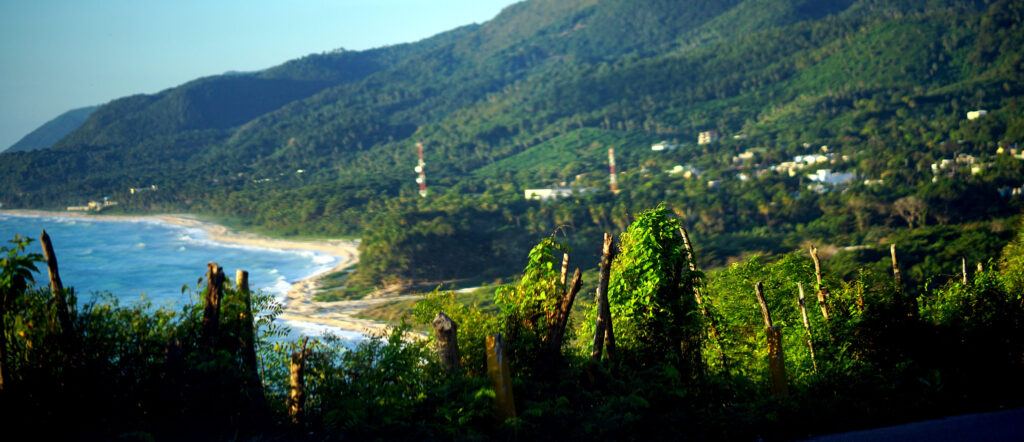
Cabrera
Cabrera, located on the Dominican Republic’s north coast, is a peaceful seaside town known for its natural beauty and relaxed pace. The area is dotted with caves, hidden beaches, and freshwater lagoons surrounded by tropical vegetation. Laguna Dudú and Blue Lake are among the highlights – two deep, crystal-clear sinkholes connected by underwater tunnels, popular for swimming, diving, and zip-lining. Nearby beaches such as Playa Diamante and Playa Grande offer calm waters and scenic cliffs ideal for a quiet day by the sea. Cabrera is about a 90-minute drive from Puerto Plata or two and a half hours from Santo Domingo, best reached by car for exploring the surrounding coastline.
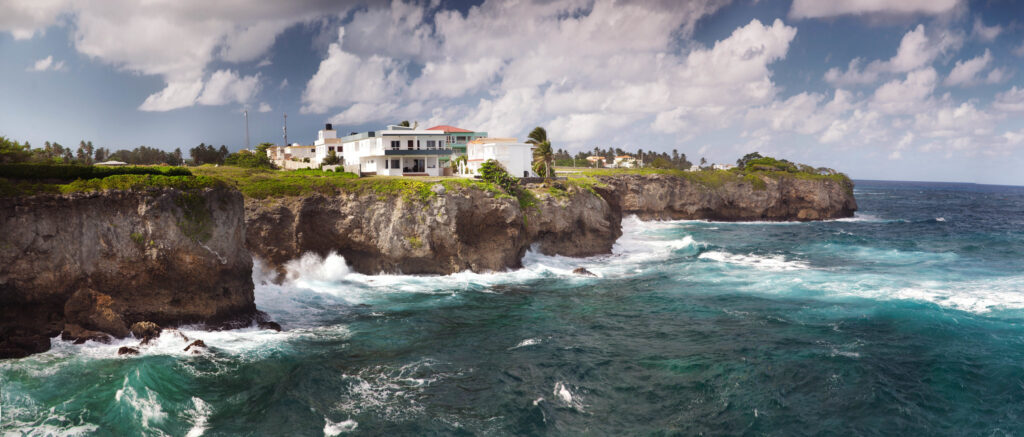
Monte Cristi
The area’s main landmark, El Morro, is a towering limestone cliff that rises sharply from the sea and offers panoramic views of the coastline and wetlands below. Visitors can also explore Monte Cristi National Park, home to mangroves, salt flats, and diverse birdlife. Offshore, boat trips to the Cayos Siete Hermanos – seven small, uninhabited islands – reveal crystal-clear waters and excellent snorkeling opportunities. Monte Cristi remains largely undeveloped, appealing to travelers seeking quiet beaches and authentic local culture. It’s about a three-hour drive from Santiago and best reached by car.
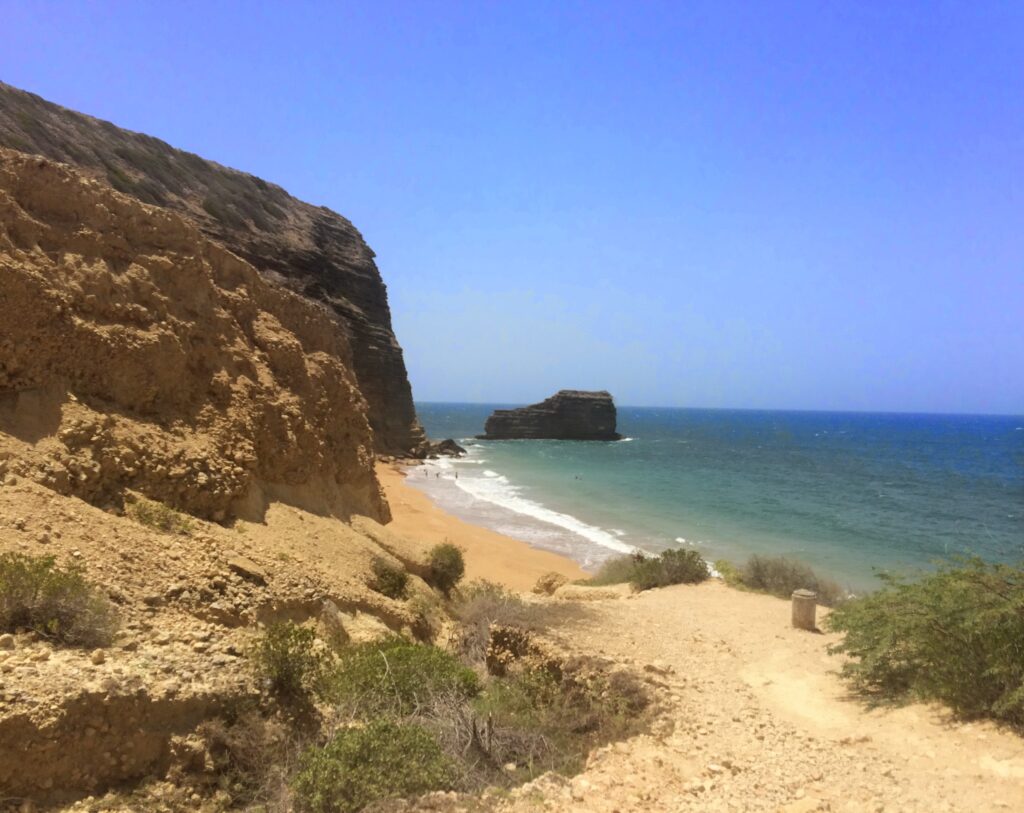
Salto de Socoa
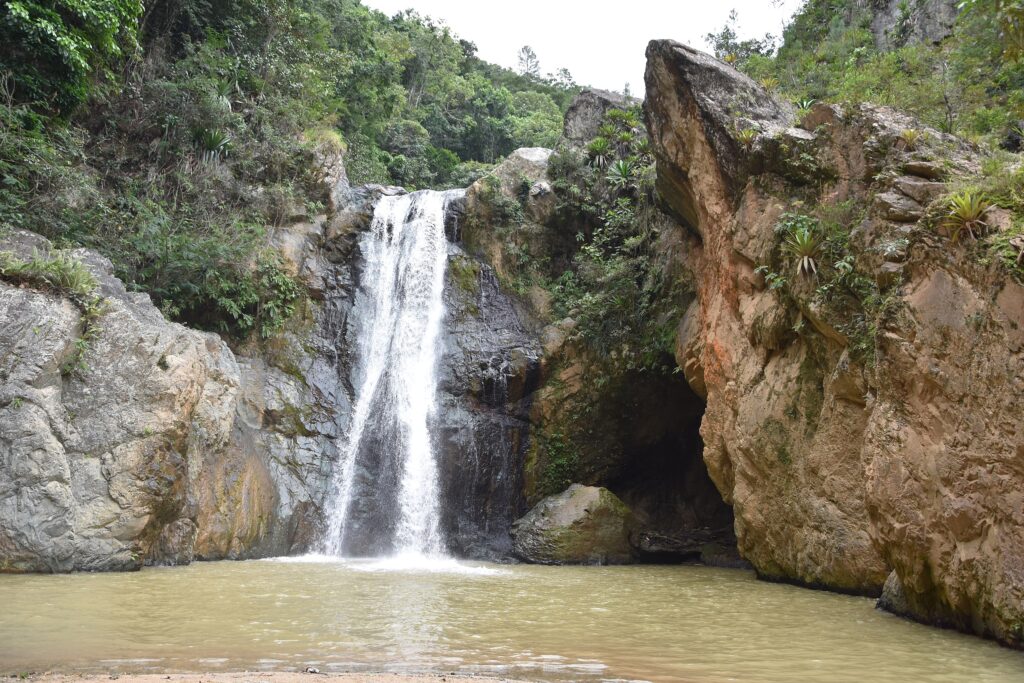
Salto de Socoa, located along the highway between Santo Domingo and Samaná. The waterfall drops into a clear natural pool surrounded by lush rainforest, making it a perfect spot for swimming and cooling off. The short trail to the falls is easy to access, and the area is well maintained with parking and small kiosks nearby. Salto de Socoa is ideal for a quick nature break or a picnic on the way to the Samaná Peninsula, offering a glimpse of the Dominican Republic’s tropical beauty without venturing far from the main road.
San José de Ocoa
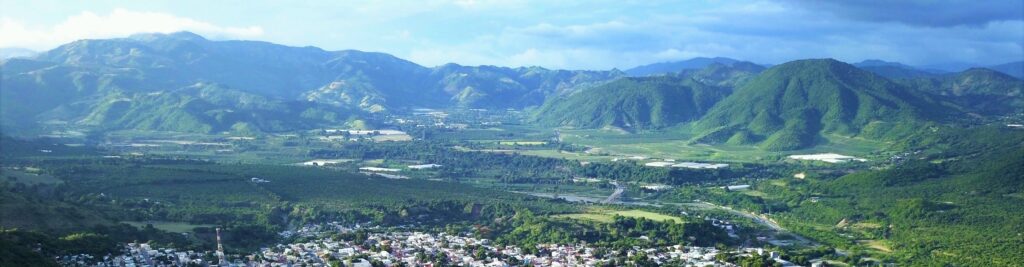
San José de Ocoa, nestled in the central mountains of the Dominican Republic. The surrounding hills are dotted with small farms producing high-quality coffee, vegetables, and tropical fruits, many of which welcome visitors for tours and tastings. Outdoor enthusiasts can explore hiking trails that lead to scenic viewpoints and waterfalls within the nearby mountains. The town itself offers a relaxed atmosphere, traditional markets, and friendly local hospitality that reflect rural Dominican life. San José de Ocoa is about a two-hour drive from Santo Domingo and best reached by car for those looking to experience the country’s highland culture and natural charm.
Best Beaches in the Dominican Republic
Playa Bávaro (Punta Cana)
Playa Bávaro, located in Punta Cana, is one of the Dominican Republic’s most famous beaches and a hallmark of Caribbean beauty. Its long stretch of palm-fringed white sand and calm turquoise waters make it ideal for swimming, snorkeling, and water sports. The beach is lined with resorts, restaurants, and shops, yet still offers peaceful areas for relaxation. Catamaran cruises and glass-bottom boat tours depart regularly from the shore, allowing visitors to explore the nearby coral reefs. Playa Bávaro is about a 25-minute drive from Punta Cana International Airport and easily accessible from any resort in the area.
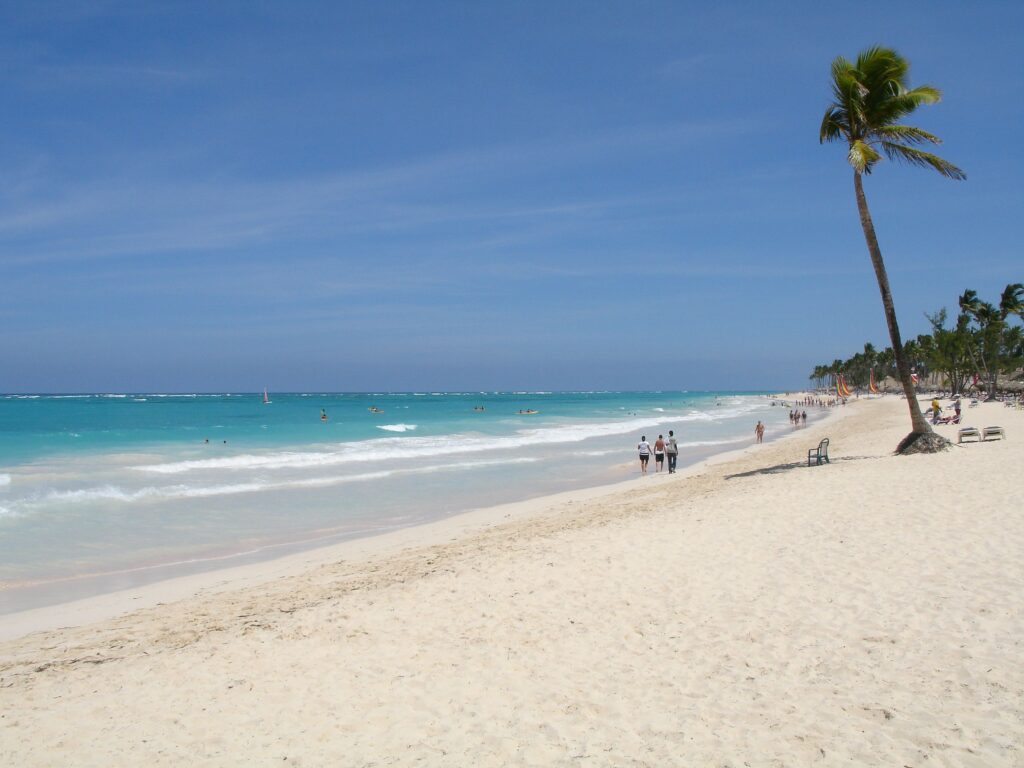
Playa Rincón (Samaná)
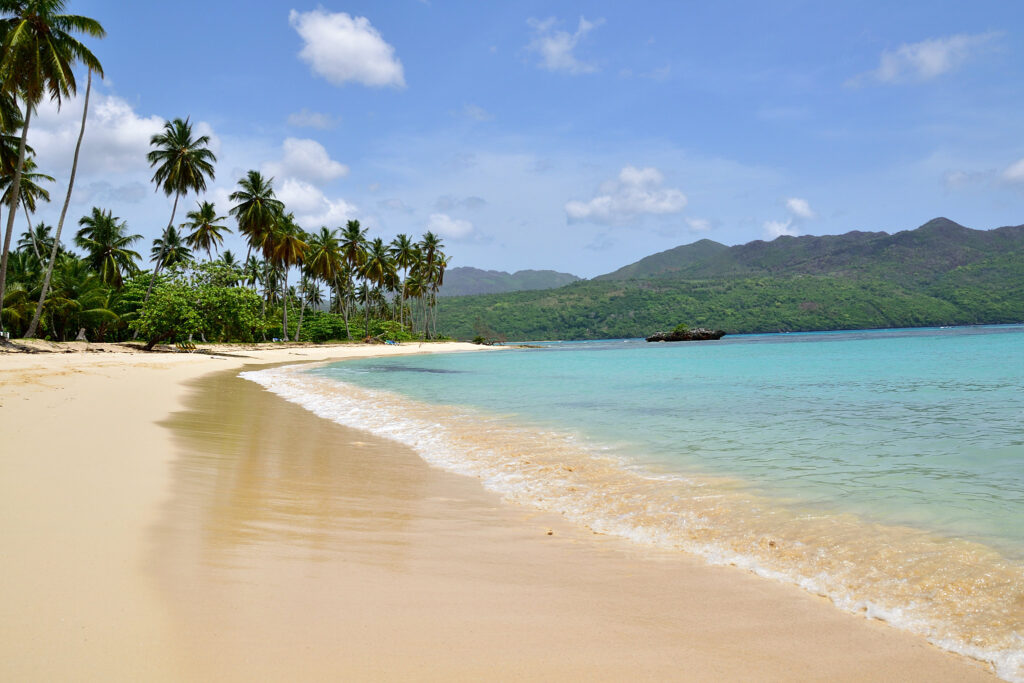
Stretching for nearly three miles, it features soft white sand, turquoise waters, and a backdrop of coconut palms and forested hills. The beach remains largely undeveloped, offering a sense of seclusion and tranquility that’s rare in the Caribbean. Small beachfront eateries serve freshly caught fish and tropical drinks, adding to the relaxed atmosphere. Playa Rincón is about a 30-minute drive from the town of Las Galeras and is best reached by car or local boat, making it a perfect escape for those seeking quiet natural beauty.
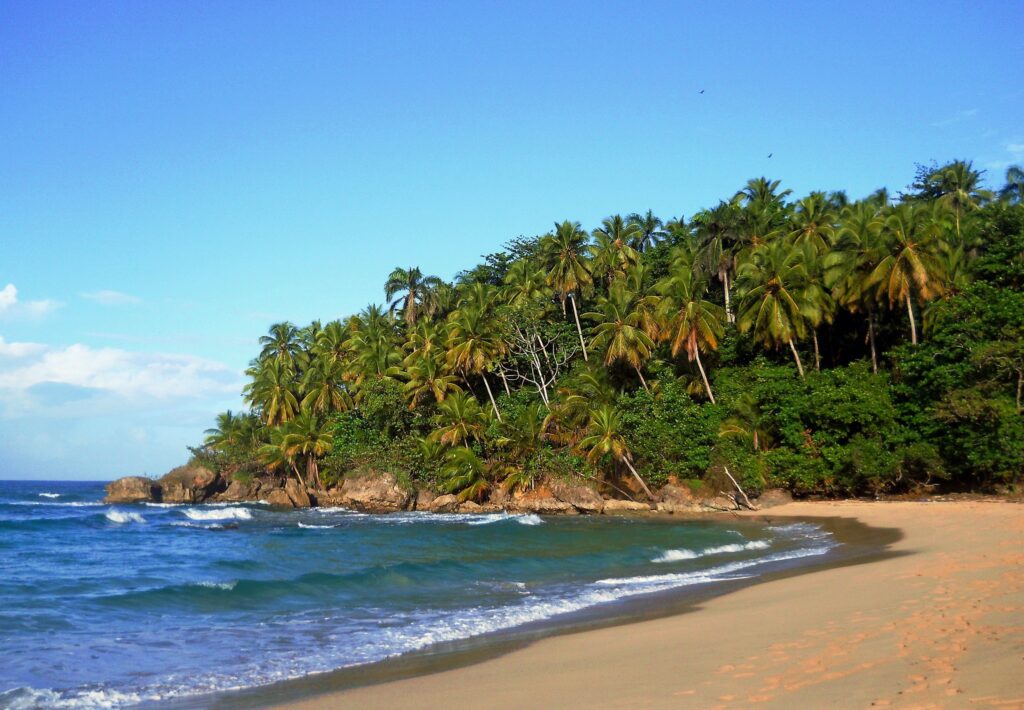
Playa Grande (Cabrera)
The beach is known for its consistent waves, making it popular with surfers and bodyboarders, while calmer sections are suitable for swimming. Local vendors and small seafood shacks line the shore, offering freshly grilled fish and cold drinks. Despite its popularity, the beach retains a natural, open feel with plenty of space to relax. Playa Grande is about 10 minutes from Cabrera and 30 minutes from Río San Juan, easily accessible by car along the coastal highway.
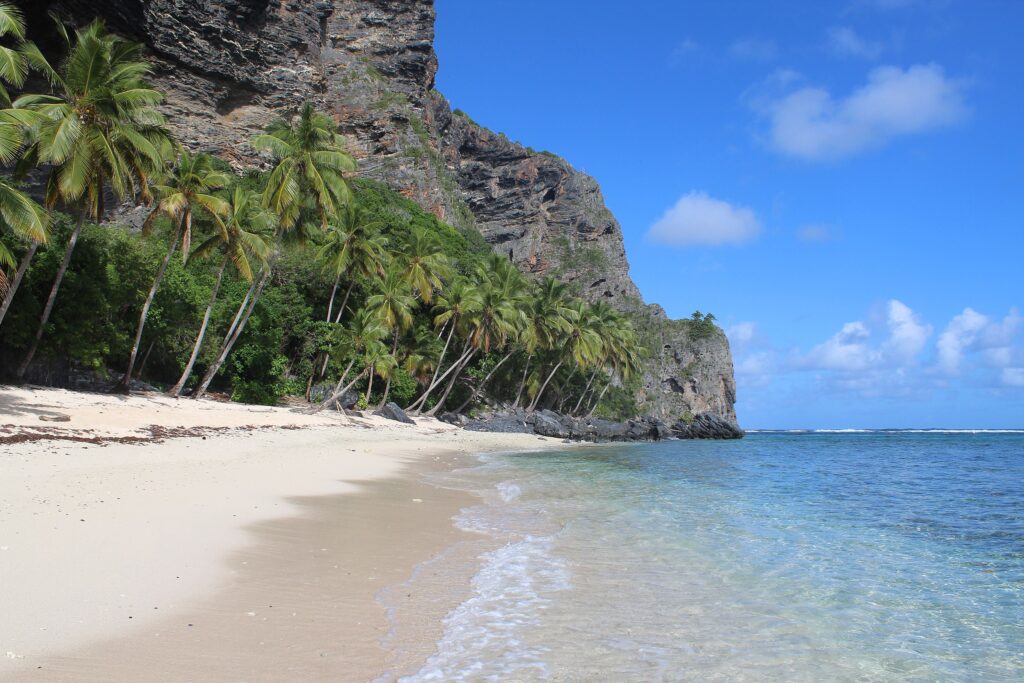
Playa Frontón (Samaná)
Surrounded by towering limestone cliffs and dense tropical vegetation, it offers crystal-clear waters perfect for snorkeling and exploring colorful coral reefs. The beach is accessible only by boat or a challenging hike through the forest, which helps preserve its untouched atmosphere. With no facilities or crowds, Playa Frontón is ideal for those seeking a true off-the-beaten-path experience. Boat trips to the beach depart regularly from Las Galeras and take about 15 to 20 minutes.
Playa Dorada (Puerto Plata)
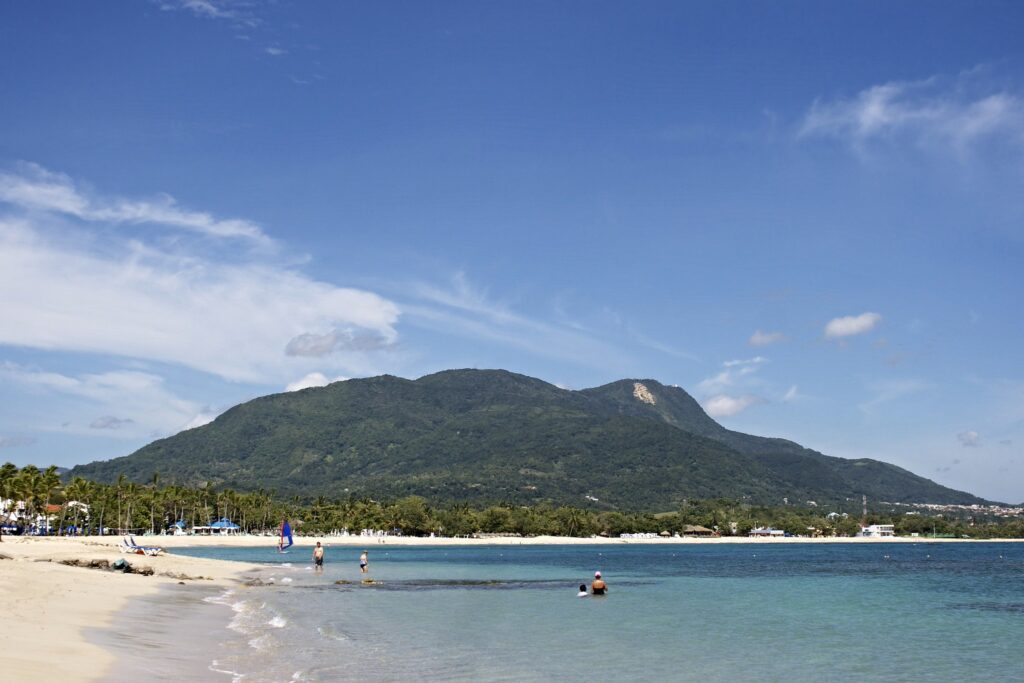
Protected by coral reefs, it offers excellent conditions for swimming, snorkeling, and paddleboarding. The beach is part of a well-planned resort area featuring hotels, restaurants, and a golf course, all within walking distance of the shoreline. Despite its development, Playa Dorada maintains a relaxed atmosphere, with views of Mount Isabel de Torres adding to the setting’s appeal. It’s only a 10-minute drive from downtown Puerto Plata and easily accessible by taxi or shuttle from most hotels.
Travel Tips for the Dominican Republic
Travel Insurance & Health
Travel insurance is essential, particularly if you plan to enjoy adventure activities, water sports, or outdoor excursions. Make sure your policy includes medical coverage and trip cancellation protection during hurricane season (June–November).
The Dominican Republic is safe and welcoming, especially in well-established resort areas. Still, it’s best to avoid isolated places at night and follow local safety advice. Tap water is not safe to drink, so always use bottled or filtered water for drinking and brushing teeth.
Transportation & Driving
Domestic flights connect major hubs like Santo Domingo, Puerto Plata, and Punta Cana, making travel between regions quick and convenient. Buses such as Caribe Tours and Metro are affordable and comfortable for long-distance journeys. In resort zones, taxis, guaguas (minibuses), and private transfers are readily available. Renting a car is ideal for exploring mountain regions, beaches, and coastal routes at your own pace.
Vehicles drive on the right-hand side. Roads are generally good, but drivers should watch for speed bumps, potholes, and livestock, especially in rural areas. A 4×4 vehicle is recommended for remote areas like Pedernales or the southwest coast. An International Driving Permit is required for most visitors and must be carried along with your national license. Police checkpoints are frequent – always have your ID, driver’s license, and rental documents with you.

Published November 02, 2025 • 13m to read