
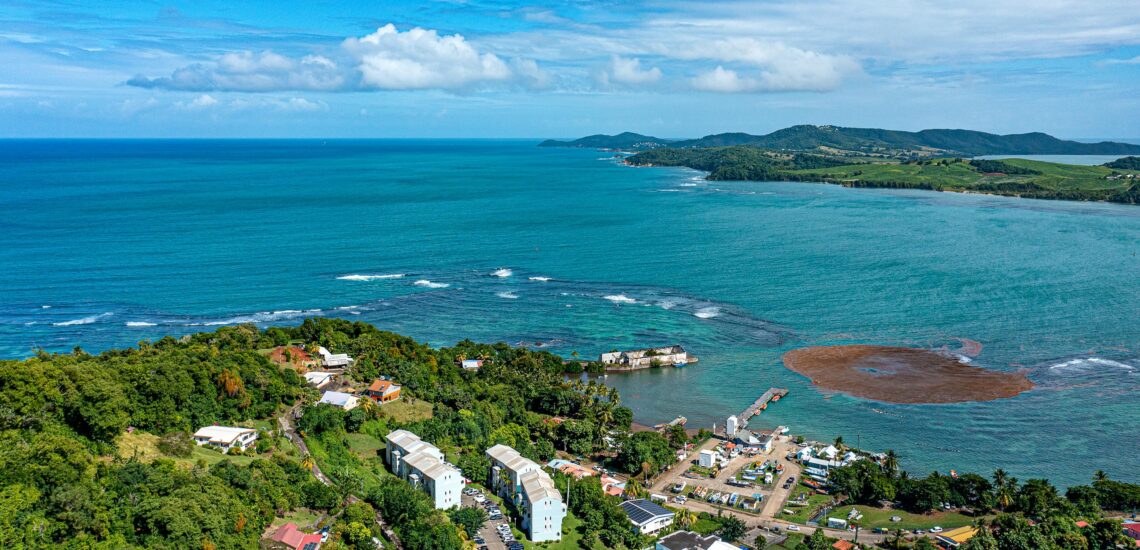


Nicknamed “The Nature Island of the Caribbean”, Dominica stands apart from its neighbors. Instead of endless resorts and white-sand beaches, it offers rainforests, waterfalls, volcanoes, and steaming hot springs – a wild, unspoiled paradise for eco-travelers and adventurers.
This lush island is home to mountain trails, crater lakes, coral reefs, and bubbling thermal rivers, making it a haven for hikers, divers, and anyone seeking a deeper connection with nature. If you’re looking for authenticity and adventure in the Caribbean, Dominica delivers it in its purest form.
Best Cities in Dominica
Roseau
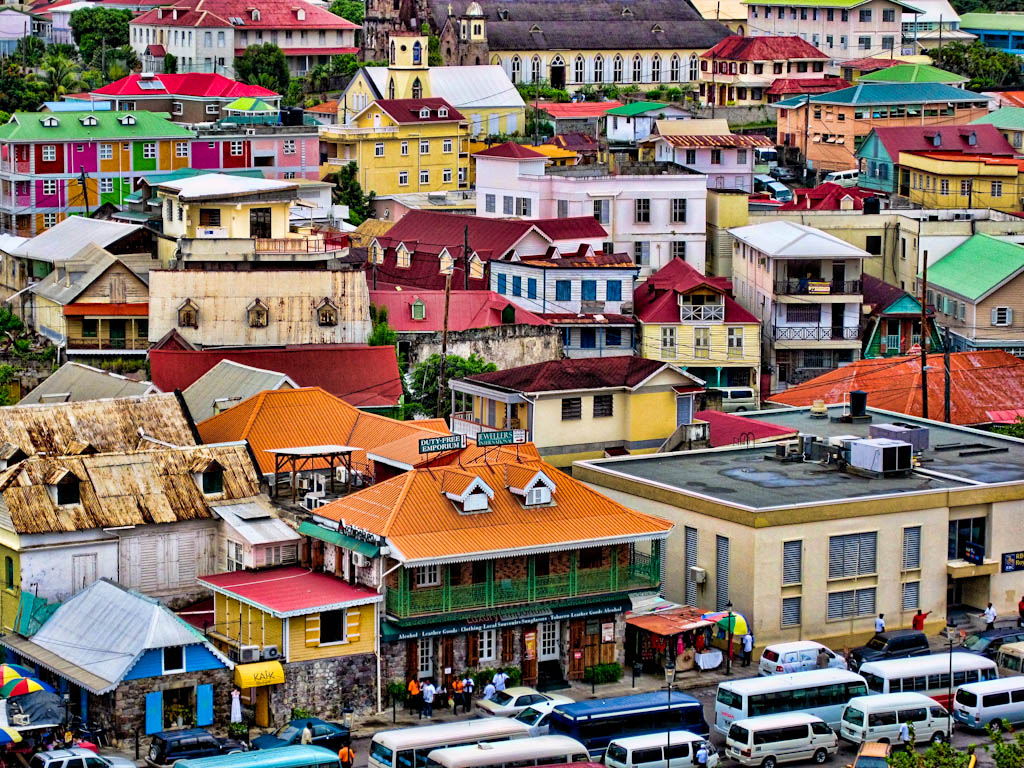
Roseau, the capital of Dominica, is a compact and lively city that reflects the island’s blend of French, British, and Creole heritage. Its narrow streets are lined with colorful wooden buildings, small shops, and local markets that create an authentic Caribbean atmosphere. The Dominica Museum and Old Market Plaza offer insight into the island’s history, from colonial times to independence, and showcase local crafts and traditions.
Just above the city, the Dominica Botanical Gardens provide a peaceful escape filled with tropical plants, orchids, and parrots, along with a scenic viewpoint from Morne Bruce Hill overlooking the town and harbor. As the main port for ferries and cruise ships, Roseau serves as the gateway for exploring Dominica’s natural wonders, from waterfalls and hot springs to volcanic peaks and rainforest trails.
Portsmouth
Portsmouth, located on Dominica’s northwest coast, is the island’s second-largest town and a relaxed hub for history, nature, and adventure. The nearby Cabrits National Park is one of its main attractions, featuring the restored 18th-century Fort Shirley, scenic coastal trails, and panoramic views of Prince Rupert Bay. The park also protects a rich mix of forest and marine ecosystems, making it ideal for hiking and exploring.
Just south of town, the Indian River offers one of Dominica’s most memorable experiences. Guided rowboat tours take visitors through mangrove-lined waterways filled with wildlife and lush vegetation – a setting so atmospheric it was used in Pirates of the Caribbean. Back in town, casual beach bars and dive shops line the waterfront, creating a laid-back atmosphere perfect for ending the day with a drink at sunset.

Soufrière & Scotts Head
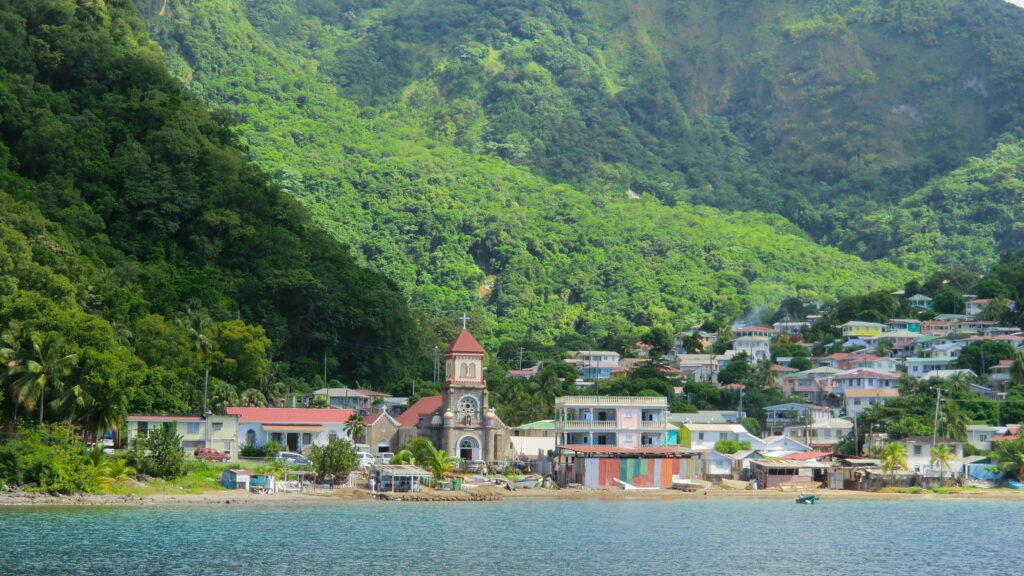
Soufrière and Scotts Head are two charming fishing villages located at the southern tip of Dominica, where the island’s volcanic landscape meets the sea. The area is part of the Soufrière-Scotts Head Marine Reserve, one of Dominica’s top spots for snorkeling, diving, and kayaking. Here, the calm Caribbean waters meet the rougher Atlantic Ocean at the narrow Scotts Head Peninsula, offering spectacular coastal views and abundant marine life just offshore.
Soufrière itself is a peaceful village surrounded by lush hills and hot springs, with colorful houses and a small seafront church adding to its charm. Just above the village lies the island’s Sulphur Springs area, where volcanic steam vents and bubbling mud pools provide a vivid reminder of Dominica’s geothermal activity. Together, Soufrière and Scotts Head offer a perfect mix of culture, scenery, and outdoor adventure on the island’s southern coast.
Best Natural Wonders in Dominica
Morne Trois Pitons National Park
Morne Trois Pitons National Park, a UNESCO World Heritage Site, forms the volcanic heart of Dominica and showcases the island’s dramatic natural beauty. This vast protected area encompasses steaming geothermal fields, dense rainforest, and some of the Caribbean’s most impressive waterfalls and hiking trails. Its diverse landscapes make it a haven for eco-travelers and adventure seekers alike.
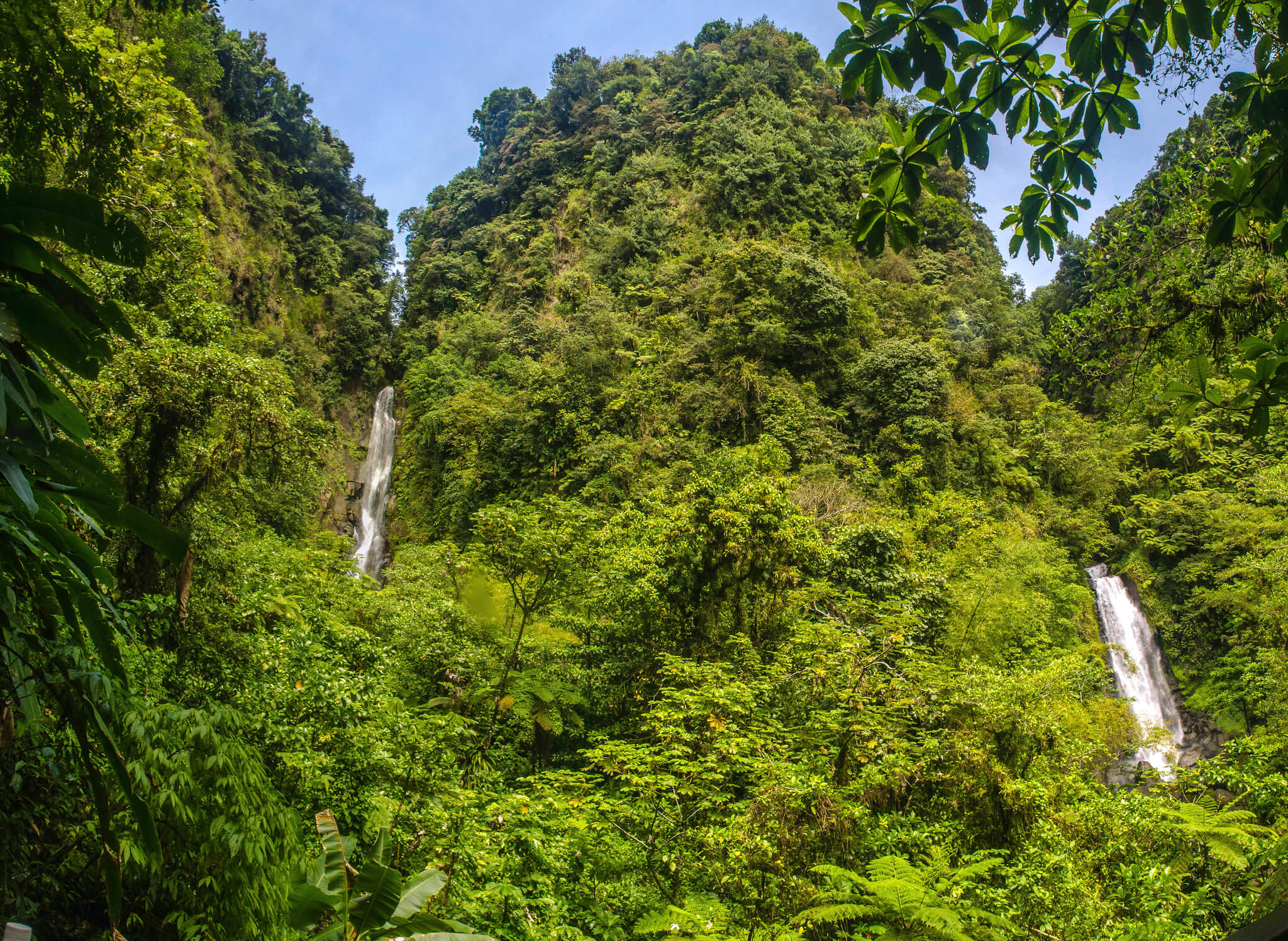
The park’s standout attraction is the Boiling Lake, the world’s second-largest hot lake, reached by a challenging full-day hike through rainforest, river crossings, and sulfur springs. Other highlights include Trafalgar Falls, twin waterfalls known as the “Mother and Father Falls”; the serene Emerald Pool, a green-hued basin perfect for swimming; and Middleham Falls, one of Dominica’s tallest cascades, accessible via a scenic jungle trek. Together, these natural wonders capture the raw, untouched essence that has earned Dominica its title as the “Nature Island”.
Champagne Reef
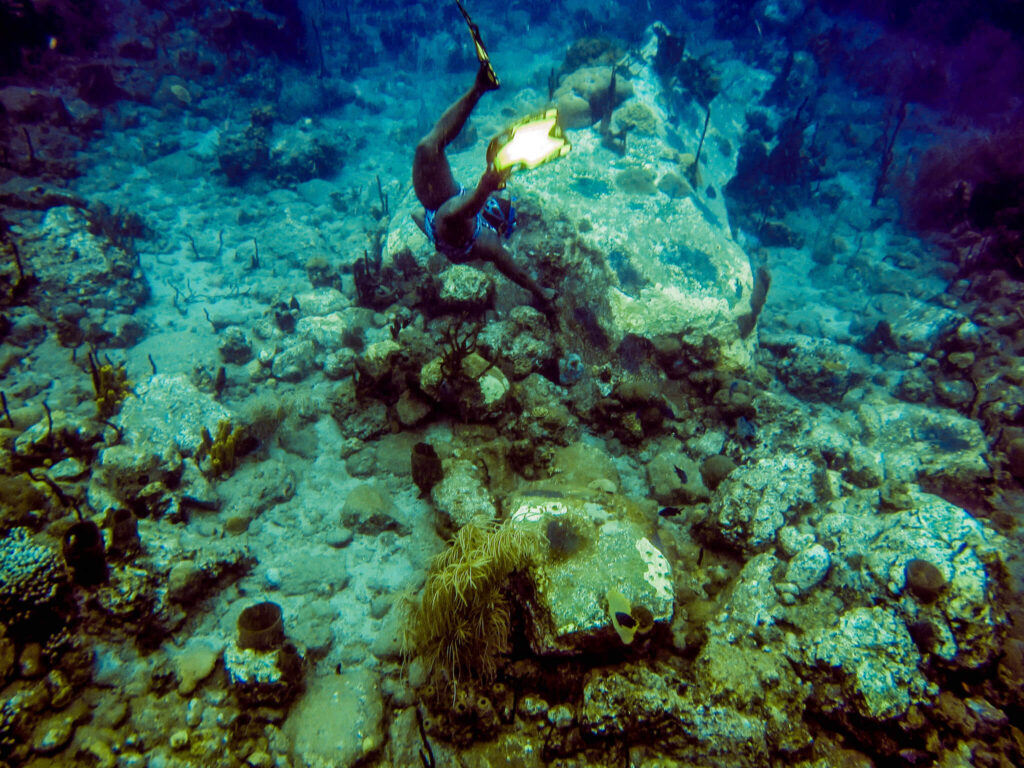
Champagne Reef, located just south of Soufrière, is one of Dominica’s most distinctive snorkeling and diving spots. The site gets its name from the constant stream of warm bubbles rising from volcanic vents on the ocean floor, creating the sensation of swimming through liquid champagne. The combination of geothermal activity and clear Caribbean water makes for a truly unique underwater experience.
Beyond the bubbling vents, the reef is home to vibrant corals, sponges, and a variety of tropical fish, making it ideal for both beginners and experienced divers. Access is easy from the shore, with calm waters and good visibility most of the year. Champagne Reef perfectly captures Dominica’s volcanic character and is a must-visit for anyone exploring the island’s marine life.
Titou Gorge
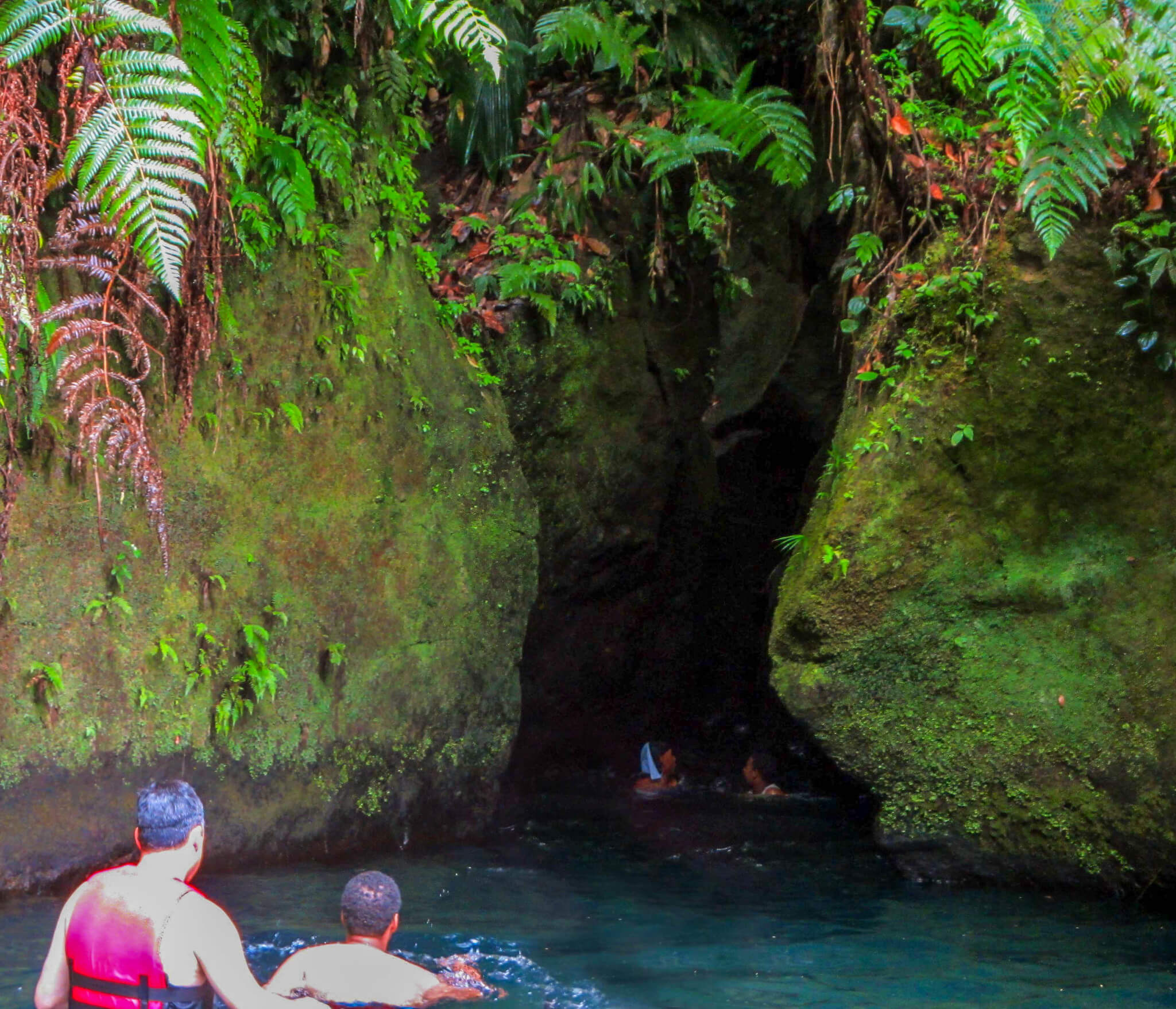
Titou Gorge is a narrow volcanic canyon near Laudat, formed by cooling lava that created deep, water-filled passageways. The gorge’s clear, cool water flows between steep rock walls draped with ferns and moss, creating a magical atmosphere that feels hidden and untouched. Visitors can swim or gently float through the gorge, passing small waterfalls and patches of sunlight filtering through the openings above.
The experience is both refreshing and adventurous, with the option to explore deeper sections with a local guide. Titou Gorge gained extra fame after being featured in Pirates of the Caribbean: Dead Man’s Chest, but it remains a peaceful natural attraction best enjoyed for its quiet beauty and unique geology.
Freshwater Lake & Boeri Lake
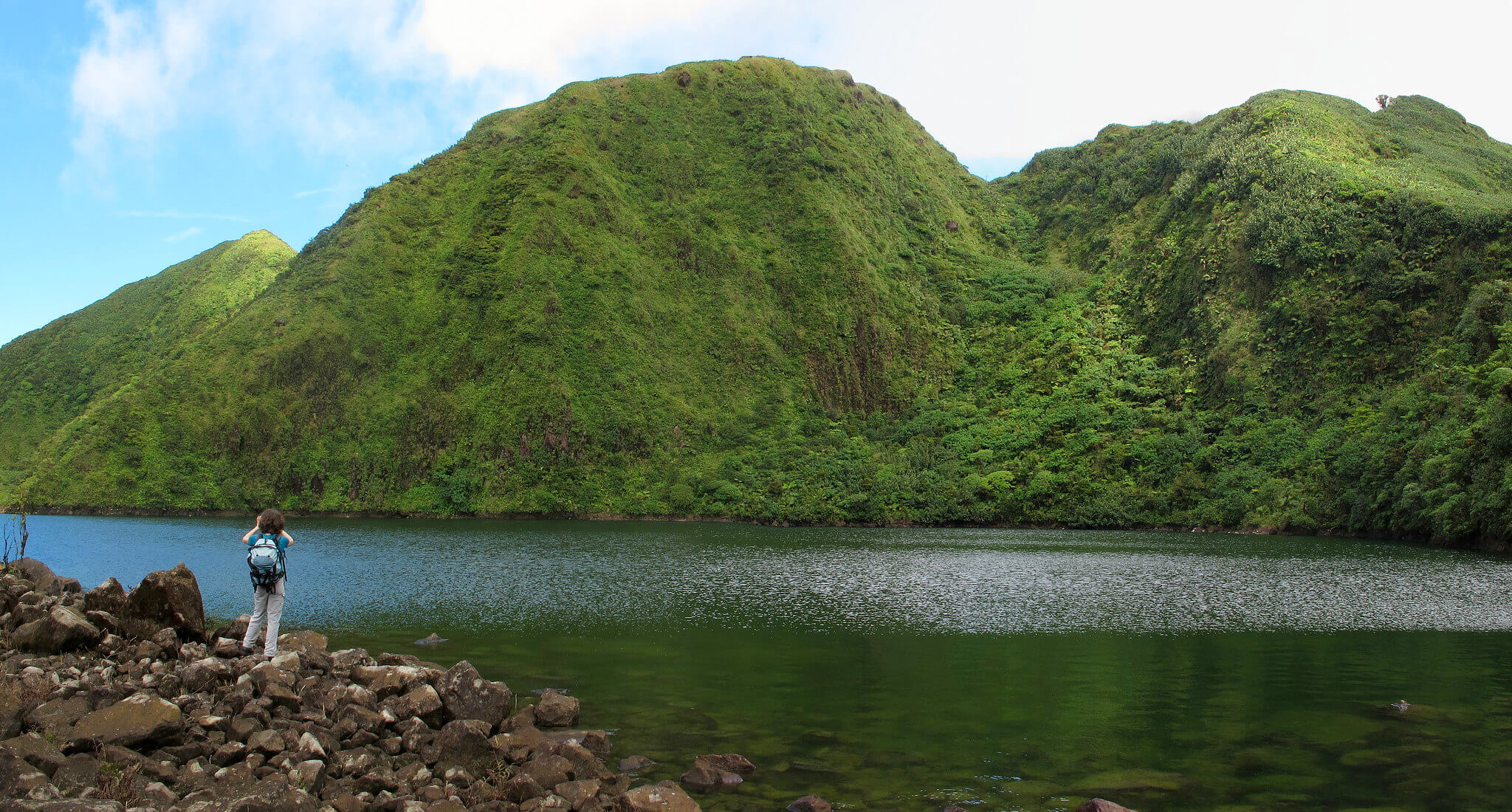
Freshwater Lake and Boeri Lake are two serene crater lakes set high in Dominica’s Morne Trois Pitons National Park. Surrounded by misty mountains and dense rainforest, these volcanic lakes offer cool temperatures and a tranquil atmosphere far from the island’s coast. Freshwater Lake, the larger of the two, can be explored by kayak or on a trail that circles its perimeter, providing scenic views and encounters with native birdlife.
Boeri Lake, located a short drive and hike away, sits deeper in the mountains and is known for its peaceful setting and fewer visitors. The trail leading there passes through lush vegetation and cloud forest, ending at the lake’s calm, reflective surface. Together, the two lakes showcase Dominica’s volcanic origins and provide excellent opportunities for hiking, photography, and quiet relaxation in nature.
Wotten Waven Hot Springs
Wotten Waven, a small village nestled in the Roseau Valley, is Dominica’s best-known destination for natural hot springs and mud baths. The area sits within a geothermal zone fed by volcanic activity from nearby Morne Trois Pitons, resulting in steaming mineral pools surrounded by lush rainforest. The warm, sulphur-rich waters are believed to have therapeutic benefits for the skin and body, making the village a favorite for wellness and relaxation.
Several eco-resorts and small spas operate throughout Wotten Waven, each offering a slightly different experience – from rustic outdoor baths to landscaped pools set amid tropical gardens. Visitors can soak in the natural hot springs, enjoy a mud treatment, or simply unwind while listening to the sounds of the forest.

Morne Diablotins National Park
Morne Diablotins National Park protects the rugged northern highlands of Dominica and is home to the island’s highest mountain, Morne Diablotins, which rises to 1,447 meters. The park is covered in dense rainforest and cloud forest, offering a haven for wildlife and an important habitat for Dominica’s national bird, the endangered Sisserou Parrot, along with the red-necked parrot and many other native species.
For hikers, the trails here range from moderate walks to challenging climbs toward the summit, where panoramic views stretch across the island and out to the Caribbean Sea on clear days. The terrain is often wet and muddy, but the combination of untouched forest, cool mountain air, and rare bird sightings makes Morne Diablotins National Park one of Dominica’s most rewarding destinations for nature lovers and adventurers.

Hidden Gems in Dominica
Victoria Falls
Victoria Falls is one of Dominica’s most striking waterfalls, located in the lush White River Valley near the village of Delices on the island’s southeast coast. The falls are fed by the White River, whose milky-blue color comes from dissolved minerals in the volcanic springs upstream. The waterfall plunges dramatically into a deep pool surrounded by dense rainforest, creating a powerful and visually stunning scene. Reaching Victoria Falls involves a moderate hike that includes several river crossings and rocky terrain, so local guides are recommended.

Spanny Falls
Spanny Falls is a pair of beautiful waterfalls located in the central rainforest near the village of Belles. The short, easy trail leading to the falls winds through lush vegetation, making it accessible for most visitors and a great choice for a relaxed nature walk. The first waterfall is easily reached and flows into a clear, inviting pool ideal for swimming and cooling off..
Jacko Falls
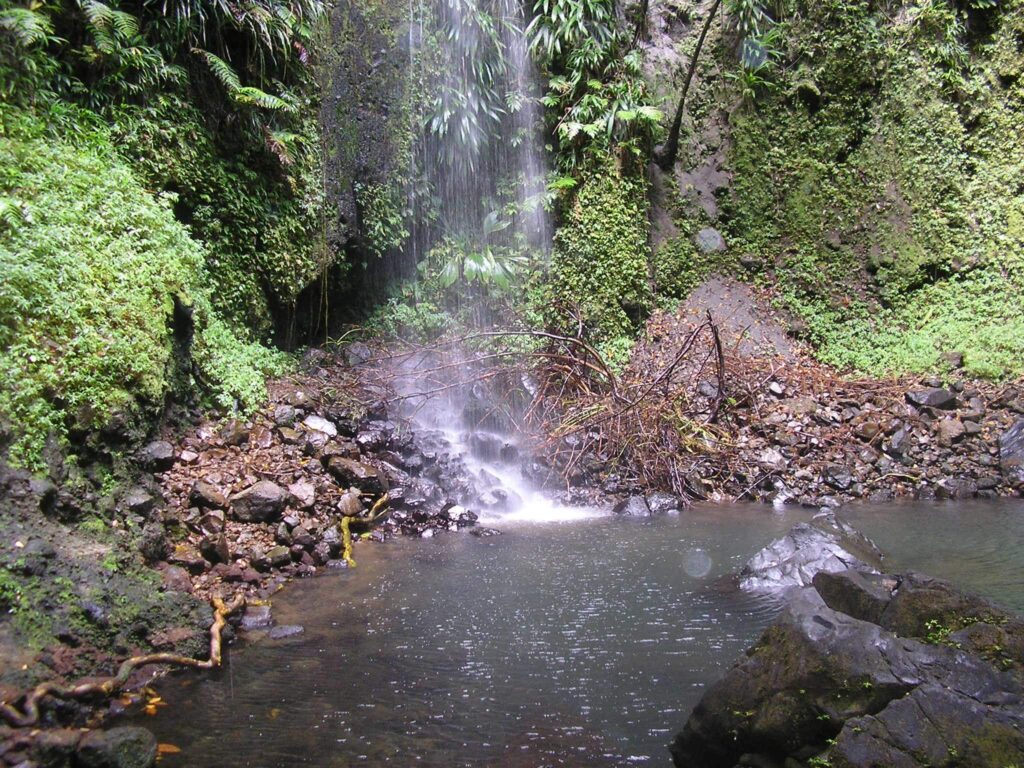
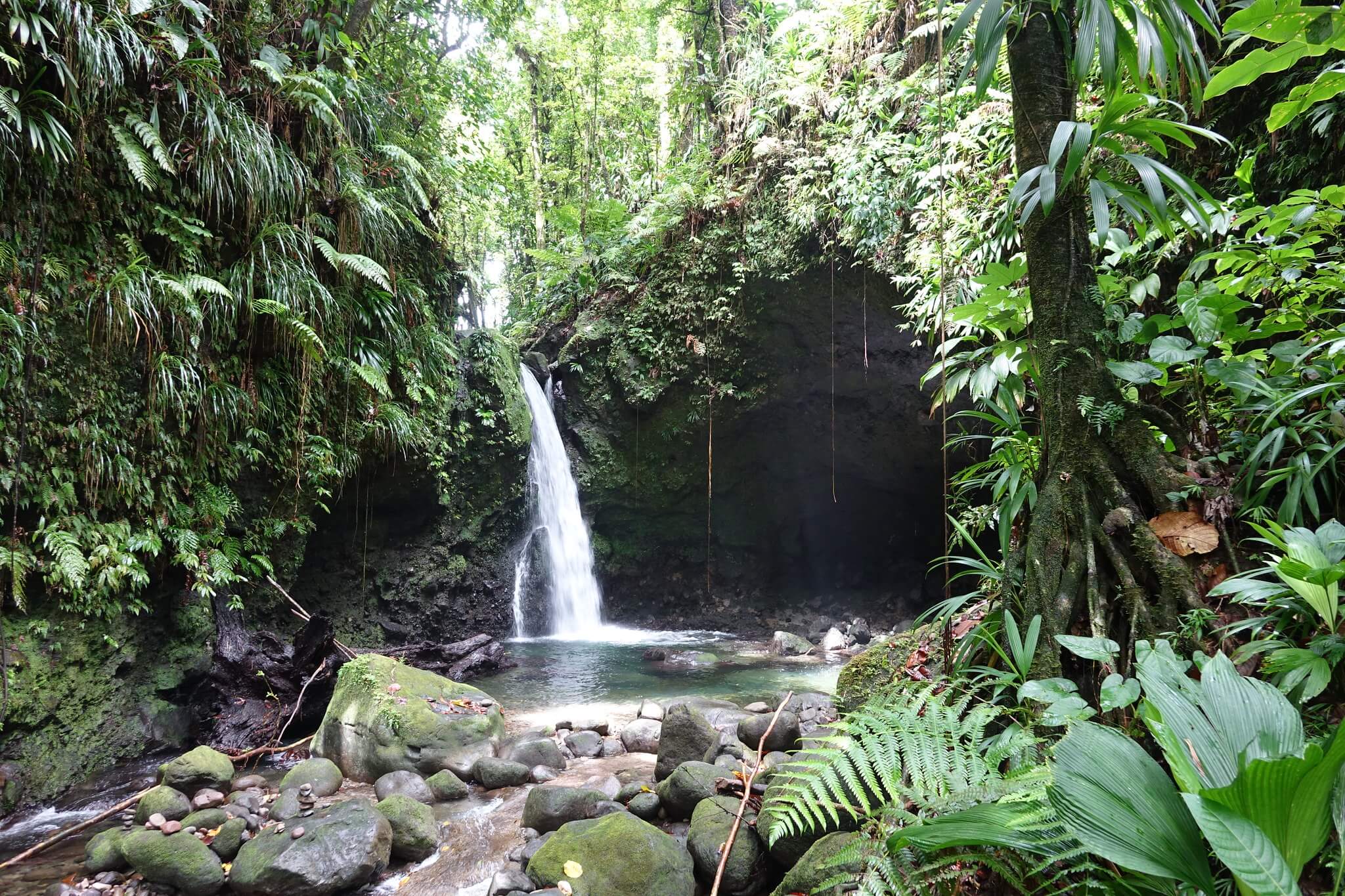
Jacko Falls is a small but picturesque waterfall located near Trafalgar, just a short drive from Roseau. Tucked within the rainforest, it offers a peaceful and easily accessible spot for visitors looking to enjoy Dominica’s natural beauty without a long hike. The waterfall cascades into a clear pool surrounded by ferns and tropical plants, creating an ideal setting for swimming, photography, or simply relaxing in nature.
Kalinago Territory
The Kalinago Territory, located on Dominica’s northeast coast, is the ancestral homeland of the island’s Indigenous Kalinago people. Covering about 15 square kilometers, it is home to several small villages where traditional ways of life, craftsmanship, and community values are still preserved. Visitors can tour the Kalinago Barana Autê, a cultural village that showcases traditional architecture, canoe building, basket weaving, and storytelling.

Boeri Lake Trail
The Boeri Lake Trail is a peaceful and scenic hike set within Morne Trois Pitons National Park. The trail winds through dense rainforest and cloud forest, gradually ascending to Boeri Lake, one of Dominica’s two volcanic crater lakes. Along the way, hikers enjoy cool mountain air, moss-covered trees, and sweeping views of the surrounding peaks and valleys.
The hike takes about 45 minutes each way and is moderate in difficulty, with some rocky and muddy sections, especially after rain. At the top, Boeri Lake offers a calm, reflective surface surrounded by lush vegetation, providing a serene spot to rest and take in the scenery.

Syndicate Nature Trail
The Syndicate Nature Trail, located on the slopes of Morne Diablotins in northern Dominica, is one of the island’s best spots for birdwatching. Set within dense rainforest, the trail is part of the Morne Diablotins National Park and provides an excellent opportunity to see Dominica’s two endemic parrot species – the Sisserou Parrot, the island’s national bird, and the Red-necked or Jaco Parrot. The walk is relatively short and easy, following a circular path through towering trees, ferns, and tropical plants. Local guides are available and can help visitors identify bird calls and other native wildlife.

Travel Tips for Dominica
Travel Insurance & Safety
Travel insurance is essential, especially for hiking, diving, and other outdoor adventures. Make sure your policy includes medical evacuation coverage, as medical facilities outside Roseau are limited and difficult to access from remote areas.
Dominica is among the safest and most welcoming islands in the Caribbean. Tap water is safe to drink, and health risks are low. Because of the island’s rugged, tropical terrain, pack insect repellent, sturdy hiking shoes, and sunscreen to stay comfortable while exploring rainforests, waterfalls, and volcanic trails.
Transportation & Driving
Dominica has no formal public transportation network, but minibuses operate between major towns and villages at low cost. Taxis and rental cars are widely available for more flexibility. Ferries connect Dominica with Guadeloupe, Martinique, and St. Lucia, making it easy to island-hop around the Lesser Antilles.
An International Driving Permit is required along with your home license. Visitors must also obtain a temporary local driving permit, available from rental agencies or police stations. Police checkpoints are routine – always keep your documents with you. Driving is on the left-hand side of the road. Roads are often narrow, steep, and winding, particularly in the mountains, so take your time and use caution on sharp bends. A 4×4 vehicle is highly recommended for reaching remote waterfalls, beaches, and national parks.

Published October 04, 2025 • 10m to read