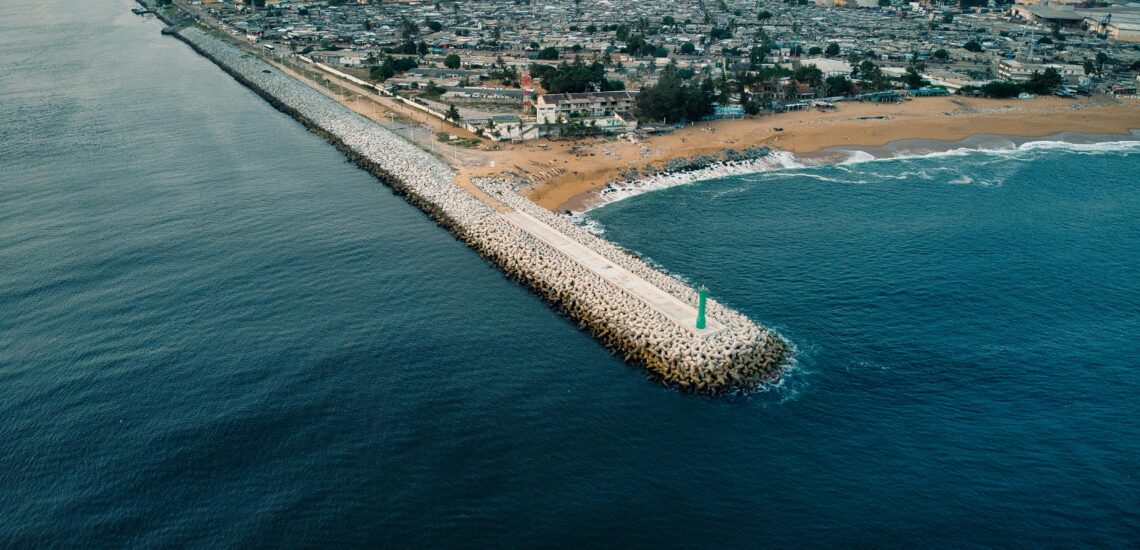


Côte d’Ivoire is a country with strong regional variety, combining major urban centers with forests, savannah landscapes, mountain areas, and a long Atlantic coastline. Modern city life, especially in Abidjan, exists alongside traditional communities, colonial-era towns, and protected natural areas. This mix makes it possible to experience very different sides of the country within a single trip.
Travel in Côte d’Ivoire is shaped less by headline attractions and more by regional discovery. Each area expresses culture in its own way through local cuisine, music, architecture, and daily routines. From coastal cities and inland towns to national parks and rural villages, the country offers a balanced experience of contemporary life, nature, and cultural continuity. For travelers interested in an active, diverse, and less-commercialized West African destination, Côte d’Ivoire is a strong choice.
Best Cities in Côte d’Ivoire
Abidjan
Abidjan is Côte d’Ivoire’s main economic center, built around the Ébrié Lagoon, and the city is best understood by moving district to district rather than trying to cover everything in one loop. Plateau is the administrative and business core with offices, banks, and waterfront views over the lagoon, while Cocody is more residential and is where you will find several universities, embassies, and quieter streets. Treichville and Marcory are useful for seeing everyday city life through markets, small restaurants, music venues, and transport hubs, and they are also areas where you will notice how trade and commuting shape the city.
St. Paul’s Cathedral is one of the easiest landmarks to include in a city day, both for its architecture and for the view lines it gives across the Plateau area and the lagoon. Banco National Park is another key visit because it preserves a section of coastal rainforest inside the city limits, with marked trails and guided options that help you understand local forest ecology without a long transfer. If you have extra time, many travelers add a day trip to Grand-Bassam on the coast for colonial-era architecture and beaches, since it is one of the simplest escapes from the city.
Most arrivals come through Félix Houphouët-Boigny International Airport, with airport transfers usually done by taxi or ride-hailing, and travel times vary a lot due to traffic. Within Abidjan, taxis are common, and planning your day around one or two neighboring districts saves time because bridge crossings and main arteries can bottleneck. For some routes, lagoon boats can be a practical alternative to road travel, depending on where you are staying and where you need to go.

Yamoussoukro
Yamoussoukro is Côte d’Ivoire’s political capital, located inland in the center of the country, and it feels noticeably quieter and more spread out than Abidjan. The city was developed with wide boulevards and large government zones, so distances can be longer than they look on a map, and most visitors get around by taxi rather than on foot. Outside official areas, the city functions like a regional hub for surrounding towns, with markets, small restaurants, and basic services that make it a practical stop on overland routes.
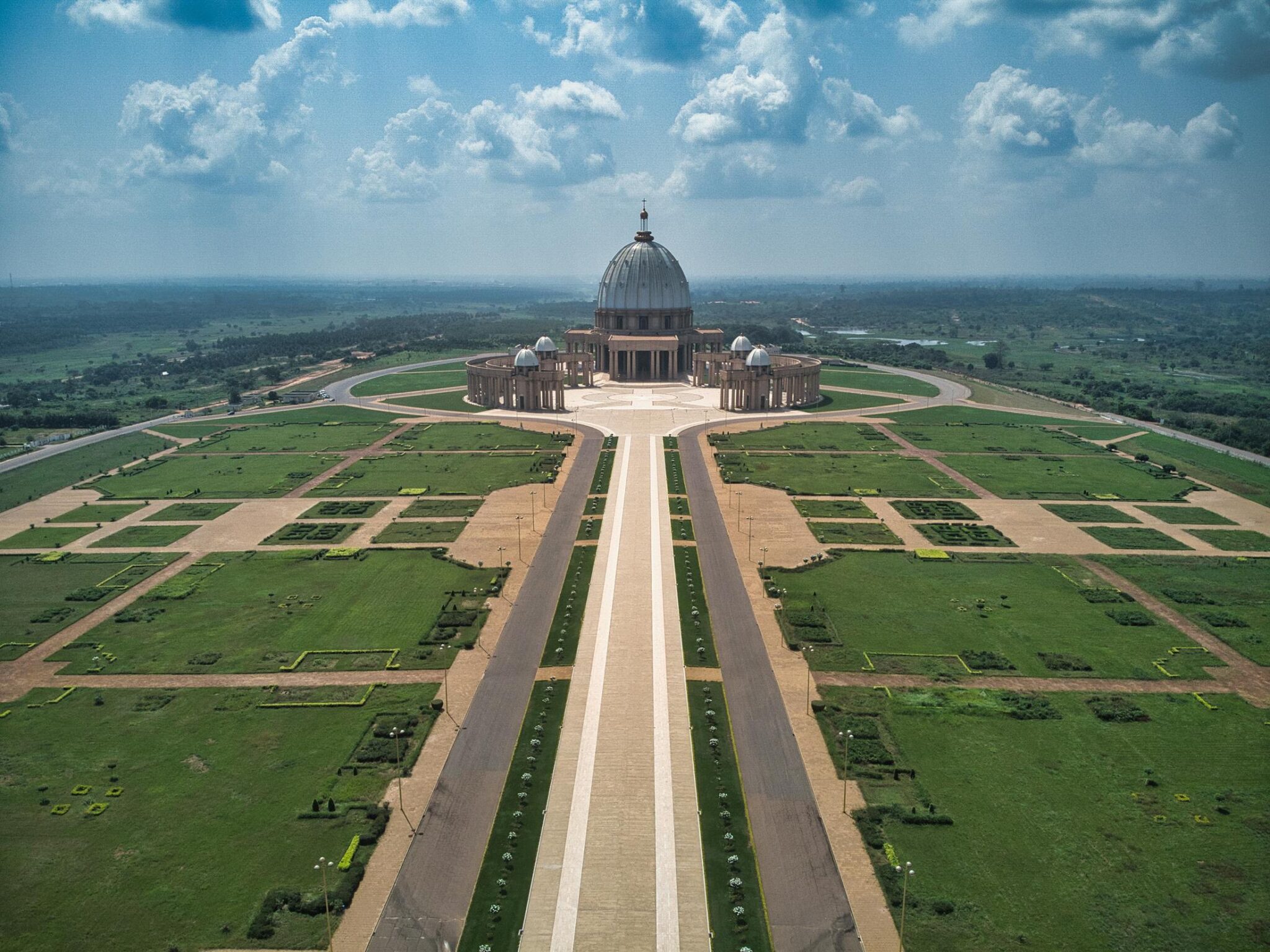
The main reason people visit is the Basilica of Our Lady of Peace, a monumental building that dominates the skyline and is one of the largest church structures in the world by scale. The site is usually visited with local staff who manage access and explain basic details, and it is worth allowing time to see both the exterior and interior because the experience is largely about proportions, layout, and how the complex sits within the city. If you are traveling by road, Yamoussoukro is commonly reached by bus, shared taxi, or private car from Abidjan, and it fits well as a stopover before continuing north or west without dealing with coastal-city traffic.
Grand-Bassam
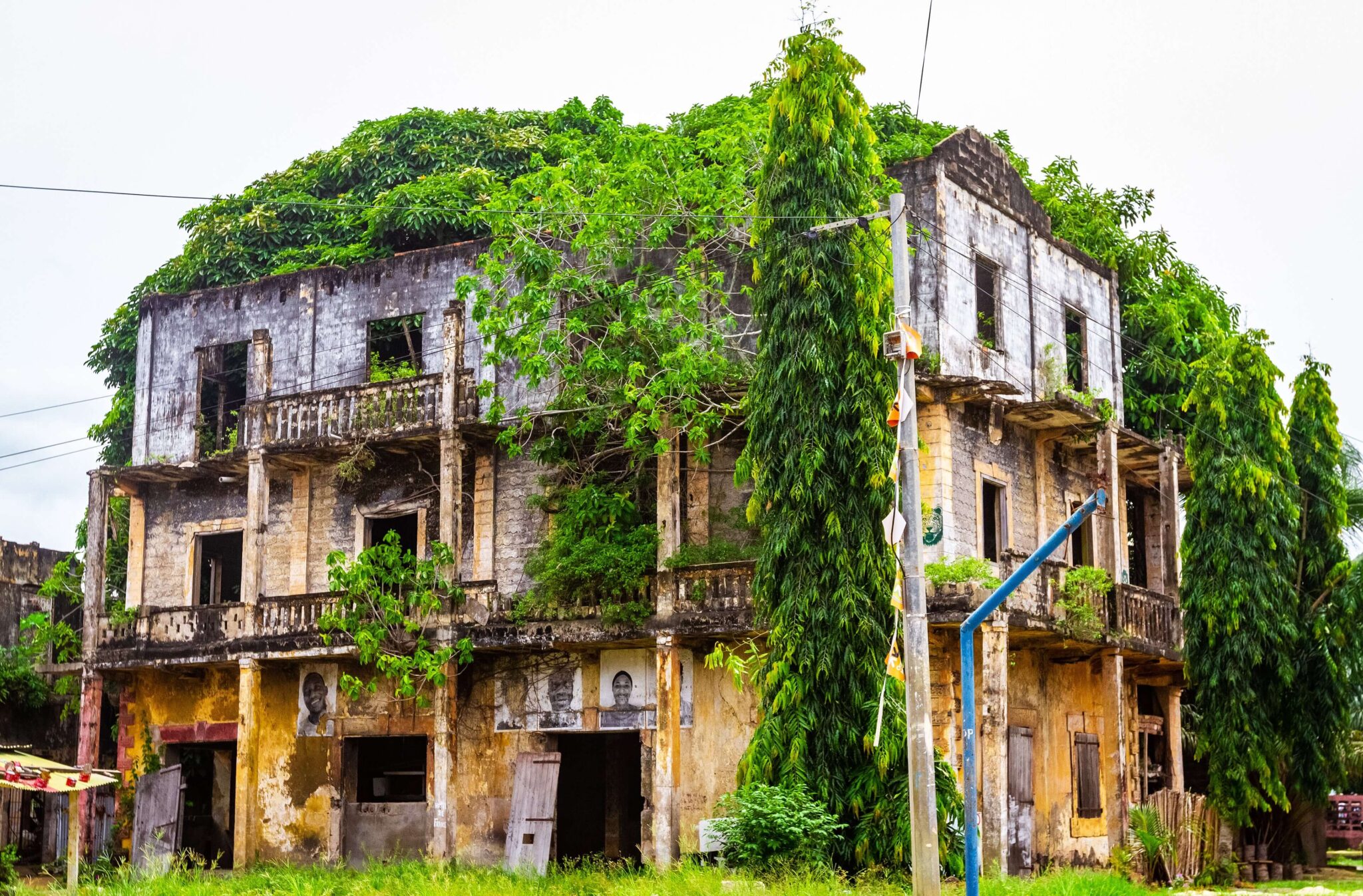
Grand-Bassam is a coastal town east of Abidjan that works well as both a heritage stop and a simple beach break. The historic quarter, often referred to as the old town, preserves colonial-era administrative buildings, residences, and churches that show how the coast was organized during the French period. Walking the streets is the main activity, and small museums and cultural spaces add context on colonial rule, independence, and how coastal communities shaped modern Ivorian identity. The National Costume Museum is one of the better-known visits if you want a focused look at textiles, ceremonial dress, and regional traditions.
Most travelers visit as a day trip or weekend from Abidjan. The easiest way to get there is by road in a private car or taxi, and there are also shared taxis and minibuses that run between Abidjan and Grand-Bassam, though they can be slower and less predictable. Once you arrive, it’s practical to spend the first part of the day in the old town when it’s cooler, then move to the beach area in the afternoon. Swimming is possible, but the Atlantic can have strong currents, so it’s safer to follow local advice on where conditions are calmer and avoid going far out if the surf is rough.
Bouaké
Bouaké is Côte d’Ivoire’s second-largest city and a key transport junction in the center of the country, which makes it a practical stop on overland routes between Abidjan, the north, and the west. The city’s main interest for visitors is how clearly it shows everyday commercial life in the interior. Markets and transport areas are busy from early morning, with traders moving food, textiles, and household goods between rural producers and larger city buyers, and you can get a good sense of local rhythms simply by spending time in the market districts and nearby streets.
The wider Bouaké area is strongly linked to Baoulé culture, and the most meaningful way to engage with that is through locally made crafts, small workshops, and community-based visits arranged with local contacts. Bouaké is not set up for conventional sightseeing, so it works best if you treat it as a base where you can rest, resupply, and make short trips into surrounding towns and villages. Getting in and out is straightforward by long-distance bus and shared taxi, and within the city, taxis are the easiest way to move between neighborhoods without losing time.
Korhogo
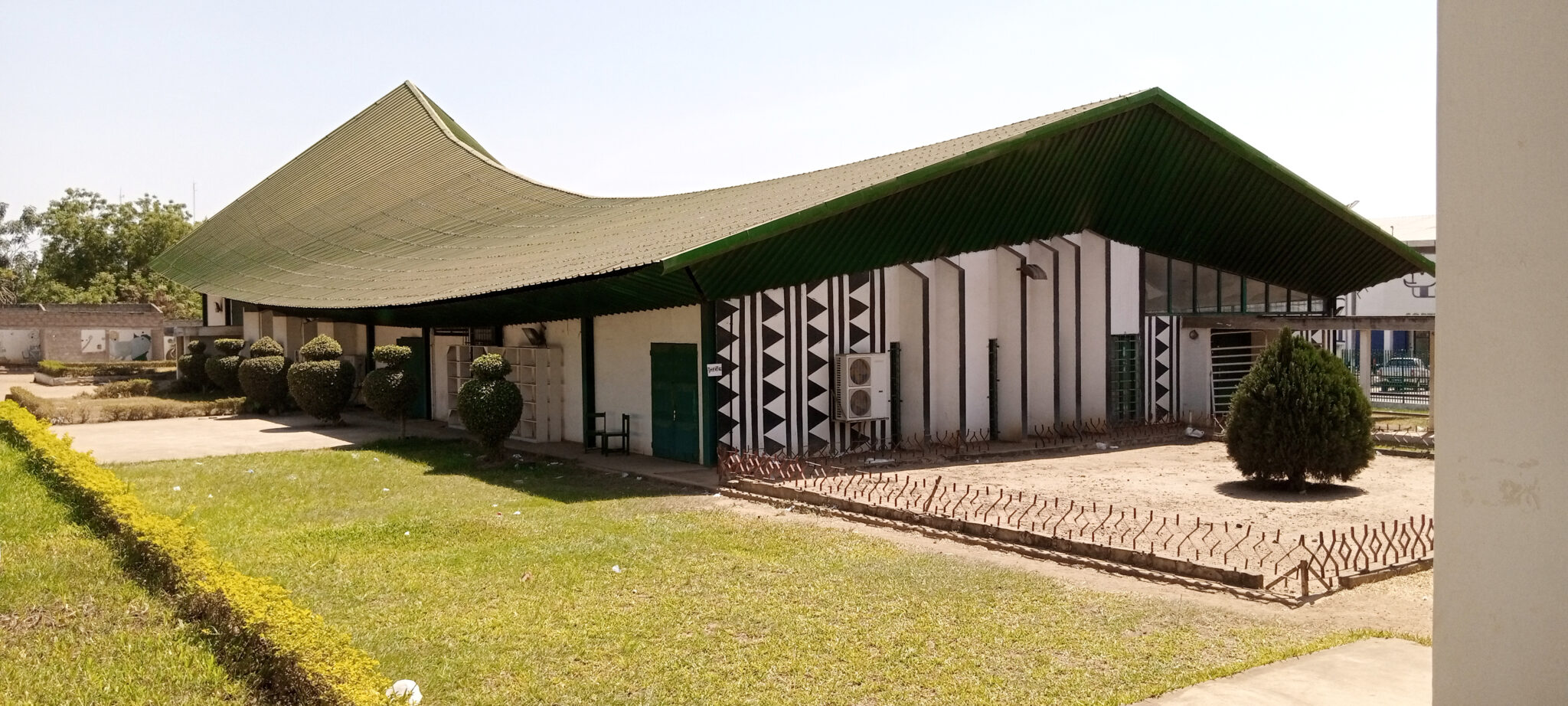
Korhogo is the main city in northern Côte d’Ivoire and a strong base for learning about Senoufo culture through crafts and everyday life rather than formal sightseeing. The central market is a practical starting point to see regional trade and to find locally made items, especially carved wooden stools and masks, woven cloth, and everyday tools. If you want to understand how objects are produced and what they mean, the best approach is to visit small workshops in town or arrange a short visit to nearby craft villages where artisans work on commission and can explain materials, techniques, and how items are used in ceremonies and community life.
Korhogo is also a good entry point into the northern landscape, which shifts toward savannah and rocky hills compared with the coastal south. Short trips outside the city can include village architecture and farming areas, and some routes pass viewpoints and rock formations that are typical of the region. Most travelers reach Korhogo overland by long-distance bus or shared taxi from Bouaké or Abidjan, then use local taxis for moving around town and reaching nearby villages. If you are traveling in the rainy season, allow extra time because road conditions and travel speeds can change quickly outside the main paved routes.
Best Beaches in Côte d’Ivoire
Grand-Bassam Beach
Grand-Bassam Beach is the main seaside area of Grand-Bassam and one of the easiest beach trips from Abidjan because it combines well with a walk through the historic quarter. The beach zone is lined with small hotels, restaurants, and casual bars, so you can arrive late morning, spend time in the old town while it’s cooler, then move to the coast for the afternoon. Weekdays are usually quieter, while weekends bring more local visitors and a more active dining and social scene, especially in the late afternoon and evening.
Practical access is by road from Abidjan, either by private car or taxi for the most direct trip, or by shared transport if you are flexible with timing. Once in Grand-Bassam, moving between the historic quarter and the beach area is simple by short taxi rides. Water conditions on this stretch of the Atlantic can be unpredictable, with strong waves and currents in places, so it’s safer to treat swimming cautiously and stay close to shore unless there is a clearly calmer section where locals are entering the water.
Assinie
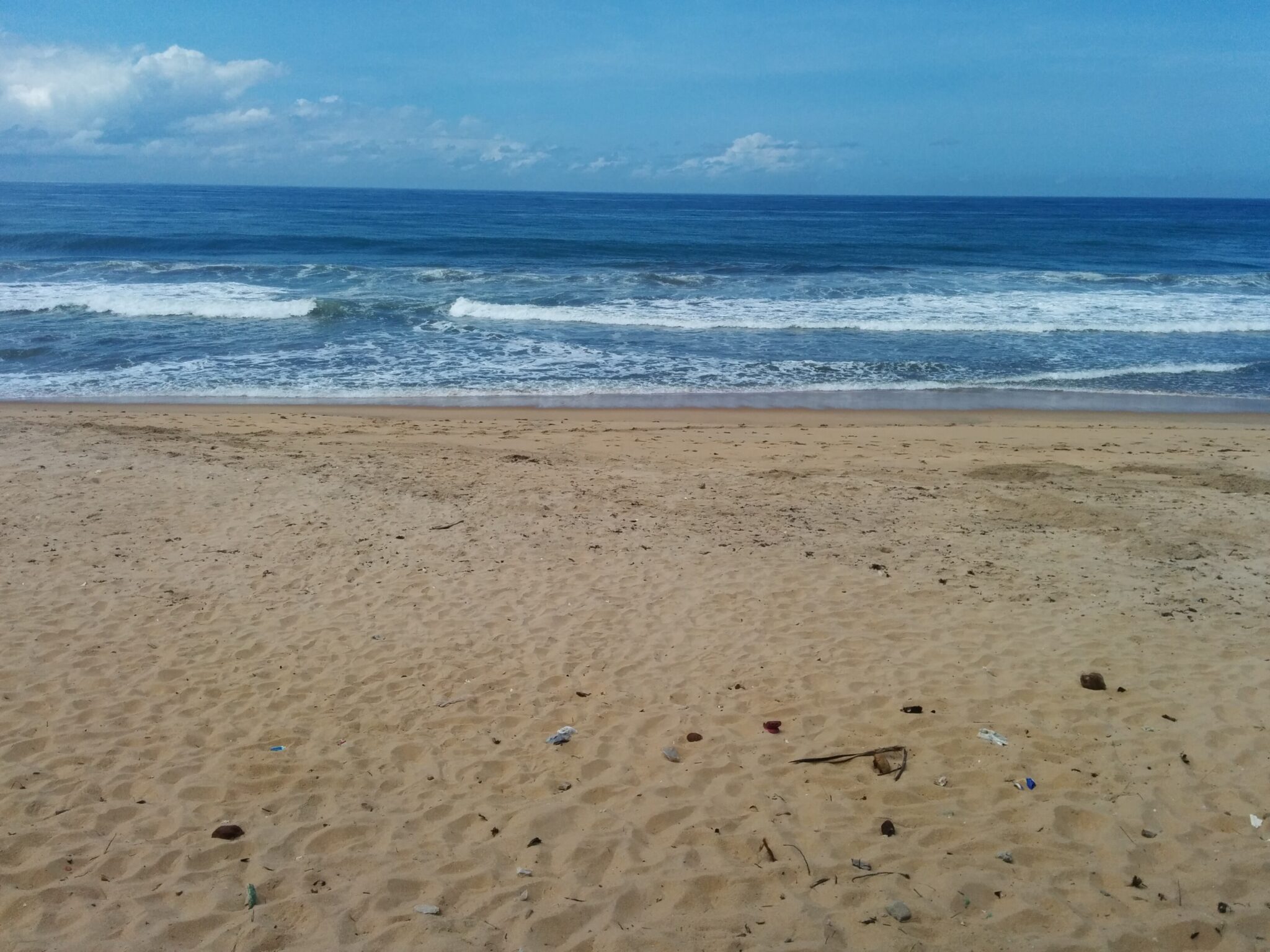
Assinie Beach is a coastal area east of Abidjan that is known for a more resort-oriented setup than Grand-Bassam, with higher-end lodges and a quieter atmosphere. What makes Assinie different is the combination of Atlantic shoreline and lagoon scenery, so a stay often involves splitting time between the beach side and the calmer lagoon side. Many properties are designed for short breaks, with on-site dining and organized activities, which makes it a good option if you want comfort and minimal logistics.
Most visitors reach Assinie by road from Abidjan, usually by private car or hired driver, since timing is simpler and you avoid multiple transport changes. Once there, lagoon boat rides are one of the main additions beyond the beach, with routes that pass narrow channels, sandbars, and small settlements. Swimming in the ocean can be more challenging when surf is strong, so lagoon activities are often the safer choice for time on the water, especially for families or travelers who want a calmer setting.
San-Pédro
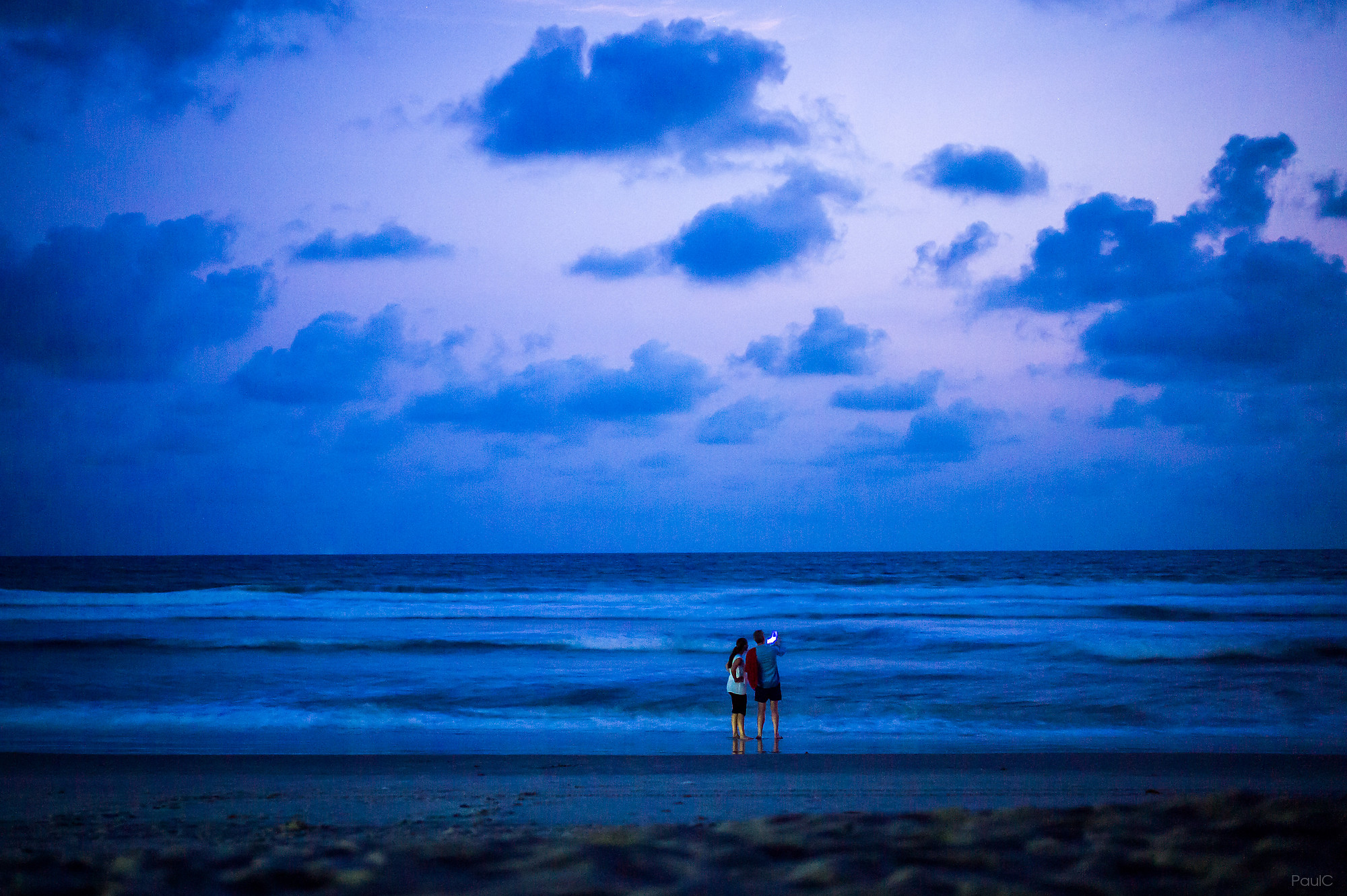
San-Pédro is a port city on Côte d’Ivoire’s southwest coast, and its main beach areas are wide, open, and less built up than the resort strips closer to Abidjan. The shoreline is used by both visitors and working fishing crews, so it’s common to see boats landing and fish being sorted near parts of the waterfront. For travelers, the beach works well for simple walks, a few hours by the water, and casual meals in local spots near the coast, with the city providing practical services like banks, supplies, and transport connections.
San-Pédro is also a useful base if you want to pair the coast with rainforest travel inland, since the southwest is one of the greener parts of the country and routes from here can lead toward protected forest areas and western highlands. Most people arrive overland by road from Abidjan or other regional cities, using buses, shared taxis, or a hired driver if you want flexibility for stops. Ocean conditions can be rough at times, so it’s best to treat swimming cautiously and pay attention to where locals enter the water and how the surf is behaving that day.
Sassandra
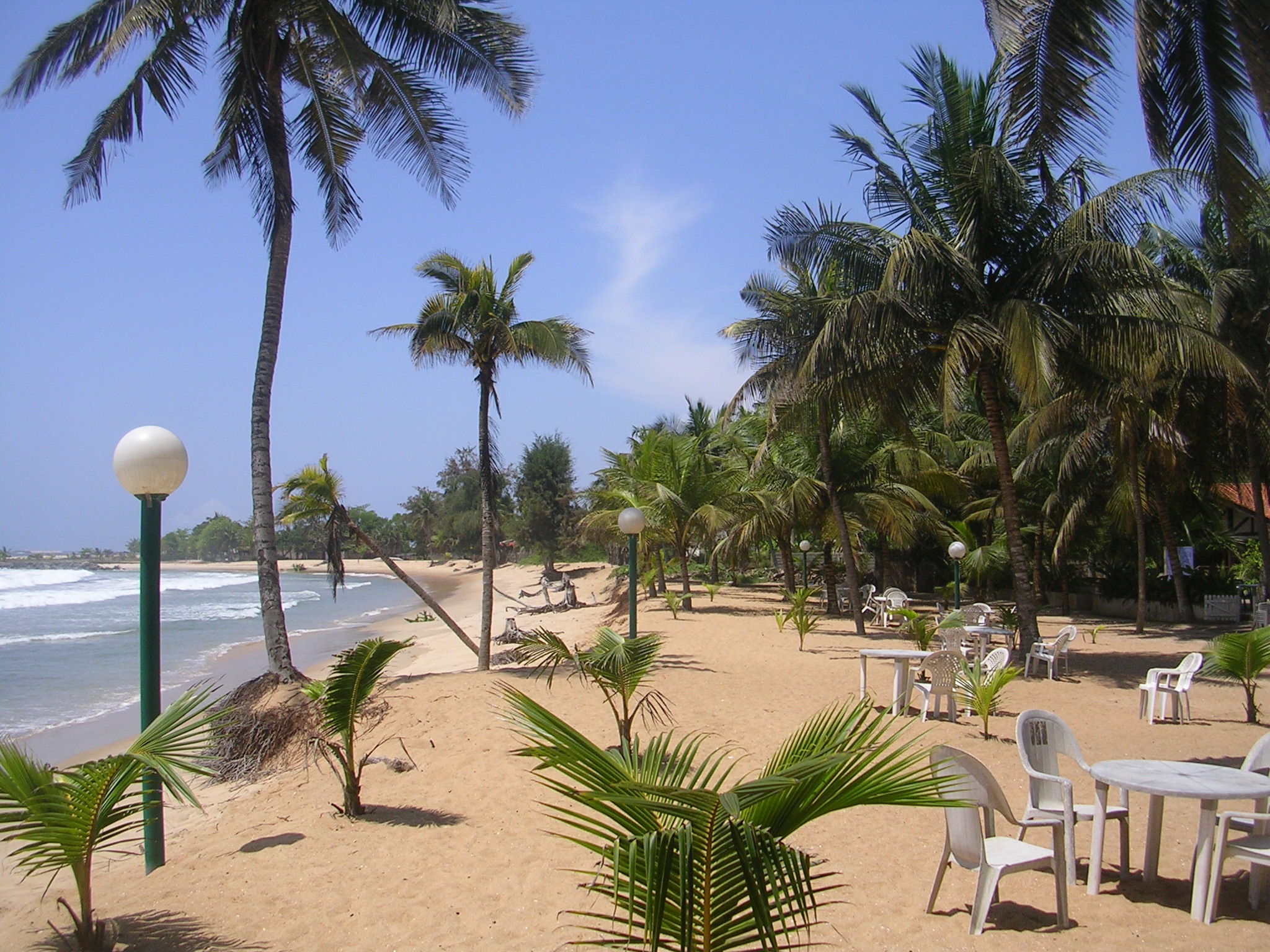
Sassandra Beach is part of a smaller coastal town in southwestern Côte d’Ivoire where fishing is the main daily activity and the shoreline feels less commercial than the resort areas closer to Abidjan. The town sits near the mouth of the Sassandra River, and the mix of ocean coast, river channels, and sandbanks creates good viewpoints for short walks and photography, especially early morning when fishing boats return. You will also find traces of older colonial-era presence in parts of the town, which adds historical context without requiring a dedicated museum-style visit.
Sassandra works best as a slow stop rather than a packed itinerary. Most travelers arrive by road from San-Pédro or from inland routes, using buses or shared taxis, then rely on local taxis for short distances inside town. Facilities are simple, so it helps to plan for basic accommodation and limited nightlife, with the main evening options being small restaurants and waterfront spots. Swimming can be possible but surf and currents vary, so it is safer to treat the ocean cautiously and choose areas where locals enter the water and conditions look clearly manageable.
Monogaga Beach
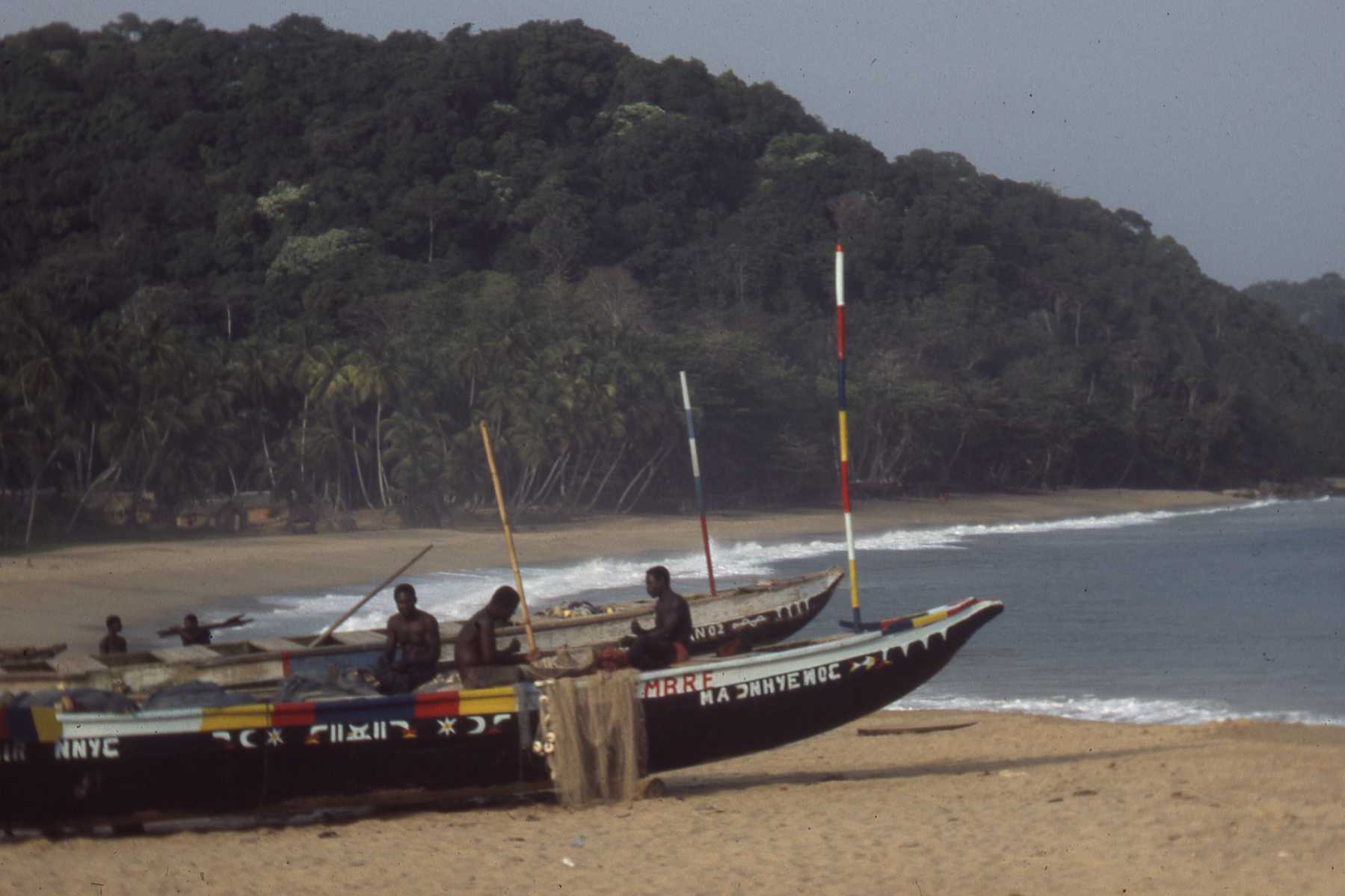
Monogaga Beach lies on the coastal road between San-Pédro and Sassandra and is known for a long, open shoreline with far less development than the better-known beach towns. The area feels more natural because there are fewer built-up beachfront strips and less day-to-day crowding, so the experience is usually about walking, spending time by the water, and observing a working coastline rather than using organized facilities. Depending on the season, you may also see small fishing activity and basic local food stalls, but services are limited compared with larger towns.
Getting to Monogaga is typically done by road as part of travel along the southwest coast, using shared taxis, minibuses, or a hired driver if you want flexibility. Because accommodation and restaurants can be sparse, many travelers visit as a short stop between San-Pédro and Sassandra or base themselves in one of those towns and come out for a few hours. Ocean conditions can be strong on this stretch, so swimming is best approached cautiously, and it helps to ask locally about currents and safer spots before entering the water.
Best Natural Wonders and National Parks
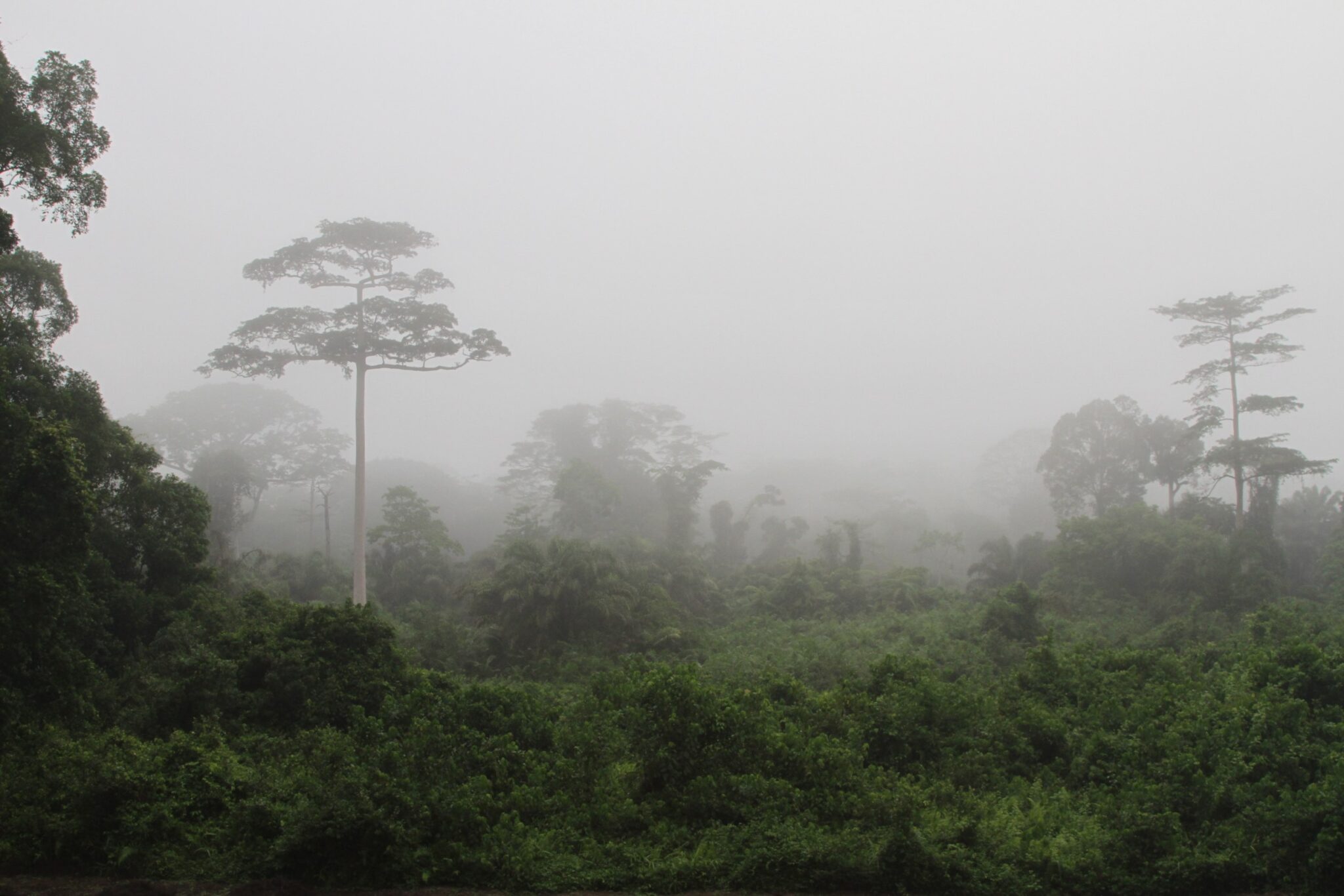
Taï National Park
Taï National Park is in southwestern Côte d’Ivoire near the Liberian border and protects one of the last large blocks of primary rainforest in West Africa. Visiting is mainly about guided time in the forest, where you may hear chimpanzees, see several monkey species, and spot signs of larger mammals such as forest elephants or pygmy hippos, though sightings depend on season, luck, and how long you stay. Even without major wildlife encounters, the experience is useful for understanding Upper Guinean rainforest ecology through dense canopy, riverine areas, and forest trails explained by local guides and rangers.
Access takes planning because the park is remote and some approach roads can be rough, especially in the rainy season. Most routes start from Abidjan and continue overland toward the southwest, typically via larger towns like San-Pédro or Guiglo, then onward to Taï town or other entry points where visits are organized. You should arrange permissions and a guide in advance through the park authorities or reputable local operators, and plan at least two to three days in the area so the long travel time is worthwhile.
Comoé National Park
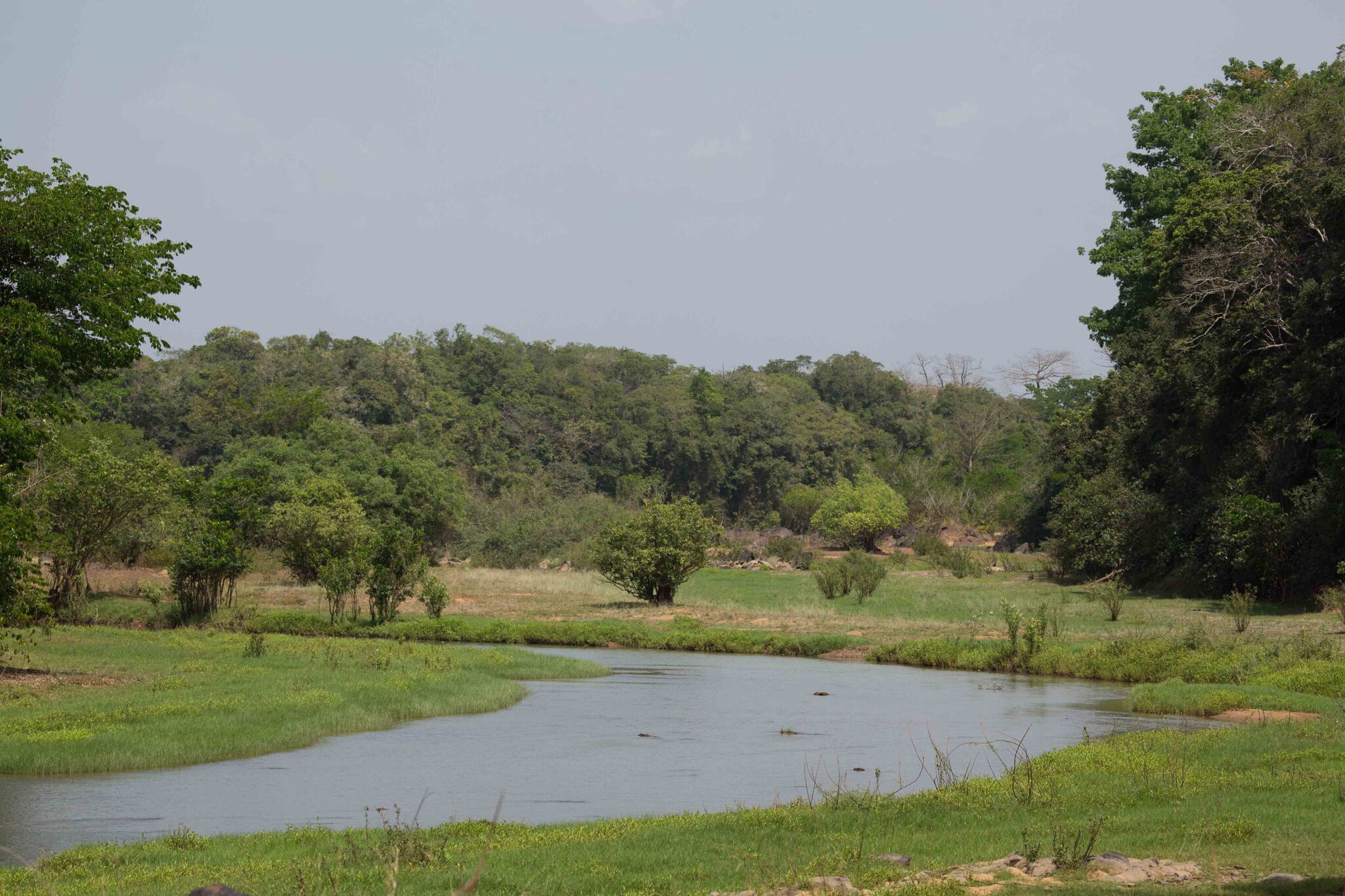
Comoé National Park is in northeastern Côte d’Ivoire along the Comoé River and protects a large mix of savannah, woodland, and riverine habitats that feel very different from the southern rainforest zone. The park’s ecology is shaped by the river corridors cutting through drier landscapes, which creates varied viewing environments and supports wildlife adapted to open country as well as gallery forest. It is UNESCO-listed, and for travelers it is one of the best options in the country for a safari-style experience away from the coast.
Reaching Comoé usually involves overland travel from northern hubs such as Korhogo or Bondoukou, then continuing toward park access points where visits are organized. Infrastructure is more limited than in major East or Southern African safari circuits, so it works best if you plan in advance, travel with experienced guides, and allow enough time for drives inside the park rather than treating it as a quick stop.
Banco National Park
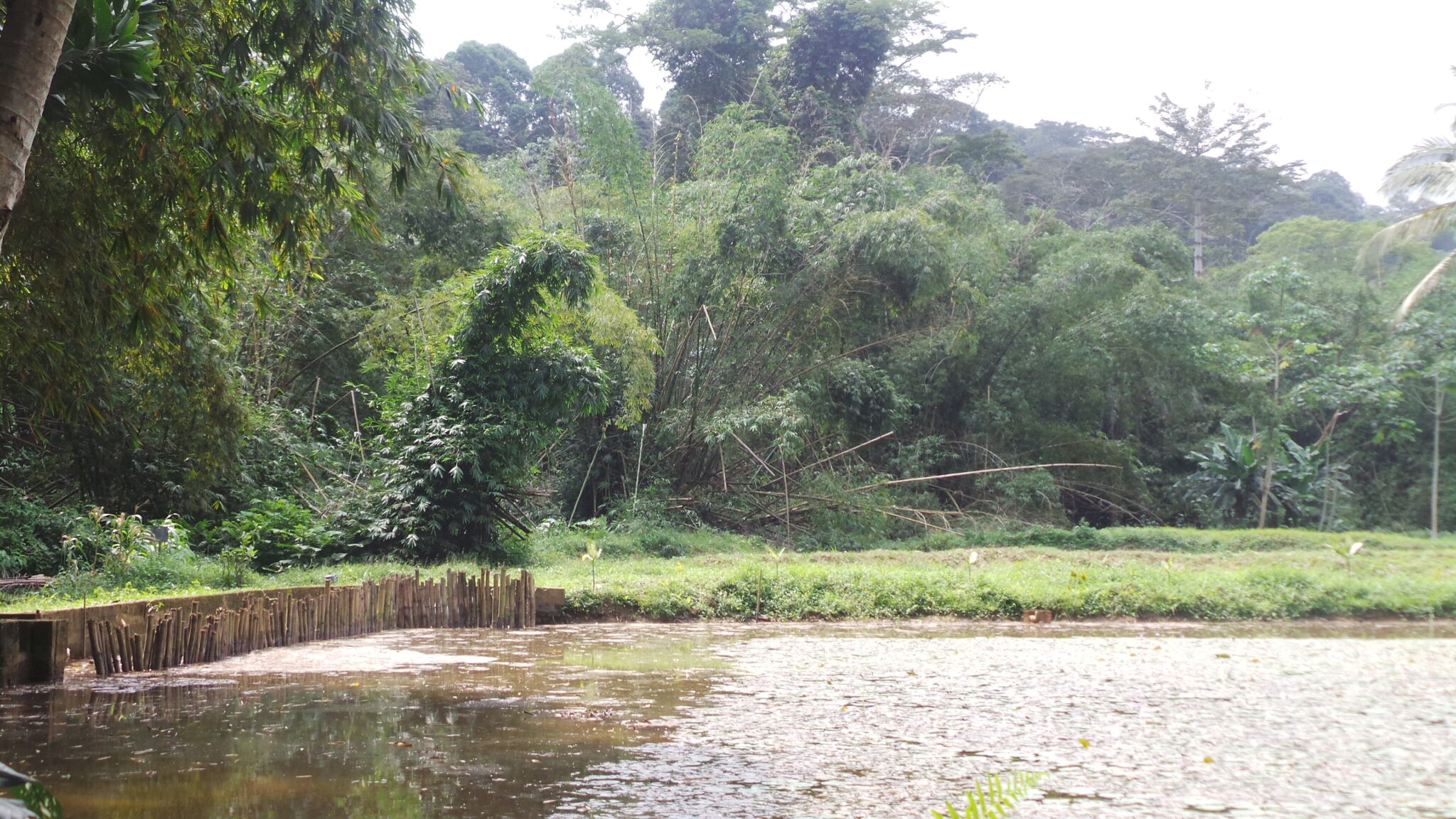
Banco National Park is a protected pocket of coastal rainforest inside Abidjan, and it is one of the simplest ways to experience forest ecology without leaving the city. The park is known for shaded walking trails through tall trees, dense undergrowth, and a humid forest environment that feels separate from the surrounding neighborhoods. Wildlife sightings are not guaranteed, but visitors often notice birds, butterflies, and occasional monkeys, and the main value is seeing how a rainforest looks and sounds at close range within an urban setting.
Getting there is straightforward by taxi or ride-hailing from most parts of Abidjan, and it works well as a half-day visit. Entry is usually organized at the park gate, and going with a park guide or ranger is the best approach for navigation, safety, and interpretation of plants and habitats. Wear closed shoes with grip because trails can be muddy after rain, bring water, and plan to visit earlier in the day when it is cooler and the forest is more active.
Mount Nimba (Ivorian side)
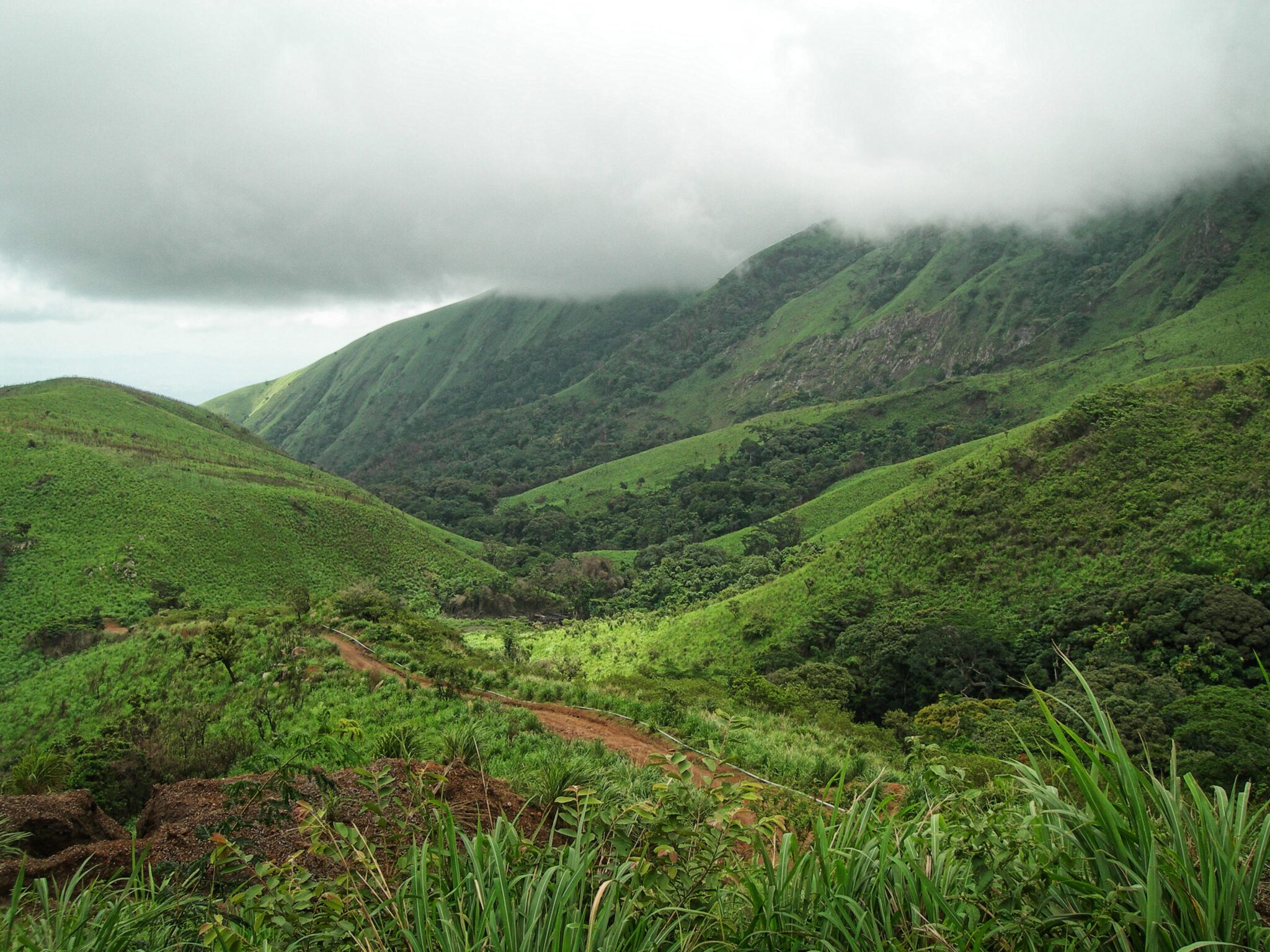
Mount Nimba on the Ivorian side lies in the far west of Côte d’Ivoire near the borders with Guinea and Liberia and forms part of a strictly protected UNESCO-listed reserve. The main appeal is the rapid change in habitats as you gain elevation, from lower forest to montane zones and high grasslands, with many plants and small animals that are found only in this massif. Expect hiking focused on terrain, ecology, and viewpoints rather than quick sightseeing, and keep in mind that wildlife such as chimpanzees or forest elephants is not something you can count on seeing without time and specialist guiding.
Access is controlled, so you should arrange permission and an official guide in advance through Côte d’Ivoire’s park authorities, then travel overland to the western highlands, commonly via Man or Danané, and continue by road to a local trailhead village near the reserve. Most visits are done as a full day at minimum, and longer treks are often multi-day due to steep climbs and the distance from main roads. Conditions can be wet and slippery, temperatures drop with altitude, and phone coverage can be limited, so plan for sturdy footwear, rain protection, and a clear route plan, and avoid wandering toward border areas without your guide.
Best Cultural and Historical Sites
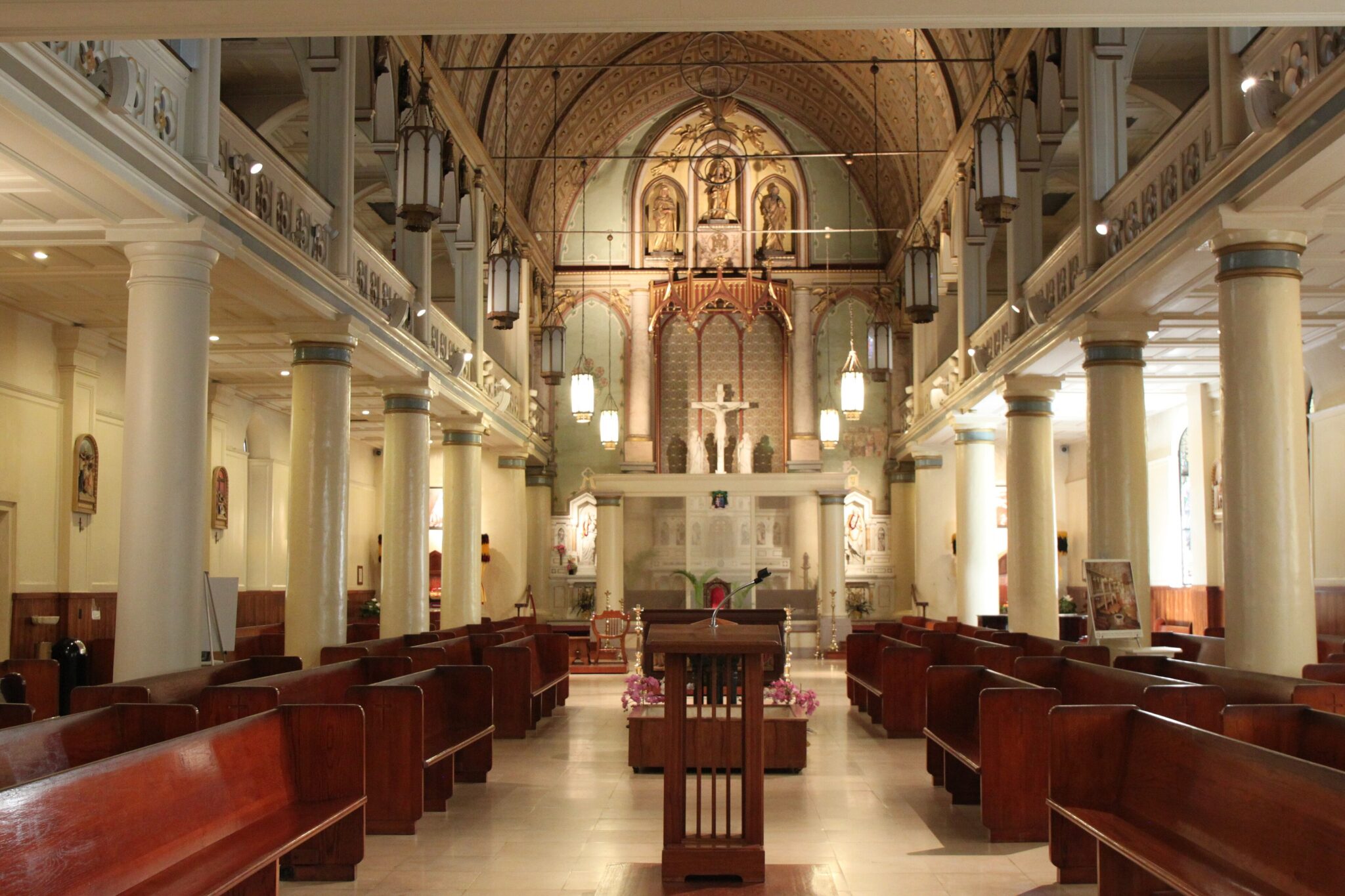
Basilica of Our Lady of Peace
The Basilica of Our Lady of Peace is the main landmark in Yamoussoukro and one of the largest church buildings in the world by scale, designed to dominate the city’s wide, planned layout. The experience is primarily architectural: the approach emphasizes the size of the complex, and inside you will notice the vast central space, high ceilings, and large stained-glass areas that make the building feel more like a monumental civic project than a typical parish church. Even if you are not focused on religious sites, it is useful for understanding how Côte d’Ivoire’s political capital was shaped around symbolism, visibility, and state-driven construction.
Visiting is straightforward once you are in Yamoussoukro. Access is usually managed on site, often with staff or guides who organize entry and provide basic context, and it helps to arrive earlier in the day when it is cooler and quieter. The basilica is outside the busiest parts of town, so most visitors go by taxi, and it is easy to combine with other quick stops in Yamoussoukro on the same day if you are traveling overland from Abidjan or continuing toward the north.
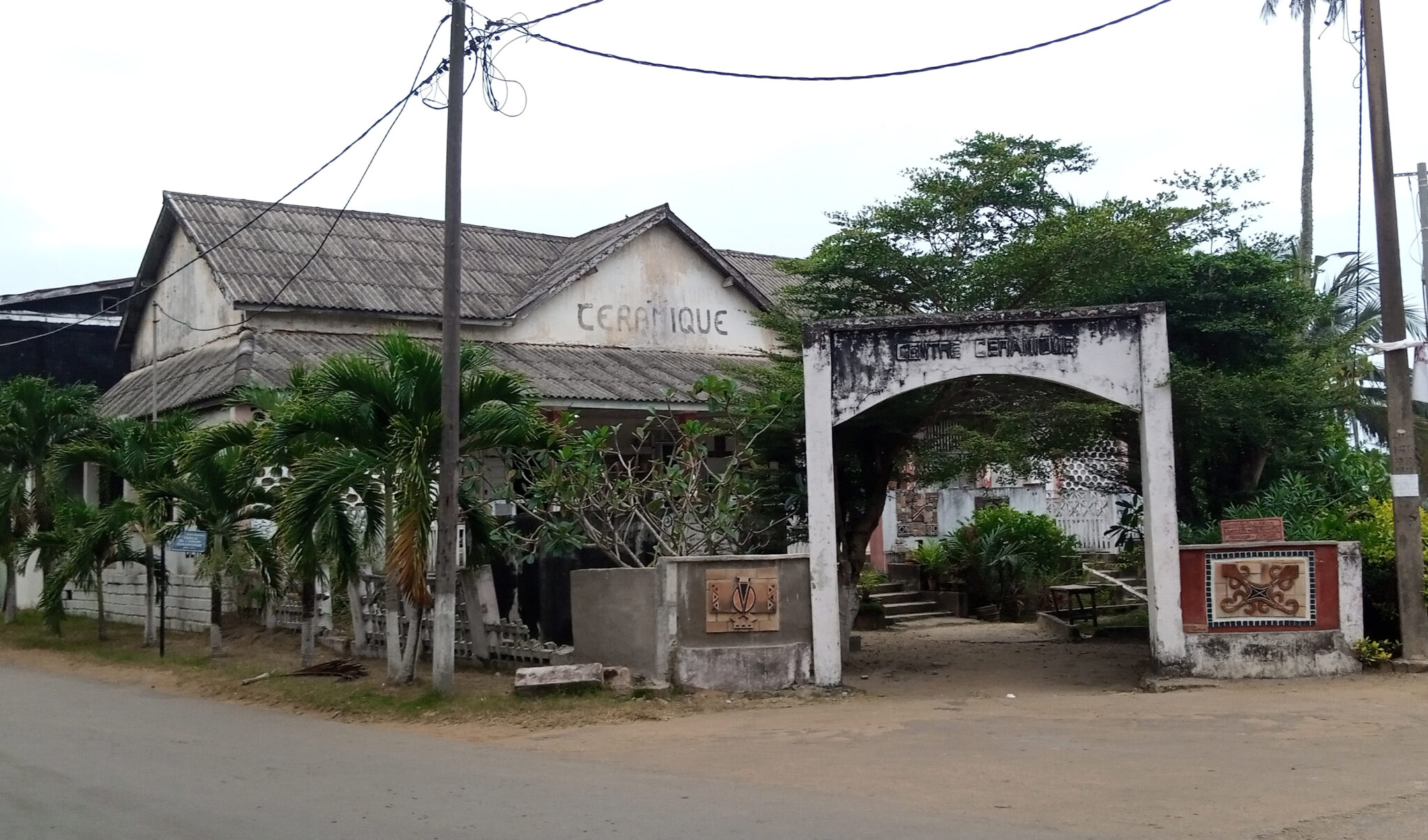
Historic Town of Grand-Bassam
The historic town of Grand-Bassam is the country’s key colonial-era heritage area and the most practical place in Côte d’Ivoire to see how a French coastal administrative town was planned and built. The old quarter preserves a recognizable street grid with former administrative buildings, residences, and civic structures that illustrate how colonial authority operated on the coast, how trade moved through the town, and how coastal communities interacted with the colonial system. Walking is the best way to visit because many of the details are in facades, verandas, and building layouts rather than in a single landmark.
Museums and cultural spaces in the heritage zone add context by linking architecture to the wider history of colonial rule, independence, and the evolution of modern Ivorian identity. It is easiest to visit Grand-Bassam from Abidjan by road as a day trip or overnight stop, then move between the old town and the beach area by short taxi rides. For a smoother visit, go earlier in the day for the heritage quarter and save the hotter afternoon hours for the coast, since shade is limited in some parts of the old town.
Kong
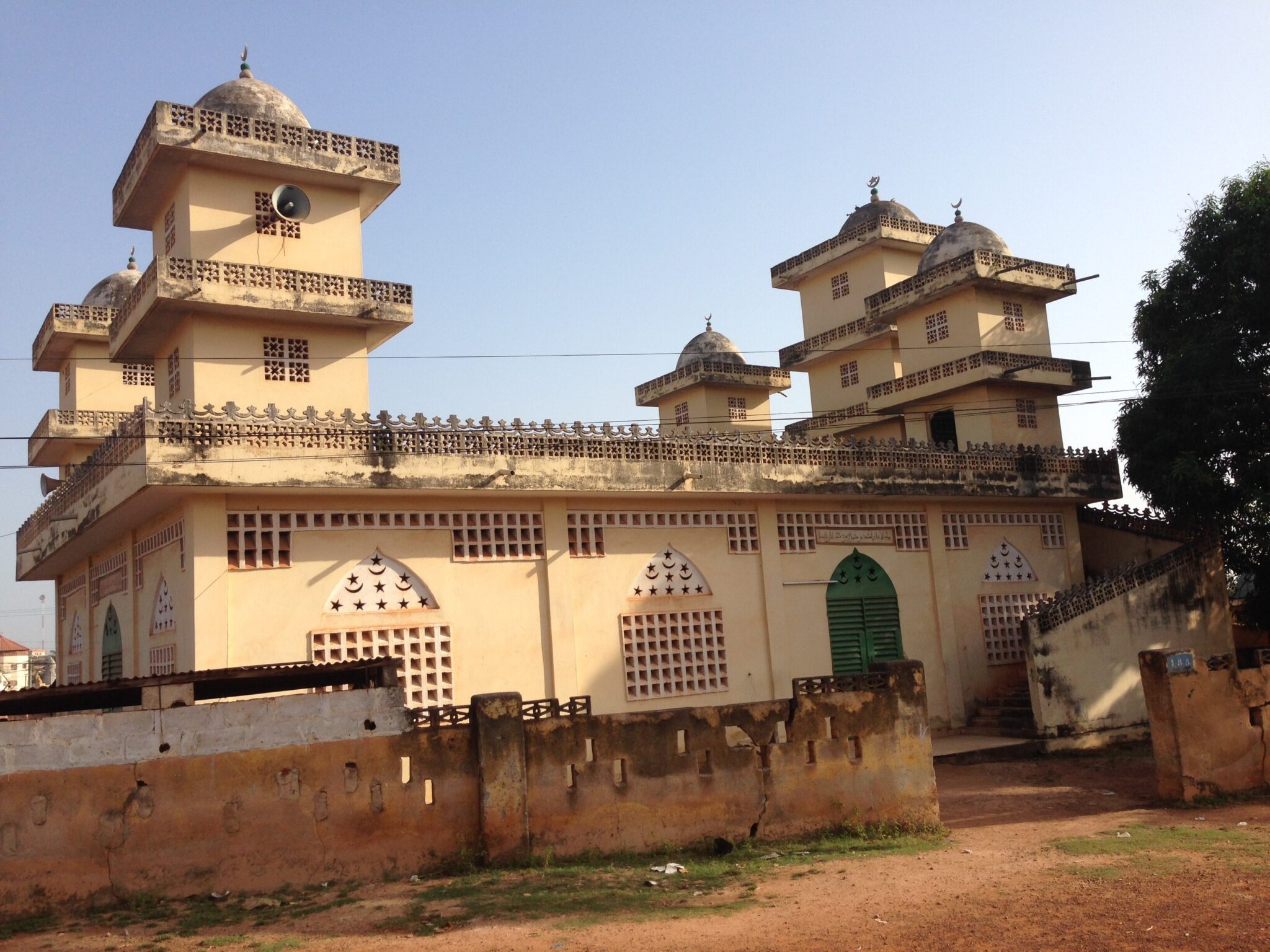
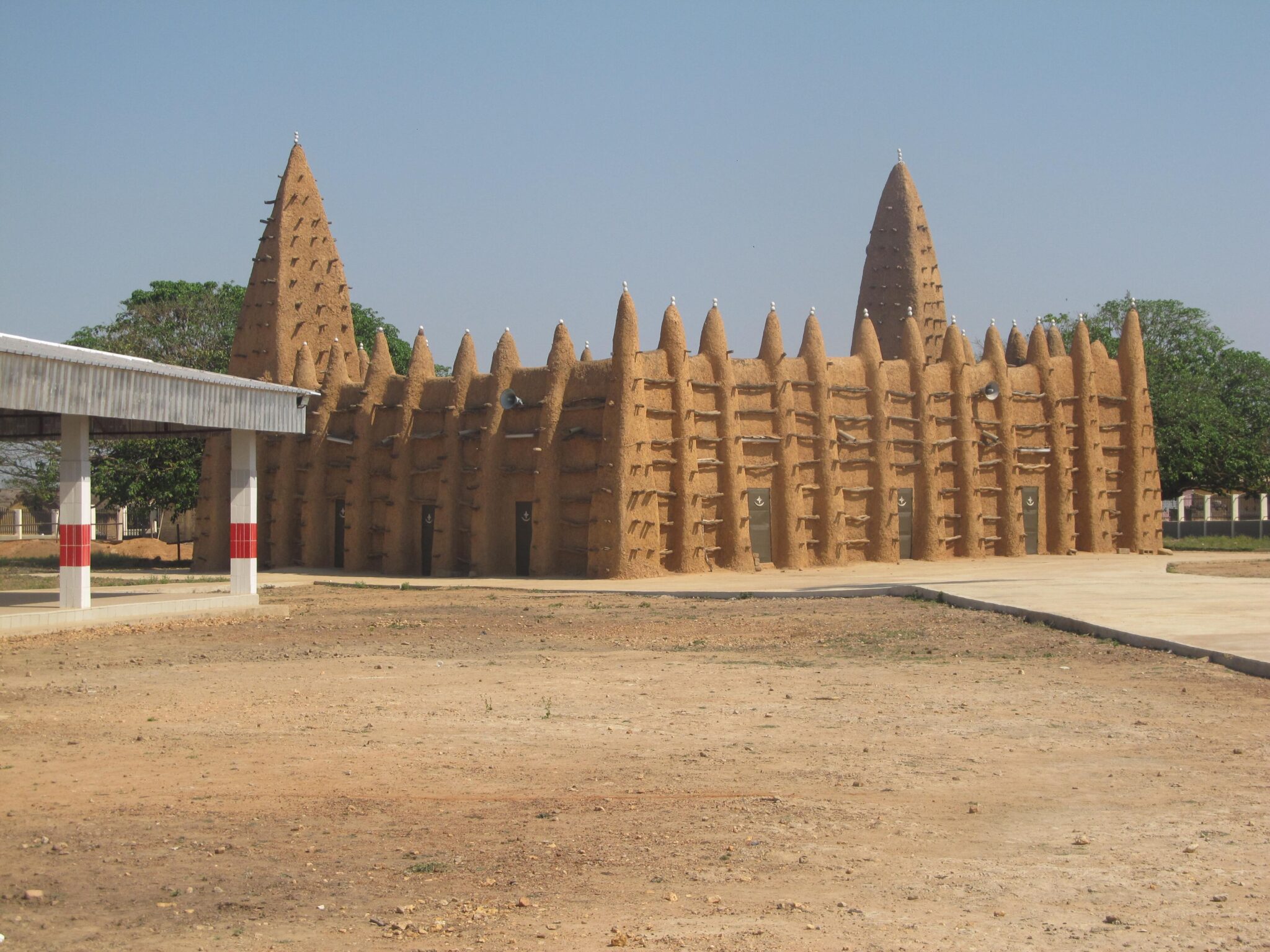
Kong is a historic town in northern Côte d’Ivoire with a long reputation as a center of Islamic learning and regional trade. Its old quarters reflect Sahel and Sudanic influences, and the most important visit is usually the historic mosque area and surrounding traditional neighborhoods, where you can see how local building styles use earth materials and shaded courtyards to handle heat and dust. A short walk through the town typically includes time around the market streets, where commerce still connects rural producers, cross-border traders, and transport routes moving between the savannah interior and larger northern hubs.
Kong is best visited as part of a northern loop that includes Korhogo and other towns in the savannah zone. Travel is mainly by road using shared taxis, minibuses, or a hired driver, and it is often easier to organize a day trip through a larger base town if you want reliable transport and someone to help with local etiquette. Facilities can be limited compared with major cities, so it helps to plan food, cash, and return transport in advance, and to visit with respect for religious spaces by dressing modestly and asking before taking photos, especially around mosques and in residential areas.
Abengourou
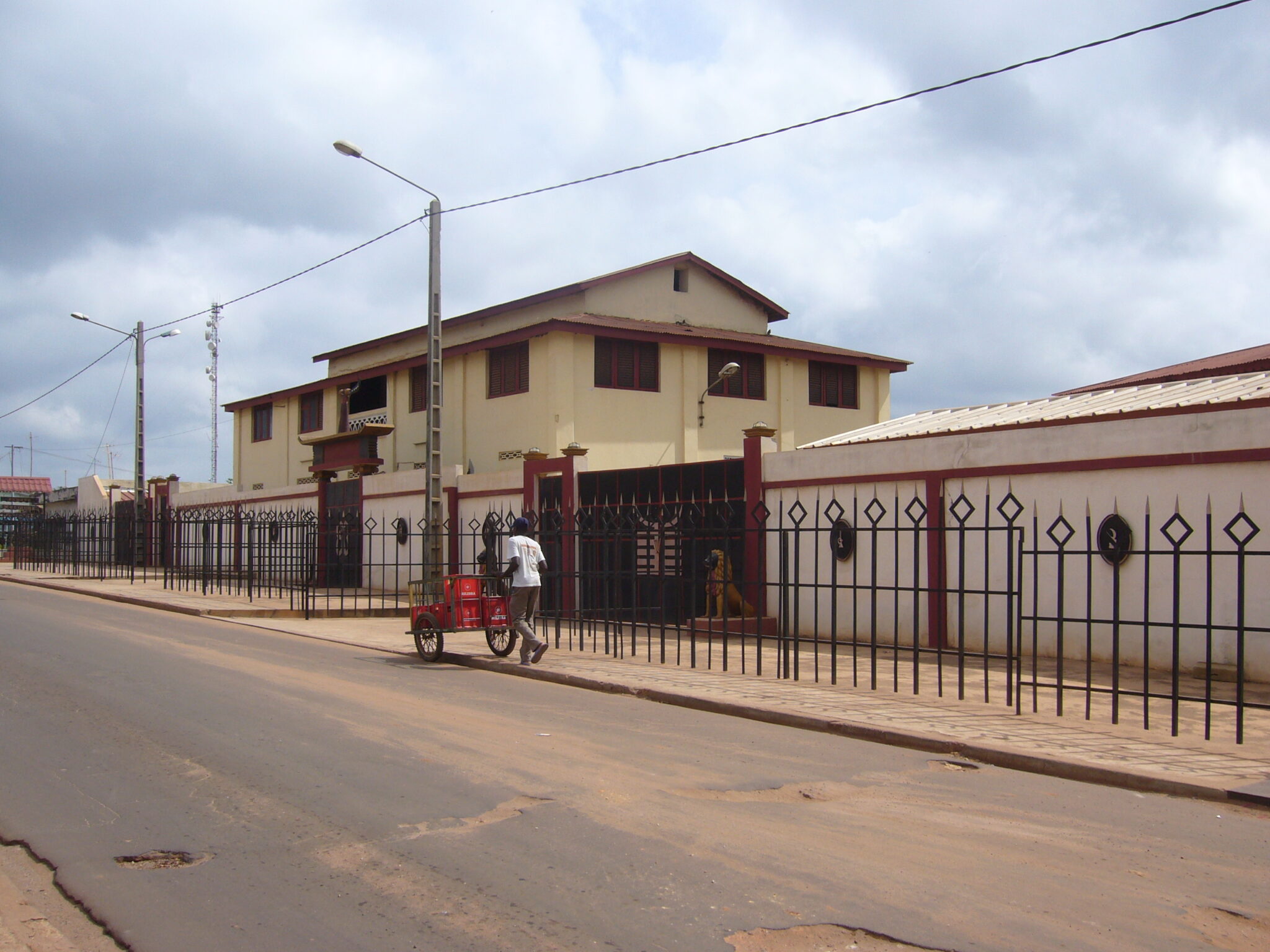
Abengourou is a major town in eastern Côte d’Ivoire and an important center of Agni, Akan-linked culture, with strong royal traditions that feel different from both the coastal cities and the northern savannah. A good starting point is the royal court area of the Indénié kingdom, where visits can give context on chieftaincy, ceremonial symbols, and local history through objects and stories shared by guides. In town, markets and small workshops are useful for seeing everyday trade and regional crafts, and you may also notice how cocoa and coffee production shapes the local economy through roadside buying points and transport activity.
Most travelers reach Abengourou by road from Abidjan, usually by intercity bus, shared taxi, or a hired car, and it works well as a stop on an eastern overland route toward other interior towns. Once there, getting around is easiest by local taxi or motorbike taxi for short distances, especially if you want to visit nearby villages or farming areas.
Hidden Gems of Côte d’Ivoire
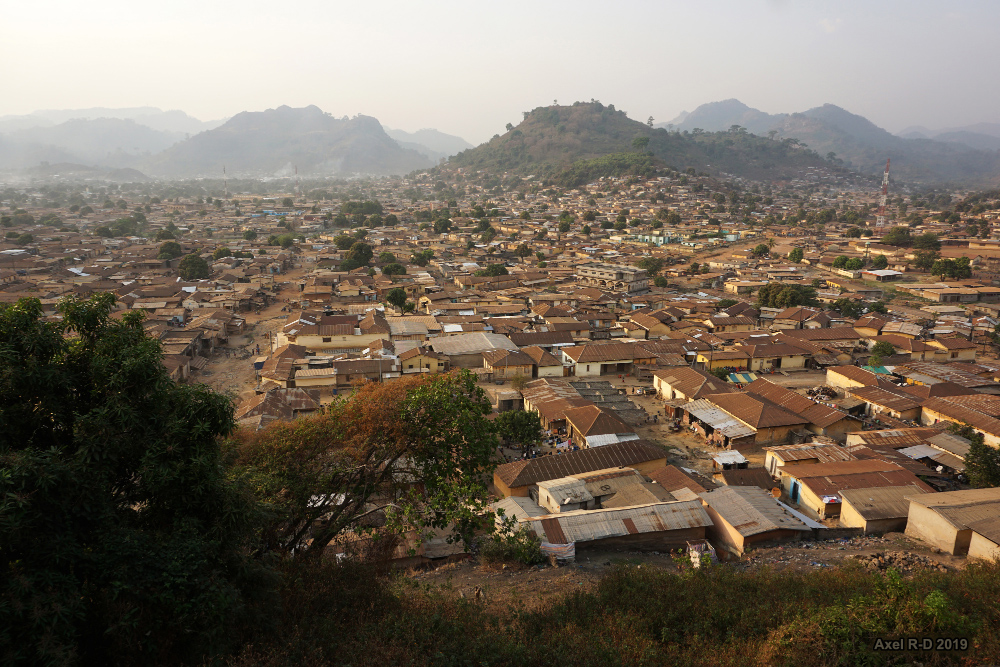
Man
Man is the main town in Côte d’Ivoire’s western highlands and one of the best bases in the country for short hikes and day trips in a cooler, greener setting. The town sits among steep hills and forested slopes, and many of the most popular outings are simple half-day walks to nearby viewpoints and waterfalls, often done with a local guide because trails can be confusing after rain. The area around Man is also known for traditional villages and small farms in the hills, so trips often combine scenery with brief stops to see local life and regional crafts.
Getting to Man is usually done overland from Abidjan or from towns in the west, by long-distance bus, shared taxi, or a hired driver if you want flexibility for stops. Once in Man, taxis and motorbike taxis are the main way to reach trailheads, waterfall access points, and lookout roads outside the center. If you plan to hike, bring shoes with grip and rain protection, since paths can be slippery, and allow extra time in the rainy season when water levels are higher but travel on side roads can be slower.
Cascades Region
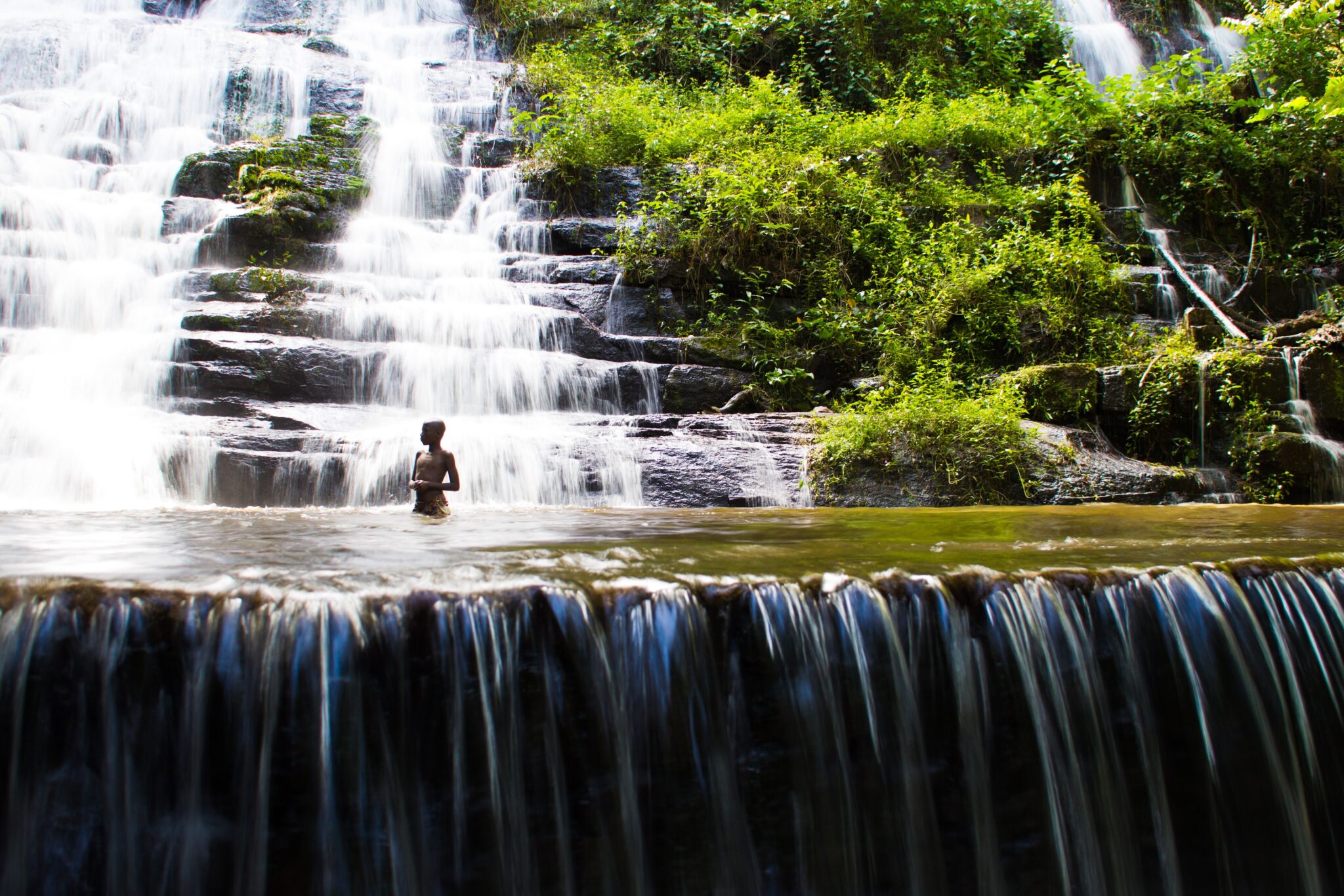
The Cascades region in western Côte d’Ivoire refers to the highland zone around Man and nearby border areas toward Guinea and Liberia, where short rivers cut through hills and create a network of waterfalls, forest paths, and viewpoints. It is a good area for day hikes because many routes are relatively short but still give access to river valleys, ridge panoramas, and village landscapes shaped by farming. Local culture in the west is distinct from the coast, and visits often include brief stops in villages where you can see traditional building styles and small-scale craft and agriculture tied to the mountain environment.
Most travelers use Man as the practical base, then arrange local transport to trailheads and waterfall access points by taxi or motorbike taxi, often with a guide since paths can be unclear and conditions change after rain. Overland travel to the region is usually by long-distance bus, shared taxi, or private car from Abidjan or from other western towns, and it helps to plan for slower travel times in the rainy season when side roads can become muddy. If you want more remote outings, confirm in advance what is reachable on the day, bring water and footwear with grip, and treat the area as a hiking destination where logistics matter more than formal attractions.
Daloa
Daloa is a major inland city in west-central Côte d’Ivoire and one of the most practical places to understand how cocoa shapes the country’s rural economy. The city functions as a commercial and transport center for surrounding farming areas, so the most useful “sightseeing” is observing how produce moves through town. Markets, transport yards, and roadside buying points show the flow of cocoa, coffee, and food crops, and you can often see trucks and middlemen coordinating loads that will later move toward larger hubs and the coast.
Daloa is mainly visited as a transit stop or a base for short trips into nearby farming communities rather than for monuments. If you want a closer look at cocoa production, the best approach is to arrange a visit through a local contact or guide who can take you to a cooperative or a small farm, since access and timing depend on the harvest cycle and on what farmers are doing that day. Getting to Daloa is straightforward by overland bus or shared taxi from Abidjan and other regional cities, and once in town, taxis are the simplest way to move between the center, markets, and outward roads.
Odienné
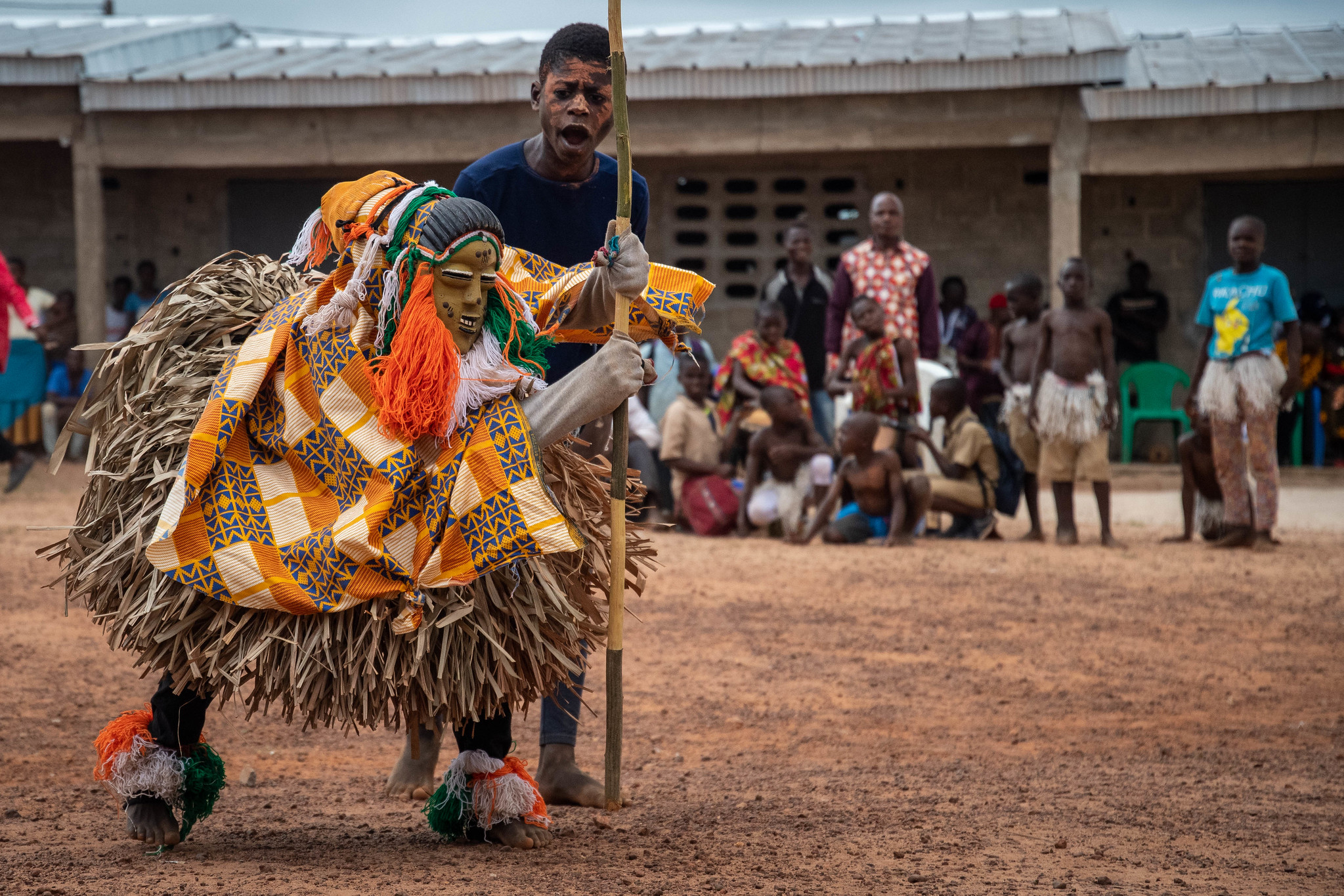
Odienné is a town in northwestern Côte d’Ivoire, close to the borders with Guinea and Mali, and it’s one of the better places in the country to experience Malinké culture in an everyday setting. The most useful stops are usually the central market areas and the older neighborhoods, where you can see how trade links the town to surrounding savannah villages through produce, livestock, textiles, and cross-border goods. Traditional building styles and local religious life are also visible in town, with mosques and community spaces that reflect long-established Islamic practice in the region.
Odienné is best approached as a base for slow travel rather than a quick sightseeing stop. It is typically reached by long overland routes from larger northern hubs such as Korhogo, using buses or shared taxis, and travel times can vary depending on road conditions and the season. For exploring outside town, local taxis or hired vehicles are the practical option, especially if you want to visit nearby rural settlements or landscapes where services are limited. Because the area is hot for much of the year and distances are long, it helps to plan water, cash, and a realistic schedule before you arrive.
Travel Tips for Côte d’Ivoire
Safety and General Advice
Côte d’Ivoire is generally safe in its major cities and established tourist areas, though travelers should always use normal precautions, especially in crowded markets and after dark. Occasional political demonstrations can occur, so it’s best to stay informed through local news or your accommodation before venturing out. The Ivorian people are warm and welcoming, and most visits to the country are trouble-free.
Health and Vaccinations
A yellow fever vaccination is required for entry, and malaria prophylaxis is strongly recommended for all visitors. Tap water is not safe to drink, so use bottled or filtered water at all times. Insect repellent, sunscreen, and basic medical supplies are useful, especially if traveling to rural or forested regions. Healthcare in Abidjan and other large cities is of decent quality, but medical facilities are limited outside urban areas, making comprehensive travel insurance with evacuation coverage highly advisable.
Transportation and Getting Around
Getting around Côte d’Ivoire is relatively easy thanks to its well-developed transport network. Shared taxis and minibuses are the main modes of local transport in cities, while intercity buses link major towns across the country. Domestic flights operate between Abidjan and several regional centers, offering a faster alternative to overland travel. Along the coast and lagoons, boats and ferries provide additional transport options and scenic routes.
Car Rental and Driving
Driving in Côte d’Ivoire is on the right-hand side of the road. Roads in the southern and coastal regions are generally in good condition, but those in rural and northern areas can be rough and occasionally unpaved. A 4×4 vehicle is recommended for reaching national parks, rural communities, and other remote destinations. Night driving outside major cities is discouraged due to limited lighting and unpredictable road conditions. An International Driving Permit is required in addition to your national driver’s license, and all documents should be carried at checkpoints, which are frequent along intercity routes.

Published January 09, 2026 • 23m to read