

China is a land of staggering contrasts and scale – a country where futuristic megacities rise beside centuries-old temples, and where some of the world’s most impressive natural wonders rival its cultural achievements. With a history stretching back over 5,000 years, it is home to the Great Wall, the Forbidden City, the Terracotta Warriors, and sacred Buddhist peaks.
Beyond the well-known icons lie hidden ancient villages, colorful rice terraces, remote deserts, and high plateaus. Whether you’re drawn by history, nature, cuisine, or adventure, China offers one of the richest and most diverse travel experiences on Earth.
Best Cities in China
Beijing
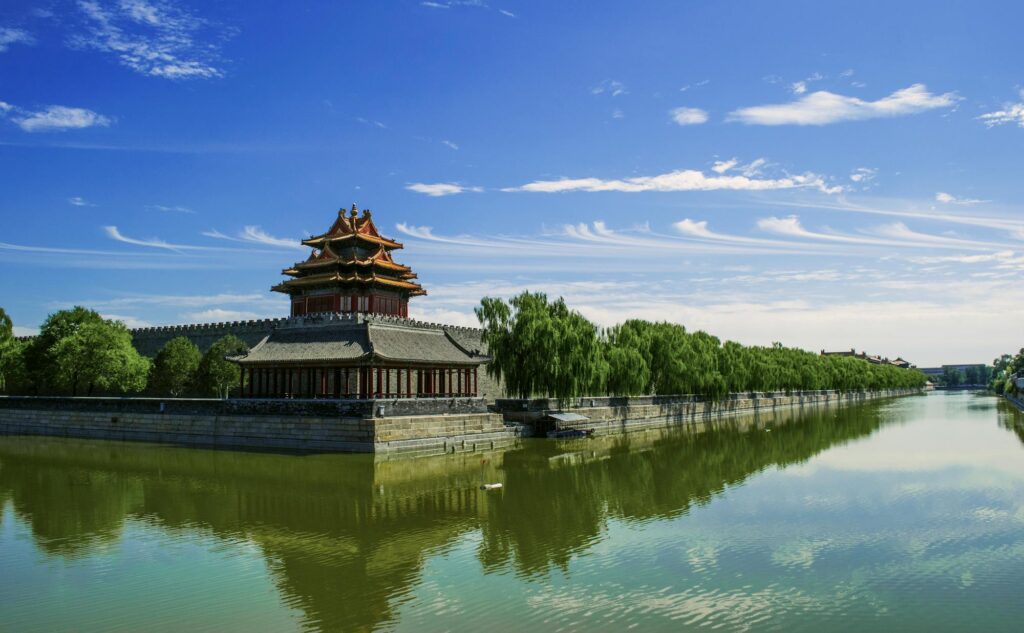
Beijing, China’s capital of over 21 million people, is the country’s political center and a showcase of imperial history. The Forbidden City, a UNESCO site with 980 buildings, reveals centuries of dynastic power. Other highlights include the Temple of Heaven (built 1420) used for royal ceremonies, the lakeside Summer Palace with ornate halls and gardens, and the Great Wall – best visited at Mutianyu (73 km from Beijing, less crowded) or Jinshanling (130 km, great for hiking). For modern culture, the 798 Art District features galleries and street art.
The best time to visit is April–May and September–October, when skies are clearer and temperatures mild. Beijing Capital International Airport (30 km from the center) is the main gateway, with a 30–40 min Airport Express train. Getting around is easiest by metro (27 lines, cheap and efficient), taxis, or walking in historic hutong neighborhoods. Food highlights include the famous Peking Duck, dumplings, and street snacks around Wangfujing.
Shanghai
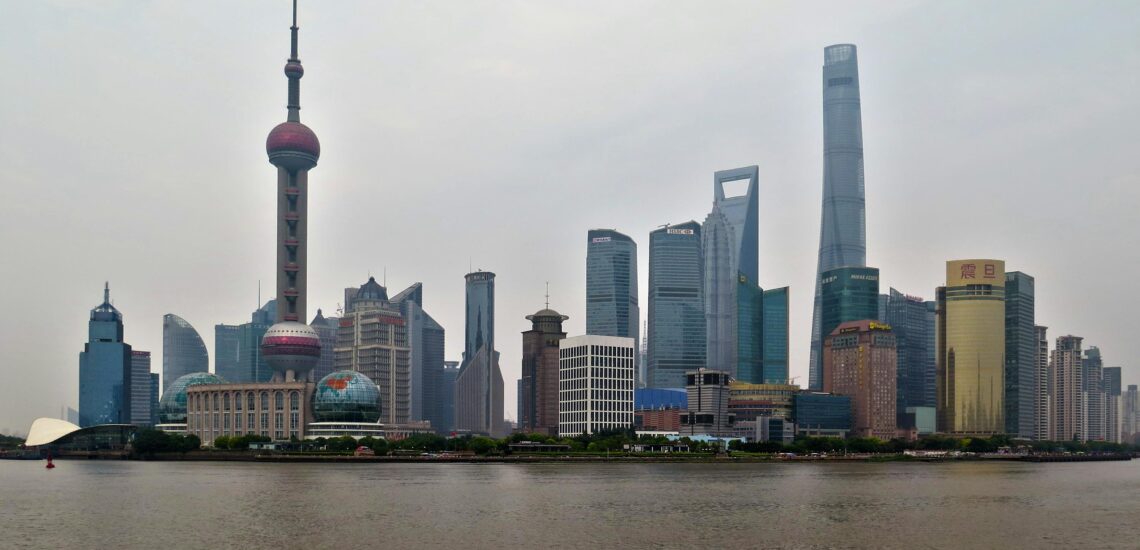
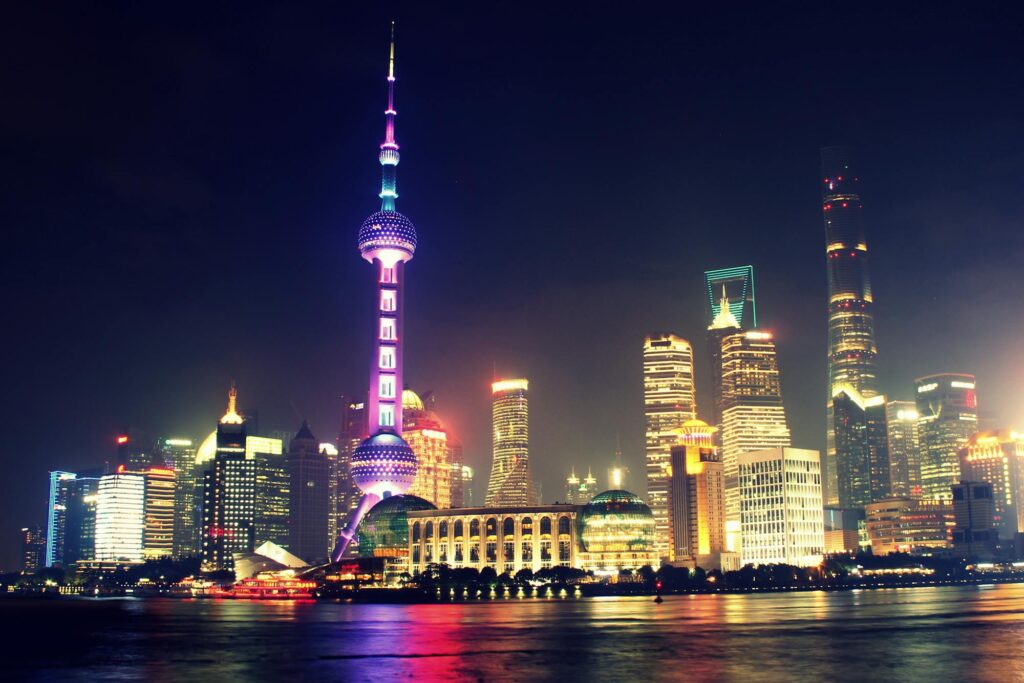
Shanghai, China’s largest city with over 26 million residents, blends colonial heritage with cutting-edge modernity. The Bund offers classic skyline views across the Huangpu River toward Pudong’s futuristic towers like the Shanghai Tower (632 m, tallest in China) and Oriental Pearl TV Tower. The French Concession is perfect for leafy walks, cafés, and boutiques, while Yu Garden, dating to 1559, showcases Ming-era landscaping. For culture, the Shanghai Museum and Shanghai Propaganda Poster Art Centre add depth to a visit.
Shanghai Pudong International Airport is 45 km from downtown; the Maglev train covers the distance in just 7 minutes at speeds up to 431 km/h. Metro lines (19 in total) make getting around straightforward, while taxis and ride-hailing apps are widely used. Beyond the city, day trips to Zhujiajiao Water Town or Suzhou add traditional charm.
Xi’an
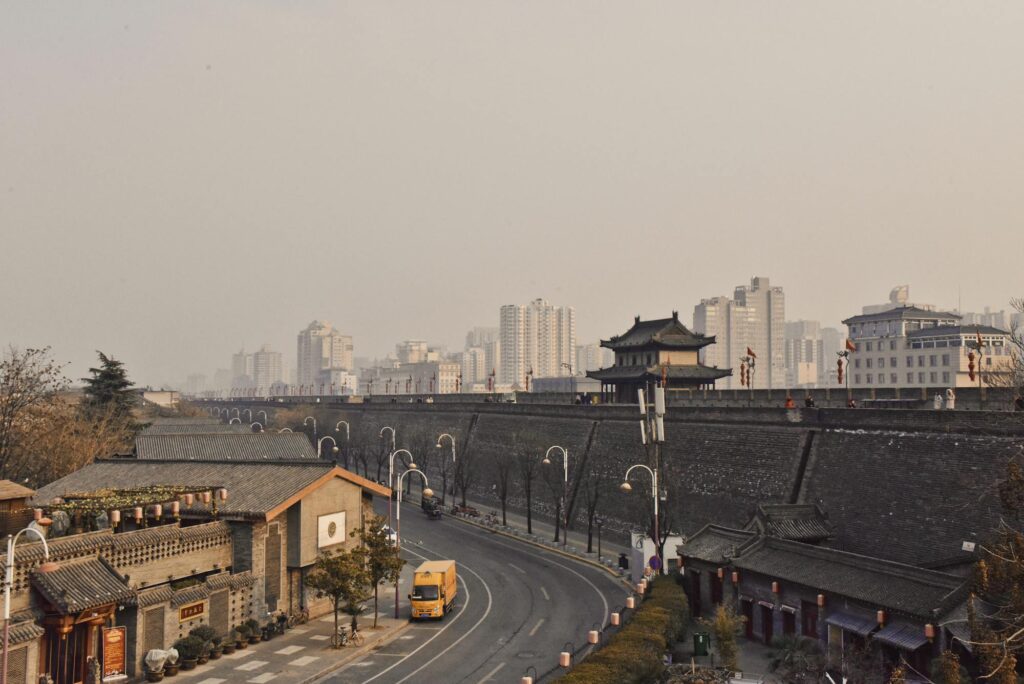
Xi’an, capital of 13 dynasties and the eastern start of the Silk Road, is one of China’s oldest cities. Its top attraction is the Terracotta Army — over 8,000 life-sized warriors buried with Emperor Qin Shi Huang in 210 BCE. The 14 km-long City Wall, one of the best-preserved in China, can be biked around for sweeping city views. Other highlights include the Giant Wild Goose Pagoda (built 652 CE) and the bustling Muslim Quarter, famous for street food like roujiamo (Chinese burger) and hand-pulled noodles.
Xi’an Xianyang International Airport (40 km from downtown) connects with major global hubs. High-speed trains from Beijing (4.5–6 hours) and Shanghai (6–7 hours) make it easy to reach. Within the city, the metro, buses, and bicycles are the most practical ways to explore.
Chengdu
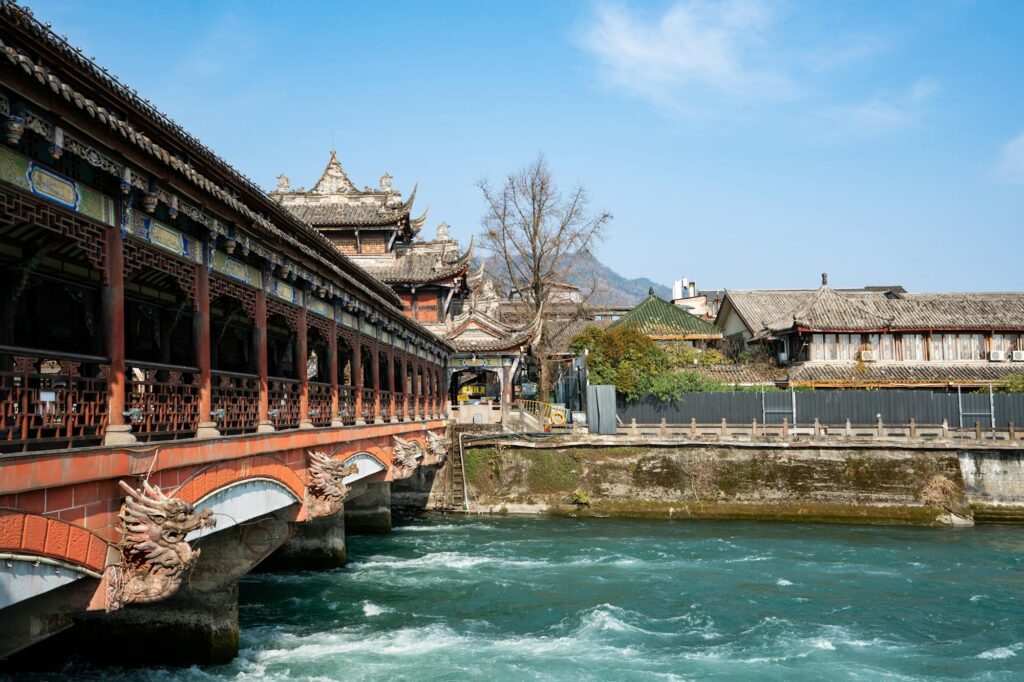
Chengdu, capital of Sichuan Province, is known for its relaxed pace, teahouses, and spicy cuisine. The city’s top attraction is the Chengdu Research Base of Giant Panda Breeding, home to around 200 pandas where visitors can see cubs and adults in naturalistic enclosures. In the city center, People’s Park is the place to sip tea, play mahjong, or watch locals practice calligraphy. Kuanzhai Alley and Jinli Ancient Street mix traditional architecture with shops and snacks, while Sichuan hot pot is a must-try culinary experience.
Chengdu Shuangliu International Airport (16 km from downtown) has direct flights to major Asian and global cities. High-speed trains connect Chengdu to Chongqing (1.5 hours) and Xi’an (3 hours). A popular side trip is the Leshan Giant Buddha, a 71 m-tall statue carved into a cliff, about 2 hours by bus or train from Chengdu.
Hangzhou
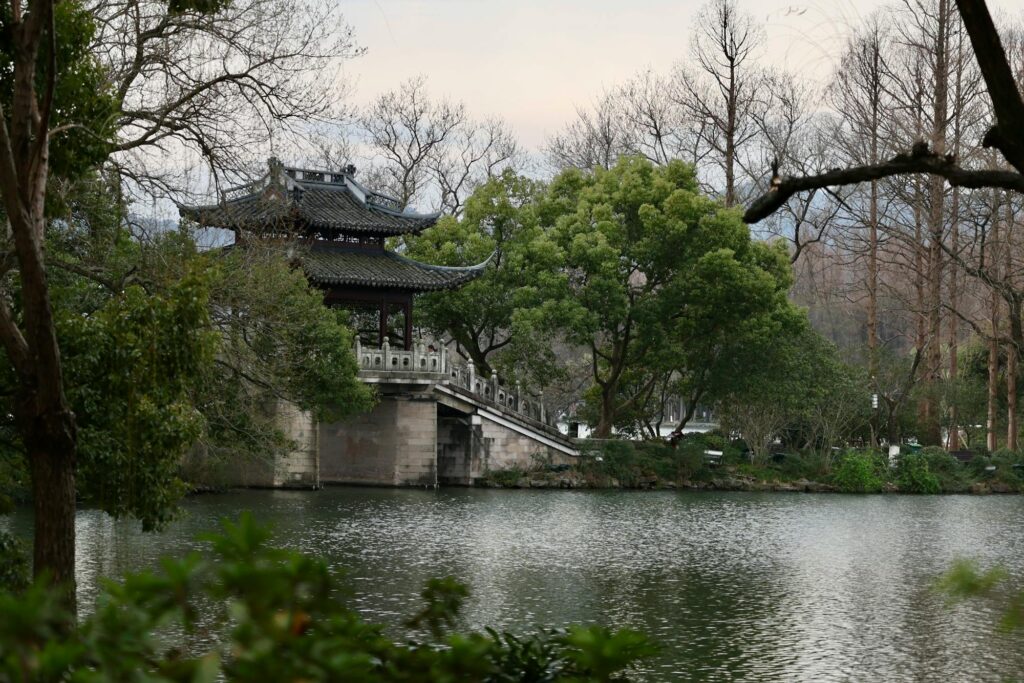
Hangzhou, once called “heaven on earth” by Chinese poets, is famous for its lakeside scenery and tea culture. The city’s highlight is West Lake, a UNESCO site where visitors can take boat rides past pagodas, gardens, and stone bridges. Lingyin Temple, founded in 328 CE, is one of China’s largest Buddhist temples, while the nearby Feilai Feng grottoes feature hundreds of stone carvings. Longjing (Dragon Well) tea plantations on the city’s outskirts let travelers taste China’s most celebrated green tea straight from the source.
Hangzhou Xiaoshan International Airport (30 km from downtown) has flights across China and Asia, while high-speed trains link Hangzhou with Shanghai in about 1 hour. Around the city, buses, the metro, and bikes make it easy to reach tea fields and temples.
Best Natural Attractions in China
Zhangjiajie National Forest Park
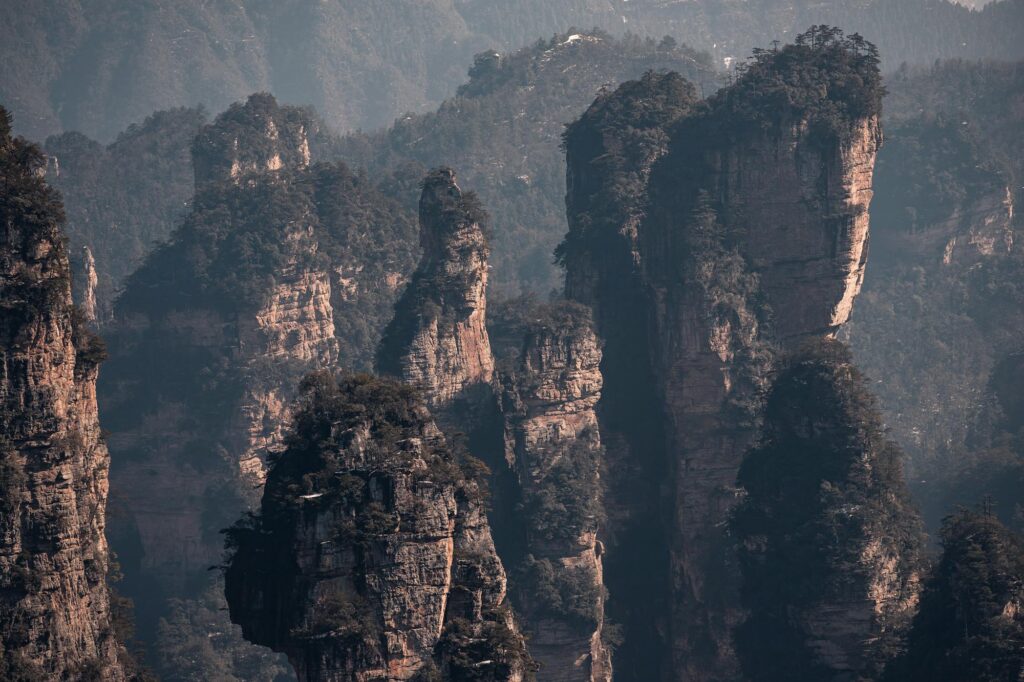
Zhangjiajie National Forest Park in Hunan Province is a UNESCO World Heritage Site, famous for its 3,000 sandstone pillars that inspired the floating mountains in Avatar. Highlights include the Bailong Elevator, a 326 m glass lift that carries visitors up the cliffs, and the Zhangjiajie Glass Bridge, 430 m long and suspended 300 m above a canyon. The park has extensive hiking trails through misty valleys, peaks, and caves, with viewpoints like Yuanjiajie and Tianzi Mountain offering the best panoramas.
The best time to visit is April–October, with spring blossoms and autumn colors adding to the scenery. The park is 40 km from Zhangjiajie Hehua International Airport, which connects to major Chinese cities. High-speed trains also run to Zhangjiajie from Changsha (3–4 hours). Shuttle buses inside the park link main areas, but hiking is the best way to explore the surreal landscapes.
Guilin & Yangshuo
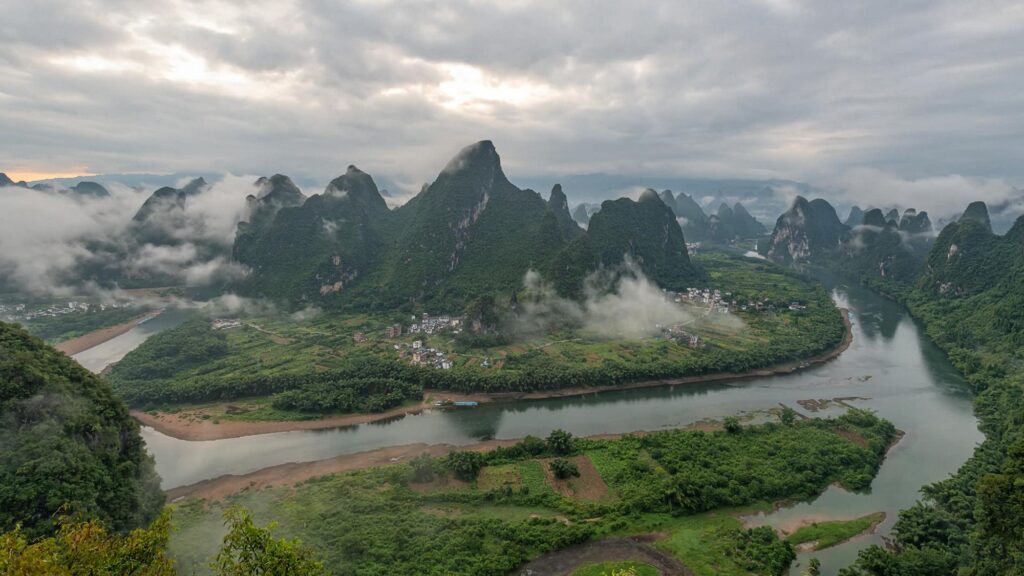
Guilin and Yangshuo are world-famous for their karst landscapes, where limestone peaks rise above rivers, rice paddies, and villages. A Li River cruise from Guilin to Yangshuo (83 km, ~4 hours) is the most popular way to admire the scenery, passing highlights like Nine Horse Fresco Hill. In Yangshuo, cycling through rice fields, hiking up Moon Hill, or rafting on the Yulong River offer a closer look at the countryside. The region is also a hub for rock climbing, bamboo rafting, and cooking classes.
Guilin Liangjiang International Airport has flights across China and Asia, and high-speed trains connect it to Guangzhou (2.5 hours) and Hong Kong (3.5 hours). Buses and boats link Guilin with Yangshuo, where bicycles, scooters, and electric carts are the easiest ways to get around.
Jiuzhaigou Valley (Sichuan)
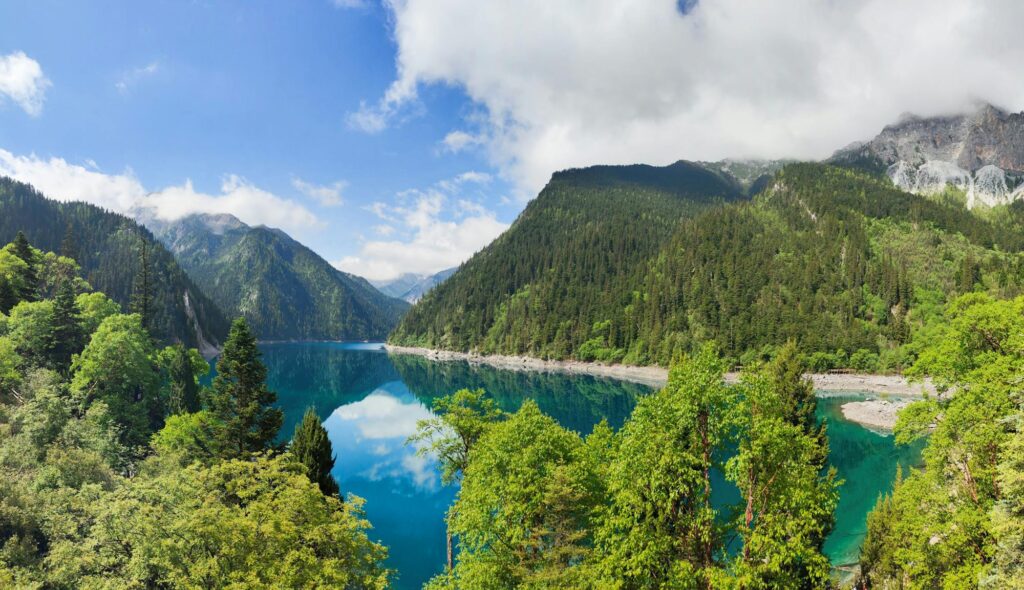
Jiuzhaigou Valley, a UNESCO World Heritage Site in northern Sichuan, is famous for its turquoise lakes, multi-tiered waterfalls, and snow-capped peaks. The valley stretches over 72,000 hectares with highlights like Five Flower Lake, Nuorilang Waterfall, and Shuzheng Village. Autumn (October–November) is especially stunning when the forests turn red and gold. The area is also home to Tibetan villages, where visitors can see traditional homes, prayer flags, and yaks grazing in alpine meadows.
Jiuzhaigou is about 330 km from Chengdu; flights to Jiuzhai Huanglong Airport (88 km away) take 1 hour, followed by a 1.5–2 hour drive to the park. Alternatively, buses from Chengdu take 8–10 hours. Inside the park, eco-buses and boardwalks connect the main sights, with hiking trails for those who want to explore at a slower pace.
Huangshan (Yellow Mountains)
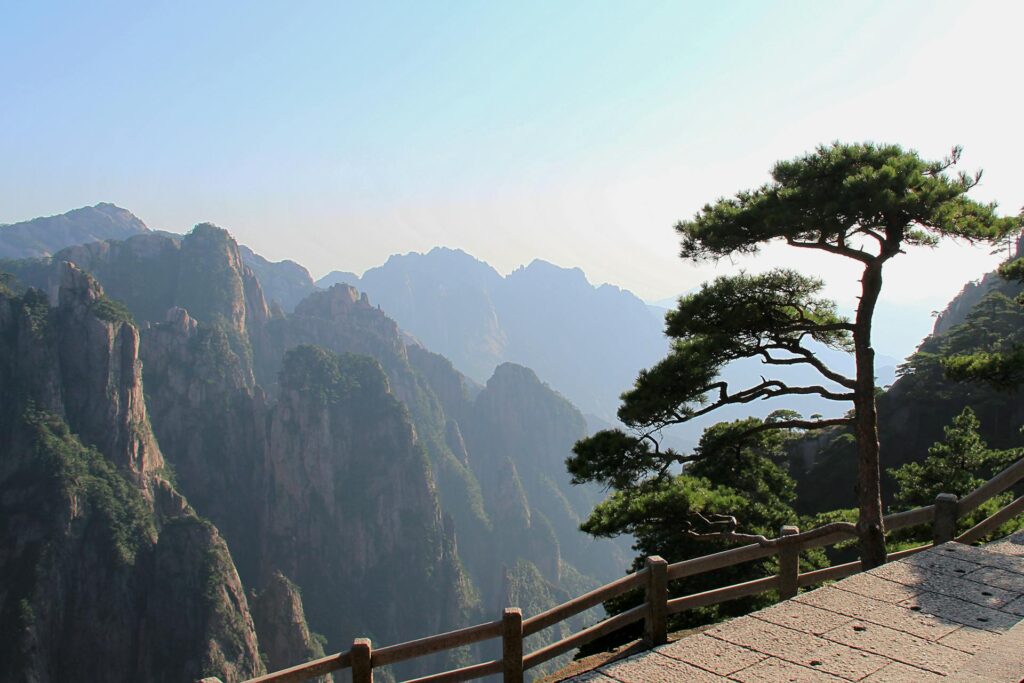
Huangshan, or the Yellow Mountains in Anhui Province, are among China’s most iconic landscapes, known for jagged granite peaks, twisted pine trees, and seas of cloud. Famous viewpoints include Bright Summit Peak, Lotus Peak (1,864 m, the highest), and the West Sea Grand Canyon. Many visitors hike ancient stone staircases carved into cliffs, while cable cars on several routes make the mountains accessible for all levels. Sunrises and sunsets above the clouds are the park’s main draw.
Huangshan is about 70 km from Huangshan City (Tunxi), reached by bus (1.5 hours). High-speed trains connect Huangshan to Shanghai (4.5 hours) and Hangzhou (3 hours). Many travelers combine the trip with Hongcun and Xidi, UNESCO-listed villages nearby, famous for Ming- and Qing-era architecture.
Tibet & Everest Base Camp
Tibet offers a mix of spirituality and high-altitude landscapes, with Buddhist monasteries, sacred lakes, and Himalayan peaks. In Lhasa, the Potala Palace (built in the 17th century) dominates the skyline, while the Jokhang Temple is the holiest site for Tibetan pilgrims. Outside the capital, highlights include Yamdrok Lake, ringed by snow-capped mountains, and monasteries such as Sera and Drepung. The ultimate journey is to Everest Base Camp (North Face, 5,150 m), accessible by road or trekking, where travelers can see the world’s highest peak up close.
Travel to Tibet requires a special permit in addition to a Chinese visa, arranged through authorized tour operators (independent travel is restricted). Lhasa Gonggar Airport connects with Chengdu, Beijing, and Kathmandu, while the Qinghai–Tibet Railway links Lhasa with Xining (22 hours) and Beijing (40 hours). From Lhasa, overland trips to Everest Base Camp typically take 2–3 days via Shigatse, with guesthouses and tent camps along the route.

Hidden Gems of China
Daocheng Yading (Sichuan)
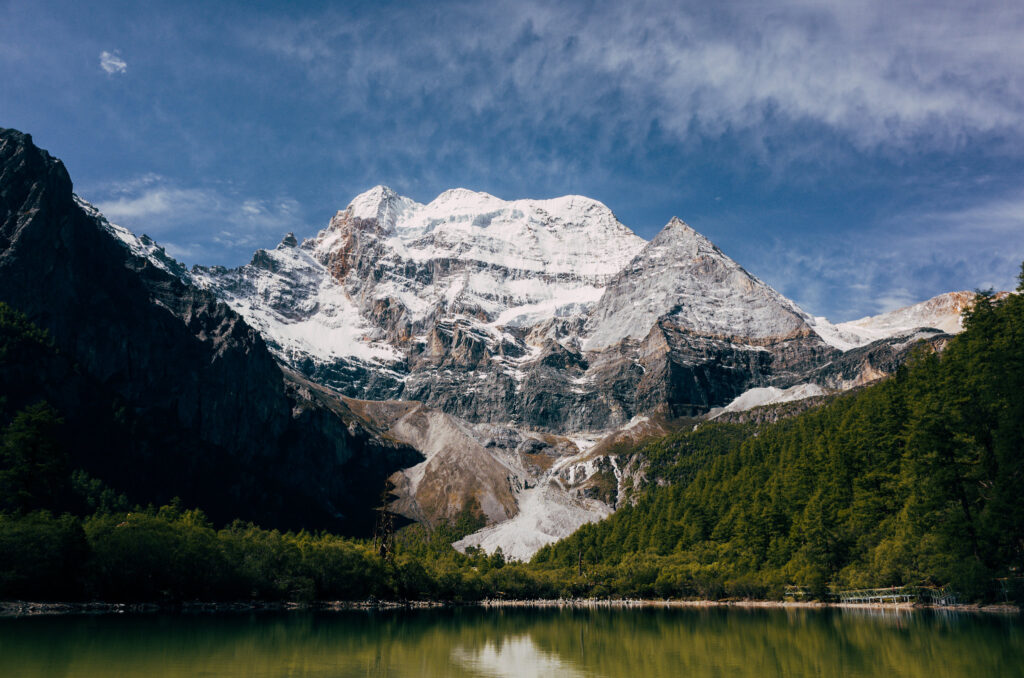
Daocheng Yading, in western Sichuan, is often called the “last Shangri-La” for its pristine scenery of snowy peaks, turquoise lakes, and alpine meadows. The area is sacred to Tibetan Buddhists, with three holy mountains – Chenrezig (6,032 m), Jambeyang (5,958 m), and Chanadorje (5,958 m) – encircling valleys filled with prayer flags. Trekkers can hike to Pearl Lake, Milk Lake, and Five-Color Lake, all set beneath dramatic peaks.
Daocheng Yading Airport, at 4,411 m, is one of the world’s highest and has flights from Chengdu (1 hour). From Daocheng town, it’s a 2-hour drive to the park entrance, followed by eco-buses and trekking routes. Due to the high altitude, acclimatization is recommended before attempting longer hikes.
Wuyuan (Jiangxi)
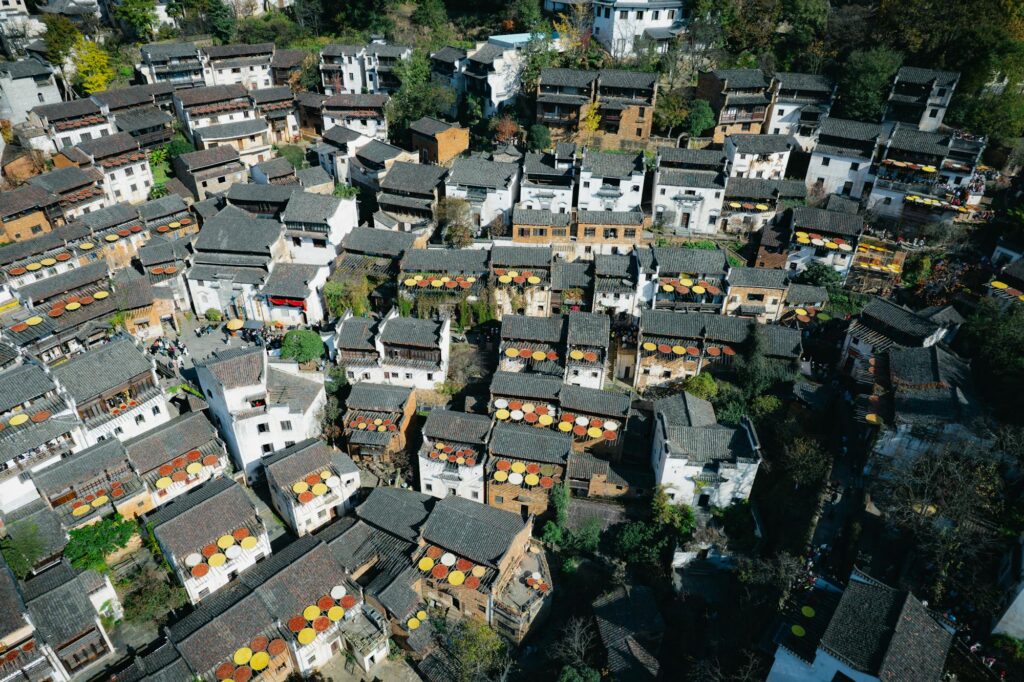
Wuyuan, in Jiangxi Province, is often called China’s most beautiful countryside. In spring (March–April), vast fields of yellow canola blossoms surround whitewashed Hui-style villages such as Likeng, Jiangwan, and Wangkou. The area is also known for ancient covered bridges, clan halls, and centuries-old camphor trees, making it a paradise for photographers and those seeking rural culture.
Wuyuan is connected by high-speed train to Jingdezhen (1 hour), Huangshan (1 hour), and Shanghai (about 4 hours). From Wuyuan town, local buses or hired cars reach the villages, while many visitors explore on foot or by bicycle for a slower pace.
Yuanyang Rice Terraces (Yunnan)
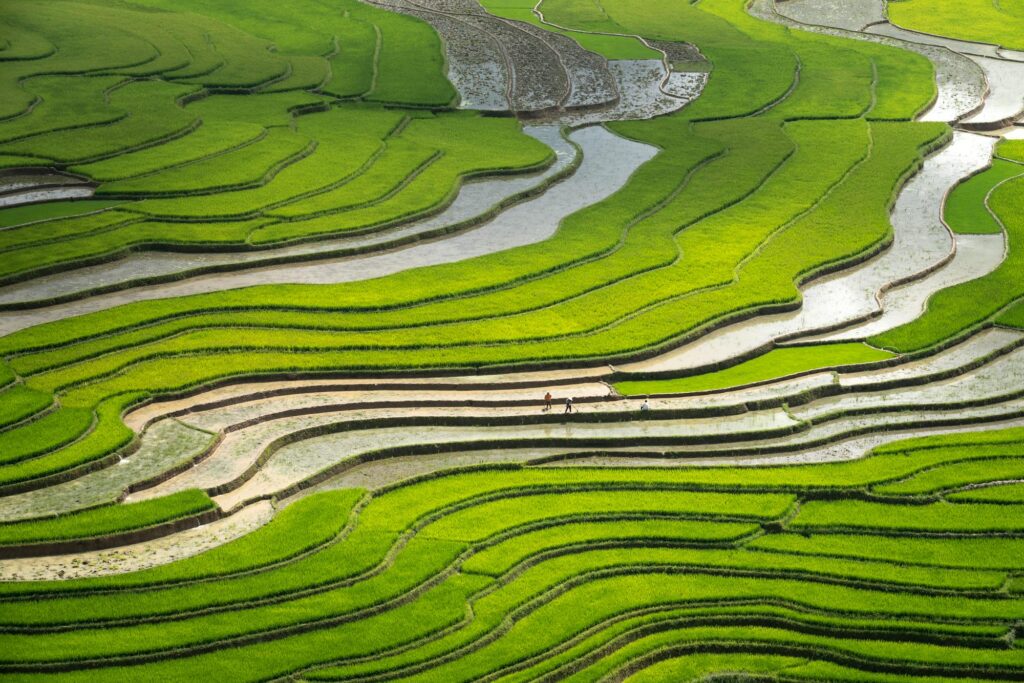
Yuanyang, in southern Yunnan, is home to over 13,000 hectares of terraced rice fields carved into the mountains by the Hani people. Between December and March, when the fields are flooded, they reflect the sky in stunning patterns – best seen at sunrise from viewpoints like Duoyishu, Bada, and Laohuzui. The area is also known for weekly ethnic markets, where Hani, Yi, and other minority groups trade in colorful dress.
Yuanyang is about 300 km from Kunming (7–8 hours by bus or 5–6 hours by car). Most travelers stay in Xinjie or Duoyishu villages, where guesthouses and homestays provide access to sunrise and sunset viewpoints.
Tianshan Grand Canyon (Xinjiang)
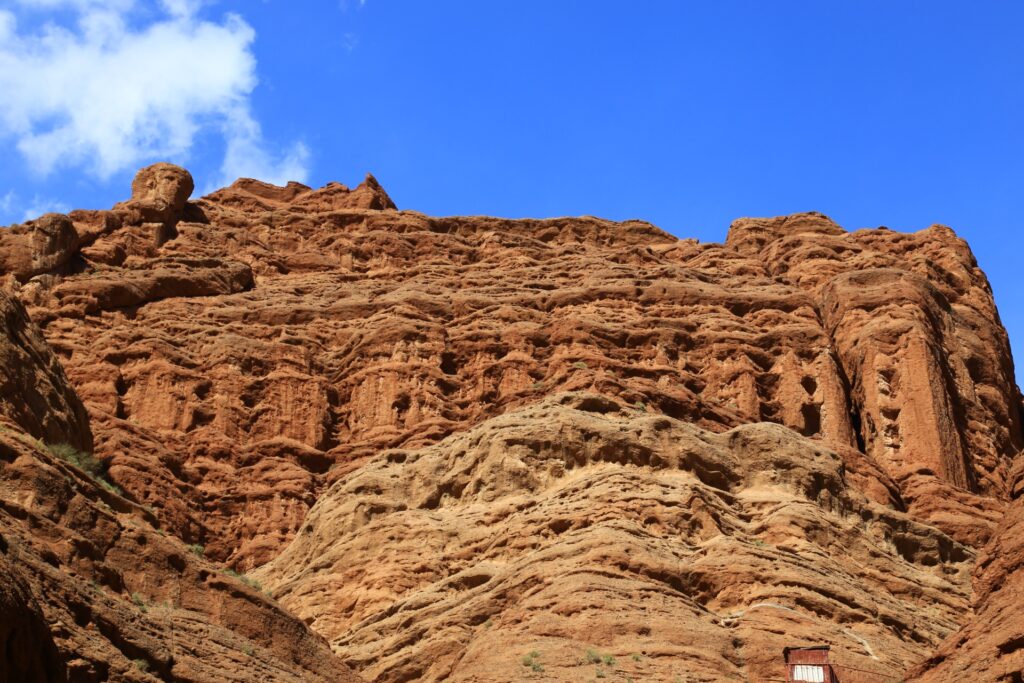
The Tianshan Grand Canyon, also called Keziliya, lies about 70 km from Kuqa in Xinjiang and is known for its towering crimson sandstone cliffs carved by wind and water. The canyon stretches for 5 km, with narrow passages, echoing chambers, and surreal rock formations that glow red at sunrise and sunset. Its desert silence and scale make it a striking contrast to the busy markets and mosques of Kashgar, often combined on an overland journey.
The canyon is accessible from Kuqa by car or bus in about 1 hour. Kuqa itself is connected to Urumqi and Kashgar by train and regional flights. Inside the canyon, marked trails allow for easy exploration on foot, though visitors should bring water and sun protection.
Enshi Grand Canyon (Hubei)
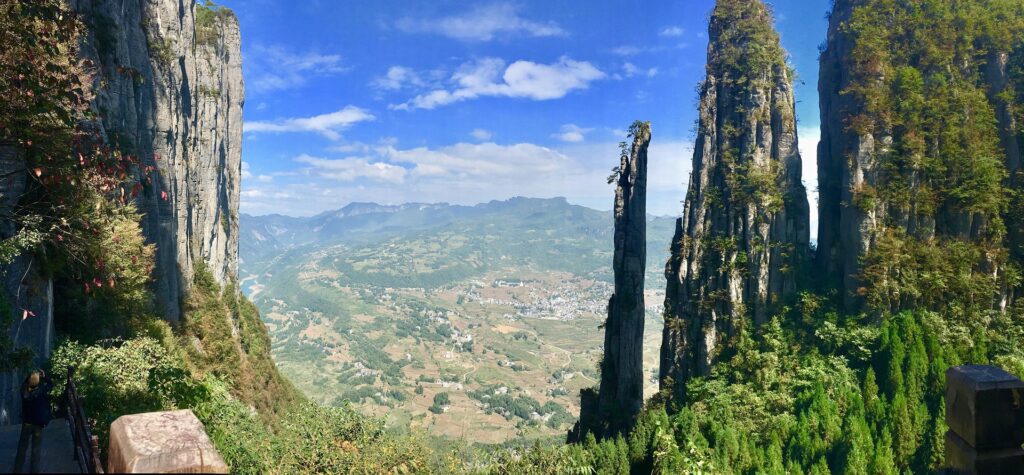
Enshi Grand Canyon, in Hubei Province, is often compared to Zhangjiajie but sees far fewer visitors. The area features 200-meter-high cliffs, glass skywalks suspended over valleys, dramatic karst formations, and vast caves such as Yunlong Ground Fissure. Hiking trails wind through lush forests and past waterfalls, with highlights like the Yunti Avenue cliffside walkway offering thrilling views.
Enshi is connected by high-speed rail to Wuhan (5–6 hours) and Chongqing (2.5 hours), and Enshi Xujiaping Airport has flights from major Chinese cities. From Enshi city, buses or taxis reach the canyon in about 1 hour. Inside, eco-buses and walking paths provide access to main viewpoints.
Dongchuan Red Land (Yunnan)
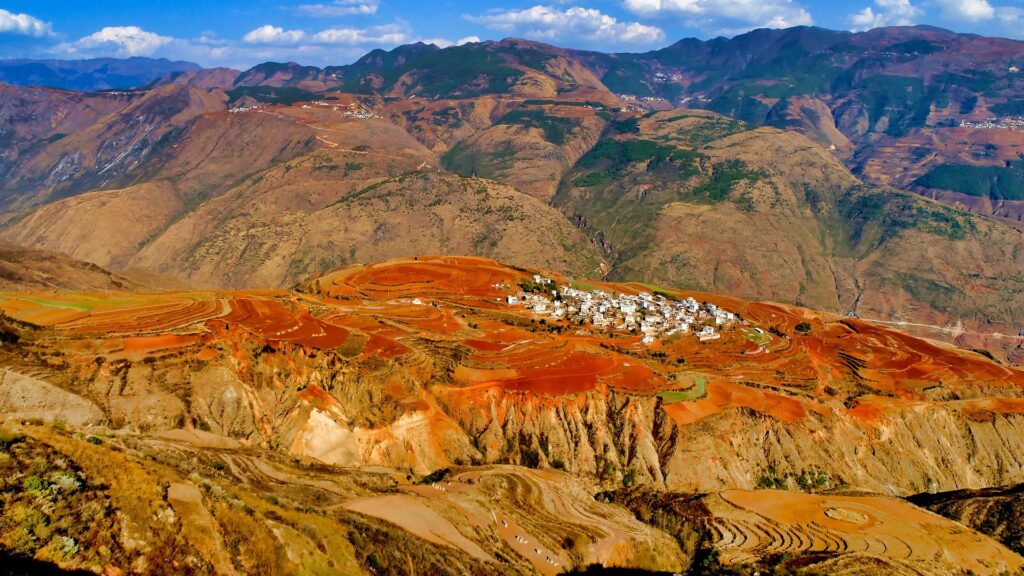
Dongchuan Red Land, about 250 km northeast of Kunming, is famous for its striking red soil contrasted with green crops and golden rapeseed flowers. The mineral-rich earth creates colorful patchwork fields, especially vivid at sunrise and sunset. Popular viewpoints include Luoxiagou (Sunset Valley), Damakan (for sunrise), and Qicai Po (Seven-Color Slope), all favorites for photographers.
From Kunming, it takes 4–5 hours by bus or car to reach Dongchuan, and most visitors stay in local guesthouses near Huashitou village, close to the main viewpoints. Exploring is best done with a local driver or guide, as sites are spread across the hills.
Xiapu Mudflats (Fujian)
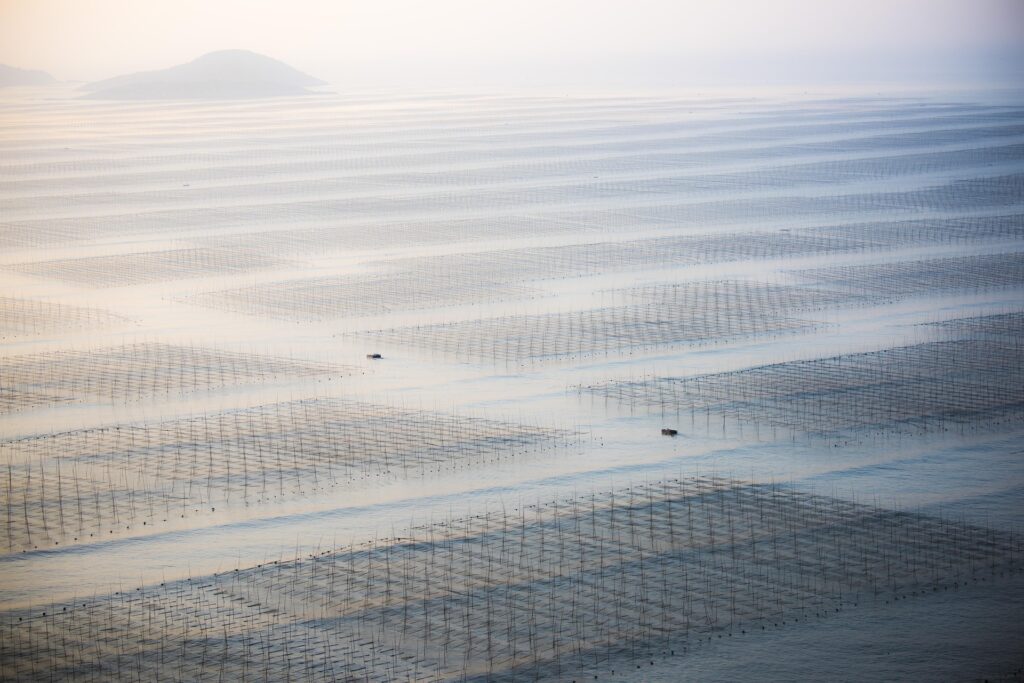
Xiapu, on Fujian’s coast, is one of China’s most photogenic fishing regions. Its vast mudflats are dotted with bamboo poles, fishing nets, and seaweed farms that form geometric patterns revealed by the tides. At dawn, the tidal reflections and silhouettes of fishermen create surreal landscapes that attract photographers from around the world. Key spots include Beidou, Xiaohao, and Huazhu for sunrise shots, and Dongbi for sunset.
Xiapu is accessible by high-speed train (about 1.5 hours) from Fuzhou, which connects to Shanghai and other major cities. From Xiapu town, taxis or local drivers can take visitors to the various viewpoints scattered along the coast.
Mount Fanjing (Guizhou)
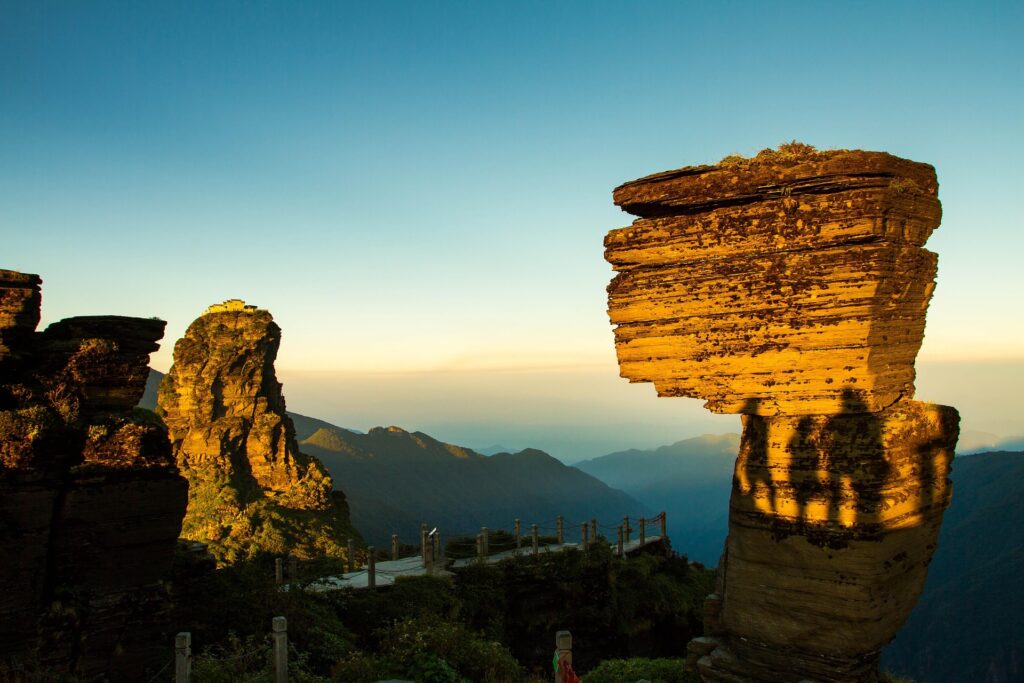
Mount Fanjing (2,572 m), a UNESCO World Heritage Site in Guizhou, is known for its surreal rock formations and mountaintop temples. The highlight is Red Cloud Golden Summit, where two temples sit atop separate rocky spires linked by a narrow bridge above the clouds. Other attractions include the Mushroom Rock and hiking trails through subtropical forests, home to rare species like the Guizhou golden monkey.
The mountain is near Tongren, about 20 km from Tongren Fenghuang Airport (1-hour flights from Guiyang and Changsha). From the base, visitors take a cable car followed by steep stairways (8,000+ steps in total if hiking) to reach the summit temples.
Tongli & Xitang Water Towns (near Suzhou)
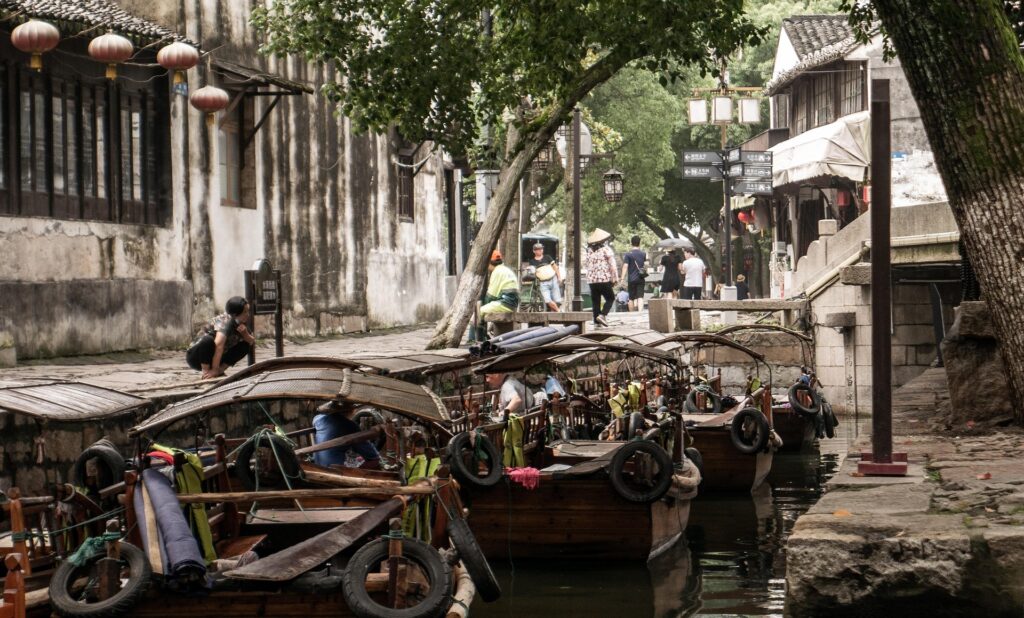
Tongli and Xitang are historic canal towns near Suzhou, known for stone bridges, Ming- and Qing-era houses, and quiet waterways. Tongli is famous for its “One Garden, Three Bridges” layout and the UNESCO-listed Retreat and Reflection Garden. Xitang, with nine interconnected rivers and covered walkways, is especially atmospheric at night when red lanterns reflect on the canals. Both towns offer a more peaceful experience compared to busier Zhouzhuang.
Tongli is about 30 km from Suzhou (1 hour by bus or taxi), while Xitang is around 80 km from Shanghai (1.5 hours by bus or car). Walking, cycling, and boat rides are the best ways to explore the narrow lanes and canals.
Travel Tips
Visa Requirements
Most visitors to China must obtain a visa in advance, typically through a Chinese embassy or consulate. However, select cities such as Beijing, Shanghai, Guangzhou, and Chengdu offer 72–144-hour transit visas, allowing short stays without a full tourist visa when in transit to a third country. Always check the latest regulations, as requirements can vary depending on nationality and entry point.
Getting Around
China’s size and modern infrastructure make travel both convenient and diverse. High-speed trains efficiently connect major cities like Beijing, Shanghai, Xi’an, and Guangzhou, offering a comfortable and scenic way to move around the country. For longer distances, domestic flights are plentiful and relatively affordable. Within cities, metro systems are clean and reliable, while taxis and ride-hailing apps provide flexible options.
Digital payments are the norm – Alipay and WeChat Pay dominate daily transactions – so it’s useful to set them up in advance if possible. Carrying some cash is still advisable, particularly in rural areas. For internet access, a VPN is essential if you want to use Western apps and services, since many are restricted.
Travelers interested in greater independence can rent a car, though driving in China is not common for tourists. An International Driving Permit alone is not sufficient; visitors must apply for a temporary Chinese driving license. Given the traffic and language barriers, most opt instead for trains, flights, or hiring a local driver.
Language
Mandarin Chinese is the official language and is spoken nationwide, though each region also has its own dialects. In major tourist hubs, some English is understood, particularly by younger people and those working in hospitality. Outside of these areas, communication can be challenging, so translation apps or a phrasebook are helpful tools for smooth interactions.

Published August 19, 2025 • 13m to read