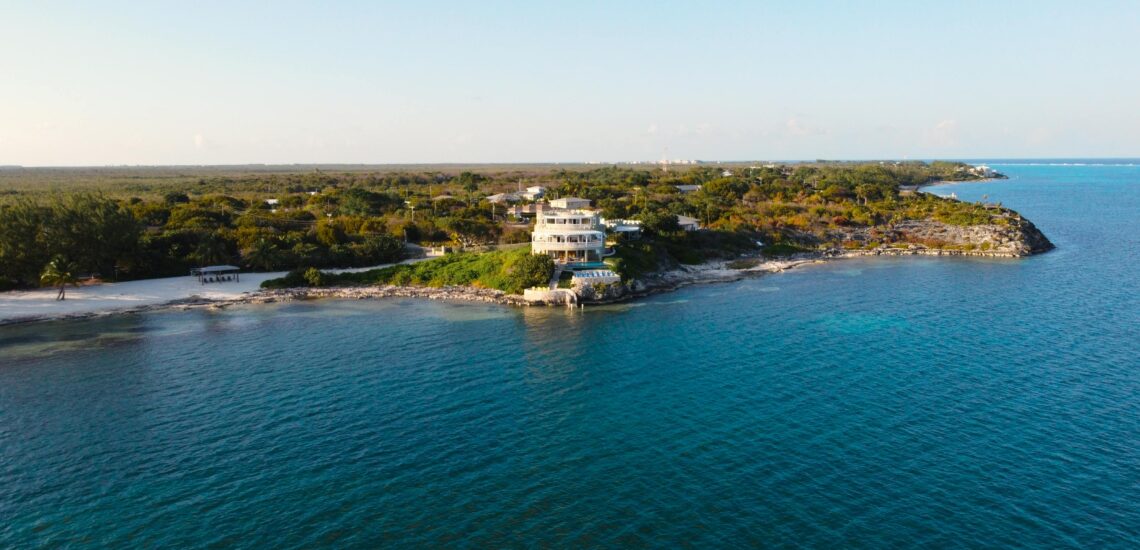


The Cayman Islands consist of three islands – Grand Cayman, Cayman Brac, and Little Cayman located in the western Caribbean. Known for their clear waters, coral reefs, and long white beaches, they attract visitors who enjoy both comfort and nature. The islands are also one of the best diving destinations in the region, with shipwrecks, underwater walls, and calm visibility year-round.
On Grand Cayman, you can swim with stingrays at Stingray City, relax on Seven Mile Beach, or visit George Town for shopping and local food. Cayman Brac offers caves, hiking trails, and a slower pace of life, while Little Cayman is known for its untouched nature and quiet dive spots. Together, the islands combine easy living with plenty of ways to explore the sea and land.
Best Islands
Grand Cayman
The largest and most developed island, Grand Cayman blends natural beauty with upscale comfort. It’s home to the capital, the famous Seven Mile Beach, and the islands’ best dining and nightlife.
George Town
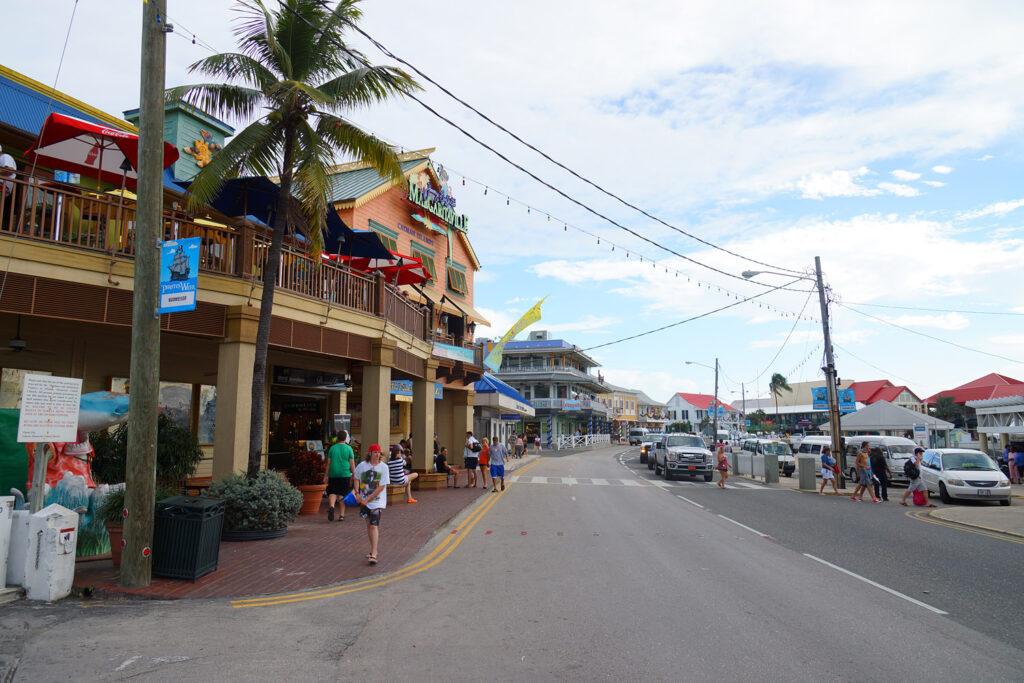
George Town, the capital of the Cayman Islands, is a compact and vibrant port city that blends local culture with modern Caribbean life. Along its waterfront, visitors can stroll past colorful colonial buildings, duty-free shops, and lively markets, while the harbor buzzes with cruise ships and fishing boats. The Cayman Islands National Museum offers a look into the islands’ natural history, maritime heritage, and traditions through well-curated exhibits and artifacts.
Just a short walk or drive away, Camana Bay serves as the city’s modern hub, with open-air plazas, restaurants, boutiques, and a tower offering panoramic views of Seven Mile Beach. As evening approaches, the waterfront comes alive with dining spots serving fresh seafood and cocktails overlooking the sea. George Town is easily accessible from the airport and cruise terminal.
Seven Mile Beach
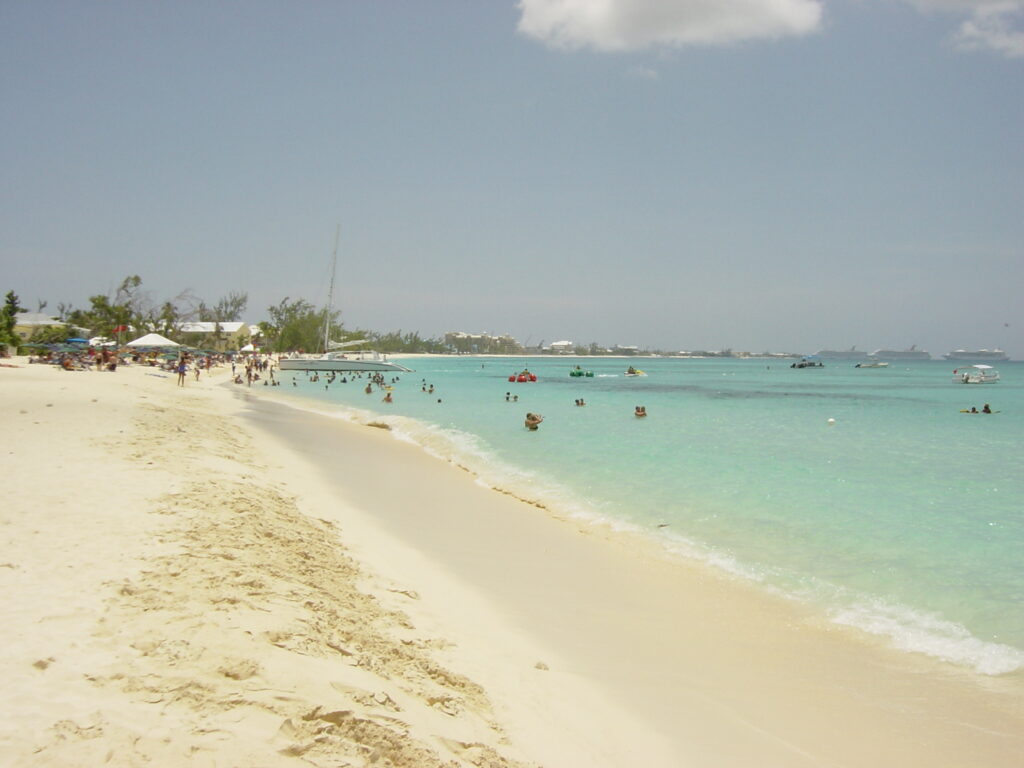
Seven Mile Beach, stretching along Grand Cayman’s western coast, is the island’s most famous and beloved shoreline. Despite its name, it’s just under seven miles long, but every stretch offers powdery white sand and calm, turquoise water perfect for swimming, paddleboarding, and snorkeling. The beach is lined with upscale resorts, restaurants, and beach bars, yet still has open areas where visitors can find space to relax in the sun.
Many of Grand Cayman’s best dive sites lie just offshore, easily accessible by boat or from the beach itself. As the day ends, the beach becomes one of the best places on the island to watch the sunset over the Caribbean. Seven Mile Beach is just minutes from George Town and the airport.
West Bay
West Bay offers a relaxed mix of nature, family attractions, and local charm. The Cayman Turtle Centre is the area’s main highlight, where visitors can learn about sea turtle conservation, see turtles of all ages, and even swim alongside juveniles in a shallow lagoon. Nearby, Cemetery Beach Reef provides some of the best shore snorkeling on the island, with coral formations and tropical fish just a short swim from the sand. After exploring, visitors can stop at the Cracked Conch Restaurant for fresh seafood and ocean views, or visit nearby beaches and lookout points for a quieter experience away from the busier resort areas. West Bay is only a 15-minute drive from George Town.
East End
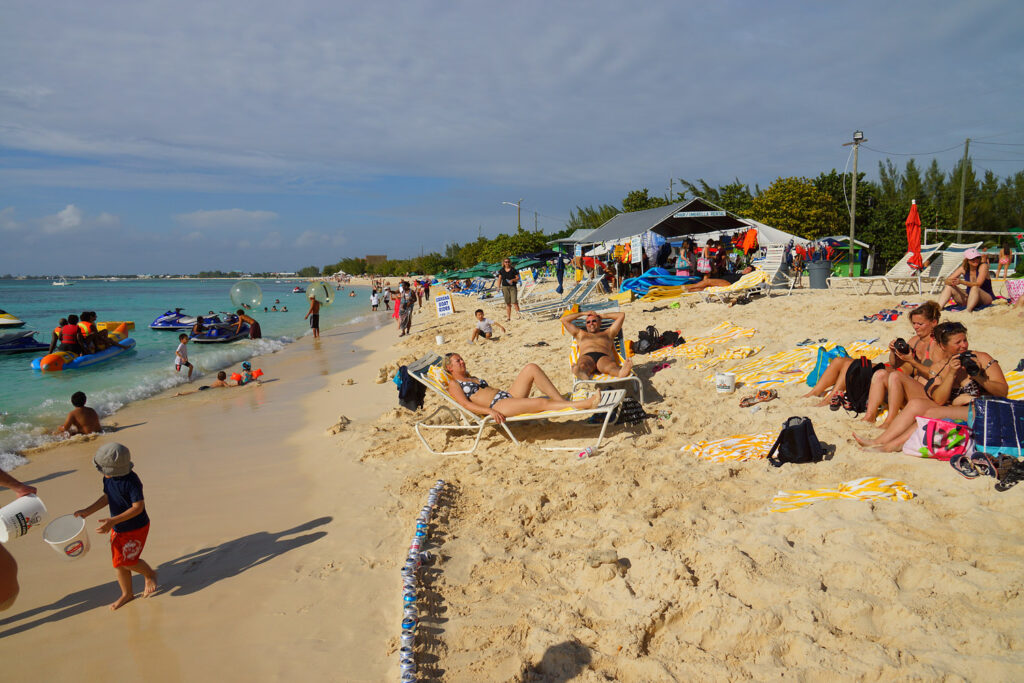
East End offers a peaceful escape from the island’s busier west coast. The area is known for its scenic coastal roads, dramatic blowholes, and wide ocean views that show off the island’s wilder beauty. It’s a great place for visitors who want to explore local culture, enjoy uncrowded beaches, and experience authentic Caymanian life.
Two of Grand Cayman’s most important landmarks are found here: the Queen Elizabeth II Botanic Park, where visitors can see native orchids, tropical gardens, and the endangered Blue Iguana; and Pedro St. James Castle, an 18th-century stone great house known as the “Birthplace of Democracy” in the Cayman Islands. East End is about a 40-minute drive from George Town and offers a slower pace with local restaurants, small inns, and easy access to diving sites along the reef.
Cayman Brac
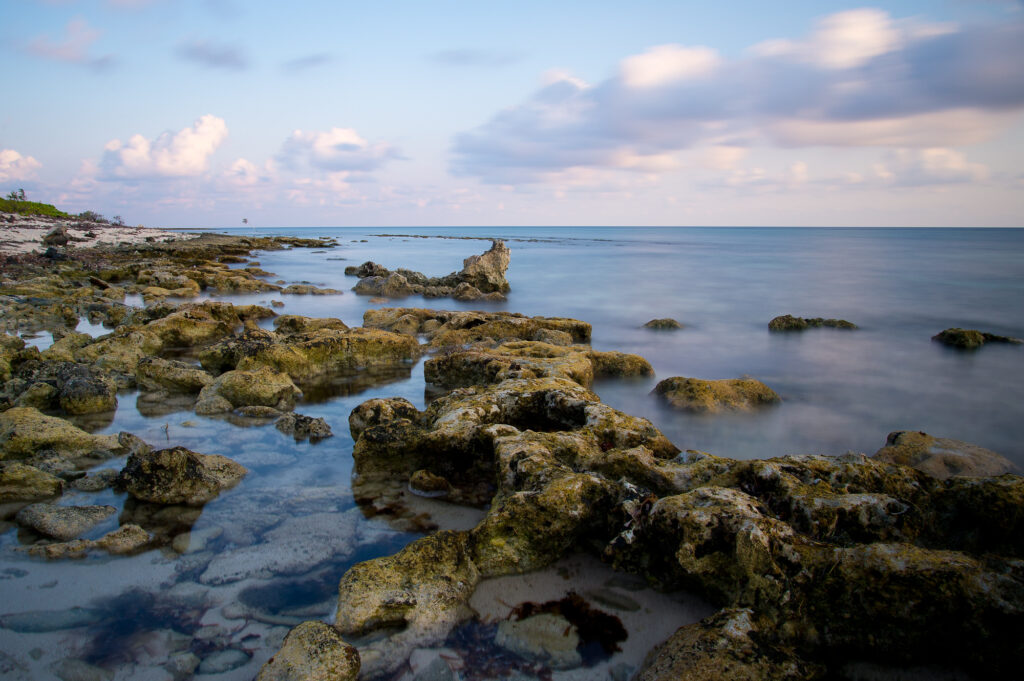
Cayman Brac, the second-largest of the Cayman Islands, is known for its dramatic landscapes and adventurous spirit. Its defining feature, The Bluff, rises 140 feet above sea level – the highest point in the Caymans, and offers sweeping views of the Caribbean. The island’s network of trails and caves, including Bat Cave and Rebel’s Cave, invites exploration, revealing limestone formations, historic carvings, and native wildlife along the way.
Offshore, Cayman Brac is a diver’s paradise. The highlight is the MV Captain Keith Tibbetts, a Russian frigate intentionally sunk in 1996 that now serves as an artificial reef teeming with marine life. The island’s calm pace, friendly community, and rugged terrain make it ideal for hiking, diving, and travelers looking for a quieter alternative to Grand Cayman. Regular flights connect Cayman Brac to both Grand Cayman and Little Cayman, making it easy to include in a multi-island trip.
Little Cayman
Little Cayman, the smallest of the Cayman Islands, is a peaceful retreat known for its pristine nature and world-class diving. The island’s star attraction, Bloody Bay Marine Park, is considered one of the best wall dives in the world – a dramatic underwater drop-off covered in coral and teeming with marine life. Nearby, Jackson’s Bight offers equally impressive snorkeling and underwater photography opportunities, with clear visibility and vibrant reefs. For those who prefer to stay above water, South Hole Sound Lagoon provides calm, shallow waters ideal for kayaking and paddleboarding. Nature lovers can visit the Booby Pond Nature Reserve, home to one of the Caribbean’s largest colonies of red-footed boobies and frigatebirds.
Best Natural Wonders in the Cayman Islands
Stingray City
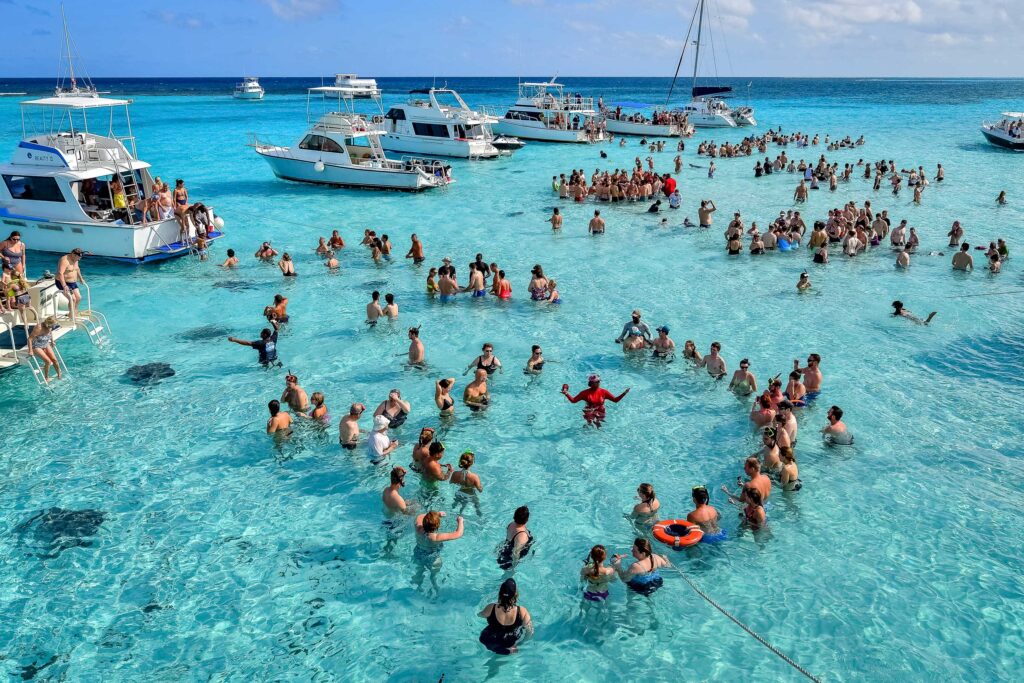
Stingray City is one of the Caribbean’s most famous and memorable experiences. This shallow sandbar is home to dozens of gentle southern stingrays that have become accustomed to human visitors over decades of interaction with local fishermen. Standing in waist-deep, crystal-clear water, visitors can feed, touch, and snorkel alongside these graceful creatures under the supervision of trained guides. Boat and catamaran tours depart regularly from Seven Mile Beach and various marinas, making the site easy to reach in about 30 minutes.
Cayman Crystal Caves
The Cayman Crystal Caves, located in the lush tropical forest of Northside, Grand Cayman, offer a fascinating look into the island’s underground world. This network of limestone caverns features dramatic stalactites, stalagmites, and glimmering crystal formations that have taken millions of years to form. Guided tours lead visitors through three main caves – the open-ceiling cave, the roots cave, and the lake cave – each with unique geological features and striking natural beauty.
Along the way, guides explain the caves’ history, geology, and the role they once played as shelters and hideouts. The surrounding forest is home to bats, parrots, and orchids, adding to the experience. The site is about a 30-minute drive from Seven Mile Beach.
Queen Elizabeth II Botanic Park
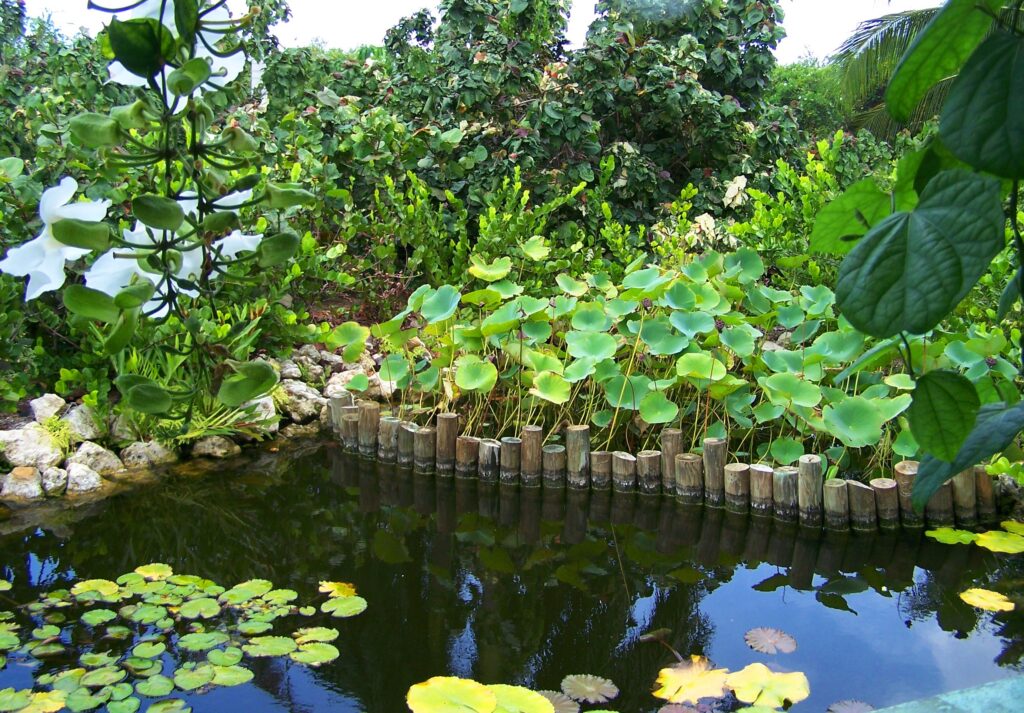
The Queen Elizabeth II Botanic Park is a serene haven dedicated to preserving the island’s natural heritage. Spanning 65 acres, the park features beautifully landscaped gardens, native forest, and tranquil ponds that attract butterflies, birds, and other wildlife. One of its main highlights is the Blue Iguana Conservation Facility, where visitors can see the endangered Grand Cayman Blue Iguana – the island’s national symbol – up close and learn about ongoing efforts to protect the species.
Visitors can stroll along peaceful walking paths lined with orchids, palms, and tropical flowering plants, or relax in the traditional Caymanian Heritage Garden, which showcases old island architecture and local crops. The park is about a 40-minute drive from George Town.
Mastic Trail
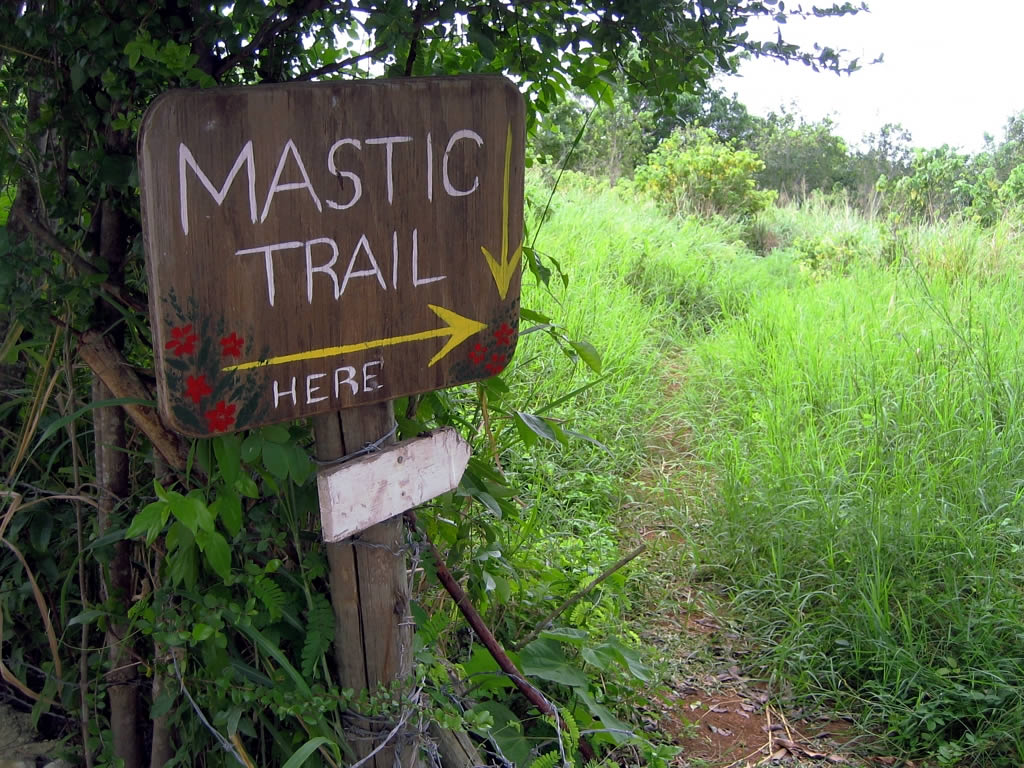
The Mastic Trail offers a journey through one of the island’s last remaining tracts of native dry forest. This two-mile trail follows sections of an old stone road that once connected early settlements, winding through dense vegetation, ancient trees, and wetlands that have remained largely untouched for centuries.
Hikers can spot native wildlife along the way, including parrots, woodpeckers, and hermit crabs, as well as rare plant species unique to the Cayman Islands. Guided tours are available through the National Trust, providing insight into the area’s ecology and history. The trail is moderately challenging due to uneven terrain and humidity, but it rewards visitors with a glimpse of what Grand Cayman looked like before development – wild, quiet, and full of life.
Bloody Bay Wall
Bloody Bay Wall, located off the coast of Little Cayman, is one of the most spectacular dive sites in the world. This sheer vertical reef wall drops more than 6,000 feet into the deep blue, offering dramatic underwater scenery and exceptional visibility. Divers can explore vibrant coral formations, sponges, and sea fans that cling to the wall, along with schools of reef fish, turtles, and eagle rays gliding through the clear water.
The site is part of Bloody Bay Marine Park, a protected area that keeps the reef pristine and teeming with marine life. Even at shallow depths, the colors and visibility make it an unforgettable experience for photographers and recreational divers alike. Accessible by short boat ride from Little Cayman, Bloody Bay Wall is a must-visit destination for anyone passionate about diving.
Cayman Brac Bluff
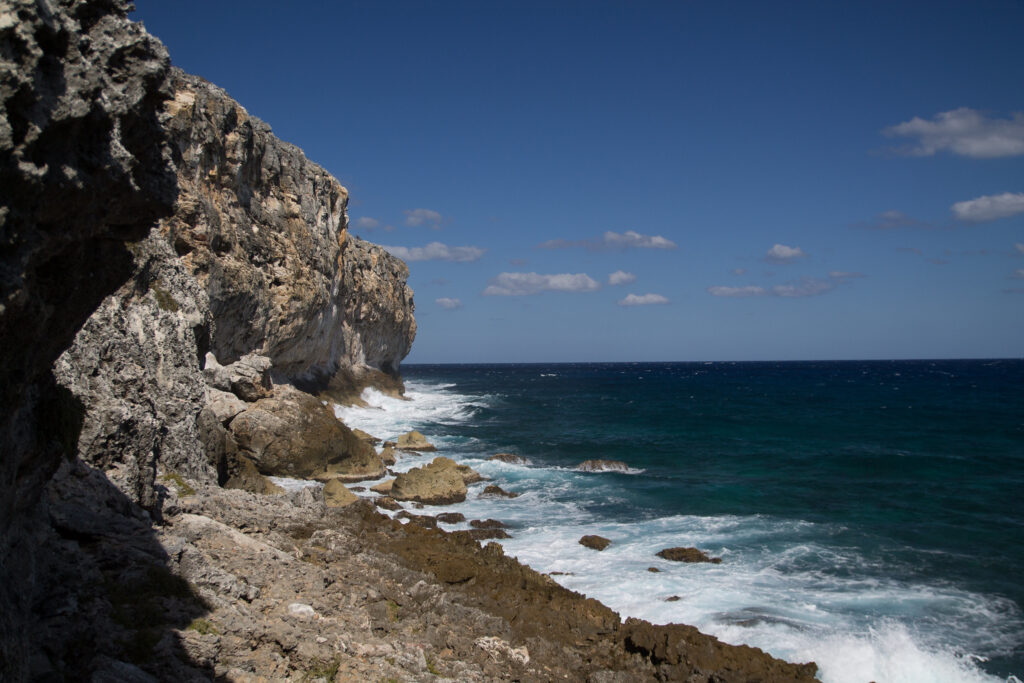
The Bluff on Cayman Brac rises 140 feet above sea level, making it the highest point in the Cayman Islands and one of the island’s defining features. Stretching along the eastern side, the limestone cliffs offer panoramic views of the Caribbean and the rugged coastline below. Visitors can hike along trails that lead to scenic overlooks, hidden caves, and nesting areas for seabirds.
Several sea caves, including Bat Cave and Rebecca’s Cave, are carved into the cliffs and can be explored safely with local guides or on self-guided walks. The Bluff is also popular with rock climbers and nature photographers drawn to its dramatic landscapes. Easily reached by car from anywhere on Cayman Brac.
Hidden Gems
Starfish Point
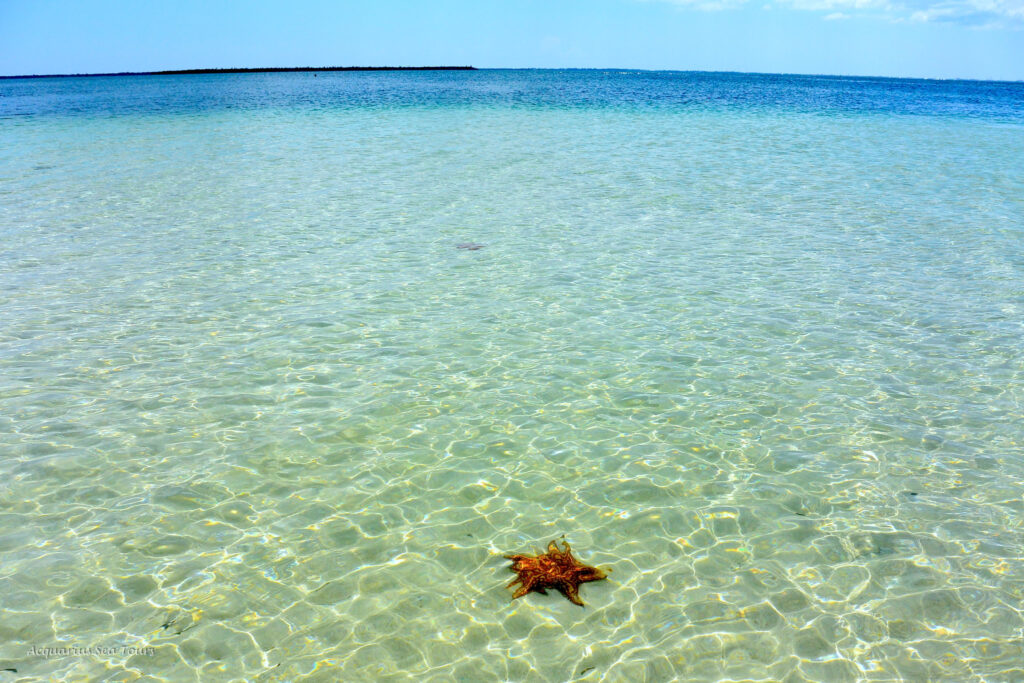
Starfish Point, located on the north side of Grand Cayman near Rum Point, is a calm, shallow beach known for the red and orange starfish that rest on the sandy seabed just offshore. The clear, waist-deep water makes it easy to see the starfish up close and ideal for wading, swimming, and gentle snorkeling.
Visitors are encouraged to admire the starfish without lifting them from the water, helping to preserve this fragile ecosystem. The area is peaceful and family-friendly, great for swimming or enjoying a quiet picnic by the sea. Starfish Point is accessible by car or boat from Seven Mile Beach or Rum Point
Smith’s Barcadere
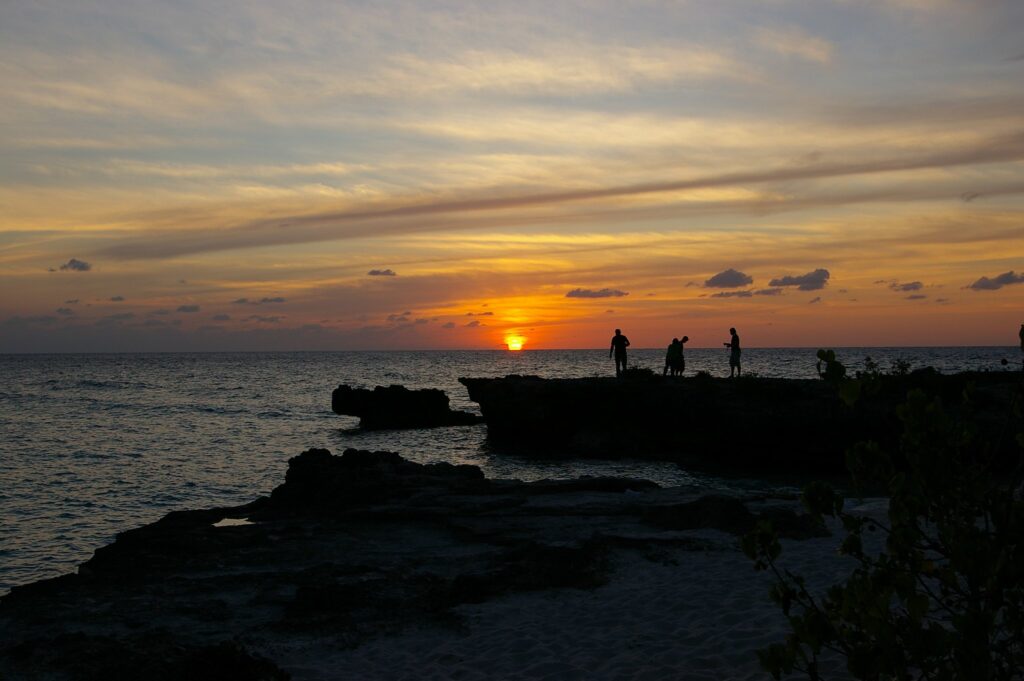
Smith’s Barcadere, also known as Smith Cove, is a small, scenic beach located just south of George Town on Grand Cayman. Sheltered by rocky outcrops and shaded by sea grape trees, it offers calm, clear water perfect for swimming, snorkeling, and relaxing. Colorful fish can often be seen just a few meters from shore, making it a favorite spot for locals and visitors seeking an easy, accessible snorkeling experience.
The cove has basic facilities, including picnic tables, restrooms, and parking, yet it retains a quiet, local feel. It’s especially beautiful in the early morning or late afternoon when the light reflects off the turquoise water and cliffs. Only a five-minute drive from downtown George Town
Hell
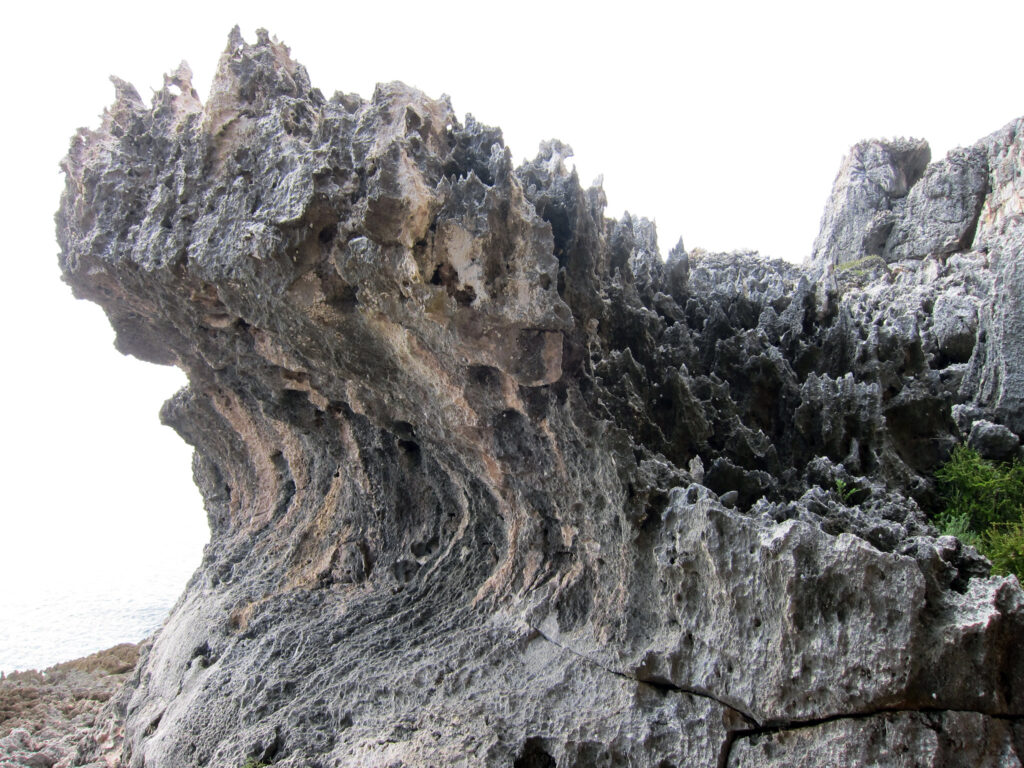
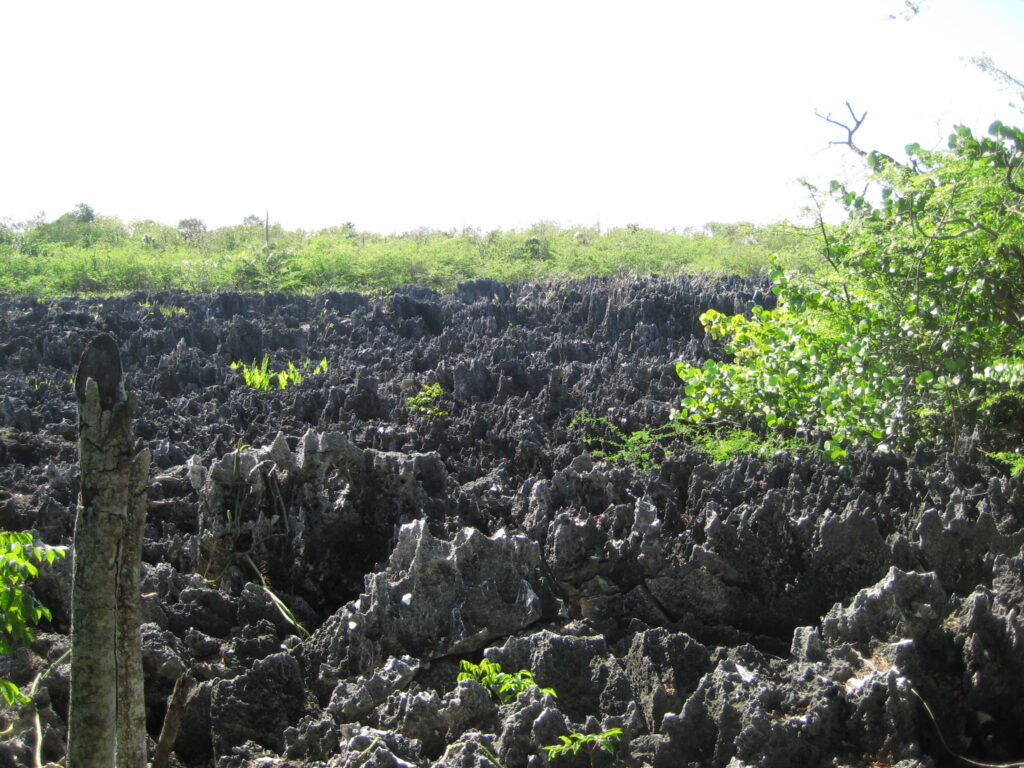
Hell is one of the island’s most unusual and photographed attractions. The site features sharp, jagged black limestone formations that resemble a scorched landscape – the inspiration for its name. Wooden viewing platforms allow visitors to look out over the eerie rock field and take photos of this natural curiosity.
Next to the formations, a small post office lets travelers “send a postcard from Hell”, complete with a unique postmark. The area also has a few souvenir shops and local vendors selling crafts and refreshments. Easily reached by car from Seven Mile Beach in about 15 minute
Rum Point
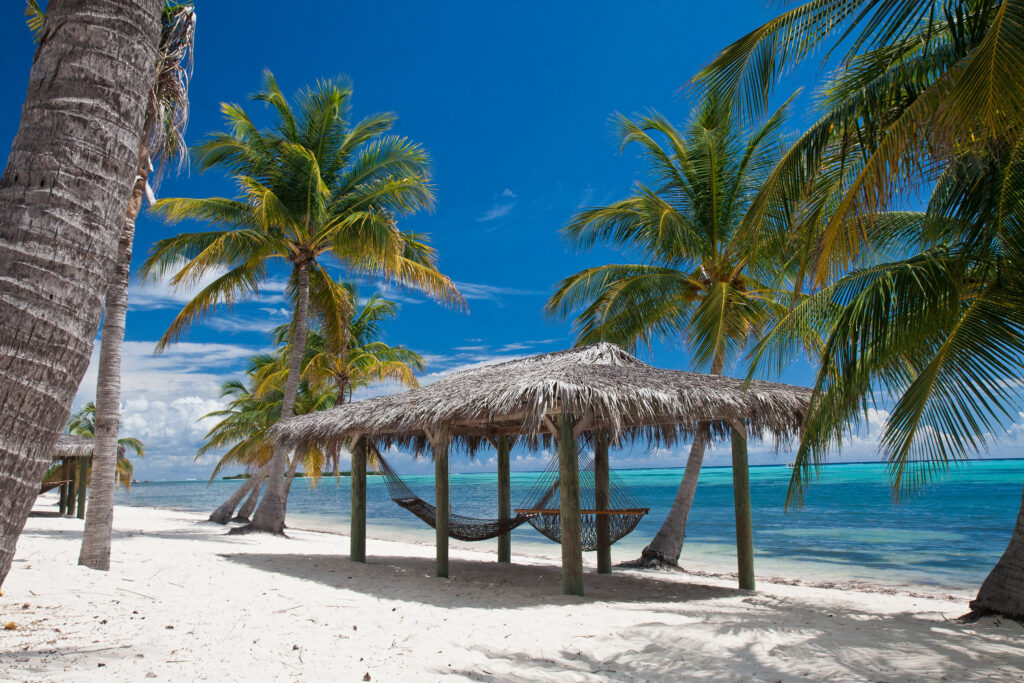
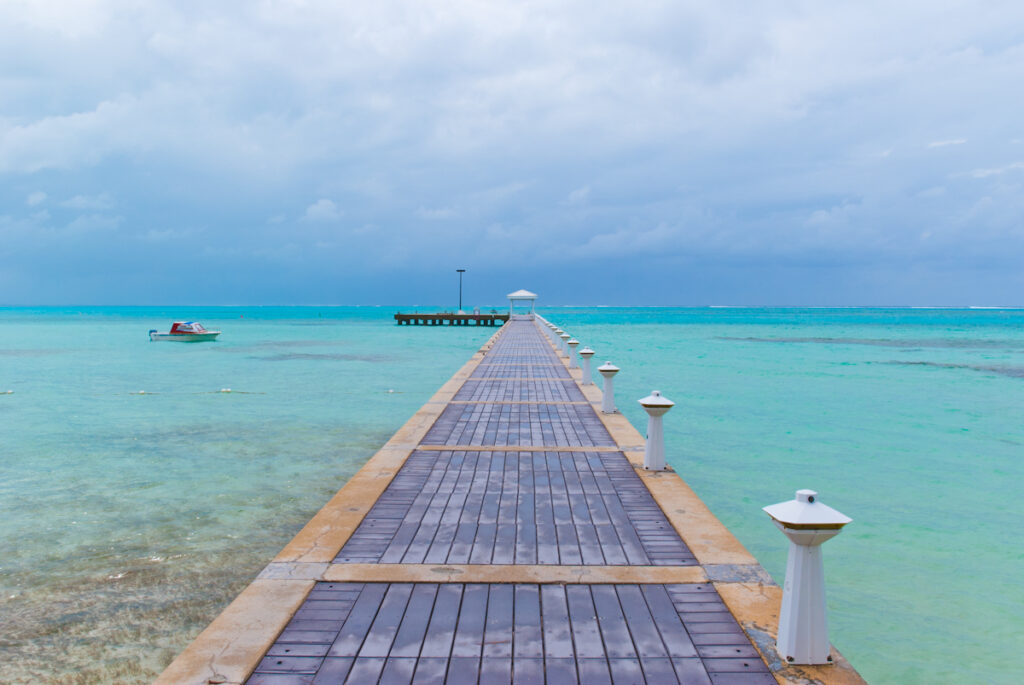
Rum Point is one of the island’s most relaxed and scenic beach spots. Known for its hammocks, casual beach bars, and calm turquoise waters, it’s perfect for swimming, paddleboarding, and snorkeling just offshore. Visitors can enjoy fresh seafood and tropical drinks at the beachside restaurant – including the famous “Mudslide” cocktail, which originated here. The area also serves as a departure point for boat trips to Stingray City and Starfish Point. With its mix of easygoing atmosphere and water activities, Rum Point is ideal for a full beach day.
Spotts Beach
Spotts Beach is a peaceful stretch of shoreline known for its calm atmosphere and frequent sea turtle sightings. Early morning and late afternoon are the best times to spot green and hawksbill turtles grazing on the seagrass in the shallow waters close to shore. The beach is also good for snorkeling, with clear visibility and coral patches just offshore. Shaded by palm trees and equipped with picnic tables and parking, Spotts Beach is ideal for a relaxing visit away from the crowds of Seven Mile Beach. It’s easily accessible by car, about a 15-minute drive from George Town.
Travel Tips for the Cayman Islands
Travel Insurance & Safety
Travel insurance is highly recommended, especially for diving, water sports, and medical coverage. Ensure your policy includes emergency evacuation and storm protection if traveling during the wet season, as the islands can experience sudden weather changes.
The Cayman Islands are among the safest destinations in the Caribbean. Tap water is safe to drink, and healthcare standards are excellent. The tropical sun can be intense year-round – protect yourself with reef-safe sunscreen, sunglasses, and plenty of hydration.
Transportation & Driving
Grand Cayman boasts a well-developed road network and several reliable car rental agencies. While taxis are readily available, they can be costly for longer trips, making car rental the more flexible and budget-friendly option. For inter-island travel, Cayman Airways and local ferries connect Grand Cayman, Cayman Brac, and Little Cayman.
Vehicles drive on the left-hand side of the road. Speed limits are low (25–40 mph) and strictly enforced, particularly in residential and tourist areas. A 4×4 vehicle can be useful for exploring remote beaches or rugged terrain. An International Driving Permit is required for most visitors, along with your national driver’s license. Always carry your license, ID, insurance, and rental documents while driving.

Published November 16, 2025 • 12m to read