


Burkina Faso, meaning “Land of Upright People”, lies at the cultural crossroads of West Africa and is defined by its strong traditions and sense of community. Music, dance, crafts, and architecture play an important role in daily life, from mud-brick mosques and royal compounds to villages decorated with symbolic wall paintings. The country’s landscapes range from open savannahs to striking sandstone formations, shaped over time by both nature and human settlement.
Travel in Burkina Faso requires careful planning, but it offers meaningful rewards for those interested in culture and heritage. Visitors can experience local festivals, traditional markets, and long-established artistic practices that remain part of everyday life. With its emphasis on community, creativity, and history, Burkina Faso provides a deep and genuine introduction to West Africa beyond well-known travel routes.
Best Cities in Burkina Faso
Ouagadougou
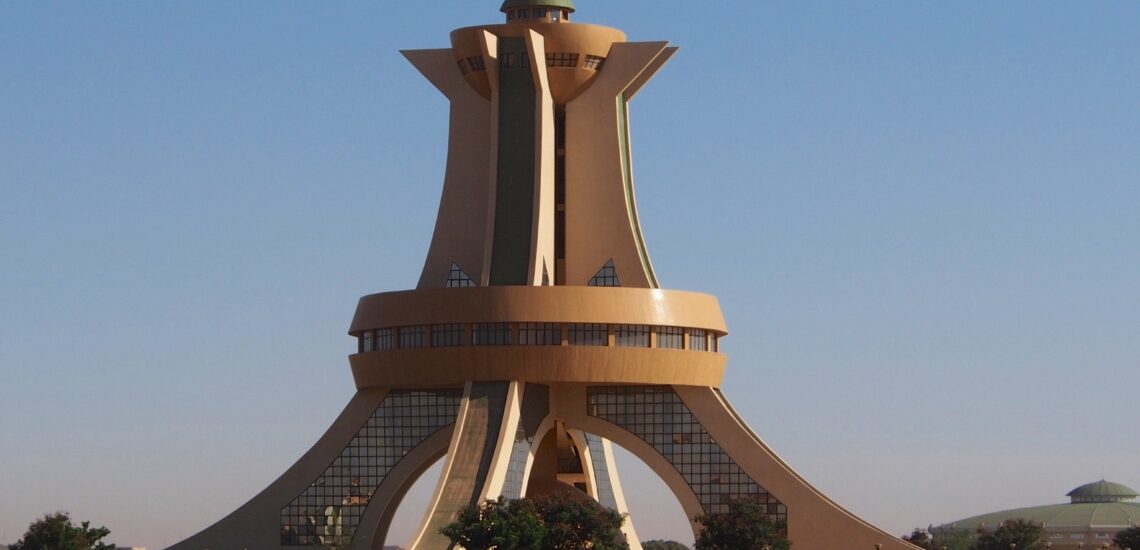
Ouagadougou is the political and cultural center of Burkina Faso and a major hub for arts, crafts, and performance traditions. The National Museum of Burkina Faso provides an overview of the country’s many ethnic groups through collections of masks, textiles, ironwork, and ritual objects. A short distance away, the Village Artisanal de Ouagadougou brings together working artisans who produce bronze sculptures, leather goods, pottery, and woven fabrics. Visitors can observe the production process, speak with makers, and purchase items directly from workshops.
The city is also known for its role in African cinema. Ouagadougou hosts FESPACO, one of the continent’s most significant film festivals, which attracts filmmakers, critics, and audiences from across Africa and beyond. Outside festival periods, cultural centers and open-air venues hold regular music, dance, and theater events that reflect local and regional traditions. Ouagadougou serves as a transport hub for travel within Burkina Faso, with road links to Bobo-Dioulasso, the northern regions, and neighboring countries.
Bobo-Dioulasso
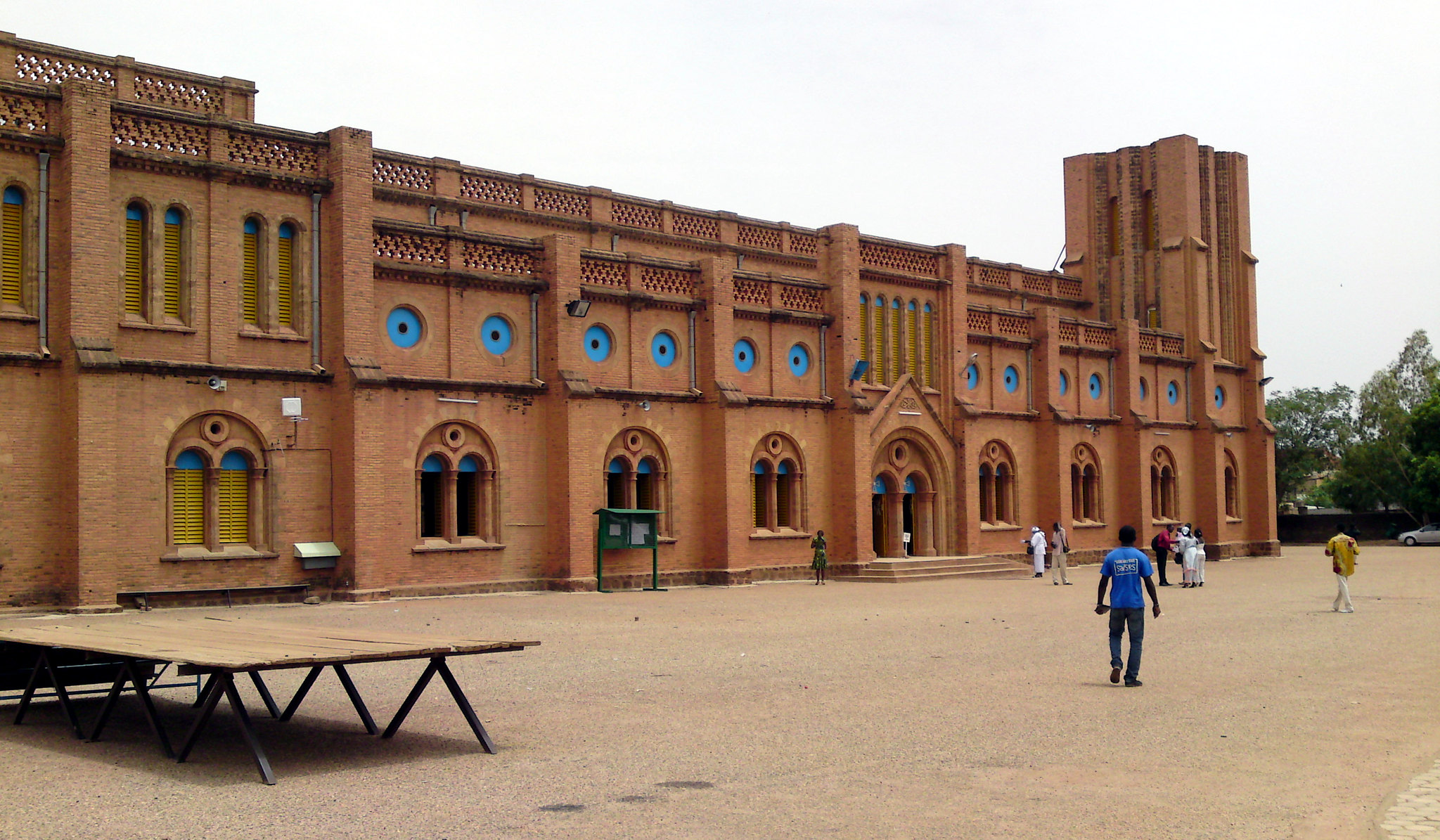
Bobo-Dioulasso is a major cultural center in Burkina Faso and an important stop for travelers interested in music, craft traditions, and historical urban neighborhoods. The Grand Mosque, built in the Sudano-Sahelian mud-brick style, is the city’s most recognizable landmark and offers insight into local building techniques and community maintenance practices. Nearby, the old quarter of Kibidwé contains narrow pathways, traditional compounds, and small workshops that show how residents have organized space and daily life over generations. Guided walks help explain the area’s social structure, architecture, and role in the city’s early development.
Music plays a central role in Bobo-Dioulasso’s identity. Balafon, djembe, and other traditional instruments are produced and played locally, and performances take place in cultural centers, informal venues, and neighborhood gatherings. The city is also a practical base for travel into Burkina Faso’s southwestern region, where visitors can explore nature reserves, waterfalls, and rural communities. Road connections link Bobo-Dioulasso with Ouagadougou, Banfora, and the border regions, making it a convenient point for continuing deeper into the country.
Koudougou
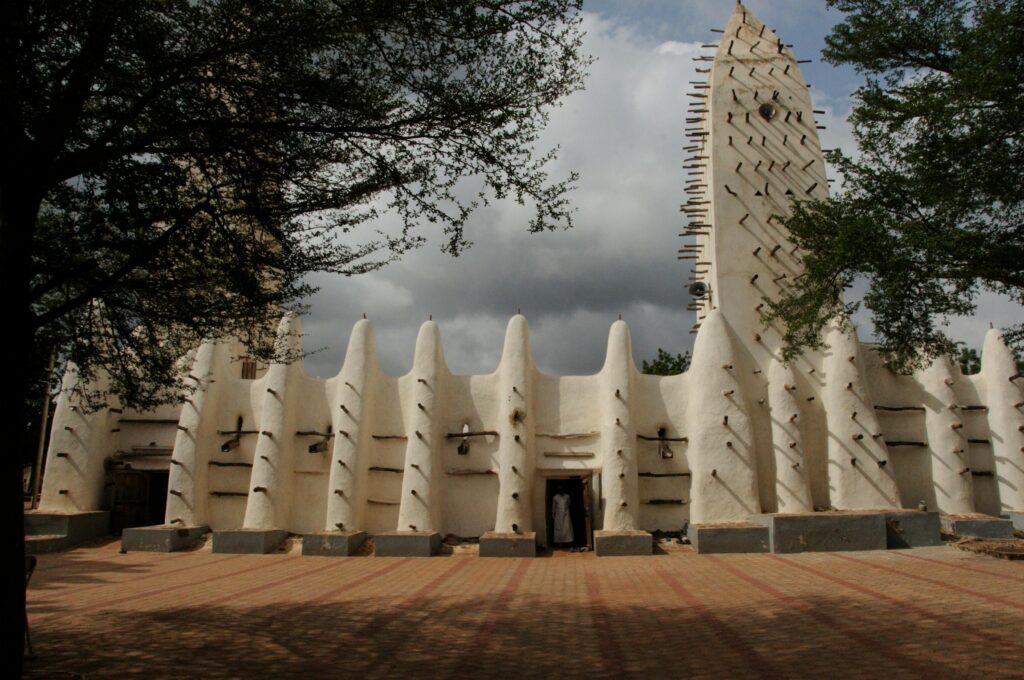
Koudougou is the third-largest city in Burkina Faso and an important center of Mossi culture, located west of Ouagadougou along a major transport corridor. The city hosts a large university, which contributes to an active student presence, regular cultural events, and a steady flow of locally organized activities. Markets in Koudougou supply goods from surrounding farming areas, including textiles, handicrafts, and agricultural products. Walking through the commercial districts provides a clear view of how trade and education intersect in this part of the country.
The city maintains strong links to Mossi traditions through community festivals, artisan workshops, and local performance groups. Visitors can explore neighborhoods where weaving, metalwork, and wood carving continue as family-based crafts. Koudougou is also a practical base for travel to nearby villages and rural areas, where farming and community life follow seasonal patterns. Road connections make it easy to reach Ouagadougou, Réo, and Sabou, allowing travelers to combine urban observation with short excursions.
Best Historical and Cultural Sites
Loropéni Ruins
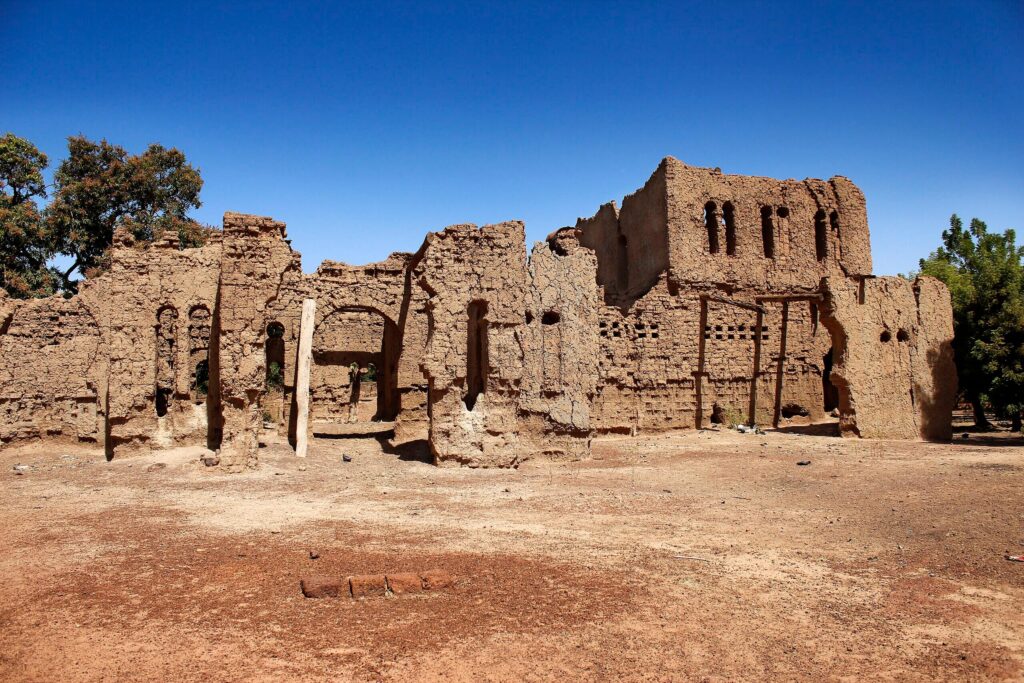
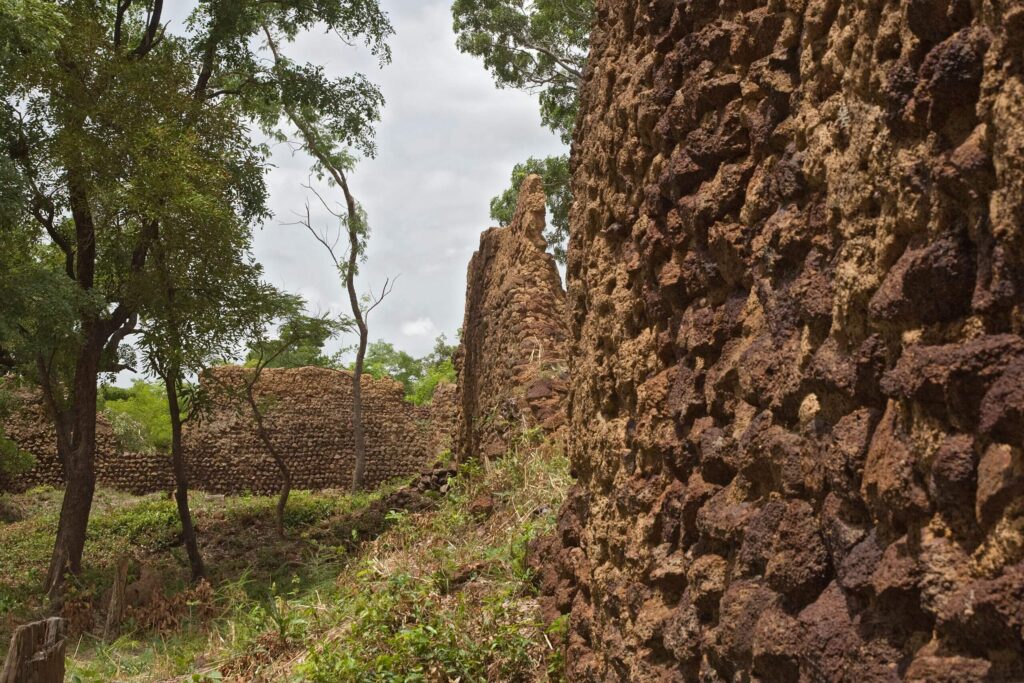
The Loropéni Ruins, located in southwestern Burkina Faso, are among the oldest surviving stone-built structures in the region and reflect the legacy of early trade networks centered on gold extraction and exchange. The site consists of large stone enclosures with high, thick walls arranged in irregular shapes. Although the full history of Loropéni is still being studied, archaeological work links the settlement to communities involved in controlling or facilitating trade routes that connected inland West Africa to markets in North Africa. The layout suggests defensive needs as well as administrative or storage functions tied to long-distance commerce.
Visitors can walk along marked paths that lead around and inside the main enclosure, observing construction techniques and the way vegetation has grown into parts of the structure. Interpretive panels provide context on the ruins’ probable age, their role within regional systems of power, and their connection to nearby archaeological sites. Loropéni is typically reached by road from Gaoua, which serves as the main base for exploring the area.
Royal Courts of Tiébélé
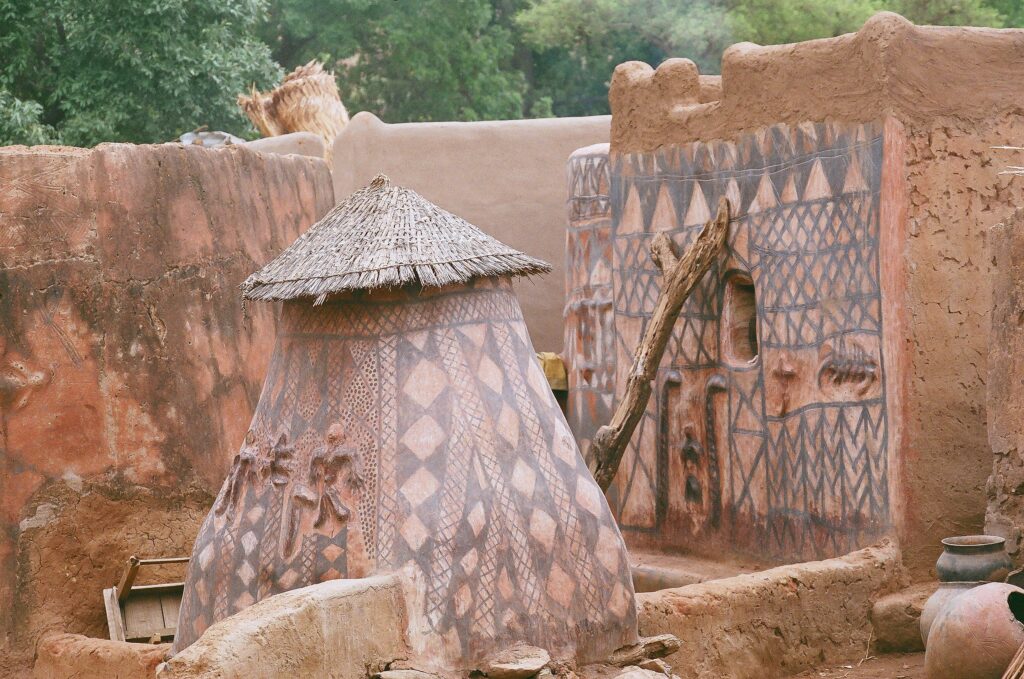
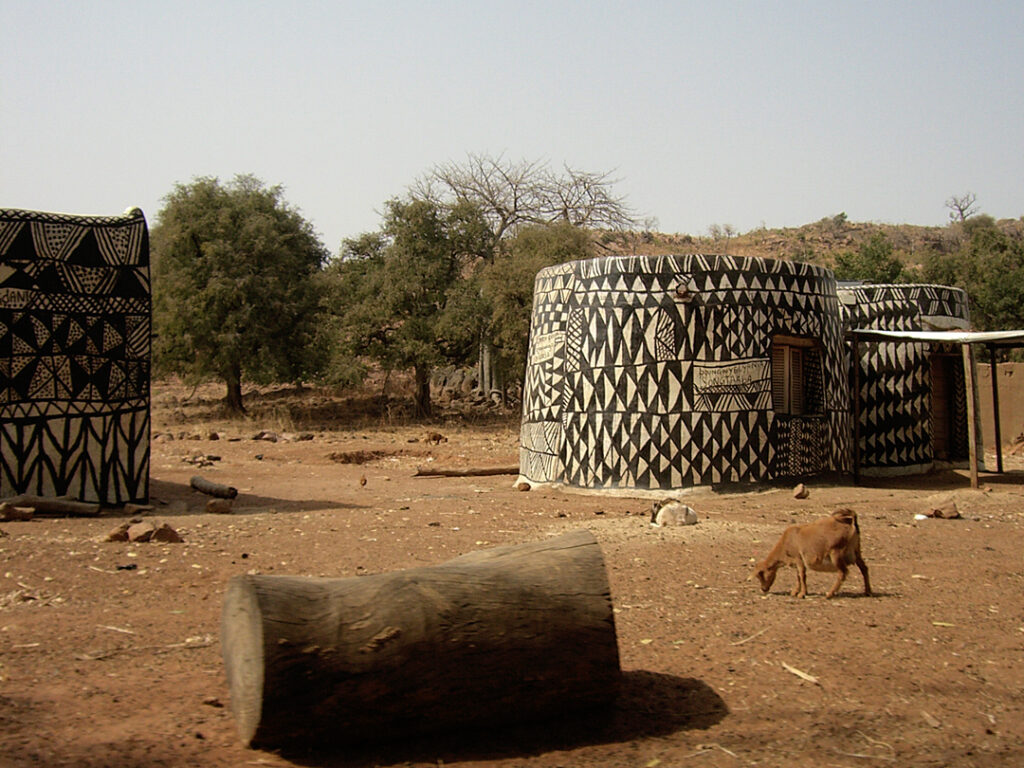
Tiébélé, located near the border with Ghana, is known for its Kassena architecture, especially the painted houses within the royal compound. These earthen dwellings are decorated with geometric patterns applied by women using natural pigments. The designs are renewed periodically, preserving both the structures and the symbolic meanings associated with each motif. The artwork reflects family identity, spiritual beliefs, and social status, providing visitors with a direct view into how visual traditions function within daily life rather than as separate artistic displays.
Guided visits lead through the royal compound and surrounding village, where explanations cover building methods, household organization, and the role of communal labor in maintaining walls and designs. Because Tiébélé remains a living community, visits follow established protocols to respect local customs and private areas. The village is typically reached by road from Pô or Ouagadougou and is often combined with trips to nearby cultural sites in Burkina Faso’s southern region.
Mossi Kingdom Sites
Across central Burkina Faso lie locations tied to the historical Mossi kingdoms, which played a central role in shaping pre-colonial political and social structures. Royal palaces, ancestral courts, and ceremonial grounds illustrate how authority was organized through lineage, councils, and ties between rulers and community groups. Many sites also include sacred groves, where rituals connected to governance, protection, and land stewardship continue to take place. These areas help explain how Mossi leadership developed systems of mediation, taxation, and regional alliances long before colonial administration.
Visits typically focus on royal courts in towns such as Ouahigouya, Tenkodogo, and Mogho Naaba’s compound in Ouagadougou, where audiences and ceremonies are still held. Guided tours, when available, outline the role of the Naaba (king), the responsibilities of different officials, and how palace architecture reflects political hierarchy. Some communities maintain weekly or seasonal ceremonies that follow established protocols, offering insight into the endurance of Mossi institutions in contemporary life.
Best Natural Wonders of Burkina Faso
Sindou Peaks
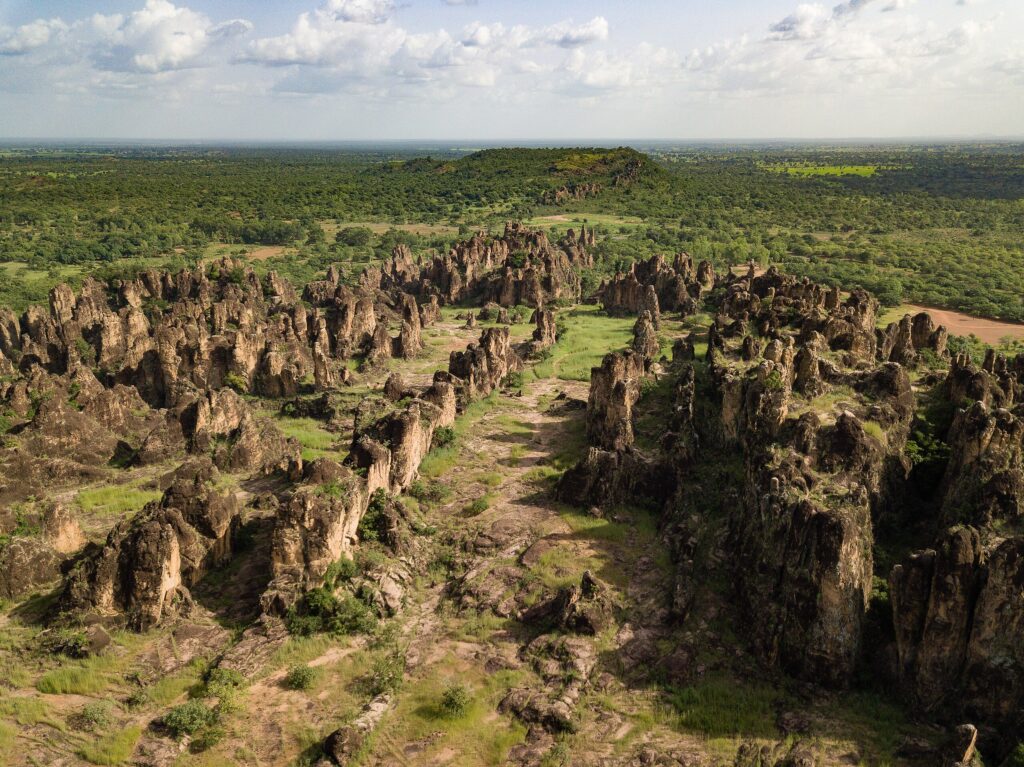
The Sindou Peaks in southwestern Burkina Faso form a long chain of sandstone ridges shaped by erosion into narrow spires and layered rock walls. Footpaths run between the formations, allowing visitors to walk through corridors and viewpoints that show how wind and water gradually carved the landscape. Local guides explain the geological history of the area and how nearby communities use the surrounding land for farming, grazing, and gathering natural materials. The peaks are suitable for half-day or full-day hikes, with options to continue toward lakes, villages, or other sites in the Léraba region.
Sindou is reached by road from Banfora or Bobo-Dioulasso, and most visits include an early-morning or late-afternoon walk when temperatures are lower and the light helps reveal the structure of the rock formations. The surrounding Senufo communities maintain cultural traditions tied to specific hills and natural features, and some itineraries include village visits to learn about local history, craft practices, and land stewardship.
Banfora Region
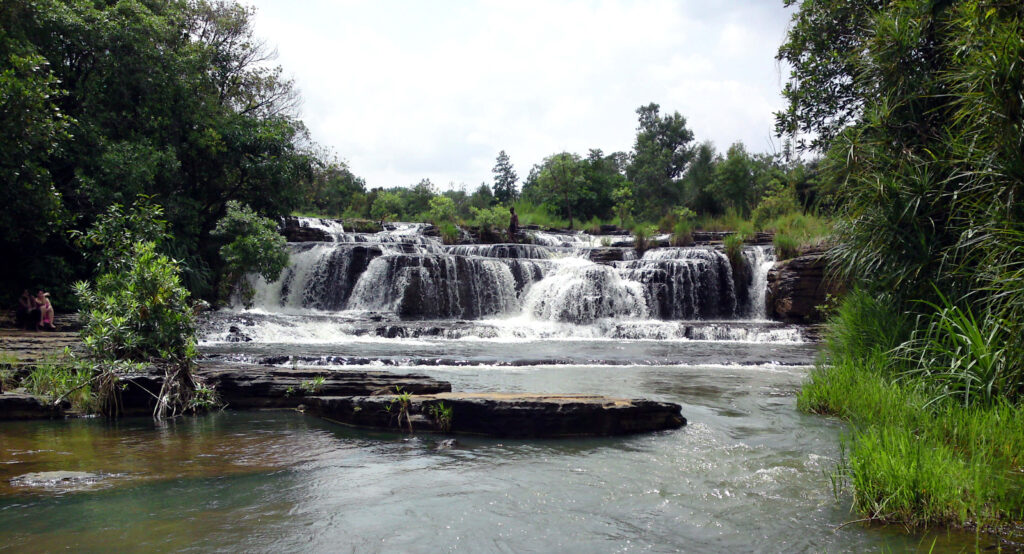
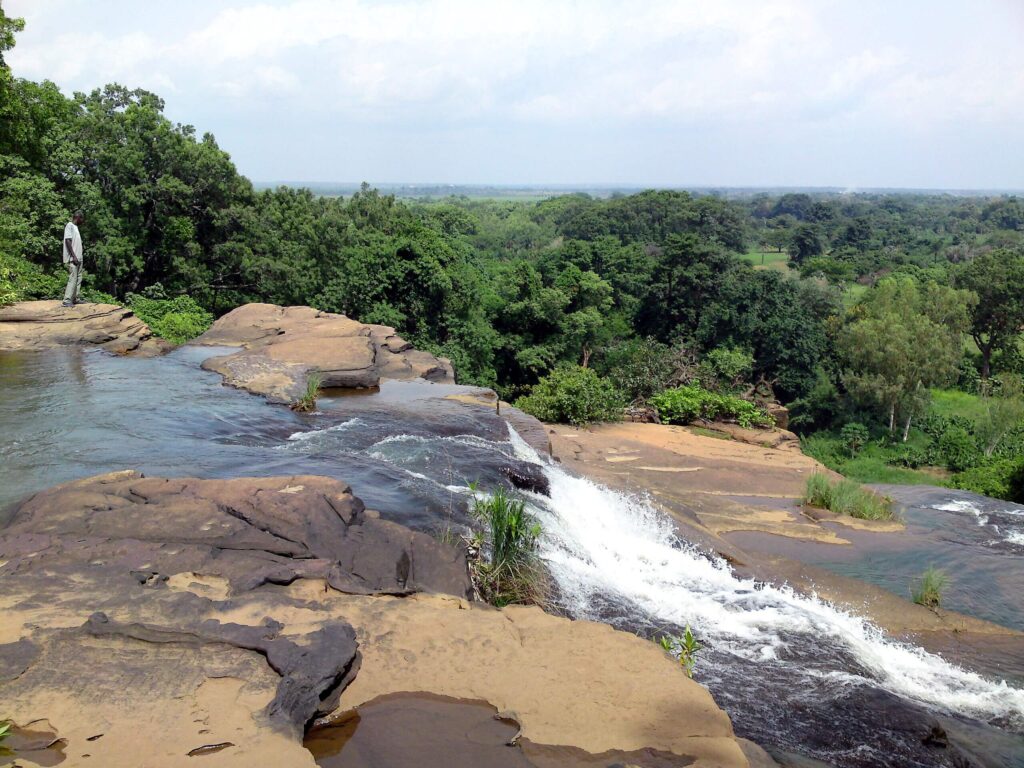
The Banfora region in southwestern Burkina Faso brings together several of the country’s most accessible natural sites. The Karfiguéla Waterfalls form a series of cascades over rock slabs, and during the wet season small pools develop that visitors can reach by a short uphill walk. Local guides explain how water flow changes across the year and how surrounding farmland depends on seasonal rainfall. Nearby Lake Tengrela is known for its resident hippo population, which can sometimes be viewed safely from designated points along the shore. Boat operators also offer short trips that allow visitors to observe birdlife and learn about fishing practices used by nearby communities.
Another key site is the Dômes de Fabédougou, a group of sandstone formations shaped into layered, rounded forms by long-term erosion. Footpaths allow visitors to move among the rock structures and climb to viewpoints overlooking farmland and distant hills. Banfora town serves as the logistical base for most excursions, with road connections to Bobo-Dioulasso and the Ivorian border.
Cascades Region
The Cascades Region in southwestern Burkina Faso marks a transition from the drier Sahel toward a more humid, fertile environment influenced by rivers flowing north from Côte d’Ivoire. The landscape includes palm groves, farmland, and a number of waterfalls that become most active during and after the rainy season. These features make the region suitable for short hikes, village visits, and observation of local agricultural practices such as rice farming, fruit cultivation, and fishing along riverbanks. Many travelers use Banfora as a base for exploring nearby sites in the Cascades, including nature reserves, forest patches, and small farming settlements.
Best Traditional Villages
Gaoua
Gaoua is the main urban center of the Lobi region in southwestern Burkina Faso and a starting point for understanding the area’s social and spiritual traditions. The Poni Museum provides structured explanations of Lobi belief systems, including the significance of shrines, protective figures, masks, and the role of divination in community life. Exhibits also cover regional history and how settlement patterns developed in relation to agriculture and lineage-based organization.
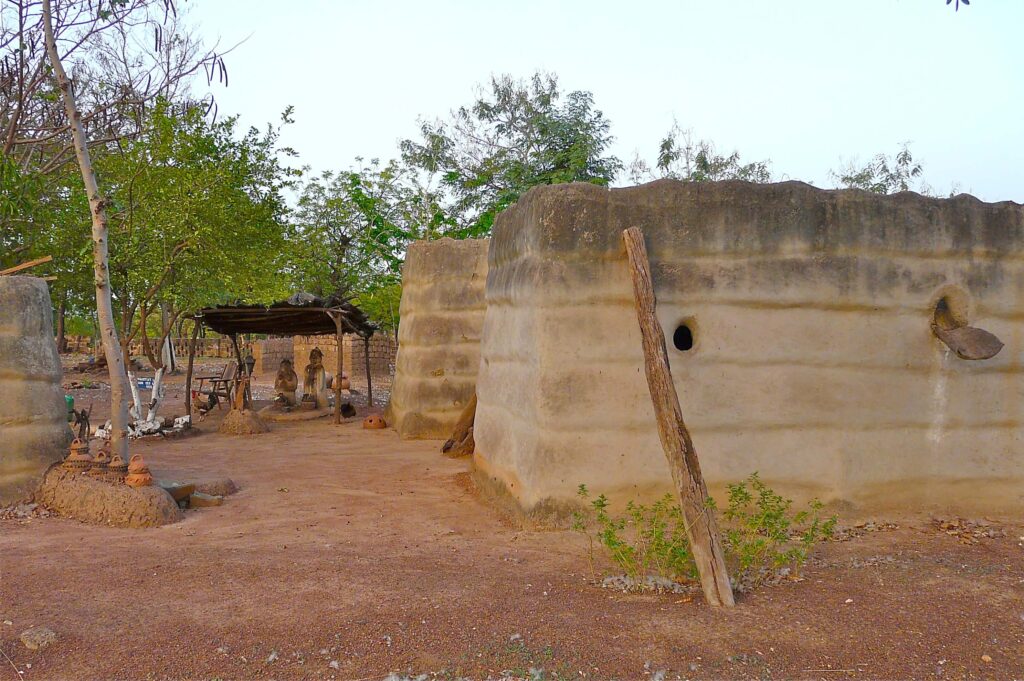
Visits to the surrounding villages show how Lobi compounds are built. These clay structures are arranged as fortified units with multiple rooms, storage areas, and internal courtyards that reflect family hierarchy and protective functions. Local guides explain how households manage farming, hunting, and ritual obligations, and how specific architectural elements relate to spiritual guardianship. Gaoua is reachable by road from Banfora or Bobo-Dioulasso and is often included in itineraries focused on cultural landscapes, rural communities, and heritage sites in Burkina Faso’s southwest. Travelers choose Gaoua to gain context for Lobi traditions and to explore settlements that preserve long-standing architectural and social systems.
Lobi and Gurunsi Villages
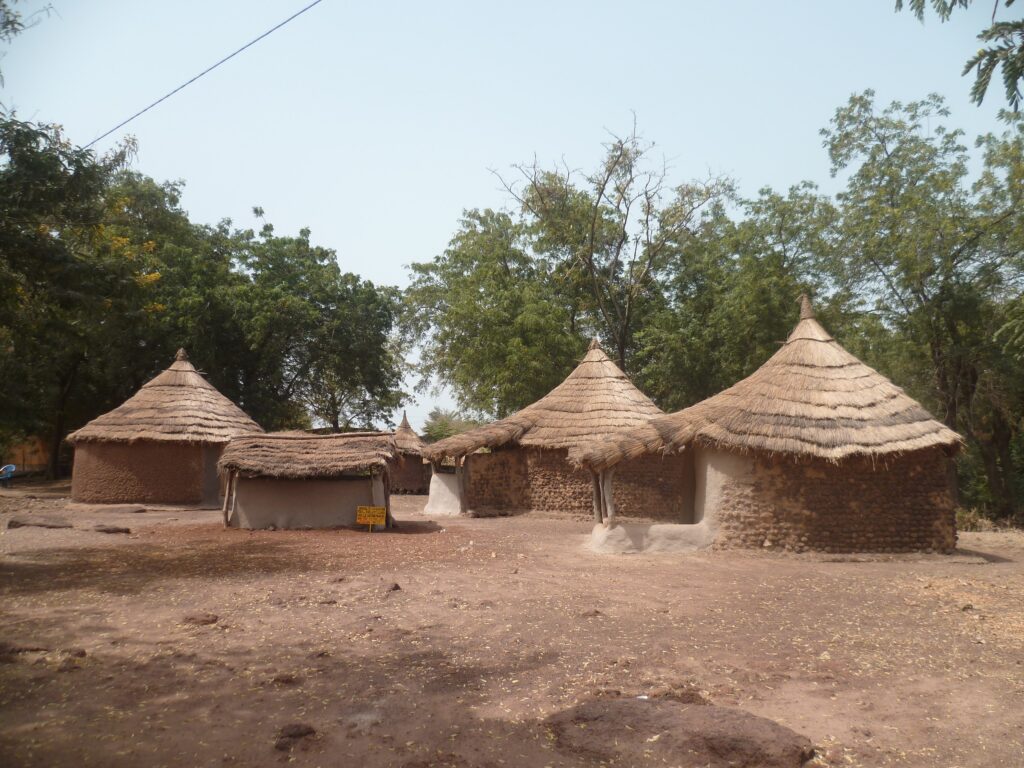
Lobi and Gurunsi villages in southern Burkina Faso provide insight into community structures shaped by animist belief systems, lineage organization, and long-established building traditions. Lobi compounds are typically arranged as enclosed, fortified units built from clay, with separate rooms, storage areas, and internal courtyards that reflect family hierarchy and protective functions. Gurunsi settlements, particularly in Kassena areas near Tiébélé, feature decorated earthen houses maintained by communal effort. Both groups integrate ritual spaces into household layouts, linking daily life with ancestral responsibilities.
Visits arranged with local guides help explain the significance of shrines, protective figures, and seasonal ceremonies, as well as how farming, hunting, and craftmaking support each community. Travelers can observe pottery, weaving, woodcarving, and other practices that continue to follow long-standing techniques. Access is usually by road from regional centers such as Gaoua, Pô, or Ouagadougou, with itineraries combining several villages to show variations in architecture and social organization.
Hidden Gems in Burkina Faso
Dori
Dori is the main town in Burkina Faso’s northeast and functions as a commercial and administrative center for the Sahel region. Its markets serve as meeting points for traders, herders, and farmers who travel from surrounding villages and pastoral zones. Livestock markets are especially important, reflecting the central role of cattle, sheep, and goats in the regional economy. Walking through the town provides a clear view of how goods move between rural areas and the wider Sahelian trade network.
The area around Dori is closely associated with Fulani (Peul) pastoral communities, whose livelihoods depend on seasonal migration and herd management. With local guides, visitors can learn about grazing routes, water access, and the social structures that organize pastoral life. Some itineraries include visits to encampments or villages where families explain dairy production, transhumance patterns, and the role of oral tradition in community identity.
Markoye
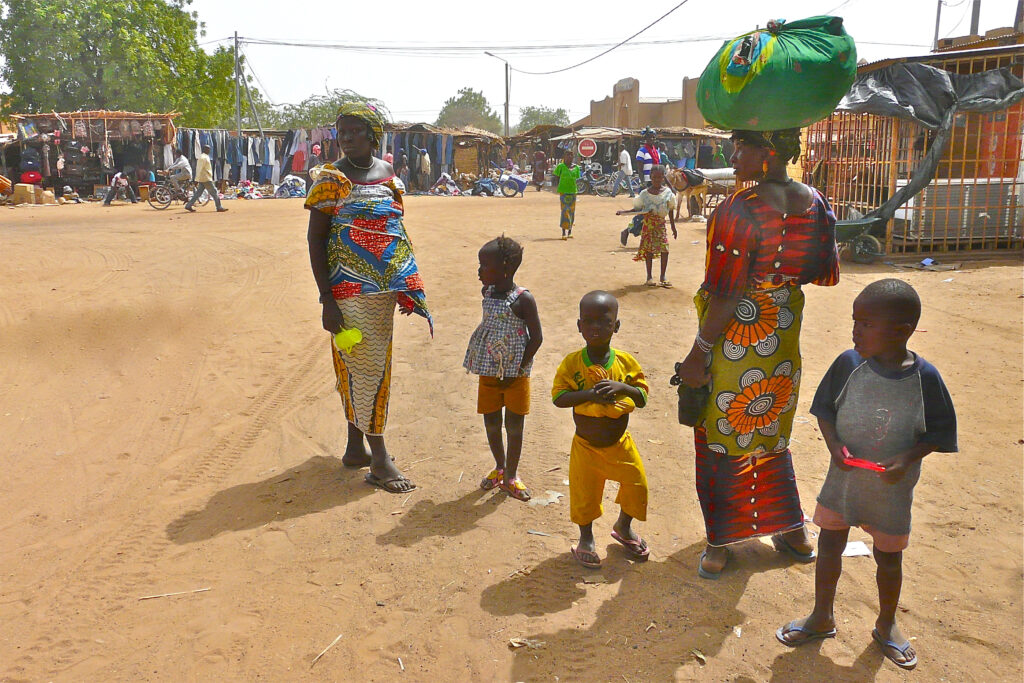
Markoye is a small town in Burkina Faso’s far north, positioned near the border with Niger and close to traditional salt-mining areas. The region has long supplied salt to Sahelian and Saharan trade networks, and mining sites around Markoye continue to operate on a modest scale. Visitors who arrange guided excursions can observe how salt is extracted from shallow pans, processed, and loaded for transport by trucks or caravans that connect remote settlements with larger market towns such as Dori or Gorom-Gorom. These activities reflect long-standing economic patterns linked to desert-edge environments.
The town also provides a view of life in the Sahel’s northern transition zone, where communities combine small-scale agriculture, pastoralism, and cross-border trade. Weekly markets draw herders and traders from both Burkina Faso and Niger, creating opportunities to see livestock exchange, grain sales, and the circulation of goods from across the region. Access to Markoye is typically by road from Gorom-Gorom or Dori
Arli National Park & Pama Reserve
Arli National Park sits in southeastern Burkina Faso and forms part of a larger transboundary ecosystem shared with Benin and Niger. The park includes savanna, gallery forests, and seasonal water points that attract elephants, antelope species, primates, and a wide range of birds. Wildlife viewing varies by season, with the dry months generally offering the best chance to see animals near remaining water sources. Access to Arli depends on road conditions, which can change significantly after the rains, and most visitors enter with guides who understand current routes and viewing areas.
North of Arli, the Pama Reserve protects a mixture of savanna and wetland habitats. The reserve serves as a buffer zone for wildlife movement and offers opportunities for birdwatching and nature walks when conditions permit. Visits to both Arli and Pama are usually arranged from nearby towns such as Diapaga or from lodges that operate within the protected area network.
Travel Tips for Burkina Faso
Travel Insurance & Safety
Comprehensive travel insurance is essential when visiting Burkina Faso. Your policy should include medical and evacuation coverage, as healthcare facilities outside major cities are limited and long distances separate many towns. Insurance that covers unexpected travel disruptions or emergency assistance provides additional peace of mind for those exploring remote regions or crossing borders overland.
Conditions in Burkina Faso can change rapidly, so it’s important to check up-to-date travel advisories before and during your trip. A yellow fever vaccination is required for entry, and malaria prophylaxis is strongly recommended. Use bottled or filtered water for drinking, and take care with food hygiene, particularly in rural areas. Basic supplies and healthcare are available in cities like Ouagadougou and Bobo-Dioulasso, but resources diminish outside urban centers. Carry insect repellent, sunscreen, and a small medical kit if traveling long distances.
Transportation & Driving
Buses and shared taxis are the primary modes of transport, linking major cities and towns across the country. Roads are generally better in the southern regions, while the Sahelian north has more challenging conditions, especially during the rainy season. Domestic flights are limited, so most long-distance travel is done overland.
Driving in Burkina Faso is on the right-hand side of the road. While main routes between larger towns are paved, many rural roads remain unpaved and are best navigated with a 4×4 vehicle. An International Driving Permit is required for foreign drivers and must be carried alongside your national license. Police and security checkpoints are common along main routes – stay calm, keep your documents ready, and allow extra time for inspections when planning longer journeys.

Published January 03, 2026 • 14m to read