

Often overlooked by mainstream tourism, Bangladesh is South Asia’s hidden treasure – a country of lush rivers, ancient monuments, vibrant markets, and friendly people. It is home to the world’s longest natural sea beach, the largest mangrove forest, centuries-old Buddhist and Islamic architecture, and tea-covered hills that stretch to the horizon.
Travel here isn’t about luxury; it’s about authenticity. Whether you’re navigating bustling Dhaka on a rickshaw, sipping tea in Sylhet, or watching the sun rise over Kuakata Beach, Bangladesh rewards curiosity with unforgettable experiences.
Best Cities in Bangladesh
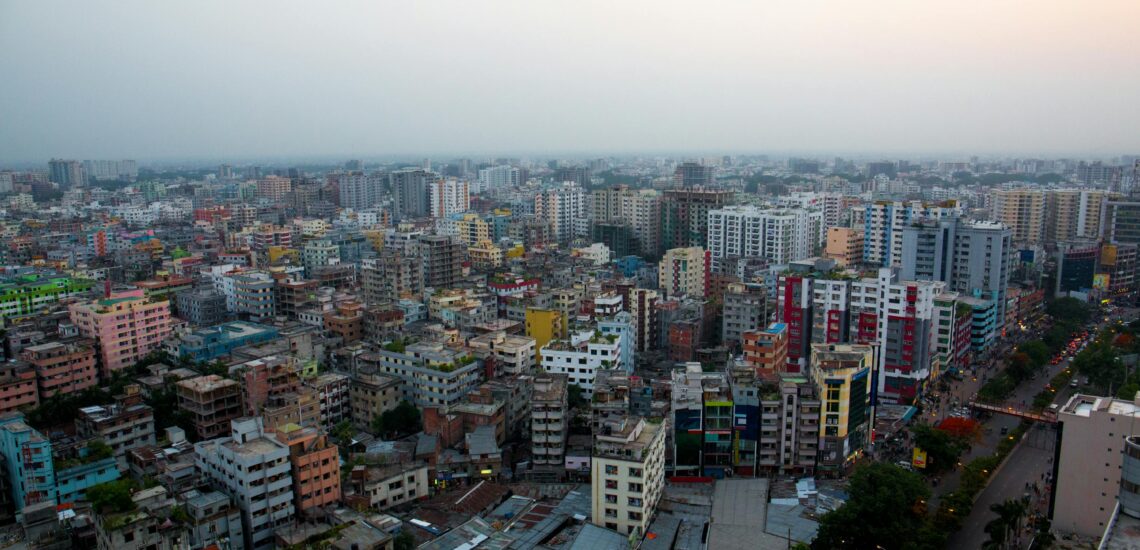
Dhaka
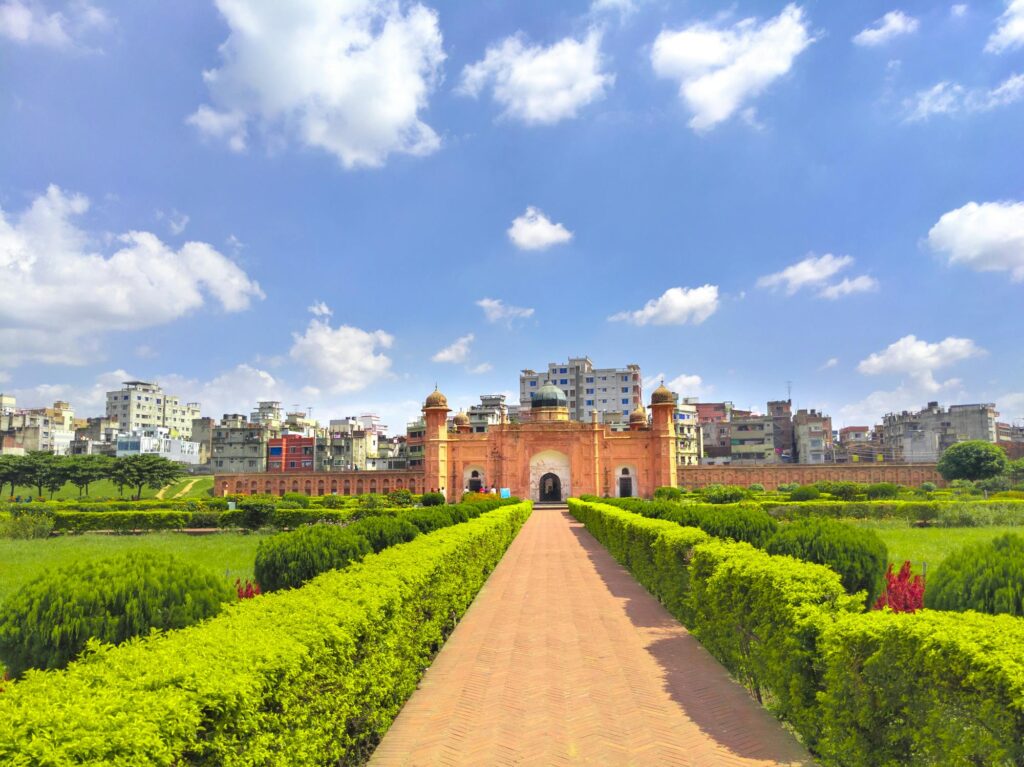
Visit Dhaka for its mix of Mughal and colonial landmarks, vibrant markets, and authentic Bangladeshi food. Key sights include Lalbagh Fort with its peaceful gardens, Ahsan Manzil (Pink Palace) on the Buriganga River, the mosaic-covered Star Mosque, and the historic Shankhari Bazar, a narrow street full of traditional shops and culture. A rickshaw ride through Old Dhaka lets you experience spice markets, old architecture, and street food – Haji’s biryani is a must-try.
The best time to visit is during the dry season, November to February, when the weather is cooler and more comfortable. Dhaka is reached via Hazrat Shahjalal International Airport, and from there you can get around by taxi, bus, or rickshaw. A boat ride on the Buriganga River offers a unique view of the city’s daily life.
Chattogram (Chittagong)
Chattogram, Bangladesh’s main seaport, is worth visiting for its beaches, cultural sites, and as a base for exploring the Chittagong Hill Tracts. Patenga Beach is popular for sunsets by the Bay of Bengal, while Foy’s Lake offers boating in a scenic setting. The Ethnological Museum gives an overview of tribal communities, and a boat ride on the Karnaphuli River shows the city’s busy port life.
The city is best visited in the dry months from November to February. It is connected by air through Shah Amanat International Airport and by train and road from Dhaka. From here, travelers often continue to the Chittagong Hill Tracts for trekking and village visits in one of Bangladesh’s most beautiful regions.
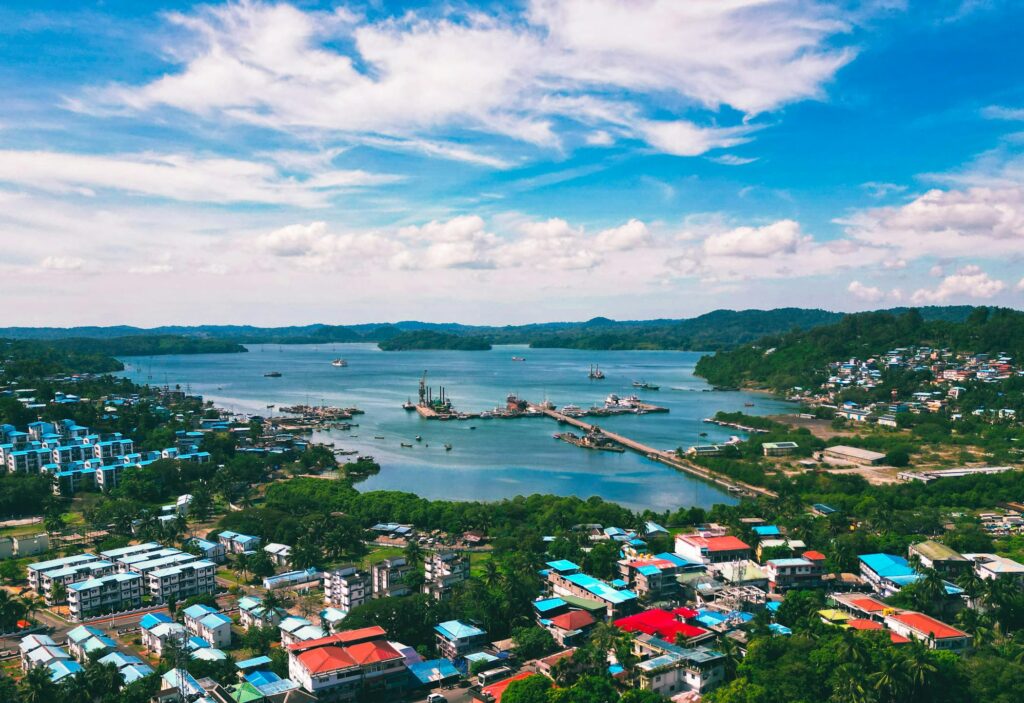
Sylhet
Sylhet is known for its tea estates, green hills, and spiritual landmarks. Travelers come to see Jaflong on the India-Bangladesh border, famous for river views and stone collection, and to explore the Ratargul Swamp Forest by boat, one of the few freshwater swamps in the country. The Hazrat Shah Jalal Mazar Sharif is an important Sufi shrine visited by pilgrims and tourists alike. Tea lovers can tour plantations such as Lakkatura and Malnichhara, among the oldest in South Asia.
The best time to visit is from October to March, when the weather is cool and the tea gardens are at their most scenic. Sylhet is accessible by domestic flights from Dhaka, as well as by train and bus. Within the region, rickshaws and hired cars are the easiest ways to explore the hills and plantations.
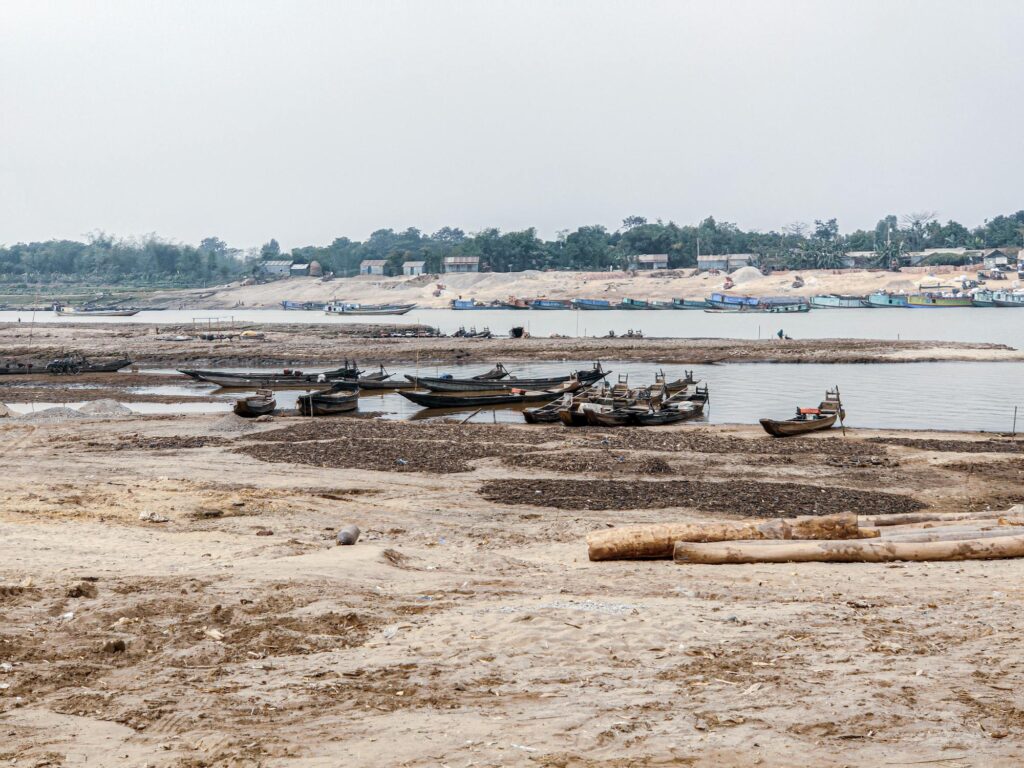
Rajshahi
Rajshahi, set along the Padma River, is known for its calm atmosphere and cultural heritage. The Puthia Temple Complex, with its beautifully decorated Hindu temples, stands out as the main attraction in a peaceful rural setting. The Varendra Research Museum displays ancient Bengal artifacts, giving insight into the region’s long history. In summer (May–July), the city is famous for its mango orchards, drawing visitors during harvest season.
The best months for sightseeing are November to February, when the climate is cooler, but mango season adds a special reason to visit in early summer. Rajshahi is connected to Dhaka by flights, trains, and buses, making it easy to reach for a short stay or a cultural stop on a longer journey through Bangladesh.
Best Historical & Religious Sites
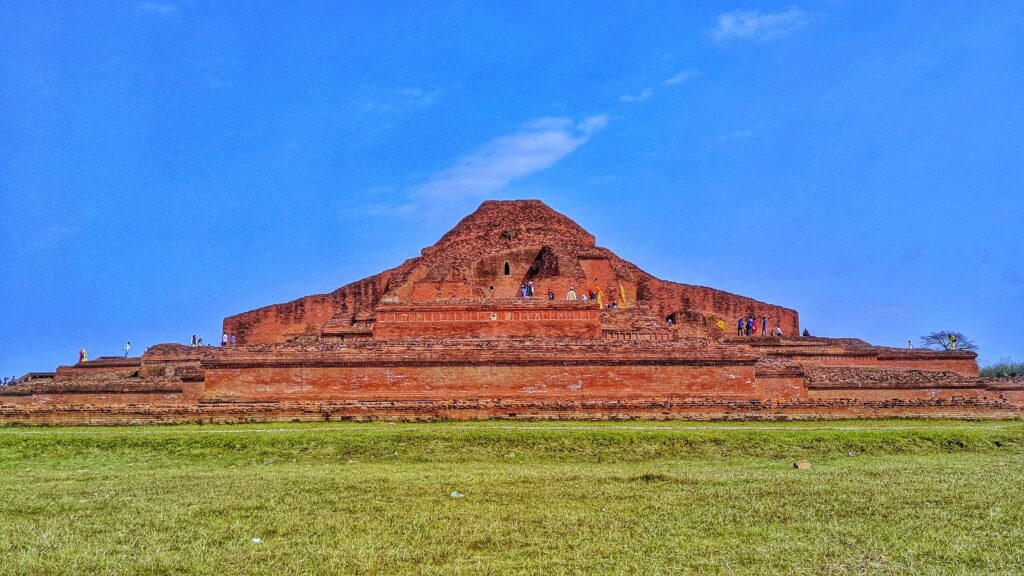
Somapura Mahavihara (Paharpur)
Somapura Mahavihara, in Naogaon District, is one of South Asia’s largest and most important Buddhist monasteries, dating back to the 8th century. Recognized as a UNESCO World Heritage Site, its vast ruins feature terracotta ornamentation and the remains of a central shrine, offering a glimpse into the architectural and cultural achievements of ancient Bengal.
The site is best visited from November to February when the weather is cooler for exploring. It is about 280 km from Dhaka and can be reached by road via Bogra or by train to nearby stations, followed by a short drive.
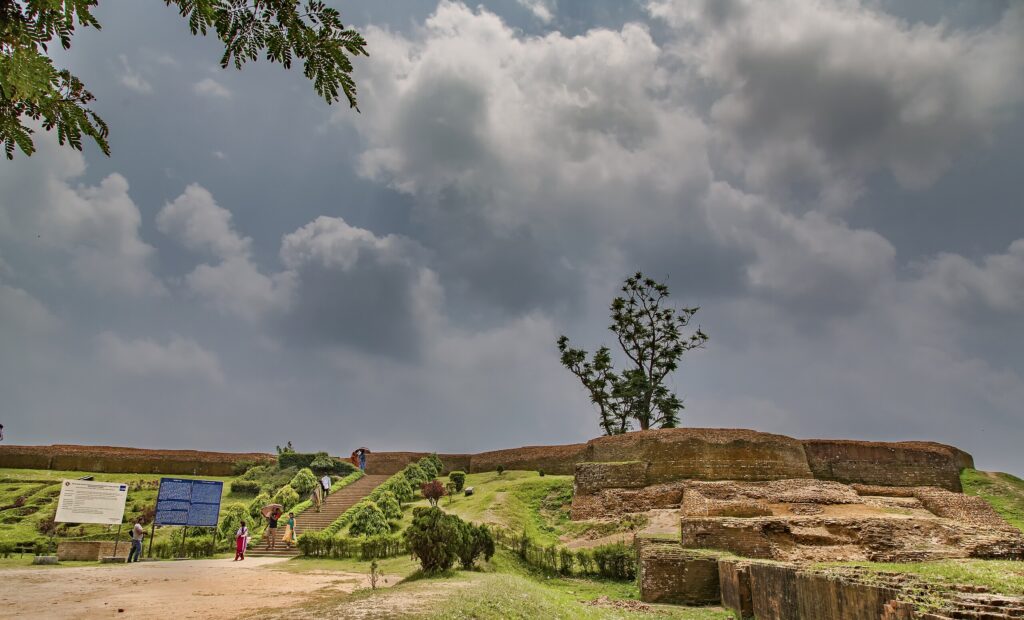
Mahasthangarh
Mahasthangarh, near Bogra, is the oldest archaeological site in Bangladesh, dating back to the 3rd century BCE. The ruins include the remains of an ancient city and citadel, with fort walls, gateways, and mounds that reveal the region’s long urban history. Small on-site museums display artifacts such as coins, pottery, and inscriptions, helping visitors imagine the city’s importance in ancient Bengal.
The best time to visit is during the cooler season, November to February. Mahasthangarh is about 200 km north of Dhaka and can be reached by road in 4–5 hours or by train to Bogra followed by a short drive.
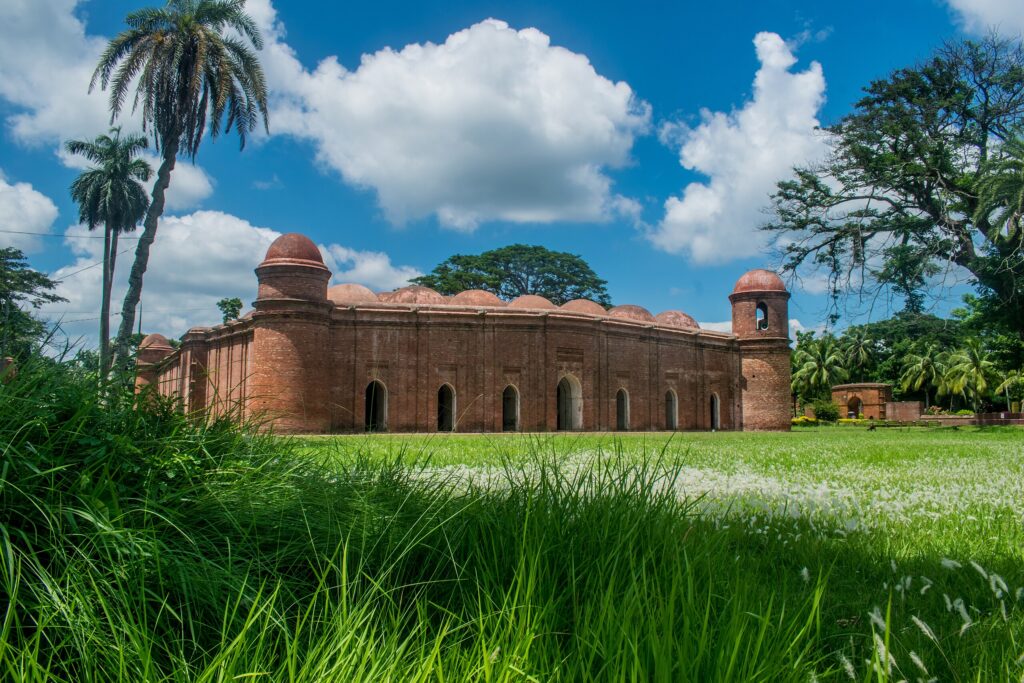
Sixty Dome Mosque (Shat Gombuj Masjid), Bagerhat
The Sixty Dome Mosque, built in the 15th century by Khan Jahan Ali, is the largest surviving mosque from medieval Bengal and a UNESCO World Heritage Site. Despite its name, the structure features more than sixty domes, supported by rows of stone pillars, making it an architectural masterpiece of the Sultanate era. Nearby, other monuments such as Khan Jahan Ali’s shrine add to Bagerhat’s historical significance.
The best time to visit is from November to February, when the weather is mild for sightseeing. Bagerhat is about 40 km from Khulna, which is well connected by road, train, and river routes from Dhaka. From Khulna, local transport such as buses, autos, or hired cars make the mosque easily accessible.
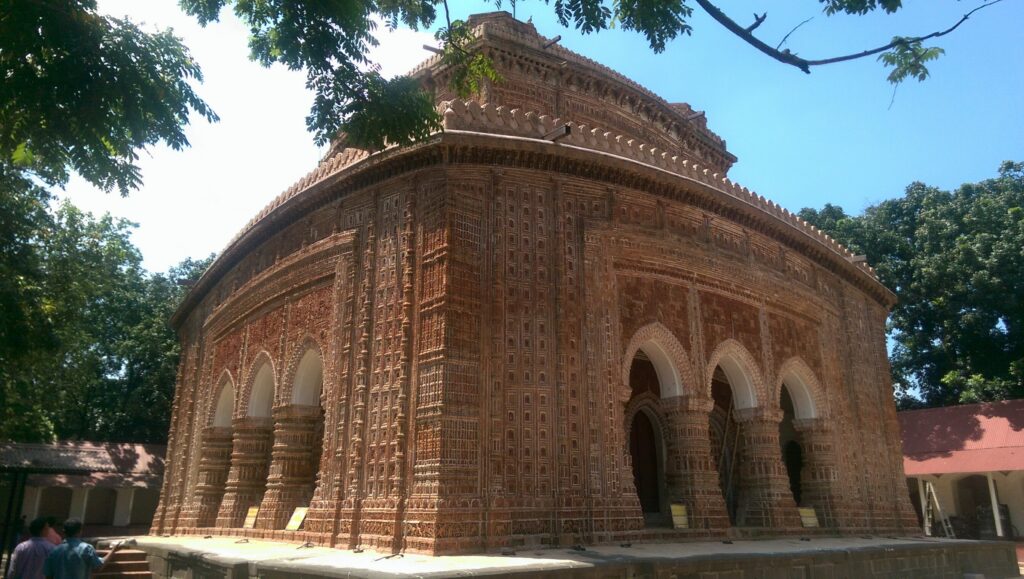
Kantaji Temple (Dinajpur)
Kantaji Temple, built in the 18th century, is one of the finest examples of terracotta art in Bangladesh. Every inch of its walls is covered with detailed panels depicting scenes from Hindu epics, daily life, and floral designs, making it a masterpiece of Bengal’s temple architecture. The temple remains an active place of worship and a cultural highlight for visitors to Dinajpur.
The best time to visit is between November and February, when the cooler weather makes exploring more comfortable. Dinajpur can be reached by road or train from Dhaka (around 8–9 hours), and from the city center, rickshaws or local transport can take you to the temple site.
Best Natural Attractions in Bangladesh
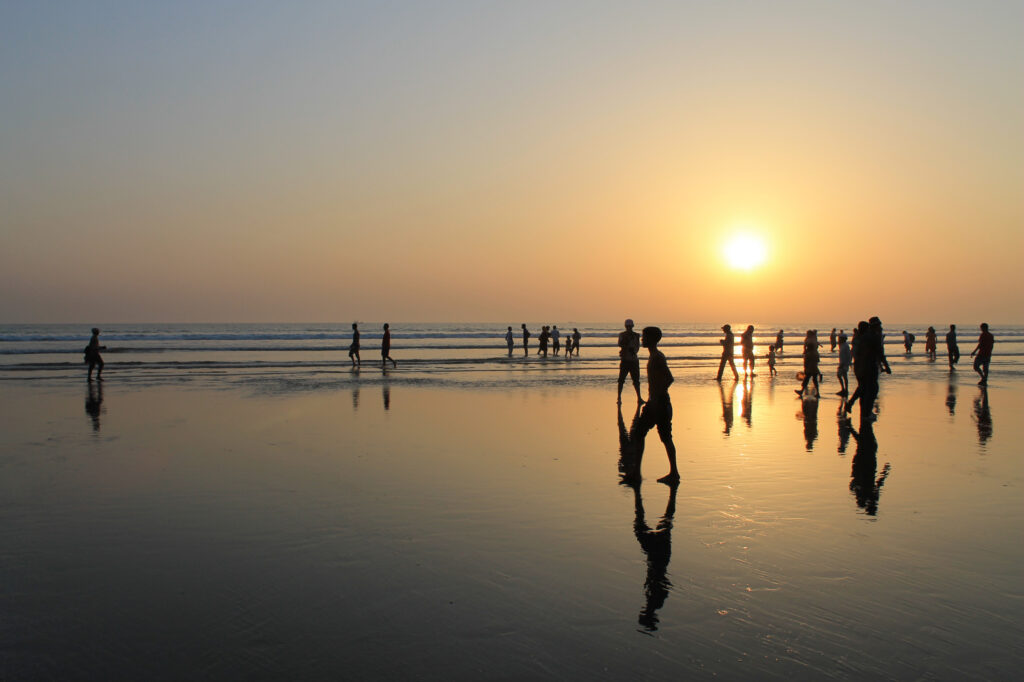
Cox’s Bazar
Cox’s Bazar, home to the world’s longest natural sea beach stretching over 120 km, is the top destination in Bangladesh for beach lovers. Visitors can relax on the sandy shore, explore Himchari with its waterfalls and hills, or walk along Inani Beach, known for its coral stones. The scenic Marine Drive between Cox’s Bazar and Teknaf offers breathtaking coastal views.
The best season is November to March, when the weather is dry and pleasant. Cox’s Bazar is connected to Dhaka by air (a one-hour flight) as well as long-distance buses. Local transport such as tuk-tuks and hired cars make it easy to reach nearby beaches and viewpoints.
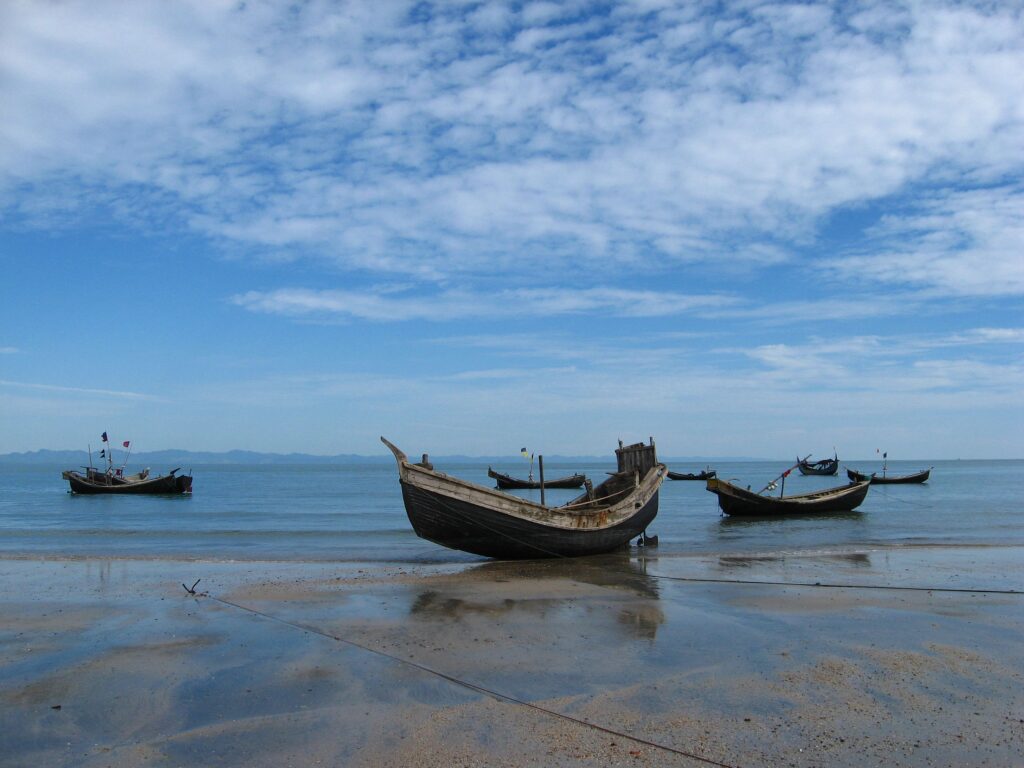
Saint Martin’s Island
Saint Martin’s Island, the only coral island in Bangladesh, is a favorite for snorkeling, fresh seafood, and relaxing on quiet beaches. Its crystal-clear waters and laid-back atmosphere make it a peaceful alternative to the busy mainland coast. Sunset views from the beach and boat rides around the island are highlights for visitors.
The best time to go is from November to February, when seas are calm and ferry services operate regularly. Boats to the island depart from Teknaf, which can be reached by bus from Cox’s Bazar or Dhaka. Once on the island, most places are within walking distance, making it easy to explore on foot or by bicycle.
Sundarbans Mangrove Forest
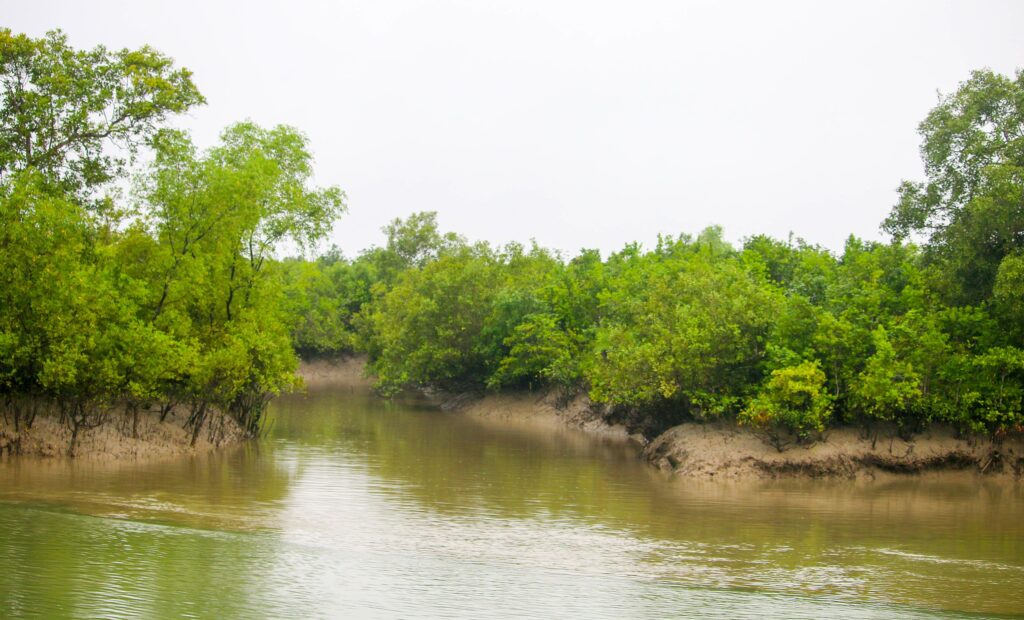
The Sundarbans, the world’s largest tidal mangrove forest and a UNESCO World Heritage Site, is the best place in Bangladesh to experience unique wildlife. Boat safaris take visitors through winding rivers and canals, with chances to spot crocodiles, spotted deer, monkeys, and colorful bird species. Although rarely seen, the Royal Bengal Tiger remains the forest’s most famous resident. Popular entry points include the eco-centers at Karamjol and Harbaria, which serve as gateways for exploration.
The best time to visit is from November to February, when the weather is cooler and the waters calmer for boat trips. The Sundarbans are usually accessed from Khulna or Mongla by organized tours and launches, as independent travel inside the reserve is restricted.
Bandarban (Chittagong Hill Tracts)
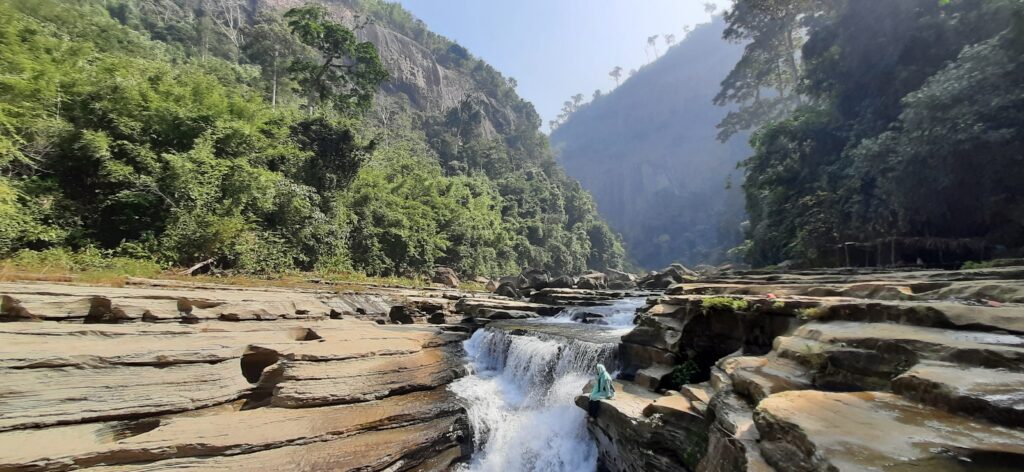
Bandarban is one of Bangladesh’s most scenic hill regions, known for trekking, cultural diversity, and panoramic views. Top highlights include Nilgiri and Nilachal viewpoints, which offer Himalayan-like vistas, Boga Lake – a serene crater lake high in the hills – and Chimbuk Hill, a popular trekking route. The Golden Temple (Buddha Dhatu Jadi) adds a spiritual dimension with its striking hilltop setting. Visitors also have the chance to meet indigenous communities such as the Marma, Tripura, and Chakma, who preserve unique traditions and lifestyles.
The best time to visit is from November to March, when the weather is cool and dry for trekking. Bandarban is reached by road from Chattogram (around 4–5 hours), with local jeeps, minibuses, and guides available to access the hilltop viewpoints and villages.
Rangamati
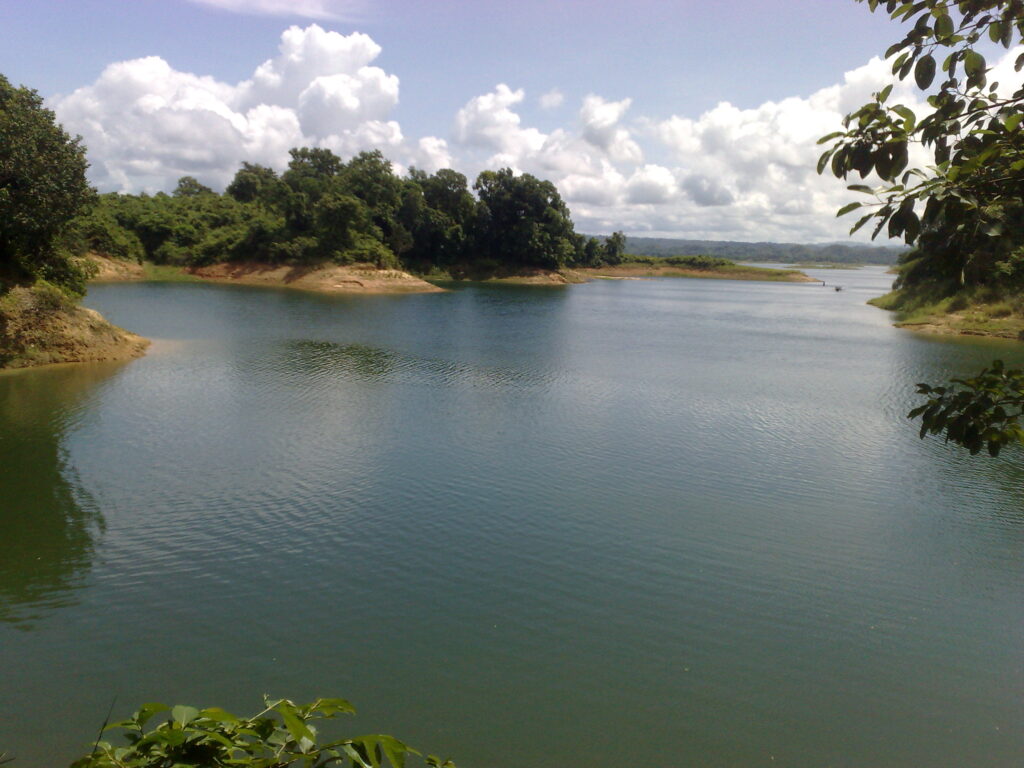
Rangamati is famous for Kaptai Lake, a vast emerald reservoir surrounded by hills and dotted with islands. A boat trip on the lake is the best way to visit tribal villages, floating markets, and small islands with Buddhist pagodas. The town is also known for its colorful handicrafts, especially woven textiles made by indigenous communities.
The best season is November to March, when the water is calm and the weather is pleasant. Rangamati is about a 3–4 hour drive from Chattogram, and local boats and guides are easily available to explore the lake and nearby villages.
Hidden Gems
Barisal’s Floating Guava Market
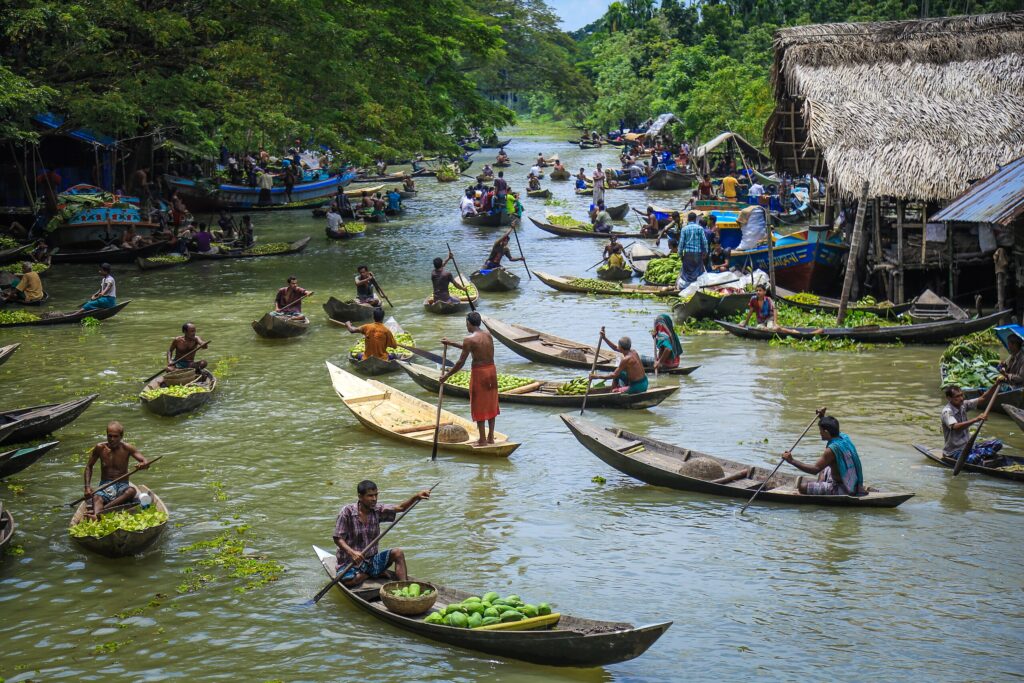
Barisal’s Floating Guava Market is one of Bangladesh’s most colorful river experiences, where hundreds of boats packed with guavas gather on the canals during harvest season. Beyond buying fruit, visitors can enjoy the unique sight of farmers trading directly on the water and explore nearby villages and orchards.
The market is best visited from July to September, when guavas are in season. Barisal is reachable by launch (overnight ferry) or flight from Dhaka, and from the city, local boats take travelers into the backwaters to reach the market.
Tanguar Haor (Sunamganj)
Tanguar Haor is a vast wetland ecosystem, famous for migratory birds, seasonal floods, and tranquil boat rides across its open waters. In winter, thousands of ducks and waterfowl gather here, while in the monsoon the area transforms into a vast inland sea dotted with fishing boats and floating villages. It’s a top spot for birdwatching, photography, and experiencing rural life in Bangladesh.
The best time to visit is during the monsoon (June–September) for scenic boat trips, or in winter (December–February) for birdwatching. Sunamganj can be reached from Sylhet by road in about 3–4 hours, with local boats available to explore the haor.
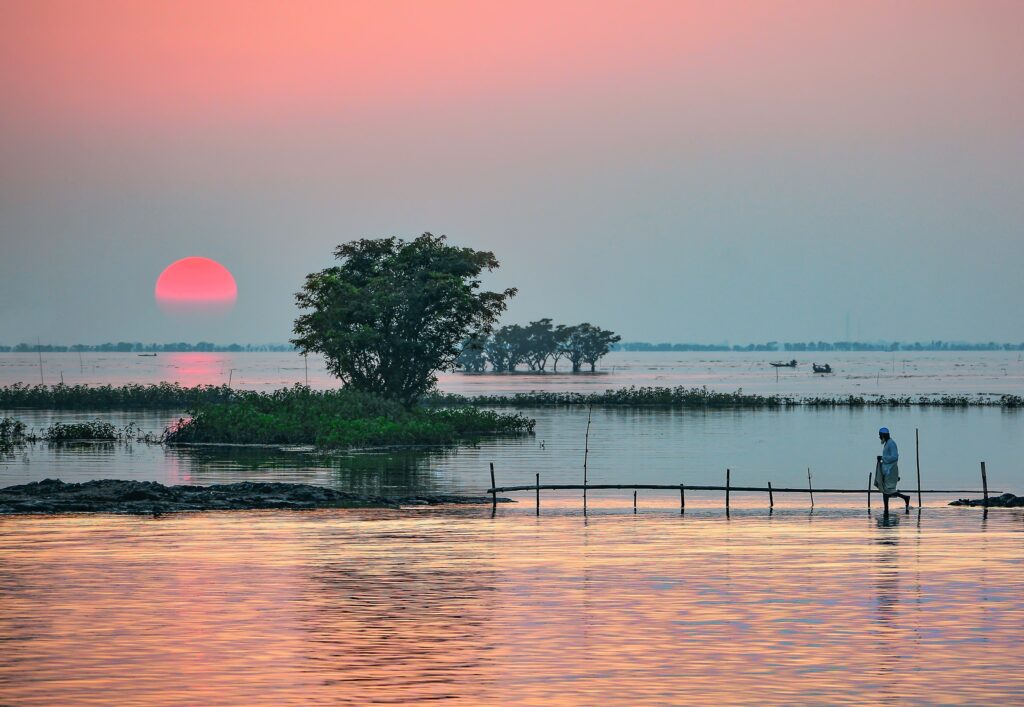
Kuakata
Kuakata, on the southern coast of Bangladesh, is one of the few places in the world where you can watch both sunrise and sunset over the sea. The wide sandy beach stretches for kilometers, offering peaceful walks, fishing village visits, and fresh seafood. Buddhist temples and nearby forests add cultural and natural variety to a beach stay.
The best time to visit is from November to March, when the sea is calm and the weather pleasant. Kuakata is about 6–7 hours by road from Barisal, which itself is connected to Dhaka by flight or overnight launch. Local buses and rented motorbikes are common ways to get around the area.
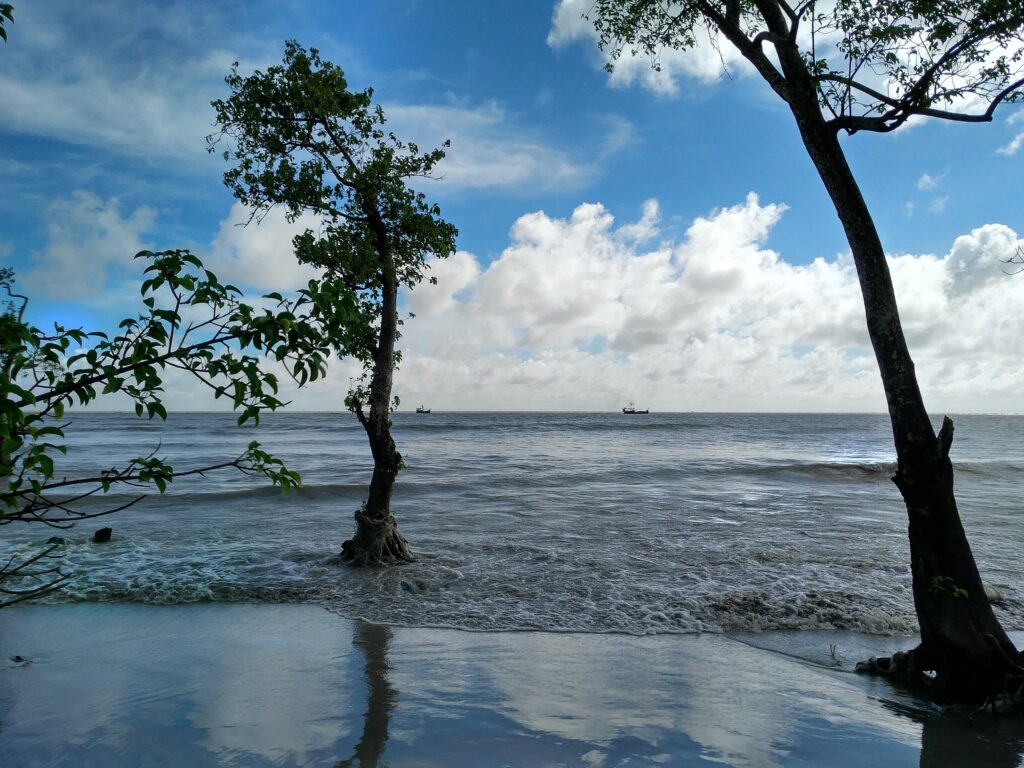
Sajek Valley
Sajek Valley, in the Rangamati Hill Tracts, is a hilltop village known for its sweeping views and cloud-covered landscapes. Popular for photography and slow travel, the valley offers homestays, simple resorts, and a chance to enjoy sunrise and sunset above the clouds. Local communities like the Chakma and Marma add cultural richness to the visit.
The best time to go is from October to March for clear skies and cool weather. Sajek is reached from Khagrachhari town (about 2 hours by jeep), which is accessible by road from Dhaka or Chattogram. Jeeps are the main way to travel up the winding mountain road into the valley.
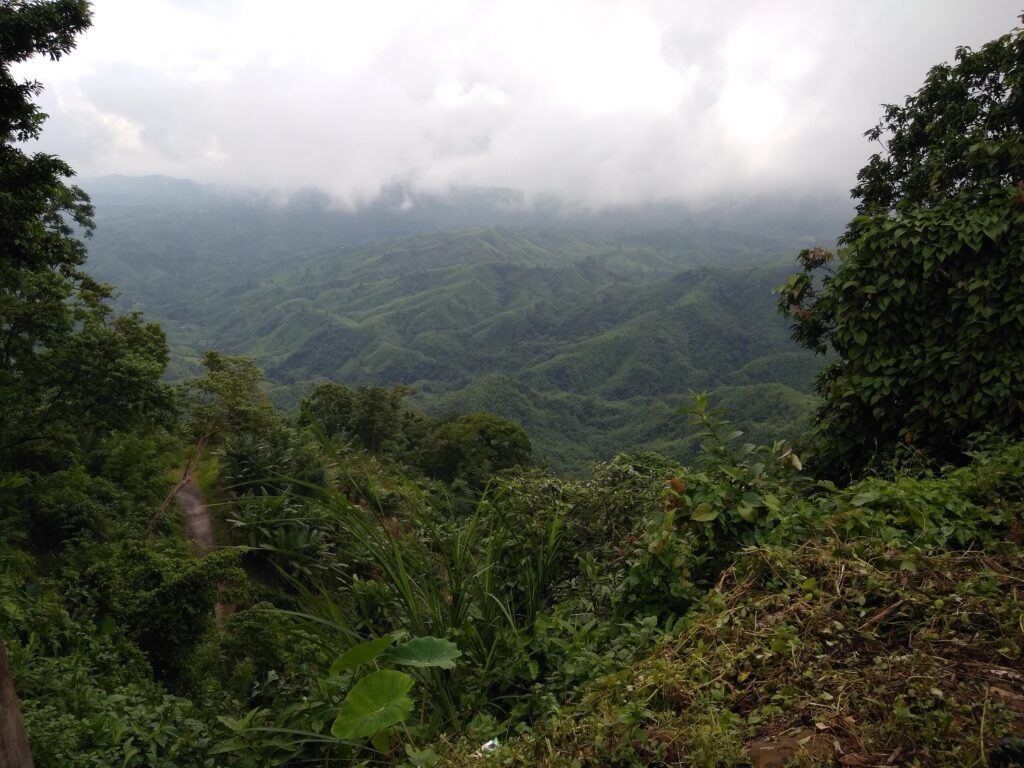
Food & Culture
Bangladesh is a land where every meal is a celebration. Staples include rice and fish, but each region has its own specialties:
- Hilsa fish curry (Ilish Bhuna) – National dish.
- Beef Tehari – Spiced rice with beef.
- Shorshe Ilish – Hilsa cooked in mustard sauce.
- Panta Ilish – Fermented rice with fried fish, eaten during New Year (Pohela Boishakh).
- Pitha (rice cakes) and mishti (sweets) like roshogolla and chomchom.
Festivals such as Pohela Boishakh bring the streets alive with music, dance, and traditional crafts like nakshi kantha embroidery.
Travel Tips
Entry & Visa
Bangladesh offers convenient entry options for international visitors. Many nationalities can apply online for an eVisa, while citizens of select countries are eligible for a visa on arrival at Dhaka airport. It’s best to check requirements in advance to avoid delays and ensure a smooth arrival.
Transport
Getting around Bangladesh is an adventure in itself. For long distances, domestic flights are the quickest option, especially when connecting Dhaka with Chittagong, Sylhet, or Cox’s Bazar. The country also has an extensive network of buses and trains, linking all major cities and towns. Within urban areas, short rides are often covered by rickshaws or CNG-powered auto-rickshaws, which are affordable and part of the everyday local experience. If renting a car, travelers should note that an International Driving Permit (IDP) is required, though most prefer hiring a driver due to busy road conditions.
Language & Currency
The official language is Bangla (Bengali), spoken widely across the country. However, English is commonly understood in tourism-related services, hotels, and among younger generations in cities. The local currency is the Bangladeshi Taka (BDT). ATMs are widely available in cities, but carrying cash is essential when traveling to rural areas or using local markets.

Published August 17, 2025 • 12m to read